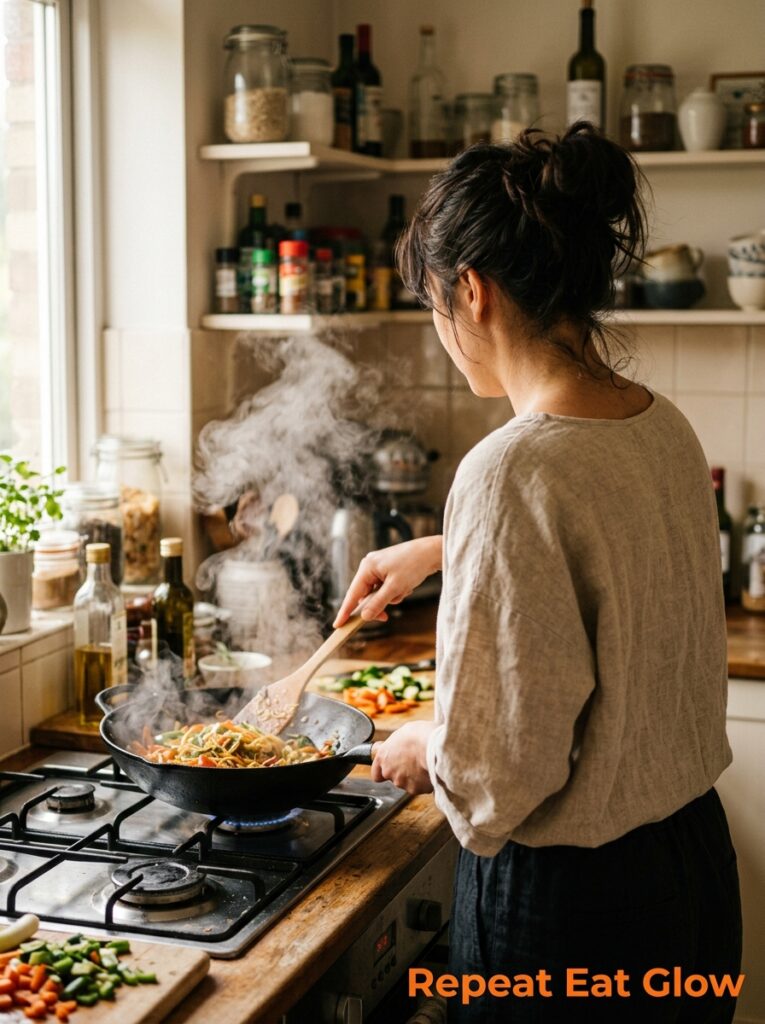
You know that moment when you’re standing in the kitchen at 6:15pm, completely blank, staring into the fridge like it owes you money? Yeah. This recipe is for that exact moment. Fifteen minutes, one pan, and you’ll wonder why you ever paid £12 for delivery.
—
1. Why Most Chicken Stir Frys Go Wrong Before the Pan Even Heats Up
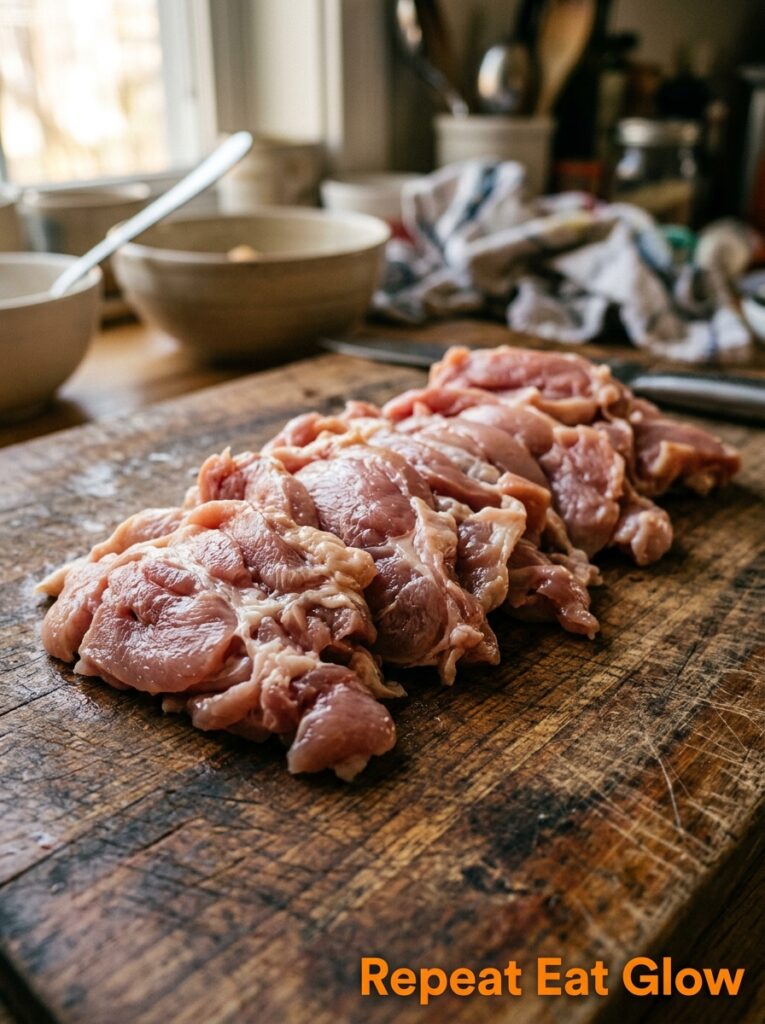
Here’s the thing nobody tells you: the actual cooking is the easy part. What kills a stir fry is everything that happens before the heat goes on. People skip the marinade. They don’t dry their chicken properly. They add too much to the pan and then wonder why everything’s steamed and grey instead of golden and caramelized.
The chicken needs a MINUTE. Not an hour, not overnight — literally ten minutes in a simple marinade makes an enormous difference. Soy sauce, a little sesame oil, a pinch of cornstarch. That’s it. The cornstarch is the secret most home cooks don’t know about. It creates this thin coating that holds onto the sauce later, and it gives the chicken that slightly-glossy, restaurant-quality finish that you can never quite figure out when you’re eating pad thai at 11pm.
Dry your chicken. Pat it with paper towels before it goes in the marinade. Moisture is the enemy of good browning, and browning is the enemy of sad, tasteless stir fry. These two minutes of prep will do more than any fancy sauce ever could.
“The pan has to be hot enough to make you nervous. That’s how you know it’s ready.”
—
2. The Exact Cut of Chicken You Should Be Using (And It’s Not Breast)
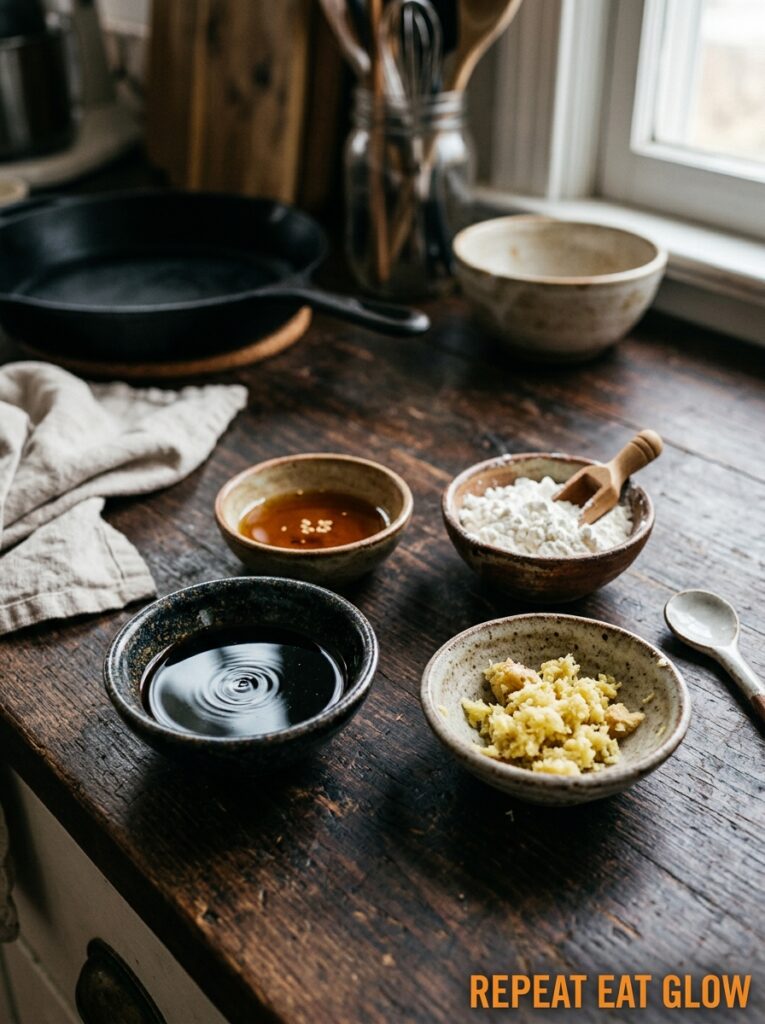
Okay, controversial opinion incoming. Chicken thighs. Always thighs.
I know, I know — breast is leaner, breast is “healthier,” breast is what everyone defaults to. But in a stir fry cooked over high heat, breast meat dries out so fast it’s almost impressive. Thighs have just enough fat in them to survive the heat without turning into little rubber erasers. They stay juicy. They take on flavour better. And honestly? They’re cheaper, which is sort of the whole point when you’re making a quick weeknight dinner instead of ordering in.
Cut them thin. Against the grain, about half an inch wide. If you can partially freeze the chicken for twenty minutes first, the knife goes through so cleanly it actually feels satisfying, and you’ll get much more even slices than if you’re hacking through floppy raw meat. Side note — this trick works for beef and pork too, if you ever want to branch out. Anyway, back to the thighs. Once they’re cut, marinated, and dried, the hard part is genuinely over.
—
3. The Sauce Formula That Works Every Single Time
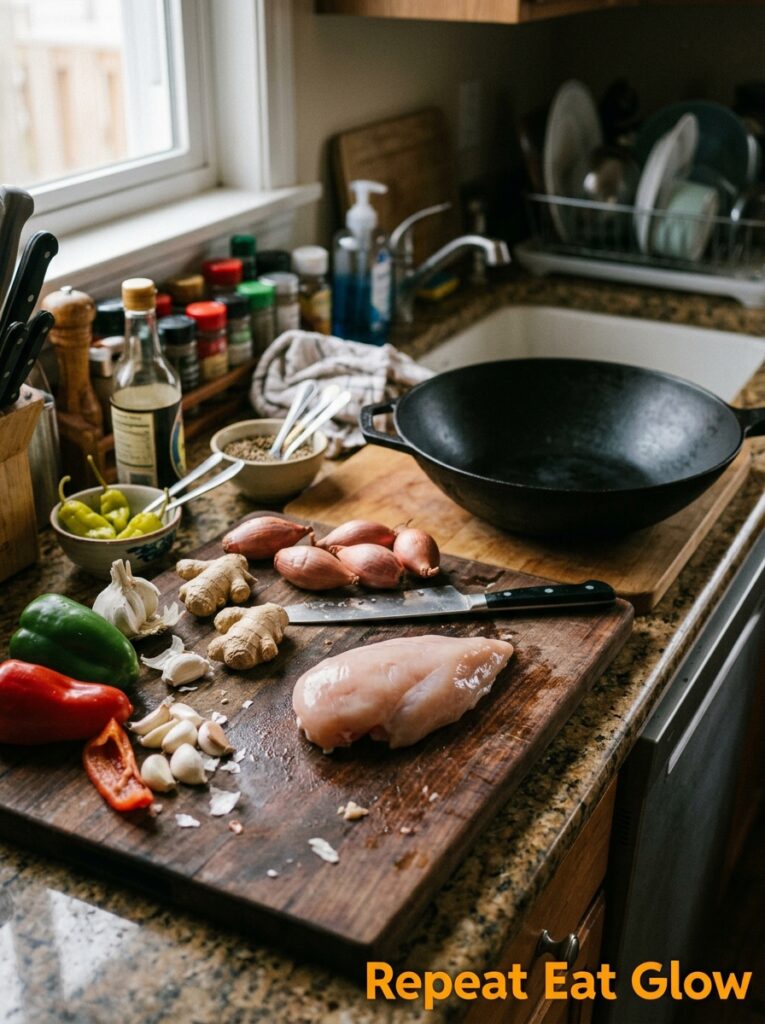
Don’t @ me for using the word “formula,” but some things just work and this is one of them. Three tablespoons of low-sodium soy sauce. One tablespoon of oyster sauce. One teaspoon of sesame oil. One teaspoon of honey or brown sugar — whichever’s closest on your counter. A tiny splash of rice vinegar for brightness. Half a teaspoon of cornstarch stirred in to thicken it up as it hits the pan.
Mix it in a small bowl before you start cooking. This is non-negotiable. If you’re measuring and pouring while the pan is blazing hot, you’re already losing. Stir fry happens FAST, and the sauce needs to be ready to go the second you need it.
Taste it before it goes in. It should be a little stronger than you want it — because it’s going to coat noodles or rice and dilute slightly. If it’s perfect straight from the bowl, it’ll be a bit bland on the plate. Adjust with more soy or a pinch more sugar. You’re the one eating it, so trust yourself here.
—
4. Vegetables That Actually Work in a Quick Stir Fry (And A Few That Really Don’t)
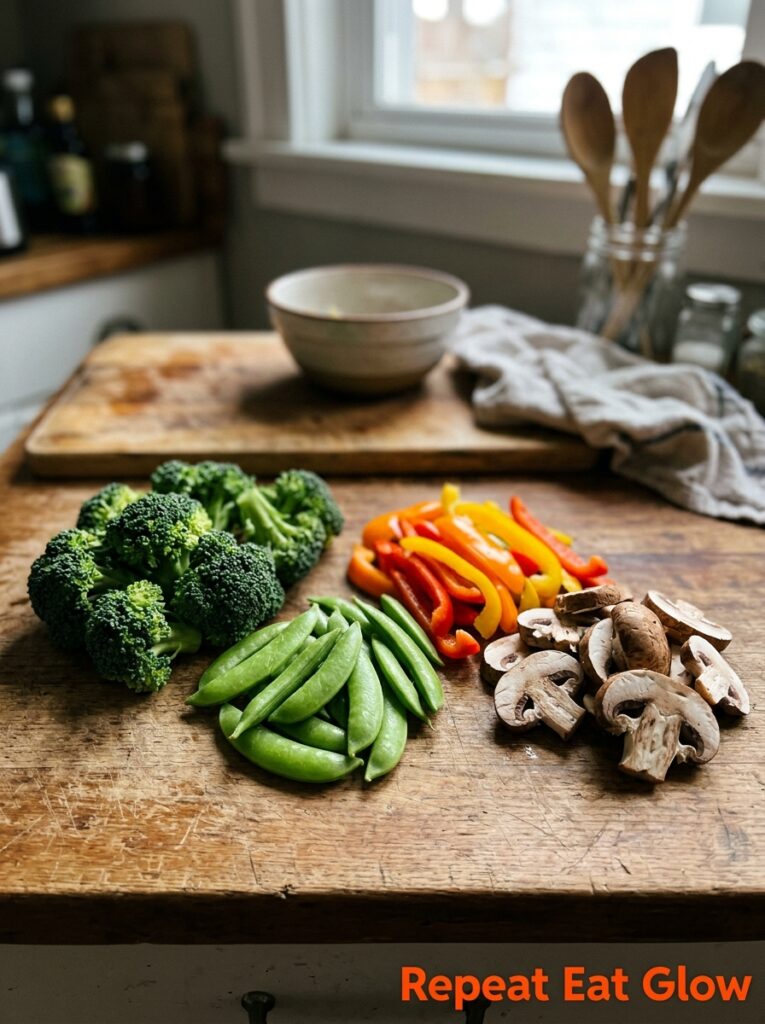
Bell peppers. Snow peas. Baby corn. Broccolini, not regular broccoli — or if it’s regular broccoli, blanch it for two minutes first or you’ll be chewing forever. Courgette works but it gets watery, so add it last. Spring onions go in at the very end. Always.
What doesn’t work? Spinach goes slimy. Regular onion takes too long to soften properly and ends up half raw. Tomatoes just kind of… disintegrate into nothing. Potatoes, obviously. I’ve seen people do it and I don’t understand it.
The key with all of it is cut size. Everything should be roughly the same thickness so it cooks in the same time. This is the thing that separates a stir fry that tastes like a restaurant from one that tastes like a confused vegetable situation. Thicker pieces mean longer cooking, longer cooking means the quick-cooking stuff goes mushy, and then you’ve got one crunchy carrot and one completely dead snow pea in the same pan. Not ideal.
“Cut everything the same size. This one rule fixes half the problems people have with stir fry.”
—
5. The Pan Question — Wok vs. Regular Skillet and What Actually Matters
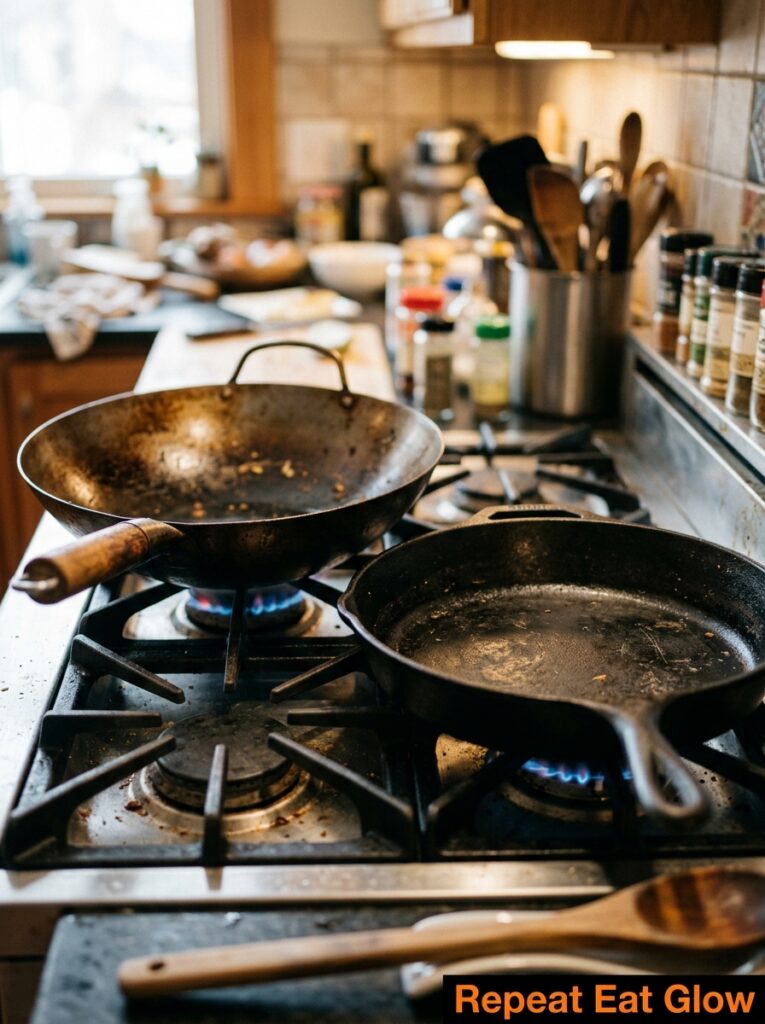
You don’t need a wok. There, I said it.
A wok is great if you have one and it’s properly seasoned and your stovetop gets hot enough to use it well. But most home stovetops, especially electric ones, don’t get anywhere near the heat that a commercial wok burner does. So your wok is just… a slightly curved pan that doesn’t sit flat properly. A wide, heavy skillet or a cast iron pan is actually going to give you more reliable results for most people, because it holds heat better and distributes it more evenly.
Whatever you use, get it genuinely, properly hot before anything goes in. Like, leave it on high for a minute and a half. Test it with a drop of water — it should skitter and evaporate almost instantly. Then add your oil. Not olive oil, by the way. The smoke point is too low. Vegetable oil, sunflower oil, or if you can find it, avocado oil. Something neutral that can take the heat without tasting acrid and wrong.
—
6. The One Thing You Should Cook First That Most Recipes Skip
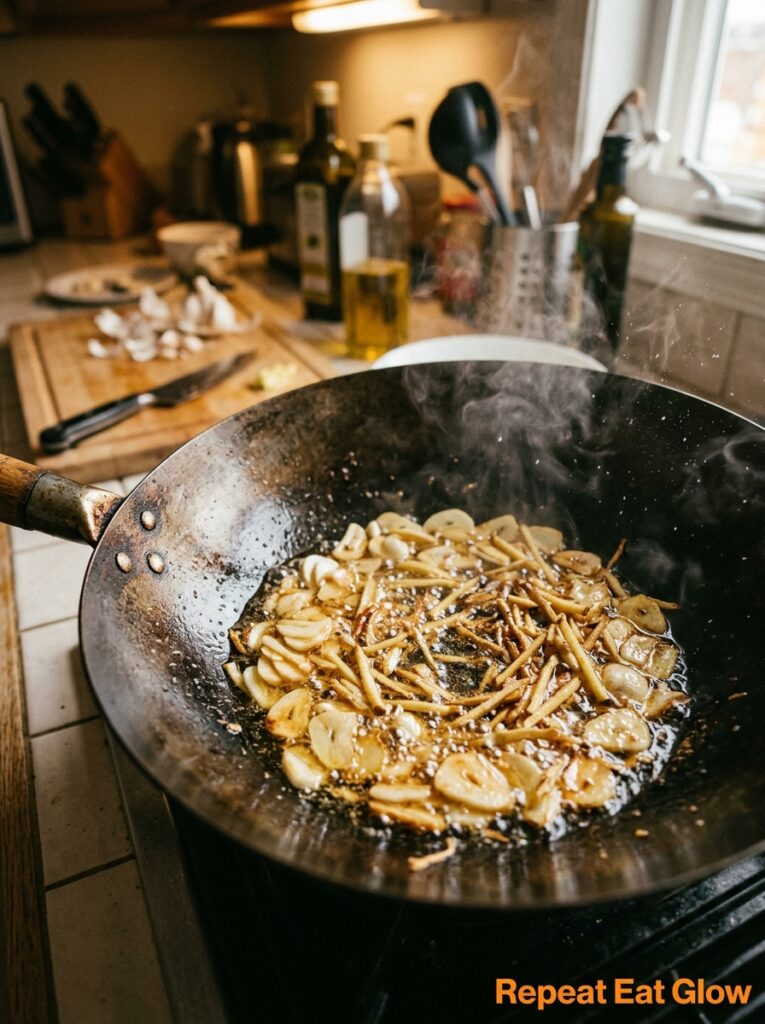
Garlic and ginger. But not how you think.
Most recipes tell you to throw them in with the vegetables, and they do go in early. But the move that actually makes this taste like something special is frying them in the oil for just thirty seconds BEFORE anything else touches the pan. Just the garlic and ginger, in the hot oil, stirring constantly. You’re not burning them — burning is bad and will make everything bitter — you’re toasting them. Blooming them, if you want to get technical.
That thirty seconds is where the flavor actually lives. The oil picks it up and carries it through everything else that goes in afterward. It’s the difference between “this tastes like soy sauce” and “what did you put in this, it’s incredible.” The answer is garlic and ginger and thirty seconds of patience, which is not a lot to ask of anyone.
Fresh ginger, by the way. Not the powder. Peel it with a spoon — seriously, a spoon, it gets into all the little curves better than a peeler — and grate it on the fine side of a box grater. About a teaspoon. Maybe a little more if you love it.
—
7. Cooking the Chicken Without Crowding the Pan (This Is The Whole Game)
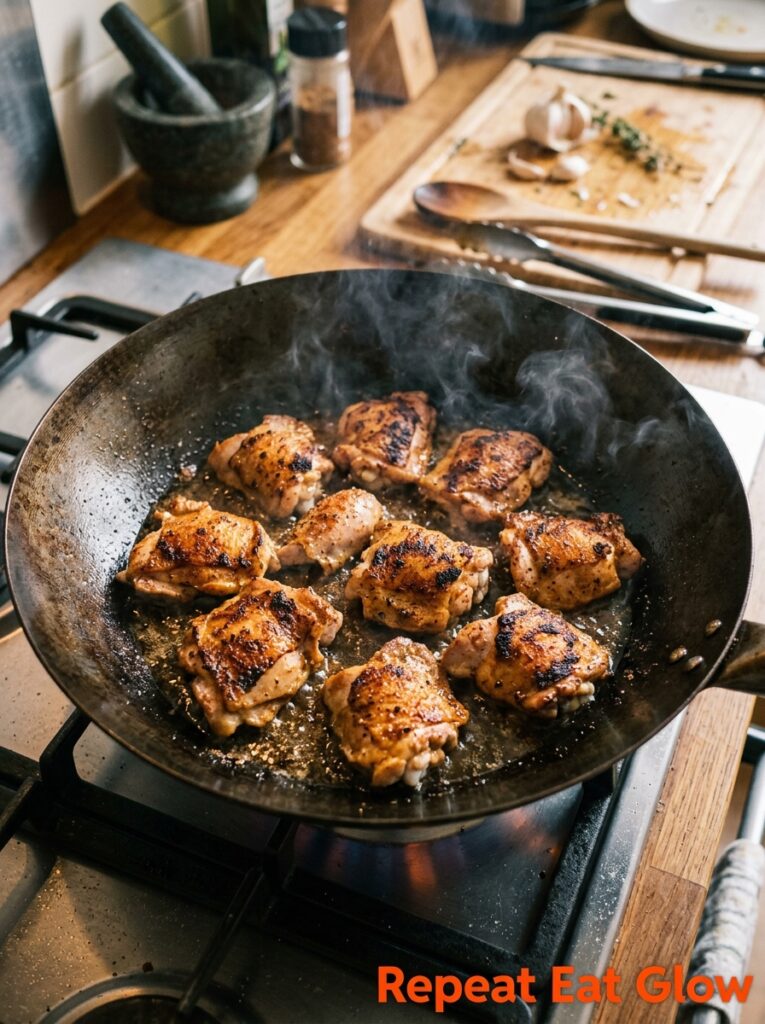
Here’s where people go wrong most often. They put all the chicken in at once, the pan temperature drops immediately, and suddenly they’re steaming chicken in its own liquid instead of searing it. The chicken goes grey. It’s fine, it’s cooked, but it has no colour and no flavour crust, and the whole thing tastes flat.
Cook the chicken in two batches if you have more than about 400 grams (that’s roughly 14 oz). Single layer. Don’t move it for a full minute. Just let it sit there and do its thing. The temptation to stir is strong, but resist it. When it releases from the pan naturally and has some colour on it, THEN you can move it. Thirty more seconds. Done. Set it aside while you cook the vegetables, and you’ll add it back at the end.
Yes, this takes an extra two minutes. But it’s the difference between chicken that tastes good and chicken that tastes great, and at 6:15pm on a Tuesday, great is worth two minutes.
“Don’t touch it. Don’t stir it. Let the pan do the work for thirty seconds.”
—
8. Getting the Vegetables To Stay Crisp When Everything Else Is Going Crazy
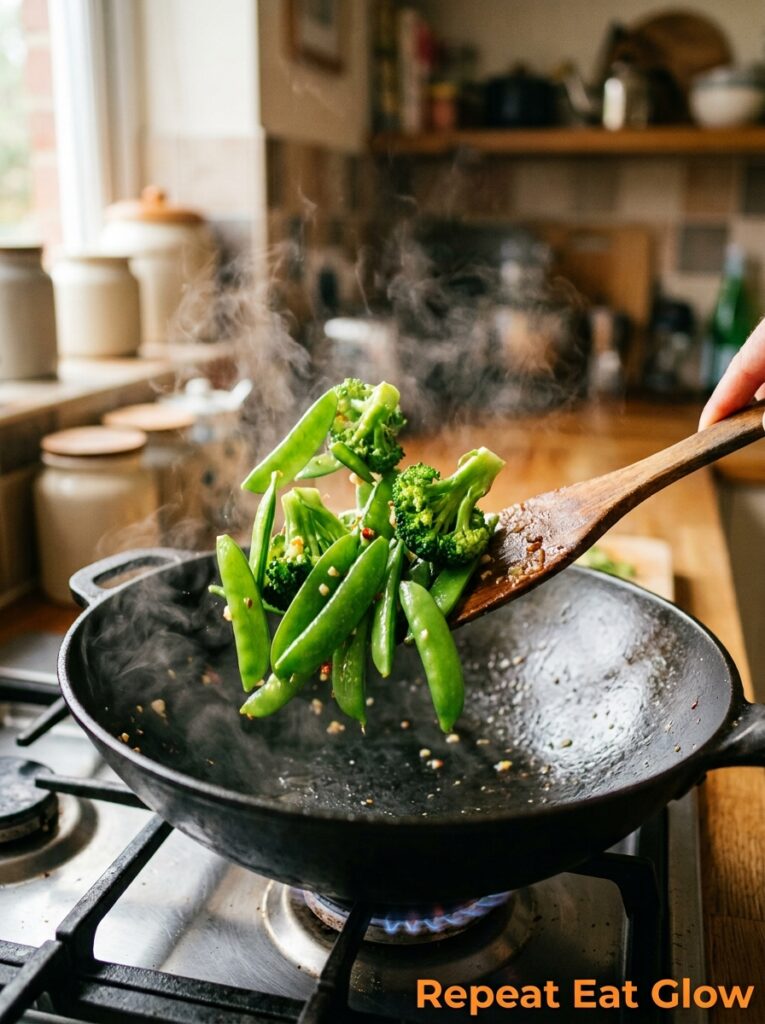
High heat. Short time. That’s the whole answer, honestly.
Add your hardest vegetables first — carrots, broccoli, anything dense. Give them about ninety seconds. Then add the medium-density ones: bell peppers, snap peas, baby corn. Another sixty seconds. Then your chicken goes back in, sauce goes over the top, and you toss everything together for thirty seconds to a minute while the sauce thickens and coats everything. Spring onions and any fresh herbs go on right before you take it off the heat.
The mistake here is adding everything and then putting a lid on. Never put a lid on a stir fry. It traps steam and you end up with soft, sad vegetables that gave up on life. Keep it uncovered, keep the heat high, keep everything moving. You can’t really walk away during those final two minutes, but that’s okay. It’s exciting. The sizzle, the smell, the way the sauce starts to cling and glaze — it’s genuinely one of the most satisfying things to cook.
—
9. The Noodle vs. Rice Debate (And the Third Option Nobody Talks About)
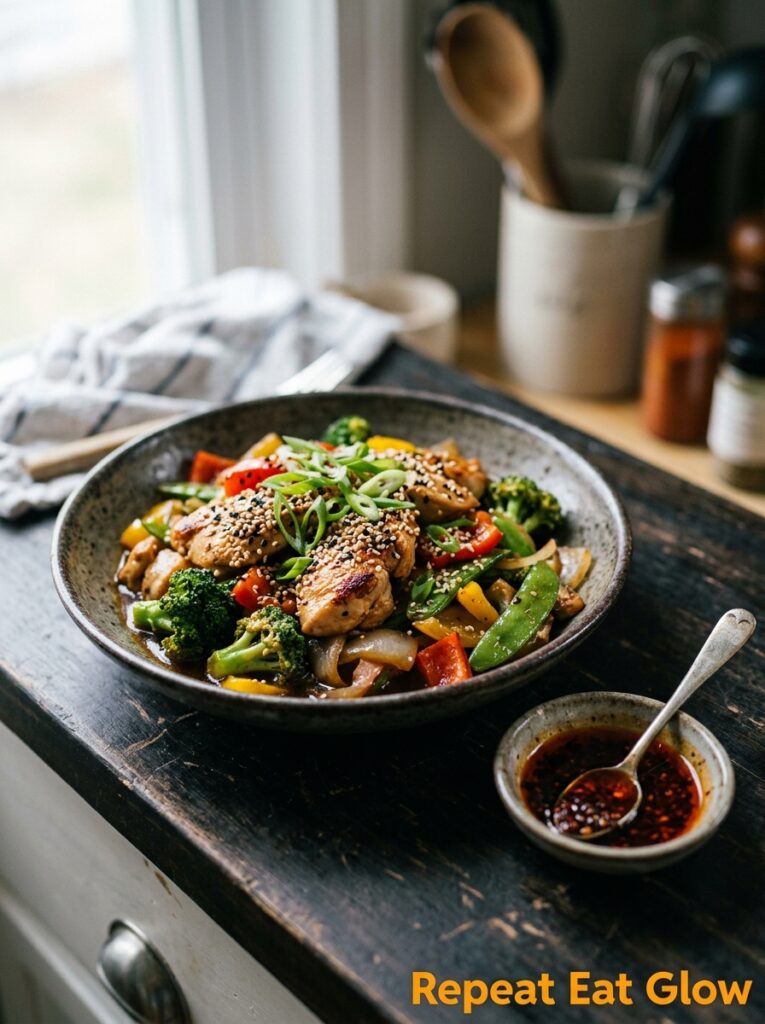
Rice is classic. White rice, specifically — not gonna lie, jasmine rice from a rice cooker set up twenty minutes earlier is kind of the ideal vehicle for this. But if you don’t have a rice cooker and you’re starting from scratch, the timing gets complicated.
Noodles are faster. Egg noodles or rice noodles, soaked or cooked per the package, then tossed in at the very end. They pick up the sauce beautifully. UK readers — medium egg noodles from the Asia section of Sainsbury’s or Tesco work perfectly here.
But the third option: cauliflower rice. Don’t make a face. When it’s made properly and coated in the stir fry sauce, it’s actually really good, and the whole thing becomes genuinely low-carb without tasting like punishment. Or if you’re completely out of everything — toast. Thick slices of sourdough to scoop it up. I’ve done this more times than I’ll admit and I don’t regret any of them.
—
10. The Finishing Touches That Make It Look Like You Actually Tried
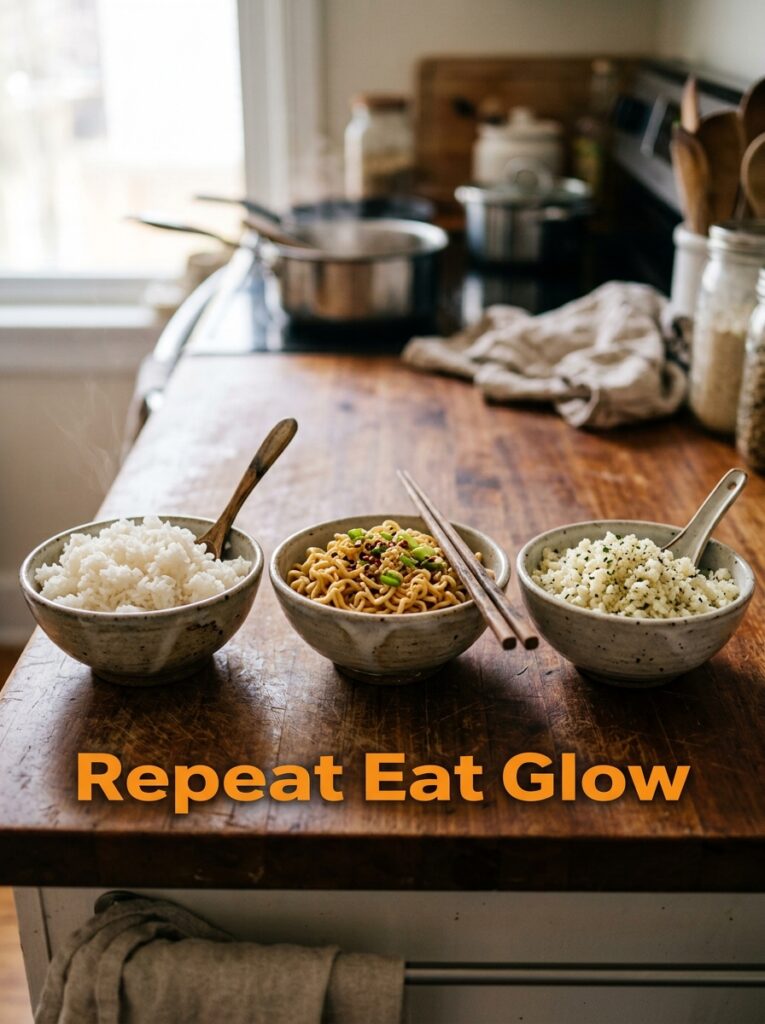
Sesame seeds. A swirl of chilli oil if you like heat. Fresh coriander or Thai basil torn over the top. A squeeze of lime — just a small one, it brightens everything up without making it taste like lime.
Presentation matters more than people admit for home cooking. Not for Instagram reasons (well, a little bit for Instagram reasons, let’s be honest) but because a beautiful plate actually makes food taste better to you. It’s psychological and it’s real. So take the ten seconds to scatter those sesame seeds and lay the spring onion strips on top and put it in a bowl instead of eating it straight from the pan over the sink.
You deserve a nice bowl. It’s Thursday. Or Wednesday. Or whatever stressful day this is.
—
11. How To Make This Work For Meal Prep Without Ruining the Texture
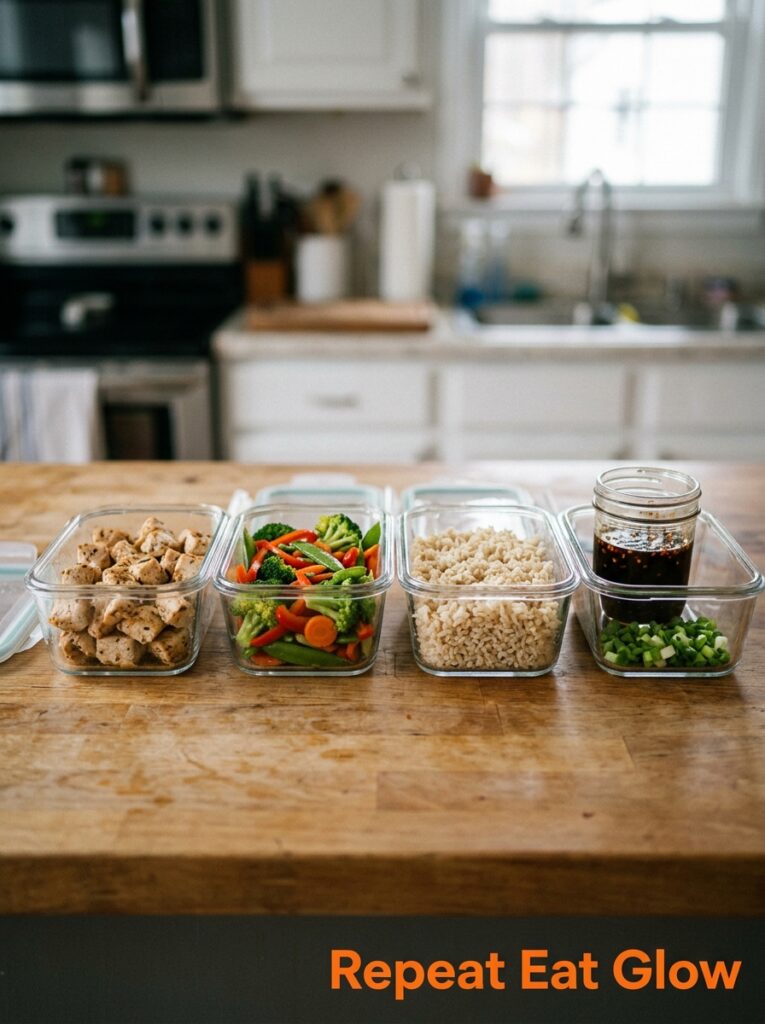
Stir fry doesn’t always reheat well, but there are ways around it. The biggest thing: keep the sauce slightly lighter than you normally would if you’re making a batch for the week. Saucy food reheats wetter, and you’ll end up with a soupy situation by day three.
Store the vegetables and chicken separately from the rice or noodles if you can. Reheat everything in a hot pan, not the microwave — the microwave makes it soggy in a way that can’t be undone. Two minutes in a hot skillet, add a tiny splash of water, cover for thirty seconds, then uncover and let it sizzle again. It won’t be quite as perfect as fresh, but it’s still genuinely good, which is more than you can say for a lot of leftovers.
Make a double batch of the sauce and keep it in a jar in the fridge. It lasts two weeks easily and it means the next stir fry takes even less thinking.
—
12. The Swaps That Make This Work With Whatever’s Actually In Your Fridge
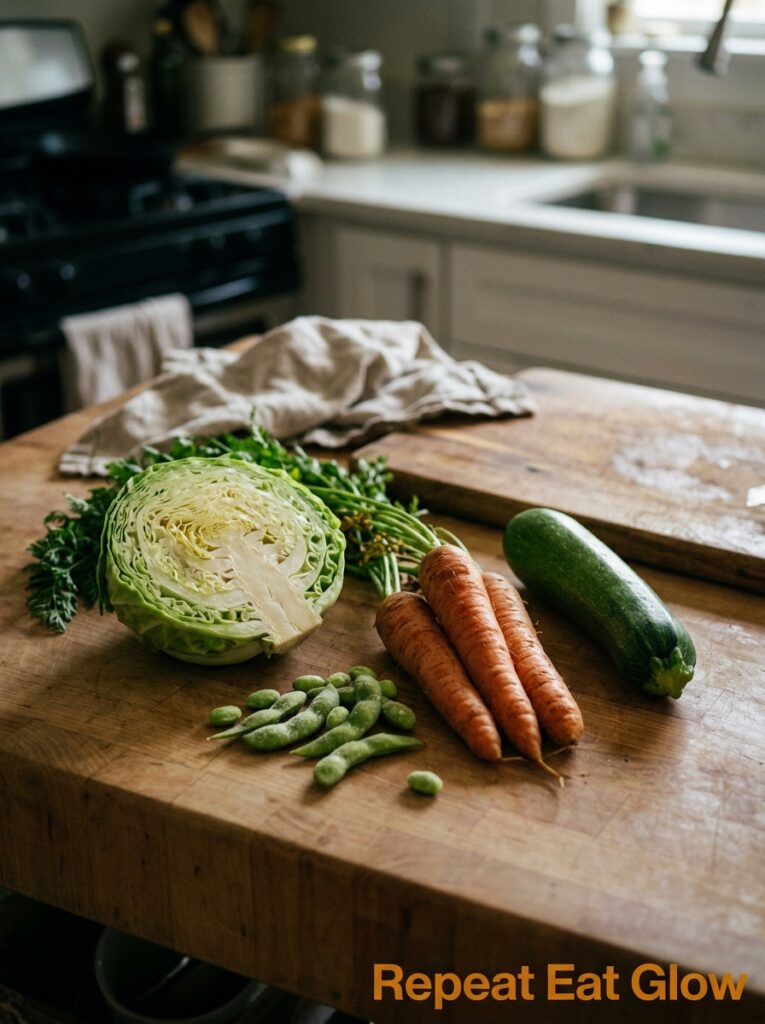
No oyster sauce? Hoisin works. No sesame oil? Skip it, it’s fine. No fresh ginger? Half a teaspoon of ginger powder, in a pinch, though the fresh is noticeably better. No chicken at all? Prawns take about ninety seconds to cook, tofu works great if you press it really well first, and chickpeas are a surprisingly good addition if you want something vegetarian but still filling.
The sauce is flexible too. Add a tablespoon of peanut butter and it becomes something totally different — richer, nuttier, a bit more Thai-ish. Add a teaspoon of Chinese five spice and you’re in completely different territory. Sriracha for heat. A little fish sauce for depth if you have it. This recipe is really a framework, not a fixed thing, and once you’ve made it a couple of times you’ll start riffing on it naturally. That’s when cooking stops feeling like following instructions and starts feeling like actually cooking.
And that moment — that’s worth way more than £12 delivery.
—
❓ FAQ
Q: Can I use frozen chicken for stir fry? A: You can, but thaw it completely first and dry it really well before marinating. Frozen chicken releases a lot of water as it cooks, which means less browning and more steaming. If you’re in a hurry, quick-thaw in cold water for 30 minutes in a sealed bag — it works surprisingly well.
Q: How do I stop my stir fry sauce from going gloopy and too thick? A: The cornstarch is probably the culprit — either too much of it or the pan got too hot before the sauce went in. Use half a teaspoon rather than a full one, and add a small splash of water or chicken stock alongside the sauce. It should coat things, not glue them together.
Q: Can I make this gluten-free? A: Easily. Swap the regular soy sauce for tamari — it tastes almost identical — and check that your oyster sauce is certified gluten-free (most major brands now have a GF version). Serve over rice instead of noodles and you’re completely there.
—
💭 Final Thoughts
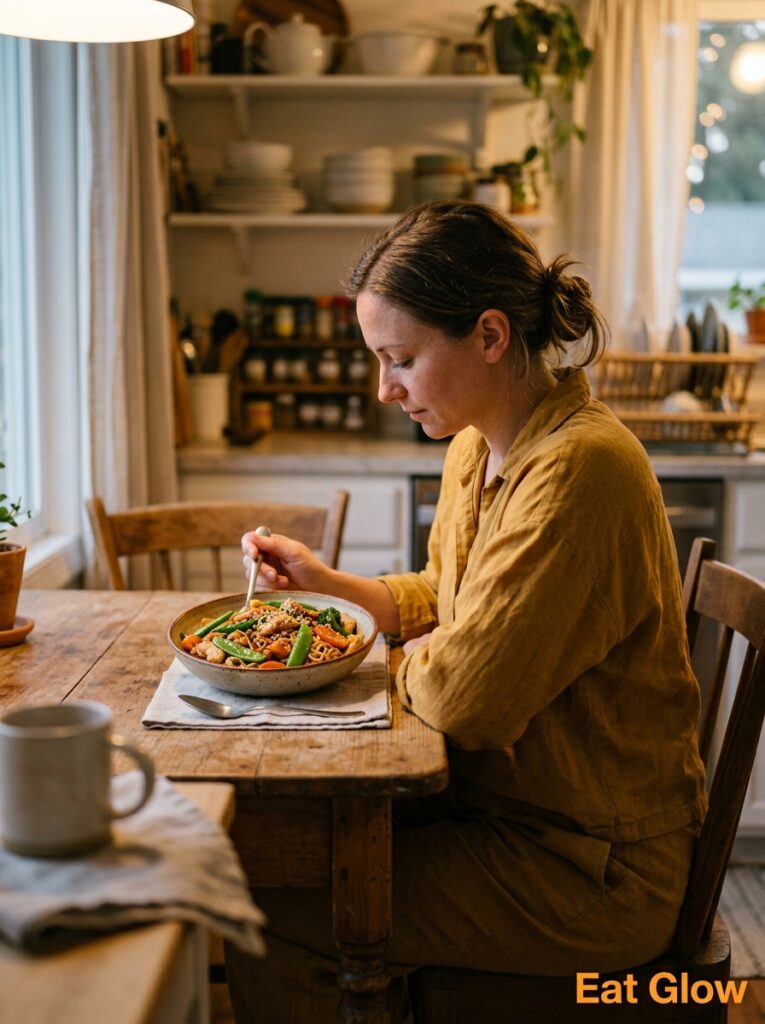
There’s something kind of quietly satisfying about getting a meal like this right on a regular Tuesday evening. No drama, no hours of prep, no special equipment — just a hot pan and fifteen minutes and something that actually tastes like you meant to make it. It’s the kind of cooking that makes you feel a bit more capable than you did yesterday.
So the next time you’re standing in that fridge-stare situation at 6pm — what are you going to make?
