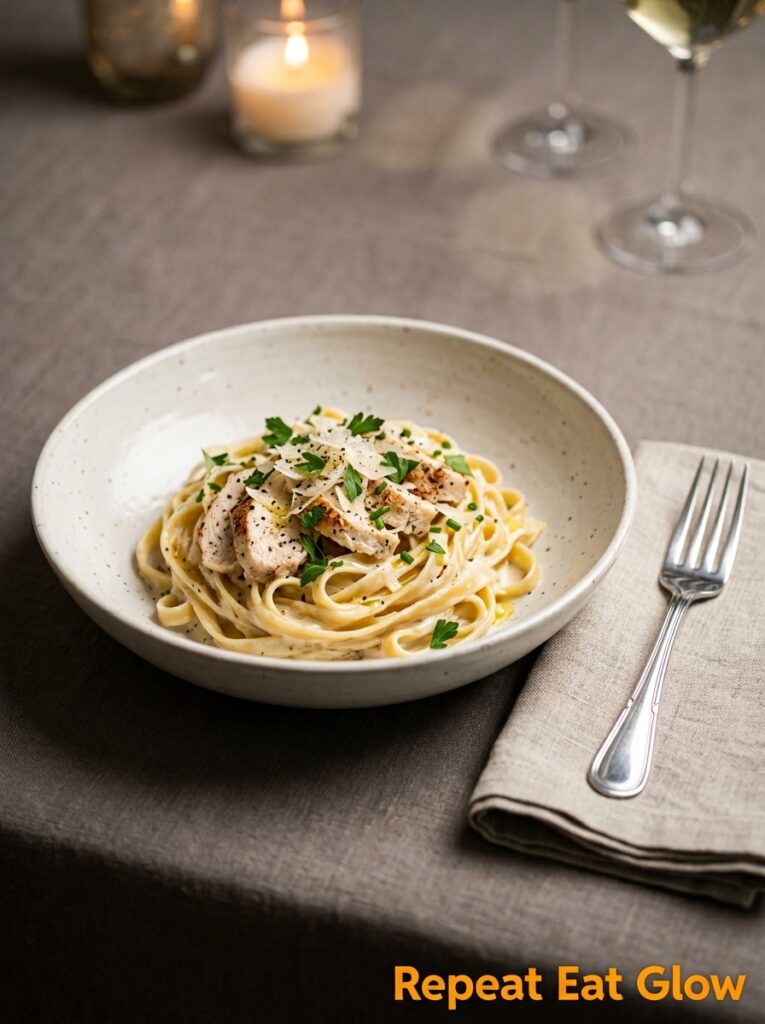
You know that feeling when you sit down to eat something and actually go quiet? That’s this. Creamy, glossy sauce clinging to every ribbon of pasta, chicken so tender it practically falls apart — and you made the whole thing in under 40 minutes on a Tuesday night.
—
1. Why Homemade Alfredo Sauce Will Ruin the Jarred Kind For You Forever
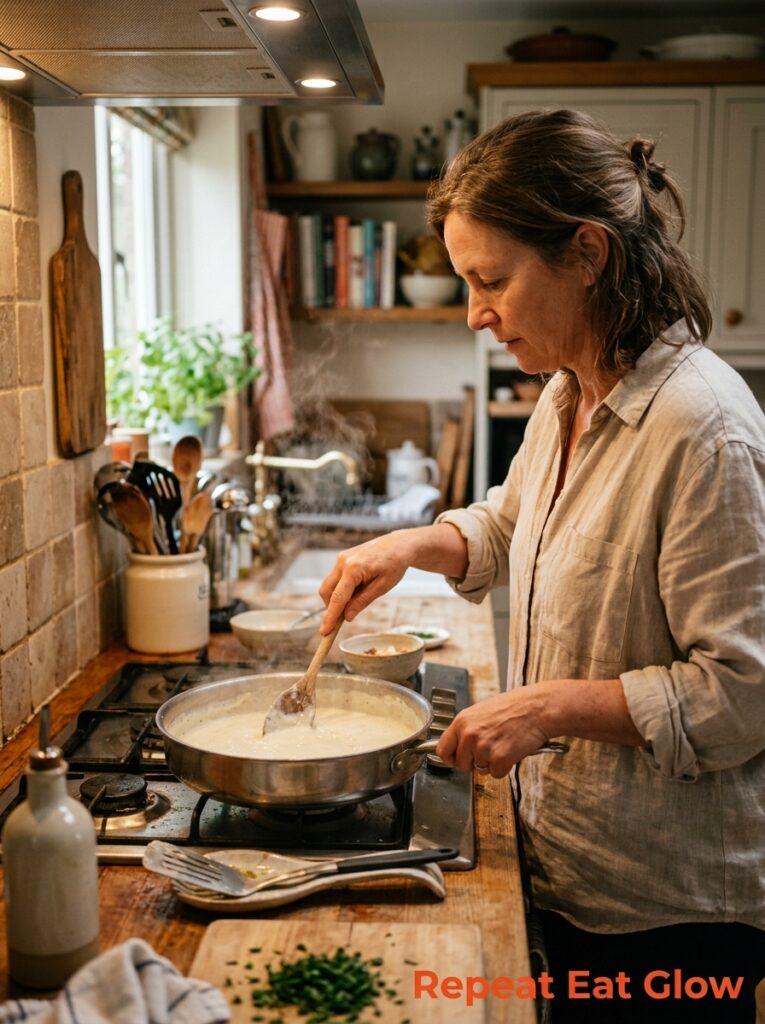
I can’t go back. I genuinely cannot. The first time I made Alfredo sauce from scratch — like, actual butter and cream and Parmesan, not the stuff in a glass jar that smells vaguely of preservatives — I sort of just stood at the stove eating it off a spoon. My husband came in and asked what was burning. Nothing was burning. I was just having a moment.
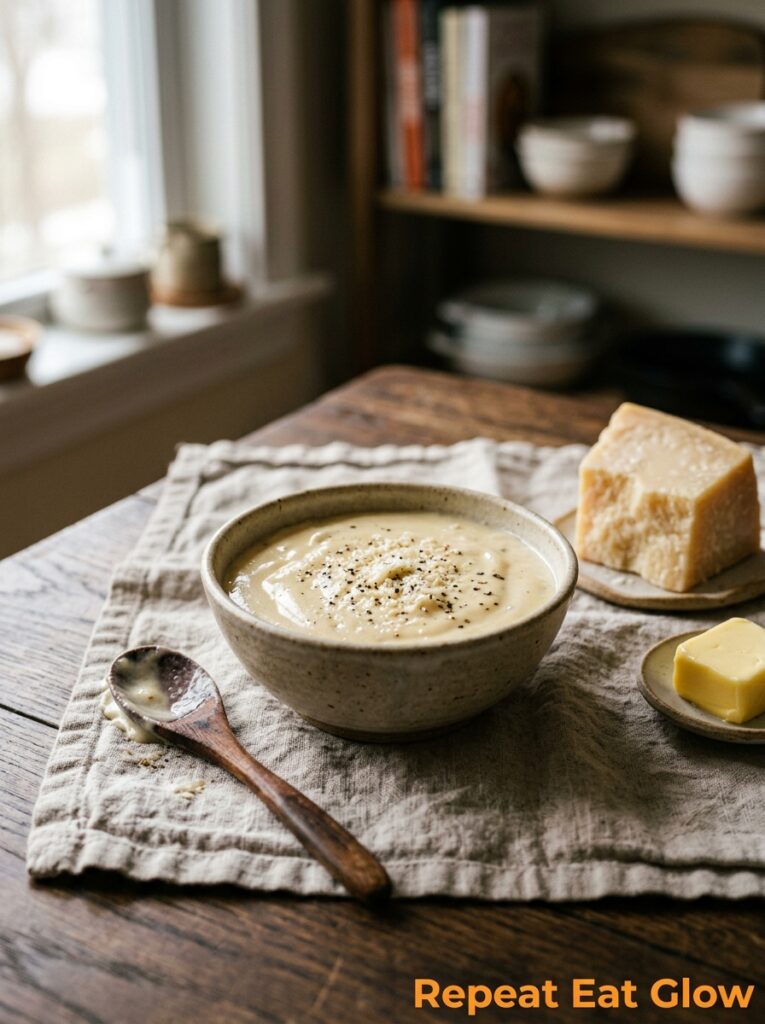
Here’s the thing about jarred Alfredo: it’s fine. But it’s got this weird, slightly gluey texture and a saltiness that doesn’t taste like cheese so much as it tastes like “cheese flavor.” Homemade sauce is genuinely different. It’s glossy and loose when it hits the hot pasta, and then it thickens as it cools just slightly, coating everything in this rich, silky film that clings to fettuccine like it was always supposed to be there.
The ingredients are four things you probably already have. Butter. Heavy cream. Parmesan. Garlic. That’s it. Well — salt and pepper, obviously. But you’re not buying anything special here.
What makes it work is heat and patience, and by patience I mean like two extra minutes of stirring. Don’t rush it. Don’t crank the burner trying to speed things along, because you’ll end up with a greasy, broken sauce and honestly nobody wants that on a Wednesday.
“Real Alfredo sauce takes four ingredients and about eight minutes. The jar was never the answer.”
—
2. The Chicken Situation: Why Thighs Are Better (Even Though Everyone Uses Breasts)
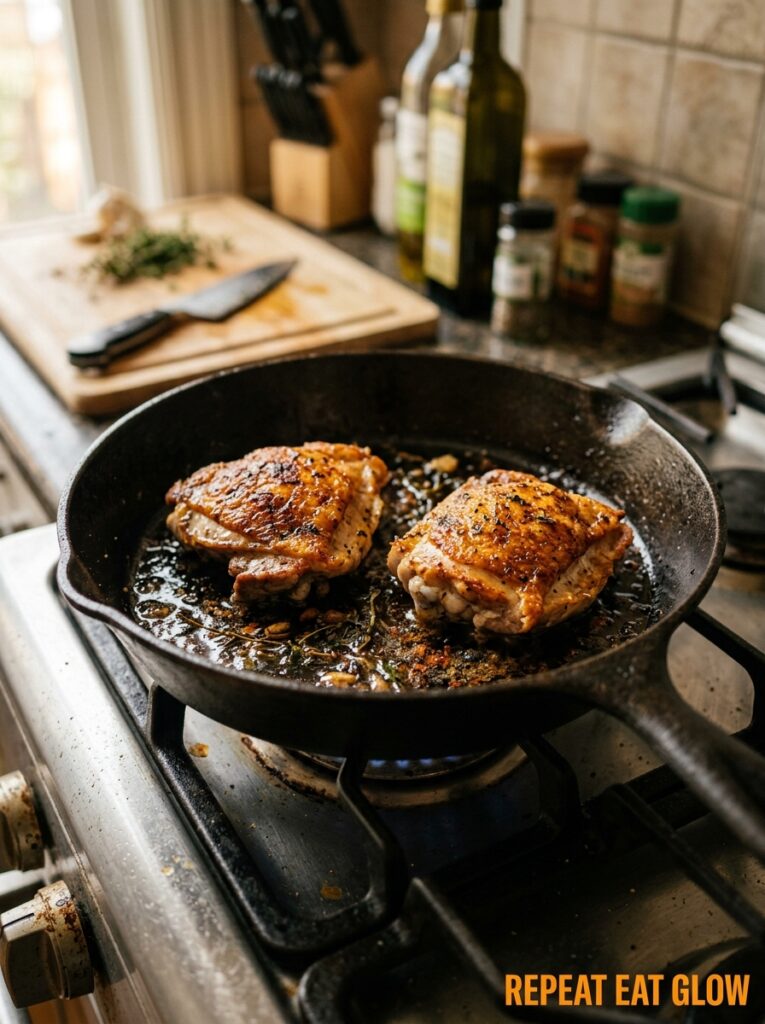
Okay, fight me on this if you want. Chicken thighs. That’s what I use and I’m not apologizing for it.
Boneless, skinless thighs stay juicy in a way that breasts just don’t — especially when you’re searing in a hot pan and then potentially keeping things warm while your pasta finishes. Breast meat has maybe a two-minute window between perfectly cooked and sad, rubbery disappointment. Thighs are so much more forgiving. You can cook them a little longer and they’re still good, still tender, still worth eating.
That said, if thighs aren’t your thing or you’ve got breasts in the fridge already, here’s how to not wreck them: pound them to an even thickness before cooking. Not super thin, just even. About ¾ of an inch. It sounds annoying but it takes thirty seconds and it means the whole piece cooks at the same rate instead of the thin end getting overcooked while you wait for the fat end to catch up.
Season the chicken properly too. Not just salt and pepper — a little garlic powder, some Italian seasoning, maybe a pinch of smoked paprika just for color. You want the outside of that chicken to have some actual flavor before it ever touches the sauce.
Sear it in a hot, heavy pan. Cast iron if you’ve got it. Get a good golden crust on both sides. Then let it rest before you slice it, just for a few minutes. Five minutes of resting makes an actual difference in how juicy it stays.
—
3. The Pasta Choice That Makes More Difference Than You Think
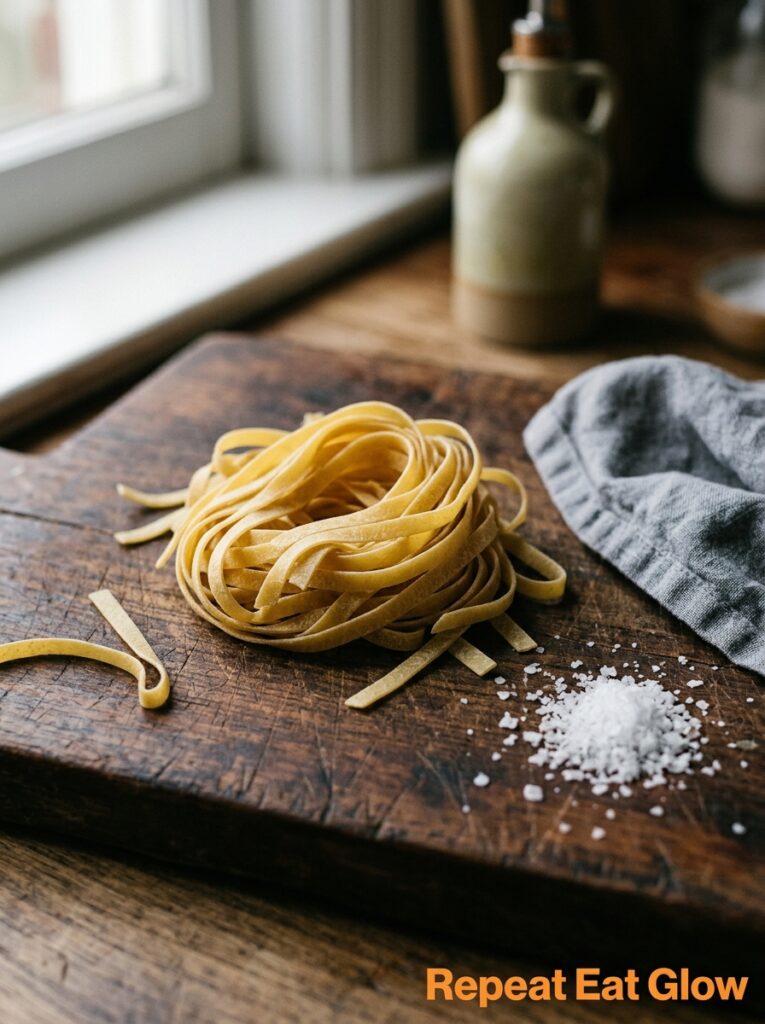
Fettuccine is the classic for a reason. The wide, flat ribbons have enough surface area to carry a thick, creamy sauce without it all sliding off, and there’s something about twirling a proper forkful of fettuccine that feels — I don’t know. Ceremonial, almost.
But can you use other pasta? Yes. Tagliatelle is basically the same thing and totally works. Pappardelle is slightly wider and actually gorgeous in a cream sauce. Linguine’s fine, a bit thinner, the sauce doesn’t cling quite as well but nobody’s going to complain. Don’t use penne or rigatoni for this one — not because it’s wrong exactly, but because the sauce is too creamy and too delicate and it just sits inside the tubes looking a bit sad and lost.
Buy good dried pasta if you can. De Cecco, Barilla, Garofalo — these brands hold their shape better during cooking and have a slightly rough texture from how they’re extruded, which means the sauce actually grips the pasta surface instead of sliding off. Fresh pasta is beautiful if you’ve got it, but dried is completely fine and what I use ninety percent of the time.
Salt your pasta water until it tastes like the sea. Not sort of salty. Actually salty. This is the only time pasta gets seasoned from the inside out and if you skip it, your dish will taste flat no matter how good your sauce is.
—
4. The Recipe Itself — Let’s Actually Do This
What you need (serves 4):
12 oz fettuccine, 1½ lbs boneless chicken thighs, 4 tablespoons butter, 1½ cups heavy cream, 1½ cups freshly grated Parmesan (not the green shaker can, please), 4 garlic cloves, salt, pepper, garlic powder, Italian seasoning, a splash of pasta water.
How it actually goes:
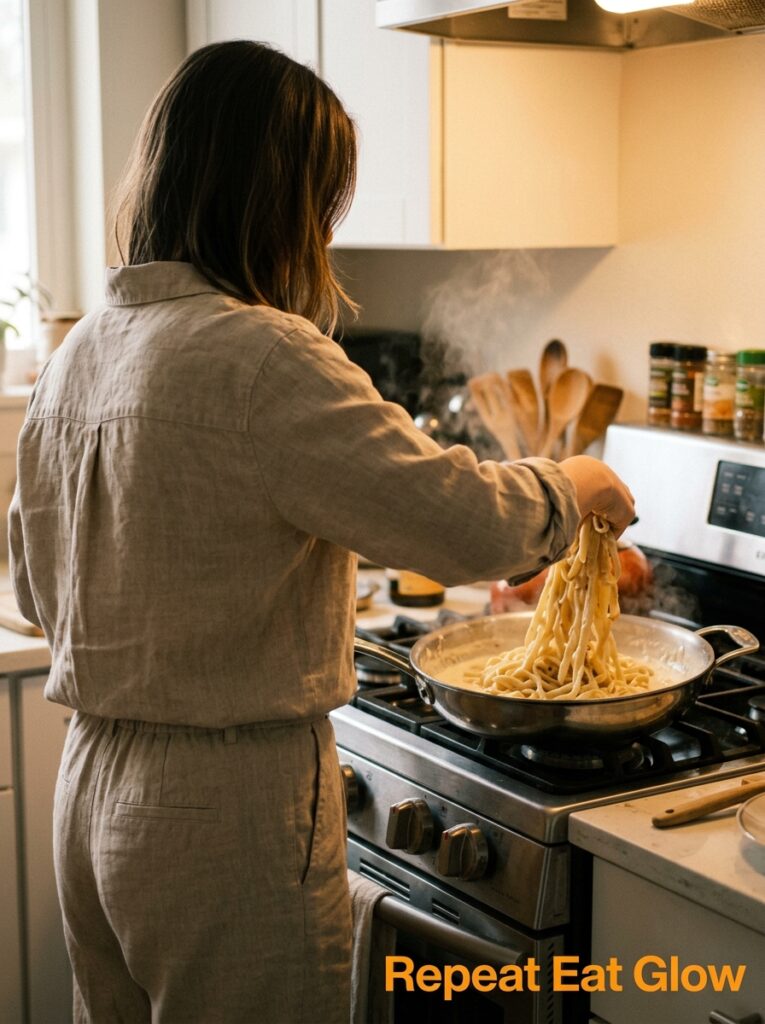
Get your pasta water on first. Always. While it heats, season your chicken on both sides — generous with the salt, garlic powder, Italian seasoning, pinch of smoked paprika. Sear in a hot oiled pan, 5-6 minutes per side for thighs, rest them while everything else comes together.
In the same pan (don’t wash it — those brown bits are flavor), melt the butter over medium-low and add your minced garlic. Thirty seconds. Don’t let it brown. Pour in the cream, stir it around, and let it gently simmer for about four minutes until it thickens just slightly.
Meanwhile your pasta’s cooking. Save a cup of pasta water before you drain it. This is the secret weapon — the starchy water loosens the sauce and helps it cling.
Add Parmesan to the cream, stir until melted, taste it. Adjust salt. Add drained pasta directly to the sauce, toss everything together, splash in a little pasta water until the consistency looks glossy and fluid. Slice your rested chicken, lay it on top.
Done. Genuinely done.
“Save the pasta water. Every single time. It’s the thing between a great Alfredo and a good one.”
—
5. The Garlic Question (Because Everyone Has a Different Garlic Opinion)
There’s a spectrum here and I want you to find where you are on it.
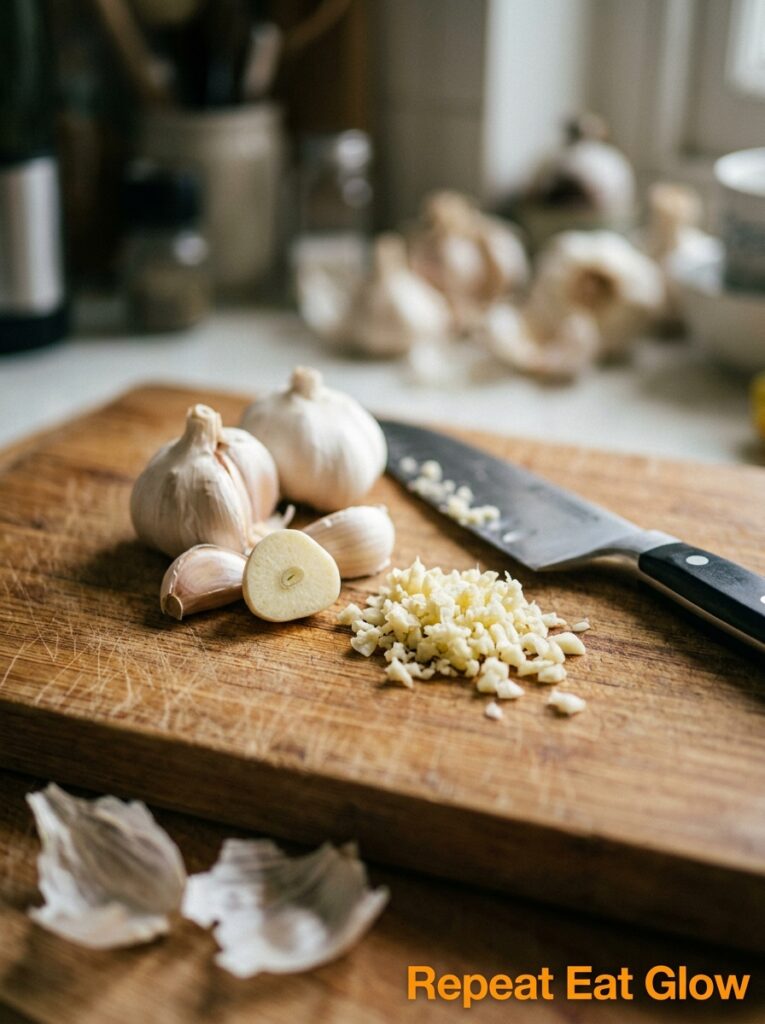
Some people want garlic to be background — barely there, just a whisper of savory depth underneath all that cream and cheese. If that’s you, use two cloves, mince them fine, cook them gently in the butter for a full minute so they mellow out completely. The garlic dissolves almost into the sauce.
Some people (me, honestly) want to actually know there’s garlic in there. Four cloves, still minced, thirty to forty seconds in the butter — you’ll smell it the second it hits the pan, this sharp, blooming, almost floral heat, and it’ll stay present in the finished sauce without being aggressive.
Some absolute legends use six cloves and roast them first. Roasted garlic in Alfredo sauce is a whole different thing — sweet, almost nutty, with none of the sharpness. Way more work for a Tuesday night but I’m not judging.
Whatever you do, don’t burn it. Burnt garlic is bitter and it’ll ruin the whole sauce. Medium-low heat. Keep an eye on it. The second it smells toasty, the cream goes in.
—
6. How to Make This Feel Fancy Without Changing Anything Important
Listen, this is already a pretty elegant dinner. Cream sauce, good pasta, properly cooked chicken — it’s not complicated but it looks impressive on a plate. Here’s how to make it feel like you actually tried, even if you made it in sweatpants while watching something on your phone.
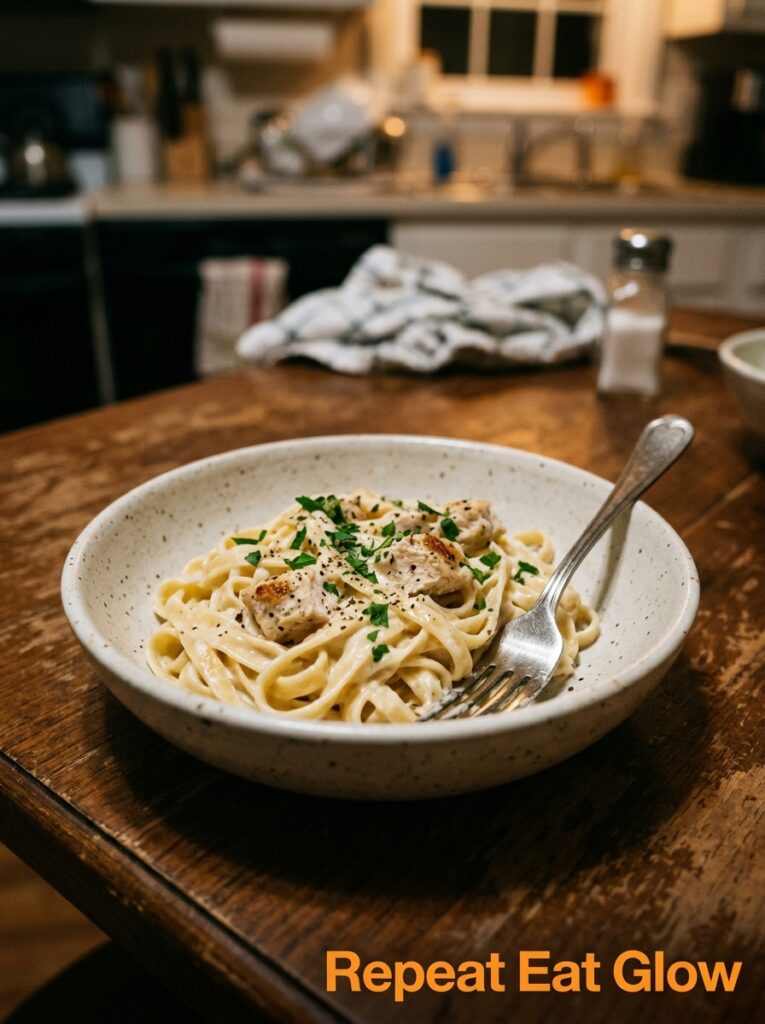
Plate it in a warm bowl, not a flat plate. Cream sauces cool down fast and a cold bowl makes everything taste worse. Just run hot water in your bowls for thirty seconds before you plate up.
Use a proper serving motion — tongs, and twist as you pull the pasta up, so it sits in a nest shape rather than a flat pile. Then lay the sliced chicken across the top at an angle. This takes four extra seconds and looks like a restaurant.
Fresh parsley scattered over the top. Not a mountain of it, just enough for color. And a proper crack of black pepper — you want to actually see the pepper on the white cream. More Parmesan on top, obviously.
Lemon zest if you’ve got a lemon. Not lemon juice in the sauce — that can make the cream curdle if you’re not careful — but a few gratings of zest on top at the end brightens the whole thing without changing the flavor profile of the sauce.
—
7. The Version That’s Ready in 25 Minutes (Because Sometimes That’s What Tuesday Needs)
Some nights 40 minutes is too long. I get it.
Here’s the shortcut version. Buy a rotisserie chicken. Strip the meat off it while your pasta water heats and your sauce comes together. The chicken’s already cooked, already warm, already seasoned. You’re just slicing it or shredding it and laying it on top.
The sauce still takes eight minutes and yes, you still make it from scratch. That part doesn’t change. But eliminating the searing step saves you probably 15 minutes plus the mental load of timing two things at once.
Rotisserie chicken in Alfredo is also — not gonna lie — sometimes better than freshly cooked? The skin and dark meat especially, with all those roasted, slightly caramelized flavors, cuts through the richness of the cream in a way that plain seared breast meat doesn’t always do.
“Rotisserie chicken and homemade Alfredo sauce is the 25-minute dinner you didn’t know you were allowed to make.”
—
8. Vegetables That Actually Belong in This Dish
Some vegetables have no business going anywhere near Alfredo sauce. Broccoli, I’m sorry. You’re fine but you belong somewhere else.
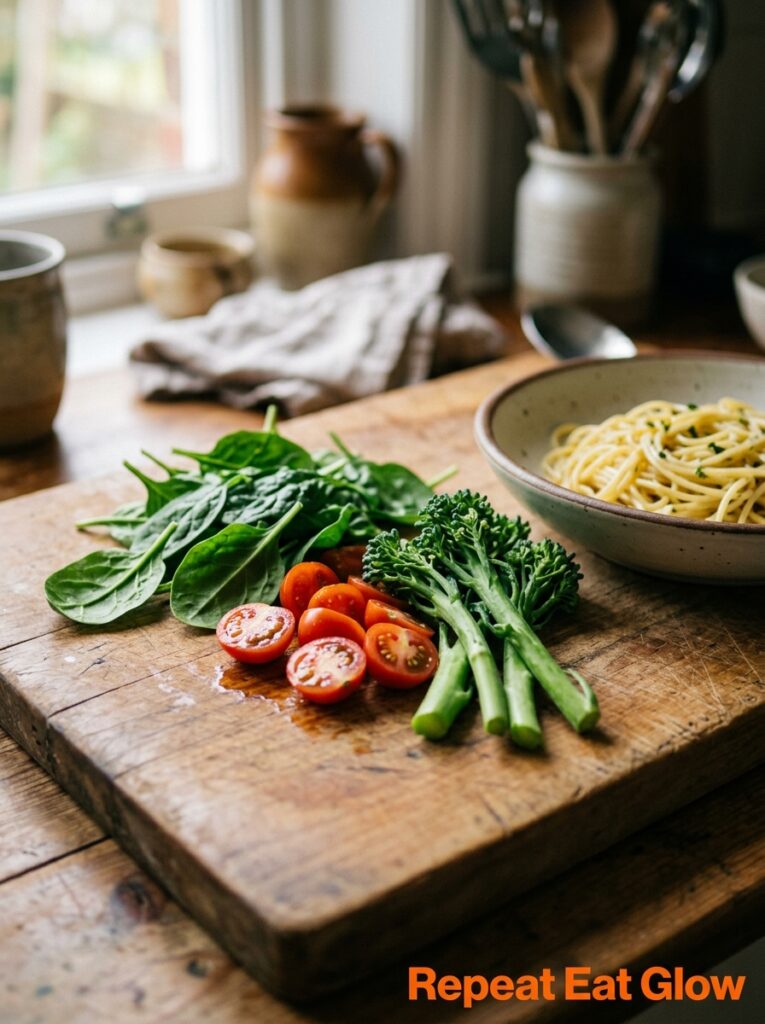
The vegetables that actually work here are the ones with enough flavor to stand up to cream without turning mushy or tasting out of place. Baby spinach stirred in at the very end — just wilted, thirty seconds — works beautifully. It melts into the sauce and turns everything a faint, pretty green.
Sun-dried tomatoes. Packed in oil, roughly chopped, stirred in with the garlic at the start. They add this jammy, slightly acidic depth that makes the sauce taste more complex without you having to do anything differently.
Frozen peas. Don’t laugh. Stir them in straight from frozen when you add the pasta — they heat through in about sixty seconds and pop against the cream. My kids actually eat more pasta when there are peas involved, which is a miracle I’m not questioning.
Sliced mushrooms, sautéed separately before you start the sauce, stirred in at the end. Cremini or baby bella — they have enough earthiness to hold their own and they add a sort of savory depth that makes this taste like something from a proper Italian restaurant.
—
9. Making This Ahead of Time (And What Actually Holds Up)
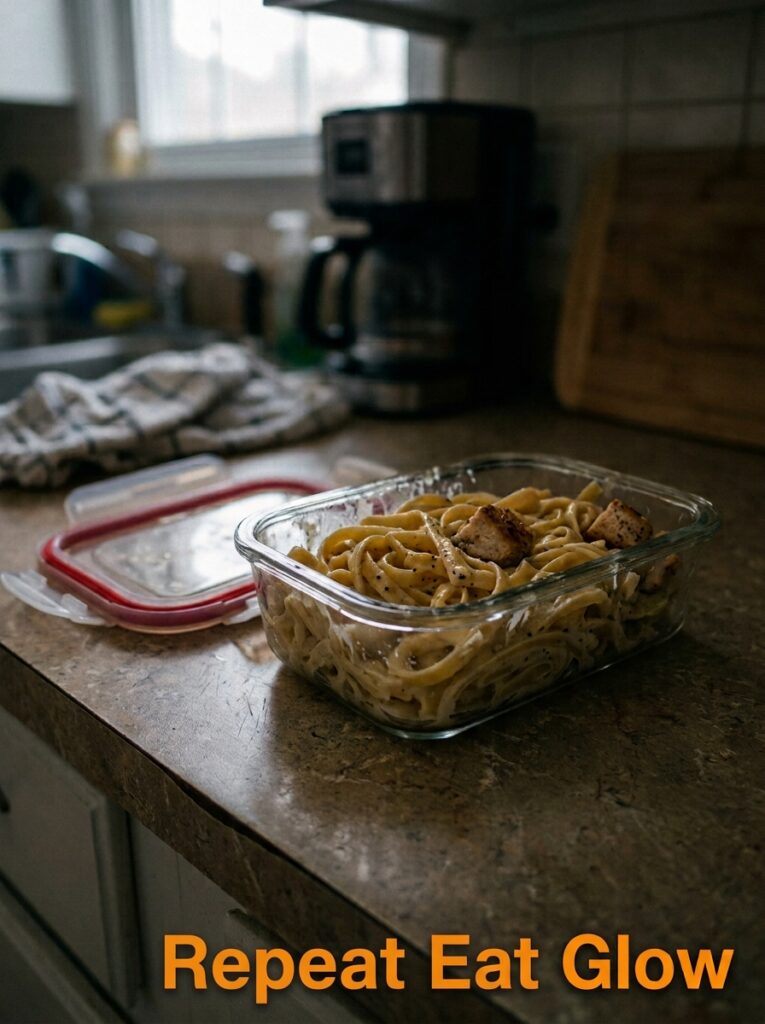
Cream-based sauces are tricky to reheat and I won’t pretend otherwise. They can separate, or go thick and gluey, or taste a little dull the next day. But it’s not impossible.
The best approach is to store the pasta and sauce separately if you know you’ll have leftovers. Keep a little extra pasta water in the fridge too — it’s the key to loosening everything back up when you reheat.
Reheat gently in a saucepan over low heat, adding pasta water a splash at a time and stirring constantly. It comes back together. Microwaving it works too, low power, stirring every thirty seconds, same pasta-water trick. Just don’t rush it or you get that separated, oily look that nobody wants.
The chicken actually reheats great on its own — slice it and warm it in a dry pan for a minute or two, or just add it cold on top of the hot pasta and let it warm through.
Could you prep this for a dinner party and make it ahead? Mostly, yes. Make the sauce, undercook the pasta by a minute, keep everything separate, finish it together when guests arrive. Takes about ten minutes to bring back together and it looks like you just cooked it.
—
10. The Parmesan Conversation Nobody Is Having But Should Be
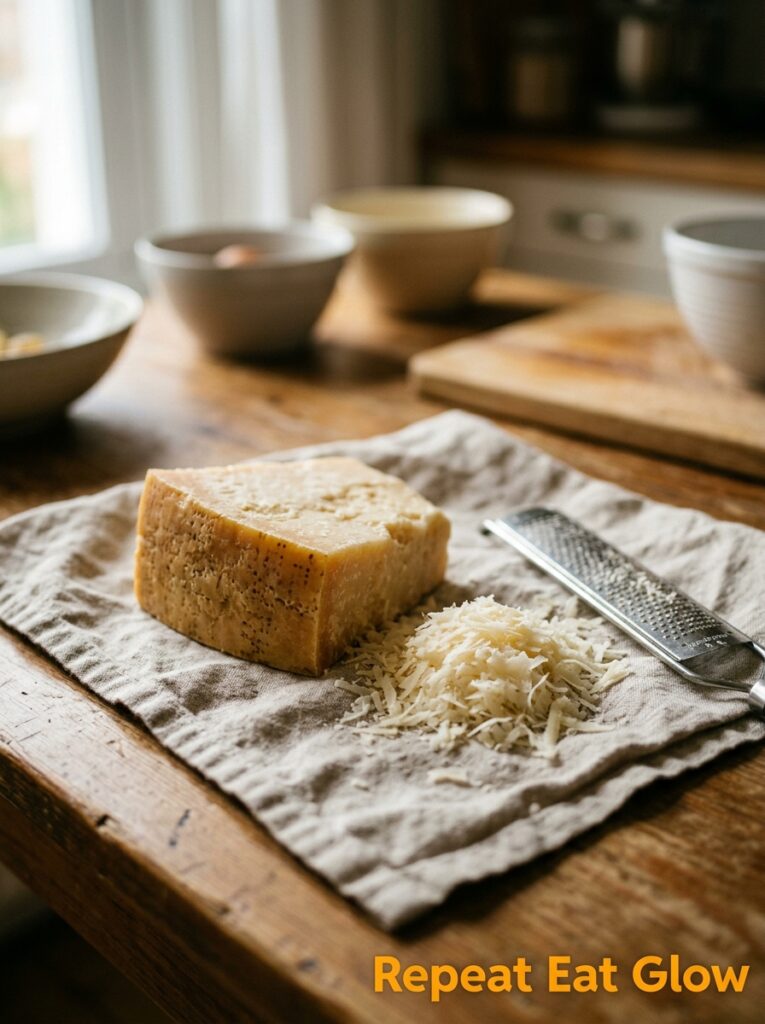
Please. Please don’t use pre-grated Parmesan from a bag. And definitely not the stuff in the green shaker tin. I know it’s right there in the pasta aisle looking convenient and I know it’s cheap and I know it works in a pinch but here’s what happens: it doesn’t melt properly. It’s got anti-caking agents in it that make it clump instead of dissolving smoothly into cream, and you end up with little grainy bits in your sauce instead of that perfectly silky texture.
Buy a block. It keeps for ages in the fridge — wrapped in wax paper or just in a zip bag. Grate it fresh when you need it. The difference is genuinely remarkable.
And while we’re here: Grana Padano is a totally acceptable alternative, slightly milder, less expensive than Parmigiano-Reggiano, and melts beautifully. Pecorino Romano is sharper and saltier — use a little less of it if you go that route, because it can overwhelm quickly.
The cheese is the sauce. It’s not a garnish, it’s not an afterthought. Give it the attention it deserves.
—
11. What to Serve Alongside It (The Decisions That Make Dinner Feel Complete)
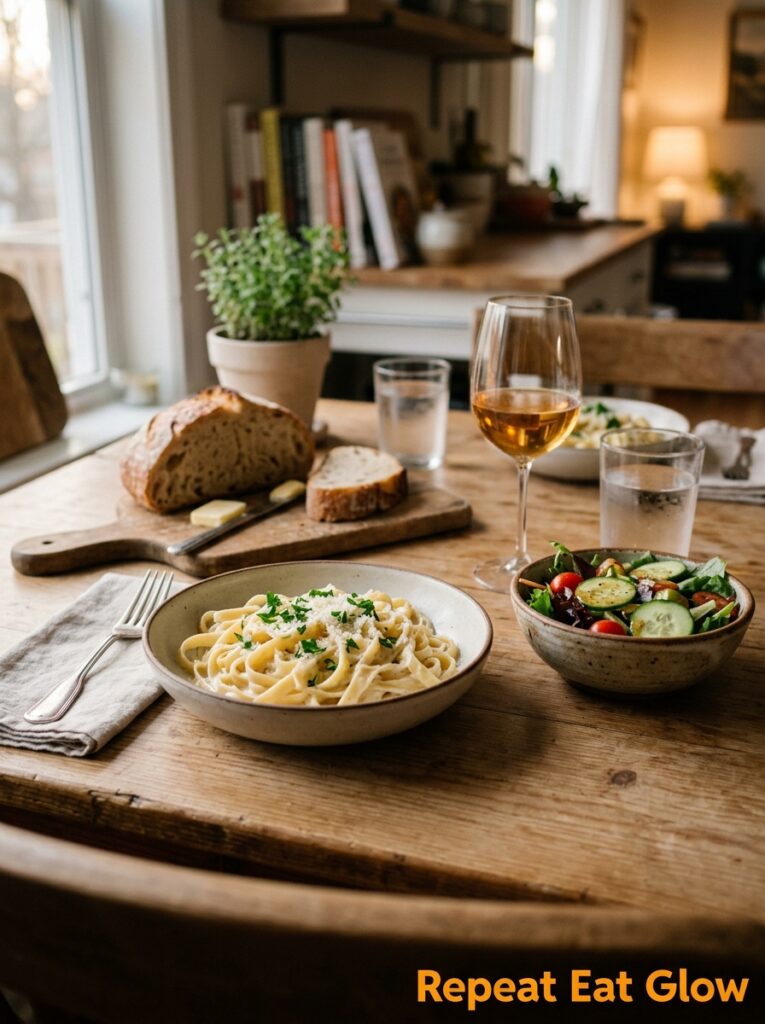
The pasta is rich. So rich. Everything alongside it should either cut through that or support it without piling on more heaviness.
Crusty bread. Always. Something with a proper crust that you can drag through the leftover sauce in the bowl — a baguette, a sourdough boule, some ciabatta. This is non-negotiable.
A simple green salad with something sharp in the dressing. Lemon vinaigrette, or a good red wine vinegar dressing with some Dijon stirred in. Bitter greens like rocket (arugula if you’re American, same thing) cut through cream beautifully.
Garlic bread works too, obviously, though it doubles down on richness rather than cutting through it. Fine if that’s the mood. Sometimes that IS the mood and there’s no shame in that.
For drinks — a cold, lightly oaked Chardonnay with cream pasta is one of those genuinely perfect pairings. Not too oaky or it clashes. Pinot Grigio works too, crisp and clean. And honestly a sparkling water with lemon is great because it just refreshes your palate between bites so the whole thing feels less heavy.
—
12. The Slight Variations Worth Keeping In Your Back Pocket
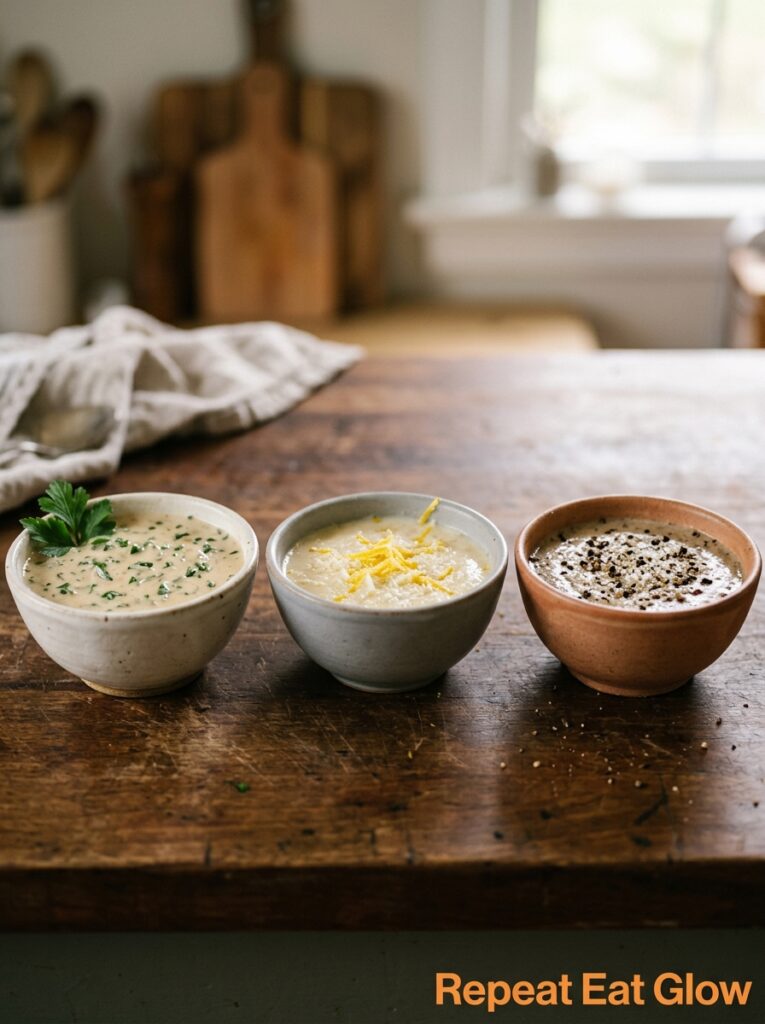
Once you’ve nailed the basic recipe — and you will, because it’s genuinely not difficult — here’s where things get interesting.
Lemon Pepper Alfredo. Double the pepper in the sauce, add a full tablespoon of lemon zest. It’s brighter and a little more surprising than straight classic Alfredo. Great in summer.
Cajun Chicken Alfredo. Season the chicken aggressively with Cajun spice before searing. Add a pinch of cayenne to the sauce. It sounds like a lot but the cream softens everything and you get this perfectly balanced creamy-spicy thing that’s honestly addictive.
Mushroom and Thyme Alfredo. Skip the chicken altogether. Sauté a full pound of mixed mushrooms with thyme and garlic until deeply browned and almost caramelized. Stir them into the Alfredo sauce. This is the vegetarian version that vegetarians AND non-vegetarians will eat happily and equally.
Brown Butter Alfredo. Cook the butter until it smells nutty and turns golden before adding the garlic and cream. It adds this deep, almost toffee-ish warmth to the sauce that feels completely different from the original. More complex. A little richer. Absolutely worth the two extra minutes it takes.
—
❓ FAQ
Q: Can I use milk instead of heavy cream for Alfredo sauce? A: You can, but the sauce will be noticeably thinner and may not cling to the pasta the way you want. Whole milk is the best substitute if you’re doing it — add a tablespoon of cream cheese or a little extra Parmesan to help thicken things up. Half-and-half is the middle ground that actually works pretty well.
Q: My Alfredo sauce keeps going thick and clumpy — what am I doing wrong? A: Two likely culprits: the heat’s too high, or you’re adding cold Parmesan to the cream. Keep the heat on medium-low, let the cream warm gradually, and have your Parmesan at room temperature before it goes in. Pasta water stirred in at the end also loosens everything back to the right consistency.
Q: Can I make this dairy-free? A: Sort of. Full-fat coconut cream can replace heavy cream and works okay — the flavor is slightly different but not unpleasant. For the Parmesan, there are some decent vegan alternatives, though none melt exactly the same. It won’t be traditional Alfredo but it can still be really good if you season it well.
—
💭 Final Thoughts

There’s a reason this dinner ends up on every “what do you want for your birthday” list in my house. It’s not flashy. It’s not trying to be anything other than exactly what it is — warm, creamy, comforting in the most specific way, like someone made it because they knew you needed it.
Make it once this week and see what I mean. And honestly — which variation are you trying first?
