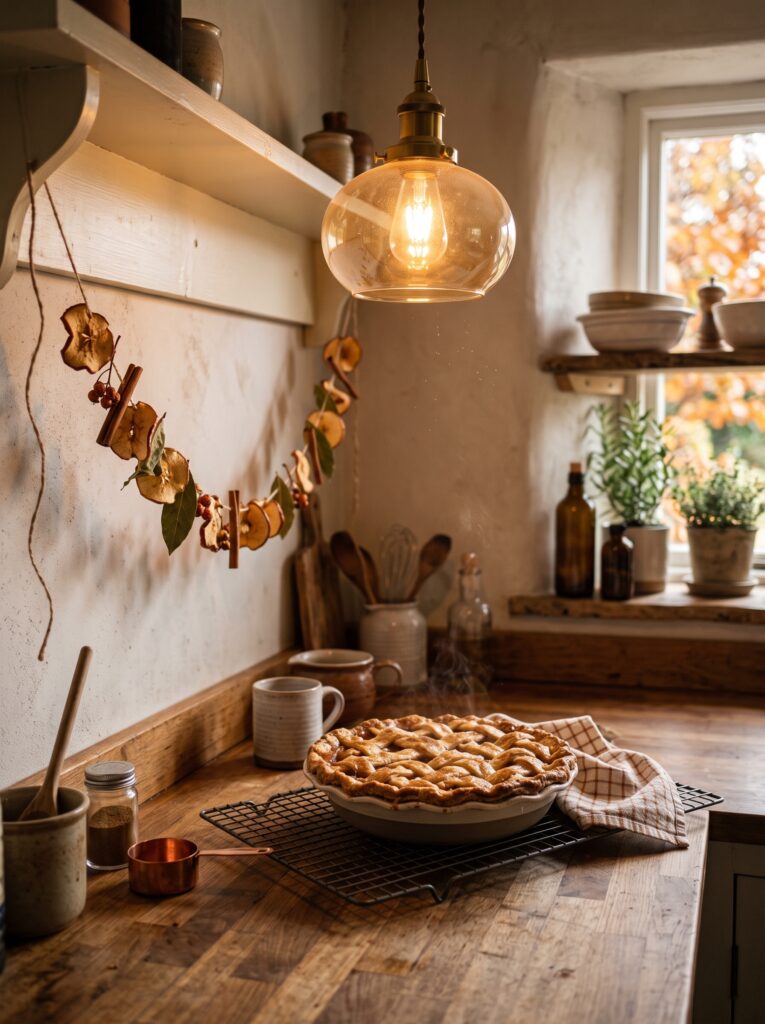
My neighbor knocked on my door last October holding a dish towel and smelling faintly of cinnamon. She’d been baking since 6am. That was the moment I first understood what people mean when they talk about apple pie aesthetic — it’s not really about the pie at all.
—
1. What “Apple Pie Aesthetic” Actually Means (Because It’s Not What You Think)
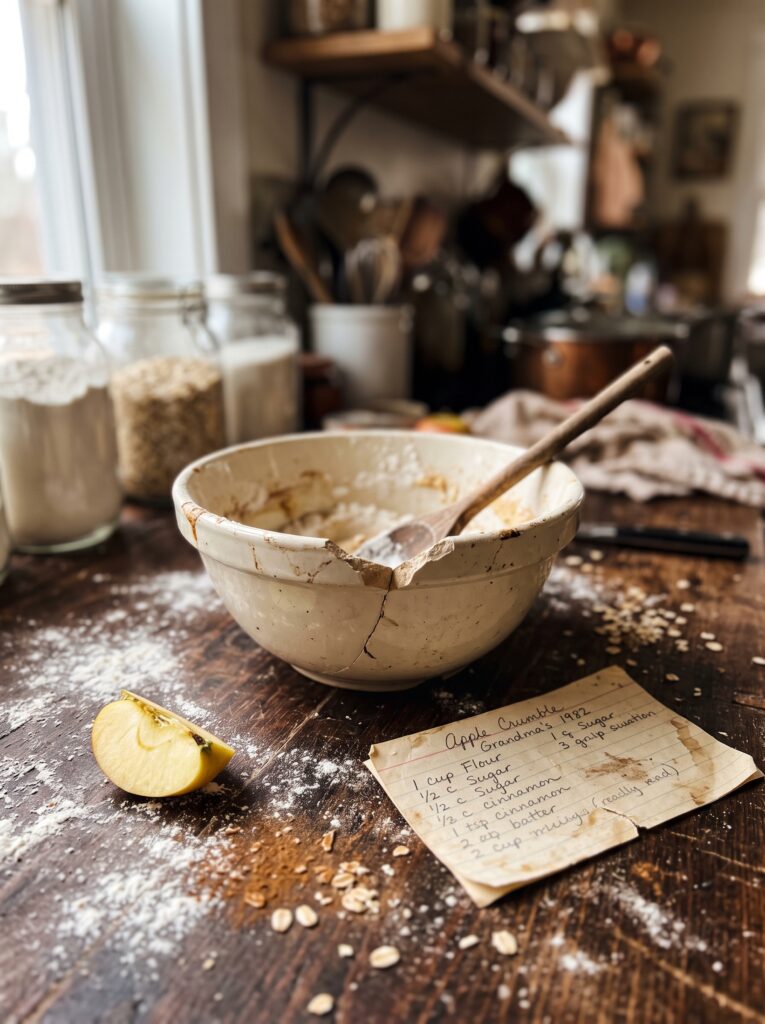
Everyone assumes it’s just about baking. Autumnal vibes, a warm oven, cinnamon sticks in a jar on the counter. And yes, it’s that. But it’s also something bigger and harder to name — a whole feeling you’re building in your kitchen.
Think: flour-dusted wooden surfaces. A kettle that’s always about to whistle. The specific low light of a Sunday afternoon in November. It’s the aesthetic of a kitchen that looks like somebody actually LIVES in it, cooks in it, makes a mess in it, and doesn’t apologize for the mess. That’s the part I love most.
In the US, it leans into that deeply nostalgic Americana feeling — grandma’s kitchen, Thanksgiving prep, the kind of counter that has a permanent ring from the coffee mug. In the UK, it reads a bit differently, softer somehow, more cottage-core, more of that stone farmhouse kitchen energy with slightly mismatched crockery and a fruit bowl that’s always full.
But both versions share the same soul. Warmth. A little imperfection. The sense that something good is always in progress.
2. The Scent Palette — Because This Aesthetic Lives in Your Nose First
I’m going to be honest: smell is doing more work here than anything visual.
You can have the prettiest kitchen on earth — butcher block, linen curtains, ceramic canisters in a row — and it won’t feel like apple pie aesthetic until the smell is right. That first warm exhale when you open the oven door, when the cinnamon and brown sugar have fused with softened apple and something almost caramel-like? That’s the whole mood, condensed.
“You can style a kitchen down to the last detail, but if it doesn’t smell like something’s cooking, it just looks like a catalogue.”
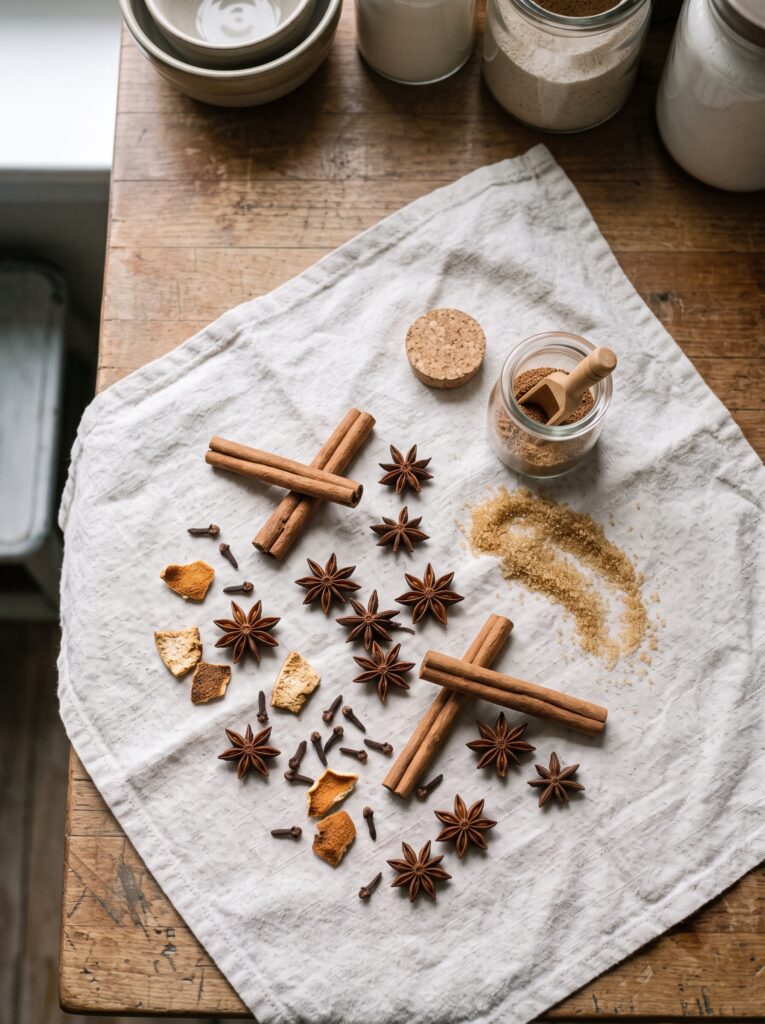
The scent palette for this aesthetic, if you were to build it intentionally: cinnamon, obviously. Cloves used sparingly, almost as punctuation. Vanilla, but from actual extract or a split pod simmering in water, not a plug-in diffuser. And underneath all of it — browned butter. That nutty, faintly sweet smell that means something good is about to happen.
Simmer pots are huge right now for this reason. Slice an apple, throw it in a pan with some water, cinnamon, and a strip of orange peel, and let it go low and slow on the back burner while you do other things. The whole house shifts.
3. The Colors That Keep Showing Up in Every Beautiful Apple Pie Kitchen Right Now
Not rust. Not orange. Those are autumn in a generic mood board sense, and this is different.
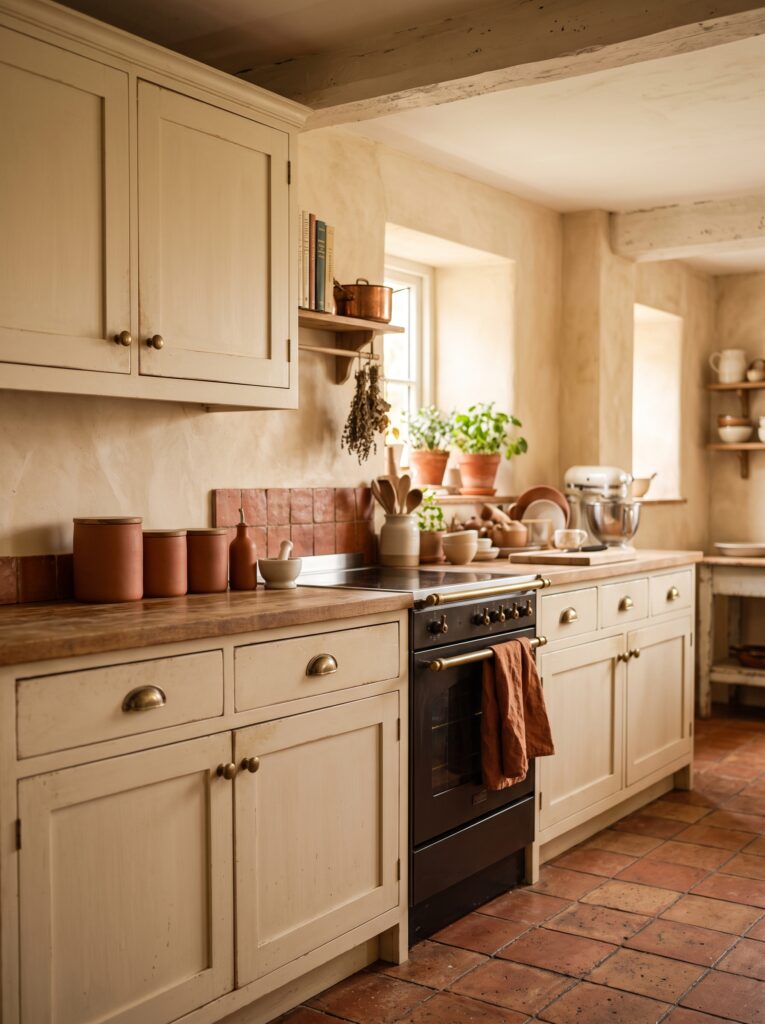
The palette I keep seeing, the one that actually WORKS, is more muted and complex. Deep sage. Warm cream — not white, cream, the shade of old linen or slightly aged paper. Then a note of dusty terracotta, used carefully, not everywhere. And wood, always, in a tone that’s closer to honey than to orange.
In UK kitchens doing this well, there’s often a deep forest green in there — on cabinetry or an Aga, or even just a single painted wall — that grounds the whole thing and keeps it from getting too sweet.
American versions tend to lean heavier into that cream and warm wood combination, almost like a bakery that’s been there a hundred years. Either way, the goal is the same: a kitchen that looks warm even when nothing’s cooking.
Side note — there’s a real argument for avoiding accent red entirely in this aesthetic, even though apples are red. It pulls you toward country kitchen cliché faster than anything else. Stick with the sage and the cream, trust me.
4. The Texture Layer That Everyone Forgets About
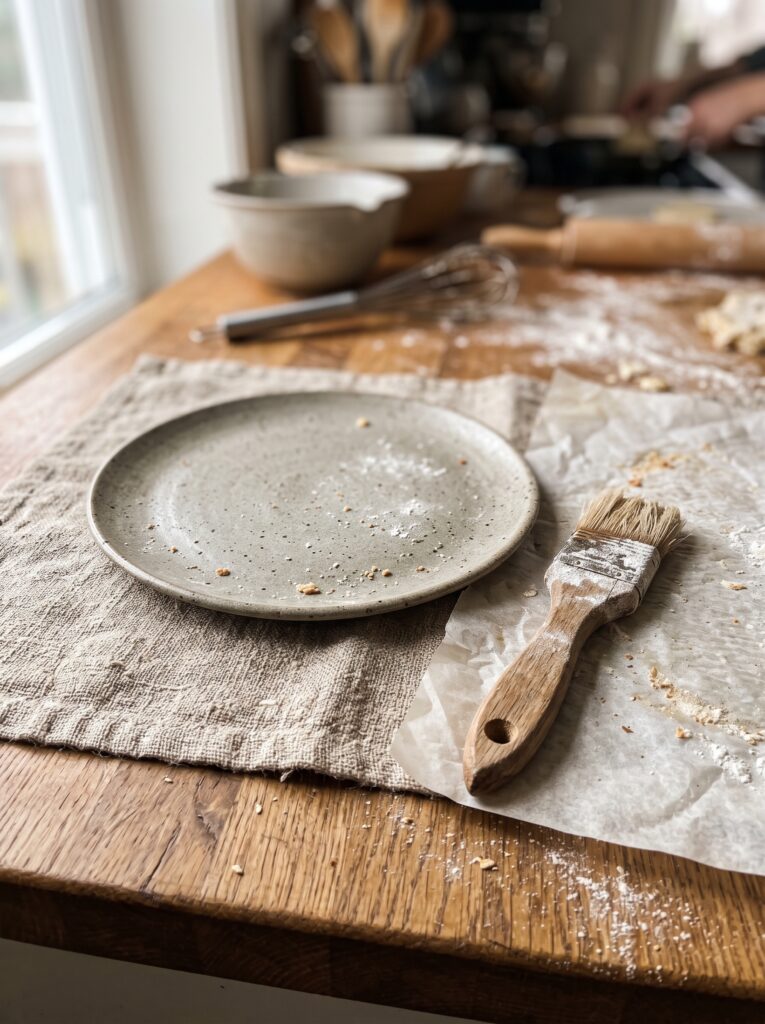
Visual, scent, and then — texture. This is the one that separates a kitchen that feels like apple pie aesthetic from one that just looks like it does.
Rough-textured linen or cotton dish towels left casually on the oven handle or folded slightly crooked on the counter. A wooden rolling pin that’s clearly been used. A ceramic pie dish with some staining on the rim that you left there on purpose (or by accident, honestly, same result). A woven trivet. A crockery mixing bowl that’s a little chunky and imperfect.
None of this needs to be expensive. It doesn’t need to match.
In fact — and this is my strong opinion — things that match too perfectly ruin this aesthetic completely. If your dish towels are all coordinated and your canisters are all from the same set and your spoon rest looks like it was placed by a set designer, you’ve lost it. You’ve made a kitchen that looks like it has never once made a mess.
5. The Pie Crust Technique Most Recipes Get Wrong
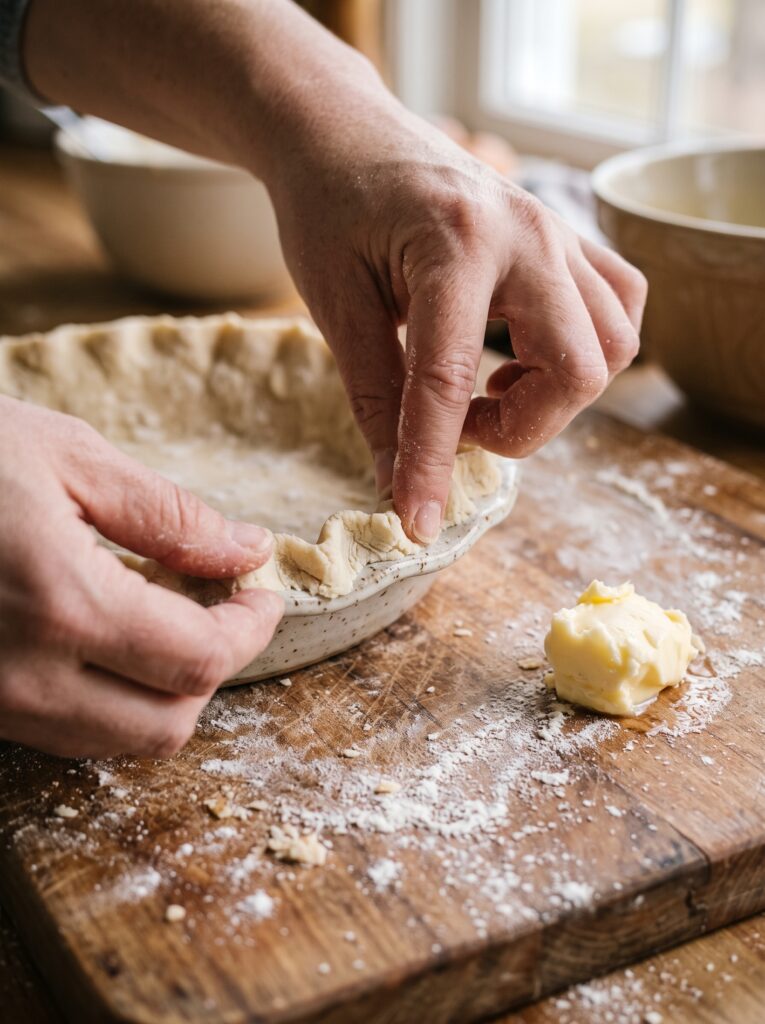
Okay, actual baking content. Because the aesthetic only works if you can also, you know, bake the pie.
Cold. Everything needs to be cold.
Your butter should come straight out of the fridge and get cut in fast. Your water should have ice in it. The bowl you mix in? Cold. Some people even chill the flour. I don’t go that far, but I understand the impulse. Warm hands are the enemy of a good crust, and this is the thing most beginner recipes bury in a footnote instead of leading with it.
The reason is gluten. Warm fat starts to incorporate into the flour instead of staying in little separate flakes, and those flakes are what create that layered, flaky texture. When the crust hits a hot oven, the fat melts quickly and creates steam, and that steam is what lifts the layers apart. No cold fat, no steam, no flake. Just sadness.
“Cold butter isn’t just a step. It’s the whole philosophy.”
The second thing people get wrong: overworking the dough. You want it to just barely come together, still a bit shaggy-looking. It’ll look like it’s not going to work. Wrap it anyway, rest it in the fridge for at least an hour. It’ll come together as it chills, and it’ll roll out beautifully.
6. Apple Varieties That Actually Hold Up When You Bake Them
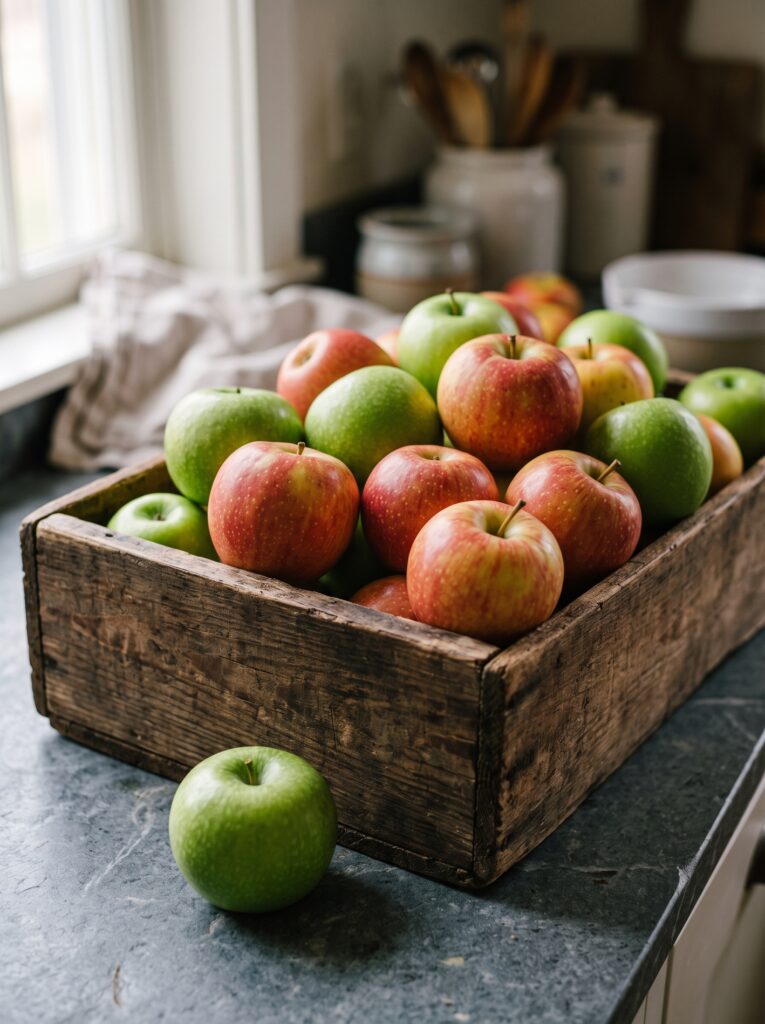
Not all apples are created equal for baking and this is one of those things that seems obvious until you learn it the hard way.
Soft, sweet apples — your basic red supermarket variety — turn to mush. You get filling that’s basically applesauce. Which is fine for some things but terrible for a slice-able, textured pie filling that holds its shape and has some bite left in it.
In the US, the absolute workhorses for baking are Granny Smiths (tart, firm, classic) and Honeycrisps, which add a bit of sweetness while still holding structure. A 50/50 mix is genuinely hard to beat. If you can find Braeburns or Jonagolds, use them.
In the UK, Bramleys are the traditional baking apple and they’re brilliant, though they cook down significantly and need a good amount of sugar to balance the tartness. Cox’s Orange Pippins hold their shape better and have this almost perfumed quality that’s really lovely in a pie. A mix of Bramleys and Cox’s gives you depth of flavour and better texture than either alone.
One more thing: slice thick. At least half an inch. Thinner slices disappear.
7. The Spice Ratio Nobody Talks About (But Should)
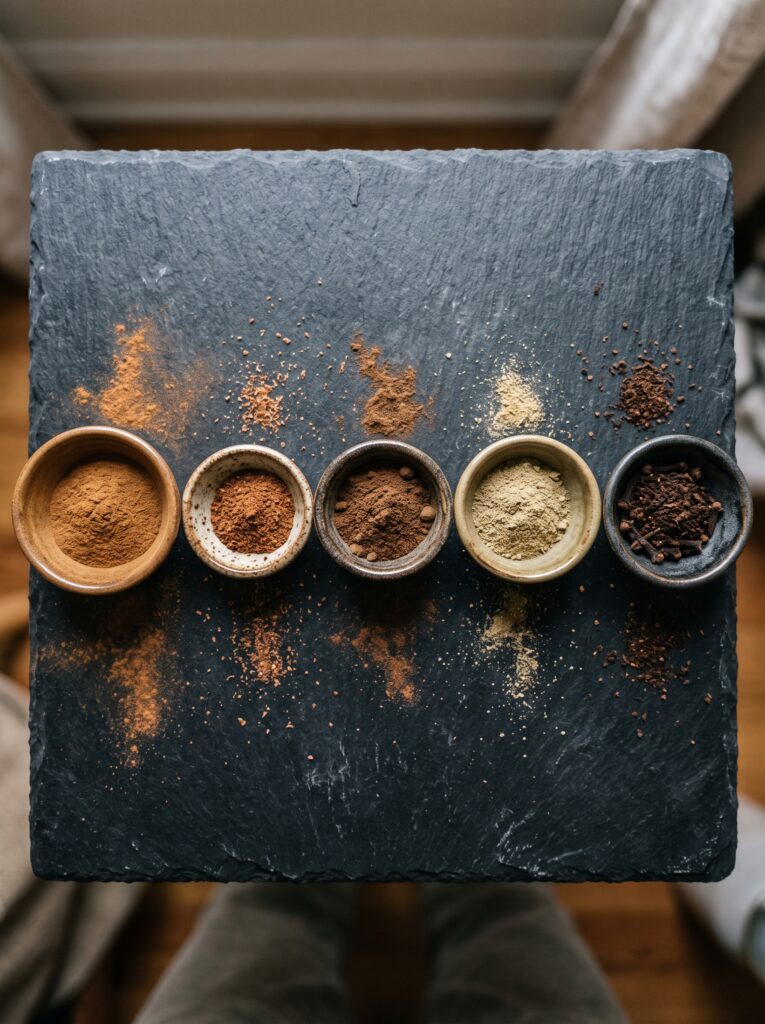
Cinnamon is non-negotiable. Everyone knows this. But there’s a whole conversation happening around the other spices that most recipes just skip, and it matters.
The standard recipe gives you cinnamon and sometimes nutmeg. Full stop. And it’s fine — but it’s also kind of flat. The version that makes people stop mid-bite and go what IS that? usually has:
- Cinnamon: about 1½ teaspoons for a standard 9-inch pie
- Nutmeg: just a pinch — freshly grated if you have a whole nutmeg, the difference is real
- Allspice: ¼ teaspoon, not more — it’s powerful and it can tip into medicinal if overused
- A tiny amount of cardamom: this is the secret, like ⅛ teaspoon, and it makes the whole spice blend smell more complex and almost floral
And then — and this is going to sound strange — a little black pepper. ¼ teaspoon. It doesn’t make the filling spicy, it just adds this barely-there warmth that sits underneath everything else and makes it taste more… complete, somehow. Or maybe I’ve just convinced myself it works. I’ve been doing it for three years and I’m not stopping.
8. Brown Butter Filling: Is It Worth the Extra Step?
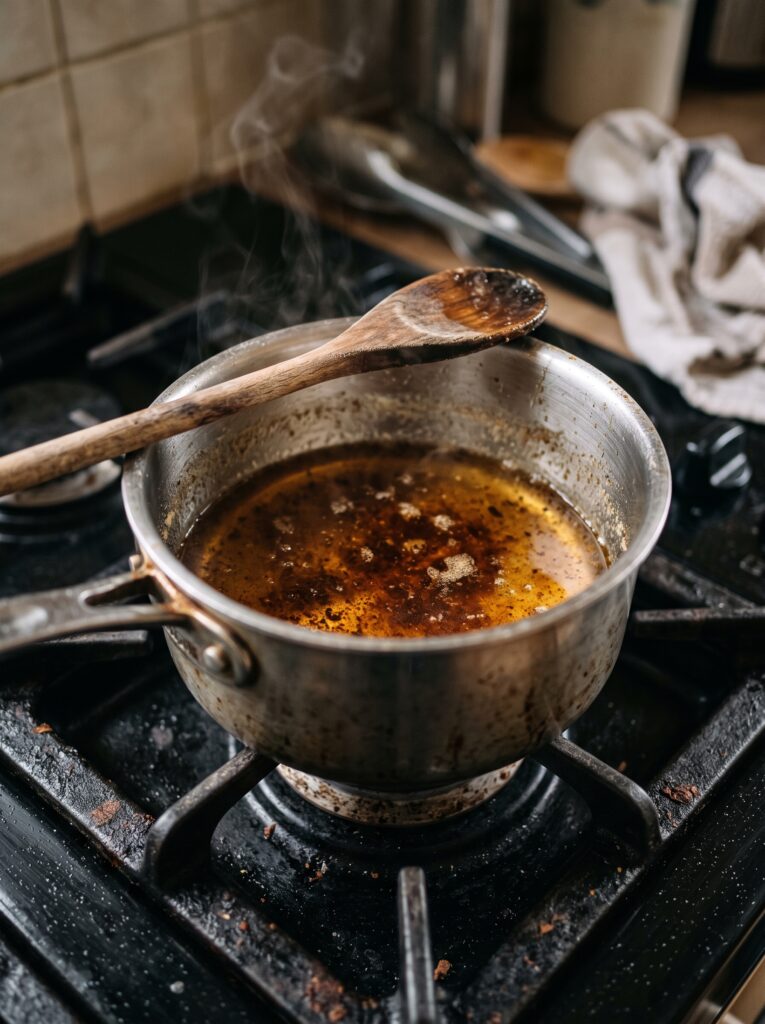
Yes. Full stop, yes.
Brown the butter you’re using for your filling before you add anything else. It takes about four minutes, you’ll know it’s ready when it smells nutty and toasty and the milk solids have gone golden in the bottom of the pan. Let it cool slightly before you toss it with the apple slices.
The flavour change is not subtle. Regular butter filling tastes like a nice apple pie. Brown butter filling tastes like an apple pie that someone made for you and then refused to give you the recipe for.
The only catch: watch it. Brown butter turns to burned butter in about thirty seconds if you stop paying attention. Medium heat, stay at the pan, swirl occasionally.
9. The Part of the Apple Pie Aesthetic That’s About the Table, Not the Oven
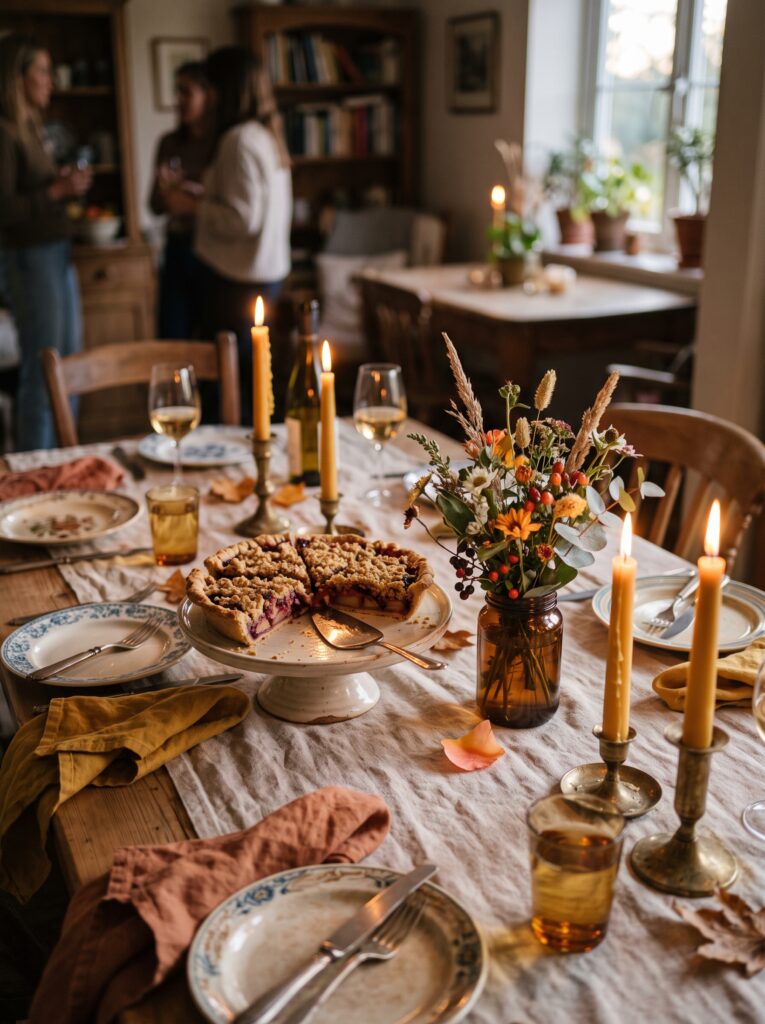
You’ve made the pie. Now what?
This is the part of apple pie aesthetic that’s less about technique and more about the staging. And I don’t mean staging in a fake way — I mean the small, instinctive choices about how to bring it to the table.
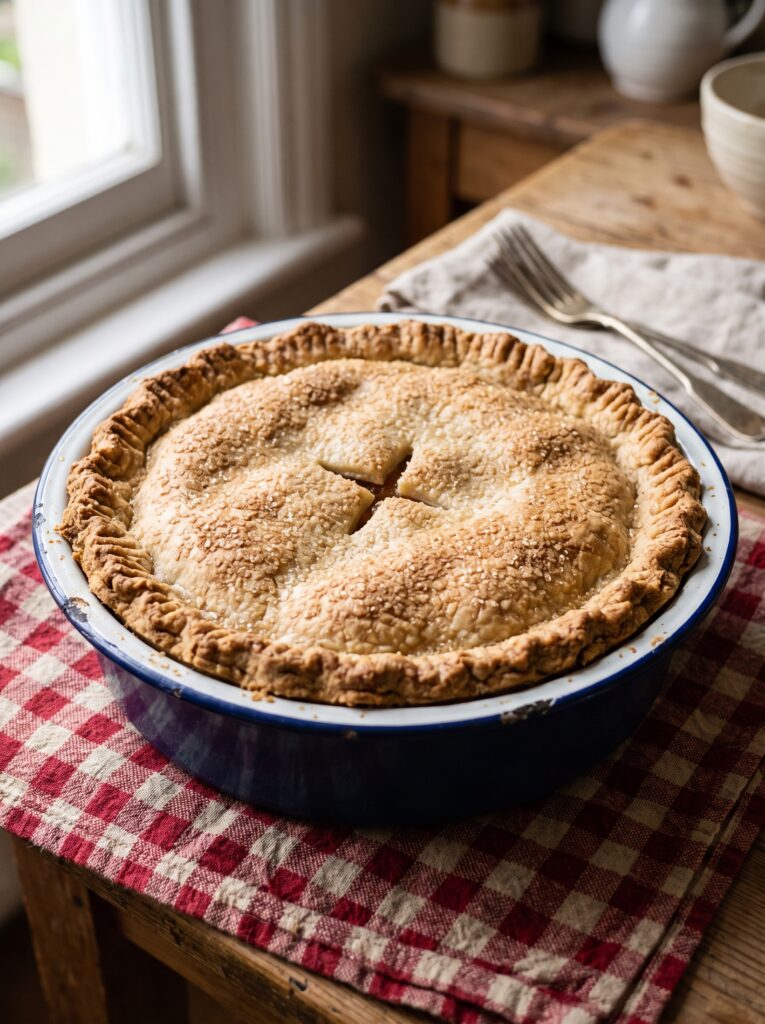
The pie shouldn’t be perfect. If there’s a crack in the crust, leave it. Better, actually. Dust the top lightly with caster sugar right before it comes out of the oven if you want that warm sparkle on the surface. Serve it on the dish it was baked in, not transferred to something prettier. The baked-in dish, slightly imperfect, with maybe a caramelized edge where the filling bubbled over? That IS the aesthetic.
“A perfect pie isn’t the goal. A pie that looks like someone who loves you made it — that’s the goal.”
A jug of cream on the table, slightly informal. A scoop of vanilla ice cream dropping onto a warm slice. The sound of the first cut, that faint crunch of crust. Serve it slightly warm but not hot — 20 minutes resting out of the oven is about right for the filling to hold when you slice it.
10. Making the Aesthetic Work Without Baking Anything at All
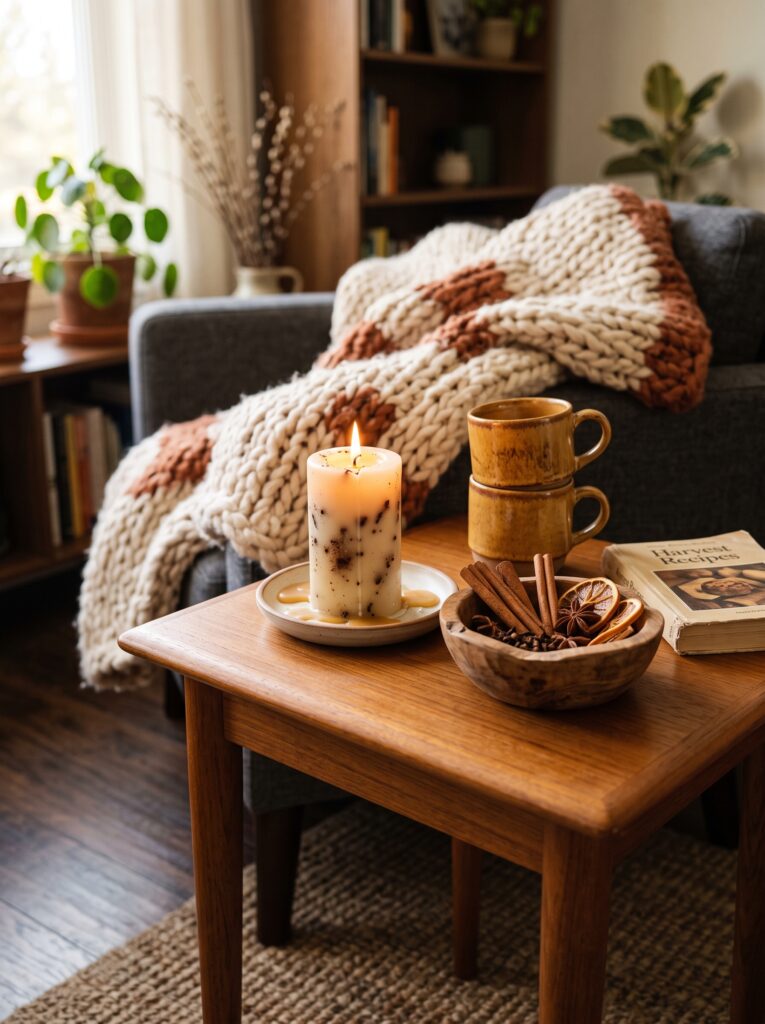
Because sometimes you want the feeling without the project.
This is where the home decor side of apple pie aesthetic earns its place. And actually there’s a lot you can do quickly.
A wooden fruit bowl with a few actual apples in it — not red ones, go for russets or green or yellow — does more work than almost any decorative item you could buy. Real things. Real fruit. Dried apple slices hanging in a window on a piece of twine, which takes about two hours in a low oven (200°F/95°C, slice thin, pat dry, lay on a rack) and looks genuinely stunning and costs almost nothing.
Cinnamon sticks loose in a small ceramic bowl near the kettle. A stack of cookbooks that look actually read, not just displayed. A single vase with dried hydrangeas or honesty or seed heads — something that looks like it came in from outside.
Anyway, the point is: the aesthetic isn’t locked to autumn. You can run with it year-round, and it feels less forced when it lives in your actual daily habits rather than a once-a-year decoration haul.
11. The British Twist That American Kitchens Are Actually Sleeping On
Custard.
Not as a replacement for ice cream or cream — as its own thing, served warm alongside, in a jug with a slight skin on top. Poured, not scooped. The contrast of warm custard against cold ice cream alongside warm pie is genuinely one of the best flavour and temperature combinations in existence, and I will stand behind this forever.
British apple desserts do this differently than American ones, and there’s a reason. The British tradition leans toward softer, more yielding textures — crumble more than pie, custard more than cream — and those choices aren’t accidental. A British cook would tell you the custard carries the spice in a way that cold cream just doesn’t. And they’d be right.
The shortcut version: stir good-quality instant custard powder into whole milk instead of water, use a little less liquid than the packet says, add a splash of vanilla extract, and finish with a tiny knob of butter stirred in off the heat. It’s not from scratch, but it tastes almost like it is, and it’s ready in eight minutes.
12. The One Small Thing That Makes Every Apple Pie Kitchen Feel Complete
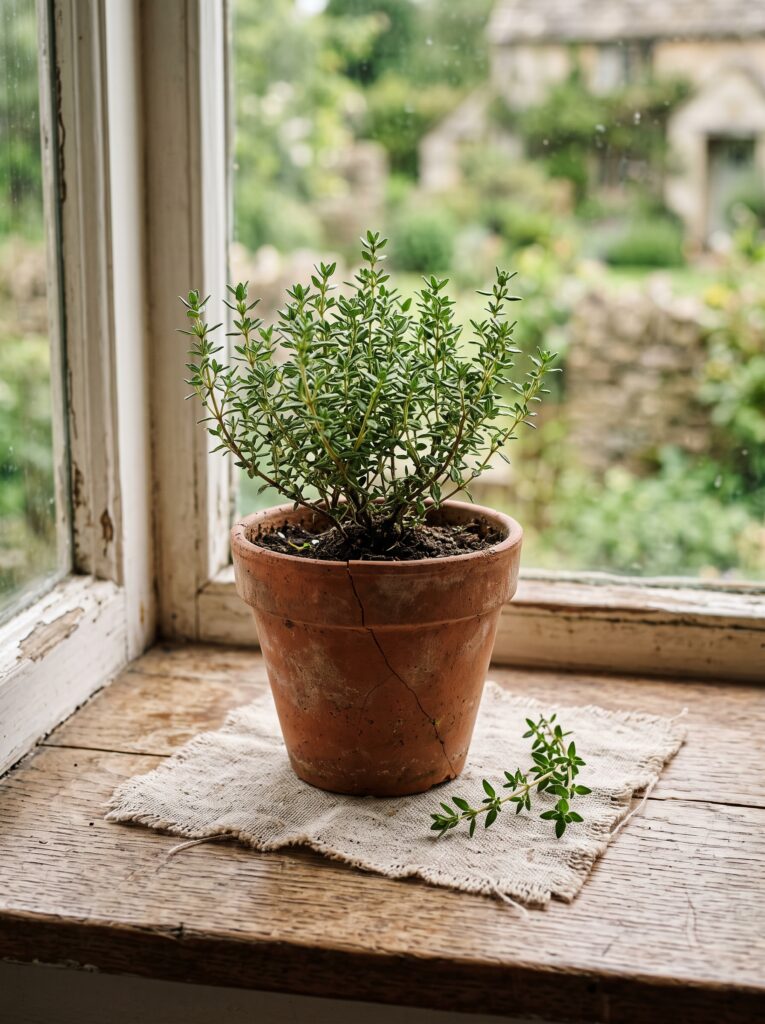
A timer. An actual, physical, wind-up kitchen timer.
Not your phone. Not the oven’s built-in one. An old-fashioned round kitchen timer that you set by turning a dial and that ticks.
I know this sounds ridiculous but I mean it. There’s something about the tick of a mechanical timer in a kitchen — that soft, rhythmic count — that creates an atmosphere that no decor item can replicate. It says: something is in progress here. Time is being minded. There’s an intention to this kitchen, a pace to it, a person who’s paying attention.
Plus it forces you to stay close to what you’re baking, which means you actually pull the pie out at the right moment instead of discovering it twenty minutes too late because your phone notification got buried.
—
❓ FAQ
Q: What’s the best apple to use for apple pie if I can only find supermarket apples? A: In the US, Granny Smith is your safest, most widely available option — it’s tart, firm, and holds up brilliantly under heat. In the UK, a Bramley is the traditional choice and most large supermarkets stock them year-round. If you can’t find either, go for the firmest, least-sweet apple available and add a bit less sugar to compensate.
Q: How do I stop my apple pie filling from being too watery? A: Two things help most. First, toss your sliced apples with the sugar and let them sit for 30 minutes — they’ll release liquid, which you then drain off before adding your filling ingredients. Second, use a tablespoon of cornstarch (cornflour in the UK) mixed into your filling — it thickens as it bakes and gives you that glossy, jammy consistency instead of a soupy one.
Q: Can apple pie aesthetic work in a very modern, minimal kitchen? A: Honestly? Yes, more than people expect. You don’t need rustic cabinetry or a farmhouse sink. You just need texture and warmth introduced through smaller things — a rough linen cloth, a wooden board, ceramic bowls, actual apples in a bowl. The aesthetic lives in objects and smells more than in architecture, so it can layer over almost any kitchen style without looking out of place.
—
💭 Final Thoughts
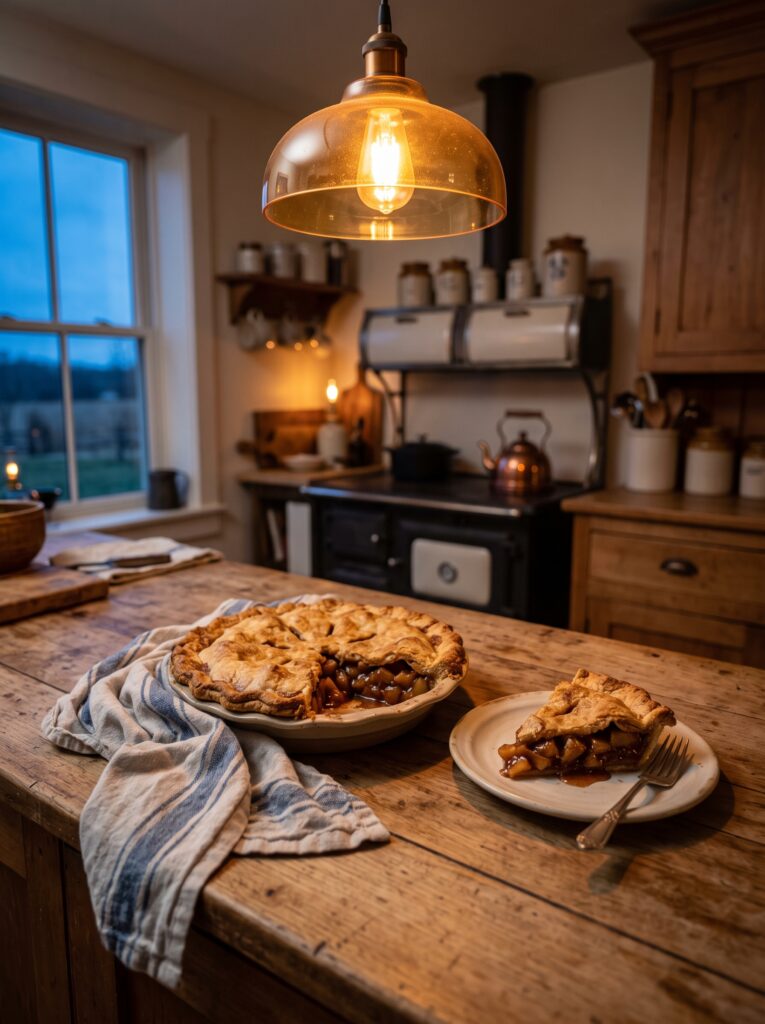
Apple pie aesthetic, at its core, is just a kitchen that tells the truth about itself. That things get made here. That time is taken. That imperfect and delicious are not opposites.
You don’t need a farmhouse or a set of matching crockery or even a particularly good recipe to get it right. You just need to lean into the warmth — the literal warmth of the oven, the amber light of late afternoon, the smell of cinnamon doing its work on the air.
And maybe ask yourself: when was the last time your kitchen actually smelled like something?
