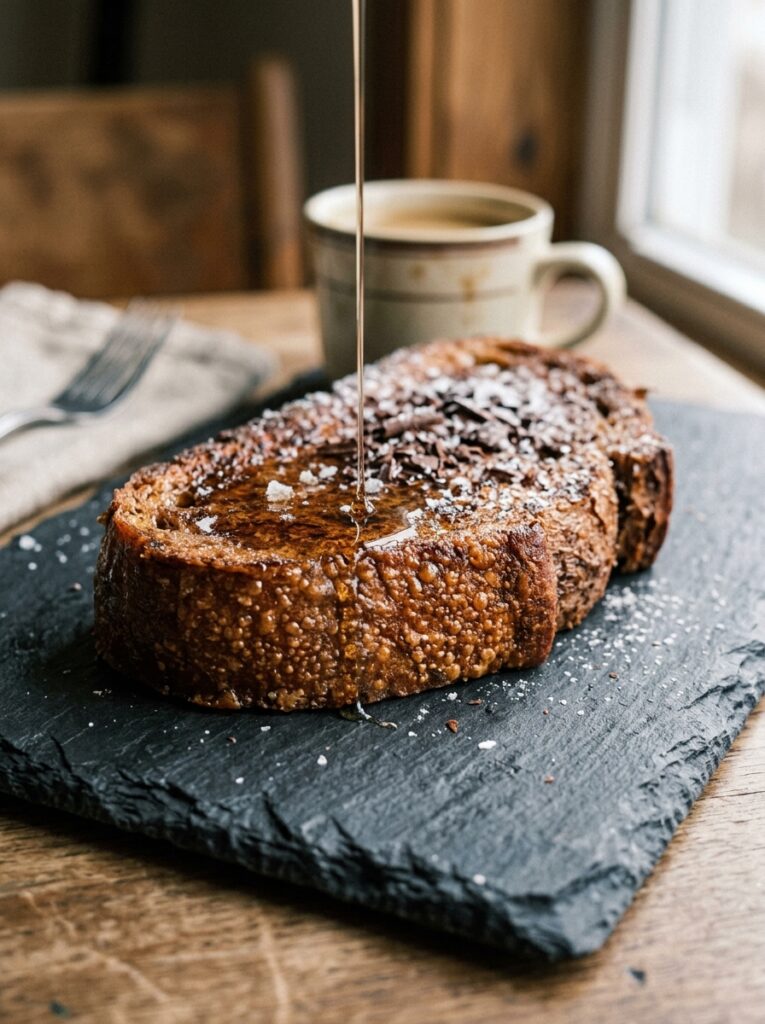
My friend Emma texted me at 9am on a Saturday with a single photo — no caption, no context. Just a stack of chocolate french toast with a slow pour of cream dripping down the side. I made it that same afternoon. I’ve made it probably thirty times since.
—
1. Why Regular French Toast Actually Lets You Down
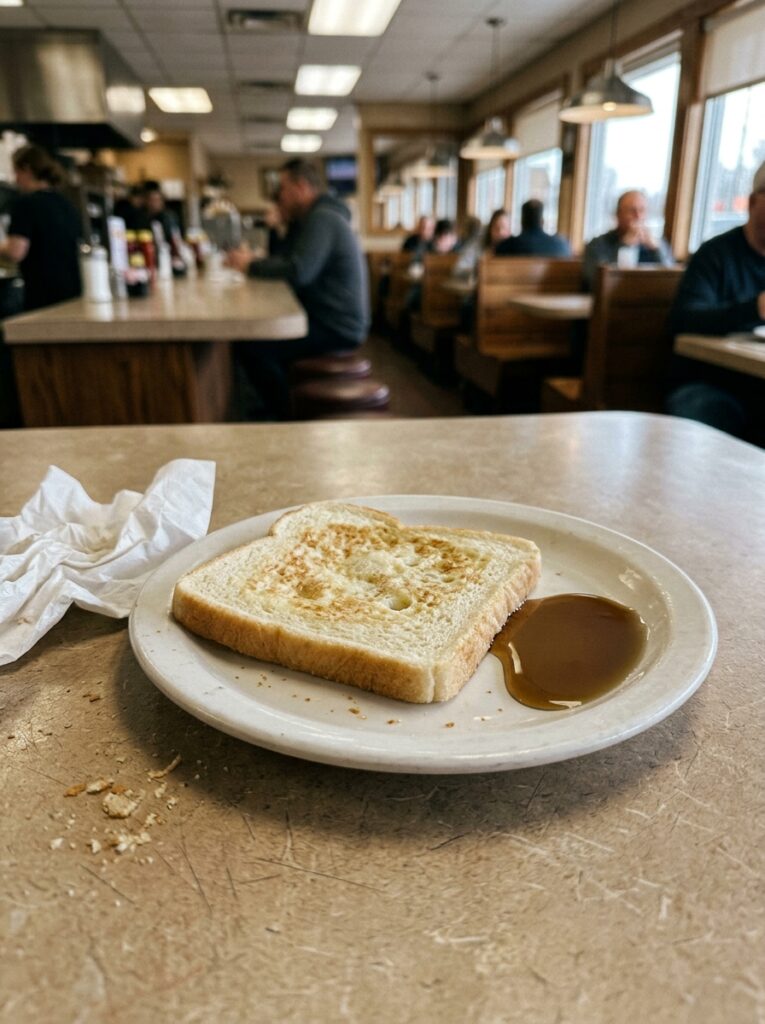
Here’s the thing about classic french toast: it’s fine. It does its job. But “fine” isn’t why you drag yourself to the kitchen on a weekend morning. You want something that makes the whole house smell good before anyone’s even poured coffee. You want something that feels like an occasion even when it isn’t.
Regular french toast peaks at eggy, a little golden, maybe a bit sweet if you’ve got good maple syrup. Chocolate french toast does something different. The cocoa goes into the custard itself — not drizzled on top, not added after — so every single bite has that deep, slightly bitter chocolate flavor baked right in. And the texture is better too. Richer. More custardy in the middle.
Honestly, I didn’t think it would be this much of an upgrade. I was wrong.
2. The Bread Decision That Changes Everything
Don’t use sandwich bread. I’m going to say that once and leave it there.
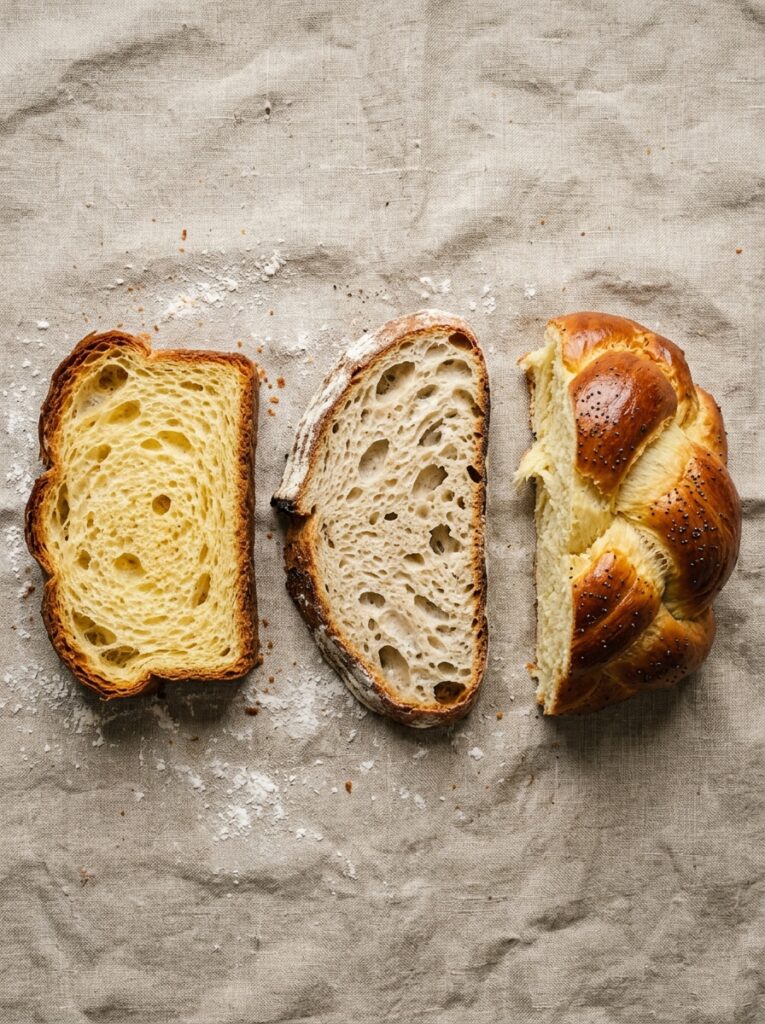
Brioche is the obvious answer, and for good reason — it’s got enough fat and structure to hold a chocolate custard without going completely soggy, but it still soaks up flavor like a dream. Thick-cut brioche, about an inch, is the sweet spot. You want the outside to crisp up properly and the inside to stay almost pudding-like.
Challah works brilliantly too. It’s a little less rich than brioche but it’s got this subtle eggy sweetness that plays nicely with the cocoa. If you’re in the UK and can’t always find brioche at your local bakery, challah from a decent supermarket is a solid substitute.
Sourdough? Surprisingly good, actually — it won’t be as sweet, obviously, but the slight tang cuts through all that chocolate in a way that’s kind of addictive. Try it once and see what you think.
“The bread isn’t just a vehicle. It’s half the recipe — treat it like it matters.”
Texas toast-style thick white bread works if that’s all you’ve got, but it gets a little flabby in the middle if you’re not careful. Thin bread? No. Just no.
3. Building a Custard That Actually Tastes Like Chocolate
This is where most recipes play it safe and you end up with french toast that’s barely chocolate-flavored. A little cocoa powder in a sea of egg and milk isn’t going to do it. You need to be intentional.
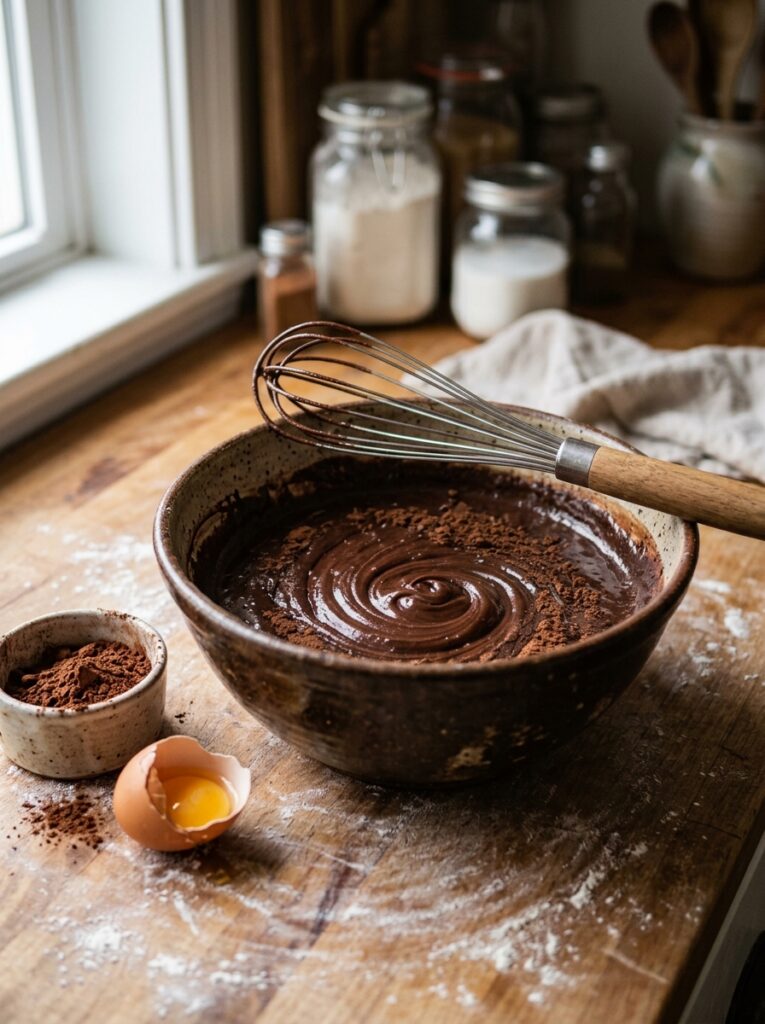
Start with your eggs — three large ones for every four thick slices. Add three quarters of a cup of whole milk, or half milk and half double cream if you want it really luxurious. Two tablespoons of good quality unsweetened cocoa powder, sifted (don’t skip the sifting, lumpy custard is a real problem). One tablespoon of sugar — just one, because you don’t want it cloyingly sweet before it’s even cooked. A pinch of salt. And here’s the thing most people skip: half a teaspoon of vanilla extract.
The vanilla doesn’t make it taste like vanilla. It just makes the chocolate taste more like chocolate. It’s like a background singer who you’d miss immediately if they weren’t there.
Whisk it until it’s completely smooth. Then whisk it again. Taste it — it should taste dark and rich, not watered-down-hot-cocoa sweet. If it tastes thin, add another half tablespoon of cocoa. Trust your palate here more than the recipe.
4. The One Step Most Recipes Rush Past
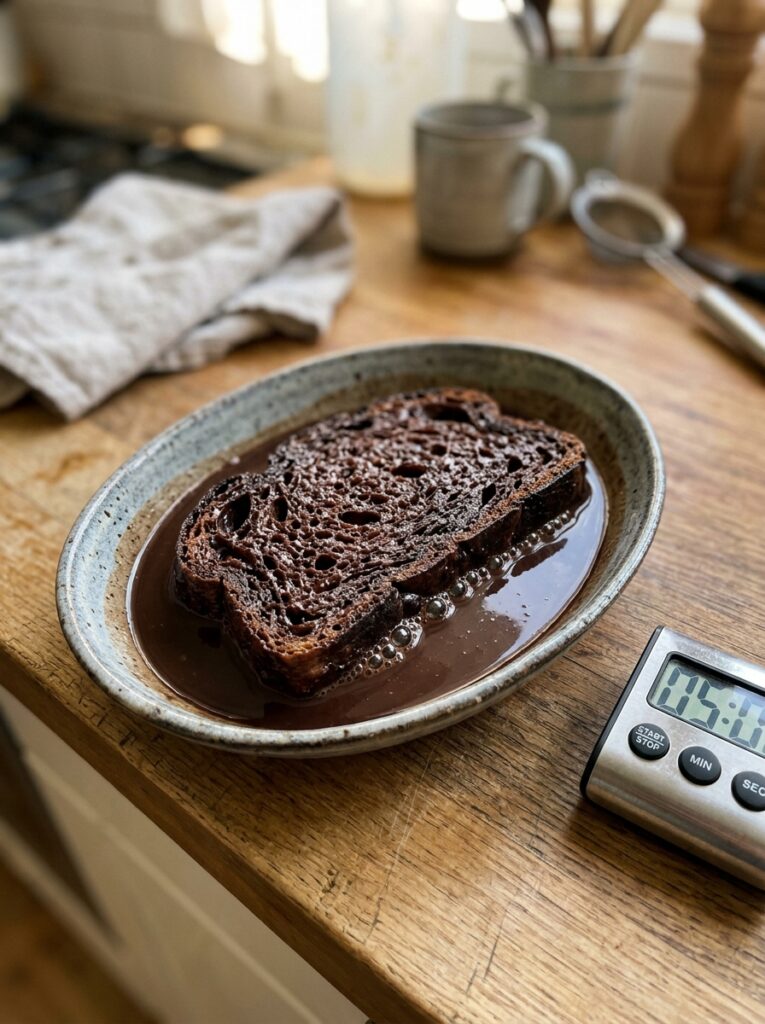
Soaking time. People treat it like an afterthought and then wonder why the middle of their french toast is still dry and eggy. The bread needs to actually absorb the custard.
For brioche about an inch thick, I give it a full thirty seconds per side in the custard, then let it rest in the bowl for another minute. That sounds like nothing but it makes a real difference — you want the custard to start working its way toward the center, not just coat the outside.
If your brioche is very fresh and therefore a little soft and squishy, be gentle. It doesn’t need more soaking time, it needs less pressure.
Day-old bread actually works better here — it’s firmer, it absorbs the custard more evenly, and it holds its shape in the pan. This is one of those cooking rules I resisted for ages and then had to admit was completely right.
5. What Happens in the Pan (and What Goes Wrong)
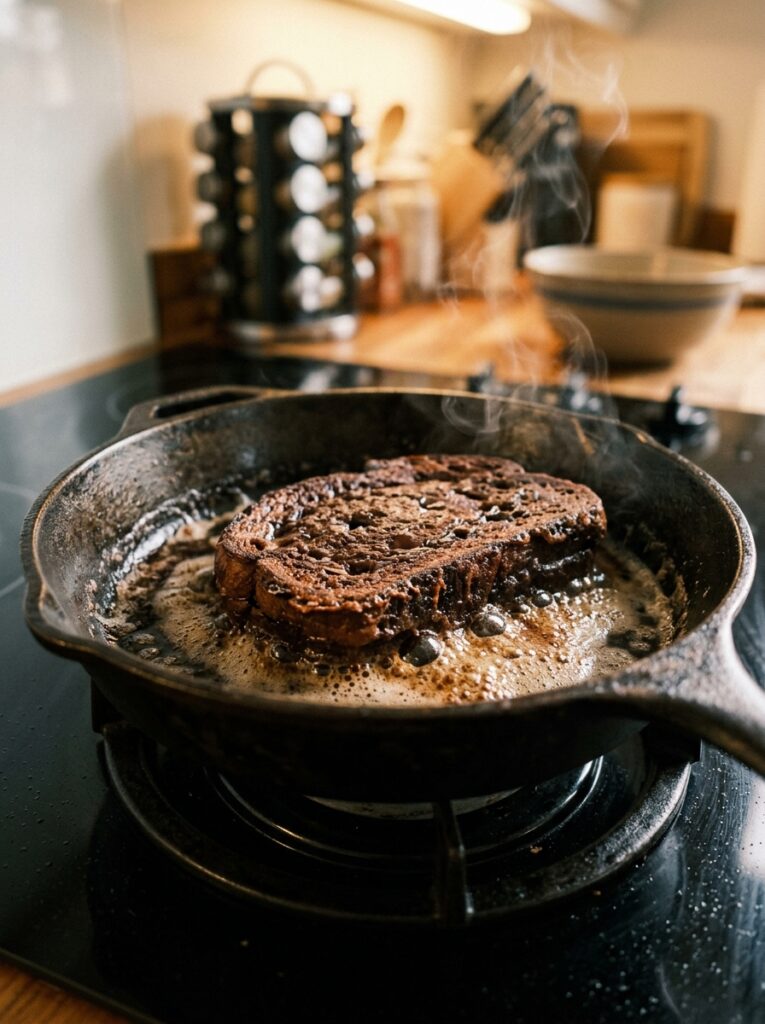
Medium heat. Not low, not high. Medium.
This matters because chocolate burns faster than a plain custard. The cocoa powder and the sugars in the bread can go from beautifully golden to genuinely bitter in about ninety seconds if your pan’s too hot. I’ve done it. It’s disappointing in a specific, demoralizing way.
Use butter. A proper knob of it, enough to coat the pan. Let it foam up and then start to settle before you add the bread — that’s when it’s hot enough. You’ll hear the sizzle immediately when the bread hits the pan, which is exactly the sound you want.
Cook it for about two and a half to three minutes on the first side without touching it. Resist the urge to peek and prod. Let the crust form. Flip it, and you’ll see this gorgeous dark mahogany color — not burnt, just deeply caramelized. The second side takes about two minutes.
The center should be soft and barely set. If it’s still wet custard when you press it lightly, another thirty seconds. If it bounces back, it’s done.
“That dark mahogany color isn’t a warning sign — it’s the whole point. Don’t panic, don’t flip it early.”
6. The Case for Adding Espresso Powder and Never Looking Back
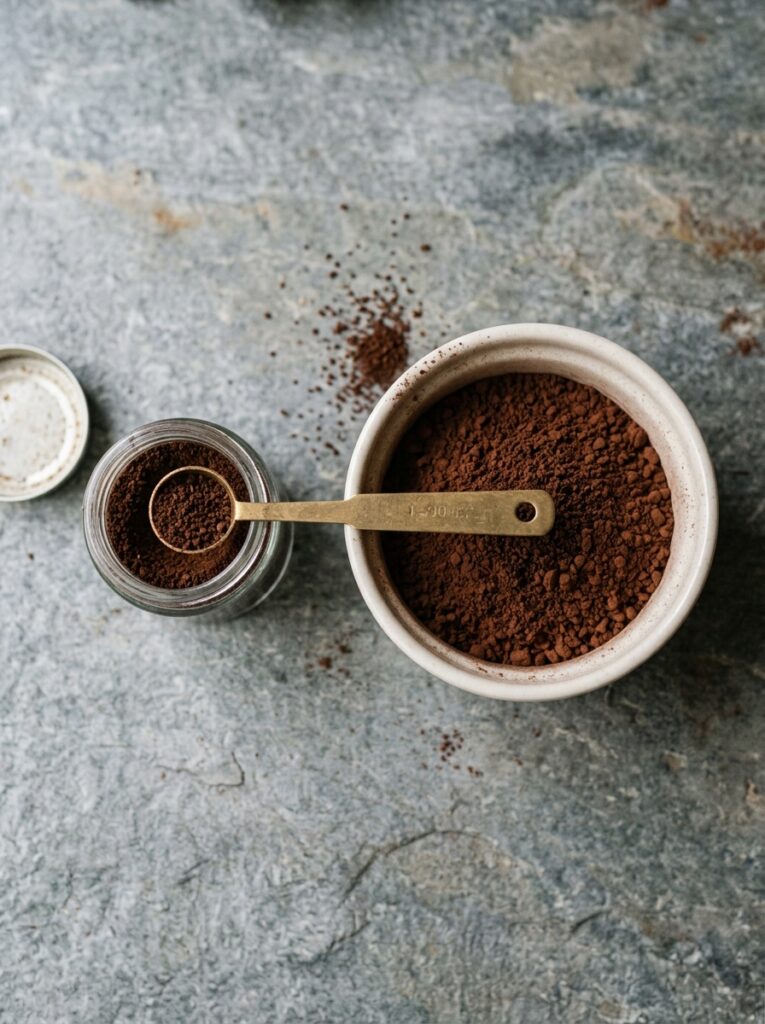
Optional but not really optional. A quarter teaspoon of instant espresso powder in your custard changes the whole flavor profile in this almost invisible way — you can’t taste coffee, but the chocolate suddenly tastes deeper and more complex. It’s the same reason a lot of good chocolate cake recipes use coffee.
I was skeptical the first time. I’m now slightly evangelical about it.
If you’re making this for kids, leave it out. If you’re making it for adults who say they don’t like coffee, add it anyway and don’t mention it. They won’t know. They’ll just think you’re a very good cook.
7. Toppings That Don’t Compete (and a Few That Shouldn’t Exist)
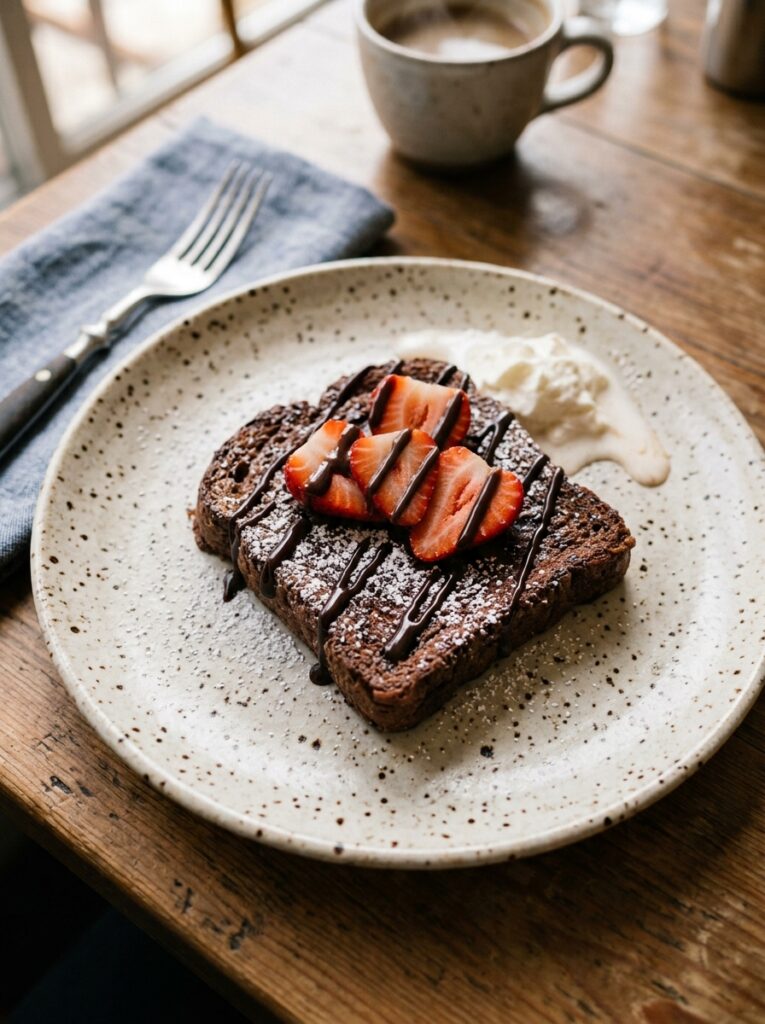
The topping situation is where things can go sideways really fast. Chocolate french toast is already rich. You don’t need to pile on more chocolate sauce, more syrup, more everything — you’ll just end up with a sugar headache and no clear flavors.
Here’s what genuinely works:
Fresh raspberries or strawberries. The acidity cuts through the richness so cleanly it almost resets your palate between bites. This is probably my favorite way to eat it.
A little cold double cream or crème fraîche poured at the table — not whipped, not sweetened, just cold and slightly tangy against the warm toast. Incredible.
A very small drizzle of good maple syrup — emphasis on small. You’ve got sweetness already.
Flaky sea salt. On top. Sounds fancy, takes two seconds, makes you look like you know what you’re doing.
What doesn’t work: chocolate spread on top (too much), chocolate chips scattered over (they don’t melt properly, they just sit there), and any kind of candy-style topping that belongs on a sundae, not breakfast.
8. Making It Work for a Crowd Without Losing Your Mind
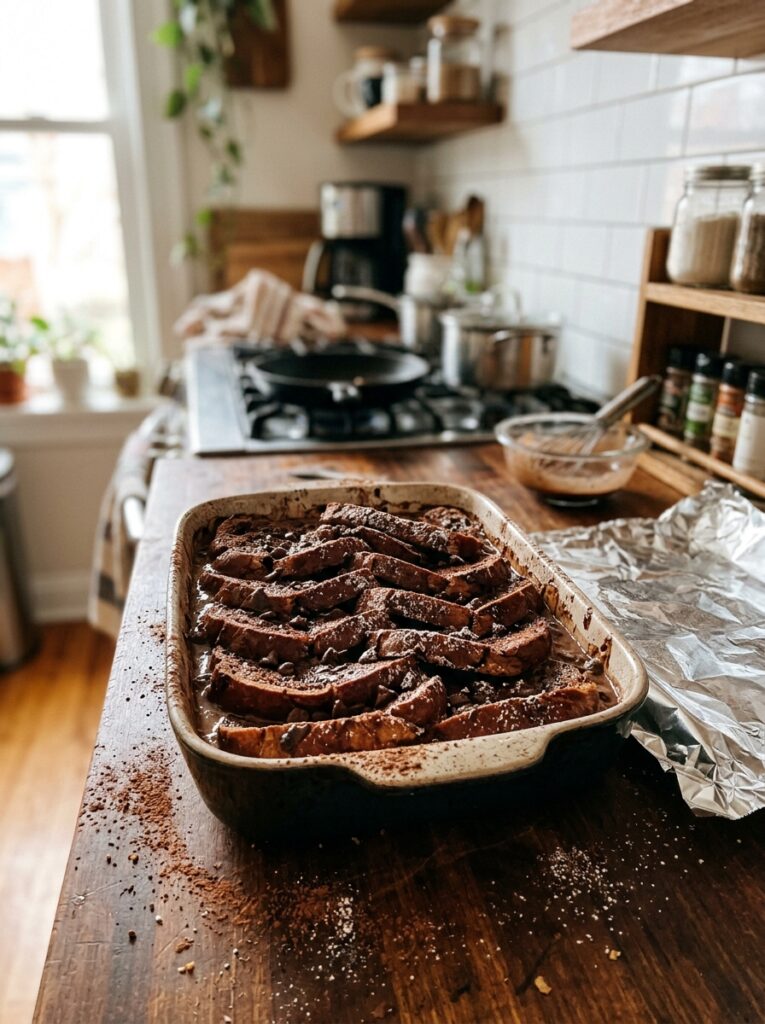
French toast for four or more people is genuinely annoying to cook in batches while trying to eat at the same time. There’s a solution and it’s so simple I don’t know why more people don’t do it.
Oven method. Once each piece is cooked in the pan on both sides — just until the outside is set and the color is right, about ninety seconds per side — transfer them to a baking sheet in a 275°F (135°C) oven. They’ll stay warm and continue cooking gently in the middle while you finish the rest of the batch. Pull them all out together. Everyone eats hot food at the same time.
Side note — this also means you can prep your custard the night before, cover it in the fridge, and give it a quick whisk in the morning. The cocoa settles a bit overnight so it definitely needs that second whisk.
9. The Version You Make When You Want to Actually Impress Someone
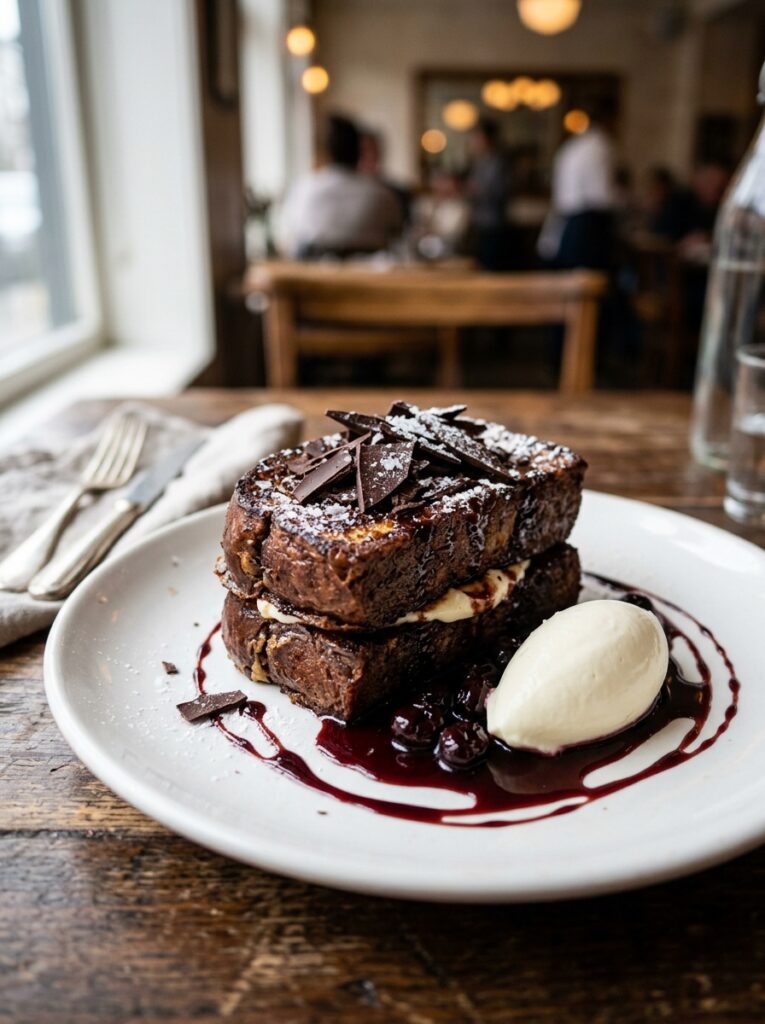
Stuffed chocolate french toast. Yes, it’s as good as it sounds and no, it’s not that much more work.
Take two thinner slices of brioche — about half an inch each — and spread a thin layer of cream cheese on one side of each. Mix the cream cheese with a tiny bit of powdered sugar and a few raspberries, press them together into a sandwich, and then dip the whole thing in your chocolate custard.
The cream cheese melts just slightly in the pan and becomes this warm, tangy, barely-sweet filling against the chocolate crust. It’s the kind of thing you’d pay fifteen dollars for at a brunch restaurant.
You could also do a thin smear of almond butter instead of cream cheese if dairy’s a problem. It won’t be quite as creamy but the flavor combination is genuinely lovely.
“This is the version you make when someone stays over and you want them to think you’re a little bit amazing in the kitchen.”
10. The Chocolate French Toast Mistake That’s Actually Worth Making
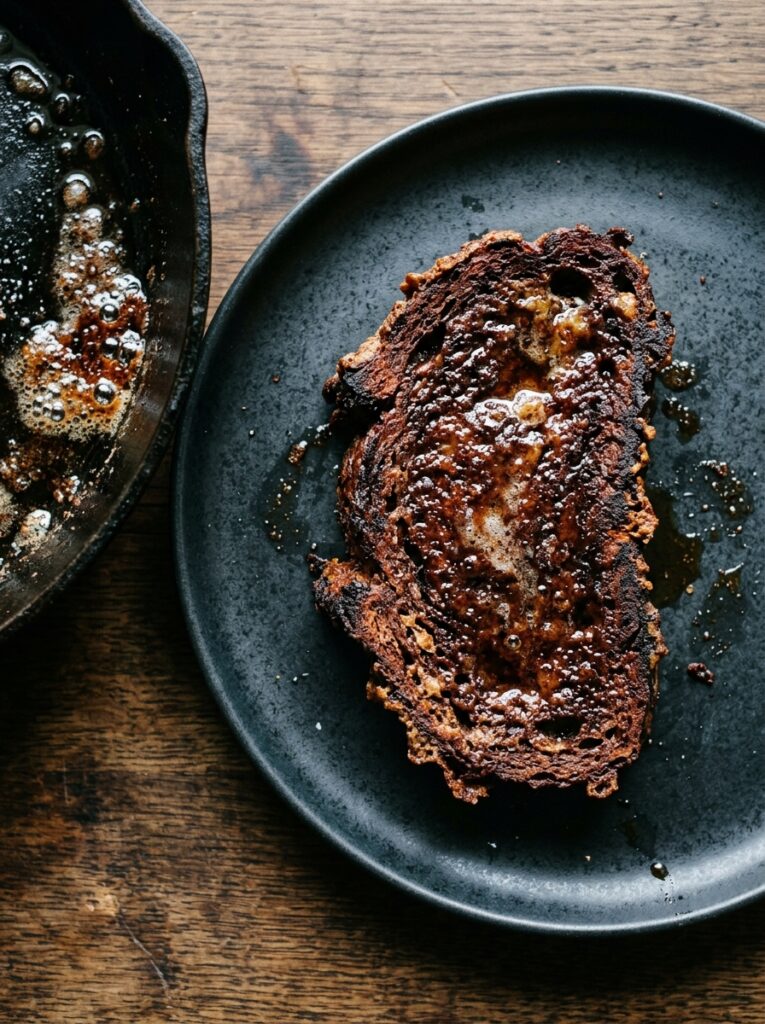
Here’s a weird discovery: let one piece cook about thirty seconds longer than you think it should. Just once, try it. The outside gets this slight crispness that borders on caramelized, almost like a thin crackly shell, and the contrast with the soft interior is SO much better than the standard version.
Not burnt. Not dry. Just — more. It’s hard to describe without sounding like I’m making it up but I promise I’m not.
This is the version I make for myself when nobody else is around to say anything about it.
11. US vs. UK Kitchen Notes (Because They Actually Differ)
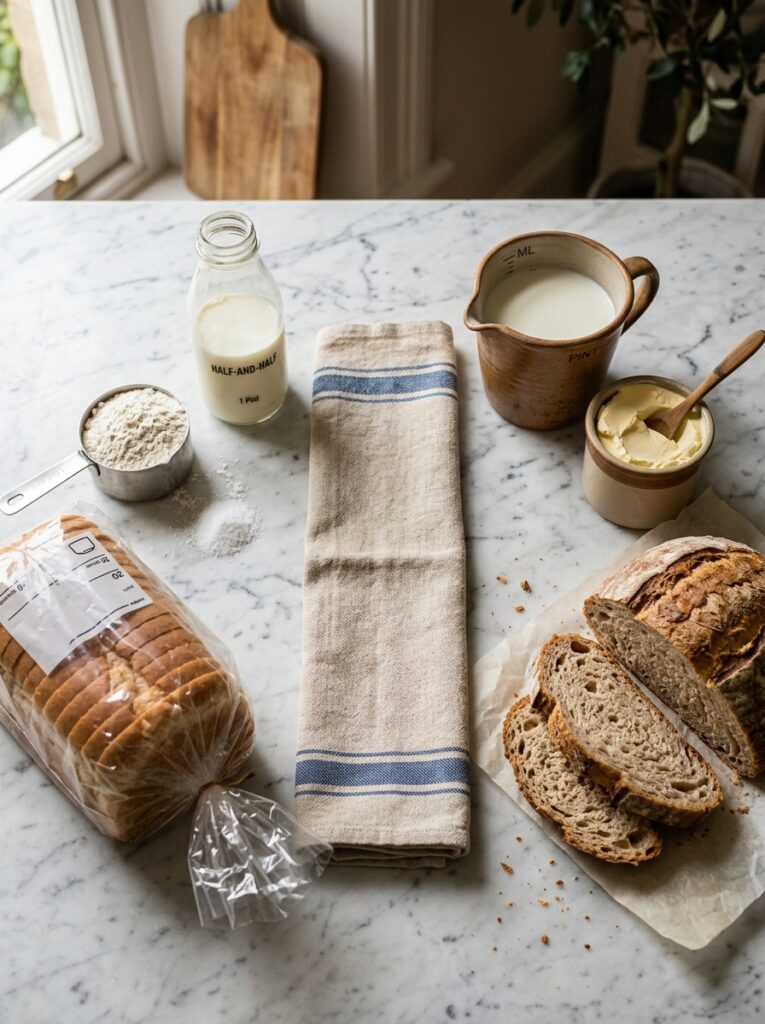
A few practical things worth mentioning because I’ve had questions about this.
In the US, brioche is pretty widely available in most grocery stores, usually pre-sliced which is fine. In the UK, a good bakery brioche or a thick-cut bloomer-style white from a supermarket in-store bakery are both excellent options.
Cocoa powder — both countries have access to Dutch-process and natural cocoa. Dutch-process (slightly darker, less acidic) gives you a smoother, more rounded chocolate flavor in the custard. If your cocoa just says “cocoa powder” on the tin without specifying, it’s usually natural. Either works, but Dutch-process is marginally better here if you can find it.
Double cream (UK) and heavy cream (US) are interchangeable in this recipe. Either one works in the custard or as a pouring cream on top.
Temperature — US readers cook on Fahrenheit, and 350°F for a medium-hot pan or holding oven at 275°F are the relevant numbers. UK readers: 135°C for the holding oven, and “medium” on a gas hob is the same on both sides of the Atlantic. Thankfully.
12. The Morning It’s Actually Worth Making
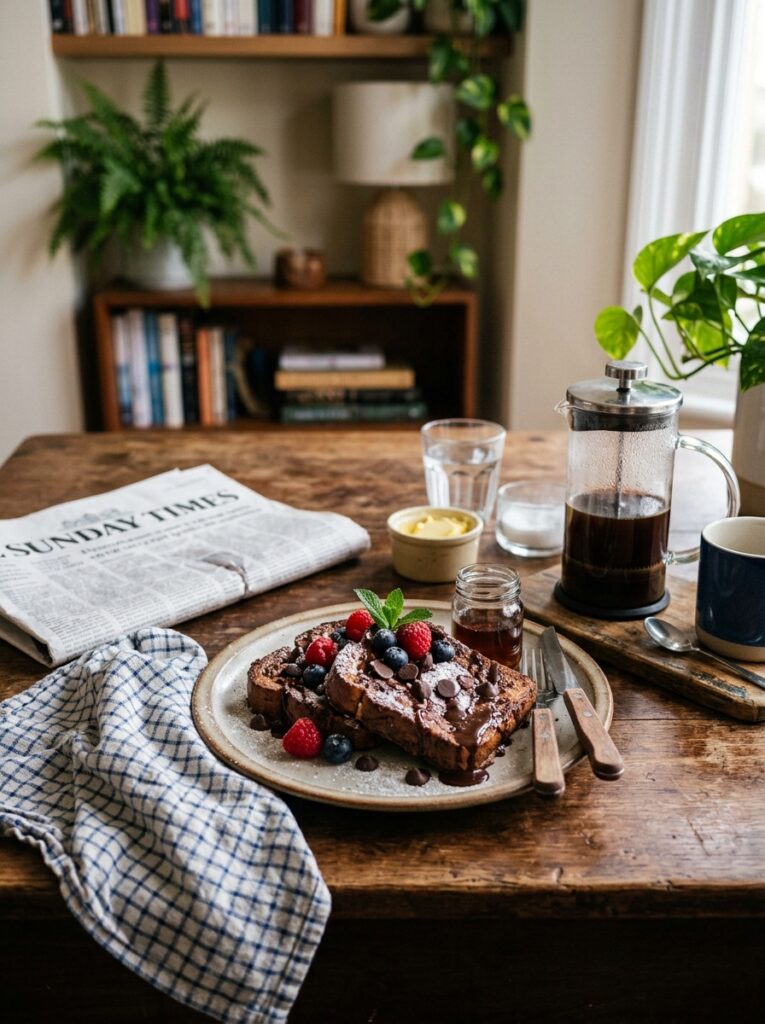
Saturday. That’s my answer. Not because it takes a long time — it doesn’t, the whole thing from fridge to plate is under twenty minutes — but because Saturday mornings are the ones where you actually want to stand at the stove and be present for a few minutes. Where the smell of butter and chocolate hitting a hot pan feels like its own kind of weekend ritual.
You could make this on a Tuesday. I have. It’s still delicious. But there’s something about making it when you have a bit of time, when you’re not rushing, when maybe someone else is still in bed and you can bring it to them — that’s when this recipe really lands.
It’s become one of those things I make when I want the morning to feel like something.
—
❓ FAQ
Q: Can I make chocolate french toast the night before? A: You can prep the custard the night before and refrigerate it — give it a good whisk in the morning since the cocoa will settle. The cooked french toast doesn’t reheat brilliantly (it loses the crispy exterior), so I’d always cook it fresh. The prep is quick enough that this isn’t really a hardship.
Q: What if I don’t have brioche — will regular bread work? A: It’ll work, but go for the thickest, densest white bread you can find and cut it yourself if possible. Standard pre-sliced sandwich bread goes soggy too quickly and won’t give you that creamy interior texture. Thick white toast bread, sourdough, or any slightly enriched loaf are all better options.
Q: Can I make chocolate french toast without eggs? A: Yes — replace the eggs with a mix of plant-based milk (oat milk works well), a tablespoon of cornstarch per egg for binding, and a little extra cocoa. The texture will be slightly less custardy and more set, but it still works well. Don’t rush the cooking time and make sure your pan isn’t too hot.
—
💭 Final Thoughts
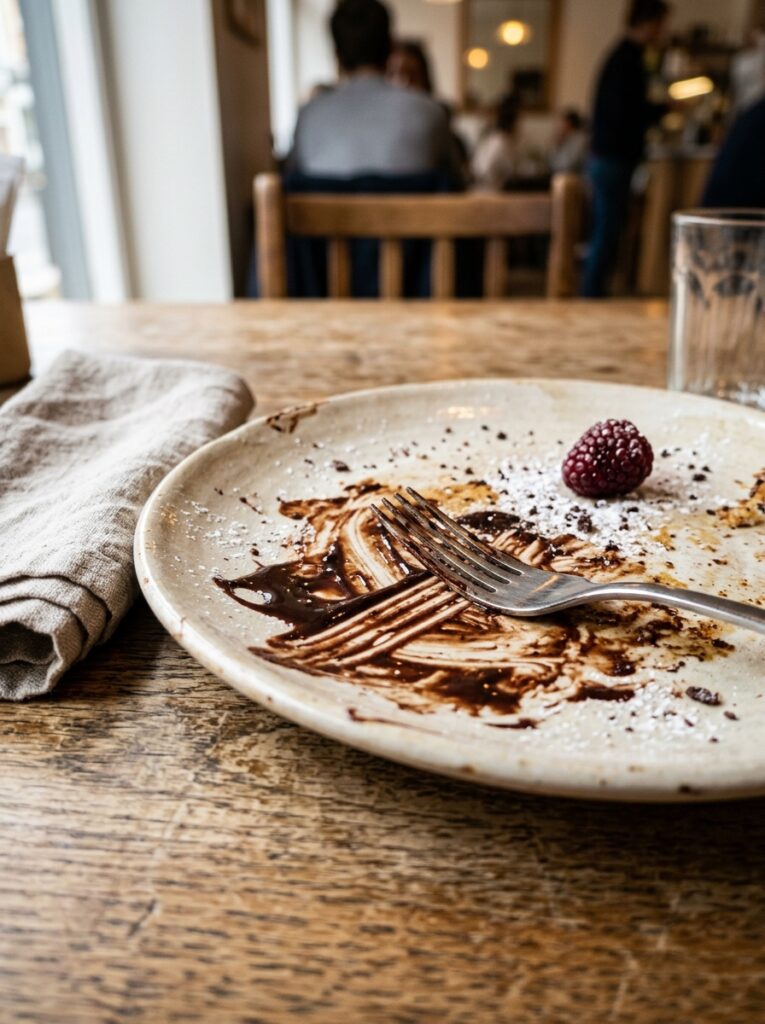
This is one of those recipes that sounds like it’s doing too much and turns out to be exactly right. Not too sweet, not too complicated, just genuinely good in the way that breakfast should be but so rarely is. Once you’ve made it with brioche and a proper chocolate custard and maybe a handful of raspberries on the side, it’s going to be hard to go back to the plain version.
What do you serve yours with — fruit, cream, or just maple syrup and absolutely no apologies?
