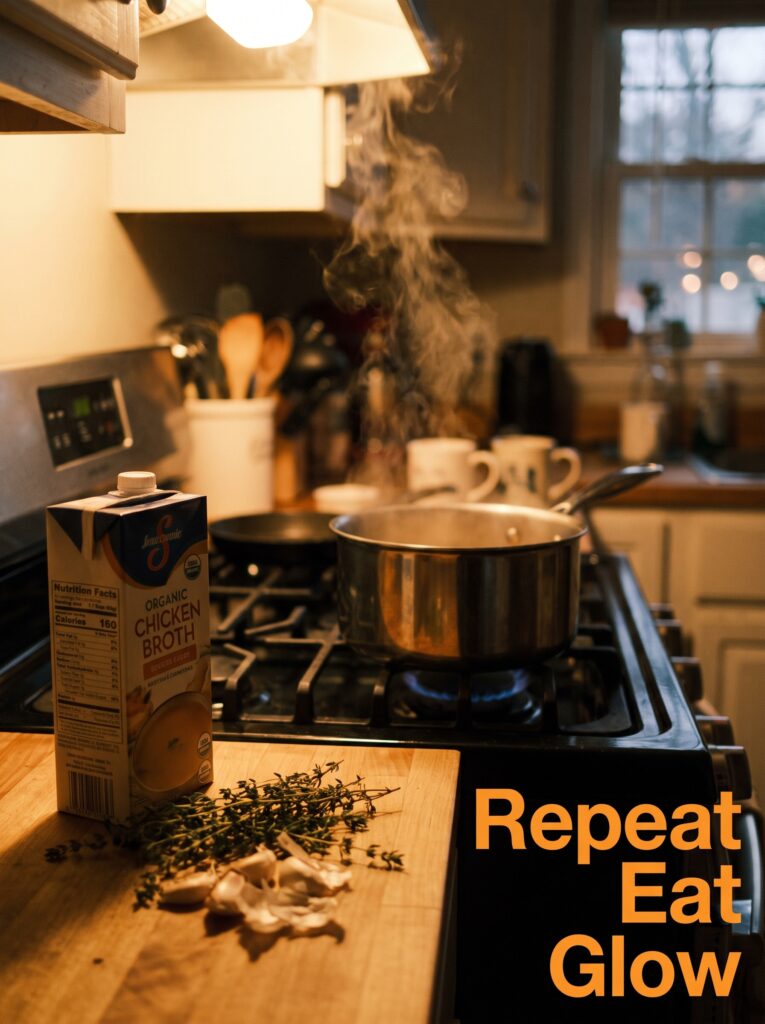
You’ve got a carton of chicken broth, maybe two, shoved to the back of the shelf. And tonight you’re staring at the fridge thinking there’s nothing to eat. There is. There absolutely is.
—
1. Why Chicken Broth Is the Quiet Hero Your Cooking’s Been Missing
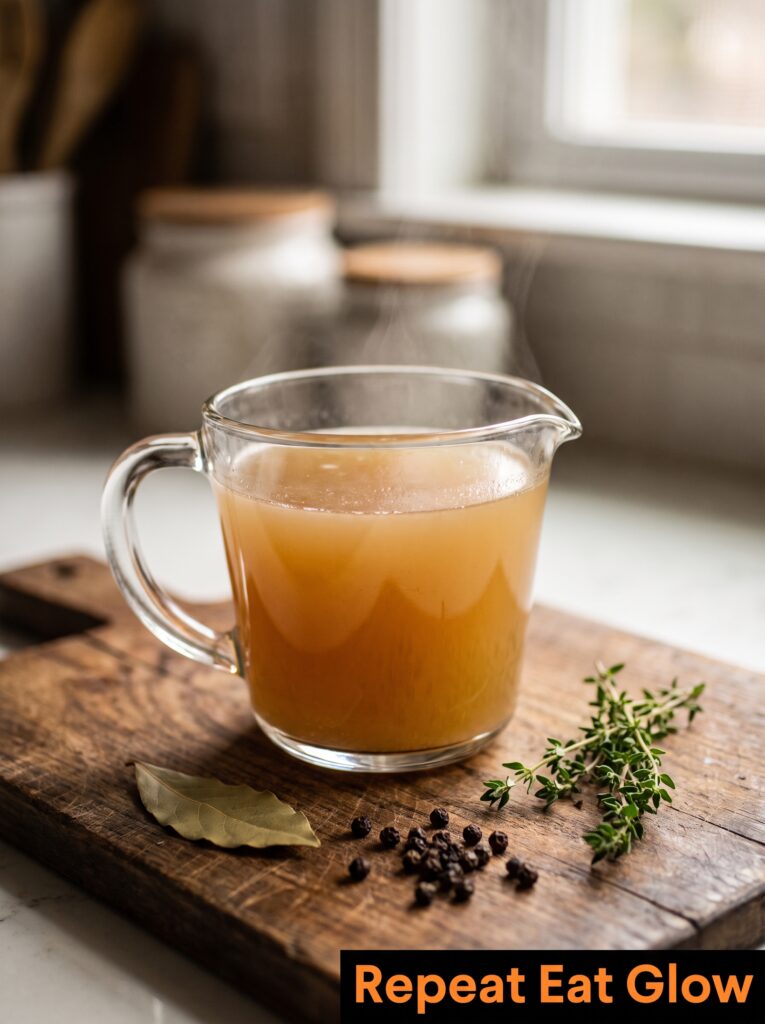
Here’s the thing about chicken broth that nobody really talks about: it doesn’t just add flavor. It adds depth. That rounded, savory quality in a restaurant dish that you can’t quite put your finger on? Nine times out of ten, there’s a generous pour of broth somewhere underneath it all.
I’ve been cooking seriously for about twelve years now, and honestly, I didn’t fully appreciate broth until maybe year seven. I was using water where I should’ve been using broth in pasta, rice, even sauces. And then one evening I swapped it in for a simple pan sauce and the whole dish just… clicked. Like a puzzle piece I didn’t know was missing.
Chicken broth is particularly versatile because it’s savory without being aggressive. It plays well with cream, with acid, with wine, with spices. It doesn’t take over, but it makes everything around it better. Think of it less as an ingredient and more as a background character who’s secretly running the whole show.
So no, you don’t need a long shopping list tonight. You need a good carton of broth and a plan. And I’ve got twelve of them.
“Good chicken broth doesn’t announce itself — it just makes everything around it taste like it was made with love.”
—
2. The 20-Minute Lemon Orzo Soup That Tastes Like It Took All Day
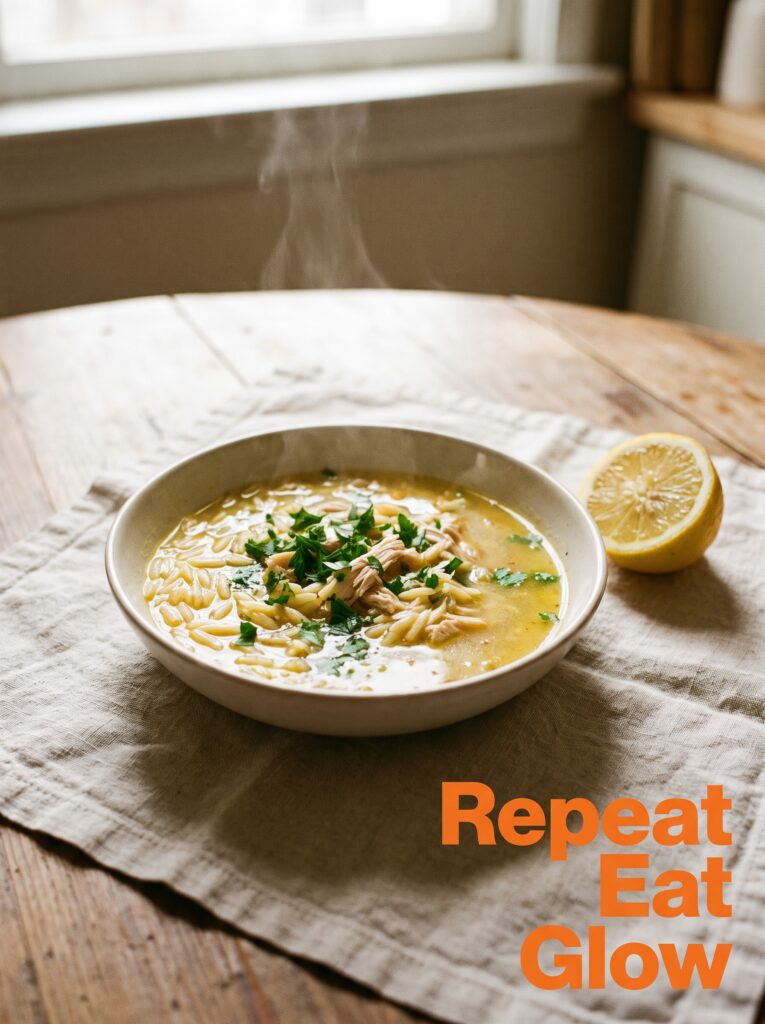
Start with this one if you’re new to cooking with broth, because it’ll make you feel like a genius.
You’re looking at about four cups of chicken broth brought to a simmer with a smashed garlic clove, a strip of lemon zest, and a pinch of chili flakes. Drop in half a cup of orzo and let it cook in the broth directly — don’t precook it. The pasta releases starch into the broth as it cooks, and the whole thing thickens into this slightly glossy, deeply savory soup that feels like it’s been simmering since noon.
Finish it with a big squeeze of fresh lemon, a handful of fresh spinach (it’ll wilt in about 30 seconds), and if you’ve got leftover rotisserie chicken, shred some in. It’s SO good.
Top with grated parmesan and cracked black pepper. Eat it with crusty bread. Don’t share if you don’t want to.
The whole point of this recipe is the broth doing the work. Good broth means you don’t need stock, you don’t need fancy spices, you don’t need anything complicated. Buy the good stuff — it’s worth the extra 60 pence or so.
—
3. The Skillet Chicken That Uses Half a Carton and Makes You Look Like You Know What You’re Doing
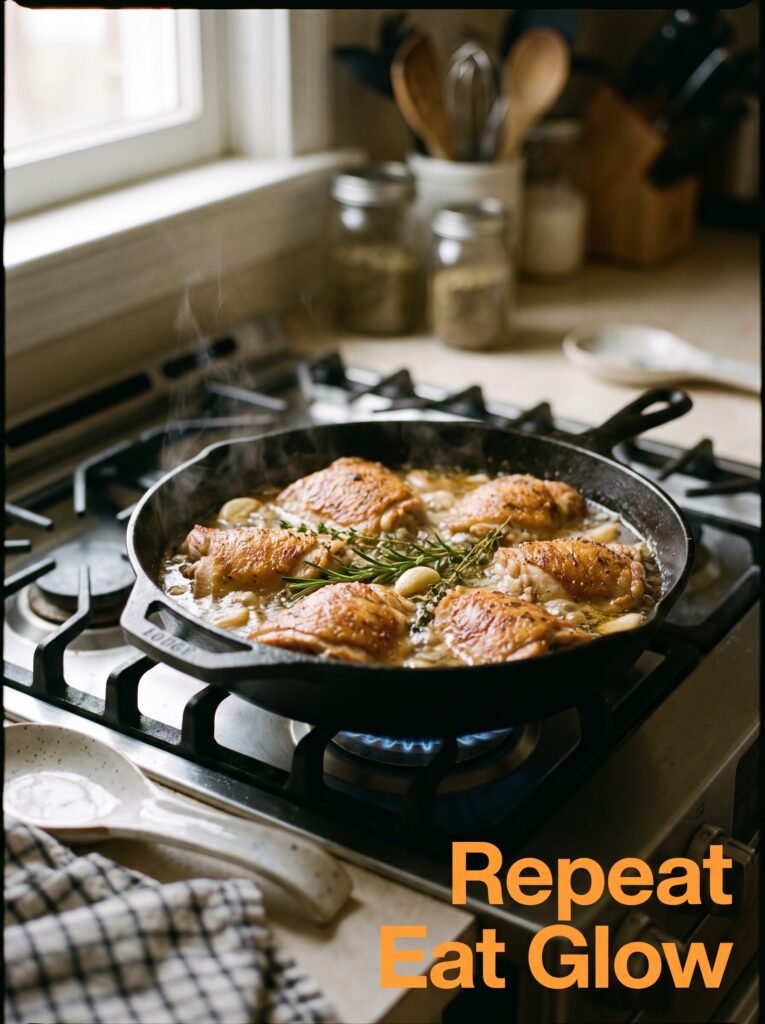
Pan-seared chicken thighs braised in broth is probably the recipe I make most often on a weeknight, and it genuinely never gets old.
Season your chicken thighs (bone-in, skin-on, don’t skip that) with salt, pepper, smoked paprika. Sear them in a very hot oven-safe skillet, skin-side down, until the skin is golden and pulls away cleanly — don’t rush that part. Flip, add sliced shallots and a few sprigs of thyme, then pour in about a cup and a half of chicken broth. Not wine, not water. Broth.
Into a 400°F oven it goes. Twenty-five minutes. What comes out is chicken with this glossy, savory pan sauce that concentrates as it cooks, and the skin stays crispy because it’s sitting above the liquid while the meat braises below. It’s kind of clever, honestly.
Serve over mashed potatoes or polenta. Spoon every last drop of that sauce over the top. The sauce is actually the main character here, if I’m honest.
—
4. The Reason French Onion Everything Has Had a Moment (And What To Do With That)
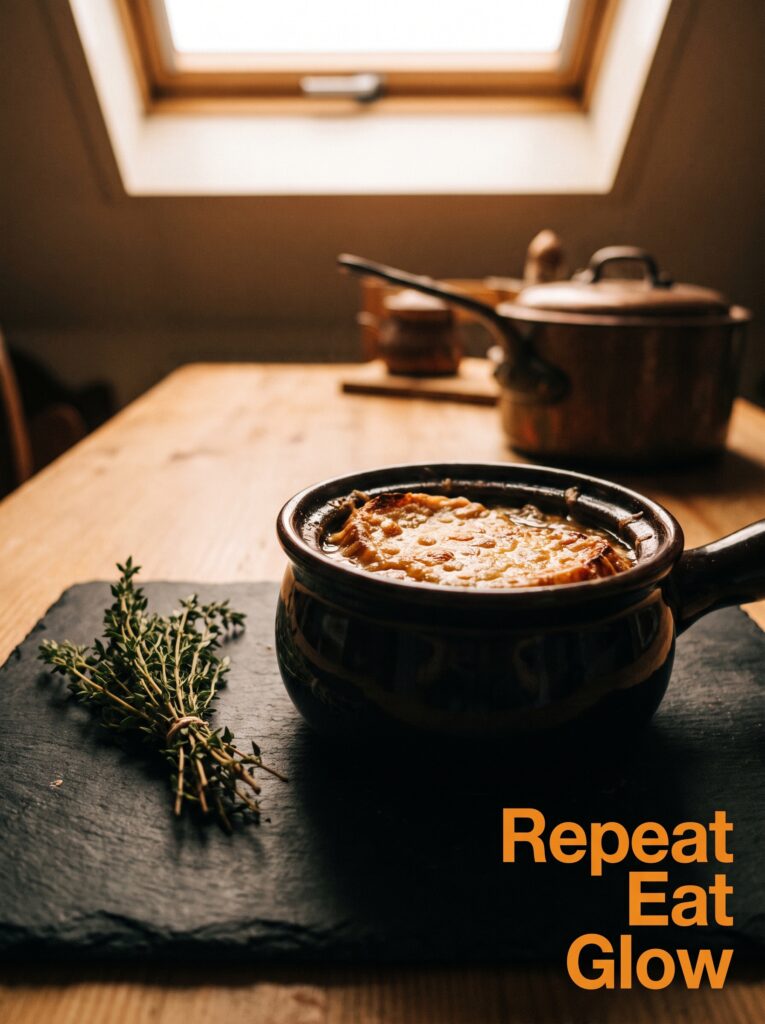
French onion flavors — deeply caramelized onions, a splash of wine or sherry, beef or chicken broth — have been everywhere lately, and for good reason. That combination is just devastatingly good.
But here’s a weeknight version that doesn’t require you to stand at the stove for an hour caramelizing onions. Use a slow cooker or just low heat and a lid — thinly sliced onions, a knob of butter, and patience. Even 25 minutes on low-medium will get you most of the way there. Then deglaze with a splash of dry sherry or white wine, pour in two cups of chicken broth, add a teaspoon of Worcestershire, and let it simmer for ten minutes.
Ladle it over toasted baguette rounds, pile on some gruyère or sharp cheddar (both work, I won’t tell), and pop it under the broiler for three minutes.
This works as a soup starter OR you can use it as a braising liquid for chicken. Pour it over bone-in chicken pieces in a baking dish, cover with foil, roast at 375°F for 40 minutes, then uncover for the last ten. The onions sort of melt into the broth and form this thick, unbelievably savory sauce. It’s the kind of thing you make once and then make every winter after that.
—
5. What Happens When You Cook Rice in Broth Instead of Water (And Why You’ll Never Go Back)
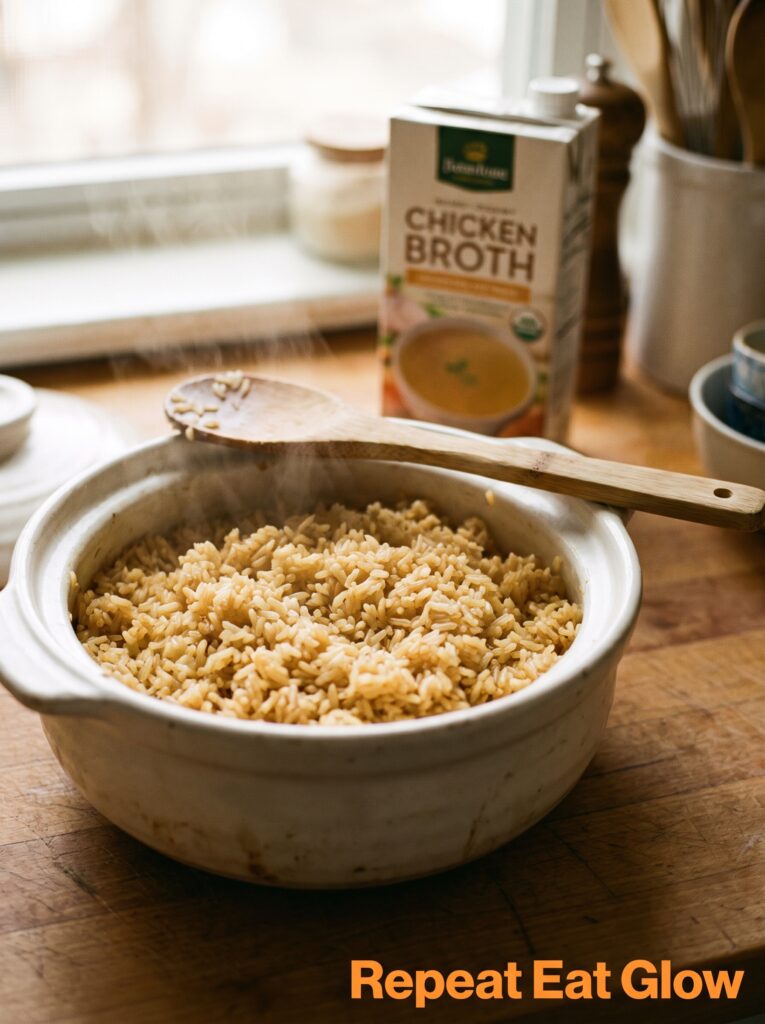
This sounds almost too simple to be worth a section. It’s not.
Cooking rice in chicken broth instead of water is one of those small changes that has an OUTSIZED impact. The rice absorbs the broth as it cooks and every grain ends up seasoned from the inside out. It’s savory, it has body, and it doesn’t need anything else to taste complete.
Use a 1:1.5 ratio of rice to broth. Bring it to a boil, add a bay leaf and a tiny bit of butter, then cover and simmer on very low heat for 18 minutes. Don’t lift the lid. Off the heat, let it steam for five more minutes.
I serve broth rice under literally everything — grilled chicken, roasted veg, a simple egg. It also makes the best rice for stuffed peppers, because it goes in already flavored and the whole pepper is seasoned through.
Side note — this also works beautifully with jasmine rice for something a little more fragrant. And brown rice, though you’ll need a bit more broth and a longer cook time. Anyway, the point is: stop cooking rice in plain water. Just stop.
—
6. The Creamy Tuscan Chicken That’s Way Less Fuss Than It Looks on Instagram
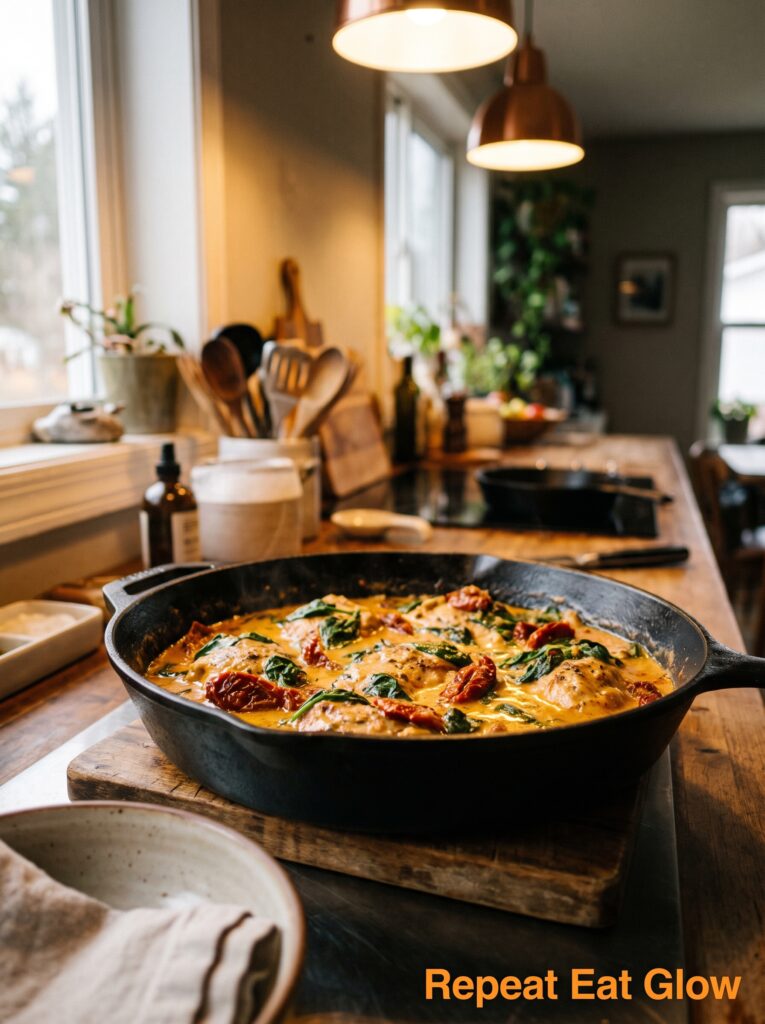
Okay so this one looks impressive and it’s genuinely not hard. That’s the best kind of recipe.
Sear chicken breasts until golden. Set them aside. In the same pan, sauté garlic in a bit of olive oil, add a handful of sun-dried tomatoes (the kind packed in oil), then pour in half a cup of chicken broth. Let that reduce for two minutes — it’ll smell incredible. Add half a cup of heavy cream or single cream, a big handful of spinach, and a good amount of parmesan.
The chicken goes back in to finish cooking in the sauce. The broth here is doing two things: it adds savory depth to cut through the richness of the cream, and it keeps the sauce from being too thick or cloying. Without it, the dish is heavy. With it, it’s balanced.
“The broth is what keeps creamy sauces from feeling like too much — it’s the edit, not the main event.”
Serve over pasta or with crusty bread. It takes about 30 minutes start to finish. I’ve made it for dinner parties and gotten compliments every single time, which is sort of embarrassing because it’s genuinely not that hard.
—
7. The Broth-Based Stir Fry Sauce That Replaced Every Bottled Sauce in My Fridge
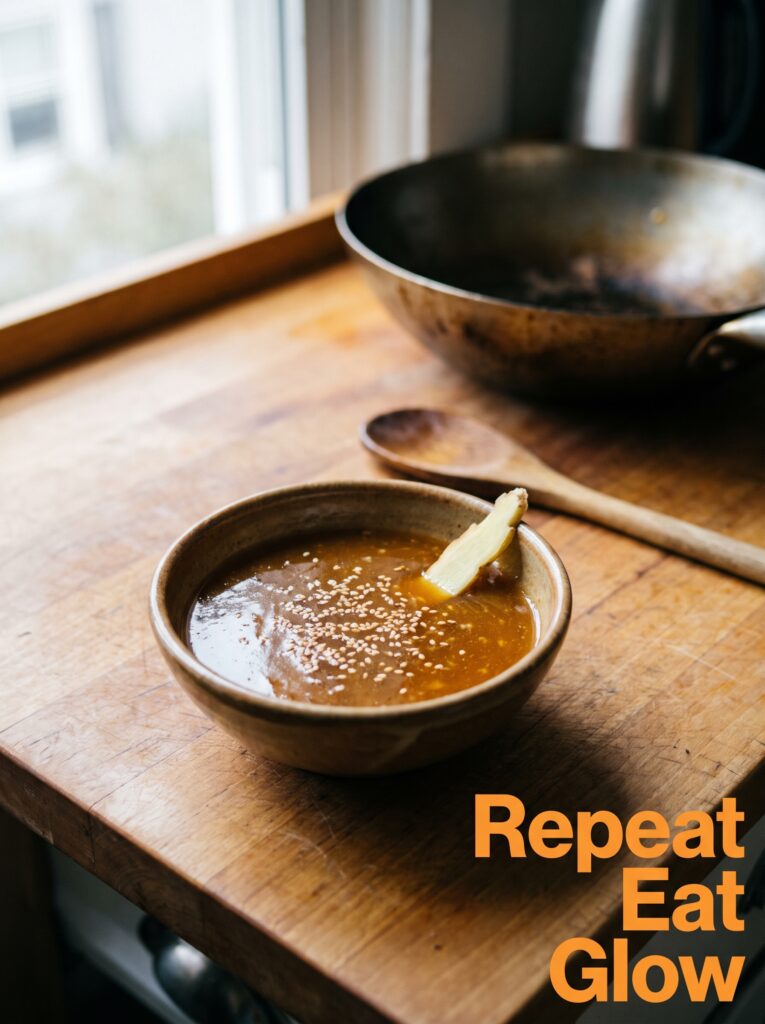
I know that’s a bold claim. But hear me out.
Most stir fry sauces from a bottle are sweet, sticky, and kind of one-note. Making your own takes five minutes and the difference in flavor is not subtle.
Mix: half a cup of chicken broth, two tablespoons of soy sauce, one tablespoon of oyster sauce, half a tablespoon of cornstarch, a teaspoon of sesame oil, and a little honey or brown sugar. Whisk it together in a bowl. That’s your sauce.
Stir-fry whatever protein and veg you like, pour the sauce in at the end, and toss until everything’s coated and the sauce thickens — that takes about ninety seconds. The broth gives it body without making it heavy. The cornstarch helps it cling. The whole thing coats every piece evenly.
This works with chicken, beef, tofu, prawns. And honestly, you can tweak it endlessly — add chili garlic sauce, ginger, five-spice, black pepper. It’s yours. That’s what’s great about it.
—
8. A Very Cozy Chicken and Potato Soup That Doesn’t Need a Recipe
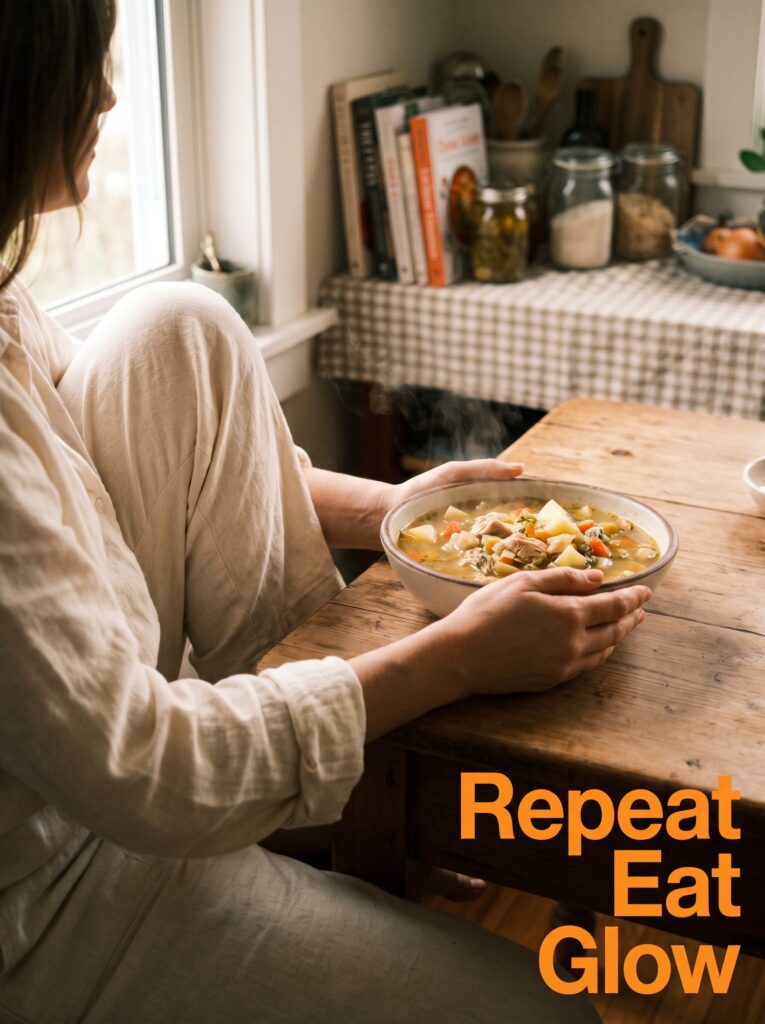
Or, it barely needs one. That’s the whole point.
Sauté diced onion, celery, and carrot in a big pot with olive oil until soft. Add garlic, cook for a minute. Add diced potatoes (Yukon golds are best, or Maris Pipers if you’re in the UK), pour over four to five cups of chicken broth, and simmer until the potatoes are tender. That’s maybe 20 minutes.
Now here’s where you make a choice. Blend half of it for a thicker, creamier texture while keeping some potato chunks intact. Or leave it all chunky for something more rustic. Add cooked shredded chicken at the end, season well with salt and white pepper, and finish with fresh parsley.
It’s the kind of soup that doesn’t photograph beautifully but tastes extraordinary. The kind people eat two bowls of and then ask for the recipe and you sort of laugh because there isn’t really one.
A squeeze of lemon right before serving makes it. Don’t skip that.
—
9. The Pasta Dish Where You Drink the Broth Like a Sauce (Yes, Really)
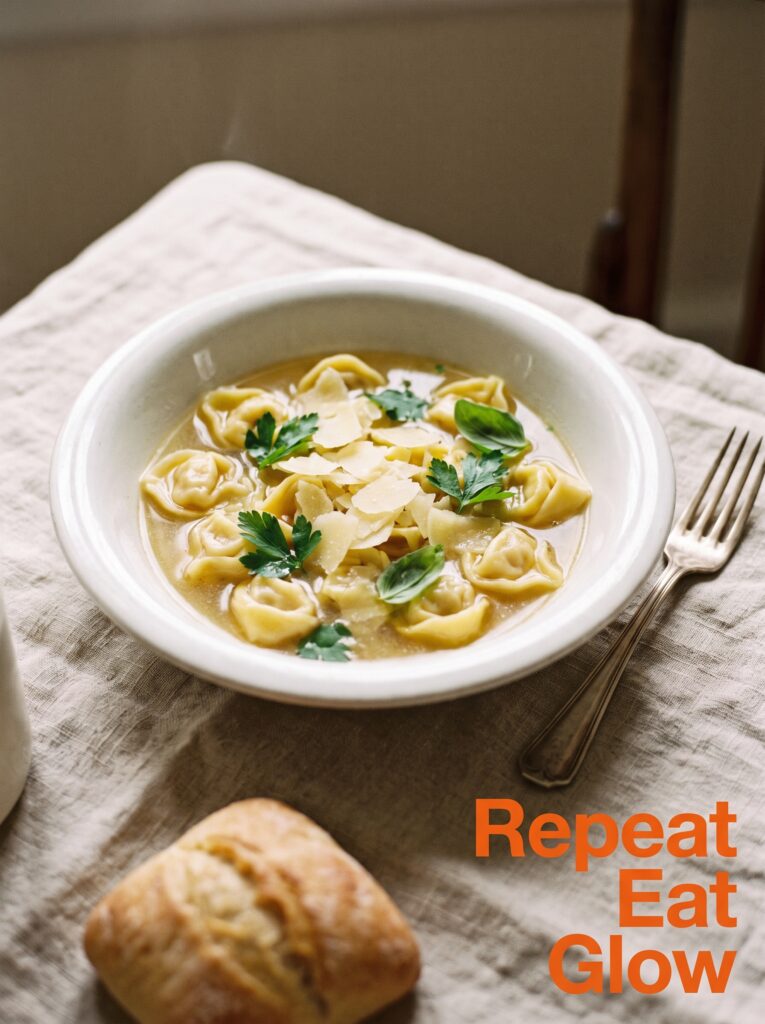
There’s a loose Italian concept where pasta is cooked in broth and served in it, like a very thin soup but also completely its own thing. It’s called pasta in brodo, and it’s deeply, deeply comforting.
You need good broth for this one — store-bought works, but if you’ve ever made your own, use it here. Heat your broth, season it well, and drop in small pasta shapes — stelline, ditalini, even broken spaghetti works fine. Cook until just done. Ladle into bowls with plenty of the broth, grate parmesan over the top, add a drizzle of good olive oil and some black pepper.
That’s it. It tastes like someone’s Italian grandmother made it for you. It’s one of those dishes where simplicity is the whole point.
This is my go-to when someone’s not feeling well, honestly, or when it’s one of those evenings where everything just feels like too much. It’s ready in fifteen minutes and it tastes like care in a bowl.
“Some dishes don’t need technique. They just need good ingredients and the sense to leave them alone.”
—
10. The Weeknight Risotto Trick That Actually Works for Normal People With Normal Schedules
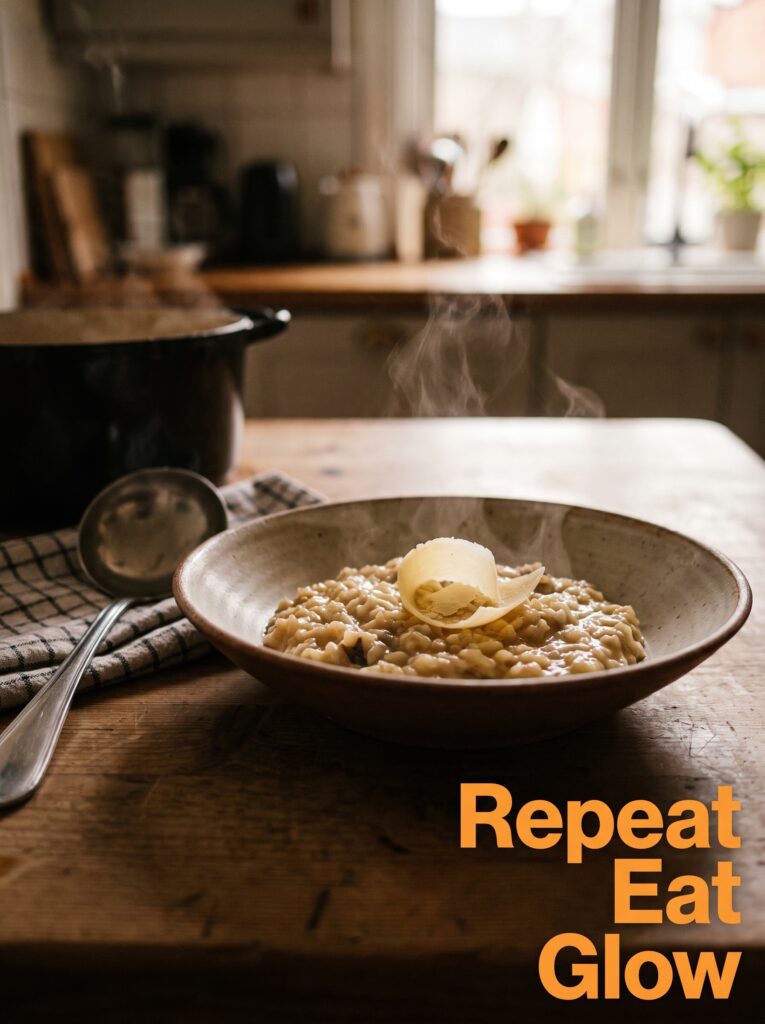
Classic risotto requires you to stand over a pot for 25 minutes, stirring constantly, adding ladle after ladle of warm broth. On a Tuesday evening after work, that’s sometimes just not feasible.
Here’s the trick: use a wide, heavy-bottomed pan and slightly more broth than a classic recipe would use. Stir it for the first eight minutes — actively, properly. Then leave it. Check in, stir again, add more broth when it absorbs. You don’t have to be hovering. You can chop something else, open some wine, whatever.
The texture won’t be quite as precise as a restaurant risotto. But it’ll be 85% of the way there, and made in your kitchen on a weeknight, so I’d say that’s a win.
Use about four to five cups of broth for one cup of arborio rice. Keep it warm in a saucepan on a back burner. Start with shallots, butter, a splash of white wine, then add the rice and start ladling. Add parmesan at the end, another knob of cold butter, and stir it in aggressively. That’s what makes it creamy — not cream.
—
11. One-Pot Chicken and Butter Beans That Somehow Tastes Like Tuscany in February
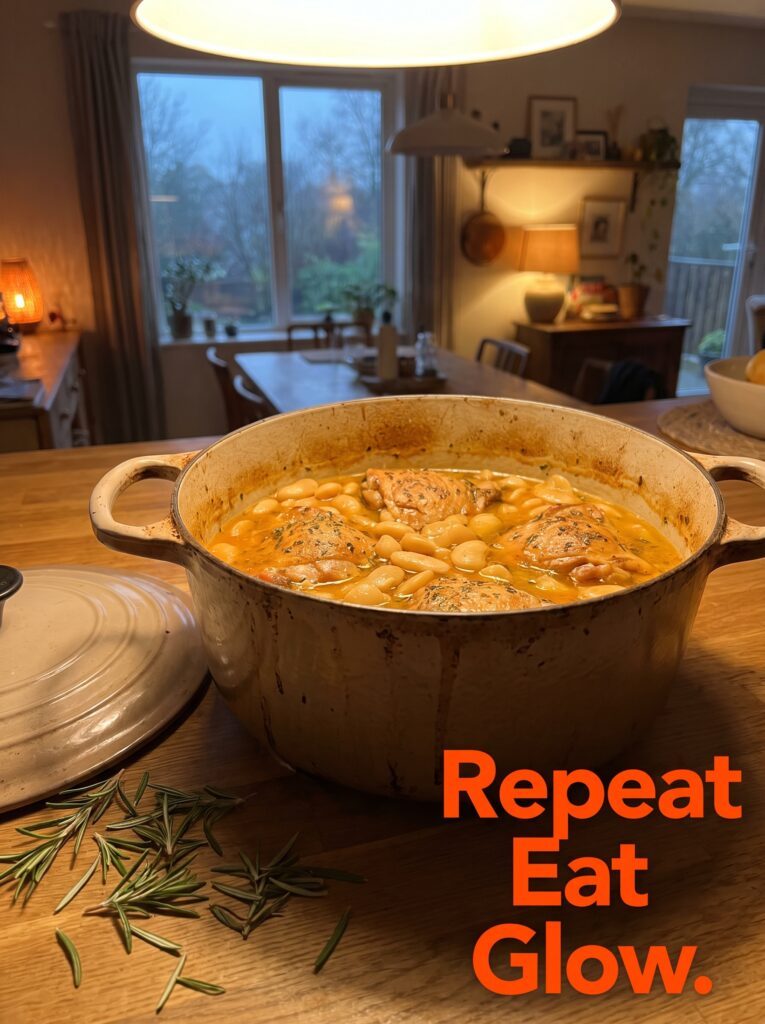
Butter beans are underrated in an almost offensive way. They’re creamy, they’re filling, and they soak up flavor like nothing else.
Brown chicken thighs in a big pot. Remove them. Add sliced garlic, cherry tomatoes, a tin of drained butter beans, a sprig of rosemary. Pour over a cup and a half of chicken broth. Nestle the chicken back in, cover, and braise on low heat for 30 minutes.
What you get is this almost stew-like situation where the beans have absorbed the broth and the chicken juices and the whole thing is deeply savory and just slightly soupy in the best way. Tear up some bread to dip. Pour a glass of something you like.
The broth is essential because butter beans need that liquid to become soft and flavorful all the way through, and plain water gives you nothing to work with. The broth gives them something to absorb. There’s a difference and it’s not subtle.
—
12. The Sauce You Can Make in Four Minutes That Makes Anything Taste Like a Real Dinner
Okay, last one. And it’s the most useful thing in this entire article, which is saying something.
Pan sauce. That’s it. That’s the recipe.
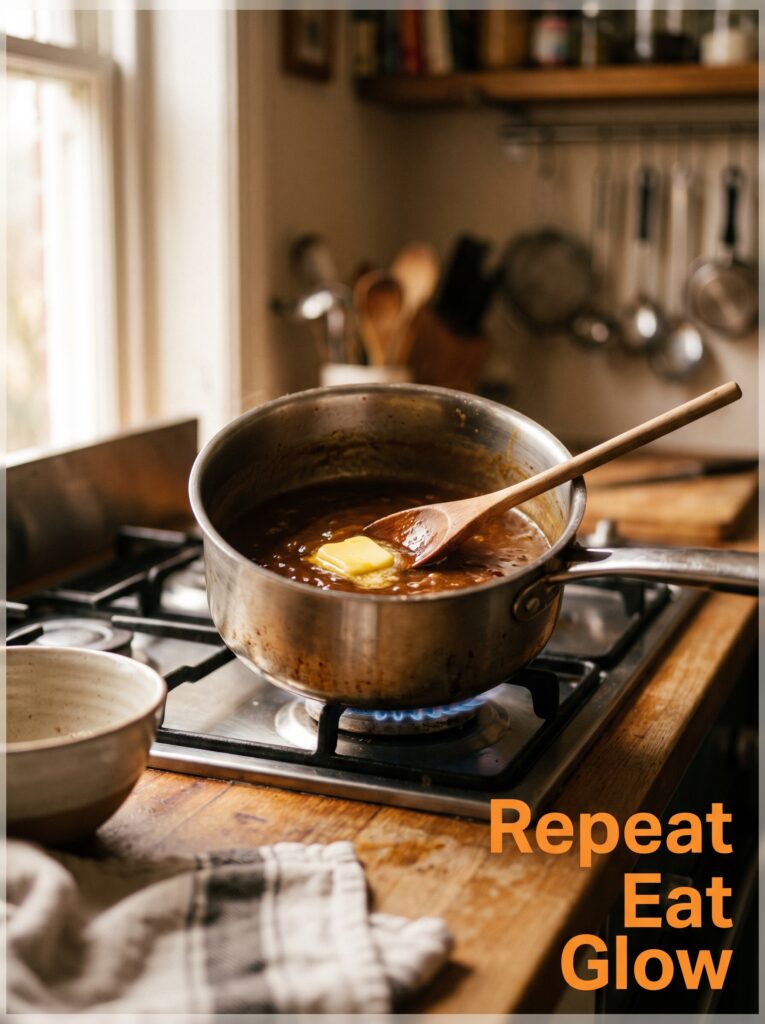
After you’ve cooked any protein in a pan — chicken, pork chop, whatever — there’s fond left behind. Those caramelized brown bits are pure flavor. Deglaze with a splash of something (wine, lemon juice, or just broth alone), scrape everything up, then pour in about a half cup of chicken broth and let it reduce on high heat until it’s glossy and slightly thickened. Finish with a small knob of cold butter, swirl it in, pour it over your meat.
Four minutes. No recipe. Works every single time.
This is the technique that separates people who cook from people who sort of cook. It’s not complicated. It just requires you to know it exists.
—
❓ FAQ
Q: Can I use chicken stock instead of chicken broth in these recipes? A: Yes, and honestly in most of these recipes you can use them interchangeably. Stock tends to be richer and more gelatinous because it’s made with bones, while broth is typically lighter. For sauces and reductions, stock can give you a slightly glossier result. For soups, either works great. Just watch your salt levels — some stocks are lower sodium than broths.
Q: How long does an opened carton of chicken broth keep in the fridge? A: Most opened cartons will keep for about four to five days in the fridge. Some brands say up to seven — I’d go by smell and not push it past five. You can also freeze leftover broth in ice cube trays and keep it frozen for a few months, which is genuinely useful for small amounts needed in sauces.
Q: Can I make a decent broth-based dish if I’m vegetarian? A: Absolutely. Vegetable broth or mushroom broth works beautifully in most of these recipes — the risotto, the pasta in brodo, the butter beans, the stir fry sauce. Mushroom broth especially has that savory depth that makes it a great stand-in. It won’t taste identical but it’ll taste genuinely good in its own right.
—
💭 Final Thoughts
I don’t think people realize how much of good home cooking is just about using the right liquid. Not the flashiest ingredients, not the most complicated techniques. Just understanding that water is neutral and broth is flavor, and that most weeknight dinners are quietly improved by knowing the difference. These are the recipes I come back to, the ones that feel like they belong to me now after years of small adjustments and accidental discoveries. So — what are you making tonight?
