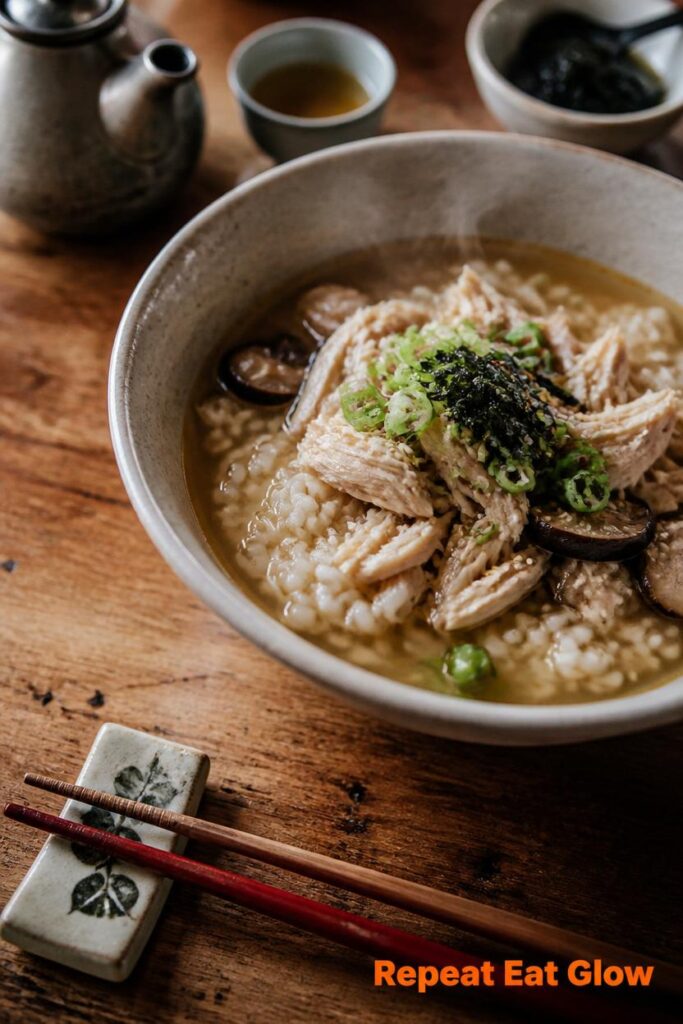
There’s a specific kind of hunger that hits on a Tuesday evening — not just physical, but aesthetic. You want something that smells incredible, tastes deeply savory, and doesn’t take three hours. Japanese chicken recipes are my answer to that hunger every single time. And once you understand a handful of core techniques, your whole approach to cooking chicken changes.
—
1. Why Japanese Chicken Hits Different From Anything Else in Your Rotation
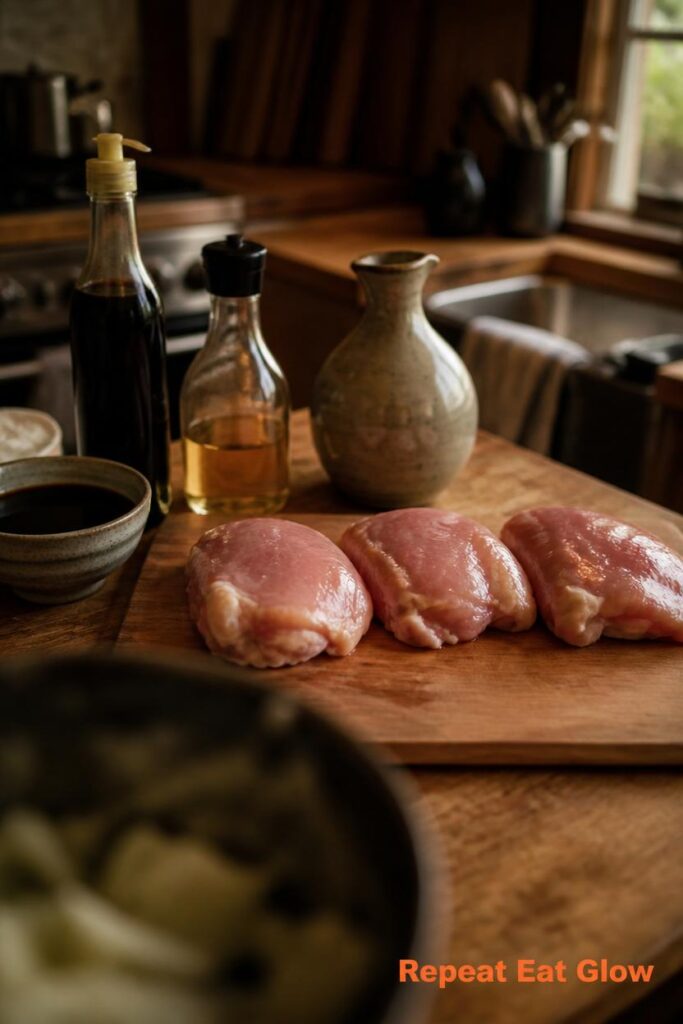
I want to start here because I think it matters. A lot of people assume Japanese cooking is complicated or requires a pantry full of specialty ingredients. It doesn’t. What it actually requires is an understanding of balance — the way soy sauce and mirin work together, how a little sake deglazes a pan and adds something you can’t quite name but absolutely notice when it’s missing.
Japanese cooking respects the chicken. That’s the best way I can describe it. You’re not drowning it in heavy cream or burying it under a mountain of spices. You’re coaxing out something the meat was already trying to be. The result is food that feels clean and satisfying at the same time, which is a genuinely rare combination.
Mirin is sweet rice wine. Sake is dry rice wine. Soy sauce brings the salt and the umami. Those three form the backbone of probably 80% of the Japanese chicken dishes you’ll ever make. Get a bottle of each and you’re genuinely halfway there. The rest — ginger, garlic, sesame oil, dashi — you can add as you build confidence. But those three? Start there.
And can we talk about the texture for a second? Japanese methods often produce chicken with this incredible lacquered, slightly sticky exterior that crisps just enough on the outside while staying juicy inside. It’s not by accident. It’s technique and patience.
“Japanese cooking doesn’t hide chicken — it strips it down until there’s nothing left to hide.”
—
2. Chicken Karaage: The Only Fried Chicken Recipe That’s Ever Made Me Cry (In the Best Way)
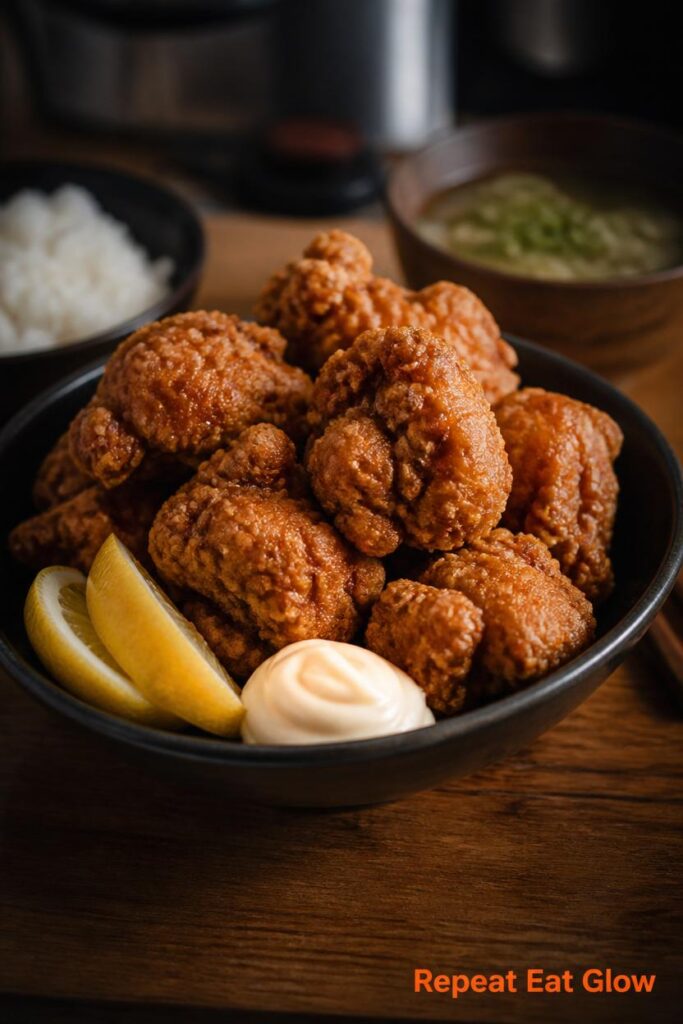
Karaage is Japanese fried chicken, and if you haven’t made it at home yet, I genuinely feel a little sad for past-you. Because once you do, the rest of the world’s fried chicken starts to feel like it was always missing something.
The secret is double-frying. First fry at 325°F, let it rest. Second fry at 375°F, just for a minute or two. That second fry is where the magic happens — the exterior goes from “cooked” to “shattering.” And because you’re working with boneless thighs cut into irregular chunks (not perfect uniform cubes, don’t be precious about it), you get all these uneven craggy bits that trap oil and become unbelievably crispy.
The marinade matters too. Soy sauce, sake, fresh ginger, fresh garlic — 30 minutes minimum, honestly an hour if you can wait that long. The potato starch coating is non-negotiable. Not cornstarch, not flour. Potato starch. It’s available at most Asian grocery stores and honestly you should just have it in your pantry now.
Serve karaage with Kewpie mayo and a wedge of lemon. Kewpie is Japanese mayo — slightly richer, slightly tangier, made with egg yolks only — and it is not the same as Hellmann’s, I promise you. Look for it online or in Asian grocery stores. It’s worth it.
—
3. The Teriyaki Sauce You’ve Been Making Wrong (And How to Fix It)
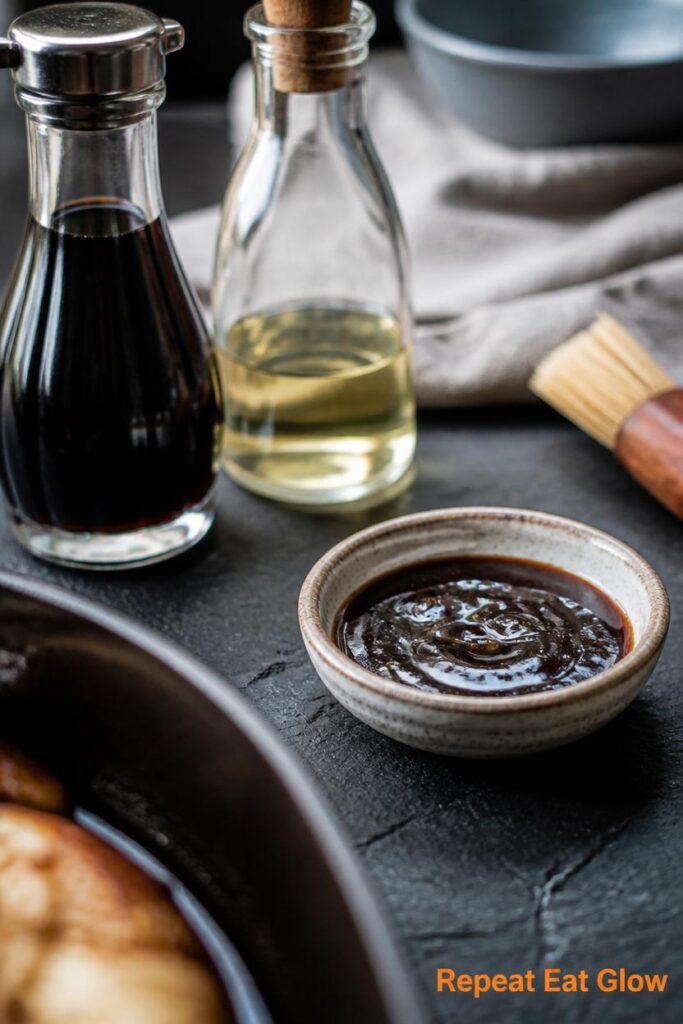
Okay. I have to say this. Bottled teriyaki sauce is fine in an emergency. But the homemade version takes five minutes and tastes so completely different that it’s actually kind of embarrassing how long I used the bottled stuff.
Equal parts soy sauce, mirin, and sake. That’s your base. Add a little sugar if you want it sweeter, a tiny bit more than you think, because it caramelizes as it cooks and that’s where the gloss comes from. Heat it in the pan after the chicken comes out, let it reduce for two minutes until it coats the back of a spoon, pour it back over. Done.
The technique with teriyaki chicken matters as much as the sauce. You want skin-on thighs, bone-in ideally. High heat in a heavy pan — cast iron is great — skin side down first, for a solid 6-7 minutes without moving it. Don’t. Move. It. Let the fat render. Let the skin do its thing. Then flip, lower the heat slightly, cook through, and add your sauce at the very end. The residual heat will thicken it right in the pan.
Side note — teriyaki isn’t a flavor in Japan the way it is in the West. It’s a method. “Teri” means luster. “Yaki” means grilled or broiled. So when something is teriyaki, you’re literally talking about the shiny, lacquered finish. I find that kind of wonderful.
—
4. Oyakodon: The Weeknight Dinner That’s Been Quietly Perfect This Whole Time
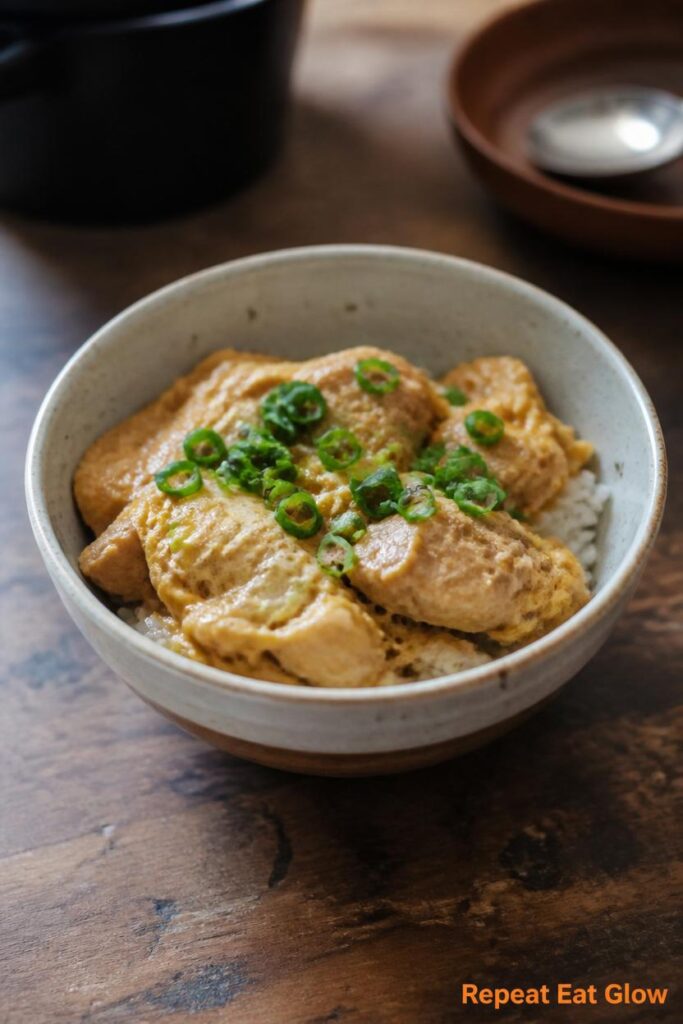
Oyakodon means “parent and child rice bowl” — it’s chicken and egg simmered together in a dashi-based sauce, served over rice. I know it sounds simple. It is. That’s exactly the point.
You make a quick dashi (or use instant dashi granules, no judgment here), add soy sauce, mirin, and a tiny bit of sugar, simmer bite-sized chicken thigh pieces in it until just cooked through, then pour beaten egg over the top and cover the pan for 30 seconds. Just 30 seconds. The egg sets softly, barely — you want it creamy and custardy, not fully scrambled. Pour the whole thing over hot steamed rice. Eat immediately.
This is Japanese comfort food in its purest form, and honestly, it hits that same emotional register as a good bowl of pasta or a really well-made grilled cheese. It’s the food you want when you’re tired, when the week has been too long, when you just need something that tastes like someone made it specifically for you.
Use chicken thighs, not breasts. The thighs stay tender in that simmering liquid. Breasts will give you something closer to rubber. Not the vibe.
“Oyakodon proves that the most comforting food in the world doesn’t need more than five ingredients.”
—
5. Yakitori: The Art of the Skewer (And Why the Sauce Is Embarrassingly Simple)
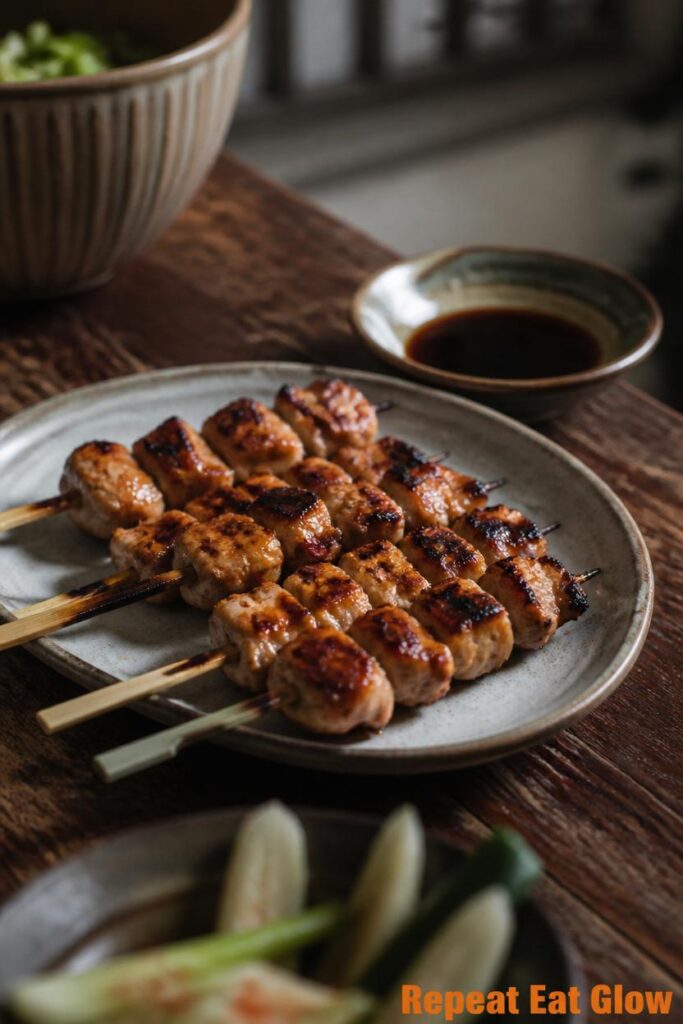
Yakitori is grilled chicken skewers, and in Japan there are entire restaurants devoted to nothing else. Little izakayas where you sit at a counter and watch the chef work a charcoal grill with terrifying precision, ordering skewer after skewer, drinking cold beer. I’ve been to one in London. I think about it constantly.
You don’t need a Japanese charcoal grill to make great yakitori at home. A cast iron grill pan works. An outdoor grill works even better. What you need is the tare — the sauce. And it’s soy sauce, mirin, sake, and sugar, simmered down into something thick and dark and slightly sweet and deeply savory. That’s it. You’re making it right now in your head and you already know it’s going to be good.
The beauty of yakitori is the whole chicken. Not just the breast or the thigh — yakitori celebrates cartilage, skin, dark meat, all of it. Classic skewer options include negima (thigh and green onion alternating), tsukune (chicken meatballs), and kawa (crispy skin). Kawa is my personal obsession and people who’ve never tried chicken skin yakitori are living a smaller life than they could be.
Brush with tare repeatedly during cooking. That’s how you build the lacquer. Patience.
—
6. The Rule About Chicken Thighs That Changes Everything
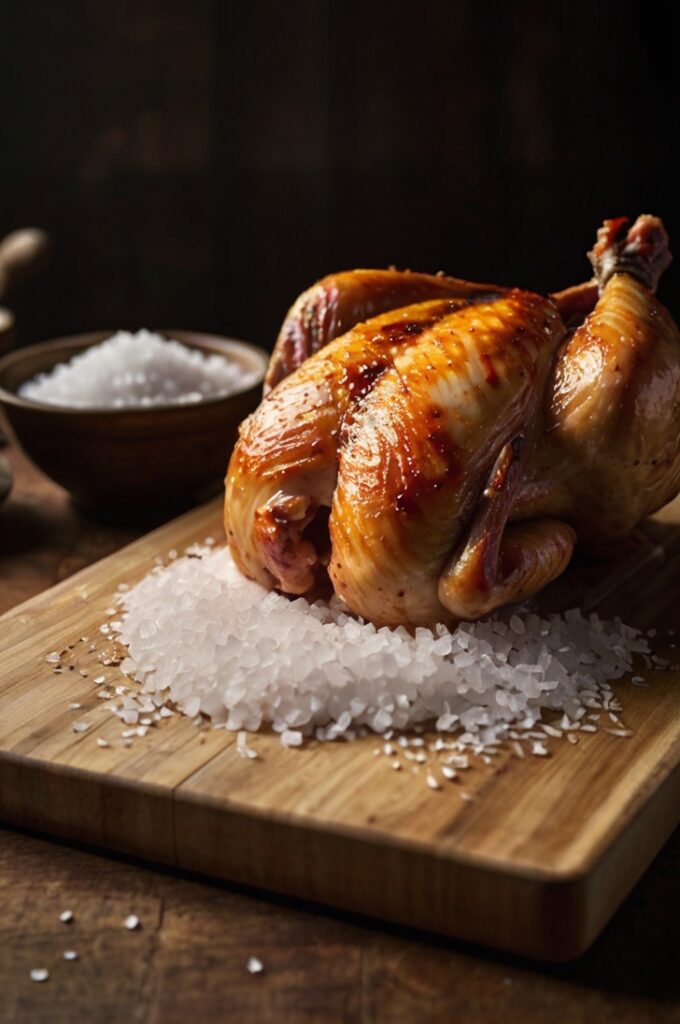
I want to dedicate an entire section to this because it matters so much for Japanese cooking specifically. Use thighs. I’m not telling you breasts are bad — they’re fine, they have their place — but for most of these recipes, thighs are correct and breasts are incorrect.
Here’s why. Thighs have more fat and collagen. In a braise like oyakodon or a quick simmer for teriyaki, that fat keeps the meat moist even if you accidentally cook it slightly too long. Breast meat has no margin for error. One minute over and it’s dry. Thighs forgive you. Thighs actually WANT to be cooked.
Also — and this is the thing that took me too long to learn — don’t skip the marinating step. Even 20 minutes makes a difference. The sake in the marinade isn’t just for flavor, it actively tenderizes the meat. Same with ginger — ginger contains enzymes that break down protein. This is why karaage thighs come out so soft inside despite being fried at high heat.
Boneless, skin-on thighs are usually the sweet spot for most of these recipes. In the US you can find them pretty easily; in the UK, M&S and Waitrose both carry them regularly.
—
7. Miso-Marinated Chicken: The Fridge-Door Recipe You’ve Been Sleeping On
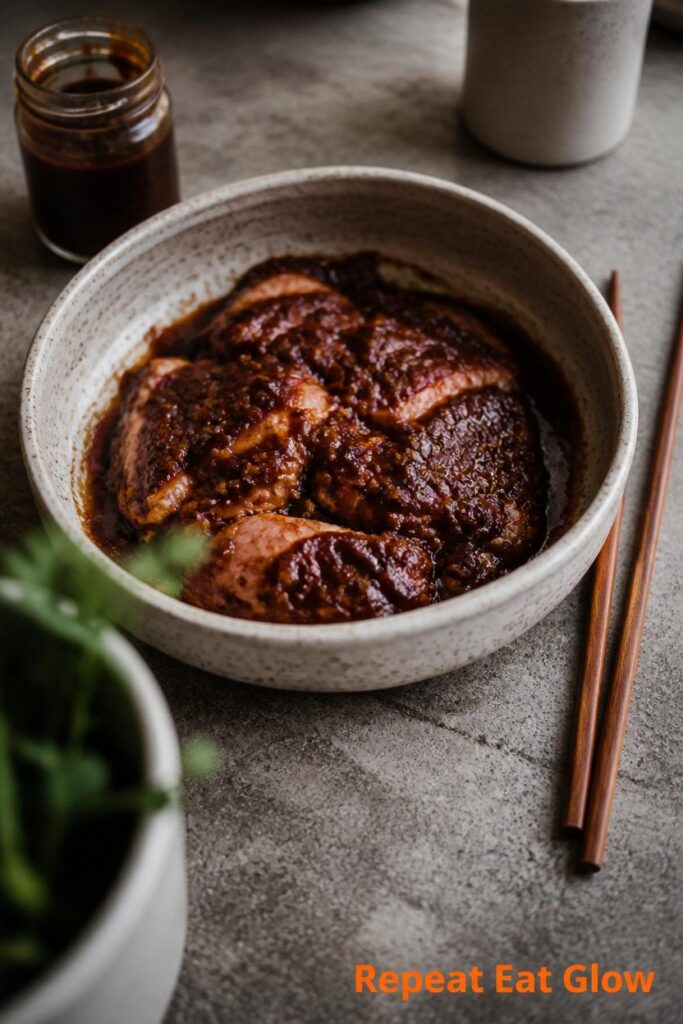
Here’s one that sounds more impressive than it is to make, which is honestly my favorite kind of recipe. Miso-marinated chicken. You mix white miso paste with a little sake, a little mirin, a little sugar — some people add ginger, some add garlic, do whatever feels right — and you smother chicken pieces in it and put them in the fridge. For anywhere from 4 hours to 48 hours.
The longer it sits, the deeper and more savory the flavor gets. The miso does this incredible thing where it creates a crust when it hits high heat — almost caramelized, slightly smoky, with this complex salty-sweet thing happening. You grill it, broil it, or pan-fry it. The exterior gets dark in a beautiful way. People will ask you what you did.
White miso is milder and sweeter. Red miso is more aggressive and saltier. For chicken, I usually start with white miso — it’s more forgiving and the flavor integrates with the meat rather than overwhelming it. But honestly, mix them if you have both. A 2:1 ratio of white to red is a very solid base.
This works brilliantly as a meal prep recipe. Marinate on Sunday, cook throughout the week. The flavor only improves.
“Miso-marinated chicken is the meal prep hack that makes Tuesday feel like a dinner party.”
—
8. Tsukune (Chicken Meatballs) That Actually Have Flavor
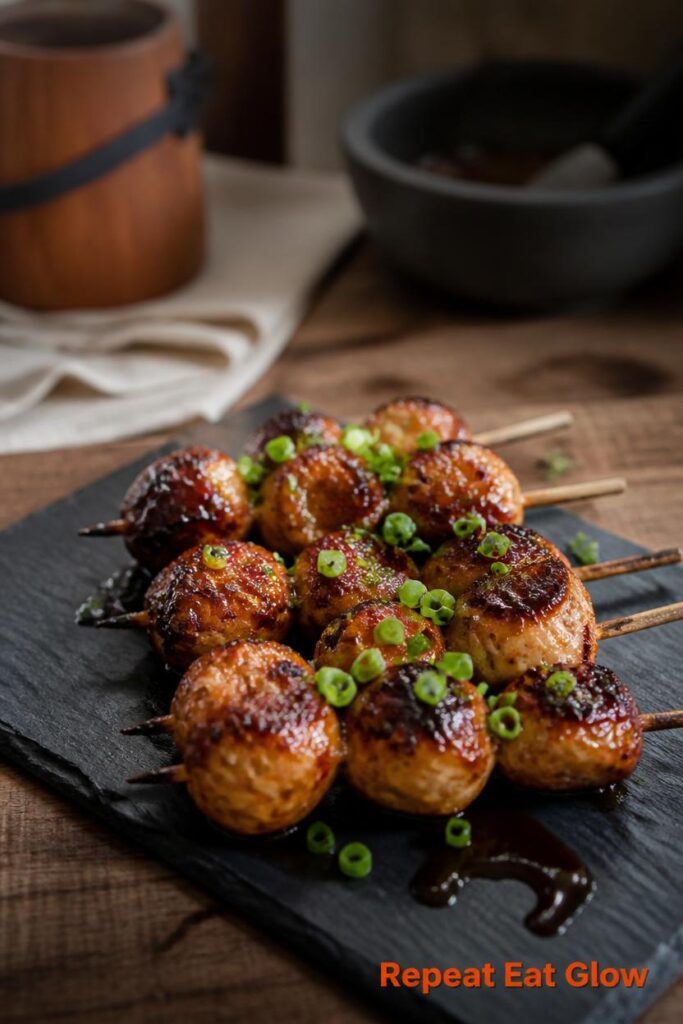
Store-bought chicken mince is kind of bland on its own. But when you add the right things to it, it becomes tsukune — and tsukune is genuinely special. This is ground chicken mixed with ginger, soy sauce, a little sesame oil, maybe some finely chopped green onion, formed into oblong meatballs (or shaped around skewers), and grilled or pan-fried.
The texture is important. A lot of recipes over-mix the meat and you end up with something dense. Mix it just enough to combine, not until it’s completely smooth. Some people add a small amount of chicken skin ground in with the meat — this keeps it moist and adds a little fat that lean ground chicken desperately needs. Your butcher can sometimes do this for you if you ask.
Serve them with the same tare sauce as yakitori, because it works perfectly. Dip them, brush them, pour it over. And if you want to go full izakaya energy, top with an egg yolk for dipping. I know that sounds extra. It isn’t. It’s wonderful.
—
9. The Chicken Katsu Sandwich Nobody Told You About
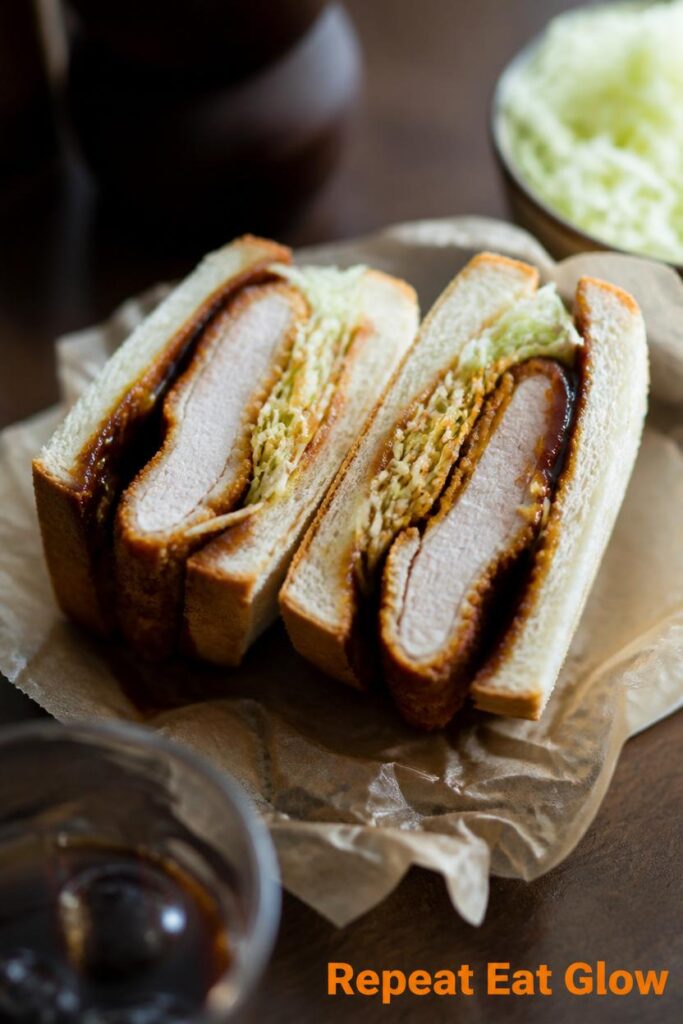
Katsu curry is famous and rightfully so. But can we talk about the katsu sando for a second? Because it’s possibly the greatest chicken sandwich in existence and Americans are just starting to catch on to what the Japanese convenience store scene has known for decades.
Chicken katsu — that’s panko-breaded, deep-fried chicken cutlet — on Japanese milk bread (shokupan), with shredded cabbage and tonkatsu sauce. Tonkatsu sauce is savory, slightly sweet, kind of like a more complex Worcestershire. It’s essential. You can buy it at Asian grocery stores or order it online; Bulldog brand is the classic.
The panko crust on katsu is different from standard breadcrumbs. It’s light and airy and creates this almost hollow crunch that’s so satisfying to bite through. Press the panko in firmly when breading, but don’t crush it. You want it to have height.
Japanese milk bread is pillowy and slightly sweet. In the UK, you can find it at Japan Centre or some Waitrose stores. In the US, H Mart usually has it, and it’s increasingly in regular grocery stores. Or make your own — shokupan recipes are everywhere and it’s worth the effort on a Sunday.
—
10. How to Build the Perfect Japanese Chicken Bowl (A Formula, Not a Recipe)
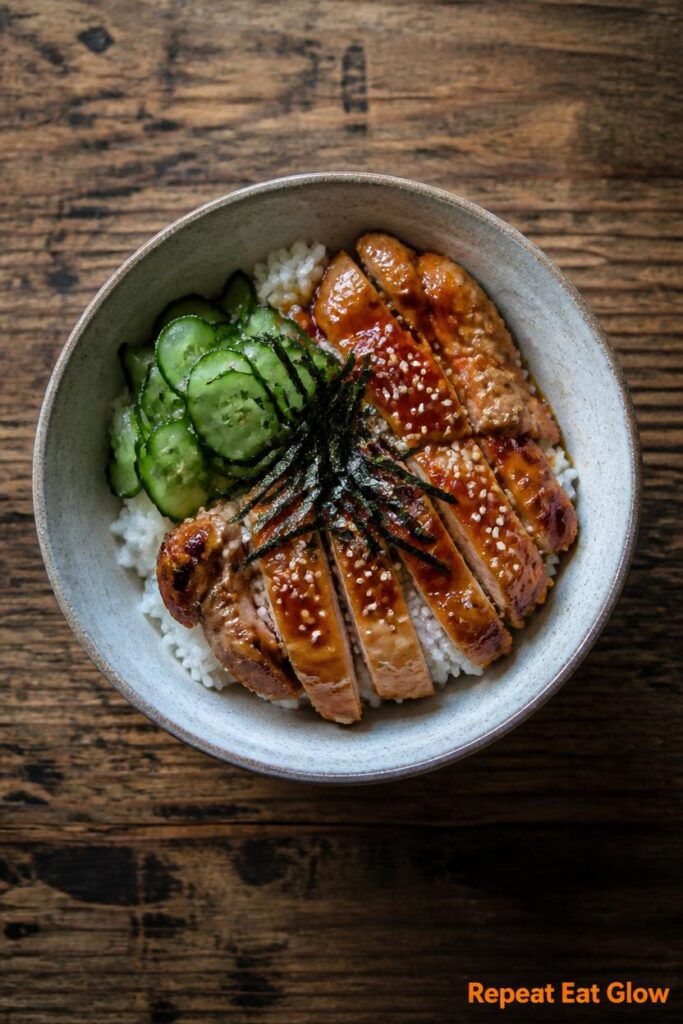
Some nights I don’t want to follow a recipe. I want to know the formula and just improvise. So here it is — the Japanese chicken bowl formula that I use probably twice a week.
Protein: chicken thigh, cooked however — teriyaki glaze, miso marinade, plain pan-fried with soy and garlic. Grain: steamed Japanese short-grain rice, but soba noodles work too. Vegetable: one cooked, one raw. Cooked might be blanched spinach with sesame dressing (gomaae), or sautéed mushrooms with butter and soy sauce. Raw might be thinly sliced cucumber with rice vinegar and a pinch of sugar, or shredded carrot. Topping: something textural and something saucy. Sesame seeds, furikake, pickled ginger, nori strips. And a drizzle of something — tare, ponzu, or just a little soy with sesame oil.
That’s the whole formula. The reason Japanese bowls feel so complete isn’t that they’re complicated. It’s that they’re balanced. Different textures, different temperatures, different flavor notes. Everything playing its part.
—
11. The Japanese Pantry Ingredients Worth Having Permanently
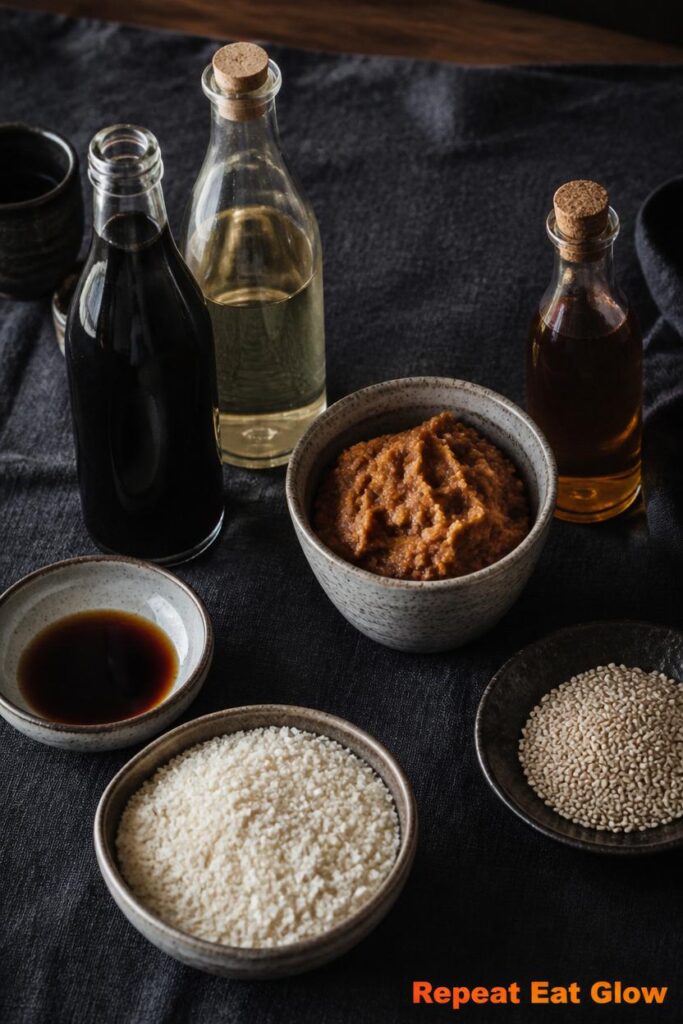
I want to be real with you: you don’t need 40 specialty ingredients. You need about seven. Keep these in your pantry and you can make every recipe in this article.
Soy sauce — get a Japanese brand like Kikkoman rather than a generic. Mirin — the real stuff (hon mirin), not “mirin seasoning,” which is basically fake. Sake — cooking sake is fine and inexpensive. White miso paste — keeps forever in the fridge. Sesame oil — toasted, dark. A tiny bit goes far. Potato starch — for karaage, for coating, for thickening sauces. Rice vinegar — mild, slightly sweet, completely different from white wine vinegar.
These ingredients appear across basically every recipe I’ve mentioned. Buy them once, use them constantly. And because Japanese cooking typically uses these in small amounts, they last. A bottle of mirin I bought in October is still going strong.
—
12. The Biggest Mistake People Make When Starting Japanese Chicken Cooking
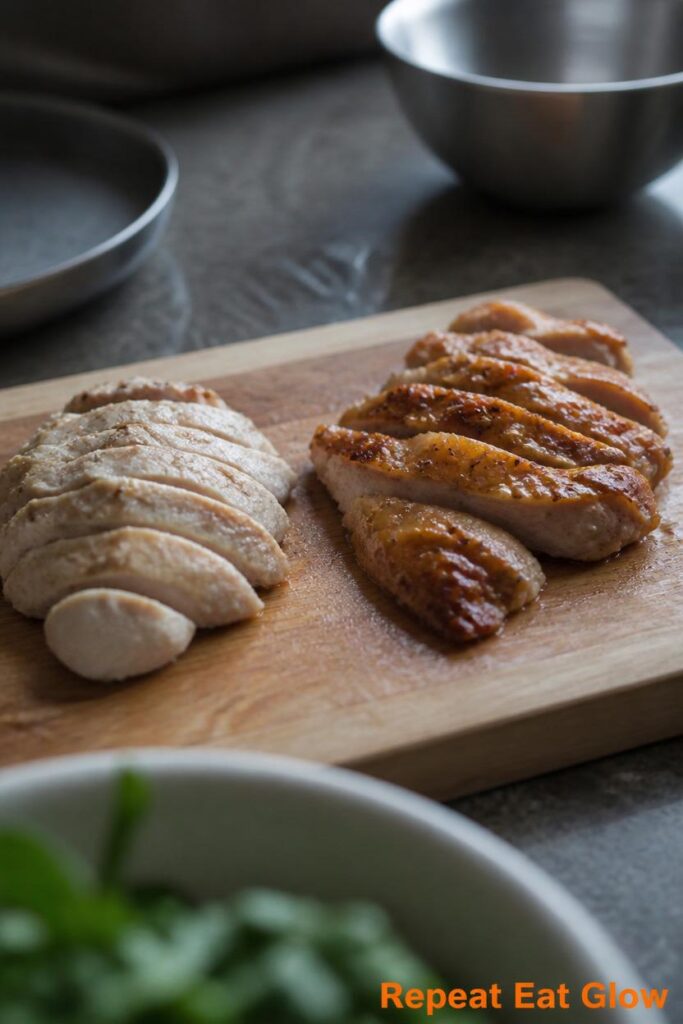
I’ve made all of these mistakes, so this isn’t judgment. It’s just honesty.
The biggest one is substituting the wrong ingredients because “it’s basically the same.” It isn’t. Dry sherry is not sake. Regular mayo is not Kewpie. Cornstarch is not potato starch. These substitutions aren’t catastrophic — you’ll still eat dinner — but you won’t get that result. The result that makes you stop mid-bite and just sit there for a second.
The second mistake is rushing the heat management. Karaage needs two separate fry temperatures. Teriyaki skin needs time to render. Yakitori needs heat control so the tare doesn’t burn. Japanese cooking isn’t slow, but it IS deliberate. Read the recipe fully before you start. Have your mise en place. Don’t turn up the heat thinking it’ll speed things up — it won’t, it’ll just ruin dinner.
And the third mistake — honestly the most common one — is starting with chicken breasts because they seem “healthier.” For these recipes, thighs are better. Just trust me on this one.
—
❓ FAQ
Q: Where can I buy mirin and sake in the US and UK? A: In the US, most Asian grocery stores carry both, and larger chains like Whole Foods or Wegmans often stock them in the international aisle. In the UK, Waitrose, Ocado, and the Japan Centre are reliable. Amazon works too in a pinch for both countries.
Q: Can I make Japanese chicken recipes gluten-free? A: Yes, and it’s easier than you’d think. Tamari is a Japanese soy sauce that’s naturally gluten-free and tastes very close to standard soy sauce — use it as a 1:1 swap. Most mirin is gluten-free too, but double check the label. Potato starch is already gluten-free, so karaage is actually quite straightforward to adapt.
Q: Is it okay to use chicken breast instead of thighs? A: You can, but you’ll need to adjust. For anything braised or simmered, breast meat goes dry quickly — pull it as soon as it hits 165°F internal temperature. For karaage especially, really stick with thighs if you can. The fat content makes a genuine difference in texture.
—
💭 Final Thoughts
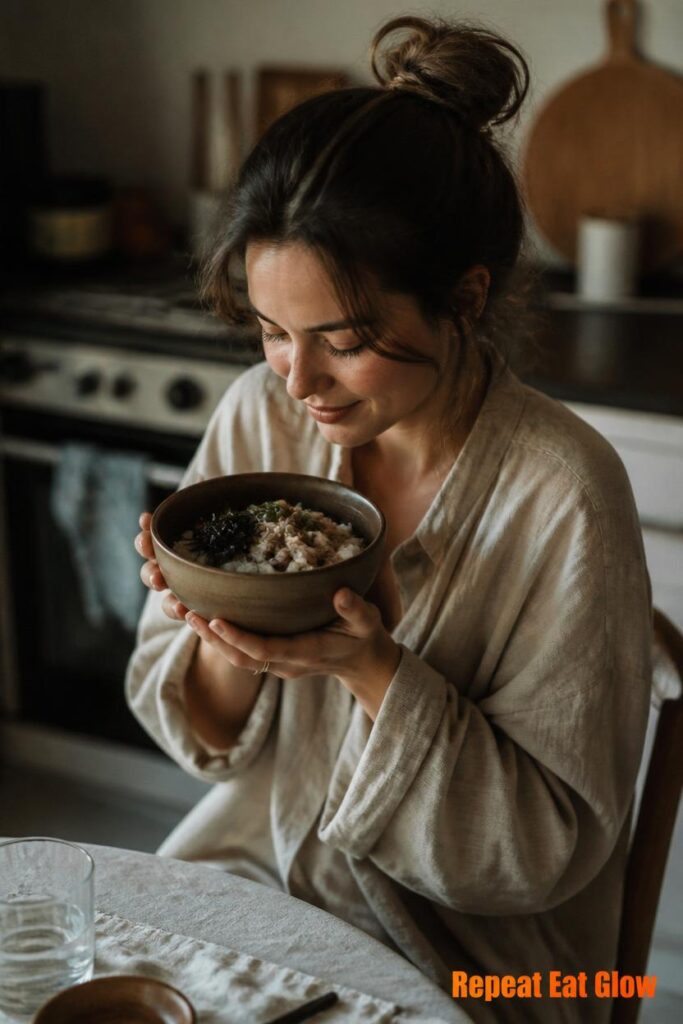
Japanese chicken cooking has changed the way I use my kitchen — not by making things more complicated, but by teaching me that restraint and balance are actually a form of generosity. You’re giving the ingredient room to be itself. There’s something kind of profound about that, even on a Tuesday evening when you’re just trying to get dinner on the table.
Start with karaage or oyakodon if you’re brand new to this. Both are forgiving, both are deeply satisfying, and both will make someone in your house very happy. And once you’ve made your own teriyaki sauce from scratch, you’ll understand why there’s no going back.
Which one are you making first?
