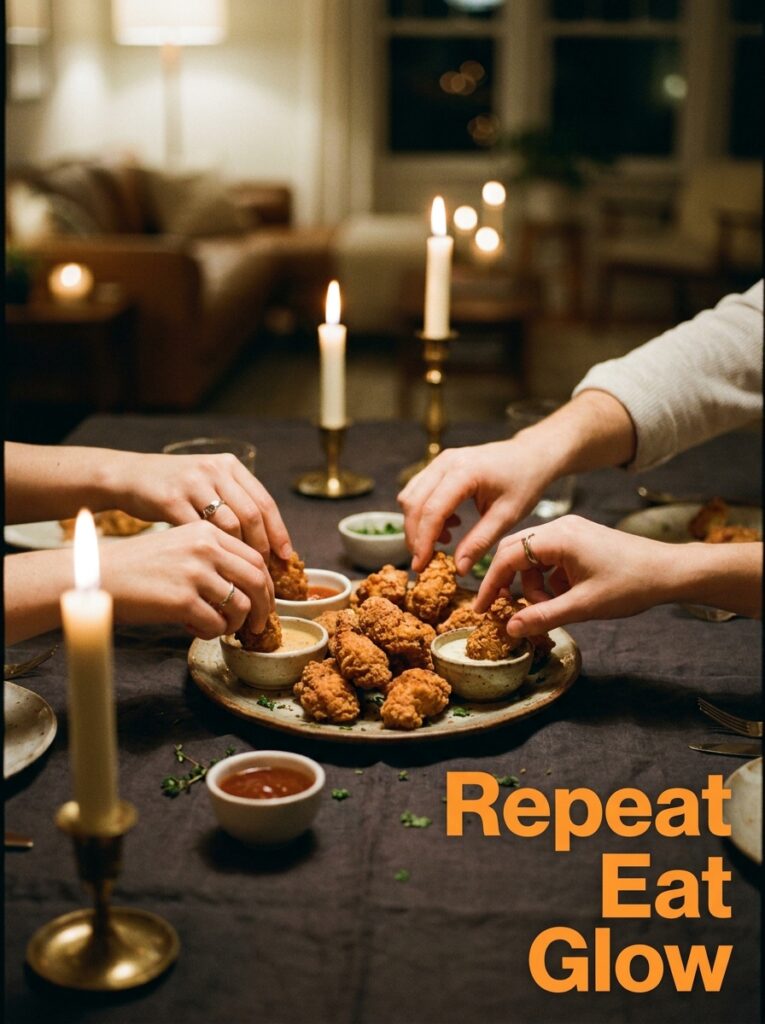
There’s this moment at a dinner party — right after you set something down on the table — where the conversation just dies. Not awkwardly. Beautifully. Everyone leans in. That’s what a great chicken starter does.
—
1. Why Chicken Starters Hit Different Than Anything Else on the Menu
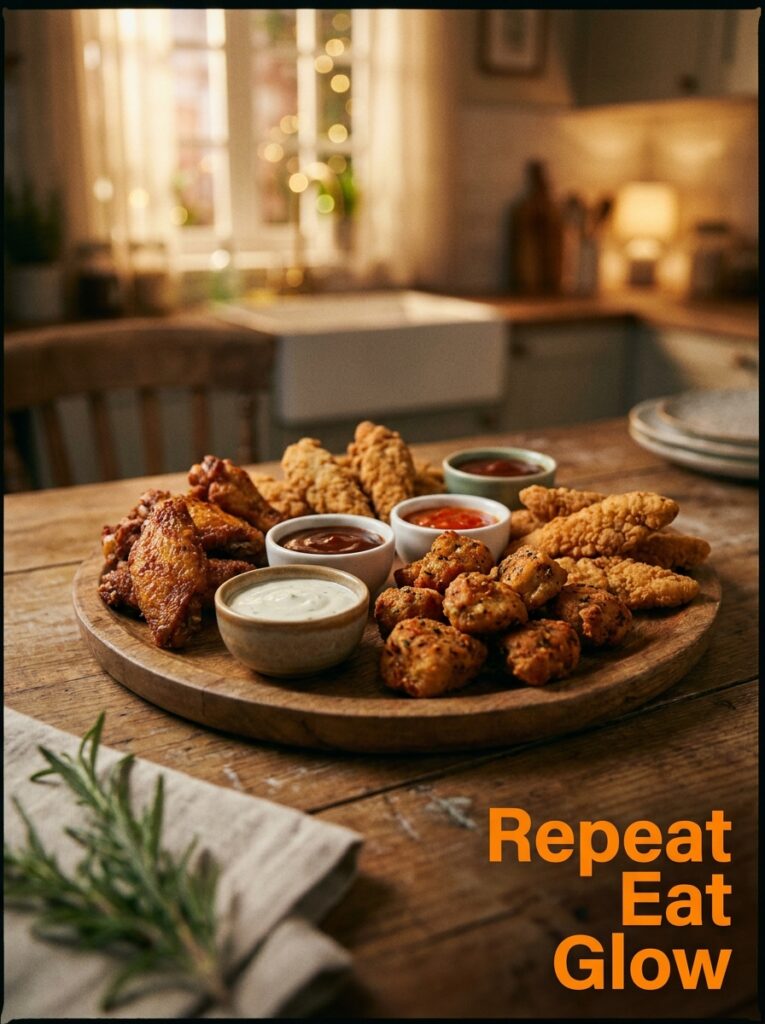
Okay, hear me out. Beef gets the main course glory. Salmon owns the elegant dinner scene. But chicken? Chicken is the quiet overachiever that nobody respects until it shows up crispy, sauced, and absolutely stealing the show before the entrée even has a chance.
I’ve been making chicken starters for years, and the thing I keep coming back to is how forgiving they are. Don’t have lemon? Use lime. Out of thyme? Rosemary. Chicken takes flavors in every direction without fighting you. It’s the most cooperative ingredient in your fridge, honestly.
The other thing is texture. Because you’re working with a starter — small portions, high impact — you can afford to obsess over the crust, the sauce, the little garnish that makes someone say “wait, what IS this?” out loud. You’re not feeding a crowd for an hour. You’re giving them one perfect bite and watching their face.
And that’s kind of the whole game, isn’t it.
“A great chicken starter doesn’t just open the meal — it sets the entire mood of the table.”
—
2. The Crispy Chicken Bites That Are Better Than Any Restaurant’s
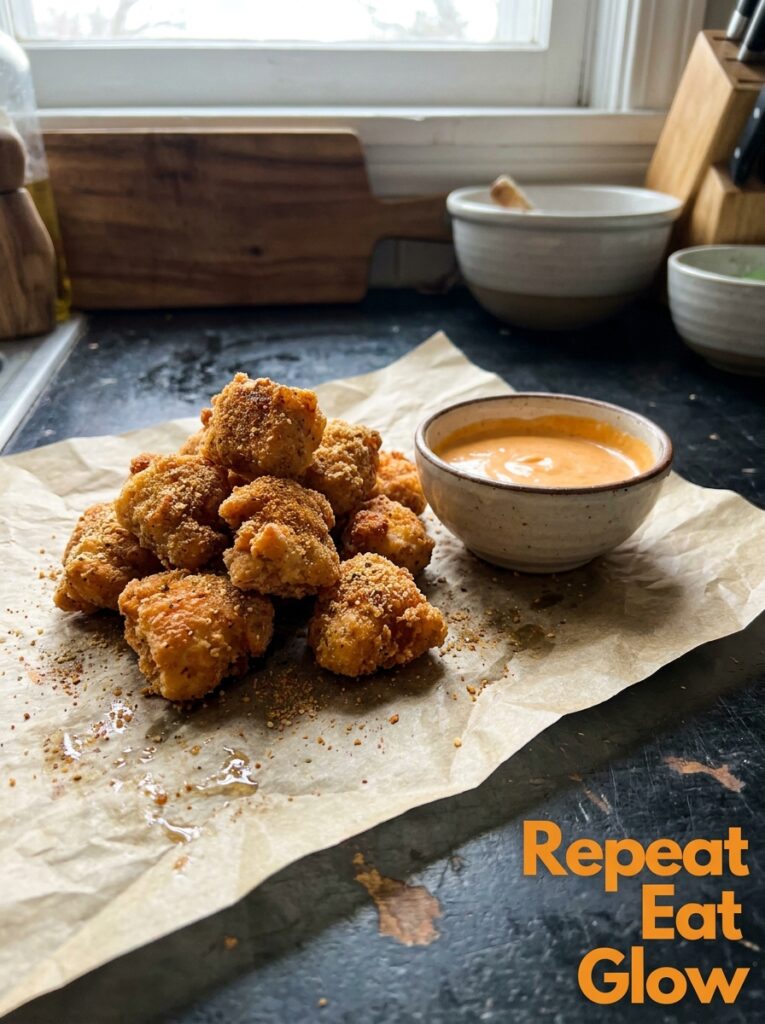
Right, so these. I’ve made these probably forty times, and I still think about them at random moments during the week.
You want boneless thigh meat, not breast. I know, I know — everyone defaults to breast for starters because it sounds cleaner. But thigh stays juicy under a hot crust in a way that breast meat just… doesn’t. Cut them into roughly 1.5-inch pieces, not too uniform, because the irregular edges get extra crispy and that’s WHERE THE FLAVOR LIVES.
Marinade: buttermilk, garlic powder, smoked paprika, a pinch of cayenne, salt. At least an hour, but overnight is genuinely life-changing. The buttermilk breaks down the meat slightly so it’s tender all the way through, and the paprika stains the crust this deep reddish-orange that looks gorgeous on a white plate.
Dredge in seasoned flour, shake off the excess (this step matters more than you think), and fry at 350°F until they’re golden and done — about 6 minutes. Drain on a rack, not paper towel. The rack lets the steam escape so the bottom stays crispy. Small thing, big difference.
Serve with a honey-sriracha drizzle and a scatter of sliced scallions. Done.
—
3. The Satay Skewers That Disappear Before You Even Sit Down
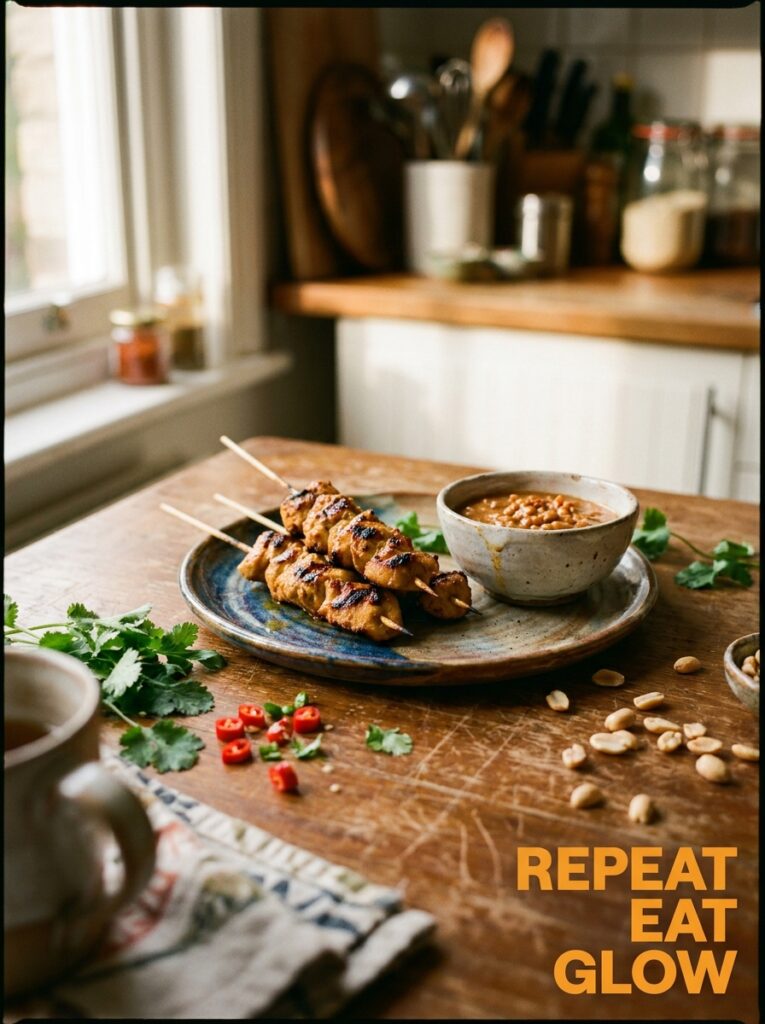
Satay feels like it belongs in a restaurant. It doesn’t. It’s genuinely one of the easier things you can make, and I say this as someone who burned a lot of skewers before figuring it out.
The peanut sauce is everything here. Not the jar stuff. Real peanut butter — smooth, not the natural kind that separates — coconut milk, soy sauce, a knob of fresh ginger, fish sauce, brown sugar, lime juice. Blend it up and taste it. It should be creamy, a little sweet, a little salty, and then that lime cuts through right at the end. Adjust until you get that. You’ll know when you’re there.
Chicken breast works fine here, sliced into long thin strips. Thread them lengthwise onto soaked bamboo skewers so they lie flat. Brush with a bit of the sauce before grilling — cast iron grill pan works beautifully if you’re not doing outdoor grilling — and get proper char marks on both sides.
Side note — the char is not optional. That slight bitterness from the grill is what balances the rich sauce. Don’t skip it because you’re in a hurry.
Serve with extra sauce for dipping and maybe some quick-pickled cucumber on the side. Absolutely show-stopping as a starter.
—
4. Sticky Korean Chicken Wings That Get Talked About for Weeks
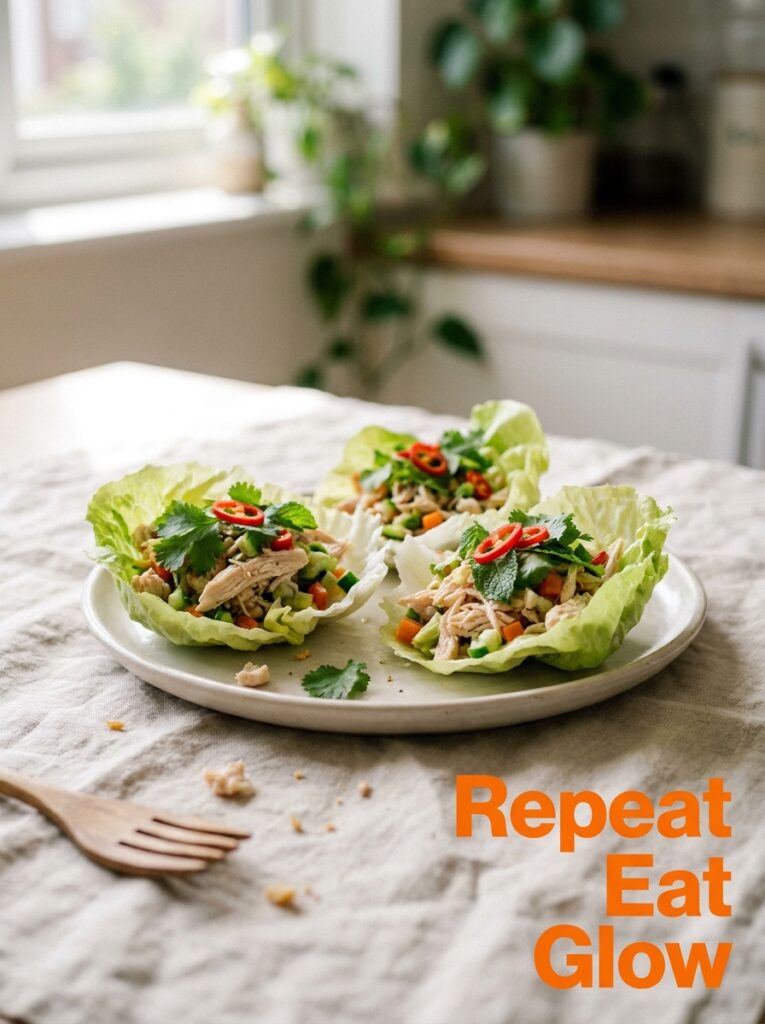
Wings are underrated as starters. People think of them as bar food, casual, not elegant enough. I disagree completely.
When you do them properly — properly glazed, properly sticky, with the right balance of sweet and heat — wings at a dinner table feel almost dramatic. Everyone has to use their hands. The conversation gets louder. It’s a vibe shift.
The sauce is gochujang (Korean chili paste, it’s in most big supermarkets now), honey, soy sauce, sesame oil, minced garlic, and a splash of rice vinegar. Cook it down in a small pan until it thickens and goes glossy. The smell when this reduces is almost indescribably good — fermented, sweet, a little smoky.
Bake the wings at 425°F for 45 minutes, flipping halfway, until the skin is properly rendered and starting to crisp. Then toss in the sauce and put them back in the oven for 10 minutes. That last 10 minutes is what makes them STICKY rather than just sauced.
Sesame seeds and sliced spring onions on top. Serve immediately.
“Wings stop being casual the moment the sauce hits and nobody says a word for thirty seconds.”
—
5. The Cold Chicken Lettuce Cup That Looks Effortlessly Elegant
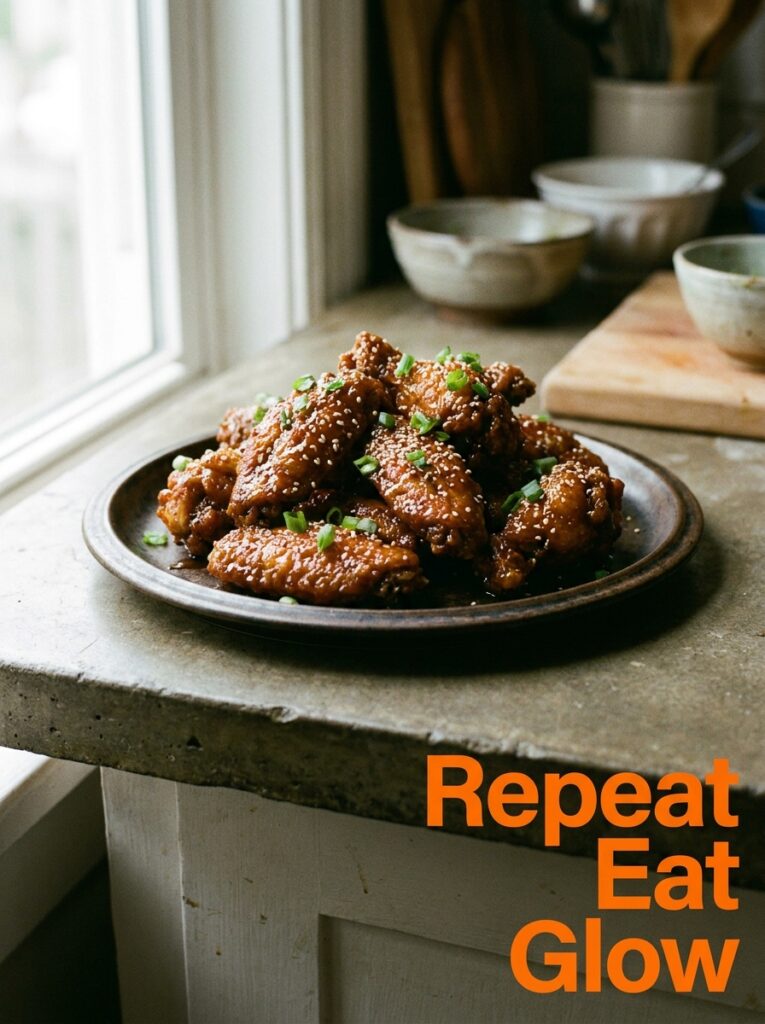
There’s a version of this at every fancy Asian-inspired restaurant and it always costs about four times what it should. Make it at home. Takes maybe 20 minutes.
Ground chicken is the base — brown it in a hot pan with neutral oil, breaking it up as you go. Season with soy, hoisin, a little sesame oil, fresh ginger, garlic. Toward the end of cooking, add water chestnuts (tinned is completely fine) for crunch. That crunch is sort of the whole personality of this dish.
The lettuce cups themselves: little gem lettuce is perfect in both the US and UK, and it’s in most supermarkets now. The leaves cup naturally and they’re sturdy enough to hold filling without going floppy mid-bite. Not iceberg — too thick. Not butter lettuce — too delicate.
Add a julienned carrot and some fresh mint leaves on top of the filling just before serving. The cold crunch of lettuce against the warm, savory chicken filling is one of those contrasts that makes people actually pause.
And it looks beautiful without trying. The color contrast alone — dark filling, pale green cup, bright orange carrot, fresh herbs — is genuinely Pinterest-worthy.
—
6. The Chicken Lollipops You Didn’t Know You Needed at Your Next Party
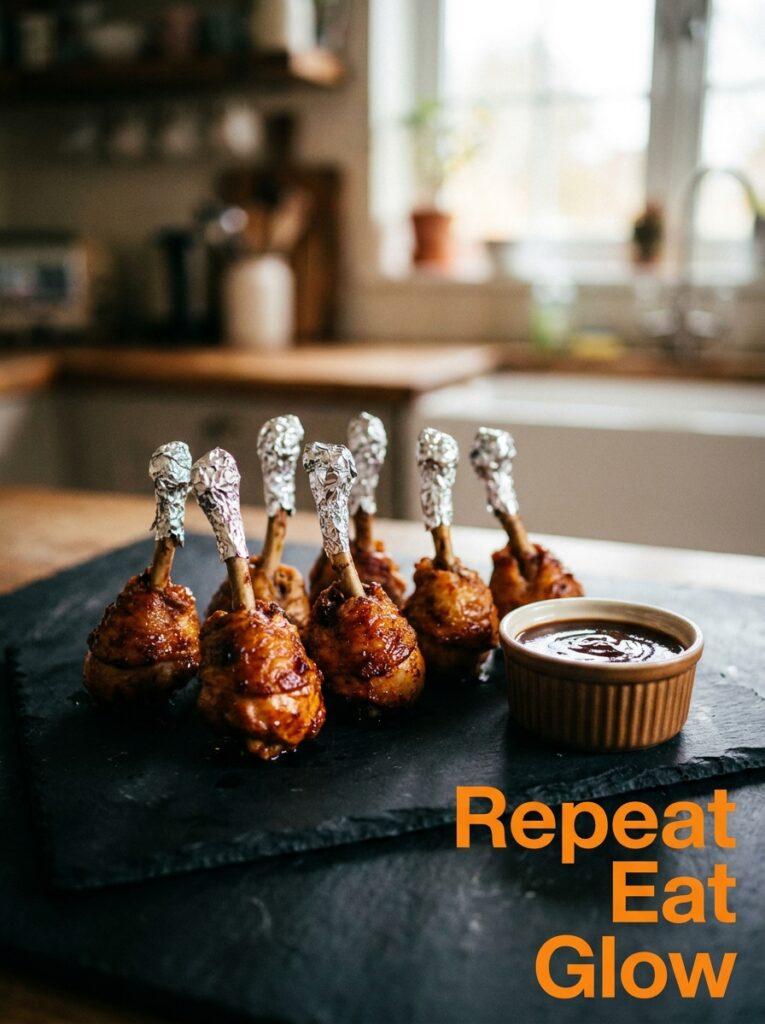
Okay, these are a little more effort. Worth it entirely.
Drumettes are what you want — the meaty part of the wing. You french them, which just means scraping the meat down from the bone end so the bone sticks out clean, like a little handle. It sounds fiddly but takes maybe a minute per piece once you’ve done a couple.
Once they’re frenched, marinate in yogurt, garlic, turmeric, garam masala, chili powder, and salt for at least 4 hours. This is basically tandoori seasoning and it turns an ordinary chicken piece into something with real depth. The yogurt tenderizes and the spices bloom into the meat.
Grill or roast at high heat — you want color on the outside. Serve upright in a tall glass or arranged on a board with the bones pointing up. Honestly, the presentation alone makes people think you’ve done something incredibly complicated.
They look like lollipops. They eat like the best thing on the table.
—
7. The Hot Honey Chicken Flatbread That Bridges Starter and Snack
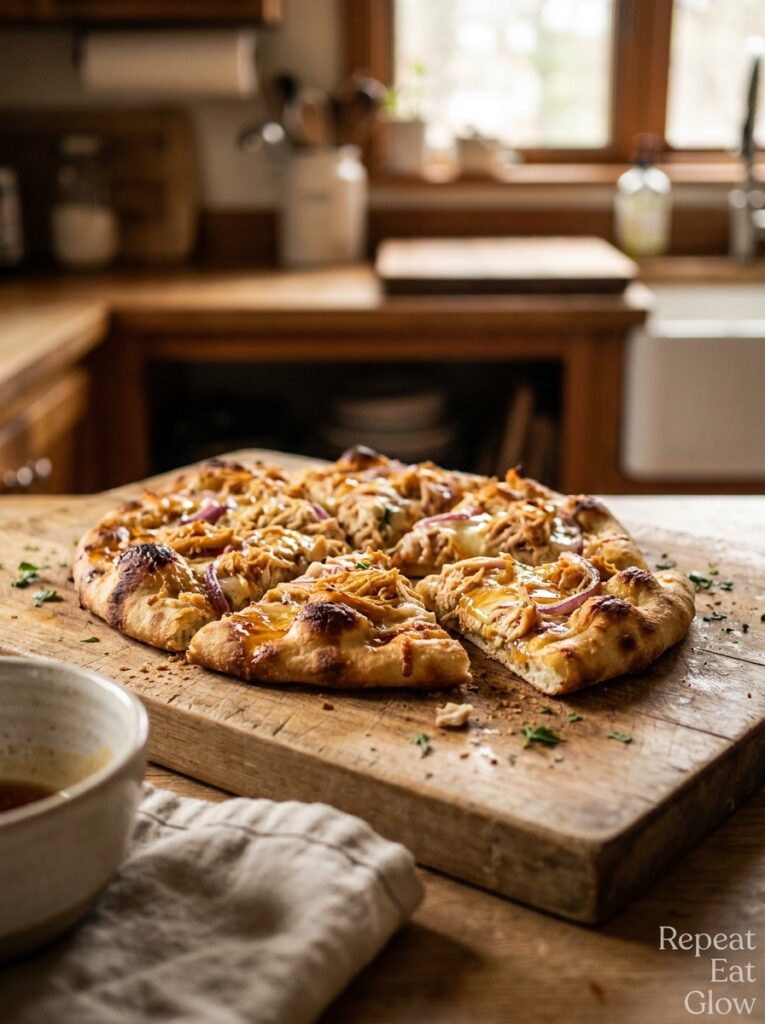
Sometimes you need something that sits between a formal starter and a sharing bite. This is that.
A thin flatbread base — naan works great, or any thin flatbread from the store — spread with a garlic cream cheese or a whipped ricotta. Then thin-sliced cooked chicken (rotisserie chicken is perfect here, no shame in that), a drizzle of hot honey, fresh thyme, and crumbled feta.
Bake at 400°F for about 12 minutes until the edges are crispy and the cheese is starting to go golden. Pull it out and add the fresh herbs after baking, not before, so they stay bright.
Cut into rough pieces — not perfect squares, rough pieces — and pile them on a board. The irregularity of the cutting is sort of the whole aesthetic here. It should look like someone made it in a rush, even though you didn’t.
The hot honey does something magic here. Sweet, spicy, slightly floral, it makes the chicken taste expensive. Or maybe it’s the opposite — it makes something simple taste incredibly intentional.
“Hot honey is the ingredient that makes people think you’ve been cooking like this your whole life.”
—
8. The 15-Minute Chicken Liver Pâté That’s Actually Approachable
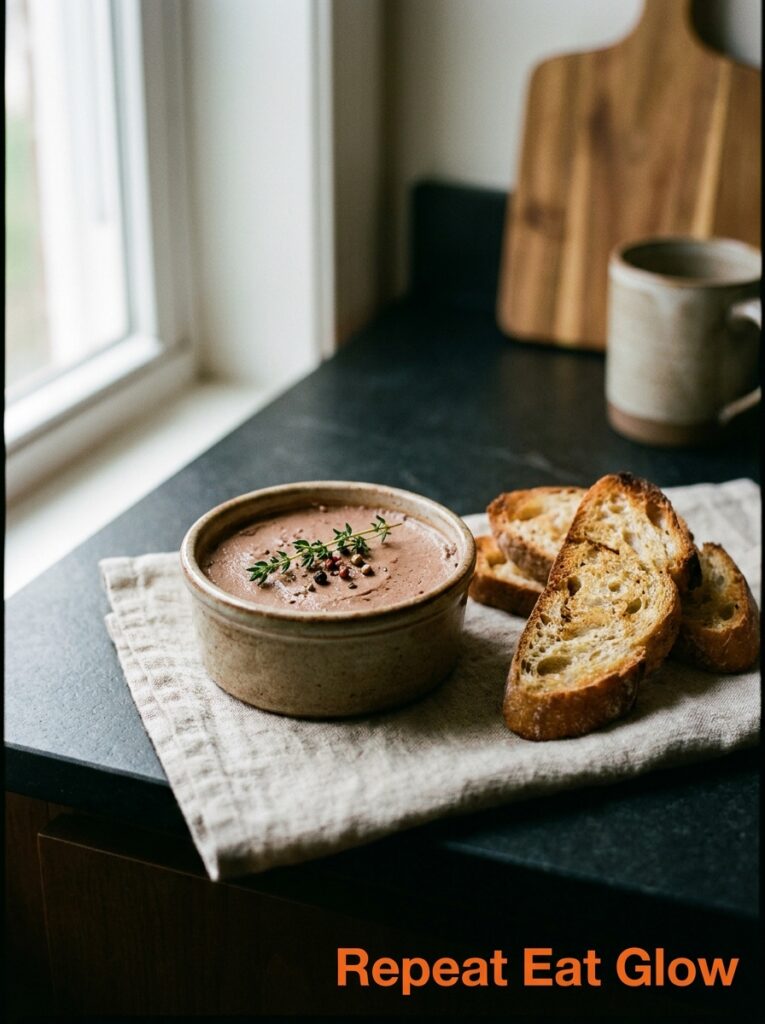
I’m including this because pâté has this reputation for being complicated and rich and slightly terrifying. And it’s none of those things.
Chicken livers — hear me out — are deeply savory, take on seasoning beautifully, and cook in about 8 minutes. Brown them in butter with shallots, garlic, a splash of brandy or sherry (either works), and a generous amount of fresh thyme. Season with salt and pepper. Blend until smooth, add a bit more cold butter, and blend again. Pot up and chill for at least an hour.
The result is silky, rich, spreadable, and tastes like something you’d order at a French bistro. It really does. Serve with toasted sourdough or crackers and some cornichons.
It’s a proper British and French dinner party starter that costs almost nothing to make and sounds incredibly impressive when you say “I made the pâté.” Tiny effort, maximum theater.
—
9. Pulled Chicken Crostini With the Pickled Jalapeño You Didn’t Expect
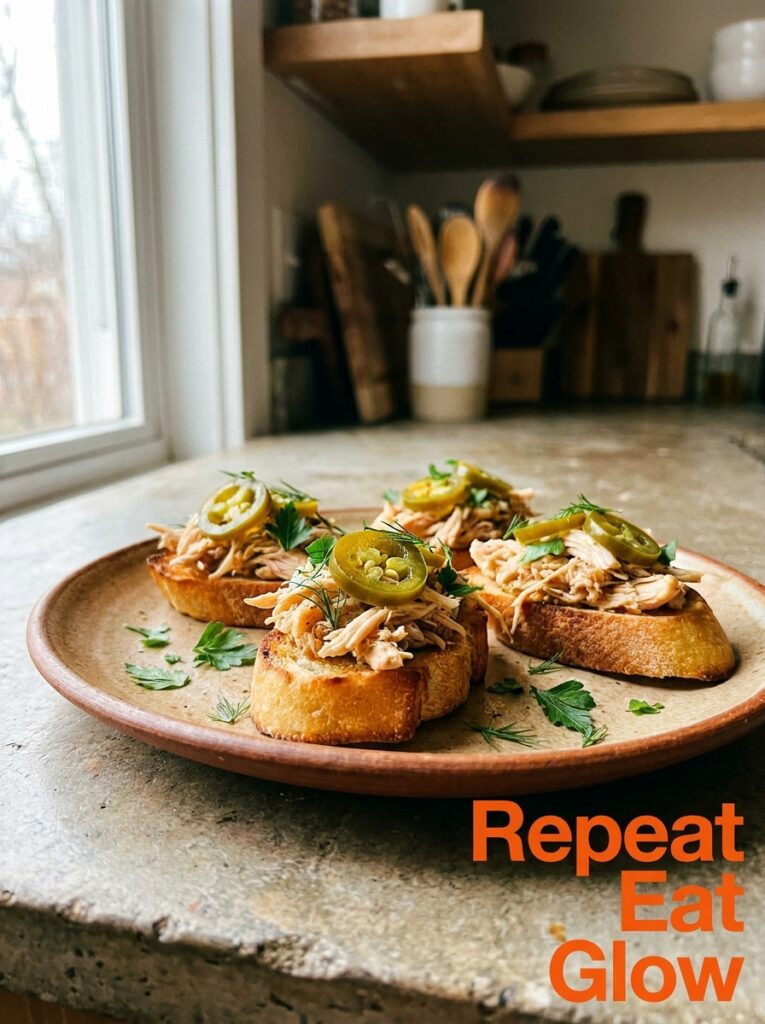
Crostini sounds fancy. It’s toast. But it’s very good toast, and what you put on it absolutely matters.
Slow-cooked shredded chicken — either from a slow cooker with chicken stock, garlic, and a bay leaf, or honestly just poached breast meat — shredded finely and tossed with a little mayo, dijon, and fresh tarragon. That combination is wildly underused. Tarragon and chicken is a classic French pairing and I don’t understand why it fell out of fashion.
Toast thin slices of baguette at 375°F until golden. Pile on the chicken, then add one or two pickled jalapeño slices on top of each one. The vinegar and heat from the jalapeño cuts through the richness of the mayo and it’s just — it works. It really works.
These are also the starter I make when I’m running behind schedule, because you can have all the components made ahead and assemble in five minutes. The toast can go from oven to table fast, the chicken can be made the day before. No stress.
—
10. The Chicken and Corn Chowder Shot That Starts the Night Right
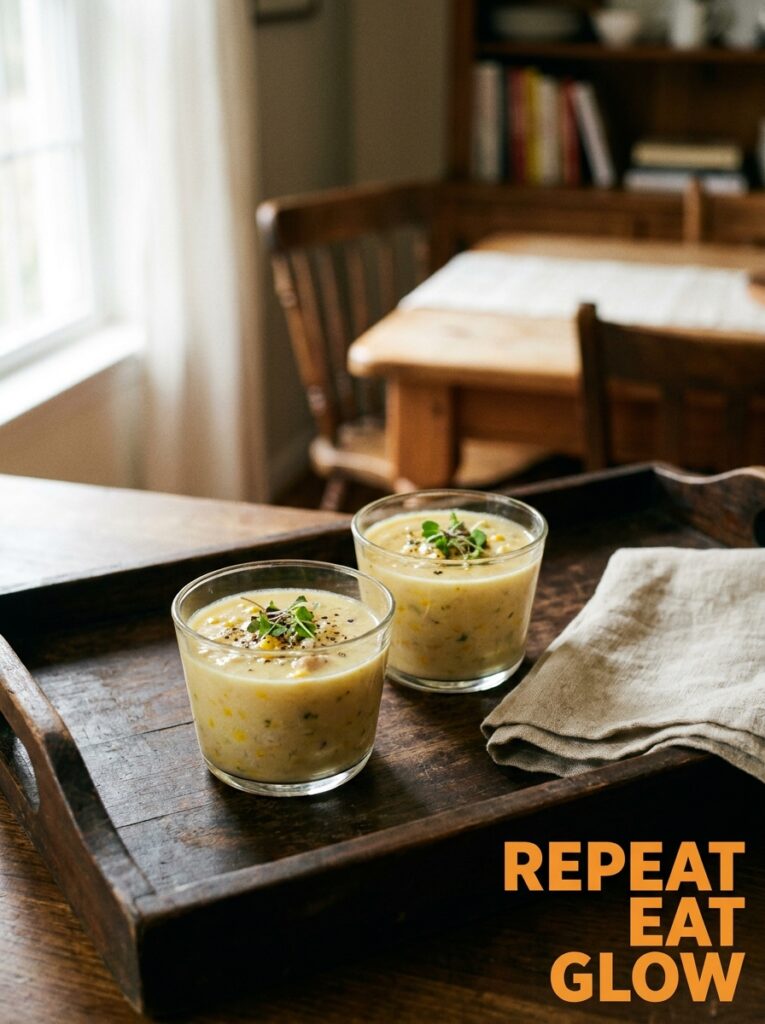
This one’s different. Not a bite, a drink. Sort of.
Mini cups of thick, creamy chicken and corn chowder served as a warm amuse-bouche — one of those little “the kitchen says hello” moments. It’s surprisingly achievable and it makes guests feel like they’re at a proper restaurant experience, not just someone’s house. (Not that there’s anything wrong with that. But you know the feeling.)
Sweat shallots and garlic in butter, add a diced potato, chicken stock, corn cut from the cob or frozen sweetcorn, and simmer until the potato is soft. Add shredded cooked chicken, a splash of cream, season with smoked salt if you have it. Blend half the chowder and stir it back in for that thick, chunky, half-smooth texture.
Pour into little espresso cups or shot glasses. A pinch of smoked paprika on top, one tiny piece of crispy bacon if you want. Serve warm.
People genuinely go quiet when they taste it.
—
11. The Teriyaki Chicken Rice Paper Rolls That Look Like You Tried Hard
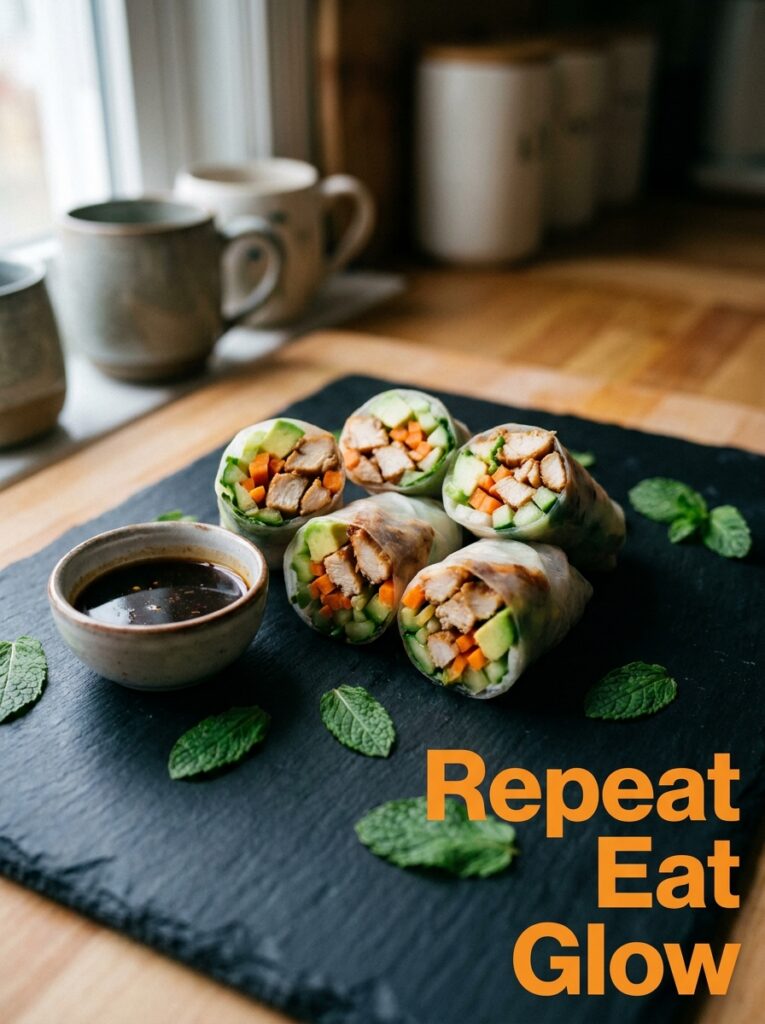
These are fiddly the first time. Second time, they’re easy.
Rice paper rolls just need warm water, patience, and a setup that isn’t chaotic. Lay out everything before you start — sliced teriyaki-glazed chicken (pan-fried strips brushed with soy, mirin, and a bit of honey), thin rice noodles, shredded purple cabbage, cucumber, fresh mint, fresh coriander if your crowd likes it.
The key to rolling them without tearing: don’t oversoak the paper. 10-15 seconds in warm water, not hot. It should feel almost rigid still when you take it out — it’ll soften as you work.
The visual impact when you cut them in half is significant. The purple cabbage, the green herbs, the golden chicken. It looks like considerable effort. It’s mostly just prep and a bit of dexterity.
Serve with a dipping sauce of hoisin thinned with a little warm water, sesame oil, and crushed peanuts scattered on top.
—
12. The One-Skillet Garlic Butter Chicken Starter Nobody Sees Coming
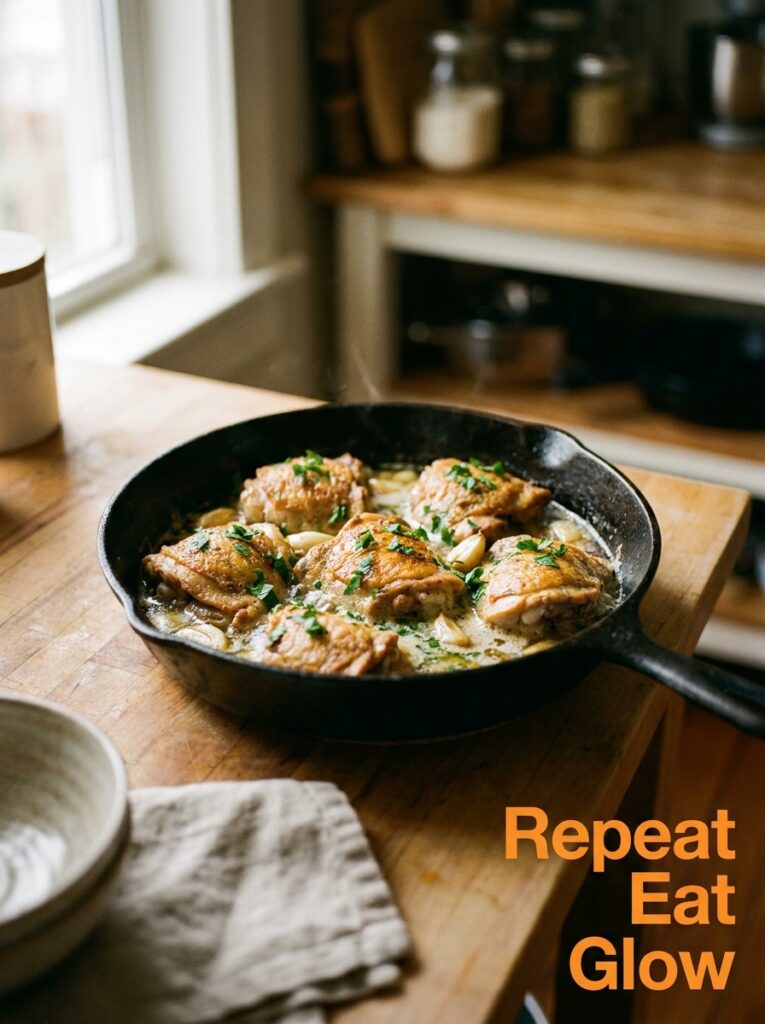
I’m ending on this one because it’s the simplest thing on the list and maybe the one I make most.
Thin chicken cutlets, seasoned generously with salt and pepper, pan-seared in a cast iron skillet with a lot of butter. A LOT. When they’re golden — about 3 minutes per side — add smashed garlic cloves to the pan and let them soften in the butter. Squeeze half a lemon in, add some capers if you want them, and spoon that buttery, garlicky, slightly acidic sauce over the chicken constantly for about a minute.
Serve sliced on a warm plate with the pan sauce poured over and good crusty bread to mop it up. That’s it. No elaborate garnish. No special equipment.
But the flavor — the butter going golden, the garlic going sweet, the lemon cutting through — it’s one of those things that tastes like significantly more work than it was. And the bread situation is important. People will use the bread. Give them good bread.
—
❓ FAQ
Q: Can I make chicken starters ahead of time for a dinner party? A: Most of them, yes. The pâté needs to be made ahead. The satay can be marinated overnight and cooked day-of. The crostini filling keeps well in the fridge for 24 hours. The things that need to be fresh are really just anything fried — crispy bites lose their crunch, so those are best made close to serving.
Q: What’s the best cut of chicken for starters? A: Thighs for anything fried or braised — they stay juicier under heat. Breast for anything sliced thin, rolled, or used cold. Chicken livers for pâté, obviously. Drumettes for the lollipops. It genuinely depends on the dish, but if in doubt, thigh meat is almost always more forgiving.
Q: Are these recipes suitable for people who don’t eat pork? A: Most of them are naturally pork-free. The only ones with optional pork additions are the chowder shot (bacon as garnish, easily skipped) and you’d want to double-check your hoisin sauce ingredients. Everything else on this list is good to go as written.
—
💭 Final Thoughts
The best starter isn’t necessarily the most complicated one. It’s the one that makes people lean forward, reach for another, and ask “what did you put in that?” halfway through the main course, because they can’t stop thinking about it.
These recipes have all had that moment for me, at different tables, with different people. And that’s the whole reason to cook, isn’t it.
Which one are you making first?
