You know that moment when you take a bite of something and you’re like — oh. Oh. That’s what Hungarian chicken does. It’s rich and paprika-red and it smells like someone’s grandmother has been standing at a stove for hours, except you can pull it together on a Tuesday.

—
1. Why Hungarian Chicken Keeps Showing Up on Every Food Person’s Feed Right Now
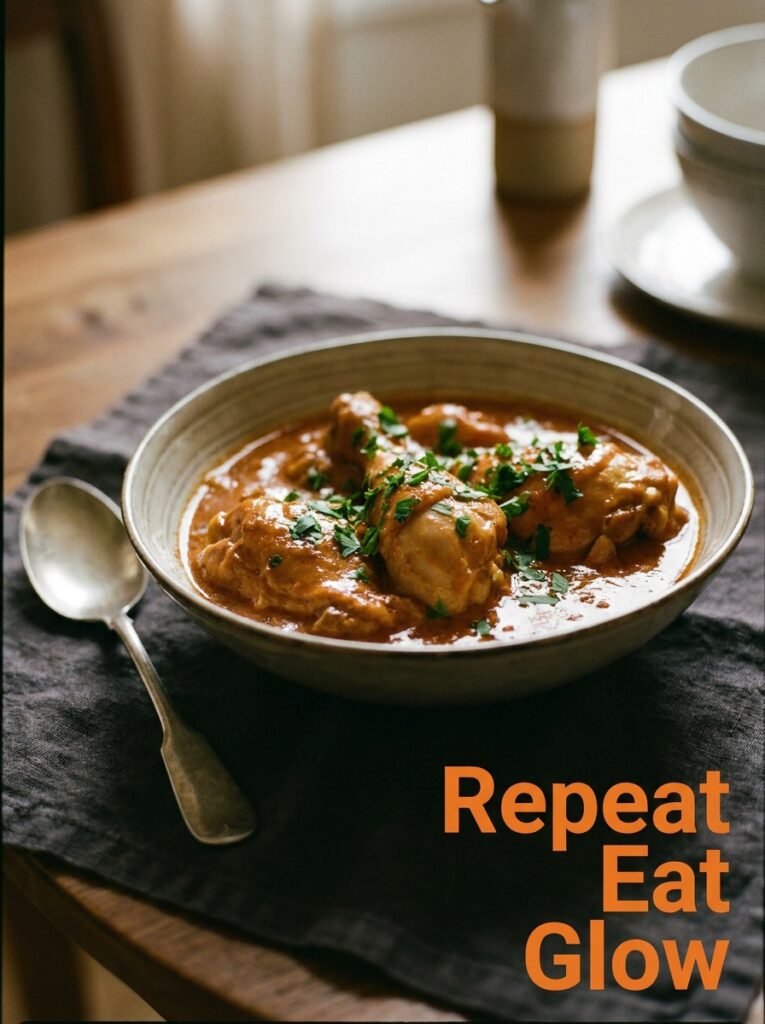
It’s not a trend, exactly. Hungarian chicken — especially paprikash — has been around forever. But there’s this renewed obsession with it right now and honestly, I get it. We’re all a little tired of the same rotation. The same lemon herb situation. The same sheet pan moment. And then someone makes chicken paprikash and suddenly you remember that food is supposed to feel like something.
The thing about Hungarian chicken is the paprika. Not the dusty stuff that’s been sitting in your spice cabinet since 2019 — I’m talking about good, fresh, deep-red sweet paprika that blooms the second it hits hot oil. That smell alone is worth it. It’s warm and almost sweet and a little smoky and it fills your kitchen in a way that makes everyone in the house come looking.
What makes it actually easy is the technique. It’s a one-pan dish, mostly. You brown the chicken, you build a sauce, you let it go low and slow. That’s it. The sour cream at the end is what makes people lose their minds — it turns this deeply spiced broth into something silky and tangy and completely addictive. Don’t skip it. Don’t substitute Greek yogurt. Just do the sour cream.
“Fresh paprika isn’t an ingredient. It’s the whole point.”
—
2. The Cut of Chicken That Actually Makes This Better (It’s Not Breasts)
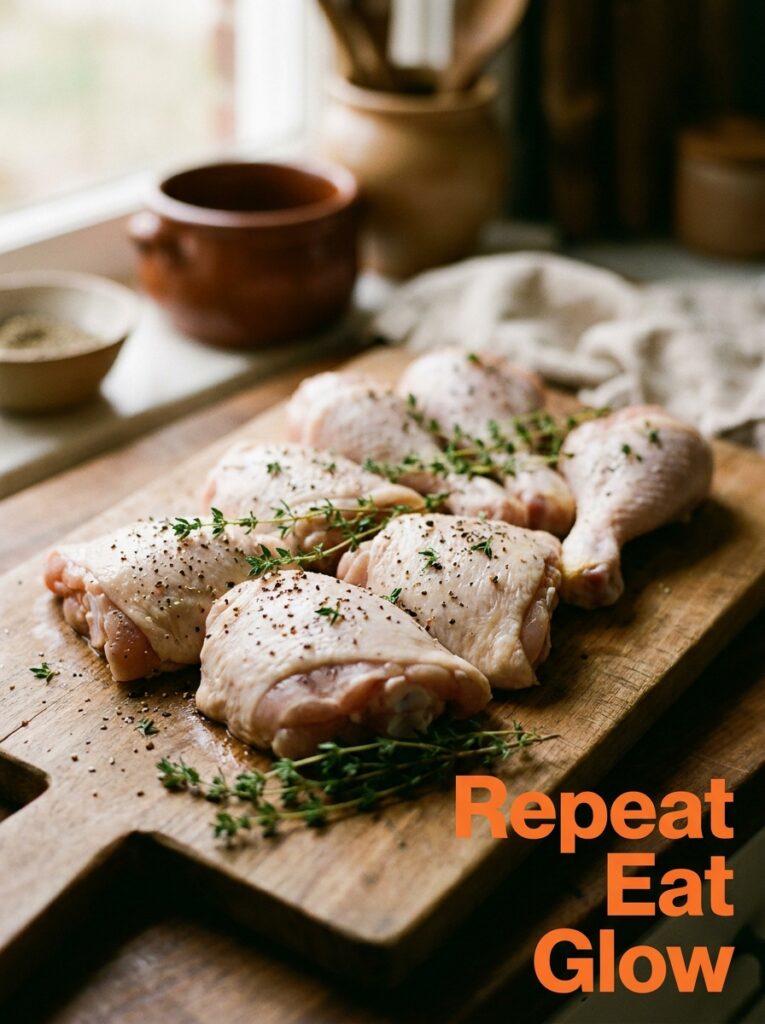
I’m just going to say it: bone-in, skin-on chicken thighs are the move here. Drumsticks work too. But please, not boneless skinless breasts — not for this recipe, not today.
Here’s why it matters. Hungarian paprikash sauce is long and low. It wants to simmer. And chicken breasts at that kind of heat just turn rubbery and sad, like you’ve punished them somehow. Thighs are forgiving. The fat in the skin renders down into the sauce and adds this depth you can’t get any other way. And the collagen from the bone? That’s what makes the sauce feel like it’s coating your spoon instead of running off it.
I know some people are weird about skin-on chicken. Fair enough, honestly. But if you brown it properly — like, really properly, in hot oil, not moving it for three full minutes — the skin gets golden and almost crispy before the braising liquid goes in. By the time it hits the table it’s soft again but there’s this memory of crispness, kind of. Or maybe it’s the opposite, actually. Anyway, the flavor is there regardless.
At the supermarket, look for chicken thighs with the bone in. In the UK, these are everywhere. In the US, you might need to check the butcher section rather than the pre-packaged stuff. Four to six thighs will feed four people easily.
—
3. The Paprika Rule Nobody Talks About Enough
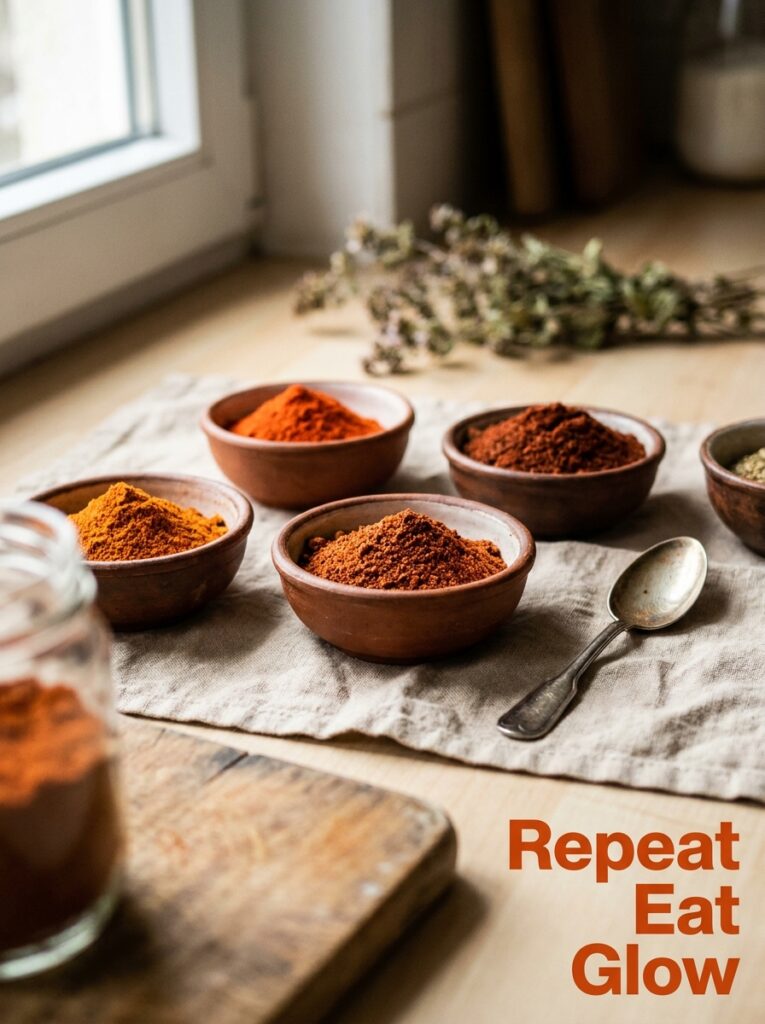
Two types. You want two types of paprika in a proper Hungarian chicken dish and I will not be taking questions at this time.
Sweet paprika is the base. It’s what you use a LOT of — and I mean a lot, like two full tablespoons minimum. Don’t be shy. Paprika is the sauce. And then smoked paprika goes in smaller — maybe half a teaspoon, maybe one teaspoon — just to add this background warmth that keeps things interesting. Some recipes call for hot paprika too, which is Hungarian hot paprika specifically, not cayenne. If you can find it, great. If not, a small pinch of cayenne does something similar.
The biggest mistake people make with paprika is adding it to a dry hot pan and letting it burn. Burnt paprika is bitter and it will ruin your dish completely. What you want is this: add it to the pan after your onions are soft, stir it around for about 30 seconds in the oil, and then add your liquid almost immediately. That short bloom is enough to wake it up. Any longer and it goes dark and acrid and the whole thing is over.
Fresh paprika — meaning a jar that’s been opened recently, ideally within the last six months — smells almost fruity when you open it. Old paprika smells like nothing. Like dust. And it’ll make your food taste like nothing too. This is worth buying a new jar for.
—
4. The Classic Chicken Paprikash You Need in Your Life
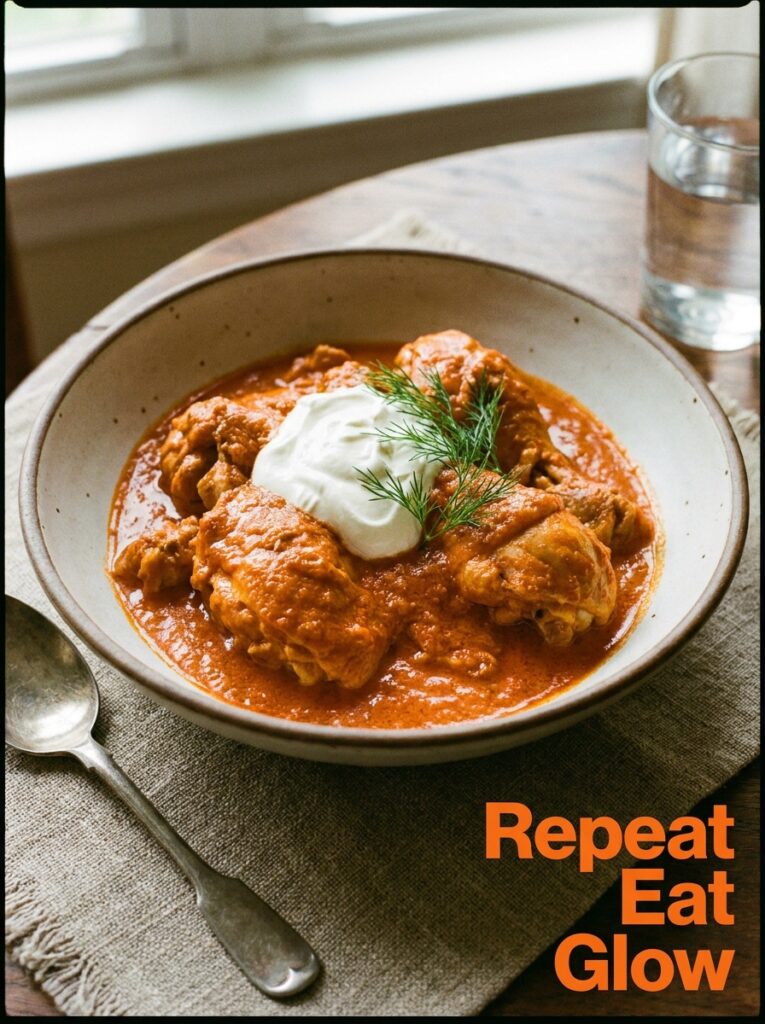
Okay so here’s the main event. This is the recipe. This is what Hungarian chicken actually IS, at its most traditional and most comforting.
Start with a big deep skillet or Dutch oven. Heat two tablespoons of neutral oil or lard — yes, lard, it’s traditional and it makes everything taste better — over medium-high heat. Season your chicken thighs well with salt and pepper and brown them skin-side down for about four minutes until genuinely golden. Flip, do another two minutes, then pull them out. Set aside.
In the same pan, turn the heat down and add one large onion, finely chopped. Cook it slowly — like eight to ten minutes slowly — until it’s sweet and translucent and just starting to go golden at the edges. Then add three cloves of garlic, minced. One minute. Now pull the pan off the heat slightly (this is the paprika moment), add two tablespoons sweet paprika, stir fast, then pour in one cup of chicken stock right away. Stir it all together. Put the chicken back in.
Cover and simmer on the lowest heat you can manage for 35 minutes. Then take the chicken out again. Mix half a cup of full-fat sour cream with a tablespoon of flour, stir that into the sauce (this prevents it curdling), then return the chicken to the pan. Five more minutes. Done.
“This is the recipe you’ll make when someone needs feeding and you don’t have words.”
—
5. A Creamy One-Pan Version That Works on a Weeknight in Under an Hour
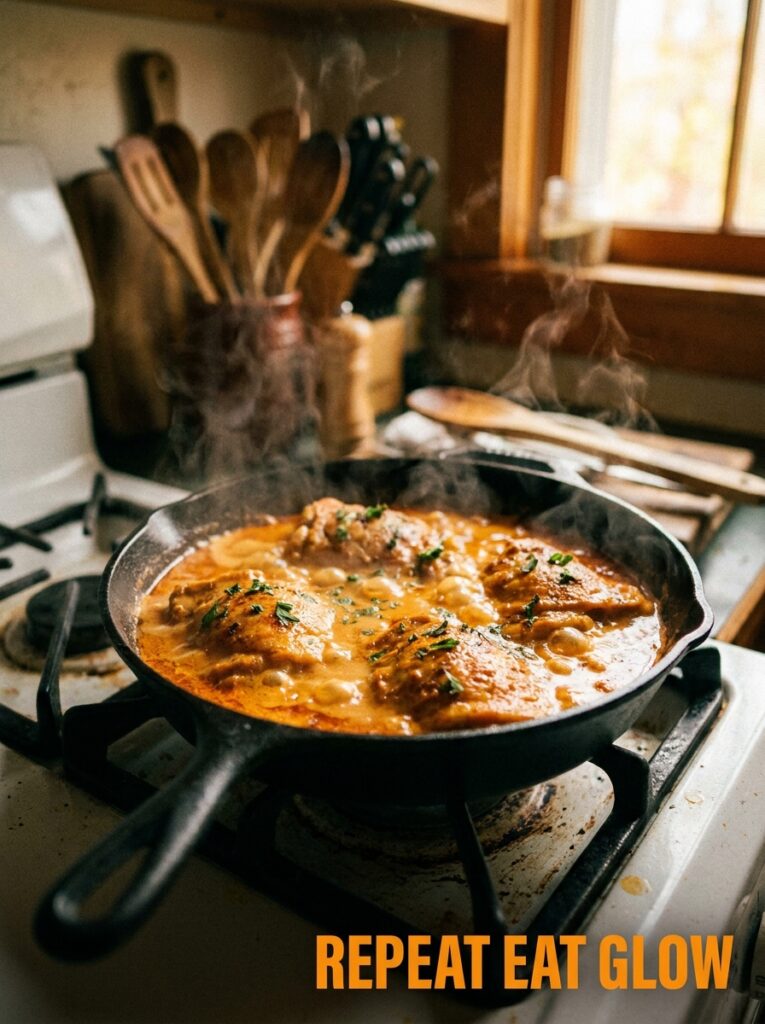
Not everyone has 45 minutes of active cooking in them on a Wednesday. Completely valid. This version is faster, slightly looser, but still absolutely delicious.
Use boneless thighs here since you’re not doing a long braise. Cut them into large chunks — not tiny, like three pieces per thigh. Season with salt, pepper, and a teaspoon of sweet paprika right on the meat. Brown in batches in butter and a little oil until golden. Remove.
In the same pan: one onion, diced, cooked for five minutes. Half a red pepper, sliced — this is a slightly modern addition but it works. Two cloves garlic. Two teaspoons sweet paprika. A pinch of smoked. Then a can of chopped tomatoes and half a cup of stock. Chicken goes back in. Cover, simmer twenty minutes.
Stir in half a cup of sour cream to finish. Don’t let it boil after that, just warm through. Serve over egg noodles or rice or literally just crusty bread and a spoon. That’s it. The whole thing. Forty-five minutes total and it tastes like something you’d get at a little restaurant in Budapest with red checkered tablecloths and no menu in English.
—
6. The Side Dish That Changes Everything (Hint: It’s Not Rice)
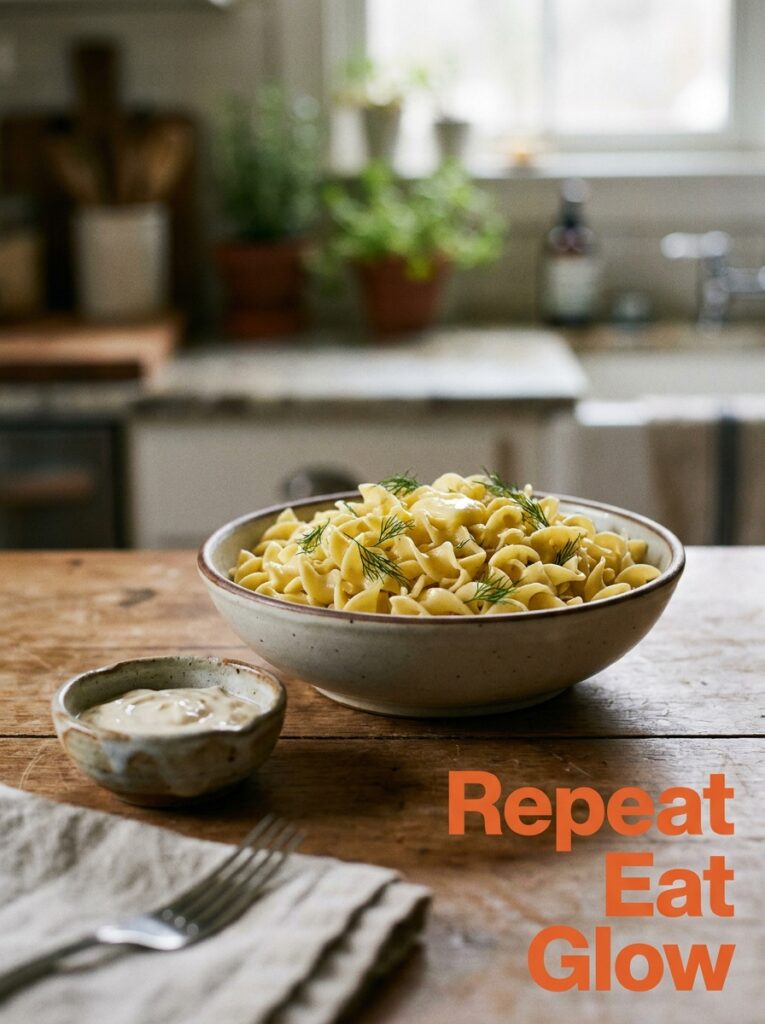
Egg noodles. Wide, flat, slightly chewy egg noodles. This is non-negotiable in Hungary and after you try it, you’ll understand why.
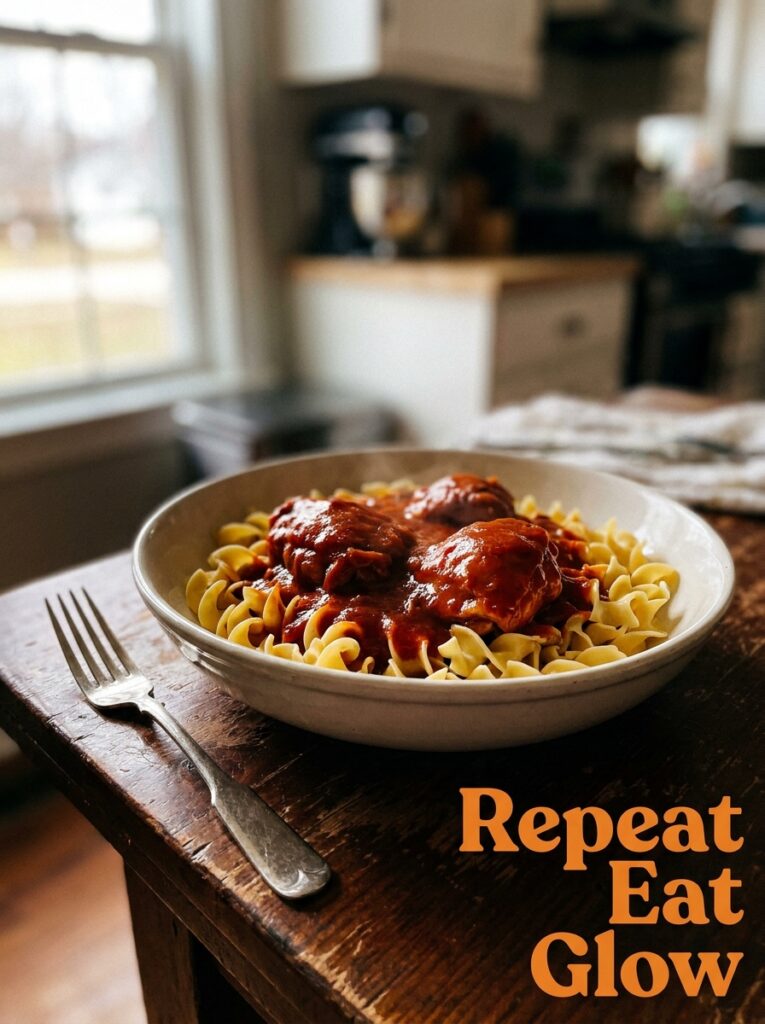
The sauce from chicken paprikash is made to cling to something with texture. Rice is fine but it kind of disappears under the sauce. Crusty bread is wonderful for mopping but it’s not a full meal accompaniment. Egg noodles — the wide ones, cooked in salted water until just past al dente — are perfect. The sauce gets into the ridges and wraps around them and every bite has that combination of tender chicken, silky sauce, and slightly bouncy noodle that is just deeply satisfying.
In the US, look for wide egg noodles in the pasta aisle — they’re usually near the dry pasta or sometimes in their own section. In the UK, you can find them in Eastern European delis or online, or honestly, pappardelle pasta works brilliantly as a substitute. Broken up slightly if the pieces are long.
Toss the cooked noodles with a little butter before serving, then pile the chicken and sauce right on top. Not mixed together, pile. The presentation matters somehow, like visually you want to see the red-orange sauce against the pale noodles. Side note — some people serve with a dollop of extra sour cream on top and honestly that’s a great call.
—
7. Hungarian Chicken and Dumplings That Comfort Like Nothing Else
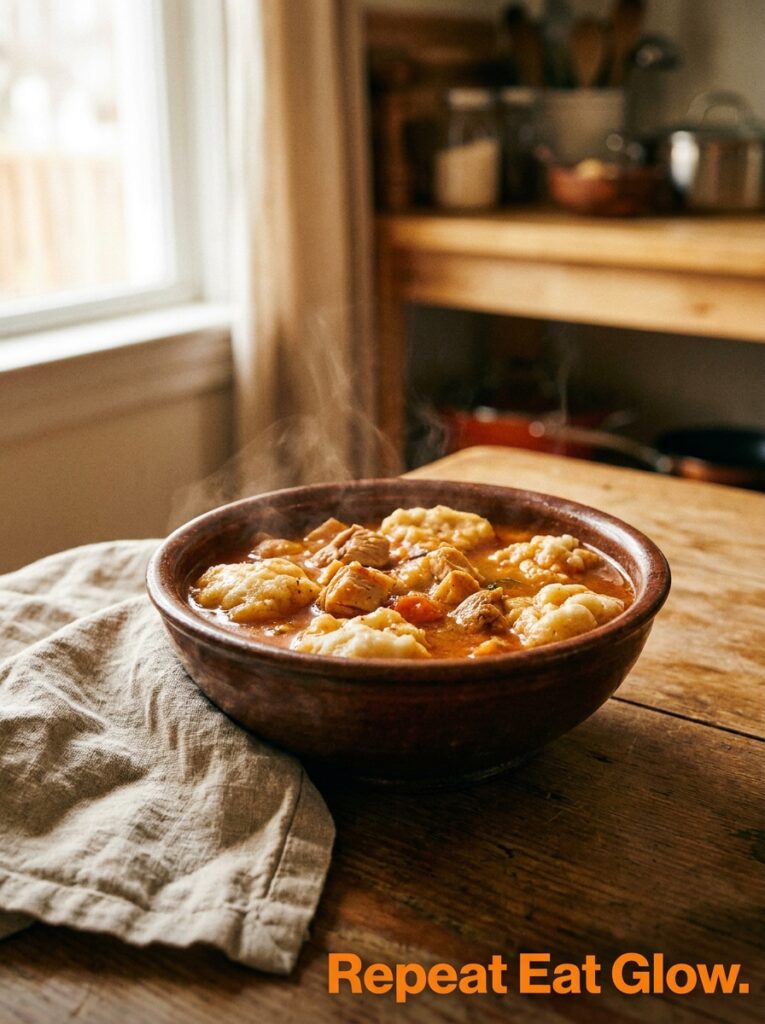
This is the one I make when someone’s had a rough week. Or when it’s been raining for four days. Or both.
It’s based on the classic paprikash but with little pillowy dumplings cooked right in the sauce. The dumplings are called galuska and they’re dead simple — one cup flour, one egg, a pinch of salt, and enough water to make a thick, sticky batter. You scoop small pieces of this batter into simmering broth with a wet spoon and they puff up into these soft little dumplings in about eight minutes. They soak up the paprika sauce and get stained red-orange and they’re SO good.
Make the paprikash sauce first (same as the classic recipe, minus the sour cream for now), get it to a gentle simmer with the chicken still in there, then drop in the dumplings in batches. Don’t crowd them. Once they’re all done and floating, fish them out, stir in the sour cream, and serve everything together in deep bowls.
“The dumplings turn red from the sauce and they taste like someone made them just for you.”
—
8. A Lighter Version That Doesn’t Taste “Light” at All
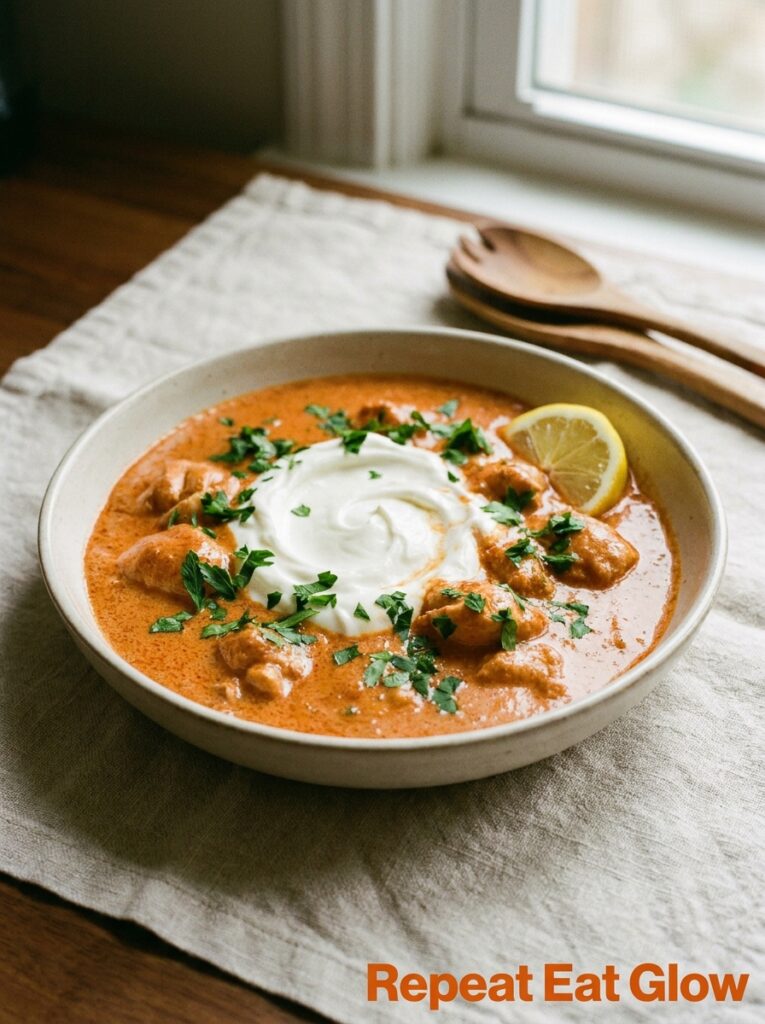
Sometimes you want the flavor without quite as much richness. Here’s how to do it without ruining everything.
The key is keeping the paprika generous — don’t cut back on that, ever — but swapping the sour cream for half sour cream and half low-fat yogurt. Or, if you want to go further, full-fat Greek yogurt mixed with a squeeze of lemon. It won’t be quite as tangy but it holds its own. The lemon actually brightens the whole dish in a way that’s kind of interesting.
Use skinless thighs instead of skin-on. You lose some fat in the sauce but you add a small drizzle of olive oil at the end to keep it from feeling dry. And honestly, with this much paprika and garlic in the equation, you’re not going to feel like anything is missing. Use a lot of fresh parsley at the end — like, actually a lot. It adds freshness and color and it kind of cuts through the richness in a way that makes the whole thing feel cleaner without being sad about it.
Serve over cauliflower rice if you want to go further down that road. Or just smaller portions of the real noodles. Both totally valid.
—
9. What Hungarian Chicken Teaches You About Building Flavor From Scratch
Here’s the thing I keep coming back to. Hungarian chicken isn’t complicated. But it teaches you something real about cooking that a lot of fancier recipes don’t.
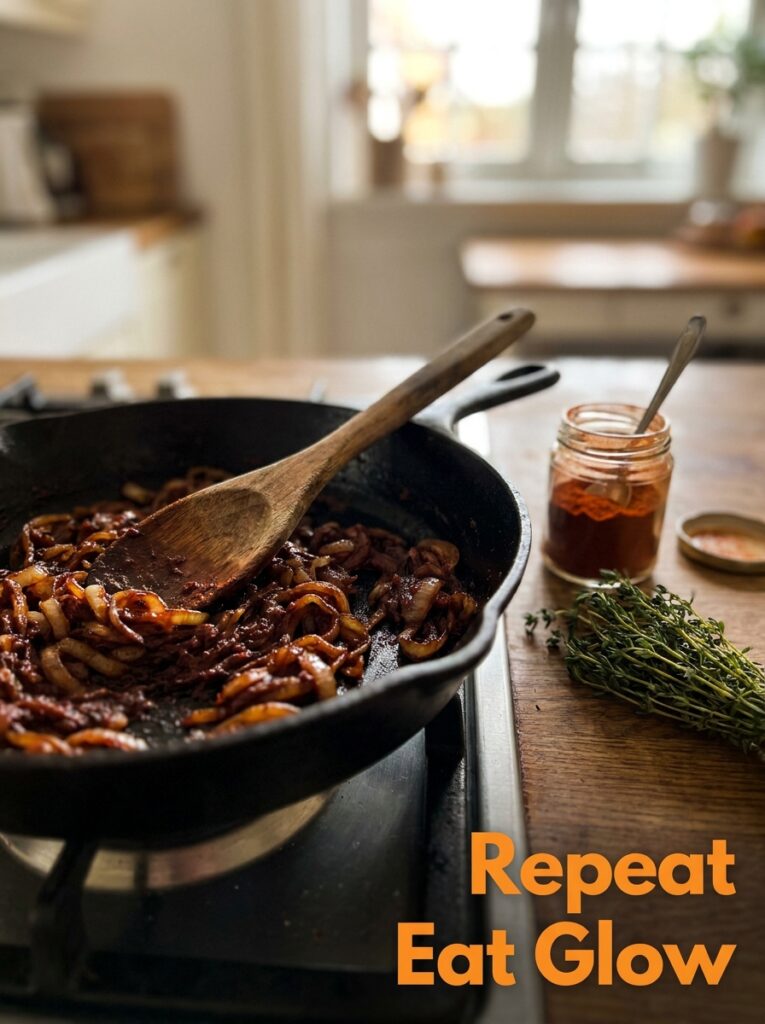
It teaches you patience with onions. Soft, sweet, properly cooked onions are the foundation and if you rush them — if you turn up the heat and char them instead of coaxing them — the whole dish is different. Less sweet. More harsh. And it teaches you about blooming spices, which is a technique you can take to every single dish you ever make. Paprika in hot oil for thirty seconds. Cumin. Coriander. Any ground spice. That heat activation is EVERYTHING.
It also teaches you about acid balance at the end. The sour cream isn’t just creamy — it’s sharp. That sharpness is what stops the dish from feeling heavy even though it’s rich. This is a trick you can use constantly. A squeeze of lemon. A spoon of sour cream. A bit of vinegar. Richness needs a counterpoint or it just sits on your palate and stays there.
Make this dish a few times and you’ll start applying these lessons everywhere without even thinking about it.
—
10. The Version That Tastes Like It Took All Day (It Took 25 Minutes)
Pressure cooker. Or Instant Pot if that’s what you’ve got. This method is actually kind of insane in the best way.
Brown the chicken in the pot using the sauté function — don’t skip this, the browning adds flavor the pressure cooker can’t manufacture. Pull it out. Sauté onions for three minutes (they won’t be as soft as the slow method but it’s fine). Add garlic, paprika, a splash of stock. Return chicken. Lock the lid. Cook on high pressure for twelve minutes. Quick release.
Open it up and it smells INCREDIBLE. Pull the chicken out, switch back to sauté, stir in your sour cream mixture, let it thicken for two minutes. Done. Twenty-five minutes to a dish that tastes like it’s been simmering since morning.
This is genuinely one of my favorite things about pressure cookers. Braised flavor in weeknight time. The collagen from the bone has had a chance to break down, the paprika has deepened, and the sauce has that long-cooked quality that normally takes an hour on the stove.
—
11. The Leftovers Are Actually Better the Next Day (Here’s Why)
Don’t throw away what’s left in the pot. Please. I’m serious.
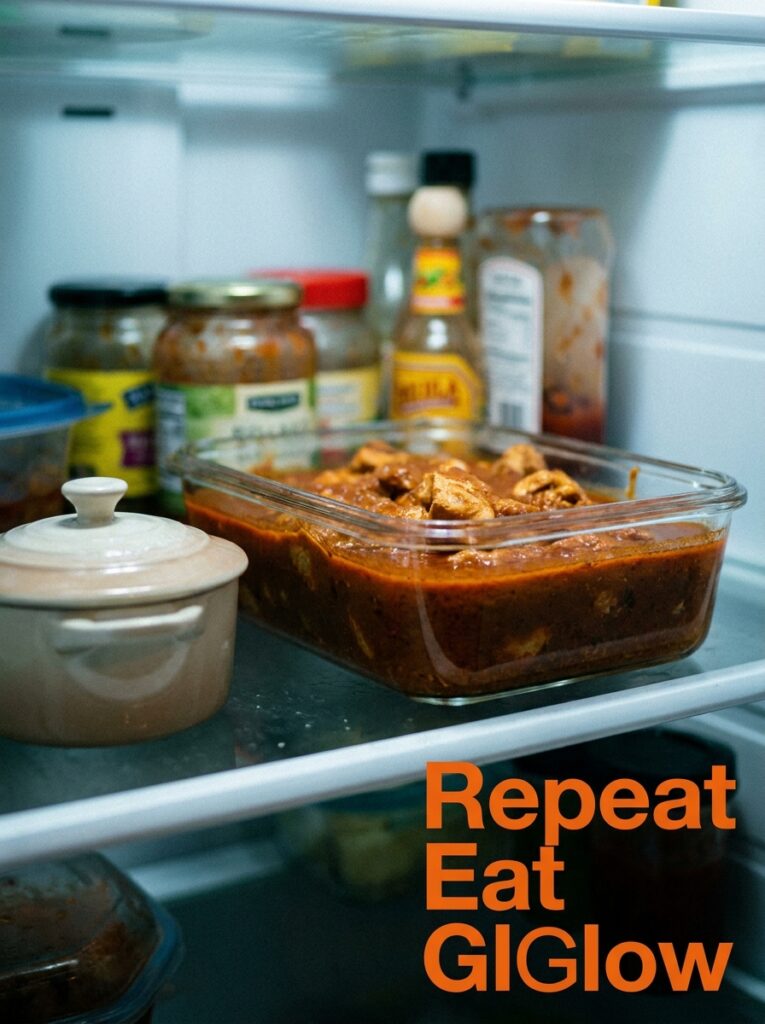
Chicken paprikash reheats beautifully and it’s arguably better the next day once the sauce has had overnight to really sink into everything. The paprika mellows out a little. The sauce thickens. The chicken absorbs more flavor. It’s one of those dishes that rewards patience even after it’s been cooked.
Store it in an airtight container in the fridge — up to three days, no problem. Reheat gently on the stove with a small splash of stock or water to loosen the sauce. Don’t microwave it if you can help it; the sour cream sauce can split a little with aggressive heat. Low and slow even in reheating.
And leftover paprikash sauce? Stir it through cooked pasta with nothing else added. It’s SO good. Or use it as a sauce for fried eggs the next morning. I know that sounds weird. Try it before you decide.
—
12. A Few Things That’ll Go Wrong (And How to Fix Them)
Real talk for a second because every recipe has its pitfalls and I’d rather tell you now.
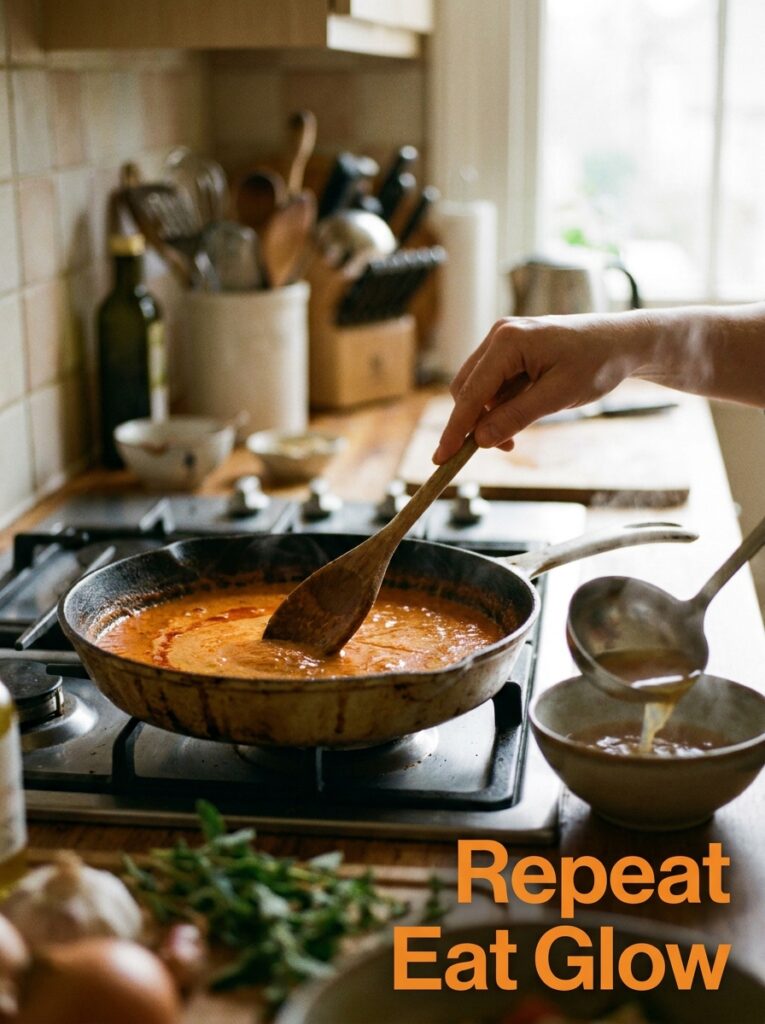
The sauce splits when you add sour cream. This happens when the liquid is too hot. Always take the pan off the heat or drop it to the lowest simmer before stirring in the sour cream. And mix a small spoonful of flour INTO the sour cream before it goes in the pan — that starch stabilizes everything.
The paprika tastes bitter. You burned it. It happens. The fix: add more stock, a pinch of sugar, and a splash of red wine vinegar, which can sometimes pull a bitter dish back from the edge. Not always. Sometimes you just start over, I won’t lie.
It’s not thick enough. Mix one teaspoon of cornflour (cornstarch) with one tablespoon of cold water, stir it in, and simmer for two minutes. Or take the chicken out and just reduce the sauce on higher heat for five minutes. Both work.
It’s too thick. More stock. Splash by splash until you like it.
These things are fixable. Don’t panic.
—
❓ FAQ
Q: Can I make Hungarian chicken paprikash ahead of time for a dinner party? A: Yes, and honestly, you should. Make it the day before, cool it completely, store in the fridge, and reheat gently on the stove. The flavor is actually deeper the next day. Just hold back the sour cream until you’re reheating so it doesn’t split.
Q: What’s the difference between chicken paprikash and goulash? A: Goulash is more of a stew — often made with beef, more tomato, and sometimes potato. It’s thinner and heartier. Paprikash is specifically about that creamy paprika-sour cream sauce, and it’s almost always made with chicken or veal. Both are Hungarian classics but they’re quite different in texture and richness.
Q: Where can I find Hungarian sweet paprika in the UK and US? A: In the US, most grocery stores carry it in the spice aisle — look for “sweet paprika” or “Hungarian paprika” specifically. In the UK, larger Sainsbury’s, Waitrose, and Whole Foods carry it, and any Eastern European deli will have it. Online is always a reliable option if you can’t find it locally.
—
💭 Final Thoughts
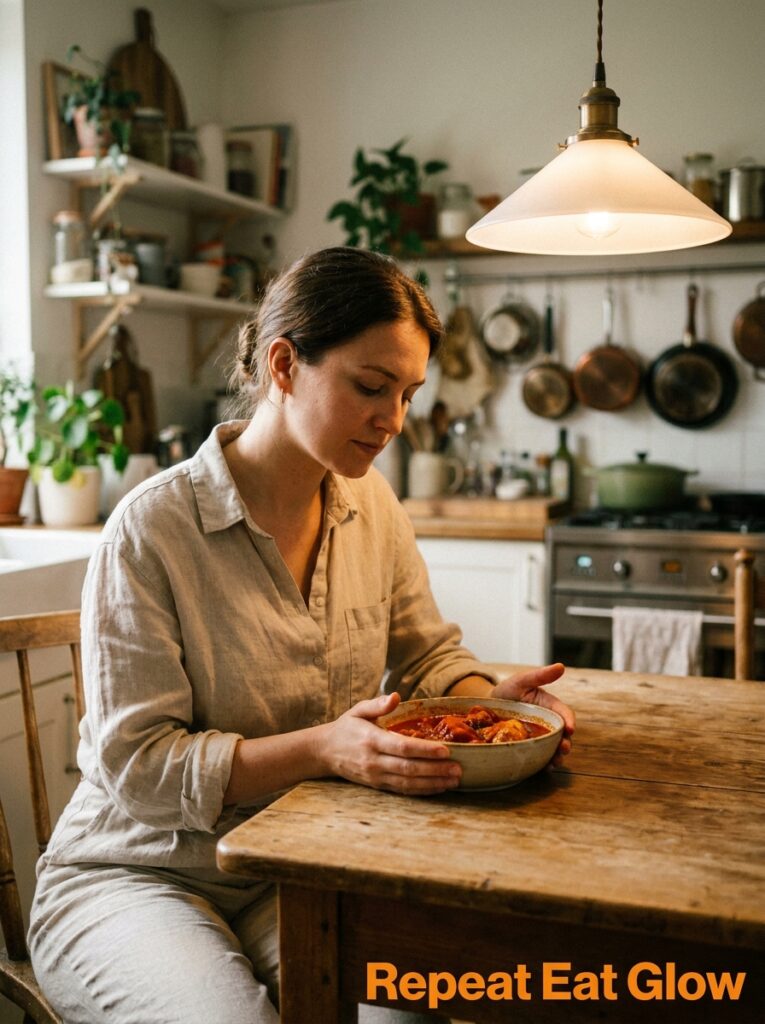
Hungarian chicken is one of those recipes that makes you feel like a proper cook, even if you’re standing in your kitchen in socks with a glass of wine in one hand. It’s forgiving, it’s deeply satisfying, and once you’ve made it once you’ll make it a dozen more times without even thinking about it. There’s a reason it’s been on dinner tables for generations.
What’s the one dish that always makes your kitchen smell like something worth coming home to?
