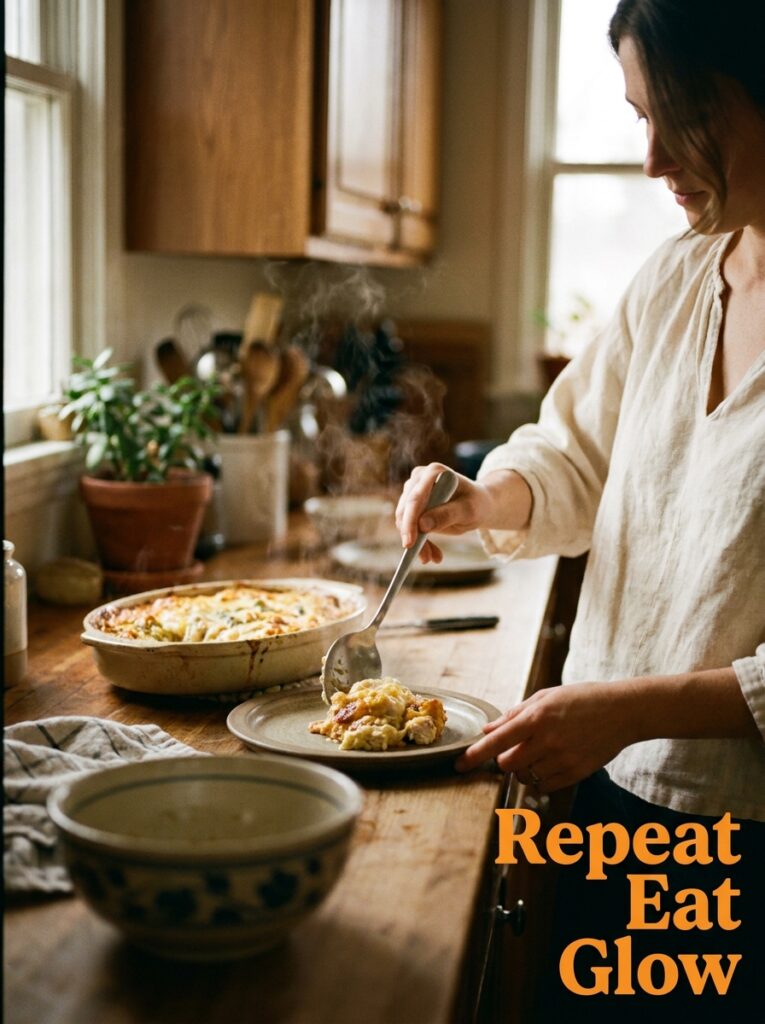
You pull it out of the oven and the kitchen smells like something your grandma would’ve made on a cold Sunday — rich, cheesy, a little herby, completely irresistible. Everyone wanders in from different rooms. Nobody asks what’s for dinner because they already know it’s going to be good.
This is Chicken Divan casserole. And if you’ve never made it, tonight’s the night.
—
1. What Chicken Divan Actually Is (Because People Get It Twisted)
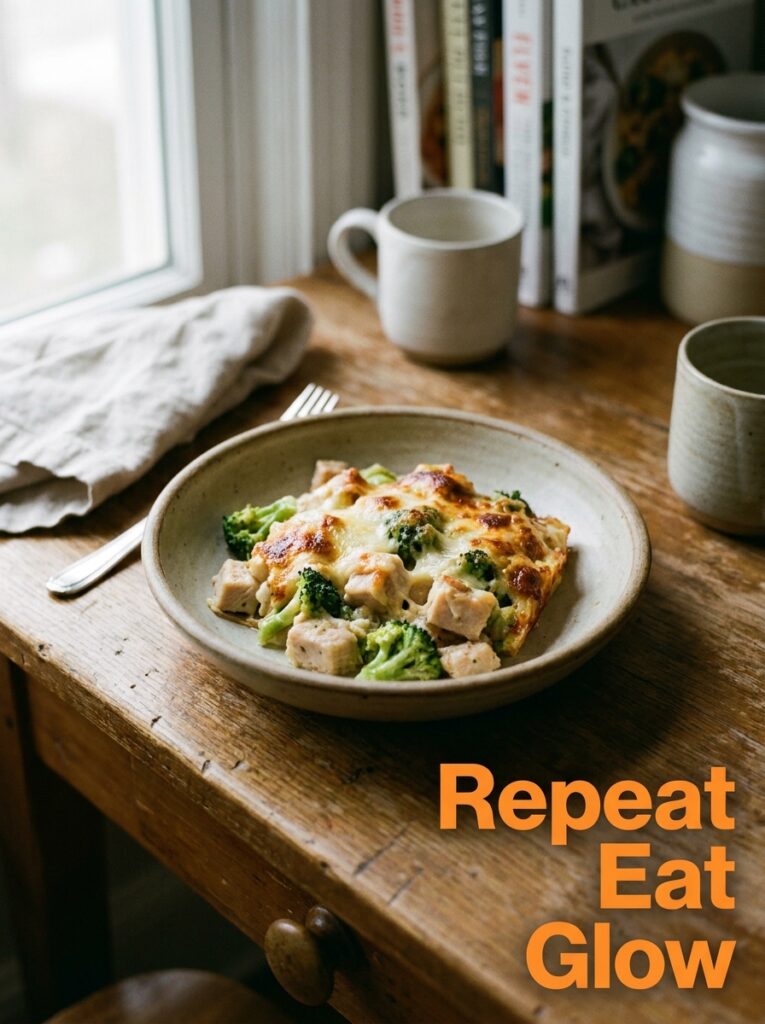
So here’s the thing — a lot of people see “chicken casserole” and think bland. Dry chicken. Gluey sauce. Something that tastes like effort that wasn’t worth it. Chicken Divan is none of those things, and I feel strongly about clearing this up.
The original dish comes from New York — the Divan Parisien Restaurant, back in the 1950s. It was fancy then. Broccoli, chicken, a creamy sauce, sometimes a splash of sherry. And over the decades it got passed around church potlucks and family recipe boxes until it became the beloved, slightly-scruffy weeknight hero it is today.
The version most American home cooks know involves cream of chicken soup, sour cream or mayo, broccoli florets, shredded chicken, and a blanket of cheddar cheese on top. British cooks sometimes swap in crème fraîche or a homemade white sauce, and honestly? Both are incredible. It’s one of those dishes that’s survived generations because it’s just fundamentally, deeply satisfying. Warm and saucy and filling without being heavy. Humble in the best way.
Don’t let the simplicity fool you. There’s a reason this one keeps coming back.
“It’s the kind of casserole that makes people ask if you went to cooking school. You didn’t. You just knew the recipe.”
2. The Ingredients That Make or Break This Dish (Spoiler: It’s the Broccoli)
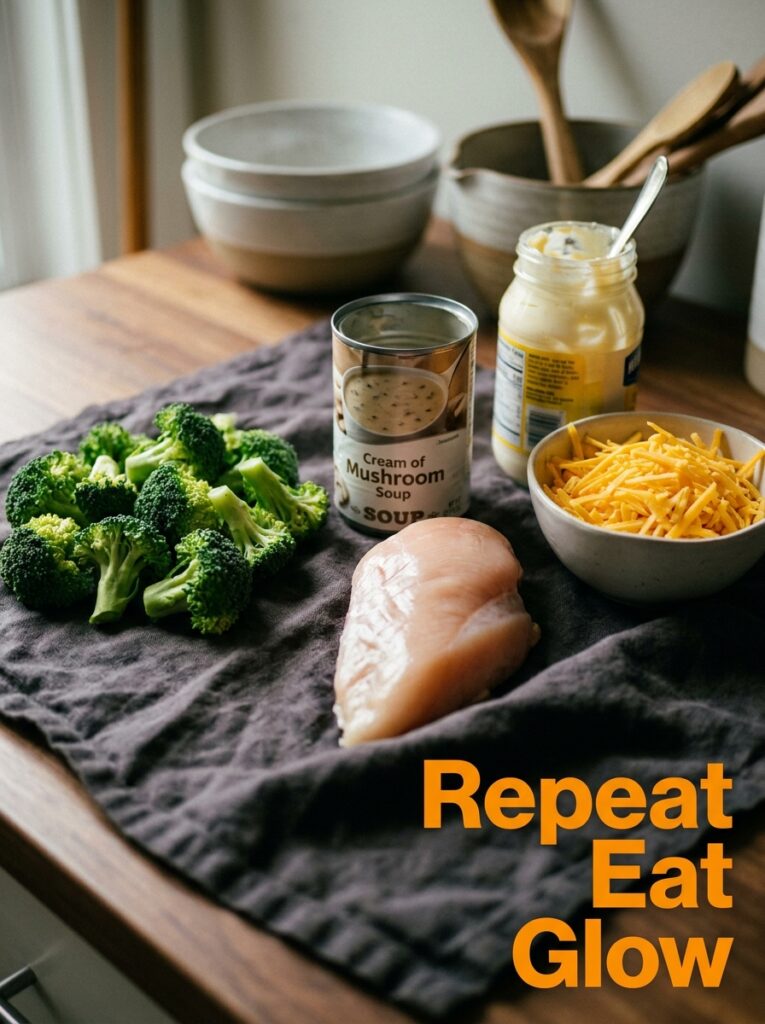
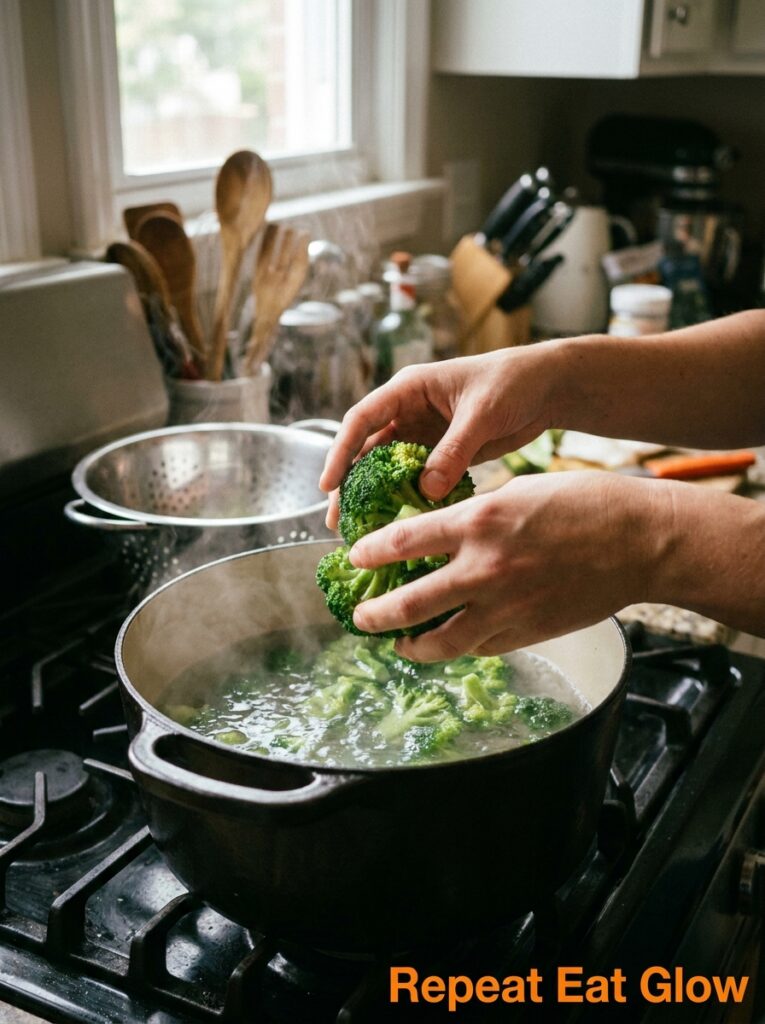
Let’s talk about the broccoli situation, because I’ve seen this go wrong more times than I’d like to admit. Mushy broccoli is the enemy. Genuinely ruinous. The goal is tender-crisp florets that still have some color, some bite, something to push back against all that creamy sauce.
You’ve got two options: blanch fresh broccoli for two minutes in boiling salted water, then shock it in cold water. Or — and this is my lazy-day move — use frozen broccoli florets, but thaw them completely and DRAIN them aggressively. Pat them dry. I mean it. Excess water is what makes the sauce go thin and watery and sad.
For the chicken, rotisserie is the move. A store-bought rotisserie chicken gives you tender, already-seasoned meat that shreds beautifully and cuts your prep time in half. If you’re starting from raw, poach two large chicken breasts in salted water with a bay leaf until just cooked through, then shred. Don’t overcook it — it’ll go into a hot oven and cook more.
The sauce. This is where opinions get spicy. Traditional recipes use one can of cream of chicken soup mixed with sour cream. It works, it’s quick, and there’s no shame in it. But if you want something that tastes a little more made-from-scratch, you can do a quick homemade béchamel — butter, flour, chicken stock, a splash of cream. Either way, season it properly. Salt, pepper, garlic powder, a pinch of smoked paprika that kind of disappears but makes everything taste better.
And cheese. Sharp cheddar on top. Not mild — SHARP. It needs to brown and bubble and get a little bit crispy at the edges.
3. The One Step Most Recipes Skip That Makes Everything Better
Nobody talks about this enough, and it genuinely makes the difference between good Chicken Divan and really, really good Chicken Divan.
Toast your breadcrumbs.
If you’re adding a breadcrumb topping — and you should, because the texture contrast is everything — don’t just scatter raw panko on top and hope the oven does the work. Melt a tablespoon of butter in a pan, throw in the panko, stir for about two or three minutes until they’re golden and smell nutty, then take them off the heat. Sprinkle those on top of the cheese right before the casserole goes in.
The result is a topping that’s genuinely crunchy, not just crusty. It holds its texture even after sitting. It adds this slightly buttery, golden layer that makes every bite feel like there’s a little more going on.
Side note — you can also stir a little parmesan into the panko at this stage and it’s kind of life-changing, but that might be going too far for a Tuesday night. Maybe.
The other skipped step is letting the casserole REST after it comes out of the oven. Five minutes. I know you’re hungry. I know the cheese looks incredible. But cutting into it immediately means the sauce runs everywhere, and then it’s soupy instead of scoopable. Five minutes. That’s the deal.
4. My Actual Go-To Recipe (The One I Make When I Need It to Work)
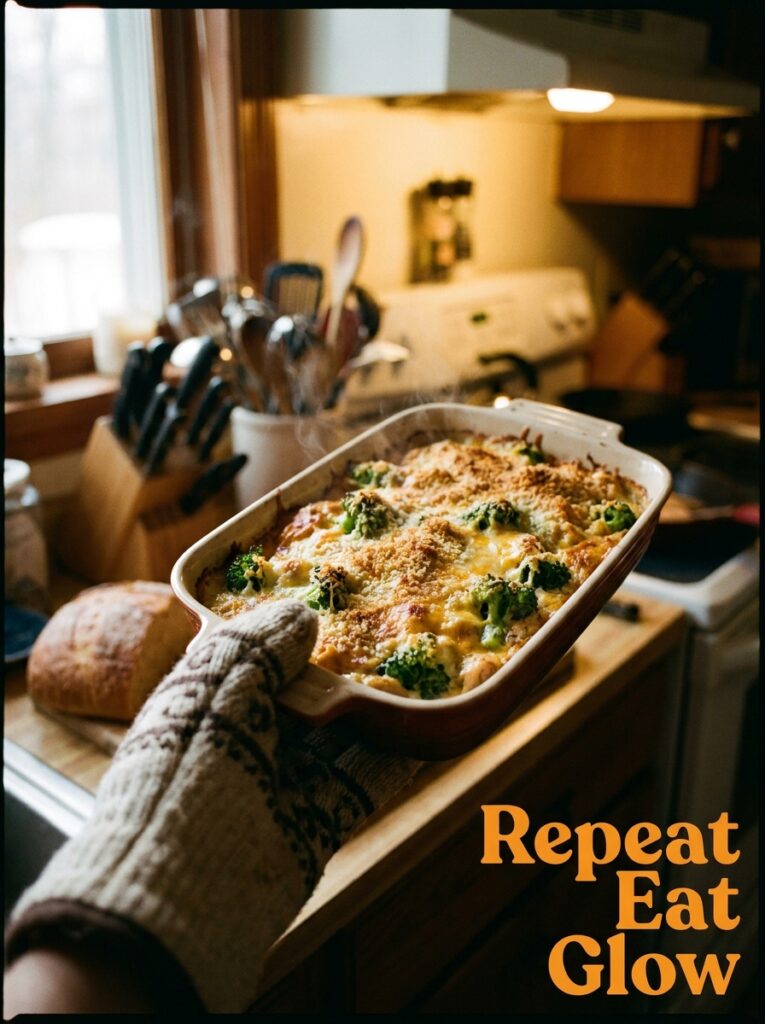
Here’s what I actually do, written down for real.
You’ll need:
About 3 cups shredded cooked chicken, 4 cups broccoli florets (fresh, blanched, or frozen and dried), one 10.5oz can cream of chicken soup, ¾ cup sour cream, ¼ cup mayonnaise, 1 teaspoon garlic powder, ½ teaspoon smoked paprika, salt and pepper to taste, 1½ cups sharp cheddar (shredded, not pre-bagged), ½ cup panko breadcrumbs, 1 tablespoon butter.
Heat your oven to 375°F. Grease a 9×13 baking dish. In a large bowl, mix together the soup, sour cream, mayo, garlic powder, paprika, salt, and pepper. Fold in the chicken and broccoli until everything’s coated. Pour it into the dish. Scatter the cheddar on top.
In a small pan, toast the panko in butter until golden. Sprinkle over the cheese.
Bake uncovered for 25 to 30 minutes, until bubbling at the edges and golden on top. Rest for five minutes. Serve over rice or with crusty bread.
That’s it. It takes about 45 minutes start to finish and it feeds four to six people, easily.
“Make it once and it becomes the recipe you text to people when they need dinner for a crowd.”
5. How to Make This From Scratch If You’d Rather Skip the Can
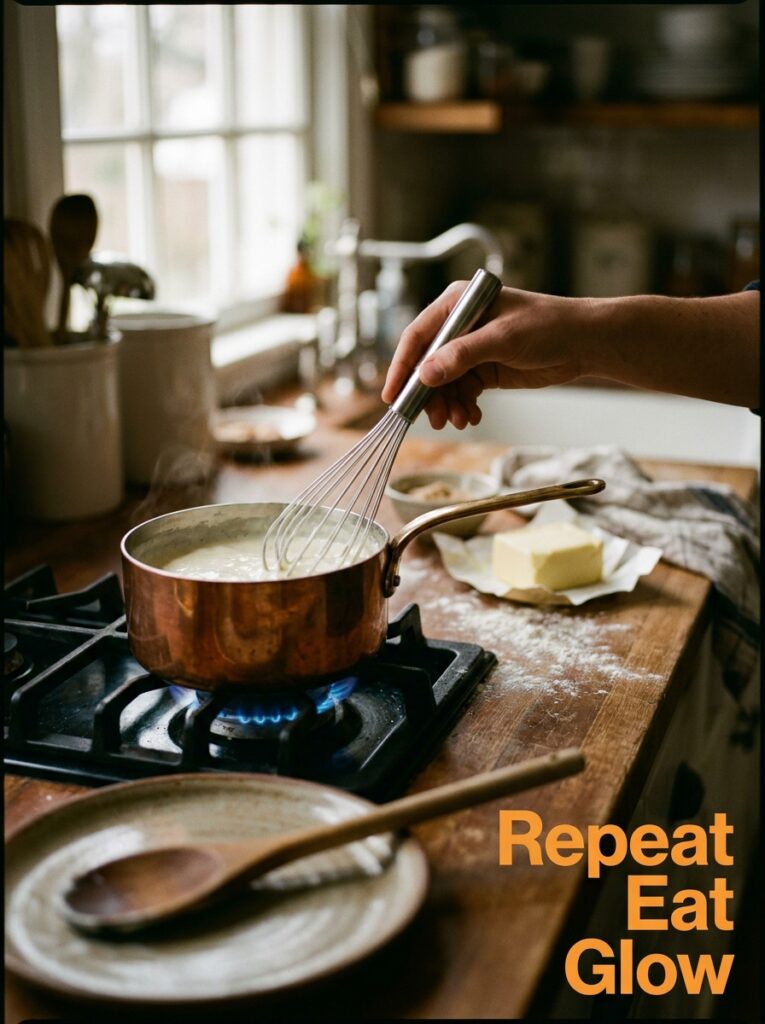
Not everyone wants to use canned soup, and I get it. The from-scratch version isn’t much harder — it just needs one extra pan and about ten extra minutes, which honestly isn’t a big ask.
Make a quick sauce: melt 3 tablespoons of butter in a saucepan over medium heat. Whisk in 3 tablespoons of all-purpose flour and cook for one minute, stirring constantly. Slowly pour in 1½ cups chicken stock, whisking as you go to avoid lumps. Add ½ cup heavy cream or crème fraîche (brilliant option for UK cooks, by the way). Season generously. Let it simmer for three to four minutes until it thickens up to something that coats the back of a spoon.
That’s your sauce. Use it in place of the canned soup and sour cream in the recipe above. It’ll taste cleaner, a little more refined, but still deeply comforting.
Some people add a splash of dry sherry or white wine to this sauce and it kind of nods back to the original restaurant dish. If you’ve got a bottle open, try it. About two tablespoons, added after the flour stage and cooked off before the stock goes in. It adds this quiet depth that you can’t quite name but can definitely taste.
6. The Version That’s a Little Bit Different and Might Be Your New Favorite
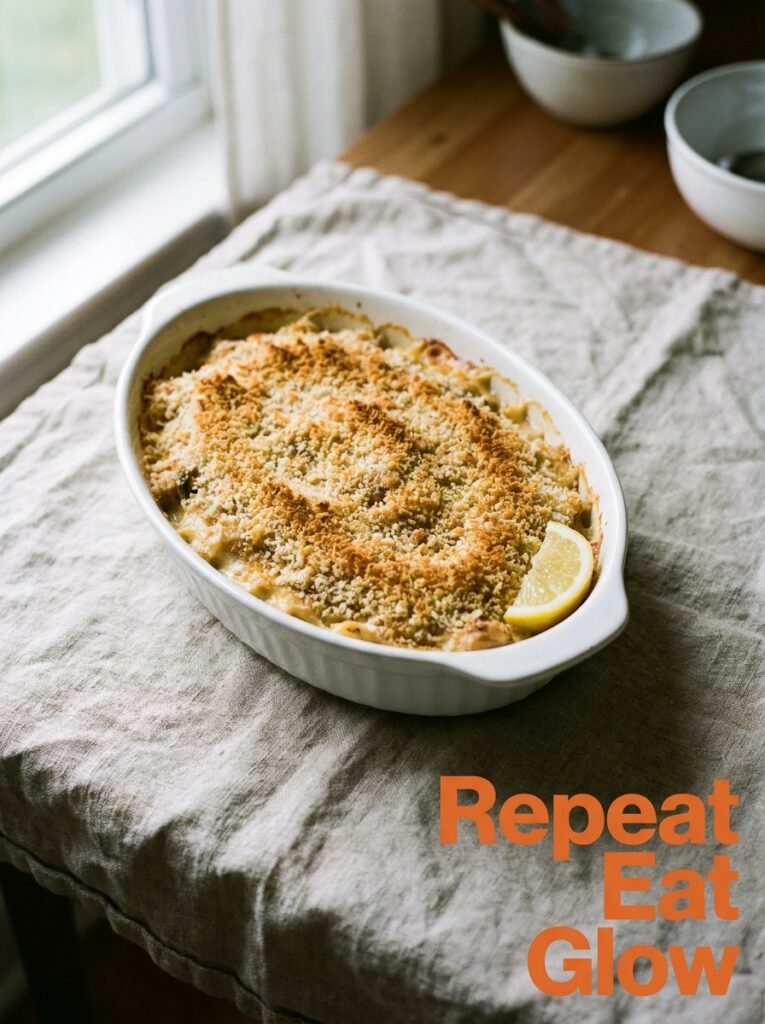
Okay so I went through a phase where I made the classic version every single week, and then I started messing with it, and now I have opinions.
Add a layer of thinly sliced mushrooms under the chicken and broccoli. Sautéed first in butter with a pinch of thyme until they’re soft and golden. It sounds like a small thing. It’s not a small thing. The mushrooms add an earthiness that makes the whole dish taste deeper, more savory, a little more like something you’d order at a restaurant.
Swap some of the cheddar for gruyère. Just do it. Half cheddar, half gruyère, and the top goes nutty and slightly sweet in a way that plain cheddar doesn’t.
And if you want some heat — a tiny pinch of cayenne in the sauce, or a few shakes of hot sauce stirred in. Not enough to taste spicy. Just enough so there’s a warmth at the back of your throat that keeps things interesting.
British version tip: if you’re using crème fraîche and adding a good squeeze of Dijon mustard to the sauce, maybe ½ a teaspoon, the whole thing gets this gentle tang that’s really lovely. Don’t skip the mustard.
7. Making It Work for Picky Eaters and Big Families
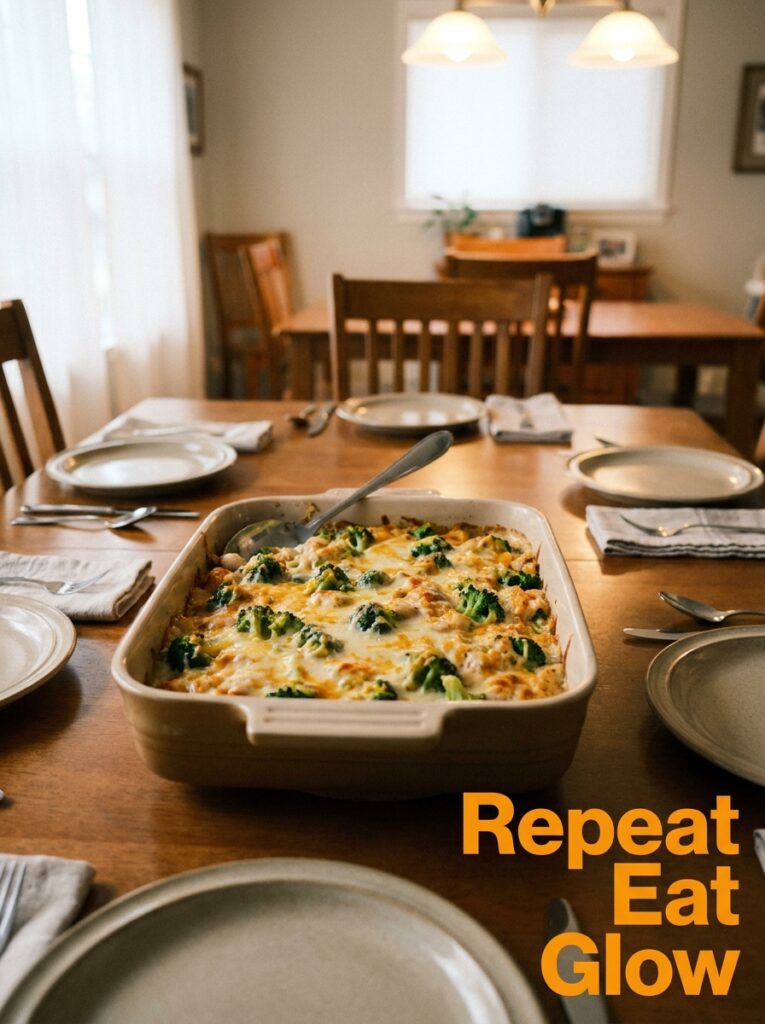
This casserole scales beautifully, which is honestly one of its best qualities. Double the recipe for a big group — just split it between two 9×13 dishes or one very large roasting pan. It’ll feed ten or twelve people without much more effort on your end.
For kids who won’t eat broccoli (the eternal struggle): cut the florets very small so they kind of disappear into the sauce. Or switch in cauliflower, which has a milder flavor and tends to fly under the radar better. I’m not saying trick your kids, I’m just saying the option is there.
Gluten-free version works well — use a GF cream of chicken soup or make the béchamel with a GF flour blend, and swap the panko for crushed GF crackers or just skip the topping altogether and load extra cheese instead. Works a treat, no one will know.
For the dairy-free crowd, it’s trickier but doable. Full-fat coconut cream in place of sour cream and dairy-free cheddar on top. The flavor’s a bit different but still really good.
“A dish that bends to whatever your table needs — that’s the kind of recipe worth keeping forever.”
8. What to Serve It With So the Whole Meal Feels Complete
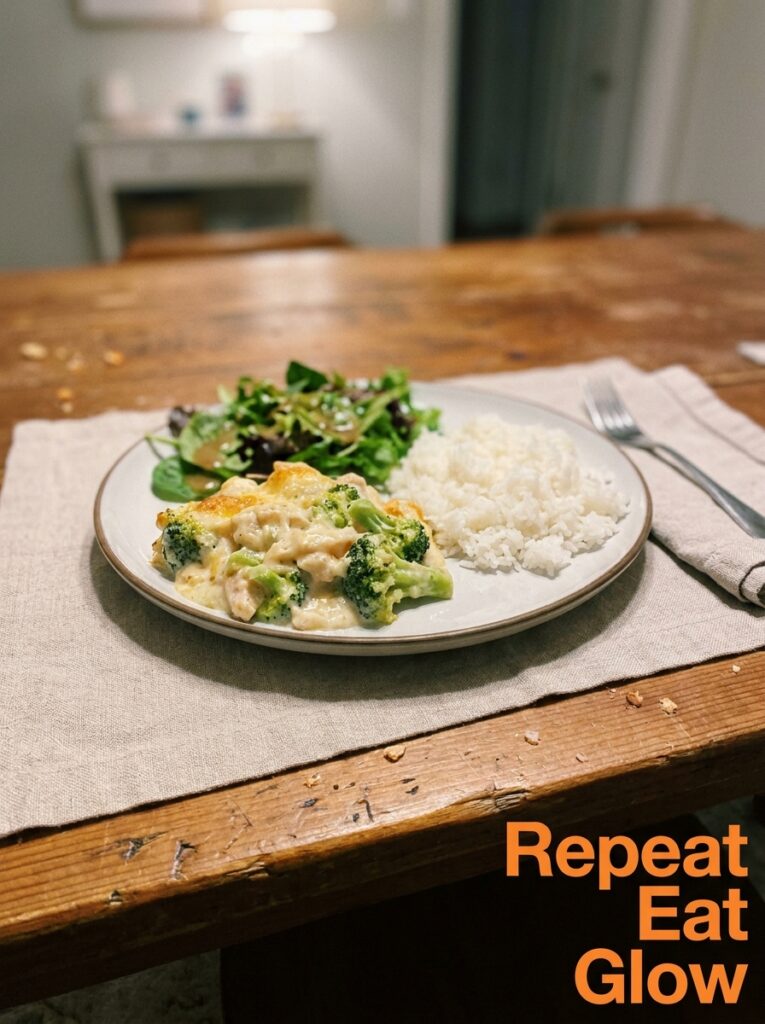
Rice is the classic. White rice, nothing fancy, just plain cooked rice that soaks up the sauce and keeps every bite together. Long grain works, jasmine works, basmati works. If you’ve only got instant rice on hand tonight, no judgment.
Egg noodles are the other traditional pairing and honestly might be better than rice. Wide egg noodles, buttered lightly, the casserole spooned right on top. There’s something about the combination that feels like pure comfort.
Crusty bread. Always an option. Something you can drag through the sauce at the bottom of your plate.
For vegetables on the side, a simple green salad with lemon dressing cuts through the richness really well. Or roasted asparagus. Or just nothing — the broccoli’s already in the dish, the meal’s already balanced enough for a weeknight, and you’ve already done enough.
9. The Meal Prep Angle, Because This Casserole Is a Planning Dream
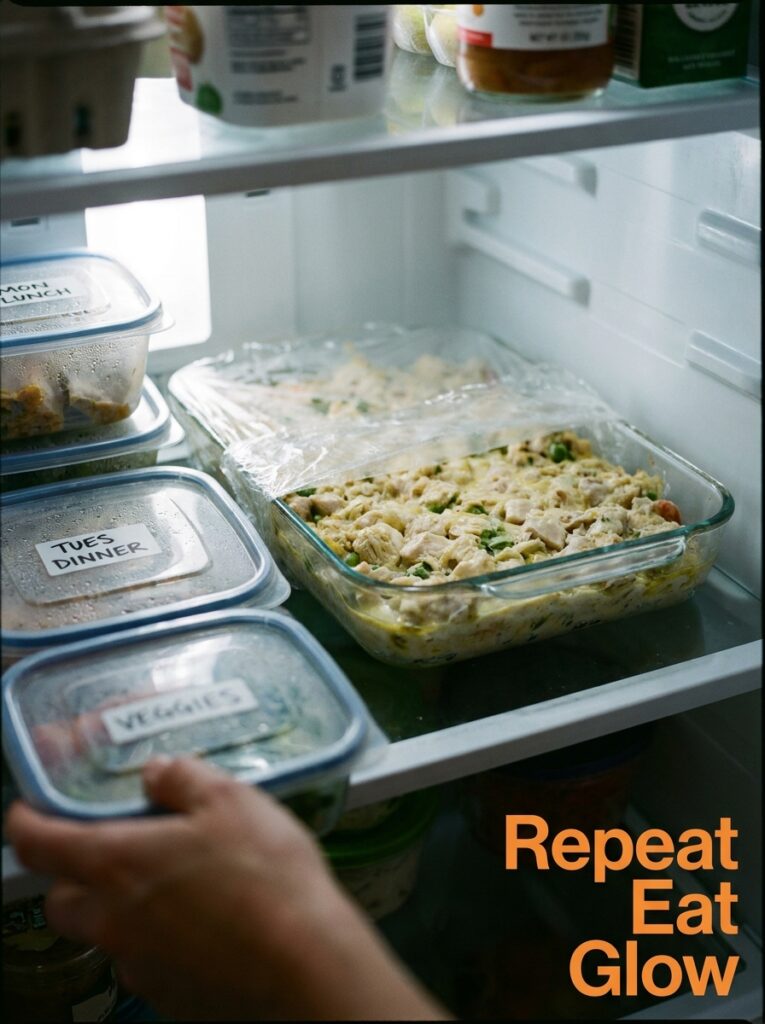
Here’s something I genuinely love about Chicken Divan: you can make it ahead, and it holds up. Like, REALLY holds up.
Assemble the whole thing — chicken, broccoli, sauce, cheese, even the breadcrumbs — and cover it tightly with plastic wrap or a lid. It’ll keep in the fridge for up to two days before baking. Then when you’re ready, take it out thirty minutes before it goes in the oven so it’s not stone cold going in, add the breadcrumbs if you haven’t already, and bake as normal. You might need an extra five minutes since it’s starting from cold.
It also freezes before baking. Skip the breadcrumbs at this stage — add them fresh before baking. Wrap the dish tightly in plastic and then foil, freeze for up to three months. Thaw overnight in the fridge. Then bake.
Leftovers keep in the fridge for three days and reheat really well. Cover with foil and put it in a 325°F oven for about fifteen to twenty minutes. The microwave works in a pinch but it’s going to soften the breadcrumb topping, which is a small tragedy.
10. Stuff I Got Wrong My First Few Times (Learn From Me)
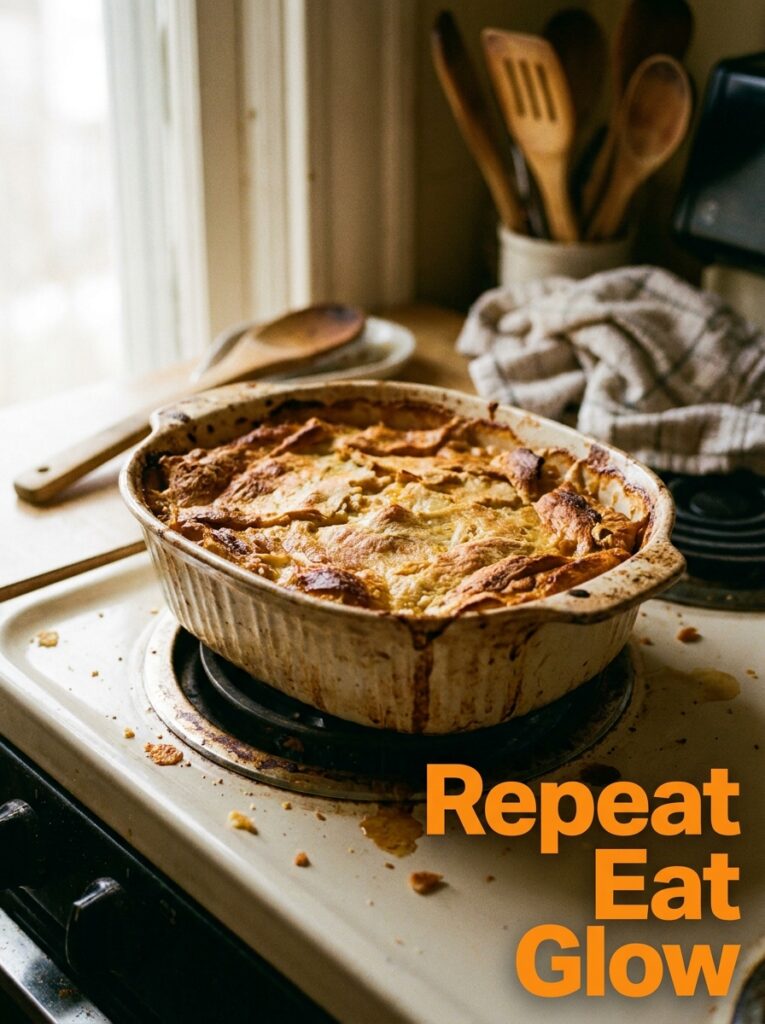
First attempt: didn’t drain the frozen broccoli. The sauce was like soup. The lesson is real.
Second time: used mild cheddar. Fine, but flat. Sharp cheddar or nothing.
Third time: forgot to season the sauce. Just the soup and sour cream, nothing added. It tasted like something was missing because something WAS missing. Season as you go, taste before it goes in the dish.
Also — don’t crowd the dish. If you’ve got too much filling and it’s mounded above the rim of the pan, it’s going to bubble over in the oven and make a mess, and the center won’t cook evenly. Use a bigger dish or split it into two smaller ones.
And resist the urge to add too many things at once when you’re experimenting. Mushrooms AND spinach AND jalapeños AND two different sauces — it’s too much. Pick one or two additions and do them well.
11. Why This Casserole Is Actually Perfect for British Kitchens Too
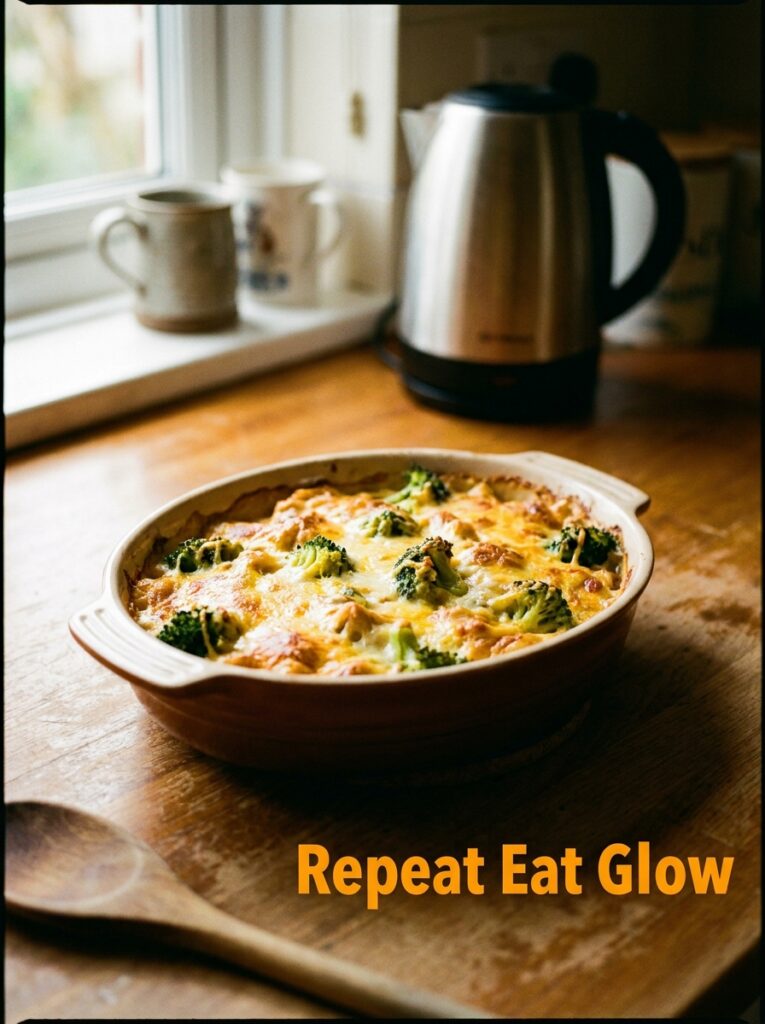
American casserole culture doesn’t always translate across the Atlantic, but this one does. And here’s why.
The flavors aren’t weird or unfamiliar. Chicken, broccoli, creamy sauce, cheese — British home cooks already do versions of this. It’s not far from a chicken bake or a pasta gratin in spirit. The method is dead simple and the ingredients are all standard supermarket stuff — Tesco, Sainsbury’s, Waitrose, you’ll find everything you need.
Crème fraîche instead of sour cream, mature cheddar instead of sharp American cheddar, and maybe a splash of Worcestershire sauce in the filling if you want a savory depth that leans a bit more British. It works beautifully.
Also — this is a proper dish for UK portion sizes. It’s generous but not overwhelming. And the leftovers the next day are genuinely brilliant for a packed lunch situation.
One thing: if you’re using UK measurements, you’re looking at roughly 400g of cooked chicken, 300g of broccoli florets, and a 295g tin of cream of chicken soup to match the American recipe. Close enough.
12. The Casserole Dish Itself — Yes, It Actually Matters
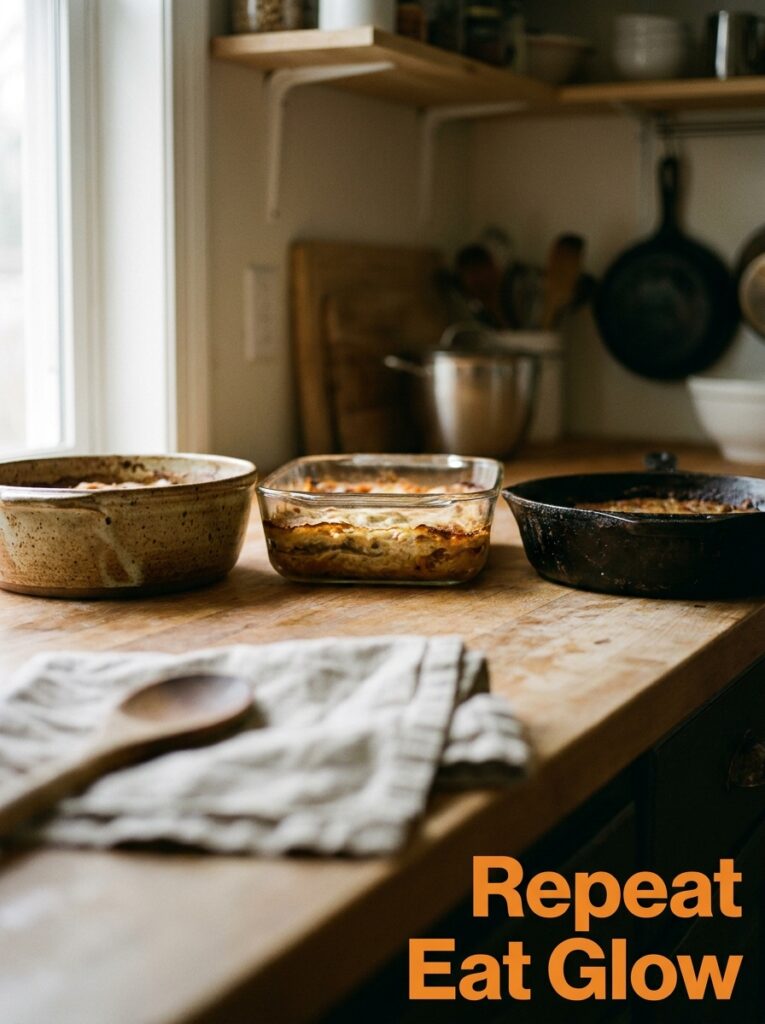
This sounds fussy, I know. But hear me out.
A ceramic or stoneware baking dish holds heat better than a glass or metal pan, which means your casserole finishes more evenly and stays warm longer on the table. If you’ve got a Le Creuset or a Staub baking dish, this is its moment. If not, any oven-safe ceramic dish works.
Glass works fine but tends to cook faster at the edges and slower in the middle — just keep an eye on it. Metal pans bake more quickly overall, which can work in your favor if you’re in a rush.
Size matters too. A 9×13 inch dish (roughly 23x33cm for UK readers) is the standard for this recipe. Go smaller and it’ll be too thick and won’t cook through properly. Too much bigger and it spreads too thin and dries out.
Grease the dish generously — butter or cooking spray, doesn’t matter which — so nothing sticks, because the cheese especially will cling to an ungreased dish like it has something to prove.
—
❓ FAQ
Q: Can I use canned chicken in Chicken Divan casserole? A: You can, and it’ll work in a pinch — but the texture is softer and a bit less satisfying than shredded rotisserie or poached chicken. If it’s all you’ve got, drain it really well and fluff it up a bit before mixing.
Q: Can I make Chicken Divan without broccoli? A: Totally. Some people use asparagus (which is actually delicious), cauliflower, or even spinach. The broccoli is traditional but it’s not load-bearing structurally — the dish will still hold together fine.
Q: What’s the difference between Chicken Divan and Chicken Dijon casserole? A: Chicken Dijon uses Dijon mustard as a main flavor in the sauce and doesn’t always include broccoli. Chicken Divan is broccoli-forward with a creamy sauce that’s more neutral in flavor. They’re cousins, basically — both worth making.
—
💭 Final Thoughts
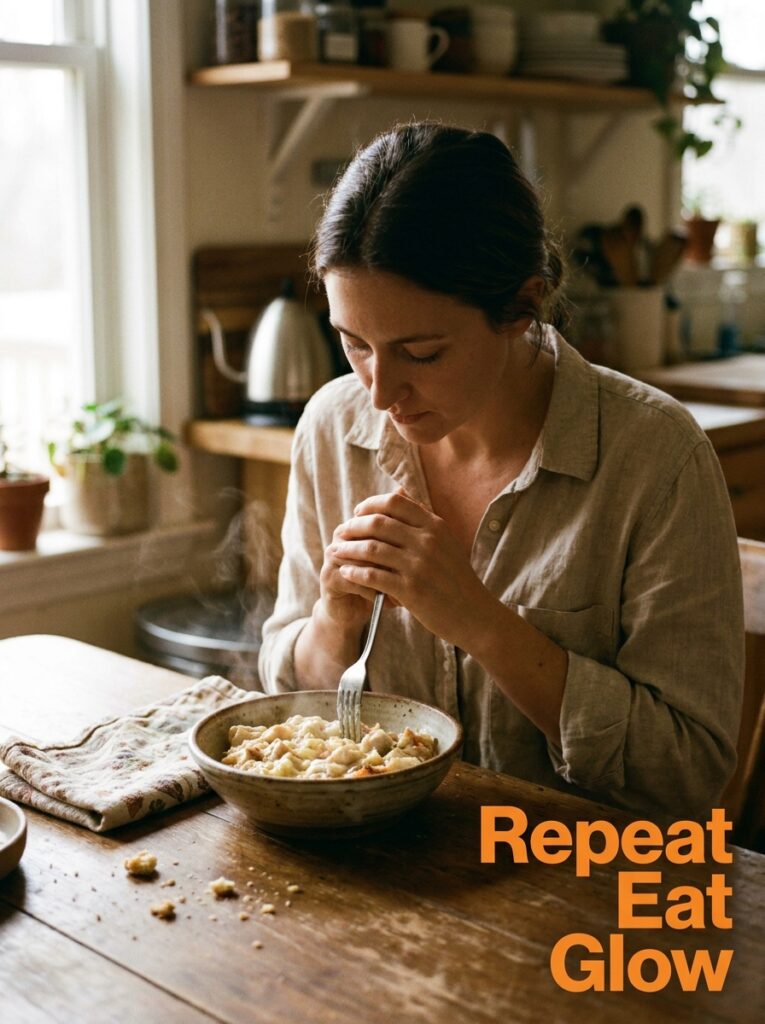
Chicken Divan is one of those recipes that’s been around long enough that it could’ve gone stale, and somehow it just… hasn’t. Every time I make it, someone asks for the recipe. It’s warm and honest and easy in a way that feels rare right now.
Make it on a Sunday and you’ve got lunch sorted for two days. Make it on a Wednesday when everyone’s tired and you’ll feel like a hero. But here’s what I keep thinking about — what’s the one dish in your house that everyone asks for by name?
