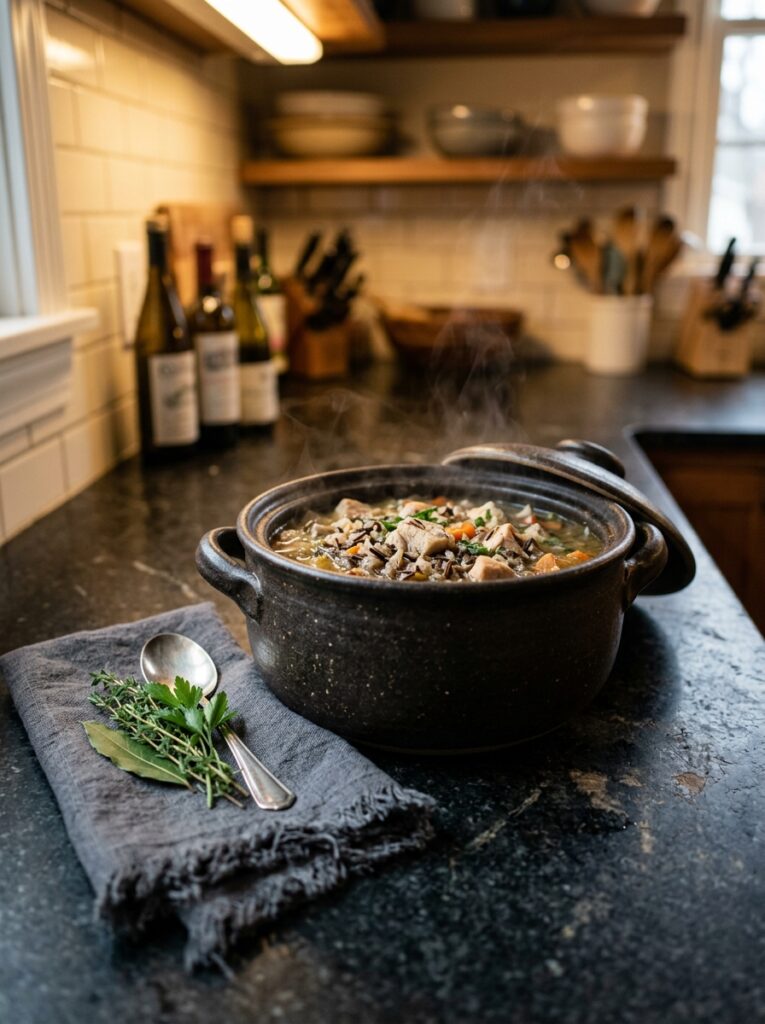
My friend texted me at 9pm on a Tuesday saying “I just made chicken and wild rice for the first time and I think my life is different now.” Which, honestly? Same. I didn’t get it either, until I did.
—
1. Why Wild Rice Hits Different from Every Other Grain You’ve Cooked With
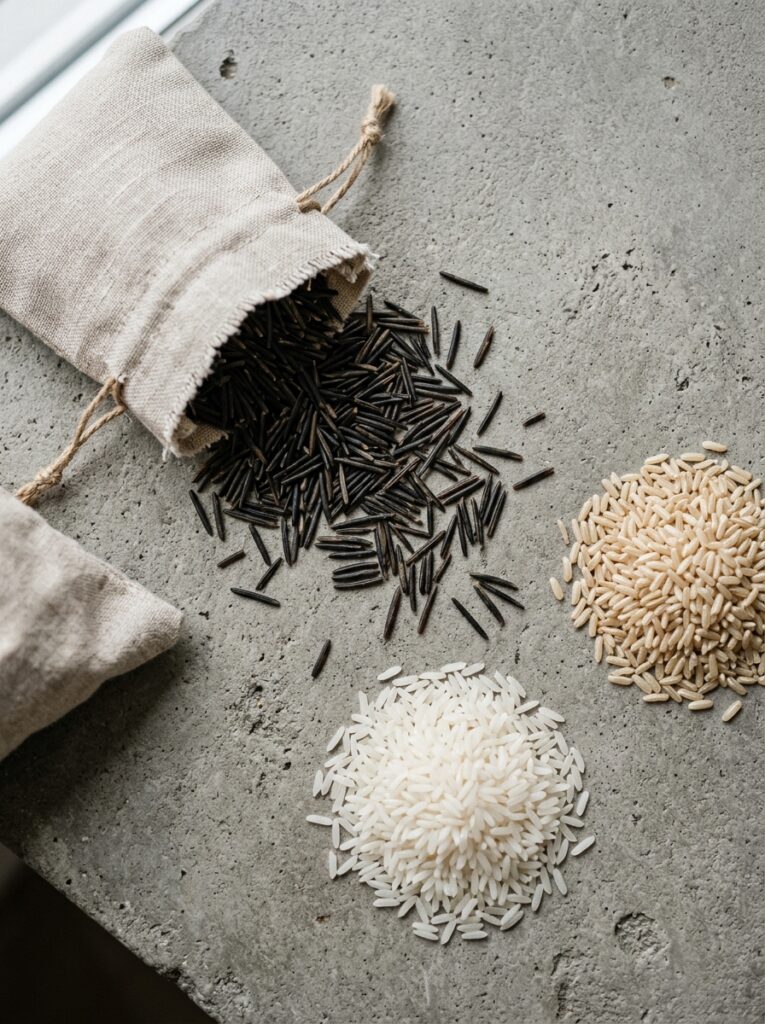
First things first — wild rice isn’t actually rice. It’s a grass seed. And I know that sounds like a fun fact nobody asked for, but it MATTERS because it completely changes how you cook with it.
It’s got this chew to it, this nuttiness, that regular rice just doesn’t have. When it cooks, it kind of splits open at the ends and curls up a little, and that’s when you know it’s done. The texture is firm but tender, almost like pasta al dente but earthier. And with chicken? It’s one of those combinations that just makes sense in a deep, instinctual way.
Wild rice takes about 45 minutes to cook on its own, sometimes longer. Don’t rush it, it won’t cooperate if you do. Cook it low and slow in good broth instead of water and it’ll absorb flavor the whole time. That’s the move. That one simple swap — water to broth — changes everything about how the final dish tastes.
—
2. The Classic Creamy Chicken and Wild Rice Soup That Everyone’s Grandmother Claims to Have Invented
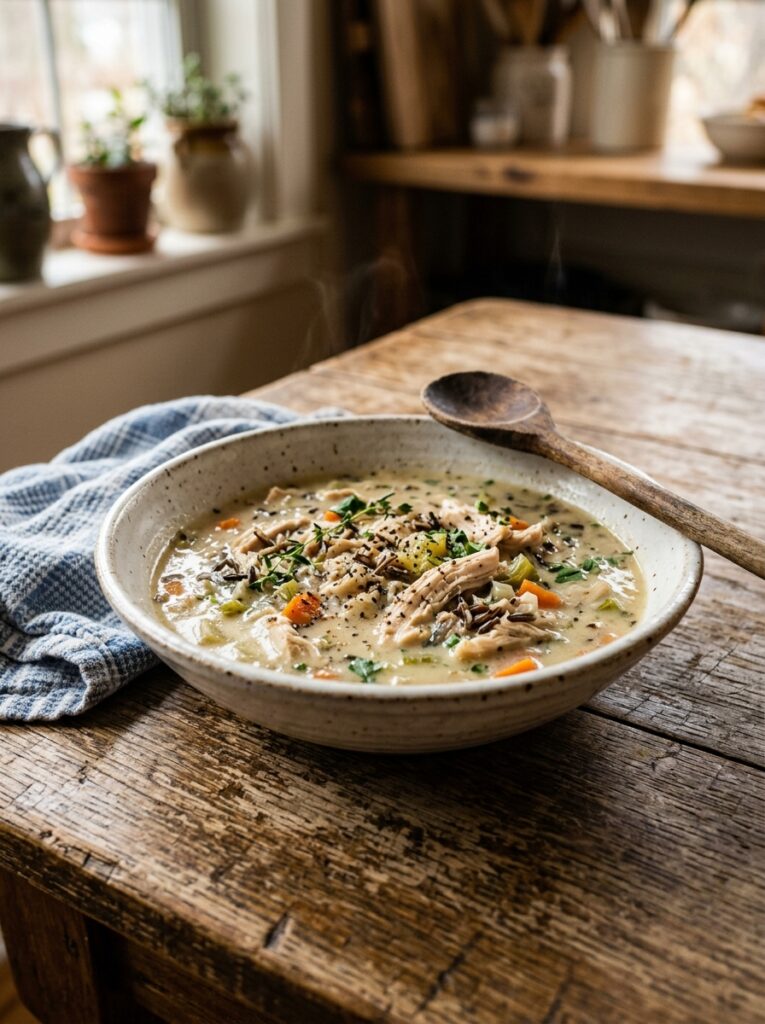
Okay so this one is the recipe that got chicken and wild rice onto every Pinterest board in existence. And rightfully so.
You start by sautéing onion, celery, and carrots in butter until they’re soft and slightly translucent. Not caramelized, not brown — just soft. Then you add garlic for about a minute, because garlic needs to bloom a little before it gives you everything it has. Shredded rotisserie chicken goes in next, though honestly if you’ve got leftover roasted chicken sitting in your fridge right now, this is EXACTLY what it was waiting for.
Add your pre-cooked wild rice, pour in about 4 cups of chicken broth, and let it all simmer together for 15 minutes so the flavors actually meet each other. The cream comes in at the end — about ¾ of a cup — and you don’t boil it after, just warm it through. It thickens gently, gets silky, and the whole pot smells like a hug.
“This is the soup that turns skeptics into believers — it’s not trying to be fancy, it’s just trying to be perfect.”
Season hard with salt and pepper. Taste it three times. Then add a little more salt. You’ll thank me.
For British readers: this translates beautifully into a pie filling too. Ladle it into a deep dish, top with shortcrust pastry, bake at 400°F/200°C until golden. Completely different dinner, same base recipe.
—
3. Baked Chicken Thighs and Wild Rice — the Sheet Pan Method Nobody Talks About Enough
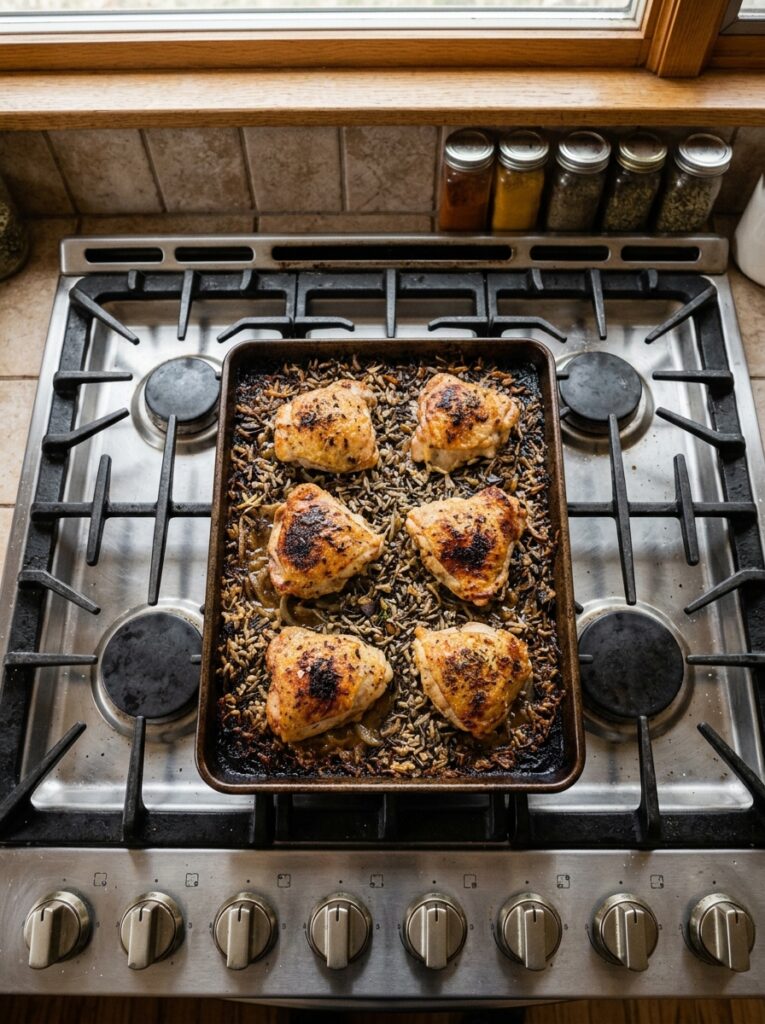
Here’s the thing about sheet pan dinners — most of them are fine. Okay. Edible. But this one is actually great, and the reason is that wild rice and chicken thighs have almost identical cooking times when you set them up right.
Spread your uncooked wild rice (rinsed) across a deep oven dish. Pour in 2 cups of hot broth, a splash of white wine if you have it open, and a few sprigs of fresh thyme. Lay bone-in, skin-on chicken thighs directly on top of the rice, skin side up. Season the skin aggressively — salt, garlic powder, smoked paprika, black pepper, a tiny pinch of dried rosemary.
Cover tightly with foil and bake at 375°F/190°C for 45 minutes. Then uncover, crank the heat to 425°F/220°C, and give it another 15 minutes so the chicken skin gets crispy and the top layer of rice gets a little toasty at the edges.
The rice underneath has been steaming and absorbing all those chicken juices the whole time. It’s rich in a way that you don’t quite expect from something that simple.
—
4. The Mushroom Version That’ll Make You Forget You Were Even Looking for a Chicken Recipe
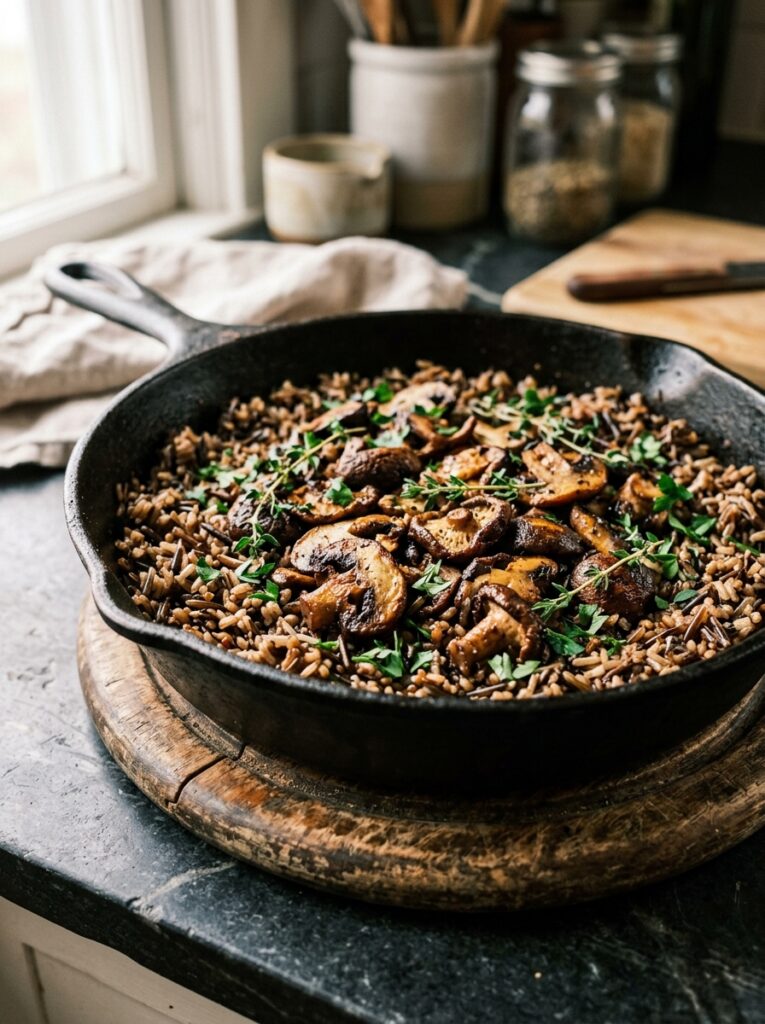
I almost left chicken out of this one entirely and just made a mushroom and wild rice dish. But I didn’t, because that would’ve been a different article, and also because the chicken is good here.
The combination is: sautéed mushrooms (cremini or chestnut, whatever’s at your shop), wild rice cooked in mushroom broth, roasted chicken breast sliced on top, and a drizzle of truffle oil or just good olive oil at the very end. That’s it. That’s genuinely all it is.
What makes it work is the earthiness layering. Wild rice has a natural nuttiness. Mushrooms bring something almost meaty and deep. Chicken is mild enough that it doesn’t compete — it just rounds it out.
“Earthy layered onto earthy sounds like too much, but somehow it ends up being just enough.”
If you want to go richer, stir a tablespoon of butter and a small handful of grated hard cheese into the rice right before serving. It melts in, goes creamy without cream, and suddenly it’s a restaurant dish.
—
5. Slow Cooker Chicken and Wild Rice That Actually Works (Unlike Most Slow Cooker Rice Recipes)
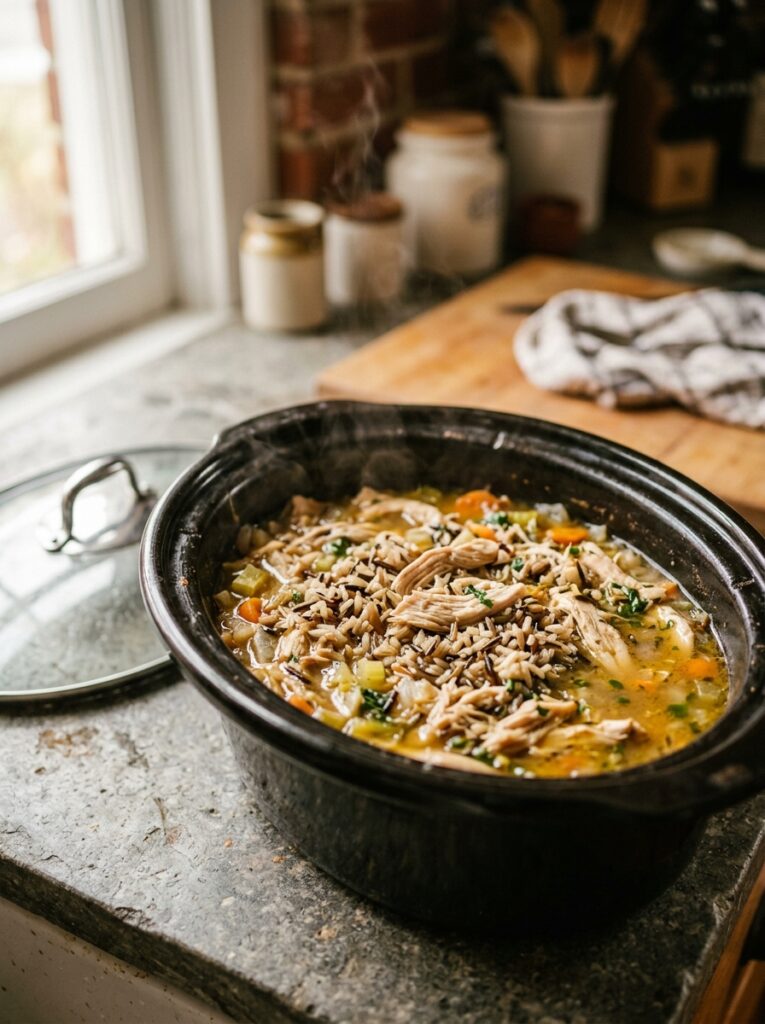
Wild rice is one of the FEW grains that genuinely holds up in a slow cooker without turning to mush. Regular rice in a slow cooker? Disaster. Wild rice in a slow cooker? Totally fine, kind of ideal actually.
Load your slow cooker with raw chicken breasts or thighs, rinsed wild rice, diced onion, minced garlic, and enough chicken broth to cover everything — usually around 3 cups. Add dried thyme, a bay leaf, salt, a generous grind of pepper.
Cook on low for 6 hours or high for 3 and a half to 4. The chicken will shred when you poke it with a fork, which is exactly what you want. Stir it up, fish out the bay leaf, taste, and adjust seasoning. If you want it creamier, stir in a few tablespoons of cream cheese right at the end and let it melt through.
Perfect for a Sunday where you just don’t want to think about dinner until it’s ready.
—
6. The Lemony One — Bright, Fresh, and Nothing Like the Others on This List
Everything else on this list leans warm and earthy. This one doesn’t.
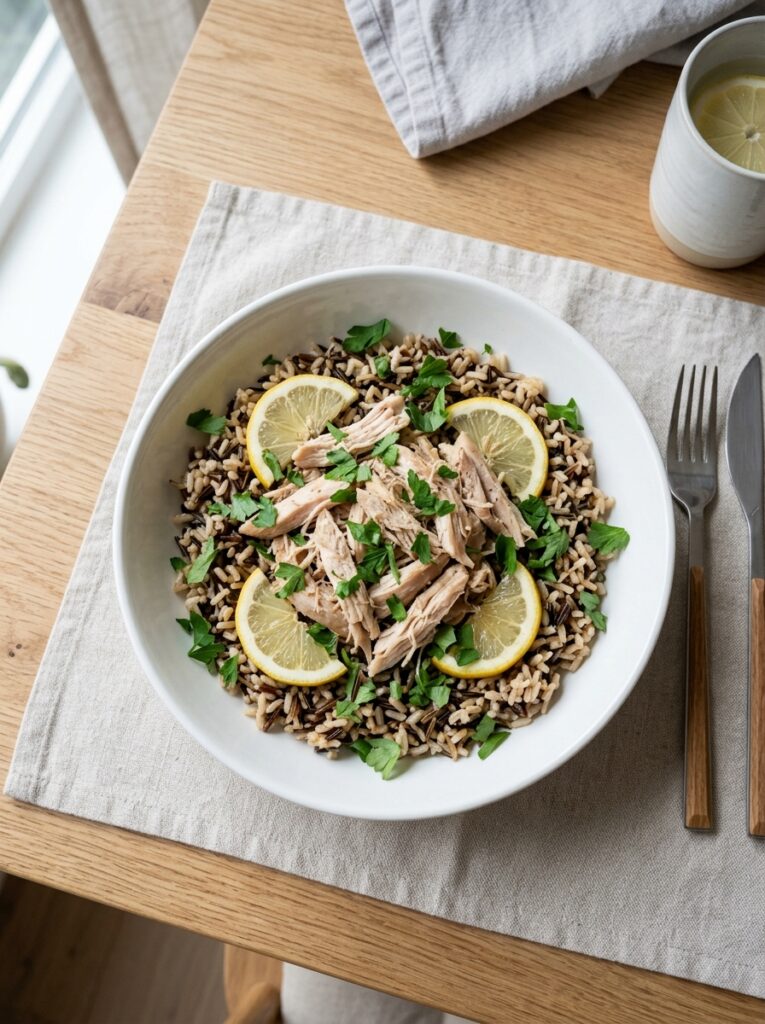
You’re cooking the wild rice in broth with a whole lemon cut in half — squeeze some juice in, drop the halves in too — and a handful of fresh parsley. While the rice cooks, you’re searing chicken breasts in a very hot pan with olive oil until they’re golden on both sides, then finishing them in the oven at 375°F/190°C for about 12 minutes depending on thickness.
While the chicken rests, you make a simple pan sauce: a splash of white wine into the hot pan, scrape up all those brown bits, let it reduce for a minute, add a little broth and a knob of butter. Off heat. Done.
The lemon rice goes on the plate first, the sliced chicken on top, the pan sauce drizzled over. Scatter fresh parsley and lemon zest over everything. It looks beautiful and it tastes like spring, even in February when everything outside is grey and damp.
This one works well cold the next day too — slice the leftover chicken thin and toss it with the rice and a little extra lemon juice. Kind of becomes a completely different dish, in the best way.
—
7. Stuffed Peppers, But Make Them Actually Worth the Effort
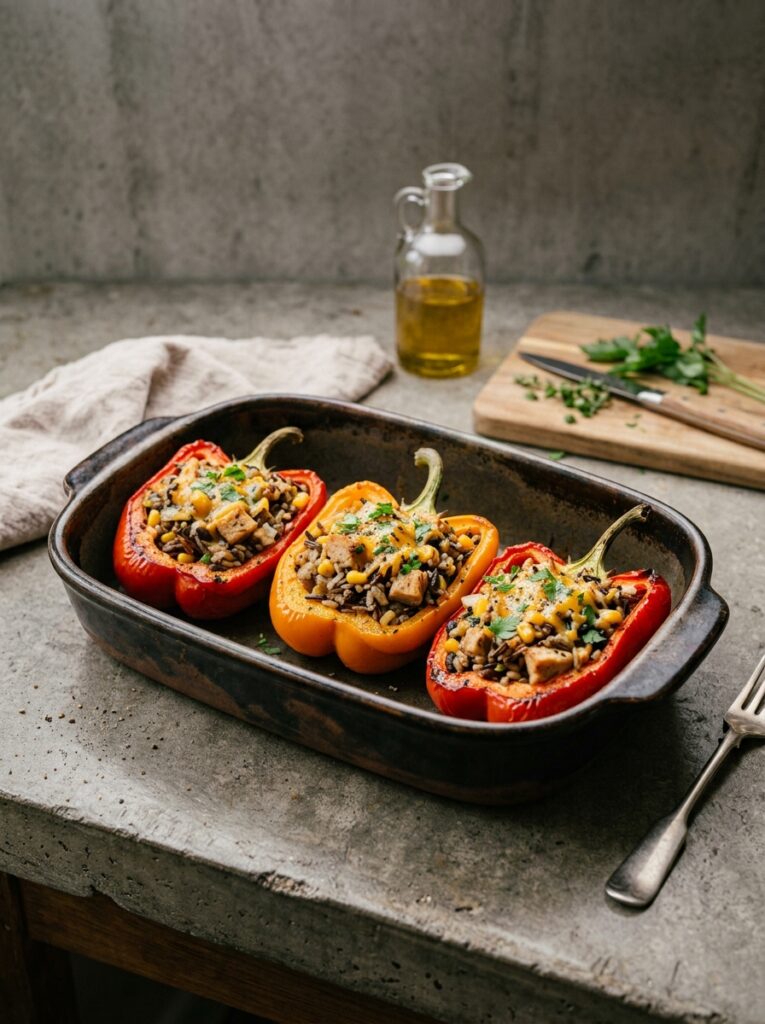
Stuffed peppers have a reputation problem. They sound impressive, they look good in photos, and then they’re kind of underwhelming when you actually eat them. The filling is always a bit dry, the pepper is either too soft or still weirdly crunchy, and you’re left thinking “I spent 45 minutes on this?”
The fix is wild rice. It holds moisture better than regular rice, which means the filling stays juicy inside the pepper instead of turning dense and bland.
Mix cooked wild rice with shredded chicken, a spoonful of cream cheese, some sautéed onion and garlic, a little hot sauce, salt and plenty of pepper. Stuff it into halved bell peppers (red or yellow, not green — green peppers are bitter and I won’t be moved on this), top with a bit of grated cheese, and roast at 400°F/200°C for about 25-30 minutes.
They come out with charred edges on the pepper, bubbly golden cheese on top, and a filling that’s actually got something going on texturally. Worth the effort? Yeah. This time, yeah.
—
8. Wild Rice Pilaf With Roasted Chicken — the Dinner Party Version You Can Pull Off on a Weeknight
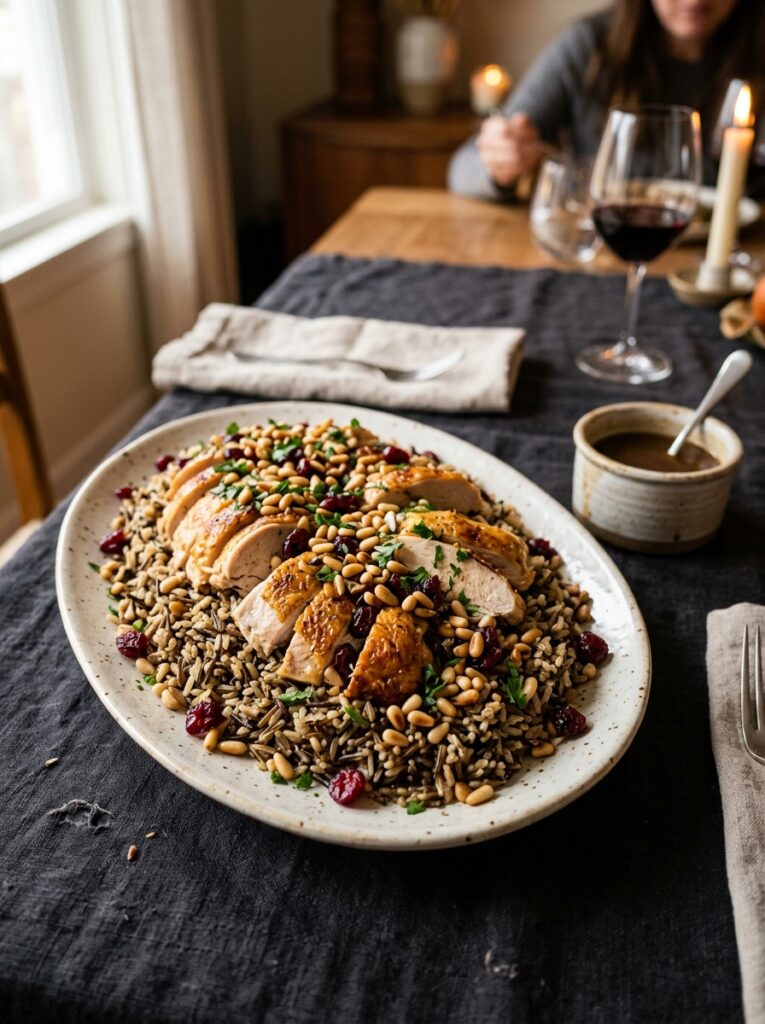
The word “pilaf” makes something sound fancier than it is. Pilaf is just rice cooked in broth with aromatics. That’s the whole secret.
For wild rice pilaf, sauté finely diced shallots and garlic in butter, add your rinsed wild rice and stir it around in the butter for a minute, then pour in hot broth and bring to a simmer. Cover and cook low and slow until the rice is tender and the liquid is absorbed. At the very end, fold in toasted pecans or walnuts, dried cranberries, and fresh thyme.
That combination — the nuttiness of the rice, the crunch of the toasted nuts, the tartness of the dried fruit — it’s genuinely lovely. Serve it alongside chicken that you’ve simply roasted with salt, pepper, and herbs.
“It’s the kind of side dish that ends up being the thing people remember about the meal.”
This also works beautifully as a make-ahead component. The pilaf reheats well the next day with just a splash of broth to loosen it.
—
9. A One-Pot Chicken and Wild Rice Casserole That Doesn’t Need Canned Soup (But We’re Not Judging If Yours Does)
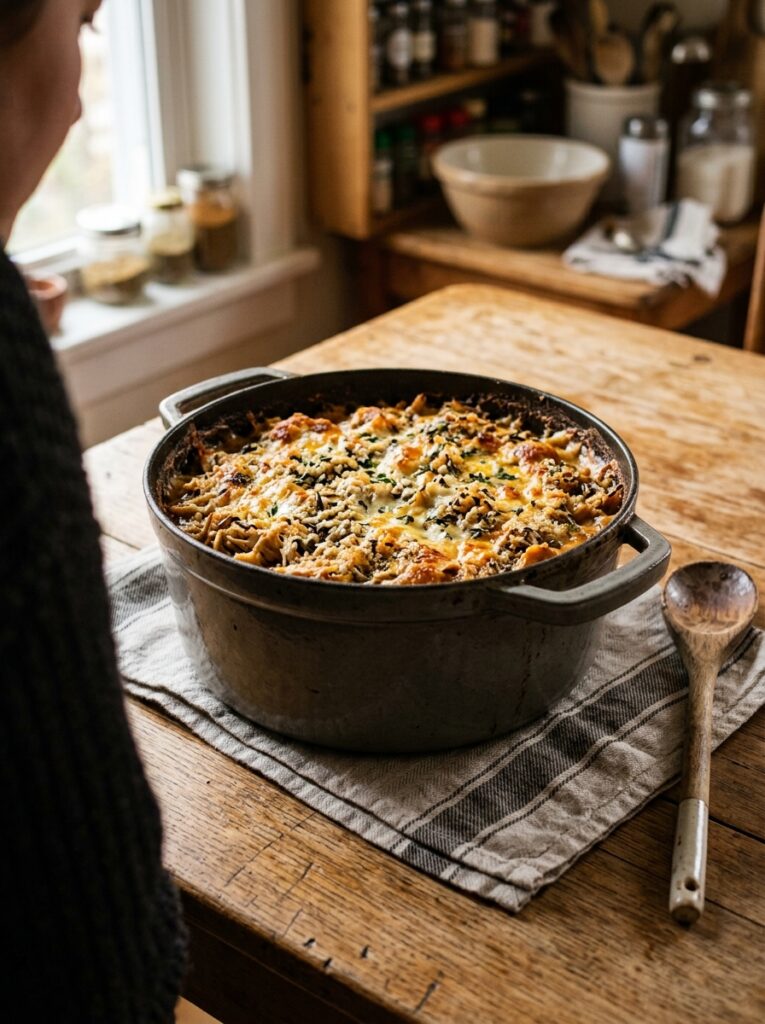
Most classic chicken and wild rice casserole recipes call for condensed cream of mushroom soup. And look — it works. It’s convenient, it’s nostalgic, and the result is genuinely comforting. No shame.
But if you want to go from scratch, it’s easier than it sounds. Make a simple white sauce: butter, flour, whisk in warm milk, let it thicken. Season it well. That’s your base instead of the canned soup. It’s got a cleaner flavor, less sodium, and you can tweak the seasoning exactly to your taste.
From there, it’s the same: mix with cooked wild rice, shredded chicken, sautéed vegetables (onion and celery at minimum), pour into a baking dish, top with breadcrumbs and a little grated cheese if you like. Bake at 350°F/175°C for about 30 minutes covered, then another 10-15 uncovered until the top is golden.
Both versions are good. The from-scratch one is better. But the canned soup version is faster, and sometimes that’s what Tuesday requires.
—
10. The Cold Lunch That Started as Leftover Dinner and Somehow Became the Main Event
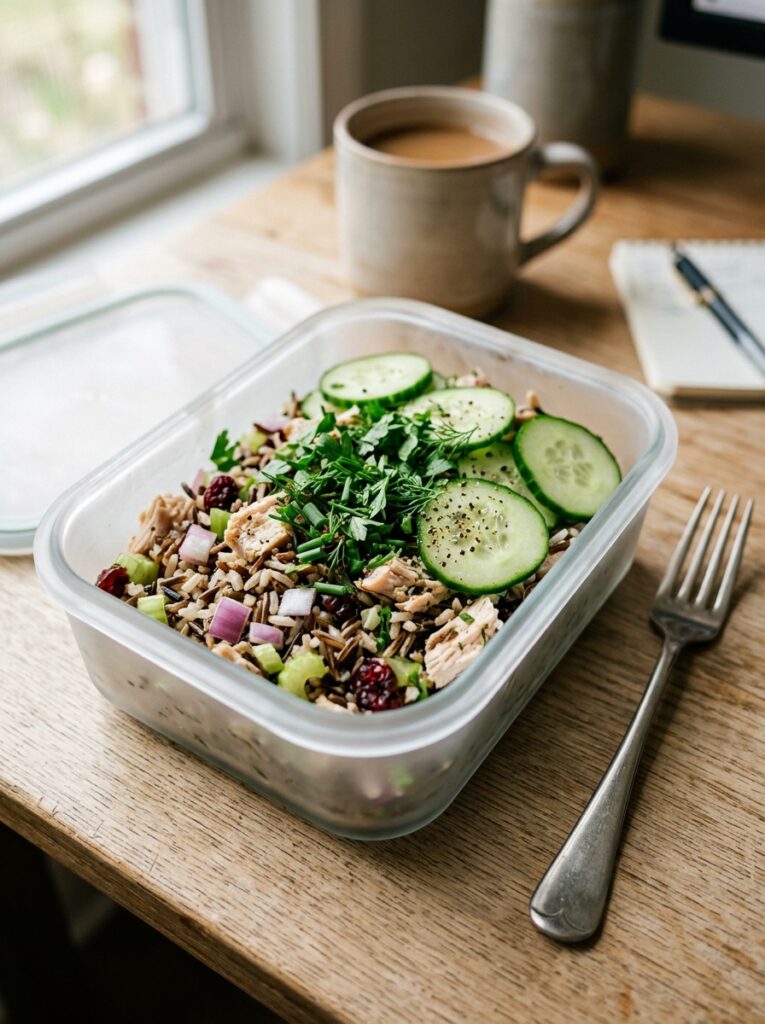
This isn’t really a recipe in the traditional sense. It’s more of a method for not wasting anything.
Leftover wild rice, leftover chicken, whatever vegetables are sad in your fridge right now — roasted squash, leftover green beans, half an avocado, some cherry tomatoes. Toss it all together with a lemony vinaigrette (olive oil, lemon juice, a tiny bit of mustard, salt, pepper, shake it in a jar). Add a handful of fresh herbs if you have them.
What you get is a wild rice grain bowl thing that’s genuinely better than most lunches you’d spend money on. The cold wild rice has this great chewy texture that works beautifully in a salad in a way that regular rice just doesn’t. It doesn’t go soft and sticky overnight. It stays good.
Make extra wild rice on purpose. Future you will be grateful.
—
11. The Herb-Crusted Version — for When You Want It to Feel Like More Than Dinner
Some nights you want dinner to feel like a thing. Not a whole event, but… elevated a little. This is that recipe.
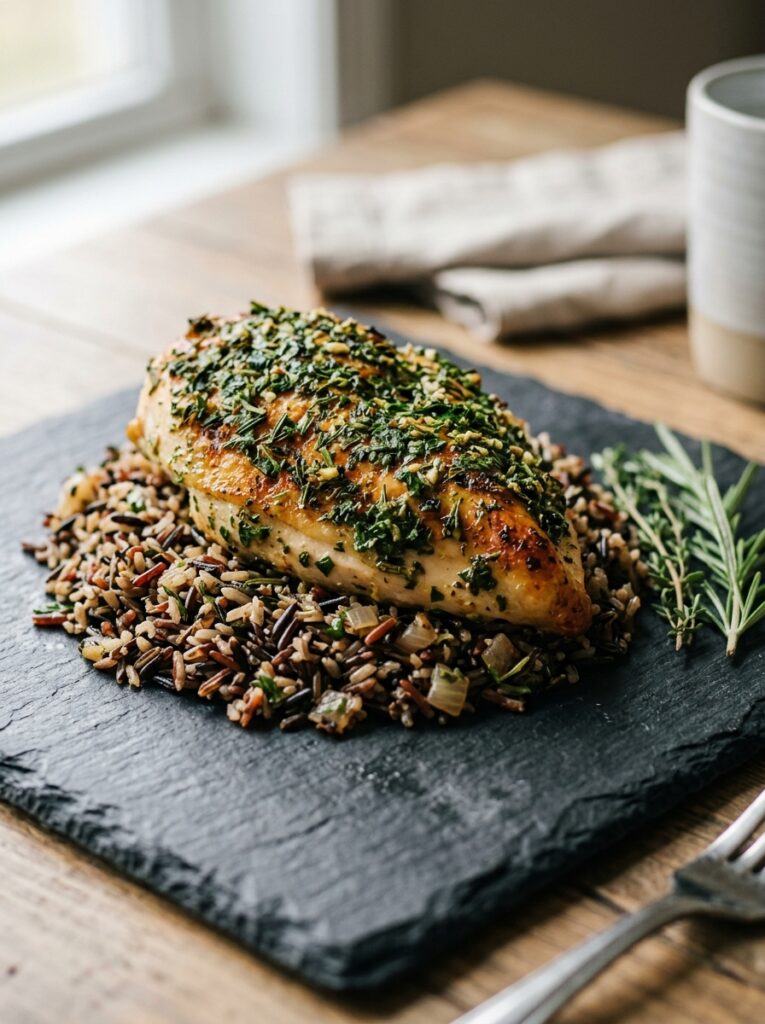
Mix together finely chopped fresh parsley, rosemary, thyme, garlic, lemon zest, and enough olive oil to make a loose paste. Press it onto bone-in chicken pieces and let them sit for at least 30 minutes, or overnight in the fridge if you’re organized enough.
Roast at 400°F/200°C until deeply golden — about 40-45 minutes for thighs, 35 for breasts. While the chicken roasts, cook your wild rice in broth with a couple of bay leaves and a few black peppercorns for depth. Drain, season, toss with a little butter.
Plate the herb-crusted chicken on a pile of the glossy wild rice. The herb crust gets a little crispy where it’s touching the pan, and the wild rice is fragrant from the bay and pepper. It looks like you tried a lot harder than you did.
Side note — this works great for a small dinner party because you can prep the chicken the night before and just roast it while people are arriving. Total lifesaver.
—
12. What to Do With Wild Rice When You’ve Made Too Much (Which You Will)
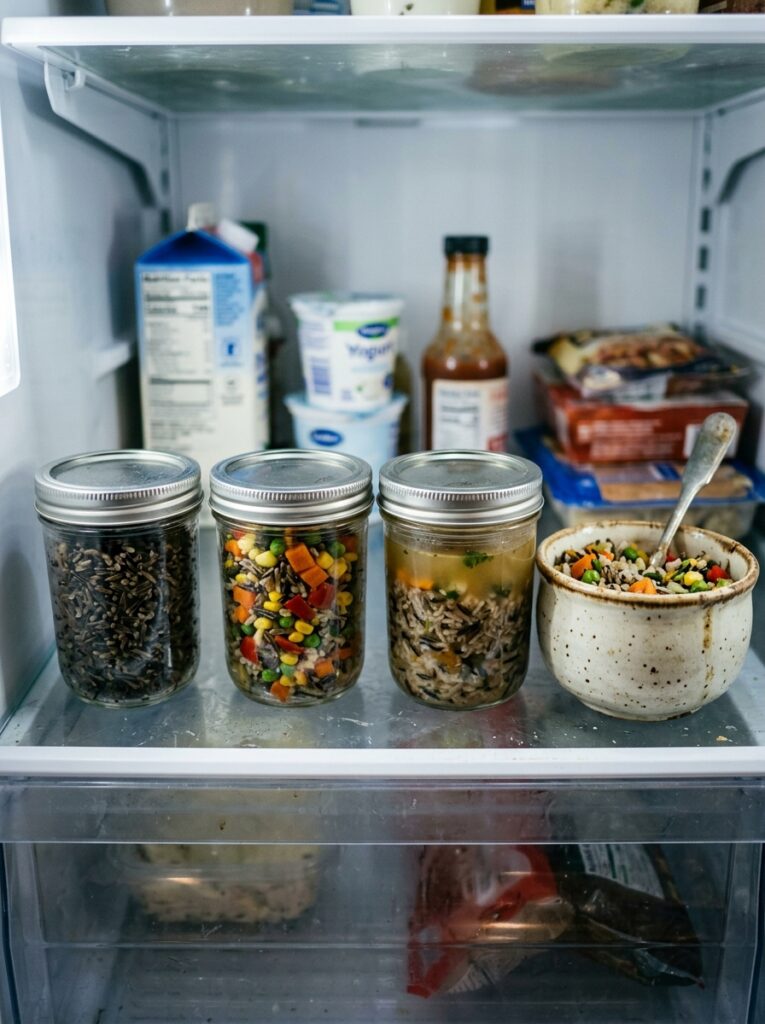
You will always make too much wild rice. It’s a fact of cooking it. The good news is it keeps beautifully in the fridge for 4-5 days, and it freezes well too — portion it into zip-lock bags flat, freeze them, and you’ve got ready-to-go cooked wild rice whenever you need it.
Here’s what you can do with the extra:
- Stir it into scrambled eggs in the morning with a bit of cheese and hot sauce. Sounds weird, tastes great.
- Add it to soup — any soup. It thickens and adds texture.
- Use it as a base for whatever protein you’ve got — leftover roasted chicken, a fried egg, tinned fish.
- Mix it into meatballs or meatloaf to add texture and stretch the meat further.
The point is: cook a big batch of wild rice once a week and you’ve got a head start on more meals than you realize.
—
❓ FAQ
Q: How do I stop wild rice from being crunchy and undercooked? A: The biggest mistake is not giving it enough time or liquid. Wild rice needs a good 45-50 minutes at a low simmer, and it should be covered the whole time. Taste it at 40 minutes — if it’s still got a hard center, keep going and add a splash more liquid if the pan is looking dry. That split-open look at the ends is your signal it’s ready.
Q: Can I use a wild rice blend instead of pure wild rice? A: Absolutely, and most grocery stores sell blended mixes that include brown rice, red rice, and wild rice together. They cook slightly faster and have a milder flavor. If you’re new to cooking with wild rice or want something more approachable, the blend is a great place to start. Just check the cooking time on the packet since it’ll vary.
Q: Can I prep chicken and wild rice dishes ahead of time for meal planning? A: Yes, and they’re actually ideal for it. Cooked wild rice stores in the fridge for up to 5 days and freezes well. Most of the casseroles and soups here can be made 1-2 days ahead and reheated — the flavors often improve overnight. If you’re prepping soup ahead, don’t add the cream until you’re reheating it to serve.
—
💭 Final Thoughts
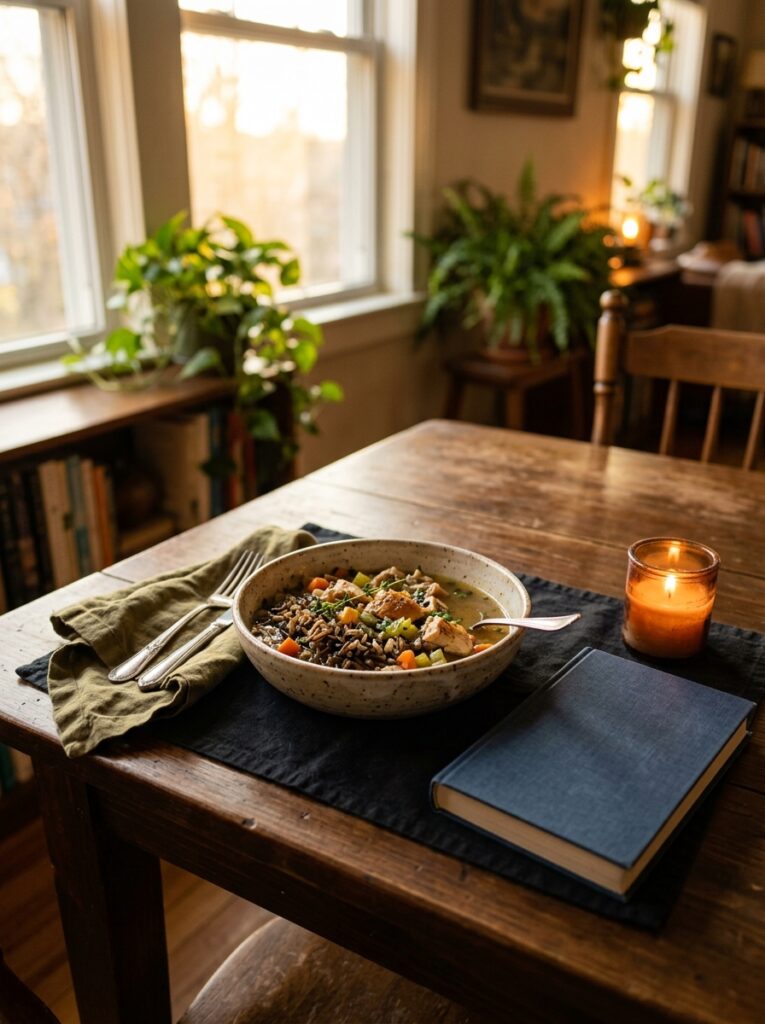
Chicken and wild rice is one of those combinations that doesn’t need a gimmick, doesn’t need to be trendy, doesn’t need a clever rebranding. It just needs someone to cook it well and let it be what it is — deeply satisfying, quietly impressive, and the kind of food people actually ask for again.
The recipes here are different enough from each other that you could cook your way through them over a whole month without it feeling repetitive. But chances are you’ll land on one or two that feel like yours, and you’ll make them over and over, tweaking as you go.
So — which one are you making first?