My blender sat in a cabinet for eight months. I’m not proud of it. Then a friend handed me a glass of something cold and mango-yellow on a Tuesday afternoon and I couldn’t figure out what was IN it, and honestly that was the moment everything changed.
—
1. The Reason Your Smoothies Come Out Watery (And It’s Not What You Think)
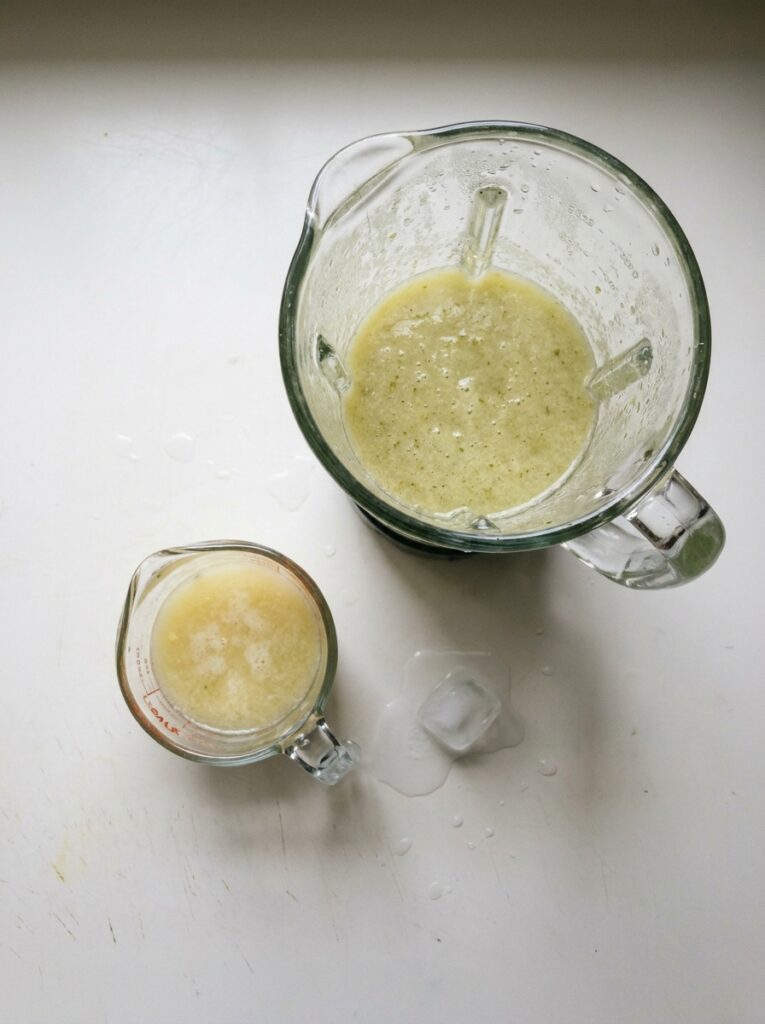
Okay so this one annoyed me when I finally figured it out. I’d been blaming my blender. Turns out, the real problem was the ORDER I was adding ingredients, and the fact that I was using fresh fruit straight from the bowl like a completely reasonable person who had no idea that was ruining everything.
Frozen fruit is non-negotiable. I don’t mean add some ice — I mean the actual fruit needs to be frozen. When you freeze your banana chunks, your mango pieces, your strawberries, you’re not just making it colder. You’re changing the texture at a molecular level, replacing the job of water and ice with something that’s got actual flavor. A smoothie made with frozen banana is thick and creamy in a way that ice just cannot replicate. Ever.
And the layering order? Liquid goes in FIRST. Always. Then soft things like yogurt or nut butter. Then your frozen fruit on top. This keeps the blade from screaming at you and actually lets everything pull down into the vortex properly. It’s embarrassingly simple. I wish someone had told me in year one.
—
2. The Frozen Banana Trick That People Think Is Too Basic to Mention
Nobody talks about this enough because it sounds too obvious, but I’m going to say it plainly: frozen banana is the secret ingredient in more great smoothies than any other single thing.
Not banana flavor. Not banana sweetness specifically. The TEXTURE. When you blend a frozen banana that’s just past ripe — those little brown spots starting to appear — it goes completely silky. Thick without being heavy. It adds this natural sweetness that means you genuinely don’t need added sugar, honey, dates, nothing. The riper the banana before you freeze it, the sweeter the result.
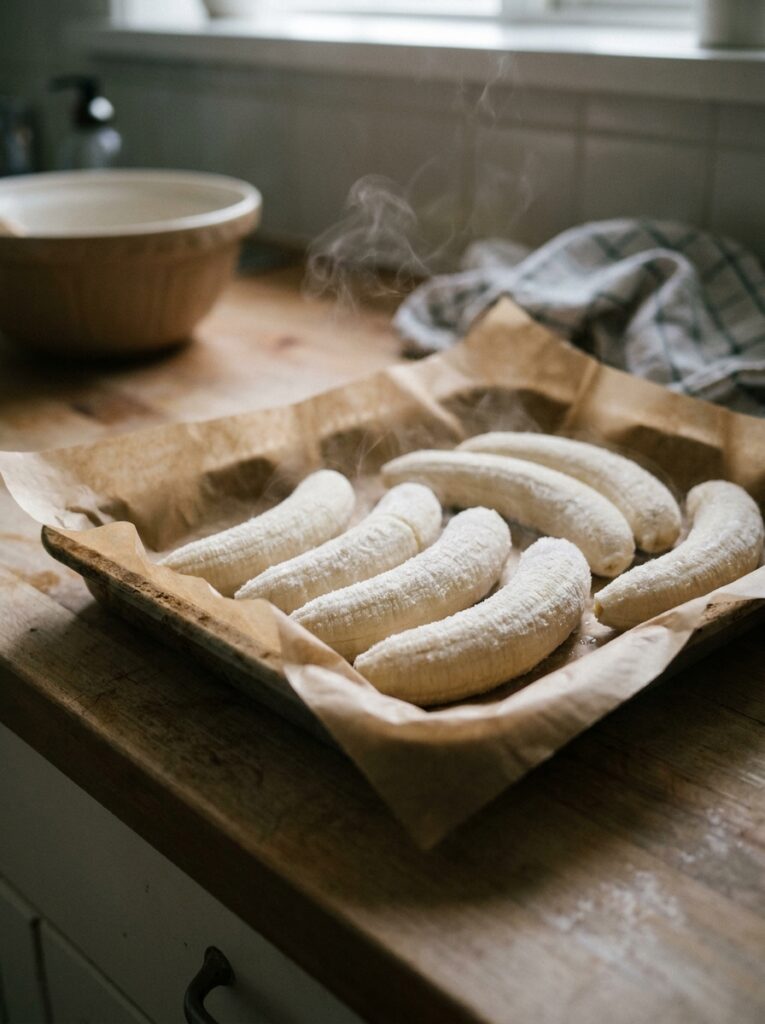
Peel them, snap them into chunks, freeze them flat on a baking tray for two hours, then tip them into a bag. Takes about four minutes of actual effort. And honestly? It completely changes your smoothie game. I keep a bag going constantly now. When bananas start turning on the counter, they go straight in the freezer. No waste, just better smoothies.
“A frozen banana does more for a smoothie than any fancy powder or supplement ever will. This is the one ingredient worth keeping stocked year-round.”
—
3. The Green Smoothie That Doesn’t Taste Like Lawn
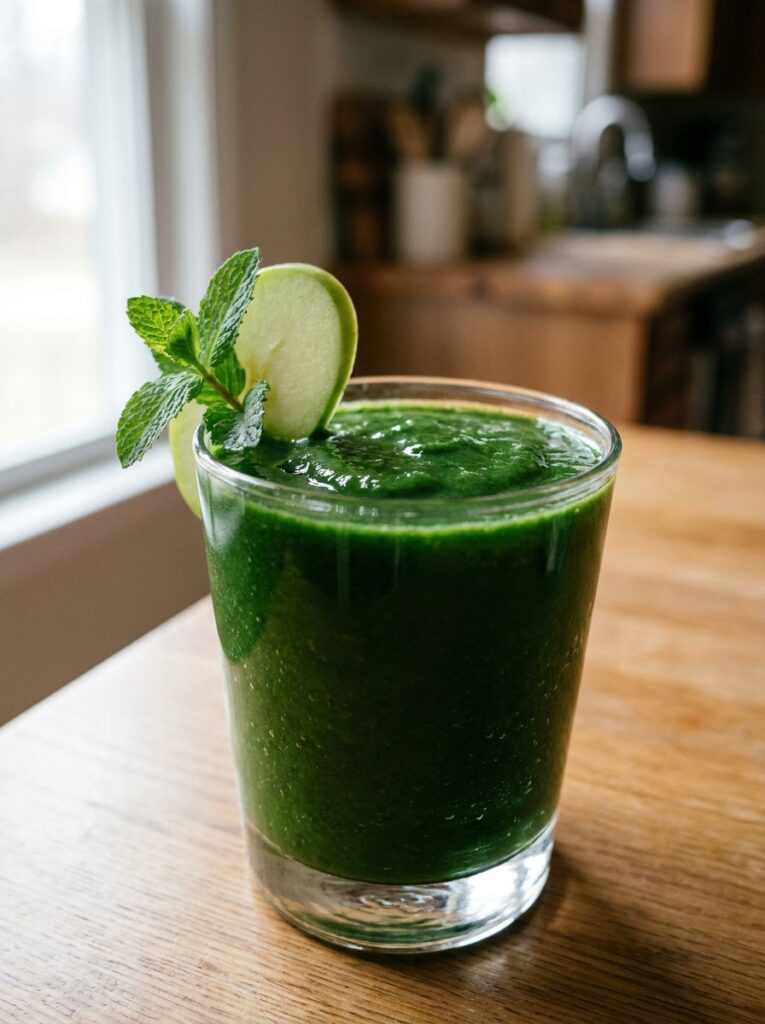
A lot of people have been burned by a bad green smoothie. I understand. The wrong ratio of spinach to everything else and you’re basically drinking salad water with fruit undertones. Not good.
Here’s what actually works: start with mild greens. Baby spinach has almost no flavor when it’s frozen and blended — seriously, you can add a huge handful and taste basically nothing except the fruit. Kale is more assertive, so if you’re going kale, use less and pair it with something strong like mango or pineapple that can hold its own. Avoid mixing really sweet fruit with really bitter greens until you know your blender and your taste.
The trick that makes green smoothies actually good is adding something creamy to soften the vegetal edge. Half an avocado works. A good scoop of thick Greek yogurt works. Even a tablespoon of cashew butter does something unexpected and lovely. Round the greens out with something bright and acidic too — a squeeze of lime, half a lemon, even a small chunk of fresh ginger — and suddenly the whole thing tastes intentional rather than accidental.
—
4. What Nobody Puts in Their Smoothie But Absolutely Should
This might sound weird. Bear with me.
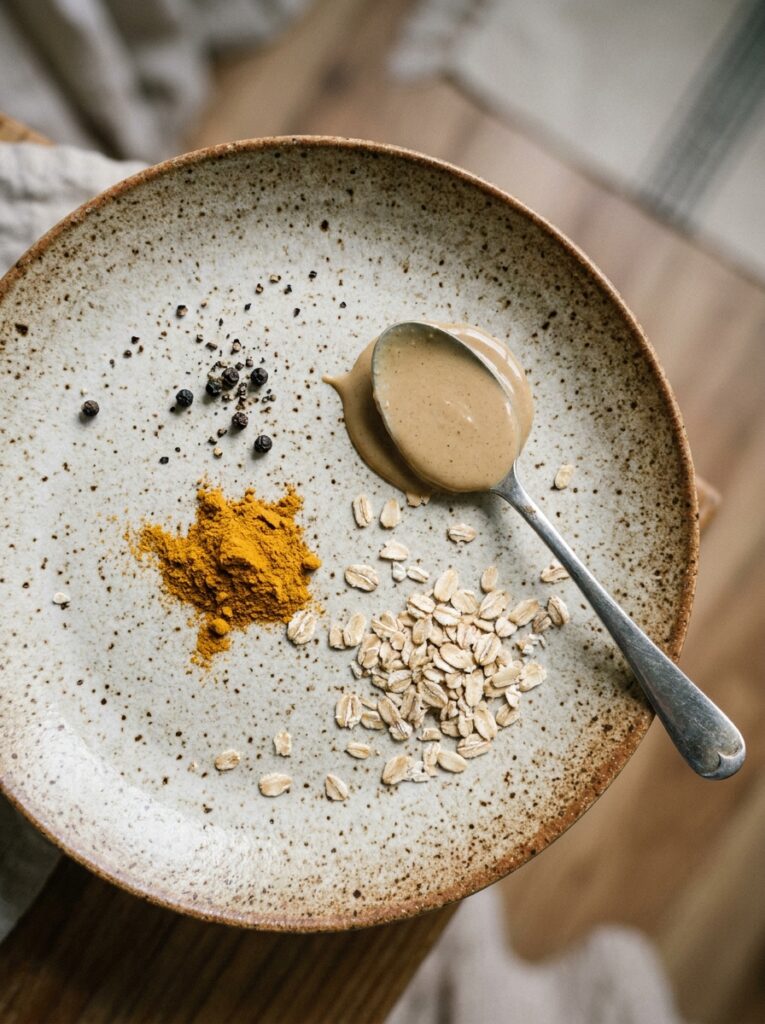
A pinch of salt. Just a tiny one. Half a pinch, even. Salt doesn’t make a smoothie taste salty — what it does is wake everything else up. The fruit tastes more like itself. The sweetness comes forward. It’s the same reason you add salt to baked goods. It’s doing background work that you’d only notice if it was missing.
Also: ground cinnamon. Not a lot — maybe a quarter teaspoon — but especially in anything with banana, apple, or oat. It makes a simple fruit smoothie taste like someone put thought into it. And a little vanilla extract, which you probably already have in your baking cupboard, is genuinely transformative in anything creamy. Half a teaspoon and your plain banana-and-yogurt blend starts tasting like dessert.
Side note — I spent an embarrassing amount of money on “superfood boosts” before I realized the biggest upgrades were things I already owned.
—
5. The Smoothie That’s Actually Worth Eating for Breakfast
I’ll be direct: most smoothies don’t keep you full. They’re lovely and they taste good but by 10am you’re staring at the biscuit tin wondering what happened.
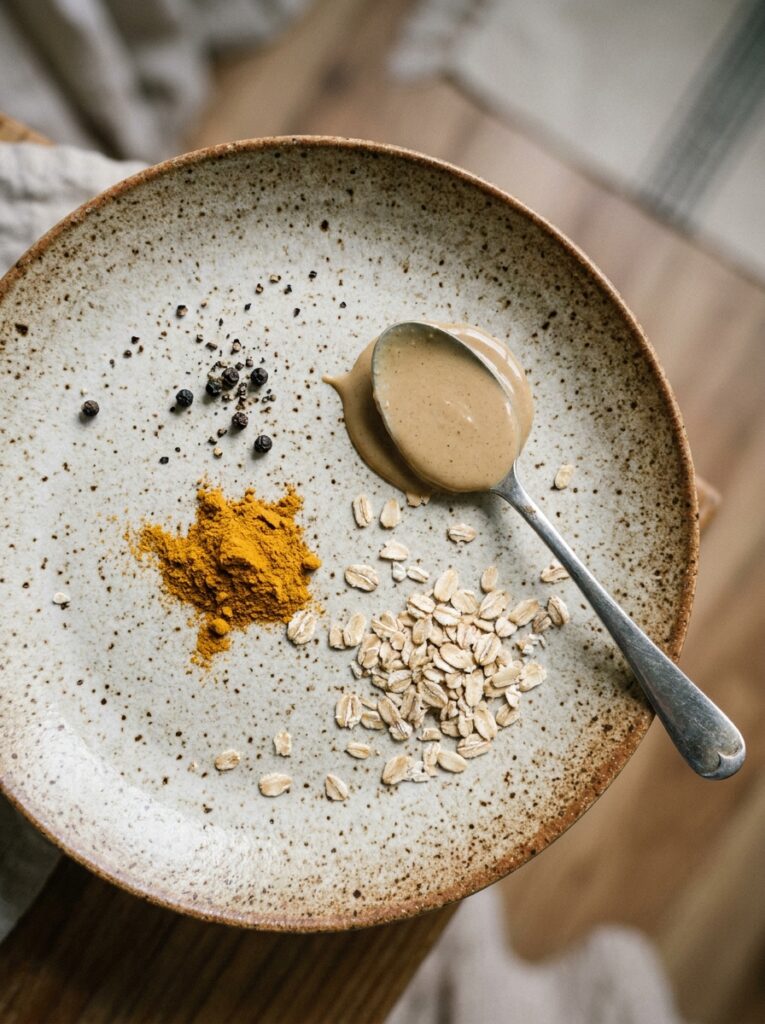
The fix is protein and fat. Both, ideally. Greek yogurt is the easiest protein addition — a generous scoop adds creaminess AND substance. Nut butter is the easiest fat. A tablespoon of peanut or almond butter blended in disappears into the texture and does a lot of quiet work to keep you going. Oats are the third part of this — a small handful of rolled oats (not instant, not oat flour, just regular oats) blended straight into a smoothie adds fiber and a subtle earthy fullness that you’d never identify but would DEFINITELY miss.
“The best breakfast smoothie isn’t the one with the most ingredients — it’s the one that still has you feeling fine at 11am.”
So: frozen banana, Greek yogurt, nut butter, oats, a big handful of frozen spinach, your milk of choice. That’s it. That’s the blueprint. Everything else is variation.
—
6. Why Your Blender Might Be Lying to You
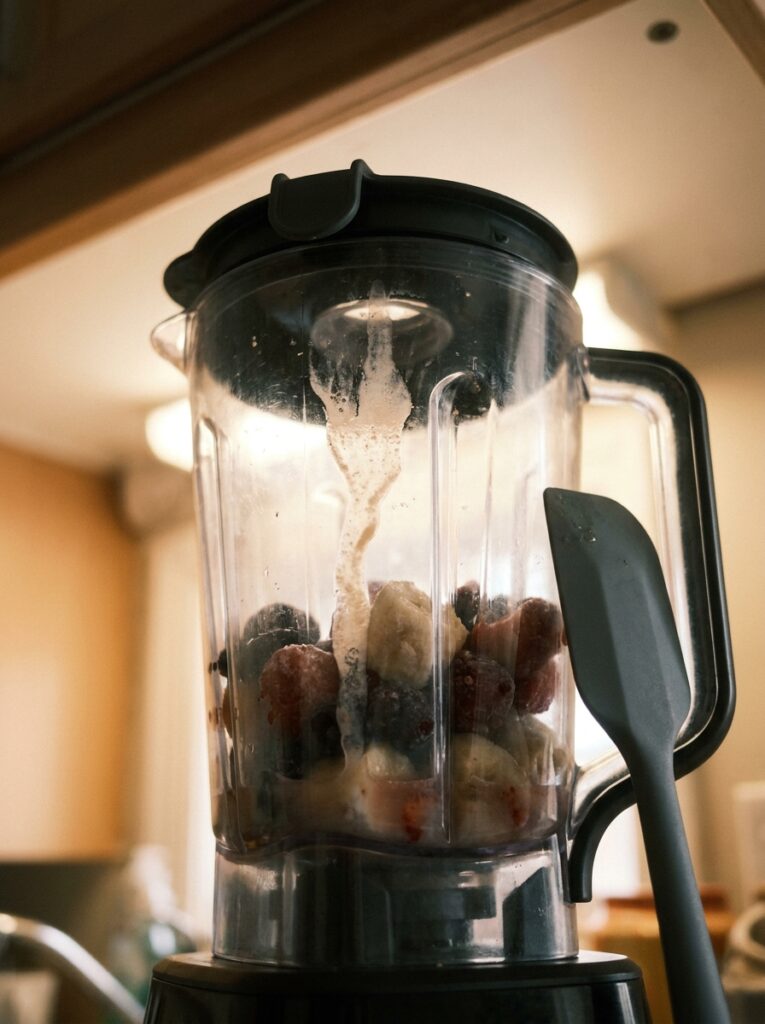
Here’s a hot take: you probably don’t need to upgrade your blender. Most people blame equipment when the recipe’s the issue. That said — there are things a lower-powered blender genuinely struggles with, and knowing which is which will save you a lot of frustration.
Leafy greens? Tough for underpowered blenders. Solution: blend your liquid and greens first on their own, get them fully broken down, THEN add your frozen fruit. Two-stage blending. It takes thirty extra seconds and makes a real difference.
Frozen fruit in large chunks? Also hard. Cut things smaller before freezing. Mango in half-inch pieces blends faster and smoother than big frozen hunks that just rattle around and stress the motor.
Seeds and nuts? Blend longer than you think. Two full minutes on high does more than forty-five seconds will.
Most blenders are fine. They just need you to work WITH them rather than against them.
—
7. The Color Theory of Smoothies (Or: How to Not Make Muddy Brown)
This sounds like it shouldn’t matter. But if you’ve ever been excited to make a beautiful berry and mango smoothie and ended up with something the color of old mulch, you know it matters.
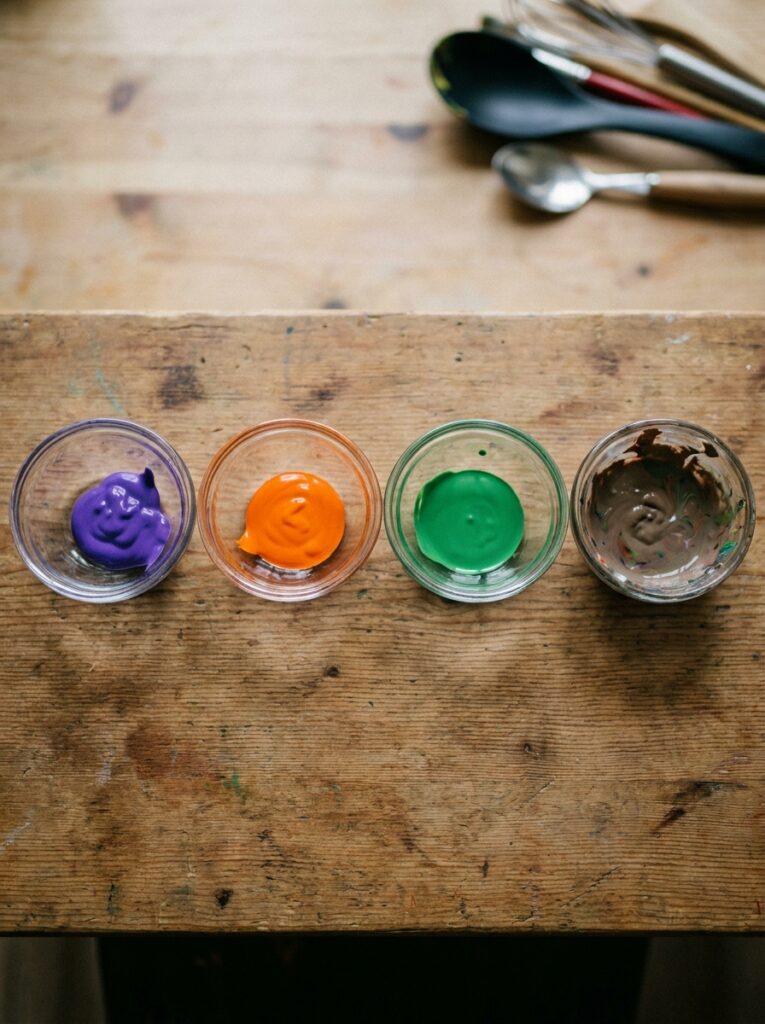
Berries and anything green-yellow? Usually goes brown. Strawberry plus avocado plus banana? Actually fine, stays pink-ish. Anything with blueberries plus something orange? Prepare yourself.
The easy rule: keep your color families together. Berry smoothies stay in the red-purple zone. Tropical smoothies stay yellow and orange. Green smoothies can have banana and mango but should skip the berries unless you truly don’t care what it looks like (which is a valid stance, honestly). The flavor doesn’t change. It just photographs better and, weirdly, tastes like you intended it when it looks right.
—
8. The Cold That Creamy Trick — Temperature Without Ice
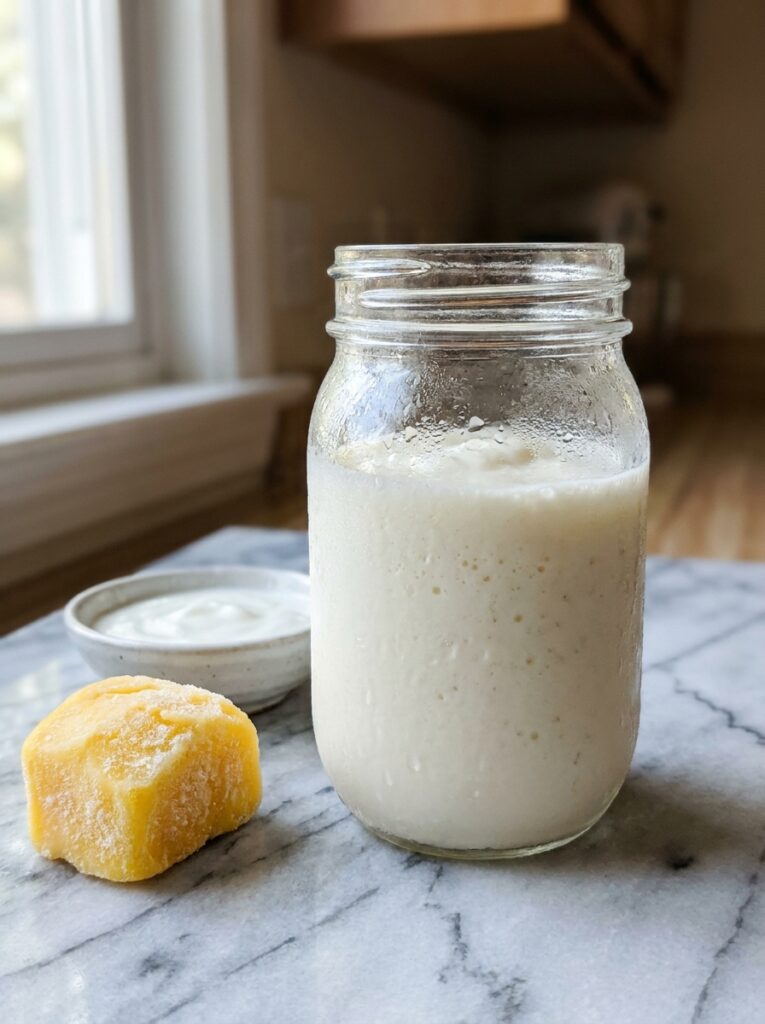
Ice ruins smoothies. I’ll stand by this. It dilutes as it melts, it creates a kind of watery chill that’s different from the real thick-cold you’re looking for, and it makes that awful slushy crunch if the blender doesn’t fully break it down.
But here’s the thing — there are ways to get that cold without the ice. Freeze your liquid in a cube tray and use frozen milk or coconut milk cubes instead of water ice. You get the cold without the dilution. Or just make sure EVERYTHING going in is cold — your milk from the fridge, your yogurt cold, your fruit frozen. By the time it’s blended, the temperature’s right.
The creamiest, coldest smoothies I’ve ever made came from frozen banana plus cold oat milk plus cold yogurt. Zero ice. Completely perfect.
—
9. The One Smoothie Recipe You’ll Actually Make on a Tired Wednesday
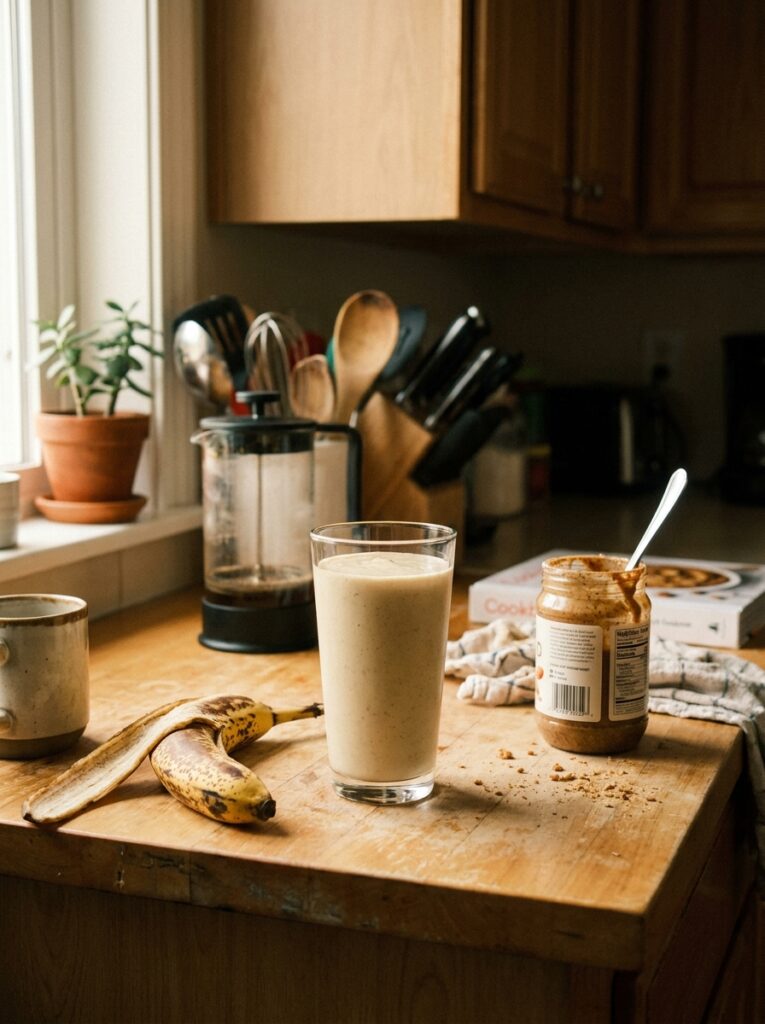
I’m not gonna give you forty recipes. You don’t need forty. You need one really solid one you can make half-asleep and that you’ll actually return to.
Here’s mine:
- 1 frozen banana, cut into chunks before freezing
- ½ cup frozen mango pieces
- 1 big handful of baby spinach (frozen is fine)
- 3-4 heaped tablespoons of full-fat Greek yogurt
- ¾ cup cold oat milk (or whatever milk you have)
- Small squeeze of lime juice
- Pinch of salt, tiny pinch of cinnamon
Blend for 90 seconds. Drink immediately. Makes one large glass or two small ones.
It’s sweet from the mango, creamy from the yogurt, bright from the lime. The spinach disappears completely. The salt and cinnamon do their quiet thing in the background. It tastes like you’re at a good café, not like you’re making do.
“You don’t need a recipe collection. You need one great smoothie you can make without thinking about it.”
—
10. How to Meal Prep Smoothies Without Them Going Sad
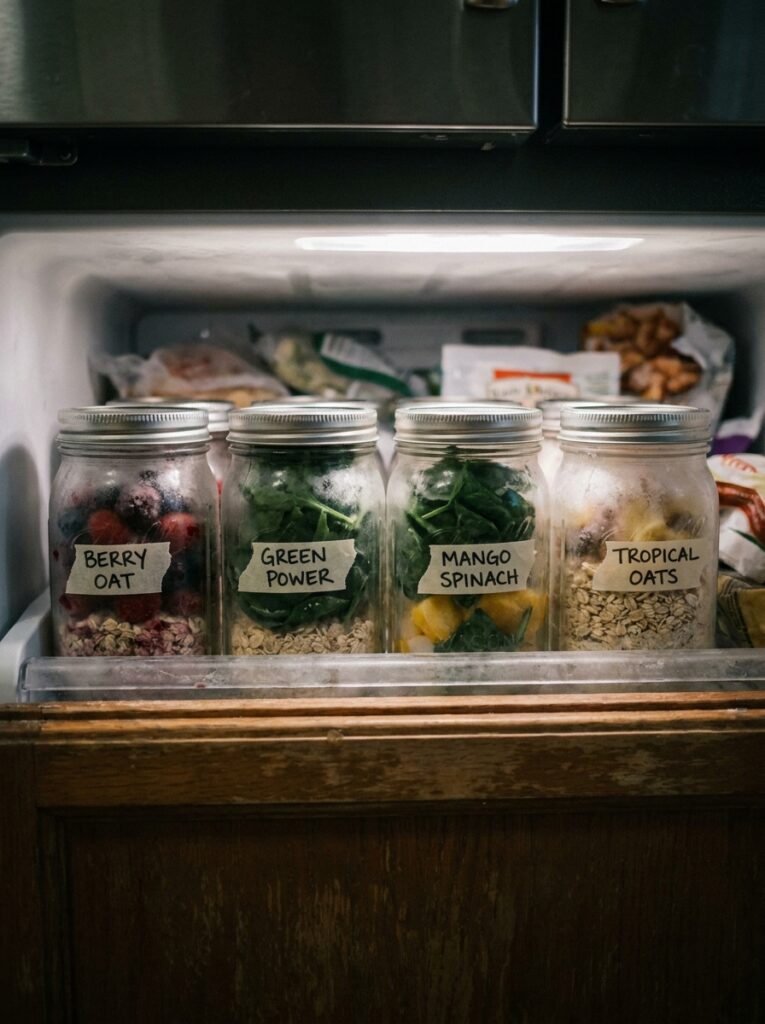
I know, I know. Smoothies are meant to be fresh. But if weekday mornings are genuinely hard — and they are for most people — there are ways to make this work.
Option one: pre-portion your ingredients into zip bags or containers and freeze them. When you want a smoothie, empty the bag into the blender, add your liquid, blend. Thirty seconds of actual effort in the morning. The prep happens Sunday evening.
Option two: blend in batches and freeze the smoothie itself in mason jars, leaving an inch of space at the top. Move to the fridge the night before. By morning it’s thawed to a perfect thick consistency. The texture’s slightly different — a little less airy — but honestly not by much.
What doesn’t work: making it fresh and storing it in the fridge overnight. It separates, it oxidizes if there’s fruit with a lot of vitamin C, and by morning it tastes a bit flat. Just freeze it properly if you’re doing it in advance.
—
11. The Flavor Combos That Sound Weird but Work Unreasonably Well
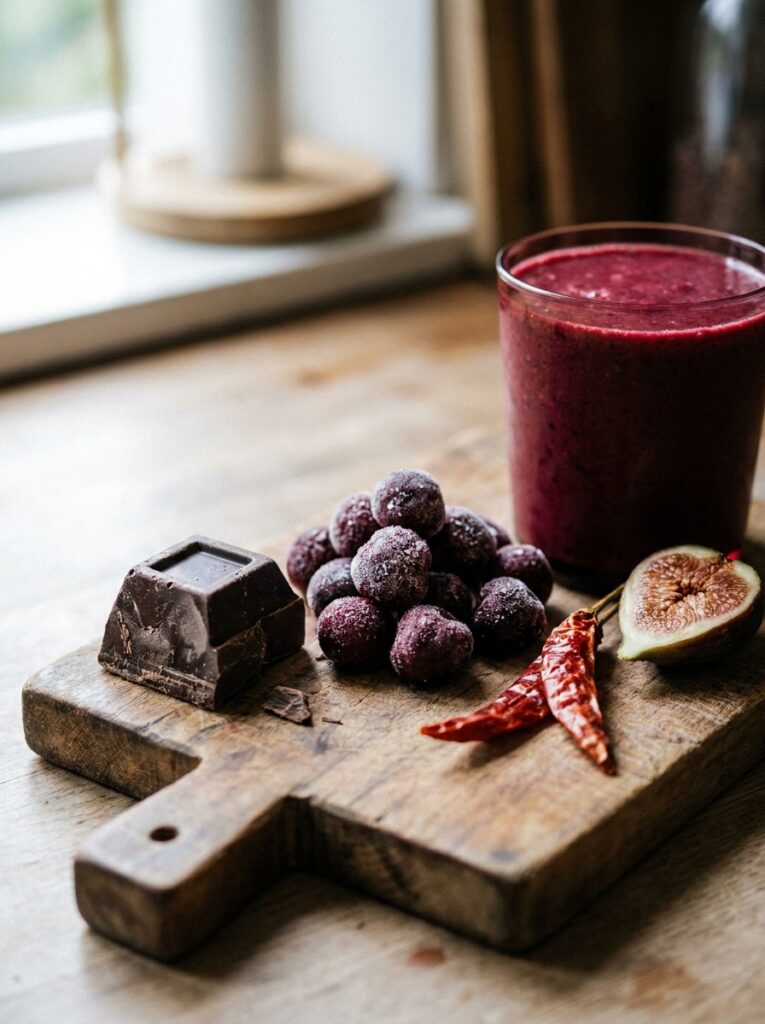
Right. These are the ones I’d have scrolled past before I knew better.
Peanut butter and raspberry. I know. But the slight saltiness of the peanut butter against the tartness of raspberry is genuinely special. Add a frozen banana and a splash of milk and it’s like a smoothie that can’t decide if it’s a dessert. (It is. It absolutely is.)
Cucumber, mint, and pineapple. Completely unexpected. The cucumber keeps it cool and mild, the pineapple brings sweetness and a little acid, and the mint makes the whole thing taste like something you’d get at a fancy spa. Tastes much more complex than it has any right to be for three things.
Ginger and peach. Fresh ginger — maybe a thumbnail-sized piece — blended with frozen peach and a little honey and plain yogurt. Warm-spiced and fruity at the same time. Good in winter when you want something that feels warming but is still technically a cold drink.
Frozen cauliflower. Yes, really. It sounds like a punishment but it adds creaminess with zero flavor. It’s the most neutral thickener I’ve ever used and it makes texture-obsessed people very happy.
—
12. The Only Smoothie Rule That Actually Matters Long-Term
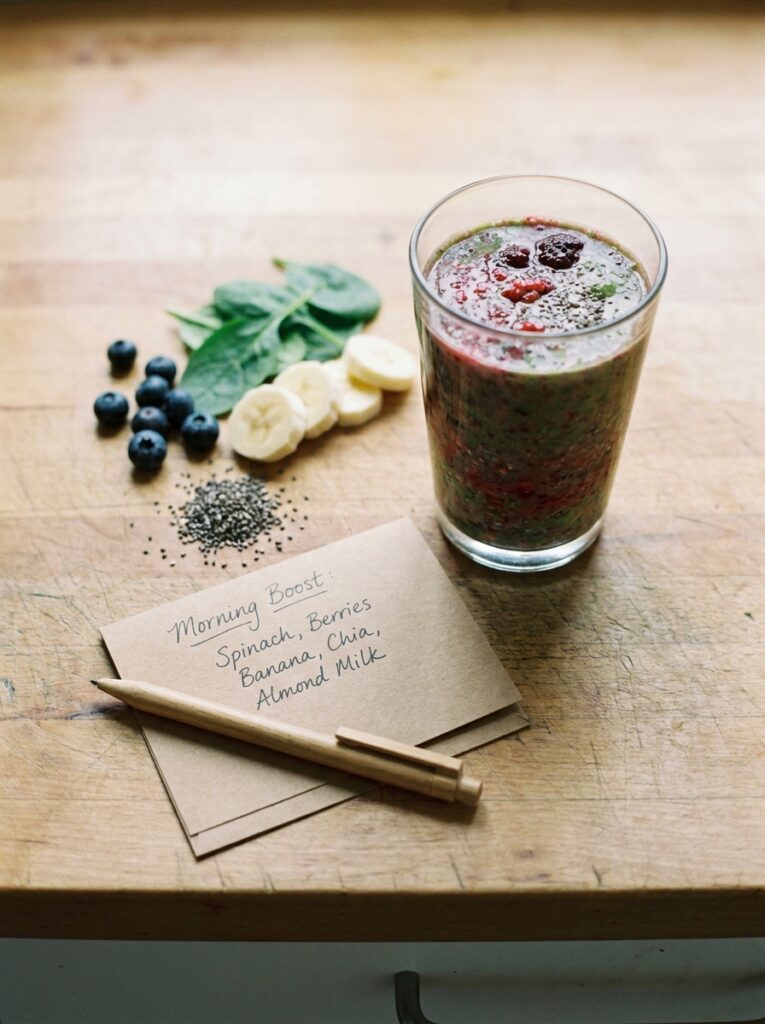
If you want to actually keep making smoothies — not just for one good week before the blender goes back in the cabinet — make it easy. Embarrassingly easy.
That means: always have frozen bananas. Keep a bag of mixed frozen berries and a bag of frozen mango around. Keep oat milk or whatever you use in the fridge. Have yogurt. That’s basically it. If those four things are available, you can make something good in under three minutes on any morning, regardless of how tired or rushed you are.
The fancy ingredients, the protein powders, the spirulina, the expensive stuff — add them if you love them. But don’t make them load-bearing. The moment you run out of the one special thing your recipe “needs,” you stop making smoothies. And then the blender goes back in the cabinet.
Keep the basics stocked. Everything else is optional.
—
❓ FAQ
Q: Can I put raw oats in a smoothie without cooking them first? A: Yes, and you don’t need to do anything to them beforehand. Regular rolled oats blend into a smoothie completely fine — they soften almost instantly in liquid and blend smooth within about 60-90 seconds. Just don’t use steel-cut oats, which stay too coarse and gritty even after blending.
Q: How do I stop my smoothie from separating in the glass? A: Separation usually happens when there’s not enough fat or thick ingredients to hold everything together — and also if it sits too long. Drink it within 10-15 minutes of blending for best results. If you’re storing it, shake or stir well before drinking. Adding yogurt or nut butter gives it more cohesion and slows the separation significantly.
Q: Is it okay to use milk alternatives like oat milk or almond milk in smoothies? A: Completely fine, and honestly preferred by a lot of people. Oat milk adds a mild sweetness and works well with fruit and creamy smoothies. Almond milk is lighter and more neutral. Full-fat coconut milk makes things very rich and is great in tropical combinations. It’s really just personal preference — none of them will ruin a recipe.
—
💭 Final Thoughts
Smoothies aren’t complicated. They’re really just a few things in a blender, and the gap between a mediocre one and a genuinely great one comes down to about three small habits: freeze your fruit, layer correctly, and add something creamy. That’s most of it.
The rest you figure out by making them, tweaking them, discovering that ginger-peach thing by accident on a Thursday when you’re just using what you’ve got. That’s the part that actually makes it fun.
What’s the one ingredient you’ve always wanted to try in a smoothie but never quite committed to?
