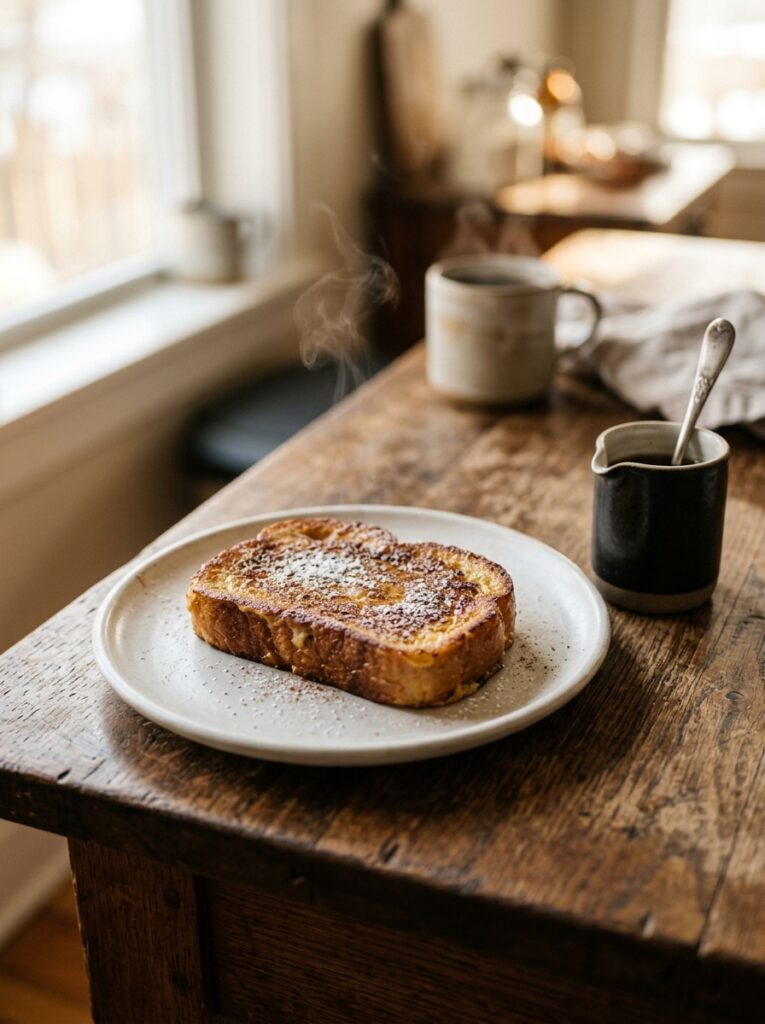
My friend Casey showed up at my apartment one Sunday morning with a brioche loaf and zero plans. Three hours later we’d used almost everything in my fridge and I’d completely reconsidered my entire relationship with breakfast. That’s the thing about French toast — you think you know it, and then you really don’t.
—
1. Why the Boring Version You Grew Up With Deserves to Be Retired
Okay, not retired exactly. But rethought.
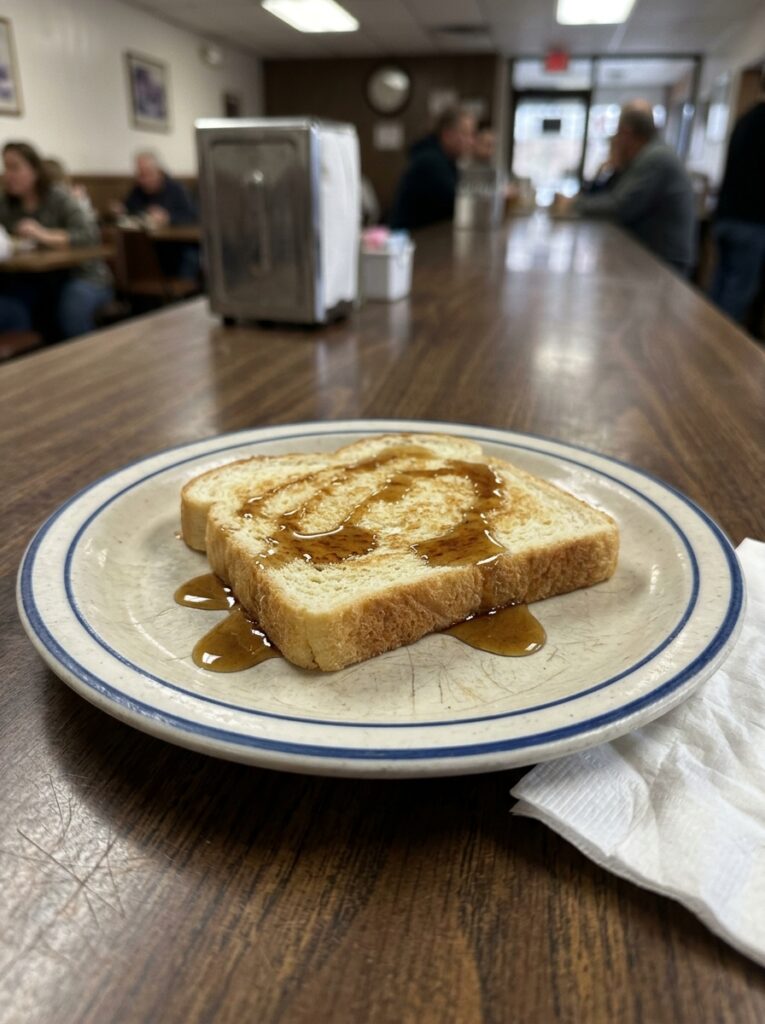
Because here’s the thing — most of us are still making French toast the same way we made it at age twelve. Egg, milk, bread, pan, done. Maple syrup from the bottle that’s been in the cabinet since autumn. And it’s fine! It’s genuinely fine. But “fine” isn’t why you’re here.
The topping is where all the personality lives. The base is just the canvas — golden, eggy, a little crisp at the edges — and it deserves something on top that actually does something. Something that makes you slow down mid-bite and kind of look at the ceiling for a second.
That’s what this whole article is about.
“The topping is where all the personality lives. The base is just the canvas.”
I’ve been making French toast for years, and I didn’t start actually enjoying it until I stopped treating the toppings like an afterthought. So let’s fix that.
—
2. The Case for Salted Brown Butter (Especially Over Everything Sweet)
This one sounds so simple it’s almost offensive how good it is.
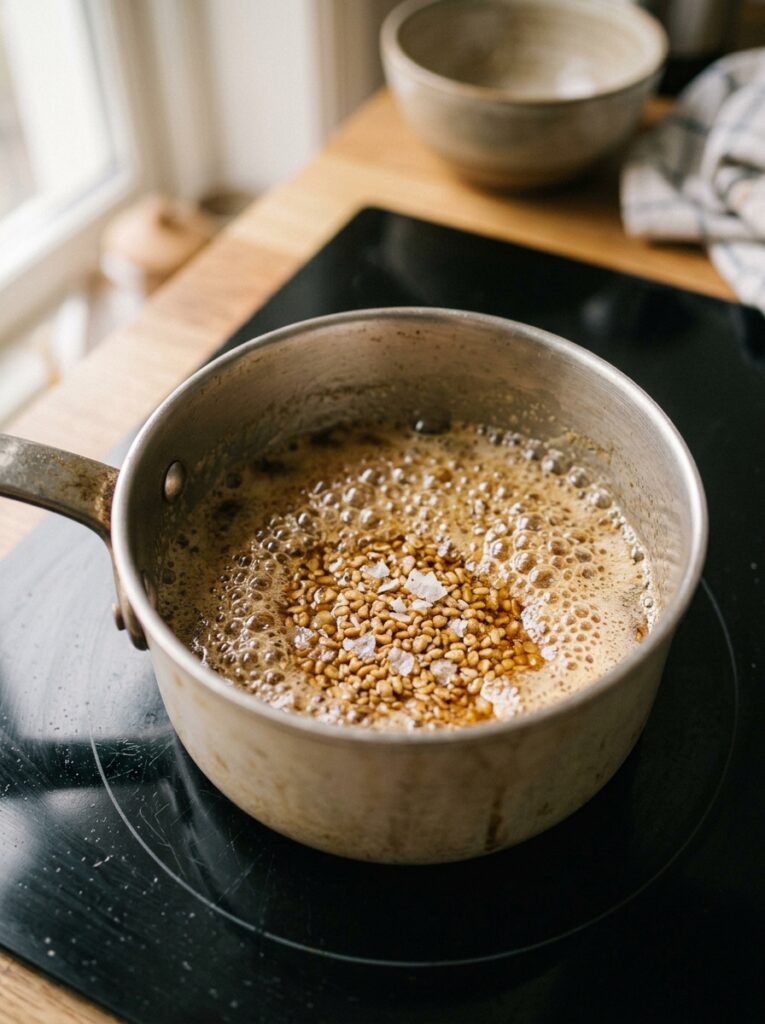
Brown butter — real brown butter, the kind where you stand at the stove and watch the foam and wait and then suddenly the kitchen smells like hazelnuts and toasted cookies — that stuff changes French toast completely. Add a pinch of flaky salt on top. Done. That’s the whole recipe.
The salt is non-negotiable, by the way. It’s doing more work than the sugar ever did.
Pour it warm over your toast, let it soak into the little pockets of the bread, and then just… don’t add anything else for a minute. Let it be that. You can layer sweet things on top — a smear of fig jam, maybe — but try it plain first. You’ll see what I mean. The nuttiness and the salt hit differently when there’s nothing competing with them.
This is the one I make when I’m tired. It takes four minutes and it still feels like a proper thing I made for myself.
—
3. Roasted Stone Fruit Is Having a Moment and It’s Earned
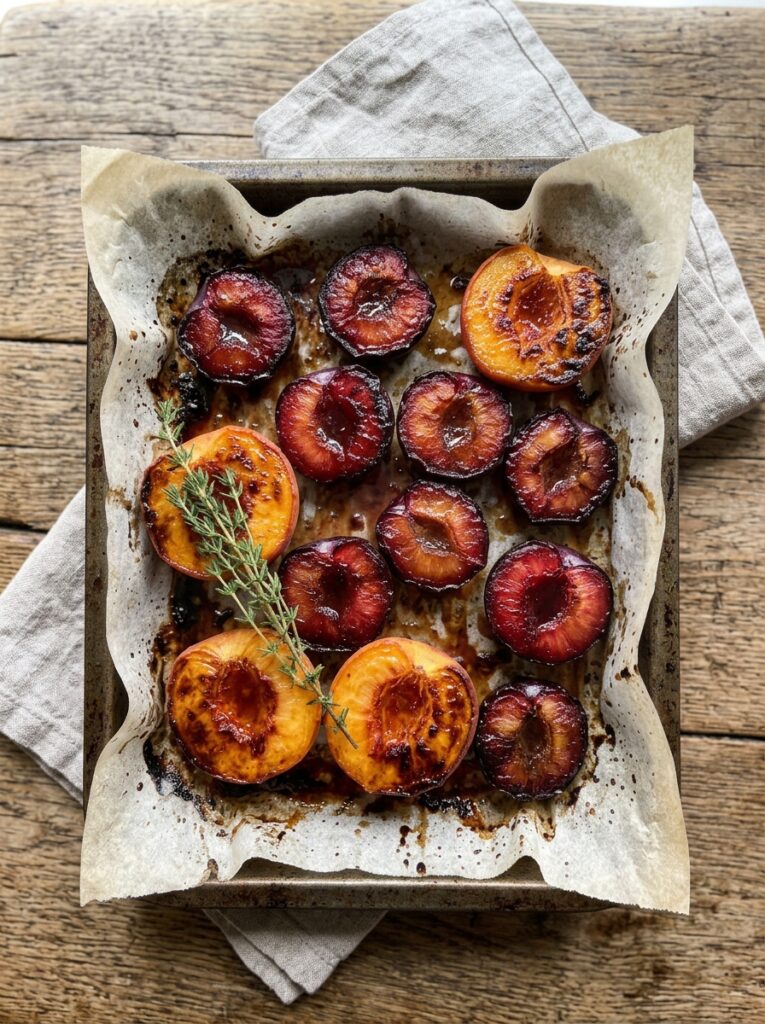
Peaches in summer. Plums in late summer. Cherries if you’re feeling slightly extra.
Roasting fruit does something that no amount of fresh fruit can replicate — it concentrates the sugars, deepens the color, and pulls out this almost jammy, almost wine-y depth that’s completely different from just slicing something and throwing it on top. You’re in the oven for maybe twenty minutes at 400°F / 200°C. A little sugar, a splash of something acidic (lemon juice works, a tiny bit of balsamic works even better), and you’ve got a topping that looks GORGEOUS and tastes like you tried way harder than you did.
Serve it warm. The contrast of hot roasted fruit against the toast — especially if you’ve got a little cold whipped cream situation happening — is one of those textures you don’t forget.
Side note: plums go criminally underused in British and American kitchens and I’ll die on this hill.
—
4. Mascarpone and Honey Because Sometimes the Answer Is Italy
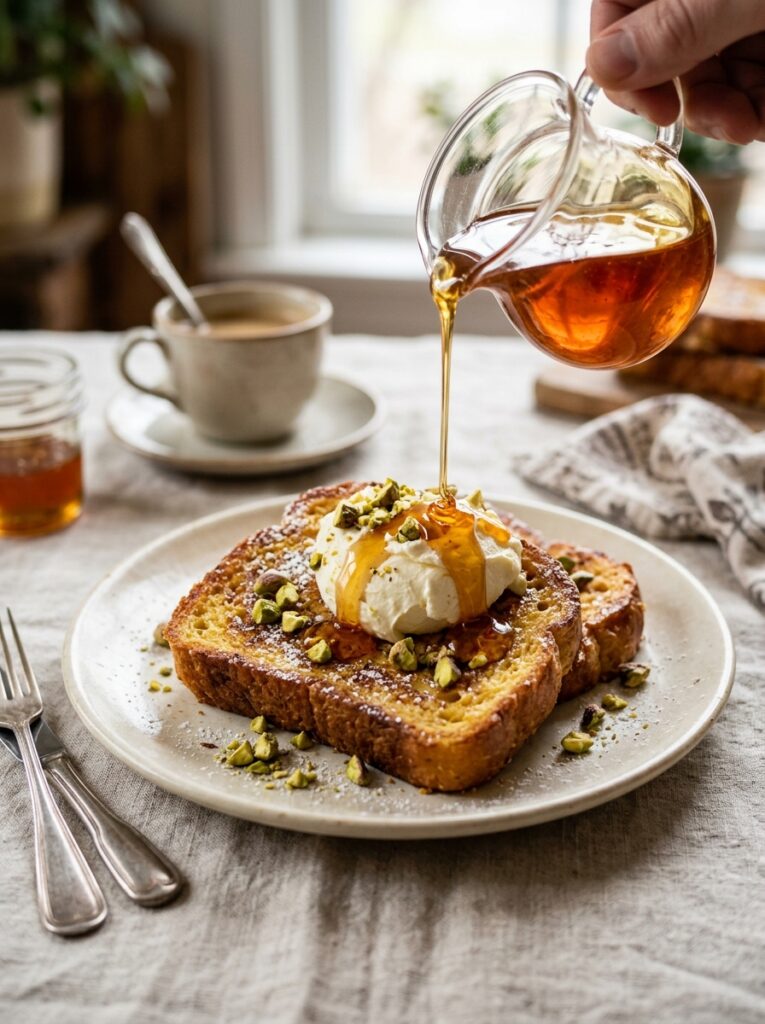
Not ricotta. I mean, ricotta’s great, but mascarpone is what you want here.
It’s richer, silkier, and it doesn’t have that slight grainy texture ricotta sometimes brings. Spread it cold and thick straight from the fridge, let it start melting just slightly against the warm toast, and drizzle good honey over everything. Not the squeeze bear honey. The good stuff. A wildflower honey or something darker, a little more complex.
Then — and this is optional but very much encouraged — a few crushed walnuts or pistachios on top. Something with a little crunch and a slight bitterness to balance the sweetness of the honey and the richness of the cheese.
This is my “I’m technically having breakfast but I feel like I’m on holiday” move.
—
5. The Savory Turn Most People Are Afraid to Take
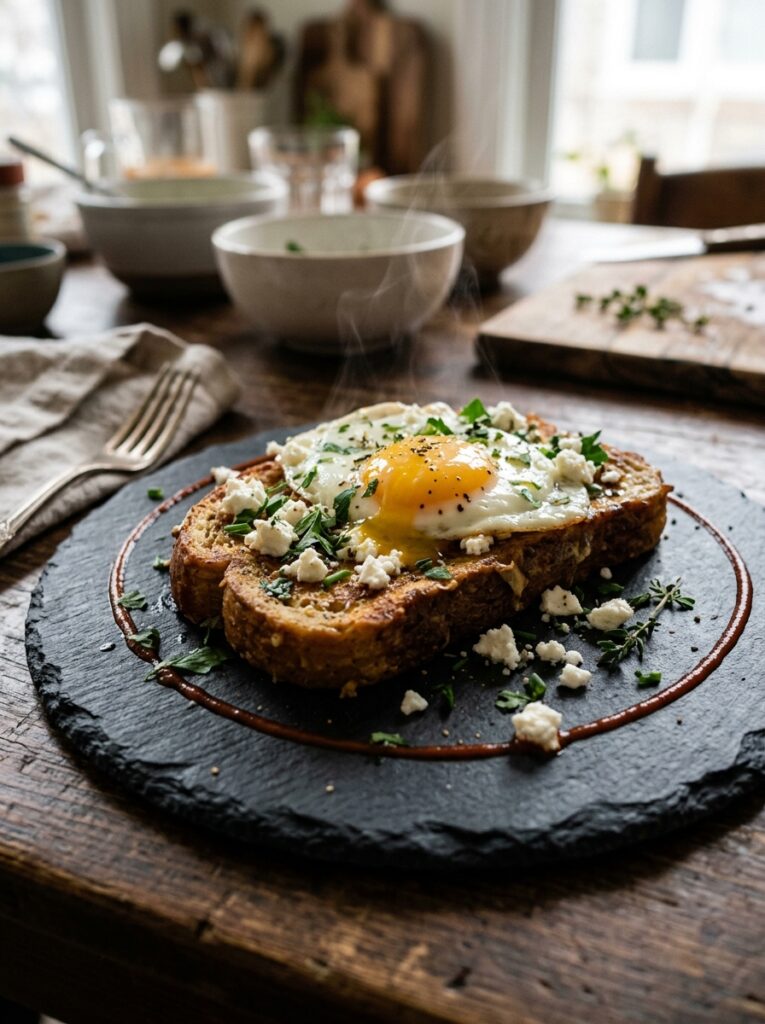
I’m just going to say it: French toast doesn’t have to be sweet.
Savory French toast is a thing in lots of parts of the world and we’re absolutely behind on the uptake. The egg-soaked bread is basically a vehicle — a very good vehicle — and it goes with savory things just as naturally as sweet ones, maybe more so.
My current favorite is avocado smashed with a bit of lime, a little chili flake, flaky salt, and a fried egg on top. Sounds like avocado toast but it’s NOT — the French toast base is richer, a little custardy, and it fills you up in a completely different way. More substantial. Less… airy.
You could also go with soft herbed cheese (the kind with garlic and herbs), a slice of smoked salmon, and some quick-pickled red onion. That one’s very brunchy. Very “we put effort in but we’re pretending we didn’t.”
“Savory French toast is a thing in lots of parts of the world and we’re absolutely behind on the uptake.”
The savory direction also works brilliantly with a fried slice of halloumi on top, if you’re in the UK and you’ve got some in the fridge. Halloumi on French toast is a combination I don’t see talked about enough, and that’s a genuine injustice.
—
6. Lemon Curd and Cream Because This Is Britain Too
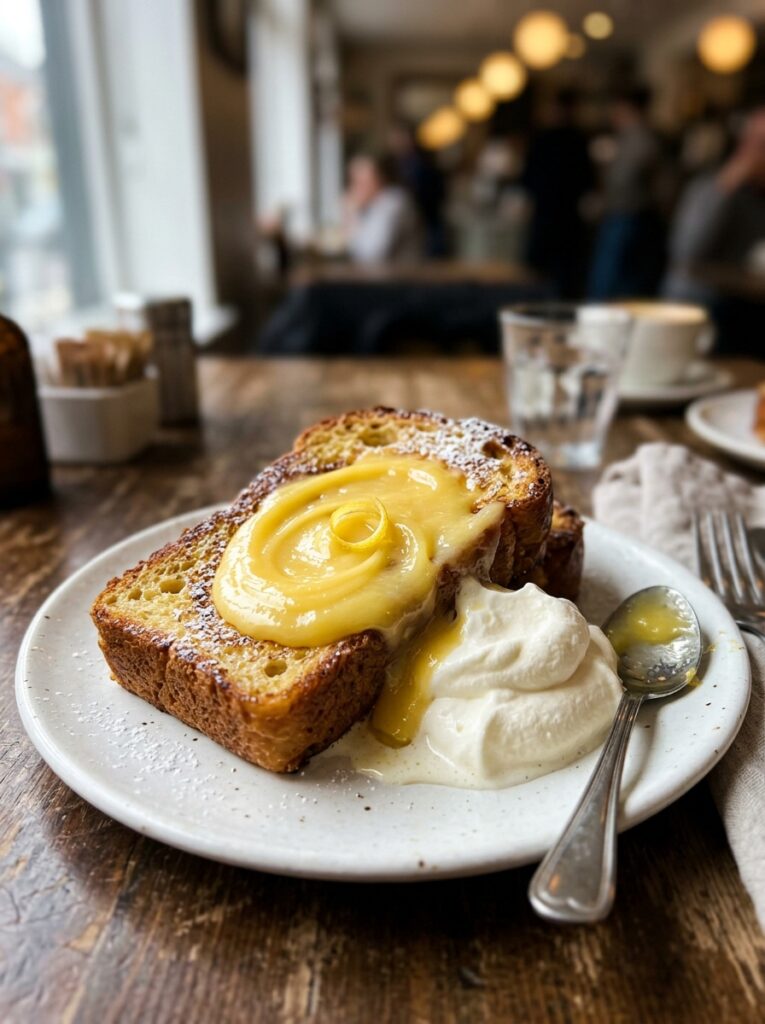
For the UK readers who’ve been patiently waiting — this one’s for you.
Lemon curd on warm French toast is one of those pairings that sounds obvious in retrospect. You get the tart, almost candy-like sharpness of the curd against the soft richness of the toast, and if you add a big spoonful of clotted cream or thick double cream alongside it, you’ve essentially made dessert before 10am and I support this fully.
Good lemon curd has a silkiness that synthetic stuff just doesn’t. If you’ve ever made it from scratch — eggs, butter, sugar, lemon juice, double boiler — you know that it sets up into something that’s halfway between a sauce and a spread and it’s absolutely dreamy on toast that’s still warm enough to melt the edges slightly.
Add a few fresh raspberries if you’ve got them. The contrast of that sharp little berry against the sweet-tart curd is SO good. Very garden party. Very “I didn’t even try, this is just how I live.”
—
7. Caramelized Banana With a Little Heat You Weren’t Expecting
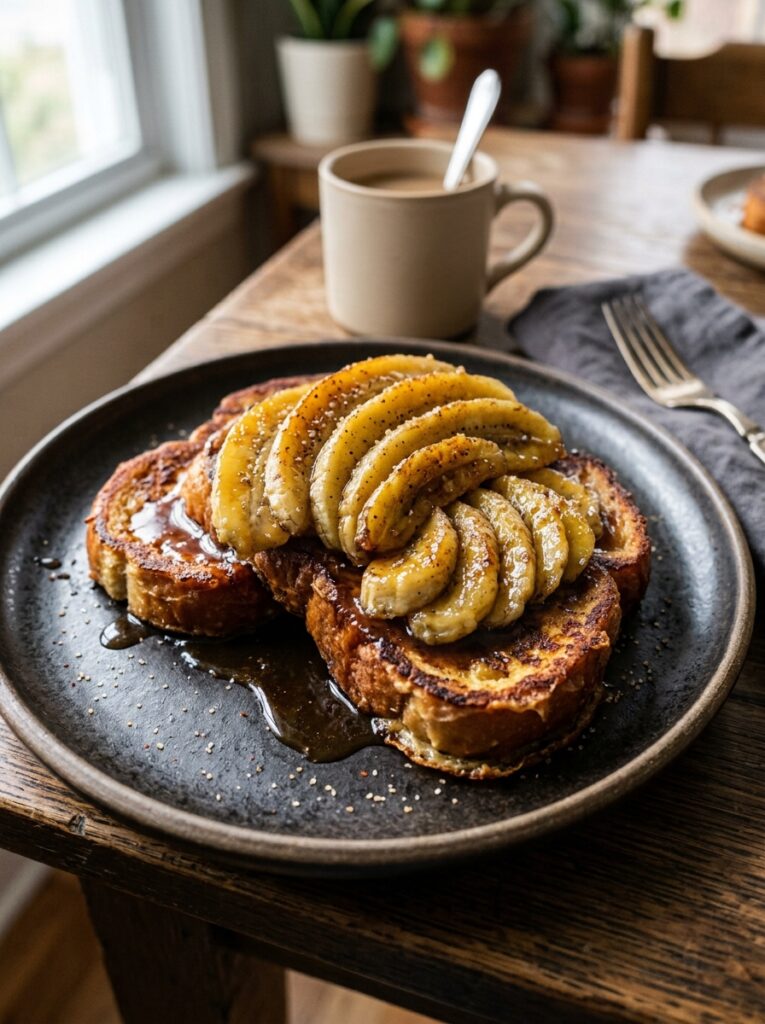
You’ve had banana on French toast. But have you caramelized it?
Slice bananas lengthways, toss them in a dry pan on high heat, and just leave them alone for a minute. Let them get dark and almost sticky on the underside. Then flip. Then you can add a tiny knob of butter and let it bubble and foam around the banana and oh — it smells incredible.
Here’s the twist: a small pinch of cayenne. Or a few turns of black pepper if cayenne sounds too wild. The heat sits in the back of your throat, just barely there, and it makes the sweetness of the banana feel more interesting than it would on its own. There’s a reason mango and chili is a combination that exists — sweet things need friction sometimes.
Finish with a drizzle of something dark and sticky — a good molasses, a treacle if you’re in the UK — and you’ve got a topping that’s complicated in the best possible way.
—
8. A Compote You Can Make in Twelve Minutes While the Bread Is Soaking
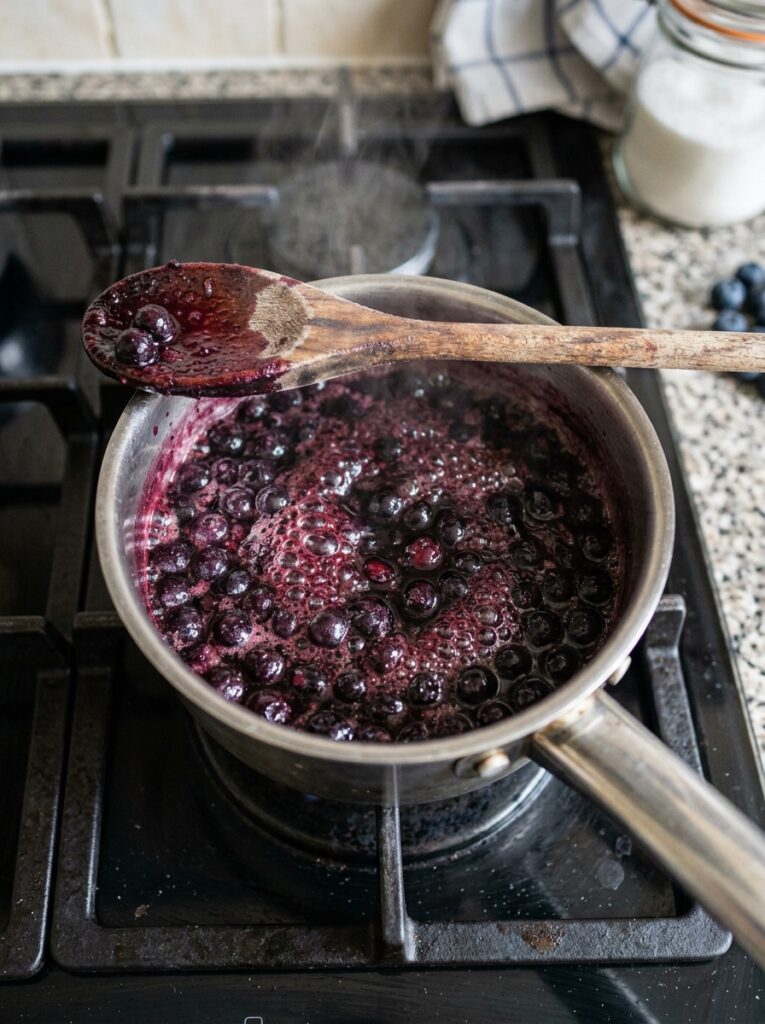
Quick compote is genuinely one of the easiest things in the world and I don’t know why more people don’t just make one habitually.
Frozen berries — mixed, blueberry, strawberry, whatever’s in the back of your freezer — go into a small saucepan with a tablespoon of sugar and a squeeze of lemon. Medium heat. You barely stir it. Give it twelve minutes and it’ll reduce into something thick, glossy, and deep-colored that looks like it took real effort.
Pour it warm over French toast. Some of it soaks in, some of it pools around the edges, and the whole thing looks like a photo you’d see on a food account with 400,000 followers.
A sprig of fresh mint if you’re feeling it. Or just a dusting of powdered sugar from a sieve held high so it falls like snow. Honestly either works, and I’ve done both depending on my mood.
—
9. Peanut Butter and Something Surprising Alongside It
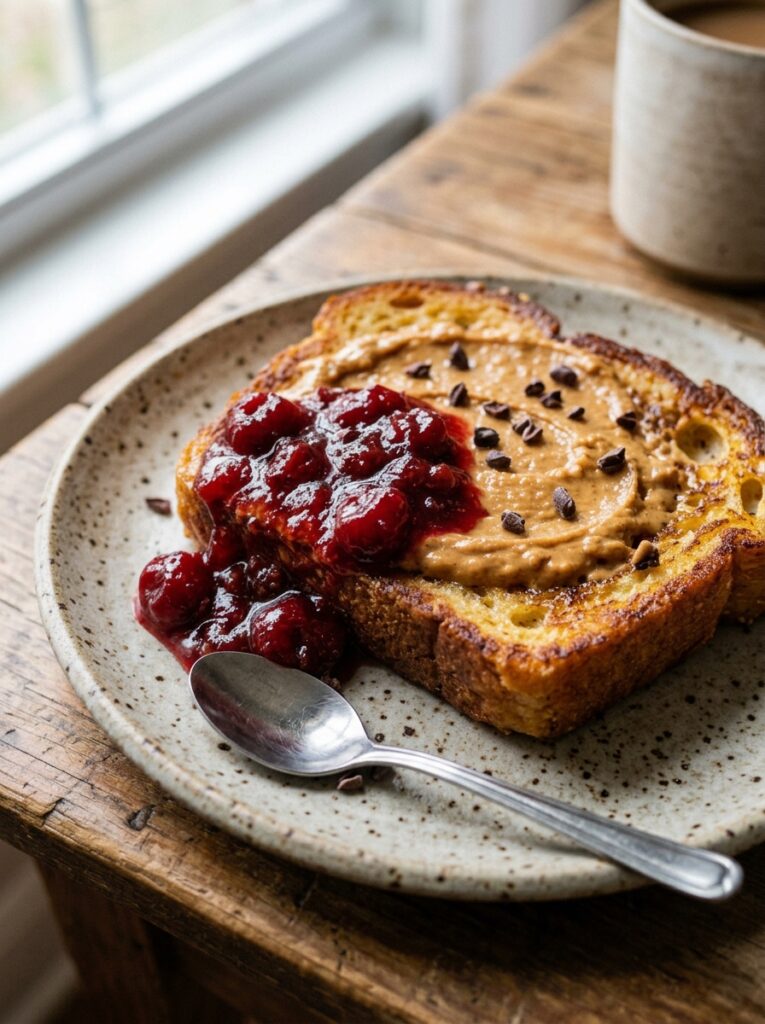
Peanut butter on French toast sounds very “I’m seven years old” and then you taste it and you immediately stop caring about that.
The key is the contrast element. On its own, peanut butter is kind of heavy and one-note on a rich eggy base. But pair it with something that cuts through — thinly sliced apple, something tart — and the whole thing clicks into place. The crunch, the creaminess, the slight sourness. You get a proper range of textures in one bite.
Or: peanut butter and quick-pickled jalapeños if you’re in a spicy-peanut mood (think satay vibes, much faster). Or peanut butter with a scattering of pomegranate seeds, which sounds slightly unhinged but is genuinely really good and also looks STUNNING.
“Peanut butter and pomegranate sounds slightly unhinged but is genuinely really good and also looks stunning.”
Don’t sleep on tahini as an alternative if you’ve got it. Same vibe, slightly more grown-up, and amazing with a honey drizzle and a scattering of toasted sesame seeds.
—
10. The “I Have Nothing in the House” Move That Still Works
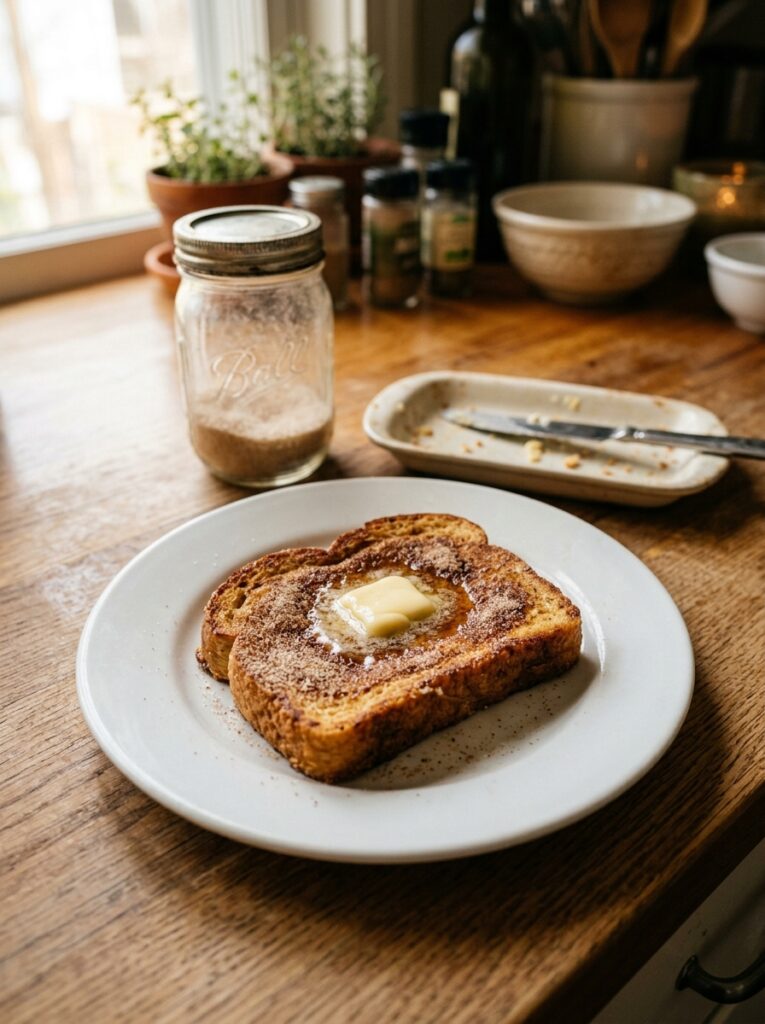
Because sometimes it’s Tuesday and you didn’t plan this and the fridge is a bit sad.
Powdered sugar and a squeeze of lemon. That’s it. That’s the whole section.
It’s what the French literally do. Pain perdu — “lost bread” — with powdered sugar sifted over the top and maybe some crème fraîche if you’ve got it. Simple, clean, not trying too hard. The lemon cuts through the richness of the egg base and the sugar adds sweetness without making it heavy.
Sometimes the minimal version is the right version. Not gonna lie, this might be the one I make most often just because it never disappoints and it asks nothing of you.
—
11. Compound Flavors: When You Want to Layer Properly
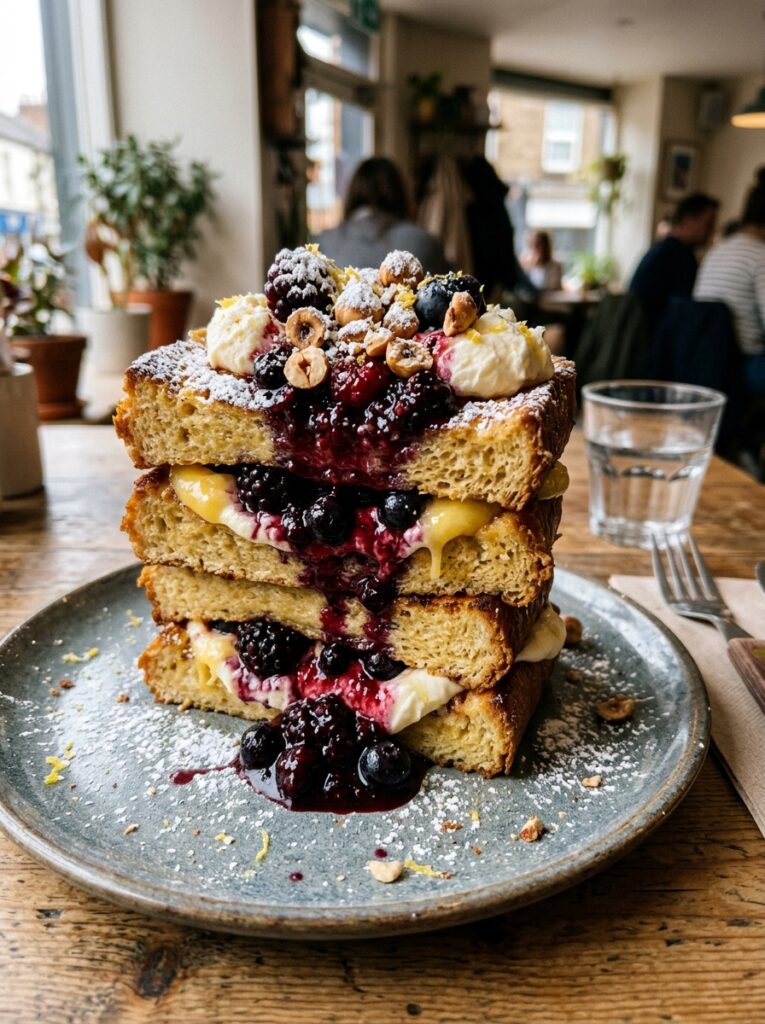
This is for when you have a bit more time and want to really build something.
Think in layers. Base layer: something creamy or spreadable (mascarpone, ricotta, whipped cream, nut butter, crème fraîche). Middle layer: something jammy or fruit-forward (compote, roasted fruit, sliced fresh fruit). Top layer: something with crunch or texture (toasted nuts, granola crumble, a few seeds, something caramelized).
Each layer should contrast with the others — in temperature if possible, in texture definitely, in sweetness ideally.
My favorite compound combination right now: whipped ricotta as the base, warm blueberry compote in the middle, crushed toasted almonds and a tiny bit of lemon zest on top. It’s not complicated once you break it down, but it tastes like something you’d order at a place with a line out the door on Saturday morning.
—
12. The Seasonal Approach (Because This Changes Everything Quarter to Quarter)
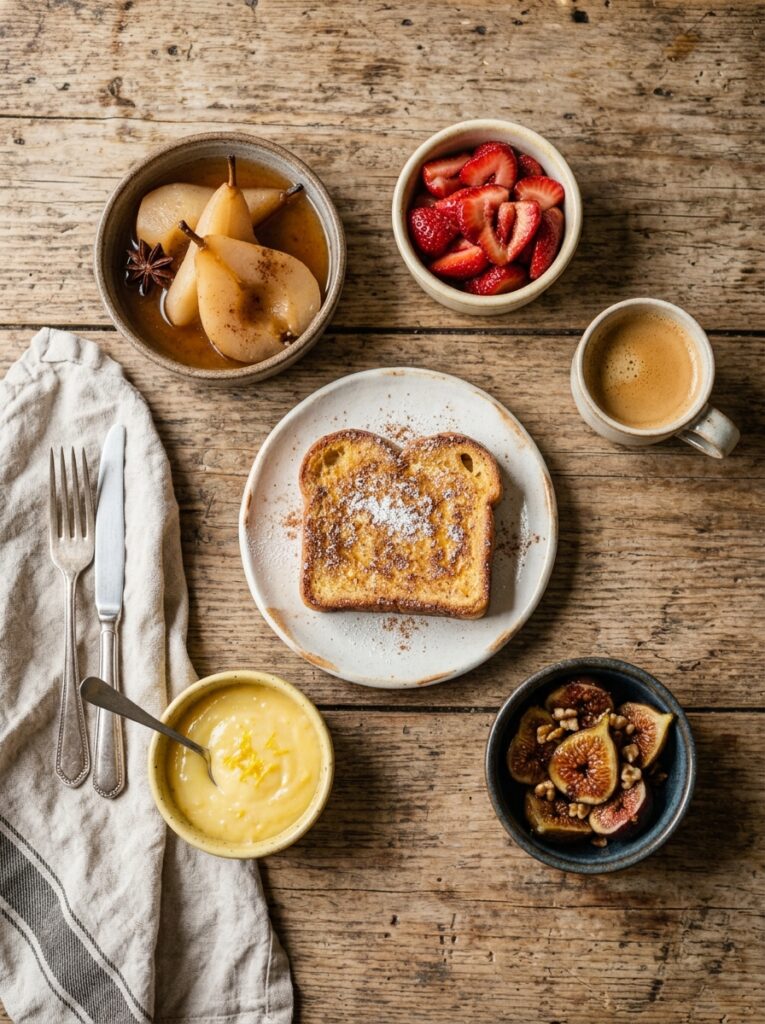
Here’s a thing I’ve come to believe: French toast toppings shouldn’t be static. The base recipe doesn’t change much. But what you put on top should follow the seasons, and when you start doing that, you start actually looking forward to what’s coming instead of just making the same thing on repeat.
Winter: citrus curd, blood orange slices, warm spiced poached pears with a bit of cinnamon and star anise, dark chocolate shavings with a pinch of sea salt.
Spring: rhubarb compote (worth every minute it takes), strawberries with black pepper and a tiny bit of sugar left to macerate for twenty minutes, fresh mint, elderflower-infused cream.
Summer: everything with peaches. Grilled peaches with vanilla cream. Fresh peach slices with brown butter and basil. Peach jam from the farmers’ market with crushed pistachios.
Autumn / Fall: roasted apple with cardamom, pumpkin-spiced cream cheese, figs with honey, maple-poached pears.
The seasonal angle also means your Sunday breakfasts feel like they belong to a particular time of year. There’s something really nice about that. Breakfast becomes a kind of marker.
—
❓ FAQ
Q: What’s the best bread for French toast if I want toppings to really shine? A: Brioche is the classic answer and it’s classic for a reason — the richness of the bread doesn’t compete with your toppings, it supports them. Thick-cut sourdough is genuinely great for savory toppings because the slight tang works really well with things like eggs and cheese. Avoid anything too thin or too airy, because it won’t hold up under wet toppings like compote or roasted fruit.
Q: Can I prep French toast toppings in advance? A: Most of them, yes. Compotes keep in the fridge for about a week and actually taste better the next day. Roasted fruit can be made ahead and rewarmed gently. Brown butter can be made in a bigger batch and stored in the fridge — just warm it through again before using. The one thing you don’t want to prep in advance is anything with fresh dairy like whipped cream or mascarpone, which is best made just before serving.
Q: How do I stop my French toast going soggy under wet toppings? A: A few things help. Make sure your bread is slightly dry to start — day-old bread is better than fresh for this reason. Cook your toast properly so you’ve got a real crust on the outside, not just golden and soft. And serve wet toppings like compote warm on the side rather than pooled on top — let your guest (or yourself) add it bite by bite rather than dumping it all over upfront.
—
💭 Final Thoughts
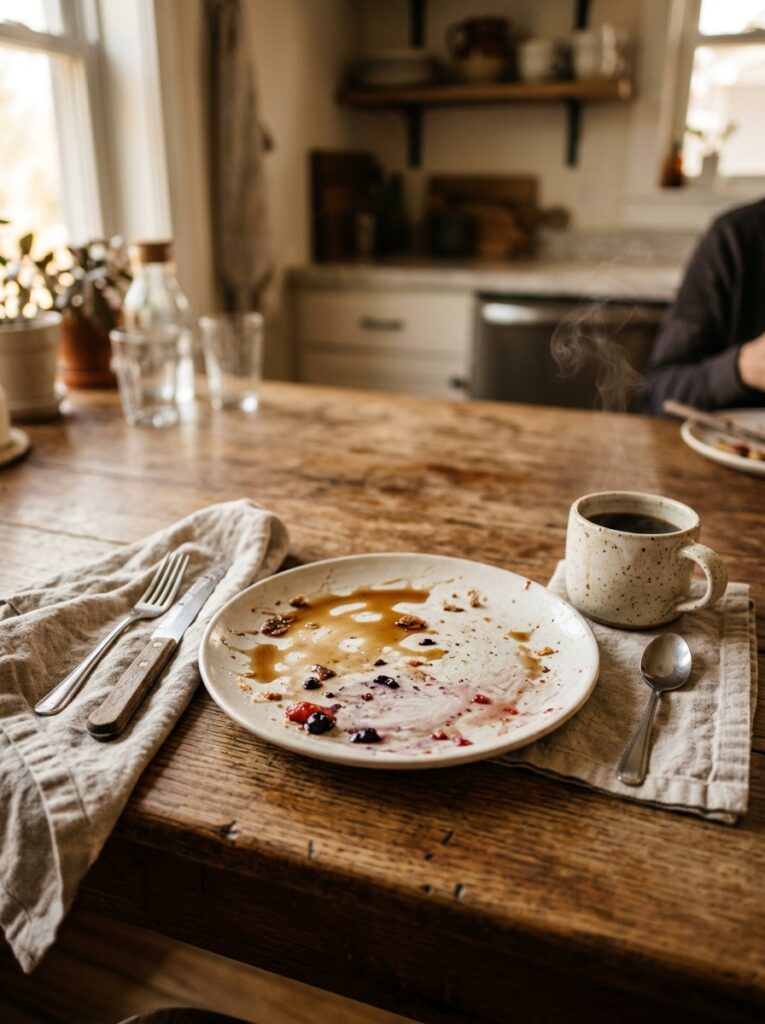
French toast is one of those dishes that’s been so thoroughly domesticated that we’ve kind of forgotten it can be exciting. And I get it — it’s a weekday breakfast, it’s what you make when the bread is going stale, it’s not supposed to be a whole thing. But it can be. Really easily, with not that much extra effort, it can turn into the best part of your Sunday.
What’s the topping combination you’d never considered before today?
