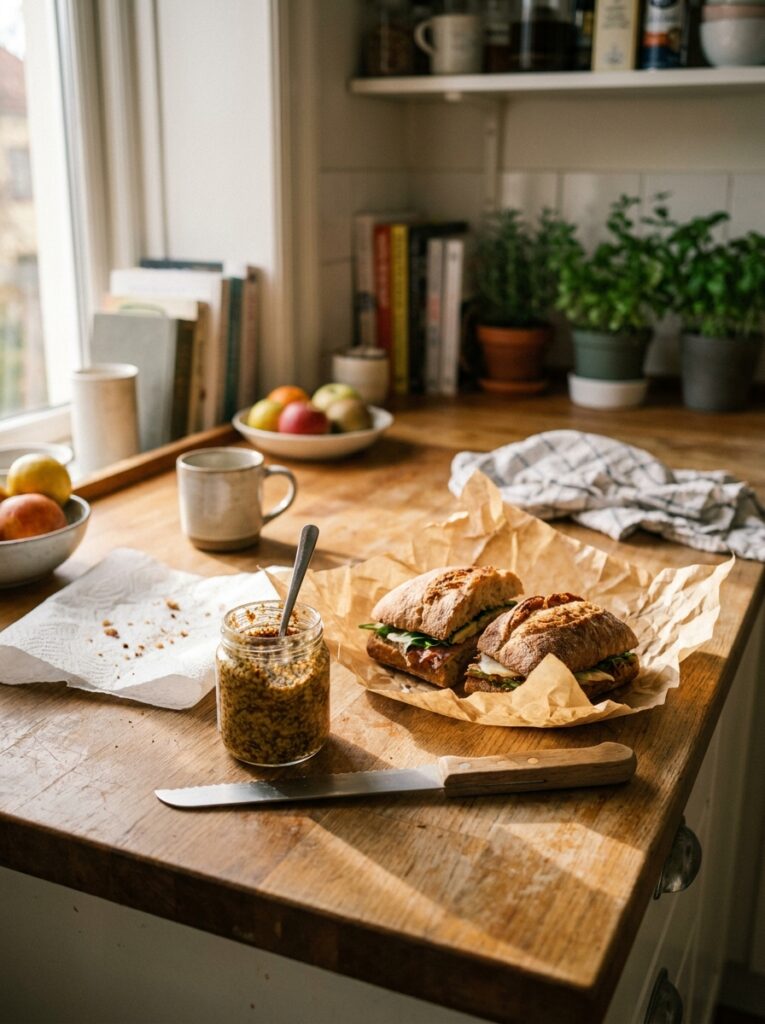
My friend Jess said something last summer that I haven’t been able to shake. We were eating lunch at a little café, staring at these sad, overstuffed sandwiches on sourdough that were somehow both too much and not enough, and she goes, “I genuinely cannot remember the last time a sandwich I paid for was better than one I made at home.” And I thought about it for a second. And she was completely right.
There’s something about homemade sandwiches that just hits different. You know exactly what went in. You can make it the way you actually want it. And nobody’s skimping on the good stuff.
—
1. The Bread Decision Is the Whole Game, Actually
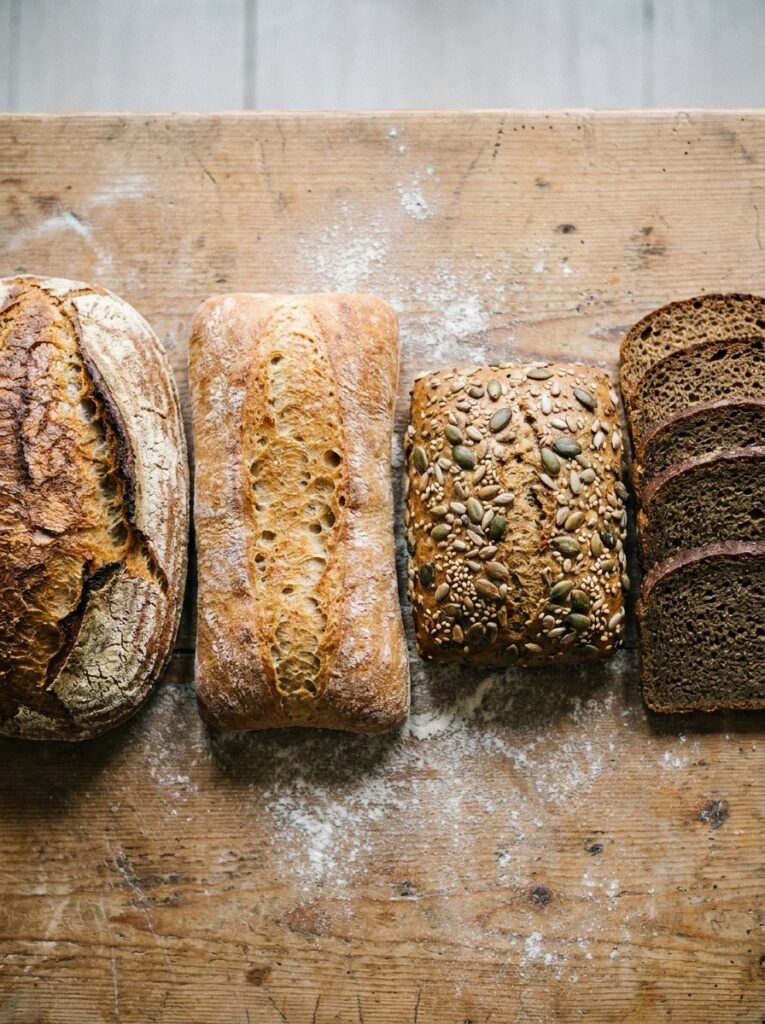
Not gonna lie, I used to treat bread as an afterthought. Just grab whatever’s in the bag, toast it or don’t, move on. And then I started paying attention to what was actually happening and it changed everything.
The bread isn’t just a vehicle. It’s setting the tone for the entire thing.
A thick-cut, slightly dense sourdough can hold up to something wet and heavy — pulled chicken, roasted peppers, something with a good amount of mayo or aioli. But a soft white sandwich loaf? That’s where you want something a little simpler, a little more delicate. Egg salad. Ham and butter. Classic tuna. The bread and filling need to be speaking the same language, and when they do, you feel it immediately.
Brioche buns are a different conversation. They’re rich, a little sweet, almost buttery before you’ve added anything — so they need fillings with some punch. Sharp cheddar. Pickles. A burger patty. Something that can hold its own.
“The bread isn’t just a vehicle. It’s setting the tone for the entire thing.”
Bloomer loaves (if you’re in the UK, you know) are criminally underused. They’ve got this slightly crusty outside and a soft interior that toasts beautifully and holds a chunky filling without getting soggy. Roast beef. Brie and caramelized onion. They deserve more credit.
—
2. Why Your Sandwich Is Probably Too Dry (And the Fix Takes 30 Seconds)
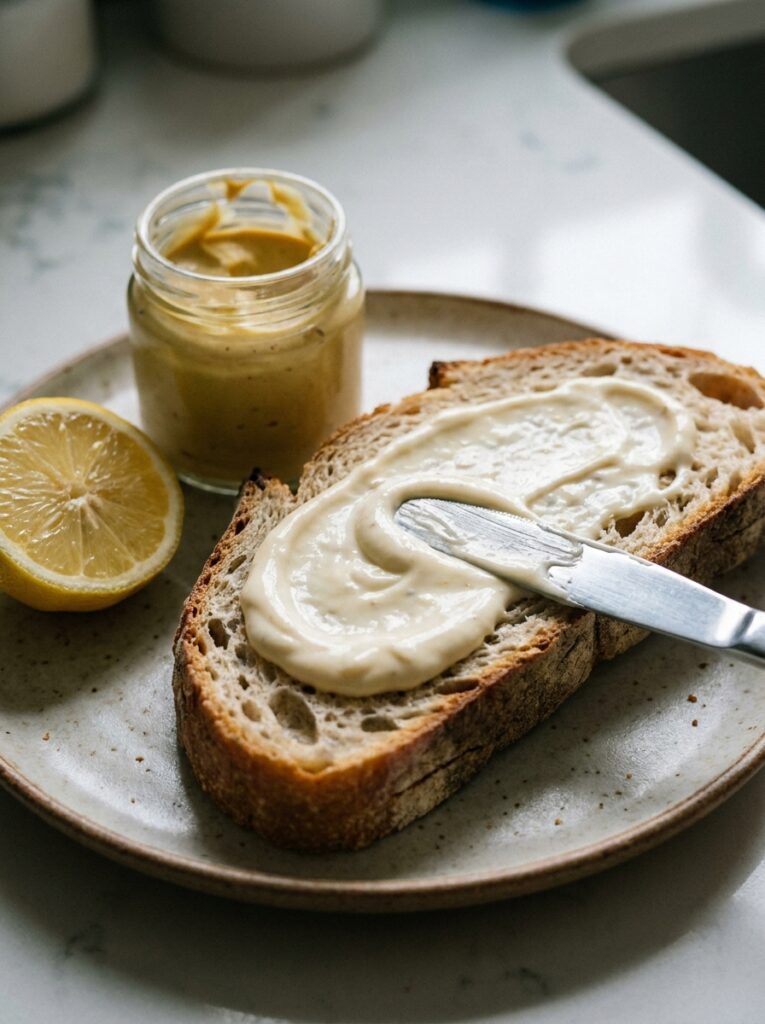
This is the one I see everywhere. People layer up good ingredients — really genuinely good stuff — and then the sandwich is still somehow just a bit… flat. A bit disappointing. And nine times out of ten it’s because there’s not enough going on in the moisture department.
A spread isn’t optional. It’s structural.
And it doesn’t have to be mayonnaise, though honestly mayo gets a bad reputation it doesn’t deserve. Real homemade mayo, or even a decent shop-bought one, is incredibly good when used properly. But there’s a whole world of options. Dijon mustard mixed with a little honey. Greek yogurt with garlic and lemon. Mashed avocado with a pinch of flaky salt. Even just very good salted butter, applied generously, does something remarkable to a simple sandwich.
The trick is spreading it edge to edge. Every single millimeter of the bread surface. Because that first bite of dry crust with nothing on it is ruining your whole experience before you’ve even gotten to the good part.
—
3. Cold Meat From the Deli Counter vs. Leftover Roast — There Is No Competition
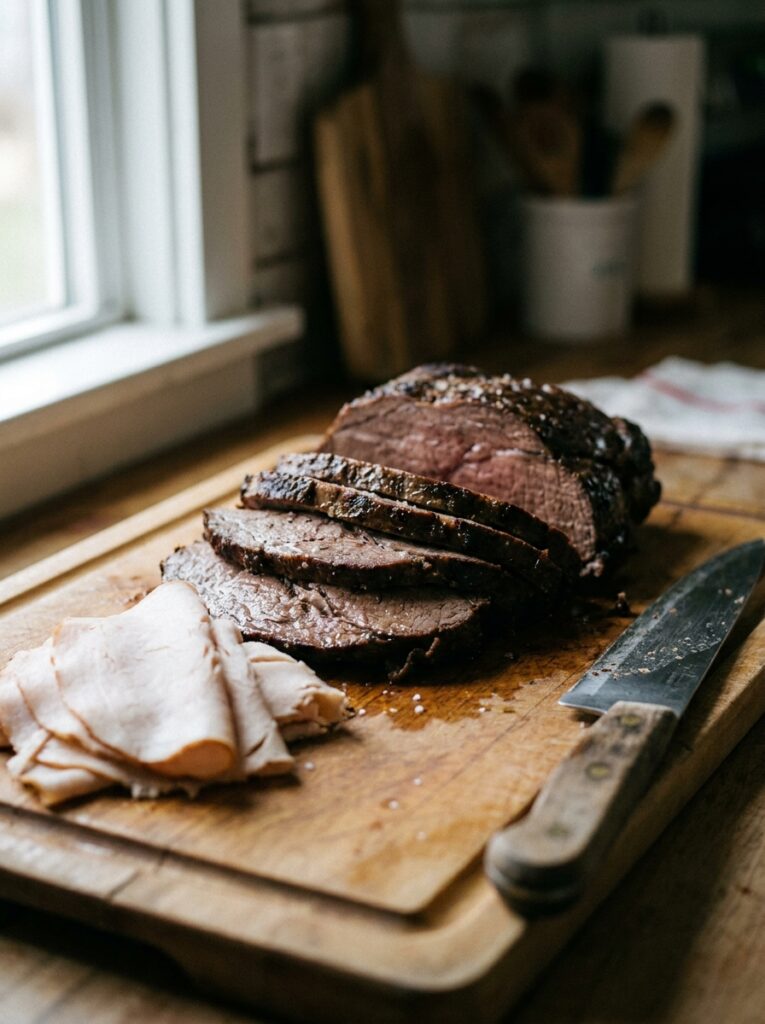
Okay, I have strong opinions about this. The deli-sliced stuff is fine. Convenient, consistent, totally acceptable. But leftover roast meat? From dinner the night before? It’s not even close.
Leftover roast chicken, pulled into rough pieces with your hands and piled onto buttered bread with a little grain mustard and some watercress — that’s a proper sandwich. The meat has actual flavor. It’s got the roasting juices still in it somewhere. It’s slightly uneven in texture, which means every bite is a little different.
Same goes for roast beef. Leftover lamb, even. There’s this sort of depth to it that pre-sliced cold cuts just can’t replicate, because the pre-sliced stuff was designed to be neutral enough to sell to everyone. Leftover roast was designed specifically for you and your oven.
Side note — this is also why a roast dinner is secretly a two-meal event and you should plan for it.
—
4. The Layer Order Nobody Talks About But Everybody Notices
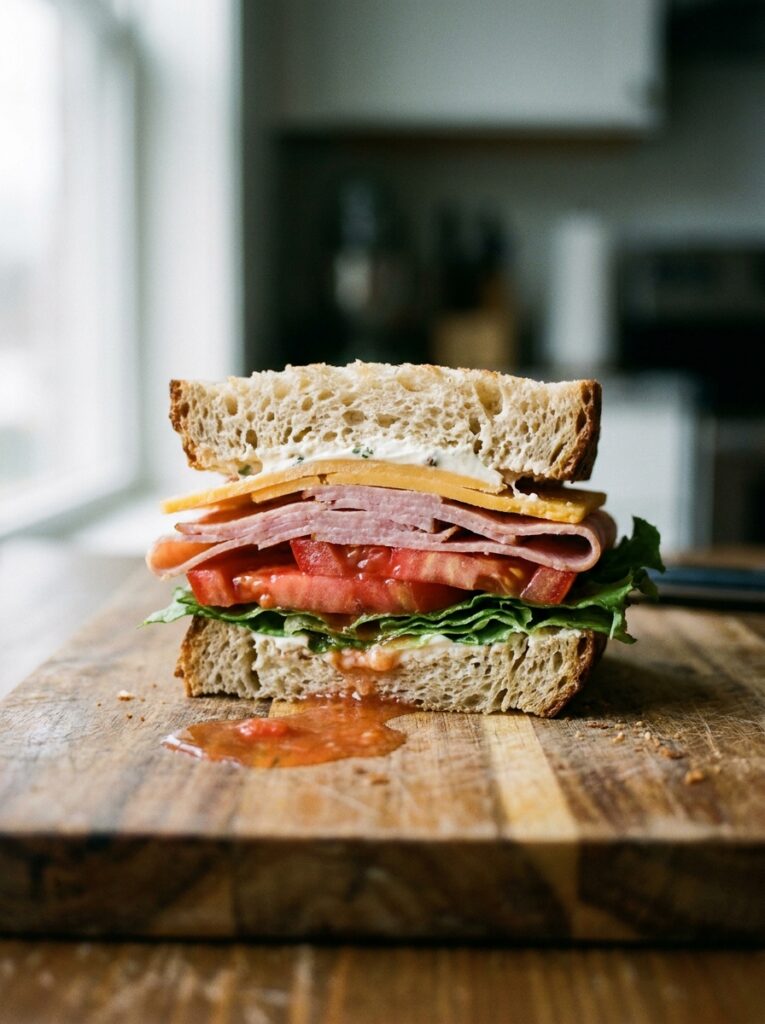
This sounds fussier than it is. But think about the last sandwich where everything was slightly wrong and you couldn’t figure out why. There’s a chance the issue was structural.
Wet things go in the middle. Always.
If you put tomatoes directly against bread, you get soggy bread. If you put wet pickles directly against bread, same thing. The fix is simple: buffer them with something else. A leaf of lettuce or spinach creates a barrier. A layer of meat creates a barrier. The tomato goes inside that, protected, and so does your bread.
Dense things anchor the bottom. Something like a thick spread of hummus, a slice of cheese, or a folded piece of meat should go directly onto the spread, giving the rest of the filling something to sit against without sliding around.
And — this is maybe controversial — the most flavorful bite should be in the middle of the sandwich, not at the edges. Because you always finish a good sandwich wishing you had more of it, and if the best bit is in the center, you’re building toward it the whole time.
—
5. The Case for Going Fully Toasted on a Tuesday Night
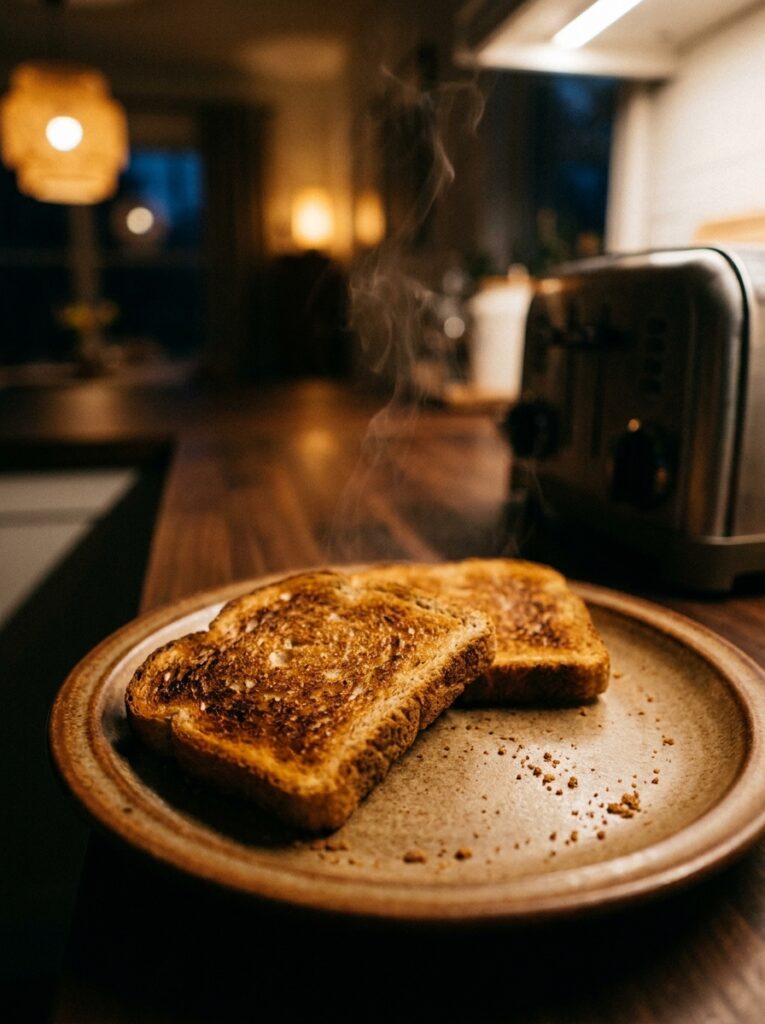
There’s a version of “sandwiches for dinner” that feels like a cop-out. Limp bread, whatever’s in the fridge, assembled in two minutes and eaten standing over the kitchen counter. That version is fine. No judgment. We’ve all been there.
But there’s another version. The toasted one.
Get your bread in a dry pan over medium heat — not the toaster, the pan — and let it go until it’s genuinely golden. Not just warm, actually golden with a little color. The Maillard reaction is doing something beautiful in there, creating these slightly nutty, slightly caramelized flavors that you absolutely cannot get from a standard toaster setting.
Then pile it while it’s still warm. The heat from the bread will do something slightly magical to whatever you’ve layered on top — softening the cheese just at the edges, warming the meat through without actually cooking it, and making the whole thing feel intentional even if you threw it together in ten minutes.
Sandwiches for dinner can feel like a choice, not a fallback. You just have to toast the bread.
“Sandwiches for dinner can feel like a choice, not a fallback. You just have to toast the bread.”
—
6. Cheese That Actually Does Something vs. Cheese That Just Shows Up
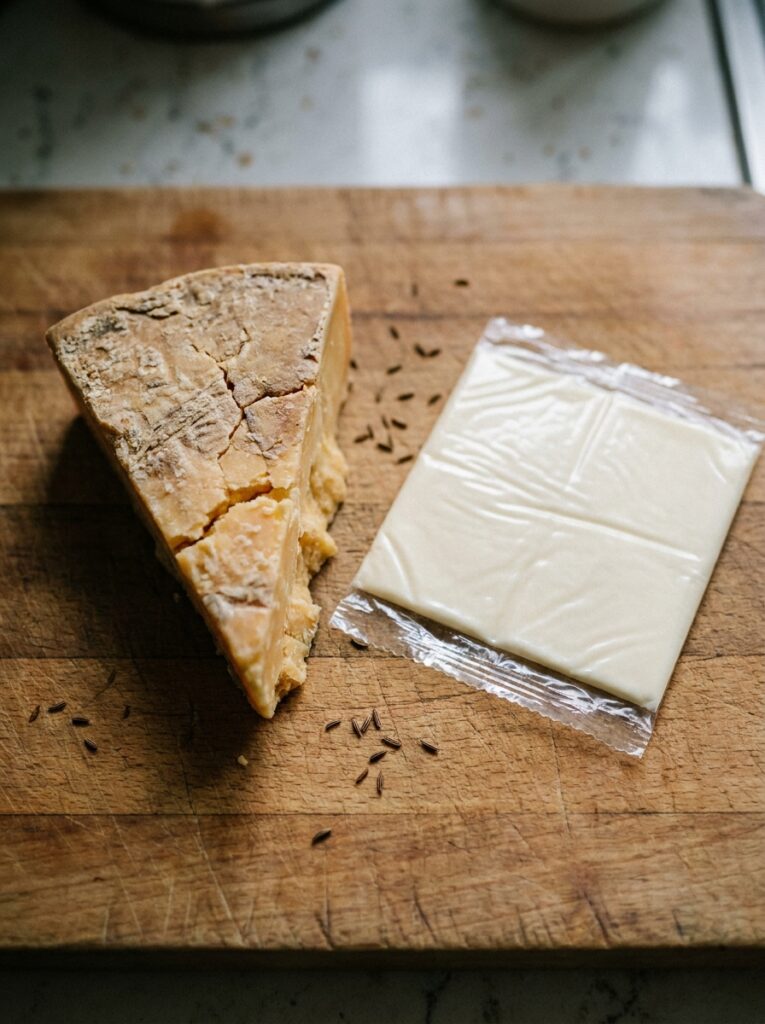
A single flimsy slice of processed cheese on an otherwise good sandwich is kind of a waste of everyone’s time. Not because processed cheese is bad — it has its very specific uses and a grilled cheese is not one of the places to get snobbish — but because when you’re building something from scratch at home, you have the option to do more.
Sharp mature cheddar, grated finely so it distributes evenly. Brie that’s been left out for twenty minutes so it’s actually soft and spreadable. Crumbled blue cheese pressed gently into bread with some walnuts and pear. A thick slice of provolone on something Italian-inspired.
The cheese should have a role. Is it providing sharpness to balance rich meat? Creaminess to offset something acidic? Salt? Fat? It should be doing ONE of those things deliberately, not just there because cheese goes in sandwiches.
And the amount matters. More than people use. You’ll thank yourself later.
—
7. The British Classic That Americans Should Absolutely Steal
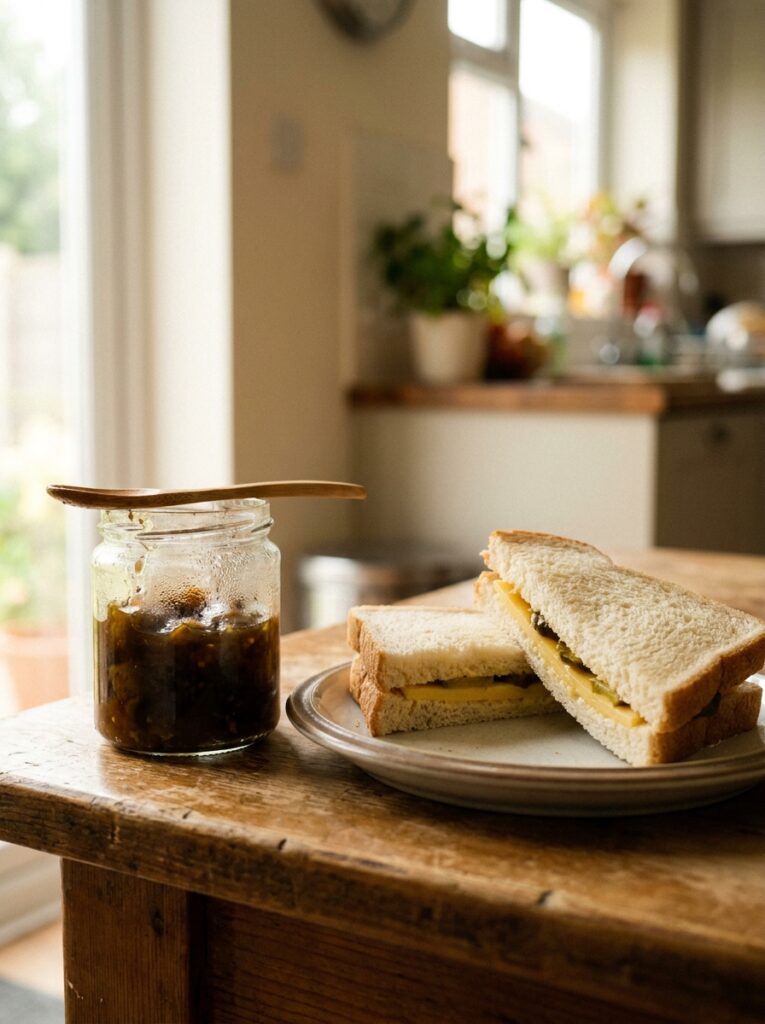
I’m talking about the chip butty. And before you click away, just hear me out.
Hot, slightly crispy oven fries — salted properly, maybe a little thicker than you’d expect — stuffed into a soft white roll with a generous smear of butter and a squeeze of ketchup or brown sauce. That’s it. That’s the whole thing.
It’s somehow both the simplest and most satisfying sandwich concept in existence. There’s no pretension to it. It doesn’t try to be anything other than what it is, which is carbs inside carbs with butter and salt and a condiment you love.
The key is getting the fries hot enough that they steam slightly inside the roll and the butter melts from the heat. Americans who try this tend to have a moment of silent revelation. It shouldn’t work as well as it does. But it absolutely does.
—
8. The One Ingredient That Makes a Good Sandwich Great
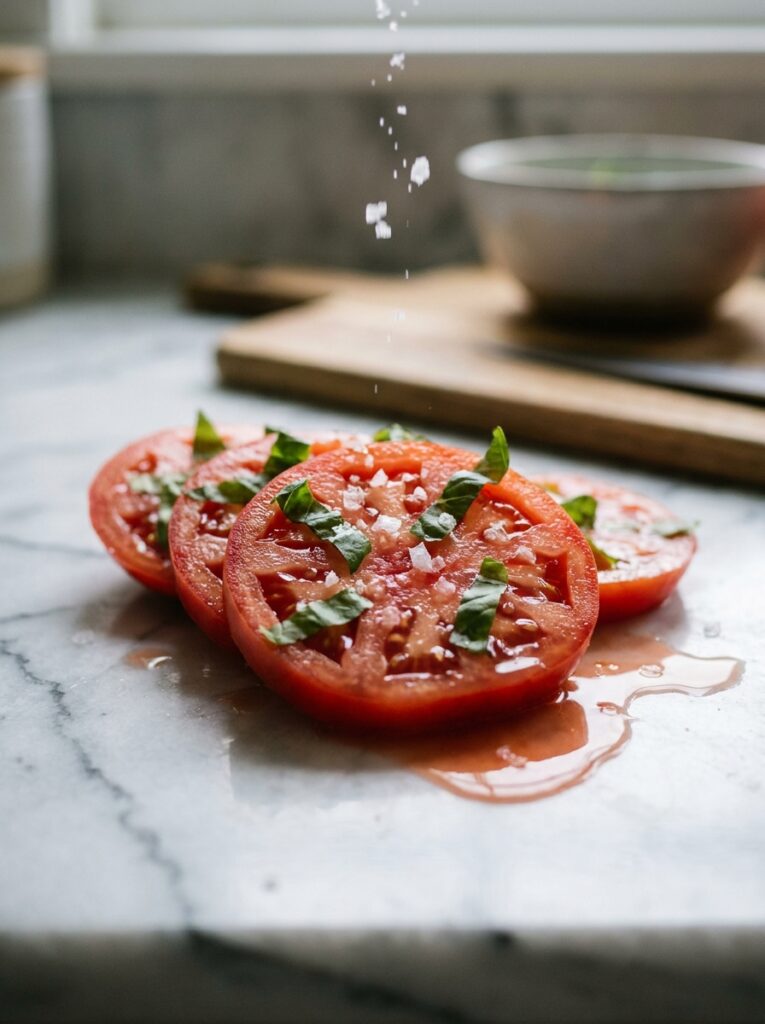
Acid.
That’s it. That’s the answer. Something sharp, something bright, something that cuts through the richness and fat and protein and makes you want another bite immediately.
This could be pickles. Quick-pickled red onions, which take ten minutes to make and last a week in the fridge and go on basically everything. A splash of red wine vinegar. A few capers. Some finely sliced jalapeños in brine. Even a squeeze of lemon over avocado or tuna salad before it goes on the bread.
You don’t need much. A little goes a long way. But without it, even the most beautifully assembled sandwich can taste slightly one-note, a bit heavy, like it needs something and you can’t quite name what.
Name it. It’s acid. Add it.
—
9. Egg Salad Deserves Its Reputation Back
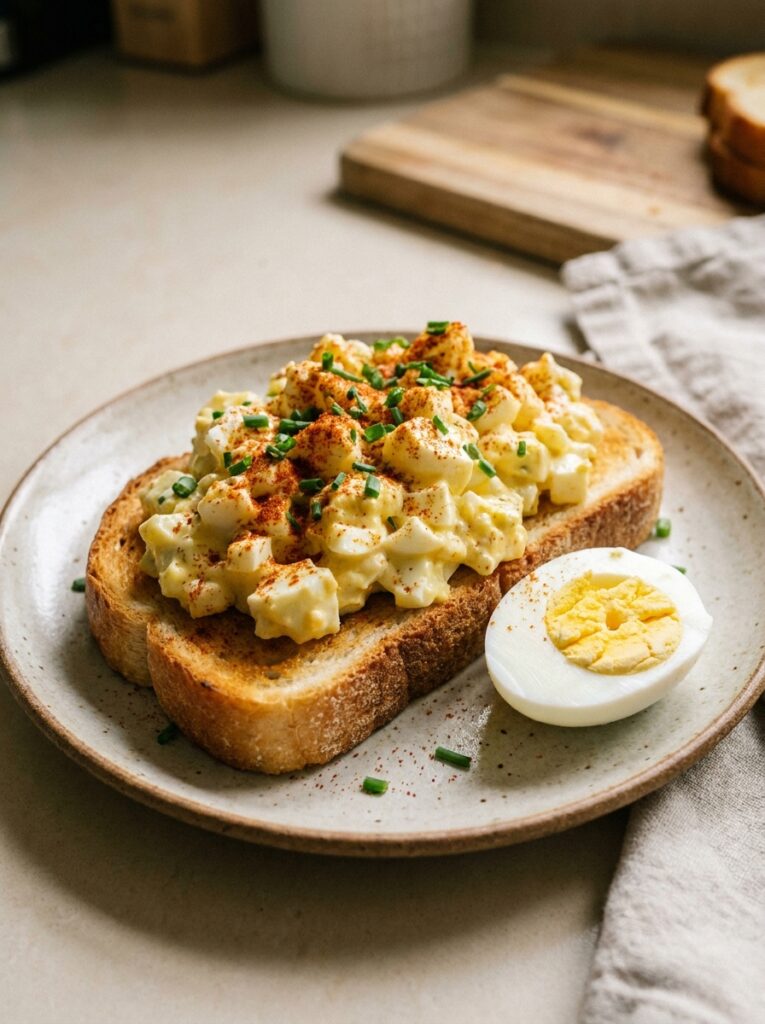
Egg salad got dismissed somewhere along the way. I don’t fully know when it happened but I feel like it’s somewhere around the era of sad plastic-wrapped sandwiches in airport shops, sitting next to a bottle of water and a magazine. Egg salad became shorthand for “depressing lunch option.”
This is extremely unfair.
Good egg salad — made with properly hard-boiled eggs that have been shocked in cold water so the yolks are still slightly golden rather than grey-green, mixed with real mayo, a bit of Dijon, finely chopped celery for texture, and a generous amount of salt and black pepper — is wonderful. Genuinely wonderful. Especially on a soft white loaf, with a piece of crisp lettuce.
The secret is not overthinking it and not under-seasoning it. Egg salad needs more salt than you think it does, every single time. Taste it, add more, taste it again.
—
10. Build-Your-Own Sandwich Night Is a Legitimate Dinner Party Concept
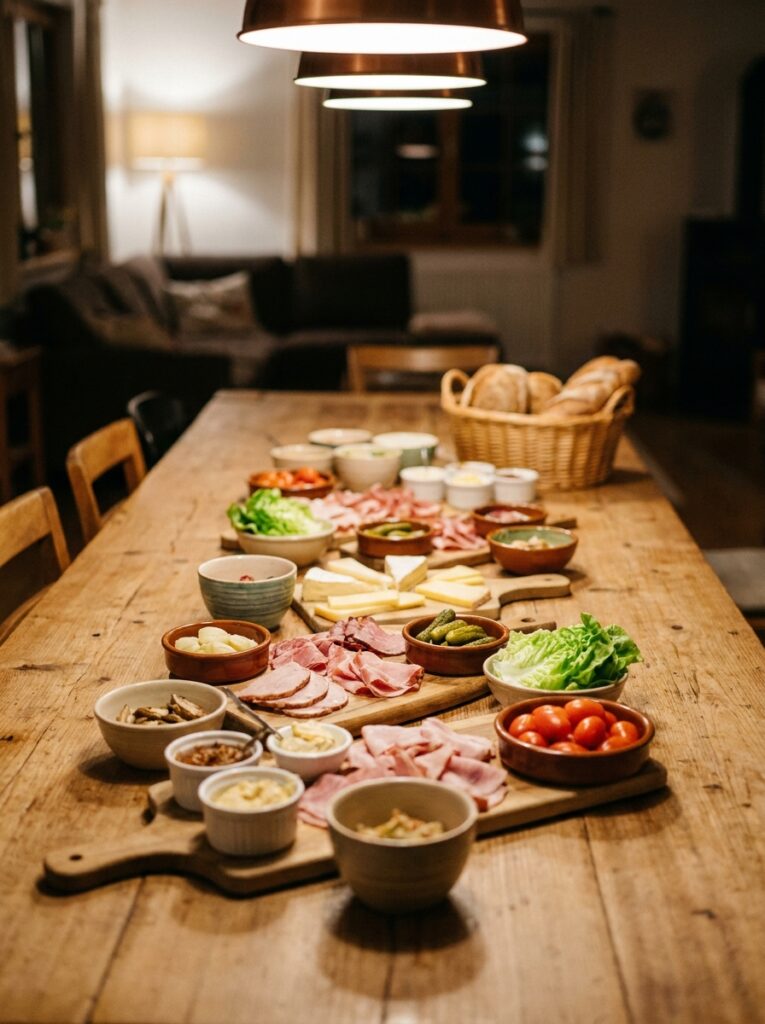
Not for a formal dinner, obviously. But for a casual weekend evening with people you actually like? Set out a spread and let everyone build their own. It sounds low-effort because it kind of is, but the result is this weirdly fun, communal, totally relaxed thing that people almost always love.
Put out a few different breads. Three or four fillings — one roasted meat, one vegetarian thing, maybe a fish option. Several cheeses. A few condiments. Pickles and extra bits in little bowls.
People get oddly creative and proud of their combinations. Someone always makes something you’d never have thought of and it turns out to be incredible. Or horrible, and then that’s also entertaining.
It scales up easily, almost everything can be prepped ahead, and nobody’s waiting around for their turn at the stove.
—
11. The Sandwich That Fixed a Bad Day More Than Once
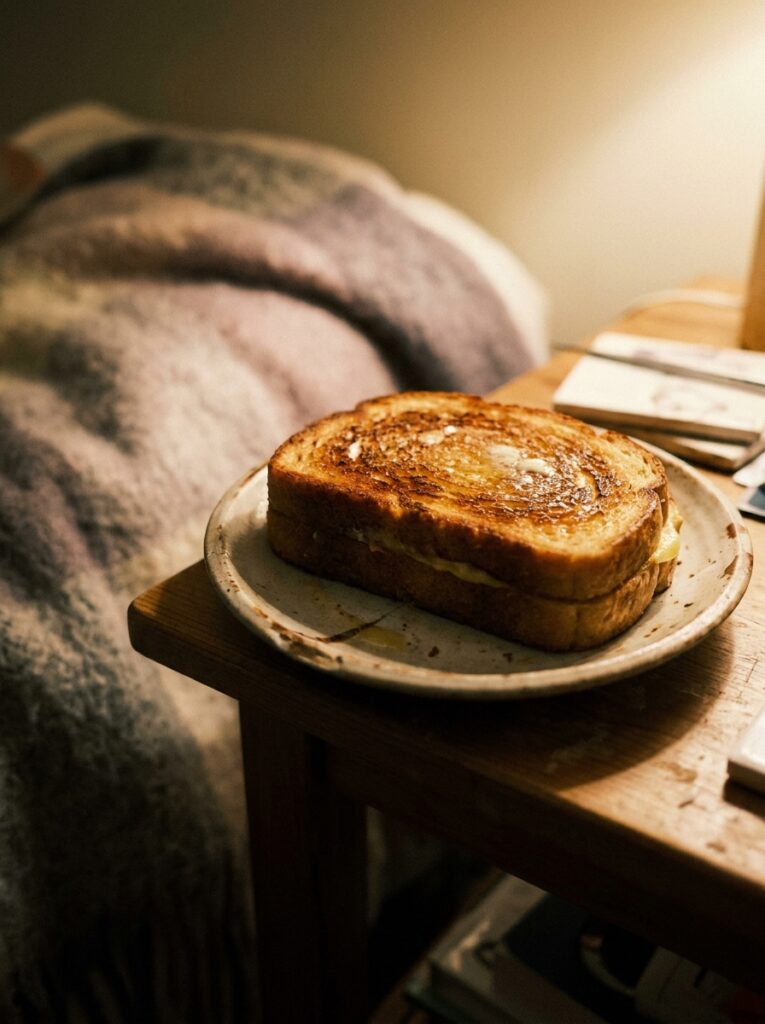
It’s a toasted cheese, and I’ll defend this to the end.
Two thick slices of white or sourdough bread. Lots of butter, not a little, on the outside faces. Good grated cheddar inside — or a mix of cheddar and something meltier if you’re feeling extra. Cooked low and slow in a heavy pan until both sides are deep golden and the cheese is completely surrendered.
Then — and this is important — you let it sit for sixty seconds before you cut it. I know. It’s hard. But the cheese needs to settle slightly so it doesn’t all run out when you cut through.
“There is no version of a really well-made toasted cheese that isn’t comforting. None.”
There is no version of a really well-made toasted cheese that isn’t comforting. None. You can be having a genuinely terrible day and a toasted cheese made with care will not fix everything but it will make the next twenty minutes significantly better.
—
12. Why Homemade Will Always Win (Even When It’s Imperfect)
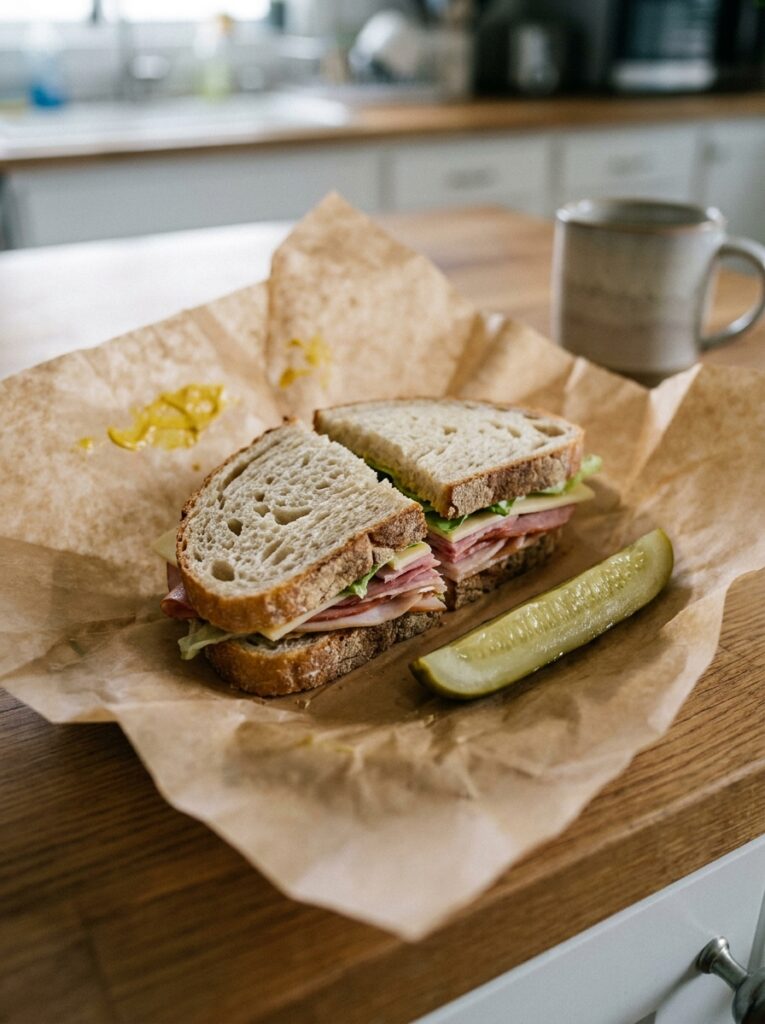
The $14 café sandwich is optimized for selling. It’s built to look good from a certain angle, to appeal to broadly enough that they can sell a hundred of them a day, to hold together long enough to survive being wrapped and unwrapped. It’s not built for you, specifically.
Yours is.
You can put too much mustard on it if you love mustard. You can leave out the tomato because you’ve never really gotten on with tomatoes in sandwiches. You can double the cheese or add a handful of leftover roasted peppers or use that slightly weird sourdough that only comes out right when you make it yourself.
The imperfections are part of it. The slightly uneven layer of avocado, the bit of the filling that falls out when you pick it up, the bread that’s maybe a touch too toasted on one side — none of that matters, because it’s yours and it tastes exactly like what you actually wanted.
That’s the whole point.
—
❓ FAQ
Q: How do I stop my sandwich from going soggy if I’m making it ahead? A: Keep wet ingredients separate for as long as possible. Pack the tomatoes, pickles, or anything in brine in a small container and add them right before eating. Also, spread your mayo or butter right to the edges of the bread — it creates a barrier that slows moisture absorption significantly.
Q: What’s the best sandwich to make if I’ve got almost nothing in the fridge? A: Honestly? The toasted cheese from section 11. As long as you’ve got bread, butter, and some kind of melting cheese, you’re there. Or if you’ve got eggs, a fried egg on buttered toast with salt and hot sauce is one of the best simple sandwiches in existence and takes under five minutes.
Q: Can homemade sandwich bread actually make a difference, or is it not worth the effort? A: It genuinely makes a difference — the texture is softer, the crust is better, and there’s no preservative aftertaste. But it’s not always worth the effort on a weekday. A good-quality bakery loaf gets you most of the way there for a fraction of the time. Save the homemade bread project for a weekend when you actually want to do it, not when you’re just trying to make lunch.
—
💭 Final Thoughts
There’s something quietly satisfying about a really good sandwich. Not showy, not complicated — just right. And the fact that you made it yourself, with your own hands, in your own kitchen, for exactly your own taste, is kind of the whole appeal.
So what’s the sandwich you keep coming back to? The one you’d make at midnight if you could?
