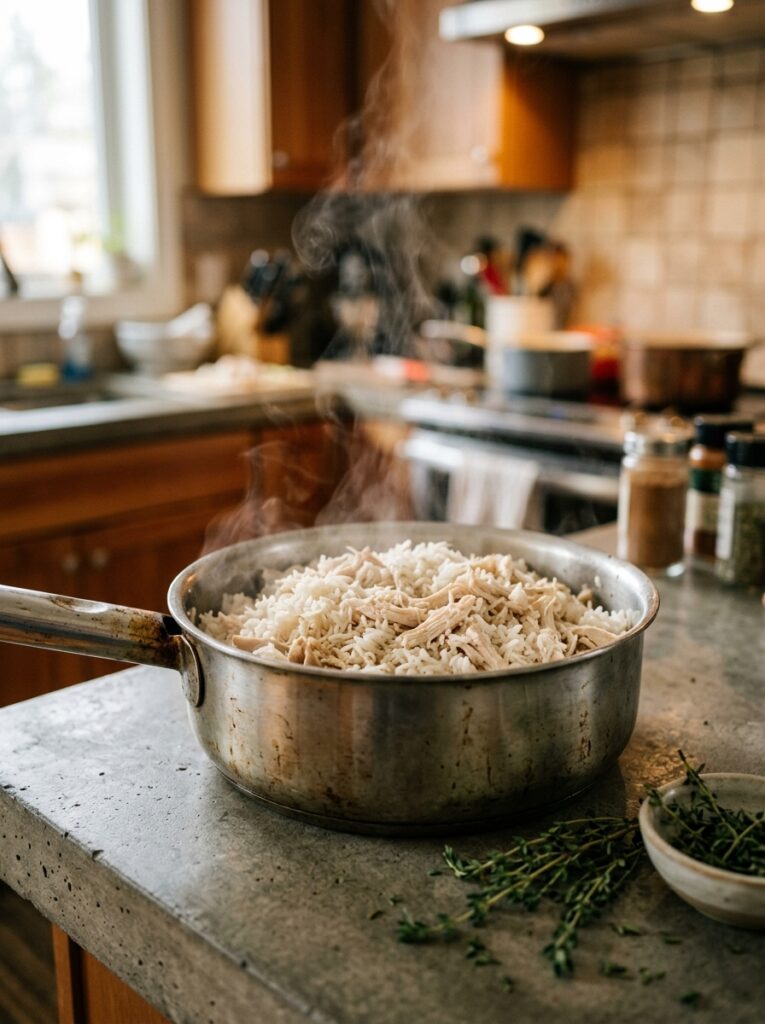
Okay, real talk: I made chicken and rice four times last week. FOUR. And I didn’t get bored once.
—
1. Why Chicken and Rice Keeps Showing Up in Every Good Cook’s Rotation
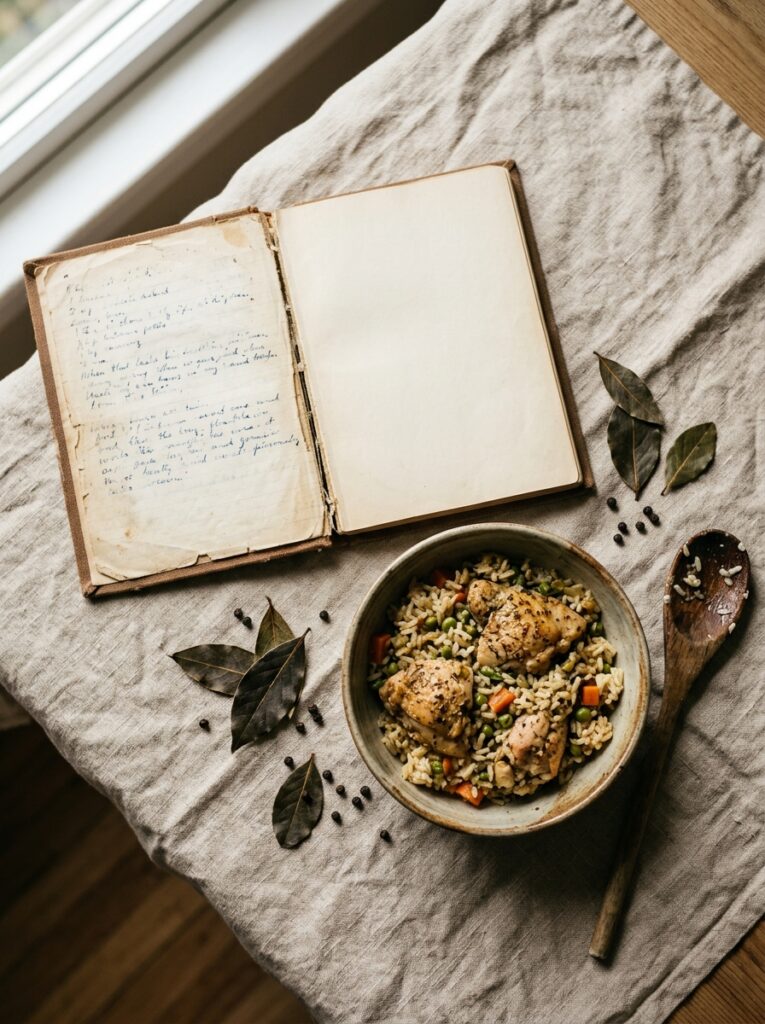
It’s not trendy. That’s the thing. Chicken and rice doesn’t have a moment — it’s just always there, quiet and reliable, doing its job better than most of the flashier stuff in your fridge.
But here’s what I think people miss: the reason it works isn’t convenience. I mean, sure, that’s part of it. But it’s really about how the two ingredients talk to each other. Rice absorbs every fat, every spice, every bit of juice that drips off the chicken as it cooks. The chicken gives the rice something to say. Done right, a bowl of chicken and rice isn’t bland — it’s concentrated. Dense with flavor in a way that a fancy pasta dish sometimes just… isn’t.
And you don’t need a ton of ingredients to get there. That’s the other thing. A few pantry staples, one pan or pot, maybe forty minutes. That’s it.
“Done right, a bowl of chicken and rice isn’t bland — it’s concentrated. Dense with flavor in a way that a fancy pasta dish sometimes just… isn’t.”
—
2. The One-Pan Method That Actually Lives Up to the Hype
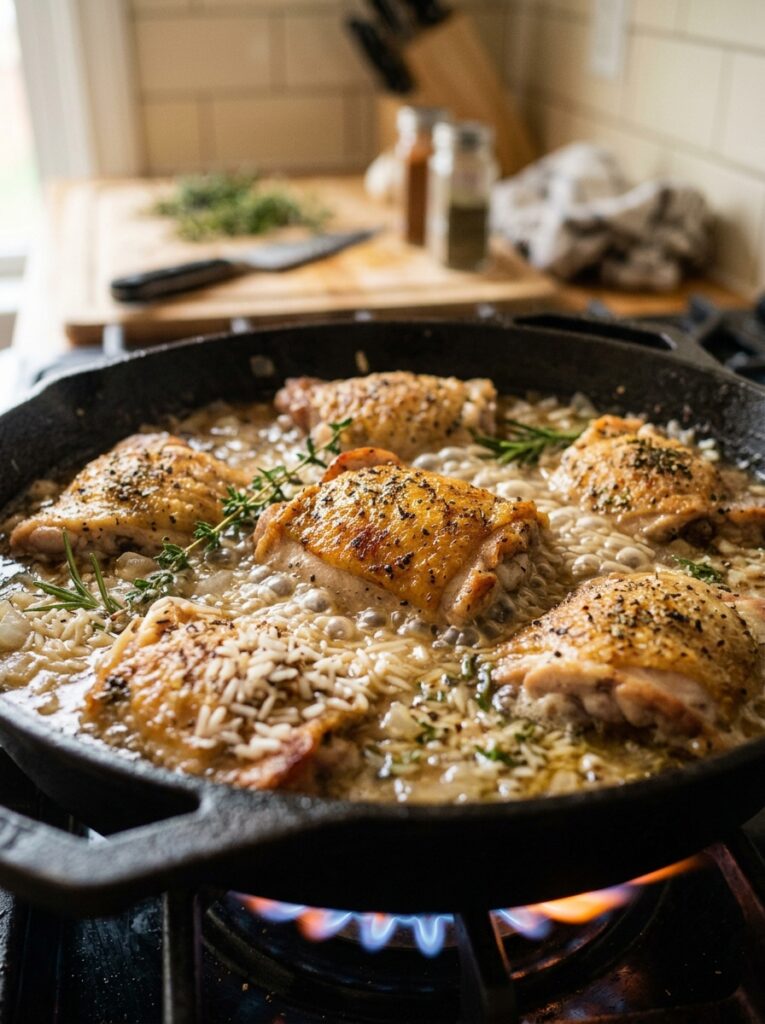
One-pan chicken and rice is either amazing or a soggy mess. The difference is one step most recipes skip.
Sear your chicken FIRST. Like, really sear it — hot pan, a little oil, don’t touch it for four minutes. You want a deep golden crust on the bottom before you do anything else. Then pull the chicken out. Cook your aromatics (onion, garlic, whatever you’re working with) in that same pan, in all that leftover fat. Then add your rice. Toast it. Two minutes, just stirring it around in the pan until it smells a little nutty.
Then your liquid goes in. Then the chicken goes back on top. Lid on, low heat, twenty minutes.
That step — toasting the rice before the liquid — is the whole game. It keeps the grains separate, it adds this background nuttiness that’s hard to explain but you’ll taste it, and it means you won’t end up with mush.
Side note: I’ve also done this in the oven at 375°F / 190°C and honestly that’s even easier. Just get it to the point where the liquid’s in, pop a tight lid or foil on top, and walk away for 25 minutes.
—
3. The Lemon Herb Version That Tastes Way More Expensive Than It Is
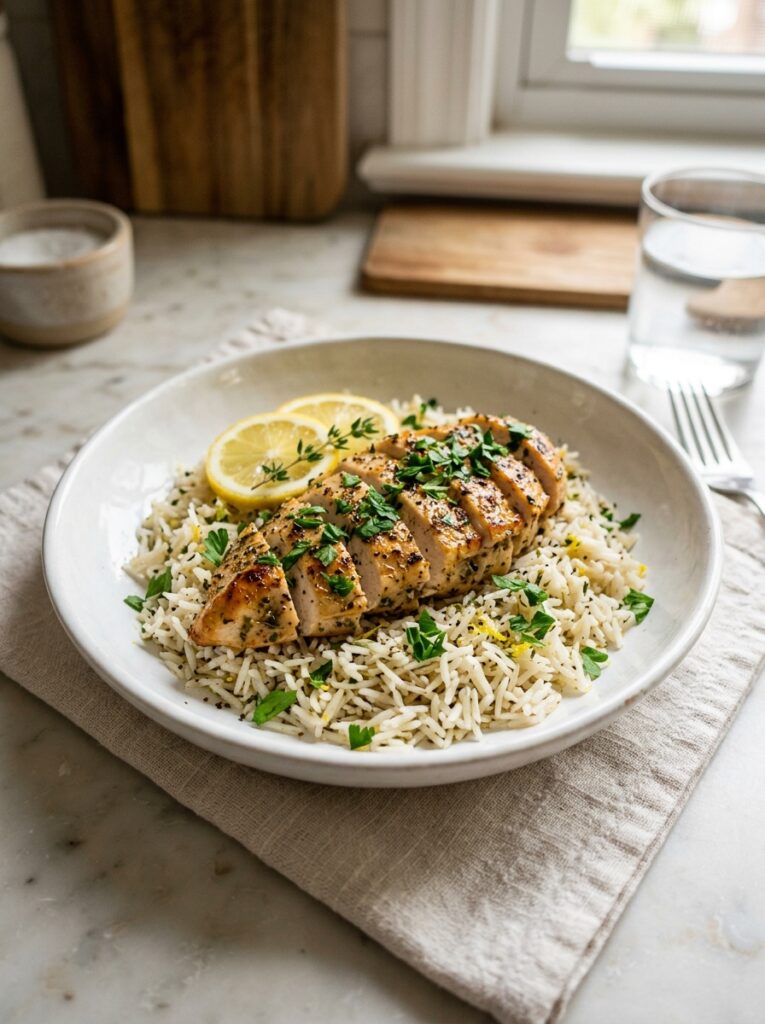
I made this for people I was trying to impress and it worked. I felt slightly guilty about how easy it was.
Bone-in chicken thighs (skin-on — please, skin-on), seasoned hard with salt, pepper, garlic powder, and dried oregano. Sear them. Then make a simple base: one onion, four cloves of garlic, a little white wine if you have it (or just more stock, totally fine), chicken stock, a generous handful of chopped fresh parsley, and the zest and juice of one big lemon. Add your rinsed long-grain white rice, nestle the chicken back in, and cook it covered until everything’s done.
The lemon is doing a lot of work here. It lifts the whole thing, cuts through the richness of the chicken fat, and makes it taste bright and almost sort of Greek? Not authentically anything, just… good. Really good.
Serve it with a simple green salad and some crusty bread to drag through the pan juices. That’s genuinely all you need.
—
4. The Spice Combination That Turns Plain Chicken Rice Into Something Craveable
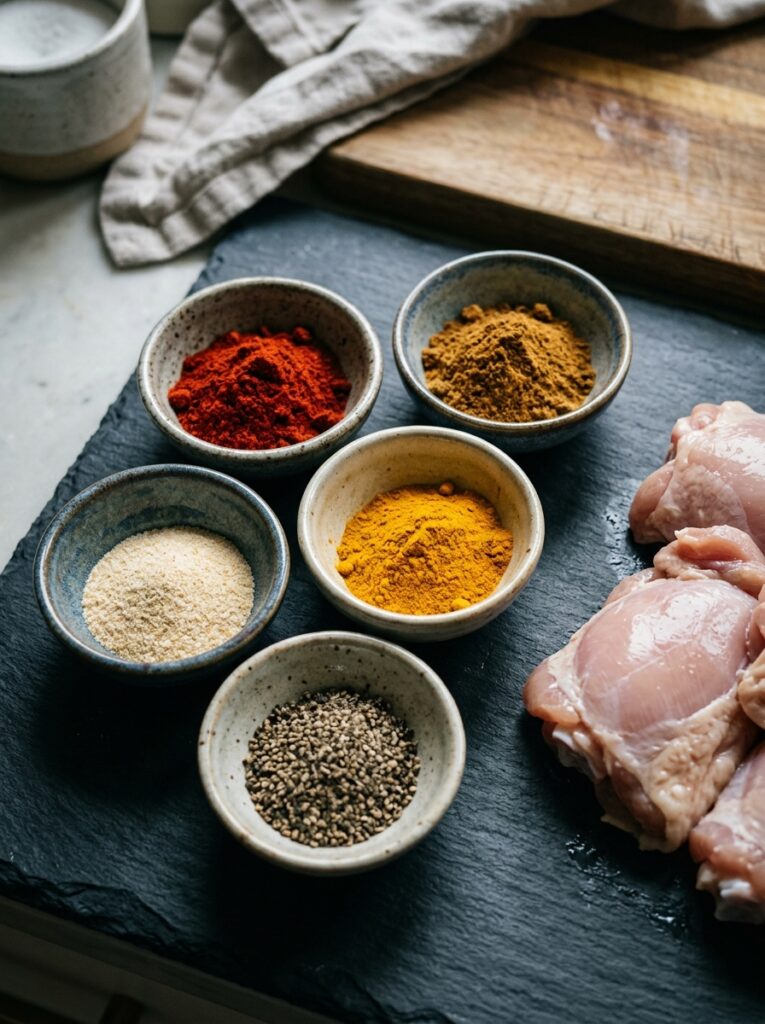
This is where I get a little opinionated.
People are too scared of spice — not heat, just FLAVOR. Cumin, turmeric, smoked paprika, and a pinch of cinnamon. That’s a combination that sounds like a lot but tastes deeply savory, not overwhelming. The cinnamon especially — you’ll use maybe an eighth of a teaspoon and it won’t taste like a dessert, it’ll just taste somehow richer and more complex.
Mix those spices together, toss your chicken pieces in them with some olive oil, and let that sit for even just fifteen minutes if you don’t have time to properly marinate. Then proceed with your one-pan method from section two. The rice turns this gorgeous golden-orange color as it cooks and the whole kitchen smells incredible. Like, people-will-ask-what-you’re-cooking incredible.
This version works especially well with basmati rice, which has that natural popcorn-y fragrance that pairs perfectly with the warmer spices.
—
5. When You’ve Got Leftover Cooked Rice: The Fried Rice Formula
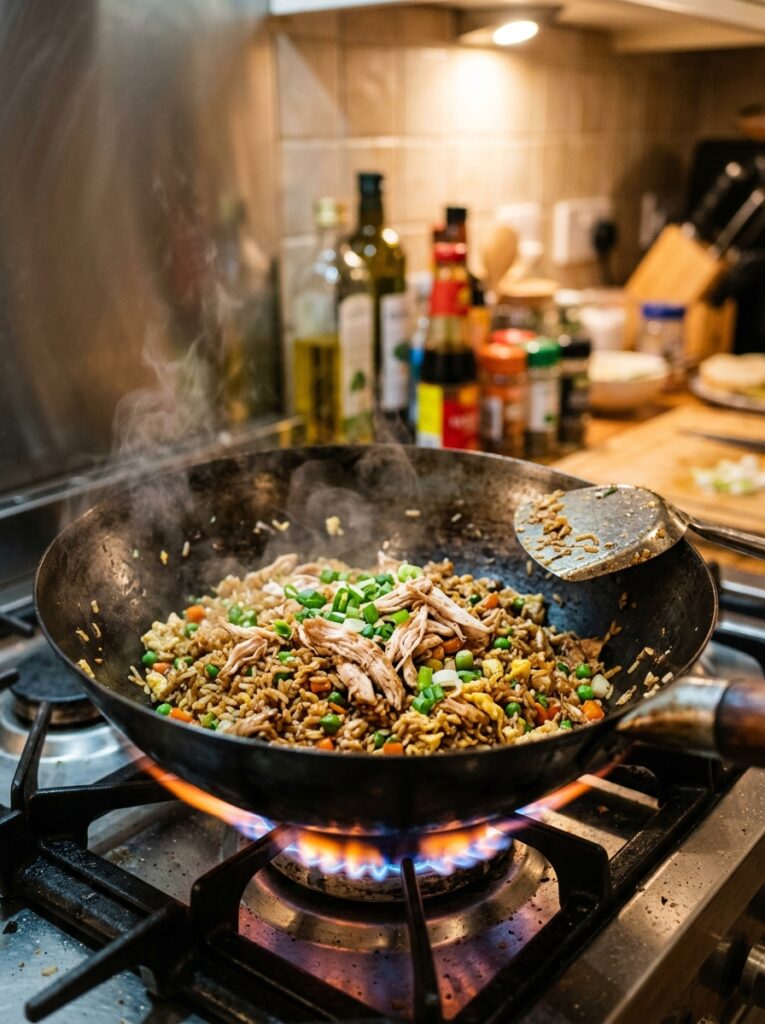
This is its own category, I think. Leftover rice fried with chicken isn’t the same as making chicken and rice from scratch — it’s faster, it’s crispier, and there’s something about it that feels almost indulgent even though it uses yesterday’s leftovers.
The rules, because there are actual rules here:
- Your rice must be cold. Room temperature at least, fridge-cold is better. Fresh hot rice turns to paste in the pan.
- High heat. Your pan should be HOT — almost uncomfortably hot — before anything goes in.
- Don’t crowd the pan. If you’re making a lot, do it in two batches.
Push the cooked chicken (leftover rotisserie works brilliantly here) and rice to the side of the pan, crack two eggs into the empty space, scramble them fast, then fold everything together. A splash of soy sauce, a little sesame oil at the very end, some sliced spring onions. That’s a ten-minute dinner that beats most takeaway fried rice. Not gonna lie.
—
6. The Cold-Weather Version You’ll Make on Repeat All Winter
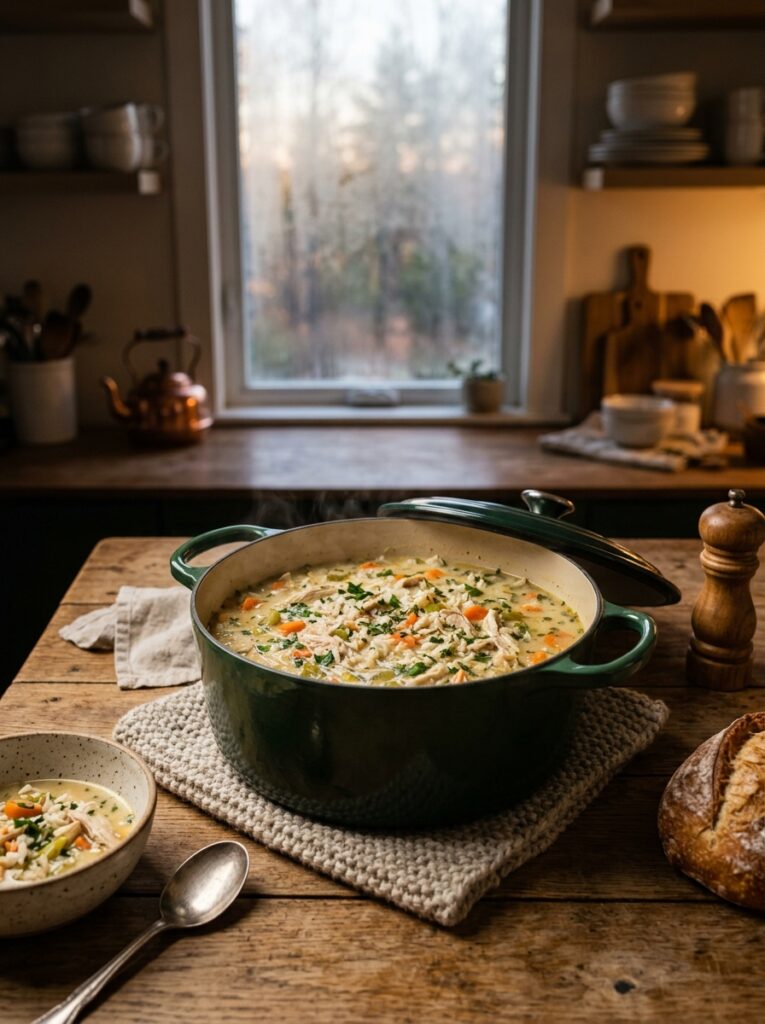
There’s a version of chicken and rice that’s barely a recipe. It’s more of a state of mind.
It’s essentially a thick, porridge-like rice dish where the rice nearly dissolves into the broth, the chicken is fall-apart tender, and the whole thing is the culinary equivalent of a weighted blanket. In parts of Asia this is called congee or jook, but every culture has its version — Greek avgolemono does something similar with an egg-lemon finish, and British households have been making a version of creamy chicken and rice soup for generations.
My version: whole chicken thighs in a pot with cold water, a halved onion, a few smashed garlic cloves, a big piece of fresh ginger, salt. Bring it up slowly. Simmer for an hour. Pull the chicken, shred it, strain the broth, put it back on the heat with short-grain white rice (about 1 cup of rice to 8 cups of broth). Cook it low and slow, stirring occasionally, until the rice breaks down and the whole thing thickens into something silky and extraordinary. Top with the shredded chicken, sliced chili, a drizzle of good oil, and spring onions.
“It’s the culinary equivalent of a weighted blanket.”
—
7. The Cheater’s Stuffed Pepper Using Chicken Rice Filling
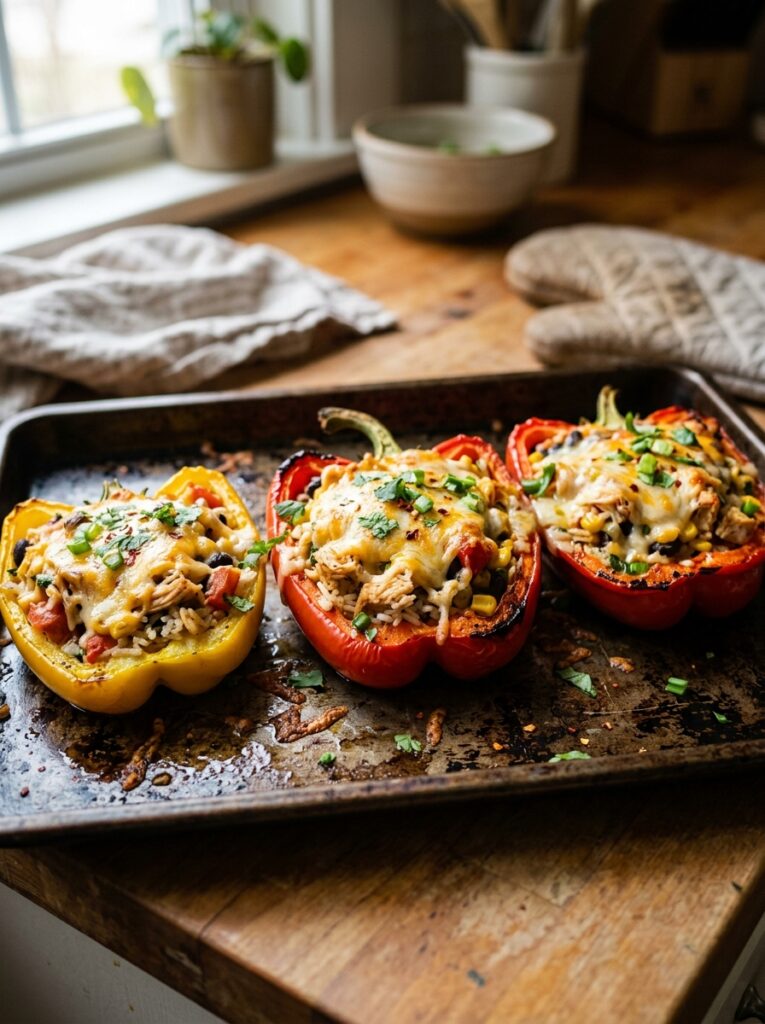
This is one of those things where you do a little extra work and suddenly dinner looks like you TRIED.
Make a simple chicken and rice filling: cooked ground chicken (or finely chopped leftover chicken), cooked rice, diced tomatoes, garlic, cumin, a little chili flake, salt. Mix it all together, taste it, adjust. Then stuff that filling into halved bell peppers — any color, though I’m partial to red because they’re sweeter — top with a little shredded cheese, and bake at 400°F / 200°C for about 25 minutes until the peppers are soft and slightly charred at the edges.
It looks restaurant-ish. It uses basic ingredients. And it’s GREAT for meal prep because you can make the filling on Sunday and stuff and bake the peppers throughout the week.
—
8. The Thing Nobody Tells You About Cooking Rice in Stock Instead of Water
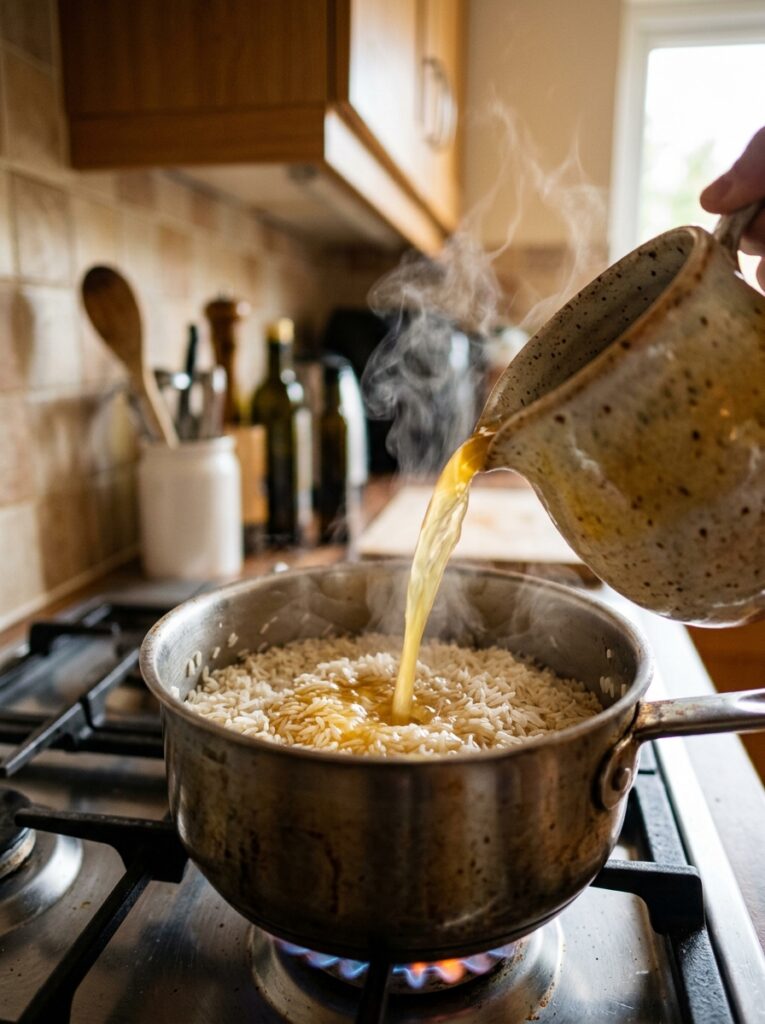
Just do it. If you’ve been cooking rice in plain water this whole time, just stop.
Cooking rice in chicken stock — even a low-sodium boxed stock — changes everything. The rice absorbs the stock as it cooks and ends up savory all the way through, not just on the surface. You taste it in every bite. It’s one of those tiny swaps that takes literally zero extra effort and makes a noticeable difference. Same amount of liquid, same cooking time, just stock instead of water.
Add a bay leaf, a smashed garlic clove, and maybe half a teaspoon of turmeric to the pot, and your plain white rice becomes something that could genuinely stand on its own as a side dish. We’re talking guests-asking-for-the-recipe kind of territory, even though you basically just made… rice.
—
9. The Crowd-Pleaser That Works for Six or Sixty
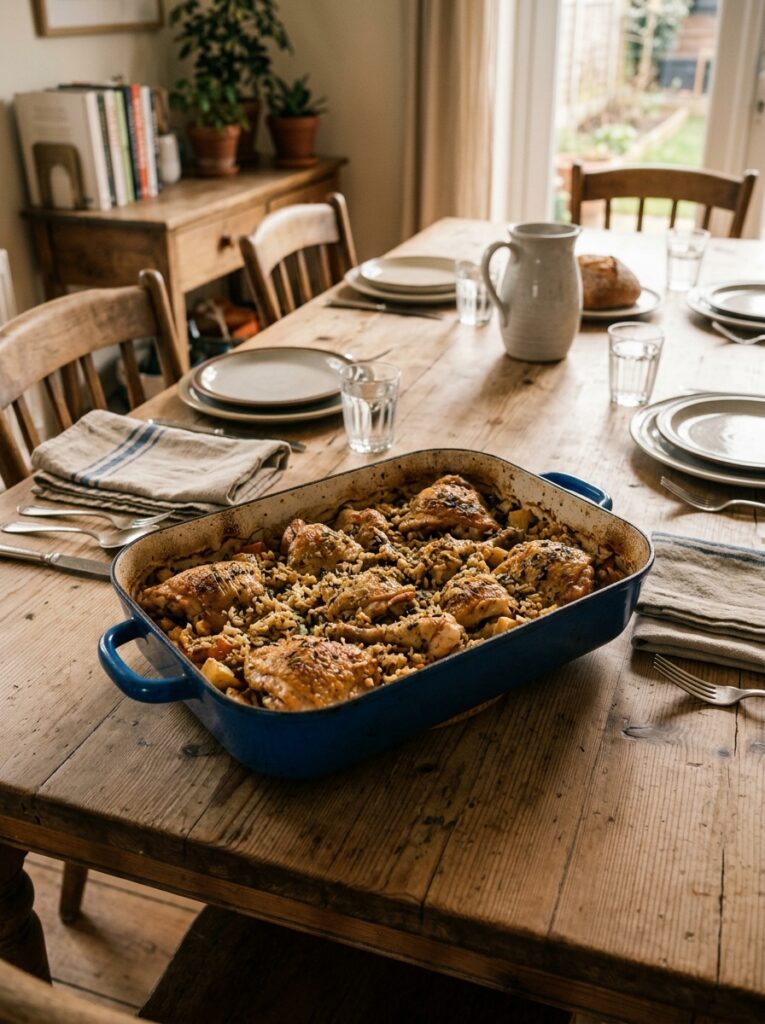
When I need to feed a lot of people without stressing, I always come back to a big baked chicken and rice dish. It scales up easily, it holds well, and people always go back for seconds.
The formula: bone-in chicken pieces (thighs and drumsticks, something that can handle a long oven time), seasoned generously. A savory rice base in a big roasting dish — raw rice, chicken stock, a roughly chopped onion, garlic, maybe some sliced mushrooms. Lay the chicken pieces on top. Cover tightly with foil. Bake at 350°F / 175°C for an hour, then pull the foil off for the last fifteen minutes to let the chicken skin get crispy.
What comes out is this deeply saucy, almost sumptuously soft bed of rice under perfectly cooked chicken. It’s the kind of thing that makes a table go quiet in a good way.
—
10. The Fastest Version When You’re Truly Running on Empty
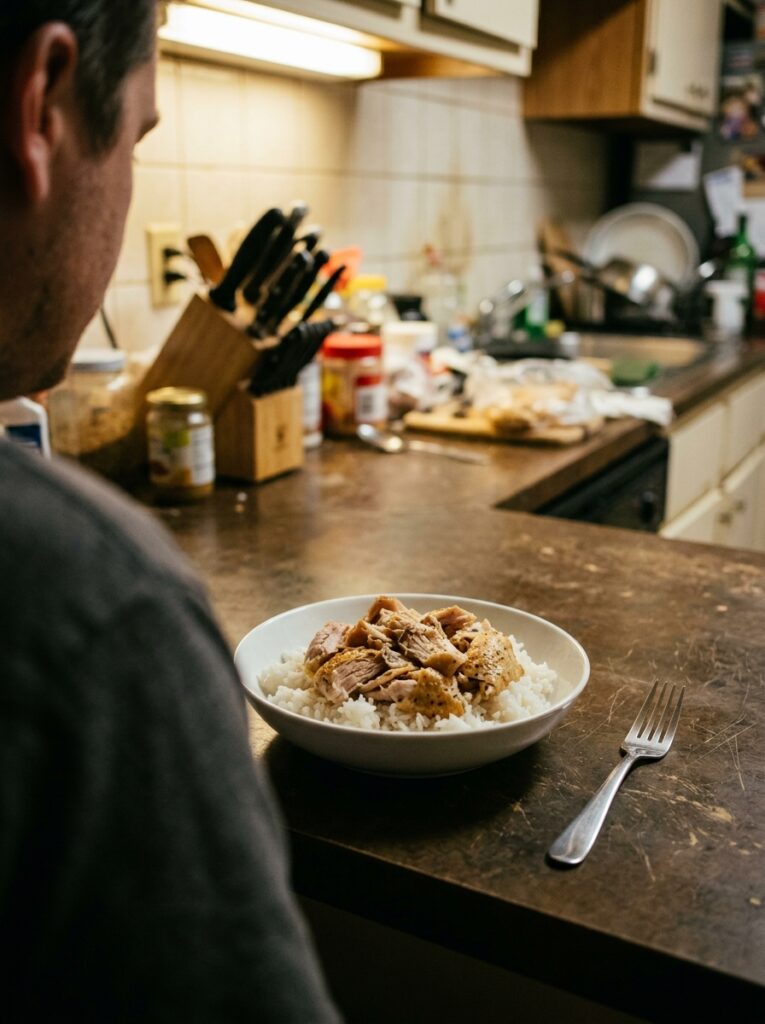
Some nights you’ve got maybe twenty-five minutes and the energy of a nearly-dead phone battery.
For those nights: canned or pre-cooked chicken (or fast-sautéed thin-sliced breast), a bag of pre-cooked microwaveable rice, and a sauce situation. The sauce is what matters here. Even a quick one — garlic, butter, a splash of chicken stock, a squeeze of lemon, salt and pepper, maybe some dried herbs — cooked for just three minutes in a hot pan, poured over the chicken and rice, suddenly ties everything together.
It’s assembly more than cooking, honestly. And that’s fine. A good sauce forgives a lot, and warm food on a weeknight when you’ve got nothing left in the tank is not a failure. It’s just dinner.
“A good sauce forgives a lot. And warm food on a weeknight when you’ve got nothing left in the tank is not a failure. It’s just dinner.”
—
11. A Note on Rice Type That Actually Matters (Sorry, It Does)
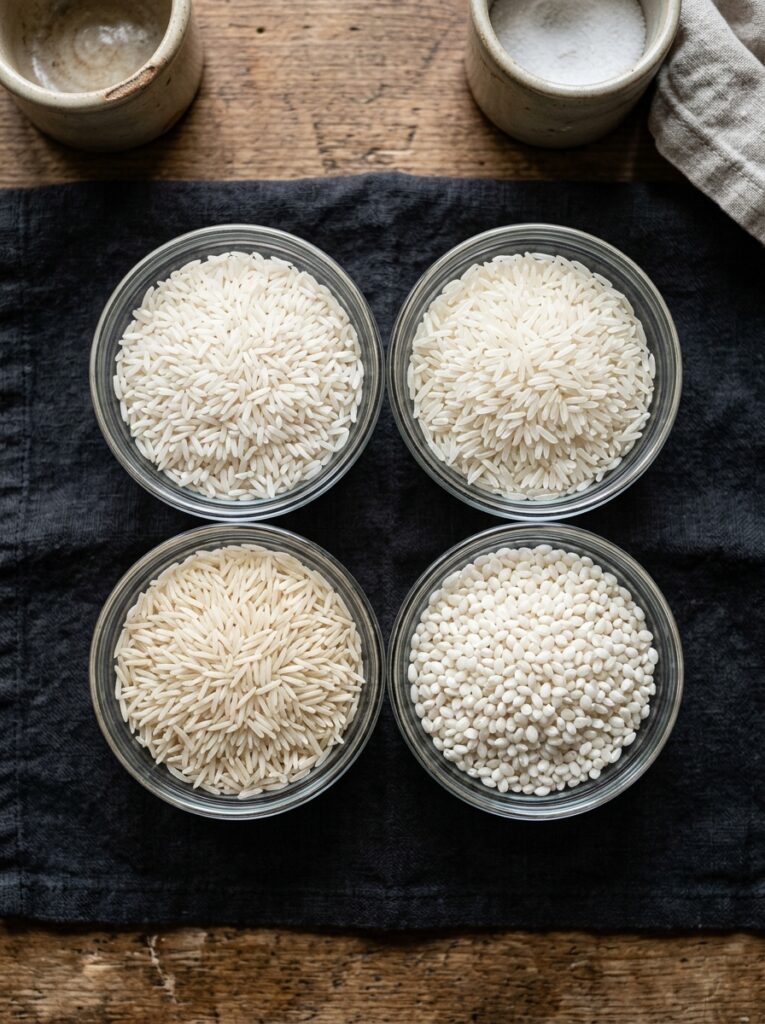
I know this feels like a fussy detail. But hear me out for thirty seconds.
Long-grain rice (like basmati) stays fluffy and separate — great for spiced dishes, fried rice, anything where you want defined grains. Short-grain or medium-grain rice (like arborio or sushi rice) gets stickier and creamier as it cooks — better for that congee-style dish, or anywhere you want a richer, silkier texture. Standard long-grain white rice is the jack-of-all-trades: it works in most one-pan methods, it’s forgiving, it’s inexpensive, and it doesn’t require any special treatment.
Brown rice takes longer — usually about 40-45 minutes — so if you’re doing a baked dish, budget more time. But it has a nutty depth that works really well with bold spicing, and you get a bit more fiber out of it, which, you know. Fine by me.
Honestly the main thing is just: rinse your rice. Cold water, swirl it around, drain it, repeat two or three times until the water runs mostly clear. It removes surface starch and the difference in the finished dish is real.
—
12. The Way You Actually Make This Weeknight-Proof
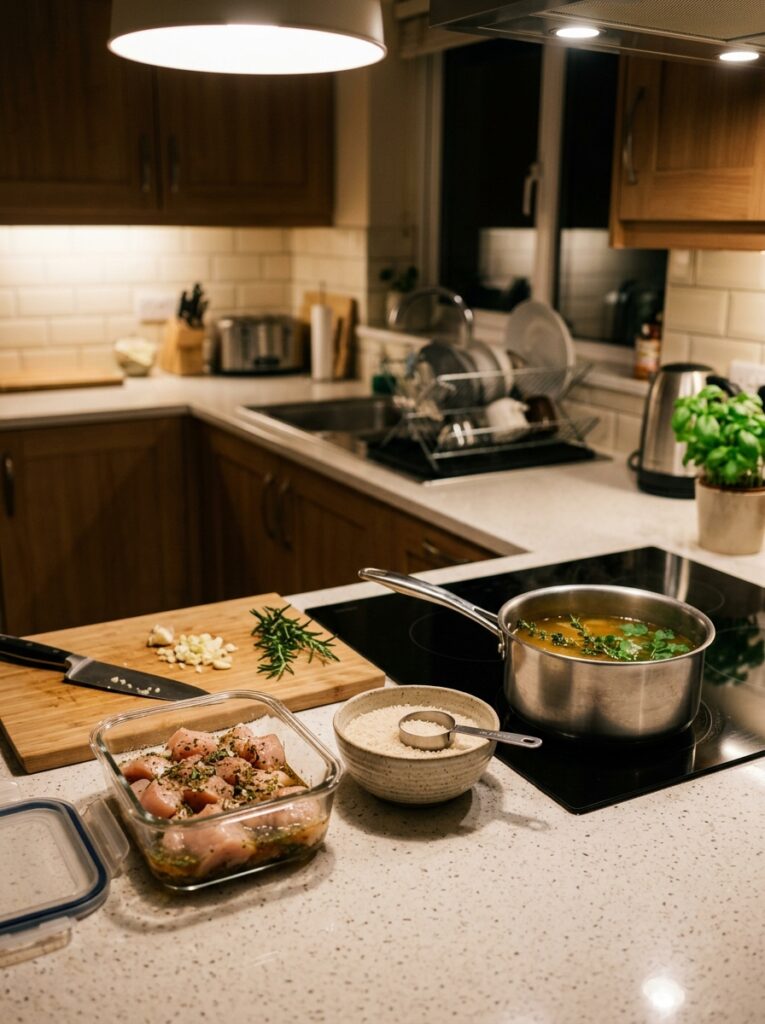
Planning is the boring answer, so here’s the real one: keep your freezer and pantry stocked for this specific meal.
That means: always having chicken thighs in the freezer (they defrost faster than breast and they’re harder to overcook), a bag of long-grain white rice in the pantry, and a good chicken stock — carton or cubes, both work. Add garlic, olive oil, and a basic spice collection — cumin, paprika, garlic powder, dried oregano — and you can make probably five or six completely different dinners from this list with exactly zero special shopping trips.
Meal prep-wise: make a double batch of plain stock-cooked rice on Sunday. It keeps in the fridge for four days and reheats beautifully. Pair it with different chicken preparations through the week — quick sautéed one night, roasted another, fried rice on Thursday. You’ve essentially set yourself up for a whole week of dinners from one Sunday session.
That’s the kind of thing that feels boring to plan and genuinely great to live through on a Wednesday night when you’re tired and hungry and you just need dinner to be DONE.
—
❓ FAQ
Q: Can I use chicken breast instead of thighs in baked rice dishes? A: You can, but you’ll need to watch the timing carefully. Chicken breast dries out faster than thighs, so for baked dishes, either use it cut into chunks rather than whole pieces, or reduce the covered baking time by about 10-15 minutes and check for doneness early. Thighs are genuinely more forgiving in long-cook methods.
Q: How do I stop my rice from going mushy in a one-pan dish? A: Two things help most: rinse your rice before cooking (removes surface starch), and use the right liquid ratio. Generally about 1¾ cups of liquid per 1 cup of long-grain white rice works well for stovetop one-pan cooking. Don’t lift the lid while it cooks — steam escapes and the timing goes off. And let it rest for five minutes off the heat before you stir it.
Q: Can I freeze chicken and rice dishes? A: Yes, with a small caveat. The rice can get a bit grainy after freezing and reheating. It’s not bad — just slightly different in texture. To reheat, add a splash of water or stock before microwaving and cover the dish to trap steam, which helps bring some moisture back. Soups and congee-style dishes actually freeze and reheat the best of all the options here.
—
💭 Final Thoughts
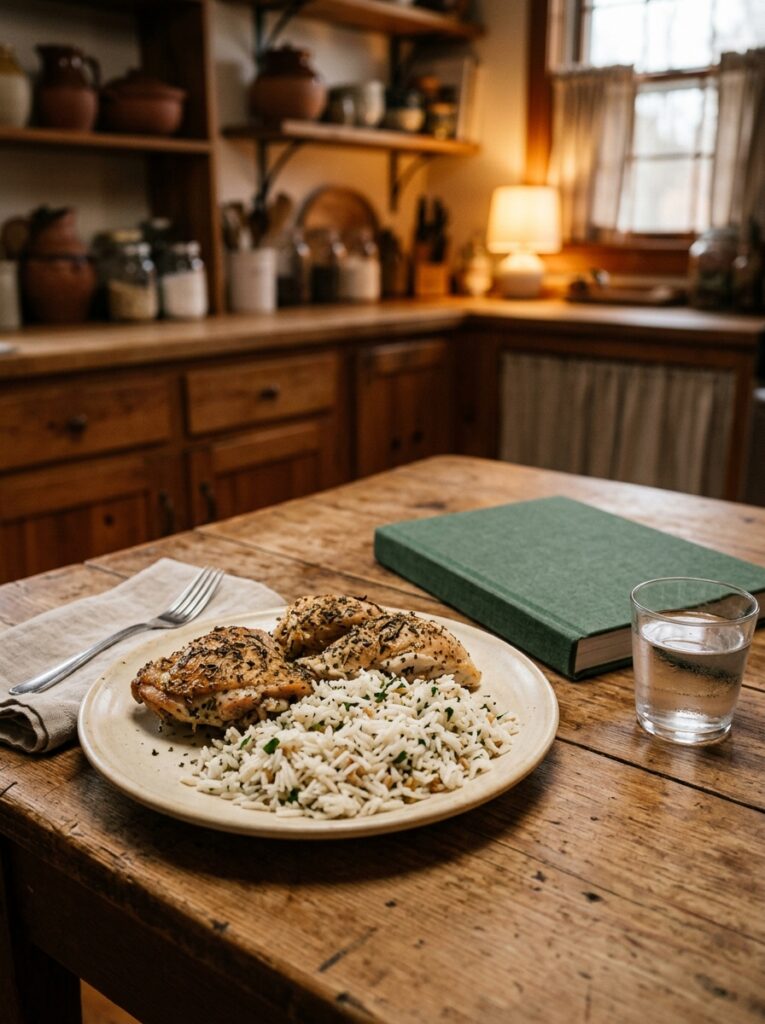
There’s something quietly satisfying about a meal that doesn’t need to announce itself. Chicken and rice doesn’t have a rebrand. It just keeps showing up, keeps being good, keeps feeding people. I’ve made versions of these dishes for quiet nights alone, for big messy family dinners, for friends who needed something warm and I didn’t know what else to offer. It always works.
What’s your go-to version — are you a one-pan purist, or do you always end up making fried rice with the leftovers?