Okay so. A friend of mine texted me last year saying she’d started making smoothies for weight loss and I actually laughed out loud. Not meanly, just — I’d tried that. Sad watery berry things that tasted like ambition and left me starving by 10am. But she sent me her recipe and I tried it and I was wrong. I was so wrong.
—
1. Why Most Weight-Loss Smoothies Leave You Hungrier Than Before
Here’s the thing nobody tells you upfront. Most of the “healthy” smoothies floating around Pinterest are essentially fruit juice with texture. All sugar, almost zero protein, and your body burns through them in about forty minutes flat. Then you’re standing in front of the fridge at 11am wondering if cheese counts as breakfast.
The smoothies that actually support weight loss work because they keep you full. That’s it. That’s the secret. It’s not some magical fat-burning ingredient — it’s fiber and protein doing exactly what they’re supposed to do.
So if your smoothies have been making you hungrier, it’s not a willpower problem. It’s an ingredient problem. And that’s honestly a relief, because ingredients are fixable.
“Most weight-loss smoothies fail before they’re even blended — not because of what’s in them, but because of what’s missing.”
—
2. The Protein Base That Changes Everything
Before we get to the fun stuff — the flavor, the colors, the Instagram-worthiness of it all — let’s talk base. Your liquid and your protein source. Because this is where most recipes go sideways.
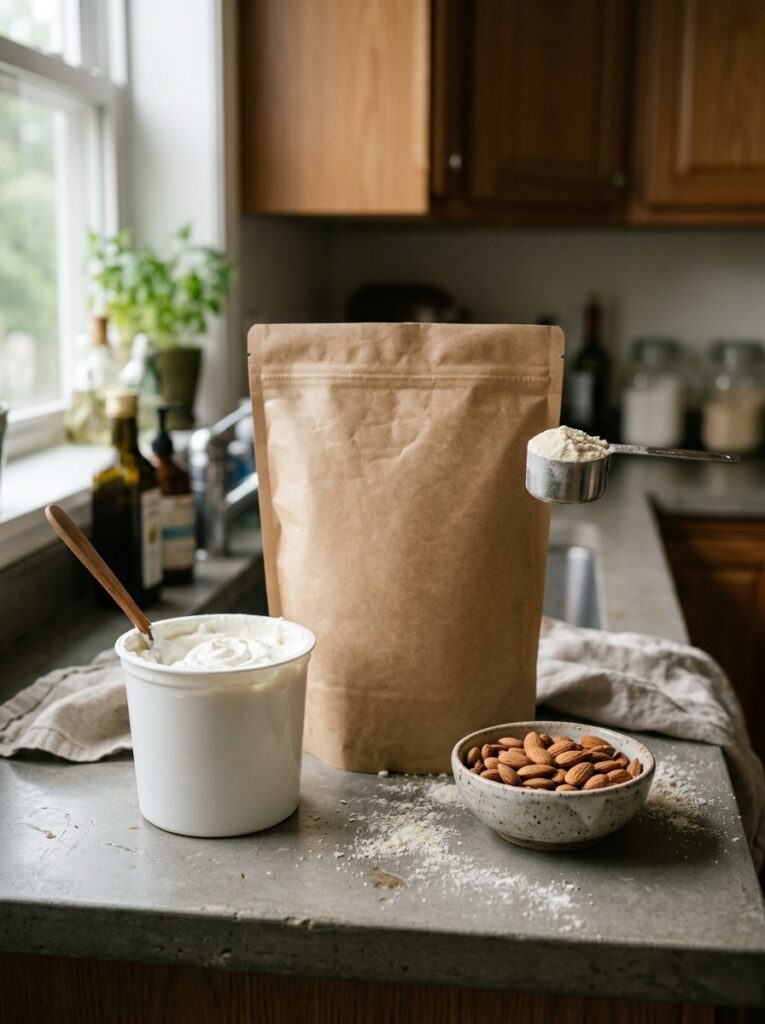
Greek yogurt. Full-fat or 2%, not fat-free. I know, I know. But fat-free yogurt has more sugar and doesn’t keep you full nearly as long, and honestly the texture is just sad. A good thick Greek yogurt gives your smoothie that creamy, almost milkshake-like consistency that makes you feel like you’re getting away with something. Aim for about half a cup per smoothie.
If you’re dairy-free, unsweetened soy milk plus a scoop of plain protein powder works brilliantly. Or silken tofu — I know that sounds unhinged but you genuinely cannot taste it and the protein content is solid.
Almond milk and oat milk are lovely but they don’t bring much protein to the party, so if that’s your base, you’ll want to compensate elsewhere.
—
3. The Frozen Fruit Swap That Saves You Money and Keeps Things Cold
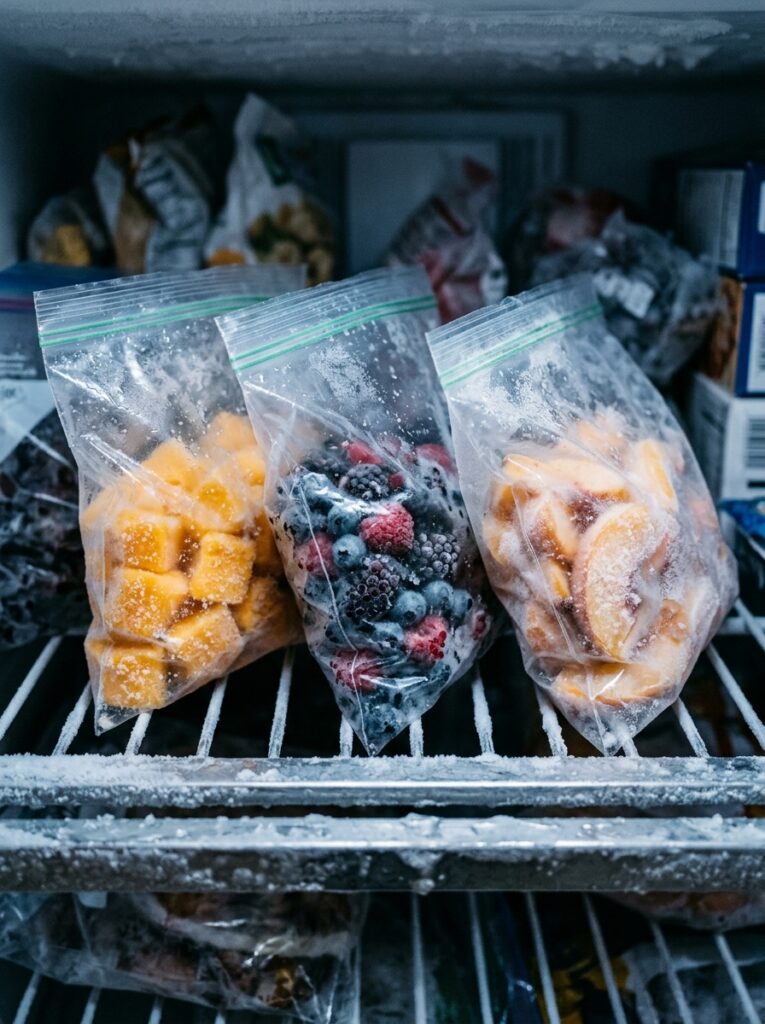
Fresh fruit is great. Frozen fruit is better for smoothies. Don’t argue with me on this one.
Frozen fruit means no ice needed, which means you’re not watering down the flavor. It means the smoothie stays thick and cold for longer. And it’s SIGNIFICANTLY cheaper than buying fresh berries every week — especially in winter when fresh raspberries cost approximately one mortgage payment per punnet.
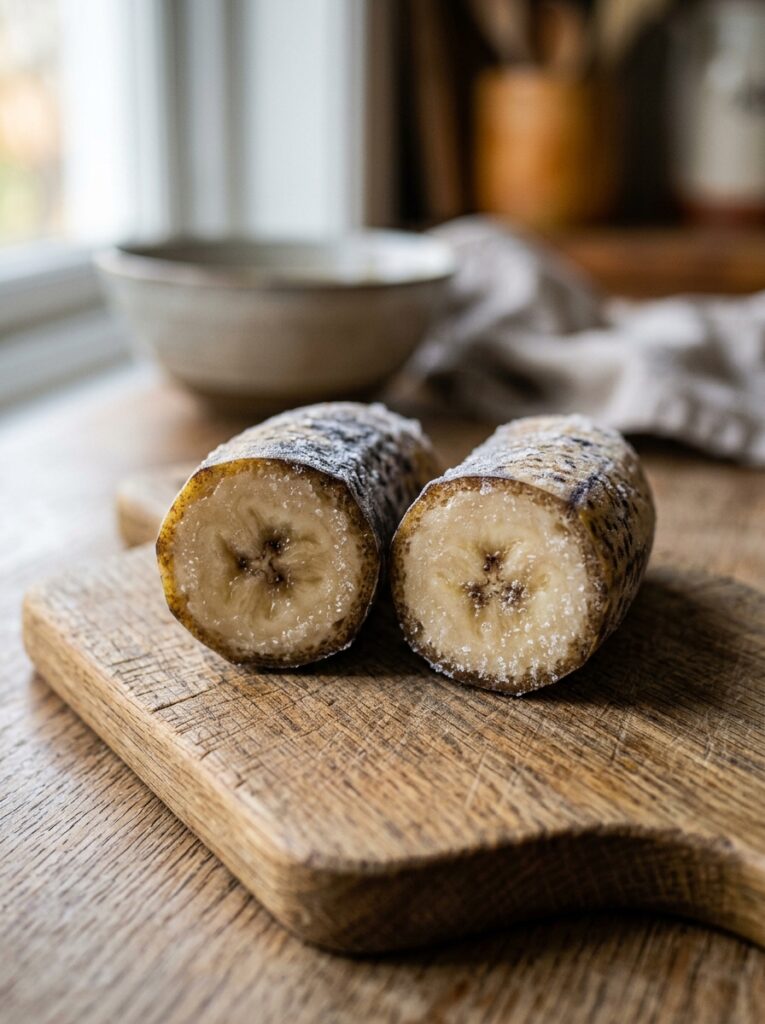
Keep a rotation of bags in the freezer. Frozen mango chunks are ridiculous good with ginger and lime. Frozen mixed berries are the workhorse. Frozen banana pieces are the creaminess hack you didn’t know you needed — peel and slice bananas when they’re getting too ripe, freeze them in a bag, thank yourself later.
Side note — yes, bananas have more sugar than, say, spinach. But the fiber and the potassium and the way they make a smoothie taste like a milkshake means they earn their spot. One small frozen banana per smoothie isn’t going to derail anything.
—
4. The Green Smoothie Formula That Doesn’t Taste Like a Garden
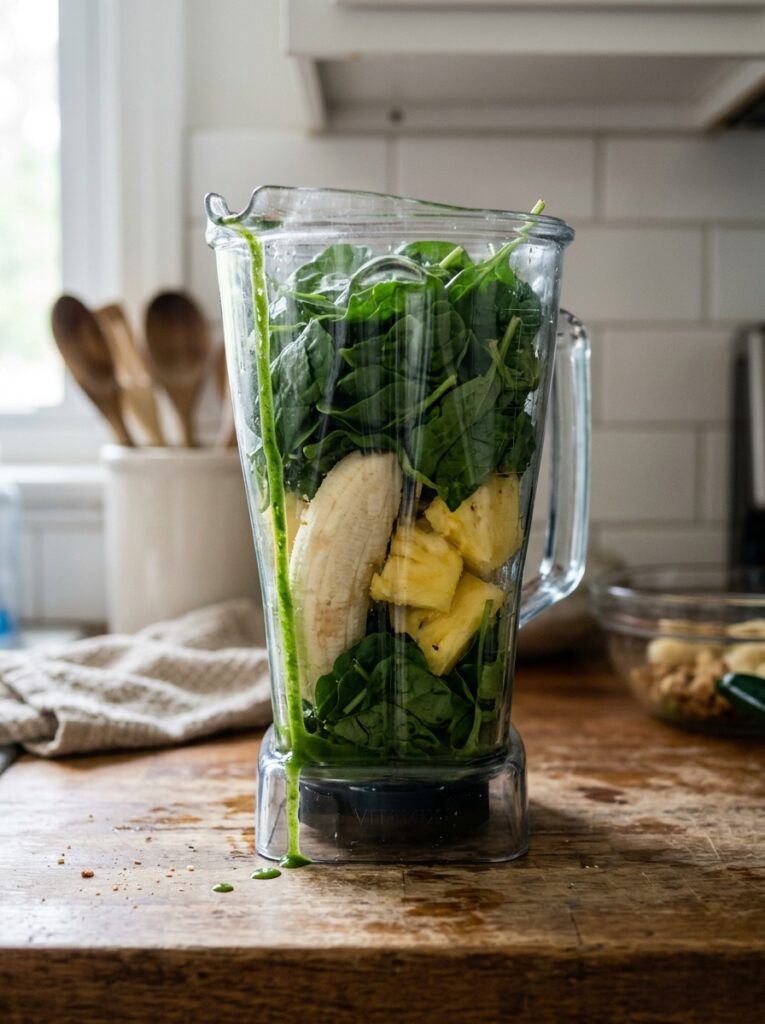
People are scared of green smoothies. Which is understandable because some of them DO taste like a blended hedge. But here’s the ratio that works: 60% fruit, 40% greens. Not the other way around.
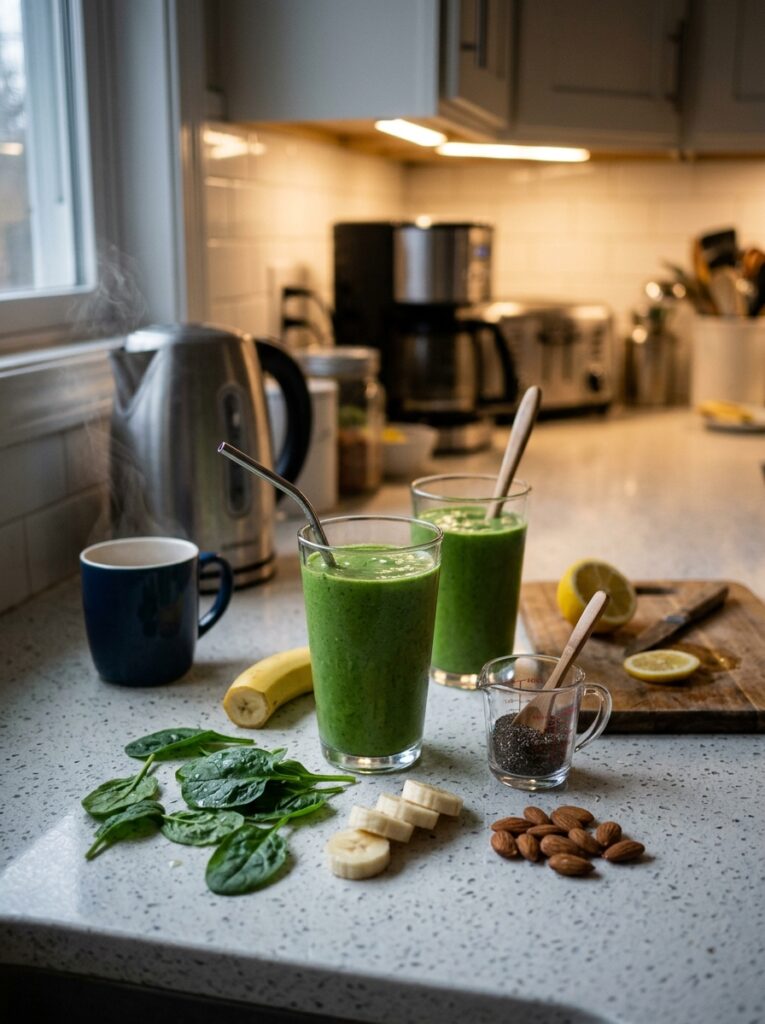
Baby spinach is the most forgiving. It barely has a taste and it blends completely smooth. A big handful — maybe two cups loosely packed — disappears into mango or pineapple completely. You will not taste it. I promise.
Kale is more assertive. It’s got that slightly bitter, earthy note, which actually works well with banana and almond butter. But start with less than you think and work up.
The trick is acid. A squeeze of lemon or lime juice cuts through any vegetal flavor and makes everything taste brighter. One tablespoon. That’s it. Don’t skip it.
—
5. The Fiber Additions That Keep You Full Until Lunch (And Sometimes Past It)
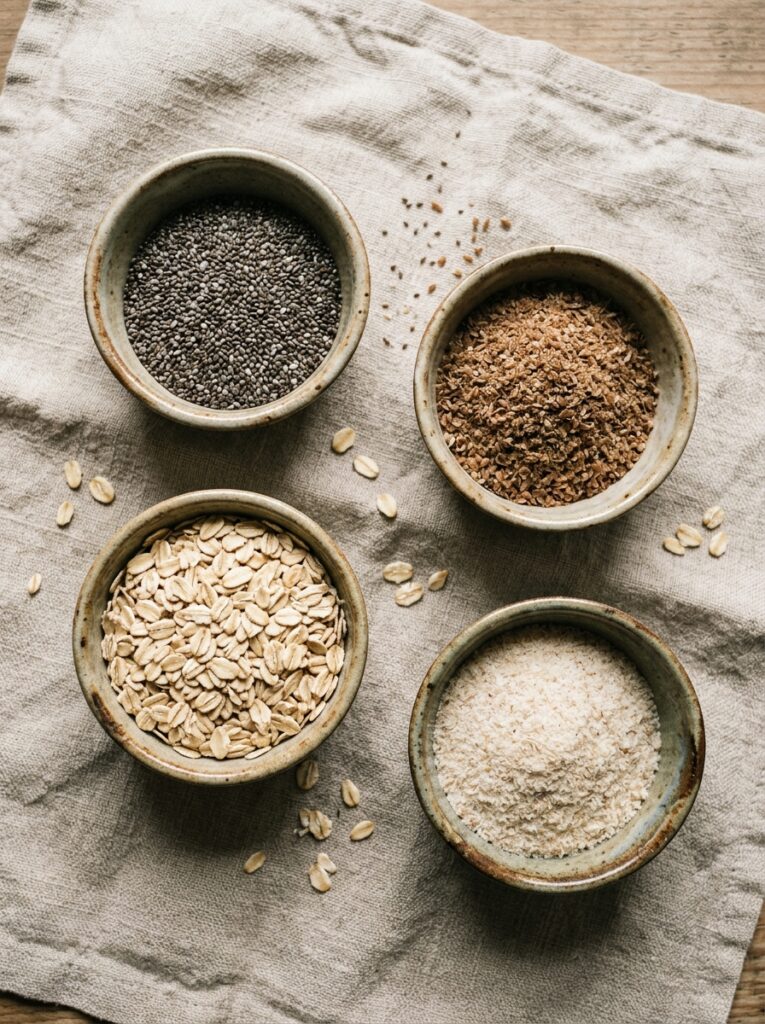
Chia seeds. Ground flaxseed. Rolled oats. These three things are not glamorous. They’re not going to make your smoothie look particularly beautiful or impressive. But they are DOING THE WORK.
Chia seeds absorb liquid and expand in your stomach, which sounds vaguely alarming but basically means you stay full for longer. Two tablespoons in your smoothie is plenty. They also add omega-3s, which is a nice bonus.
Ground flaxseed has this slightly nutty flavor that actually works well in banana or chocolate smoothies. One tablespoon. It blends in completely.
Rolled oats — and I mean rolled, not instant, not steel-cut — blend down to almost nothing in a good blender but add serious staying power. Half a cup of oats in a smoothie sounds weird but it’s essentially a drinkable overnight oat situation and it WORKS.
Any one of these is good. All three together is sort of overkill and will make your smoothie extremely thick. Just pick one or two.
—
6. The Actual Recipe I Make on Monday Mornings When I Need Everything to Go Right
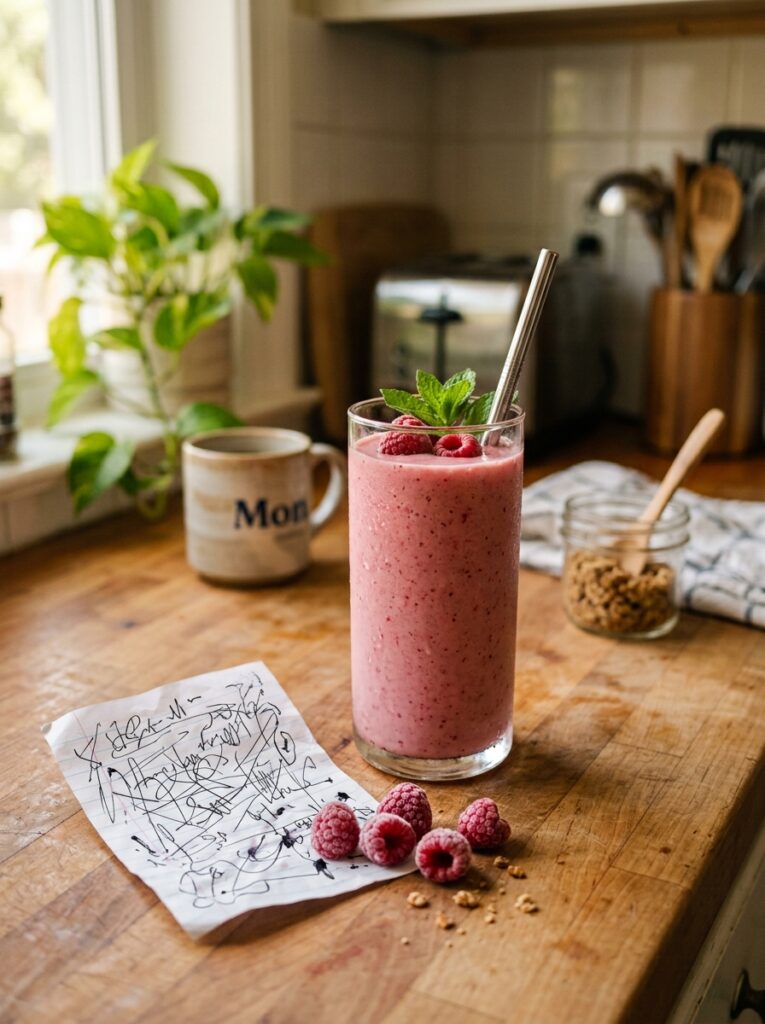
Here it is. The one that started this whole thing for me.
The Mango Ginger Green Smoothie
- 1 cup frozen mango chunks
- 1 cup baby spinach, loosely packed
- ½ cup Greek yogurt (plain, full-fat)
- ½ cup unsweetened almond milk (or any milk you like)
- 1 tablespoon fresh ginger, grated (or half a teaspoon of ground)
- 1 tablespoon chia seeds
- Squeeze of fresh lime juice
- Optional: a small pinch of turmeric
Blend until smooth. Drink immediately or pour into a jar with a lid for on the go.
The ginger is non-negotiable for me. It’s warming and a little bit spicy and it makes the whole thing taste like something a wellness café would charge eight dollars for. The lime makes it bright. The spinach disappears. And this thing keeps me full until well past noon, which is genuinely remarkable given my historical relationship with 11am snacking.
“A good smoothie should feel like a decision you made for yourself — not a punishment you’re getting through.”
—
7. What Happens When You Add Too Much Sweetener (And How to Stop)
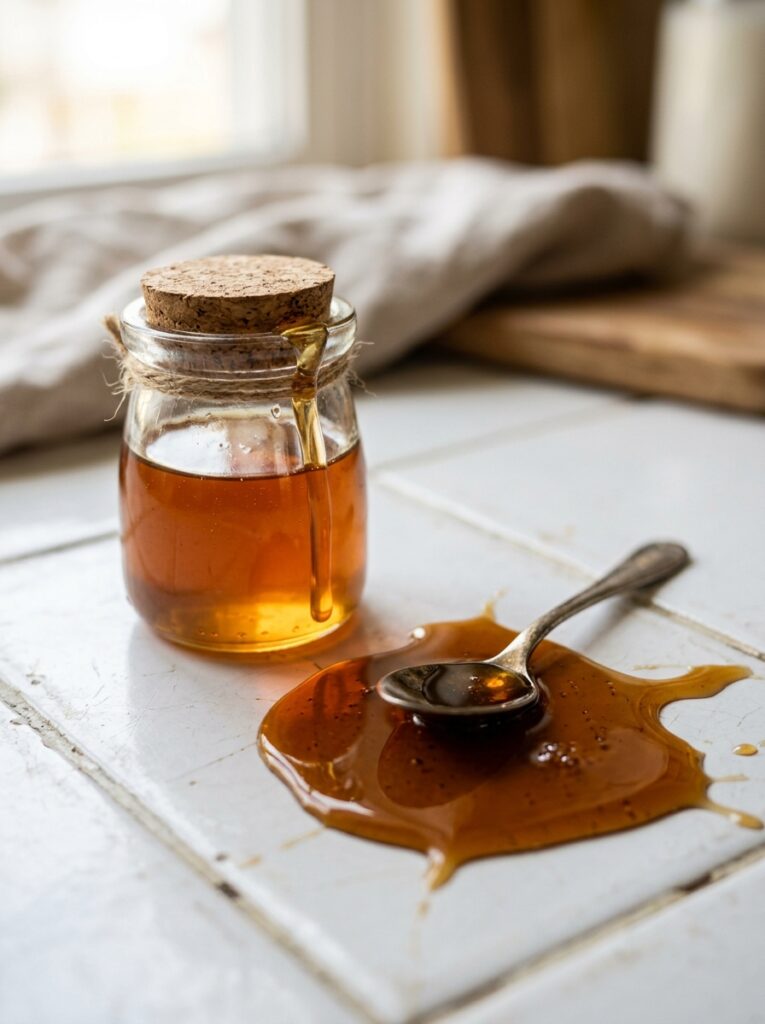
This is the trap. You blend something that tastes a bit dull, you add honey, it tastes better, you feel good about it — and then you’ve just added 60 calories of pure sugar to what was a balanced meal. Fine occasionally. Problematic as a habit.
Before you reach for honey or maple syrup, try these first: a couple of pitted Medjool dates (blended in — they’re sweet AND they add fiber), a splash of vanilla extract (no calories, lots of flavor), or just more frozen banana.
If you still want to sweeten it, a tiny drizzle of honey is fine. Half a teaspoon. Not a tablespoon.
The other issue is flavored yogurts and nut butters with added sugar. Always check the label. Plain Greek yogurt. Natural nut butter with nothing added. These two swaps alone can cut a surprising amount of hidden sugar out of your smoothies without changing the taste much.
—
8. The One-Ingredient Trick for a Smoothie That Tastes Indulgent But Isn’t
Cacao powder. Not hot cocoa mix, not chocolate syrup — raw cacao powder or unsweetened cocoa powder.
A tablespoon of it in a smoothie with frozen banana, Greek yogurt, a spoonful of natural almond butter, and some oat milk tastes like a chocolate milkshake. I’m not exaggerating. It’s one of those things where you take a sip and then immediately start doing the math on whether this can be your breakfast every single day.
The protein from the yogurt, the fiber from the banana, the healthy fats from the almond butter — this smoothie keeps me full for HOURS. And because it tastes like something you’d buy as a treat, it doesn’t trigger that whole psychological cycle of deprivation that makes dieting so exhausting.
—
9. Timing: When You Drink It Matters More Than You Think
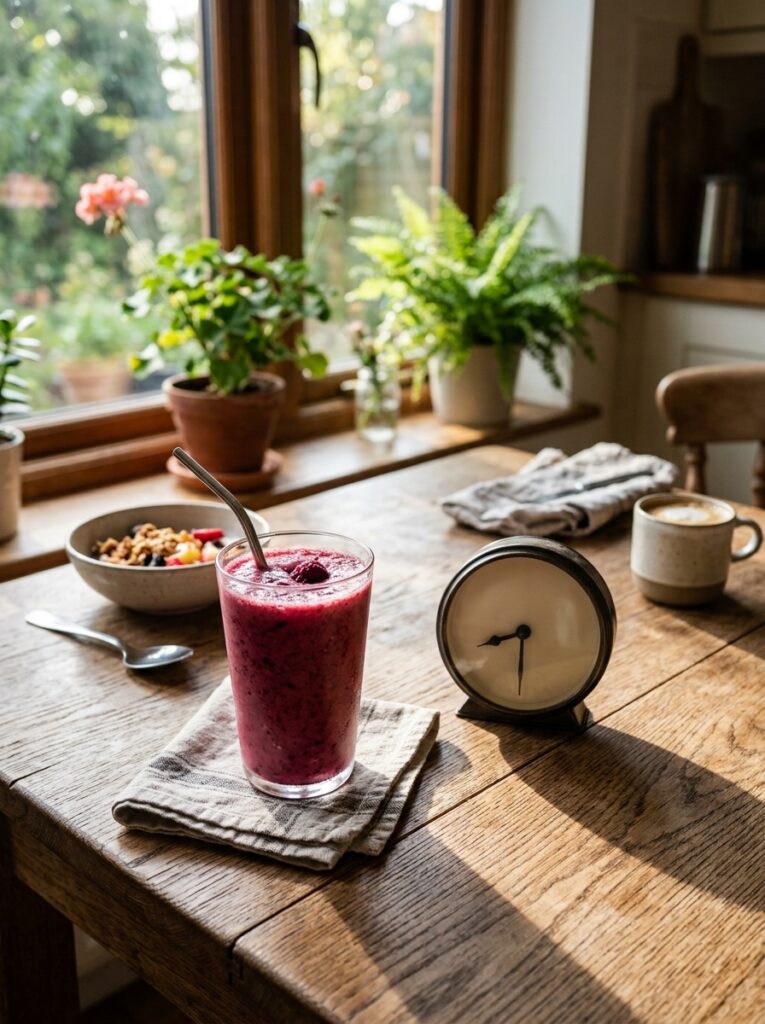
Not a huge deal, but worth mentioning. Smoothies work best for weight management when they replace a meal, not when they’re added to one. That sounds obvious but honestly a lot of people drink a smoothie AND then have toast AND then wonder why they’re not losing weight.
Breakfast or lunch is the sweet spot for most people. The protein and fiber carry you through the day and prevent the mid-afternoon energy crash that sends you straight to whatever biscuit tin is nearby.
One thing I’d actually suggest — eat something you have to chew at least once during the day. Not because smoothies aren’t filling, but because chewing is genuinely part of how your brain registers satiety. A smoothie-only day sometimes leaves me feeling like I ate plenty but also somehow unsatisfied in a weird, hard-to-explain way. Or maybe it’s just psychological, honestly.
—
10. The Winter Version Nobody Talks About (But Should)
Everyone makes smoothies in summer. Cold, fruity, blended things feel right in July. In January when it’s grey and cold and you want something warm, the idea of a cold smoothie is actively unappealing — and that’s when most people just stop making them.
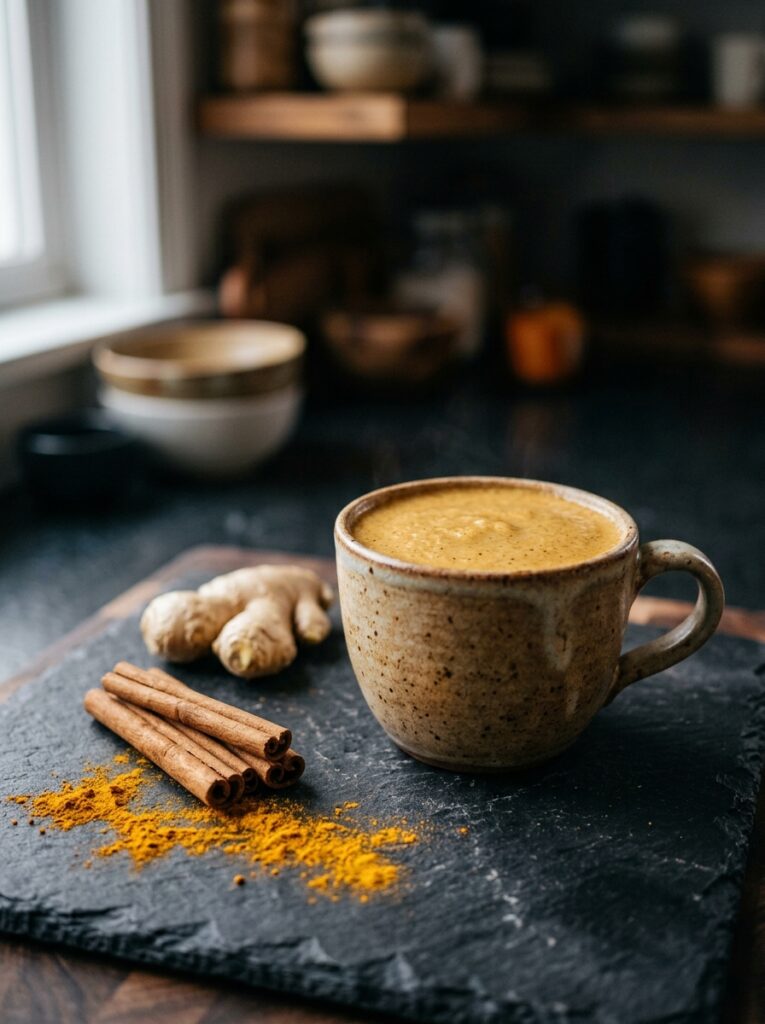
Warm smoothies are a thing and they’re underrated. Blend together a cooked sweet potato (leftover from dinner is perfect), a banana, some ground cinnamon, ginger, a scoop of protein powder, and warm oat milk. The result is thick, slightly warm, spiced — closer to a drinkable porridge than a summer smoothie, but it hits the same nutritional marks.
You can also just let your frozen fruit thaw a bit before blending so the result isn’t ice cold, and add warm milk instead of cold. Small adjustment, huge difference for how it feels on a grey Tuesday morning.
“January is when the smoothie habit either becomes permanent or falls apart completely — and it usually comes down to whether you’ve figured out the winter version.”
—
11. Five-Minute Smoothie Prep That Makes Weekday Mornings Actually Work
The number one reason people stop making smoothies is that they don’t want to deal with measuring things at 7am when they’re half asleep. Completely understandable. Here’s the fix.
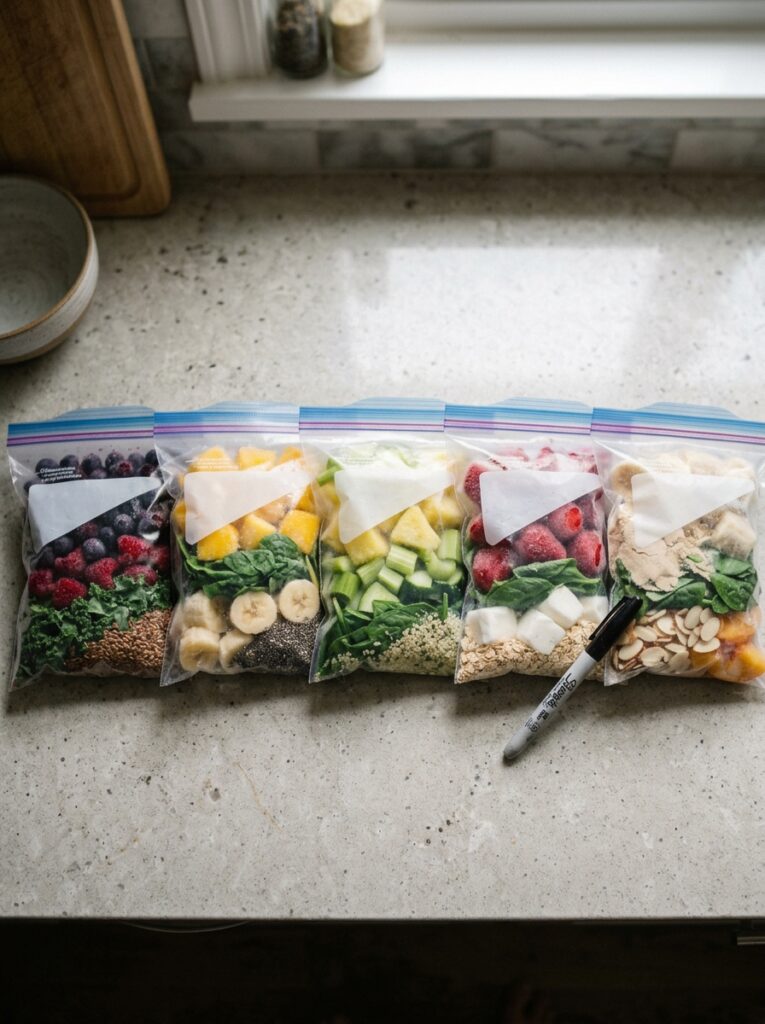
Make smoothie packs on Sunday. Grab a handful of zip-lock bags or reusable freezer bags, and pack each one with a single serving’s worth of frozen fruit, a couple handfuls of spinach, your seeds or oats, and any extras you like. Pop them in the freezer. In the morning, tip one bag into the blender, add your yogurt and liquid, blend, done. Thirty seconds of thinking required. That’s it.
You can make five or six packs at once and it takes maybe fifteen minutes on a Sunday afternoon. It completely removes the “ugh I have to figure this out” barrier that makes you just grab a granola bar instead.
—
12. The Things Worth Spending More On (And the Things That Don’t Matter)
I’m not going to pretend everything is equal. Some things in the smoothie world are genuinely worth spending a bit more on and some things are not.
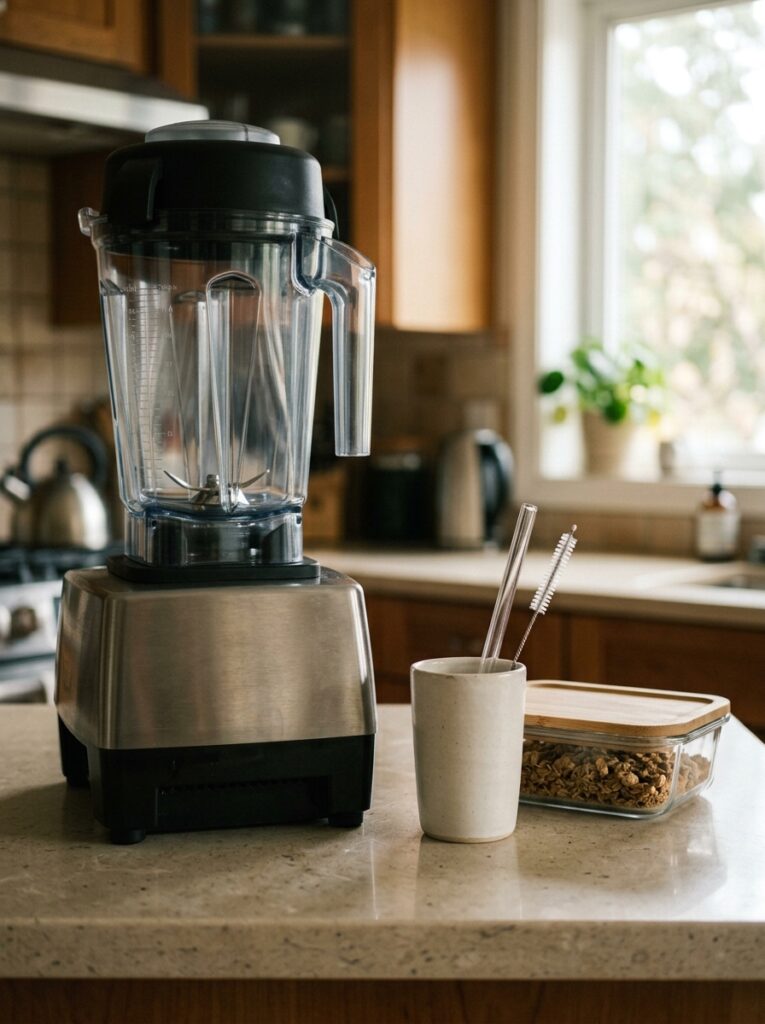
Worth it: a decent blender. Not necessarily a top-of-the-range professional machine, but something powerful enough to completely smooth out frozen fruit and greens without leaving chunks. A weak blender that leaves spinach bits is the fastest way to fall off the smoothie habit entirely. If you’re serious about making these regularly, treat yourself to something with a bit of motor behind it.
Also worth it: good protein powder if you use it. The cheap ones often taste chalky and weird and will make every smoothie taste like a gym changing room. Sample a few before committing to a big tub.
Not worth it: specialty “superfood” powders that cost a fortune and have borderline evidence behind them. Spirulina, açaí powder, maca — they’re fine if you enjoy them, but they’re not magic and they’re not necessary. Spinach costs almost nothing and delivers real nutrition. A handful of frozen berries has antioxidants. You don’t need expensive supplements to make a genuinely good smoothie.
—
❓ FAQ
Q: How many calories should a weight-loss smoothie have? A: If it’s replacing a meal, somewhere between 300 and 450 calories is a reasonable range — enough to actually fuel you, not so much that it defeats the point. If it’s a snack, aim for around 150-200 calories. The mistake people make is building a 600+ calorie smoothie and then eating a full meal on top of it.
Q: Is it okay to have a smoothie every day? A: For most healthy adults, yes. The key is variety — rotating your fruits, greens, and proteins means you’re not relying on the exact same nutrients every day. Also make sure you’re chewing actual food at some point during the day, partly for dental health and partly because your digestive system benefits from fiber in solid form too.
Q: Why does my smoothie separate or go watery after a few minutes? A: Totally normal, especially with higher water-content fruits. Just give it a stir or a quick shake in the jar. If you want a thicker smoothie that holds together better, add more frozen banana, Greek yogurt, or a small amount of rolled oats — any of these will thicken the texture significantly and slow down the separation.
—
💭 Final Thoughts
I didn’t expect smoothies to become a genuinely useful part of how I eat. I expected them to be a phase. But when they’re built with actual protein and fiber — when they’re filling and good and taste like something you actually want — they stop feeling like a diet thing and start feeling like just a normal breakfast.
The hunger problem was always the thing that made “healthy eating” feel impossible for me. Fix that, and everything gets easier.
What would you put in a smoothie that you’d actually look forward to every morning?