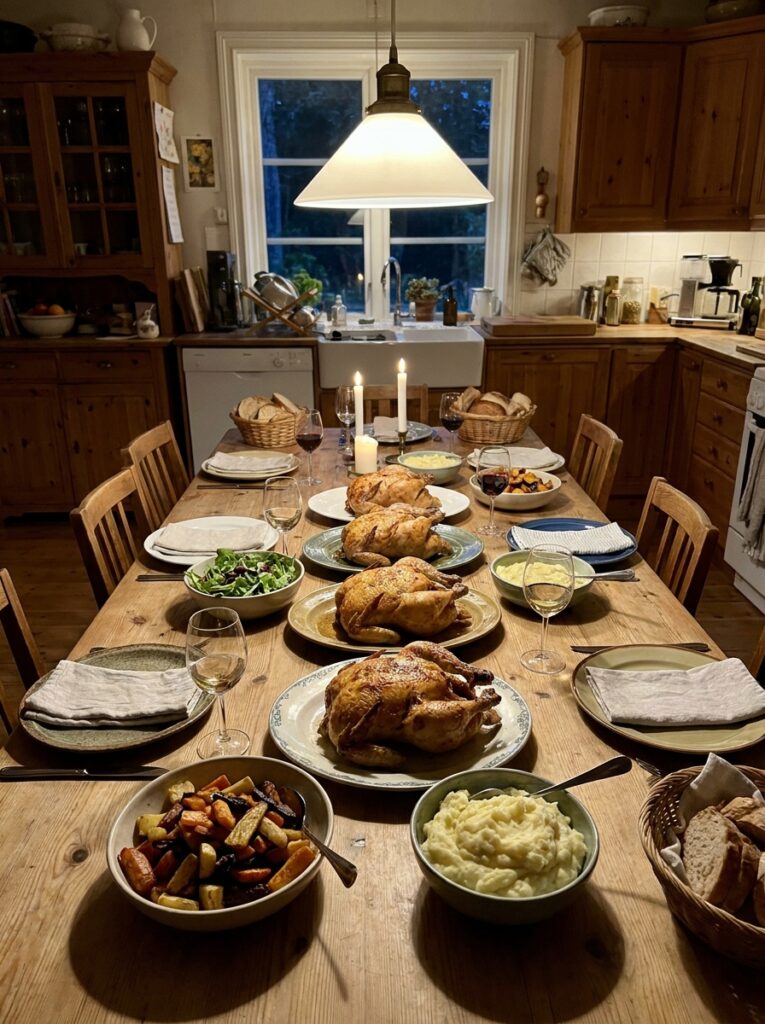
My sister called me on a Tuesday night and said, “I’ve made the same roast chicken four times in a row and my husband has started hiding.” That was six months ago. Since then, I’ve been on a mission — not to find fancy chicken recipes, but to find the ones that are genuinely different enough to feel exciting and still reliable enough for a weeknight.
Turns out the oven is hiding an embarrassing number of great ideas.
—
1. Why the Oven Does Something a Pan Just Can’t
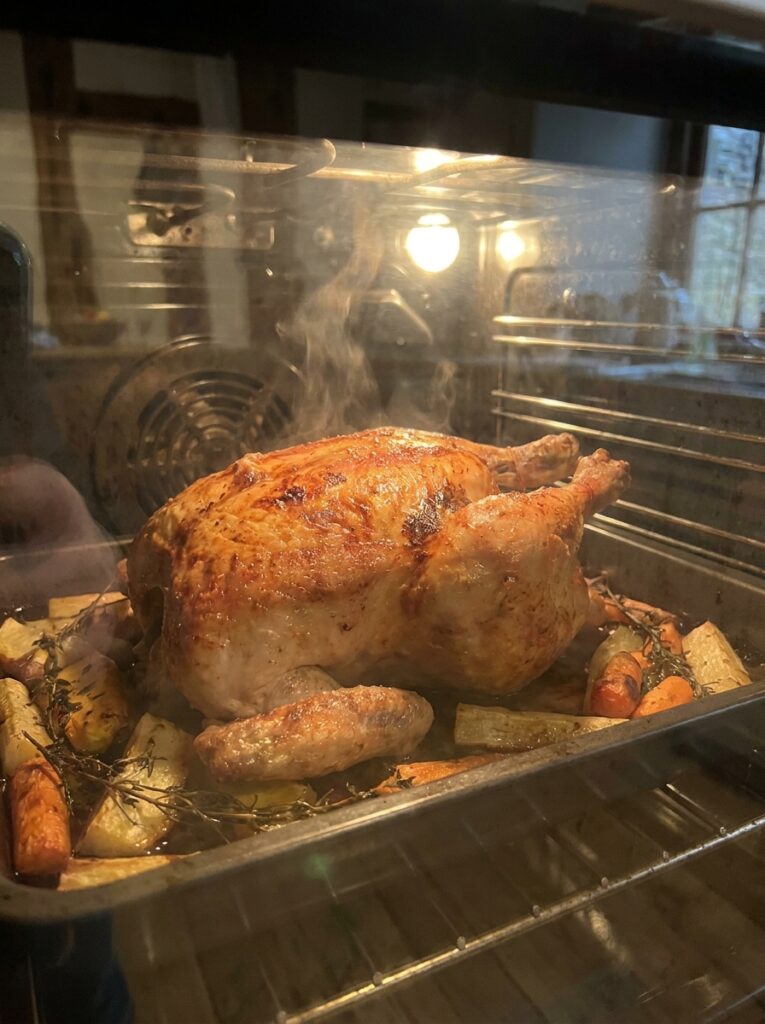
Okay so first — hear me out. The oven isn’t just “easier than the stovetop.” It’s doing something actually different to the chicken.
When you roast or bake chicken in the oven, you’re surrounding it with consistent, circulating heat. The skin dries out and crisps in a way that pan-frying only halfway achieves. The juices redistribute slowly instead of hitting a scorching pan and evaporating. And the fat renders down through the meat, which is why properly oven-baked chicken tastes richer than it has any right to.
There’s also this: you walk away. You do other things. You set the table or help with homework or stand in your kitchen in your socks drinking a glass of wine while the whole house fills up with that smell. You know the one.
That’s not nothing. That’s EVERYTHING some nights.
“The oven doesn’t just cook the chicken — it turns cooking into something that happens to you, instead of something you’re constantly managing.”
The pan demands your attention every thirty seconds. The oven basically says: go on, I’ve got this.
—
2. The Garlic Butter Baked Chicken Thighs That Converted a Breast Person
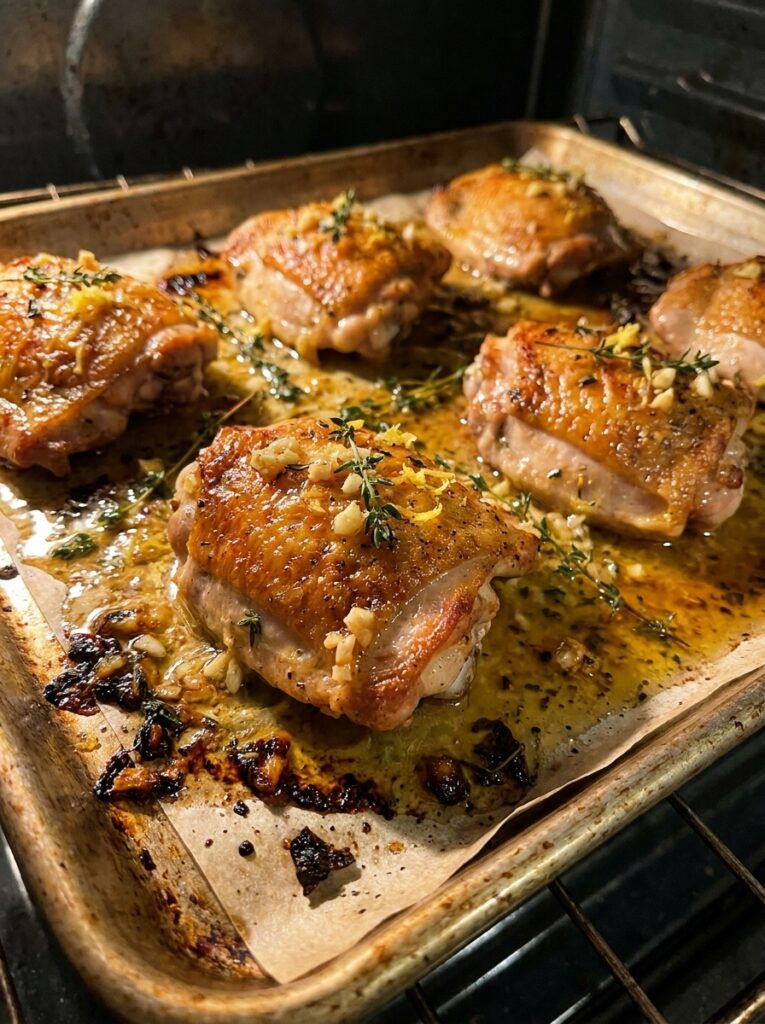
I spent years being a chicken breast person. I don’t know why. Habit, probably, or some half-remembered diet thing from years ago. But chicken thighs in the oven at 400°F (200°C) with garlic butter? Genuinely changed my life, which I realize sounds dramatic.
Here’s the move: mix softened butter with minced garlic, fresh thyme leaves, a bit of lemon zest, salt, and black pepper. Get it under the skin and over the top. Put the thighs skin-side up on a baking sheet or in a cast iron pan, roast for 35–40 minutes, and then just stop and look at what you made.
The skin will be burnished and crispy, almost lacquered. The meat underneath will be tender enough to fall off the bone without a knife. And the garlic butter pooling in the pan? Pour that over everything. Every last drop.
This is a Tuesday dinner that feels like Sunday. That’s the whole point.
—
3. One-Pan Chicken and Roasted Tomatoes: The Recipe That Looks Better Than It Tastes (No — Wait, It’s Both)
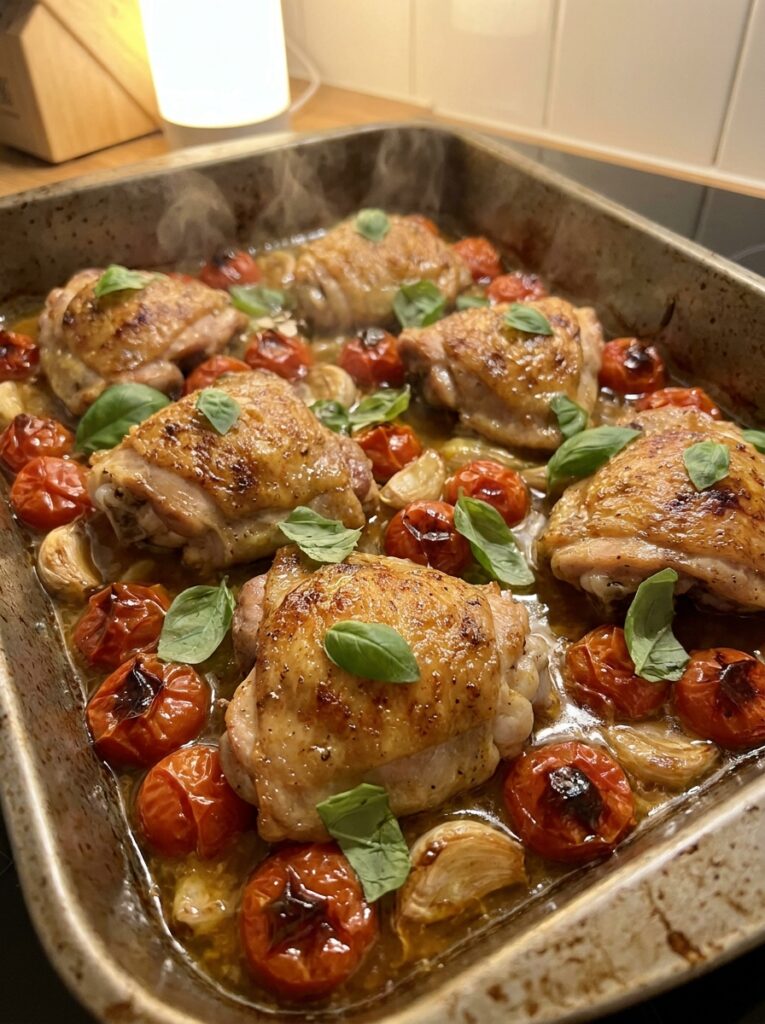
I almost didn’t write this one because it sounds too simple. A pan of chicken, a mess of cherry tomatoes, some olive oil, garlic. How good can it be?
Pretty embarrassingly good, honestly.
The key is that the cherry tomatoes burst and collapse into this thick, concentrated sauce situation at the bottom of the pan while the chicken is roasting above. By the time everything’s done — about 40 minutes at 425°F (220°C) — the tomatoes have turned jammy and slightly caramelized and absolutely drenched in chicken juices, and it’s kind of absurd.
Add some fresh basil over the top before you serve it. Serve it with crusty bread to drag through that pan sauce. Or pasta, or polenta, or literally nothing and just eat it with a spoon from the pan while standing at the counter, which I’ve also done and don’t regret.
This one photographs beautifully, too, if that matters to you. It matters to me a little. I’m not ashamed.
—
4. The “Set It Before Your Shower” Whole Roast Chicken
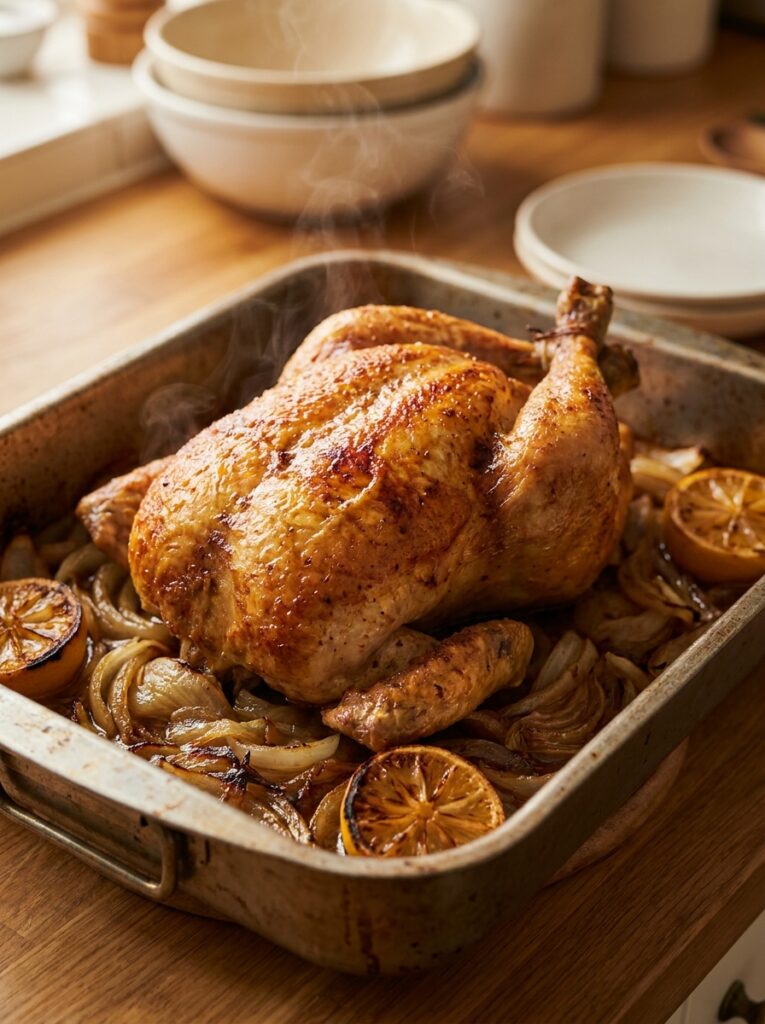
Whole roast chicken is one of those things that sounds impressive and is actually just… leaving something in the oven long enough. But the prep matters more than most people admit.
Dry the chicken completely before it goes in. I mean really dry it — pat it down with paper towels until it’s almost unnervingly dry. Season it generously with salt and let it sit in the fridge uncovered for an hour if you can, overnight if you’re feeling ambitious. That’s what gives you proper crispy skin.
Then roast it at 425°F (220°C) on a bed of rough-cut onions and half a lemon. Rub the whole thing with butter and more salt. Roast a 3.5–4 lb chicken for about 1 hour 10–15 minutes, until the juices run clear.
Rest it. Please. Ten minutes minimum.
The onions underneath turn golden and soft and absolutely delicious, and they’re not even the point. They’re just a bonus. The point is the crackly skin, the deeply savoury meat, the way the whole kitchen smells for two hours afterward.
“One whole roast chicken and suddenly everyone in the house is in a good mood. I can’t explain the alchemy. I’ve just accepted it.”
—
5. Paprika-Roasted Drumsticks: The One Kids Demolish Before Adults Get to the Table
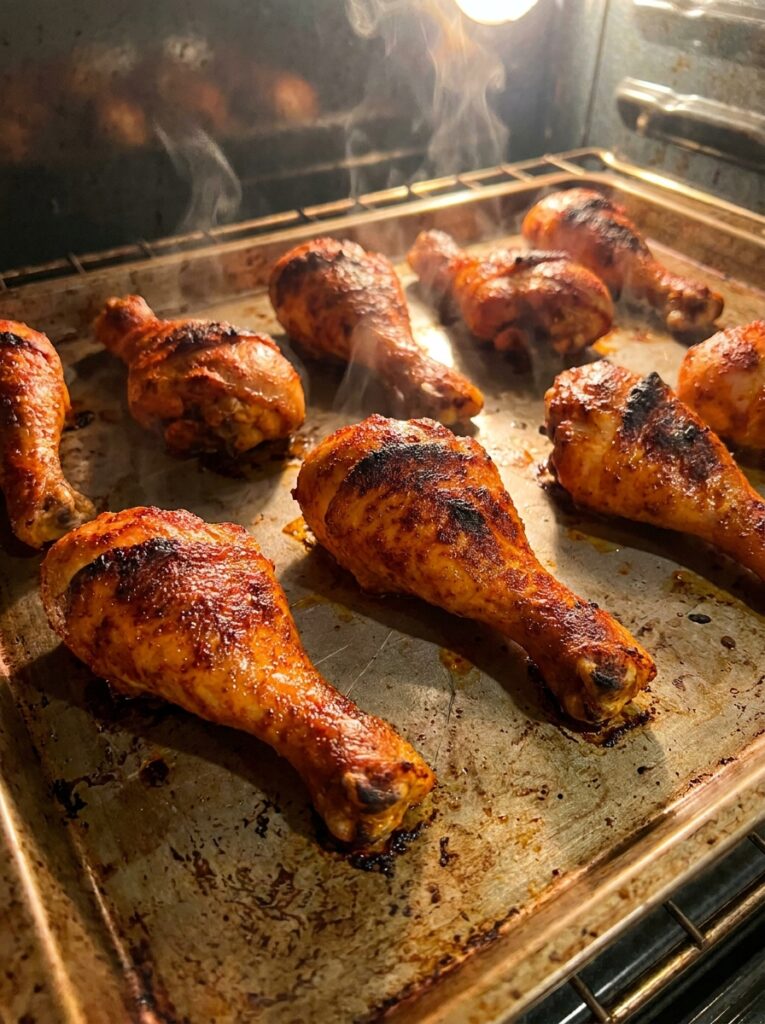
Drumsticks are underrated and I will stand behind that forever. They’re cheaper than thighs, easier than breasts, and when you roast them with the right spice rub? They become exactly the kind of food people reach for without thinking.
My rub: smoked paprika, garlic powder, onion powder, a little cumin, brown sugar, salt, and cayenne — just enough to know it’s there. Toss the drumsticks in olive oil first, then coat them in the spice mixture, spread them out on a baking sheet (don’t crowd them, give each one some air), and roast at 400°F (200°C) for 45–50 minutes, turning once halfway through.
The brown sugar caramelizes slightly. The paprika goes deep red and a little smoky. The skin crisps up around the edges in a way that’s almost crunchy.
They look like something from a restaurant and they cost almost nothing to make. Pack them for lunch the next day cold — also excellent. Maybe better.
—
6. Lemon and Herb Sheet Pan Chicken: The Answer to “I Don’t Know What to Make”
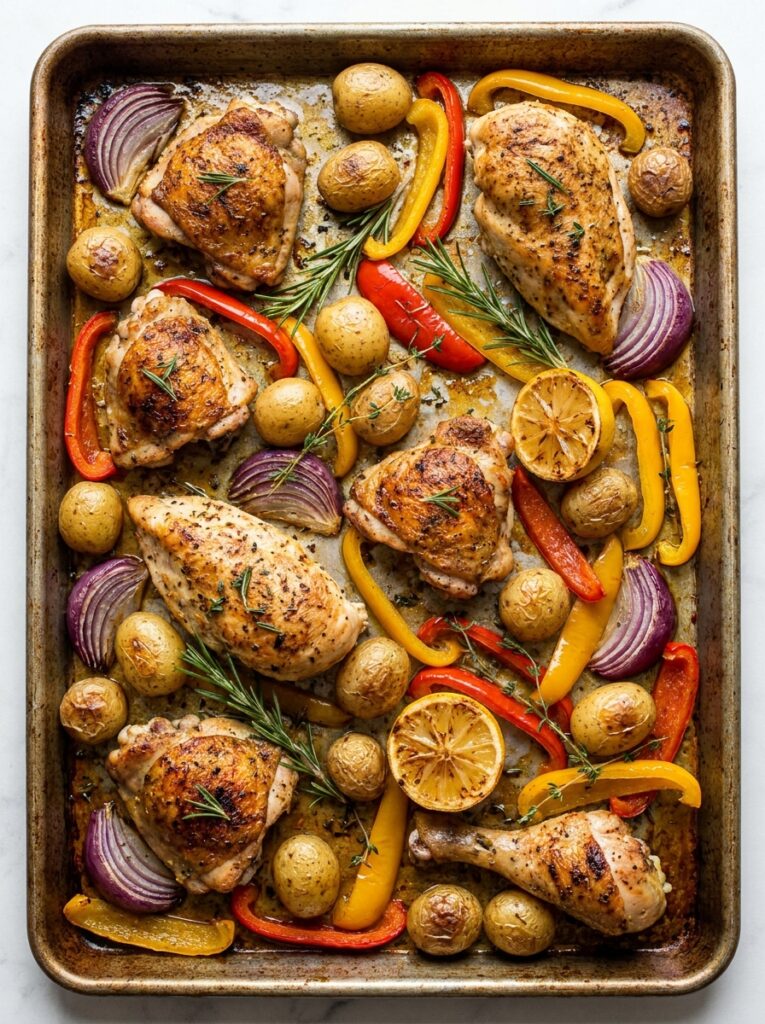
The sheet pan chicken dinner exists to save weeknights and it does its job extremely well. Here’s mine:
Chicken pieces (thighs, legs, whatever you’ve got) with baby potatoes, sliced peppers, and a red onion cut into rough wedges. Everything goes on one large baking sheet — or two if your oven’s standard size and you don’t want things steaming instead of roasting. Drizzle generously with olive oil, squeeze a whole lemon over the top, scatter fresh rosemary and thyme, season with a lot of salt and pepper.
Roast at 400°F (200°C) for about 45 minutes. Everything cooks together, the potatoes absorb all the chicken drippings, the onion gets sweet and jammy at the edges.
One pan. Minimal thinking. Dinner done.
The clean-up is almost offensive in how easy it is. I line the pan with foil and sometimes there’s genuinely nothing to wash. That’s a dinner that respects your time.
—
7. The Honey Mustard Glazed Chicken That Converts People Who Think They Don’t Like Mustard
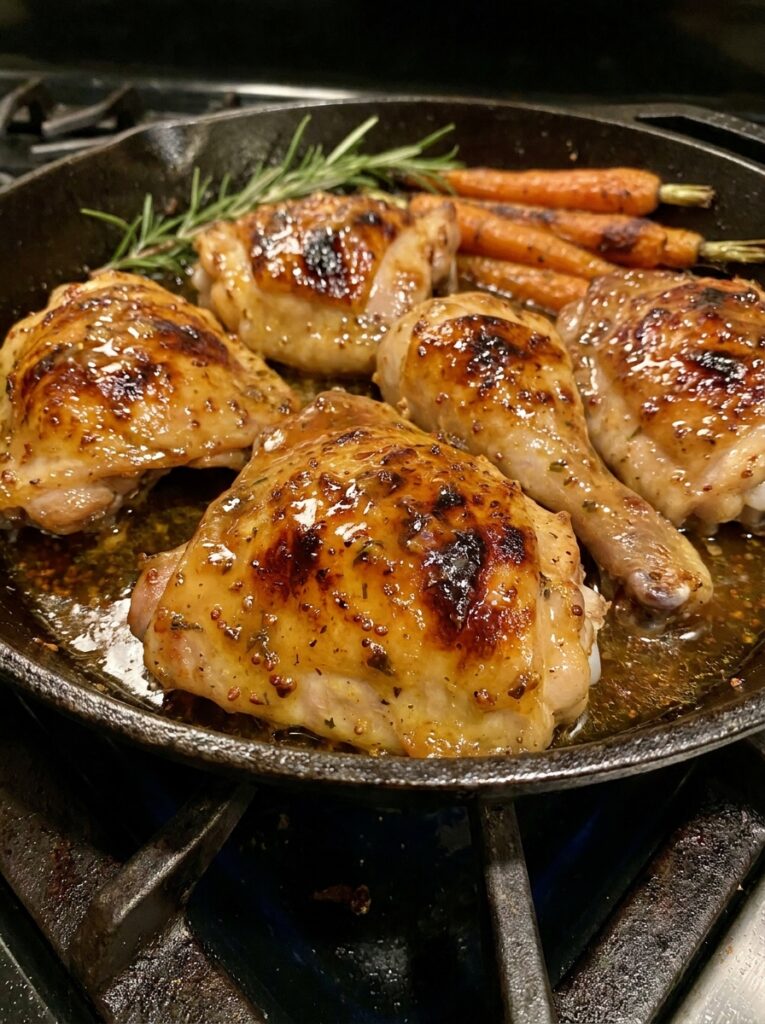
My neighbor has said she doesn’t like mustard since I’ve known her. Made her this once. She asked for the recipe before she’d finished eating.
The glaze is four parts honey to one part Dijon — so maybe 4 tablespoons honey and 1 tablespoon mustard — with a little garlic, a splash of apple cider vinegar, salt, and olive oil. Brush it over bone-in chicken pieces and roast at 400°F (200°C) for about 40 minutes, brushing with more glaze halfway through.
What happens is the honey caramelizes and the mustard mellows and the whole thing becomes sweet-tangy and sticky in a way that’s just irresistible. It doesn’t taste strongly of mustard by the end. It tastes like chicken with a really good secret.
Serve with mashed potatoes and something green and watch people go quiet over their plates. That’s how you know it worked.
—
8. Stuffed Chicken Breasts: The One That Looks Like You Tried Really Hard When You Didn’t
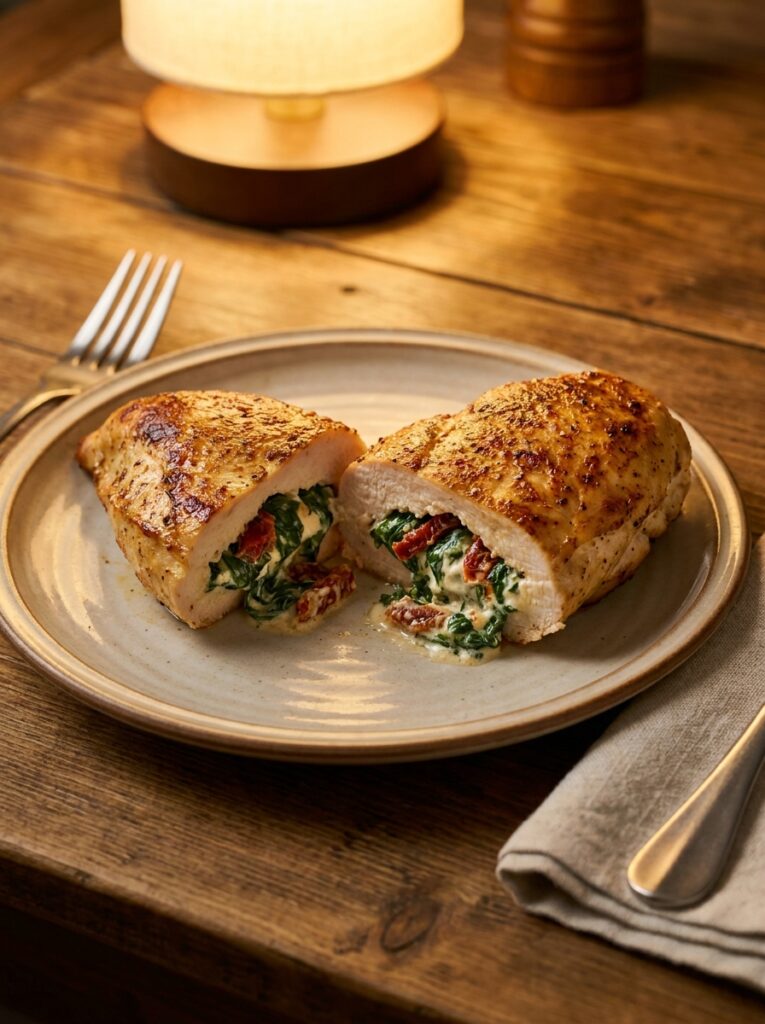
Stuffed chicken breasts sound laborious. They’re not. You just make a pocket.
My favorite filling right now: a mix of cream cheese, wilted spinach, sun-dried tomatoes, and grated parmesan. Season it, stuff it into a pocket you cut into the side of each breast, seal it with a toothpick, season the outside generously, and sear it briefly in an ovenproof pan before transferring the whole thing to the oven at 375°F (190°C) for 22–25 minutes.
The cream cheese filling gets all melty and the outside stays golden. When you cut into it, the filling holds together just enough to be satisfying. It looks complicated. It’s genuinely not.
You’ll want to slice these on the diagonal for serving because — okay I’m being a little vain about this but — the cross-section is beautiful. Creamy white and green and red against the golden-brown chicken.
“Sometimes dinner doesn’t need to be simple AND easy AND cheap AND impressive. But when it manages to be all four? That’s the one you pin and make twelve more times.”
—
9. Baked Chicken Tikka — The Oven Version That’s Genuinely Worth Making
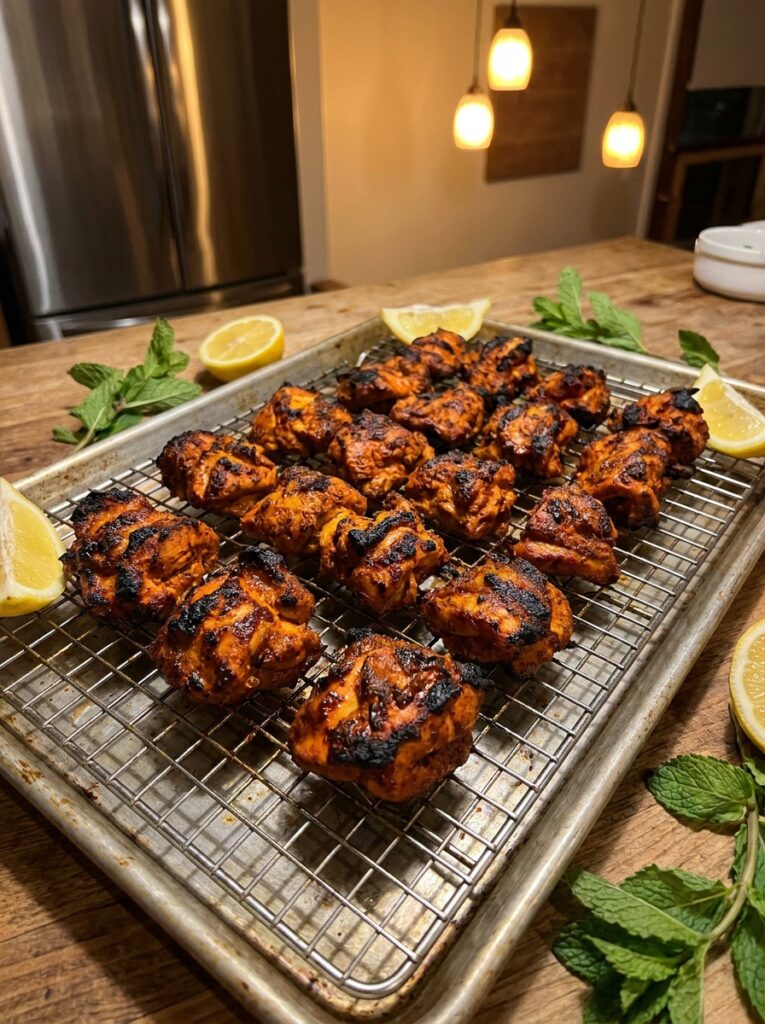
This one is for when you want something a bit different and you’ve got an hour and a marinade bowl.
Marinate chicken thighs (boneless, skinless) in full-fat yogurt, lemon juice, garam masala, cumin, coriander, turmeric, kashmiri chili for the red color, garlic, fresh ginger, salt. At least 2 hours. Overnight if possible. The yogurt tenderizes the meat and helps the marinade stick and cling through cooking.
Lay the pieces on a rack over a foil-lined baking sheet — the rack means air circulates underneath and the chicken doesn’t stew in its own liquid. Roast at 450°F (230°C) for 20–25 minutes, turning once.
You’re not getting tandoor results at home. Let that go. What you ARE getting is deeply spiced, tender chicken with slightly charred edges and color that looks incredible. Serve with warm flatbread, sliced red onion, cucumber, a big squeeze of lemon, and some mint yogurt on the side.
Worth every minute of the marinade time. Not even close.
—
10. The Slow-Roasted Chicken Legs That Require Patience and Reward It Accordingly
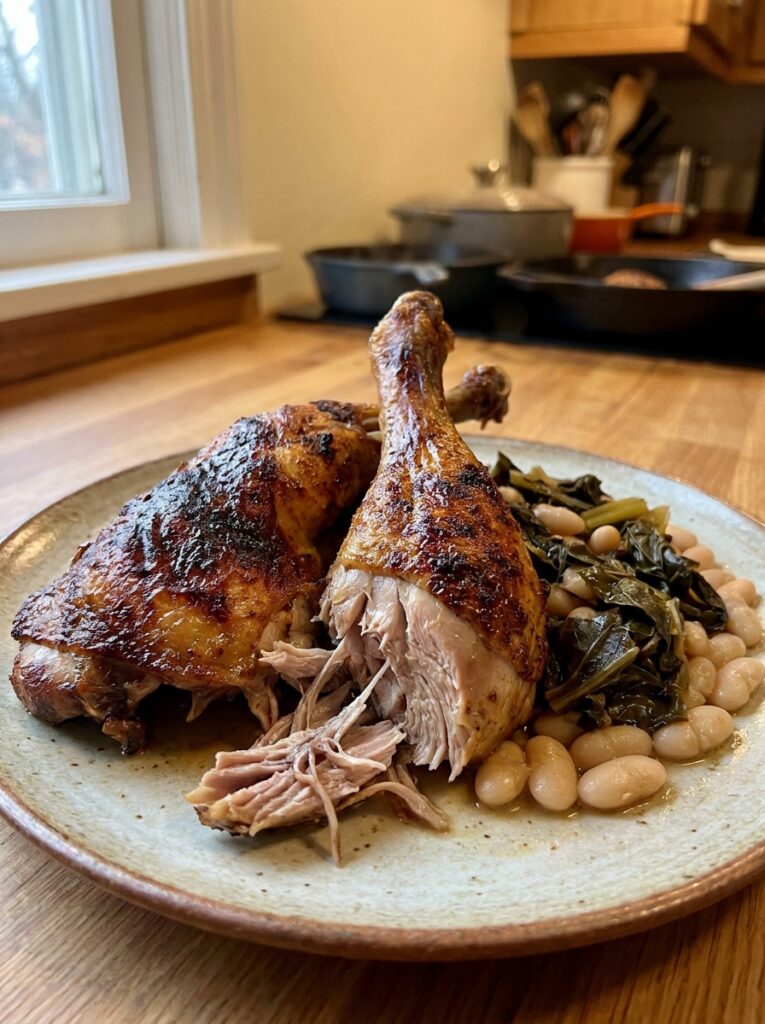
Most oven chicken recipes involve high heat and speed. This one goes the other direction entirely — and it’s one of the most quietly satisfying things you can make.
Chicken legs, seasoned simply with salt, pepper, and herbs, roasted low and slow at 300°F (150°C) for 2 to 2.5 hours. That’s it. No complicated sauce, no elaborate prep. Just time.
At low heat, the fat in the chicken renders out slowly and the collagen in the joints breaks down into something that’s almost silky. The meat doesn’t dry out — it relaxes. By the end, you can pull it apart with a fork and it practically wants to leave the bone.
Crank the oven to 425°F (220°C) for the last 10 minutes if you want the skin to crisp up. I always do.
Serve it with something simple — white beans, braised greens, crusty bread. The chicken is enough of a statement on its own.
—
11. Za’atar Roasted Chicken: The Flavor Combination That Will Ruin Other Roast Chicken for You
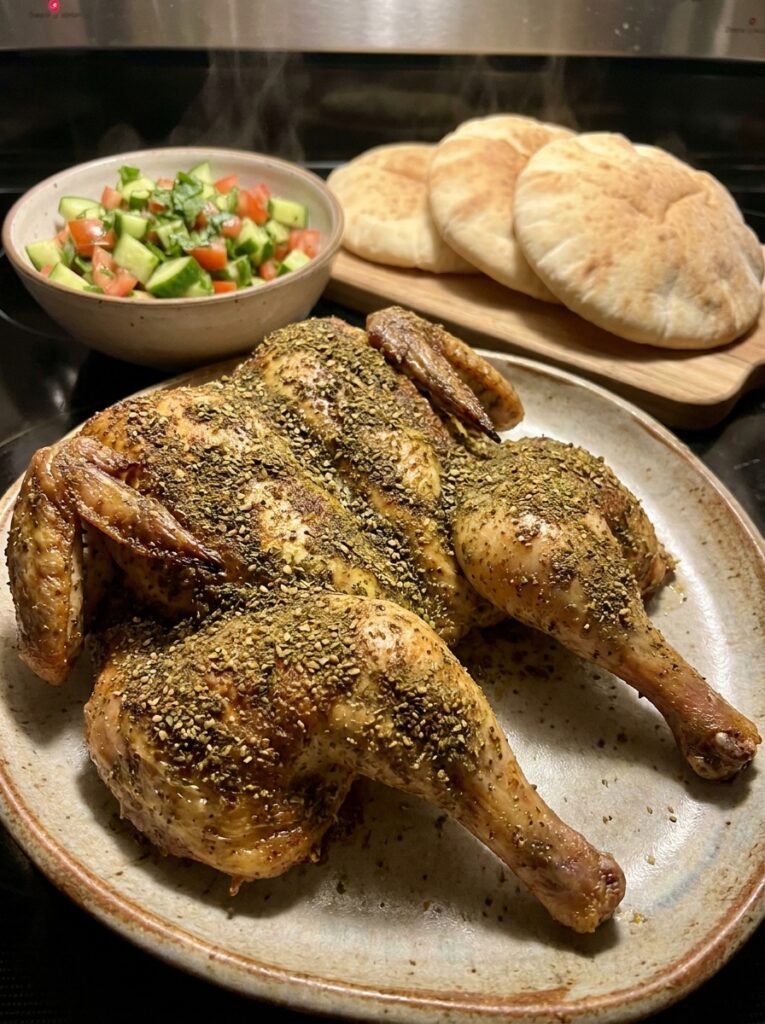
Za’atar is a dried herb blend — thyme, sumac, sesame seeds, oregano — and if you haven’t put it on roast chicken yet, I genuinely feel a bit sad for past-you.
Mix za’atar generously with olive oil to make a loose paste. Rub it all over a spatchcocked chicken (or bone-in pieces if spatchcocking sounds annoying — it’s fine, I get it). Roast at 425°F (220°C) for about 45 minutes to an hour, depending on the size.
The za’atar crust becomes this fragrant, slightly herby coating that’s unlike anything a standard herb rub gives you. The sumac in it has this faint citrus tang. The sesame seeds add something nutty. The whole thing smells like somewhere warm and beautiful.
Serve it with a simple cucumber and tomato salad, some hummus on the side, warm pita. Weeknight dinner that feels slightly like a small event.
—
12. Leftover Oven Chicken: The Part Nobody Talks About Enough
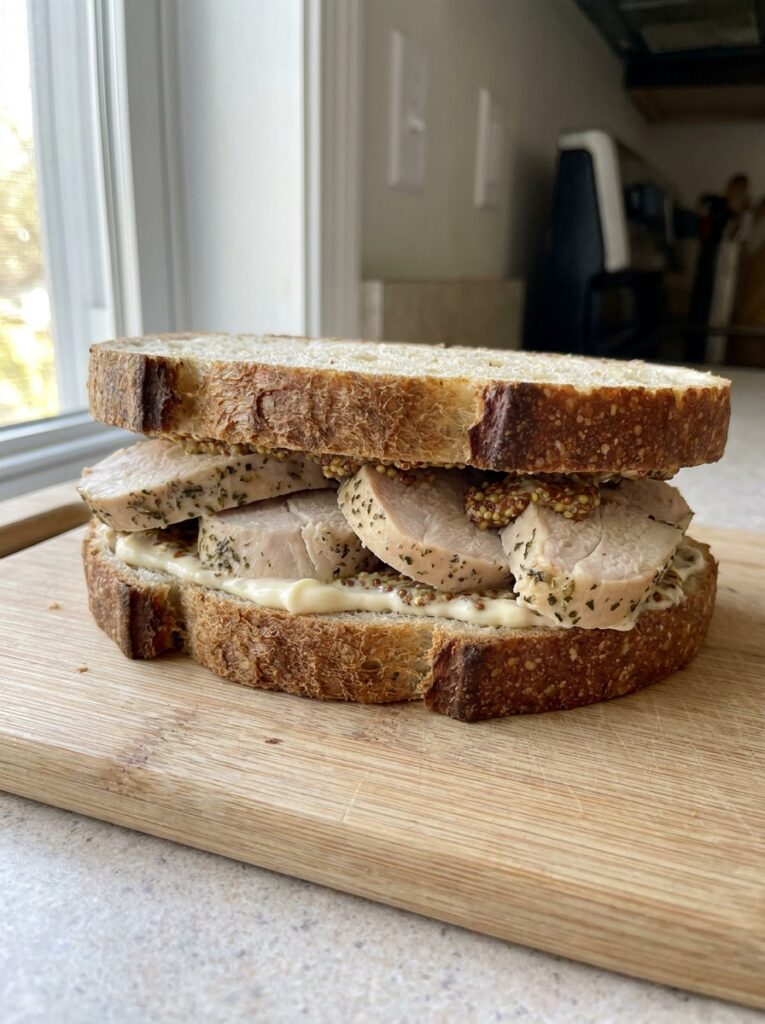
Here’s what I actually want you to take away from all of this: leftover oven-baked chicken is one of the best ingredients in your fridge.
Cold roast chicken makes the best sandwiches — thick slices of meat with mayo and mustard on good sourdough. Shredded, it goes into quesadillas, chicken soup, pasta with cream sauce, fried rice, a chicken and avocado salad that feels about five minutes to put together.
Don’t waste a single bit. The carcass from a whole roasted chicken makes incredible stock — cover it with cold water, add onion, carrot, celery, peppercorns, bay, and simmer for two hours. What you get is better than anything in a carton, and practically free.
Oven chicken isn’t just one dinner. Made right, it’s three. And that, honestly, is why it’s always going to be worth it.
—
❓ FAQ
Q: What temperature should I bake chicken at in the oven? A: It depends on what you’re going for, but most bone-in pieces do brilliantly at 400–425°F (200–220°C), which gives you crispy skin without drying out the meat. Slow-roasting at 300°F (150°C) works too, but you’ll need much more time. Always use a meat thermometer — 165°F (75°C) at the thickest part is what you’re aiming for.
Q: How do I stop oven-baked chicken from drying out? A: A few things help massively. Don’t overcook it — get a thermometer if you haven’t already. Use thighs and legs instead of breasts when you can, since they have more fat. Marinating helps. And if you’re using breasts, brining them in salted water for 30 minutes before cooking makes a real difference.
Q: Can I prep oven chicken recipes in advance? A: Yes, and honestly you should. Most marinades and spice rubs can be applied the night before and the chicken left in the fridge uncovered, which also helps the skin dry out and crisp up better. Sheet pan components can be chopped ahead. The actual roasting is the only part that has to happen fresh.
—
💭 Final Thoughts
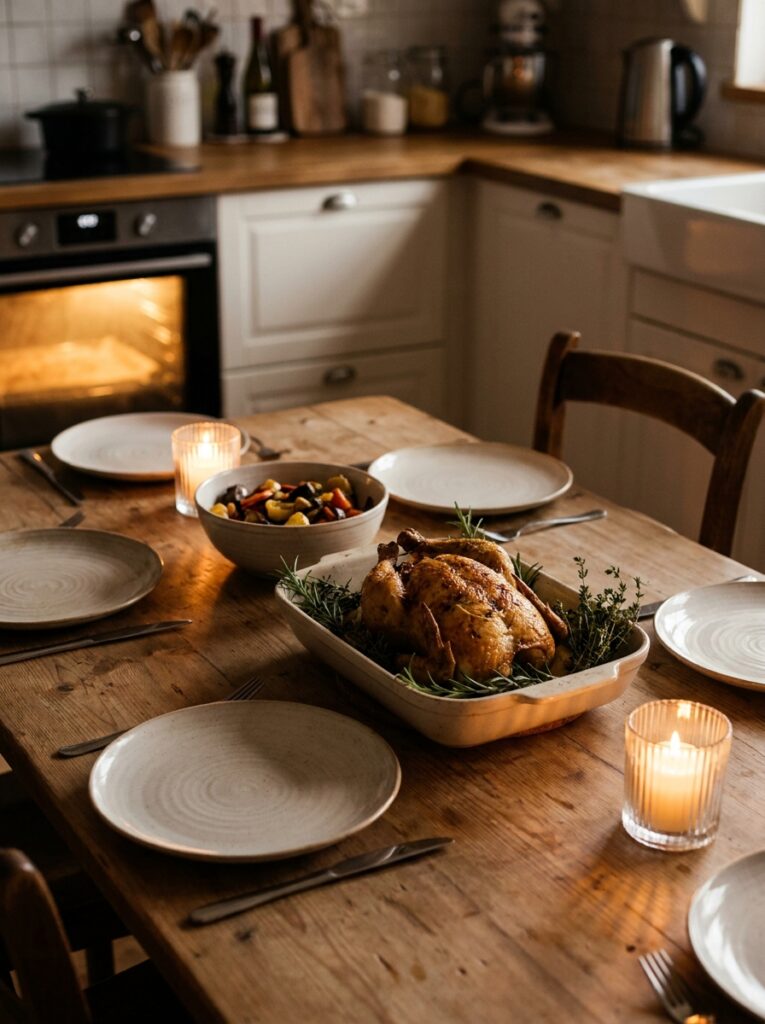
The oven is the most reliable thing in my kitchen. On the nights when I don’t have much energy or time or mental space, I know that if I put seasoned chicken in there and turn it on, something good is going to come out.
There’s a reason these recipes keep getting saved and shared — not because they’re complicated or clever, but because they work, every time, without a lot of fuss. That’s a rare thing.
Which one are you trying first?
