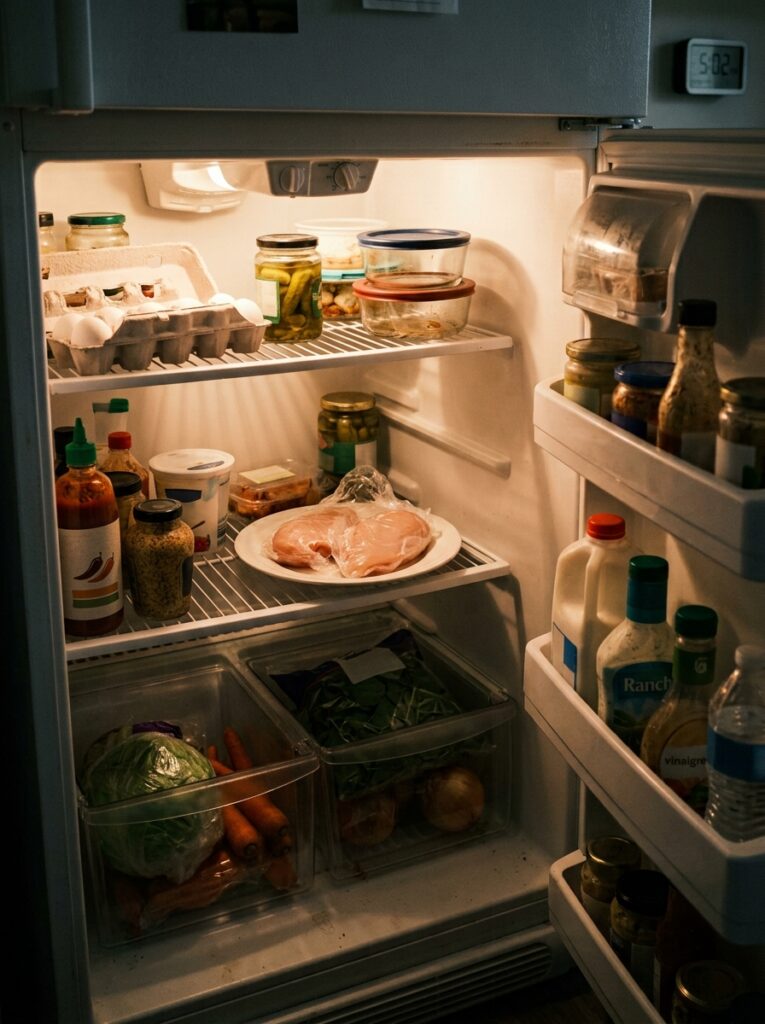
Okay so it’s Tuesday. You’ve got chicken breasts in the fridge and absolutely zero inspiration. Been there. Done that. Eaten sad, rubbery chicken because of it.
That ends tonight.
—
1. Why Chicken Breast Gets a Bad Rap (And Why It’s Completely Deserved — But Fixable)
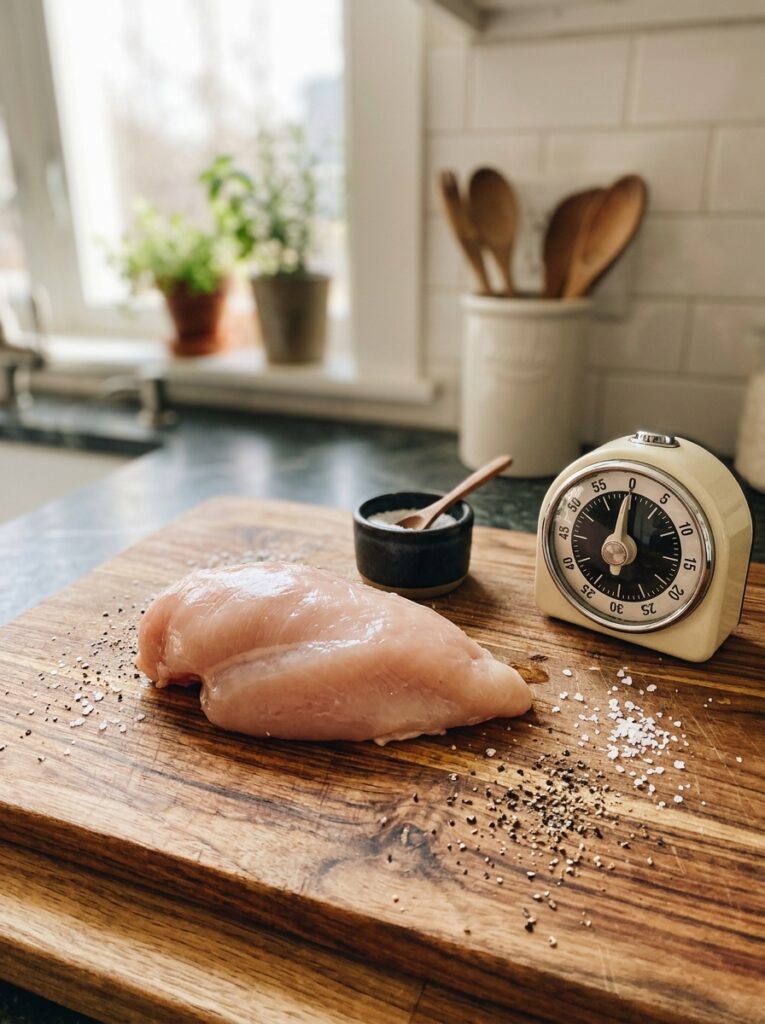
Not gonna lie, chicken breast has earned its boring reputation. Most people overcook it. They crank the heat, walk away, come back to something that tastes like a gym supplement. And then they wonder why they’re not excited about dinner.
Here’s the thing though: it’s not the chicken’s fault.
Chicken breast is basically a blank canvas that punishes bad technique and REWARDS good ones. The margin for error is smaller than with thighs, sure. But once you get it right — that moment when you slice through and there’s actual juice — it’s worth it.
“The margin for error is smaller, but once you get it right — that moment when you slice through and there’s actual juice — it’s absolutely worth it.”
The single biggest mistake? Cooking it straight from the fridge. Cold chicken hitting a hot pan is a disaster. Let it sit out for 10-15 minutes first. That’s it. That’s the whole secret nobody puts at the top of the recipe.
—
2. The Garlic Butter Trick That Makes Everything Taste Expensive
This one’s almost embarrassing how simple it is.
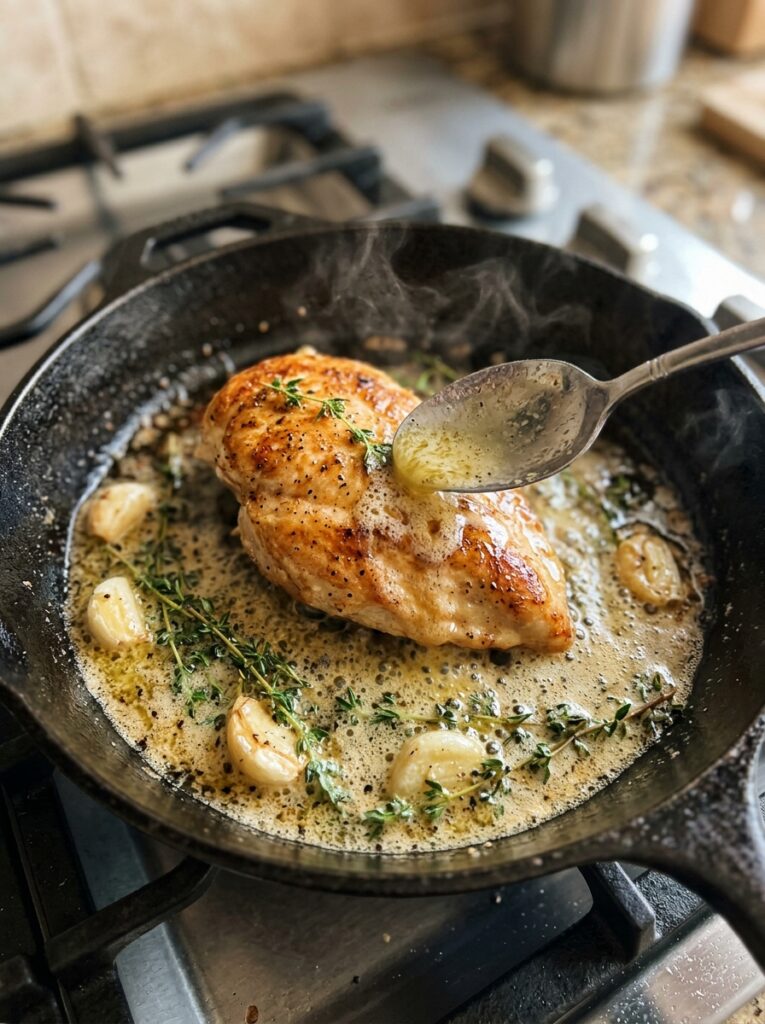
Butter. Garlic. A pan that’s actually hot before the chicken goes in. That’s it.
Season your chicken breasts generously — more salt than feels comfortable, honestly — and sear them in a mix of butter and a tiny splash of oil so the butter doesn’t burn. Four minutes each side on medium-high, then you toss in about three crushed garlic cloves and a few sprigs of fresh thyme if you’ve got them. Spoon the foamy garlic butter over the top. Keep basting. Keep going. It smells like something from a restaurant and it takes about 15 minutes total.
Serve it over mashed potatoes or with crusty bread to catch the butter. You can thank me later.
The reason the oil matters: it raises the smoke point of the butter so you can actually get some colour on the meat without ending up with a burnt, bitter mess. Small detail, big difference.
—
3. The Lemon Pasta Situation That Comes Together in Literally Twenty Minutes
Someone told me this recipe felt “too easy to be good.” She made it for her whole family and now it’s on rotation every other week. So.
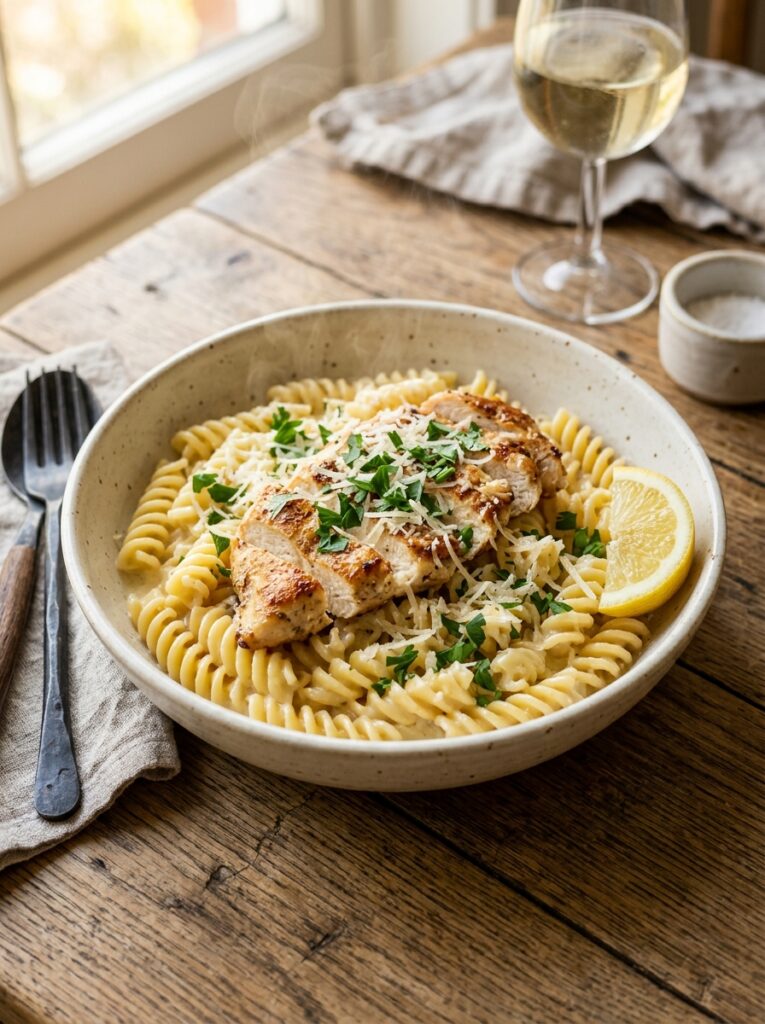
Cook whatever pasta you have. While it’s going, slice two chicken breasts thin — like, butterfly them and then cut across — and fry them fast in olive oil with salt, pepper, and a heavy pinch of chilli flakes if you like heat. Takes maybe six minutes because the pieces are small.
Then: zest and juice of one lemon, a big handful of parmesan, and a splash of the pasta water to make it saucy. Toss everything together. Finish with fresh parsley if you have it.
The pasta water is non-negotiable. It’s starchy and salty and it turns a handful of ingredients into something that actually coats the pasta instead of pooling at the bottom of the bowl. Don’t skip it. Don’t drain it before you reserve some. Just — keep a mug by the pot and scoop it before you drain.
—
4. When You Need Something That Feels Like a Hug: One-Pan Creamy Tomato Chicken
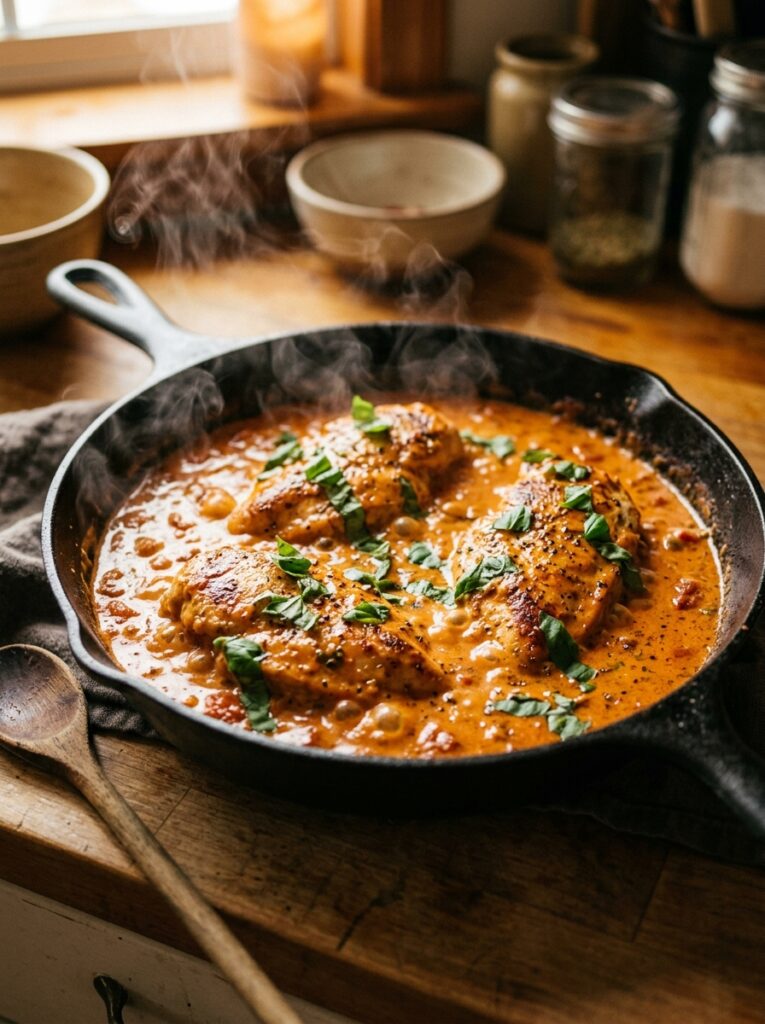
There are nights for simple and there are nights for COMFORT.
This is for the second kind.
Sear your chicken first — same garlic butter approach as above, get some color on it. Take it out of the pan. In the same pan (don’t wash it, all that fond is flavor) soften a diced onion, add a can of chopped tomatoes, a splash of chicken stock, and a good few tablespoons of cream. Season it hard. Let it bubble for five minutes, then nestle the chicken back in and let it finish cooking in the sauce for another ten.
By the end, the sauce has thickened slightly and gone this deep, orangey-red color that looks like you’ve been cooking for hours. You haven’t. It’s been maybe 25 minutes.
Side note — this works brilliantly with a glass of red wine while you’re cooking. For the cook, not the sauce. Though some people do both.
—
5. The Spice Rub That Works for Every Single Night of the Week
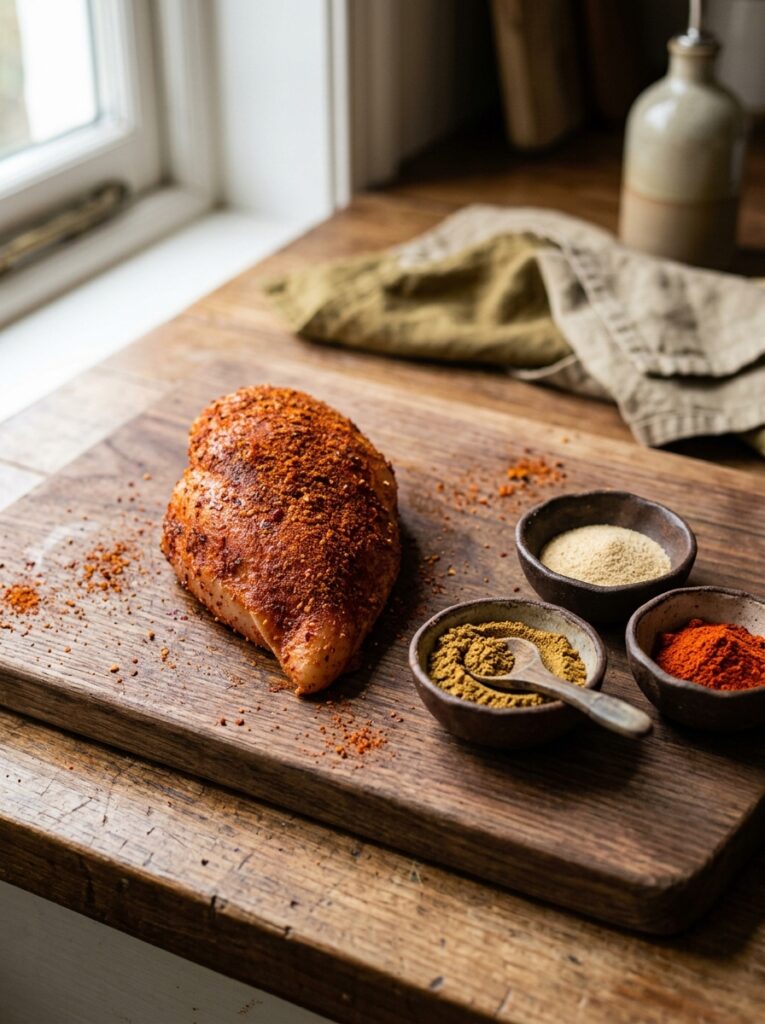
I’ve been making this same spice rub for years and it never gets old.
Smoked paprika, cumin, garlic powder, onion powder, a pinch of cayenne, salt and pepper. Equal parts of the first four, half as much cayenne, salt to taste. Mix it in a bowl and rub it all over the chicken. Let it sit if you can — even ten minutes makes a difference. Then cook it however you like: bake it at 400°F (200°C) for 22-25 minutes, grill it, or pan-fry it.
The smoked paprika does something almost magical. It gives this deep, slightly smoky flavor that makes plain chicken taste like it came off a BBQ. And the spice crust that forms when it hits heat? That slight crispiness on the outside? That’s what you’re after.
“The smoked paprika does something almost magical — gives this deep, smoky flavor that makes plain chicken taste like it came off a BBQ.”
You can use this on tacos, salads, wraps, rice bowls. Make extra. Trust me.
—
6. Pounding Chicken: The Step Most Home Cooks Skip and Honestly Shouldn’t
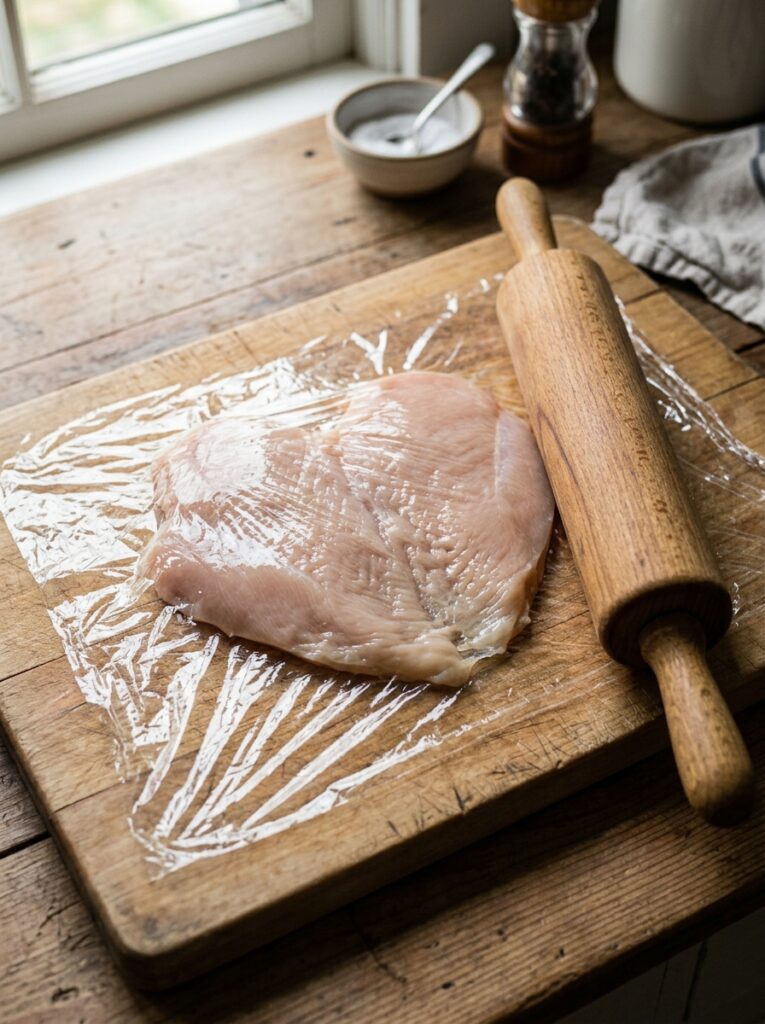
Before we go any further — can we talk about pounding?
Not glamorous. Slightly aggressive. But it changes EVERYTHING.
When you put a chicken breast flat into a zip-lock bag or between two sheets of cling film and bash it to an even thickness with a rolling pin (or a heavy pan, no judgment), a few things happen. First, it cooks evenly. No more dry edges and raw middle. Second, it cooks FAST — like, five minutes in a hot pan fast. Third, it’s actually more tender because you’ve broken down some of the muscle fibers.
It’s kind of the secret to every chicken dish that comes out of a good Italian American restaurant. They pound it thin. They cook it fast. They let the sauce do the heavy lifting.
Try it once and you’ll do it every time.
—
7. The “I Can’t Be Bothered But I Also Want Something Good” Sheet Pan Dinner
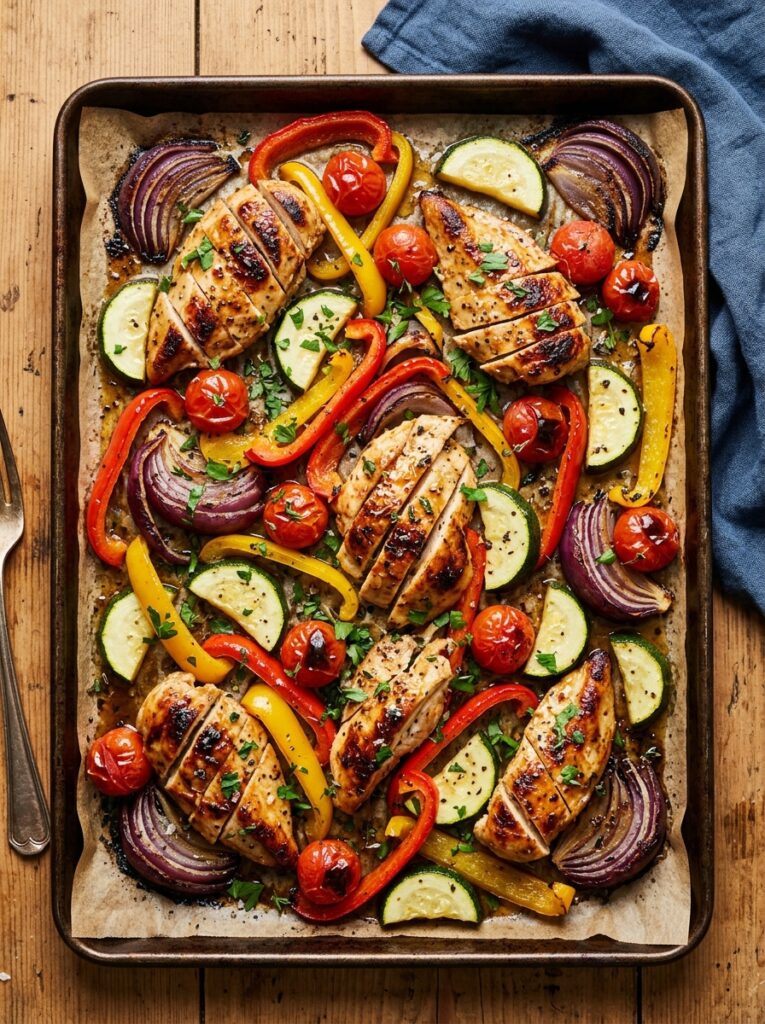
Some nights the answer is sheet pan chicken, and honestly? No shame in that.
Slice your chicken breasts into thick strips — not thin, or they’ll dry out. Toss them on a baking sheet with whatever vegetables are about to turn in your fridge: peppers, courgette (zucchini), red onion, cherry tomatoes, broccoli. Drizzle with olive oil. Season aggressively. Add a squeeze of honey and a splash of soy sauce if you’re feeling it — that combo gives you a gorgeous sticky glaze.
400°F (200°C), about 25 minutes, rotating the pan once halfway through.
The vegetables get a little charred at the edges. The chicken stays juicy because it’s surrounded by moisture from the vegetables as they cook. The whole thing gets finished with a squeeze of lemon and maybe some fresh herbs and it’s — genuinely good. Like, good enough that you don’t feel like you “settled.”
—
8. The Cold Leftover Chicken Problem (And the Solution That’s Better Than the Original Dinner)
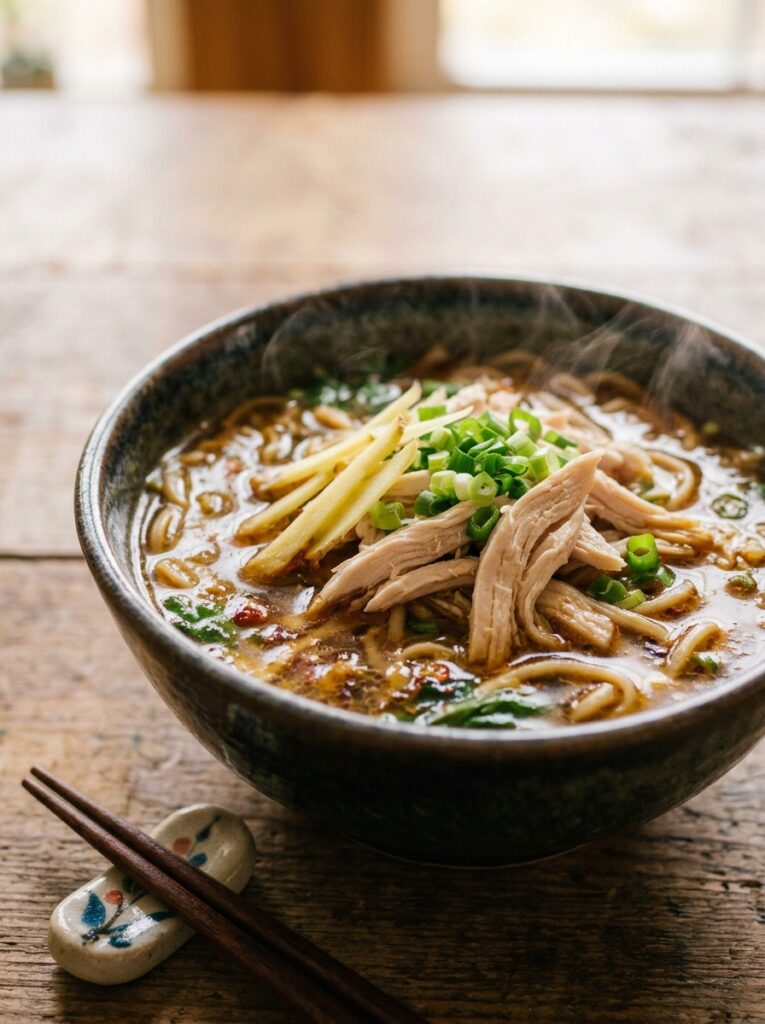
Okay, slight pivot. What do you do with leftover chicken breast the next day?
Because cold, leftover chicken breast is famously sad. It’s dry, it’s a bit rubbery, and reheating it in the microwave usually just makes things worse.
Here’s what actually works: don’t reheat it. Use it cold, shredded, in something where that texture makes sense.
Shredded cold chicken in a noodle broth is genuinely better than freshly cooked. The chicken absorbs the flavors of the broth and sort of comes back to life. Pull it apart with two forks, drop it into hot chicken stock with some ginger, soy sauce, and noodles, and let it sit for two minutes before you eat. Or use it in a chicken Caesar wrap. Or toss it with mayo, Dijon, and chopped celery for a chicken salad that’s infinitely better than anything you’d get from a supermarket sandwich.
The point is: leftover chicken breast isn’t a problem. It’s a different ingredient. Treat it that way.
—
9. Chicken in a Pan Sauce You’ve Probably Never Tried (But Should)
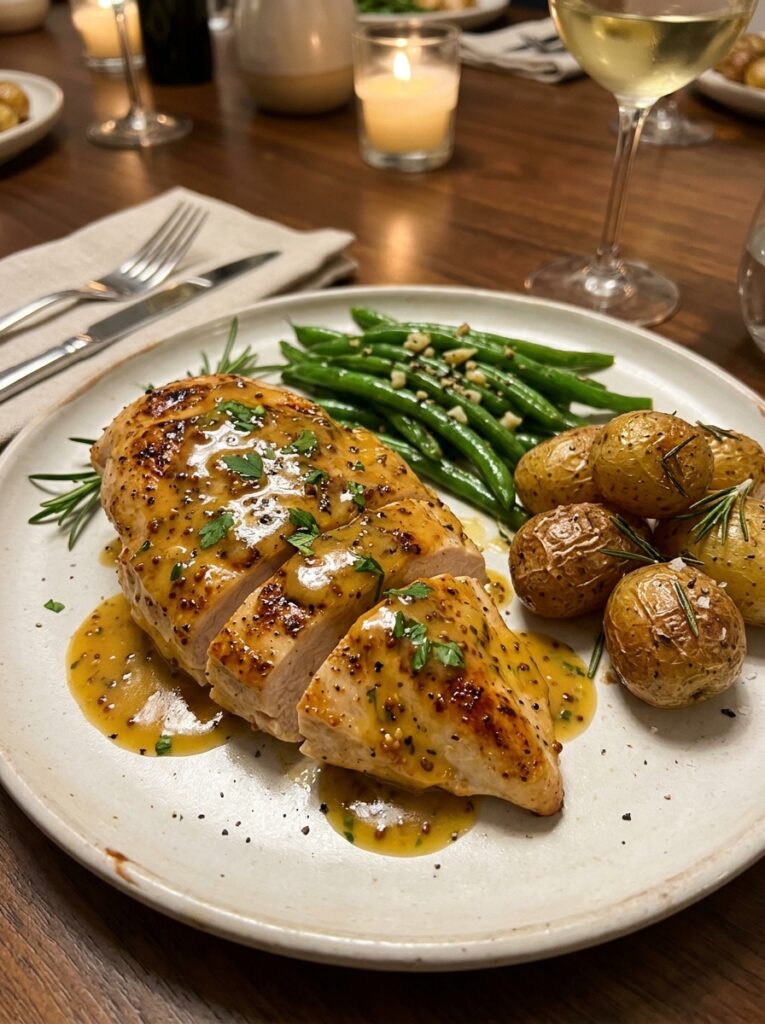
Mustard and honey. That’s it.
Sear your chicken breasts until cooked through, rest them on a plate, and in the same pan pour in about a quarter cup of white wine or chicken stock. Scrape up all the bits from the bottom. Add a tablespoon of Dijon mustard and a tablespoon of honey, plus a splash of cream if you have it. Stir it all together and let it reduce for three minutes.
It’s sharp and sweet and slightly creamy and it sounds too weird to be good. It’s not weird. It’s incredible.
Pour it over the chicken. Serve with green beans or new potatoes. You’ll make this again within the week, I promise. The kind of recipe that disappears into muscle memory.
—
10. When You’ve Got Twenty Extra Minutes: Marinating Actually Matters
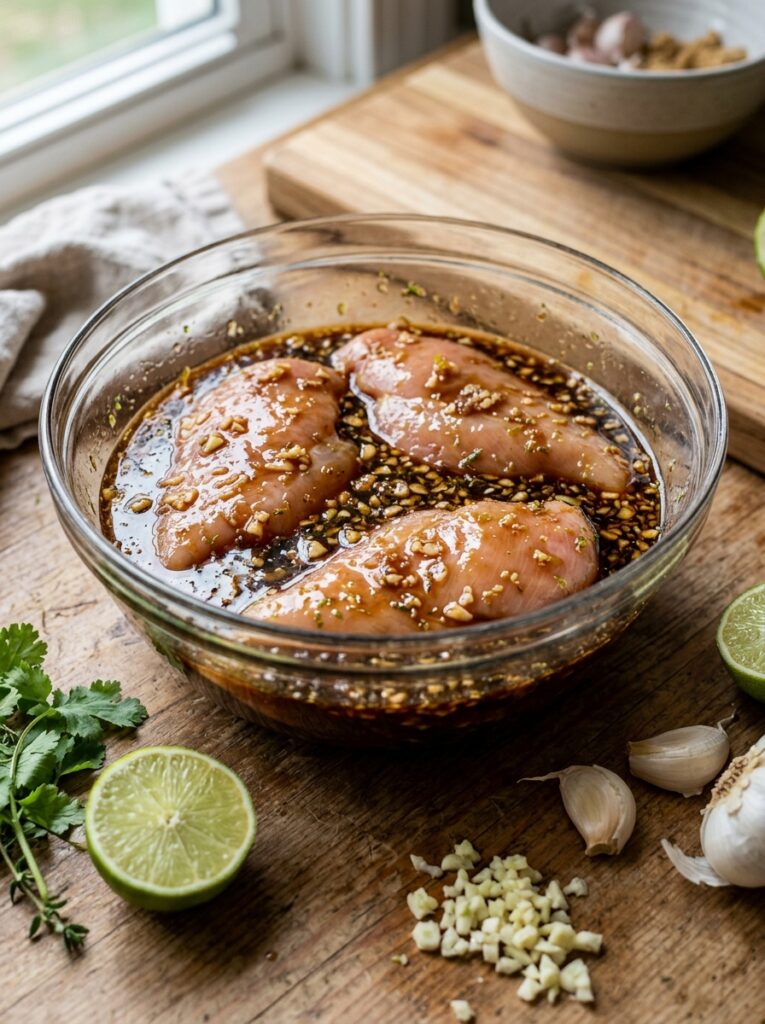
I know, I know. You don’t always have time to marinate. But when you do — or when you’ve had the foresight to stick the chicken in a bag this morning — the payoff is real.
The best quick marinade I’ve ever used: olive oil, soy sauce, a squeeze of lime, garlic, and a bit of brown sugar. It sounds like an odd combination. It makes the BEST chicken. The soy sauce adds this deep savory note, the lime cuts through, the sugar helps it caramelize in the pan.
Even 20 minutes makes a difference. Two hours is ideal. Overnight is brilliant if you’re organized, and let’s be honest, most of us aren’t on a Tuesday.
If you want to meal prep, make double the marinade, freeze half the chicken in it raw, and you’ve got an instant weeknight dinner ready to go. Future you will be genuinely grateful.
—
11. The One Technique That Keeps Chicken Breast Juicy in the Oven, Every Time
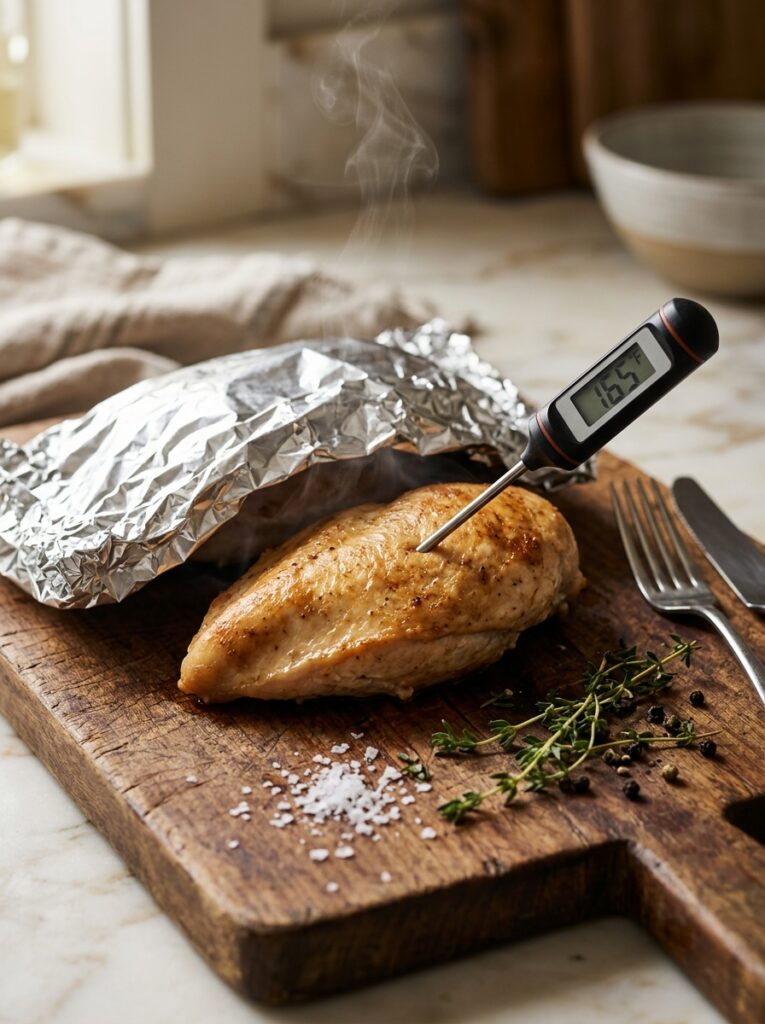
Resting. The chicken needs to rest.
I can’t tell you how many people pull chicken out of the oven and immediately slice into it. The juice literally runs out onto the board and they’re left with dry chicken and a puddle of wasted flavour.
Rest it for five minutes. That’s all. Loosely tent it with foil and just — wait. The fibers relax. The juice redistributes. Then when you slice it, it stays in the meat where it belongs.
The internal temperature you’re looking for is 165°F (74°C). Not higher. A meat thermometer is a cheap investment that will save you from ever eating overcooked chicken again. Serious kitchen game-changer, and I don’t say that about gadgets often.
Also: if you’re baking chicken breast, brine it first. Even a quick 15-minute brine in salted water (1 tablespoon salt to 4 cups water) makes a noticeable difference in moisture and tenderness. Old technique. Still works.
“Rest it for five minutes. Just — wait. The fibers relax, the juice redistributes, and when you slice it, it stays in the meat where it belongs.”
—
12. The Recipe That’ll Make Someone You Live With Say “Wait, You Made This?”
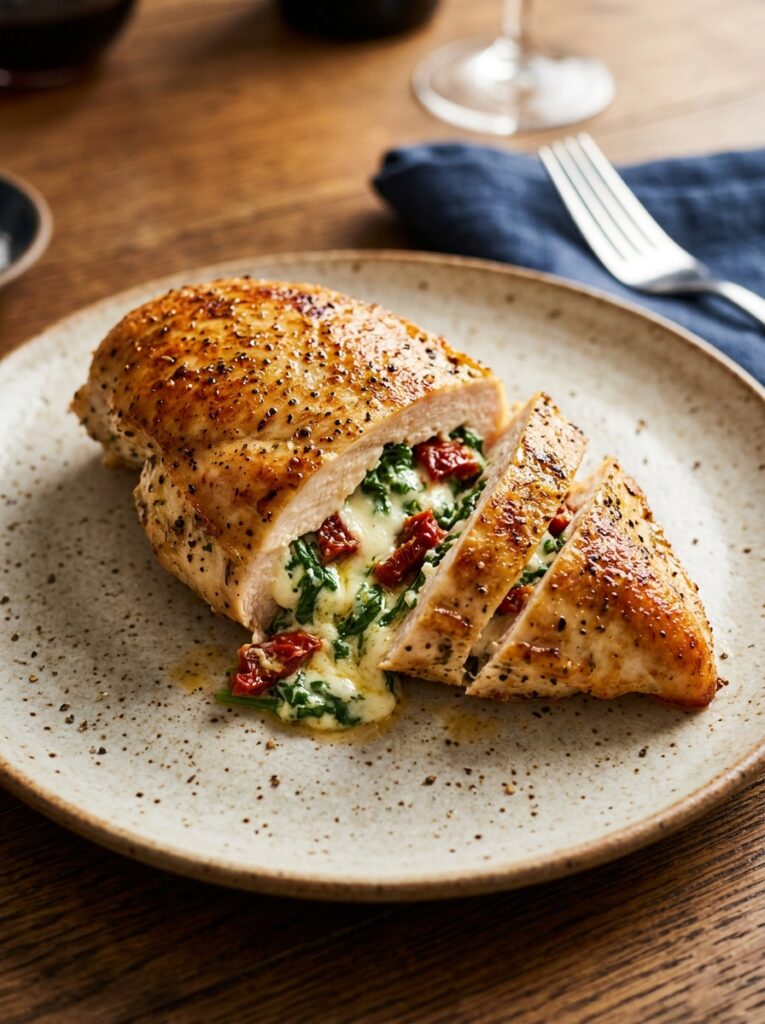
This one’s a bit of a showstopper for how little effort it takes.
Stuff the chicken breast. Slice a pocket into the thick side without cutting all the way through, and fill it with cream cheese, sun-dried tomatoes, and fresh spinach. Press it closed. Sear it in an oven-safe pan for three minutes per side to get some color, then transfer the whole pan to a 375°F (190°C) oven for 18-20 minutes.
The cream cheese gets soft and melty inside. The sun-dried tomatoes give you this intense hit of sweetness. The spinach wilts into it. And the outside has this beautiful golden crust because you seared it first.
Cut it open at the table. Watch the filling spill out slightly. Accept the compliments.
It’s dinner-party food that took about 30 minutes. It doesn’t look like a weeknight meal, which is exactly the point.
—
❓ FAQ
Q: How do I stop chicken breast from drying out no matter what I do? A: The biggest culprits are overcooking and cutting into it too soon. Get a meat thermometer and pull the chicken at 165°F (74°C) — not higher. Then let it rest for at least five minutes before you touch it. That alone will change your results dramatically.
Q: Can I cook chicken breast from frozen? A: Technically yes, but it’s really not ideal. The outside tends to overcook before the inside reaches a safe temperature. If you’re in a rush, run the frozen chicken under cold water for 20-30 minutes to thaw it quickly, then cook as normal. It makes a real difference to the final texture.
Q: What’s the best way to make chicken breast taste like something from a restaurant? A: Two things most home cooks skip: enough salt (season more aggressively than feels right) and actually getting a good sear before finishing it in the oven or sauce. Color equals flavor. A pale, steamed-looking chicken breast will always taste flat, no matter what sauce goes on top. Get it golden first.
—
💭 Final Thoughts
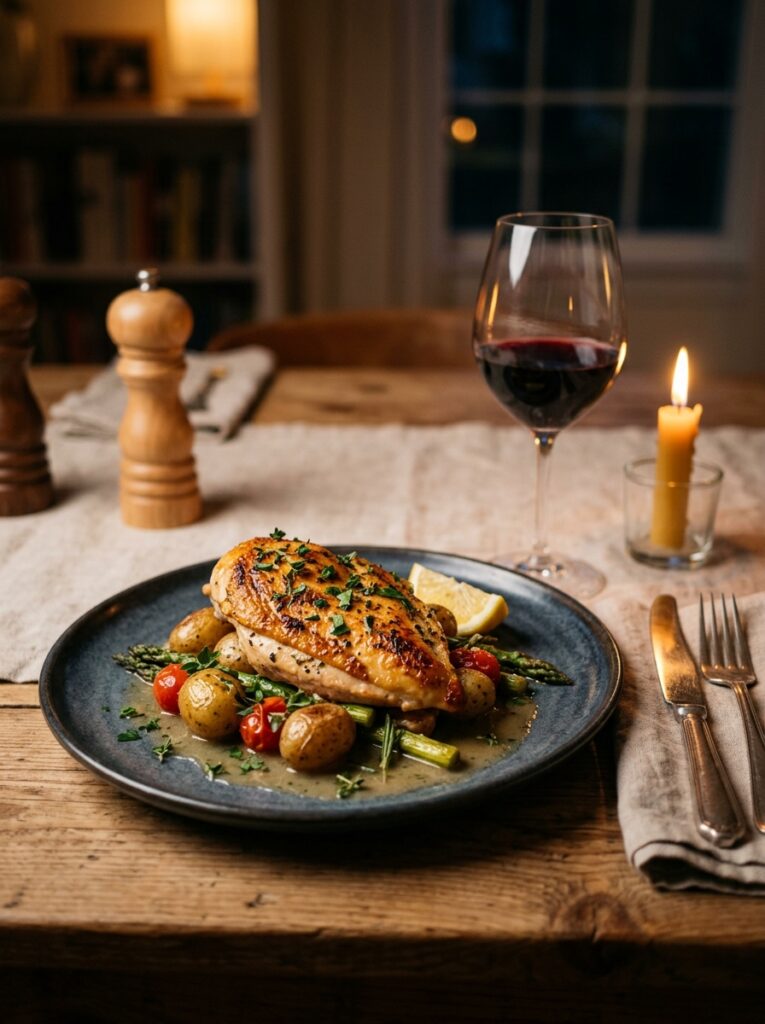
Chicken breast doesn’t have to be the sad, responsible dinner choice you make when you can’t think of anything else. With the right technique — and honestly, just a bit more seasoning than you think it needs — it can be the thing you’re genuinely looking forward to by the time you sit down.
These aren’t complicated recipes. They’re just cooked with a bit more intention. And that makes all the difference on a weeknight.
So which one are you actually making tonight?
