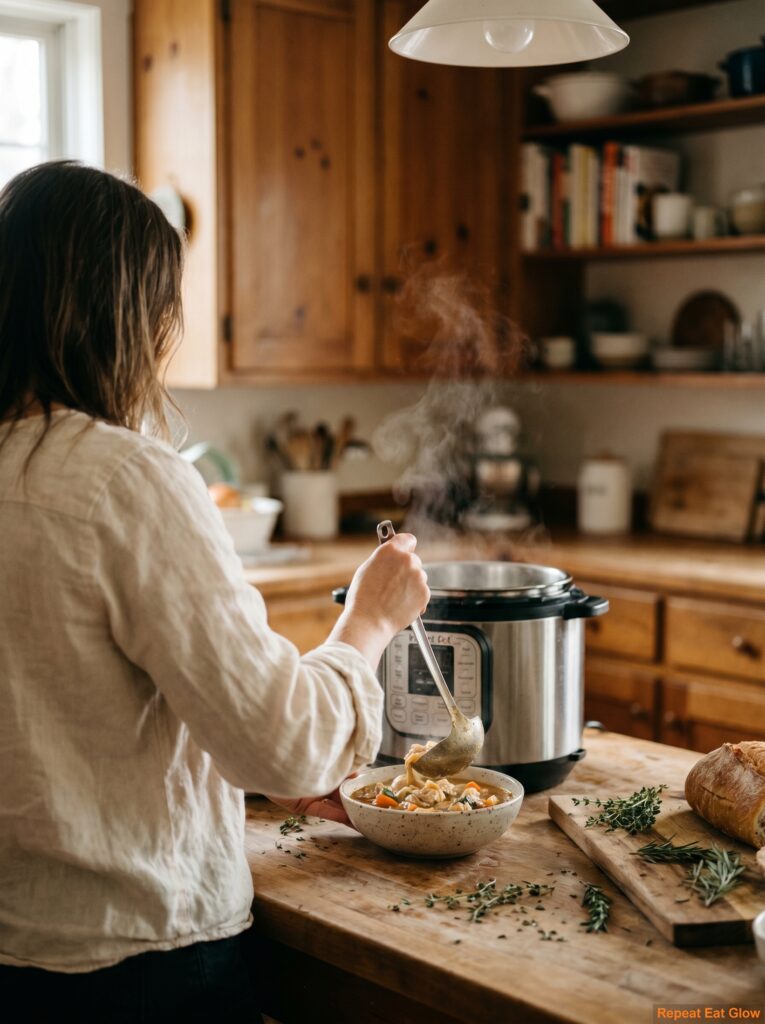
You know that moment when dinner smells so good that someone wanders into the kitchen and just stands there? That’s this stew. Rich, thick, golden-brown broth clinging to soft chunks of chicken and potatoes — and the whole thing done in under an hour.
—
1. Why Chicken Stew in the Instant Pot Hits Different Than Every Other Method
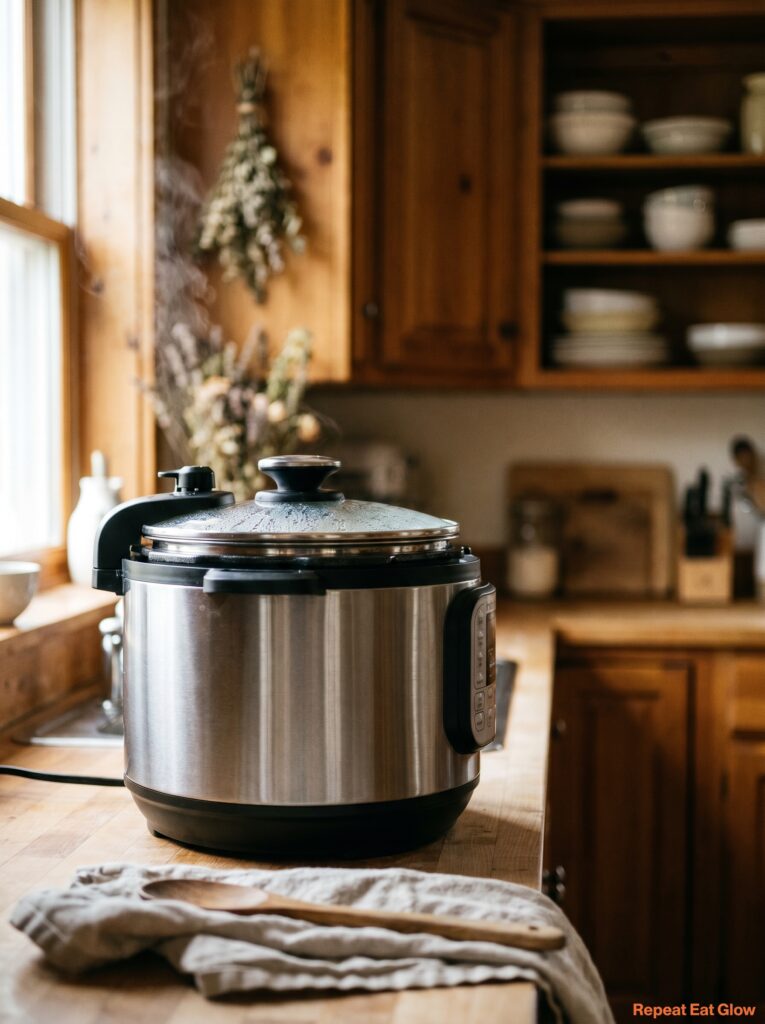
Okay so I’ll be honest — I was skeptical. I’d been making stew the slow cooker way for years, that whole “set it and forget it for eight hours” thing, and I thought nothing could beat that low-and-slow depth of flavor. I was wrong.
The pressure cooker forces liquid INTO the chicken instead of just cooking around it. That’s the whole magic, and once you understand it, you can’t go back. The thighs come out almost falling apart, not because they’ve dried out, but because every bit of moisture has been pushed straight into the meat. The broth gets this intense, almost silky quality — not watery, not thin, but genuinely rich.
And the time thing is real. I’m talking 25 minutes on high pressure. Not eight hours. Not four hours. Twenty-five minutes, and you’ve got something that tastes like it simmered all day while you were doing literally anything else. I’ve made this on weeknights after work when I was exhausted and barely functional, and it still came out incredible.
The other thing? Potatoes don’t turn to mush the way they sometimes do in a slow cooker. They stay just soft enough, holding their shape, soaking up the broth. Carrots the same. There’s something almost architectural about the way pressure-cooked vegetables turn out — intact but completely tender all the way through.
“Once you make chicken stew in a pressure cooker, the slow cooker starts feeling like you’re doing something wrong.”
—
2. The Cut of Chicken That Actually Matters (Don’t Skip This Part)
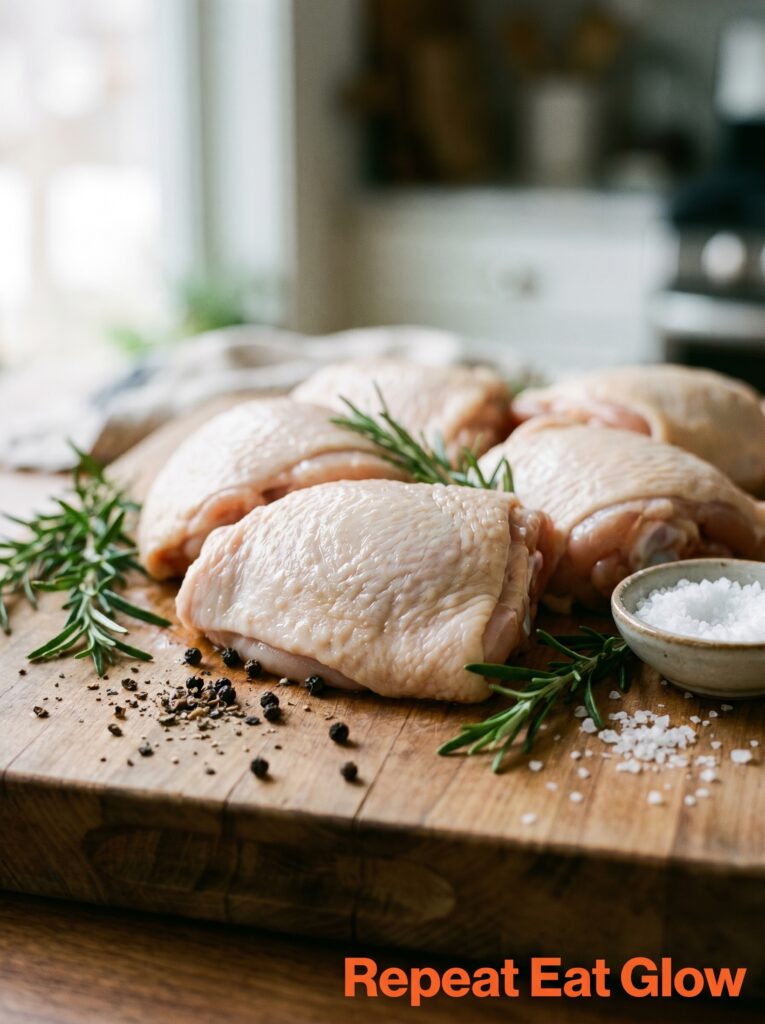
This is where people go wrong. Chicken breasts in a stew. Please. Don’t.
Thighs. Bone-in if you want maximum flavor, boneless if you want maximum ease — honestly I go boneless because by the time I’m making stew I don’t want to deal with fishing bones out of a thick broth. Boneless, skinless chicken thighs are genuinely the perfect stew protein. They’ve got enough fat to stay juicy under pressure, enough structure to hold up as chunks rather than dissolving, and enough flavor that you don’t need to overcomplicate the broth.
If you’re in the UK and shopping at a regular supermarket, the “chicken thigh fillets” are exactly what you want. In the US, any grocery store boneless thigh pack works great — I usually grab the bigger family-sized ones because stew only gets better as leftovers anyway.
Now, do you have to brown them first? No. But should you? Yes. That sauté step before you seal the lid — it adds so much. There’s a reason every decent recipe tells you to do it, and it’s not just about the fond on the bottom of the pot (though that matters too, it’ll save you the dreaded burn notice). It’s about that slightly caramelized exterior giving the broth somewhere interesting to go. The difference is noticeable. Spend the extra five minutes.
—
3. The Base That Makes Your Broth Taste Like It Has a Secret
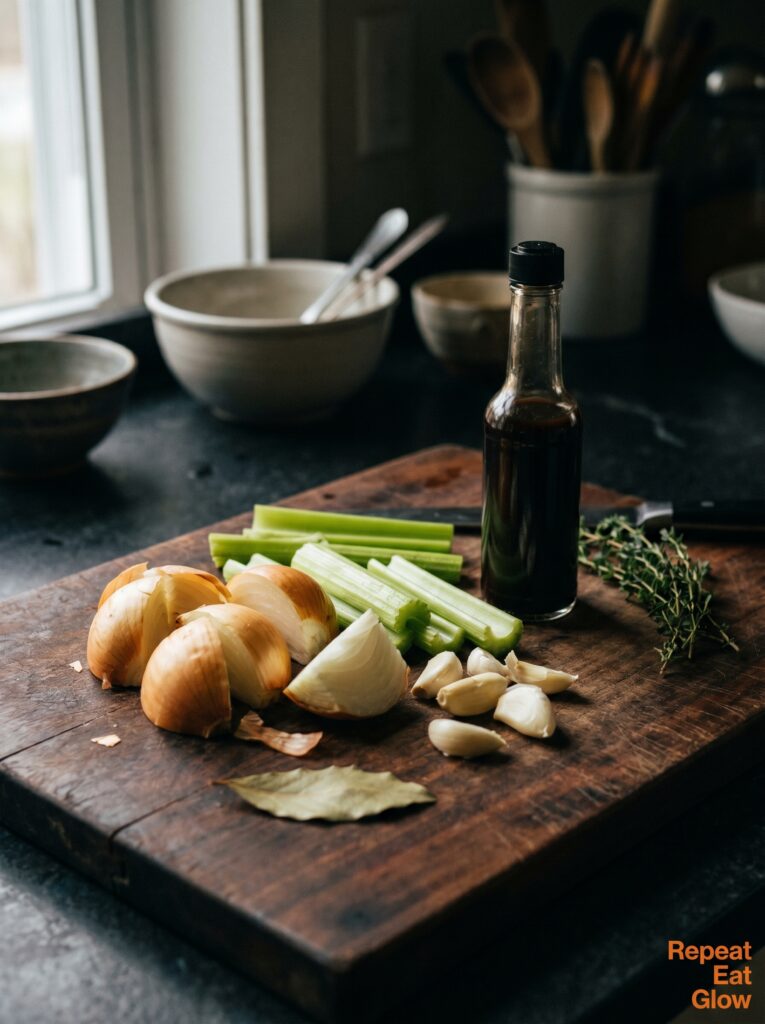
Here’s what I put in the pot before anything else: diced onion, two big carrots cut chunky, three or four stalks of celery. That’s your starting point, and it’s non-negotiable.
But here’s where I do something that I think makes a real difference — I add a tablespoon of tomato paste. Not diced tomatoes, not tomato sauce. Paste. You fry it in with the aromatics for about a minute and it goes from this bright red, kind of acidic thing to something deeper and slightly sweet. It adds a richness to the broth without making it taste like tomato soup. People eat this stew and they can never quite put their finger on what makes it taste so full and deep, and it’s the paste. Side note — this is also a trick that works in beef stew, lamb stew, literally anything.
Garlic. I use four cloves minimum and I won’t apologize for that.
Worcestershire sauce. A good splash — this is a UK pantry staple and an American one too, and it belongs in chicken stew the same way it belongs in a Bloody Mary. Just does something essential to savory depth that nothing else replicates quite right.
—
4. The Version That’s Pure Comfort: Classic Chicken and Root Vegetable Stew
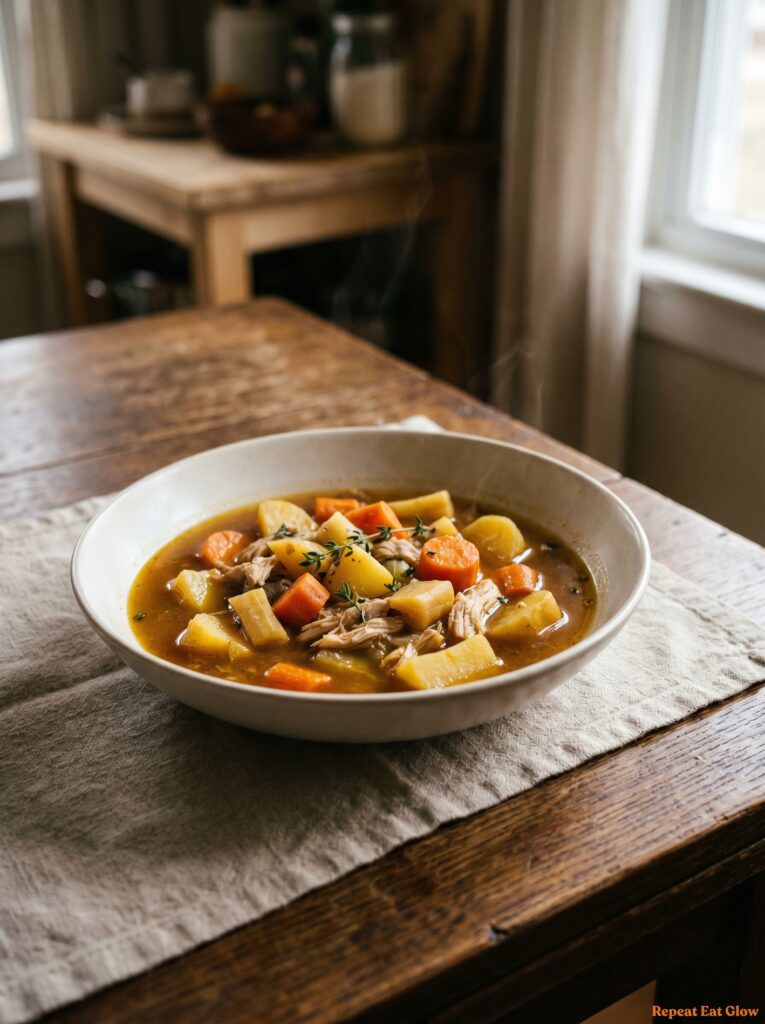
Right, so let’s actually talk recipes. This first one is the baseline — the one I’d make for someone who’d never had Instant Pot stew, or for a cold Tuesday when the wind is doing something miserable outside.
You’ll need: 2 lbs boneless chicken thighs, cut into large chunks. 3 medium potatoes, cubed. 3 carrots, chunky. 3 celery stalks. 1 onion, diced. 4 cloves garlic. 1 tablespoon tomato paste. 2 cups chicken broth. 1 cup water. 1 tablespoon Worcestershire. Thyme, salt, pepper, bay leaf.
Sauté the onion and celery until soft. Add the garlic and tomato paste, cook for a minute. Brown the chicken in batches — don’t crowd it. Add everything else except the potatoes, seal the lid, 20 minutes on high pressure. Quick release, add potatoes (they’ll cook in the residual heat if you give them about 10 minutes on sauté mode, which also lets you thicken the broth). I use a cornstarch slurry — two tablespoons cornstarch, three tablespoons cold water, stir it in while the pot’s on sauté. Done.
The broth that comes out of this is GOLDEN. Not pale yellow. Deep, warm golden, coating the back of a spoon, smelling of herbs and something almost nutty from the browning. Serve it with crusty bread and honestly that’s dinner sorted.
“Make it on Sunday and you’ll be thinking about the leftovers on Monday morning.”
—
5. The Creamy Version That Every Single Person Asks For the Recipe After
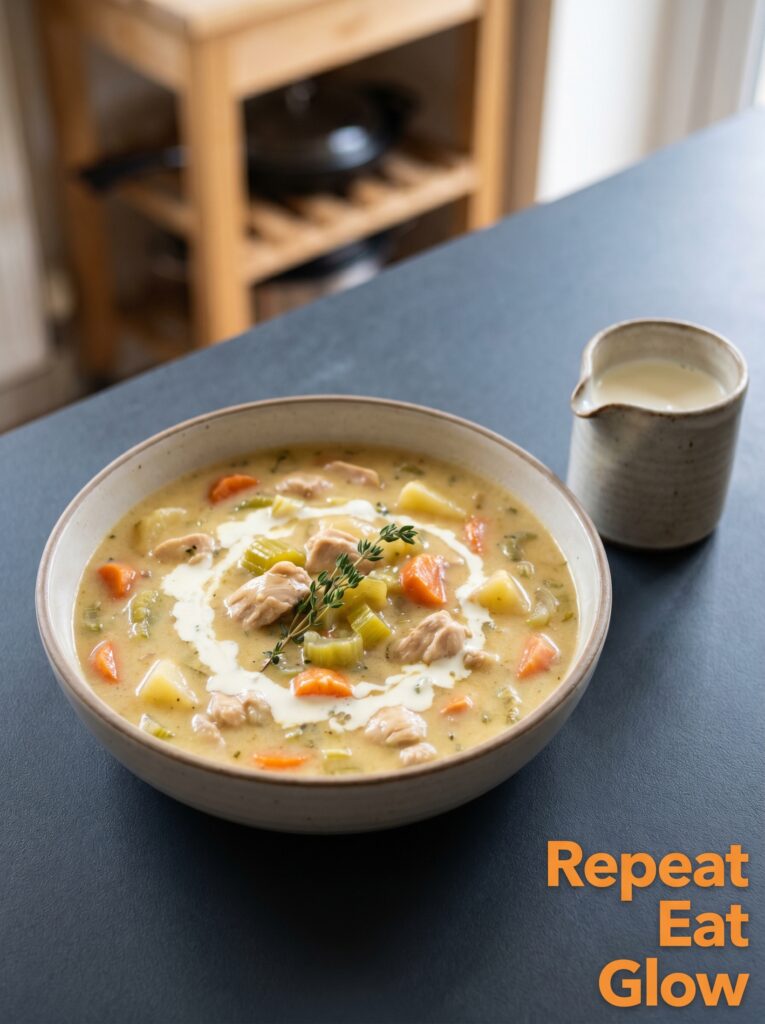
Okay this one. This one is the one people lose their minds over a little bit.
Same base as above, but after pressure cooking you stir in half a cup of heavy cream (double cream if you’re in the UK — same thing, just the British name). Then you add frozen peas, a handful of fresh parsley, and maybe a squeeze of lemon juice if you’re feeling it. The cream turns the golden broth into something silky and pale and gorgeous. It reminds me of a very fancy pot pie filling without the pie, which sounds reductive but is actually just an accurate description of why it’s so satisfying.
The lemon is not optional in my opinion. A small squeeze — not enough to taste sour, just enough to brighten everything. It cuts through the cream so the whole thing doesn’t feel heavy. You can eat a giant bowl of this and not feel like you’ve overdone it, which is a small miracle for a cream-based stew.
Mushrooms work beautifully in this version too. I’d add sliced cremini mushrooms during the sauté stage — they shrink down a lot so use more than you think you need.
—
6. Chicken Stew With Dumplings Right There in the Pot
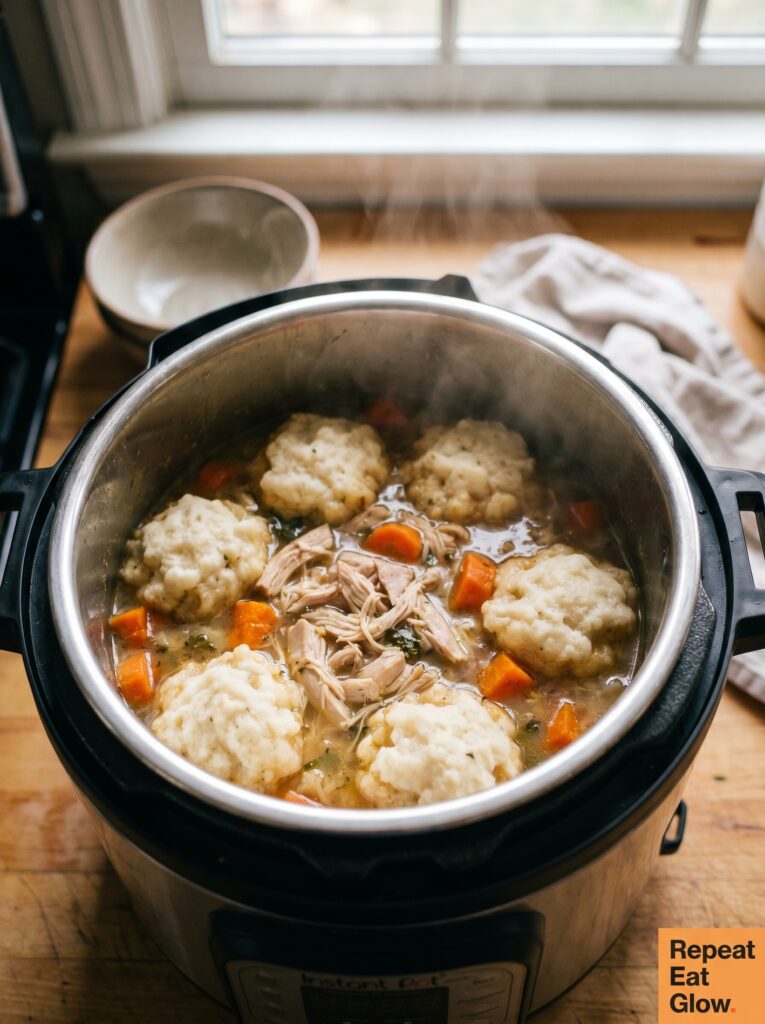
If you’re British, you know about dumplings in stew and you’ve probably had opinions about them since childhood. If you’re American, dumplings in stew might be a slightly new concept but I promise you’ll be immediately obsessed.
These aren’t the East Asian kind. These are small, soft, almost fluffy dough balls that cook right on top of the stew, absorbing the broth underneath while steaming through from above. They’re made from flour, butter, a pinch of salt, and just enough milk to bring it together. Some people add herbs — chives or parsley chopped fine — and I do recommend that because plain dumplings are fine but herby dumplings are considerably better.
After pressure cooking your base stew, switch to sauté mode. Drop small spoonfuls of the dumpling dough across the top of the liquid. Put the lid back on — not sealed, just resting — and let them steam for about 12 minutes. Don’t rush this. Don’t open the lid. They’ll puff up and turn slightly golden on the bottom where they’re touching the liquid and pillowy soft everywhere else. It’s one of those cooking things that feels like actual magic every time it works.
The whole dish looks incredibly impressive and requires essentially zero skill once you’ve done it once.
—
7. The Spiced-Up Version for When Classic Feels Too Safe
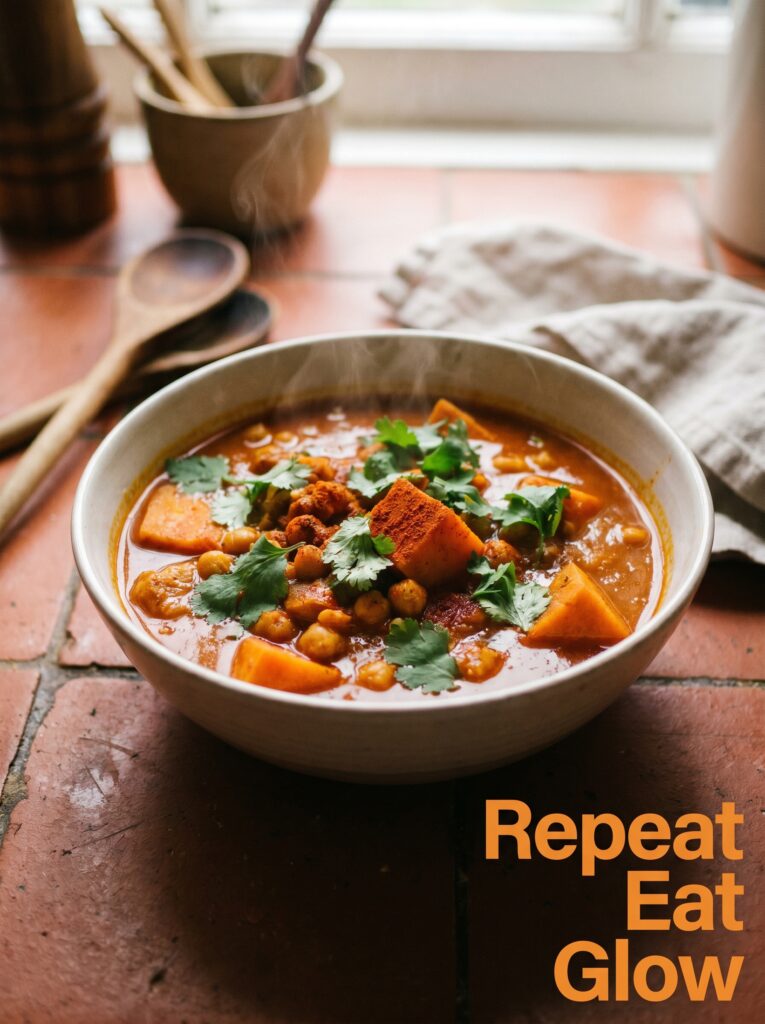
This one came about because I had half a can of coconut milk in the fridge and some sweet potatoes going soft, and I just kind of went for it. Not gonna lie, I wasn’t confident it would work.
It ABSOLUTELY works. Swap the regular potatoes for sweet potatoes, add a tablespoon of mild curry powder and a teaspoon of smoked paprika during the tomato paste stage, use coconut milk in place of heavy cream at the end. You still get that rich, thick texture but now the broth is faintly sweet from the coconut, warm from the spices, with that deep savory chicken underneath holding it all together.
Serve this one over rice. Not with bread — over rice. The spiced coconut broth soaks into the rice and suddenly it’s a completely different meal than the classic version, even though the technique is basically identical. Top it with fresh coriander (that’s cilantro for American readers) and maybe a sliced red chili if you want a little heat.
“Same Instant Pot, same chicken, completely different dinner — that’s the whole point.”
—
8. Getting the Thickness Right Without Ruining the Texture
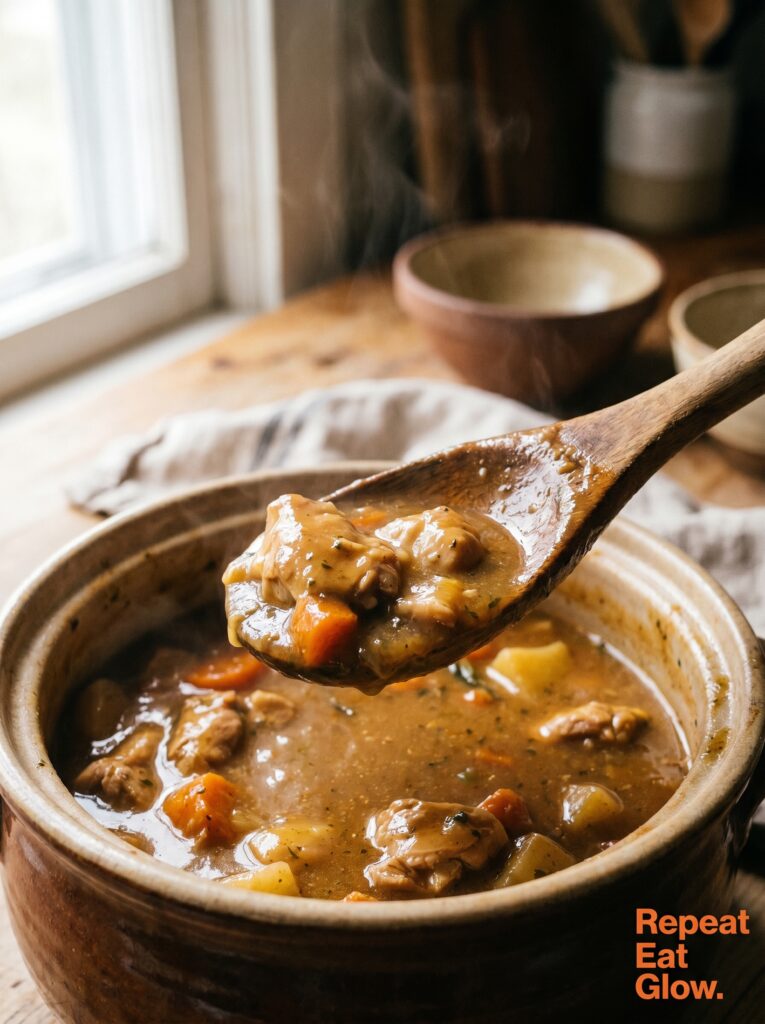
This is something nobody talks about enough. Thin, watery stew is sad. We’ve all had it. But overly thick, gluey stew is also a problem, and it’s a problem a lot of people create when they overcorrect.
The key is patience. After pressure cooking, your broth is going to look thinner than finished stew should — that’s normal. Don’t panic. Switch to sauté mode and let it reduce for a few minutes first. Sometimes that’s all it needs. If you still want it thicker, THEN go for the cornstarch slurry. Mix your cornstarch with cold water before adding it — always cold, otherwise it clumps immediately — and add it gradually, stirring constantly. Give it two or three minutes to thicken fully before you decide you need more.
Some people use flour instead. It works but takes longer to cook out and can leave a slightly pasty quality if you don’t give it enough time on the heat. Cornstarch is faster and cleaner, honestly, and it gives a silkier finish.
Alternatively — mash a couple of the cooked potato chunks into the broth. It thickens naturally without any starch additions and adds a creaminess that feels very homey, very real. That’s probably my favorite method because it doesn’t require thinking ahead.
—
9. The Mistakes I Made the First Three Times (And How to Avoid Them)
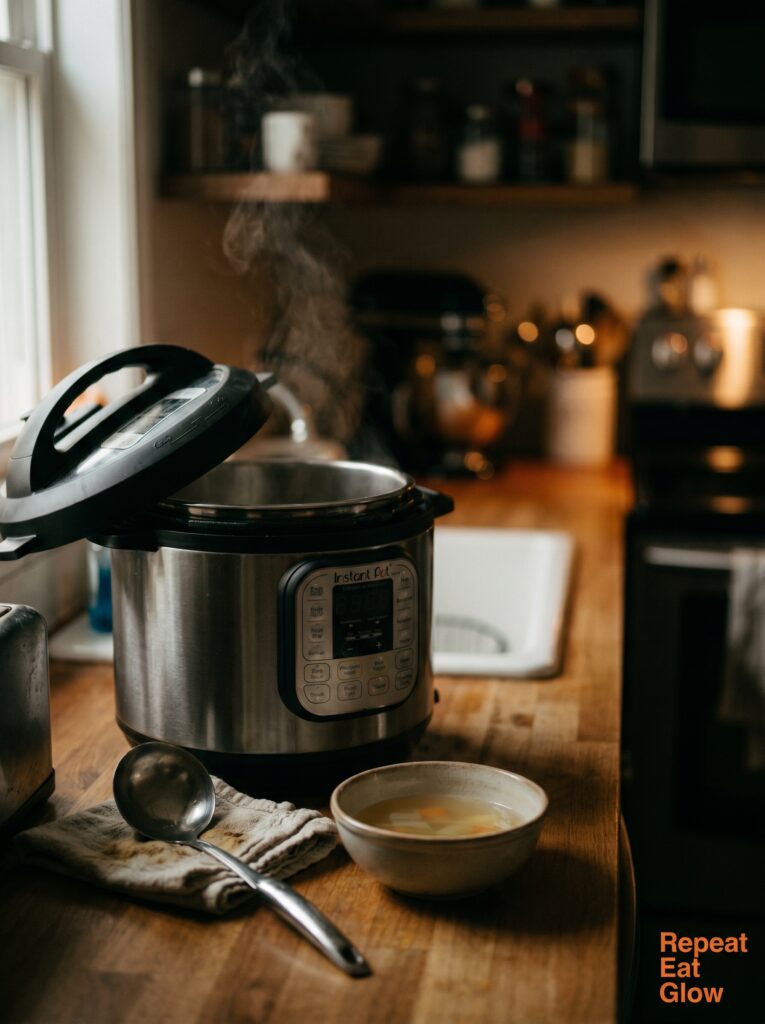
The burn notice. Oh, the burn notice. First time I made stew in the Instant Pot I did not deglaze after browning and I got that dreaded “BURN” warning halfway through and my stew was stuck to the bottom and I was not happy.
Deglaze. Every time. After browning your chicken and sautéing your aromatics, pour in a splash of your broth and scrape the bottom of the pot with a wooden spoon until nothing is stuck. All those browned bits come up into the liquid and flavor your stew. The pot is now safe to seal.
Second mistake: cutting vegetables too small. Tiny carrot pieces under pressure become essentially nothing — they kind of dissolve into the broth, which thickens it but loses any vegetable texture. Go bigger than feels right. Carrots in thick coins. Potatoes in proper chunks, not small dice.
Third mistake: skipping the natural pressure release. I know quick release is faster. But for stew, letting the pressure come down naturally for at least 10 minutes means the chicken stays intact instead of slightly shredding from the sudden pressure change. It’s worth the wait.
—
10. Making This Work for Meal Prep Without Getting Bored of It
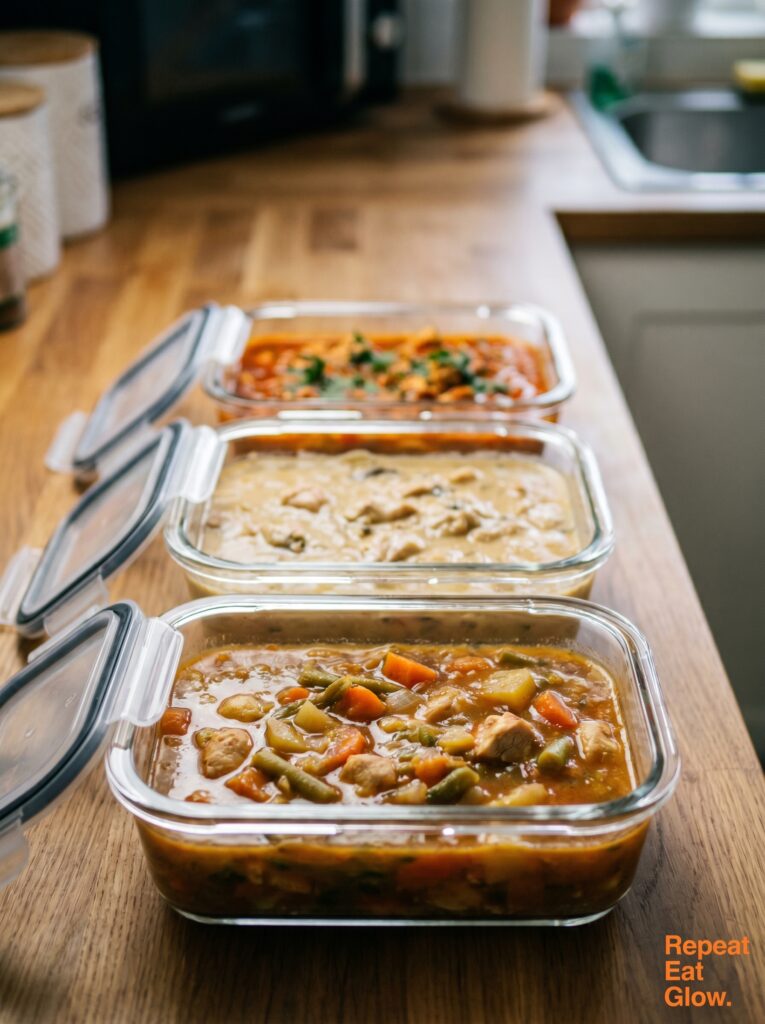
One big batch of basic chicken stew — say, a double recipe — gets me four different meals through the week and that’s not an exaggeration.
Day one: straight up in a bowl with crusty bread. Day two: spoon it over egg noodles and suddenly it’s more like a chicken noodle situation. Day three: pour it into a baking dish, top with puff pastry, bake until golden, and you’ve got pot pie with almost zero effort. Day four — and this is a bit of a stretch but it works — blend half of it smooth, leave the rest chunky, stir them together, and you’ve got a thick soup rather than a stew.
It keeps in the fridge for four days no problem. Freezes beautifully for up to three months. The flavor actually deepens overnight, which is something stew almost always does — I think it’s something about the collagen from the chicken slowly continuing to work even in the fridge, or maybe it’s just that all the flavors settle together.
—
11. The Swap I Make When I Want It to Feel More British
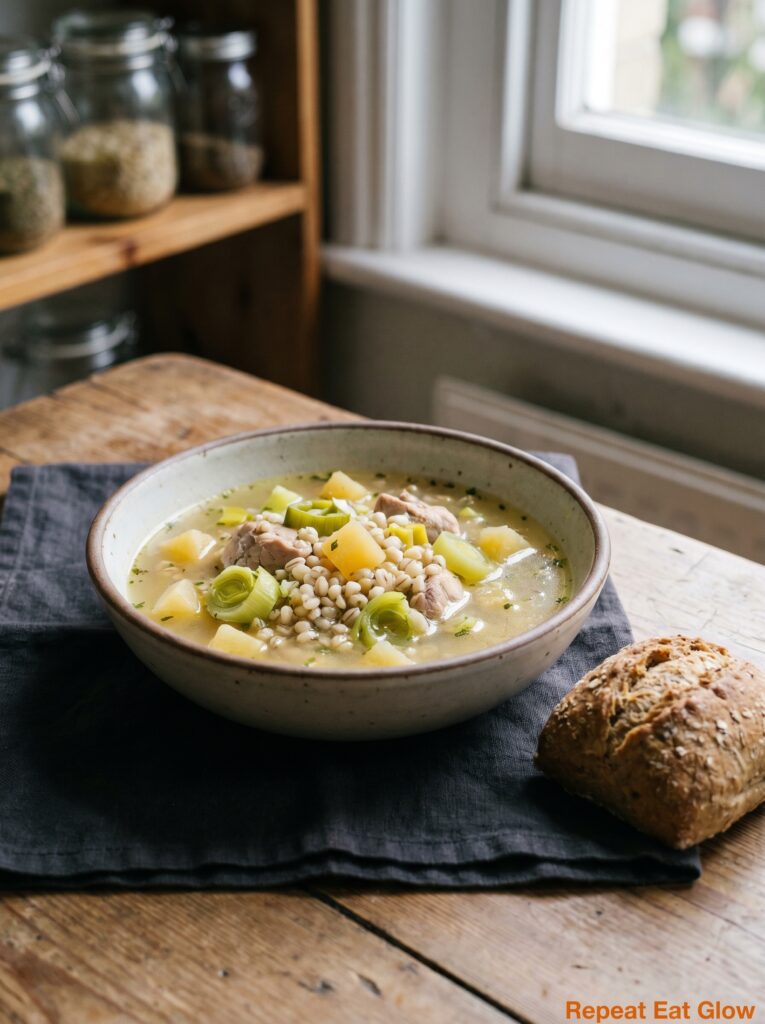
There’s a very particular kind of British stew that involves pearl barley and something slightly deeper, earthier in the broth. I replicate that by adding half a cup of pearl barley after the pressure cooking phase — you sauté it in the hot broth for about 20 minutes until swollen and tender, and the starch it releases thickens everything naturally while adding that slightly chewy, almost nutty texture.
Swap the thyme for rosemary. Add a parsnip alongside the carrots — parsnips are massively underused outside of British cooking and they add a sweetness that’s different from carrot, more complex. A splash of real ale or stout instead of the Worcestershire if you want to go full traditional. Let the alcohol cook off before sealing the lid.
This version feels like something your nan would have made, in the best possible way — not fussy, not delicate, just deeply warming and satisfying in a way that feels almost structural. Like the stew is doing something load-bearing for your mood.
—
12. The Finishing Touches That Separate Good From Actually Memorable
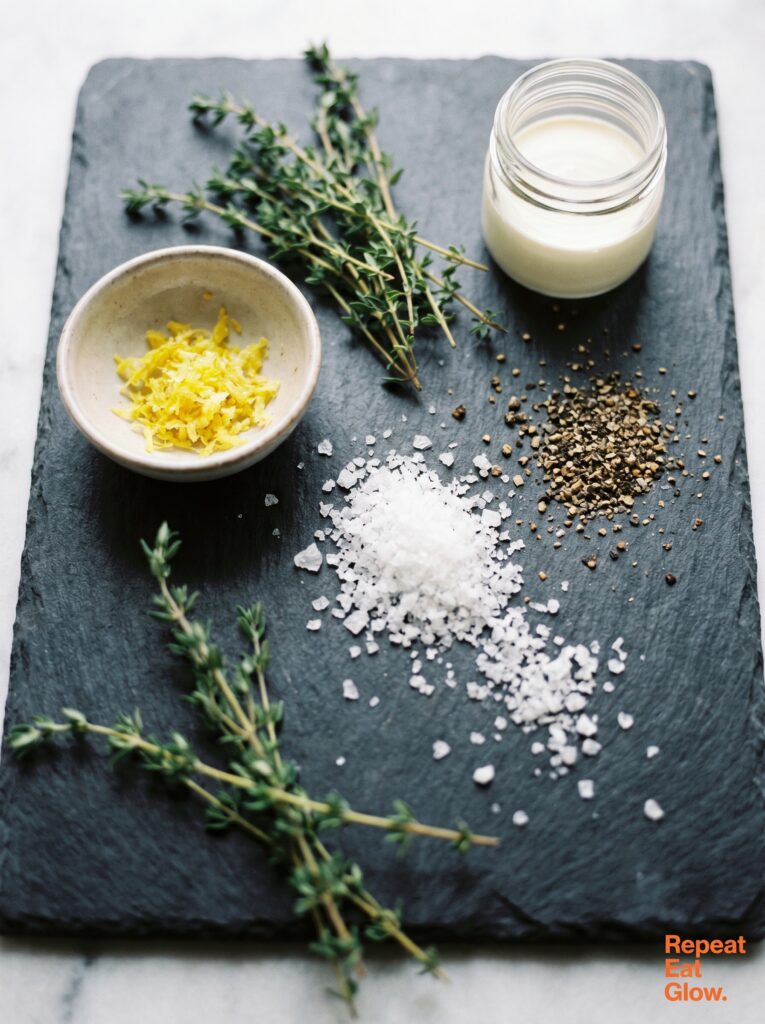
Salt at the end. Not just during cooking — taste it after everything is done and season properly. Pressure cooking can mute saltiness somewhat and under-seasoned stew is flat no matter how good everything else is.
Fresh herbs. Whatever you cooked with dried, add the fresh version at the end. Dried thyme during cooking, fresh thyme leaves sprinkled on top when serving. It adds a brightness that dried herbs simply can’t give you once they’ve been heat-treated.
Acid. A small splash of apple cider vinegar, or that lemon juice I mentioned earlier. Fat needs acid to feel balanced, and stew has a lot of fat. You’re not trying to taste vinegar — you’re trying to make the other flavors come alive. It’s the difference between stew that tastes good and stew that you can’t quite stop eating.
Crusty bread served warm. Not as an afterthought — as a considered part of the meal. The bread is there to soak up the broth at the bottom of the bowl, and if you’ve done everything right, that broth is worth soaking up every single drop of.
—
❓ FAQ
Q: Can I use frozen chicken thighs in the Instant Pot for stew? A: You can, but I’d strongly recommend thawing them first if you want to brown them, which you really should do for best flavor. If you’re skipping the browning step, frozen thighs work — just add about 5 extra minutes to your pressure cooking time and make sure they’re not in a solid frozen block.
Q: How do I stop the Instant Pot giving me the burn warning when making stew? A: Deglaze properly after the sauté step — pour in a bit of your stock and scrape every browned bit off the bottom before sealing the lid. Also make sure your tomato paste is fully stirred into liquid rather than sitting in a thick lump at the bottom. That’s usually the culprit.
Q: Is it better to use stock or broth for chicken stew? A: Stock gives you a richer, slightly more gelatinous result because it’s made with bones — worth it if you have it. Regular chicken broth works completely fine though and most of us are using cartons from the grocery store, which is totally fine and not something to stress about.
—
💭 Final Thoughts
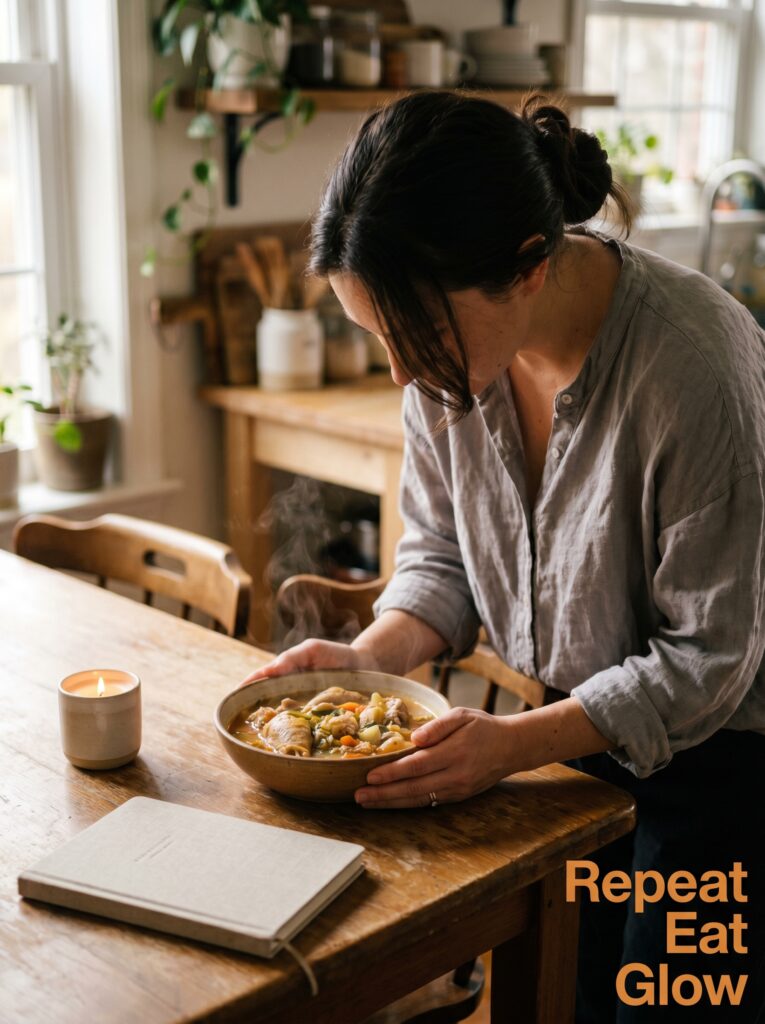
There’s something about a bowl of chicken stew that feels like it fixes things, even when nothing is broken. Maybe that sounds dramatic. I don’t think it is. This is the kind of cooking that’s easy enough for a Wednesday and good enough for a Sunday, and once you’ve got the Instant Pot version down, you’ll wonder what you were doing with your evenings before.
What’s your go-to add-in that makes your chicken stew feel like yours?
