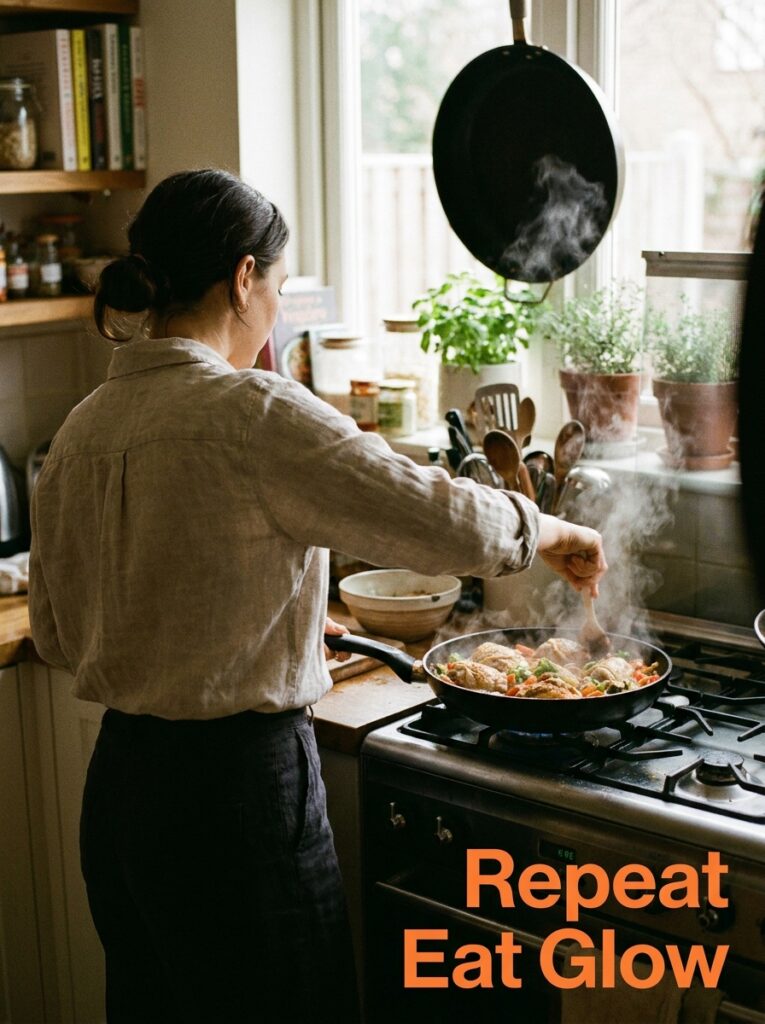
You know that moment when it’s 5:30pm, you’ve got chicken in the fridge, and you’re staring at it like it owes you something? Yeah. This is for that moment. These are the recipes I’ve actually made — not once, not twice, but so many times the pages in my notebook are soft at the corners.
—
1. The Pan Sauce Secret That Changes Everything About Plain Chicken Breasts
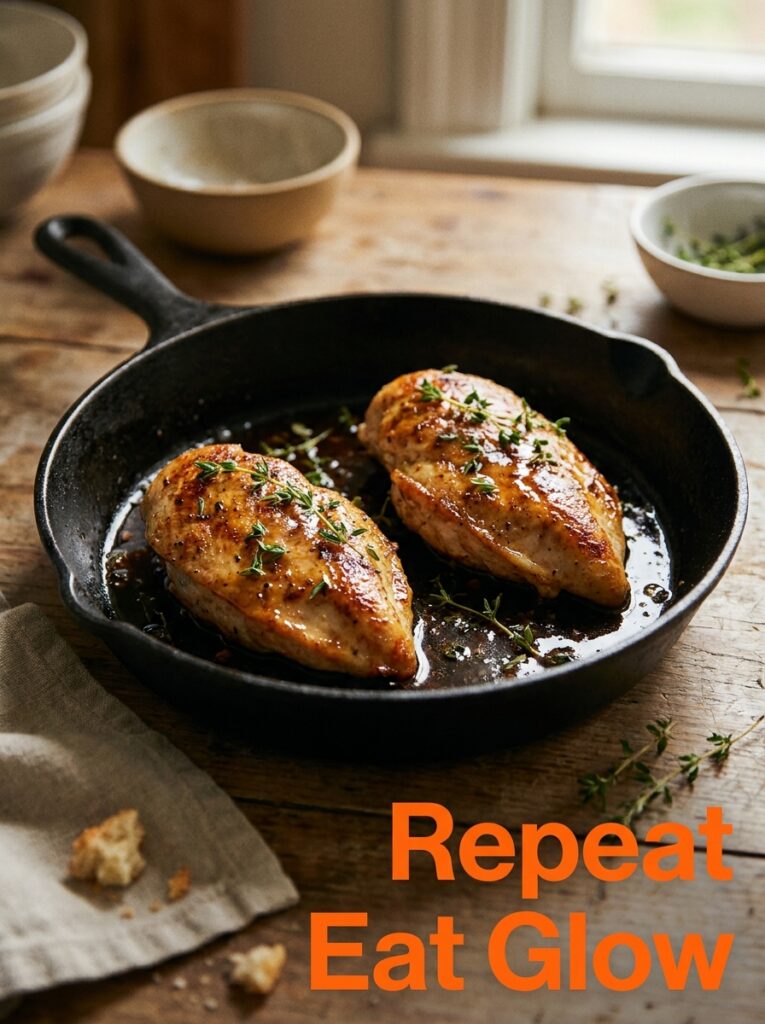
Okay so. Chicken breasts have a reputation problem, and honestly? A lot of it is earned. Overcooked, rubbery, flavourless — we’ve all been there. But here’s the thing: the problem isn’t the chicken. It’s the method.
The trick I swear by is searing hard and fast in a cast iron pan, then pulling the chicken out EARLY. Like, earlier than you think. Let it rest on the board while you make a quick pan sauce from whatever’s already stuck to the bottom of that pan. That brown stuff — the fond — is basically flavour gold. Deglaze it with a splash of white wine or even just chicken stock, add a knob of butter, a squeeze of lemon, maybe some thyme if you’ve got it sitting around. Two minutes, maybe three.
What comes back to the chicken is a glossy little sauce that tastes like you actually tried. And the chicken, rested properly, slices tender every time. Not gonna lie, the first time I got this right I genuinely stood there eating slices off the board before they made it to the plate.
Pound the breasts to an even thickness if you can — just a few whacks with a rolling pin — and season aggressively with salt, not timidly. That’s the other thing. People under-season chicken and then wonder why it tastes like nothing.
“The brown stuff stuck to your pan isn’t a mess to scrub off. It’s the best sauce you didn’t know you were making.”
—
2. Why Every Home Cook Needs One Really Good Roast Chicken in Their Back Pocket
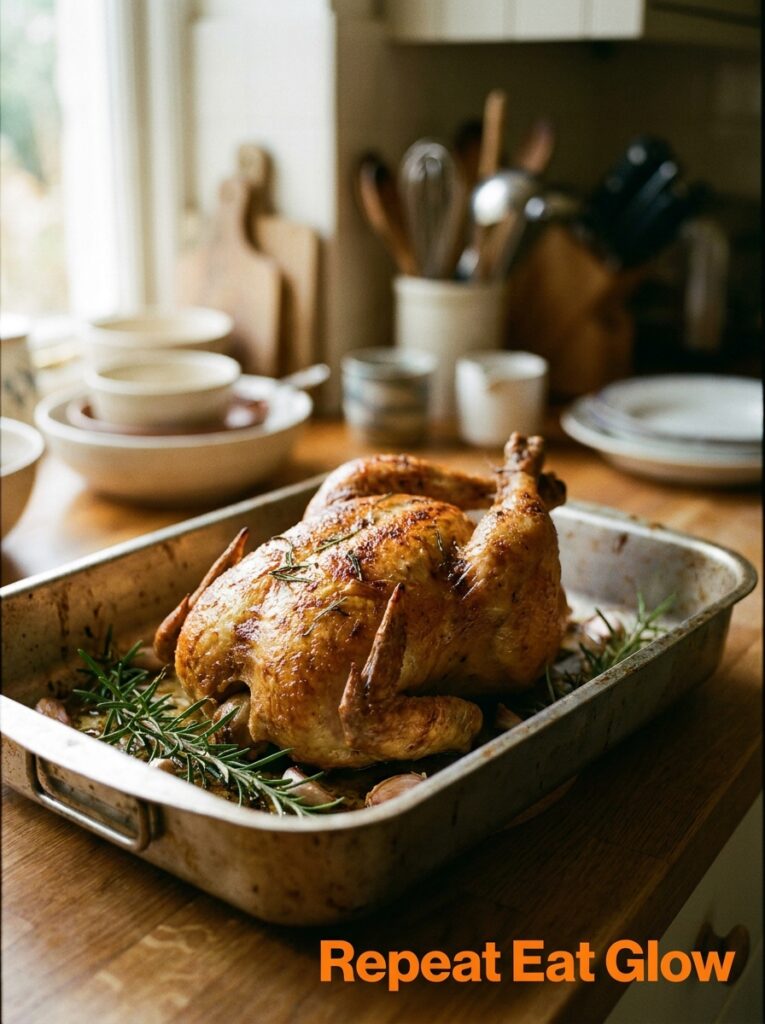
There’s a version of roast chicken that doesn’t require a brine, doesn’t require trussing, doesn’t require anything fancy. Just a dry bird, butter under the skin, a hot oven, and patience.
I do mine at 425°F (220°C) for about 50 to 60 minutes for a standard four-pound bird. The oven being HOT is non-negotiable. You want crispy skin, not pale, sad, steamed skin. Rub butter — real butter, softened — under the skin directly onto the breast meat, and season the whole outside with salt like you mean it. Put half a lemon and a few garlic cloves inside the cavity. That’s it. That’s genuinely it.
The smell that comes out of the oven about 30 minutes in is almost unfair. It’s that warm, savoury, garlic-butter-roasted smell that makes everyone suddenly appear in the kitchen asking when it’ll be ready. The skin crisps to this deep golden colour, the kind you want to eat first before anyone else gets to it.
Rest the bird for ten full minutes after it comes out. I know. It’s hard. But the juices redistribute and you’ll get clean slices instead of a flood of liquid. And the pan drippings? Don’t waste them. Pour them over roasted vegetables or use them as the base of a lazy gravy. Everything tastes better cooked in roast chicken drippings, including, I suspect, cardboard.
—
3. The One-Tray Chicken Dinner That Makes Washing Up Almost Enjoyable
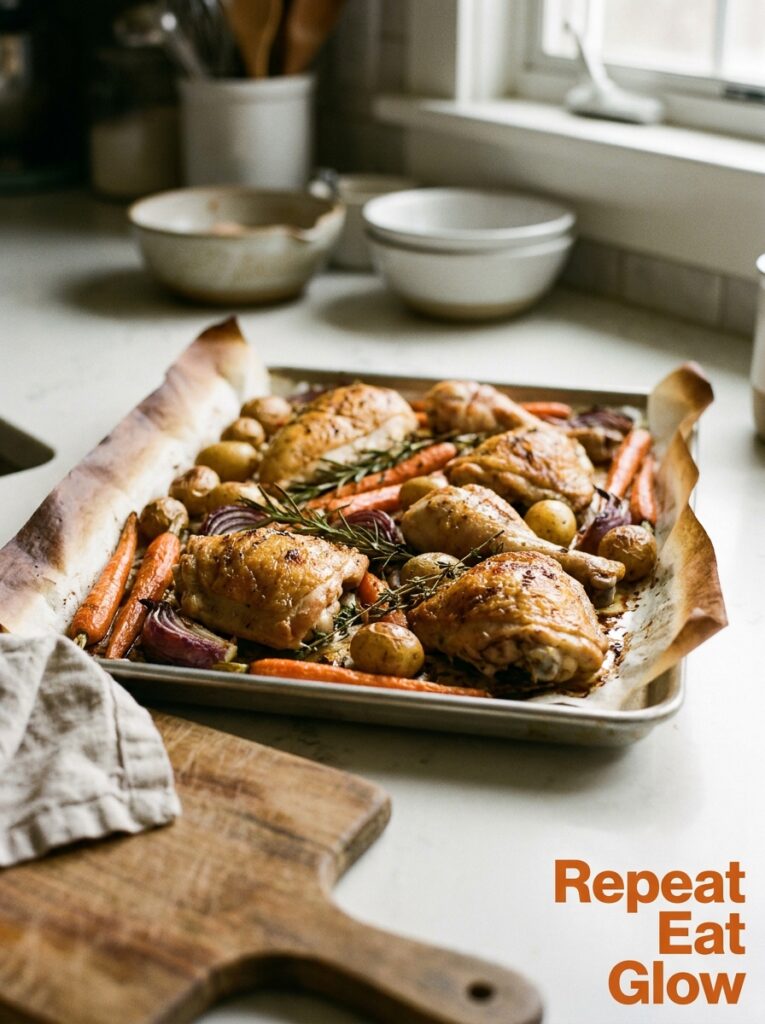
Sheet pan dinners get talked about a lot, and sometimes they don’t quite deliver on the promise. But this one actually does. Chicken thighs — bone-in, skin-on — roasted on a tray with vegetables that can handle the heat. Think potatoes, bell peppers, red onion cut into wedges, cherry tomatoes.
The key is fat and space. Don’t crowd the tray. If everything’s piled on top of each other, it steams instead of roasts and you get soggy vegetables that nobody asked for. Use two trays if you need to. Toss everything in olive oil, season properly, add smoked paprika and some dried oregano, and let the oven do the work.
Chicken thighs are much more forgiving than breasts — the fat content means they stay juicy even if you go a few minutes over. I cook mine at 400°F (200°C) for about 40 to 45 minutes. The skin goes crispy, the potatoes get those golden edges, and the cherry tomatoes burst into something almost jammy.
Side note — I started adding a spoonful of harissa to the oil for the vegetables and it completely changed the dish. You don’t get it to be fiery, just deeper and slightly smoky with a warmth that builds slowly. Totally optional but if you have a jar of harissa sitting in your fridge doing nothing, put it to work.
—
4. The Garlic Butter Chicken Thighs Recipe I’ve Made Probably 40 Times
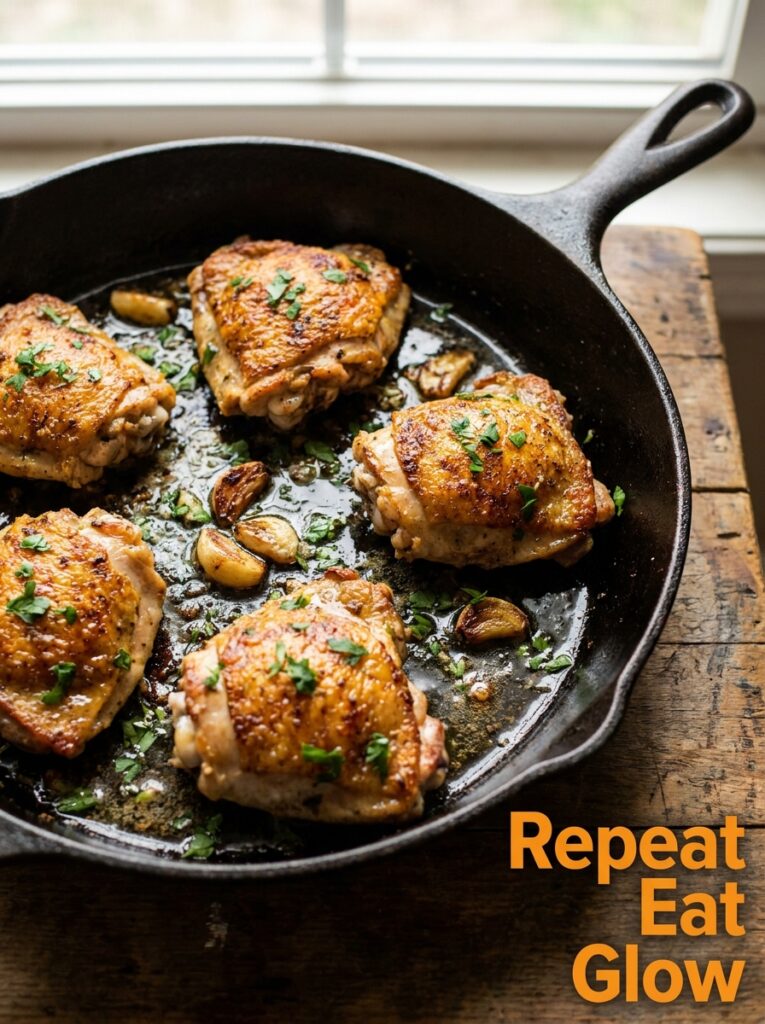
This one. THIS one. Boneless, skinless chicken thighs (they’re cheaper than breasts and honestly more flavourful) cooked in a skillet with butter, garlic, and a little chicken stock to make a sauce that borders on embarrassingly good.
You brown the chicken in butter until it’s got real colour on it — not pale, GOLDEN — then add about six cloves of garlic, smashed not minced. Smashing keeps the garlic from burning as fast and gives it a softer, more mellow flavour. Pour in half a cup of chicken stock, let it bubble and reduce, add a little more butter at the end. Fresh parsley if you’re feeling it.
The whole thing takes about 20 minutes. Start to table. I serve it over rice that soaks up the sauce, or with crusty bread that I’m not even slightly embarrassed about using to clean the pan. My partner once described this dish as “the chicken version of a hug” which I thought was a bit much but also, yeah, kind of accurate.
“Six cloves of garlic isn’t too much. It’s actually the right amount. Stop being afraid of garlic.”
—
5. What Happens When You Let Chicken Thighs Marinate Overnight (It’s Worth It)
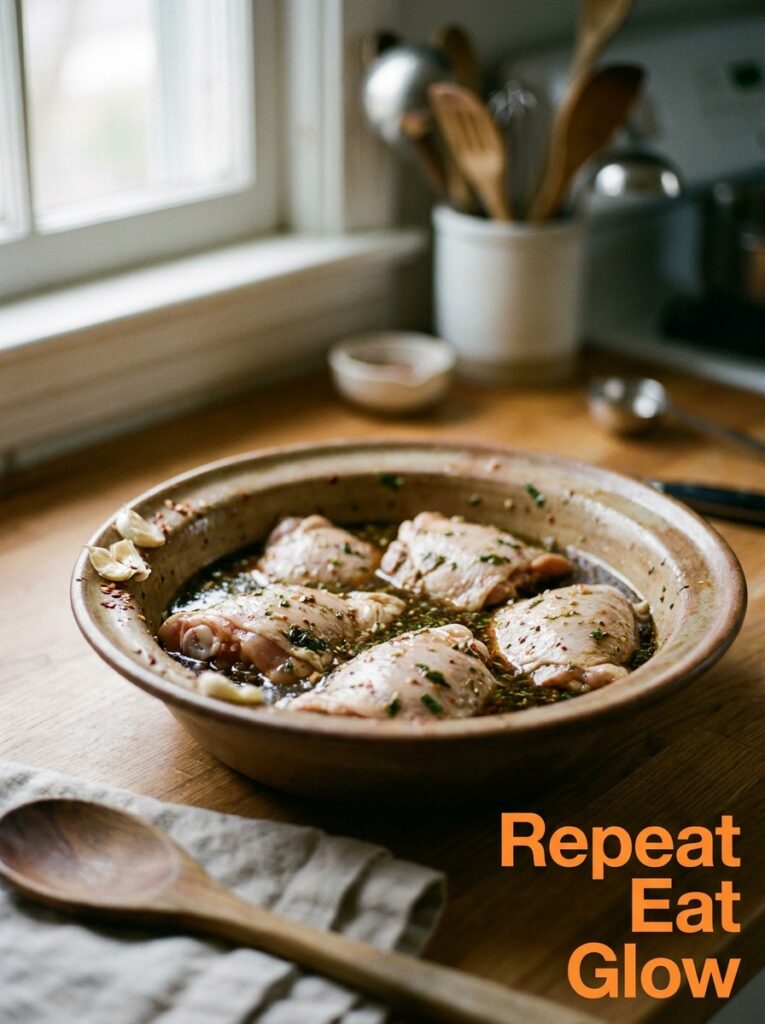
Okay, this requires a tiny bit of planning but I promise it’s worth it. The marinade is simple: lemon juice, olive oil, garlic, cumin, a little honey, salt. Mix it up, throw the chicken in a bag or container, and put it in the fridge before you go to bed. By the time you cook it the next evening, something magic has happened.
The lemon breaks down the proteins slightly and the flavours go ALL the way through. Not just on the surface. When you bite into the chicken, it tastes seasoned inside and out. There’s a texture difference too — slightly more tender, more yielding.
Grill it if you can. Outside on a proper grill, or inside on a ridged cast iron griddle pan — you want those char marks and the slight smokiness that comes with high heat. The honey in the marinade caramelises and goes dark at the edges in the best possible way.
Cook time is about 6 to 7 minutes per side on a hot grill. Let it rest, then slice. Serve with flatbreads, a yogurt dip, some cucumber. Or just eat the slices standing at the counter with your fingers. I won’t tell anyone.
—
6. The Creamy Chicken Pasta That Doesn’t Require a Single Complicated Ingredient
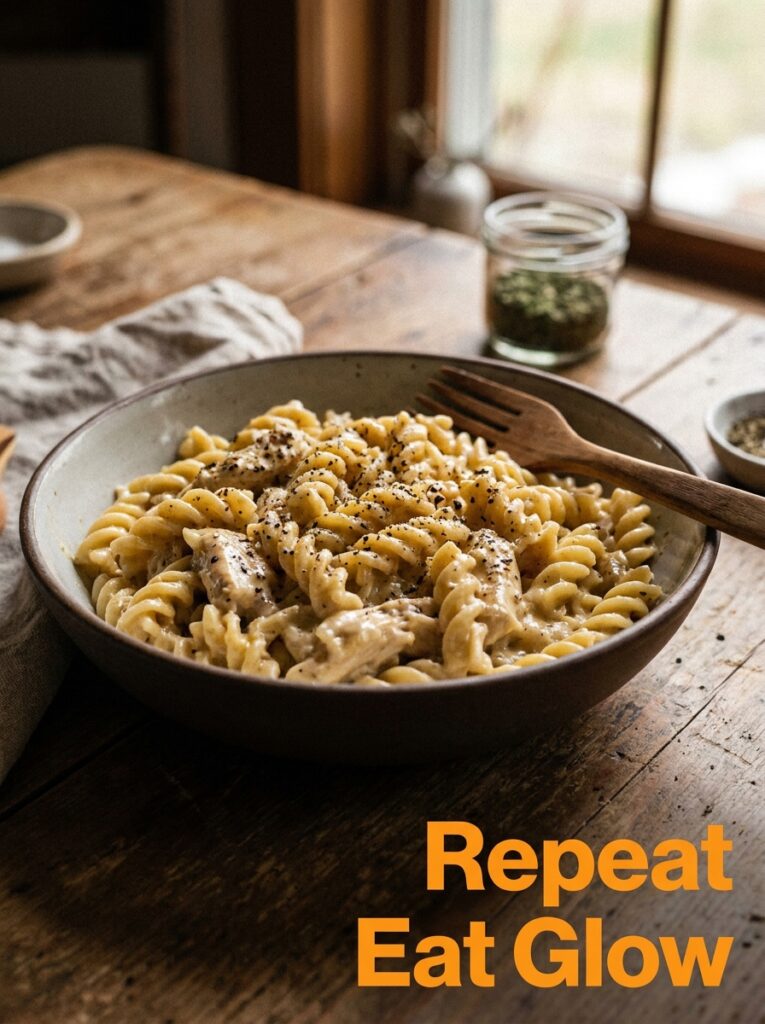
There’s a version of creamy chicken pasta that people make complicated. They shouldn’t. The simple version is better, and it comes together in the time it takes to boil the pasta.
Cook your pasta. Meanwhile, slice chicken breasts into thin strips and season them well. Sauté in butter until cooked through, then set aside. In the same pan: a splash of white wine, reduced down, then double cream (or heavy cream — same thing, Americans just call it something different). Let that thicken slightly, add grated parmesan, a little of the pasta water, salt and pepper.
The pasta water is IMPORTANT. The starch in it helps the sauce cling to the pasta instead of pooling at the bottom of the bowl. Add the chicken back in, toss with the pasta, and eat immediately. It doesn’t reheat brilliantly, which is the one downside, but that’s also maybe not a problem because there usually aren’t leftovers anyway.
Add spinach if you feel like adding a vegetable. Or frozen peas stirred in at the end. Or just eat it without guilt, because life is short and this pasta is very good.
—
7. The Slow Cooker Chicken That You Set Up Before Work and Forget About
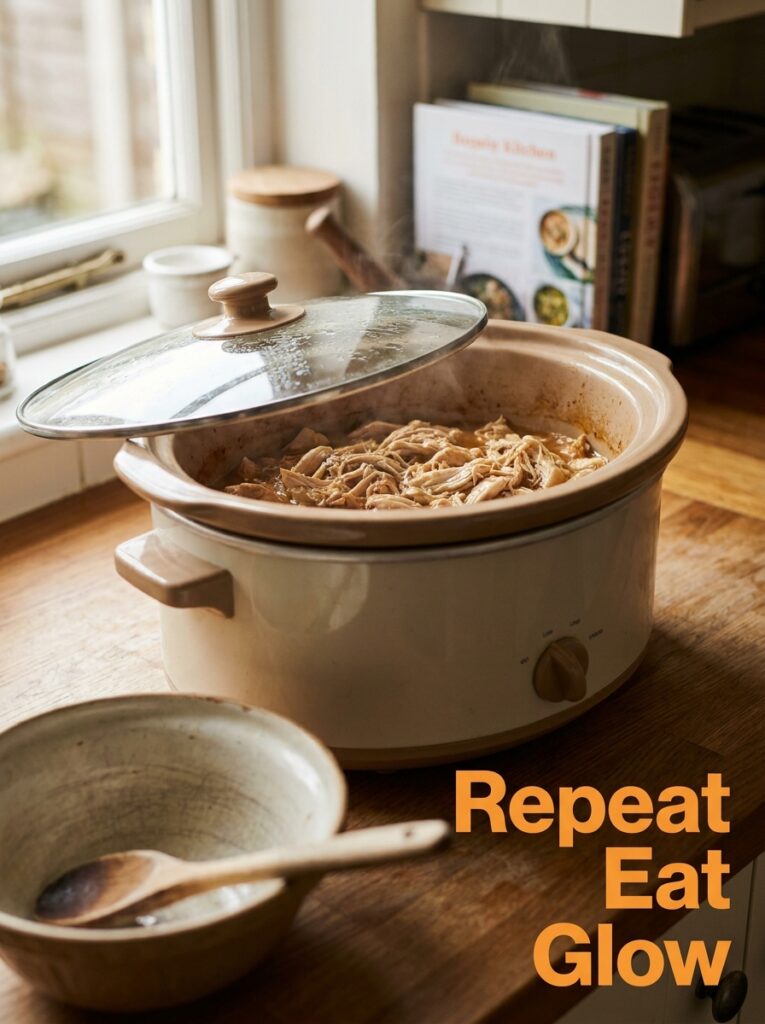
I know slow cooker recipes can feel a bit uninspired but this one actually has a payoff. Chicken thighs, a can of diced tomatoes, a tin of chickpeas, smoked paprika, cumin, a little red wine vinegar, and a diced onion. That’s the whole ingredient list. Throw it all in, set it to low for seven to eight hours or high for four, and walk away.
What you come home to smells like it’s been cooking all day, because it has. The chicken is falling apart, the chickpeas are soft and flavour-soaked, and the tomato sauce has reduced into something thick and rich. Serve it over couscous or rice, or just eat it straight from the bowl with bread.
The red wine vinegar is the thing most people skip and it’s the thing you really shouldn’t skip. It cuts through all the richness and gives the sauce a little sharpness that keeps it from being too heavy. Just a tablespoon. Easy.
“The slow cooker is not a lesser cooking method. It’s just a different one, and sometimes it’s the smarter one.”
—
8. The Thing I Do to Chicken Soup That Nobody Ever Expects
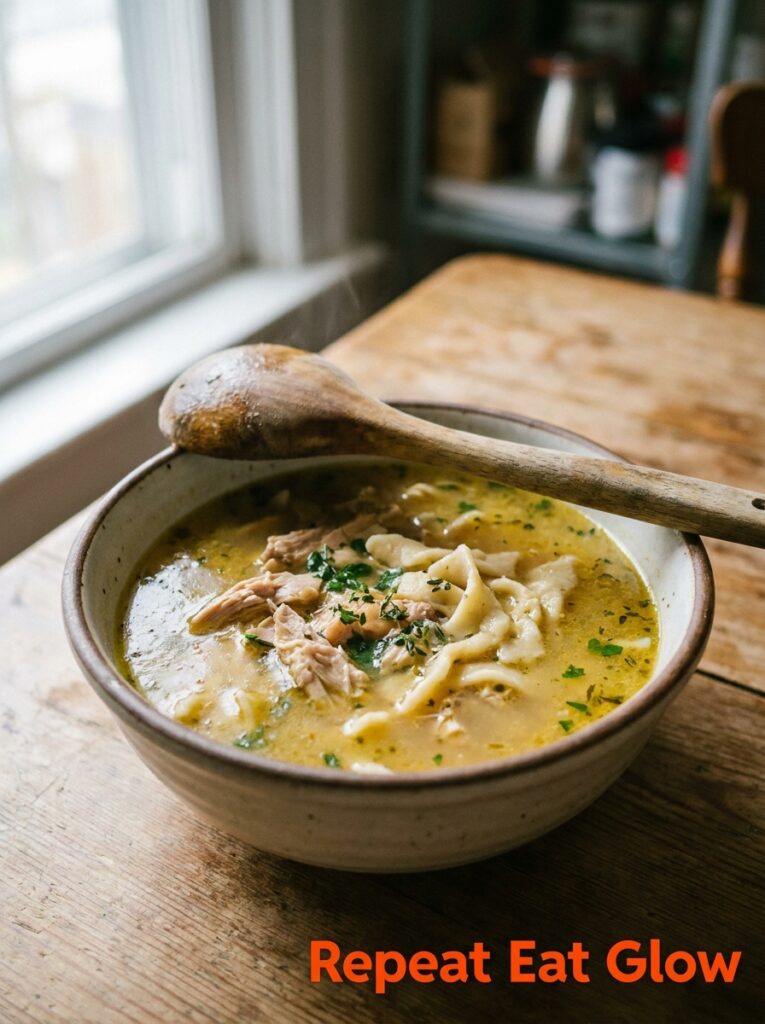
Basic chicken soup sounds boring until you actually have a bowl of homemade and then you understand why people make it when someone’s sick or sad or just cold. But here’s what I do differently: I add miso.
Not a lot. Just a tablespoon of white miso, stirred in at the very end when the soup’s off the heat. Don’t boil it after adding it. The miso adds this deep savoury umami base that makes the soup taste like it simmered all day even if it didn’t, and it doesn’t make it taste Japanese or strange — it just makes it taste MORE like chicken soup.
Use a whole chicken or chicken pieces with bones for the stock. Brown them first if you have five extra minutes, because that colour translates to flavour. Add onion, carrots, celery, garlic, a bay leaf. Cover with water, simmer for an hour, pull out the chicken and shred it, strain the broth if you want it clean, add noodles or rice or just leave it clear.
The miso goes in at the end. That’s the move. Tell someone about it and they’ll be sceptical. Feed them a bowl and they won’t be.
—
9. Five-Spice Chicken Wings That Are Better Than Any Takeaway
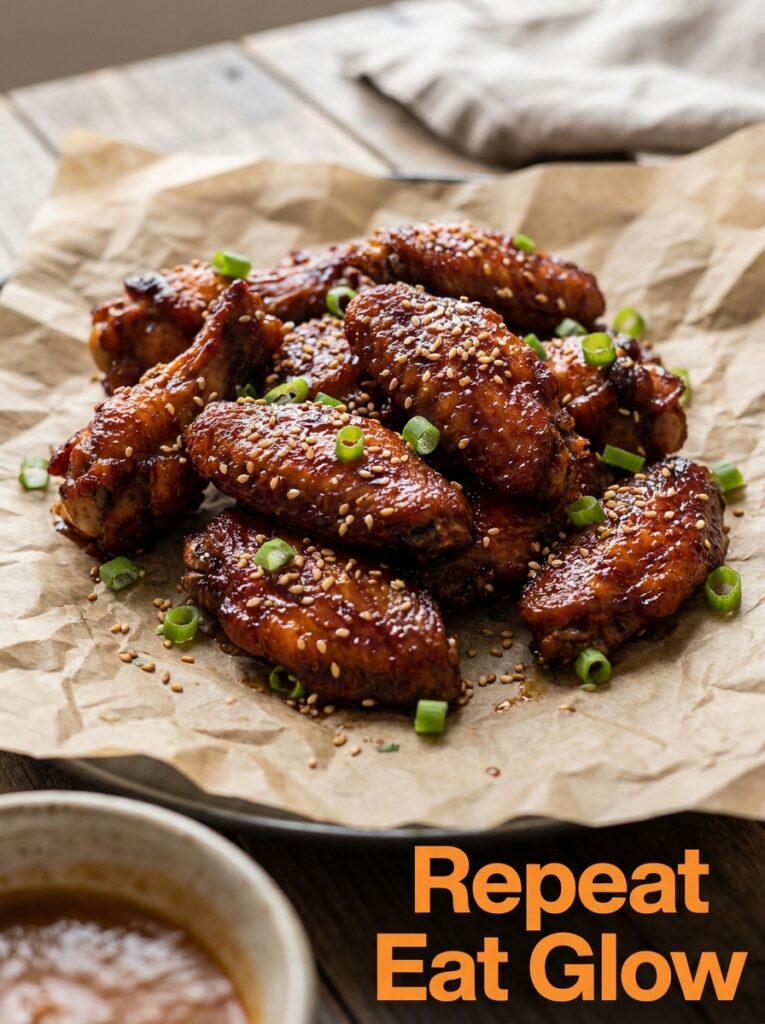
Wings are underrated as a weeknight dinner. They’re cheap, they cook relatively fast, and there’s something deeply satisfying about eating with your hands.
Coat them in five-spice powder, salt, a tiny bit of sugar, and enough oil to make them shiny. Roast at 425°F (220°C) on a wire rack over a baking sheet — the rack means air circulates under the wings and they get crispy all over instead of just on top. Forty minutes. Flip halfway.
While those cook, make the glaze: soy sauce, honey, a little garlic, a little rice vinegar. Reduce it in a small pan until it coats the back of a spoon. Toss the cooked wings in the glaze and then put them back in the oven for five minutes to caramelise.
The five-spice gives them this deep, complex, slightly sweet-anise thing that you can’t quite identify but can’t stop eating. Serve with spring onions on top and a stack of napkins. These are very much finger-food chicken. Don’t try to eat them with a fork, it misses the point entirely.
—
10. Lemon and Herb Roast Chicken Legs for When Thighs Feel Too Heavy
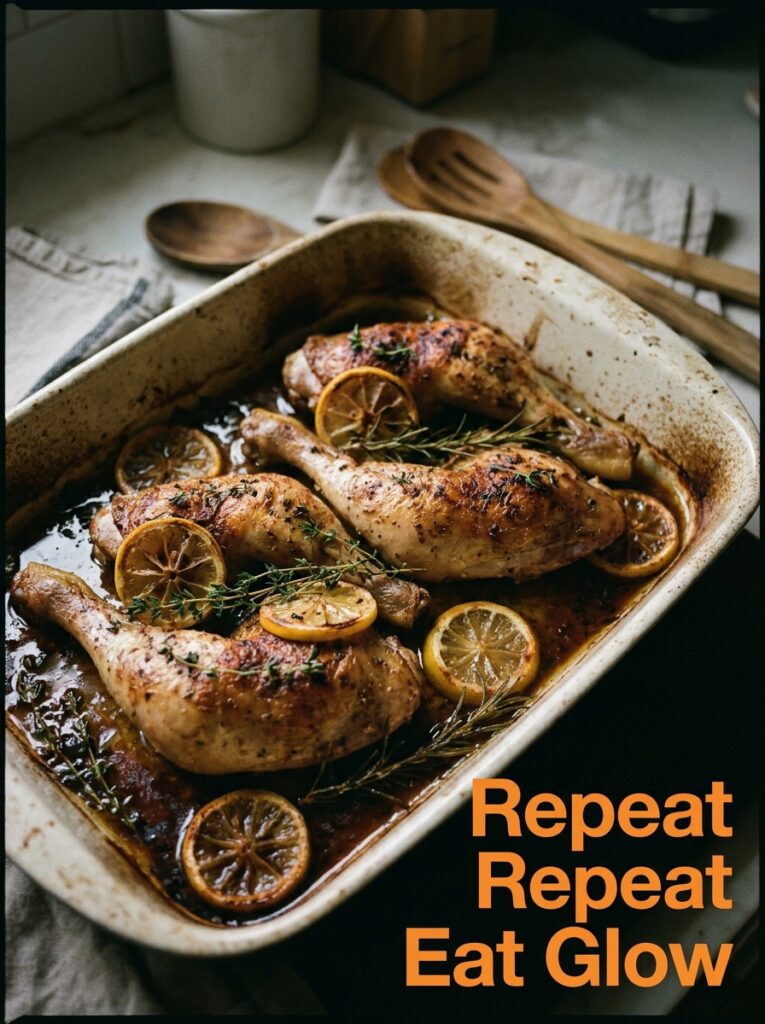
There’s a time for garlic butter richness and there’s a time for something lighter. This is the lighter version.
Chicken legs (drumstick and thigh together) marinated in lemon zest, lemon juice, olive oil, fresh rosemary, fresh thyme, and a lot of salt. Even an hour of marinating makes a difference, but overnight is better. Roast at 400°F (200°C) for about 45 minutes until the skin is golden and there’s no pink at the bone.
The herbs crisp up on the skin and the lemon caramelises slightly and everything smells like summer, even if it’s February and there’s no sun anywhere. Serve with a simple green salad and some roasted new potatoes. Or, honestly, with nothing else, if you’re eating dinner on the sofa and keeping it easy.
This is the chicken I make when I want to feel like I’m doing something nice for myself without actually putting in enormous effort. Which is sort of the whole point of a good simple recipe, isn’t it.
—
11. The Chicken Quesadilla Trick That Makes It Actually Crispy
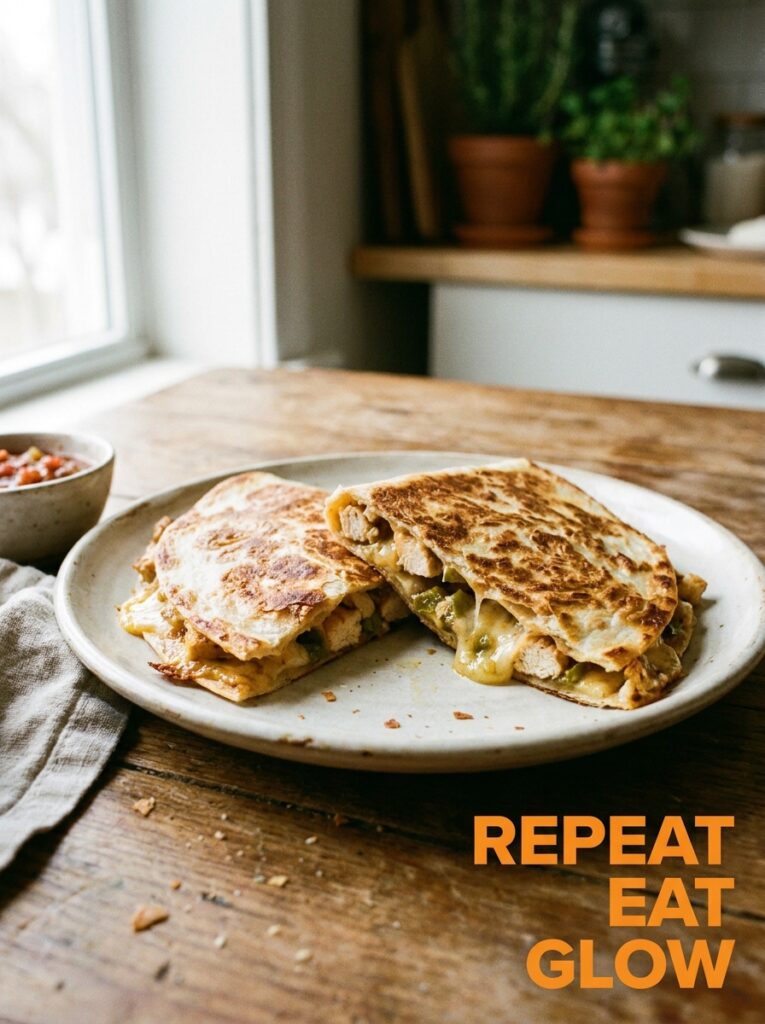
Quesadillas always sound so easy and then they come out either soggy or burnt. Here’s the fix: don’t put butter in the pan. Use a dry pan, medium heat, and press the quesadilla down gently with a spatula while it cooks.
The tortilla toasts against the dry pan and goes crispy — really crispy, not just warm — without going greasy. Inside: shredded leftover roast chicken (this is the perfect use for it), cheddar and a little pepper jack if you can find it, some thinly sliced spring onions, a spoonful of salsa.
Two minutes per side, maybe three. It should sound slightly crackly when you press it. Cut it into triangles and eat it immediately because it loses the crisp fast.
The dry pan is the thing. I can’t explain the food science behind it exactly but it works consistently and now it’s the only way I make them. My kids request these at least twice a week, which is about as high an endorsement as anything in my kitchen has ever received.
—
12. The Two-Ingredient Marinade That Sounds Wrong but Tastes Right
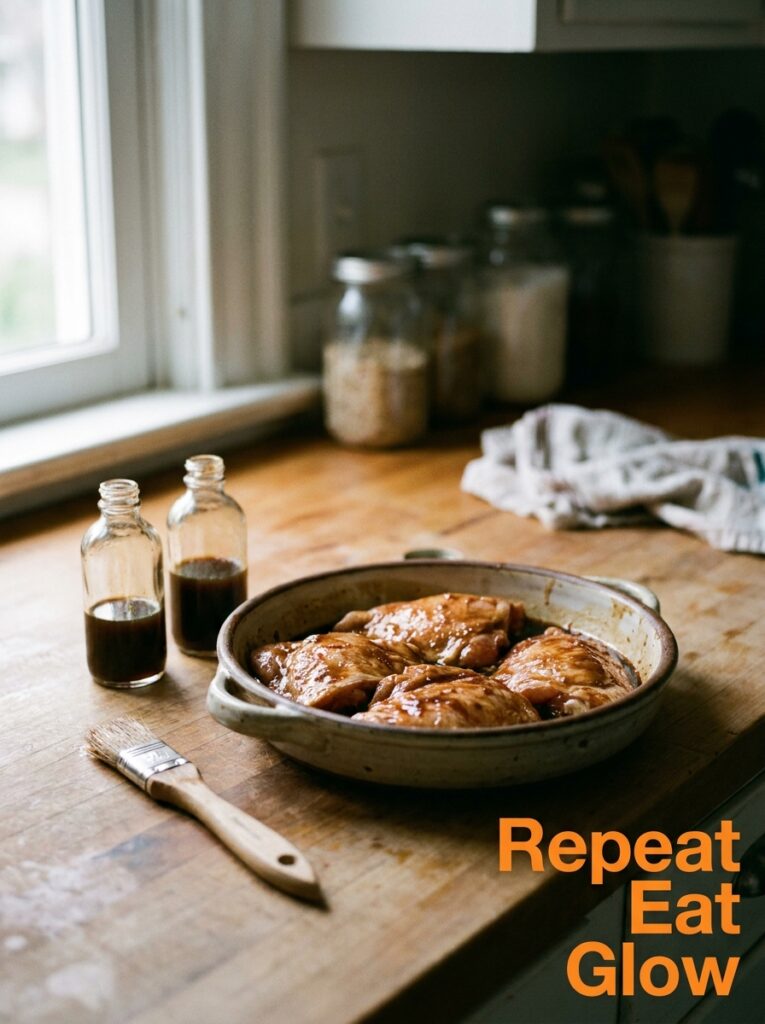
Greek yogurt and any spice mix you like. That’s it.
Seriously. Coat chicken thighs or breasts in plain Greek yogurt mixed with whatever you’re in the mood for — za’atar, curry powder, smoked paprika and garlic, even just salt and herbs. Leave it for at least an hour. The lactic acid in the yogurt tenderises the meat and the yogurt itself acts as a barrier against drying out during cooking, so you get JUICY chicken even from the oven.
The yogurt mostly burns off during cooking and what’s left is a slightly charred, deeply flavoured crust that’s nothing like what you’d expect from yogurt. It sounds wrong, I know. It looked suspicious to me the first time too. But this technique is genuinely old — it’s used in Indian cooking, Middle Eastern cooking, all over — and it works because there’s actual food science behind it, not just a trend.
Roast at 425°F (220°C) for 25 to 30 minutes depending on size. Or grill it. The yogurt-coated chicken on a hot grill gets slightly charred edges that are frankly excellent. Try it once. You won’t go back.
—
❓ FAQ
Q: What’s the best cut of chicken for quick weeknight dinners? A: Boneless, skinless chicken thighs, without question. They cook faster than bone-in, they’re more forgiving of a few extra minutes on the heat, they’re cheaper than breasts, and they’ve got more flavour. If you’ve been defaulting to breasts because you think they’re healthier — the difference is pretty minimal, and the flavour difference is significant.
Q: How do I stop chicken breasts from drying out? A: Two things make the biggest difference. First, pound them to an even thickness so the thin end isn’t overcooked by the time the thick end is done. Second, pull them off the heat before they look finished — around 155°F internal temp — and let them rest covered for five minutes. Carryover heat finishes the job and resting lets the juices redistribute instead of pouring out when you cut.
Q: Can I marinate chicken for too long? A: With acid-based marinades (lemon juice, vinegar), yes — more than a couple of hours can start to make the texture mealy rather than tender. But with yogurt or oil-based marinades, you can safely go overnight or even 24 hours and it only gets better.
—
💭 Final Thoughts

Chicken doesn’t have to be the thing you cook because you can’t think of anything else. It can be the thing you genuinely look forward to. The secret — if there even is one — is treating it with a little intention: proper heat, real seasoning, a method that respects the cut you’re working with. None of this is complicated. It just takes knowing a few things.
What’s the one chicken recipe you keep coming back to when everything else feels like too much effort?
