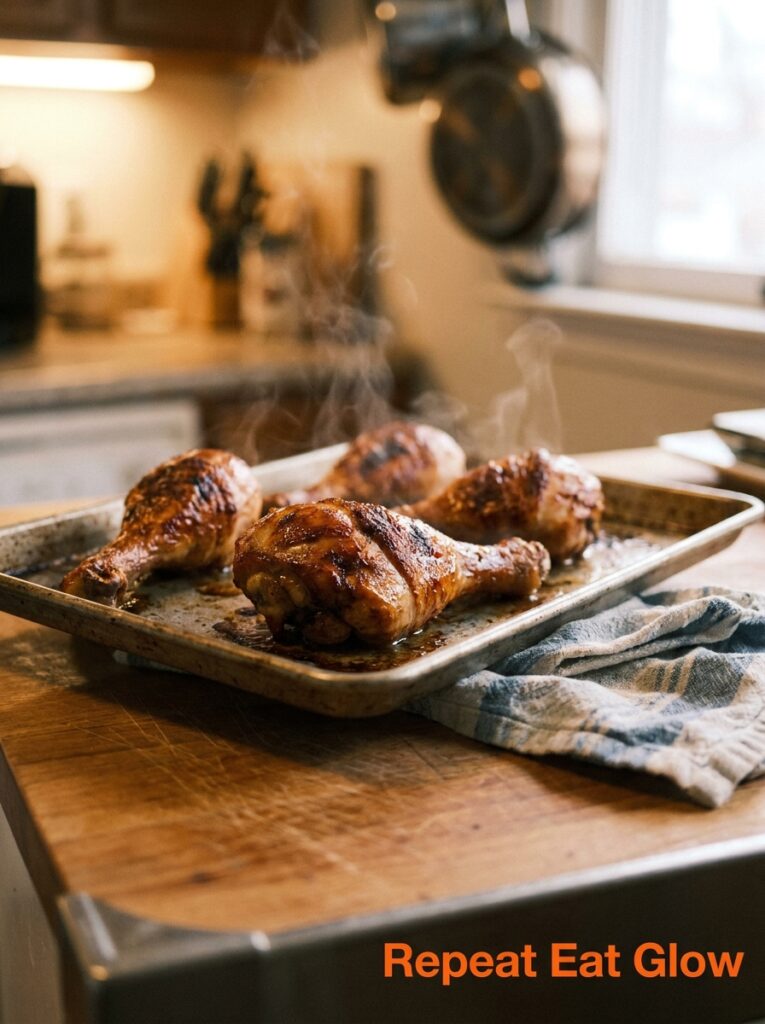
You pull them out of the oven and the skin is crackling, the kitchen smells like garlic and something caramelized and good, and suddenly everyone appears from wherever they were. That’s the thing about drumsticks. They just do that.
—
1. Why Drumsticks Are the Most Underrated Cut in the Entire Poultry Aisle
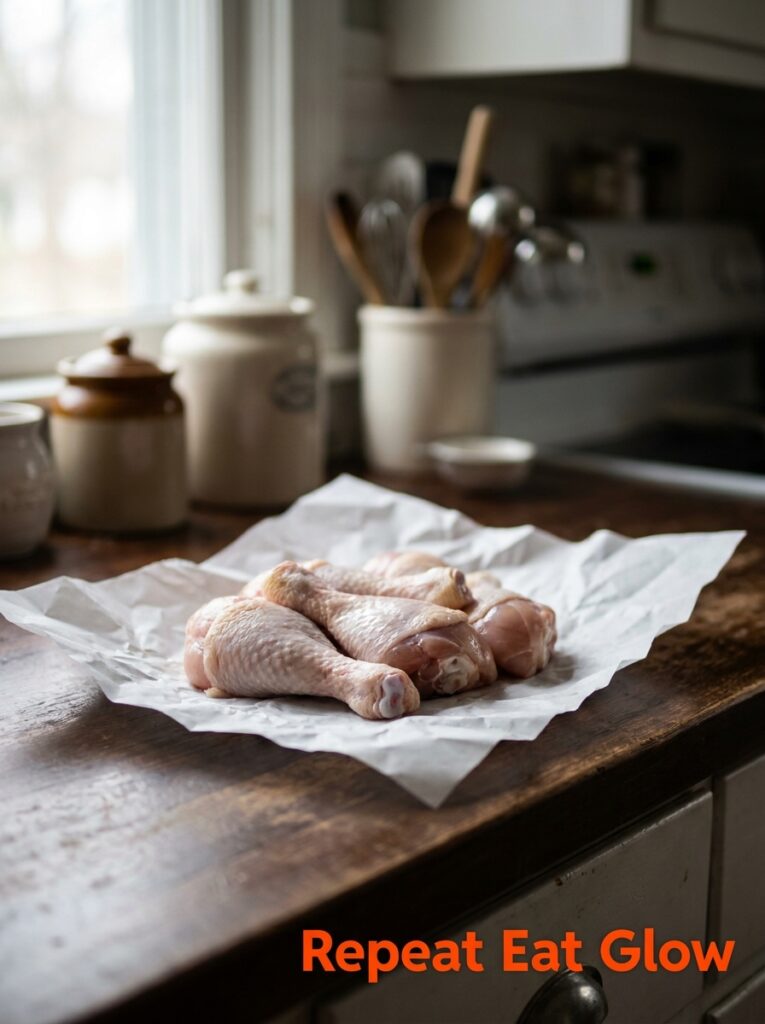
Not gonna lie — I ignored drumsticks for years. I was a chicken thigh person, devoted, borderline evangelical about it. But drumsticks have something thighs don’t: they’re CHEAPER, they’re already portion-sized, and kids will pick them up and eat without any fuss whatsoever.
The real reason they work so well in the oven, though? Fat content. Drumsticks have enough fat running through the meat that they don’t dry out even if you forget them for an extra ten minutes (we’ve all been there). They also have that little bone running through the middle, which conducts heat and helps cook from the inside out. So you get crispy skin on the outside, juicy meat on the inside, and very little room for error.
The other thing I’d say is that drumsticks take to seasoning AGGRESSIVELY well. Because of all that surface area — the skin, the curves, the little knobby bone end — they pick up whatever you put on them and hold it during the roast. A thick marinade doesn’t just sit on top. It actually clings and caramelizes.
Buy them in bulk when they’re on sale. Freeze them flat on a baking sheet first, then bag them. You’ll thank yourself every Tuesday night in winter.
“Drumsticks are the Tuesday-night dinner that somehow tastes like you tried.”
2. The Temperature Trick That Changes Everything (And Most Recipes Don’t Mention It)
Most recipes say 400°F (200°C) and call it done. And that’s fine. It works. But here’s the thing I figured out after making these probably fifty times: starting at a lower temperature for the first twenty minutes makes an enormous difference to the texture of the meat.
Start at 375°F (190°C) for the first 20 minutes with the drumsticks covered loosely in foil. Then crank it to 425°F (220°C), pull the foil off, and let them go for another 20-25 minutes uncovered. What happens is the lower heat gently renders the fat under the skin without the outside seizing up. Then the blast of heat at the end crisps everything in a hurry.
Or maybe it’s the opposite approach that works better for your oven — honestly, ovens vary so wildly that you sometimes just have to feel it out. My oven runs hot. If yours does too, drop both temperatures by about 15 degrees.
The other thing: don’t skip patting the chicken dry before it goes in. I know it’s one of those steps that feels unnecessary. It’s not. Moisture on the surface of the skin turns to steam in the oven, and steam is the enemy of crispiness. Thirty seconds with a paper towel and your skin gets genuinely crackling. That’s the goal.
3. The Garlic Butter Drumstick That’s Been in My Rotation for Three Years Straight
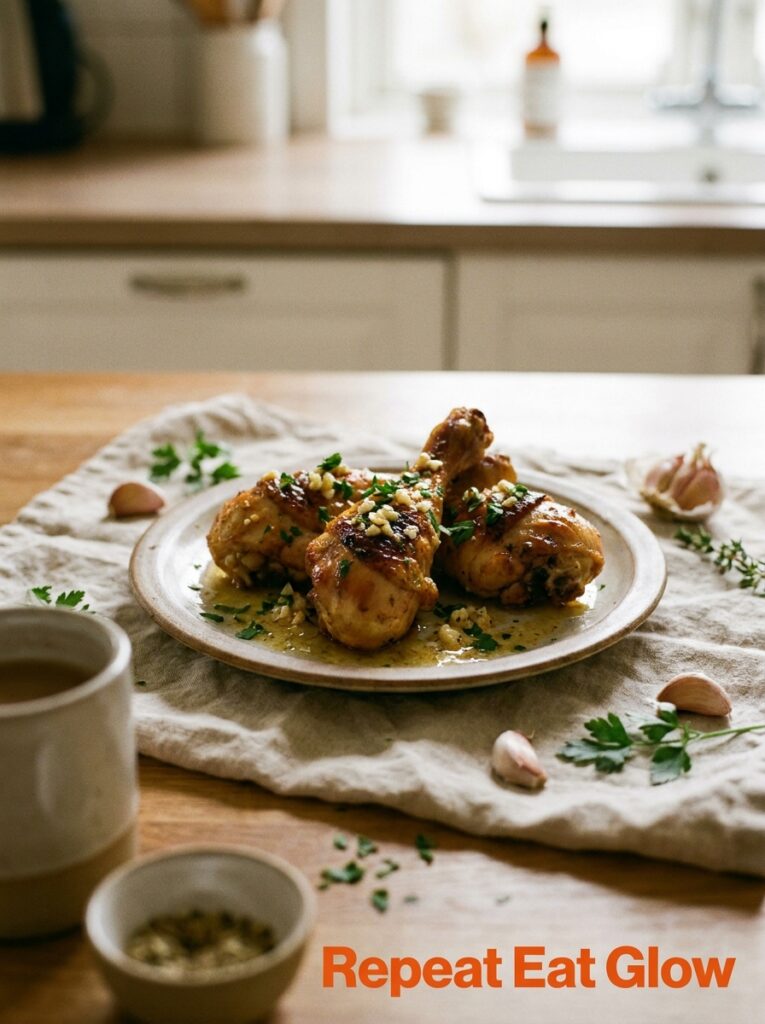
Okay so this is the one I make when I’m tired and hungry and don’t want to think. It takes about ten minutes of actual work and then the oven does everything.
You need drumsticks, obviously. Softened butter — real butter, not the spread, I’m serious about this — minced garlic, fresh thyme if you have it (dried is fine), salt, a good crack of black pepper, and a squeeze of lemon.
Mash the butter with the garlic, thyme, salt, and pepper until it’s all combined. Then get your hands under the skin of each drumstick — gently, it doesn’t tear as easily as you think — and push a little knob of the butter mixture right underneath. Rub the rest over the outside. Lay them on a baking rack over a sheet pan so air can circulate underneath.
425°F (220°C) for 40 minutes. You’ll smell them at the 30-minute mark and want to open the oven. Don’t. Wait. The last ten minutes are when the skin goes from good to extraordinary.
The lemon? Add it at the end. Squeeze it over just before serving. It cuts through the richness and makes everything taste brighter. You could skip it but you’d be making a mistake.
4. The Sticky Honey Soy Glaze That’ll Have You Scraping the Pan
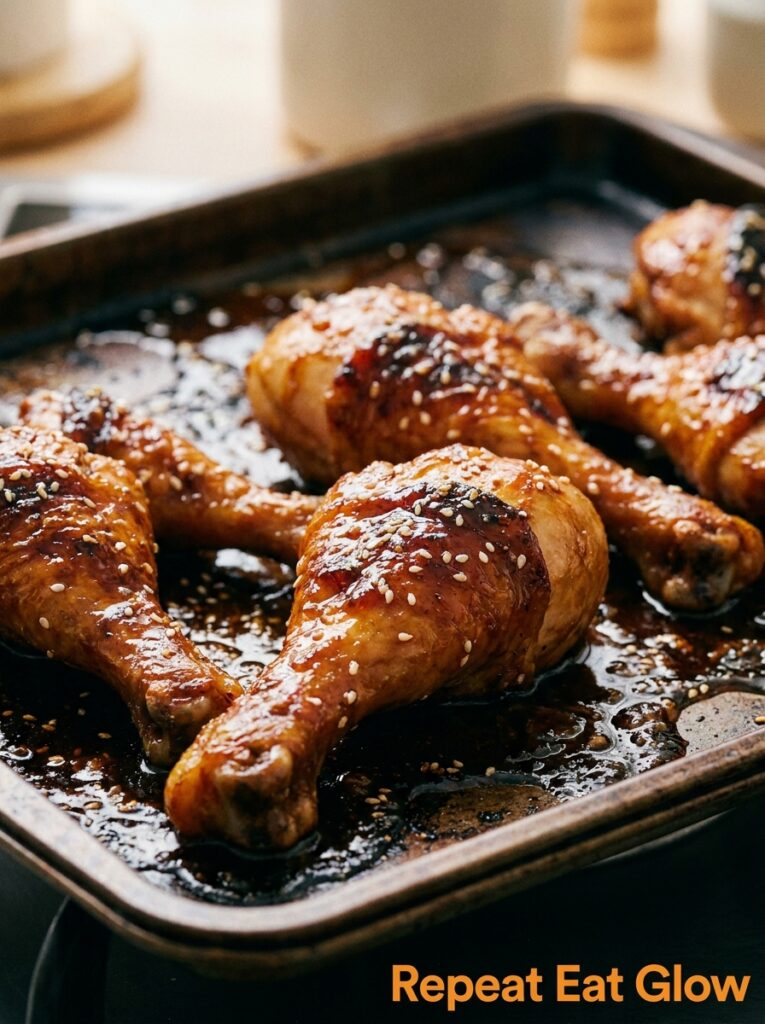
This one’s for when you want something with a bit of a wow factor. The glaze goes on twice — once at the beginning, once in the last 10 minutes — and it builds up in layers so you get this deep, slightly sticky, sweet-and-salty coating that looks like it came from a restaurant.
The base: two tablespoons of soy sauce, two tablespoons of honey, a teaspoon of sesame oil, half a teaspoon of garlic powder, half a teaspoon of ginger powder, and a tablespoon of rice vinegar if you have it (apple cider vinegar works too). Whisk it together. Taste it. You want sweet-forward with a little acidic bite at the back.
Coat the drumsticks in half the glaze and let them sit for 15-20 minutes if you can. Even just ten minutes in the glaze makes a difference. Roast at 400°F (200°C) for 30 minutes, brush with the remaining glaze, and then give them another 10-12 minutes.
The glaze will bubble and caramelize at the edges of the pan. Don’t throw that pan away without scraping those edges — toss the scraped bits over the chicken when you plate it. That’s the best bit.
“The bits stuck to the pan are not waste. They are the reward.”
5. Spicy Paprika Drumsticks That Work for Both a Weeknight and a BBQ
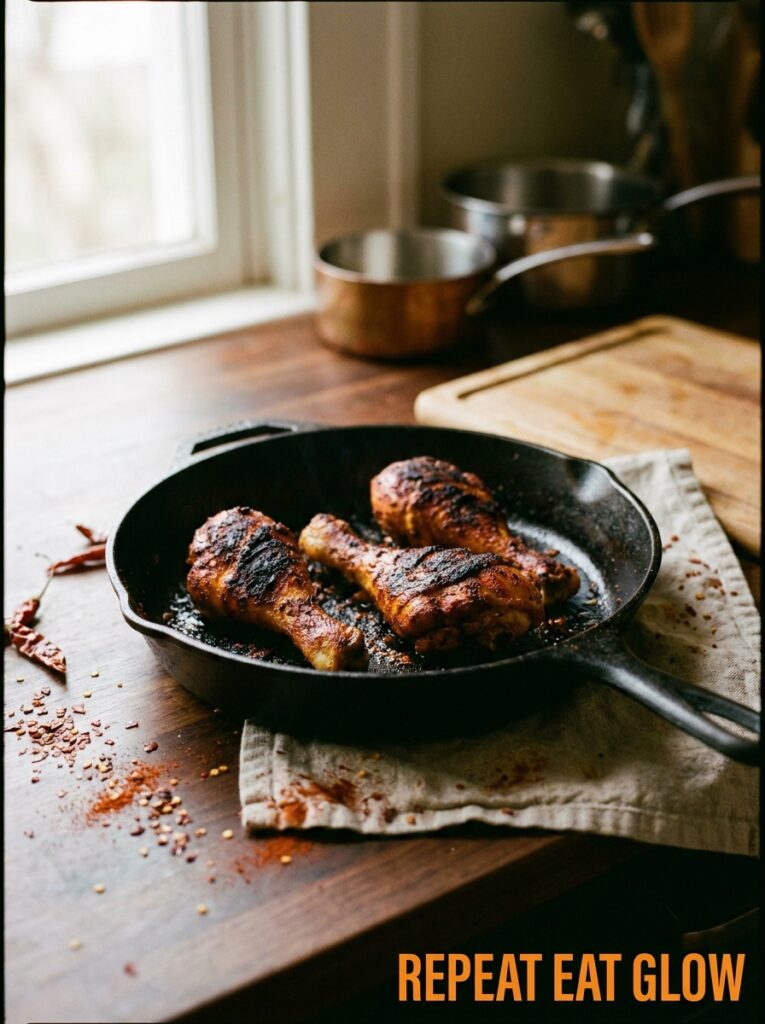
Smoked paprika is doing a lot of heavy lifting in home cooking right now and there’s a very good reason for it. It gives you that deep, campfire-adjacent flavour that makes food taste like it’s been outside even when it hasn’t. Combined with a bit of cayenne and garlic, it turns a simple drumstick into something that tastes genuinely complex.
The rub: one tablespoon of smoked paprika, one teaspoon of garlic powder, half a teaspoon of cayenne (less if you’re cooking for kids), half a teaspoon of onion powder, a teaspoon of salt, half a teaspoon of brown sugar. That tiny bit of brown sugar is key — it balances the heat and helps the skin colour beautifully without burning.
Rub it all over the drumsticks. Every bit of surface area. Drizzle a little olive oil over them in the pan to help the spices stick and conduct heat. Roast at 400°F (200°C) for about 40 minutes, turning once halfway.
Serve these with something cooling — a yogurt dip, a cucumber salad, some flatbread. The contrast matters. And they’re genuinely good at room temperature too, which makes them weirdly ideal for picnics or those slightly chaotic summer dinner parties where nothing comes out of the oven at the same time.
6. How to Get the Skin ACTUALLY Crispy (Not Just “Done”)
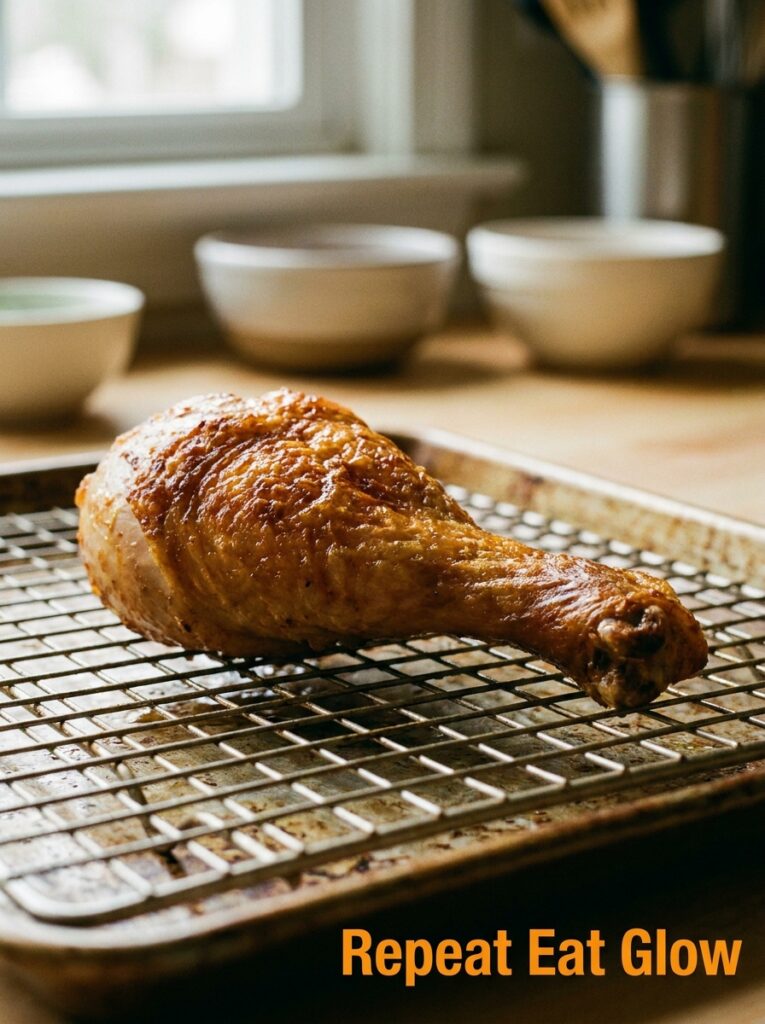
Let’s be real — soggy chicken skin is almost worse than no skin at all. It’s the texture nightmare that keeps people buying boneless skinless breasts they don’t even want. But crispy skin is achievable. Every time. You just have to know the rules.
Rule one: dry the chicken thoroughly. Already mentioned this but worth saying again.
Rule two: baking rack over a sheet pan. The chicken needs to not be sitting in its own juices. Elevating it even an inch allows air underneath, and that’s what gets the bottom of the skin as crispy as the top.
Rule three: don’t crowd the pan. Drumsticks need space. If they’re touching each other, the moisture between them creates steam and you’re back to soggy. One layer, a bit of breathing room, and you’re good.
Rule four: the oven has to be properly preheated. Not “warm enough.” Actually preheated to temperature. Putting chicken in a half-warm oven is how you end up with pale, rubbery skin that’s technically cooked but texturally depressing.
Side note — I’ve also tried the baking powder trick (coating the skin lightly in baking powder mixed with salt before roasting) and it DOES work, especially if you let the coated chicken sit uncovered in the fridge for a few hours or overnight. The baking powder changes the pH of the skin and makes it blister in the oven in the best way. Slightly obsessed with this method.
7. The Lemon and Herb Drumstick That Tastes Like Summer in February
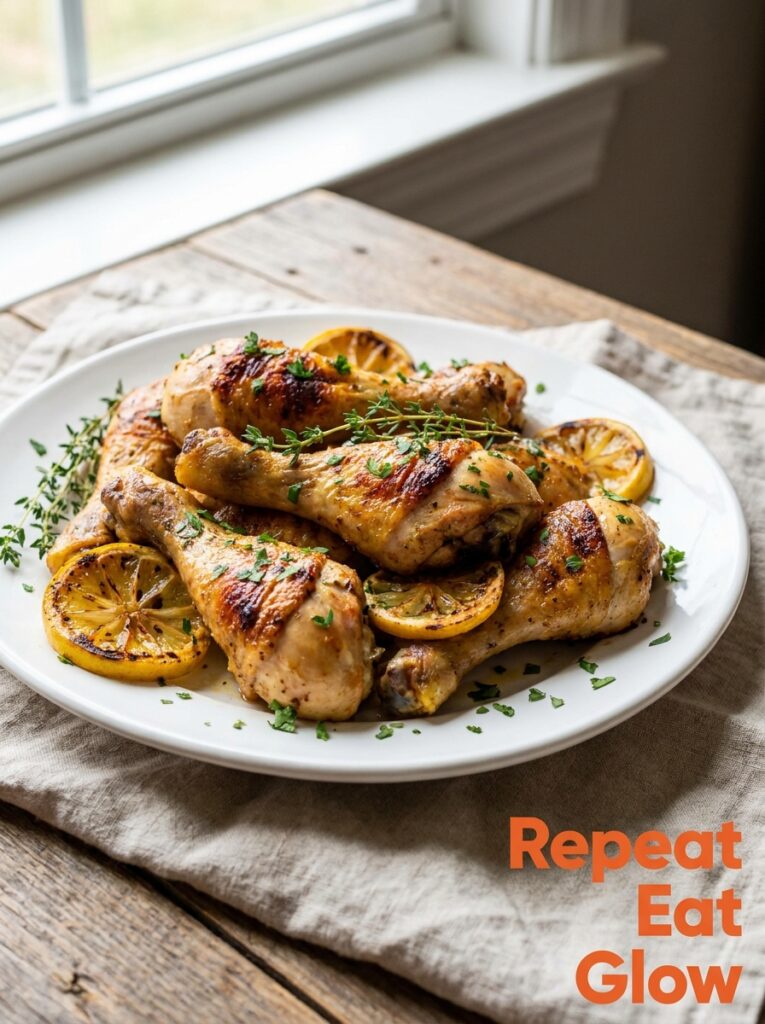
There’s a version of this dish that every good cook has in their back pocket and almost nobody writes down. It’s the one you make when you want to feel like you’re eating on a terrace somewhere warm, even if it’s February and it’s raining outside and the heating’s making a noise.
Zest of two lemons. Juice of one. Olive oil — about three tablespoons, good-ish olive oil. A whole head of garlic, cloves separated but not peeled. Fresh rosemary, two or three sprigs. Fresh thyme. Salt and pepper. That’s essentially it.
Put everything in a dish, turn the drumsticks in it a few times, and if you have time let it marinate for at least an hour. The lemon juice starts to work on the surface of the meat and makes it particularly tender. Roast at 400°F (200°C) for 35-40 minutes, turning once. The garlic cloves will soften into something jammy and sweet, and you can squeeze them out of their skins directly onto the chicken when you plate it.
The rosemary crisps up in the oven and gets almost chip-like in places. Eat it. Don’t leave it behind.
“A bit of olive oil, a lemon, and a hot oven — that’s a whole mood, not just a recipe.”
8. The One-Pan Situation With Vegetables That Actually Fills a Weeknight Gap
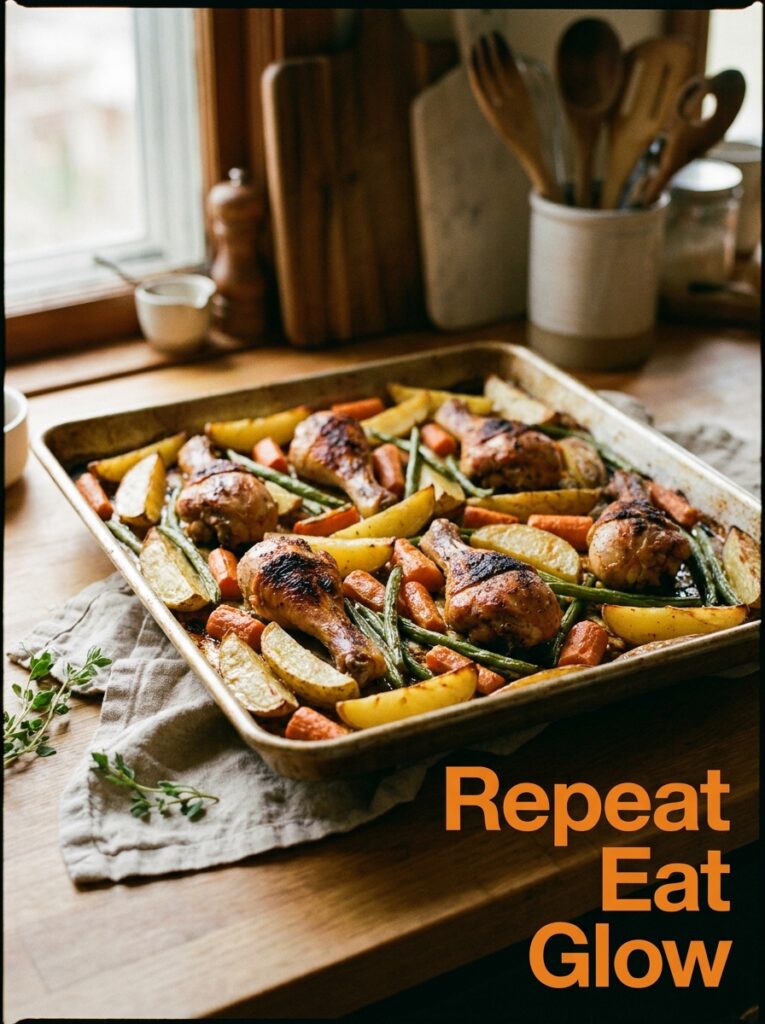
Sheet pan dinners get overhyped sometimes, but drumsticks with vegetables genuinely are one of the few “everything in one pan” situations that fully delivers. Because the drumsticks take about 40 minutes and release fat as they cook, the vegetables underneath essentially roast in chicken drippings. Which is — well. It’s very good.
Cut vegetables that take similar time to cook: chunks of potato, wedges of red onion, halved shallots, bell pepper strips, cherry tomatoes added in the last 15 minutes. Toss them in olive oil, season well. Lay the drumsticks on top. Everything bastes each other.
The key is cutting the denser vegetables (potato, carrot) smaller than you think they need to be. They need to be done at the same time as the chicken, and potatoes can lie. They look done. They often aren’t.
I’d also say — don’t overthink the flavour combinations here. Whatever seasoning you’re putting on the chicken, put a version of it on the vegetables too. Coherence matters. A honey-soy chicken sitting on top of plain roasted potatoes is slightly confusing to eat, you know?
9. Buttermilk Marinated Drumsticks for When You Have a Day to Plan Ahead
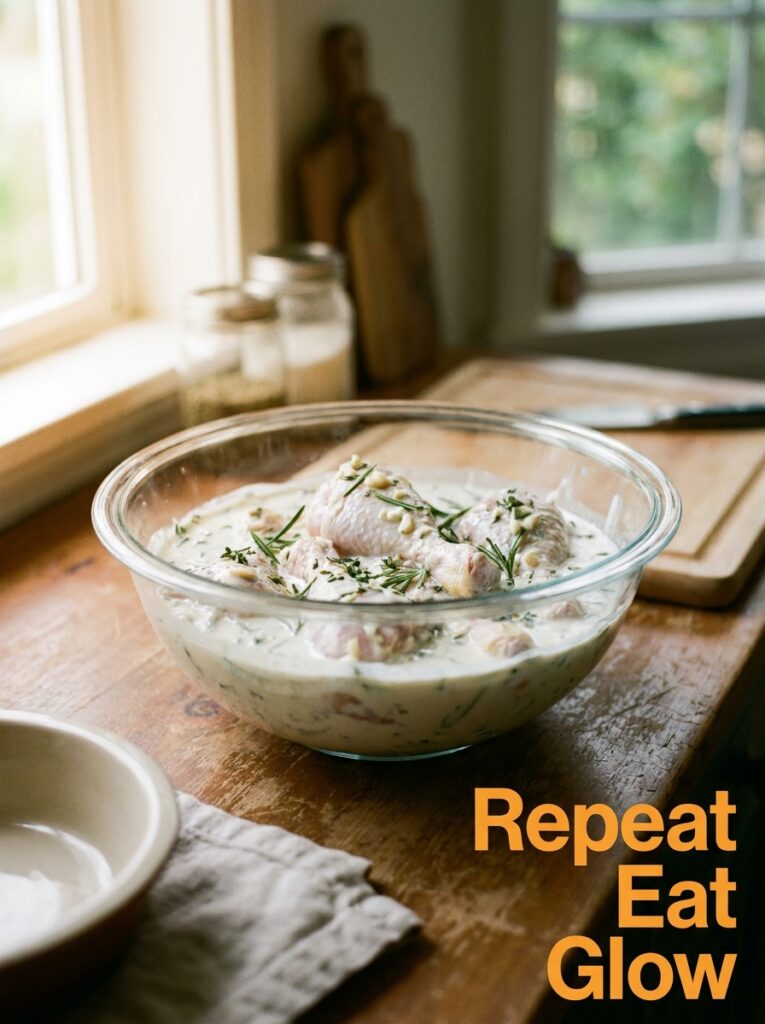
The overnight buttermilk soak is one of those techniques that feels slightly fussy until you taste the result. Then you understand why people do it. The acidity in the buttermilk breaks down the proteins in the chicken just enough to make the meat almost shockingly tender, while also acting as a base layer of flavour.
Pour enough buttermilk to cover the drumsticks (or enough to coat them generously in a ziplock bag). Season it — salt, garlic powder, a bit of hot sauce, black pepper, maybe a little onion powder. Submerge the drumsticks, seal, and refrigerate overnight or for at least six hours.
When you’re ready to cook, lift them out of the buttermilk and let the excess drip off. Don’t rinse them. There’ll be a light coating that clings to the skin and in the oven it turns into this pale golden, slightly tangy crust. It’s sort of the oven version of fried chicken, without the faff of a fryer.
These are particularly good with hot sauce and coleslaw on the side, or stuffed into a roll the next day cold, which I’d argue is just as good as the freshly roasted version.
10. The Teriyaki Version That Kids Inhale and Adults Want More Of
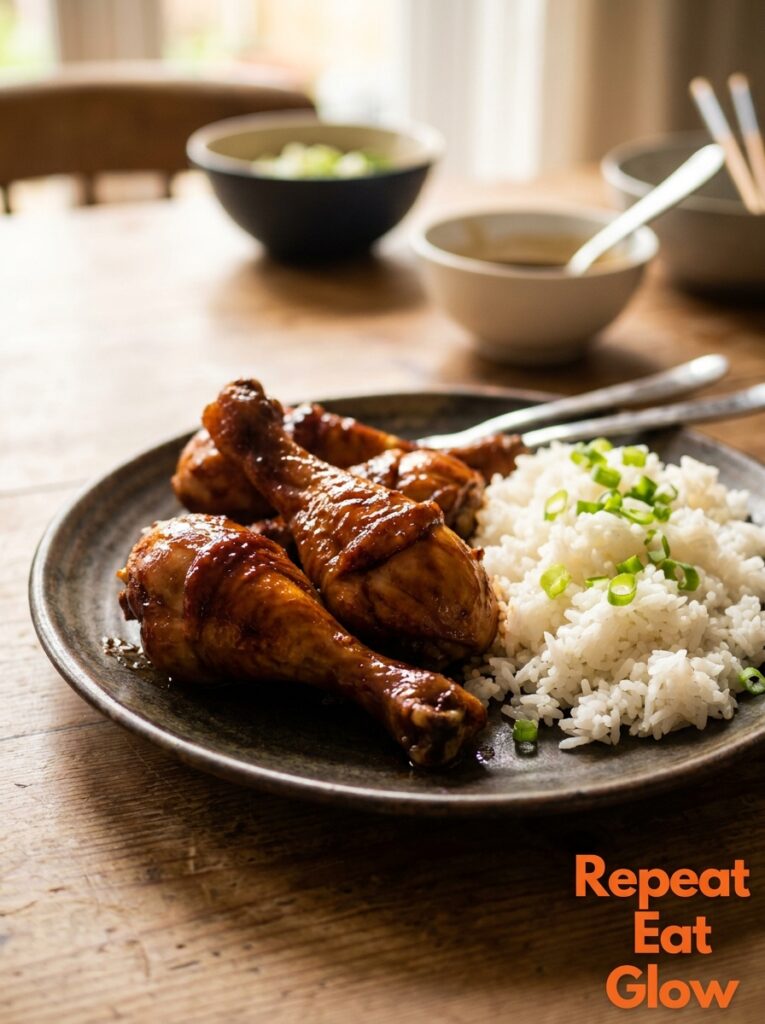
This is the crowd-pleasing one. I’ve made it for dinner parties and packed it in lunchboxes and honestly it works in almost every context. Homemade teriyaki sauce is SO much better than the bottled version and only takes about five minutes in a saucepan.
Combine soy sauce, brown sugar, garlic, ginger, a splash of mirin if you have it (dry sherry works, or just leave it out), and a teaspoon of cornstarch mixed with a little water. Bring it to a simmer, stir until slightly thickened, let it cool a bit before it goes on the chicken.
Coat the drumsticks, marinate for 20-30 minutes, roast at 400°F (200°C) for 35 minutes, brushing with extra sauce at the halfway mark. The glaze gets this lacquered quality in the oven that looks genuinely beautiful — the kind of thing that photographs well and tastes even better than it looks, which isn’t always the case.
Sesame seeds on top at the end. Sliced spring onions if you have them. Serve with rice, obviously.
11. What to Do With Leftover Roast Drumsticks (Because the Fridge Ones Are Honestly a Gift)
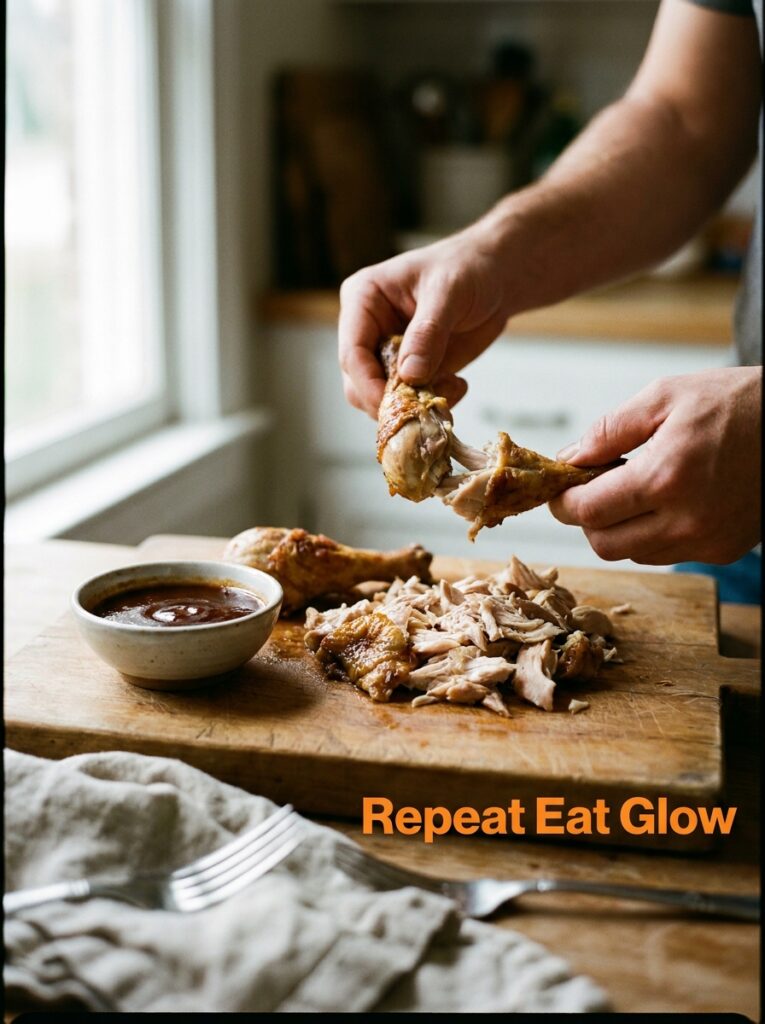
Cold roast drumsticks are one of those things that somehow improve overnight. The skin loses its crispiness, yes, but the flavour concentrates and the meat gets incredibly easy to pull off the bone. I’ve started making a full tray specifically because I want the leftovers.
Pull the meat off cold drumsticks and you’ve got the base for a quick fried rice — way more flavourful than using plain chicken breast. Or shred it and toss with a little hot sauce and mayo for the best chicken sandwich you’ll have all week. Or just eat it cold, standing at the fridge, which is not something I’m going to pretend I haven’t done.
If you’ve got a paprika-spiced batch, warm the pulled meat through in a pan with a tin of chopped tomatoes, some cumin, and a bit of smoked paprika, and you’ve got a completely different dinner for basically no effort. It’s almost unfair how far one tray of drumsticks can stretch.
12. The Stuff That Doesn’t Make It Into Most Recipes But Actually Matters
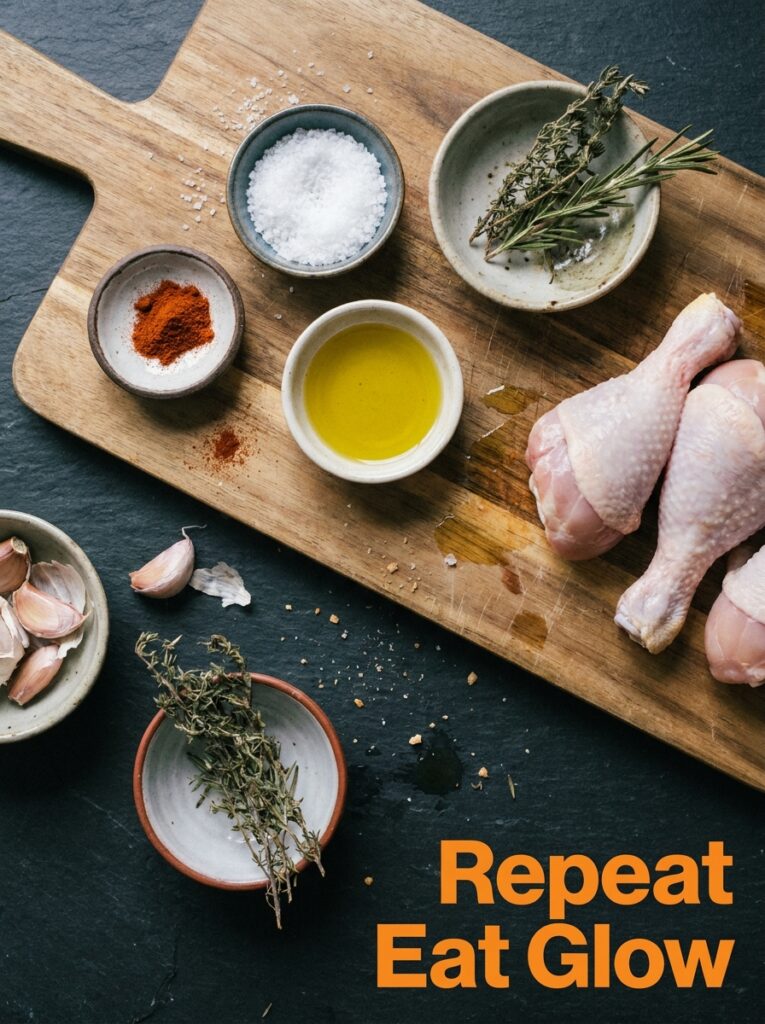
A few things I’ve learned that I never see written down anywhere.
Let the drumsticks come to room temperature before they go in the oven. Even twenty minutes on the counter means they cook more evenly. Cold chicken going into a hot oven cooks unevenly — the outside is done before the inside catches up.
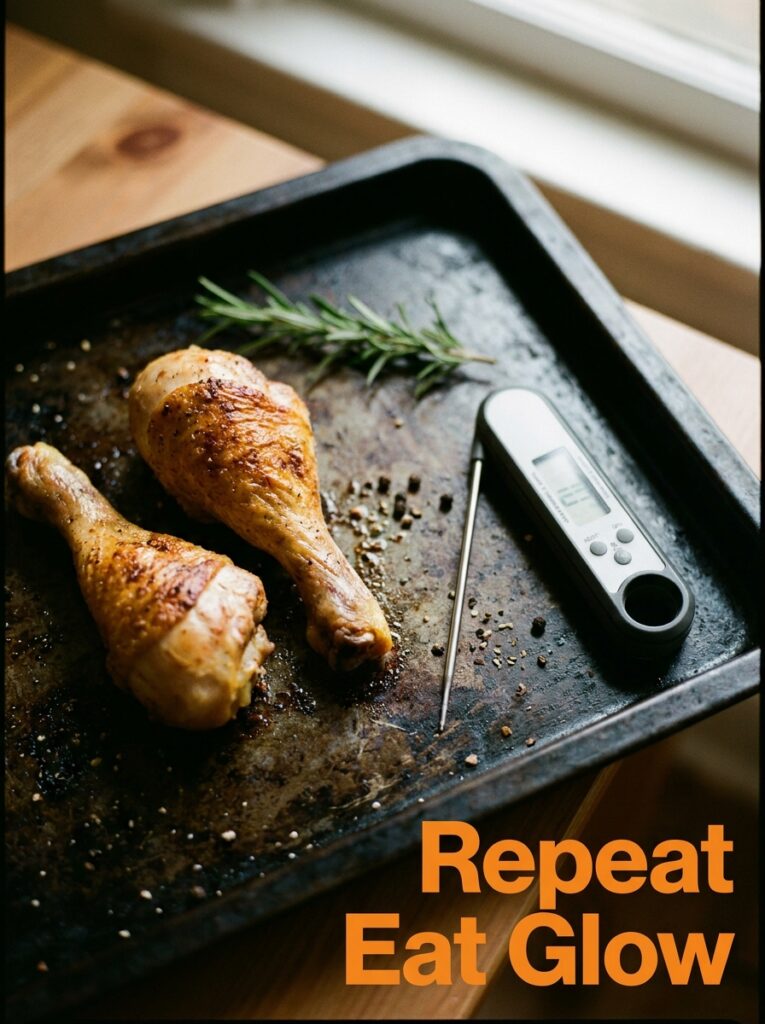
Use a meat thermometer. I know, I know. But 165°F (74°C) at the thickest part is the actual number, not “40 minutes” which varies based on the size of the drumsticks, your oven, the altitude you live at, everything. A thermometer removes all the guesswork.
Rest them. Five minutes under a loose tent of foil before serving. The juices redistribute and the meat stays moist when you cut in.
And honestly — season more aggressively than feels comfortable. Chicken skin is thick and it needs a lot of salt and spice to come through. The amount of paprika rub that looks excessive raw? It’s just right once the skin crisps up. Trust the process.
—
❓ FAQ
Q: How long do chicken drumsticks take in the oven at 400°F? A: Generally 35-45 minutes at 400°F (200°C), depending on size. The safest way to check is a meat thermometer reading 165°F (74°C) at the thickest part of the meat, not touching the bone. Larger drumsticks from the supermarket often need the full 45 minutes.
Q: Do I need to flip chicken drumsticks when baking in the oven? A: You don’t have to, but it helps. Flipping once about halfway through gives you more even browning and crispiness on both sides. If you’re using a rack so air circulates underneath, you can skip the flip — the bottom will still crisp up reasonably well.
Q: Can I marinate chicken drumsticks overnight? A: Yes, and it’s worth it. Acidic marinades (lemon juice, buttermilk, vinegar) do particularly well overnight because they have time to tenderize the meat. Soy-based or dry-rub marinades are great anywhere from 30 minutes to 24 hours. Beyond that you risk the texture getting slightly mushy, especially with very acidic mixes.
—
💭 Final Thoughts

Drumsticks are the dinner that asks almost nothing from you and gives an unreasonable amount back. A hot oven, a bit of seasoning, forty minutes — and somehow the whole house smells like you’ve been cooking all day.
They’re forgiving, they’re cheap, they’re genuinely delicious, and if you’ve been sleeping on them in favour of the “better” cuts, I think you’re about to change your mind entirely.
What’s the one seasoning or sauce combination you always come back to when you just need dinner to work?
