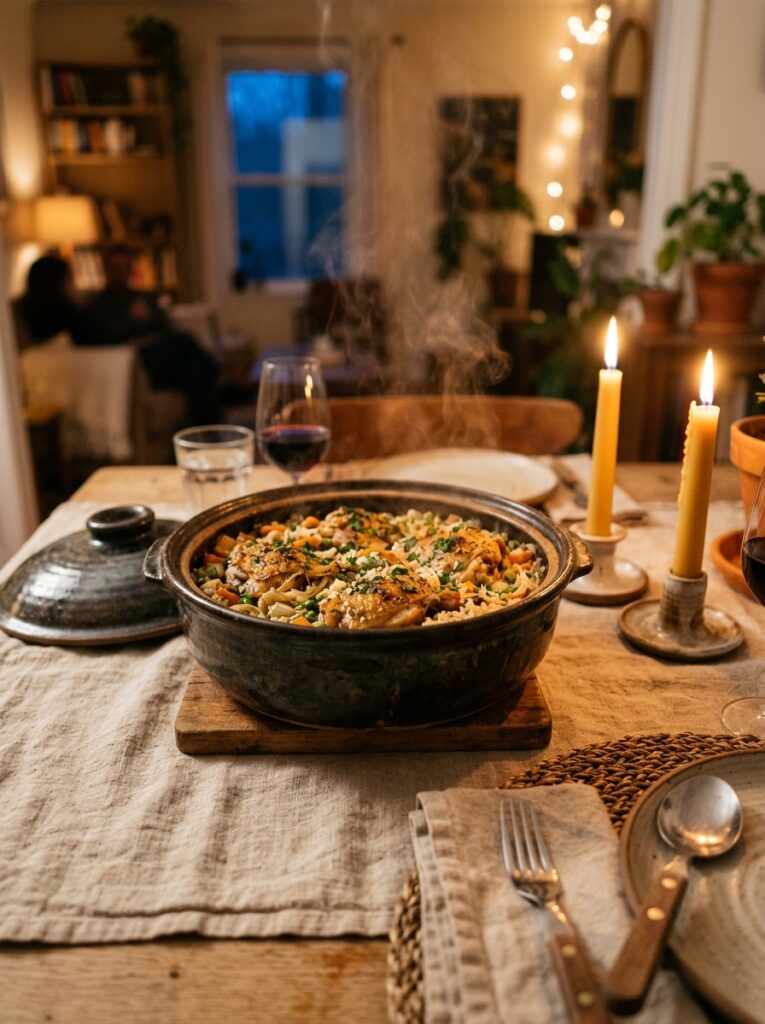
There’s a specific kind of silence that happens when a meal is really good. Not awkward silence — the other kind. Forks moving, nobody reaching for their phone, someone quietly getting a second scoop before anyone else has finished their first. That’s what this chicken and rice casserole does. Every single time.
—
1. Why Most Chicken and Rice Casseroles Are Kind of Sad (And How to Fix That)
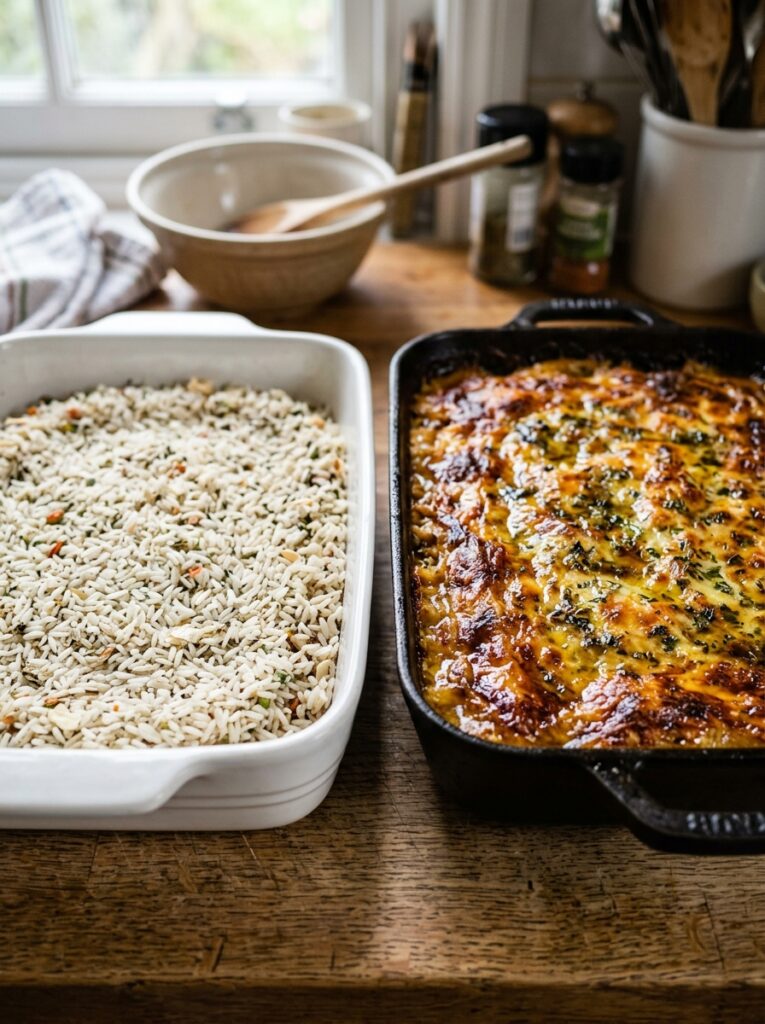
Not gonna lie, I’ve eaten a LOT of bad versions of this dish. Watery. Gluey. That particular shade of beige that makes you feel tired just looking at it. The rice turns to mush, the chicken dries out, and you end up adding hot sauce to something that should’ve been really good.
Here’s the thing, though — it’s almost never the recipe’s fault. It’s the technique. Specifically, people add too much liquid, skip seasoning the rice, and they use the wrong cut of chicken. Those three things, and the whole dish collapses.
The good news is the fix is genuinely simple. Use bone-in, skin-on chicken thighs — not breasts, not boneless, THIGHS — because they stay juicy even when baked for 45 minutes. Season the rice before it goes in. And trust the ratio: 1 cup of rice to 1¾ cups of liquid, not more. That’s it. That’s the secret that nobody seems to put in the recipe card.
—
2. The One Ingredient That Changes the Flavor of the Whole Dish
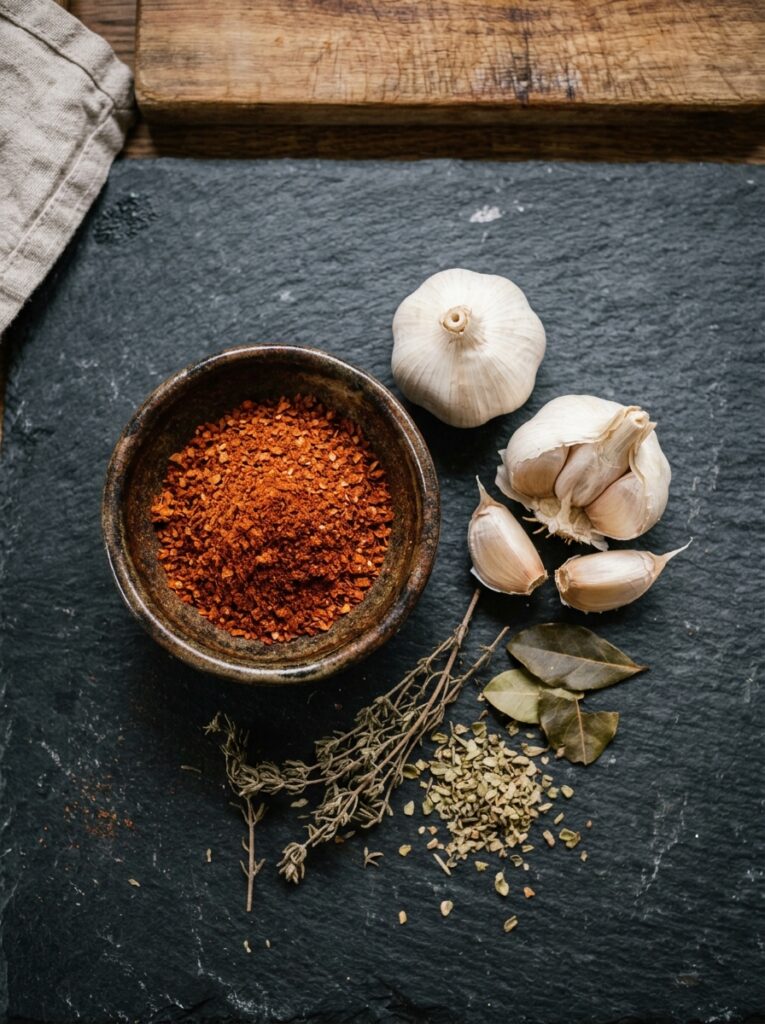
Garlic. Obviously. But more specifically — browned garlic in butter before anything else goes in the pan.
You cook the garlic just a little past where it feels comfortable. Not burnt, but deeply golden, almost nutty smelling. That gets built into the base and it flavors everything — the rice, the braising liquid, the chicken as it cooks. It’s the difference between a casserole that tastes like dinner and one that tastes like something you’d actually crave the next morning cold from the fridge.
Side note — I genuinely eat leftover chicken and rice casserole cold for breakfast sometimes. No apologies.
“That browned garlic butter is doing more work than any other ingredient in the whole dish. Don’t rush it.”
You want the chicken to pick up that flavor too, so sear it skin-side down in the same pan before you layer everything. Two minutes. Just enough to get color. The oven does the rest.
—
3. The Exact Temperature and Timing That Actually Works
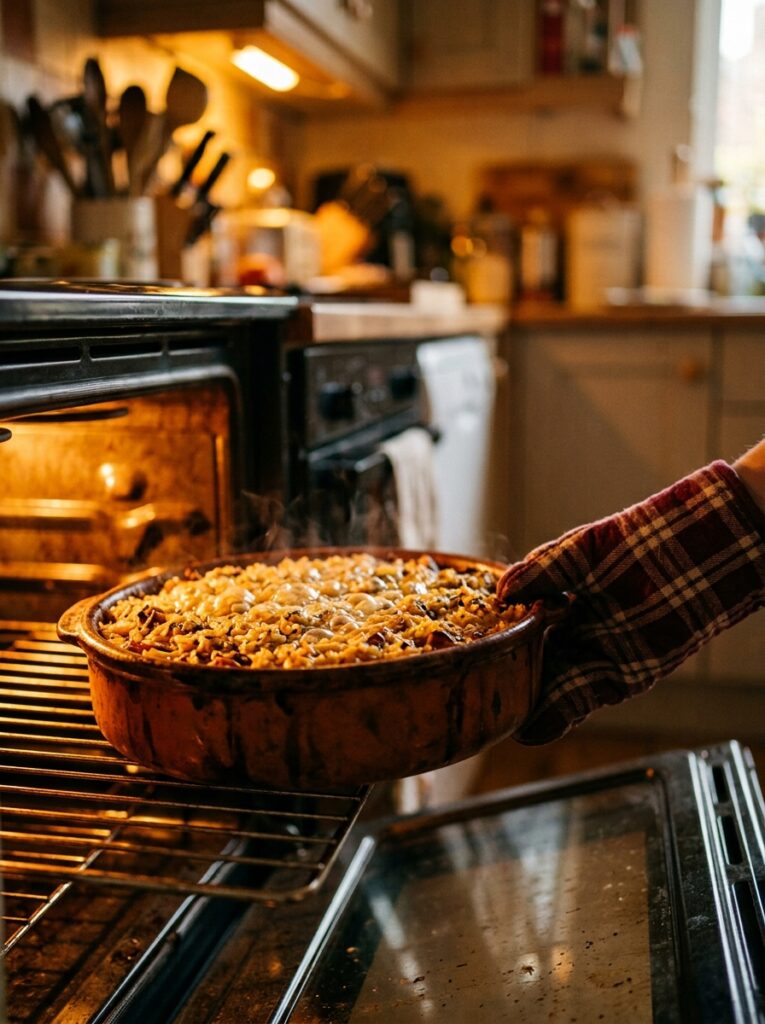
Okay. 375°F (190°C). Covered with foil for the first 35 minutes, then uncovered for the last 15. That is the formula and I’m not really willing to negotiate on it.
The covered phase lets the rice steam properly. The uncovered phase crisps the chicken skin and concentrates the top layer of the casserole so you get that slightly golden edge that makes people fight over the corner pieces. If you skip the uncovered part, everything stays pale and soft and a little soggy. Don’t skip it.
Total time in the oven: 50 minutes. Internal temperature of the chicken should hit 165°F (74°C). Let it rest, covered loosely with foil, for 5 minutes before you serve it. This matters more than people think.
—
4. The Broth Situation — And Why This Choice Matters More Than the Recipe Admits
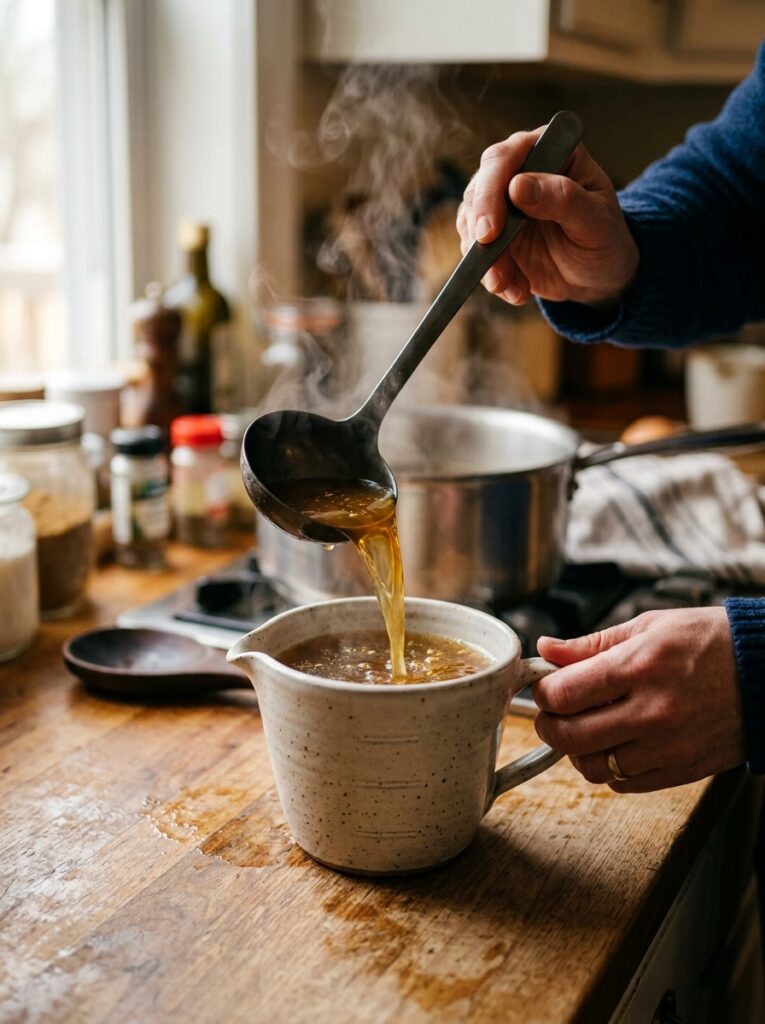
I want to talk about liquid for a second because this genuinely changes the flavor profile of the entire dish.
Plain water? Don’t. Just don’t. Chicken stock is the baseline and it should always be your baseline. But if you want to go somewhere really good — use half stock, half something else. A splash of dry white wine if you’ve got a bottle open. A little coconut milk if you’re doing a vaguely warmer, more aromatic version. Or just use all good chicken stock and accept that it’s going to be excellent.
What I DON’T recommend is canned condensed cream of chicken soup, which I know appears in approximately 90% of casserole recipes. I get why — it’s easy, it thickens everything, it adds a familiar flavor. But it also makes the texture a little gluey and the taste kind of generic. You can absolutely make a quick cream sauce yourself with butter, flour, a little cream, and seasoning. Takes 5 minutes and it tastes completely different. Better different.
—
5. The Vegetables That Earn Their Place in This Casserole
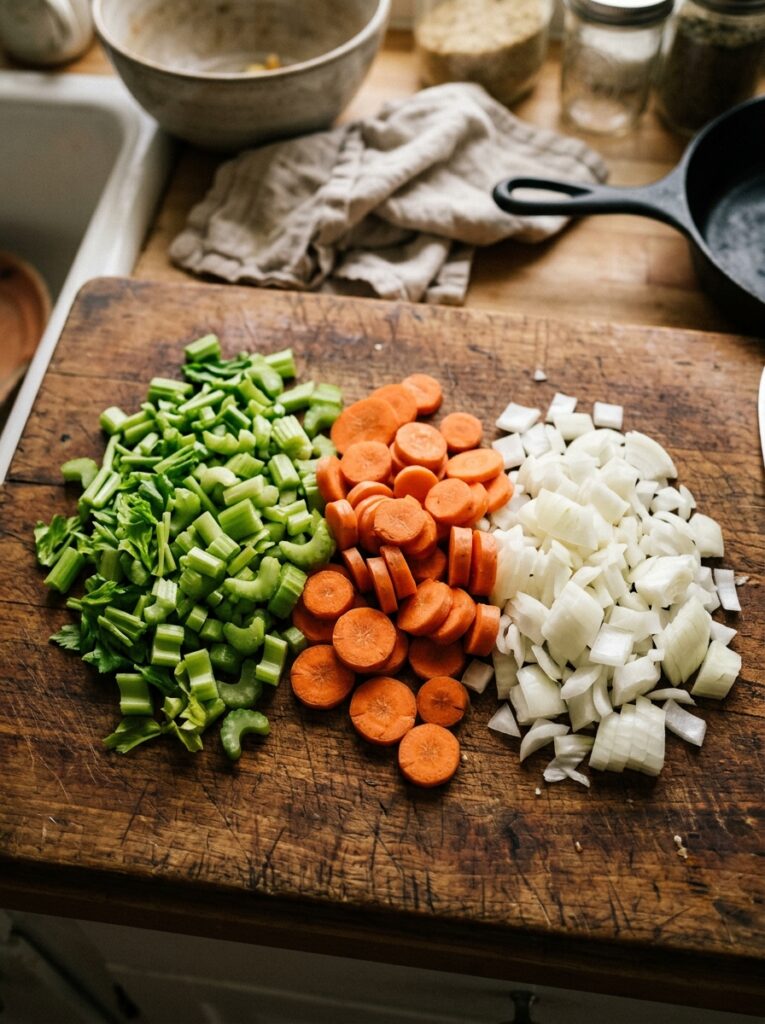
This is where I’ll fight people a little. Not every vegetable belongs here.
Onion and celery — yes, always. They melt down and disappear into the dish and just add this savory base note that you’d notice if it were missing. Mushrooms — yes, if you slice them thin and cook them down first so they don’t release a flood of water into your casserole midway through cooking. Peas — yes but add them at the END, in the last 5 minutes of cooking, or they turn that grey-green color that makes everyone sad.
Broccoli in a casserole? I mean. It can work, but it gets really soft and the color goes. If you want broccoli, serve it on the side.
Frozen corn — actually good. Holds up in the oven better than you’d think, adds sweetness.
“The vegetables are there to support the chicken, not compete with it. Everything should be soft enough to fade into the background but present enough to make every bite a little different.”
—
6. Season the Rice, and I Mean REALLY Season It
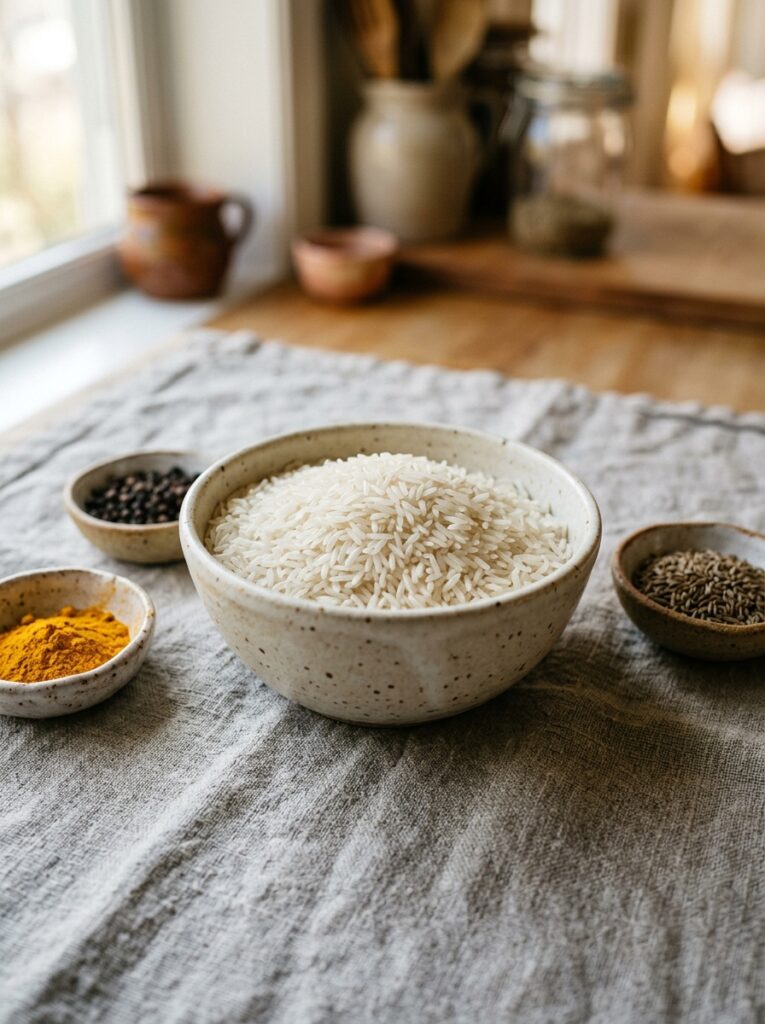
This is the step everyone skips and it’s the reason a lot of casseroles taste flat.
The rice is not neutral filler. It’s a sponge — it’s going to absorb every bit of liquid in that dish and carry that flavor straight to your taste buds. So if your rice is bland going in, your whole casserole is going to be kind of bland.
Stir a teaspoon of garlic powder, half a teaspoon of onion powder, salt, black pepper, and a pinch — just a pinch — of smoked paprika directly into the dry rice before it goes into the baking dish. Mix it around. It takes thirty seconds and it makes a noticeable difference. The paprika especially adds this low warmth that you can’t identify but you’d miss if it weren’t there.
—
7. The Recipe That Actually Works Every Time
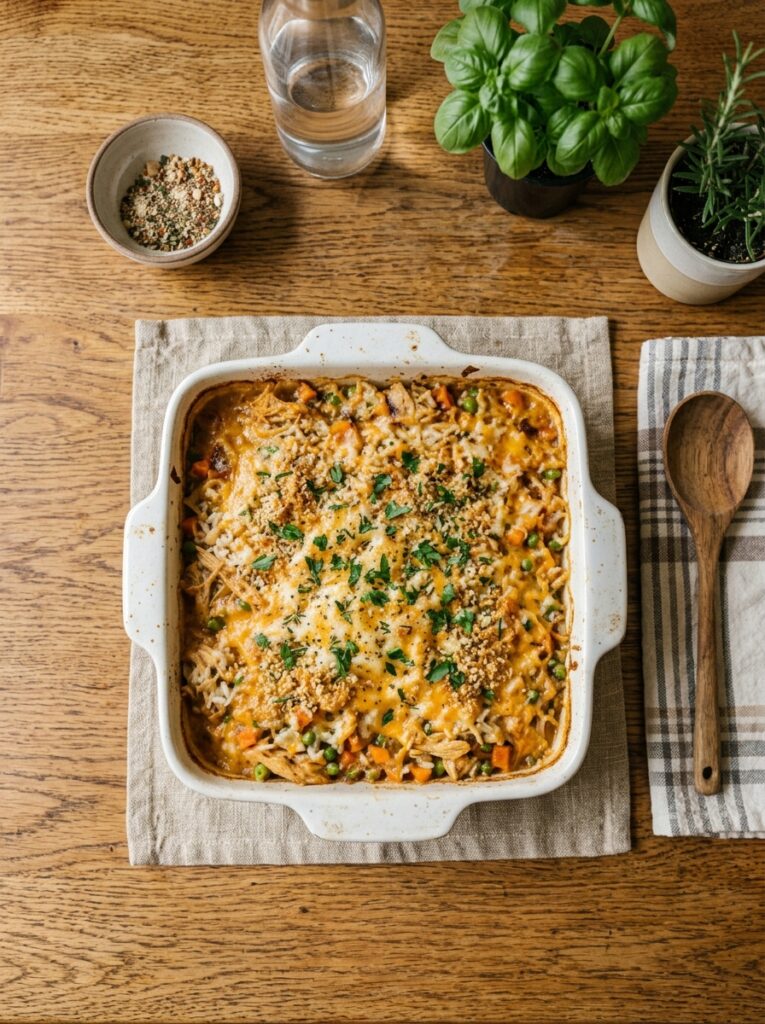
Here’s what I make:
- 6 bone-in, skin-on chicken thighs
- 1½ cups long-grain white rice (uncooked)
- 2¾ cups good chicken stock
- 1 medium onion, diced
- 3 celery stalks, sliced
- 3 cloves garlic, minced
- 3 tablespoons butter
- ½ cup frozen peas (added late)
- Salt, pepper, garlic powder, smoked paprika
Preheat your oven to 375°F (190°C). Melt the butter in an oven-safe casserole dish or Dutch oven over medium heat. Cook the garlic until golden — not blonde, GOLDEN. Add the onion and celery, soften for about 4 minutes. Season your chicken all over, then sear it skin-side down in the same pot for 2 minutes. Remove and set aside.
Stir your seasoned rice into the pot with the vegetables. Pour the stock over everything. Nestle the chicken on top, skin-side up. Cover tightly with a lid or foil, bake 35 minutes. Uncover, bake 15 more. Add peas in the last 5 minutes. Rest, then serve.
That’s it.
—
8. How to Make This Creamy Without a Can of Anything
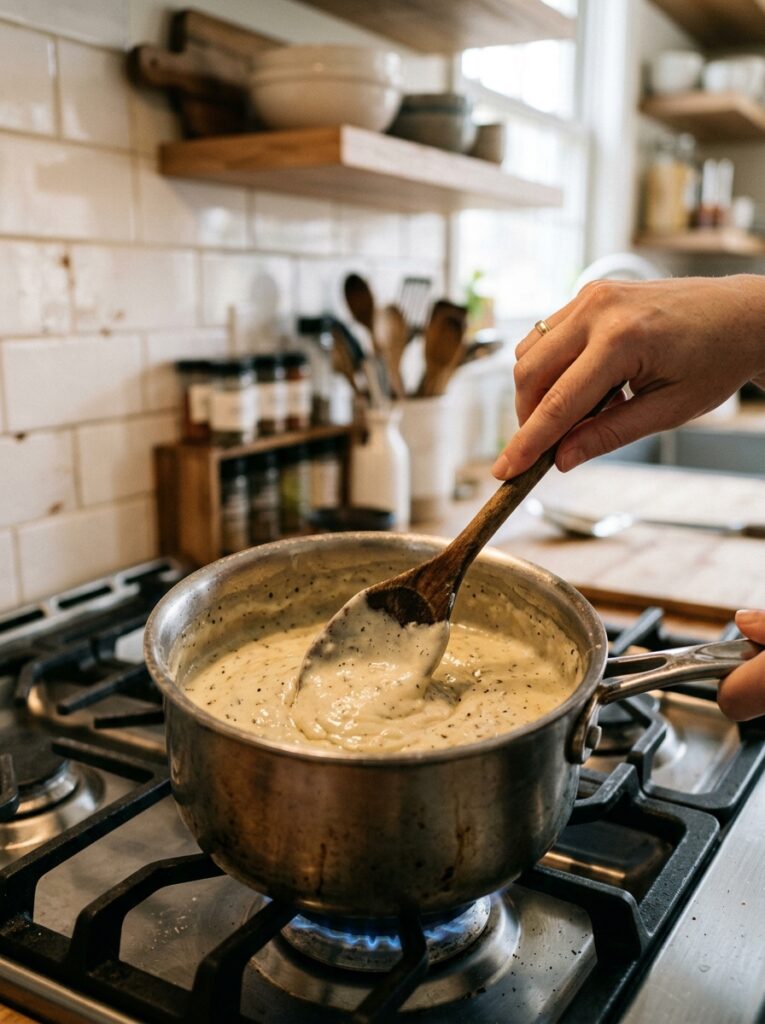
So if you want a creamier version — and honestly, sometimes you do — here’s what you do instead of reaching for canned soup.
Make a quick roux. Two tablespoons of butter, two tablespoons of flour, whisk it together in a small saucepan for one minute. Add half a cup of warm chicken stock and half a cup of milk or cream, whisk constantly until thick, season it well. Done. Pour that over the rice before it goes in the oven and your casserole will be creamy, rich, and not in the least bit gluey.
The whole process takes maybe 6 minutes. And the difference in texture is remarkable — it goes from casserole to something that feels almost luxurious. Not fussy. Just better.
—
9. The British Version Is a Little Different (And Genuinely Worth Trying)
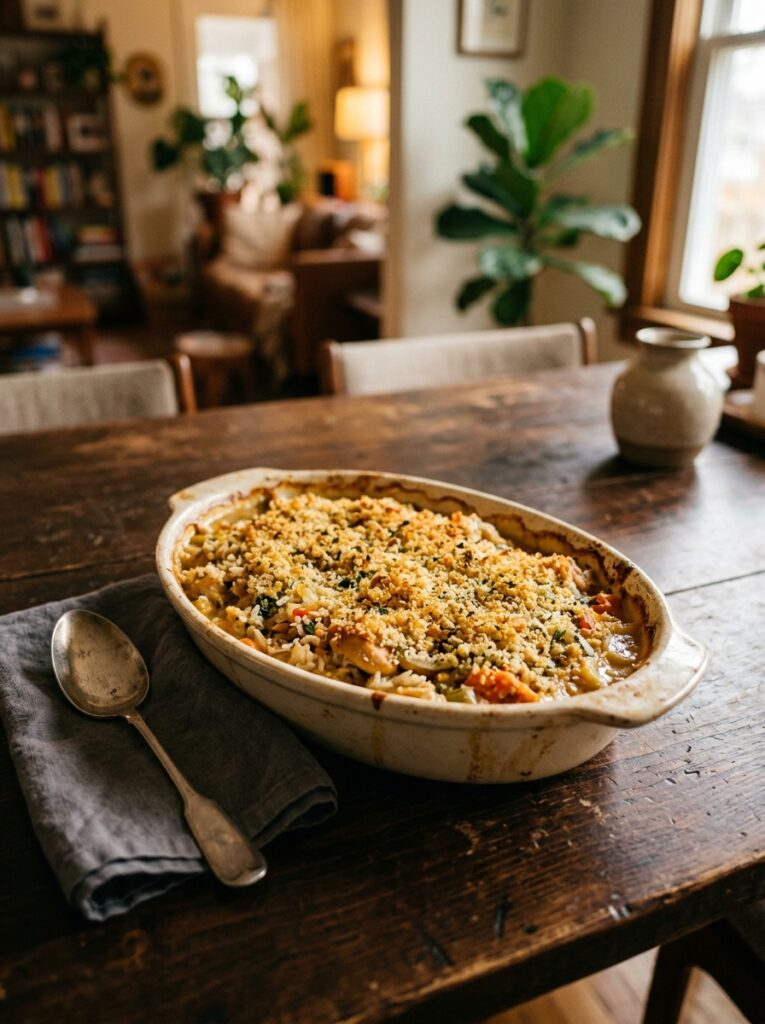
A British cook I follow online does something I’ve completely stolen and refuse to give back. She adds a teaspoon of English mustard to her cream sauce and a handful of fresh thyme stripped from the stalks. The mustard doesn’t make it taste like mustard — it just makes everything deeper, a little more savory, a tiny bit sharp in a way that cuts through the richness.
She also uses a mix of chicken thighs and drumsticks, which I thought was kind of odd until I tried it and realized the drumsticks add a different texture and they look incredibly good in the dish. Very rustic, very “I cooked this for two hours when actually it took one.”
This version is especially good in the colder months. Served with a bit of crusty bread to mop up the sauce. A glass of something cold. The kitchen warm and smelling like garlic and butter. You get the idea.
“There’s a version of this dish for every season, every mood, every kind of tired you might be at the end of a long week.”
—
10. The Make-Ahead Secret That Actually Saves Your Sanity
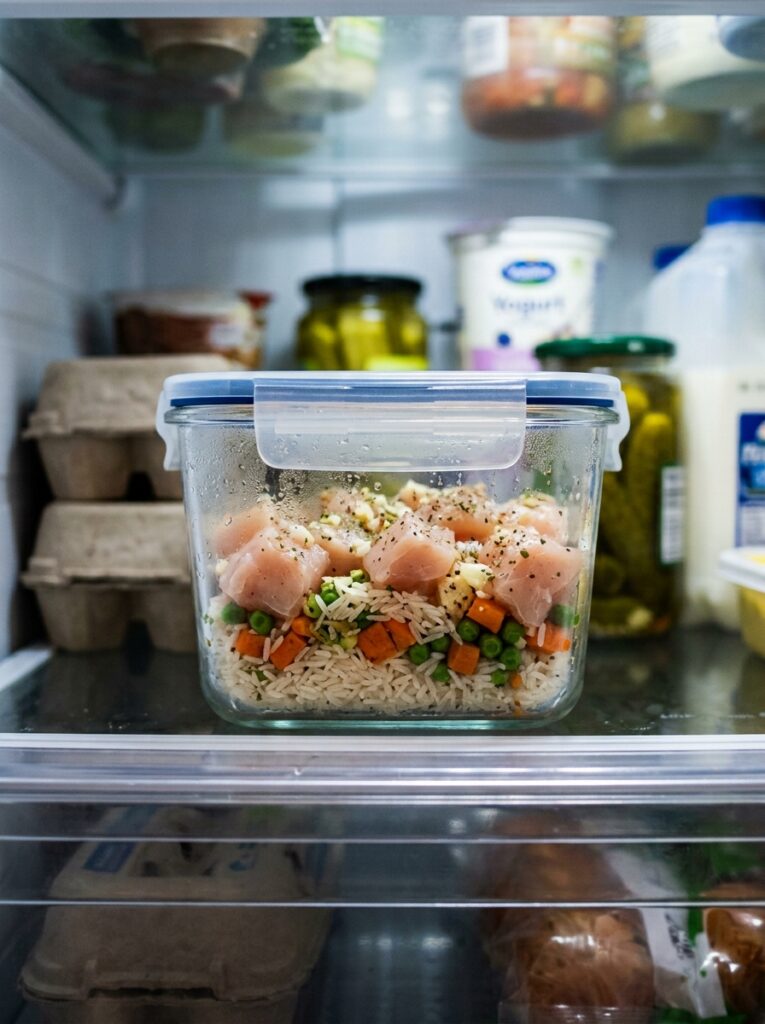
If you’re meal prepping or cooking for a gathering — you can assemble this entire casserole up to 24 hours ahead. Everything goes in the dish, cover it tightly with foil, refrigerate it. Take it out 30 minutes before it goes into the oven so it’s not completely cold going in, then add 10 minutes to the covered cooking time.
The rice will absorb a little liquid overnight as it sits, which is actually kind of fine — it comes out slightly denser, almost risotto-adjacent. Some people prefer it this way. I sort of do, actually.
Leftovers keep for 3 days in the fridge. Reheat with a splash of stock or water added to the dish before it goes in the microwave, or low and slow in the oven covered with foil. Don’t reheat it dry or the rice will turn to cardboard.
—
11. Variations That Are Actually Worth the Effort (Not Just “Add Different Spices”)
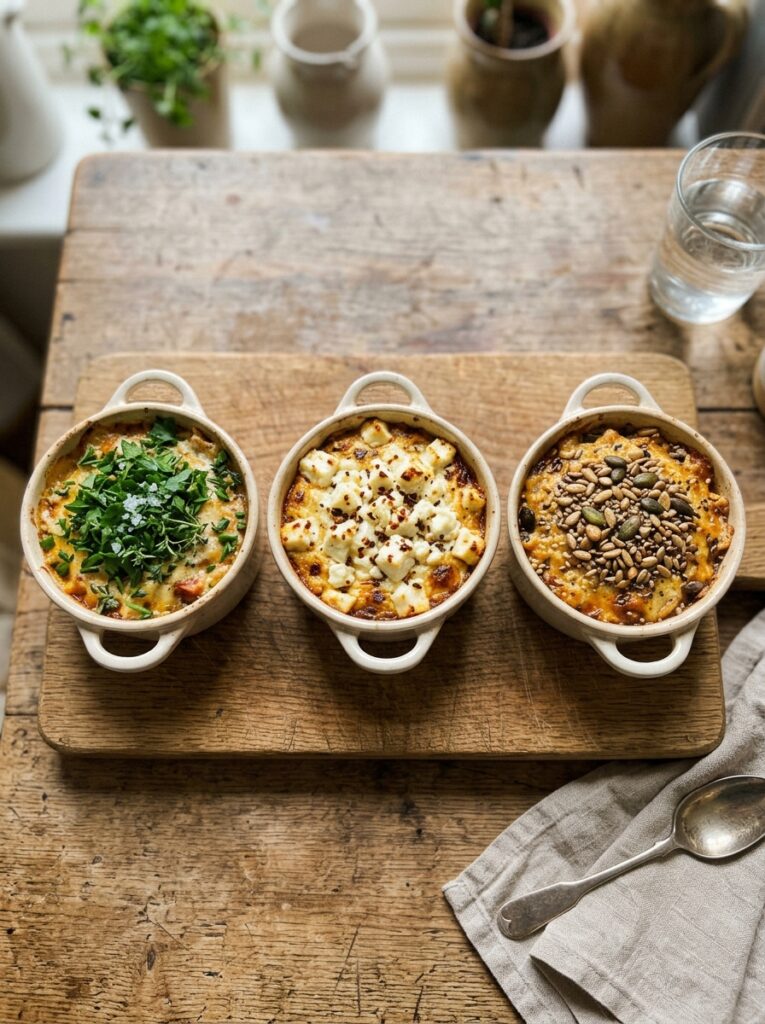
Look, every recipe post says “switch it up with different herbs!” and then lists oregano as an exciting alternative. I’m not going to do that.
Here are variations that actually change the character of the dish:
Lemon and herb: Zest of one lemon stirred into the rice before cooking, juice squeezed over the top when it comes out of the oven, fresh parsley and dill on top. Bright. Completely different mood.
Smoky chipotle: Half a chipotle pepper in adobo, finely chopped, added to the garlic and butter at the start. Swap the smoked paprika for a full teaspoon. Add a can of drained black beans with the rice. This one is genuinely so good — warm, smoky, a little bit of heat that builds slowly.
Autumn comfort version: Swap a quarter of the stock for apple cider, add half a cup of diced butternut squash with the onions, and use fresh thyme and sage. It sounds weird. It’s really not. It’s cozy in a way that feels almost seasonal.
Each of these is a full reboot of the dish, not a minor tweak. That’s the point.
—
12. The Thing About Serving It That Most Recipes Never Mention
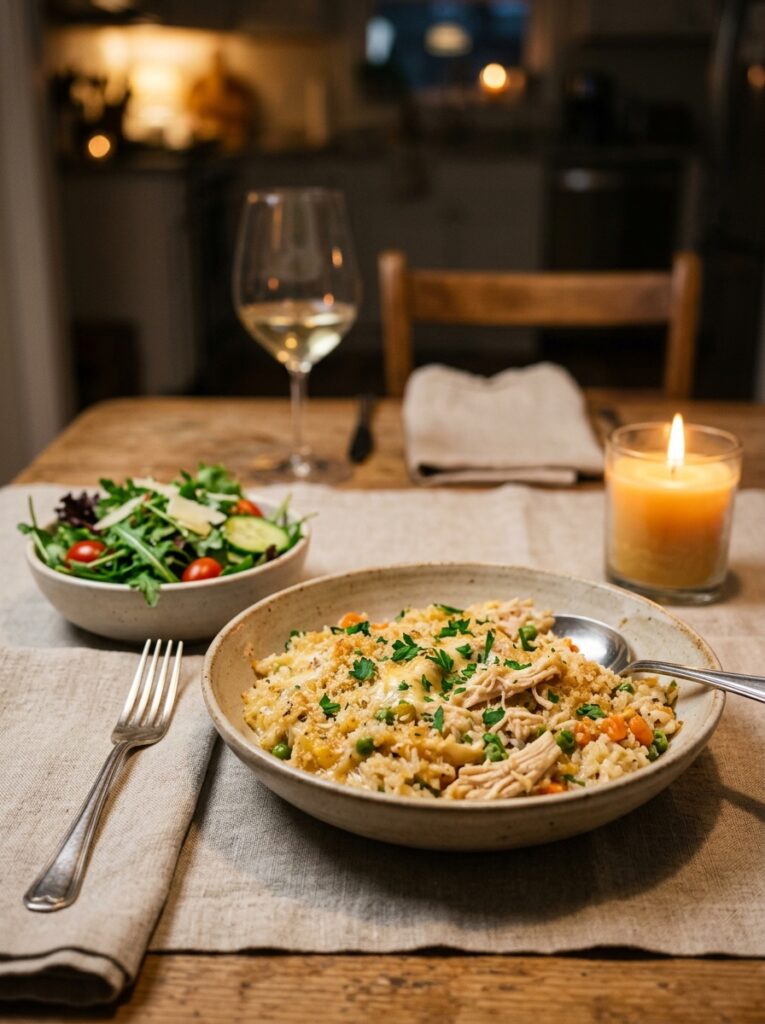
Casseroles are not plated food. You know this. But there’s a big difference between scooping it straight from the dish and actually making it look like something on the table.
Fresh herbs on top — whatever you used in the dish or just flat leaf parsley — immediately make it look intentional. A wedge of lemon on the side. If you’ve got crispy chicken skin, that should be facing up and visible. Don’t bury it under rice when you serve.
The dish itself matters too. A plain baking dish is fine but there’s something about a good dark cast iron or enameled pot sitting on the table that makes the meal feel like an event instead of a weeknight necessity. It’s the same food. It just looks like you tried a bit harder, which sometimes is all the difference between a meal that’s forgotten and one that people bring up later.
—
❓ FAQ
Q: Can I use white rice and brown rice interchangeably in a chicken casserole? A: Not directly — brown rice takes much longer to cook and needs more liquid. If you want to use brown rice, you’ll need to add about ¼ to ½ cup extra stock and extend your covered cooking time by 20 to 25 minutes. It’s absolutely doable, but don’t just swap it in and expect the same timing.
Q: Why is my rice always mushy in casseroles? A: Too much liquid is usually the culprit — stick to the 1 cup rice to 1¾ cups liquid ratio as a rule. Also make sure your dish is covered tightly during the first baking phase; if steam escapes, the rice takes longer to cook and often overcooks unevenly. Long-grain white rice holds up best in casseroles — short-grain gets gluggy.
Q: Can I make this recipe with boneless, skinless chicken breasts? A: You can, but they’ll need less time — around 25 to 30 minutes total — and they won’t be as forgiving if the timing is slightly off. If you use breasts, cut them into large chunks rather than leaving them whole so they cook more evenly with the rice. Still season well and sear first if you can.
—
💭 Final Thoughts
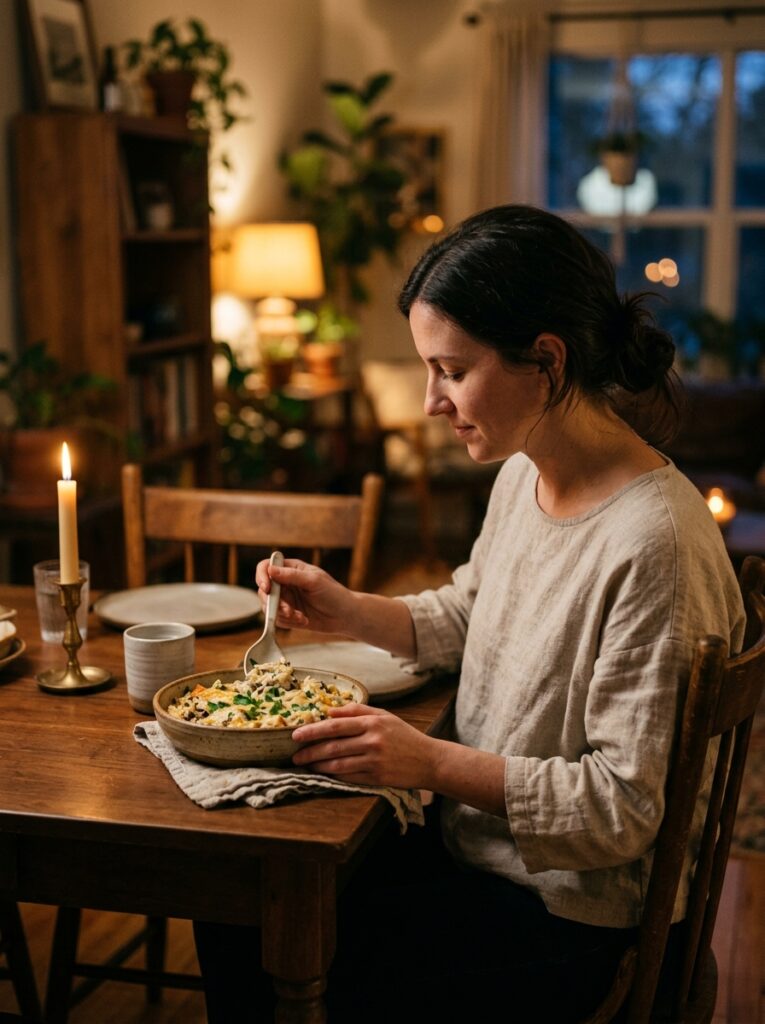
There’s a reason this dish has been on family tables for decades. It’s not complicated, it’s not trendy, it doesn’t have any ingredients you need to explain to anyone. It just tastes like someone took care of it — and by extension, took care of you.
Cook it once, and you’ll find yourself thinking about it the following week. Make a small tweak, find your version.
What’s the one thing your family could eat every week without ever getting tired of it?