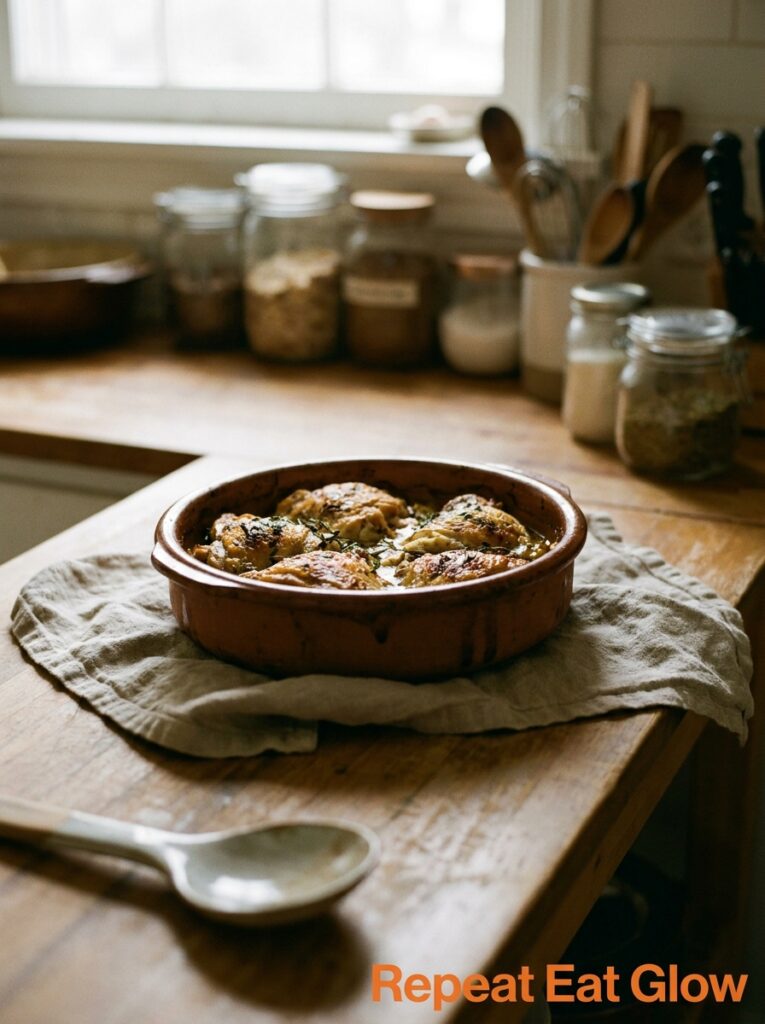
You know that feeling when dinner is already done by 5pm and the house smells incredible and you didn’t even stress about it? That’s what a good chicken casserole does. It doesn’t ask much of you, and then it gives you everything.
—
1. Why Casseroles Feel Like a Secret Weapon Right Now
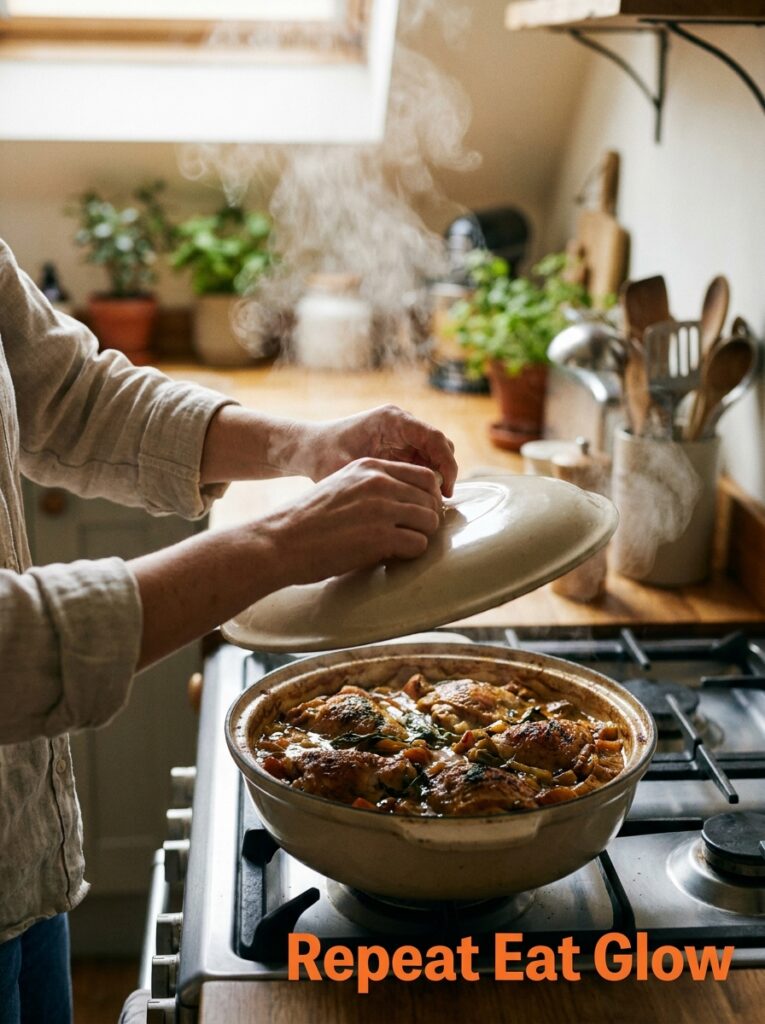
There’s a reason chicken casserole keeps showing up on everyone’s Pinterest boards, and it’s not nostalgia. Well — okay, it’s partly nostalgia. But it’s also because we’re all exhausted and we need dinners that don’t require us to stand at the stove narrating every step.
The oven does the work. That’s the whole pitch.
And chicken is genuinely the best protein for this because it gets tender in a way that beef or pork don’t always manage without a much longer cook time. It soaks up whatever you throw at it — cream, tomatoes, herbs, stock, cheese — and by the time it comes out of the oven it tastes like you’ve been cooking all day even if you assembled it in twenty minutes.
I’ve made probably forty different versions of chicken casserole over the years, and what I’ve noticed is that the ones people request again aren’t always the fanciest. They’re the ones that smell incredible from the moment the dish goes in. The ones where someone lifts the lid and goes “oh WOW.” That’s what we’re going for here.
“A great chicken casserole isn’t a compromise — it’s a choice you feel smug about all week.”
—
2. The Cream of Mushroom Version Nobody’s Embarrassed About Anymore
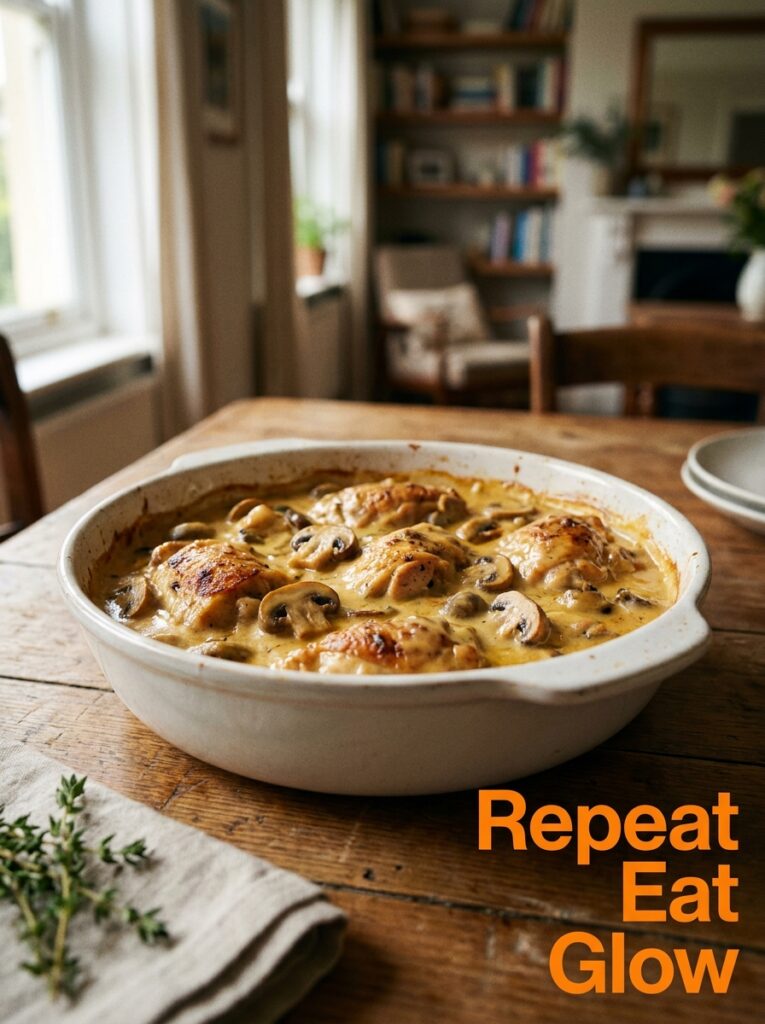
Let’s start with the one your mum or grandmother probably made, because honestly? It deserves a comeback.
Cream of mushroom chicken casserole has spent years being dismissed as “too easy” or too retro. But I think that’s kind of snobbish, and I’m done with it. A can of cream of mushroom soup, some sour cream, a splash of white wine if you have it (water if you don’t, genuinely fine), chicken thighs, and maybe some frozen green beans or broccoli thrown in — that’s a dinner. A GOOD one.
The trick is using bone-in thighs instead of breasts. They stay moist in the oven in a way that boneless breasts really struggle with, especially if you’re cooking at 375°F/190°C for 45 minutes or more. The fat in the thigh keeps everything from going dry and sad.
Season generously before you put it in. Like, more salt than feels comfortable. Casserole dishes are big and the seasoning dilutes. A bit of garlic powder, onion powder, dried thyme, and you’re already 80% of the way to something that tastes like you tried really hard. Cover tightly with foil for the first 30 minutes, then uncover to let the top get golden. That’s the move.
—
3. The French Peasant Version That Sounds Fancy But Isn’t
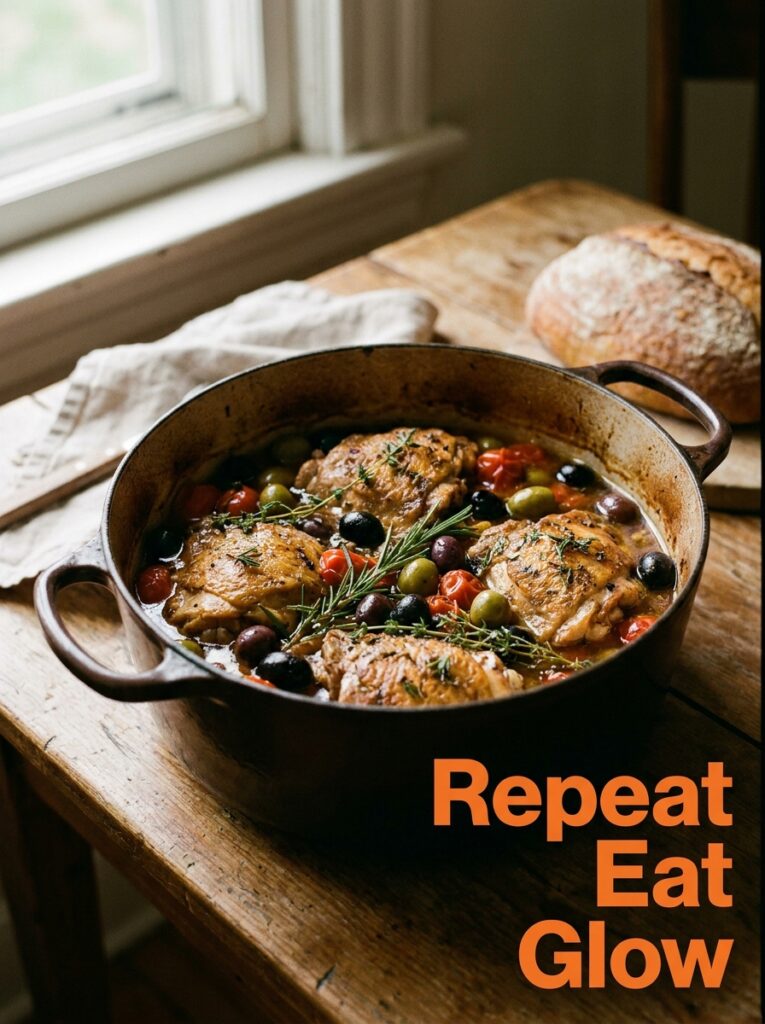
Poulet bonne femme. It sounds like you need culinary school to attempt it, but you really, truly don’t.
It’s just chicken with bacon, mushrooms, shallots, and white wine, roasted together in a casserole dish until everything caramelizes and the sauce goes sticky and rich. French people have been making this for centuries specifically because it’s easy. That tracks.
Brown the chicken pieces first if you have time — like, 3 minutes a side in a hot oven-safe pan before it goes in the oven. You don’t have to. But if you do, there’s this fond that builds up on the pan that you deglaze with the wine and it becomes the base of the sauce and honestly it tastes like something from a bistro in Lyon. At home. On a Tuesday.
Cook it at 350°F/175°C for about an hour. The bacon and shallots sort of melt into the sauce. Add a handful of fresh thyme sprigs if you have them, pull them out before you serve. Serve with crusty bread that you use to mop up every last bit of the pan. This is non-negotiable.
—
4. The One That’s ACTUALLY Easy (No Browning, No Faff)
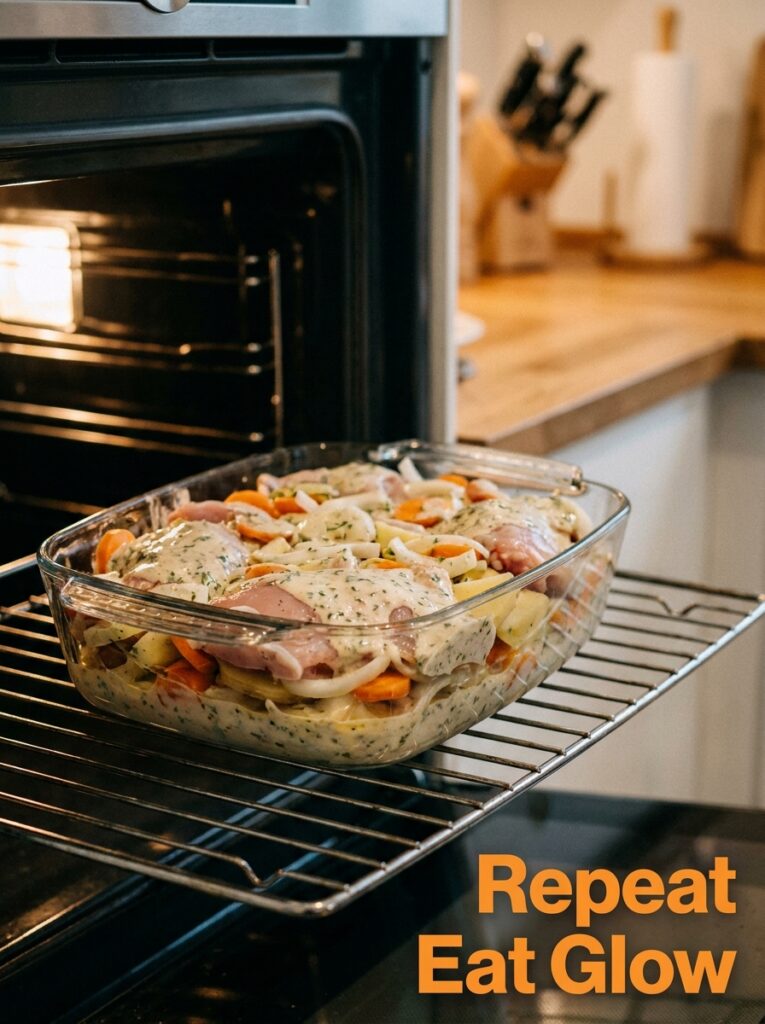
Sometimes you need maximum dinner with minimum steps and I’m not going to pretend otherwise.
Dump casserole. That’s what people call it. And sure, the name isn’t glamorous. But you open some cans, layer some things, cover it with foil, and an hour later you have dinner. No browning. No sautéing. Just — in it goes.
Here’s mine: diced raw chicken breast in the bottom, one can of cream of chicken soup mixed with half a cup of chicken stock, a cup of frozen corn, a bag of frozen broccoli, salt, pepper, garlic powder, a cup of shredded cheddar on top. 375°F/190°C, covered, 50 minutes. Uncover, another 10 minutes to melt the cheese properly.
The key thing people get wrong with dump casseroles is using too little liquid. The raw chicken needs moisture to cook properly and to not go rubbery. Don’t be stingy with the stock.
I know someone’s going to ask — can you use rotisserie chicken instead? Yes, absolutely, but then reduce the cook time to about 30 minutes total since you’re just heating everything through and melting the cheese. Either way works. This is the recipe you send to someone who says they can’t cook.
“The oven doesn’t judge how you assembled it. It just makes it delicious.”
—
5. The Tex-Mex Spin That Your Kids Will Actually Eat
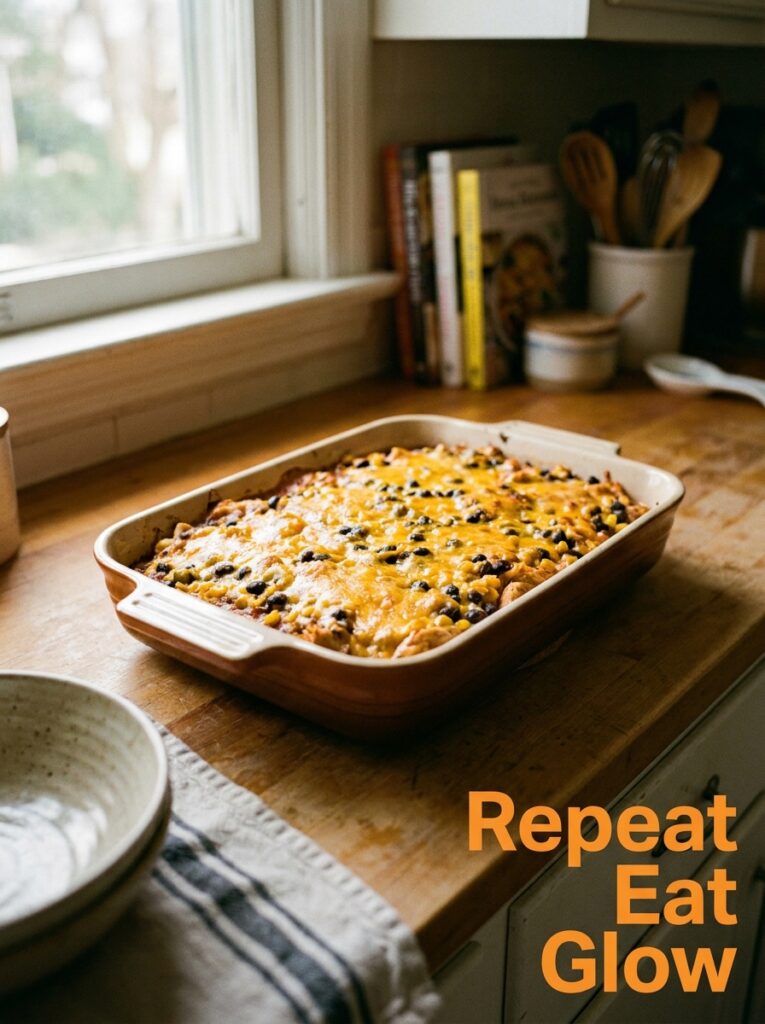
This one gets requested more than anything else at my house. More than the French one. More than the creamy mushroom one. Because it’s got cheese and salsa and a little heat and somehow it feels like both comfort food AND something kind of exciting.
Chicken enchilada casserole, essentially. Cooked shredded chicken (rotisserie is perfect here, or cook your own thighs ahead of time), layered with corn tortillas, canned black beans, frozen corn, enchilada sauce, and a LOT of cheese. Repeat the layers twice, end with cheese on top, bake at 375°F/190°C uncovered for about 30-35 minutes until it’s bubbling and the cheese on top has those gorgeous golden-brown patches.
Top with sour cream, sliced avocado, a squeeze of lime, and some fresh cilantro if your family isn’t in the “cilantro tastes like soap” camp. Side note — if they are in that camp, flat-leaf parsley works actually fine as a visual stand-in.
This one reheats brilliantly, which is not something you can say about every casserole. Next-day leftovers from the fridge, 3 minutes in the microwave, and it’s somehow even better. The tortillas absorb more of the sauce overnight and everything gets this almost lasagna-like texture. Don’t skip the leftovers.
—
6. The British Classic That Deserves Way More Credit
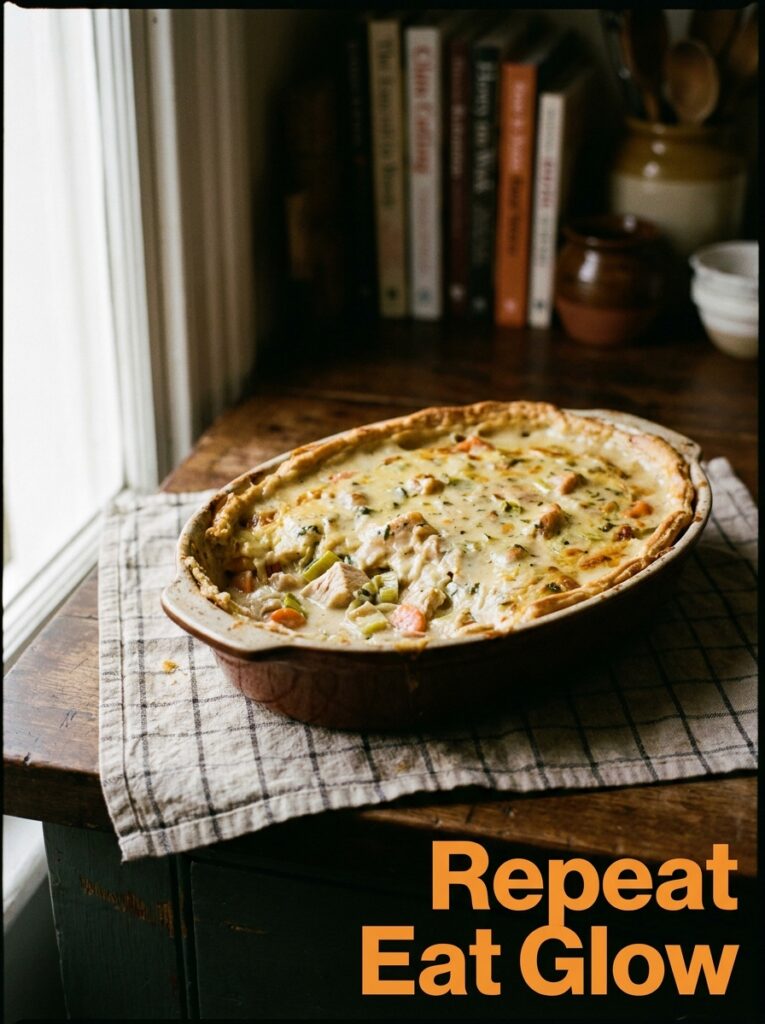
Chicken and leek casserole with a mustard cream sauce.
If you’re British and haven’t made this, I don’t know what you’re doing. If you’re American and haven’t made this — you need to know about leeks immediately. They’re sort of like a gentle, sophisticated onion that goes completely silky in the oven and they do something to cream sauce that is really hard to describe. Sweet? Velvety? Both?
You want to soften the leeks in butter first — just five minutes in a pan — before they go in the dish. Add chicken thighs (bone-in, always, for this one), pour over a mixture of chicken stock and double cream (or heavy cream), add a heaped tablespoon of whole grain mustard and a teaspoon of Dijon, season well. Cover and cook at 160°C/325°F for an hour and a half.
Low and slow is the move for this one. The sauce reduces gently, the leeks practically dissolve, and the chicken becomes so tender it falls apart with a fork. Serve with mashed potato and something green. It’s the kind of dinner that makes a rainy Sunday feel intentional, like you planned to stay in all day.
—
7. The Pasta Bake That Casserole People Refuse to Acknowledge as a Casserole
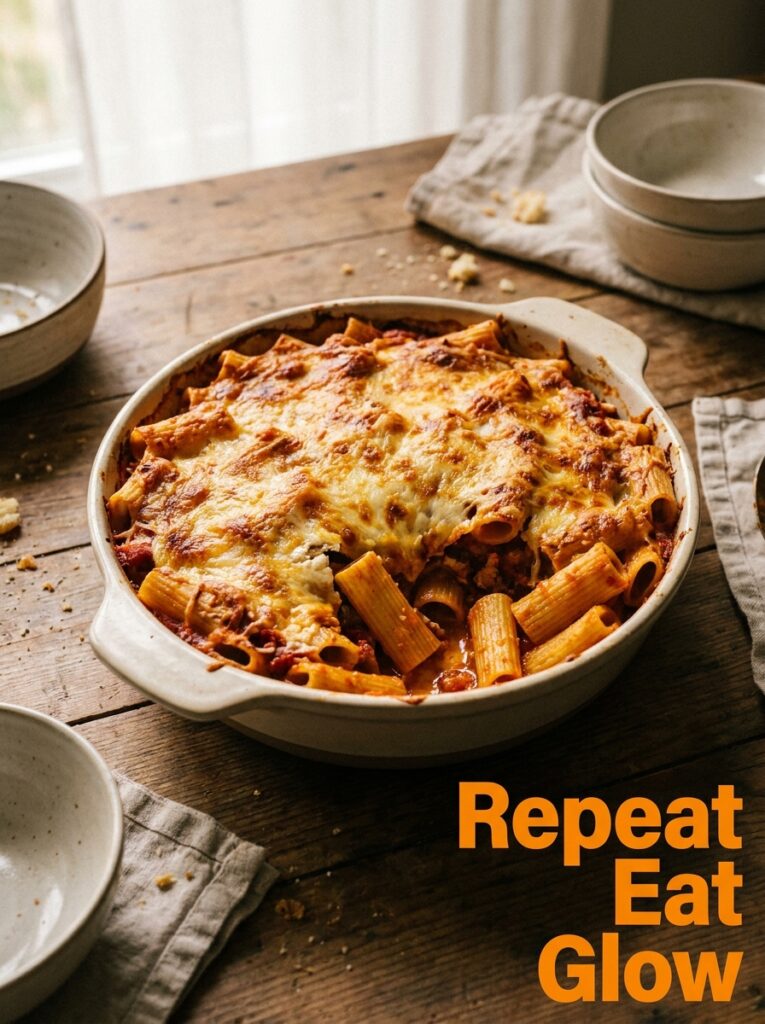
Chicken pasta bake. And YES, it counts.
A casserole dish, ingredients layered or mixed, oven, done. That’s a casserole. I don’t make the rules but I’m happy to enforce them.
This one’s different from the others in the best way because it’s FILLING in that carb-heavy way that feels genuinely satisfying in winter. Cooked pasta (penne or rigatoni, shapes that hold sauce), shredded chicken, a tomato-cream sauce, spinach, mozzarella, parmesan. Mix it all together in the dish, top with more cheese, breadcrumbs mixed with a little melted butter and garlic, bake at 400°F/200°C uncovered for 25-30 minutes.
The breadcrumbs are not optional. They toast up and create this crunchy contrast to the creamy pasta underneath and it’s genuinely one of the better textures in all of cooking. Don’t skip them.
Use the best tomatoes you can find for the sauce — crushed San Marzanos if you’re in the US, or a good Italian brand if you’re in the UK. It makes a difference. The sweetness of a good canned tomato means you don’t need to add sugar to balance acidity.
“Good breadcrumbs on top of a pasta bake are doing more work than people give them credit for.”
—
8. The One That Works Even When the Fridge is Almost Empty
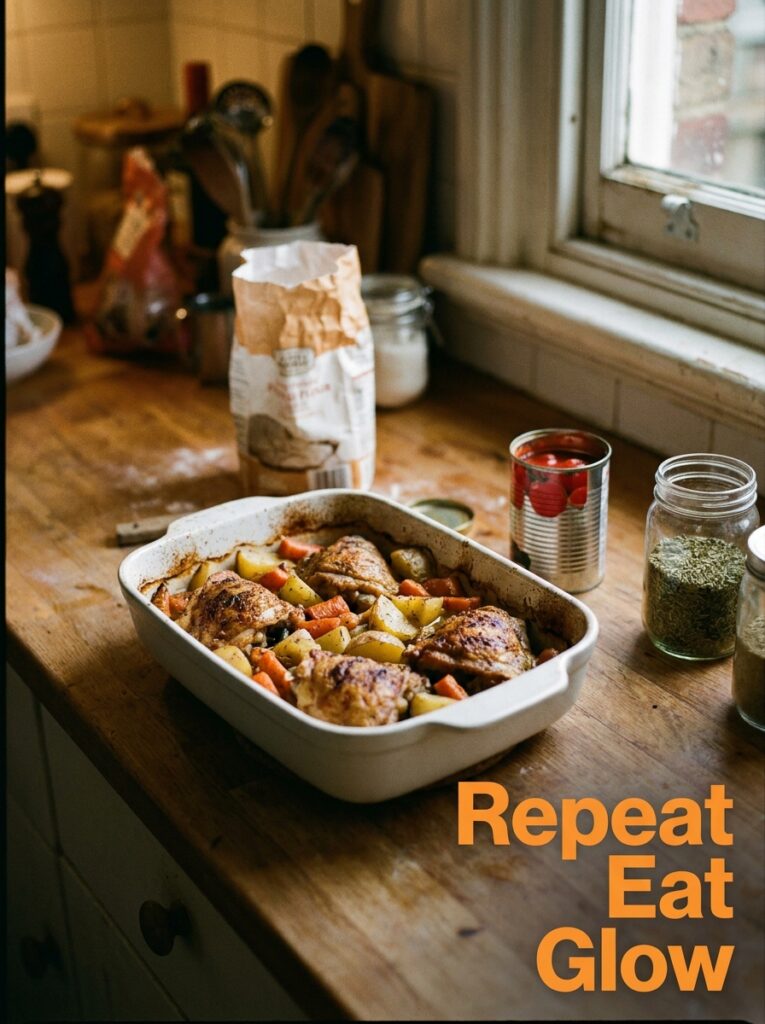
This is genuinely for the nights when you look in the fridge at 5:30pm and the options are grim.
Whatever vegetables you have — half an onion, a couple of sad carrots, some garlic, maybe a pepper — dice them roughly. Doesn’t matter how they look, they’re going in a casserole. Add chicken pieces. Open a can of chopped tomatoes and pour over. Add dried oregano, smoked paprika, a little chicken stock if you have it, a drizzle of olive oil. That’s it. Cover and cook.
The tomato does incredible things when it cooks low in the oven. It concentrates, it goes sweet, it caramelizes a little around the edges of the dish. This is Spanish-ish, Moroccan-ish, Mediterranean-adjacent. It doesn’t need to be precise to be good.
One thing I’ve learned from too many “empty fridge” dinners: don’t be shy with the paprika. Like, a full teaspoon or two. And a pinch of chilli flakes if you have them. The tomato base can handle a lot of seasoning and the chicken needs it.
Serve with rice, with bread, with nothing — it’s fine. This is the recipe that makes you realize you don’t need a plan to cook well. You just need heat and time.
—
9. The Comfort Food Version for When You Need a Hug on a Plate
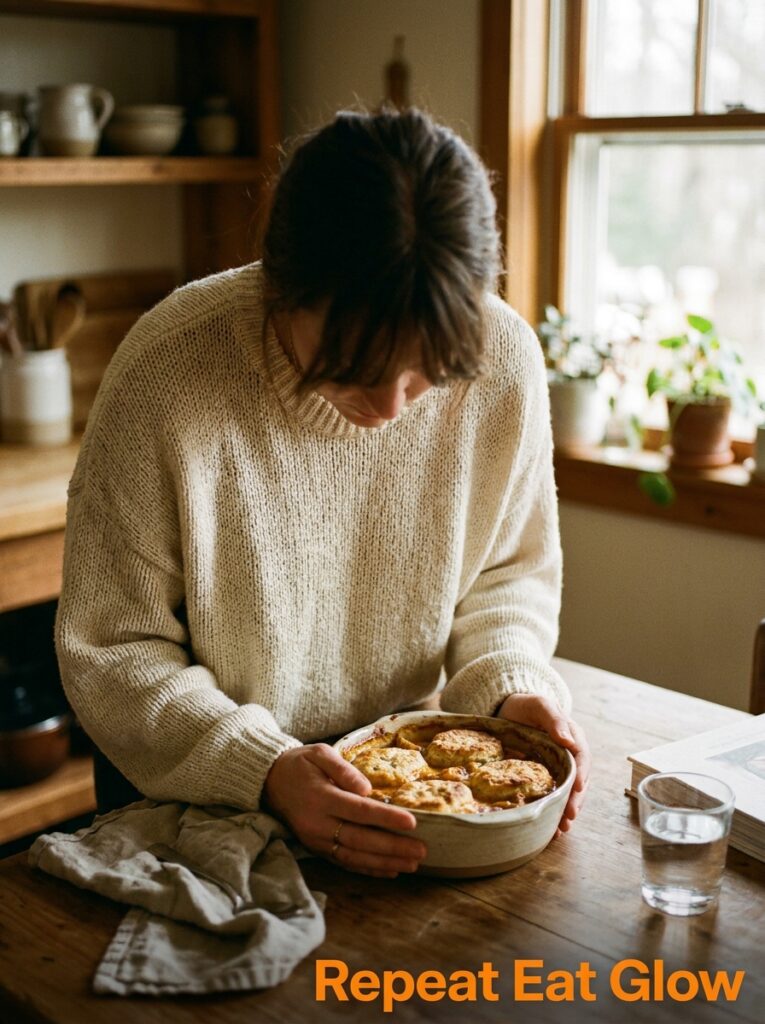
Chicken and potato casserole with rosemary and garlic. Nothing fussy. Nothing to explain.
Chunks of chicken thighs, baby potatoes cut in half (or regular potatoes cubed), whole garlic cloves that go sweet and spreadable in the oven, fresh rosemary, olive oil, chicken stock, salt, pepper. Everything goes in together. High heat — 425°F/220°C — for the first 20 minutes, then turn it down to 375°F/190°C and give it another 30-35 minutes.
The potatoes get crispy on the edges where they touch the sides of the dish. The chicken skin goes golden if you leave it on. The garlic — oh, the garlic. By the end of cooking it’s soft enough to squeeze out of the skin and spread on bread and if you don’t do this you’re leaving the best part behind.
Simple food can be GREAT food. That’s not a controversial take but it still needs to be said sometimes.
—
10. The Make-Ahead Queen That Monday Meal Preppers Love
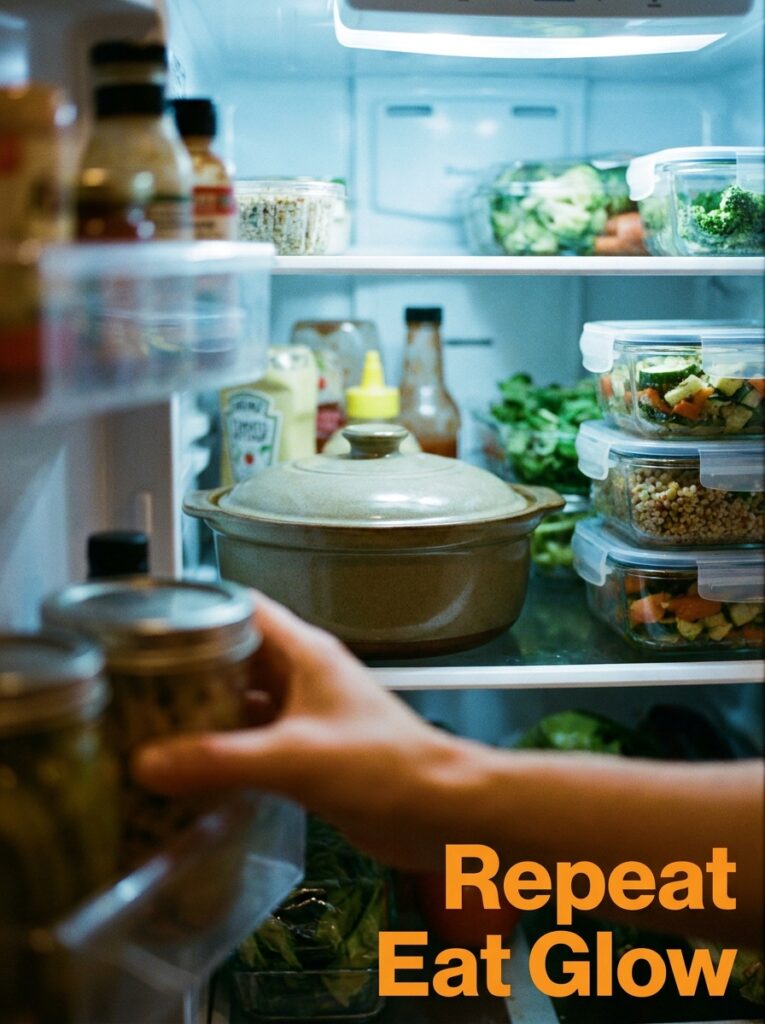
If you’re the kind of person who cooks on Sunday for the whole week (respect, honestly), this is your casserole.
Chicken, rice, and vegetable casserole that you make fully on Sunday, refrigerate, and reheat throughout the week. Long grain rice, diced chicken breast, chicken broth, diced onion, garlic, peas, carrots. Everything uncooked goes into the dish together with the broth — the rice cooks right in the liquid in the oven, absorbing flavor the entire time. Cover tightly, 350°F/175°C, one hour.
The trick for make-ahead casseroles is to slightly undercook when you first bake it. So maybe 50 minutes instead of the full hour. Then when you reheat individual portions, everything gets that final bit of cooking and nothing goes mushy or overcooked.
Store it covered in the fridge for up to 4 days. Individual portions reheat in 2-3 minutes in the microwave with a splash of water added before covering. Easy, genuinely easy.
—
11. The One That Looks Like It Took Effort (It Didn’t)
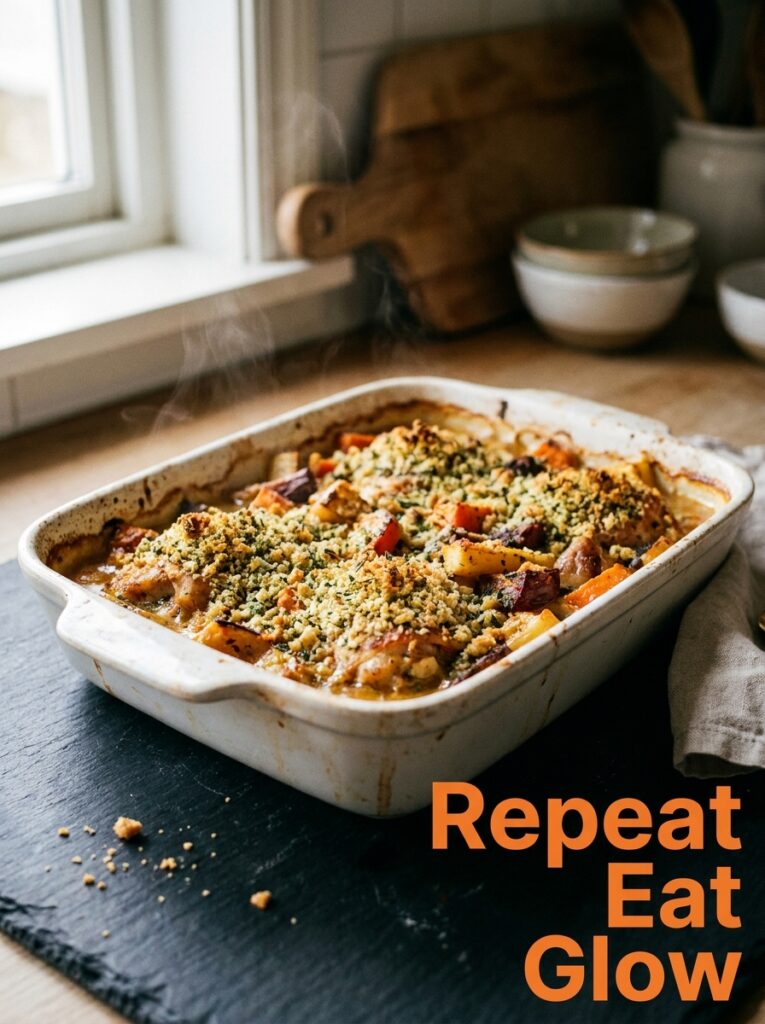
Chicken with olives, sun-dried tomatoes, and artichoke hearts. One pan, 10 minutes of prep, then the oven handles everything.
This looks incredibly impressive on the table. It has drama — the dark olives, the jewel-red tomatoes, the pale artichoke hearts. People assume you’ve been cooking for hours. You haven’t, but there’s no need to tell them that.
Bone-in chicken pieces in a casserole dish, scattered with drained artichoke hearts and Kalamata olives, spoonfuls of sun-dried tomatoes in oil (use the oil too, it’s packed with flavor), a cup of white wine or chicken stock, dried oregano, a pinch of red pepper flakes. Cover and roast at 375°F/190°C for 45 minutes, then uncover for 15 more minutes.
The white wine reduces and mixes with the tomato oil and the olive brine and becomes this incredible pan sauce. Serve this one with something to soak up the sauce — polenta works beautifully, or crusty bread, or mashed potatoes if that’s what you’ve got.
It looks like the kind of thing a cookbook author would serve at a dinner party. Made in your oven. On a weeknight.
—
12. The Golden Rule Across Every Casserole You’ll Ever Make
After making every version of chicken casserole imaginable, here’s what I keep coming back to.
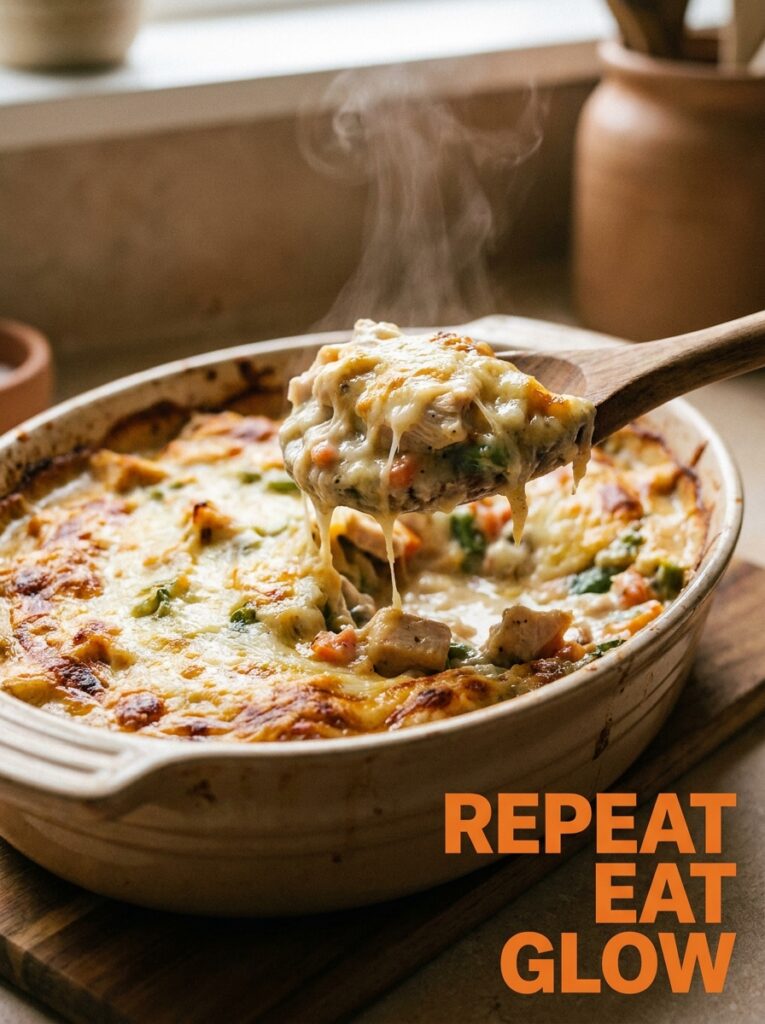
Cover the casserole for most of the cook time, then uncover for the last 15-20 minutes. The covered phase cooks the chicken gently in its own steam and keeps moisture in. The uncovered phase is where the magic happens — the top caramelizes, liquid reduces into a proper sauce, and the cheese or breadcrumbs or potatoes around the edges get that gorgeous golden color.
Don’t rush the uncovered part by turning the heat up. Keep the oven where it is. Let time do it.
Also — rest your casserole for 5 minutes before you serve it. Just like a steak. The liquid settles back into the dish and each serving holds together better. It tastes better. Genuinely.
One more thing: taste before you serve. Always. The casserole has been cooking away in there and you haven’t touched it for an hour. Give it a taste, adjust the salt, add a squeeze of lemon if it needs brightness. That’s the last 5% that takes something from good to really good.
—
❓ FAQ
Q: Can I make chicken casserole with frozen chicken? A: You can, but you really should thaw it first. Frozen chicken releases a lot of water as it cooks, which can make the sauce watery and dilute all the seasoning. Thaw in the fridge overnight and you’ll get a much better result.
Q: What’s the best temperature for a chicken casserole in the oven? A: Most casseroles are happiest between 350°F/175°C and 375°F/190°C. This range cooks the chicken through without drying it out, and gives the sauce enough time to develop properly. Reserve 400°F/200°C for pasta bakes and dishes with a cheesy or breadcrumb topping that needs to brown.
Q: Can I prep a chicken casserole the night before and refrigerate it before baking? A: Absolutely, and it’s one of the best things about casseroles. Assemble everything in the dish, cover tightly, and refrigerate for up to 24 hours. Take it out of the fridge 20-30 minutes before baking so it’s not ice-cold when it goes in the oven — otherwise add an extra 10-15 minutes to the cook time.
—
💭 Final Thoughts
The best dinner is the one that happens, not the one you planned and then gave up on and ordered takeout instead. Chicken casseroles happen. They’re forgiving, they’re flexible, and they make your kitchen smell like the kind of home people want to be in.
Pick one from this list and try it this week. Not someday — this week.
Which one is calling your name right now?
