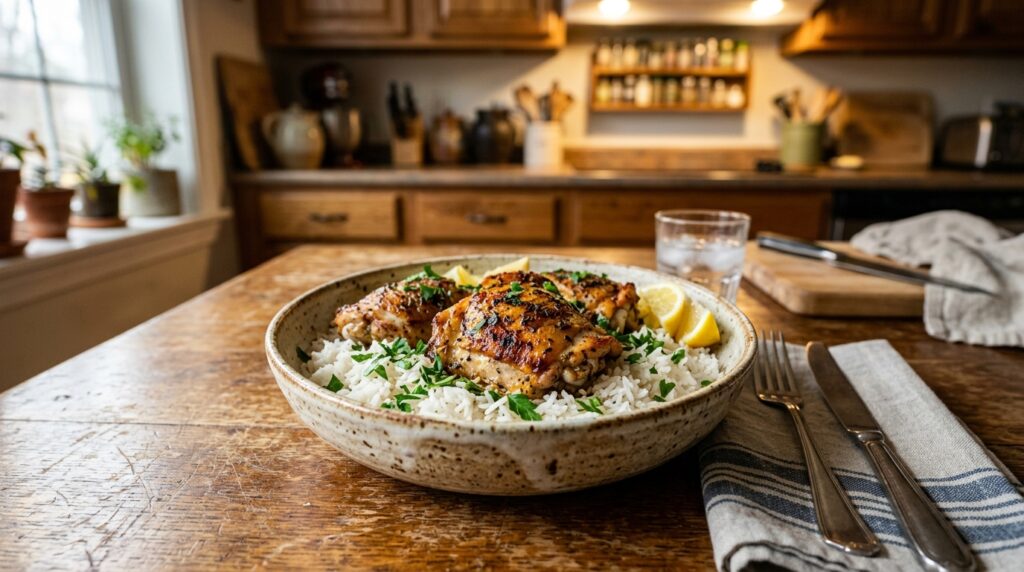
My mum used to say that a good chicken and rice dinner is proof that you don’t need money to eat well. I thought she was being dramatic. Then I made lemon herb chicken thighs over turmeric rice at 6:30pm on a Tuesday, and I understood everything.
—
1. Why Chicken Thighs Are the Secret You’ve Already Been Told (But Maybe Ignored)
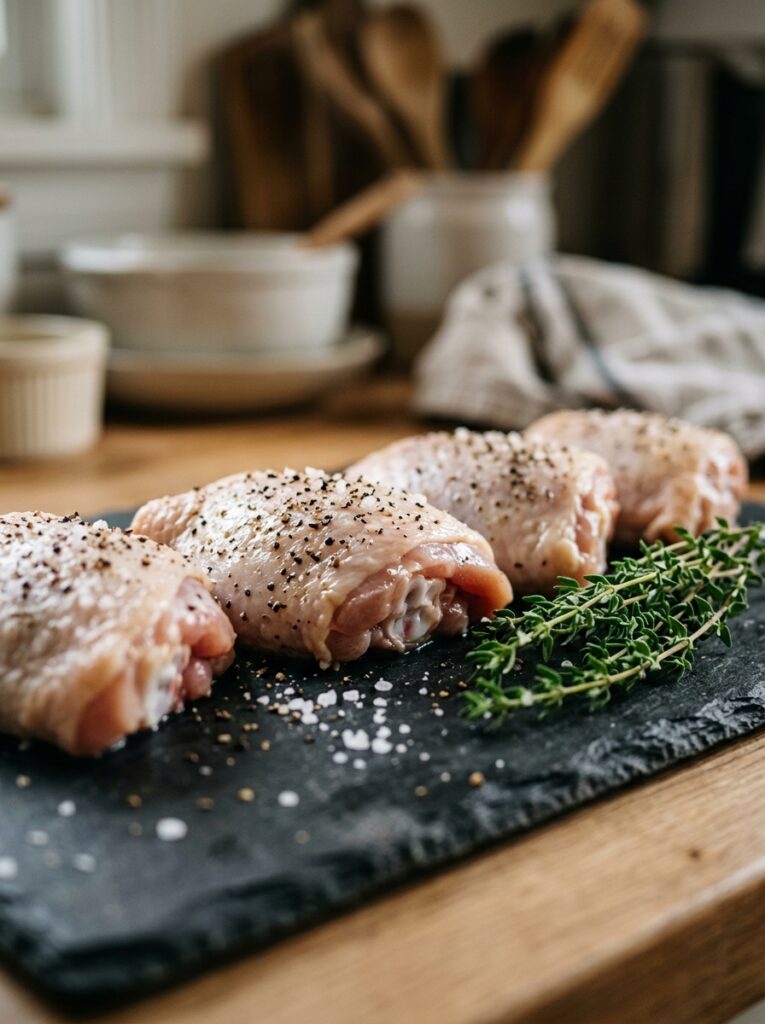
Okay, I know. Everyone says use thighs instead of breasts. And you’ve nodded, and then gone ahead and used breasts anyway because that’s what was already in your fridge. I get it.
But here’s the thing — thighs are genuinely forgiving in a way that breasts just aren’t. You can overcook them by eight minutes and they’re still juicy. You can season them aggressively and they hold up. They’ve got fat running through them that renders down while they cook, which means flavor you didn’t have to work for.
Not gonna lie, I spent two years making dry chicken rice bowls thinking I was just bad at cooking. I wasn’t. I was using the wrong cut.
Bone-in thighs especially — they take maybe five extra minutes but the depth of flavor you get is completely different. The bone sort of protects the meat from the inside out while it cooks. Use them whenever you can. Skinless boneless work fine too, just don’t overcook them past 165°F (74°C).
—
2. The One-Pan Method That Means Almost No Washing Up
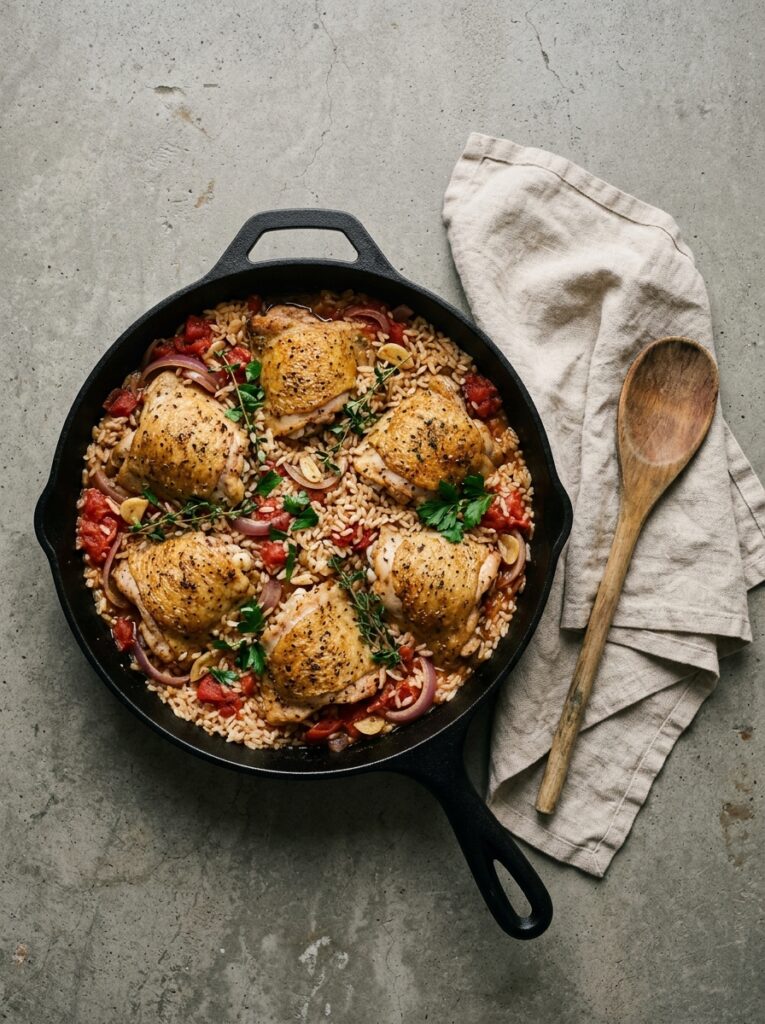
This is my personal favorite thing in cooking. Not a technique. Not an ingredient. The fact that sometimes you can make an entire dinner in one pan and then only wash that one pan.
Here’s a basic framework that works. Season your chicken thighs — salt, pepper, garlic powder, smoked paprika. Brown them in a wide, heavy pan or oven-safe skillet over medium-high heat, maybe four minutes per side. Pull them out, don’t wipe the pan.
Into all that gorgeous chicken fat, you’re going to add diced onion, a bit of garlic, and dry long-grain rice. Toast the rice for a minute or two. It’ll start to smell almost nutty. Add chicken stock — usually about 1¾ cups stock for every cup of rice — scrape up anything stuck to the bottom, nestle the chicken pieces back on top, cover, and get it into a 375°F (190°C) oven for about 35 minutes.
“The rice cooks in the chicken fat and stock at the same time, which means every single grain is doing the heavy lifting so you don’t have to.”
When you lift that lid, the rice is fully cooked, the chicken skin is crispy, and the whole thing smells like you’ve been tending it for hours. You haven’t. You’ve been watching TV.
—
3. The Spice Blend That Makes It Taste Like You Know What You’re Doing
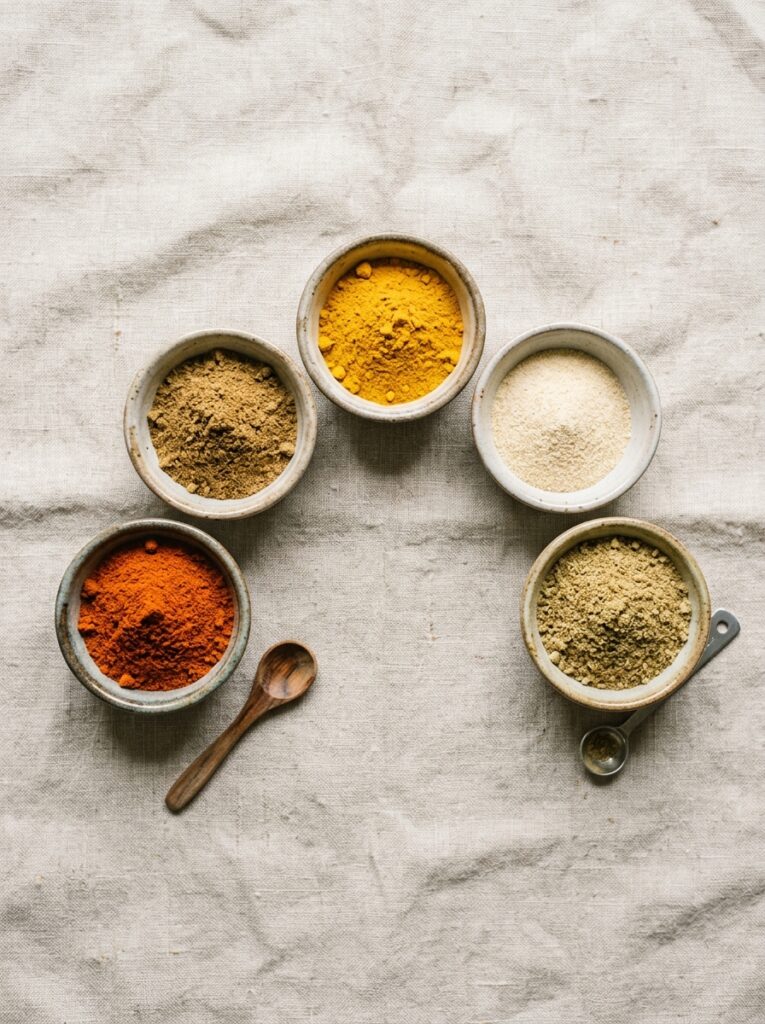
Here’s a spice combo I keep coming back to, and honestly, once you make it you’ll understand why. It’s not complicated, but the combination does something specific.
- 1 tsp smoked paprika
- ½ tsp turmeric
- ½ tsp cumin
- ½ tsp garlic powder
- ¼ tsp cinnamon (yes, cinnamon — trust me)
- Salt and pepper, obviously
The cinnamon is the one that throws people off. But it doesn’t make it taste like dessert — it makes it taste slightly warm and deep in a way that’s hard to place. People eat it and go “what IS that” and you get to shrug mysteriously.
Mix that into softened butter or olive oil and rub it over your chicken before you sear it. The turmeric will turn your rice a beautiful golden yellow. The paprika gives the skin this red-orange color that photographs incredibly and tastes smoky. Use this blend once and you’ll make it again.
—
4. The Fastest Version: Sheet Pan Chicken and Rice in Under an Hour
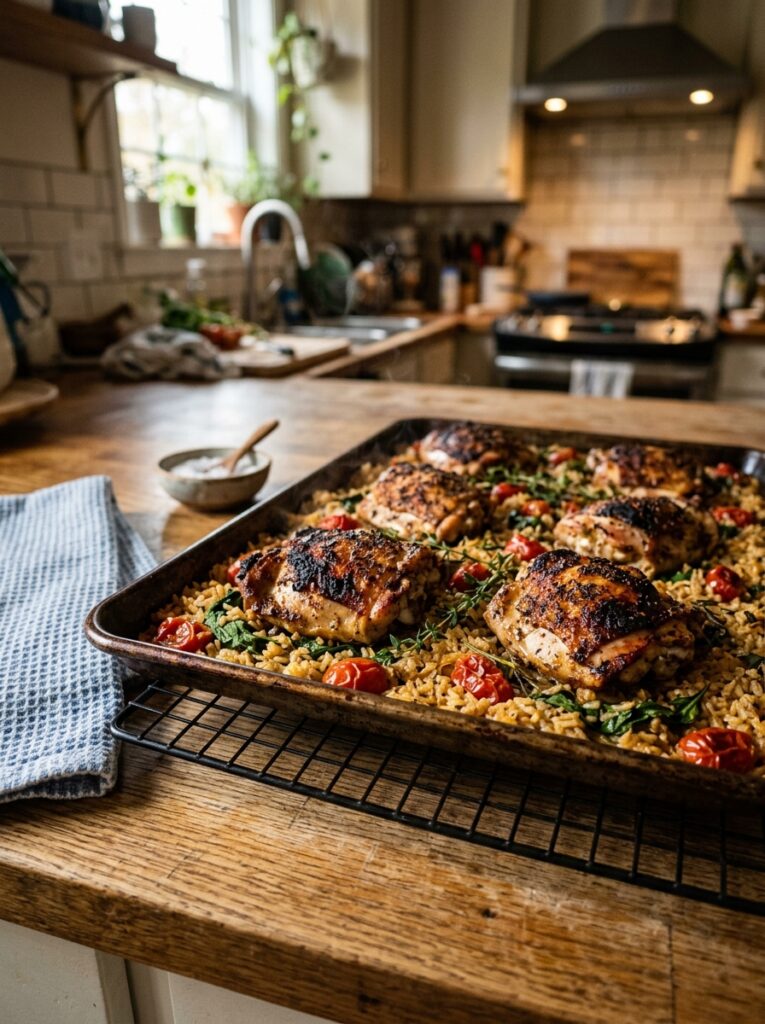
Some nights you don’t want to think. You want to throw things on a tray and walk away.
Sheet pan chicken and rice is exactly that. Par-cook your rice first — just about 10 minutes of boiling, not fully done — then spread it on a lightly oiled sheet pan. Lay seasoned chicken pieces on top. Scatter whatever vegetables you have around the edges. Sliced peppers, courgette/zucchini, cherry tomatoes, red onion — all work.
Pour a bit of stock over the rice part specifically. Into a 400°F (200°C) oven, 30 to 35 minutes. The rice finishes cooking under and around the chicken, the vegetables get those slightly charred edges, and the chicken skin goes proper crispy.
The key is not crowding it. If there’s too much on the pan, everything steams instead of roasts and you end up with soft, kind of sad vegetables. Give things space.
—
5. Creamy Garlic Chicken and Rice — The One That Made My Neighbor Knock
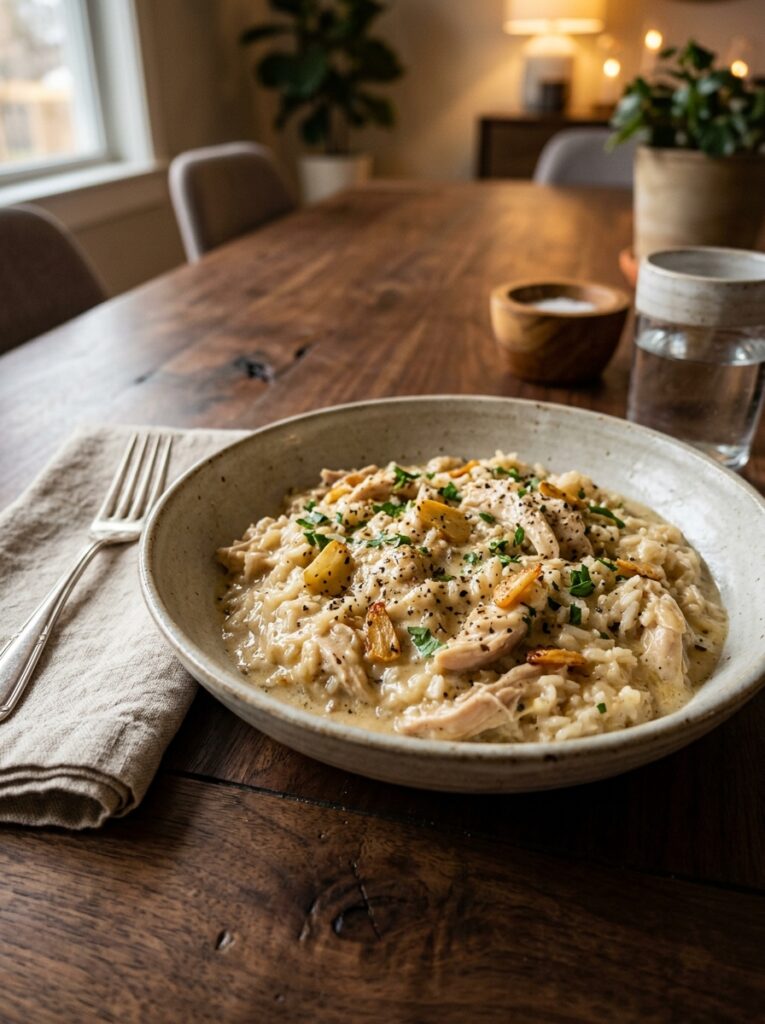
Right. So this is the recipe I mentioned in the title. My neighbor genuinely knocked on my door one evening and asked what I was cooking because the smell was coming down the hallway. I’m not exaggerating. I had to write it out on a piece of paper for her.
Start by searing four chicken thighs in butter in a wide pan — don’t rush this, get actual color on them. Six minutes skin-side down without touching them. Flip, two more minutes. Out of the pan.
In the same pan, add about six cloves of minced garlic and cook thirty seconds, then a cup of long-grain rice. Stir. Add stock — around 1¾ cups. Now this is the part: stir in three tablespoons of cream cheese or a splash of double/heavy cream and a good pinch of dried thyme. Nestle the chicken back in.
Cover and cook on low for 25 minutes. The cream works into the rice as it cooks. By the time it’s done you have this silky, garlic-forward, impossibly rich rice that’s still a one-pan dinner.
“It tastes like it took three pans and a culinary education. It took one pan and about 40 minutes total.”
Finish with a squeeze of lemon over the top. That cut of acidity against the cream is everything.
—
6. How to Make It Taste Like Something From a Restaurant (Not a Cafeteria)
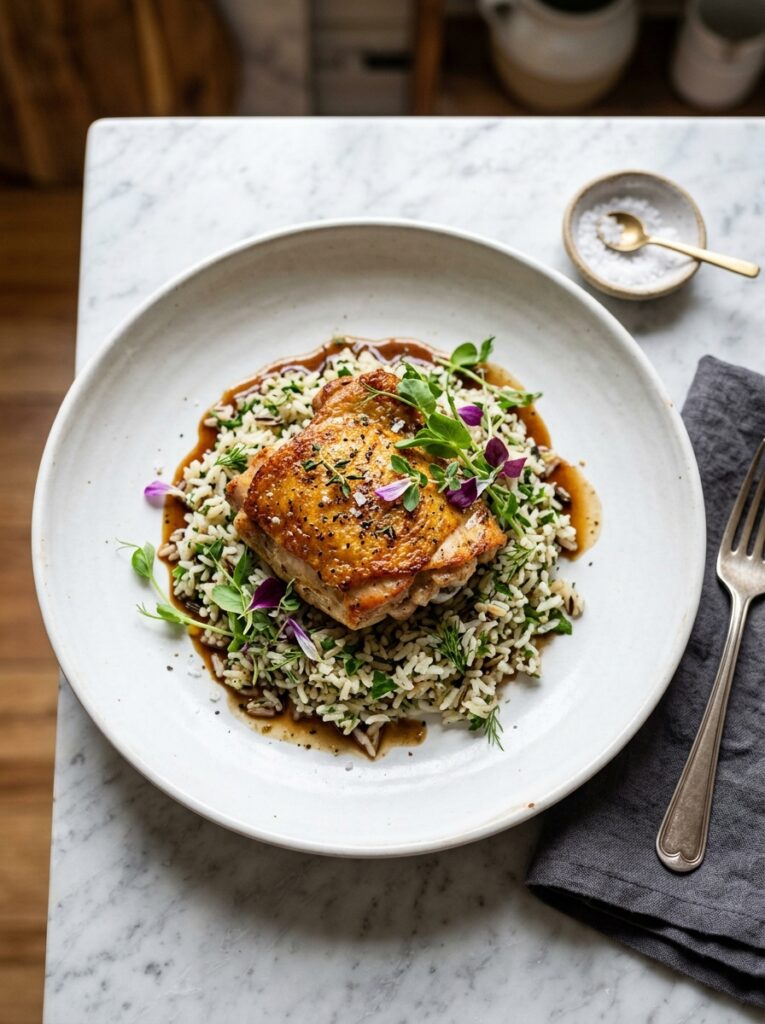
There’s a difference between chicken and rice that’s fine and chicken and rice that makes people ask for the recipe. The gap is smaller than you think.
A few things that move the needle:
Toast the rice. Even 90 seconds in butter before you add liquid changes the flavor completely. The grains get a little color and develop this nutty thing that plain boiled rice doesn’t have.
Use stock, not water. This one’s non-negotiable. Water makes neutral rice. Stock makes rice that actually contributes to the dish. Even a low-sodium stock cube dissolved in hot water is miles better than plain water.
Rest the chicken. Five minutes after it comes out of the oven or pan. Slice into it immediately and the juices run out onto your cutting board instead of staying in the meat where they belong.
Add acid at the end. Lemon juice, a splash of white wine vinegar, a handful of fresh parsley. Something bright. Creamy, fatty, savory food always needs a counterpoint or it starts to taste heavy after the second bite.
—
7. The British-Style Version: Herby Chicken With Rice and Proper Greens
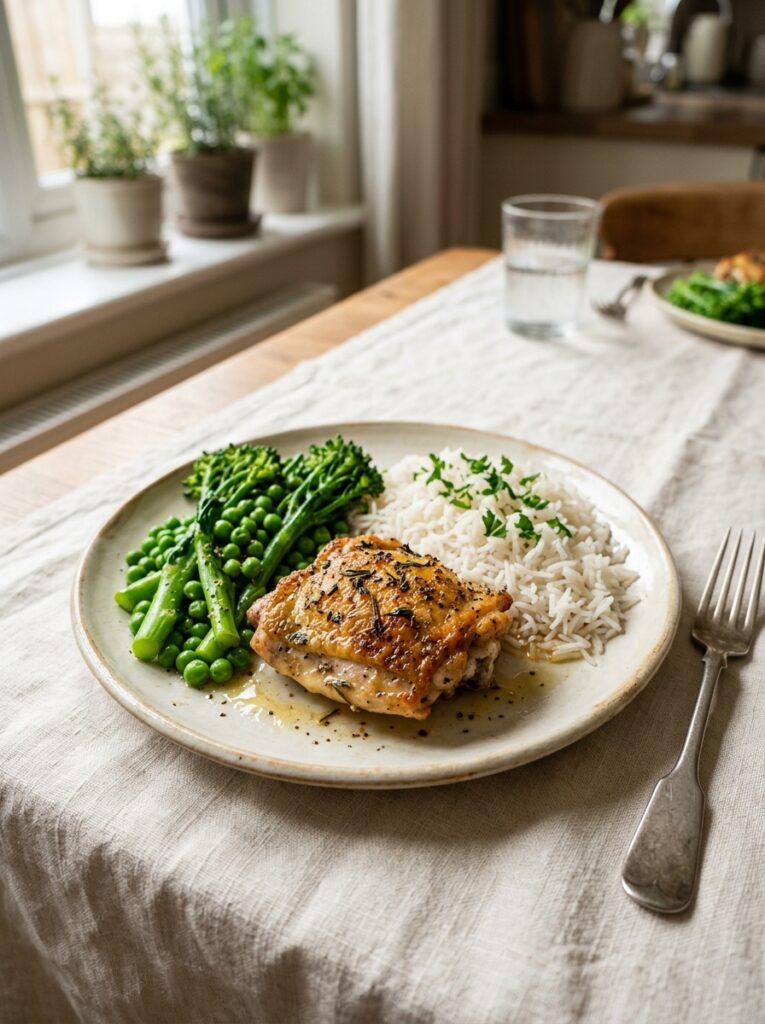
If you’re in the UK and craving something that feels a bit more familiar, this one’s for you. Or anyone who wants it, honestly.
Season chicken thighs with dried mixed herbs, garlic, lemon zest, and salt. Brown them, then cook over a bed of white rice with chicken stock as before. While that’s in the oven, quickly wilt some spinach or cavolo nero in a separate pan with garlic and olive oil. About three minutes.
Serve the chicken and rice with the greens piled alongside and a dollop of wholegrain mustard if you’ve got it. It’s not fancy. But it’s the kind of meal that feels properly cooked, the kind where someone at the table says “this is nice” with genuine surprise in their voice.
Side note — this one reheats beautifully the next day. The herbs intensify overnight and the rice loosens up perfectly with a splash of water before microwaving.
—
8. The Cold-Night Version: Chicken and Rice in a Brothy Soup (That’s Still Dinner, Not a Starter)
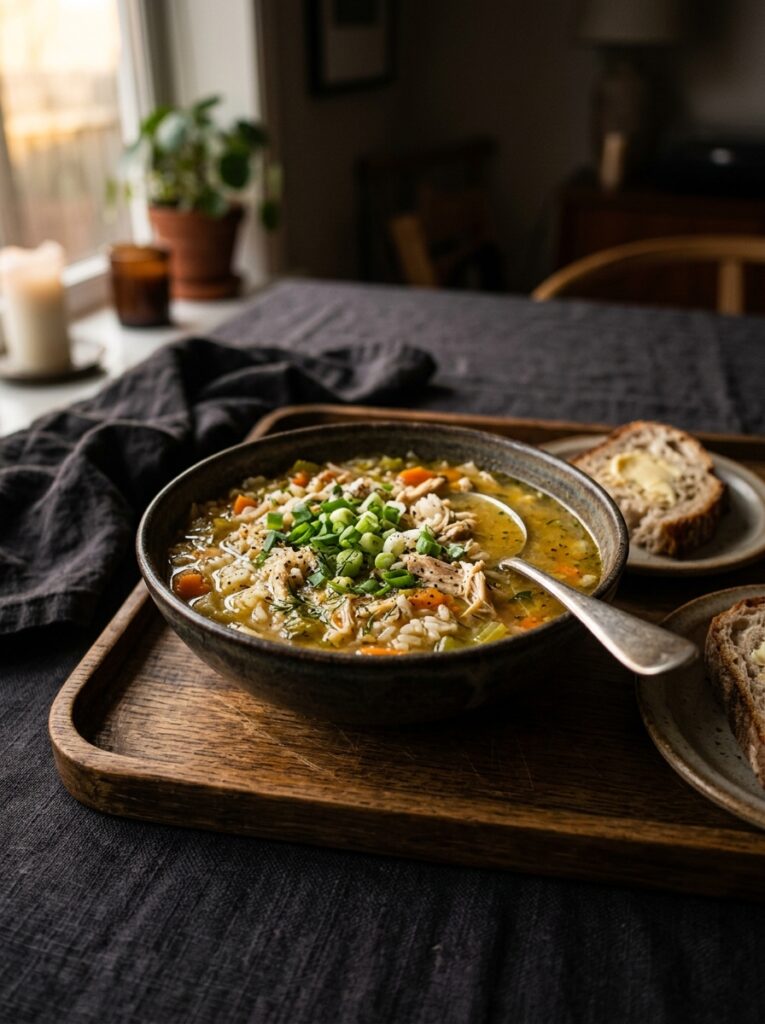
Some nights it’s cold, it’s dark, and you want something that feels like being wrapped in something warm. This is that.
It’s not a light little soup. It’s thick and hearty and honestly a full meal in a bowl. Brown your chicken pieces first — crucial, don’t skip — then add onion, celery, carrot, garlic. Stock, herbs, a bay leaf. Bring it all to a simmer.
Add your rice in the last 20 minutes. It’ll absorb some of the stock and thicken the whole thing into this wonderful consistency that’s somewhere between a soup and a stew. Add a squeeze of lemon right at the end. Tear in some fresh parsley.
This one’s also incredibly good if you have leftover roast chicken. Skip the browning step, shred the chicken, add it in with the rice.
—
9. Meal Prep Magic: One Big Batch, Five Different Bowls
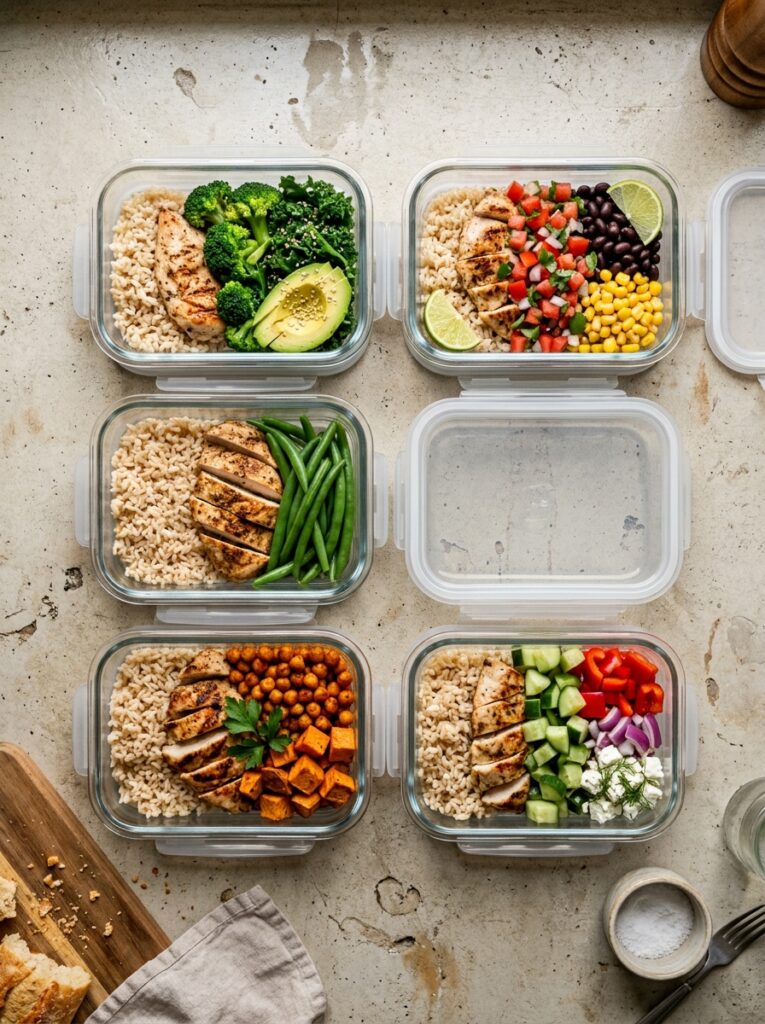
Here’s where chicken and rice becomes a lifestyle instead of just a dinner.
Make a big batch on Sunday — a whole tray or pot of simply seasoned chicken over rice. Then all week, you change the toppings to make it feel like a completely different meal each time.
Monday: sliced avocado, hot sauce, a squeeze of lime, maybe some black beans if you have them.
Tuesday: a fried egg on top, soy sauce, sesame oil, sliced spring onions/scallions.
Wednesday: leftover roasted vegetables, a spoon of hummus on the side.
Thursday: tzatziki, a few olives, sliced cucumber.
Friday: whatever’s left, just eat it. You’ve done well this week.
The chicken stays good in the fridge for four days. The rice stays good for three. Store them separately if you can — it keeps the textures better.
—
10. The Flavor Upgrade Nobody Talks About: Cooking Your Rice in Coconut Milk
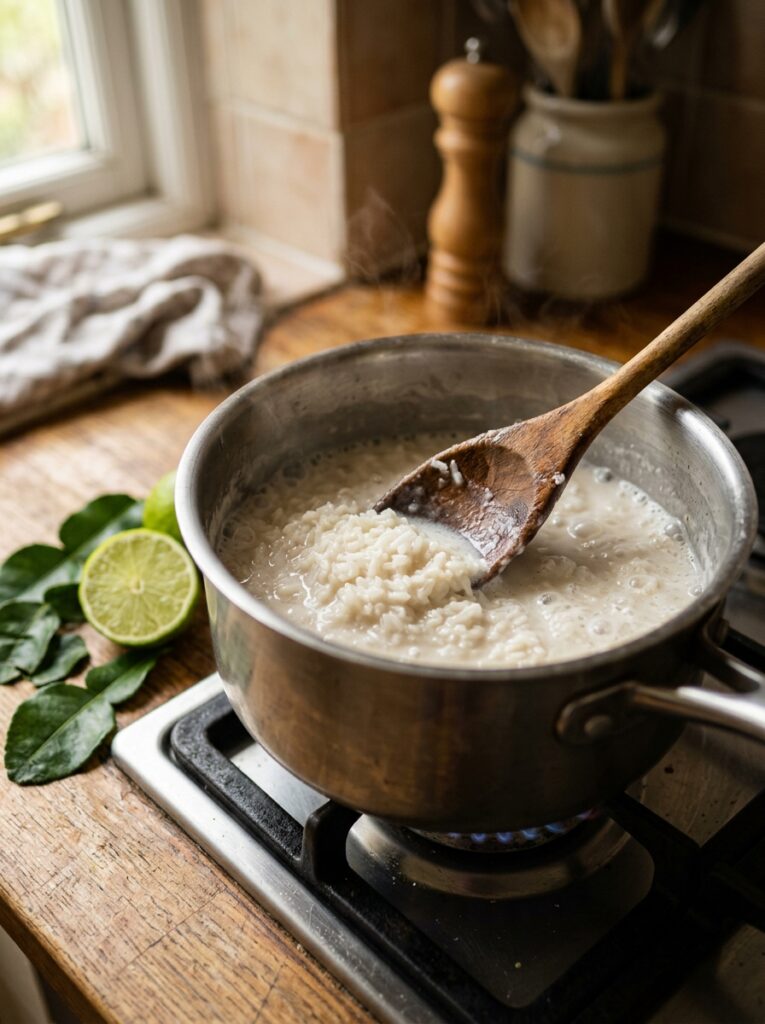
Half coconut milk, half chicken stock. That’s it. That’s the secret.
Cook your rice in that mixture instead of plain stock and you get this subtly sweet, creamy, slightly tropical rice that goes with so many things. It doesn’t taste like a piña colada, don’t worry. It tastes like rice that has something to say.
Pair it with chicken cooked in a simple sauce of ginger, garlic, a bit of soy sauce, and honey. The contrast between the salty-savory chicken and the slightly sweet coconut rice is genuinely addictive. Add some sliced chillies and fresh coriander/cilantro on top.
“If there’s one thing I want you to take from this article, it might be this: coconut milk rice changes everything and costs almost nothing extra.”
This works brilliantly as a meal prep base too. Coconut rice holds up in the fridge and reheats well.
—
11. Getting the Texture Right: The Ratio That Actually Works (And Why Recipes Keep Getting It Wrong)
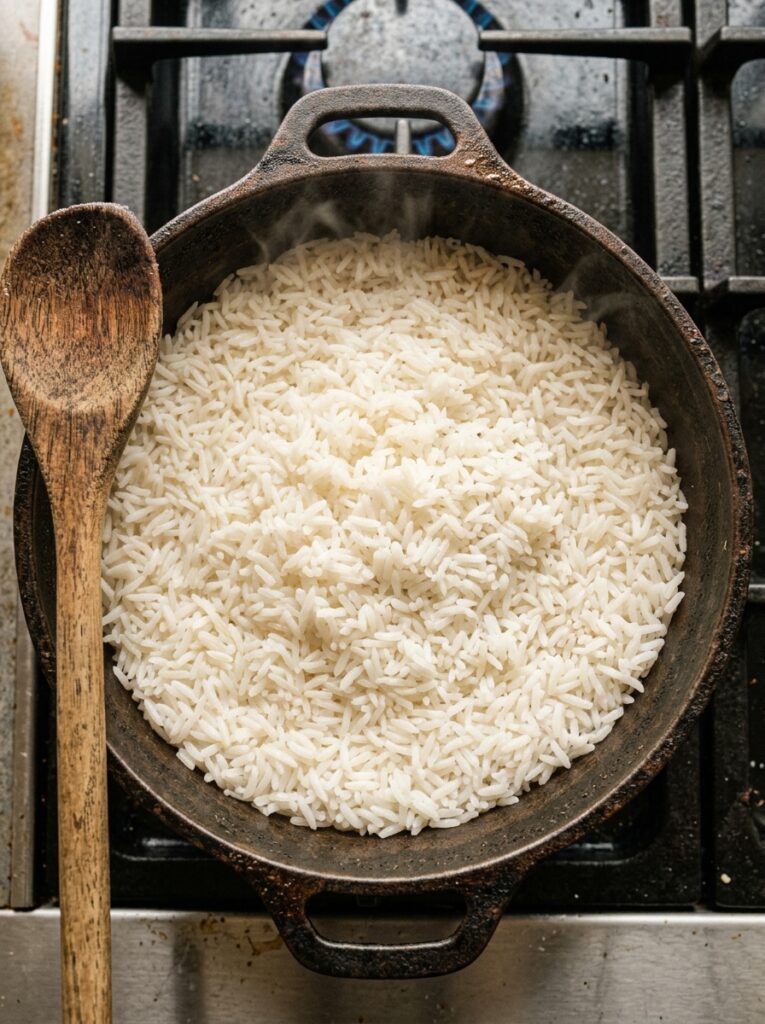
The biggest complaint people have with homemade chicken and rice is mushy rice. Or crunchy rice. Rarely perfect rice. And honestly, so many recipes are written for perfect conditions — perfectly calibrated ovens, specific pans, specific rice brands — and that’s just not how home kitchens work.
A few rules I actually stand by:
The 1:1¾ ratio (one cup of long-grain rice to 1¾ cups of liquid) is more reliable than 1:2 for stovetop. 1:2 tends to make it slightly too wet, especially if you’re adding anything with moisture like fresh vegetables or cream.
Don’t peek. Lifting the lid releases steam, and that steam is part of what cooks the rice through. Give it the full time with the lid on.
Let it sit off the heat for five minutes at the end before you lift the lid. This is the step people always skip. Don’t skip it. The rice redistributes its moisture and finishes cooking in residual heat. It goes from almost-done to properly done in those five minutes.
Basmati and long-grain white rice are easiest for this style of cooking. Brown rice takes much longer and needs more liquid. Jasmine works but tends to be stickier.
—
12. The Version I Make When I Actually Have Time to Enjoy the Process
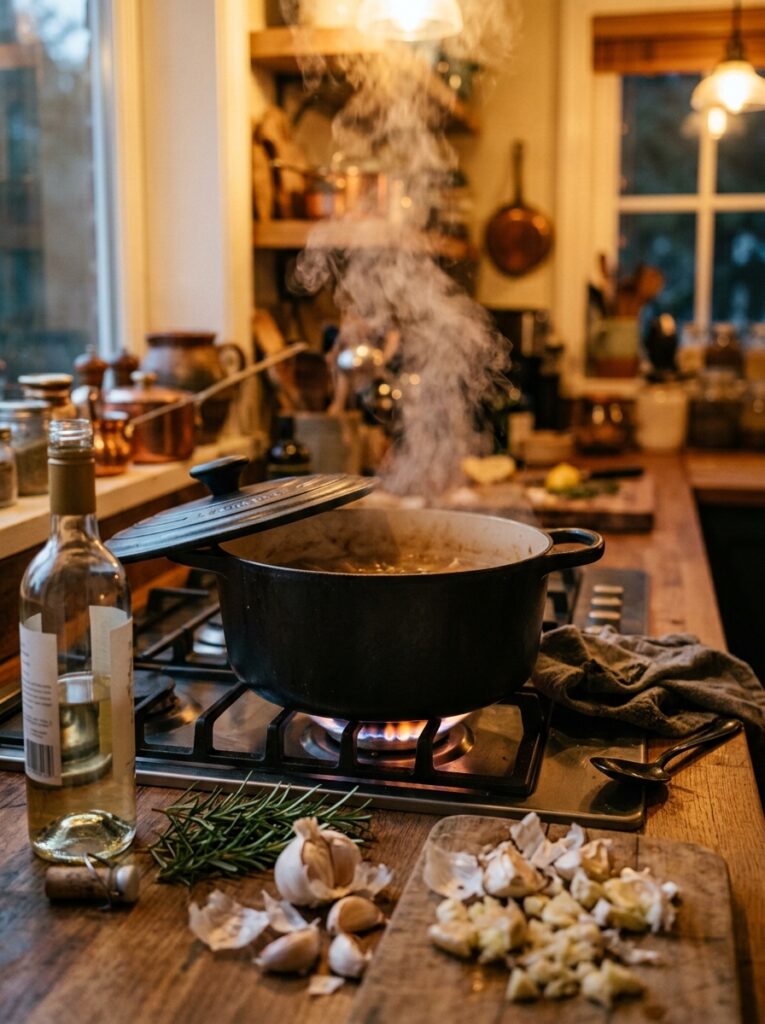
Everything so far has been about speed and efficiency, which I love. But sometimes — rarely, but sometimes — I want to actually enjoy cooking. Not rush it.
On those nights I make a slow-baked chicken and rice with caramelized onions, dried apricots, and almonds. The onions take 20 minutes to properly caramelize. The whole thing goes into the oven low and slow, around 325°F (160°C), for an hour. The rice absorbs everything — the onion sweetness, the slight tartness of the apricots, the stock, a little cinnamon — and it all melds into something that doesn’t taste like anything else I make.
It’s the kind of meal you eat slowly. The kind where the kitchen smells good for hours afterward. You sit down and you’re not rushing through it to get to dessert or to wash up.
My mum was right. You really don’t need much. Good chicken, good rice, a bit of patience on the nights you have it.
—
❓ FAQ
Q: Can I use leftover rice instead of cooking fresh? A: You can, but be careful. Leftover rice has already absorbed its liquid, so adding it to a pan with stock will make it mushy fast. If using leftover rice, add it toward the very end just to heat through, and use much less liquid than you normally would. Day-old rice actually works better here than freshly cooked because it’s had time to dry out a bit in the fridge.
Q: What’s the best rice to use for one-pan chicken and rice recipes? A: Long-grain white rice or basmati are your safest choices. They absorb liquid evenly and don’t clump. Avoid short-grain or sushi rice — they’re too starchy for this style and will turn the whole thing gluey. Basmati has a slightly nuttier flavor and fluffier texture, which I personally prefer for most of these recipes.
Q: Can I make these recipes dairy-free? A: Almost all of them adapt easily. For the creamy garlic version, swap cream cheese for a spoonful of cashew cream or coconut cream. The butter for searing can become olive oil. Honestly most of the recipes here are already naturally dairy-free except that one — the rest rely on stock and spices for their flavor, so you’re not losing much.
—
💭 Final Thoughts
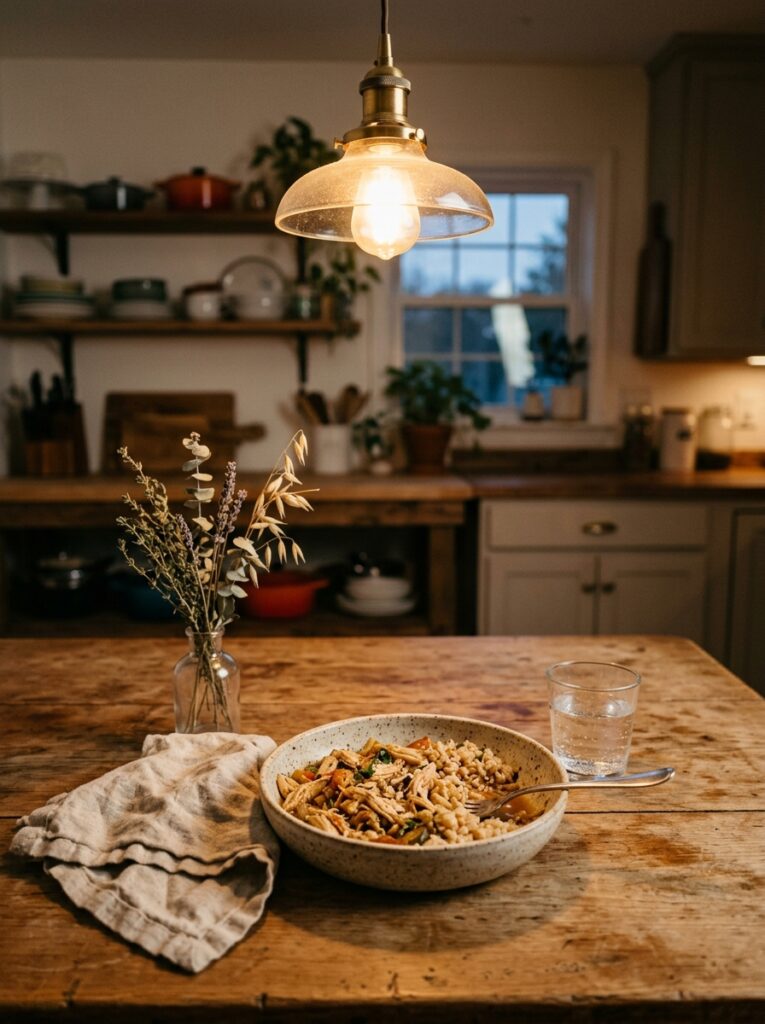
Chicken and rice doesn’t need to be boring. It never really was — we just got lazy with it, defaulted to the same pale, under-seasoned version on rotation. But it’s one of those combinations that actually wants to be interesting. Toast the rice. Use thighs. Add cream or coconut milk or caramelized onions when the mood strikes.
It’s the dinner that’s always there when you don’t know what to make, and it never lets you down if you give it a little attention.
So which one are you making first?