A friend of mine went gluten free last year and the first thing she said was, “I just miss food that doesn’t taste like it’s apologizing.” I knew exactly what she meant. So many gluten free recipes are written with this sort of defeated energy — like the dish is already sorry for what it is before you’ve even made it.
These aren’t those recipes.

—
1. Why Gluten Free Chicken Hits Different When You Stop Trying to Fake It
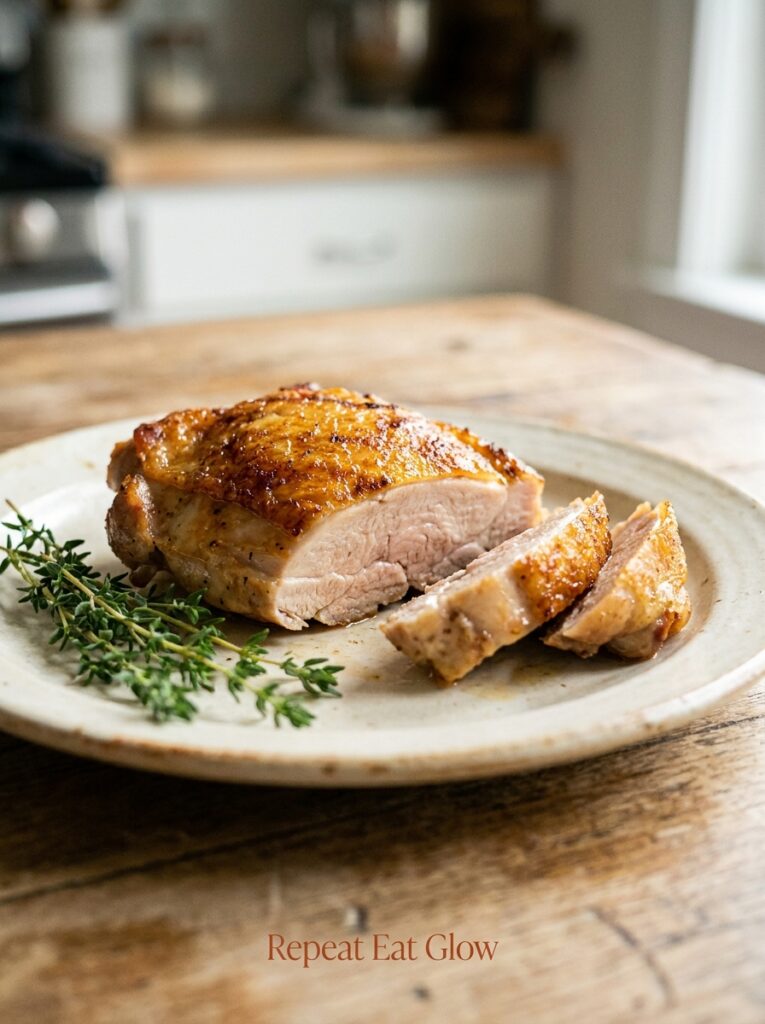
Here’s the thing nobody tells you: chicken is already naturally gluten free. Like, obviously. It’s a chicken. The problem isn’t the protein — it’s all the stuff we’ve been wrapping around it for years without thinking. The soy sauce in your stir-fry. The flour on your pan-fried thighs. The breadcrumbs on your schnitzel that you’ve been making the same way since 2009.
Once you stop trying to recreate the gluten version with sad substitutes and start leaning INTO what gluten free cooking does brilliantly — crispy rice flour coatings, rich coconut-based sauces, herb-heavy marinades that don’t need a single drop of regular soy sauce — everything changes. The food stops apologizing. It just becomes good food.
And chicken is honestly the BEST protein for this because it takes on flavor so readily. A thigh marinated for four hours in garlic, lemon, and a good glug of olive oil doesn’t care whether it’s gluten free. It’s just delicious.
“The food stops apologizing. It just becomes good food.”
—
2. The Crispy Coating Secret That Every GF Baker Stumbles on Eventually
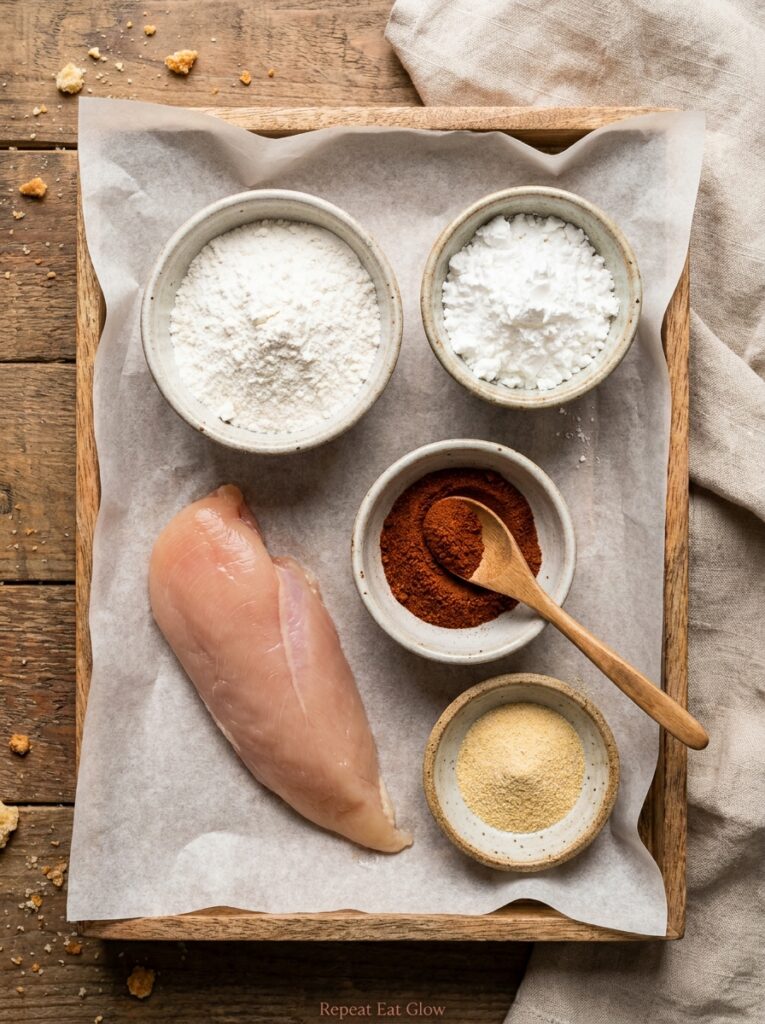
Rice flour. That’s it. That’s the section.
Okay, not quite. But rice flour genuinely is the answer to crispy gluten free chicken that doesn’t turn into a soggy grey blanket the moment it hits the plate. All-purpose gluten free blends are fine for baking, but for frying or baking chicken with a crunchy exterior? Rice flour wins every time, and it’s not close.
The texture it gives is actually slightly more delicate than regular flour — almost like a Japanese karaage, which, side note, is one of the greatest fried chicken styles on earth and happens to be naturally gluten free when made with tamari instead of soy sauce. The coating stays crisp even when it cools down. It doesn’t absorb grease the way some heavier GF blends do.
My method: equal parts rice flour and cornstarch, seasoned aggressively with salt, white pepper, garlic powder, and smoked paprika. Double dip the chicken pieces — egg wash first, then the flour mix, then egg again, then flour. Let them sit on a rack for ten minutes before they go anywhere near the oil. That rest time matters.
Don’t skip it.
—
3. The One Pan Lemon Garlic Chicken That’s Carried Me Through Every Exhausting Week
Some weeks I don’t want to think. I want to put four things in a pan and have dinner happen.
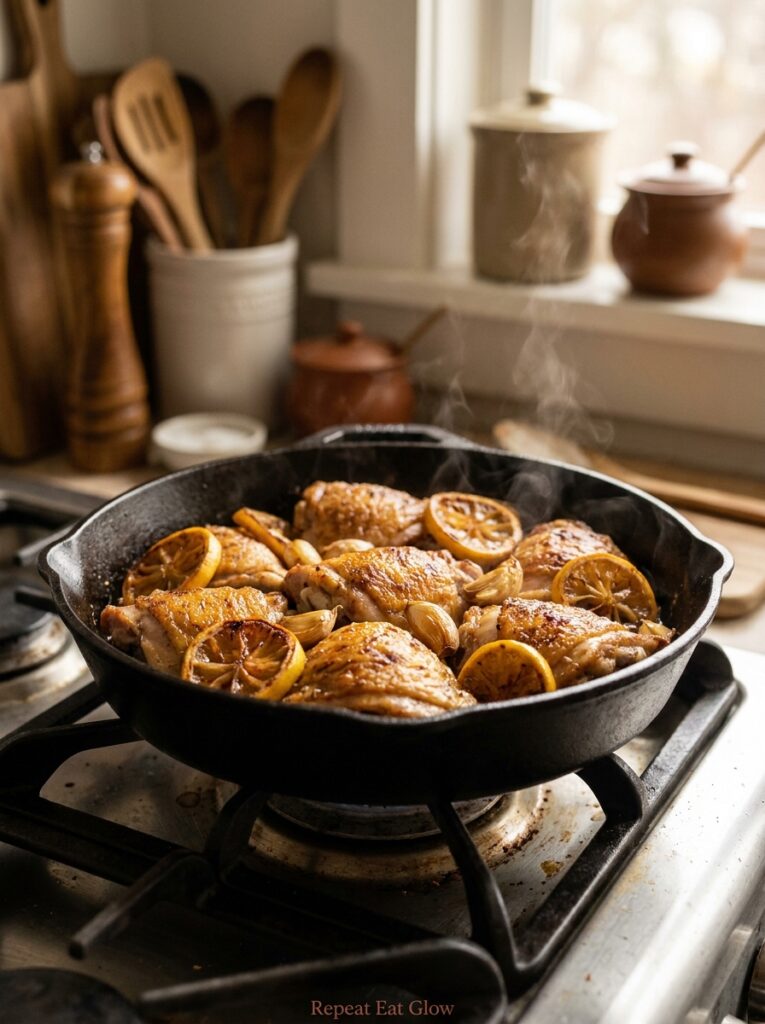
This is that recipe. Bone-in chicken thighs — skin-on, please, always skin-on — seared in a cast iron skillet until the skin is the color of amber. Then: a whole head of garlic sliced in half crosswise, placed cut-side down. Two lemons, quartered. A splash of dry white wine or chicken stock. A few sprigs of thyme. Into a 400°F / 200°C oven for 35 minutes.
That’s genuinely it. No thickener needed, no flour in the sauce. The juices from the chicken reduce into something sticky and intensely savory on their own. The garlic gets soft enough to squeeze out like butter. You’ll eat the lemon wedges like you meant to, which you didn’t, but they’re caramelized and soft and sweet by then anyway.
Serve with roasted potatoes or rice. Pour the pan juices over everything. Don’t wash the cast iron too enthusiastically afterwards — you’ll want those flavor bits next time.
—
4. Tamari: The Ingredient That Unlocked My Entire Asian-Inspired GF Kitchen
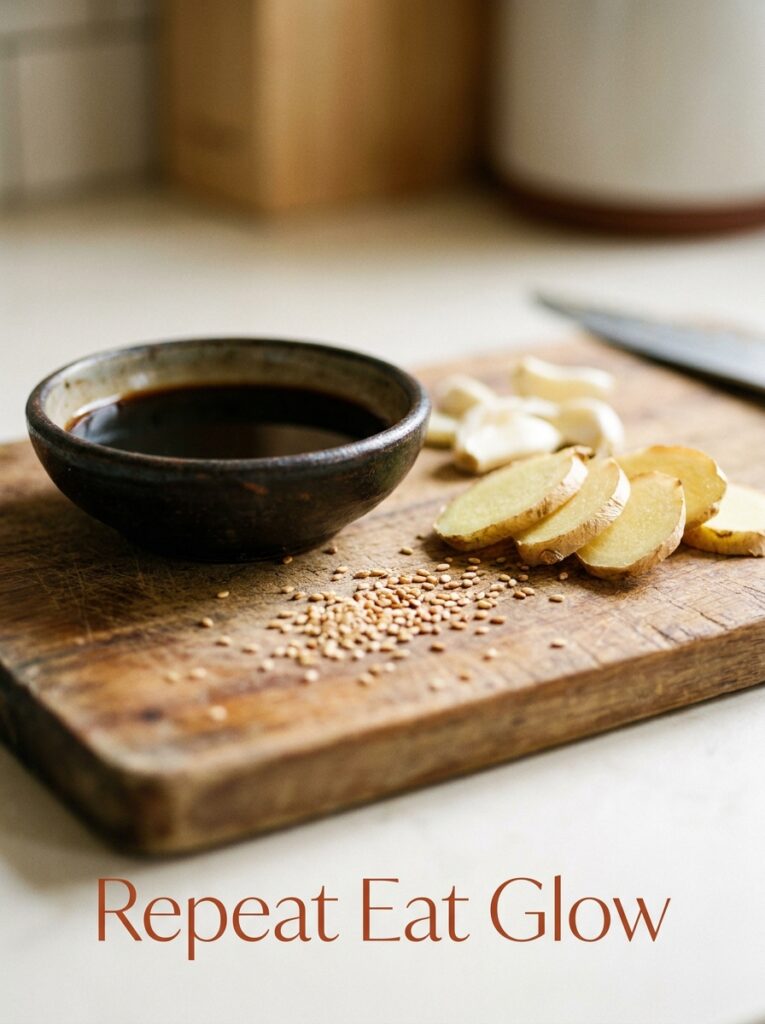
I want to talk about tamari for a second because I think it’s genuinely underrated in the gluten free conversation. Regular soy sauce contains wheat. Most people know this. But somehow tamari — which is the wheat-free version, traditionally a byproduct of miso production — feels like a specialty ingredient when it is RIGHT THERE in most supermarkets, in both the US and UK.
San-J makes a good one. Kikkoman’s tamari is easy to find. And the flavor? It’s actually richer and slightly less sharp than regular soy sauce. Thicker. More umami-forward.
Once you’ve got tamari, about a third of “Asian-inspired” chicken recipes become gluten free with zero other changes. Teriyaki chicken: done. Ginger soy chicken bowls: done. The sticky sesame chicken you’ve been ordering from the takeaway and secretly mourning because you can’t eat it anymore: absolutely done.
The marinade that lives in my fridge rotation is four tablespoons of tamari, two tablespoons of sesame oil, one tablespoon of honey, a thumb of grated ginger, and three cloves of garlic. Chicken thighs, four hours minimum. Cook them on a high heat griddle or grill pan until they’re charred and lacquered and your kitchen smells like something you’d pay for.
—
5. The Myth of Gluten Free Chicken Soup Being Boring
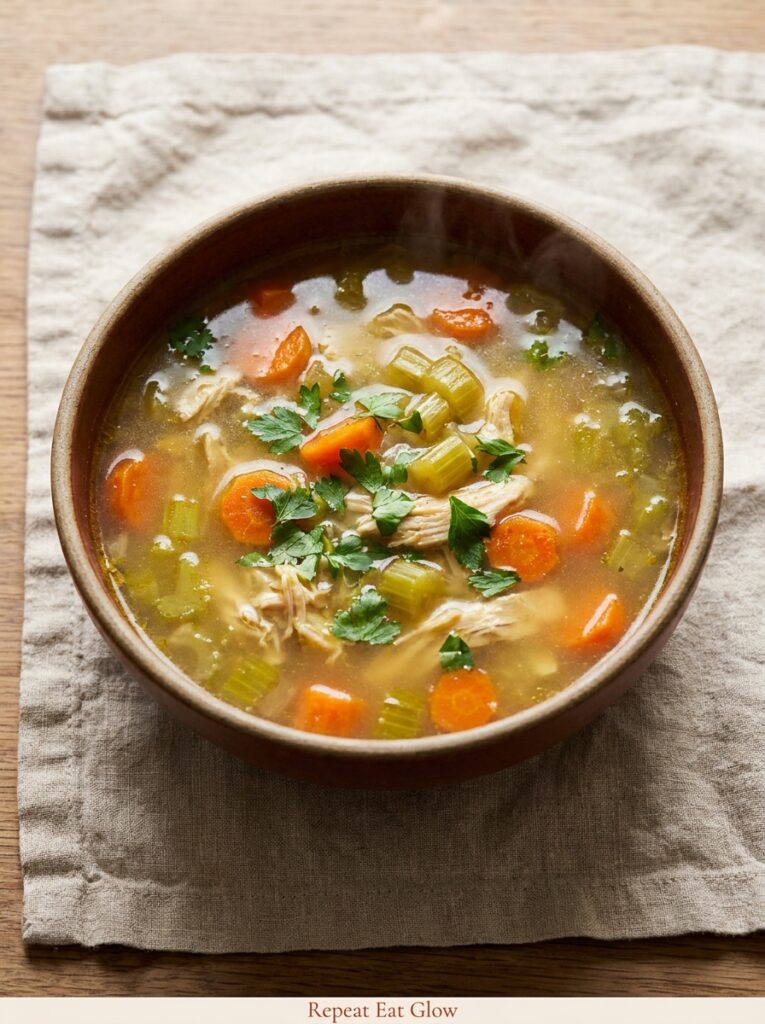
My grandmother made chicken soup with egg noodles. I grew up thinking that was the only version worth eating. It took me years to realize I’d been sleeping on the entire rest of the soup world.
Chicken soup without noodles — or with alternatives — is not a lesser thing. It’s a different thing. Rice noodles in a ginger-spiked broth. Torn chicken over a turmeric-golden base with chickpeas and spinach that goes silky in the heat. A pozole-style pot with hominy and dried chiles that’s been simmering so long the chicken is basically dissolving off the bone.
“Chicken soup without noodles is not a lesser thing. It’s a different thing.”
For a quick weeknight version, I start with a whole rotisserie chicken from the supermarket — totally GF as long as there’s no seasoning blend with hidden wheat, so check the label. Shred the meat, simmer the carcass for 30 minutes with onion and bay leaves, strain, then build from there. Sliced mushrooms, a good splash of tamari, white pepper, rice noodles that only need four minutes to soften.
It’s ready in under an hour. It’s better than the noodle version. I said what I said.
—
6. Sheet Pan Chicken That Doesn’t Require You to Be a Good Cook
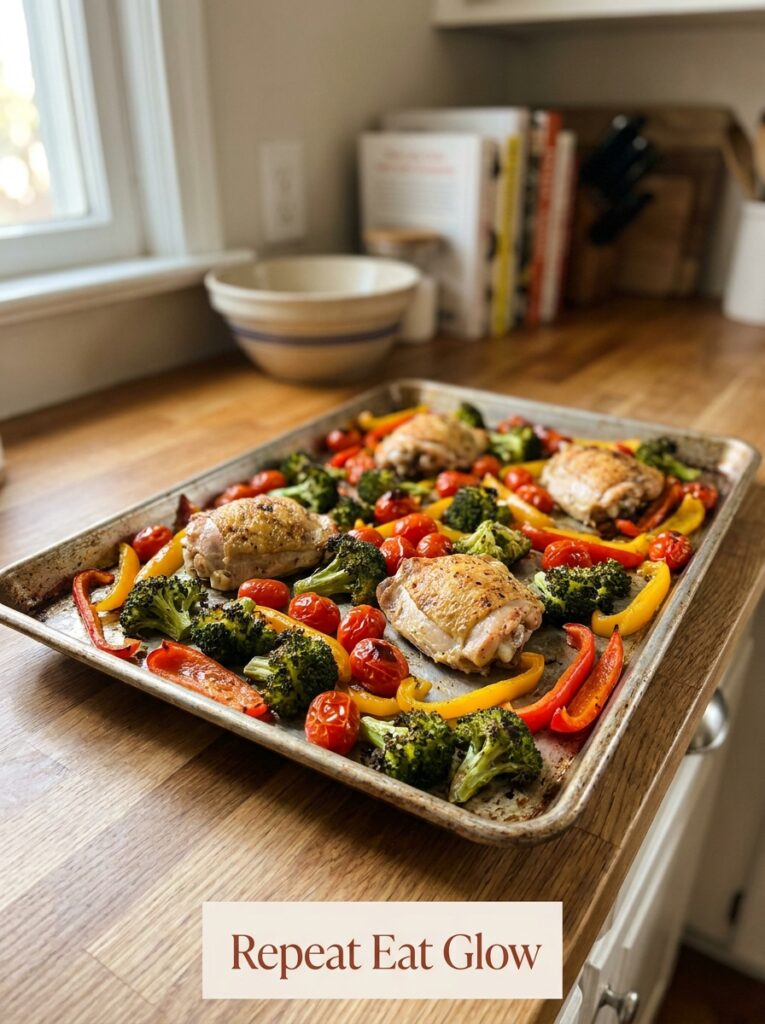
Okay, this is for everyone who’s a bit stressed at dinner time and just needs SOMETHING to work. Sheet pan meals are the unsung hero of gluten free weeknight cooking because they’re completely naturally gluten free when you build them right, and they’re almost impossible to ruin.
Here’s my current favorite combination: chicken drumsticks (cheaper than thighs, underrated), halved cherry tomatoes, zucchini cut into thick half-moons, a full sliced red onion, and two whole heads of garlic separated into cloves but not peeled. Everything tossed in olive oil, salt, dried oregano, and chilli flakes.
425°F / 220°C. One large rimmed baking sheet. Don’t crowd it — use two sheets if you need to. Forty minutes, turning once at the halfway point.
The tomatoes burst and get jammy. The unpeeled garlic cloves roast into something you can squeeze directly onto crusty gluten free bread or just eat straight because you have no shame and you shouldn’t. The chicken skin crisps up at the edges. The whole kitchen smells of Mediterranean summer.
Cleanup is one pan and whatever I was wearing when the olive oil splattered, but that’s a separate issue.
—
7. Coconut Milk Is Doing A LOT of Heavy Lifting in GF Chicken Cooking
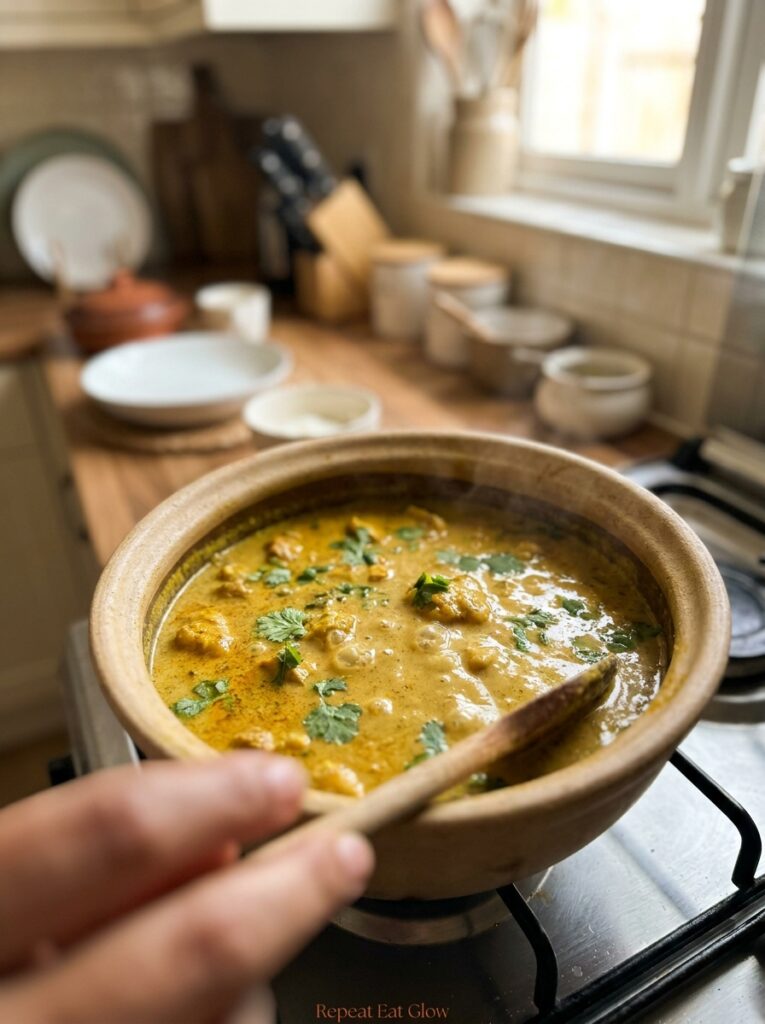
I go through a lot of tinned coconut milk. A suspicious amount. The checkout person at my local Sainsbury’s has definitely noticed.
But here’s why: coconut milk is a natural thickener, a natural richness-adder, and a natural sauce-maker that needs absolutely no flour to do its job. In the context of gluten free cooking, it’s genuinely magic. You can make a Thai-ish green curry with a jar of GF green curry paste (most are gluten free, always check) and a can of coconut milk and some chicken and call it dinner. You can do a West African peanut stew that’s silky and deep and warming enough for a November evening in Manchester or Minneapolis. You can make a simple coconut poached chicken that’s barely a recipe and somehow still impressive.
The one I come back to most: bone-in chicken thighs braised low and slow in a full can of coconut milk with two lemongrass stalks bashed and added whole, a few kaffir lime leaves if I have them, fish sauce, a little brown sugar, and fresh chilli. One hour on the hob at the lowest possible simmer. The sauce reduces into something thick and fragrant. The chicken is so tender it comes away from the bone if you look at it firmly.
Serve with jasmine rice, and maybe just eat it standing at the counter at 6:47pm.
—
8. Chicken Thighs vs. Breasts: I’m Taking a Side and I Won’t Apologize
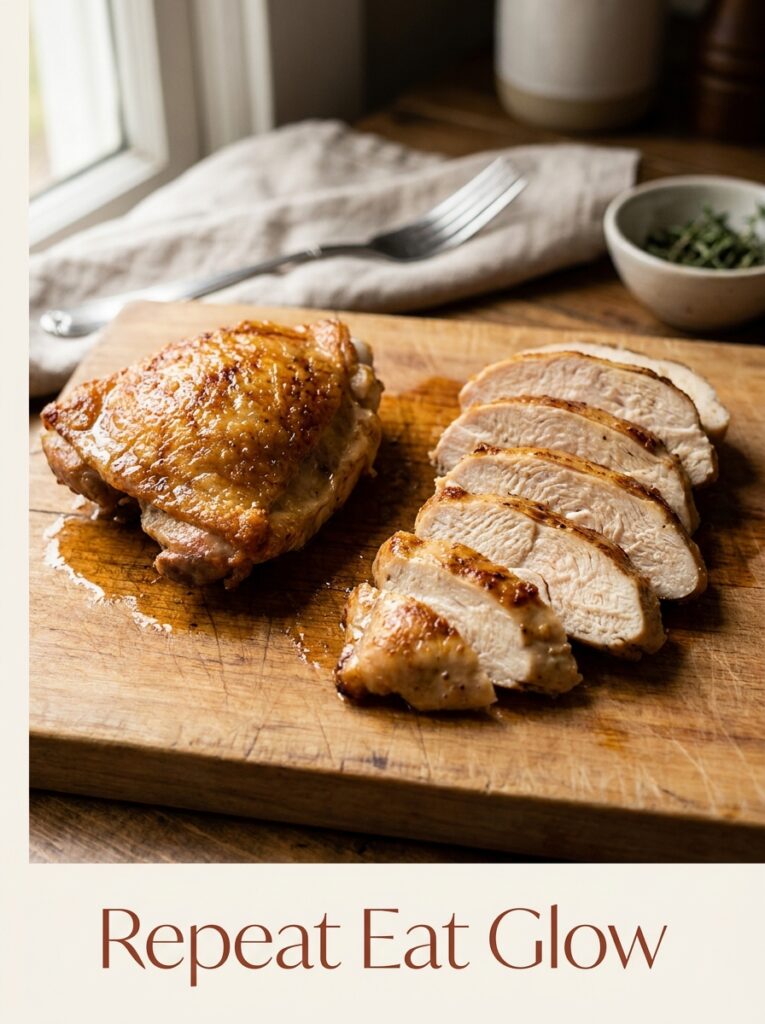
Thighs. Every time.
For gluten free cooking especially, because so many GF recipes involve higher heat (to get that crust without flour doing the work), higher acid marinades (citrus, vinegar, tamari — they’re all in heavy rotation), and longer cooking times. Chicken breasts dry out. They do. I’ve tried to love them and I can’t.
Thighs have more fat, more flavor, and a significantly higher tolerance for being slightly overcooked without turning into cardboard. They cost less per pound or per kilo. They’re better on the grill. They’re better braised. The skin, when rendered properly, is one of the finest textures in all of food.
Boneless skinless breasts have their place — sliced thin for stir fries, or pounded flat for quick pan cooking — but for most of these recipes, I want thighs. Bone-in when time allows. Boneless and skin-on when it doesn’t. The flavor difference is real.
—
9. The GF Chicken Dish My Guests Never Realize Is Gluten Free
This one’s a flex, I’ll admit.
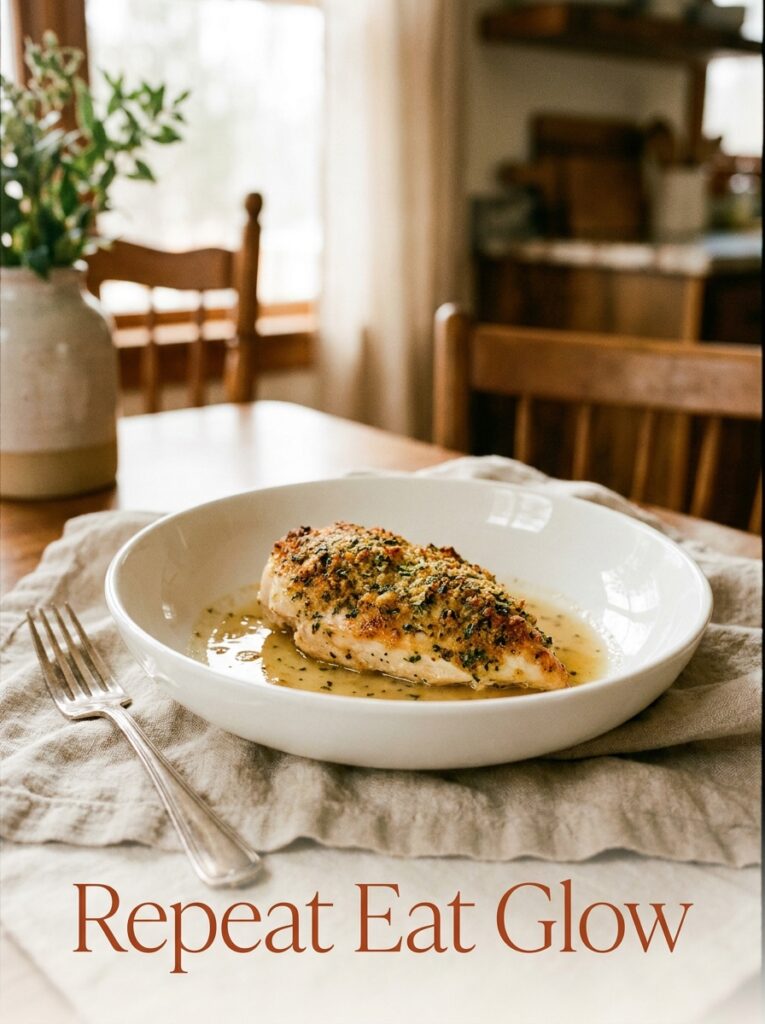
Chicken Marsala, made properly, doesn’t need flour to thicken the sauce. The reduction does it. The problem is that most recipes tell you to dredge the chicken in flour first — which adds a tiny bit of texture and thickening, sure, but mostly it’s just habit. Skip it. Or swap in rice flour.
Here’s the version I make: boneless chicken breasts pounded thin (yes, this is one of the breast exceptions), seared FAST in a very hot pan with butter and olive oil until golden, removed. Mushrooms — cremini or wild if you can find them — cooked in the same pan until they’re properly dark and have given up all their liquid. Then a generous pour of Marsala wine, a splash of good chicken stock, and a final knob of cold butter swirled in off the heat to make the sauce glossy.
Back in goes the chicken to warm through. A scatter of fresh flat-leaf parsley.
Nobody at the table has ever asked if it’s gluten free. They’re too busy mopping up the sauce.
“Nobody at the table has ever asked if it’s gluten free. They’re too busy mopping up the sauce.”
—
10. The Hidden Gluten That’s Ruining Your Otherwise-Perfect GF Chicken Dinner
This is the bit people don’t talk about enough. You’ve made a beautiful, naturally gluten free chicken dish. Congratulations. And then you served it with something that quietly undid everything.
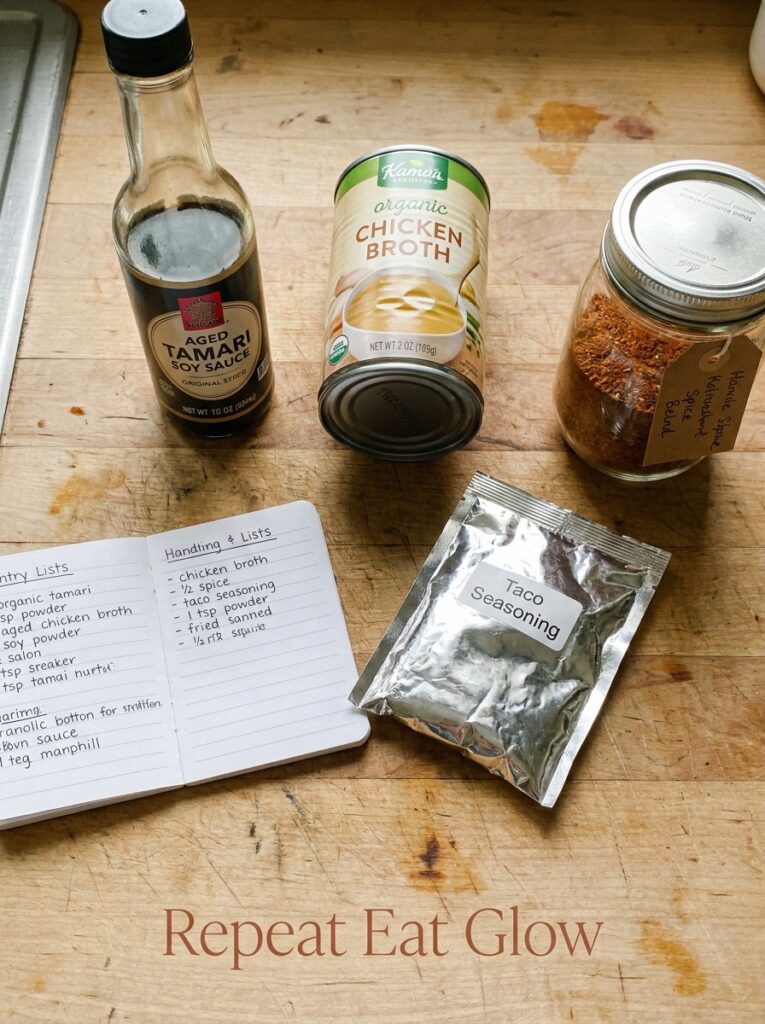
Regular soy sauce in the stir fry dipping sauce. A store-bought spice rub with wheat starch listed seventh in the ingredients. Chicken stock from a carton that you didn’t read properly. Worcestershire sauce — yes, the traditional version contains malt vinegar made from barley. Baking powder in the coating mix that uses a shared facility.
For anyone genuinely managing celiac or serious gluten intolerance, this stuff matters. Some quick things to get into the habit of: always read stock/broth labels (Swanson and Marigold brands are usually safe, but verify), look for “certified gluten free” on oat-based products, use Lea & Perrins Worcestershire Sauce in the UK (it’s GF) but check the US version separately as they differ, and keep a bottle of tamari where the soy sauce used to be.
It sounds like a lot of label-reading at first. Then it becomes second nature and you stop thinking about it.
—
11. A Marinade Formula That Works for Basically Every Gluten Free Chicken Recipe
Not gonna lie, I don’t always follow a recipe for marinades. I’ve got a loose formula I riff on and it works basically every time.
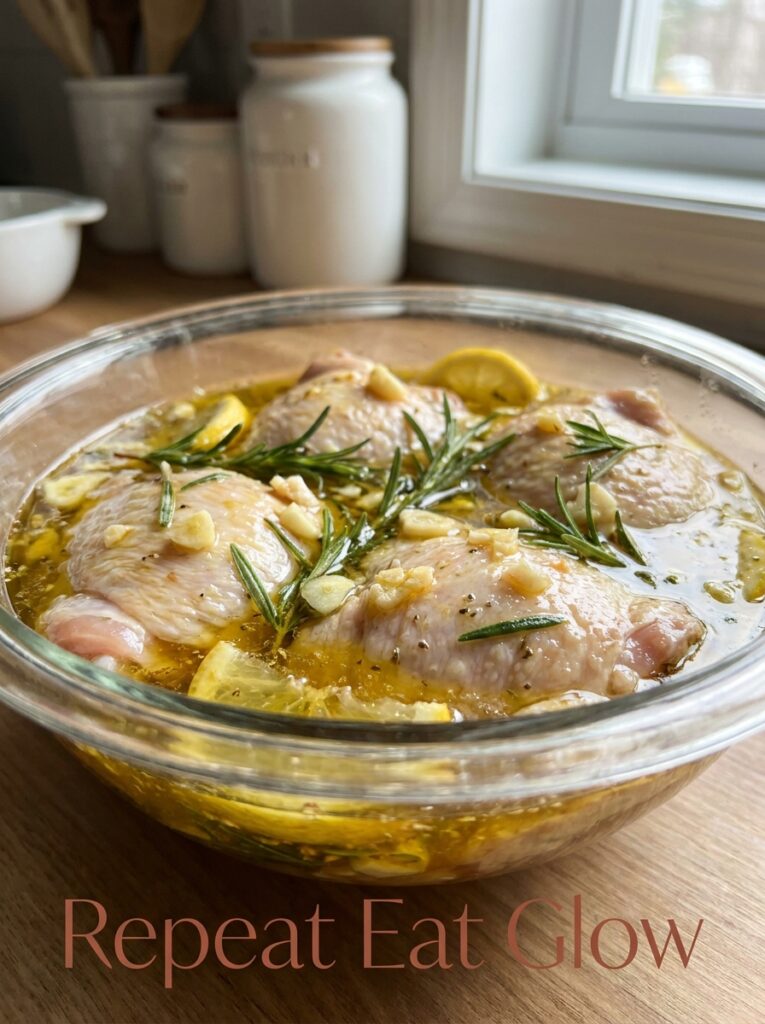
Start with fat — olive oil, sesame oil, or melted coconut oil. Then acid — lemon, lime, apple cider vinegar, or tamari (which pulls double duty). Then aromatics — garlic is almost always in, ginger if it’s going Asian-ish, shallots if I remembered to buy them. Then something sweet to balance — honey, brown sugar, maple syrup. Then heat if you want it — chilli flakes, fresh jalapeño, cayenne, sriracha. Then dried herbs or spices to finish.
The ratio I eyeball: roughly three parts fat to one part acid, with everything else added to taste.
The time matters as much as the ingredients. Twenty minutes is better than nothing. Two hours is good. Overnight is the move if you planned ahead, which I usually haven’t.
One more thing — always marinade in a non-reactive bowl or a zip-lock bag. Not a metal bowl, especially with acidic marinades. The chicken will taste weird. I learned this the hard way.
—
12. The Gluten Free Chicken Dinner That Feels Like a Treat Without Being a Project
Hasselback chicken. You’ve seen it on Pinterest, maybe dismissed it as fiddly. It’s actually not.
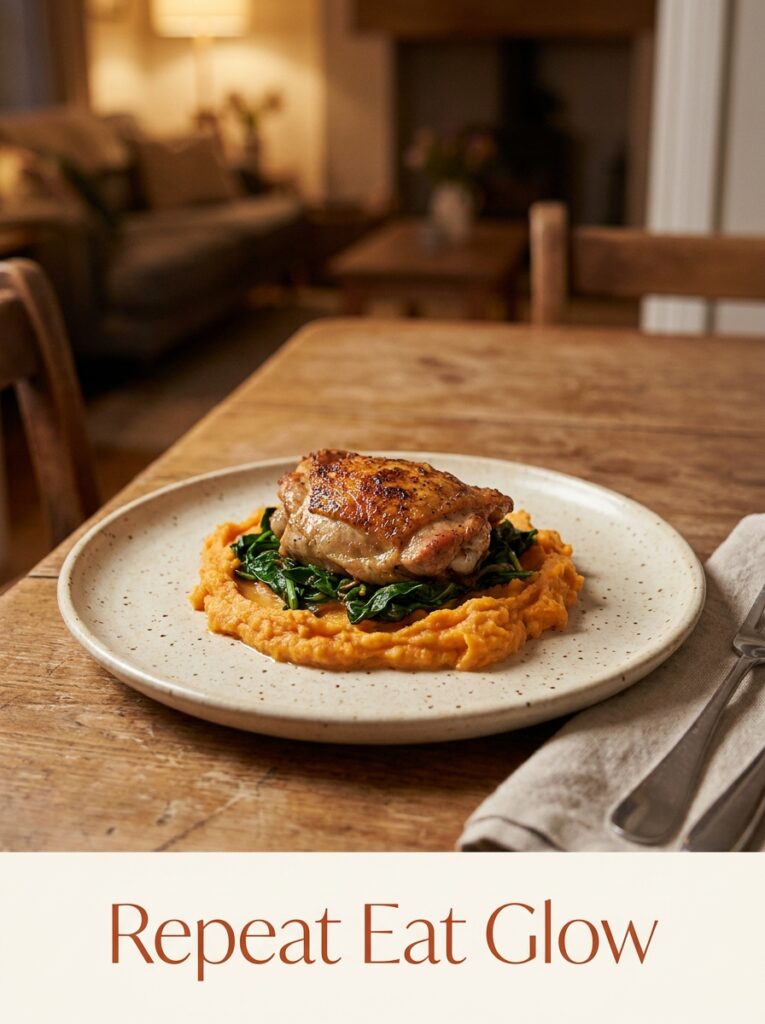
Take boneless chicken breasts — see, I do use them sometimes — and make deep cuts across the top, like a hasselback potato, without cutting all the way through. Stuff each cut with a slice of fresh mozzarella and a half-slice of sun-dried tomato or a torn basil leaf. Drizzle with olive oil and season generously. Bake at 400°F / 200°C for 25-30 minutes until the cheese is bubbling and starting to brown at the edges.
The cheese sort of glues the cuts together as it melts, which looks incredibly intentional and fancy and took you about eight minutes of actual work. You can do a spinach and cream cheese version instead, or roasted red pepper and feta, or really anything you can slice thin enough to tuck into a cut.
It photographs beautifully, which I mention only because you’re here on Pinterest and we both know that matters a little. And it tastes like you tried much harder than you did, which is maybe the most important quality a weeknight dinner can have.
—
❓ FAQ
Q: What’s the best gluten free flour for coating fried chicken? A: Rice flour is my first choice — it crisps up better than most GF blends and stays crunchy longer. A 50/50 mix of rice flour and cornstarch is even better. If you want extra fine, use superfine rice flour, which is sometimes labeled “rice powder” in Asian grocery stores. Season it well because the coating itself needs flavor.
Q: Is tamari the same as soy sauce and can I use it in any recipe that calls for soy sauce? A: Pretty much yes. Tamari is made from fermented soybeans and has a slightly richer, more mellow flavor than regular soy sauce, but it works as a 1:1 swap in basically every savory recipe. The one thing to watch: not all tamari is 100% gluten free — some brands add a tiny amount of wheat, so look for ones that are specifically labeled gluten free, like San-J or Kikkoman GF tamari.
Q: How do I make gluten free chicken that’s crispy in the oven rather than fried? A: A few things help. First, make sure the chicken is very dry before coating — pat it well with paper towels. Second, use rice flour or a GF flour blend mixed with cornstarch. Third, place the coated pieces on a wire rack set over your baking sheet rather than directly on the pan — this lets hot air circulate underneath. Fourth, don’t skip the preheat. A hot oven from the first second matters for getting that initial crunch set before the coating softens.
—
💭 Final Thoughts

Gluten free cooking used to feel like a constant game of substitution — always chasing some version of what the dish used to be. But the best gluten free chicken recipes aren’t really about that anymore. They’re just good recipes. The ones I keep coming back to aren’t labeled GF in my head; they’re just the lemon garlic thighs, the tamari chicken bowl, the Marsala that always gets scraped clean.
The limitation, weirdly, turned into a kind of creative freedom. You start cooking differently when you’re not defaulting to flour for everything, and some of those different choices end up being better.
What’s the one chicken recipe you’ve been too nervous to try making gluten free?
