Kale has earned its reputation as a nutritional powerhouse, but many home cooks shy away from it, assuming it’s tough, bitter, or complicated to prepare into a satisfying salad. The truth is that with a few simple techniques, kale can be transformed into one of the easiest, most versatile salad bases in your kitchen. Unlike delicate lettuces, kale holds up beautifully to dressing in advance, making it a fantastic option for meal prep and make-ahead lunches. It’s also incredibly forgiving, pairing well with sweet, savory, tangy, and crunchy add-ins without any complicated cooking required. In this article, we’ll walk through 12 simple ideas to help you build an easy, crave-worthy kale salad every single time.
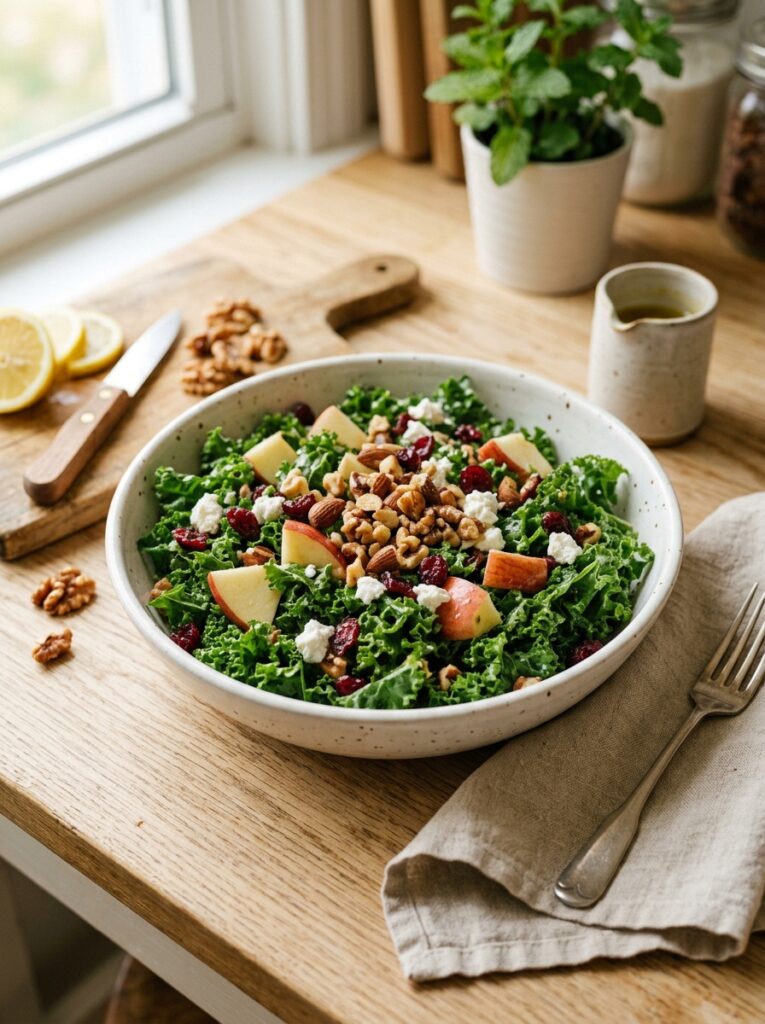
1. Choose Curly or Lacinato Kale for the Best Texture
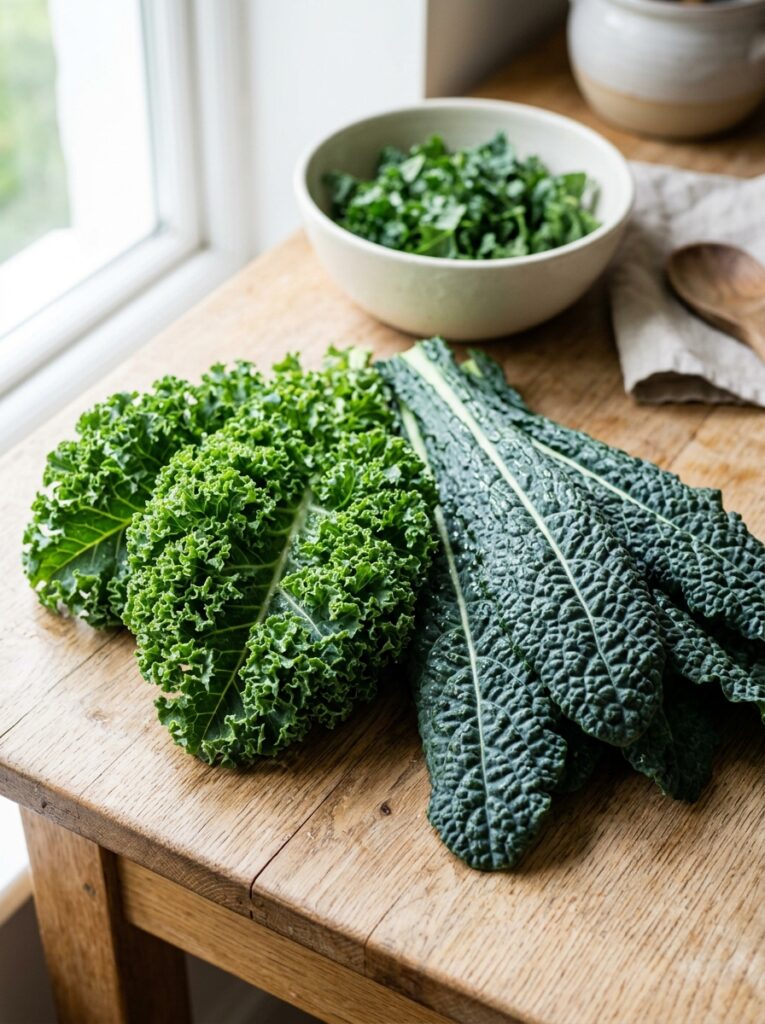
The type of kale you choose makes a noticeable difference in how easy and enjoyable your salad turns out. Curly kale has a hearty, ruffled texture that holds up well to heavier dressings, while Lacinato kale, also known as dinosaur or Tuscan kale, is more tender and slightly easier to chew raw. Both varieties work beautifully in salads, so the choice often comes down to personal preference and what’s available at your local grocery store. Whichever type you choose, look for vibrant green leaves without yellowing or wilting for the freshest results. Starting with good-quality kale sets the foundation for an easy, delicious salad from the very first step.
2. Always Remove the Tough Center Stems
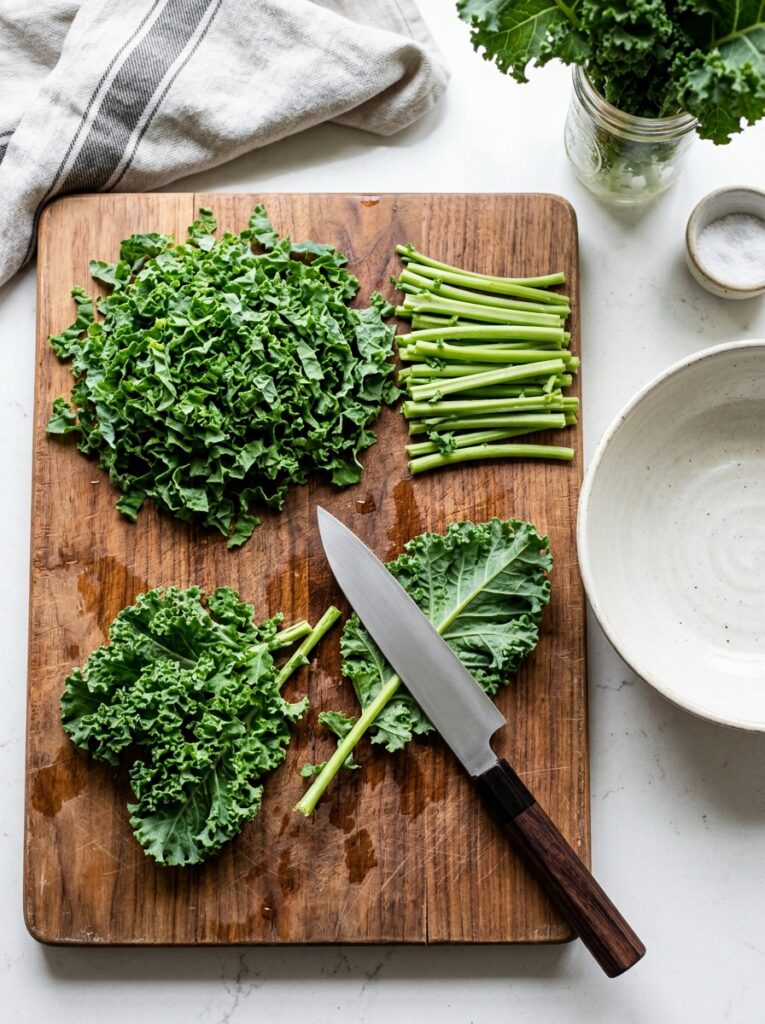
One of the simplest steps to make kale more enjoyable in a salad is removing the tough, fibrous center stem from each leaf before chopping. The stems can be quite chewy and slightly bitter, which often turns people off from raw kale salads entirely. This step takes just a minute or two and can be done by simply running a knife along either side of the stem or tearing the leaves away by hand. Removing the stems ensures every bite of the finished salad is tender and pleasant rather than tough and stringy. It’s a small prep step that makes a big difference in overall enjoyment.
3. Massage the Kale Before Serving
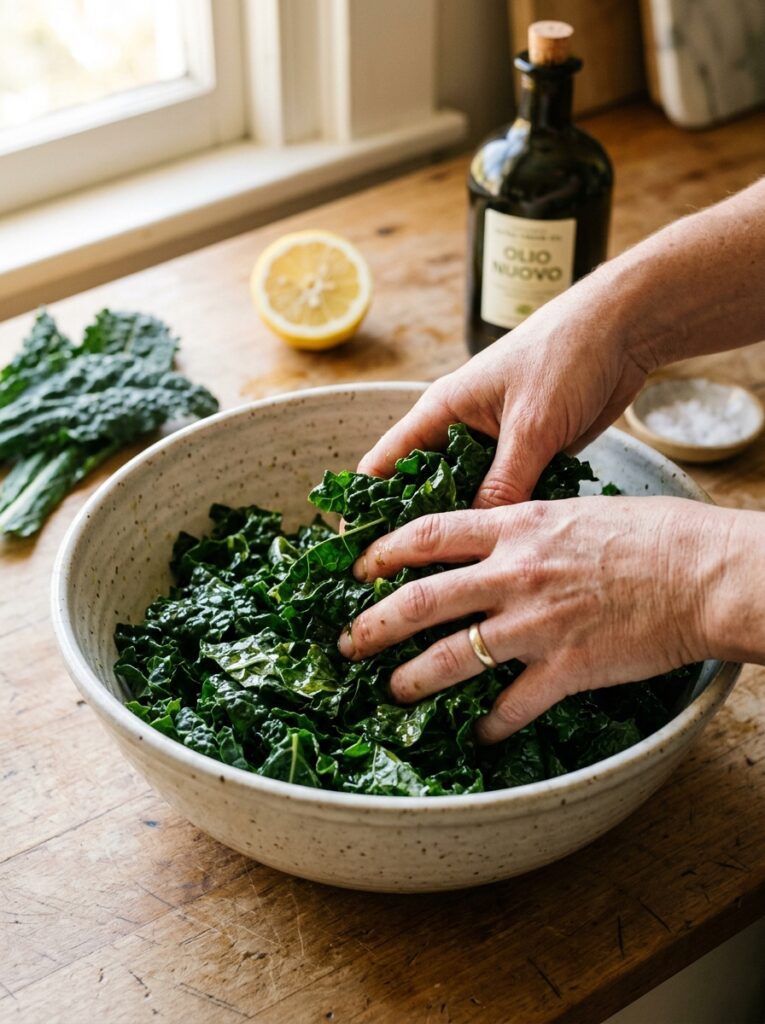
Massaging kale with a bit of oil or dressing for one to two minutes is the single most effective trick for making raw kale salads easy to eat and enjoyable. This simple technique breaks down the tough cell structure of the leaves, softening their texture and reducing the natural bitterness that raw kale is known for. Simply drizzle a small amount of olive oil or dressing over the chopped kale, then use your hands to gently scrunch and rub the leaves for a minute or two. You’ll notice the kale visibly darkens and softens right before your eyes. This step alone can turn a tough, unappealing salad into a tender, delicious one.
4. Use a Bright, Acidic Dressing

Kale pairs exceptionally well with dressings that include a strong acidic component, such as lemon juice, apple cider vinegar, or balsamic vinegar. The acidity helps cut through kale’s natural earthiness while further tenderizing the leaves as the salad sits. A simple dressing made from olive oil, lemon juice, a touch of honey, salt, and pepper is often all you need for a well-balanced, easy option. This type of dressing is quick to whisk together and requires no special equipment or hard-to-find ingredients. A bright, acidic dressing is one of the easiest ways to elevate a basic kale salad into something truly craveable.
5. Add a Crunchy Element for Texture Contrast
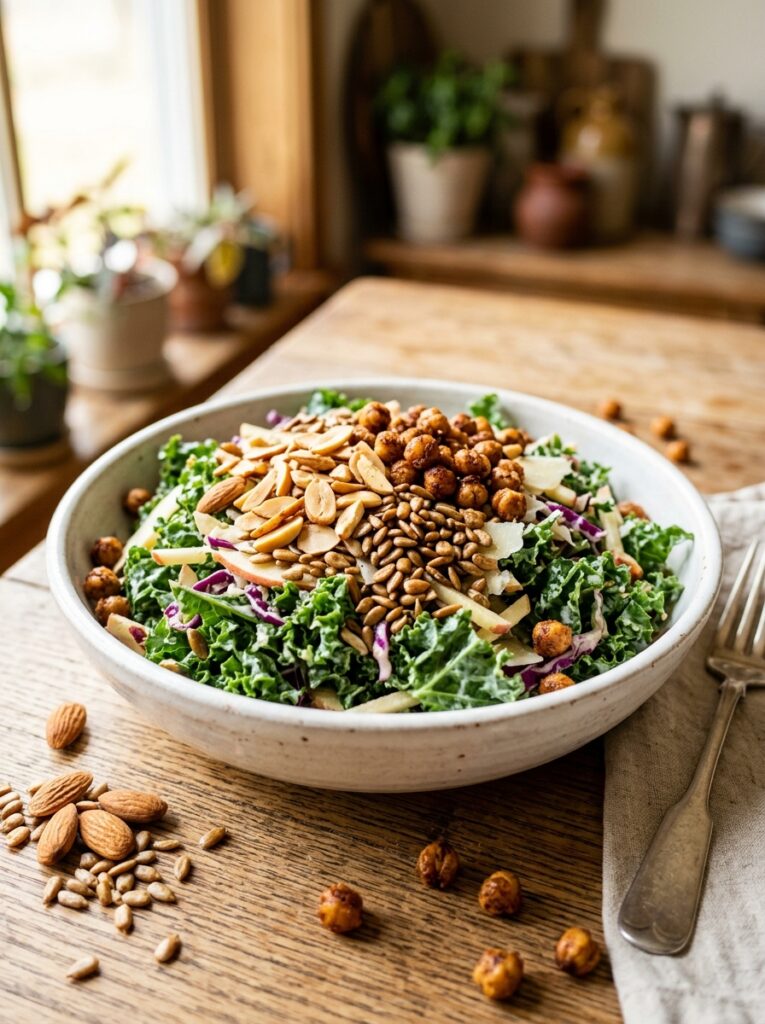
Since kale itself has a slightly chewy texture even after massaging, adding a crunchy topping creates a more balanced and satisfying bite. Toasted nuts like almonds, walnuts, or pecans are popular choices, along with simple additions like sunflower seeds or crispy chickpeas. This contrast in texture is often what separates a forgettable kale salad from a genuinely delicious one. Toasting nuts or seeds for just a few minutes in a dry skillet enhances their flavor significantly without adding much extra time to the process. A crunchy topping is an easy, low-effort way to make the salad feel more complete and interesting.
6. Incorporate a Touch of Natural Sweetness
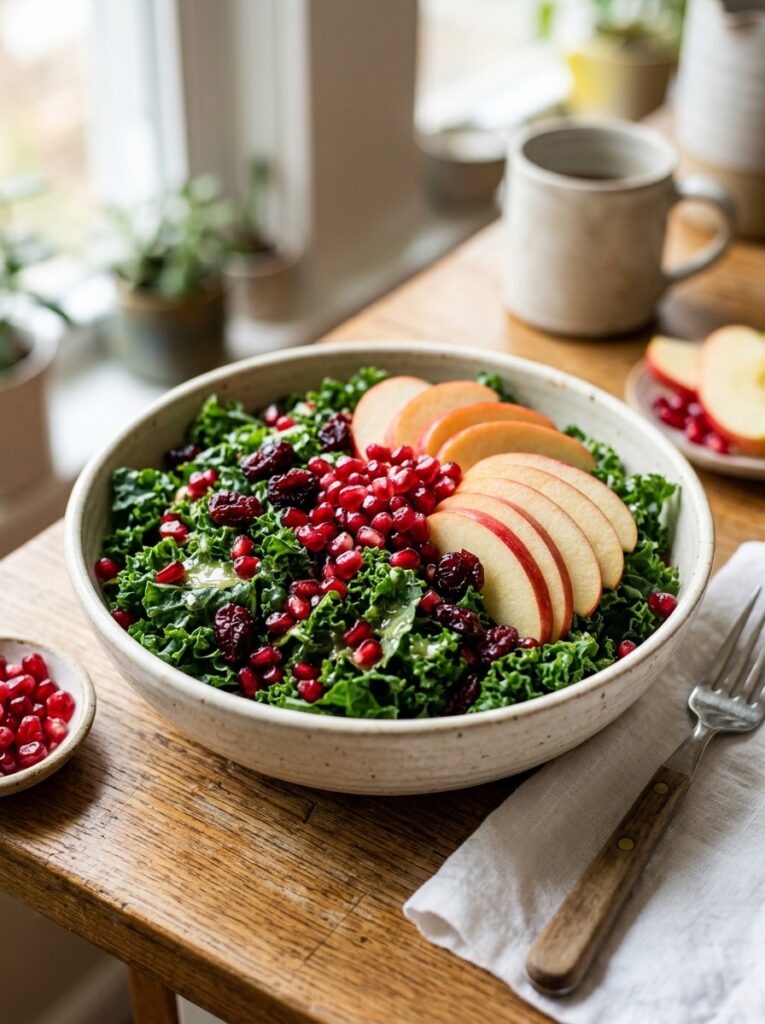
Balancing kale’s slightly bitter, earthy flavor with a touch of natural sweetness makes the salad far more approachable and enjoyable. Dried cranberries, chopped dates, or fresh fruit like apple, pear, or pomegranate seeds all work wonderfully in a kale salad. This sweetness doesn’t need to be overpowering; even a small handful of dried fruit scattered throughout the greens makes a noticeable difference in overall flavor balance. Fresh fruit also adds a juicy contrast to the more substantial texture of the kale leaves. This simple addition is an easy way to make kale salad appealing even to those who typically avoid leafy greens.
7. Add Cheese for Richness and Depth
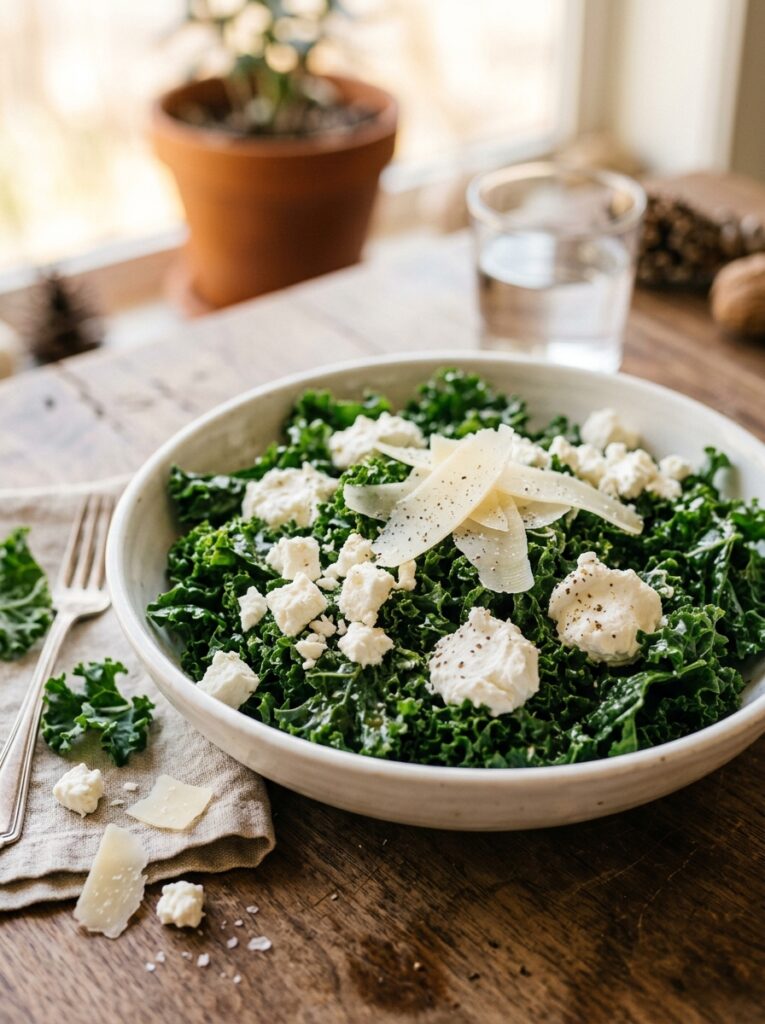
A sprinkle of cheese, such as crumbled feta, shaved parmesan, or goat cheese, adds a creamy, salty richness that pairs beautifully with kale’s earthy flavor profile. Cheese also helps round out the salad, making it feel more substantial and satisfying as a light meal rather than just a simple side dish. Feta and goat cheese work particularly well alongside sweeter add-ins like dried cranberries or fresh apple slices. Parmesan, on the other hand, pairs nicely with a more savory, garlic-forward dressing. This small addition requires no extra prep time but significantly enhances the overall flavor and texture of the finished salad.
8. Make It Ahead for Easy Meal Prep
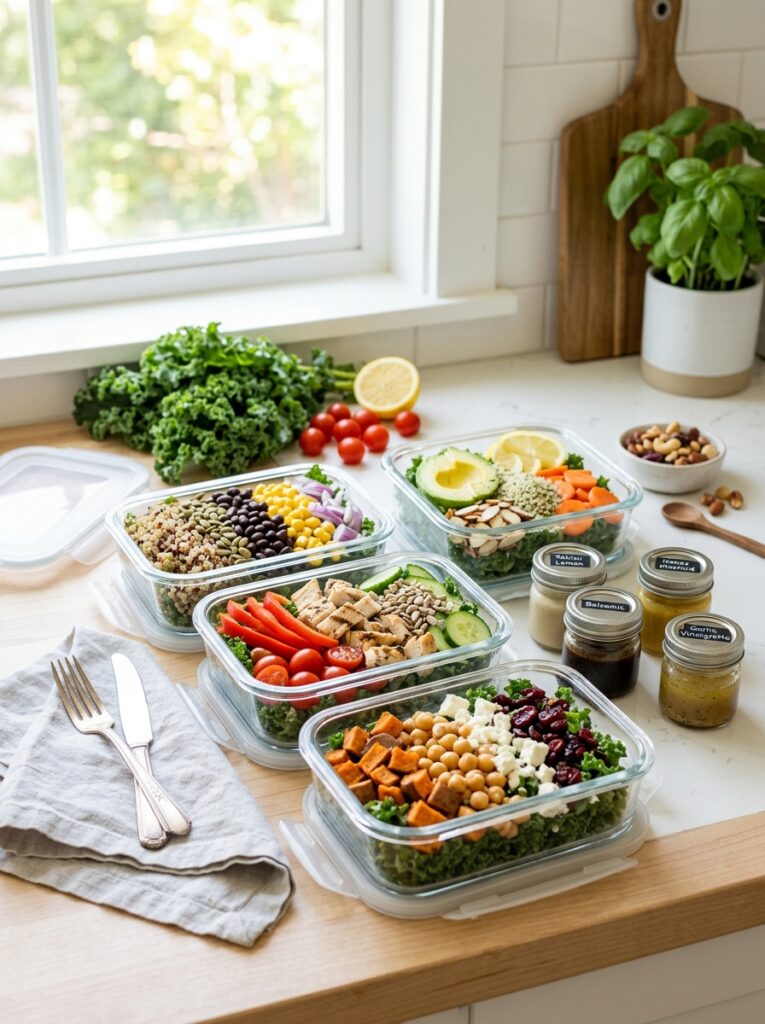
One of kale’s biggest advantages over more delicate greens is its ability to hold up well in the refrigerator for a day or two after being dressed, making it an ideal choice for meal prepping. Unlike spinach or spring mix, which wilt quickly once dressed, kale actually continues to soften and improve in flavor as it sits. This makes it easy to prepare a large batch on Sunday and enjoy fresh, ready-to-eat salads throughout the week. For best results, store any particularly delicate toppings like nuts or cheese separately and add them just before serving. This make-ahead quality is one of the biggest reasons kale salads are so popular for busy weekly meal planning.
9. Keep the Ingredient List Short and Simple
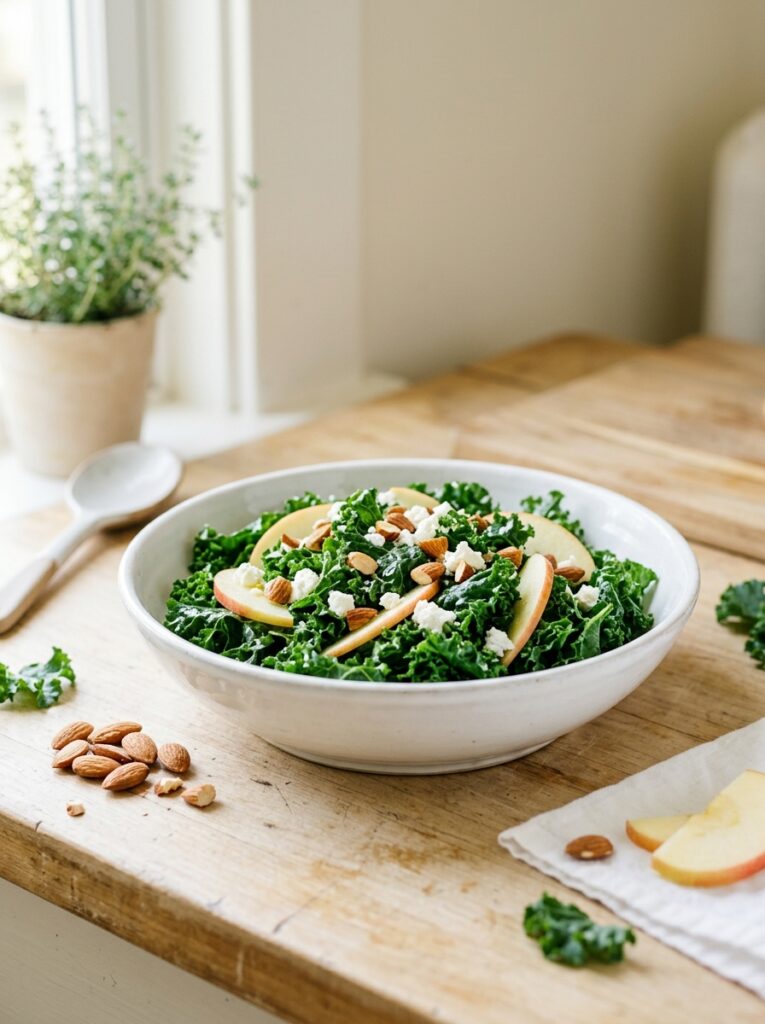
An easy kale salad doesn’t need a long list of complicated ingredients to taste delicious; often, five or six well-chosen components are more than enough. A basic formula of kale, a simple dressing, one crunchy element, one sweet element, and a sprinkle of cheese covers all the necessary flavor and texture bases. Keeping the ingredient list short also makes the salad quicker to prepare and easier to shop for, especially on busy weeknights. This minimalist approach proves that easy doesn’t have to mean boring or bland. Simplicity is often the secret to a kale salad that people actually want to make again and again.
10. Add a Protein for a Complete Meal

Turning a simple kale salad into a full, satisfying meal is as easy as adding a protein source like grilled chicken, chickpeas, hard-boiled eggs, or roasted salmon. This addition transforms the salad from a side dish into a well-rounded lunch or dinner option without requiring much additional effort. Rotisserie chicken or canned chickpeas are particularly convenient choices since they require no additional cooking time. This flexibility makes kale salad an excellent option for using up leftover proteins from earlier in the week. Adding protein is one of the easiest ways to make a simple salad more filling and meal-worthy.
11. Experiment with Seasonal Vegetable Additions
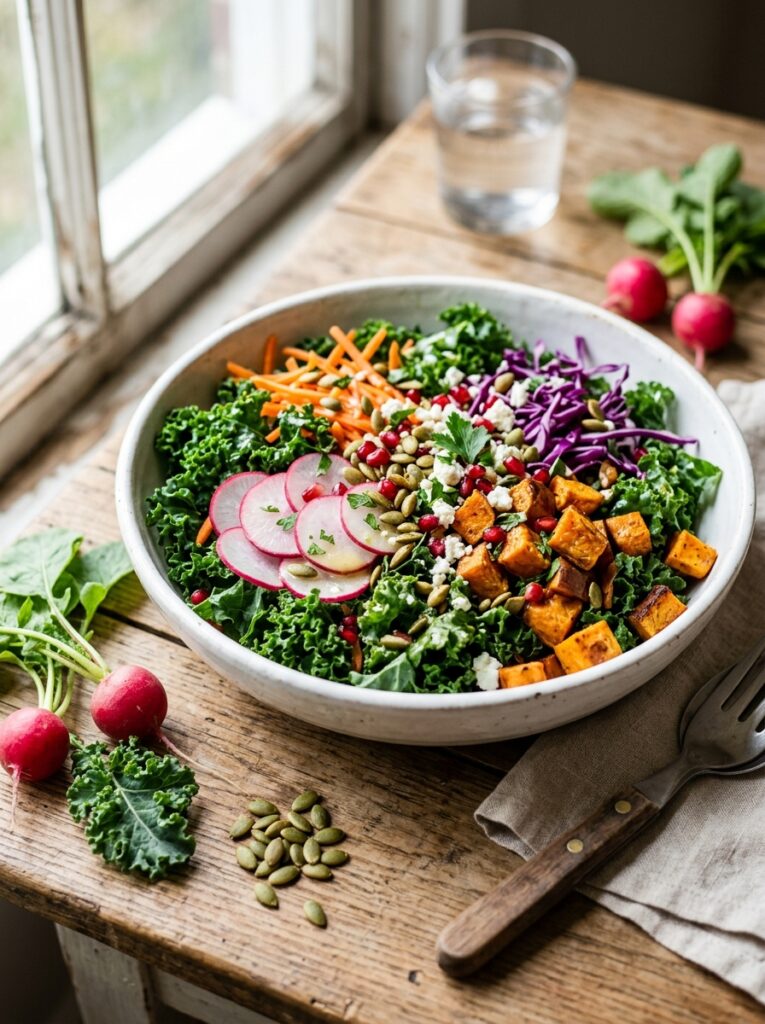
Mixing in seasonal vegetables, such as shredded carrots, thinly sliced radishes, or roasted sweet potato, keeps the salad feeling fresh and interesting throughout the year. This approach also allows the salad to adapt easily based on whatever produce is on hand or in season, reducing food waste and grocery costs. Shredded cabbage is another particularly popular addition, since its crunchy texture pairs beautifully with kale’s heartier leaves. These vegetable additions require minimal prep, often just a quick chop or shred, keeping the overall process simple and fast. Rotating in different vegetables is an easy way to keep your kale salad routine from feeling repetitive.
12. Double the Dressing for Better Coverage
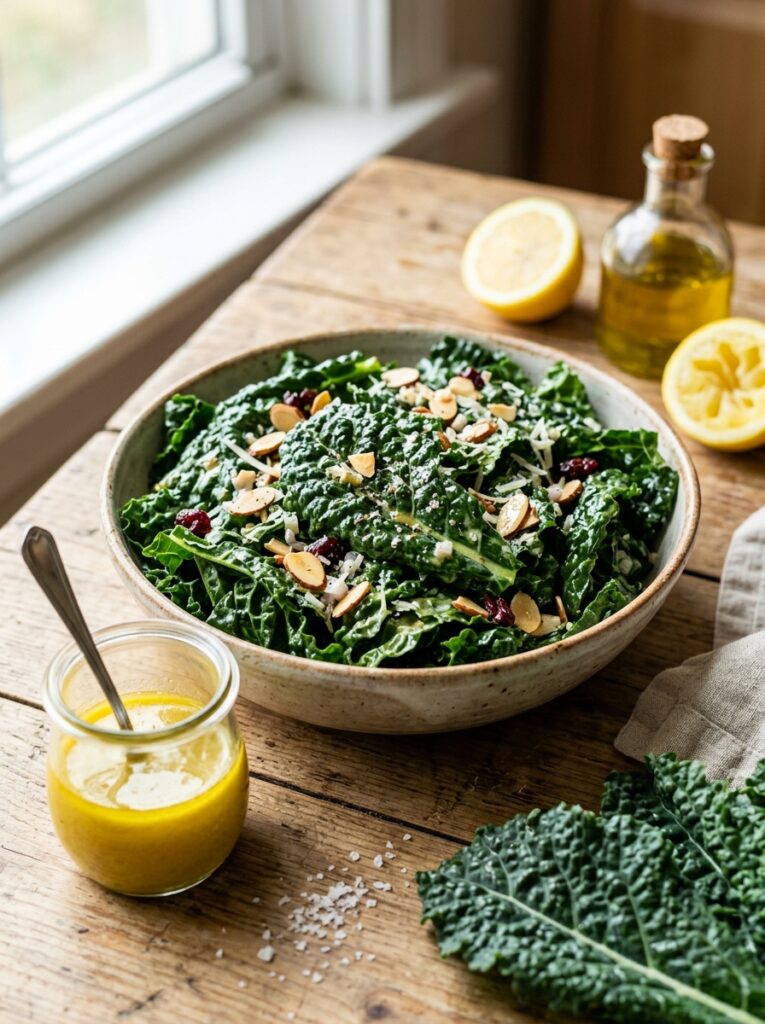
Because kale is a denser, sturdier green compared to lettuce, it often requires slightly more dressing to fully coat and soften every leaf. A common mistake is under-dressing the salad, which leaves some leaves tough and under-seasoned while others are properly coated. Making a slightly larger batch of dressing than you think you’ll need ensures every bite is flavorful and well-balanced. Any extra dressing can also be stored in the refrigerator for up to a week, making future salads even quicker to assemble. This small adjustment is an easy fix that dramatically improves the overall eating experience.
Final Thoughts
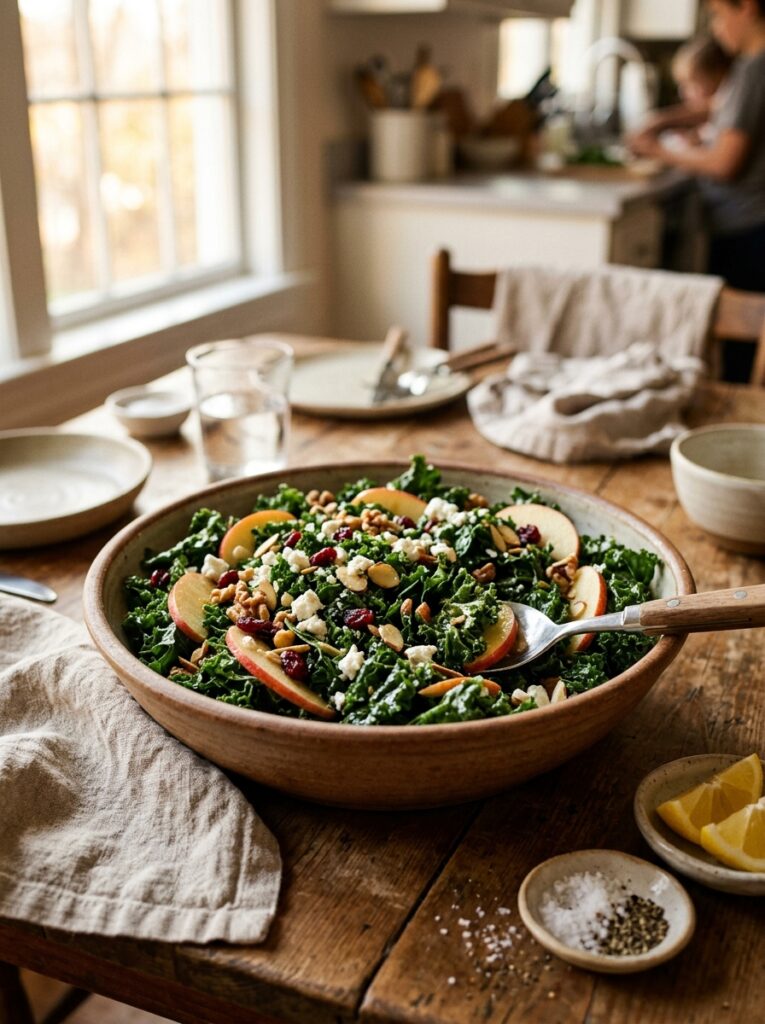
Making an easy kale salad comes down to a handful of simple techniques, from properly massaging the leaves to balancing flavors with sweetness, crunch, and a bright, acidic dressing. These 12 ideas prove that kale doesn’t have to be intimidating or complicated to prepare into a genuinely delicious dish. Whether you’re meal prepping for the week ahead or putting together a quick side dish for dinner, these tips ensure a satisfying result every time. Best of all, kale’s durability means leftovers actually improve with time, making it one of the most practical greens for busy households. With these simple ideas in mind, an easy kale salad can easily become a regular part of your weekly meal rotation.
