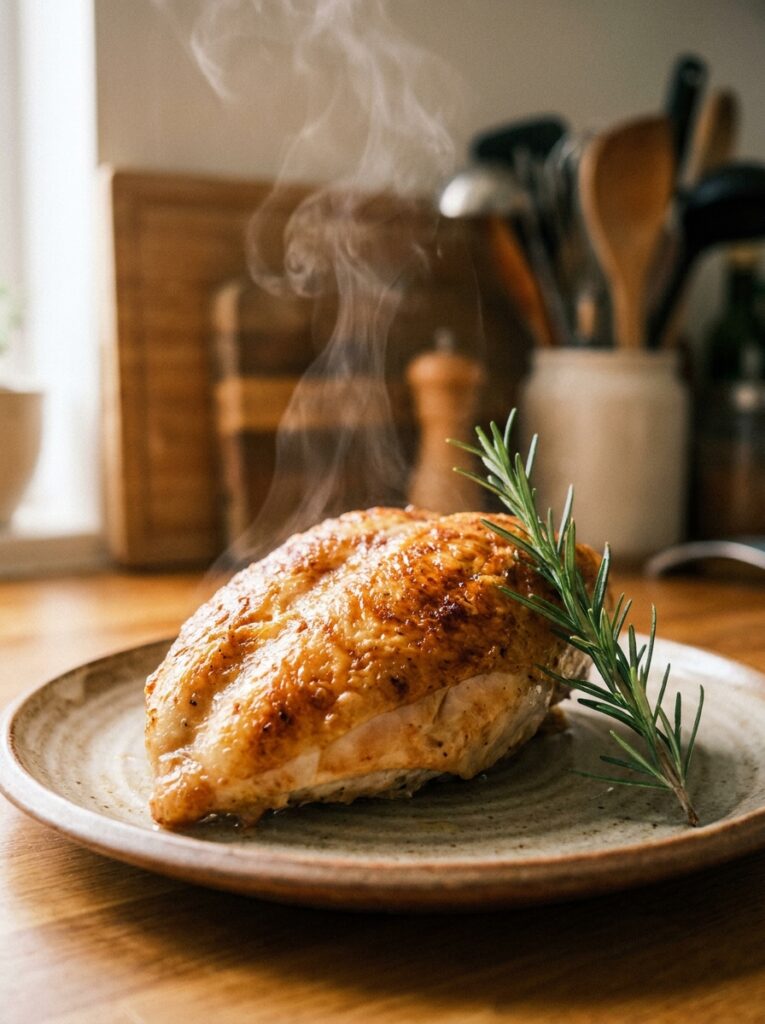
My friend texted me last Tuesday: “I bought chicken again and I hate myself a little.” And honestly? I felt that. Chicken breast has this reputation for being the responsible, boring choice — the beige sedan of proteins. But I’ve been cooking it wrong for years, and I think a lot of us have.
—
1. The Reason Your Chicken Breast Always Comes Out Dry (And the Fix Is Embarrassingly Simple)
High heat. That’s it. That’s the whole article, sort of.
Not gonna lie, I resisted this for so long. I’d been cooking chicken breast on medium-low thinking I was being careful, being gentle, treating it right. But what I was actually doing was slowly squeezing every drop of moisture out of it before it got the chance to develop any color. Dry and pale. The worst combination.
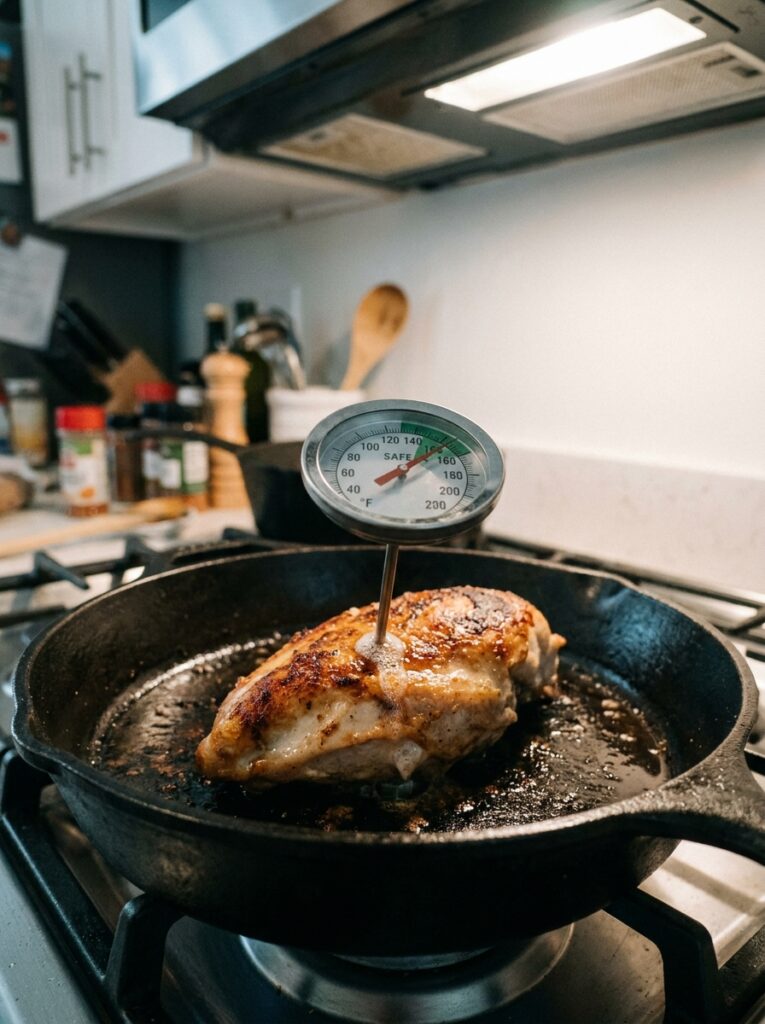
Here’s what actually works: get your pan HOT before the chicken ever touches it. We’re talking a cast iron or a heavy-bottomed stainless pan screaming hot, a thin layer of oil just starting to shimmer. Chicken goes in and you don’t touch it. Two minutes, maybe three. You’ll hear it. That sound — that aggressive, confident sizzle — means you’re building a crust. And that crust is what seals everything in.
Then you finish it in the oven at 400°F (200°C) for about 10-12 minutes depending on thickness. Let it rest. ALWAYS let it rest.
“The single biggest mistake is cutting into chicken the second it comes out of the pan. Rest it for five minutes and it’ll repay you in juiciness every single time.”
It sounds dramatic but it genuinely changed my week-night cooking.
—
2. The Marinade You’ll Stop Measuring After the Second Time You Make It
There’s a marinade I make so often now I do it by feel, which means I’ve either gotten very good at it or very comfortable with mediocrity. I choose to believe the former.
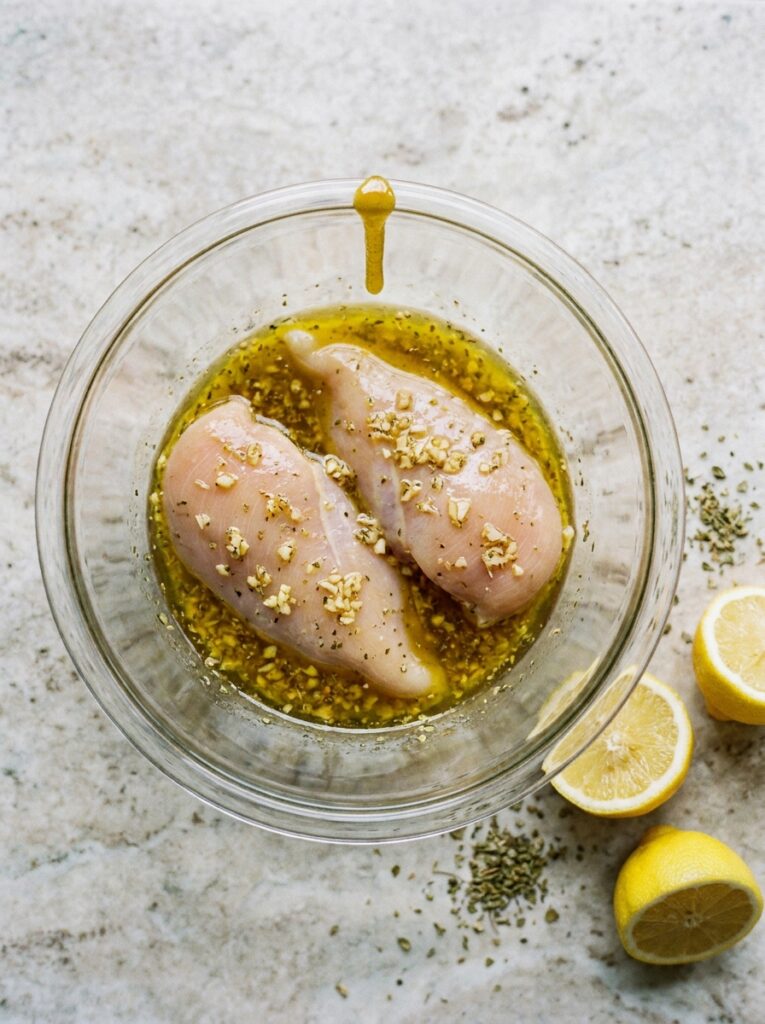
The base is olive oil, lemon juice, garlic — fine, yes, classic, boring on paper. But the thing that makes it is a teaspoon of smoked paprika and a good pinch of dried oregano. Not fresh, weirdly. Dried is better here because it clings and gets into the meat instead of just sitting on top.
Let the chicken sit in it for at least 30 minutes. Two hours is better. Overnight is almost too good — you wake up and just cook it and feel like an absolute genius.
It works under the grill (broiler if you’re American), in a skillet, or on a griddle pan if you want those marks for photographs. But even if you don’t care about photographs, the griddle gives it a slightly smoky, almost barbecued depth that feels way more interesting than the effort involved.
—
3. Why the Thin Cutlet Method Is the Laziest Smart Thing You Can Do
Someone showed me this trick and I was annoyed I didn’t think of it myself.
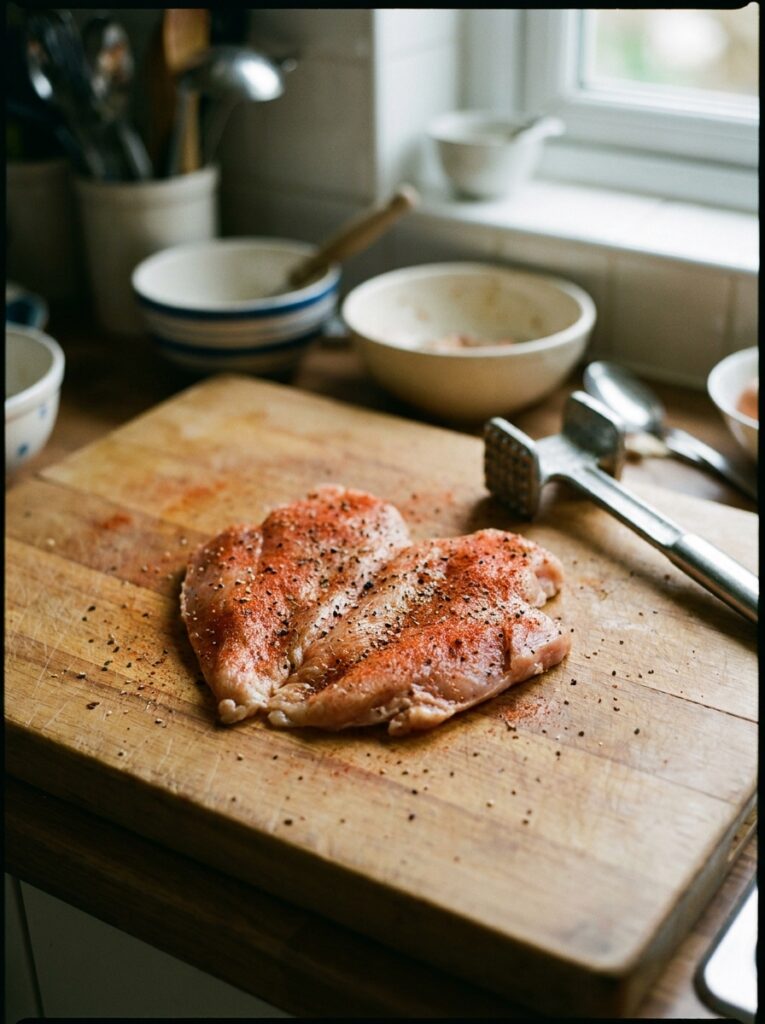
Take a chicken breast. Put it flat on a cutting board and slice it horizontally — parallel to the board — into two thin cutlets. That’s it. You’ve just made dinner faster, juicier, and more evenly cooked, and you spent maybe eight extra seconds doing it.
Thin cutlets cook in about four minutes total. Two minutes a side. They don’t need an oven finish. They don’t dry out as fast because there’s less distance for the heat to travel. And because they’re flatter, more surface area hits the pan, which means more crust, which means more flavor.
I do this for quick weeknights when I want something that feels like a proper meal but I’m not in the mood. Schnitzel-style with breadcrumbs and a squeeze of lemon? Done in 15 minutes. Sliced over a salad? Easy. Stuffed into a wrap with whatever’s in the fridge? The thinner cutlet even folds better. It’s just better in basically every situation except when you’re doing a proper roast or stuffed breast situation.
—
4. The Chicken and Chickpea Traybake That’s Converted Multiple People Who “Don’t Do Traybakes”
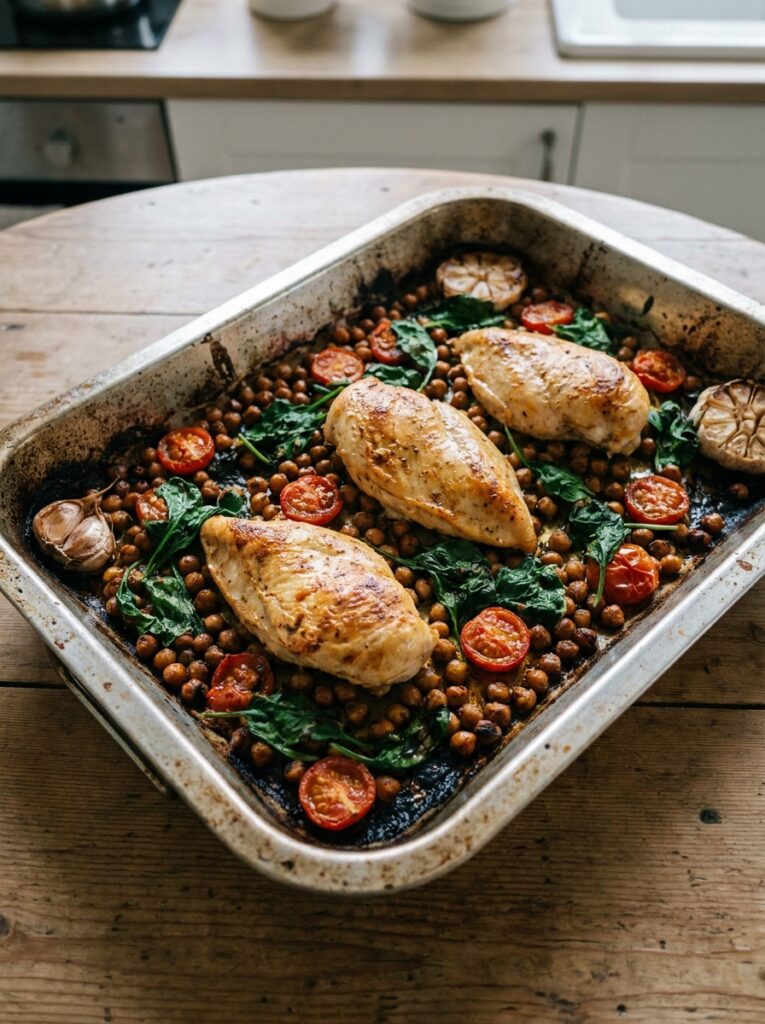
I know. I know traybakes sound uninspiring. People who love cooking sometimes look down on them a little, like they’re a shortcut for people who’ve given up. But this one — this one is worth defending loudly at dinner parties.
Chicken breasts, a tin of drained chickpeas, halved cherry tomatoes, a red onion cut into wedges, a good glug of olive oil, a whole lemon cut into thin rounds, cumin, coriander, a tiny bit of chili flake. Everything goes in one roasting tin. You nestle the chicken breasts down into all of it like they’re getting into a warm bath, which I realize is a slightly strange image, but stay with me.
400°F (200°C) for 30-35 minutes. The chickpeas get crispy at the edges. The tomatoes collapse and get jammy. The lemon rounds soften and get almost caramelized. And the chicken sits in all of that, absorbing it, staying moist because everything around it is releasing steam and liquid as it cooks.
“A tin of chickpeas might be the most underrated chicken breast companion. They do half the cooking work for you.”
It’s the kind of meal that looks like you tried really hard. You didn’t, but no one needs to know.
—
5. Poaching Sounds Sad but This Version Actually Isn’t
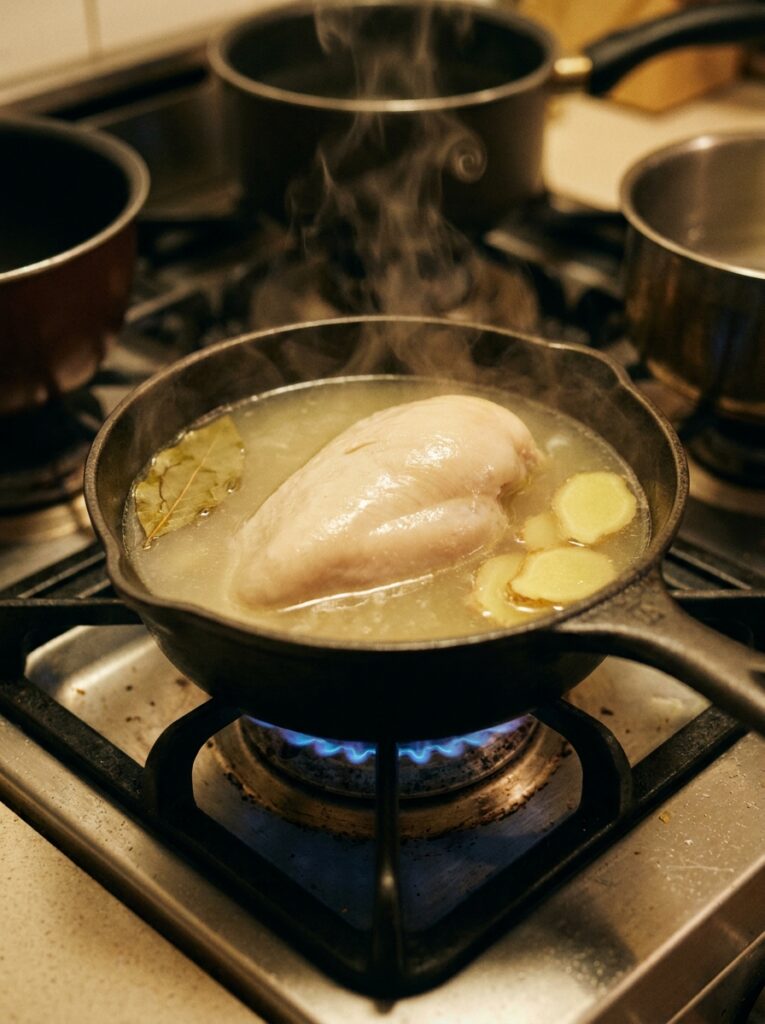
Okay, I’ll say it: poached chicken has a PR problem. It sounds like diet food from the 1990s. It sounds like something you eat when you’re sick.
But poaching done RIGHT — in something flavorful, not just water — gives you chicken that’s genuinely, almost disturbingly tender. And the cooking liquid becomes something you can use as a light broth, which feels almost too productive.
Use chicken stock instead of water. Add a halved garlic bulb, a few black peppercorns, a bay leaf, and a small bunch of flat-leaf parsley if you have it. Bring it barely to a simmer — not a boil, an actual gentle simmer where you can see bubbles just thinking about breaking the surface — and put the chicken in. Cover it. Leave it for 15-18 minutes depending on size. Take it off the heat. Let it sit in the liquid for another 5 minutes.
Slice it and it’ll be white all the way through but softer than almost anything you’ve had. Shred it into tacos or a grain bowl or a chicken Caesar. It’s particularly good cold the next day, which I’ll admit sounds like something a very boring person would say, but I stand by it.
—
6. The Crispy Parmesan Situation That Feels Slightly Fancy but Takes 20 Minutes
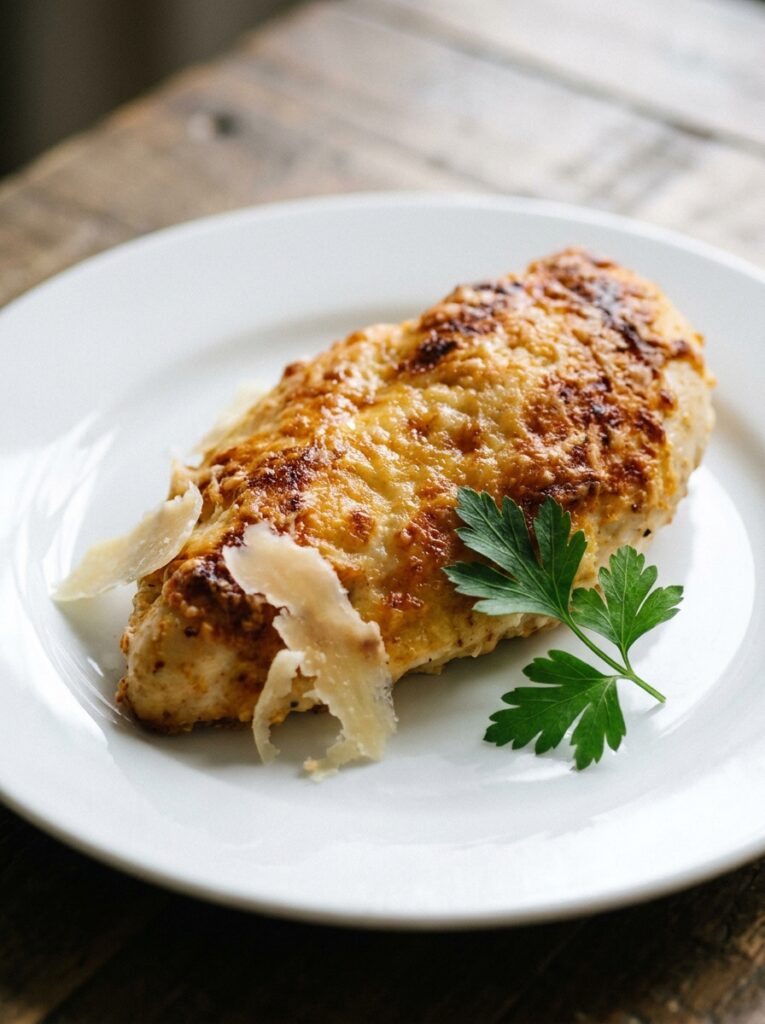
This is the one I make when someone’s coming over for a casual dinner and I want it to feel like I made more of an effort than I did.
Thin cutlets (see section 3 — already your best friend). Dip them in beaten egg. Then into a mixture of finely grated Parmesan and breadcrumbs, maybe a little dried thyme thrown in, and press it all on firmly. Like really press. You want it to adhere like it means it.
Pan fry in a couple tablespoons of oil until deeply golden, about 3 minutes per side. The Parmesan melts into the breadcrumbs and goes almost lacquered and crispy and nutty and I’m not going to pretend it’s health food. Top with a simple tomato sauce if you want to go full chicken-parm-energy, or just eat it with a sharp green salad and lemon wedges and feel extremely pleased with yourself.
It works. Every time. I haven’t had a bad one yet.
—
7. The One-Pan Sauce That Makes Weeknight Chicken Feel Like a Restaurant Dish
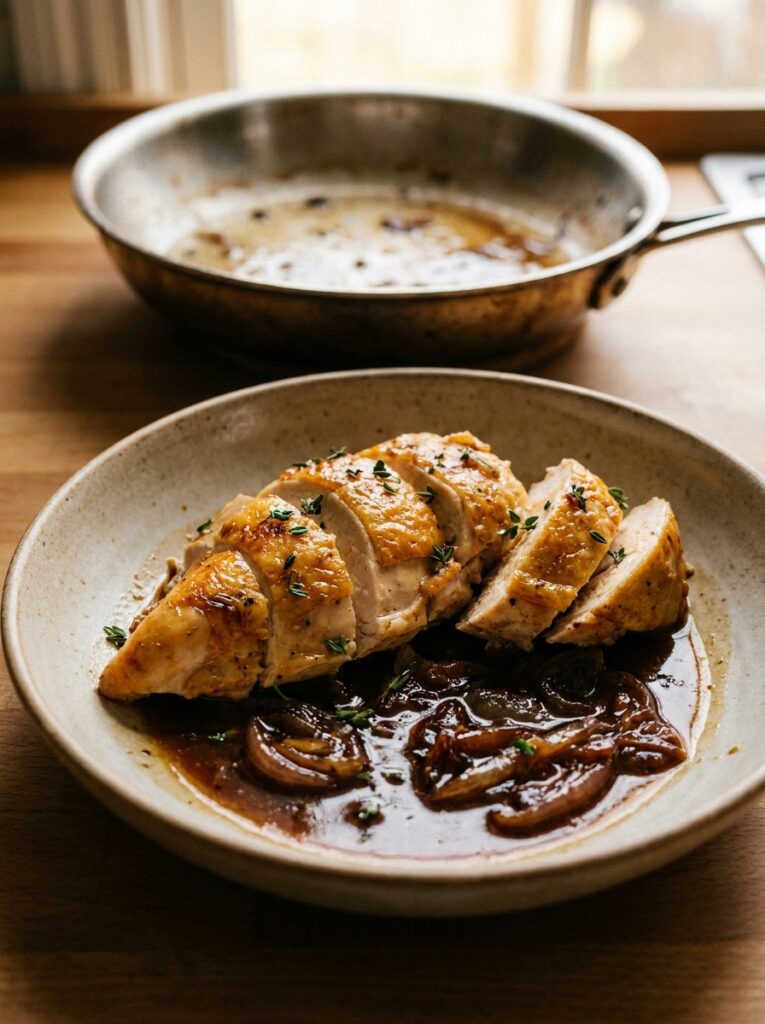
Don’t wash the pan after cooking the chicken. This is crucial and I need you to trust me on it.
All those golden bits stuck to the bottom? That’s flavor. Pour in a splash of white wine (or chicken stock if you’d rather skip the wine) while the pan is still hot. Use a wooden spoon and scrape everything up. It’ll bubble and hiss and smell incredible. Add a tablespoon of butter, a teaspoon of Dijon mustard, and a handful of fresh thyme leaves if you have them. Let it reduce for two minutes.
That’s your sauce. It took three minutes. It tastes like something that took forty.
Pour it over the chicken you just cooked and if anyone at your table doesn’t make a sound, they’re being unnecessarily polite.
—
8. Cold Chicken the Next Day Deserves Better Than Sad Sandwiches
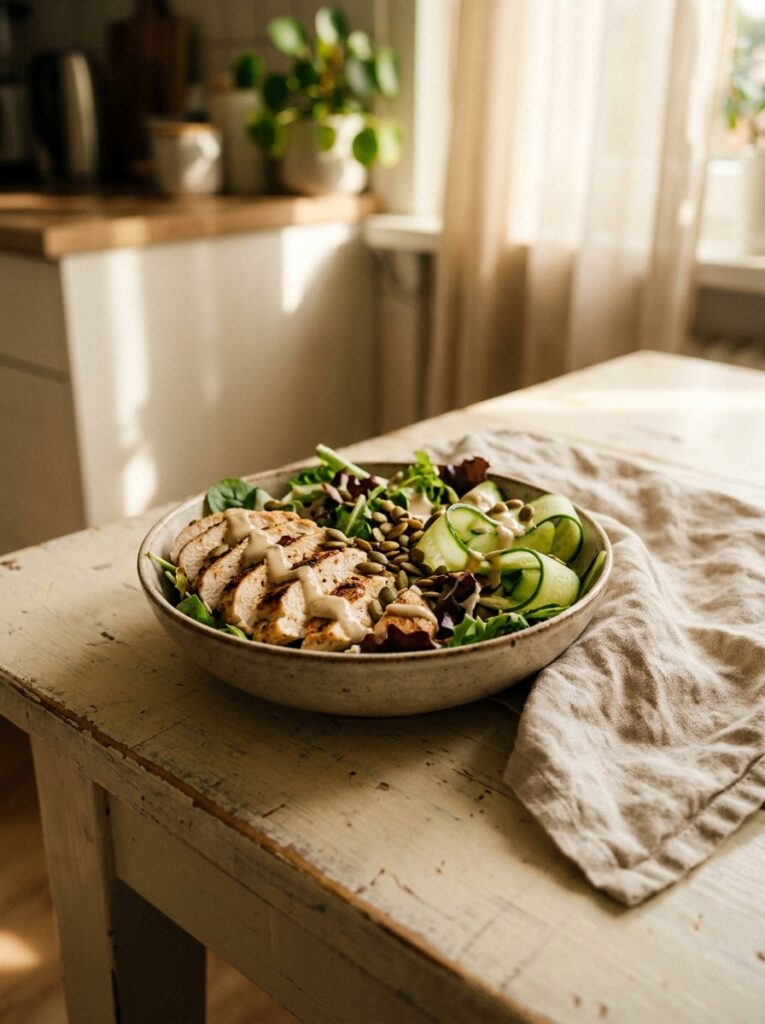
I’ve eaten a lot of leftover chicken just cut up cold and plopped on bread with a bit of mayonnaise and I’m not going to pretend there’s nothing to love about that. But there’s SO much more you can do.
Leftover chicken breast — shredded, not sliced — in a quick noodle broth. Egg noodles, the poaching liquid from section 5 if you made it, a splash of soy sauce, a soft boiled egg and some spring onions on top. Fifteen minutes from fridge to bowl.
Or try this: shred it into a warm grain bowl with roasted sweet potato, a handful of rocket (arugula), some pickled red onion if you’re the kind of person who keeps pickled red onion in the fridge (I aspire to be that person more consistently than I am), and a tahini dressing. It’s filling. It’s actually pretty balanced. And it tastes like somewhere between lunch and dinner in the best possible way.
The point is: cold leftover chicken is not a consolation prize. It’s an ingredient.
—
9. The Slow-Cook Trick That Sounds Wrong but Isn’t
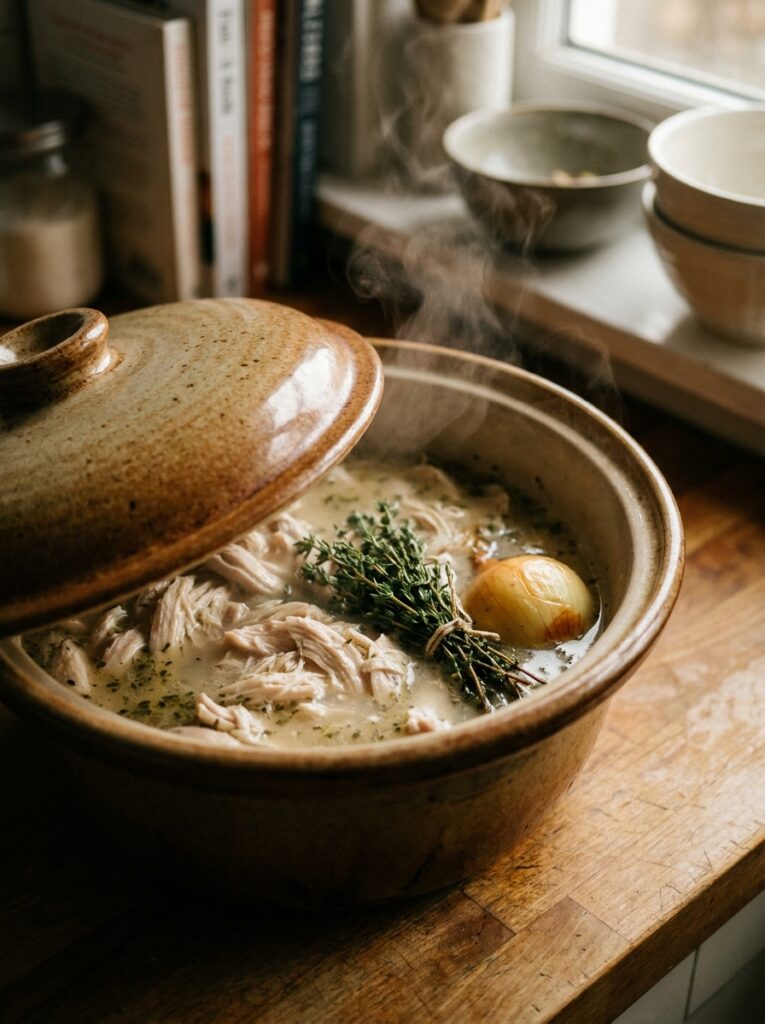
Chicken breast in a slow cooker gets a bad reputation because people do it with too much liquid for too long and end up with something that shreds like wet paper. Here’s the thing though — with the right setup, it can be genuinely great.
Season the chicken well. Add about a half cup of stock, a few garlic cloves, and something acidic — a splash of canned tomatoes or a squeeze of lemon. Cook on LOW for three to four hours. Not six. Not eight. Low and slow but not slow forever.
Take it out and shred it with two forks. It’ll pull apart into these soft, silky pieces that are perfect for filling tacos, topping baked potatoes, or mixing into a quick pasta sauce with the cooking liquid reduced down on the hob.
This is a good Sunday thing. Set it up in the morning, forget about it mostly, come back to something that smells like dinner already made itself.
“Four hours on low is the sweet spot most slow cooker recipes for chicken breast don’t tell you about. Six hours is thirty minutes too many.”
—
10. A Stuffed Chicken Breast That Actually Stays Stuffed
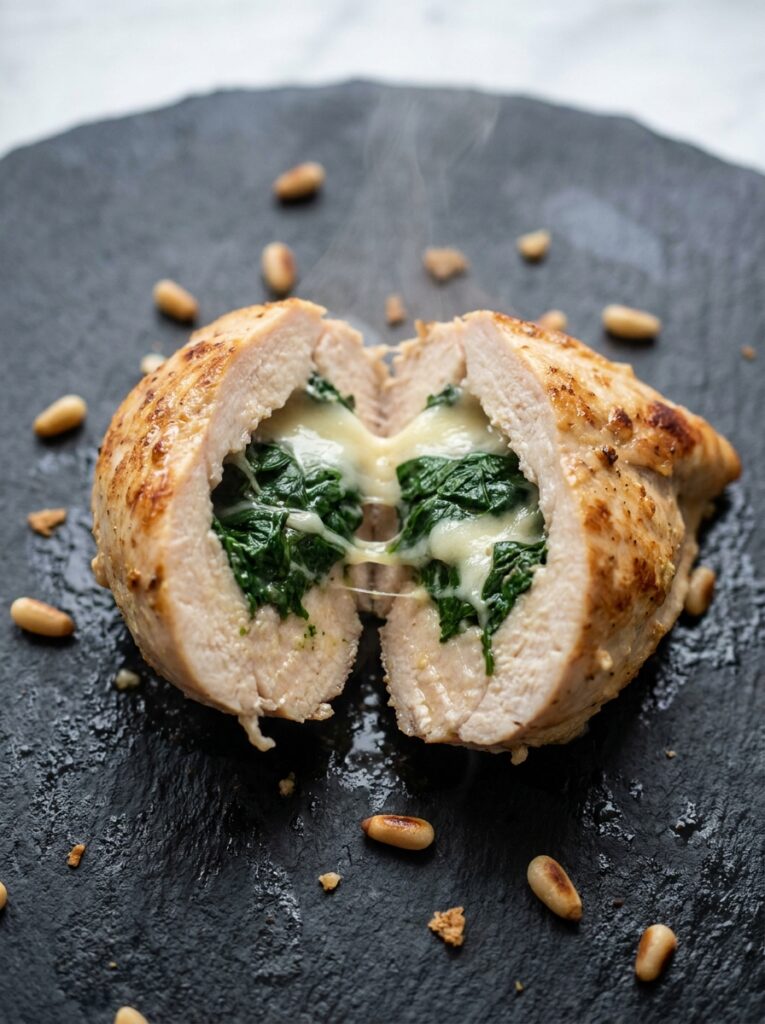
I spent years being annoyed at stuffed chicken breasts falling apart before I figured out why it kept happening. The filling was too wet and the chicken wasn’t secured properly. Simple. Obvious in retrospect.
The filling that works: cream cheese (or ricotta), wilted spinach that you’ve squeezed — REALLY squeezed — every drop of moisture out of, a little garlic, salt, and a handful of grated cheese. It holds together. It doesn’t leak all over the oven.
Cut a pocket into the side of the breast — not all the way through, just a deep pouch. Stuff it generously. Secure with a couple of toothpicks. Sear it on all sides in a hot pan before the oven because you want that crust everywhere, not just on top. Then 400°F (200°C) for 20-22 minutes.
Take out the toothpicks before serving. I’ve forgotten once and I’ll leave it at that.
—
11. The Seasoning Blends Worth Keeping in a Little Jar
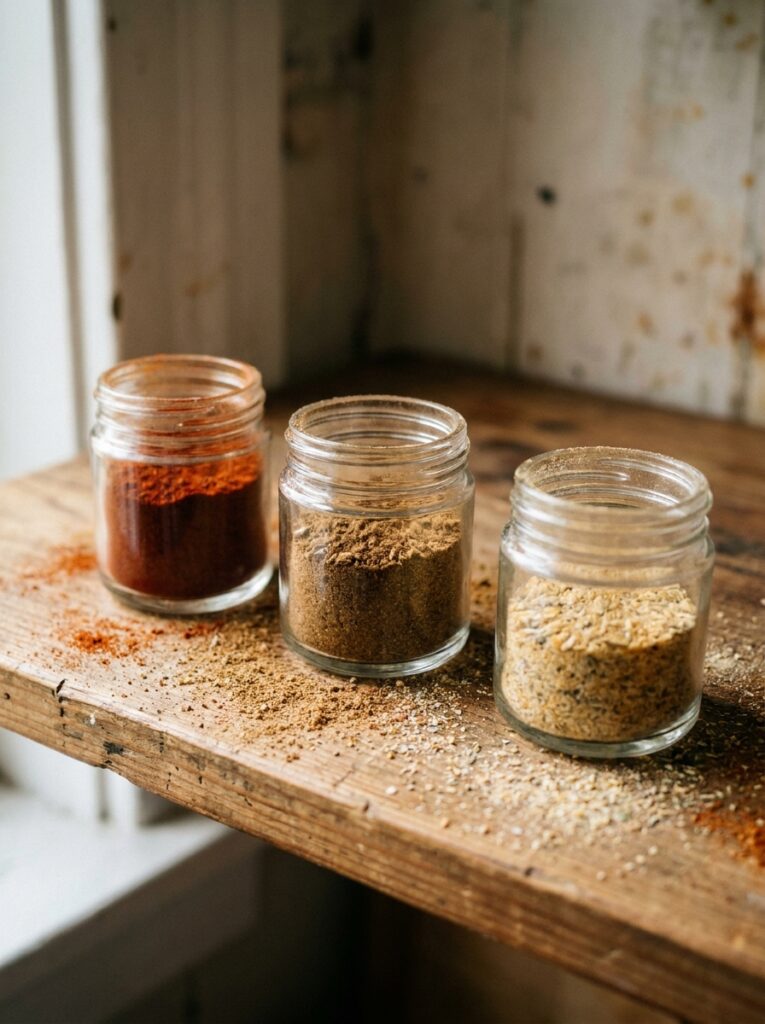
Because sometimes you just need to grab something and go.
Three blends I rotate through:
- Quick Herby: dried oregano, garlic powder, onion powder, salt, a tiny bit of cayenne. Good on everything. Especially good on those thin cutlets cooked fast.
- Warm Spiced: cumin, coriander, turmeric, smoked paprika, salt. Brilliant in the traybake from section 4, also great on skewers under the grill.
- Lemon Herb: lemon zest (dried or fresh), thyme, rosemary, garlic powder, salt. This one’s more delicate. Good for poaching or baking when you want something lighter and brighter.
Make a bigger batch of each one and keep them in small jars. Weeknight cooking gets way easier when you’re not opening five spice jars every time.
—
12. The Mental Shift That Changes How You Feel About Buying Chicken Breast
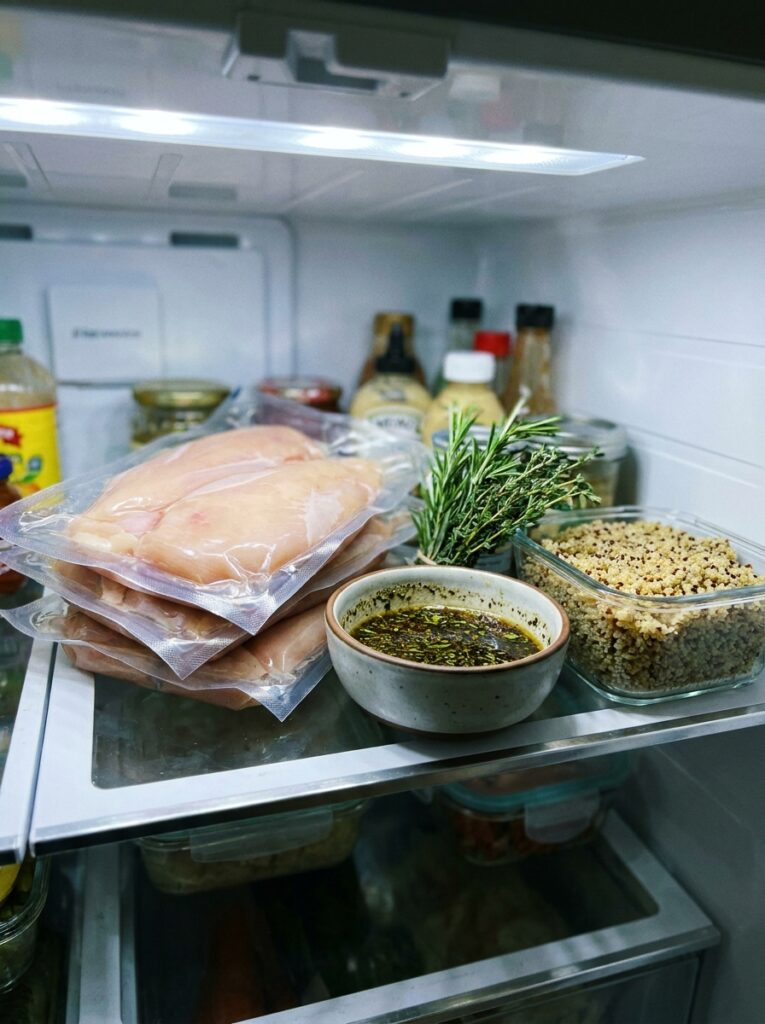
Here’s my actual honest take on all of this.
Chicken breast isn’t boring. Cooking it the same way, without thought, without technique, without a sauce or a spice or a method that works — THAT’S boring. The ingredient isn’t the problem.
When I started treating chicken breast less like a chore and more like a genuinely versatile starting point, my whole relationship with weeknight cooking shifted. It got lighter. Dinner stopped feeling like a responsibility and started feeling like a puzzle I actually wanted to solve.
My friend who texted me? I sent her the traybake recipe. She made it on a Thursday and texted back: “I don’t hate chicken anymore, what have you done.”
That felt like a win.
—
❓ FAQ
Q: How do I know when chicken breast is fully cooked without cutting into it constantly? A: A meat thermometer is genuinely the most useful tool you can own for this — you’re looking for 165°F (74°C) in the thickest part. If you don’t have one, press the center of the breast gently; it should feel firm but not hard, and any juices that escape should run clear. Cutting into it repeatedly is actually what causes it to dry out, so it’s worth getting a thermometer if you cook chicken even once a week.
Q: Can I cook chicken breast from frozen? A: You can, but it doesn’t love it. Cooking from frozen usually means the outside overcooks before the inside reaches temperature, which is how you get that weird rubbery-on-outside, weirdly-dense-on-inside situation. Defrost overnight in the fridge whenever you can. If you’re in a pinch, run it under cold water in the sealed packaging for 20-30 minutes — it thaws faster than you’d think.
Q: What’s the best way to reheat leftover chicken breast without drying it out? A: Slice it first, then warm it gently in a covered pan with a splash of stock or water over low heat. The steam does the work. Microwaving it dry is basically guaranteed to turn it rubbery — if you have to microwave, cover it with a damp paper towel and do short 30-second bursts rather than one long blast.
—
💭 Final Thoughts
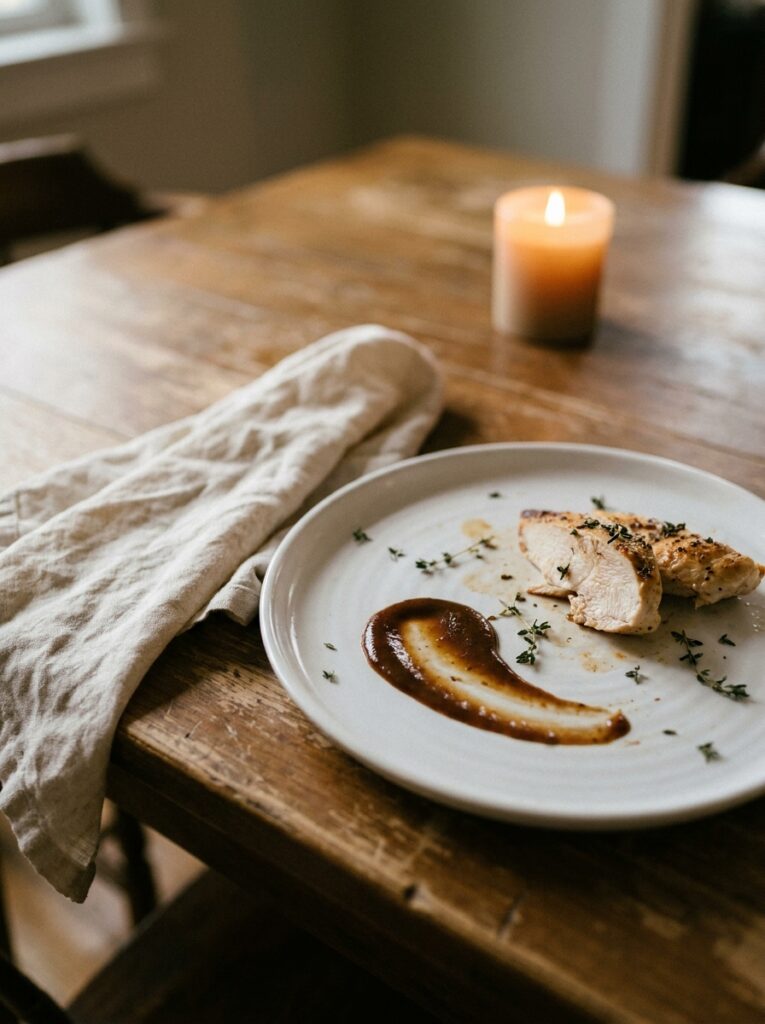
Chicken breast is, at its core, forgiving once you understand it. Not exciting on its own — but that’s kind of the point. It’s a canvas, not a painting. The oil, the heat, the spice, the sauce, the 10 minutes you spend thinking about what you actually want to eat — that’s where dinner happens.
My grandma used to say the best cooks are just the ones who pay attention. She made chicken about four different ways, and every version tasted like she meant it.
What would you try first — the traybake or the Parmesan cutlets?
