If you have fresh cabbage and turnips on hand, there are plenty of delicious ways to turn these simple vegetables into satisfying meals and side dishes. Cabbage and turnip recipes can range from roasted vegetables and hearty soups to skillet dishes, savory casseroles, and fresh slaws. Both vegetables are affordable, versatile, and easy to pair with herbs, spices, beans, potatoes, and other seasonal ingredients. Whether you are looking for a healthy vegetable side or a comforting dinner, these recipes make it easy to use both ingredients together.
1. Roasted Cabbage and Turnips
Roasting brings out the natural sweetness of both cabbage and turnips while giving the edges delicious caramelized pieces. Cut the cabbage into thick wedges or chunks and dice the turnips into bite-sized pieces so everything cooks evenly. Toss the vegetables with olive oil, garlic, salt, black pepper, and your favorite dried herbs before spreading them across a baking sheet. Roast at 425°F until the turnips are tender and the cabbage has browned around the edges.
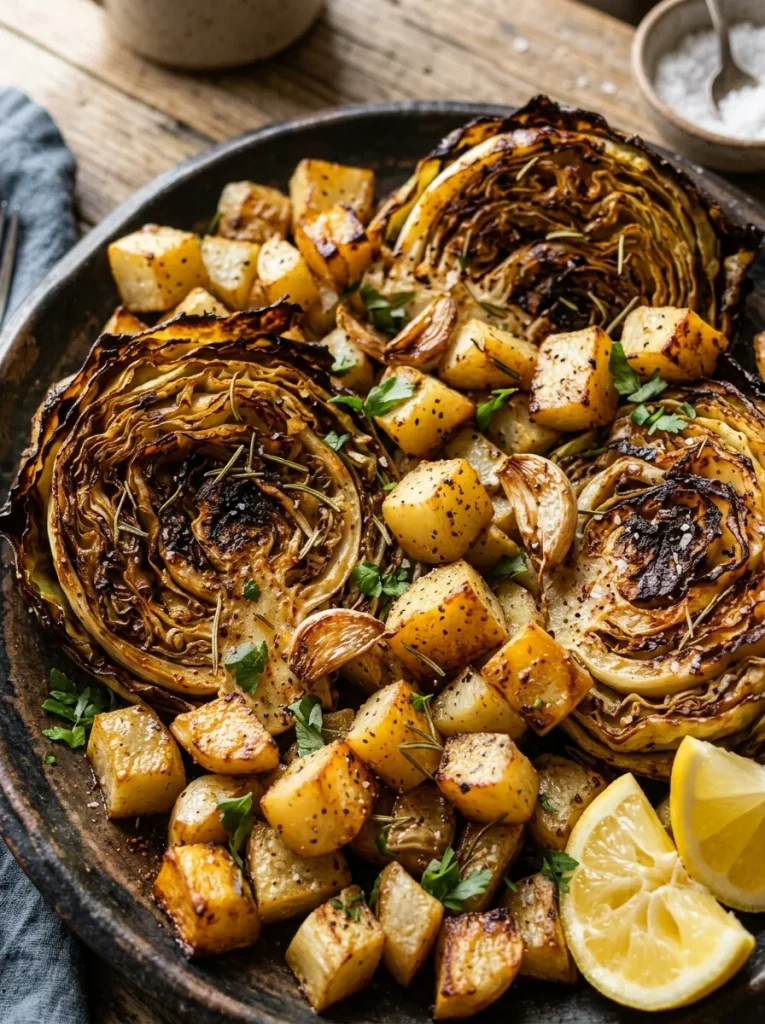
For extra flavor, add smoked paprika, rosemary, or a small squeeze of fresh lemon juice after roasting. This simple combination works particularly well as a side dish alongside roasted chicken, fish, or beans. You can also add a handful of grated Parmesan during the final few minutes if you enjoy a richer finish.
2. Cabbage and Turnip Vegetable Soup
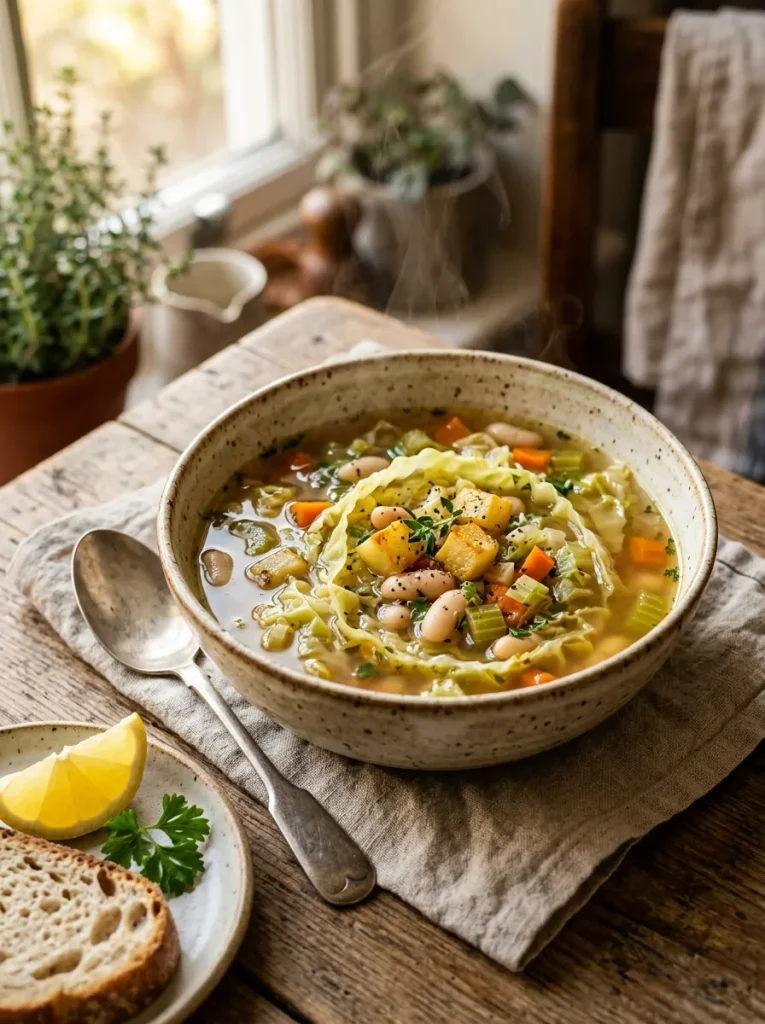
A warm vegetable soup is one of the easiest ways to combine cabbage and turnips into a comforting meal. Start with onion, celery, and garlic, then add diced turnips, chopped cabbage, vegetable broth, and your favorite herbs. Simmer everything until the turnips become tender and the cabbage softens into the broth.
For a heartier soup, add white beans, chickpeas, potatoes, or lentils. Thyme, parsley, bay leaf, and black pepper work especially well with these vegetables. Finish the soup with fresh lemon juice to brighten the earthy flavors before serving.
3. Sautéed Cabbage and Turnips With Garlic
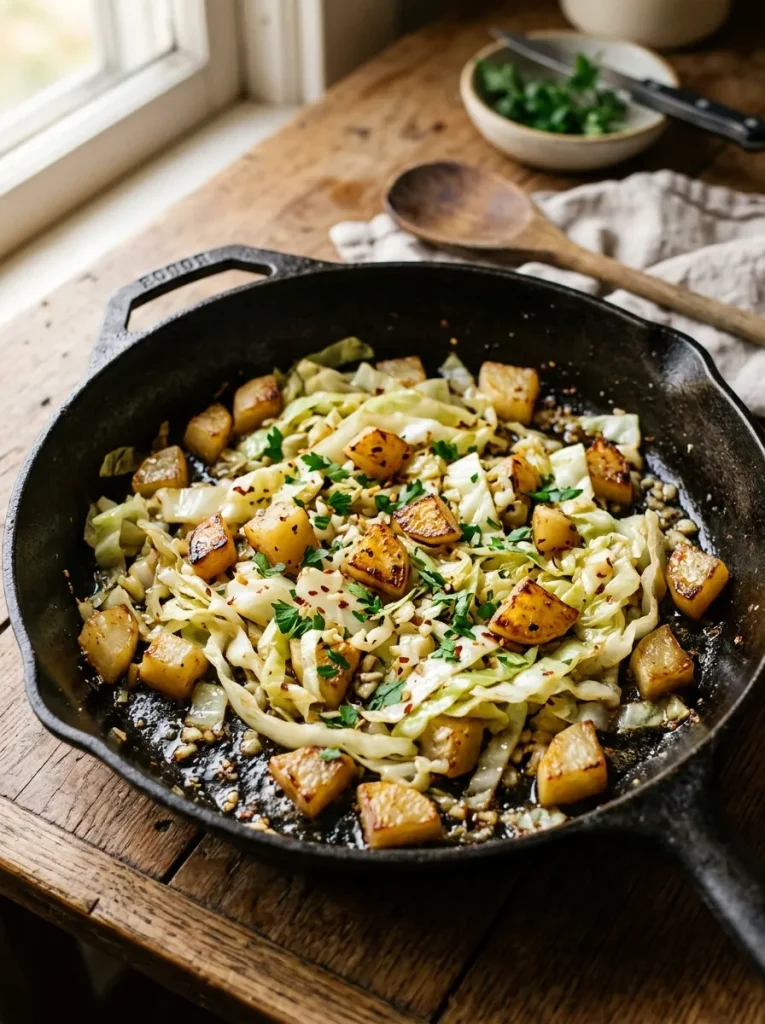
When you need a quick vegetable side, sautéing is one of the fastest methods. Thinly slice the cabbage and cut the turnips into small pieces so they cook quickly in a large skillet. Cook them with olive oil or butter, minced garlic, salt, and black pepper until the vegetables are tender and lightly browned.

A pinch of red pepper flakes adds gentle heat, while fresh parsley gives the dish a brighter finish. You can also add a splash of vegetable broth while cooking if the vegetables begin sticking to the pan. This easy recipe works well for weeknight dinners when you want something simple without much preparation.
4. Cabbage and Turnip Stir-Fry
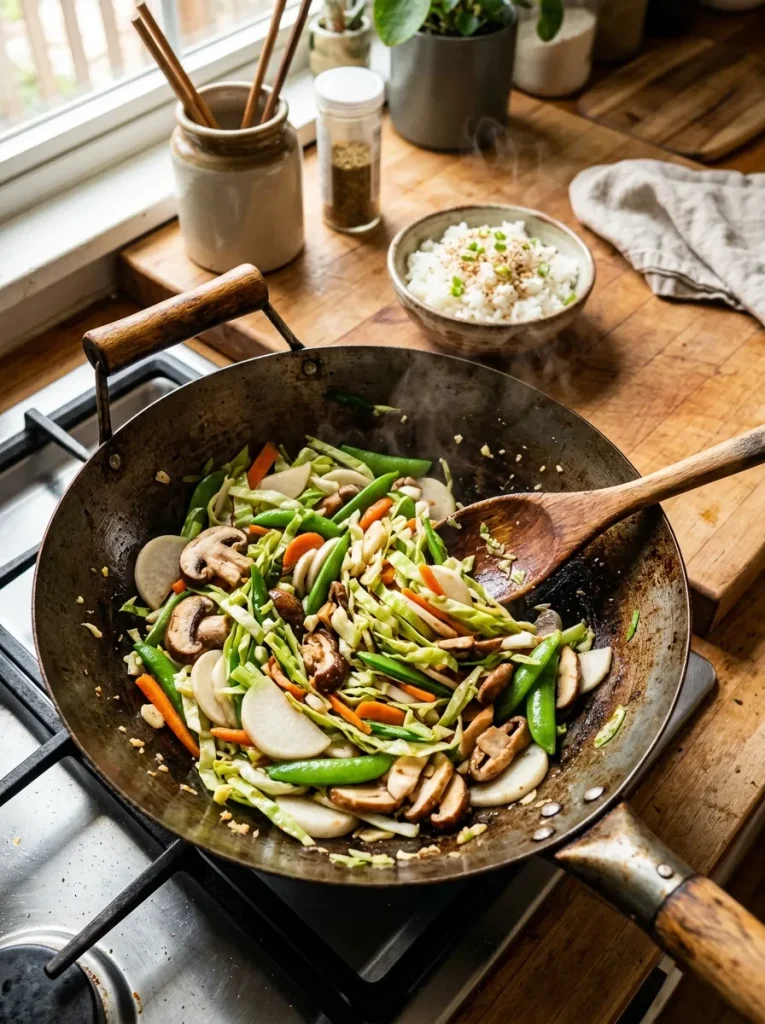
Cabbage and turnips can also be transformed into a quick stir-fry with Asian-inspired flavors. Slice both vegetables thinly and cook them in a hot skillet or wok with garlic and ginger. Add carrots, mushrooms, green onions, or snap peas for additional color and texture.
A simple sauce made with soy sauce or tamari, sesame oil, and a little rice vinegar can bring everything together. Serve the finished vegetables over rice, quinoa, or noodles for a complete meatless meal. For added protein, include tofu, edamame, or your preferred cooked protein.
5. Creamy Cabbage and Turnip Gratin
For a comforting side dish, combine cabbage and thinly sliced turnips in a creamy baked gratin. Layer the vegetables in a baking dish and pour over a simple mixture of milk, cream, garlic, salt, and pepper. Add a modest layer of shredded cheese on top before baking until the vegetables are tender and the surface is golden.
The slightly earthy flavor of turnips works especially well with creamy sauces. Gruyère, cheddar, Parmesan, or a combination of cheeses can be used depending on the flavor you want. Serve this dish alongside roasted meat or a large green salad for a cozy dinner.
6. Cabbage and Turnip Hash
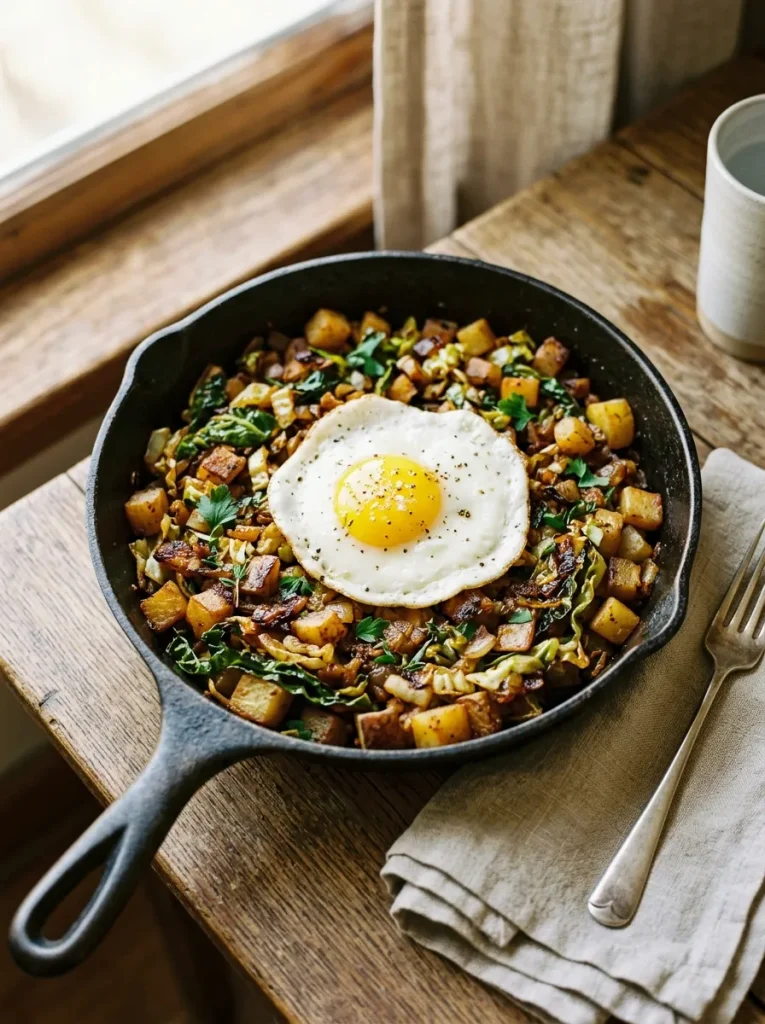
A vegetable hash is a practical way to turn cabbage and turnips into a filling breakfast or dinner. Dice the turnips into small cubes and cook them in a skillet until they begin to brown before adding chopped cabbage. Onion, garlic, paprika, and black pepper add plenty of flavor without requiring a complicated sauce.
For a heartier version, add cooked potatoes, white beans, or leftover roasted vegetables. You can also top each serving with a fried or poached egg if you eat eggs. The crispy edges and tender vegetables make this a particularly satisfying way to use inexpensive produce.
7. Cabbage and Turnip Slaw
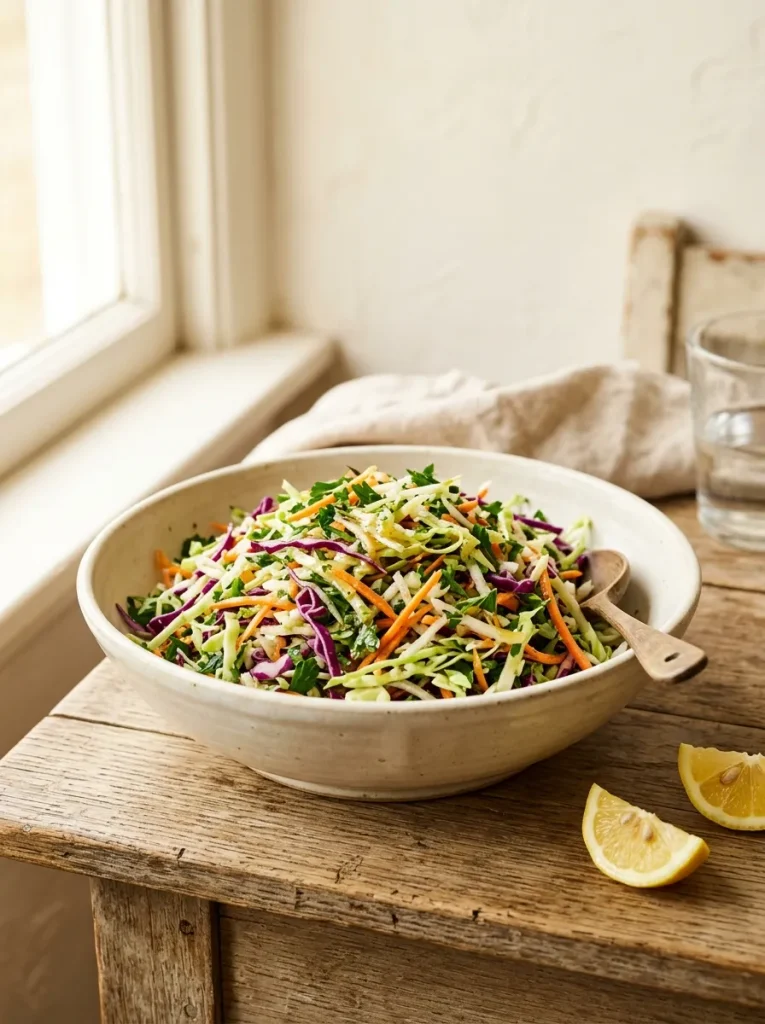
Not every cabbage and turnip recipe needs to be cooked. Raw turnips add a crisp, slightly peppery flavor to cabbage slaw and create a refreshing contrast to richer meals. Shred green or purple cabbage and grate the turnips before tossing them with carrots and fresh herbs.
For the dressing, try a simple combination of lemon juice, olive oil, Dijon mustard, salt, and a touch of honey or maple syrup. Let the slaw sit for about 10 minutes before serving so the flavors can blend. This fresh version is excellent with grilled chicken, sandwiches, tacos, or roasted vegetables.
8. Mashed Turnips With Sautéed Cabbage
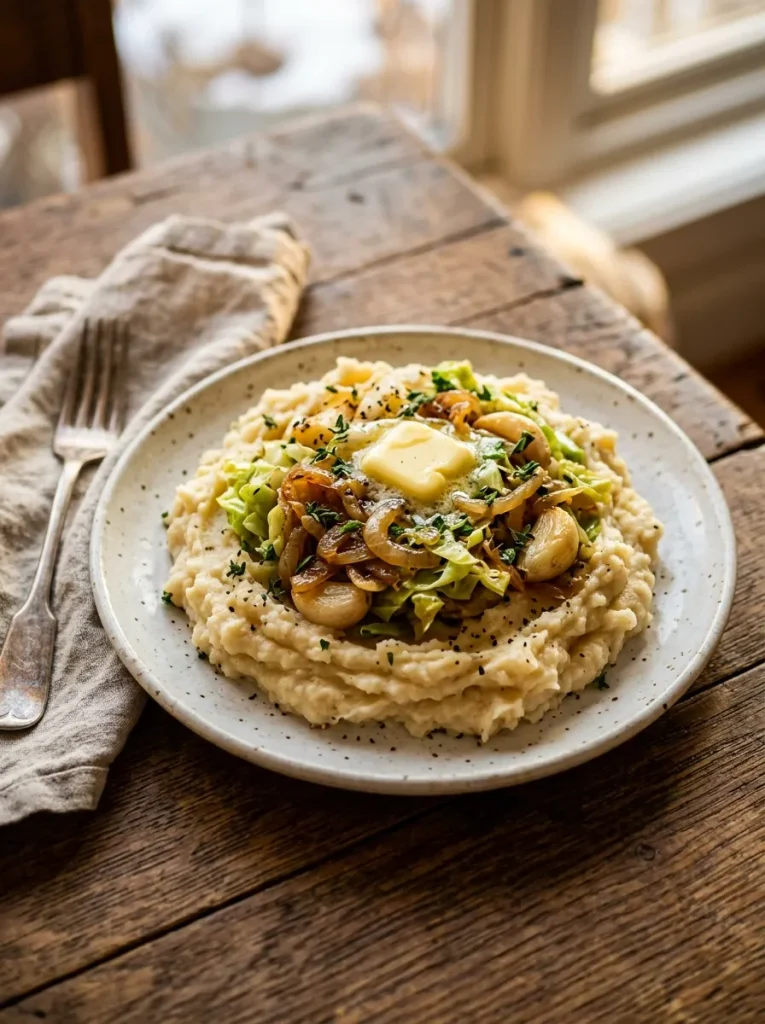
If you enjoy mashed vegetables, try using creamy mashed turnips as the base for tender sautéed cabbage. Boil the peeled turnips until soft, then mash them with olive oil or butter, salt, pepper, and a little milk if needed. Separately, sauté finely sliced cabbage with onion until soft and lightly caramelized.
Spoon the cabbage over the mashed turnips for a simple vegetable-centered side dish. A little roasted garlic can add depth to the mashed turnips, while fresh herbs brighten the finished plate. This combination is especially comforting during colder months.
9. Cabbage and Turnip Curry
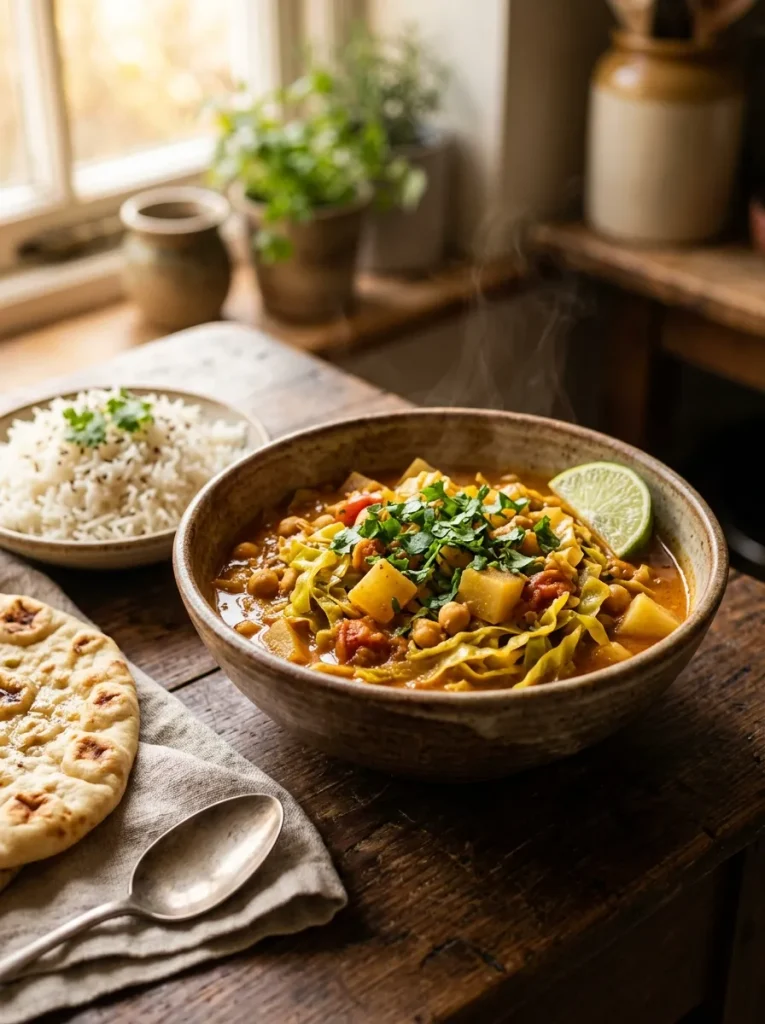
Turnips and cabbage work surprisingly well in a warmly spiced vegetable curry. Sauté onion, garlic, and ginger before adding curry powder, cumin, turmeric, and other spices you enjoy. Add diced turnips, chopped cabbage, tomatoes, and coconut milk or vegetable broth, then simmer until the vegetables are tender.
Chickpeas or lentils can make the curry more substantial and add plant-based protein. Serve it over basmati rice or alongside warm flatbread. Fresh cilantro and a squeeze of lime make a flavorful finishing touch.
10. Cabbage and Turnip Stir-Fried Noodles
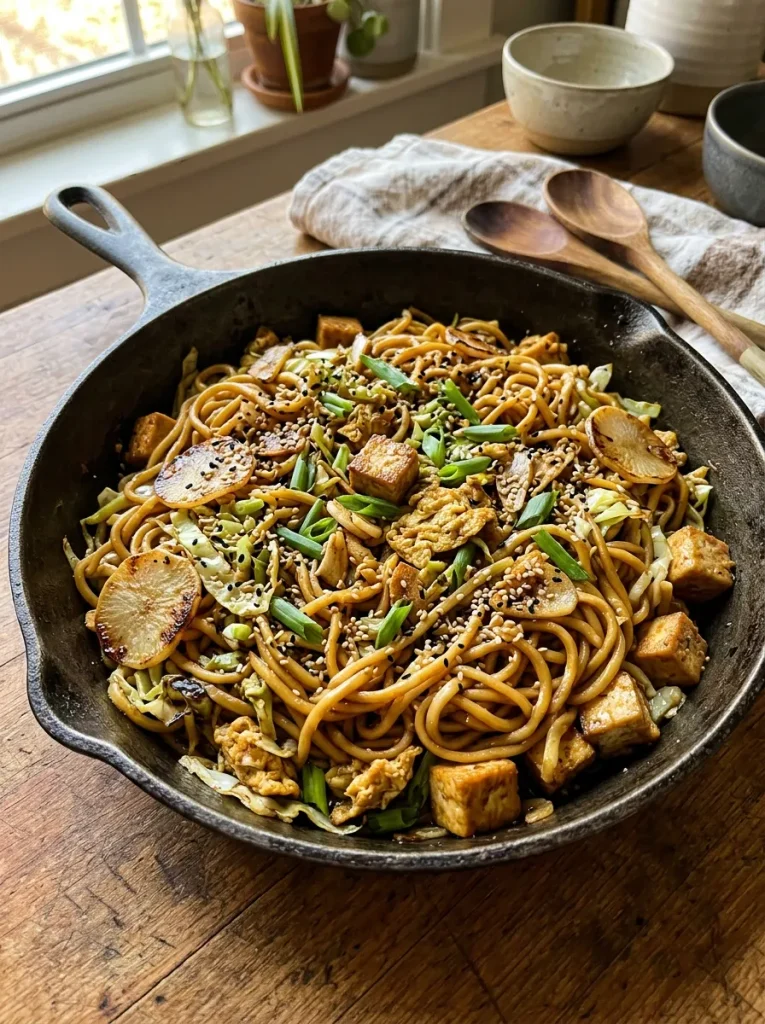
For an easy one-pan meal, combine shredded cabbage and thinly sliced turnips with your favorite noodles. Cook the vegetables over high heat so the cabbage develops slightly browned edges while the turnips remain tender. Add garlic, ginger, green onions, and a savory sauce made with soy sauce or tamari.
Rice noodles, ramen-style noodles, soba, or whole-wheat noodles can all work depending on your preference. Add scrambled egg, tofu, chicken, or another protein to turn the dish into a more complete meal. A sprinkle of sesame seeds adds crunch just before serving.
11. Slow-Cooked Cabbage and Turnips With Herbs
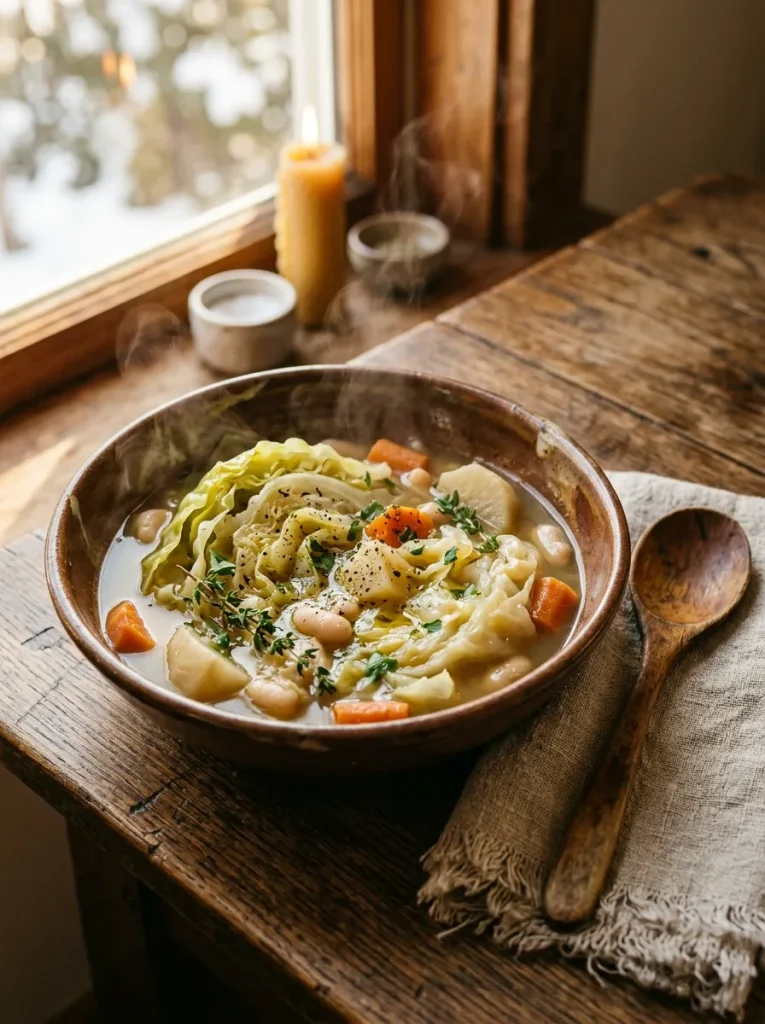
Slow cooking is ideal when you want tender vegetables and deep, comforting flavor. Add chopped cabbage and turnips to a slow cooker with onion, garlic, vegetable broth, thyme, bay leaves, and black pepper. Cook until the turnips are fork-tender and the cabbage is soft.
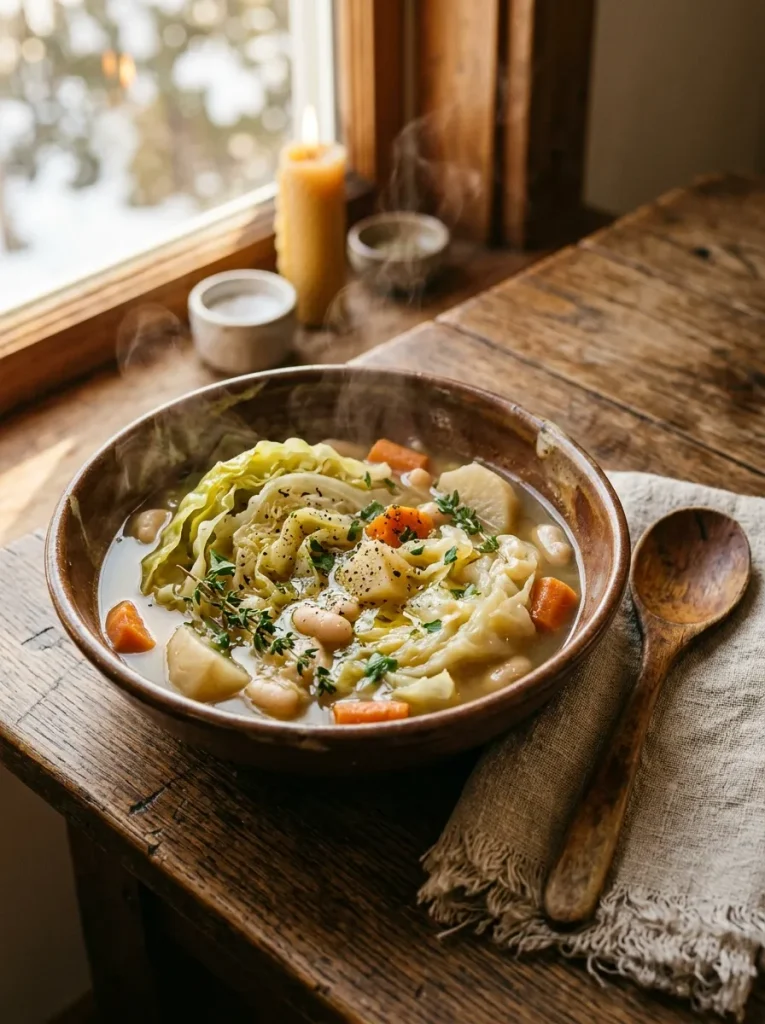
You can add carrots, potatoes, white beans, or cooked sausage depending on the type of meal you want. Keep the broth light for a vegetable side dish or add more liquid to make it closer to a rustic stew. Fresh parsley stirred in at the end helps balance the slow-cooked flavors.
12. Cabbage and Turnip Vegetable Bake
A simple vegetable bake is an excellent option when you want a hearty dish that can be prepared ahead of time. Combine chopped cabbage and sliced turnips with onions, garlic, herbs, and a small amount of olive oil before transferring everything to a baking dish. Add breadcrumbs or shredded cheese on top for a crisp finishing layer.
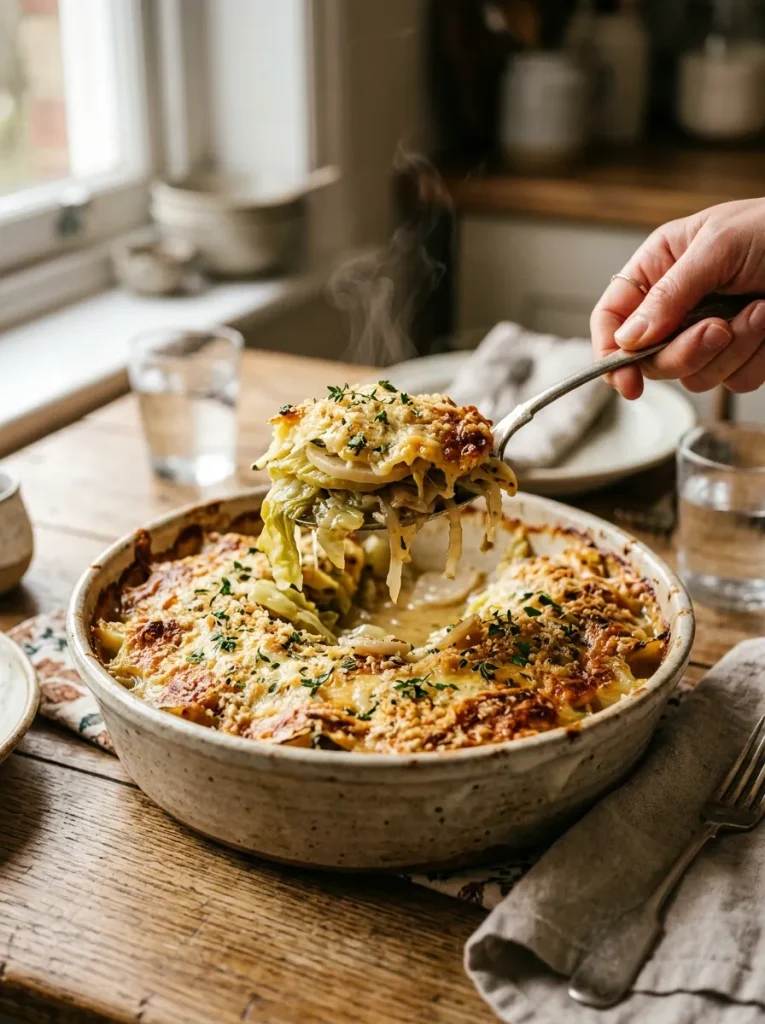
Bake until the vegetables are tender and the top is golden. You can easily customize this recipe with carrots, potatoes, mushrooms, white beans, or cooked chicken. It makes a useful side dish for family dinners and can also be served as a light main course with a fresh salad.
How to Choose Cabbage and Turnips for These Recipes
Look for cabbage heads that feel firm and heavy for their size, with crisp outer leaves and no large areas of damage. Turnips should feel firm and relatively heavy rather than soft or spongy. Smaller turnips are often milder and sweeter, while larger mature turnips can have a stronger earthy flavor.
For roasting and baking, either size can work because cooking softens their flavor. For raw slaw, smaller young turnips are often a better choice because their crisp texture and milder taste complement fresh cabbage. Keeping both vegetables properly stored in the refrigerator will also help maintain their texture until you are ready to cook.
Tips for Cooking Cabbage and Turnips Together
The biggest difference between these vegetables is their cooking time. Turnips are dense and usually need more time to become tender, while cabbage can soften relatively quickly. When roasting, sautéing, or stir-frying, cut the turnips smaller than the cabbage so they can finish cooking at approximately the same time.
Seasoning also makes a noticeable difference. Garlic, onion, black pepper, mustard, thyme, rosemary, paprika, ginger, and cumin all pair naturally with cabbage and turnips. A little acid from lemon juice or vinegar at the end can brighten the earthy flavors and keep the dish from tasting heavy.
Easy Ways to Turn Them Into a Complete Meal
Cabbage and turnips can easily become the foundation of a balanced meal when paired with a protein and a satisfying grain or starch. Add chickpeas, lentils, beans, tofu, eggs, chicken, or another protein depending on your dietary preferences. Serve the vegetables with brown rice, quinoa, potatoes, noodles, or whole-grain bread for additional substance.
You can also use leftovers creatively throughout the week. Roasted cabbage and turnips can be added to grain bowls, while sautéed vegetables can become a filling for wraps or tacos. A leftover cabbage and turnip hash can also be reheated for breakfast with an egg on top.
A Simple Way to Start
If you are trying these vegetables together for the first time, roasted cabbage and turnips are an excellent starting point. The high oven temperature caramelizes the edges and softens the turnips while giving the cabbage plenty of flavor. From there, you can experiment with soups, stir-fries, curries, slaws, and creamy baked dishes.
The combination is flexible enough to work with many different cuisines and cooking styles. You do not need an elaborate ingredient list to make these vegetables taste good. A few well-chosen seasonings, proper cooking times, and a finishing splash of lemon or vinegar can turn basic produce into a satisfying dish.
A Delicious Way to Use Everyday Vegetables
These cabbage and turnip recipes show just how versatile two simple vegetables can be. Whether you prefer something roasted and caramelized, creamy and comforting, fresh and crunchy, or warmly spiced, there is an option for almost any type of meal. Experiment with different herbs, sauces, proteins, and cooking methods to find the combinations your family enjoys most. With affordable ingredients and plenty of room for customization, cabbage and turnips can easily become regular staples in your kitchen.
