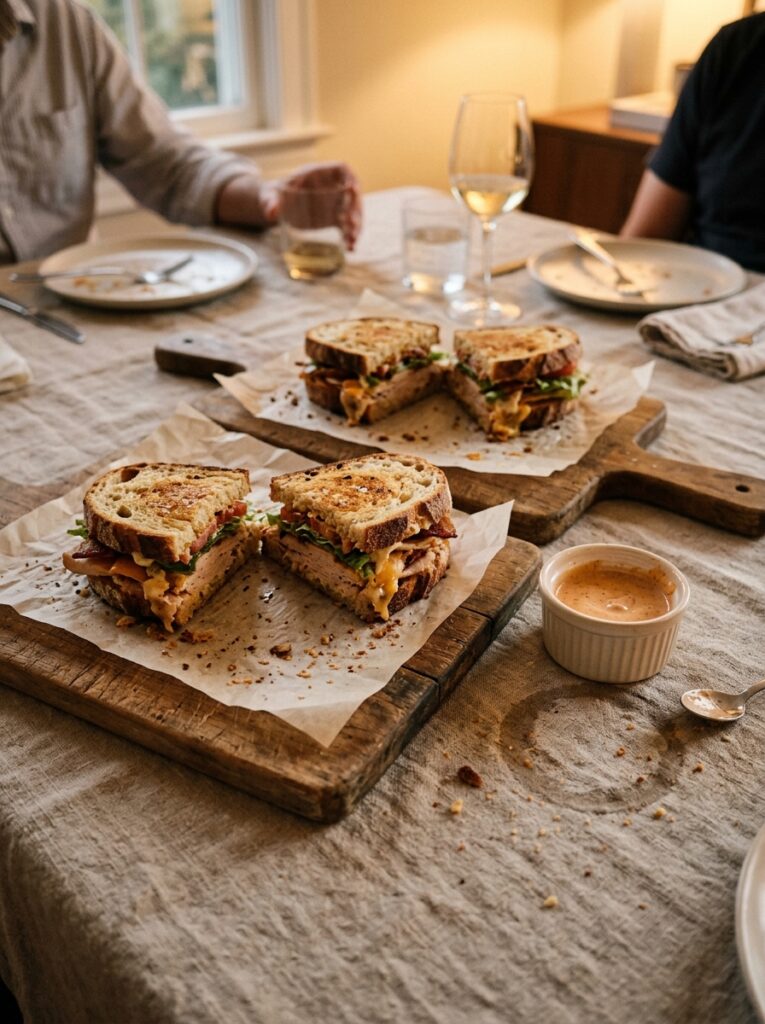
My friend called me last week in a mild panic because her partner was coming home early and she had nothing planned. I told her to make a sandwich. She laughed. Then I described what I meant, and she went quiet, and then she said “okay, okay, I’m doing it.” That’s the thing about dinner sandwiches — people don’t take them seriously until you explain one properly.
—
1. Why Dinner Sandwiches Hit Different Than Lunch Ones
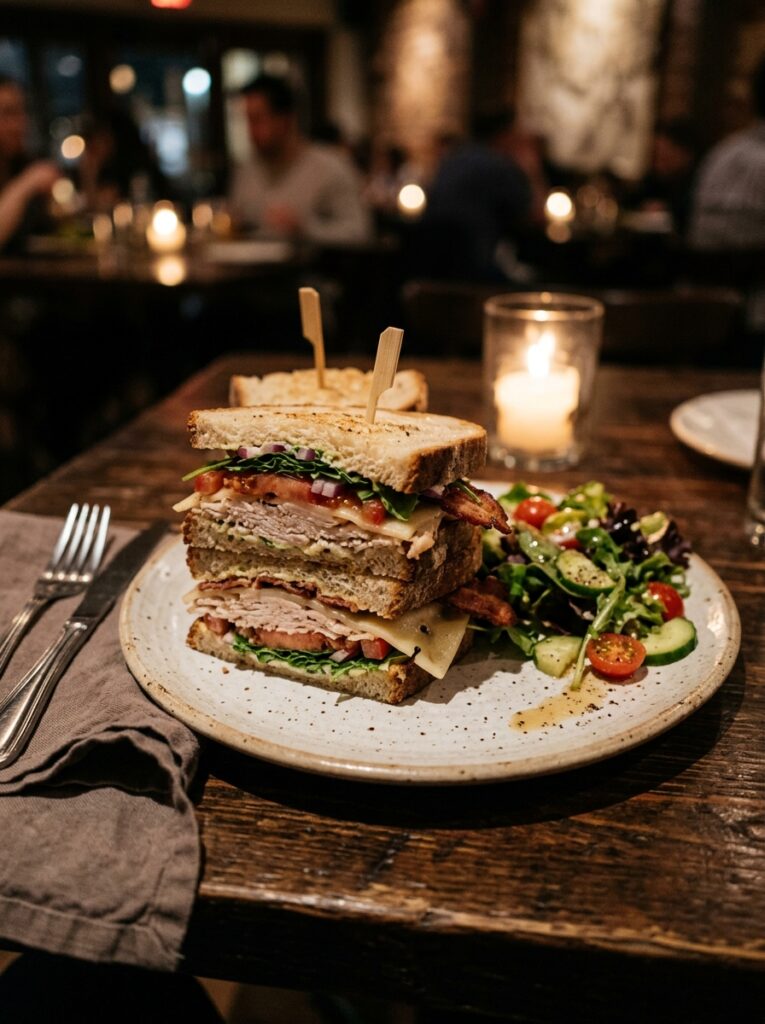
It’s the commitment, I think. A lunch sandwich is practical. A dinner sandwich is a CHOICE. You’re saying, yes, I could have made pasta, I could have done something with that chicken, but instead I’m building something layered and deliberate and I’m going to eat it at the table and it’s going to be good.
The difference usually comes down to three things — well, not three things in a tidy list, but more like: the bread matters more at dinner, the filling gets richer and warmer, and you stop treating it like something you made because you couldn’t think of anything else. Dinner sandwiches deserve a plate. They deserve to be cut properly, at a slight angle, and they deserve to be eaten slowly.
And honestly? Some of the best sandwich ideas come from leftover logic. You didn’t set out to make dinner. You just started assembling something and it became dinner. That happens more than anyone admits.
—
2. The Bread Situation — Because This Is Where Most People Go Wrong
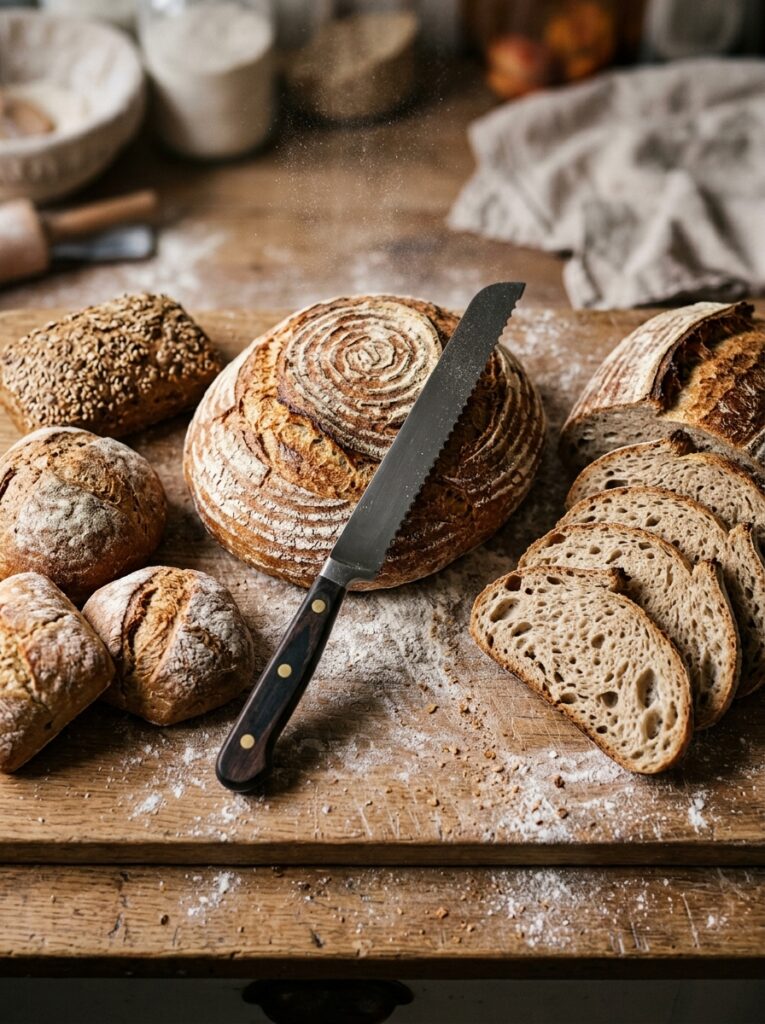
Okay, let’s just say it plainly: flimsy bread ruins dinner sandwiches. Not kind of ruins them. Completely ruins them.
If you’re putting warm, juicy filling between two slices of bread, you need bread that can hold its shape under pressure — literal pressure, from your hands, from the weight of the filling, from any sauce that decides to migrate. Ciabatta is great because it’s got that chew and those air pockets that catch things. A good crusty sourdough loaf, sliced thick, is probably my personal favourite. Brioche buns work brilliantly for anything rich and saucy because the slight sweetness balances heat and fat.
“The bread isn’t the background. It’s the structure. Get it wrong and the whole thing falls apart — emotionally and physically.”
For anything with melty cheese or something you’re pressing in a pan, you want bread that can get golden and crisp without going cardboard-hard. Pain de campagne. A sturdy white bloomer. Focaccia, if you want something a little olive-oily and good. And if you’re in the UK doing a chip butty situation, don’t even argue with me — soft white bread, full stop.
Toasting matters too. Not always, but often. A light toast adds structure and that slightly nutty flavour that makes the whole thing feel more substantial.
—
3. A Smashed Crispy Chicken Sandwich That’s Actually Worth It
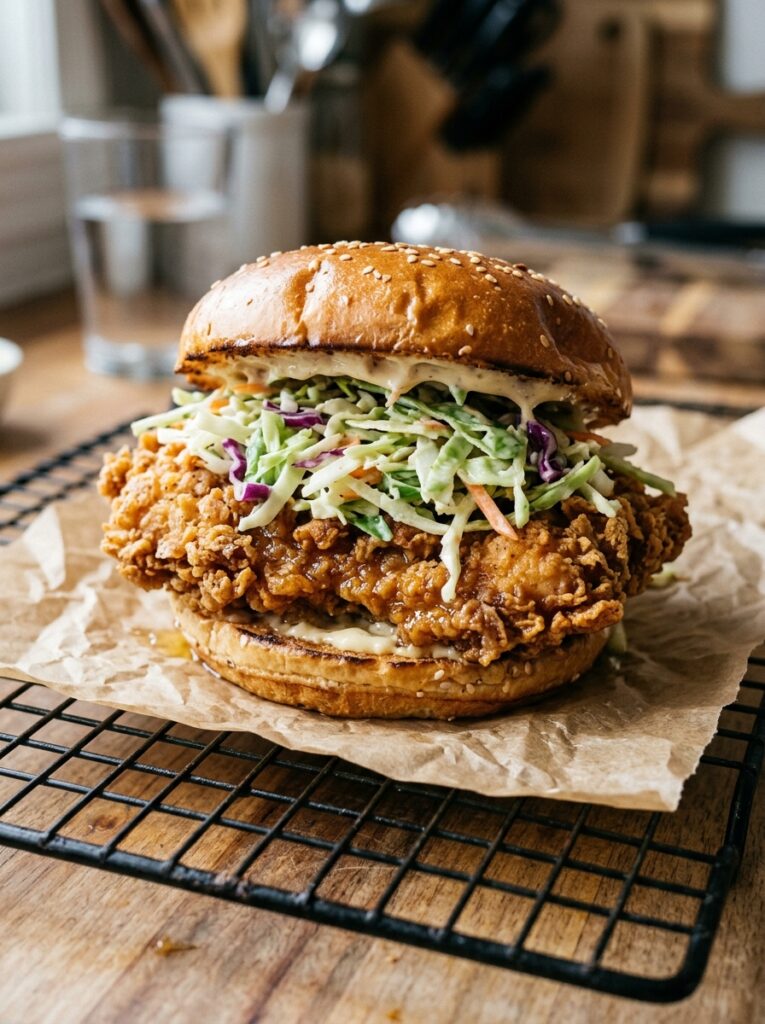
This one takes maybe 25 minutes and it’s the kind of thing you’ll think about for days afterward.
You take a chicken breast, put it in a bag, and smash it flat — really flat, about half an inch thick. Season it generously with smoked paprika, garlic powder, a bit of cayenne, salt, pepper. Dredge it in flour, dip it in egg, and coat it in panko crumbs. Then fry it in a decent amount of oil in a heavy pan, medium-high heat, until it’s deeply golden on each side. Four minutes a side, roughly. Don’t touch it while it’s cooking. Trust the process.
The sauce is the other thing. Mix mayonnaise with hot sauce, a squeeze of honey, a tiny bit of garlic. That’s it. Spread it aggressively on both sides of a toasted brioche bun. Add some shredded white cabbage, a few pickle slices, the chicken. Press it down gently. Cut it in half. The crunch when you bite through — there’s nothing quite like it.
Side note: if you want to make this for two people, do the chicken in batches. Don’t crowd the pan. Crowding is how you end up with steam-cooked, pale, sad chicken, and we’re not doing that.
—
4. The Melted Mushroom and Gruyère That Tastes Like It Came From a Good Restaurant
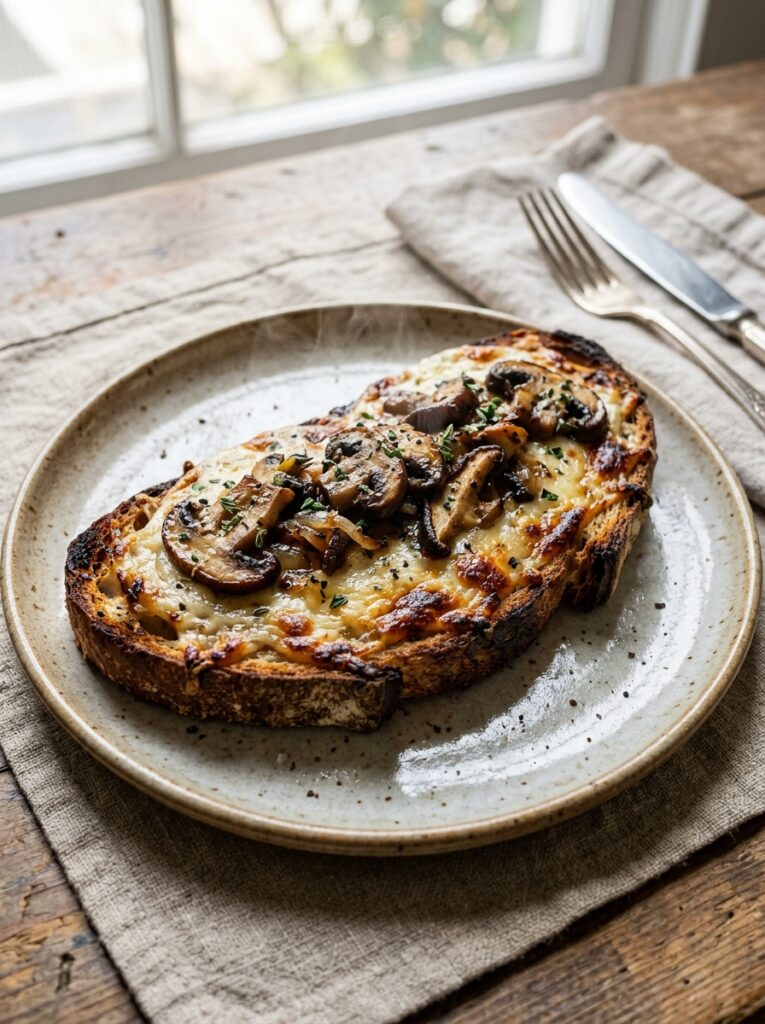
I’m not vegetarian, but this sandwich makes me think I could be, at least for one dinner a week.
Start by getting your mushrooms RIGHT. A mix of whatever you can find — cremini, chestnut, portobello torn into chunks, even some oyster mushrooms if you’re feeling fancy. Heat a wide pan until it’s genuinely hot, add butter, add the mushrooms, and DON’T STIR THEM for the first two minutes. Just let them sit and colour. This is where flavour happens. Season them with salt and thyme, deglaze with a splash of white wine or dry sherry if you have it, and cook until all the liquid is gone and they’re slightly sticky and deeply golden.
Pile those onto sourdough. Top with sliced gruyère — real gruyère, not the pre-grated stuff if you can avoid it. Put it under the grill (or broiler if you’re American) until the cheese is bubbling at the edges and going a little brown in spots.
Add a spoonful of whole grain mustard to the other slice of bread. Maybe some rocket or watercress if you want something peppery cutting through the richness. Press together and eat immediately because cheese waits for no one.
—
5. The Dinner Sandwich Nobody Talks About — Roasted Tomato and Burrata on Toasted Focaccia
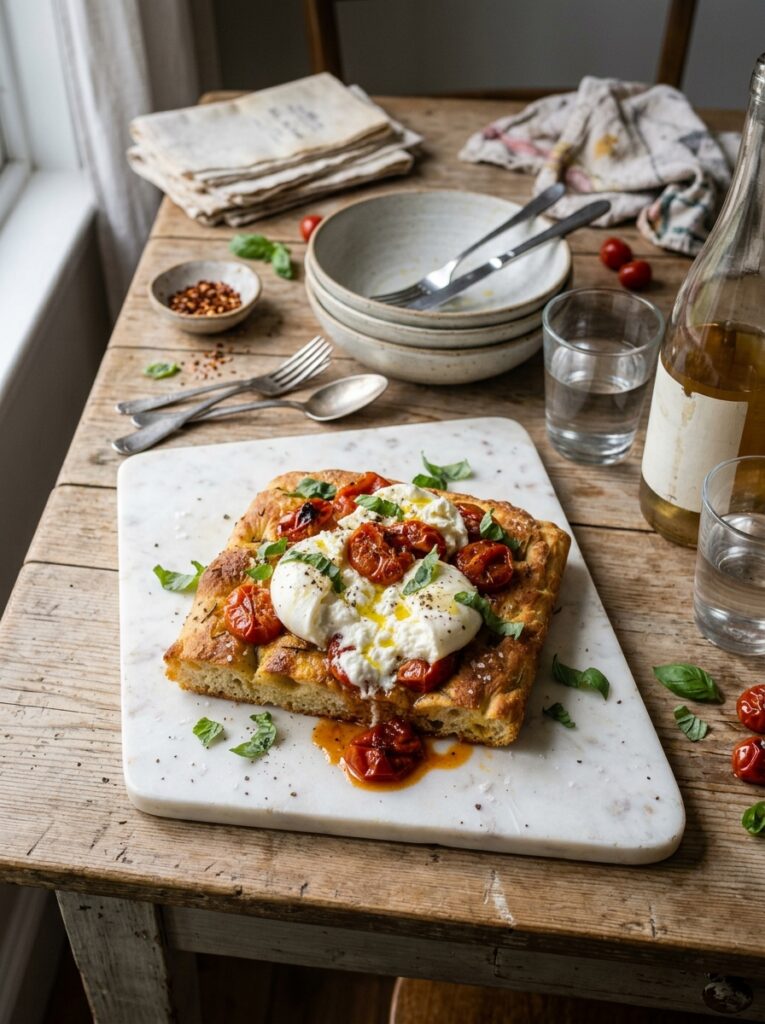
This one looks almost too simple. It isn’t.
Roasting tomatoes changes them completely. You halve them, drizzle generously with olive oil, add salt, maybe a pinch of dried oregano, and roast at 400°F (200°C) for around 25-30 minutes until they’re jammy and slightly caramelised at the edges and intensely flavourful in a way that raw tomatoes simply aren’t.
“Roasted tomatoes on toast is one of those things that tastes like something complicated and costs almost nothing.”
You pile those onto warm, slightly oily focaccia. Then you tear burrata over the top — and if you’ve never had warm, slightly melted burrata on a toasted surface you have a genuine treat ahead of you. A little flaky salt. A few basil leaves if you have them. A thread of balsamic glaze if you’re feeling it.
This is a dinner for nights when you want something that feels almost decadent but didn’t take a lot out of you. And it’s beautiful. It photographs extremely well, not gonna lie.
—
6. What Makes a Cold Sandwich Okay for Dinner (and When It Isn’t)
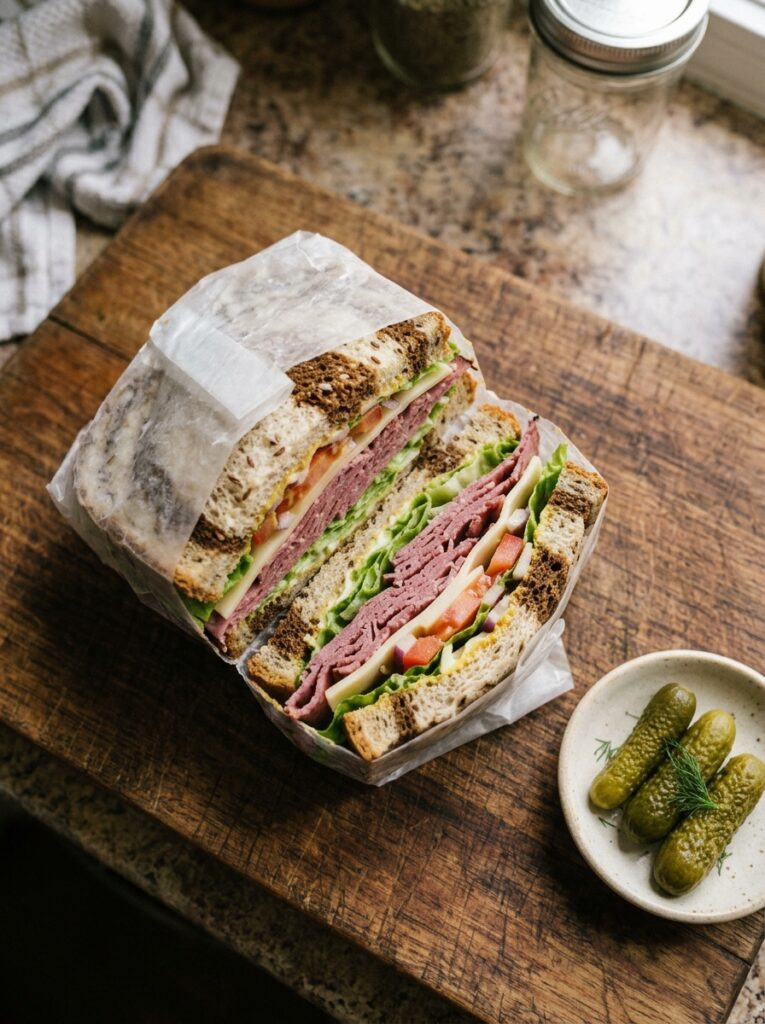
Cold sandwiches at dinner only work if they’re LOADED. Like, properly loaded — not a few slices of ham and some limp lettuce, but something that’s been thought about.
A really good prawn or shrimp roll, for instance, where the seafood is dressed with good mayonnaise, a hit of lemon, some celery or cucumber for crunch, and packed into a buttered, split roll — that’s a dinner. Especially in summer. Especially with a cold drink and some chips on the side.
A classic ploughman’s-style sandwich — doorstop bread, mature cheddar, chutney, pickled onions, a bit of ham — that’s a dinner if you make the components count. It’s not a packed lunch if you eat it on a proper plate with some thought behind it.
But a cold sandwich fails at dinner when it feels like you’re eating yesterday’s office lunch at your kitchen table. The bread needs to be fresh. The fillings need to be generous. There should be at least one element that’s a little bit special — something pickled, something sauced, something you actually made rather than just opened.
—
7. The Slow-Cooked Beef and Horseradish Roll That Wrecked Me in the Best Way
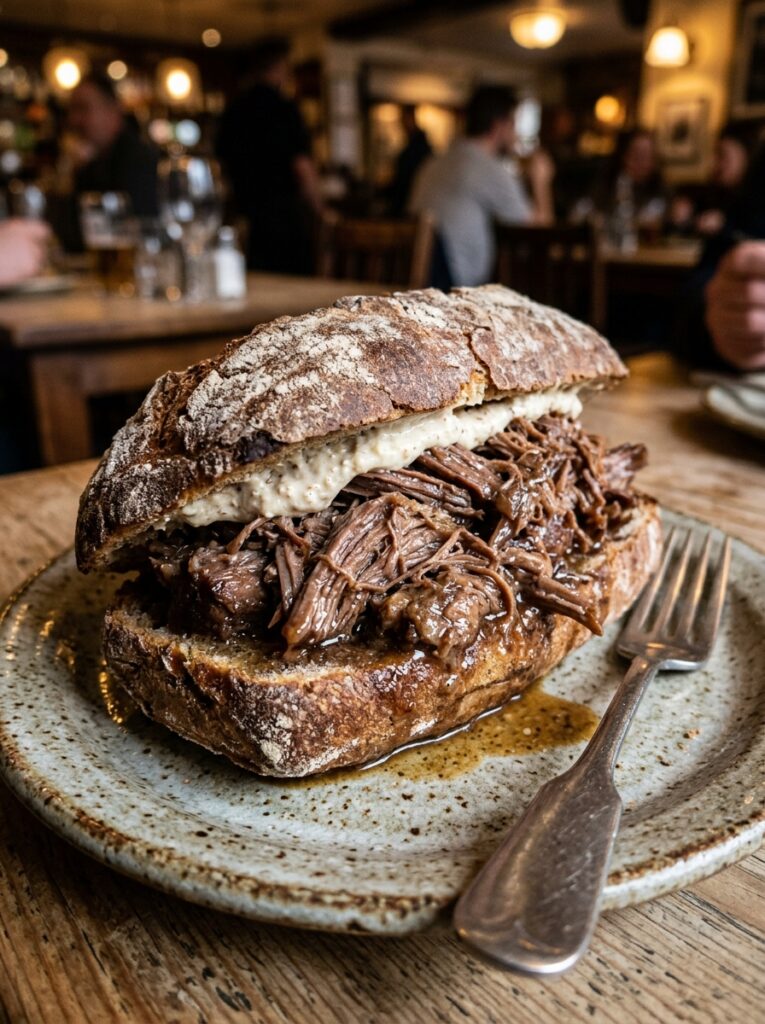
This one requires the most of any recipe here, but it’s genuinely WORTH it if you have a lazy Sunday afternoon.
Get a beef brisket or chuck joint — nothing too big, a pound to a pound and a half feeds two to three people generously. Season it all over with salt, pepper, garlic powder. Sear it hard on all sides in a heavy pot with a little oil. Then add beef stock, a splash of red wine if you have it, a bay leaf, some thyme. Cover and cook low and slow — either on the hob at the lowest setting for 3-4 hours, or in the oven at 300°F (150°C) for a similar time.
When it’s done it should fall apart if you look at it. Shred it, toss it back in a little of that cooking liquid so it stays juicy.
Pile it onto a split crusty roll with a swipe of creamy horseradish sauce and some watercress. That’s the whole sandwich. It doesn’t need more than that. The beef has done all the work.
—
8. Building a Dinner Sandwich Around What’s Already in Your Fridge
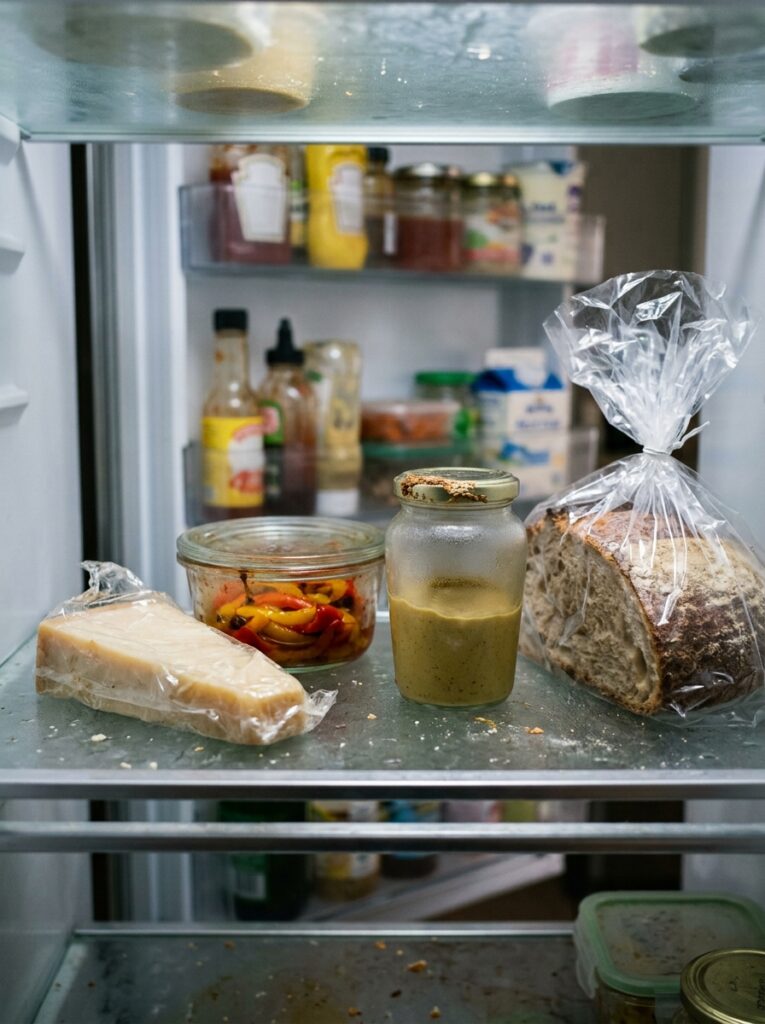
This is honestly how I eat most nights and I’m not even slightly embarrassed about it.
You look at what you have. Maybe there’s some leftover roast chicken from the weekend. Pull it off the bone, mix it with a little mayo, some dijon, maybe a squeeze of lemon and some fresh herbs if they haven’t gone sad in the fridge. That’s a chicken sandwich filling that’s better than most restaurants serve.
Or you’ve got a tin of good-quality tuna. Drain it properly, flake it, add white beans or capers or both, a bit of red onion very finely chopped, olive oil. This is a Niçoise-ish sandwich situation and it’s excellent.
“The fridge sandwich is an art form. The best ones happen when you stop following a recipe.”
Leftovers from last night’s dinner — some stew, some braised vegetables, some curried chickpeas — can all go into a sandwich if you think about what bread would hold it and what would add freshness to cut through the heaviness. Pickle. Yogurt. Fresh herb. A little heat.
—
9. The Meatball Sub That Genuinely Competes With Takeaway
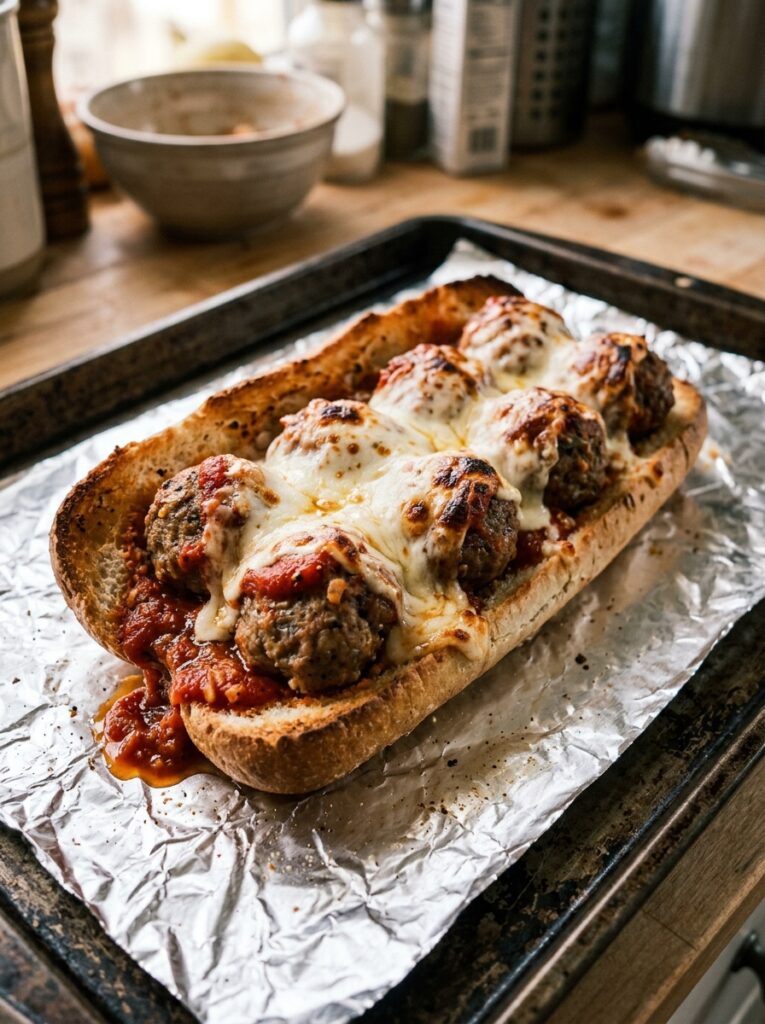
Not gonna lie — I’ve compared my homemade meatball sub to actual takeaway and mine usually wins on flavour, even if it loses on the “no effort” front.
For the meatballs: combine ground beef (or a mix of beef and pork) with an egg yolk, some breadcrumbs soaked in a splash of milk, grated parmesan, garlic, dried oregano, salt, pepper. Mix gently — overworked meatballs go tough. Roll them into balls roughly the size of a golf ball. Brown them in oil, then finish them in a quick tomato sauce made from tinned tomatoes, garlic, a pinch of sugar, more oregano. Simmer until everything is thick and saucy and fragrant.
Split a sub roll, toast the inside, pile in the meatballs with lots of sauce, add mozzarella, get it under the grill just long enough for the cheese to melt, and prepare for it to be messy and wonderful. You’ll need napkins. That’s a good sign.
—
10. A BLT That Earns Its Reputation (Instead of Just Coasting on It)
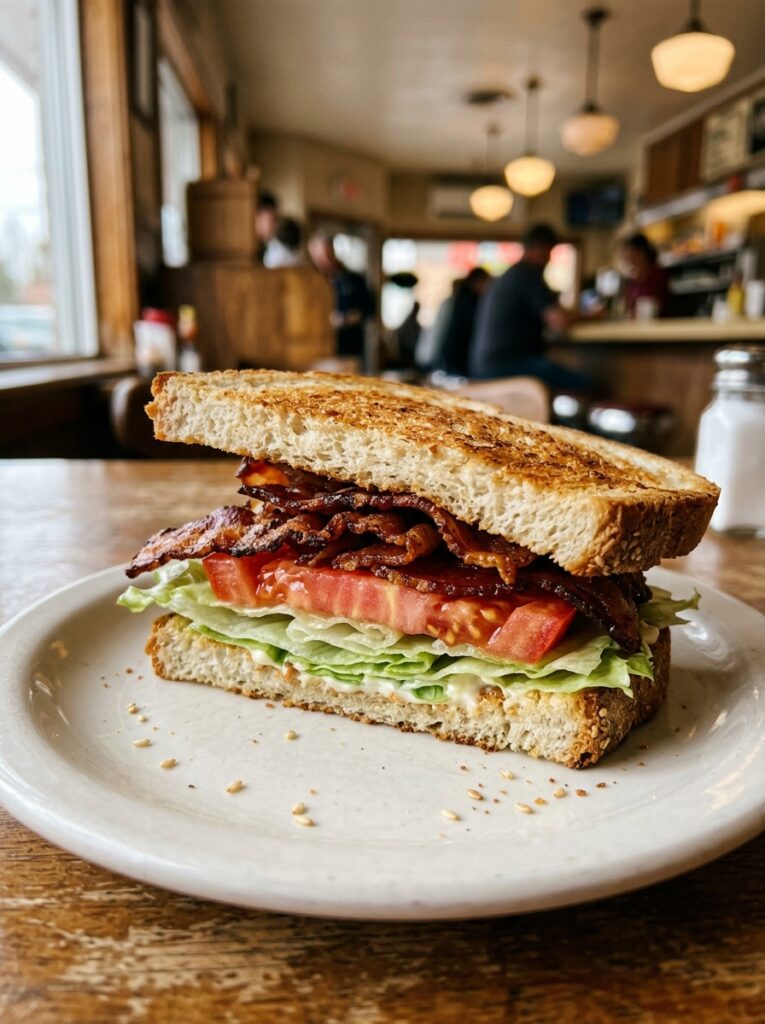
The BLT is one of those sandwiches that everyone says they love and then makes badly and wonders why it’s not special. Here’s the thing — every element has to be right, or the whole thing suffers.
The bacon needs to be cooked until it’s crispy, not chewy. Chewy bacon in a sandwich is a texture problem that doesn’t go away. Either cook it flat in a pan or on a baking sheet in a hot oven (400°F, 200°C, about 15-18 minutes) until it’s genuinely CRISPY.
The tomatoes need to be ripe. And salted. Slice them, season them lightly, let them sit for a minute. That small step makes a real difference.
The lettuce needs crunch — iceberg or romaine, not anything floppy.
And the mayo needs to be good. You can make it more interesting with a little smoked paprika or a small amount of lemon juice stirred in. Put it on both slices of bread. Not sparingly.
White toast, slightly warm, is the correct bread for a BLT. I have strong feelings about this.
—
11. The Toasted Cheese That’s More Than It Sounds

Or grilled cheese if you’re American, and yes, I know there are differences, and yes, this covers both.
The thing that separates an okay toasted cheese from one you’d eat every single night is: more butter than you think, lower heat than you think, and a longer cooking time than you think. You want the bread to go golden gradually. If the outside is done before the cheese has properly melted, you’ve rushed it.
Also: layering the cheese matters. One thick slab of cheese doesn’t melt as evenly as two thinner slices. And mixing cheeses — a sharp cheddar with something meltier like fontina or a bit of gruyère — gives you better flavour and better texture simultaneously.
From there you can go a lot of directions. A slice of slow-cooked onion caramelised until it’s almost sweet. A smear of chutney on the inside of the bread before you add the cheese. A layer of very thinly sliced apple for something unexpected. Or honestly, nothing extra at all, because sometimes a perfect toasted cheese is all you need.
—
12. The Part Where You Stop Feeling Apologetic About Sandwich Dinners
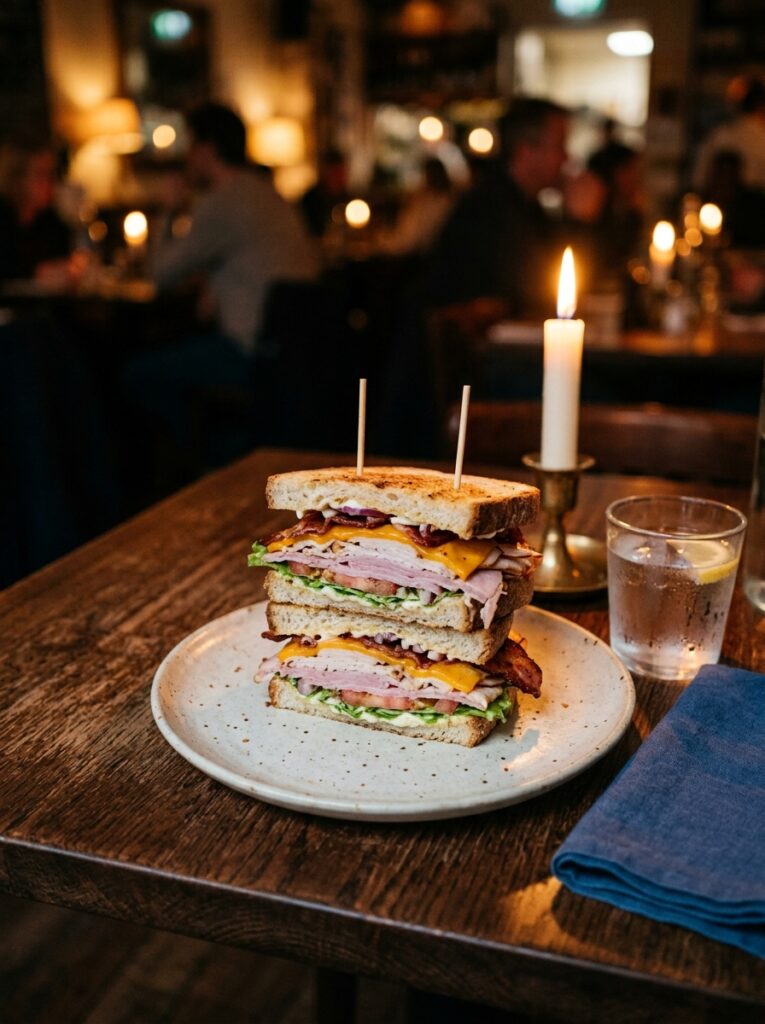
Nobody’s judging you for eating a sandwich at dinner. Or if they are, they’ve clearly never had a really good one.
There’s something freeing about building dinner rather than cooking it — assembling things, layering flavours, making choices about bread and sauce and what goes on top. It’s still creative. It still takes a little thought. And the results can be genuinely, seriously satisfying in a way that a thrown-together pasta or reheated something often isn’t.
Good sandwiches take maybe twenty minutes at the outside. Some take less. The mushroom gruyère can be on the table in fifteen if you move with purpose. The roasted tomato situation is mostly oven time while you do something else. Even the meatball sub can be done in under forty minutes if your mise en place is decent.
And then you sit down, and you eat it, and it’s good. That’s enough.
—
❓ FAQ
Q: Can I make dinner sandwiches ahead of time for a family? A: Most of the hot sandwiches in this article are best made to order — but you can prep almost all the fillings ahead and refrigerate them. The smashed chicken can be cooked earlier and reheated briefly in a hot oven. The meatball sauce and meatballs keep beautifully in the fridge for three to four days and just need reheating before assembling. Prep the components, assemble at dinner.
Q: What’s the best way to keep a loaded sandwich from getting soggy? A: Sauce and fat act as a barrier, which sounds counterintuitive — spread mayo or butter on the bread first to slow moisture migration from juicy fillings. Also, keep any watery ingredients (fresh tomatoes, cucumber, dressed leaves) toward the middle rather than directly against bread. If you’re transporting a sandwich, pack the wet fillings separately and assemble at the last minute.
Q: Are dinner sandwiches filling enough for hungry adults? A: Yes, genuinely — especially the hot ones. The crispy chicken sandwich, the meatball sub, the slow-cooked beef roll, the mushroom gruyère — all of those are properly filling, particularly with a simple side. A handful of dressed salad leaves, some roasted sweet potato, a bowl of soup, or just crisps on the side makes any of these a completely satisfying dinner for most adults.
—
💭 Final Thoughts
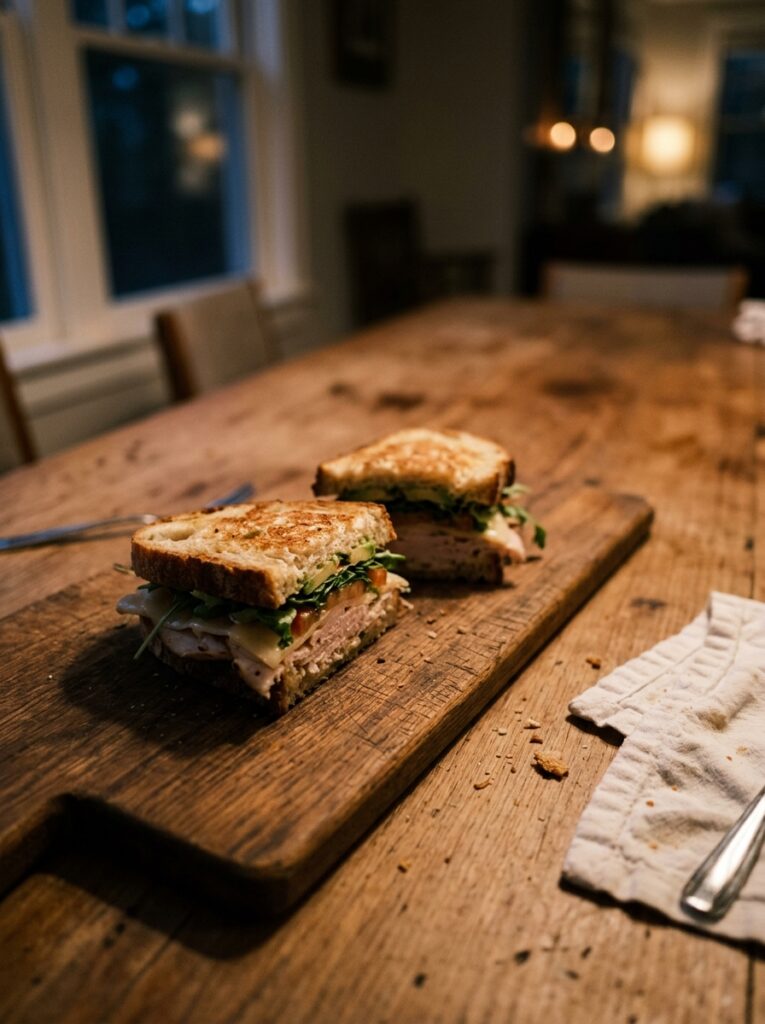
Dinner doesn’t need to be complicated to be good. Some of the most satisfying meals I’ve had started with someone thinking about bread, and filling, and what would taste right together on a Tuesday evening when nobody wanted to do much. That’s not giving up — that’s knowing what actually makes people happy at the table. So — what’s in your fridge right now, and what kind of sandwich could you make with it?
