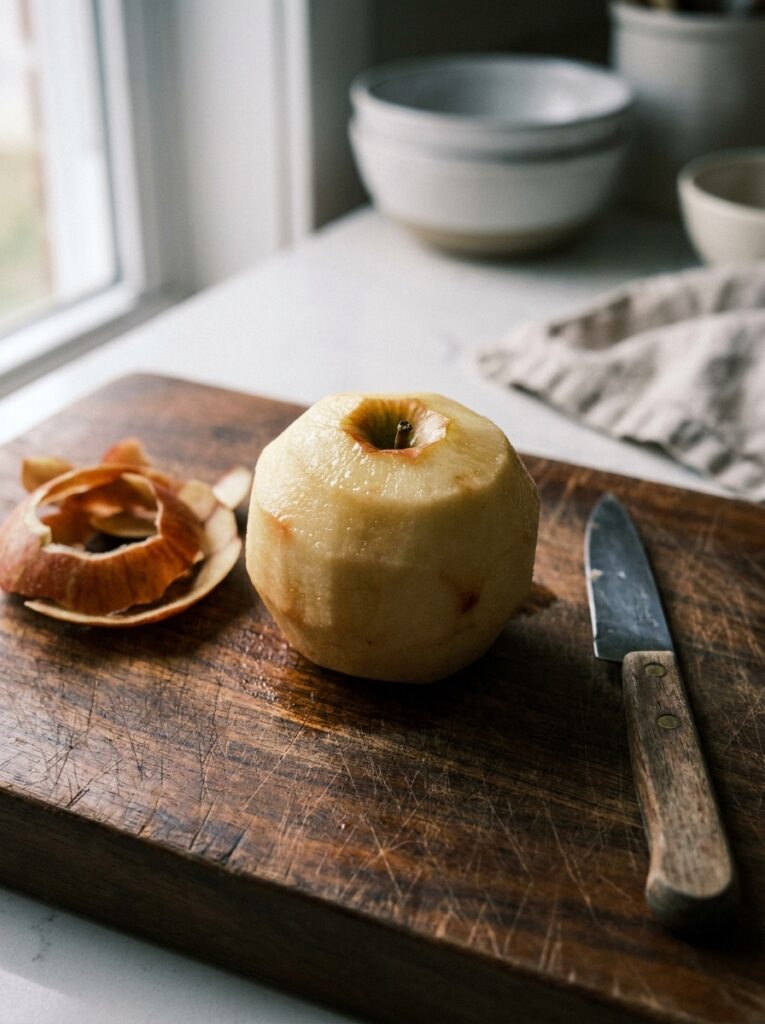
My friend called me last October and said, “I have fourteen apples and no plan.” Same, honestly. Every single autumn, I end up standing in my kitchen with way too many apples, a vague sense of ambition, and then I panic and make the same crumble I always make.
Not this year.
—
1. The Apple Dessert Most People Get Wrong Before They Even Start
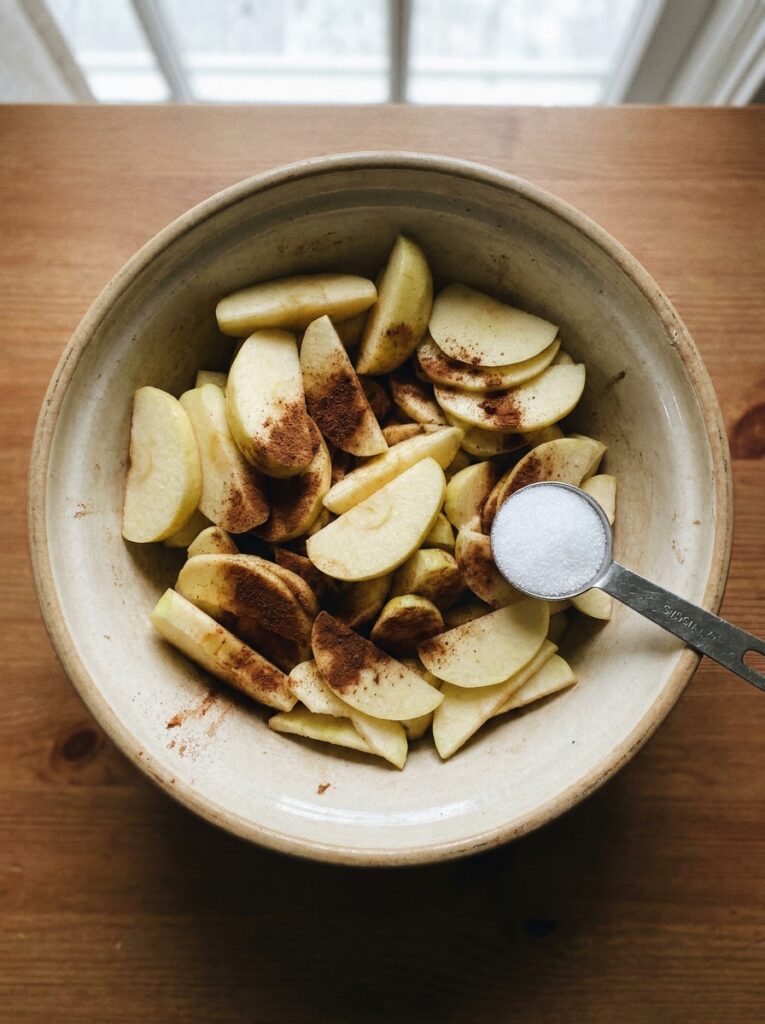
Here’s the thing nobody tells you: the apple variety you pick matters more than almost anything else in the recipe. More than the spices. More than the crust technique. More than whether you’ve remembered to preheat the oven.
Granny Smiths are tart and firm — they hold their shape under heat, which makes them perfect for pies and anything that needs slices to stay actual slices. Braeburns are somewhere in the middle, a bit sweet, a bit acidic, and they don’t turn to mush on you. Honeycrisps are gorgeous but they can get watery in a baked filling, which nobody wants.
My actual strong opinion? Mix them. Use at least two varieties in anything you bake. The difference in flavor complexity is kind of insane once you notice it. You get depth, you get layers — or, well, you get a filling that tastes like it came from a real kitchen and not a tin.
Don’t peel them uniformly either. I leave some of the peel on in certain recipes because it adds a chewiness that feels intentional. Or maybe it’s just laziness. Honestly, both.
—
2. The Simplest Apple Dessert You’ll Make on a Tuesday Night With One Pan
Skillet apple cake. That’s it. That’s the section.
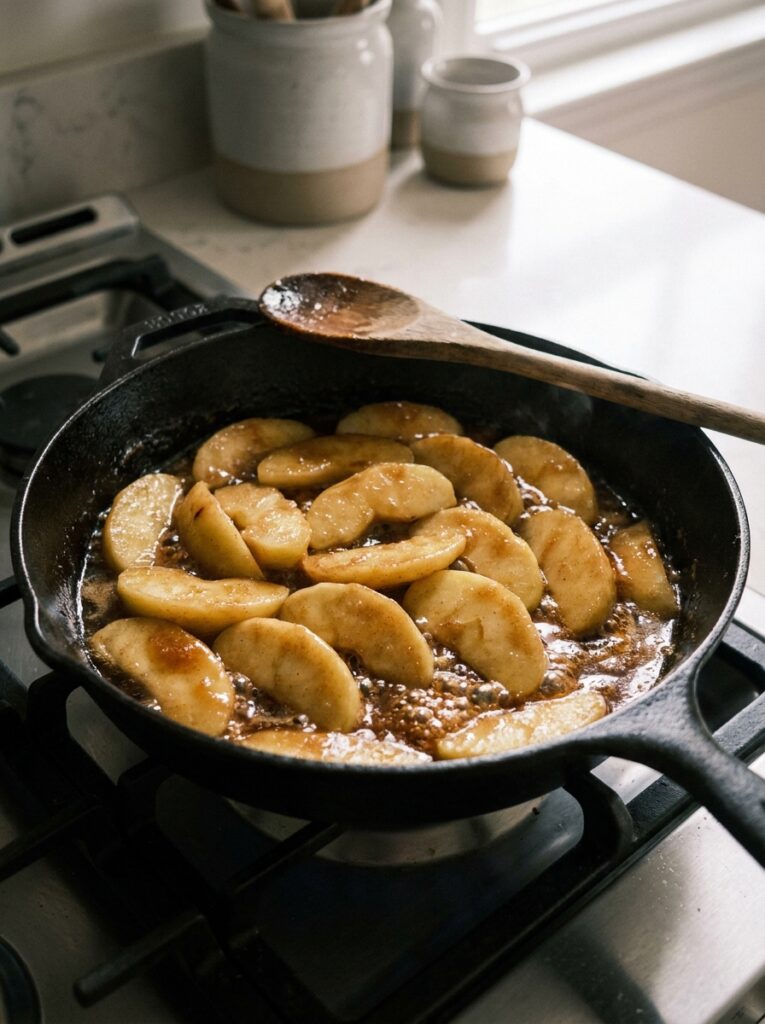
Okay, I’ll say more. Brown butter in a cast-iron skillet, add sliced apples with brown sugar and cinnamon, pour a very simple batter directly on top, and then bake the whole thing. It flips upside down like an upside-down cake and looks impressive enough that people will ask if you bought it.
You didn’t. You made it in one pan in 40 minutes.
The batter is genuinely simple: flour, a little baking powder, sugar, eggs, a splash of milk, and melted butter. That’s it. The apples underneath get this jammy, caramel-edged thing happening where they hit the hot butter and sugar — they sort of collapse into themselves in the best way. The smell when this is in the oven is almost unfair.
Serve it warm with a spoonful of clotted cream or crème fraîche. Vanilla ice cream is also correct. So is eating a slice directly out of the pan over the sink at 10pm, but I’d never officially recommend that.
“The apples underneath get this jammy, caramel-edged thing where they hit the hot butter and sugar — they sort of collapse into themselves in the best way.”
—
3. Why Classic Apple Pie Is Worth Making From Scratch (Even If You’re Scared)
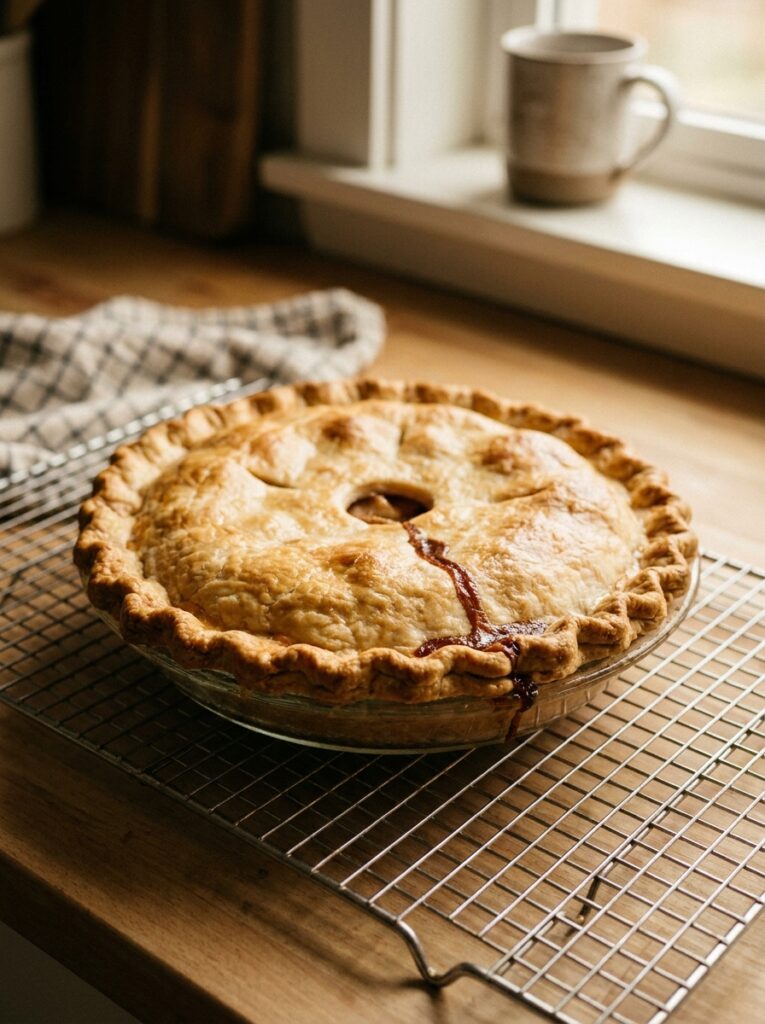
I know. The crust. People act like making pie crust is some kind of feat of engineering that requires special training. It’s not. It’s flour, cold fat, and ice water. The rules are: keep everything COLD, don’t overwork it, and don’t expect it to be perfect the first time.
There, you’re ready.
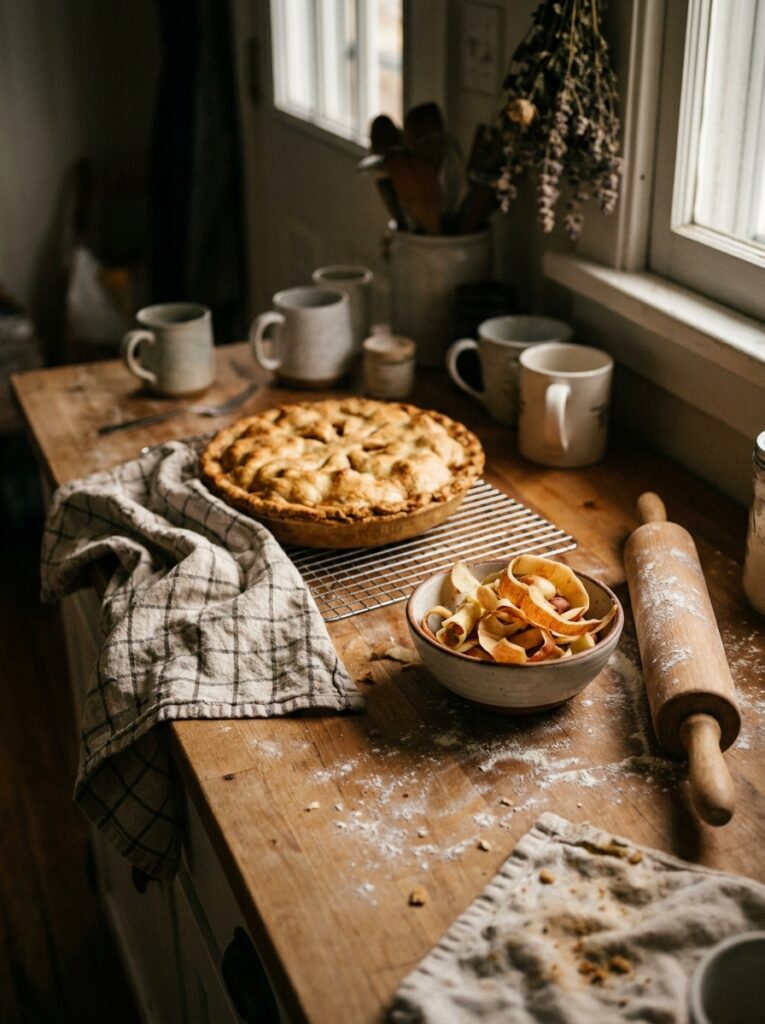
For the filling: about 6 to 7 medium apples, peeled and sliced thin. Toss them with ¾ cup sugar, 2 tablespoons flour, a teaspoon of cinnamon, a pinch of nutmeg, a pinch of allspice, and a squeeze of lemon juice. Let that sit for a few minutes. The apples start to release their juice, which is what you want.
Stack them. Seriously, stack the apple slices in concentric circles if you have the patience — the filling will be denser, less gappy, more satisfying after baking. Add a few dots of cold butter across the top before you put the lid on.
Bake at 425°F for the first 15 minutes, then drop down to 375°F for another 40 to 45. Let it cool for at least an hour before you cut it. This is the hardest part. It’s also non-negotiable because a hot pie filling is still setting up inside and cutting early means soup.
Worth every second.
—
4. The British Apple Crumble Trick That Changes the Texture Completely
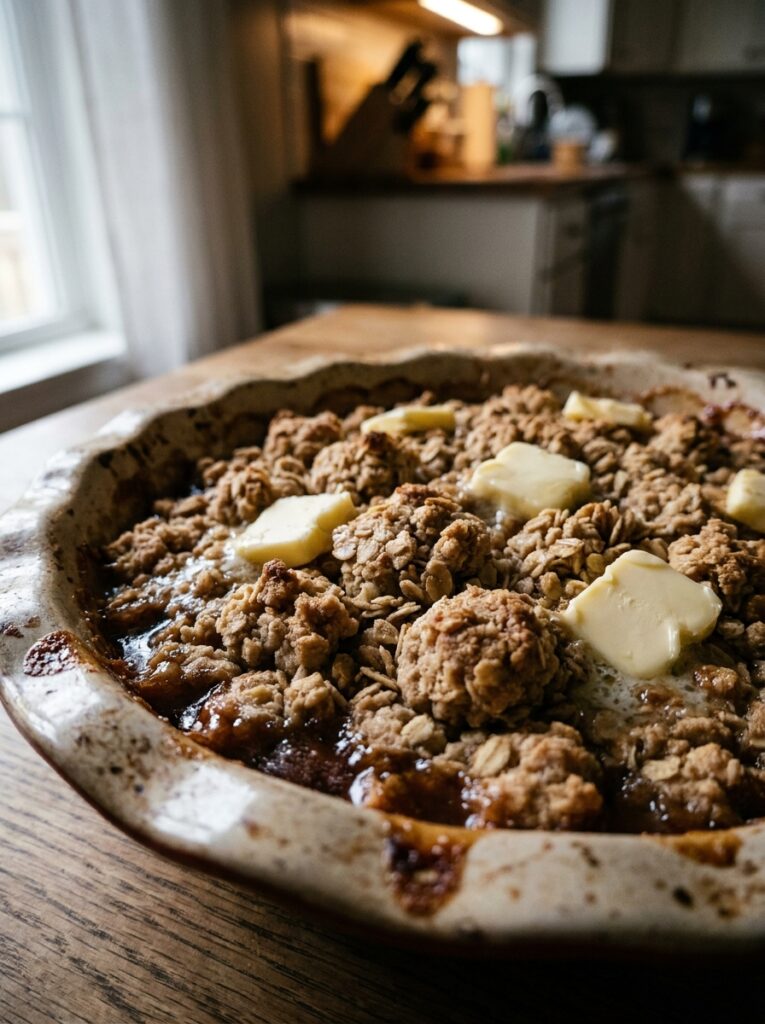
Apple crumble is one of those things where you think you know how to make it, and then someone tells you ONE thing, and your whole approach shifts.
The thing: toast the oats separately before you make the crumble topping.
Just spread rolled oats on a dry baking tray and pop them in the oven at 350°F for about 8 minutes until they smell nutty and look barely golden. Then mix them into your crumble topping — flour, cold butter, brown sugar, those oats — and you get a texture that’s genuinely crunchy rather than the slightly sad, sandy version that emerges when everything goes in raw.
Side note — my mum never did this and her crumble was still excellent, so maybe it’s a personal obsession. But I’ve made crumble both ways enough times that I can’t go back.
Use Bramley apples if you can get them. They’re a British cooking apple that completely falls apart into a soft, almost sauce-like base, and it contrasts perfectly against the crunchy top. Peel, chop, add a little sugar, a little cinnamon, maybe a tablespoon of water. That’s the whole filling.
“You get a texture that’s genuinely crunchy rather than the slightly sad, sandy version that emerges when everything goes in raw.”
Bake at 375°F for 35 to 40 minutes until the top is deeply golden and the apple edges are bubbling up around the sides. Serve with warm custard. Don’t argue with me about this one.
—
5. Apple Cinnamon Rolls for People Who Think They Can’t Make Yeasted Dough
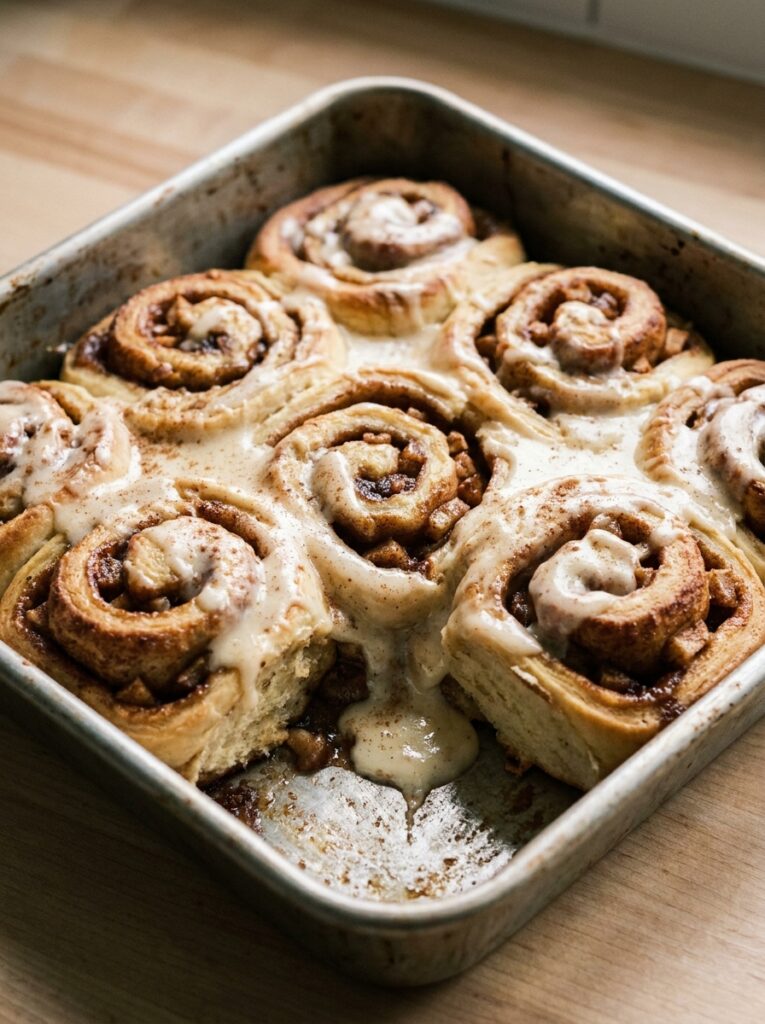
I have bad news for people who think they can’t make yeasted dough: you’ve just never had someone explain it calmly.
The dough is forgiving. It won’t collapse because you left it to prove for 75 minutes instead of 60. Yeast is alive but it’s not mean.
Here’s a reliable method. Warm milk to about 110°F — it should feel warm on your wrist but not hot. Add a teaspoon of dried active yeast and a pinch of sugar, let it sit 5 minutes until it’s foamy. That foam is the yeast waking up, which is genuinely nice to see. Mix into 3 cups of flour with 3 tablespoons of sugar, a teaspoon of salt, an egg, and 3 tablespoons of softened butter. Knead for about 8 minutes, or use a stand mixer with a dough hook for 5. It should be smooth and just a tiny bit tacky.
Let it rise until doubled, about an hour. Roll it out into a rectangle, spread softened butter across the whole surface, then layer on a mix of finely diced apple, brown sugar, cinnamon, and a pinch of cardamom if you’re feeling fancy. Roll it up, cut into about 12 rounds, let them proof again for 30 minutes, then bake at 375°F for 20 to 25 minutes.
Glaze them while they’re still warm. Cream cheese glaze. Just cream cheese, powdered sugar, a splash of milk, and vanilla. It’s not optional.
—
6. The One-Bowl Apple Cake That’s Better Than It Has Any Right to Be
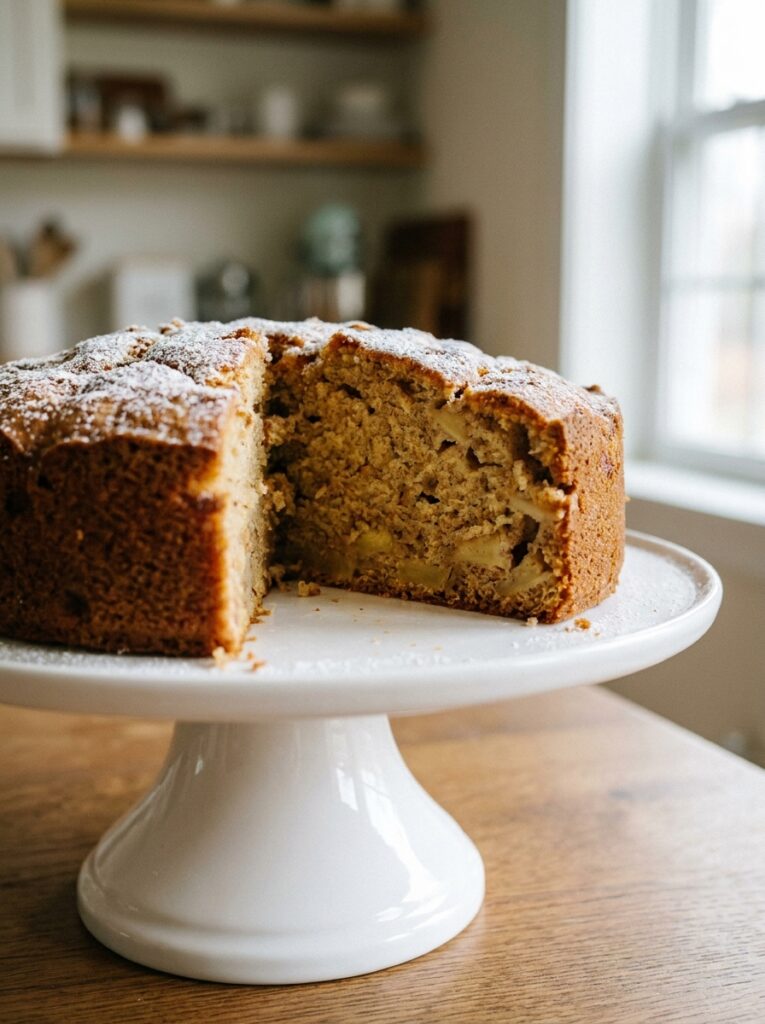
Some recipes look underwhelming on paper and then you make them and realize — oh. OH.
This is one of those.
One bowl. No mixer required. About 15 minutes of actual effort.
Mix together 1 ½ cups flour, 1 cup sugar, a teaspoon of baking soda, a teaspoon of cinnamon, ½ teaspoon of salt. Stir in 2 beaten eggs, ½ cup of vegetable oil, and a teaspoon of vanilla. Fold in 3 cups of peeled, diced apple. The batter will look extremely thick and you’ll think something’s wrong. Nothing’s wrong.
Pour it into a greased 9×13 pan and bake at 350°F for about 45 minutes. What comes out is dense and moist in a way that cake-from-scratch usually isn’t, because the apple pieces release steam as they bake. The edges go a little crisp. The middle stays soft.
Dust it with powdered sugar or make a simple caramel drizzle. Eat a square still warm from the pan and pretend you made it for a dinner party.
—
7. Apple Tarte Tatin Is Easier Than Its French Name Implies
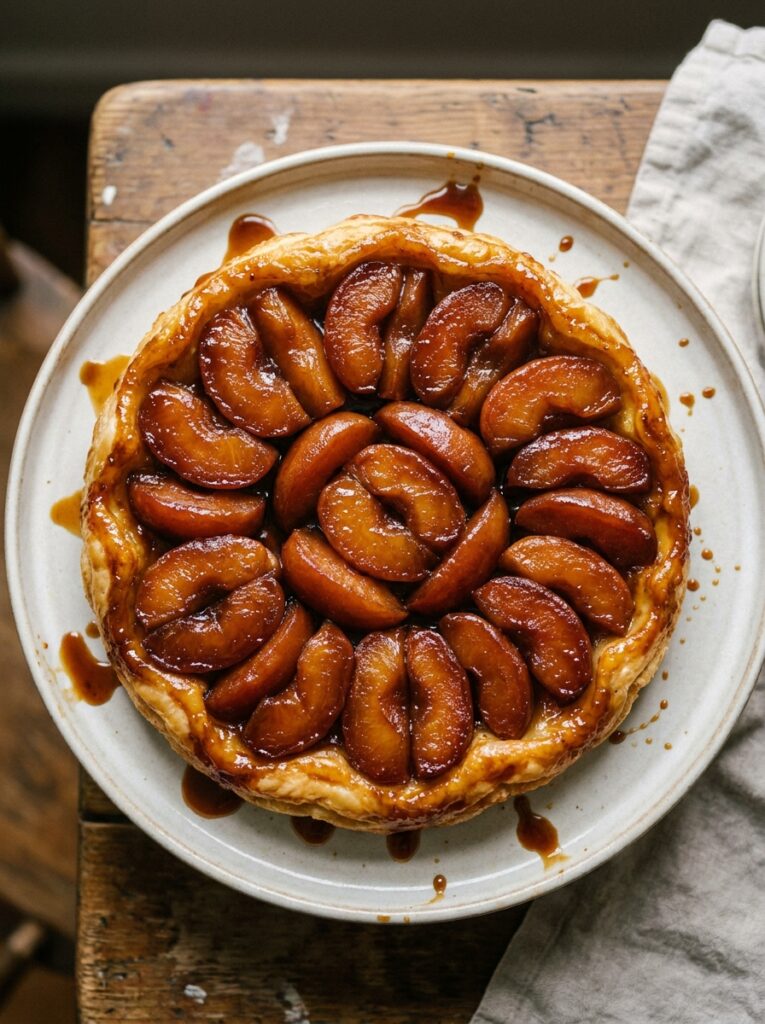
Don’t let the French name intimidate you. It’s an upside-down caramelized apple tart and it is, functionally, quite difficult to mess up once you understand what you’re doing.
Make caramel directly in your oven-safe skillet — sugar and butter, medium heat, don’t stir it, just swirl the pan gently when it starts to color. When it’s a deep amber, pull it off the heat. Arrange halved apples cut-side up in the caramel. They’ll sizzle dramatically and that’s fine.
Now lay a round of pastry — shop-bought puff pastry works perfectly here, don’t let anyone tell you otherwise — directly over the apples and tuck the edges in slightly. Bake at 400°F for about 25 minutes until the pastry is deeply puffed and golden. Let it cool for 10 minutes, then flip it onto a plate in one confident motion.
The confident motion is important. Hesitate and it gets messy. Just flip.
The apples will be glossy and dark and soft and sitting in a pool of molten caramel that’s slightly sticky and smells like autumn distilled down to its purest form. Serve with thick cream or good vanilla ice cream.
“The apples will be glossy and dark and sitting in a pool of molten caramel that smells like autumn distilled down to its purest form.”
—
8. Baked Apples Are Underrated and I’ll Stand Here Until Someone Agrees
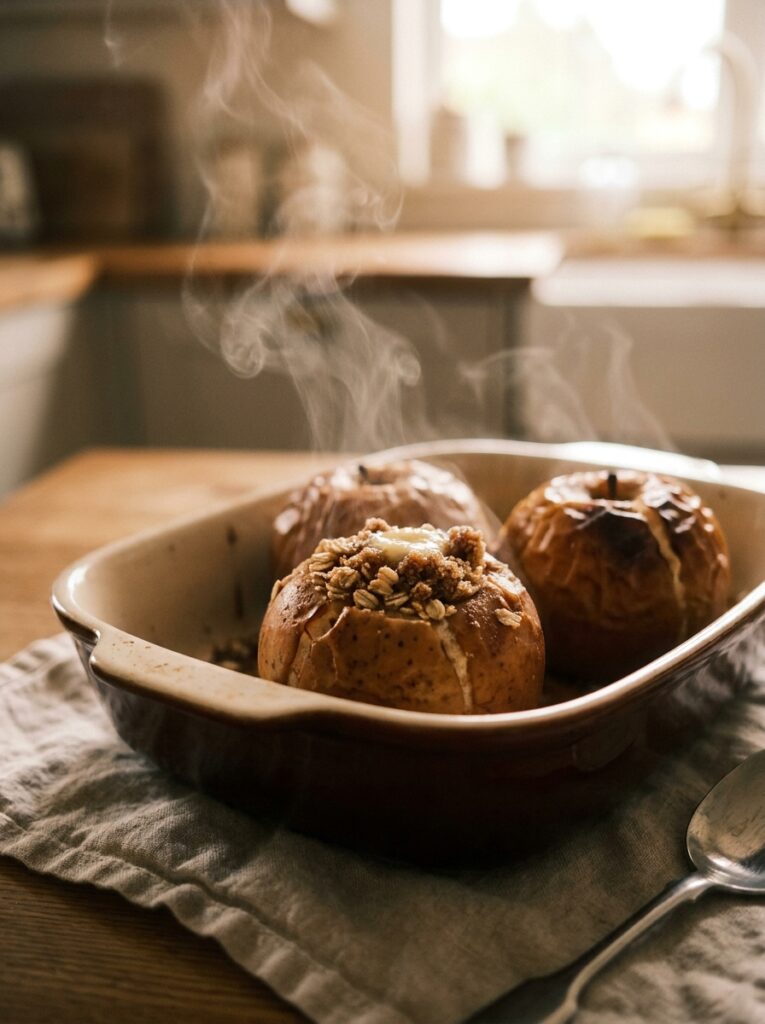
I know baked apples sound like hospital food. They’re not.
Take a large apple — Gala, Honeycrisp, or Jonagold work well — and core it without going all the way through the bottom. You want a little well. Fill it with a mixture of rolled oats, brown sugar, butter, cinnamon, raisins if you want, crushed pecans if you want, a pinch of salt. Pack it in. Add a splash of apple cider or water to the baking dish — just enough to cover the bottom — and bake at 375°F for about 45 minutes.
What you get is a warm, self-contained apple dessert that’s somehow comforting in a very specific way. The skin softens, the filling caramelizes at the top, and the whole apple slumps slightly in a way that looks charming rather than sad.
Top with a generous scoop of vanilla ice cream so it melts down into all the crevices. This is important.
It’s also a perfectly acceptable breakfast if you’re the kind of person who lives life with that kind of freedom. No judgment here.
—
9. Apple Fritters Are What Happens When You Stop Being Precious About Dessert
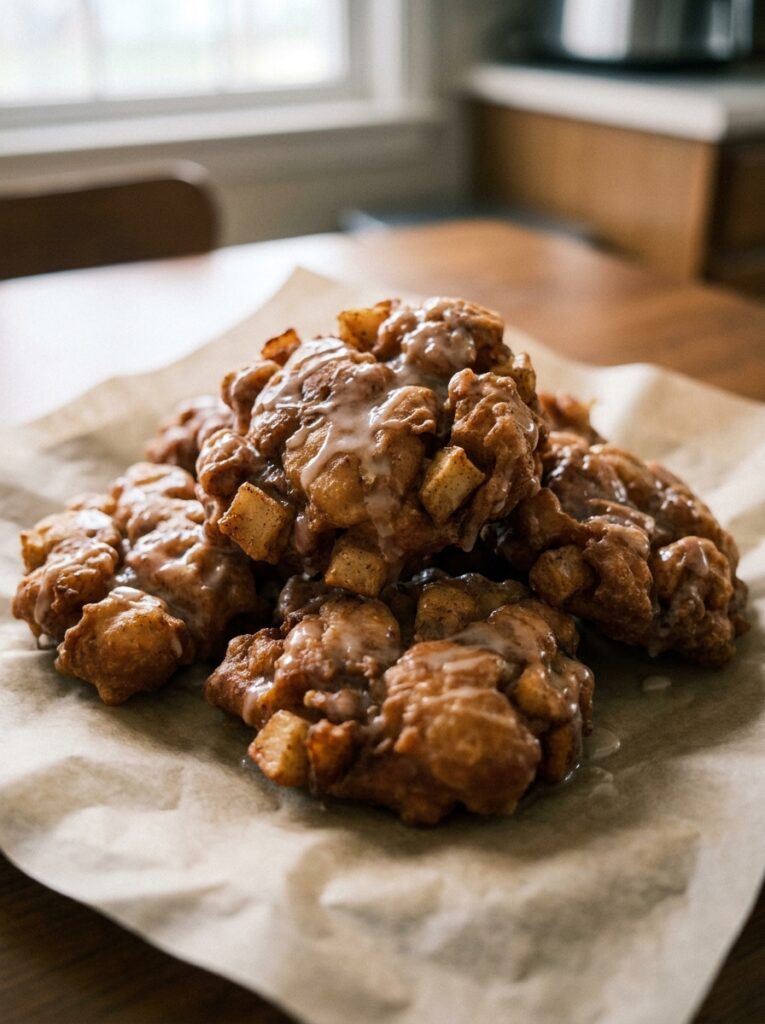
Hot oil, thick batter, sliced apples. That’s all this is.
Mix 1 cup flour, 2 tablespoons sugar, 1 ½ teaspoons baking powder, 1 teaspoon cinnamon, a pinch of salt. Stir in 1 egg and ¾ cup milk until just combined — a few lumps are fine. Fold in 1 ½ cups of peeled, diced apple.
Heat about 2 inches of vegetable oil in a heavy pan to 375°F. Drop heaped spoonfuls of batter in and fry for about 2 minutes per side until they’re deeply golden. Drain on paper towels and then — this is the crucial part — glaze them immediately while they’re still hot and slightly porous.
The glaze is just powdered sugar, a little milk, a drop of vanilla. Thin enough to drizzle freely. The fritters drink it in while they’re warm.
Eat them within 20 minutes. After that they go soft and sad. So you’ll need to eat quickly, which, honestly, you were going to anyway.
—
10. What to Do With Leftover Apple Desserts (The Answer Is Better Than You’d Expect)
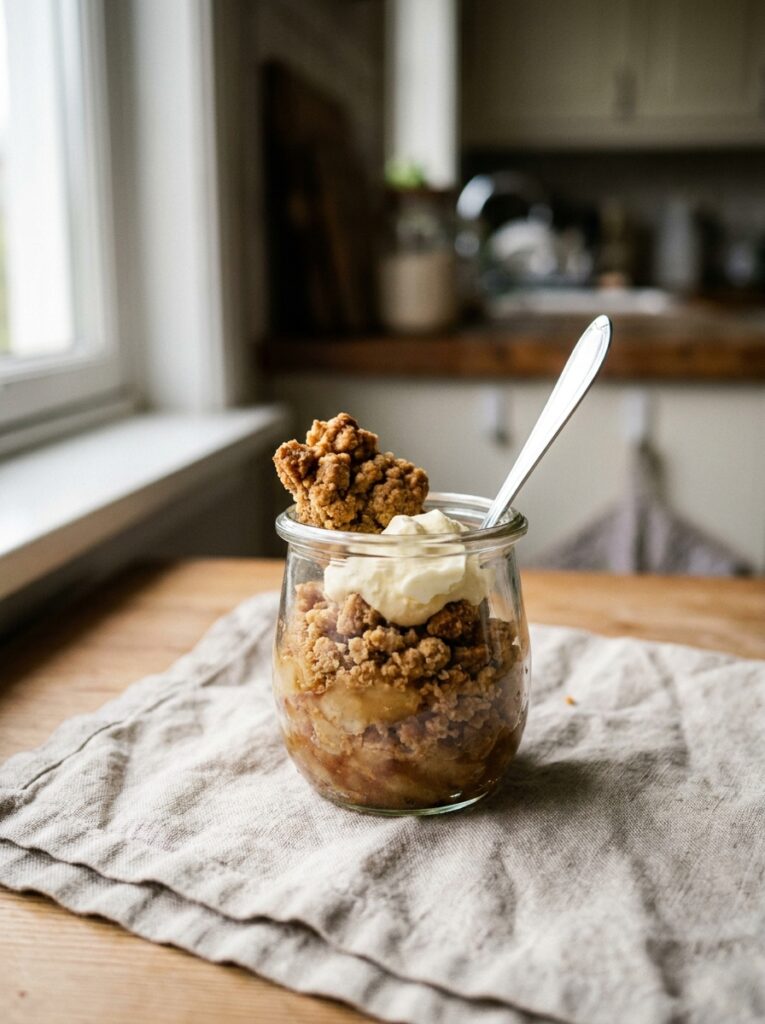
Leftover apple crumble goes into yogurt the next morning. Straight in. Cold. The crumble softens slightly overnight and turns into something that tastes vaguely granola-adjacent.
Leftover apple cake, sliced and fried in a little butter in a pan, becomes a sort of pan-fried apple cake that’s got crisp edges and a warm interior and honestly might be better than the original.
Leftover baked apples get chopped up and stirred into oatmeal. Add a splash of the baking liquid too — it’s essentially apple syrup at that point and it’ll make your oatmeal taste like it was made by someone who cares about you.
And leftover pie — cold, straight from the fridge, eaten standing at the counter with a fork — is one of life’s quiet pleasures. Anyone who tells you otherwise has never experienced it properly.
—
11. The Spice Combinations That Make Apple Desserts Taste More Interesting
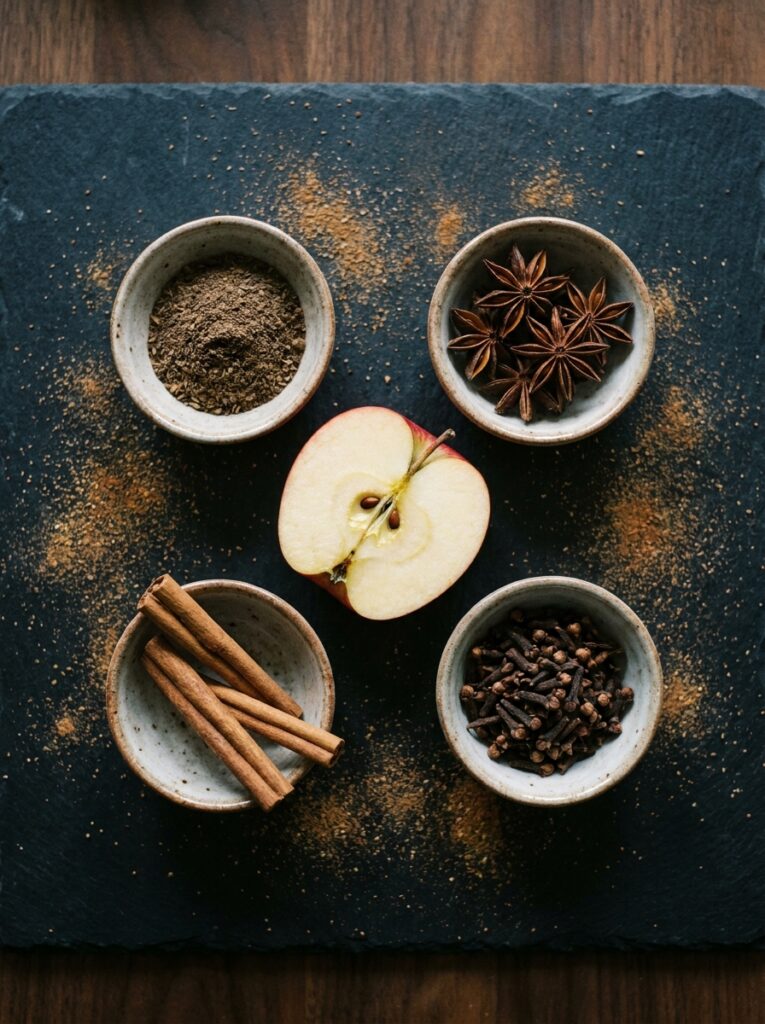
Cinnamon is the default. Nothing wrong with that. But if cinnamon is the only spice in your apple dessert, you’re leaving something on the table.
Cardamom is the upgrade. Even a small pinch of it — ¼ teaspoon in a full pie filling — adds this floral, slightly citrusy note that people can’t quite identify but definitely respond to. They’ll say “what IS that?” and you can be mysterious about it.
Ginger — ground ginger, not fresh — adds a gentle warmth that’s different from cinnamon. Use it alongside cinnamon rather than instead of it.
Black pepper. Tiny pinch. In a caramel apple situation or a very buttery crumble topping. Don’t put it in everything, but when it works, it WORKS.
And cloves, used sparingly — seriously, a little goes a long way with cloves — add depth that makes a filling taste almost spiced cider-like. Which is exactly where you want to be in autumn.
—
12. The Caramel Apple Bars Worth Every Minute of the Process
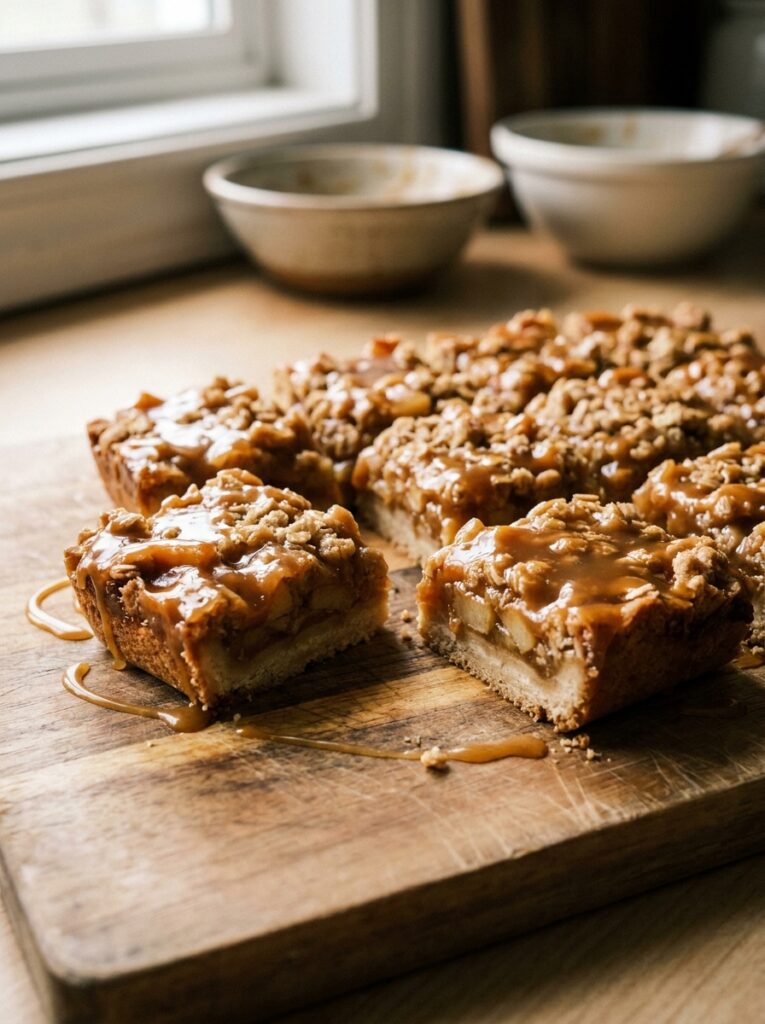
These are not a weeknight recipe. They’re a Saturday recipe, maybe Sunday. But they’re worth it.
Make a shortbread base first: flour, powdered sugar, cold butter, pressed into a lined pan and baked until just golden. While that cools, cook sliced apples with brown sugar, butter, cinnamon, and a splash of lemon juice until they’re just soft, about 8 minutes. Layer them over the cooled base.
Then make a simple salted caramel — sugar, butter, heavy cream, a big pinch of flaky sea salt — and pour it over the apples. Let the whole thing set in the fridge for at least 2 hours.
Cut them into bars. They’ll be sticky and gooey and the caramel will try to drip off the sides, which is just what they do and you can’t really stop it. The shortbread stays crisp on the bottom against all odds. Each bar has this contrast of buttery crisp, soft apple, and sticky salty caramel that makes them almost impossible to stop at one.
Don’t say I didn’t warn you.
—
❓ FAQ
Q: What are the best apples to use for baking desserts? A: Firm, slightly tart apples tend to hold up best — Granny Smith, Braeburn, and Jonagold are all solid choices. Mixing two varieties is often the best approach because you get more complex flavor and a better texture contrast. Avoid very soft eating apples like Red Delicious; they tend to turn watery or mushy under heat.
Q: Can I make apple desserts ahead of time? A: Most baked apple desserts — pies, crumbles, cakes — keep well at room temperature for a day or two, or in the fridge for up to 4 days. Many of them are actually better the day after baking once the flavors have settled. Fritters are really the exception; those need to be eaten fresh or they lose their texture fast.
Q: Do I have to peel apples for baked desserts? A: Not always. Peeling is recommended for smooth fillings in pies and tarts where you don’t want texture variations. But for chunkier crumbles, cakes, or baked apples, leaving some or all of the skin on adds chewiness and a slight color variation that can actually look lovely. It’s genuinely a personal preference call.
—
💭 Final Thoughts
There’s something about apple desserts that feels like the cooking equivalent of putting on a familiar sweater. Reliable. Warm. Always a little better than you remembered. These recipes span the quick and the careful, the British and the American, the effortless Tuesday and the intentional Saturday — and any of them could become the one you come back to every year without thinking about it.
Which apple dessert do you find yourself making on repeat, and have you ever actually strayed from it?
