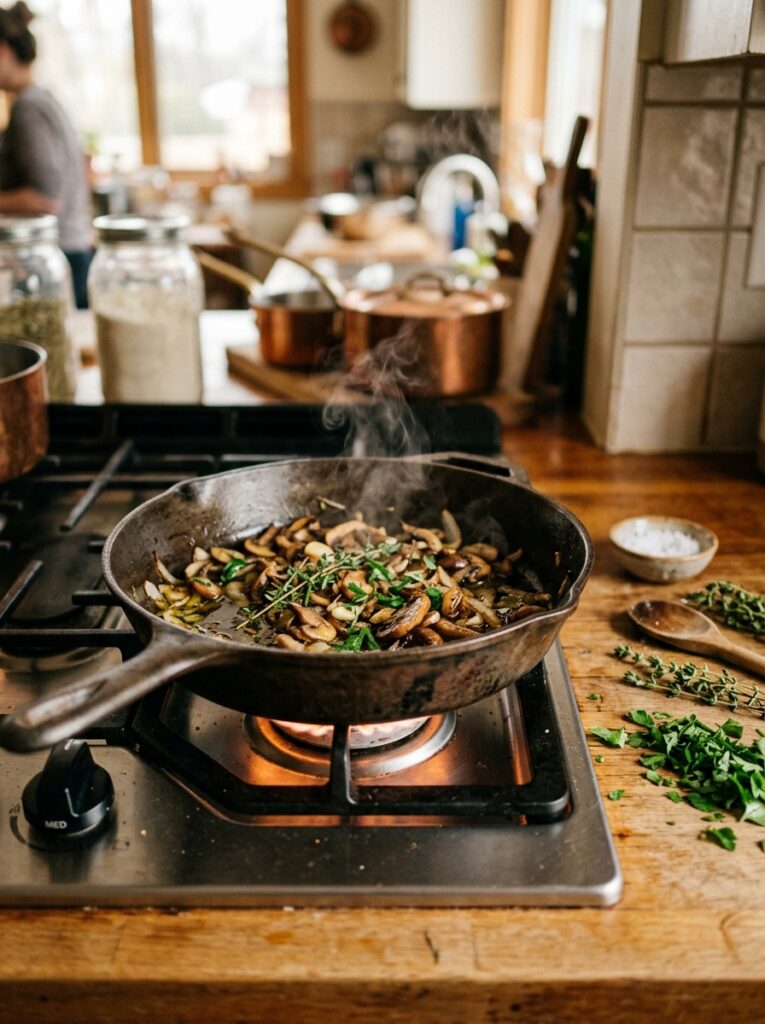
My friend Sara called me on a Tuesday at 5:47pm and said “I have chicken thighs, half an onion, and I’m too tired to think.” I talked her through dinner in twelve minutes. She texted me afterward: this is the best thing I’ve made in months. And that’s kind of the whole point of this post.
—
1. Why “Quick” Doesn’t Have to Mean Sad
Let’s get something out of the way. Fast dinners have a reputation — sad pasta with jarred sauce, cereal if we’re being honest, maybe toast with something melted on it. And I’m not judging any of that. Some nights that IS dinner and that’s fine.
But there’s this whole category of meals that sit between “I’m actually cooking tonight” and “I’ve completely given up,” and that’s where I want to live. Because it turns out most of the flavour in cooking comes from technique and seasoning, not time. A chicken thigh cooked correctly in 20 minutes tastes better than one roasted badly for an hour. Getting something screaming hot before you add the protein makes a huge difference. Learning when to actually leave things alone in the pan rather than constantly fussing with them — that changes everything.
Quick dinners done right aren’t a compromise. They’re just a different skill set.
—
2. The Pan Sauce Trick That Makes Everything Taste Expensive
So here’s a thing I wish someone had told me sooner.
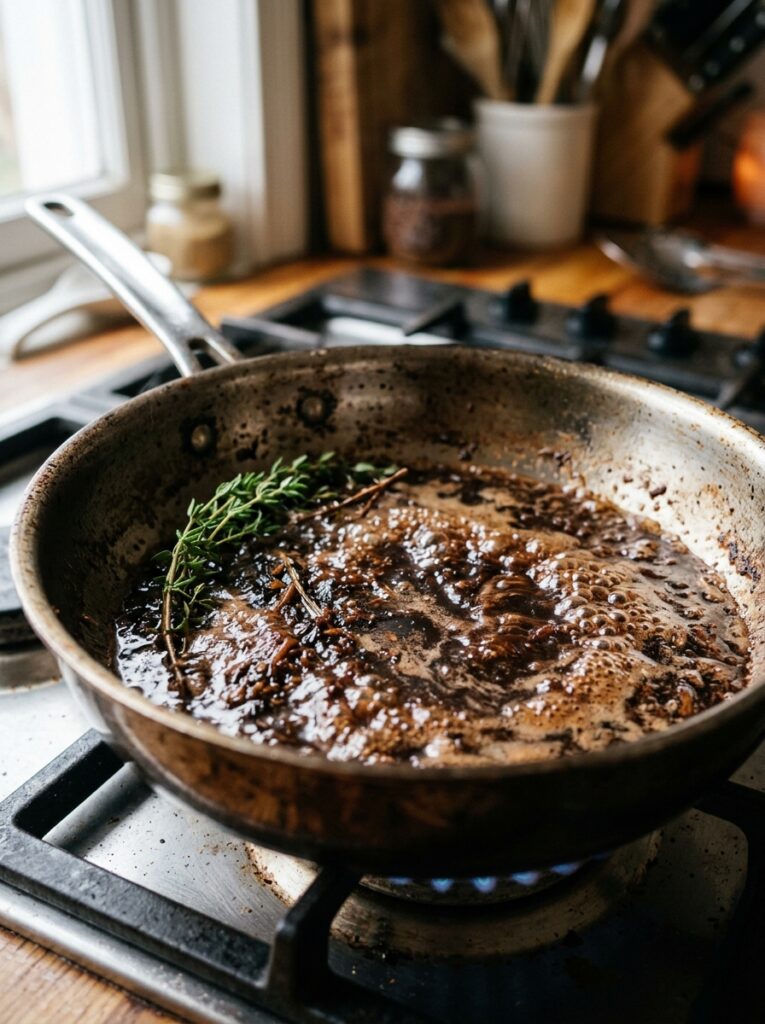
After you cook literally anything in a pan — chicken, sausage, even a piece of salmon — there’s all this dark, sticky stuff left at the bottom. Most people wash it straight down the drain. Please don’t do that. That’s flavour. That’s your sauce.
You pull the protein out, let it rest, turn the heat down to medium, and pour in something liquid. Wine if you have it, stock if you don’t, even a splash of water in a pinch. And you just… scrape. The dark bits lift right off into the liquid and suddenly you’ve got this glossy, deeply savoury sauce that tastes like it came from a restaurant. Add a tiny knob of butter at the end and you’re done.
“The dark sticky stuff at the bottom of the pan? That’s not a mess to clean up. That’s dinner.”
This one technique will make your quick weeknight meals taste like you actually put in effort. You didn’t. But nobody needs to know that.
—
3. The Chicken Thigh Is the Weeknight Hero Nobody Argues With
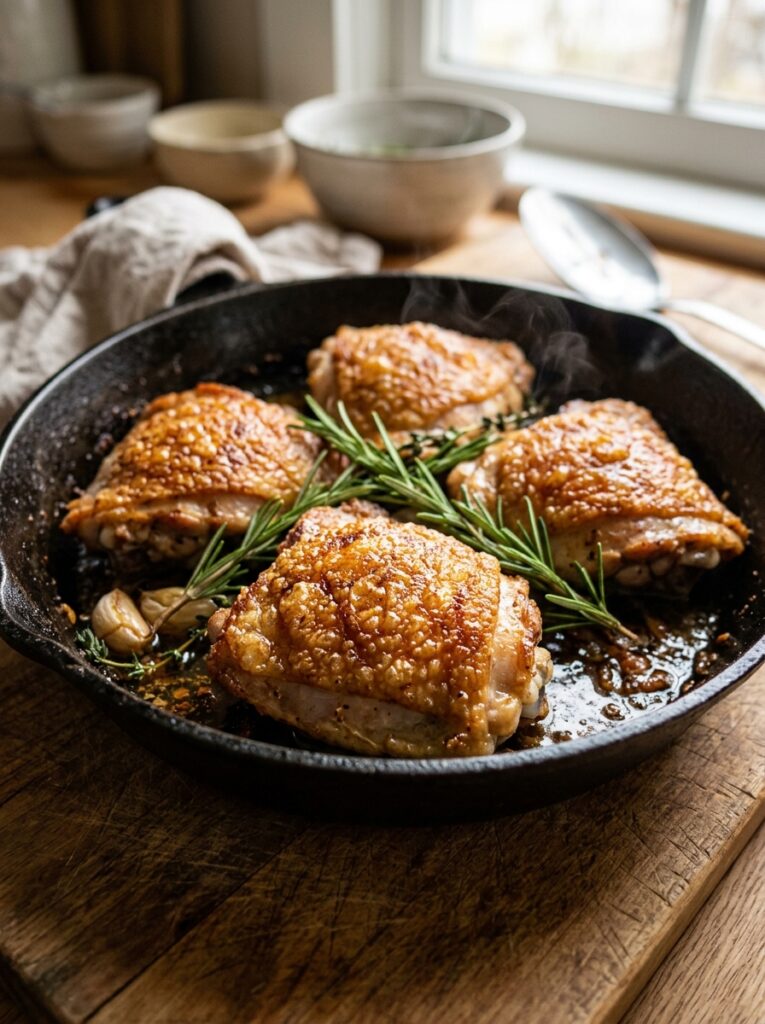
I’ve said it before and I’ll keep saying it. Chicken thighs are more forgiving than chicken breasts, they have more flavour, and they’re almost impossible to dry out. You can overcook them slightly and they’ll still be tender. You can’t really say that about much else.
For a 30-minute dinner, season them well — salt, pepper, garlic powder, maybe smoked paprika if you’re feeling it — and get a pan properly hot before they go in. Skin side down. Don’t move them. Let them sit for 7 or 8 minutes until the skin is actually golden, not pale yellow, GOLDEN. Then flip. Five more minutes and you’re done.
Serve them over anything. Rice, mashed potatoes, the flatbreads you have in the freezer, a pile of dressed greens. The chicken does all the heavy lifting. Side note — if you’ve been avoiding thighs because they seem fattier or more complicated, try them once and I promise you’ll switch.
—
4. Pasta Night Doesn’t Have to Be the Same Three Dishes Forever
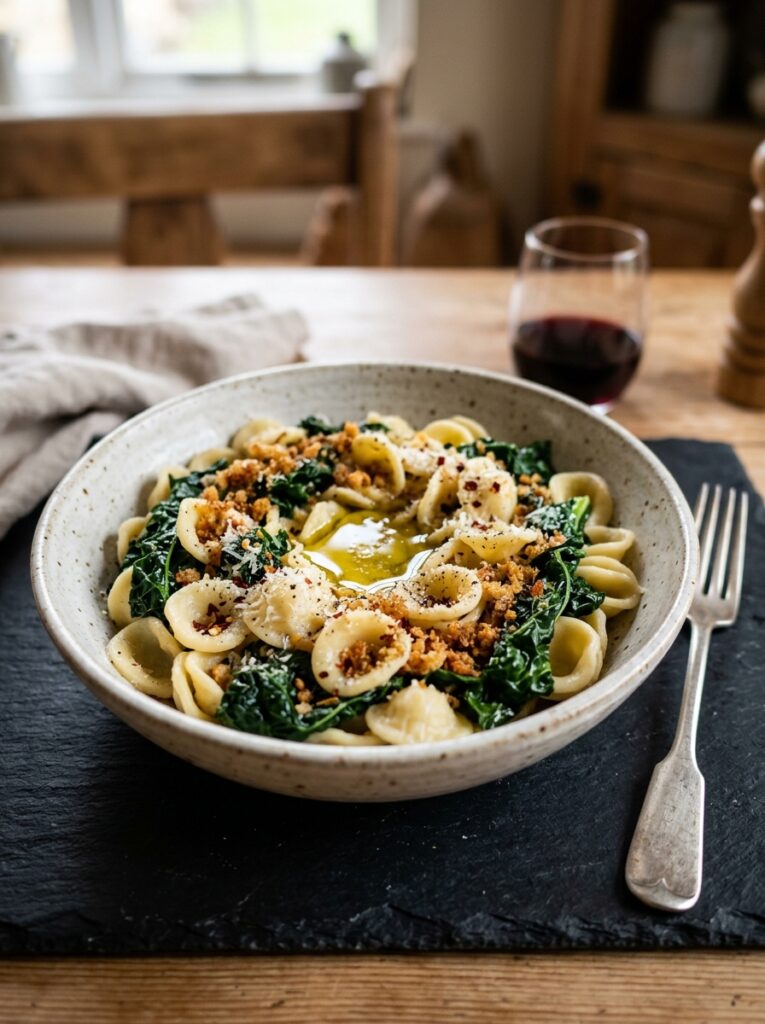
Okay so I know we all have our pasta rotation. Bolognese if there’s time, something with cherry tomatoes and basil if there isn’t, aglio e olio when the fridge is genuinely empty. And those are all great. But let me offer a few pivots.
Brown butter pasta is four ingredients and takes maybe 15 minutes total. Butter goes in a light-coloured pan over medium heat, you swirl it constantly, and you watch it carefully — it goes from melted to foamy to nutty and golden in a few minutes and it smells absolutely incredible. Toss with pasta and parmesan and whatever pasta water you saved. Done.
Or: cook pasta, drain it, toss it back in the warm pan with a tin of tuna, some capers if you have them, a squeeze of lemon, olive oil, salt, pepper. That’s it. Sounds too simple. Isn’t.
The thing is, pasta night gets boring because we think it has to be a project. It really doesn’t.
—
5. Sheet Pan Dinners Are Good But You’re Probably Overcrowding the Pan
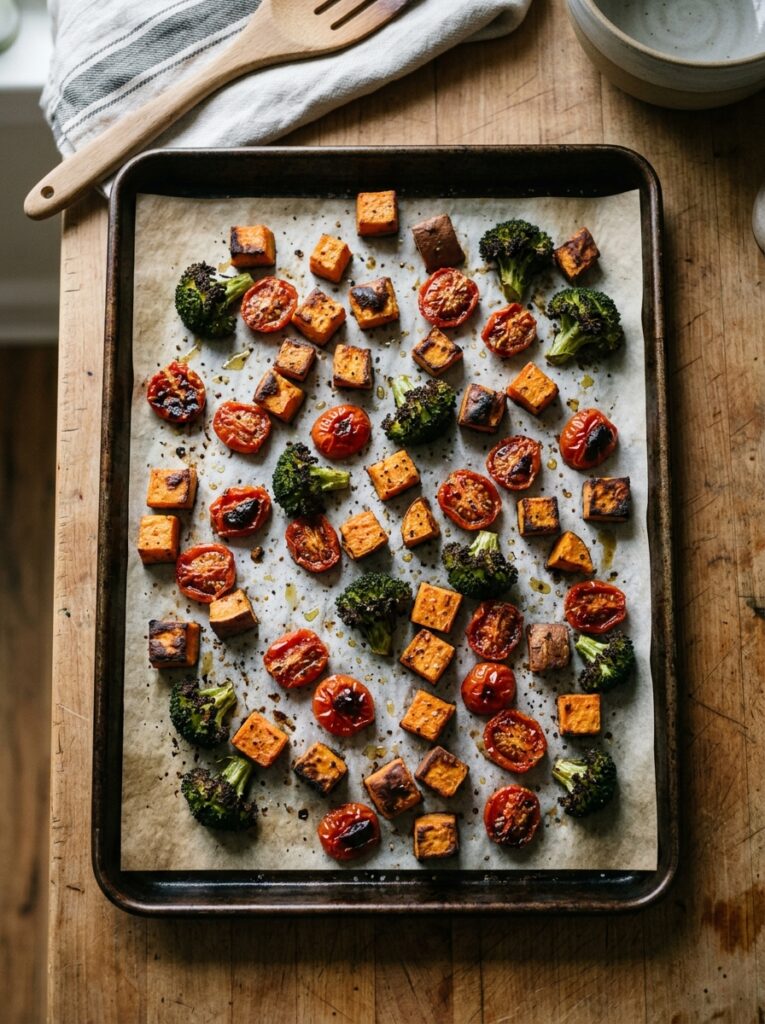
Sheet pan dinners are one of those ideas that sounds perfect on paper and then doesn’t quite work in practice and it’s genuinely frustrating because WHY isn’t this working.
Here’s why. Overcrowding. If your vegetables are touching each other they’re steaming, not roasting, and steamed vegetables on a sheet pan are sad and soft instead of caramelized and great. You need space between things. More space than you think. If you’re cooking for four people, use two sheet pans. Just do it.
Also — different things cook at different speeds and it matters. Dense veg like sweet potatoes and carrots need a head start. Tender things like courgettes (zucchini if you’re reading this in the US) and cherry tomatoes go in much later. Stagger your additions and everything finishes at the same time. That one adjustment makes a massive difference.
“Use two sheet pans. Seriously. Stop trying to fit everything onto one and then wondering why it’s soggy.”
—
6. The Egg Dinner That Feels Like Cheating But Isn’t
Eggs for dinner is underrated and I will die on this hill.
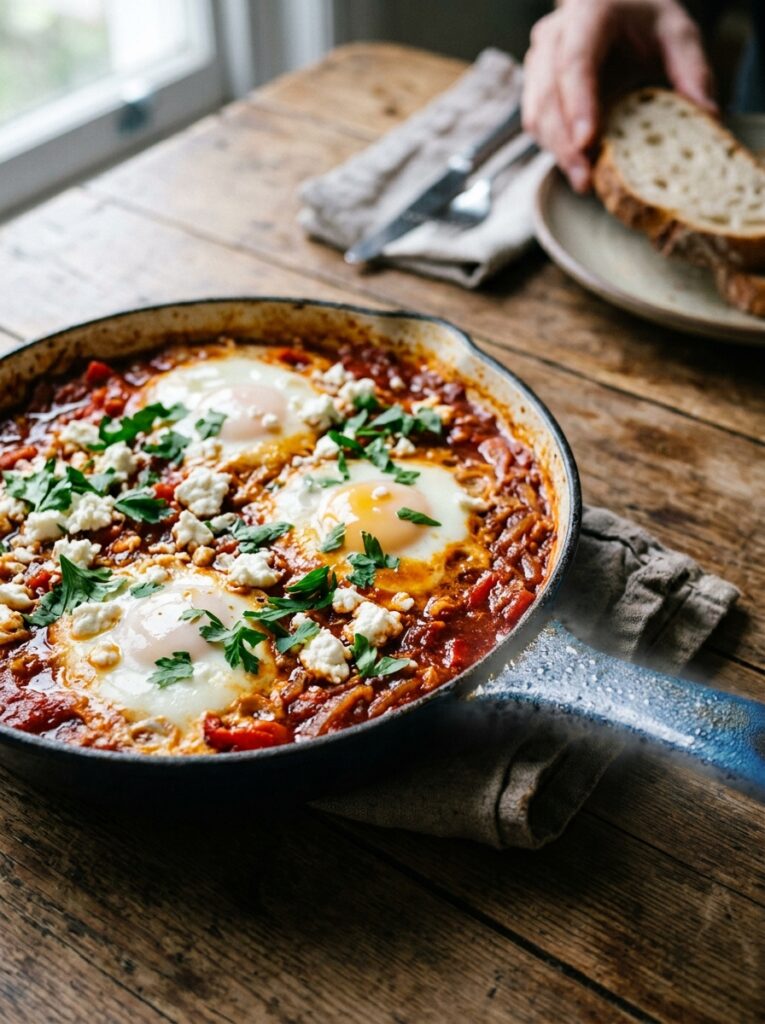
Shakshuka is maybe the best example — eggs poached in a spiced tomato sauce, served straight from the pan with bread to dip into it. It takes 25 minutes, it feeds two to four people comfortably, and it looks genuinely impressive. The kind of thing someone sees you making and goes “oh, what’s that?” in a way that makes you feel like you know what you’re doing.
The base is olive oil, an onion softened down, garlic, cumin, smoked paprika, a tin of good chopped tomatoes. Let it simmer and reduce for 10 minutes so it’s thick and dark and concentrated. Then make little wells with a spoon and crack an egg into each one. Lid on, low heat, 6-8 minutes depending on how you like your yolks. Salt, maybe some crumbled feta, fresh herbs if you have them.
One pan. Almost no washing up. Tastes like you planned it.
—
7. The Soup That Takes 20 Minutes and Lasts All Week
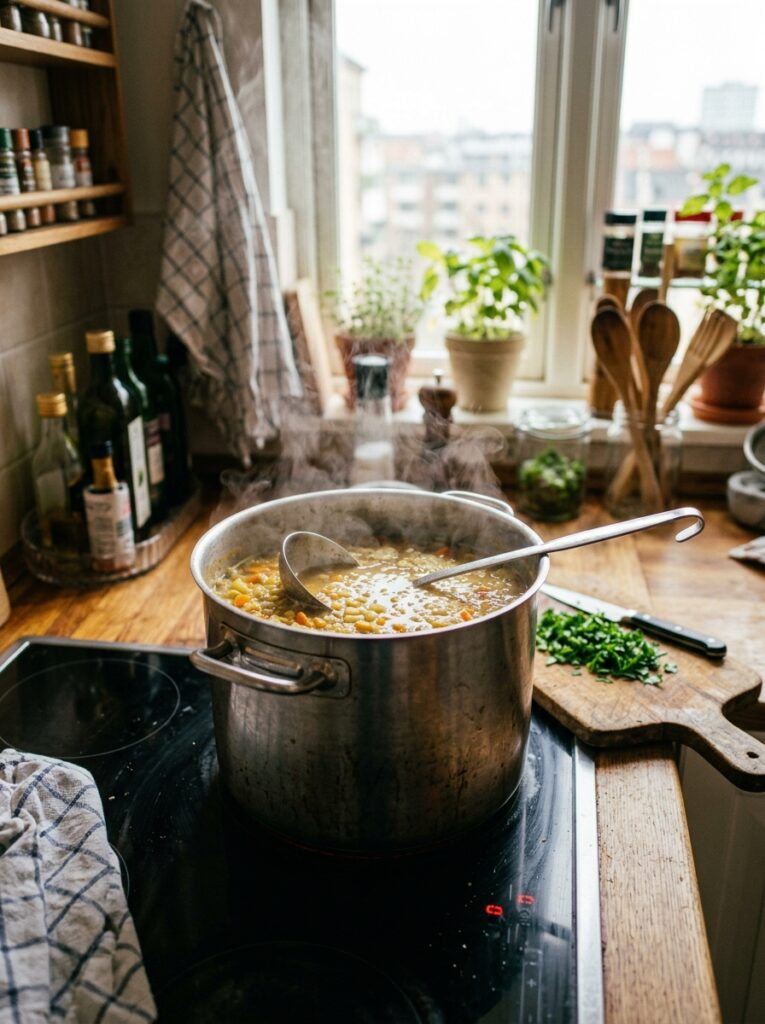
I’m genuinely obsessed with this and I bring it up more than is socially acceptable, but lentil soup is the most undervalued thing in a weeknight cook’s repertoire. Red lentils specifically — because they don’t need soaking, they cook in 15 minutes, and they basically fall apart into a silky, thick base without any blending required.
Soften an onion and a couple of cloves of garlic in olive oil. Add a teaspoon each of cumin and turmeric, stir for 30 seconds so the spices bloom and the whole kitchen smells warm and sort of golden. Pour in red lentils, a tin of tomatoes, stock — chicken or vegetable both work — and let it simmer. Season it well. A squeeze of lemon at the end is non-negotiable, it brightens everything.
It costs almost nothing. It reheats perfectly for three or four days. And honestly, I’ve served this to people who didn’t realise it was the “quick” option.
—
8. What to Do When the Fridge Looks Genuinely Empty
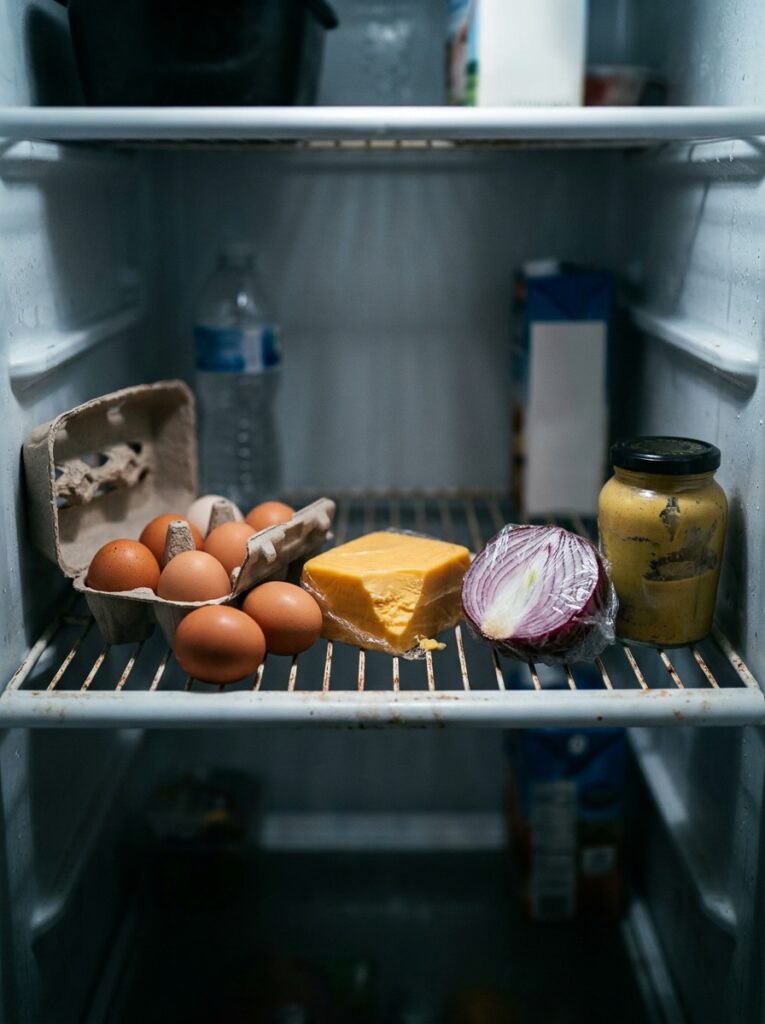
This happens to everyone. You open the fridge with good intentions and there’s just… not much. Half a block of cheese, some eggs, a wilting spring onion, that piece of leftover rice from two nights ago.
Fried rice. That’s what you do.
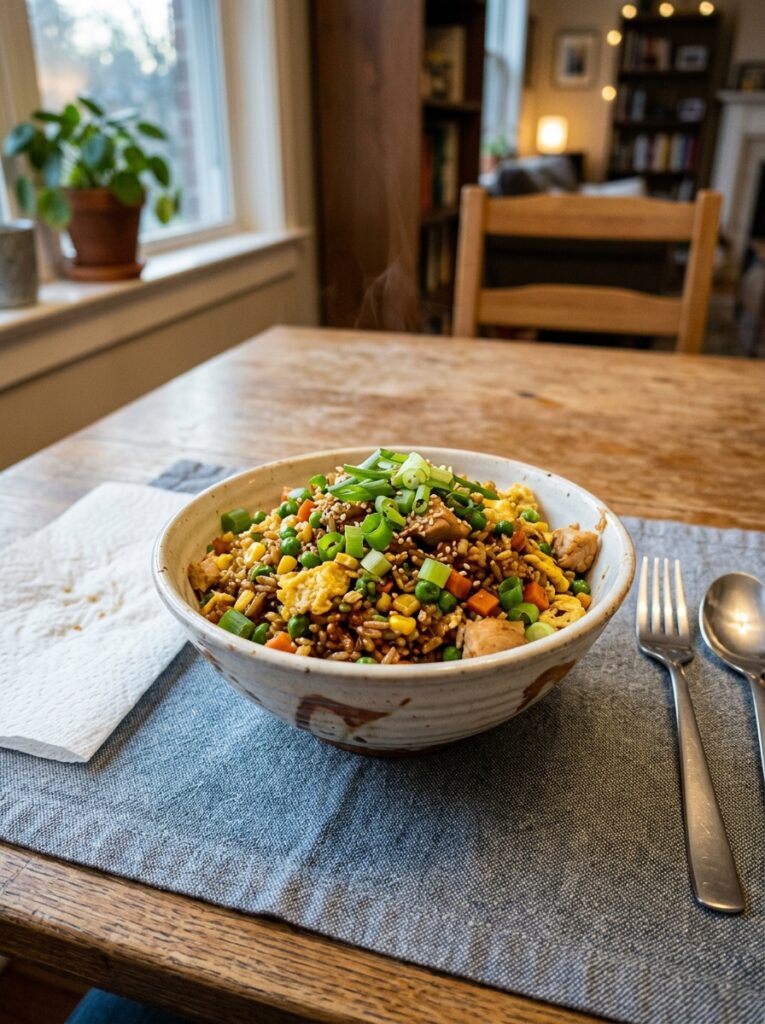
Day-old rice is actually better than fresh for this because it’s drier and fries instead of clumping and steaming. High heat, oil in the pan until it shimmers, rice in and left ALONE for a minute so it crisps slightly on the bottom. Then stir it, push it to the sides, crack two eggs into the middle and scramble them roughly before folding everything together. Whatever vegetables you have — frozen peas work perfectly — go in at the end. Soy sauce, sesame oil if you’ve got it, the spring onion on top.
Dinner in 15 minutes out of basically nothing. This is genuinely the meal I’m most proud of knowing how to make.
—
9. The Five-Ingredient Rule That Keeps Me Sane Mid-Week
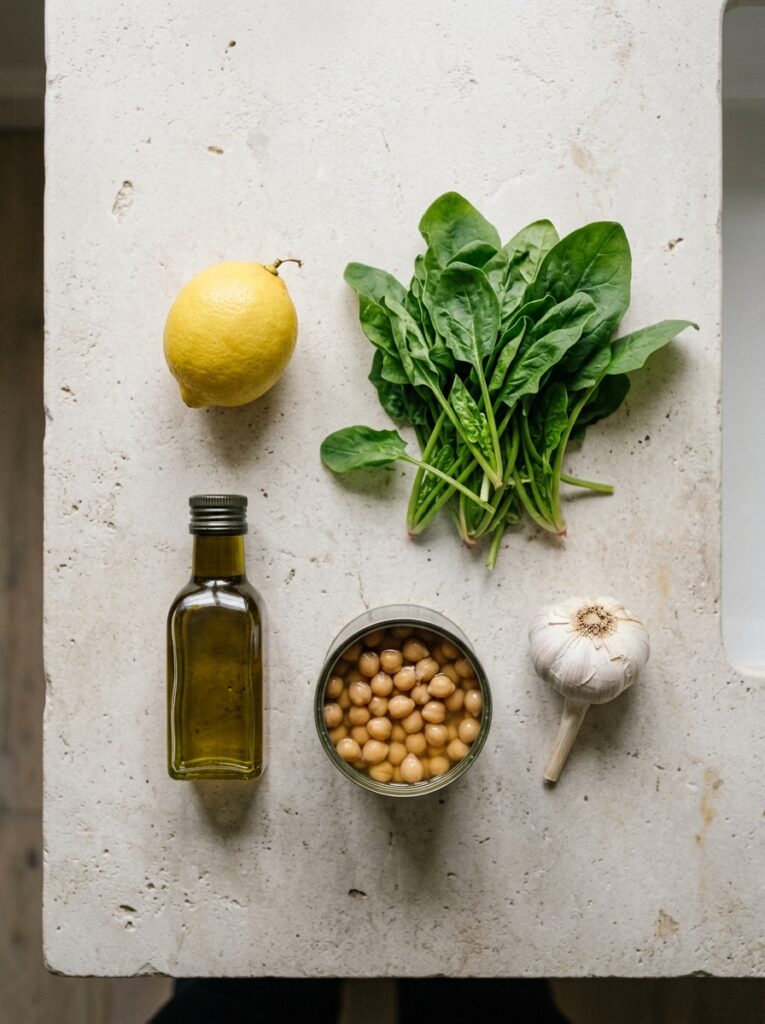
Or maybe it’s the opposite, honestly — maybe it’s not a rule at all, just something I noticed I do without thinking.
Weeknight dinners that actually get made tend to have five ingredients or fewer in the main component. Not including things like oil, salt, pepper — the stuff that’s always there. But the actual stars of the dish? Five or fewer. Anything more and I start looking for shortcuts, then I abandon it halfway and order something delivered, then I feel guilty about the chicken I didn’t cook and the whole thing spirals.
So when I’m planning the week out, I try to frame at least three nights around meals with a short ingredient list. A piece of fish, lemon, capers, olive oil, parsley. Done. Sausages, white beans, a tin of tomatoes, rosemary. Done. Halloumi — because honestly I eat this at least twice a week — sliced thick, fried in a dry pan until it’s golden and squeaky, served over dressed salad leaves with a drizzle of honey. Three ingredients, twenty minutes.
There’s something almost meditative about cooking simply. But maybe that’s just me.
—
10. The One Thing That Makes Cheap Cuts Taste Like Slow-Cooked Brilliance
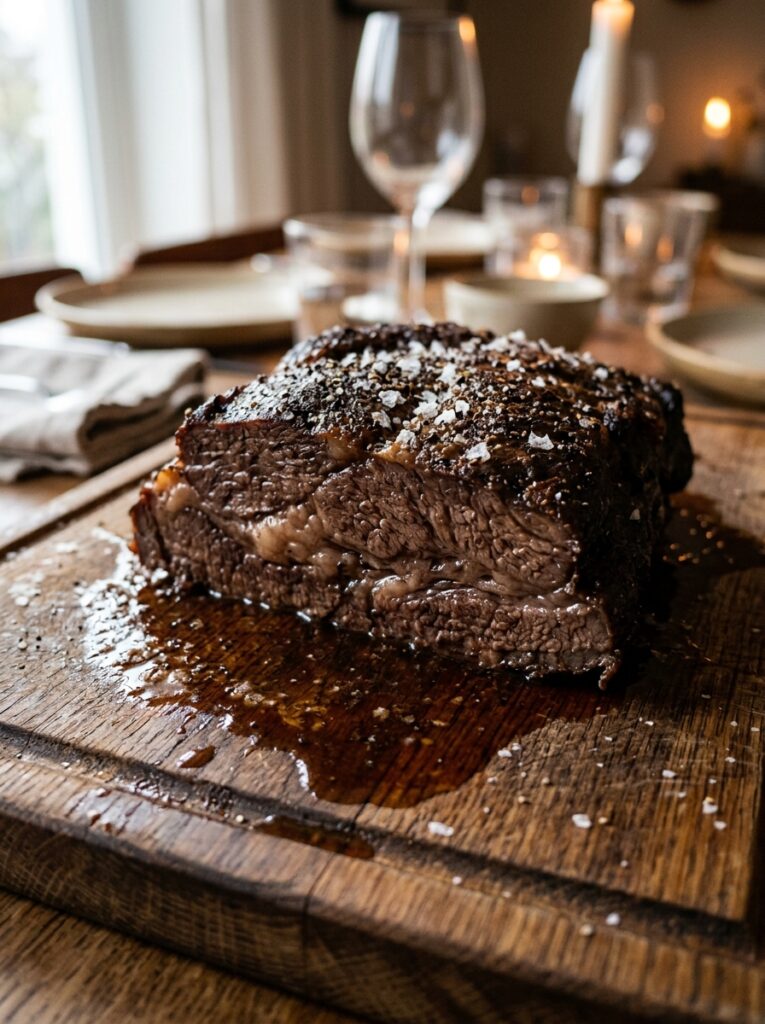
A good marinade. That’s it. That’s the section.
No, okay, let me expand. Because the marinating thing has a bit of a reputation — like you need to do it the night before, or for six hours minimum, or it doesn’t count. And for certain cuts, yes, longer is better. But even 20-30 minutes in something acidic and flavoured changes the texture and taste of cheaper proteins noticeably.
For chicken thighs or drumsticks: yogurt, garlic, lemon juice, smoked paprika, cumin, salt. Even half an hour makes a difference. The yogurt tenderizes, the acid brightens, the spices do their thing. Then grill or roast them and they come out tasting deeply spiced and slightly charred in the best way.
“You don’t need hours. Twenty minutes in a good marinade and a hot grill will do more than you think.”
For cheaper beef cuts, a little soy sauce and something acidic — rice vinegar, lime juice — works quickly because the salt breaks down the surface proteins faster. I’m not making this up, it’s actual food science, I just use it for dinner.
—
11. The British Staple That Needs a Serious Reputation Upgrade
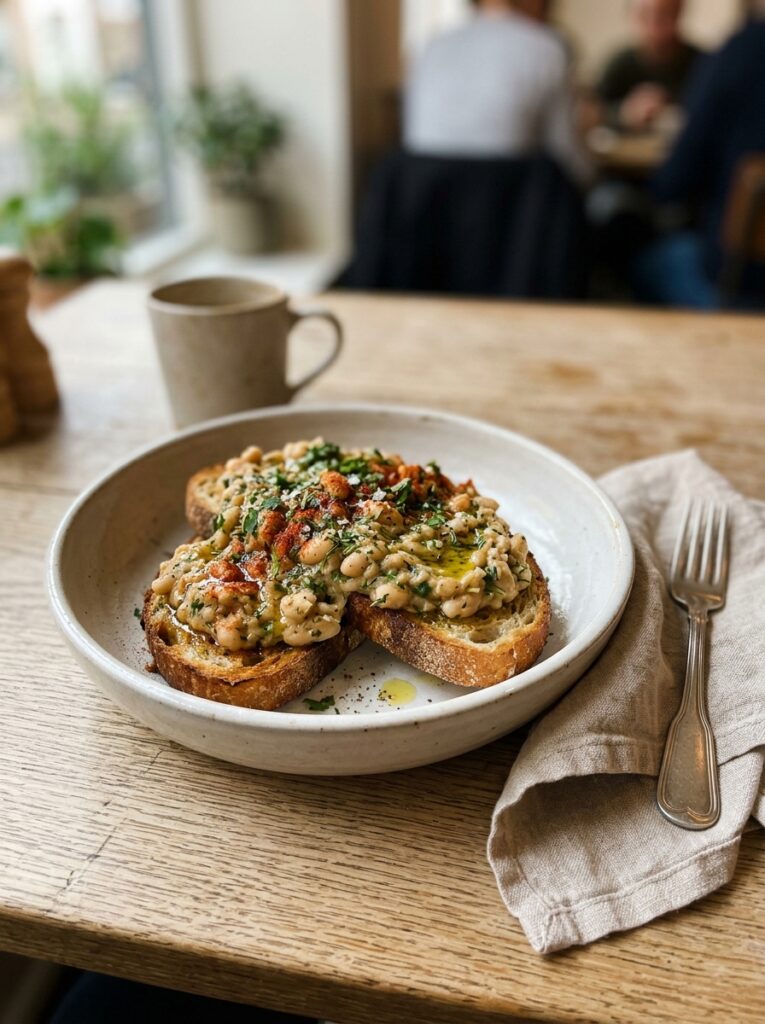
Gammon. There, I said it.
If you’re in the US, this is essentially a thick-cut cured pork steak, and it’s cooked very differently to what you might expect. In the UK it’s a weeknight classic — cheap, fast, incredibly satisfying — and it has this unfair association with school dinners that puts people off, but done right it’s genuinely great.
Pan-fry it in a dry pan (it has enough fat of its own) on high heat, three to four minutes per side until it’s caramelized and slightly sticky at the edges. Serve it with eggs, or with mashed potatoes and parsley sauce if you’re going full British comfort. Or just slice it thin and put it in a wrap with mustard and some dressed leaves. Done in under 15 minutes, costs very little, keeps you full for ages.
I kind of can’t believe this isn’t everywhere already.
—
12. The Night You Just Need Dinner to Be Easy and Good
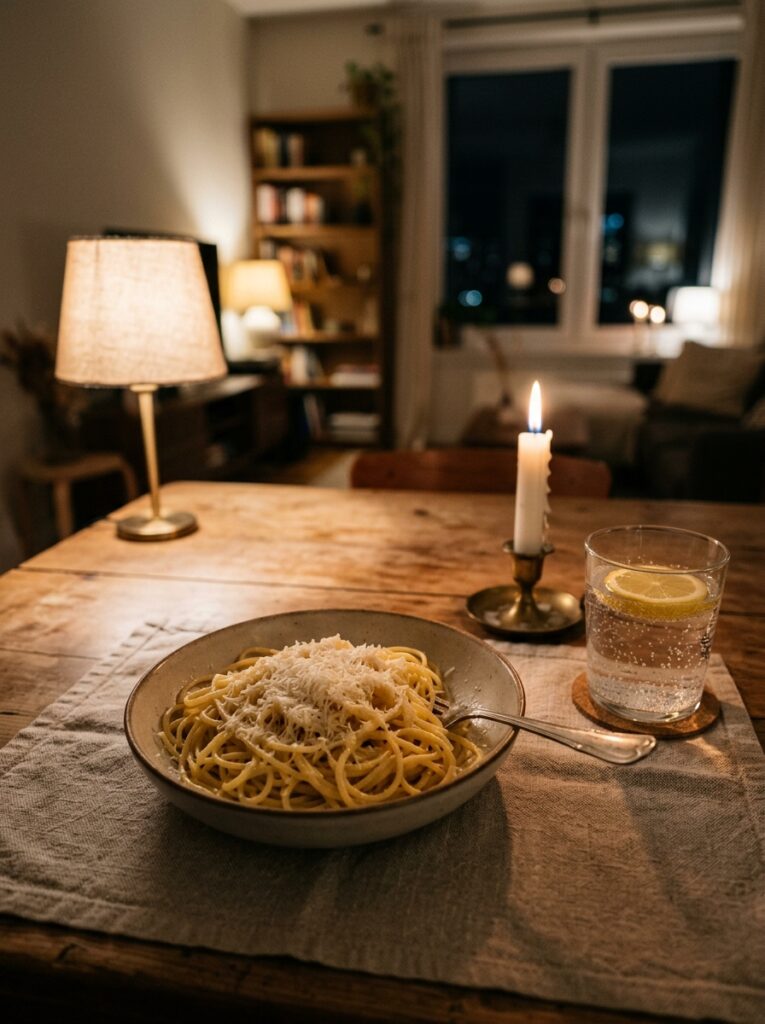
Some nights aren’t about being clever. You’re not trying to learn a technique or impress anyone. You just need food on the table and you need it to taste good and you’d really like to not have too many dishes afterward.
So: grain bowl. Cook whatever grain you have — rice, bulgur wheat, even couscous which takes five minutes in boiled water — while you roast some chickpeas in the oven with olive oil, cumin, and salt until they’re crispy (20 minutes at 400°F/200°C). Slice whatever fresh vegetables you have. Make a quick tahini dressing — tahini, lemon juice, garlic, water to thin it, a tiny pinch of salt.
That’s it. You pick your grain, you add your protein, you drizzle the dressing, and you eat it and you feel like you did something right today.
Which you did. Dinner’s done.
—
❓ FAQ
Q: What’s the easiest high-protein weeknight dinner that doesn’t take long to prep? A: Honestly, pan-fried salmon is hard to beat — it takes about 12 minutes start to finish, it’s filling, and it doesn’t require much beyond seasoning. If you’re in the UK, smoked mackerel on toast with scrambled eggs is another super fast, high-protein option that barely counts as cooking.
Q: Can I meal prep quick dinners, or do they lose something when you reheat them? A: Most of them reheat surprisingly well, especially anything grain-based, soup-based, or bean-based. The things that don’t reheat well are anything crispy (sheet pan chicken skin, for example) and eggs cooked soft. Make those fresh and batch-cook everything else.
Q: I have a really picky family — what quick dinners tend to work across the board? A: Build-your-own setups are your best friend. Taco bowls, grain bowls, wraps — you cook the components, you put them in the middle of the table, and everyone assembles their own. Nobody’s complaining about what’s on their plate because they put it there. It sounds obvious but it genuinely cuts the dinner-table arguments significantly.
—
💭 Final Thoughts
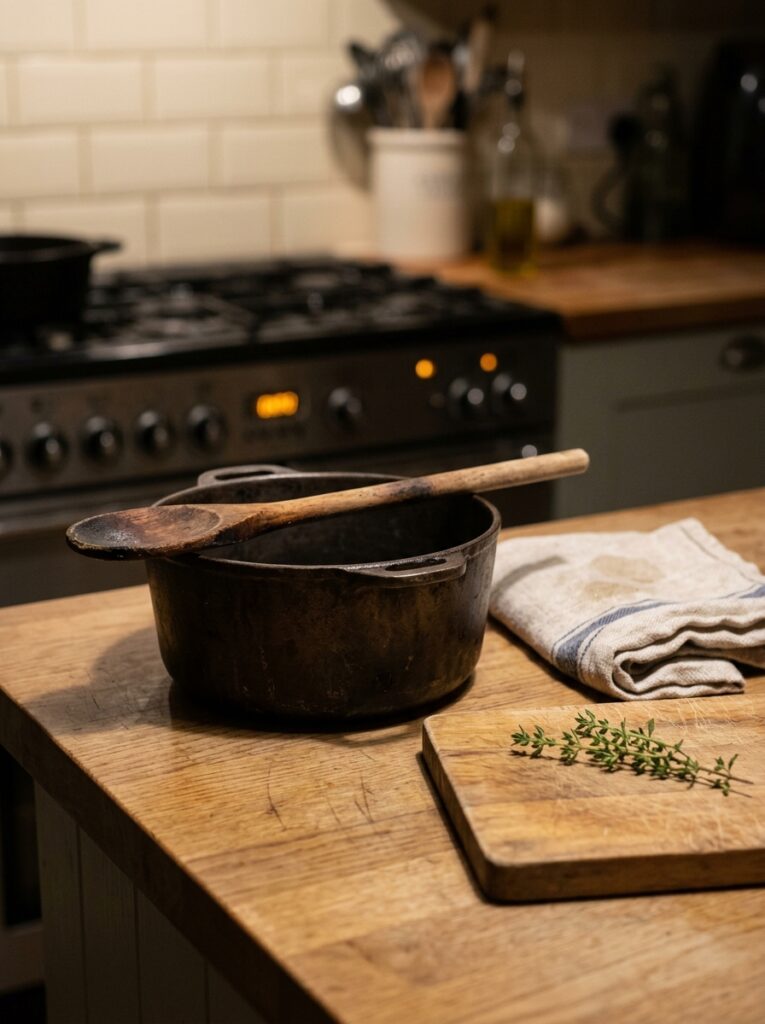
Here’s the thing nobody really says out loud: some of the best meals you’ll ever make are the ones where you were too tired to overthink it. The improvised ones. The “I just used what I had” ones. Fast dinners have given me more of those moments than any complicated weekend project.
What’s the meal you make when you’re running on empty that somehow turns out great every single time?
