My friend called me the other day and said, “I tried a green smoothie and I think I need therapy.” I laughed because same. For years I made the kind of smoothies that looked incredible on Pinterest and tasted like a lawn mowing accident.
Then something clicked. And now I genuinely can’t imagine starting a morning without one.
—
1. The Moment I Stopped Treating Smoothies Like Medicine
There’s a version of breakfast smoothie culture that’s honestly exhausting. The one where everything is unsweetened, unflavored, aggressively healthy, and deeply unpleasant. You choke it down because you’re supposed to. You feel virtuous. You’re also miserable.
That’s not what this is about.
A good breakfast smoothie should taste like something you’d actually choose. Not something you’re enduring. The shift for me happened when I stopped asking “what should I add for health benefits” and started asking “what do I actually want to eat right now, and how do I make it drinkable and filling.”
That sounds simple. It’s not, actually — it took me an embarrassingly long time to get there.
The other thing? A lot of people are blending in the wrong order, using too much liquid, or skipping the ingredient that makes everything creamy instead of watery and thin. We’re going to talk about all of it.
—
2. The Frozen Fruit Swap That Changes Everything
Fresh fruit in smoothies sounds better than frozen. It’s not.
Frozen fruit is picked at peak ripeness and flash-frozen, which means the flavor is locked in. Fresh fruit — especially the sad strawberries sitting in your fridge on a Tuesday — is often mealy, flavorless, and cold enough. Not COLD enough. That’s the other thing. Frozen fruit chills your smoothie without needing ice, which means you’re not watering it down.
Ice is the enemy of flavor. It dilutes everything and makes your smoothie taste like a slightly fruity slushie rather than something with actual depth.
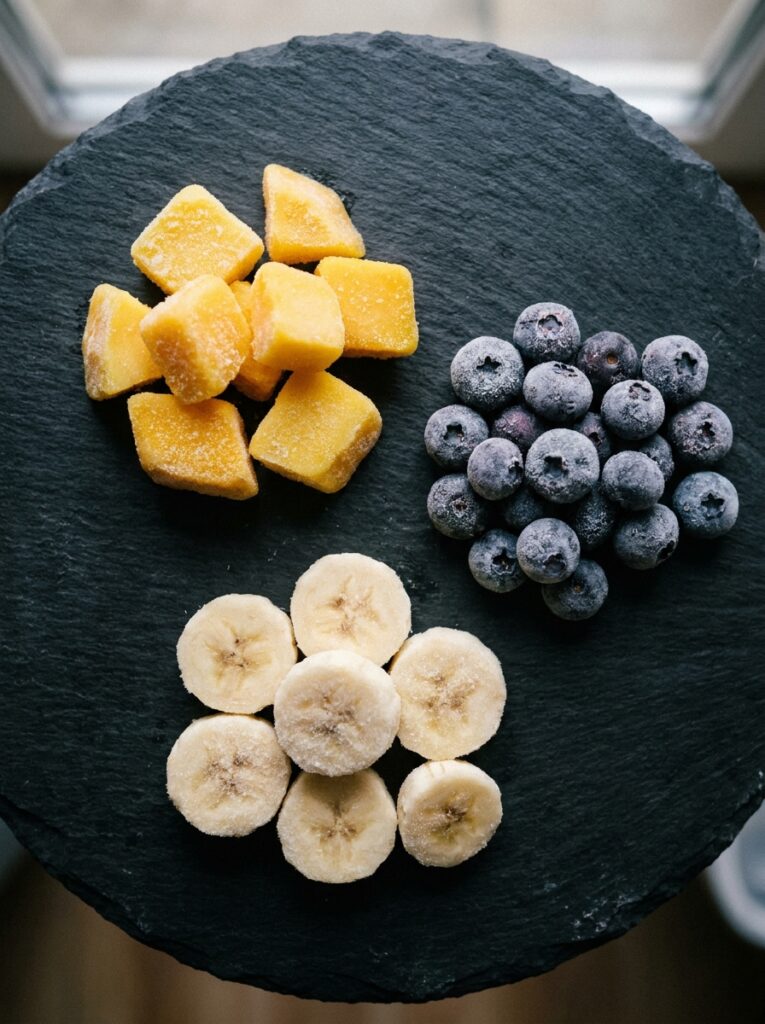
So grab a bag of frozen mango, frozen mixed berries, frozen banana slices — whatever. Your blender, your taste buds, your morning self will all thank you. I keep four or five different bags in the freezer at any given time, and it’s genuinely one of those kitchen habits I’d never undo.
“Frozen fruit is picked at peak ripeness. Fresh fruit from your fridge on a Tuesday? Not so much.”
Side note — frozen bananas specifically deserve their own paragraph. Half a frozen banana makes almost any smoothie taste like it has ice cream in it. That’s not an exaggeration. It’s creamy, subtly sweet, and it thickens things up in a way that nothing else quite does. Peel them when they start going spotty, cut them up, freeze them in a bag. Done.
—
3. The Liquid You Choose Is Doing More Work Than You Think
Most people just pour in whatever milk or juice is in the fridge. That’s fine. But the liquid base is where a lot of smoothie flavor problems start.
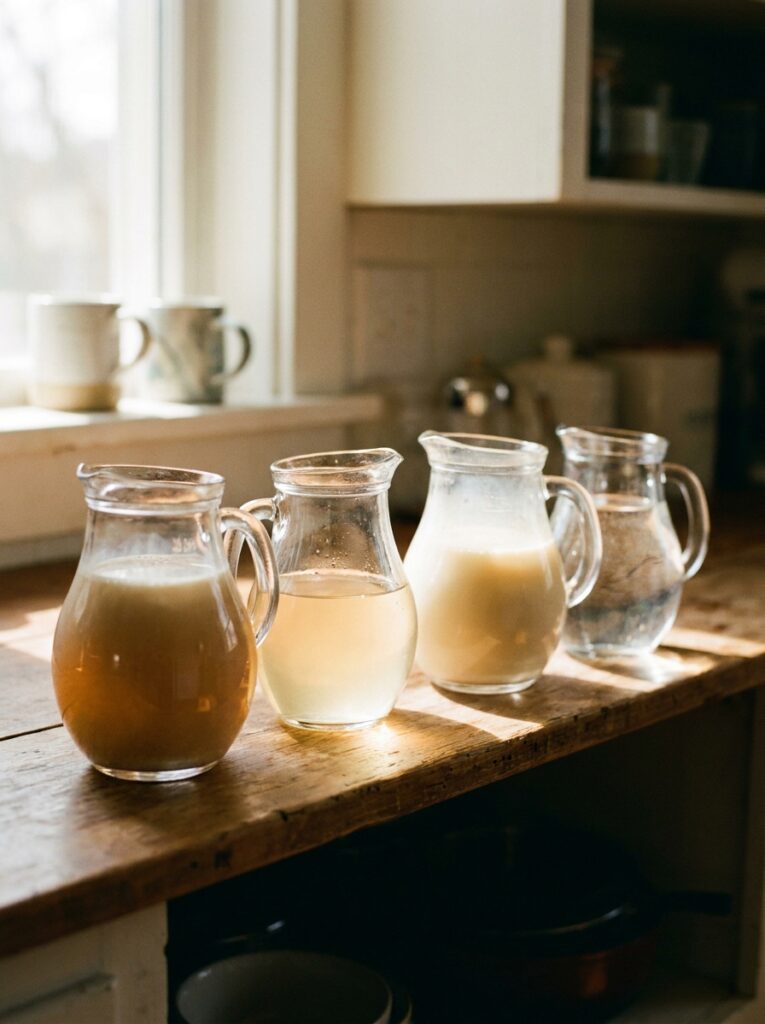
Juice-based smoothies spike your blood sugar fast and don’t keep you full. You’ll be hungry again by 9:30am and wondering why the smoothie “didn’t work.” If you’re making a breakfast smoothie, you want something with a bit of fat and protein — full-fat oat milk, dairy milk, coconut milk from a can (not the watery carton), or plain kefir if you’re feeling fancy.
Kefir is genuinely underrated in smoothies. It’s tangy, creamy, and the protein content is higher than most plant milks. It’s easy to find in most UK and US supermarkets now and if you haven’t tried it blended with frozen mango and a little honey, you’re missing something really good.
Start with less liquid than you think you need. You can always add more. Adding more frozen fruit to fix a smoothie that’s too thin means you’re just… making more smoothie. Which isn’t always the worst outcome, honestly.
—
4. What Actually Makes a Smoothie Keep You Full Until Lunch
This is the question people don’t ask until they’ve been hungry two hours after breakfast three days in a row. A smoothie made of fruit and milk is basically a fancy glass of sugar, and I say that with full love for fruit.
You need protein. You need fat. And ideally some fiber beyond just the fruit.
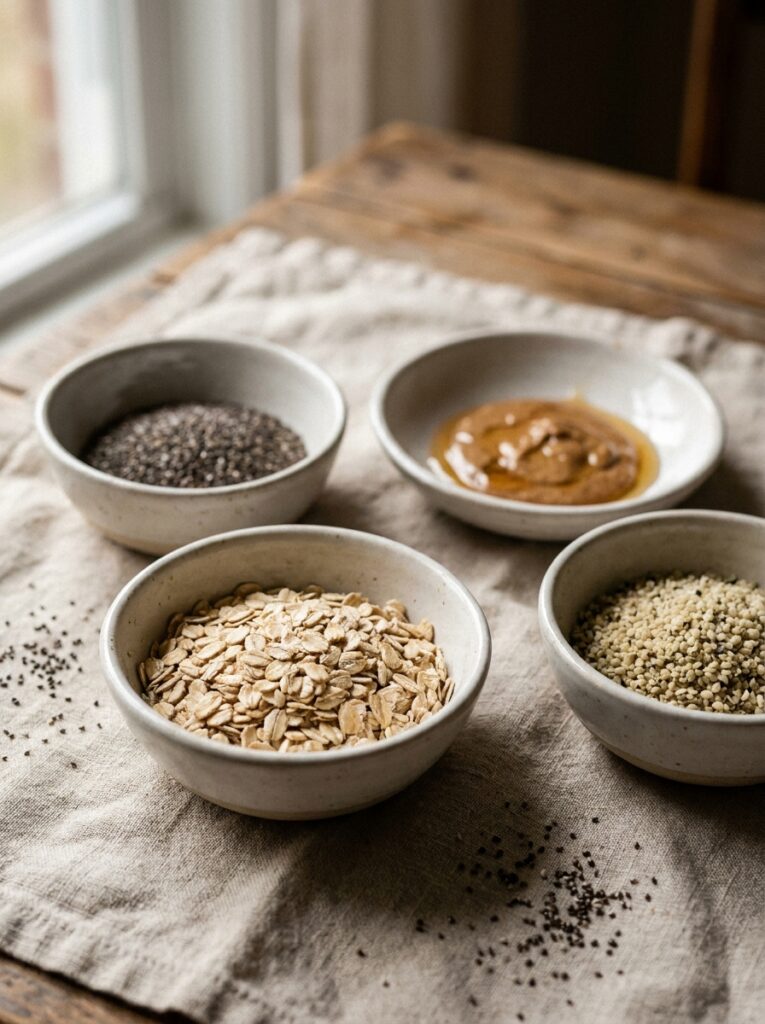
For protein: Greek yogurt (full fat, plain), a spoonful of nut butter, hemp seeds, or a scoop of a plain protein powder if that’s your thing. I go back and forth between yogurt and nut butter depending on the flavor I’m building. Almond butter in a banana smoothie is almost annoyingly good.
For fat: the nut butter handles this too, or a quarter of an avocado if you’re making something green-leaning. Avocado in a smoothie sounds wrong and tastes RIGHT. Trust me on this one.
For fiber: oats. A quarter cup of rolled oats blended right in. They disappear completely. You don’t taste them. But your stomach notices, and so does your energy level around 11am when everyone else is reaching for a biscuit.
—
5. The Color Rule Nobody Talks About (That Saves You From Brown Mush)
You know that smoothie. Starts out as a beautiful blue-purple berry situation, you add a banana, some spinach, a bit of mango — and suddenly it’s the color of a mud puddle. Still tastes fine. Looks horrifying. You don’t want to drink it.
Color matters for how much you enjoy your food. That’s just psychology.
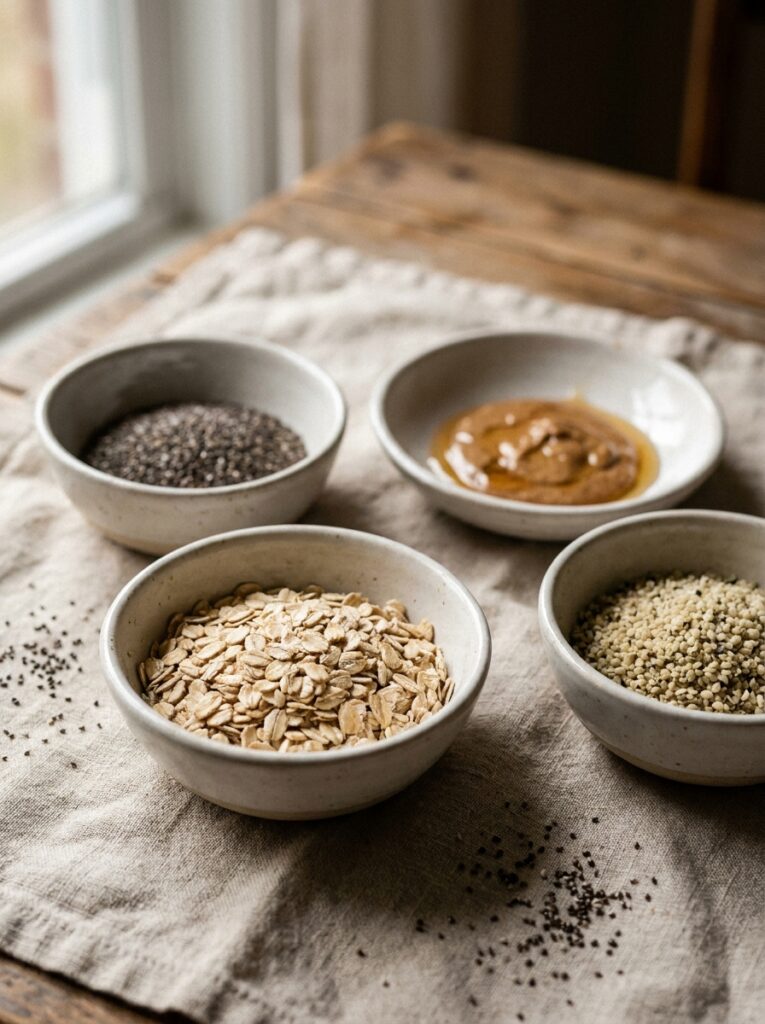
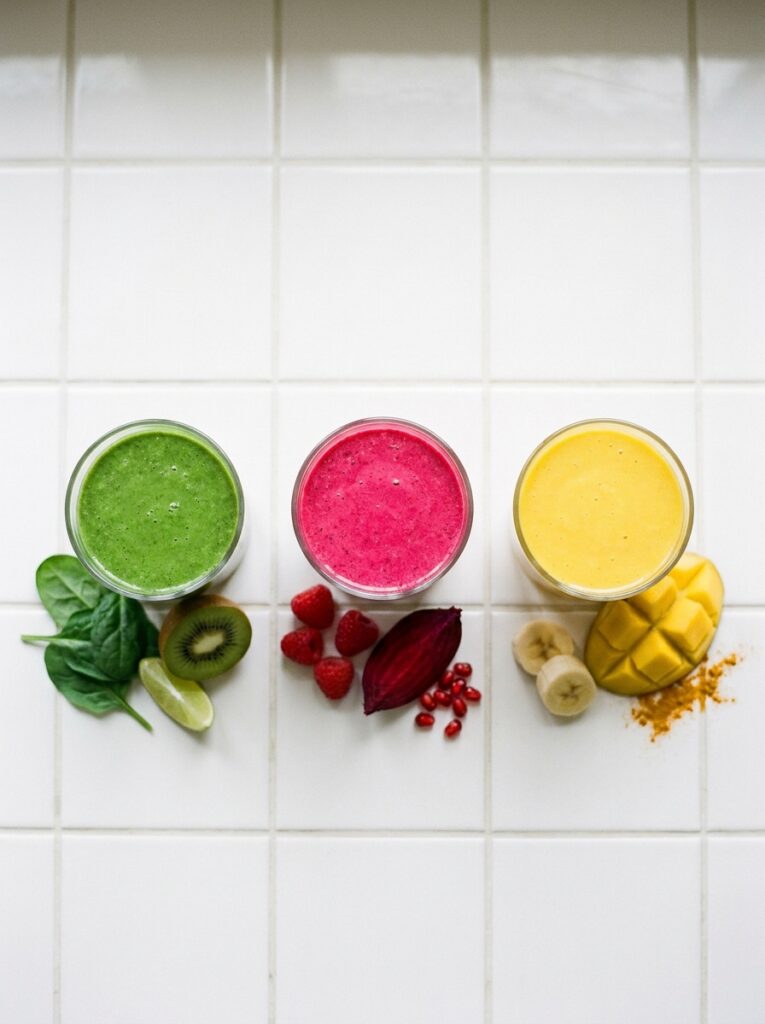
Here’s the loose rule I use: pick ONE dominant color and build around it. Berry smoothies get dark berries, maybe a little pomegranate juice. Green smoothies get spinach or kale, cucumber, green apple, kiwi. Orange smoothies get mango, carrot, a bit of turmeric if you’re into that.
Spinach is actually ideal for green smoothies because it has the mildest flavor of any leafy green. You can fit TWO big handfuls in a smoothie and taste absolutely none of it. Kale is more aggressive. I like kale. But if you’re trying to get a skeptic on board, spinach is the stealth move.
“Pick one dominant color and build around it. That’s it. That’s the whole rule.”
The smoothie you actually want to drink is better than the technically-more-nutritious smoothie you photograph and then grimace through.
—
6. The Spices That Make a Smoothie Taste Like It Was Made in a Café
There’s a gap between a fine smoothie and a great smoothie, and a lot of the time it’s spice. Half a teaspoon of cinnamon in a banana smoothie. A pinch of cardamom in a mango one. Fresh ginger — actual grated fresh ginger, not the powder, not the jar stuff — in anything.
Ginger is TRANSFORMATIVE in smoothies. Even just a thin slice of it. It wakes everything up. It adds this warm heat that makes your morning smoothie feel intentional rather than assembled.
Vanilla extract too. Not vanilla flavoring — actual extract. A half teaspoon in a berry smoothie and suddenly it tastes like something you’d pay nine dollars for.
And here’s a weird one: a tiny pinch of salt. Like, tiny. It sounds insane. But a small amount of salt rounds out the sweetness and makes everything taste more like itself. Bakers know this trick because it’s been in cake recipes for centuries. It works in smoothies too.
Don’t add ALL of these at once, obviously. But one or two of them, in the right combination — that’s the thing that makes people ask for your recipe.
—
7. When You Don’t Have Time to Actually Think: Go-To Combos by Mood
Some mornings I can barely figure out what day it is. I don’t want to be creative. I want a formula.
These are the ones I rotate without really thinking:
When I want something that tastes like dessert but isn’t: Frozen banana, a big spoonful of almond butter, a cup of oat milk, a dusting of cinnamon, and a tiny pinch of salt. Blend. Done. It tastes like a milkshake. It keeps me full for four hours.
When I need to feel like I’m doing something healthy: Spinach, frozen mango, half a banana, coconut milk, fresh ginger, a squeeze of lime. Bright green, tastes tropical, zero grass flavour.
When it’s cold outside and I want something warming: This sounds counterintuitive — a warm smoothie — but hear me out. Cooked oats blended into a slightly warm base with banana, cinnamon, and almond milk is basically liquid porridge and I mean that in the best possible way. It’s a British winter morning in a glass.
When I want something that feels fancy and takes three extra minutes: Frozen mixed berries, kefir, a spoonful of honey, half a teaspoon of vanilla extract, a handful of frozen cauliflower (I know, I know — but it just adds body, you genuinely cannot taste it).
—
8. The Blending Order Most People Get Backwards
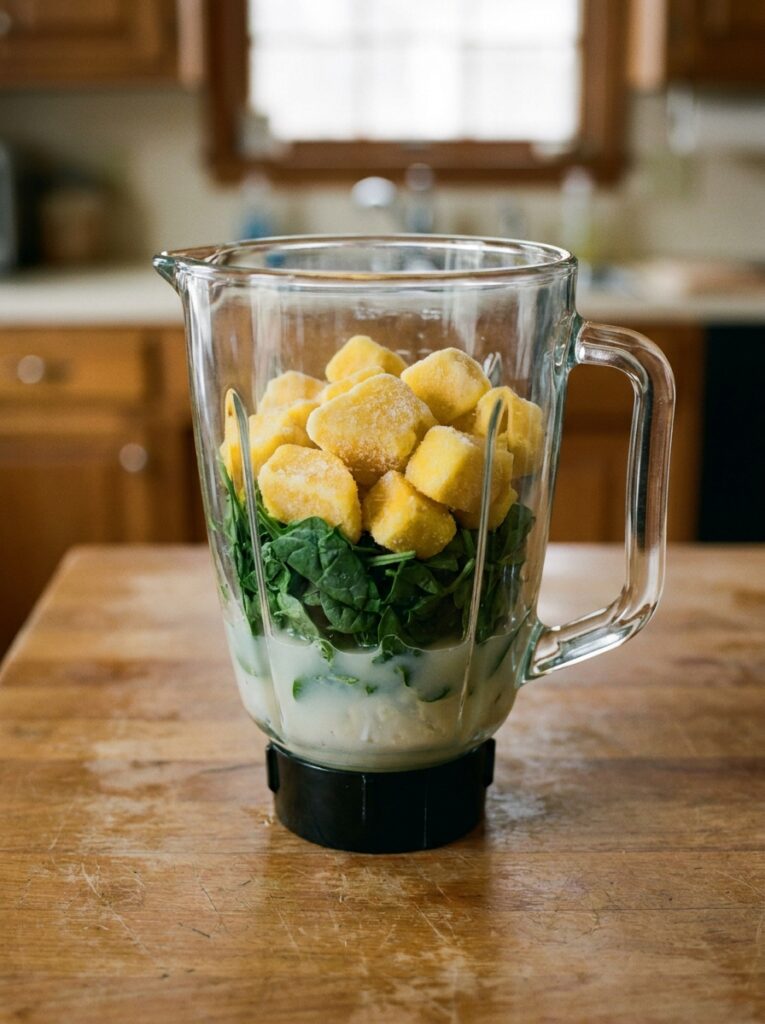
Liquid goes in first. Always.
Then your soft ingredients — yogurt, nut butter, any powders.
Then your leafy greens if you’re using them.
Then the frozen fruit on top.
Why does this matter? Because when liquid is at the bottom, it creates a vortex that pulls everything down into the blades instead of just spinning the frozen stuff around on top while the blades scream and your smoothie stays lumpy. The blades need something to move against.
And for the love of all that is good, don’t overfill your blender. The lid will come off. I promise it will come off. At least once in your life you need to experience a full blender explosion to really understand this rule, but ideally you take my word for it and skip that particular learning experience.
—
9. Make-Ahead Smoothie Packs (The Thing Meal-Preppers Know That Nobody Else Does)
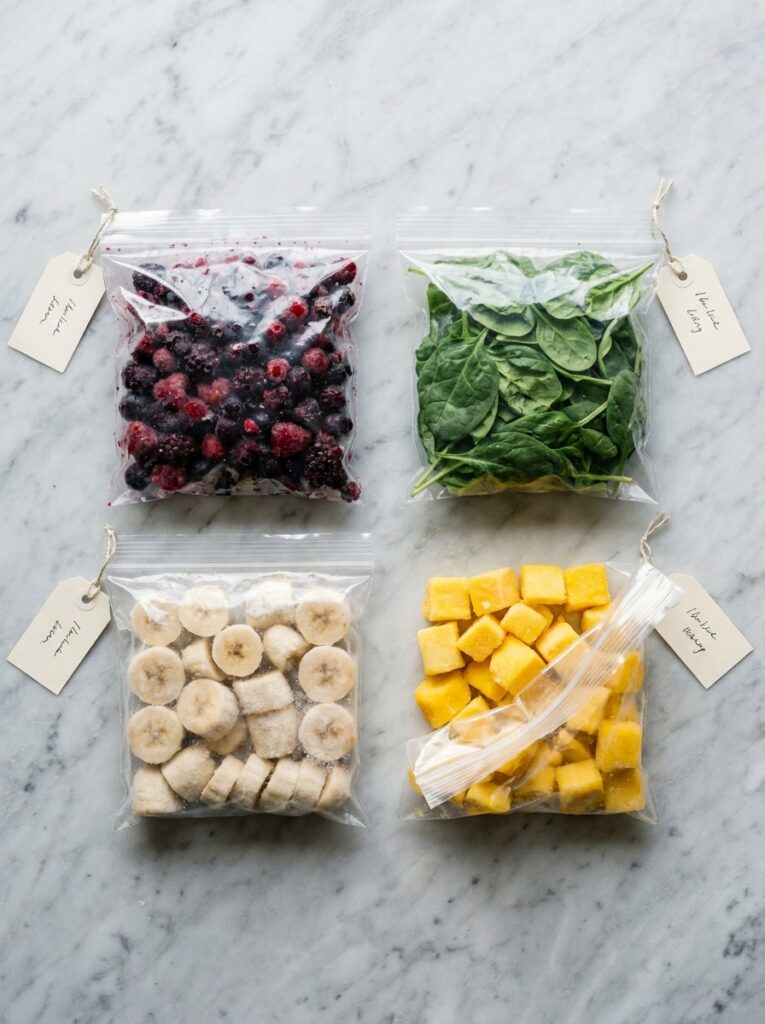
This changed my relationship with breakfast smoothies entirely. Smoothie packs are just… the future.
Get out some small zip-lock bags or reusable freezer bags. In each one, put one serving of frozen fruit, a handful of spinach if using, any seeds or powders you’d normally add. Seal them. Freeze them.
In the morning, grab a pack, dump it in the blender, add your liquid, blend. Thirty seconds. That’s your whole morning.
You can make ten of these on a Sunday afternoon. Ten mornings sorted. There’s something genuinely satisfying about this that I can’t fully explain — like past-you did a favor for future-you, and future-you is grateful.
The packs keep well for up to three months in the freezer, though honestly mine never last that long because when smoothies are this easy, you actually make them.
“Past-you made the smoothie packs. Future-you is drinking them right now and feeling unreasonably smug about it.”
—
10. The Greens-First Hack for People Who Think They Hate Green Smoothies
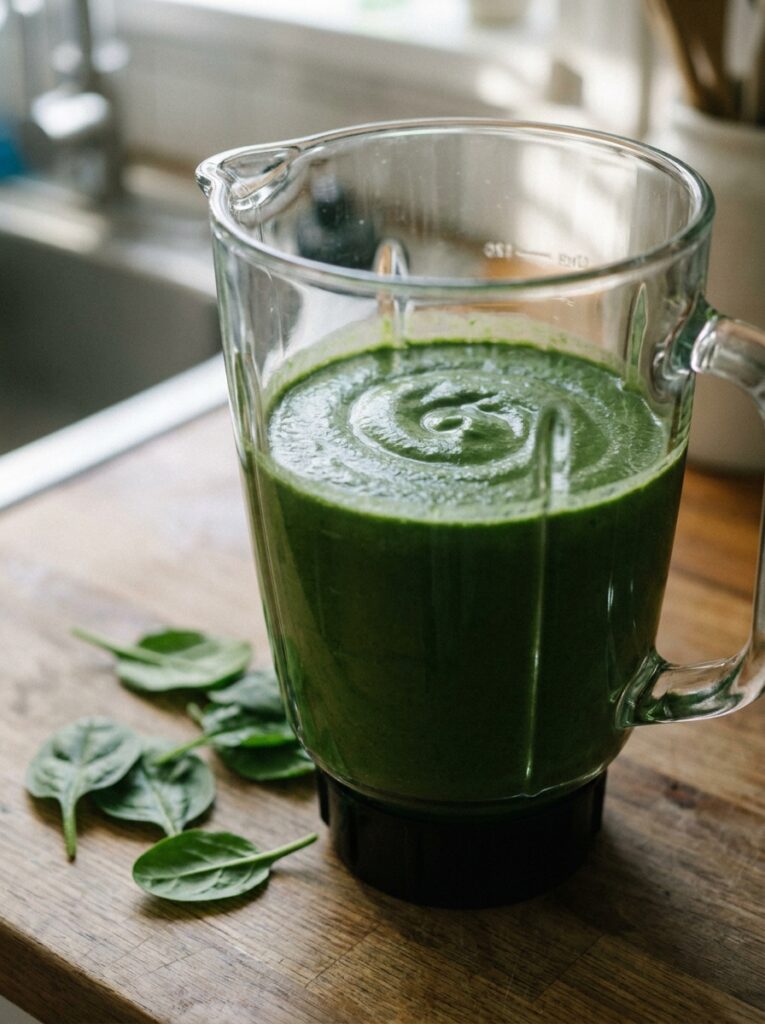
I have converted actual green-smoothie skeptics with this one technique, so hear me out.
Blend your greens with your liquid first. Just the greens and the liquid, nothing else. Blend until completely smooth. Then add everything else and blend again.
No leafy chunks. No bits of kale that somehow survived. No texture that makes you think of a salad you didn’t ask for. The greens get fully broken down in that first blend before the cold frozen fruit hits them, and the result is completely smooth, with zero evidence of vegetables in the texture.
It sounds like a small thing. It’s not. It’s the difference between someone finishing their smoothie and someone quietly pouring it down the sink.
—
11. What to Do When Your Smoothie Tastes Weirdly Flat
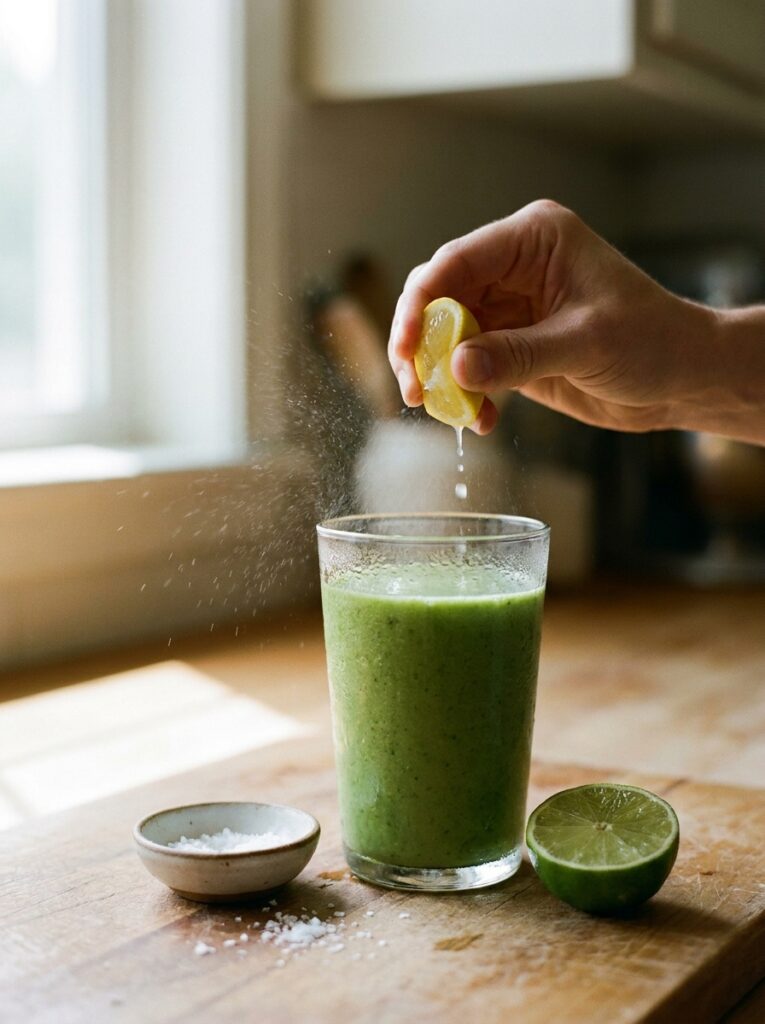
This happens. You’ve blended everything and it’s just sort of… there. Not bad, not good, just beige-tasting even if it’s bright orange.
First fix: acid. A squeeze of lemon or lime juice brightens basically anything. It doesn’t add lemon flavor so much as it wakes up the flavors already in there. Seriously, try it. Half a lemon squeezed into a dull mango smoothie and it suddenly tastes like the tropics.
Second fix: sweetness adjustment. Not more fruit — a small drizzle of honey or maple syrup, which adds sweetness AND a flavor of its own. Maple syrup in particular is sort of magical in smoothies that have any warm spice in them.
Third fix: more frozen fruit. Sometimes the ratio is just off and the liquid base is winning when it shouldn’t be.
Or — and I say this with genuine kindness — sometimes the problem is that you put broccoli in it because you read somewhere that broccoli is good for you and now you have broccoli juice and no amount of lemon is fixing that. Some things you just have to accept.
—
12. One Genuinely Unexpected Ingredient That Shows Up in My Rotation Every Week
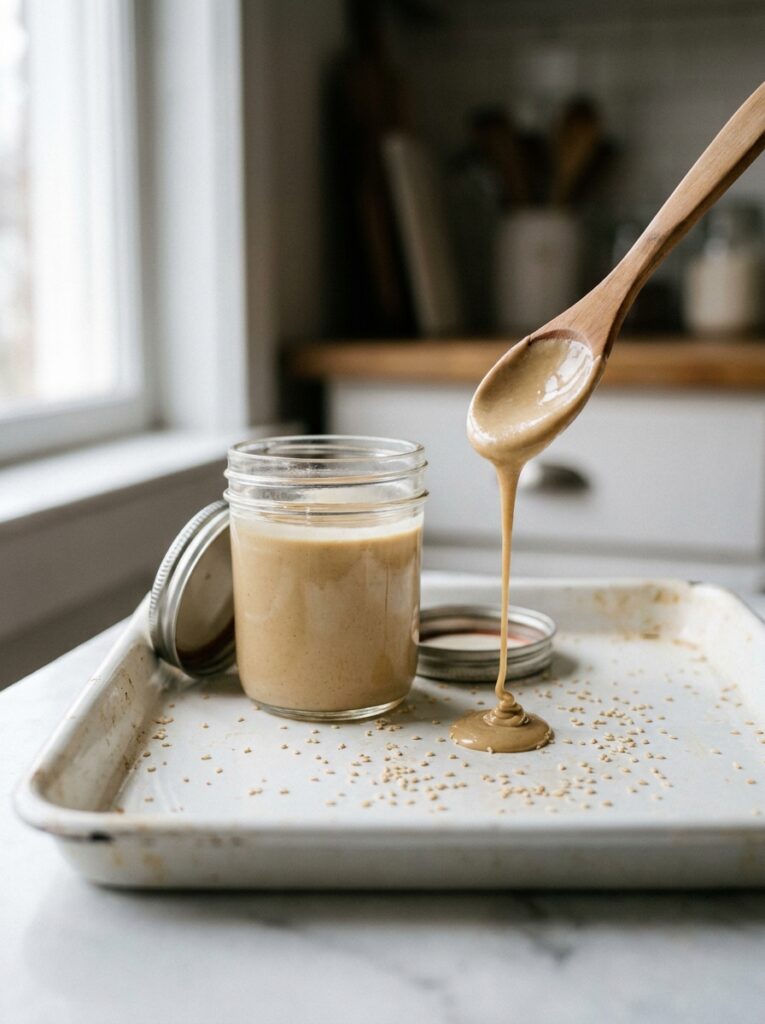
Sweet potato.
Cooked, cooled, sweet potato. A few tablespoons blended into an orange or spiced smoothie and it adds this thickness, this almost dessert-like quality, and a kind of natural sweetness that’s different from fruit sweetness — it’s deeper, more complex, more satisfying.
A sweet potato and mango smoothie with coconut milk, cinnamon, and a pinch of ginger tastes like a tropical pie in a glass. I know that sounds too much but I’m not walking it back, it genuinely does.
Roast a whole sweet potato on the weekend. Scoop a bit into smoothies through the week. It’ll last in the fridge for five days easy. This is one of those weird tricks that once you start doing it, you wonder why it’s not in every smoothie recipe on the internet.
—
❓ FAQ
Q: How do I make my smoothie thicker without adding more calories? A: Frozen banana or frozen cauliflower are your best friends here — both add thickness and creaminess without dramatically changing the calorie count. You can also reduce the liquid slightly and blend longer to get a thicker texture. Xanthan gum works too if you have it, but honestly the banana-cauliflower combo is easier and tastier.
Q: Can I make a smoothie the night before and drink it in the morning? A: You can, but honestly the texture changes and sometimes it separates a bit. Keep it in a sealed jar in the fridge, give it a good shake or stir before drinking, and add a small squeeze of lemon before storing to keep the color from going dull. It’s not as good as fresh, but it’s absolutely fine for busy mornings.
Q: What’s the best way to add protein to a smoothie without using protein powder? A: Greek yogurt is the easiest and most versatile — it adds protein, creaminess, and a slight tang that works beautifully with fruit. Hemp seeds are another great option, they blend in invisibly and have a surprisingly solid protein content. A tablespoon of nut butter adds both protein and healthy fat, which helps with satiety.
—
💭 Final Thoughts
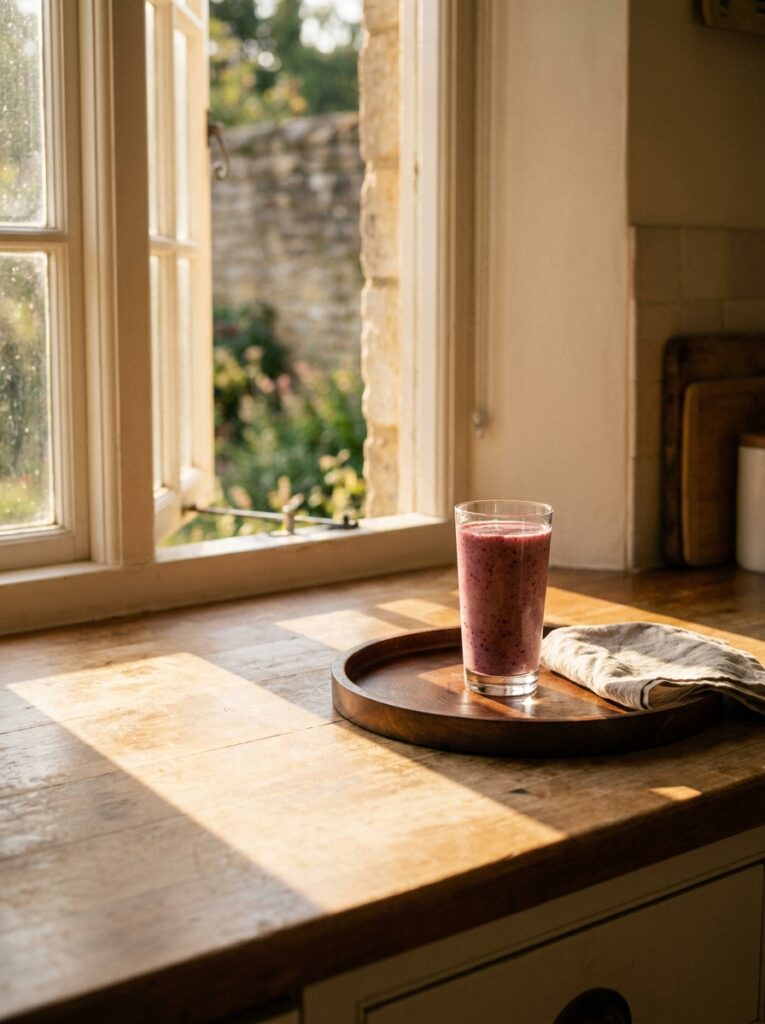
Here’s the thing about breakfast smoothies — they’re not a lifestyle, they’re just breakfast. And they can be genuinely good. Not good-for-you-but-unpleasant good. Actually, look-forward-to-it, want-to-make-it-again good.
The people who give up on them usually do it before they figure out their own formula, and that’s a shame because the formula — your formula, the combination that makes you want to drink it — is usually just a few experiments away.
So what would you add if the only rule was that it had to taste like something you’d actually choose?