I made a smoothie every single morning for three months and gained six pounds. Nobody warned me that was possible. I genuinely thought I was doing everything right.
—
1. Why Your “Healthy” Smoothie Might Be a Dessert in Disguise
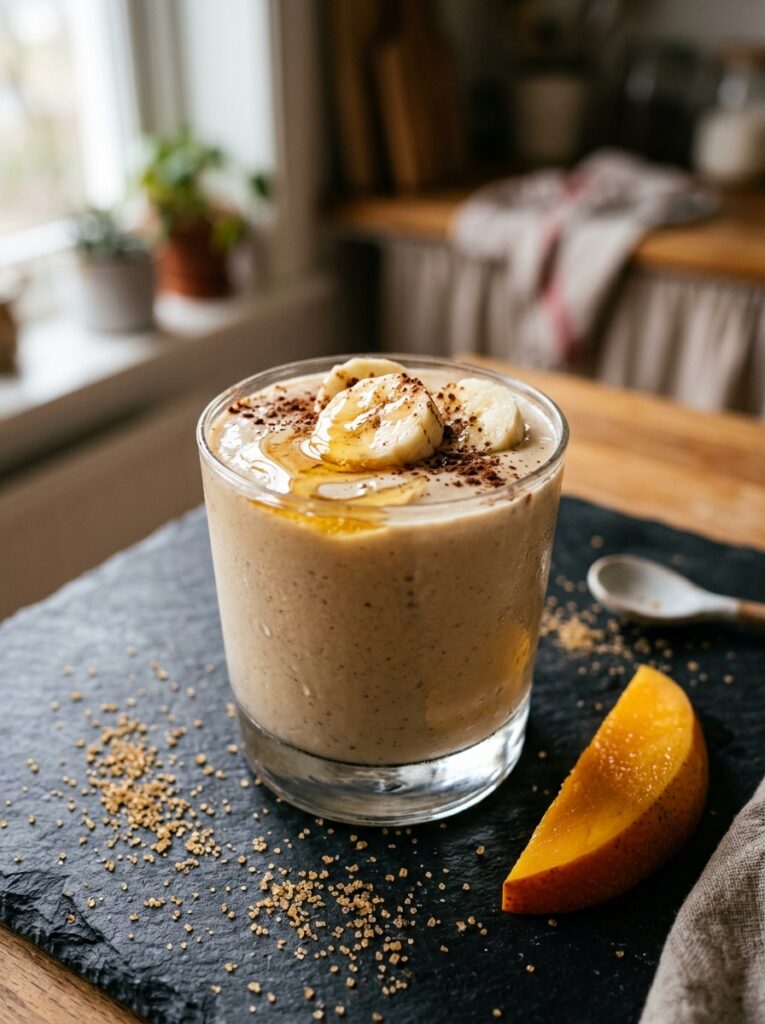
Let’s just get this out of the way. A smoothie can absolutely be a health food. But it can also be a 600-calorie milkshake that you’ve convinced yourself is a meal because it has spinach in it.
The difference usually comes down to one thing: what’s in the base and how much fruit you’re actually using. Most people — and I was VERY much one of these people — dump in two frozen bananas, a cup of mango chunks, some store-bought juice, a big spoonful of nut butter, and then call it a “green smoothie” because they threw in a handful of kale. That’s… not really how it works.
Here’s the honest math. A single frozen banana is around 100 calories. Two bananas plus a cup of mango is already 250 calories before you’ve added anything. Swap fruit juice for a liquid base and you’ve added another 100 or so. Add nut butter and you’re pushing 450 easily. It’s not bad food. It’s just not a light meal, and most people don’t treat it that way.
The fix isn’t to make your smoothie sad and watery. It’s to understand what’s doing what inside that blender.
—
2. The Liquid Base You Choose Changes Everything — And Not Just Calories
Okay so this is the part I find genuinely interesting. The base of a smoothie isn’t just filler, it sets the whole nutritional tone of what you’re drinking.
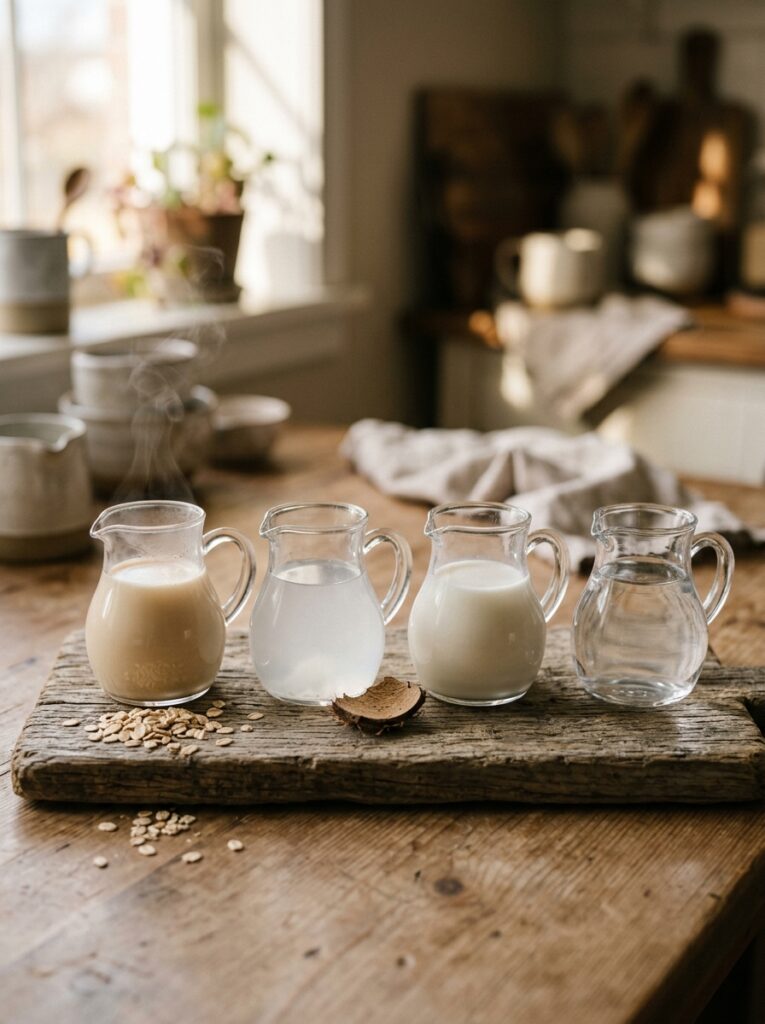
Fruit juice gives you quick sugar and no protein, so you’ll be hungry again in an hour, maybe less. Water is fine honestly — underrated as a smoothie base. It keeps things light and lets the actual ingredients shine. Coconut water is nice if you’re making something tropical and want a little natural sweetness without going full juice.
But if you want your smoothie to actually keep you full? Unsweetened plant milk or regular low-fat dairy milk adds protein and fat in a way that slows digestion down. Which sounds very clinical, I know, but what it actually means is you eat your smoothie at 8am and you’re not raiding the biscuit tin by 10.
“The base of a smoothie isn’t just filler. It’s the difference between a meal and a snack that disappears in forty minutes.”
Greek yogurt is another one. Thick, protein-dense, makes everything creamier. If you’re in the UK and you’ve got access to a good strained yogurt, that works brilliantly. In the US, full-fat or 2% Greek yogurt blends into basically everything without you noticing it’s there.
—
3. The Fruits That Are Actually Working Harder Than Others
Not all fruit is created equal in a smoothie. I know that sounds a bit like I’m about to tell you to stop enjoying things, but genuinely it’s not that.
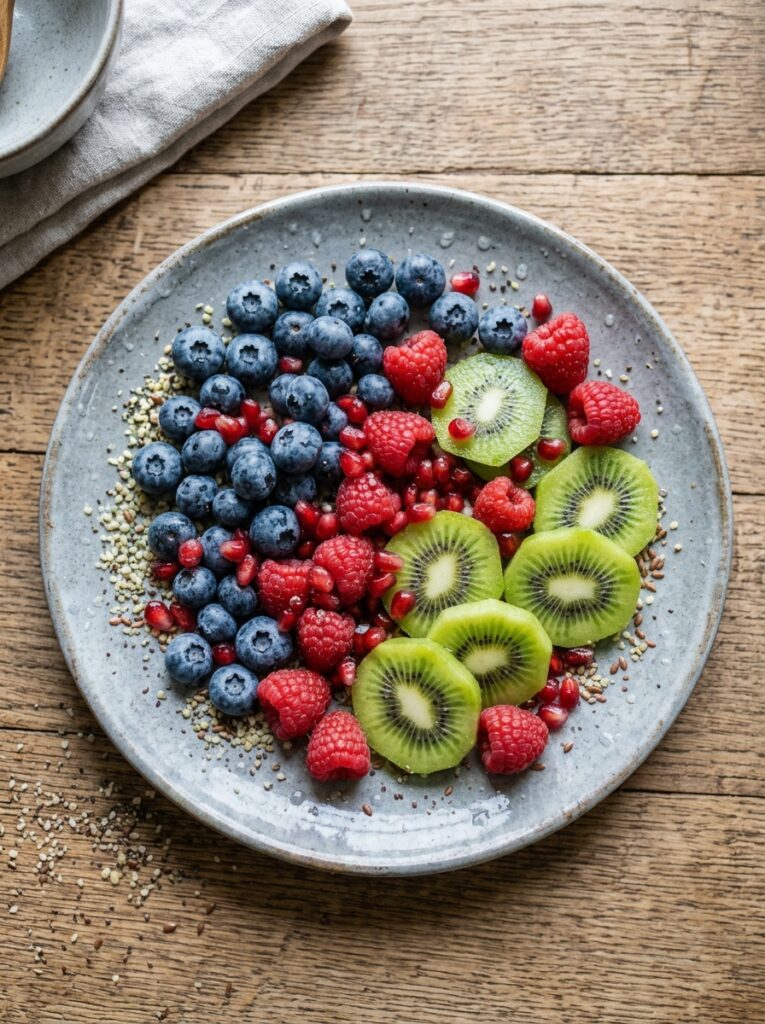
Berries — frozen blueberries, raspberries, strawberries — are low in sugar relative to how filling and flavorful they are. They’re also packed with antioxidants, which sounds like a wellness buzzword but is actually just science. You can use a whole cup of frozen berries and you haven’t blown your sugar budget for the day.
Banana is GREAT for texture. One small-to-medium banana in a two-serving smoothie is fine. Two large bananas in a single-person smoothie, every day? That’s where things creep up on you. Side note — if you freeze your bananas when they’re just starting to spot, they blend smoother than anything and add this almost caramel sweetness. Anyway.
Mango, pineapple, and dates are all lovely but they’re sweet. Use them as flavor bombs in small amounts, not as the main event. Half a cup of frozen mango gives you that tropical taste without tipping the whole thing into dessert territory.
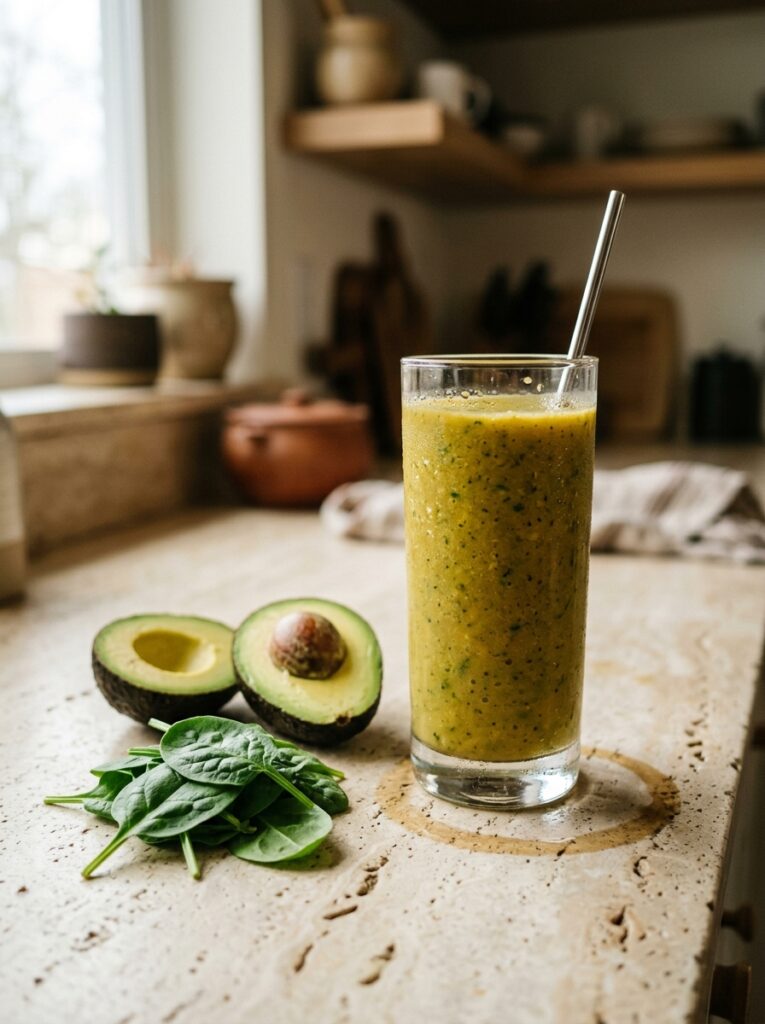
Avocado isn’t technically a fruit that people associate with smoothies but throw half one in and you’ll be astounded how creamy things get. The fat content is good fat. And it’s basically flavorless in a smoothie so you’re just getting the texture benefit.
—
4. What Protein Actually Does in a Smoothie (Besides Just Existing)
I used to add protein powder to smoothies because it felt like the healthy thing to do, not because I understood why. Don’t be like past me.
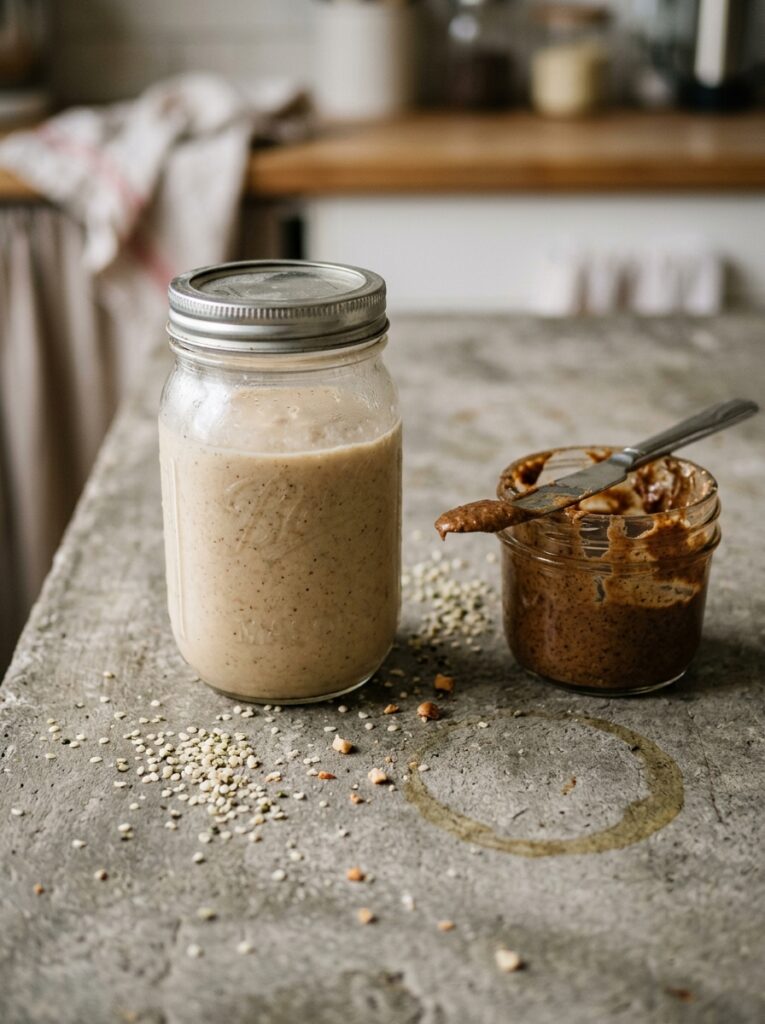
Protein slows down how quickly the sugar from fruit hits your bloodstream. So when you blend a smoothie with actual protein in it — whether that’s Greek yogurt, protein powder, a spoonful of hemp seeds, or silken tofu (weird, I know, but it WORKS) — you’re not just adding nutrients. You’re changing how your body processes the whole thing. You stay fuller longer. Your energy doesn’t spike and crash forty-five minutes later.
For most people, 15 to 20 grams of protein in a smoothie is the sweet spot. Greek yogurt gives you roughly 10-17g depending on the brand and how much you use. A scoop of a clean protein powder can add another 20g if you need it. Hemp seeds are quieter about it — maybe 3g per tablespoon — but they’re easy to add and they’ve got a mild nutty taste that works with almost everything.
The thing nobody tells you is that you don’t have to use protein powder at all if you build the smoothie right. Cottage cheese is having a big moment for this exact reason, and honestly? It blends smooth if you blend long enough and adds so much protein it’s kind of ridiculous.
—
5. Greens in Smoothies: The Order That Actually Matters When You Blend
There’s a technique thing here that sounds boring but will genuinely improve your life.
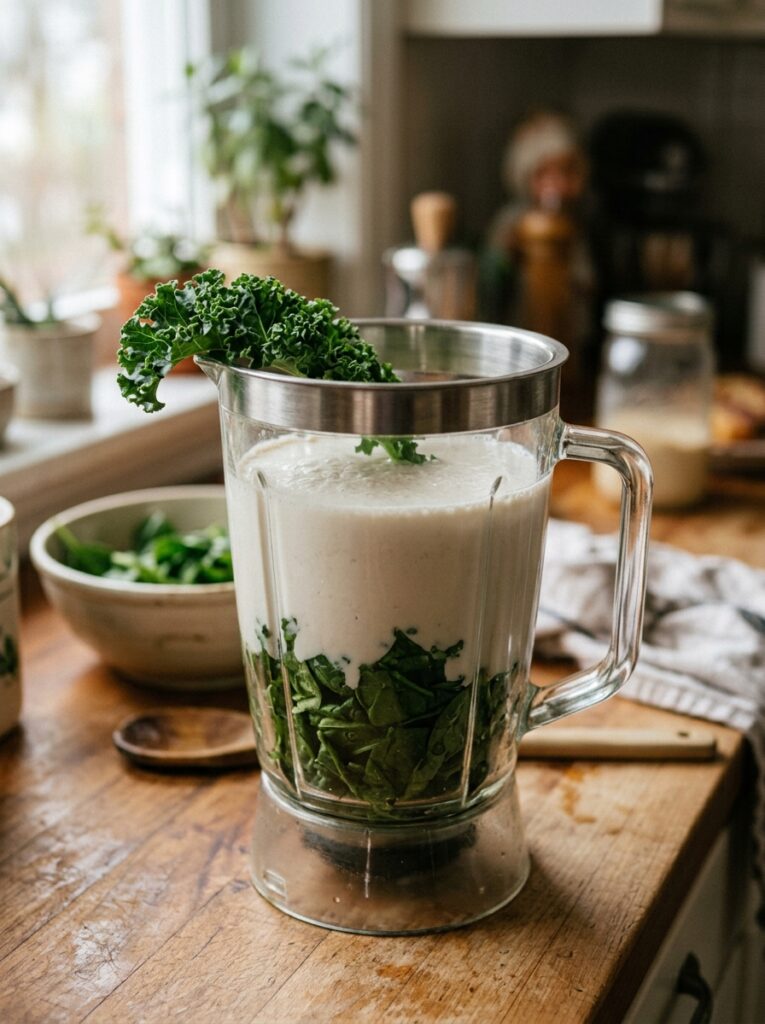
If you throw frozen fruit straight onto greens and then add liquid on top, you’ll end up with green chunks. Little flecks of spinach or kale floating around in an otherwise smooth drink. Not horrifying but not great. The order: liquid first, then greens, blend JUST the greens and liquid until smooth, THEN add everything else. Takes about thirty extra seconds and the difference is huge.
Spinach is the gateway green. It’s mild, almost flavorless in a smoothie, and blends down to nothing. Baby spinach specifically. You can use a big two-cup handful and taste basically zero of it. Great if you’re new to this or making smoothies for kids who would clock kale immediately.
“Two cups of spinach, gone. Completely invisible. And you’ll feel quietly smug about it for the rest of the morning.”
Kale is more assertive. It works well with strong flavors — pineapple, ginger, citrus. Remove the tough stems first or you’ll get fibrous bits. Worth it though because kale has more calcium than spinach and a slightly different nutritional profile.
Frozen cauliflower florets. I’m going to say it. They make smoothies creamier, they add fiber, you cannot taste them, and people look at you like you’ve lost your mind when you tell them. I don’t care. It’s good.
—
6. The Smoothie Formula That’s Actually Repeatable and Doesn’t Get Boring
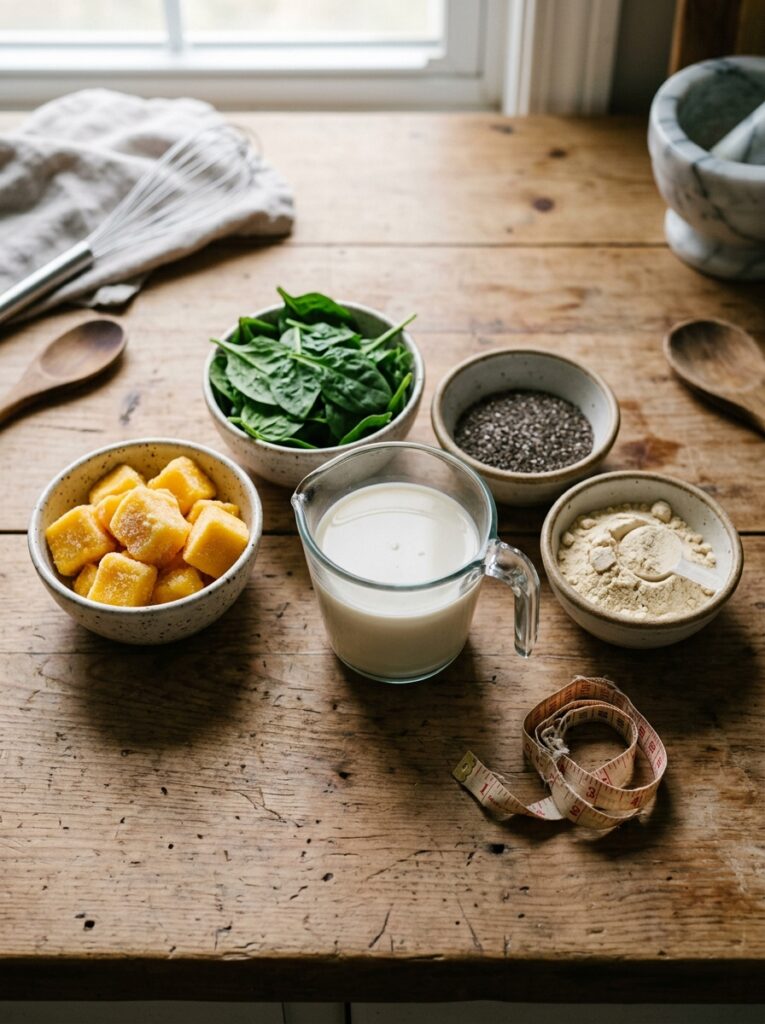
Okay so I worked this out after probably a hundred smoothies. Here’s a structure that works:
1 cup of liquid base (unsweetened milk, water, or coconut water) 1 cup of frozen fruit (mostly lower-sugar berries, with maybe a quarter cup of something sweeter) 1 small handful of greens 1 source of protein (yogurt, cottage cheese, or powder) 1 source of healthy fat (half an avocado, a spoonful of nut butter, or chia seeds)
That’s it. Everything else is flavoring — a pinch of cinnamon, a chunk of fresh ginger, a teaspoon of vanilla extract, a squeeze of lemon. The formula stays the same, the flavor profile changes every single day.
I find lists annoying in blog posts and I just made one. But genuinely this one is useful, so.
—
7. Fiber Is the Secret Thing Everyone Forgets About
You know what blending does? It breaks down the cell walls of fruit faster than chewing does. Which means your body absorbs the sugar from blended fruit more quickly than if you just ate the same fruit whole. This is why people sometimes feel hungry again fast after a smoothie.
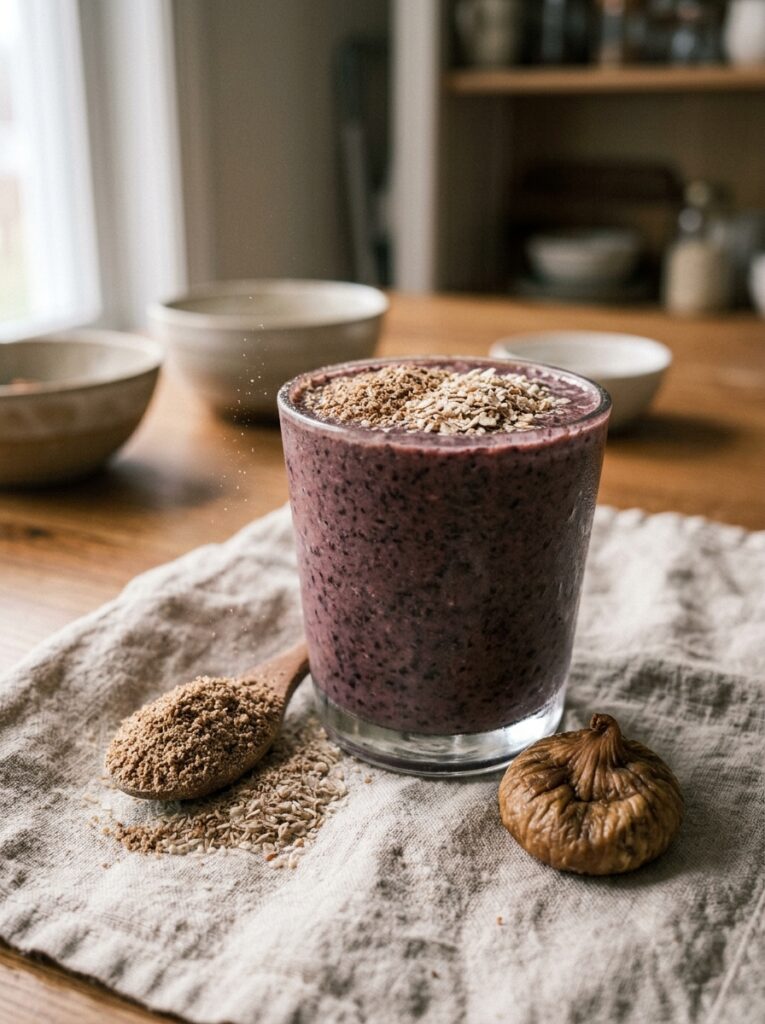
Fiber slows that down. Whole oats, chia seeds, ground flaxseed, psyllium husk if you’re feeling adventurous — all of these add fiber that essentially paces how your body processes everything else.
A tablespoon of chia seeds sounds like almost nothing. But chia seeds absorb liquid and turn gel-like, and that gel coats the sugars in your smoothie and slows absorption down. It’s not magic, it’s just digestion science. And you can’t taste them at all.
I add chia seeds to basically everything now, which might say something about my personality but whatever.
—
8. Hot Take: Smoothie Bowls Are Better Than Smoothies for Actual Satiety
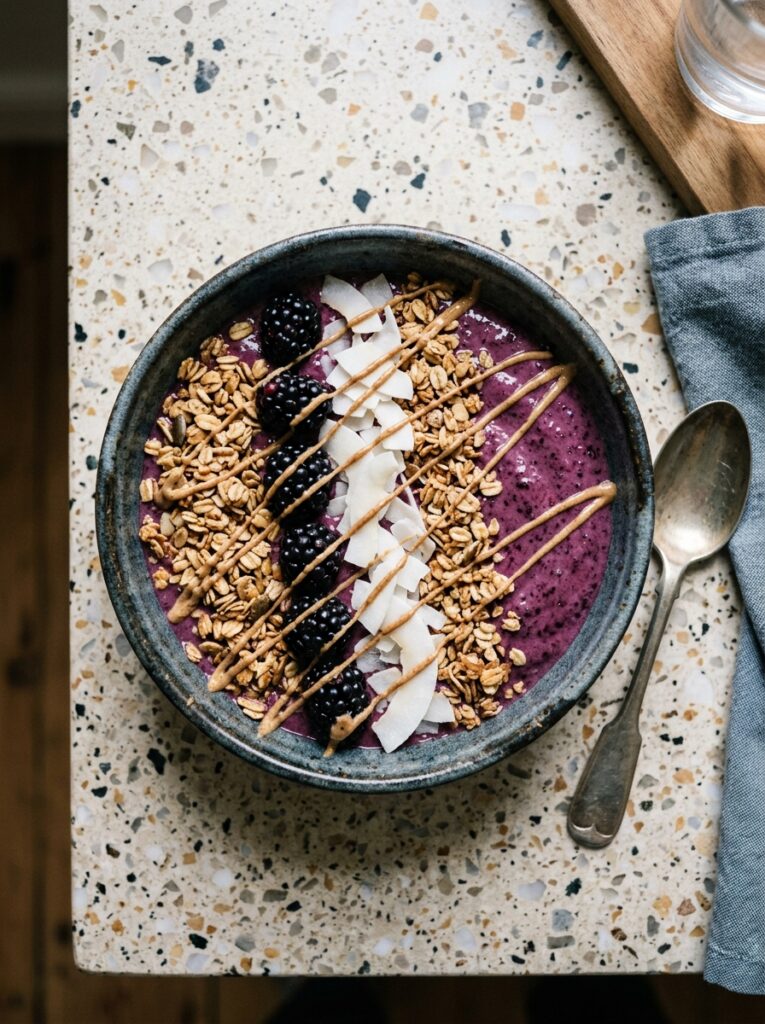
Here’s my genuinely unpopular opinion. If you’re making a smoothie because you’re trying to eat healthily and stay full, a smoothie BOWL is better than a drinkable smoothie almost every time.
Why? Because chewing signals to your brain that you’ve eaten. A drinkable smoothie skips that. You can finish a 500-calorie smoothie in three minutes and your brain doesn’t fully register the meal the way it would if you’d eaten something you had to actually chew through.
A smoothie bowl — same ingredients, thicker blend, eaten with a spoon and topped with actual crunchy things — gives your brain time to catch up. You eat it slower. The toppings add texture that makes the whole thing feel more like a meal. And for whatever reason, people report feeling full for longer after eating vs. drinking the same ingredients.
Or maybe it’s the opposite, honestly, and it’s all psychological. But it works for me.
—
9. The Sweetener Situation (Including the Ones Hiding in Plain Sight)
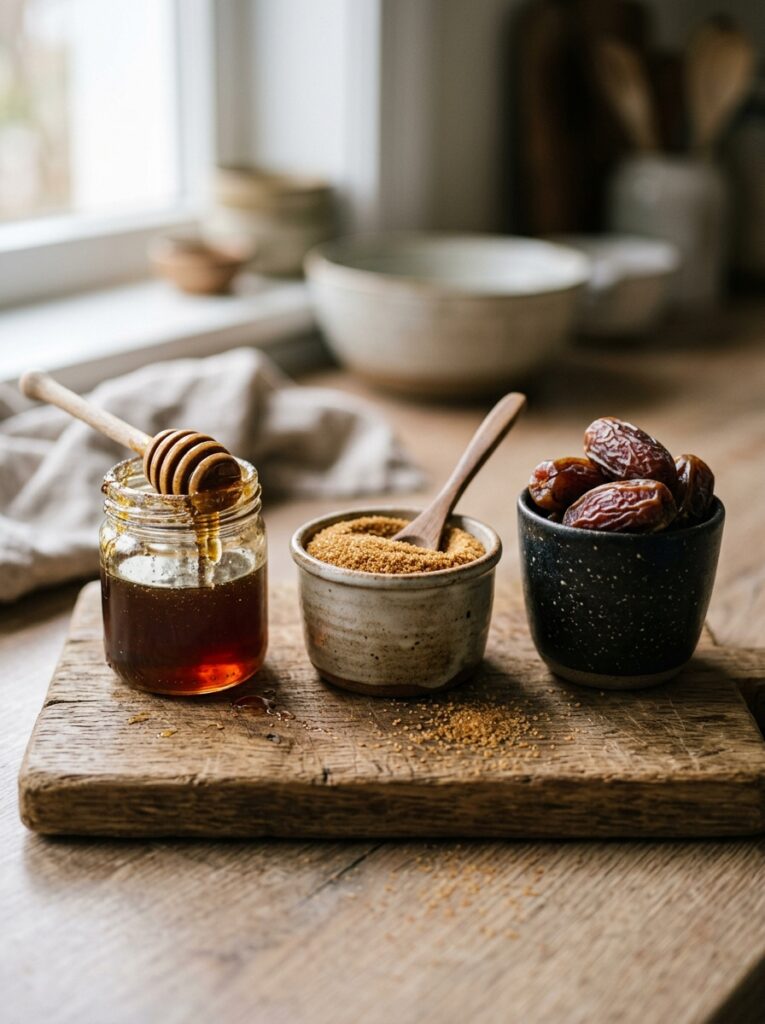
Natural doesn’t mean low-sugar. That’s the whole thing. Honey, maple syrup, dates, agave — they’re all perfectly fine occasionally, but they’re sugar. Your body knows.
A lot of people add these “natural sweeteners” to smoothies that are already sweet from fruit and then wonder why they’re craving sugar by mid-morning. The sweet craving begets more sweet craving. It’s a whole thing.
If your smoothie isn’t sweet enough, that’s actually just information about the fruit you’re using. Frozen fruit that’s been properly ripened before freezing is MUCH sweeter than fresh out-of-season fruit. Try frozen instead.
“If your smoothie tastes like it needs honey, the answer is probably riper fruit — not more sugar.”
Vanilla extract is genuinely magic here. Half a teaspoon adds a warmth and sweetness perception without any actual sugar. Cinnamon does the same thing — it tricks your brain a little into reading something as sweeter than it is. Tiny amounts, big difference.
—
10. What to Do If You Hate the Texture of Thick Smoothies
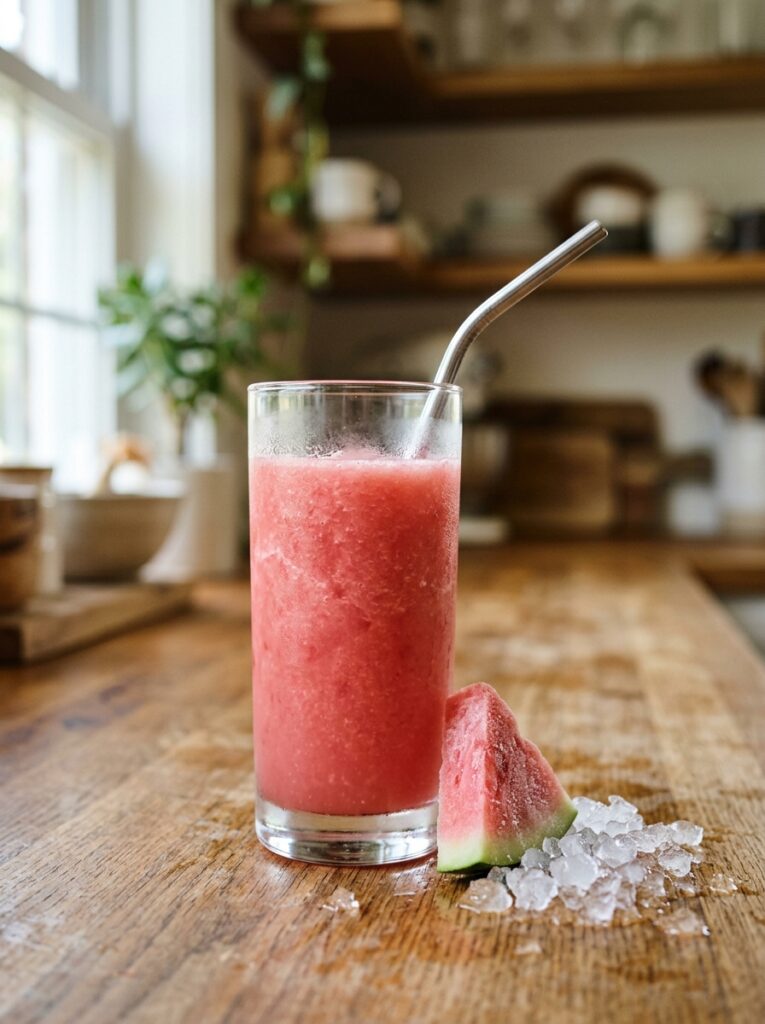
Some people hate thick smoothies and there’s no shame in that. The answer isn’t always “just add more liquid” though, because then you get a thin smoothie that separates into layers and looks sad within minutes.
The secret is the ice. Or rather, what you put in frozen. Frozen banana creates a completely different texture than a room-temperature banana plus ice cubes — smoother, more like a milkshake. Frozen zucchini, which sounds absolutely unhinged, blends beautifully and thickens without adding much flavor. Frozen grapes.
And honestly — a high-powered blender makes such a material difference here that it’s kind of unfair. A weak blender leaves things grainy no matter what you do. If you’ve ever given up on smoothies because of texture, there’s a real chance it wasn’t the recipe, it was the machine.
Blend longer than you think you need to. Most home blenders need a full sixty to ninety seconds at full speed to get things properly smooth. People stop too early and then blame the smoothie.
—
11. The Smoothie Prep Trick That Means You’ll Actually Make Them
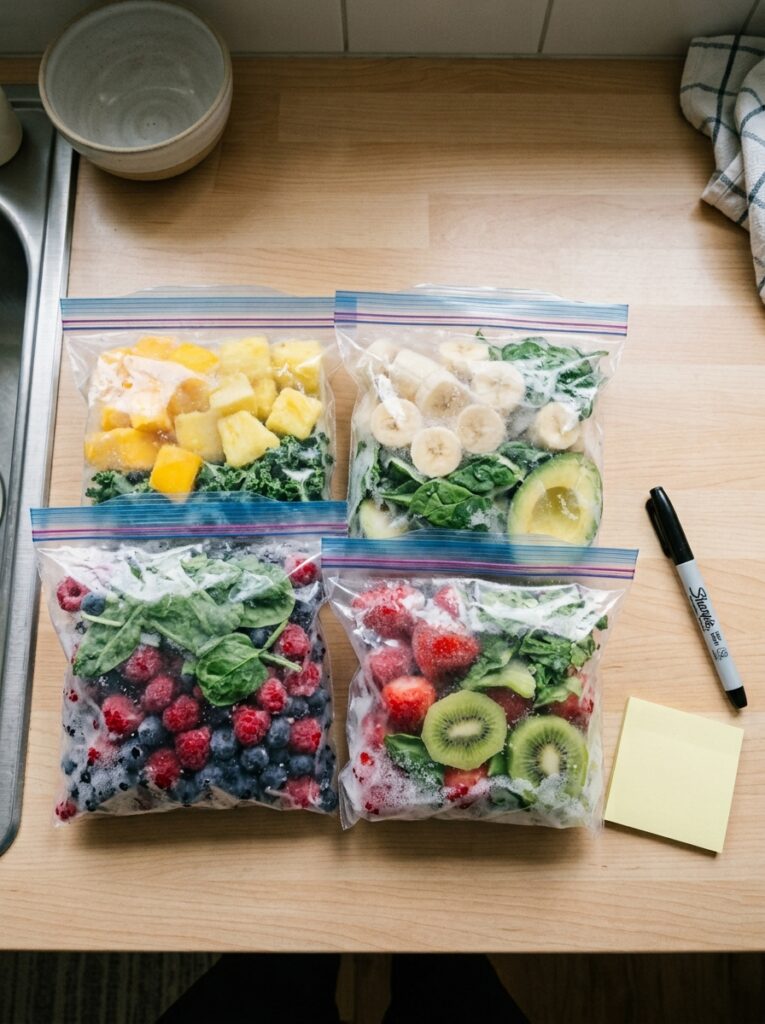
The reason most people stop making smoothies isn’t that they don’t like them. It’s that 7am is not the time to locate your chia seeds, wash spinach, and peel a banana.
So prep ahead. Smoothie packs. Portion your fruit, greens, and seeds into individual bags or silicone containers, freeze the whole lot. In the morning, open a bag, dump it in the blender, add your liquid and protein, blend. Done in three minutes.
It sounds almost embarrassingly simple and yet it’s the thing that actually makes the habit stick. You can prep five or six packs on a Sunday afternoon while you’re doing other things, and your smoothie-making becomes genuinely frictionless all week.
Label them if you’re the kind of person who forgets what’s in something after two days in the freezer. (I’m that person.)
—
12. When a Smoothie Is Actually the Wrong Choice for What You Need
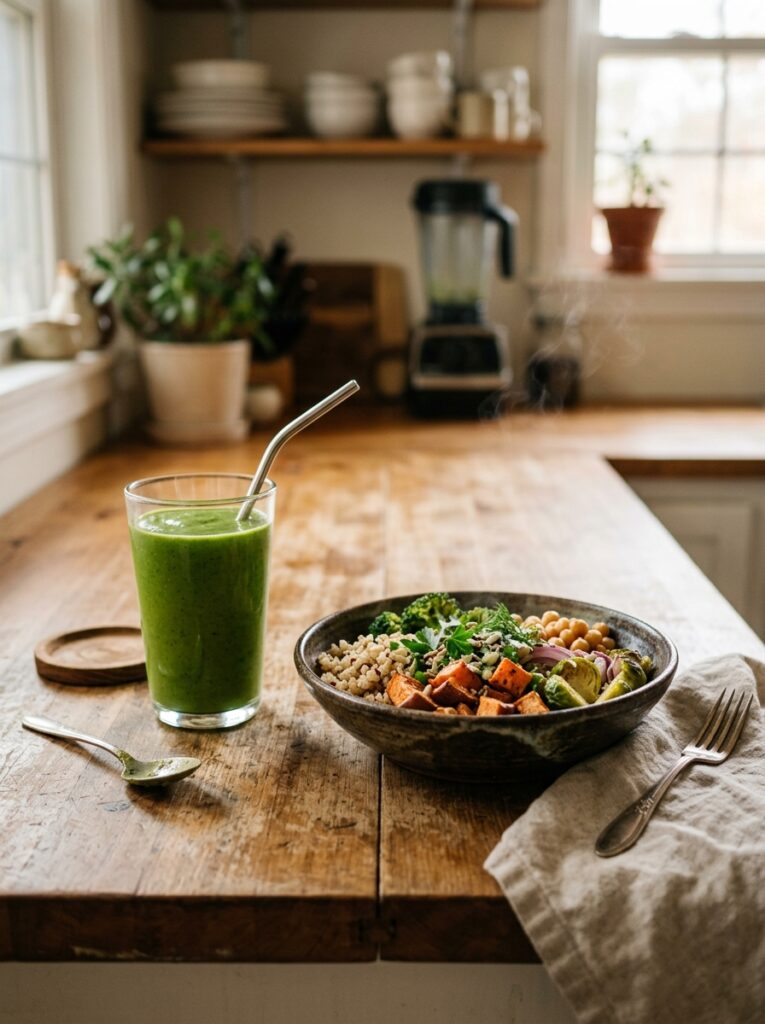
Sometimes a smoothie just isn’t the answer and I think we should say that.
If you’re genuinely really hungry — like, stomach-growling, hasn’t-eaten-in-six-hours hungry — a drinkable meal often won’t cut it. Your body wants something to physically process and chew. In that situation, even a quick piece of toast with eggs or some overnight oats will serve you better than the most nutritious smoothie.
If you’re blood sugar sensitive, very high-fruit smoothies — even with all the right additions — can cause issues for some people. It’s worth paying attention to how you feel afterward, not just how virtuous you feel while making it.
And if you’re making smoothies because you feel like you SHOULD but you don’t actually enjoy them? Eat the fruit whole. Drink the yogurt with a spoon. Life’s too short to force yourself through a daily habit you find mildly unpleasant in the hope that it’ll make you healthy. Eating well should feel good, at least most of the time.
The smoothie is a tool, not a religion.
—
❓ FAQ
Q: Are smoothies actually good for weight loss? A: They can be, but they can also work against you if they’re high in calories without being particularly filling. The key is balancing fruit with protein and fiber so the smoothie actually sustains you — otherwise you’ll just add it on top of your usual eating. Don’t drink something and then also have your regular breakfast because “it’s just a smoothie.”
Q: Is it okay to drink a smoothie every day? A: Honestly, yes, if you’re building it well. Variety matters though — rotating your greens and fruits means you’re getting a broader range of nutrients and not over-relying on any one thing. Daily banana-and-spinach if that’s literally all you do gets a bit narrow nutritionally over time.
Q: Can smoothies replace a meal? A: They can, but they need to be built like a meal — meaning protein, fat, fiber, and enough calories to actually fuel you for several hours. A fruit-and-water smoothie is a snack. A smoothie with yogurt, nut butter, seeds, and a cup of frozen fruit is a meal. The difference matters.
—
💭 Final Thoughts
The healthiest smoothie isn’t the greenest one, or the one with the most ingredients, or the one that looks best on camera. It’s the one you actually enjoy making, that keeps you full, and that fits into how you actually eat. Start there, adjust as you go, and don’t stress the rest.
Are you the kind of person who makes smoothies on a Sunday and feels optimistic, then forgets about them by Wednesday — or have you actually cracked the daily habit?