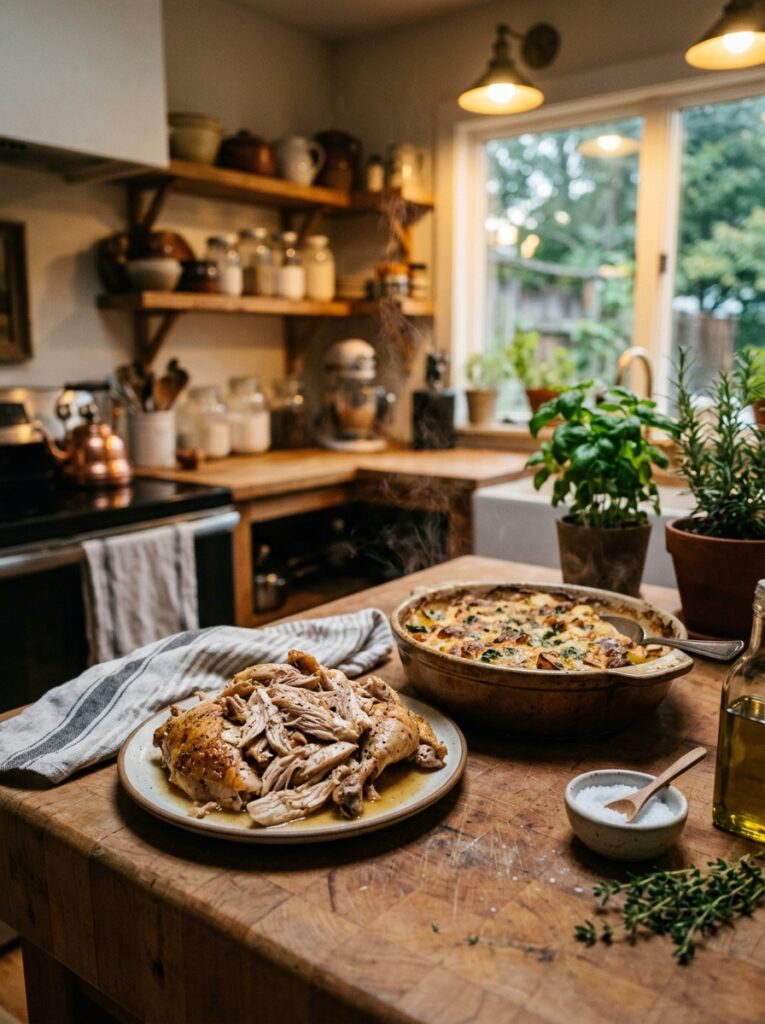
You bought it Thursday. It’s Saturday. There’s maybe two-thirds of it left, wrapped in foil in the back of the fridge, and you’ve been vaguely thinking about it every time you open the door. Tonight’s the night. And not just a sad plate of reheated chicken — we’re talking a proper rice casserole dinner that’ll make your household actually ask for seconds.
—
1. Why Rice Casserole Is the Only Right Answer When You’ve Got Leftover Rotisserie Chicken
Not soup. Not a wrap. Not a salad.
Rice casserole. And I’ll tell you why.
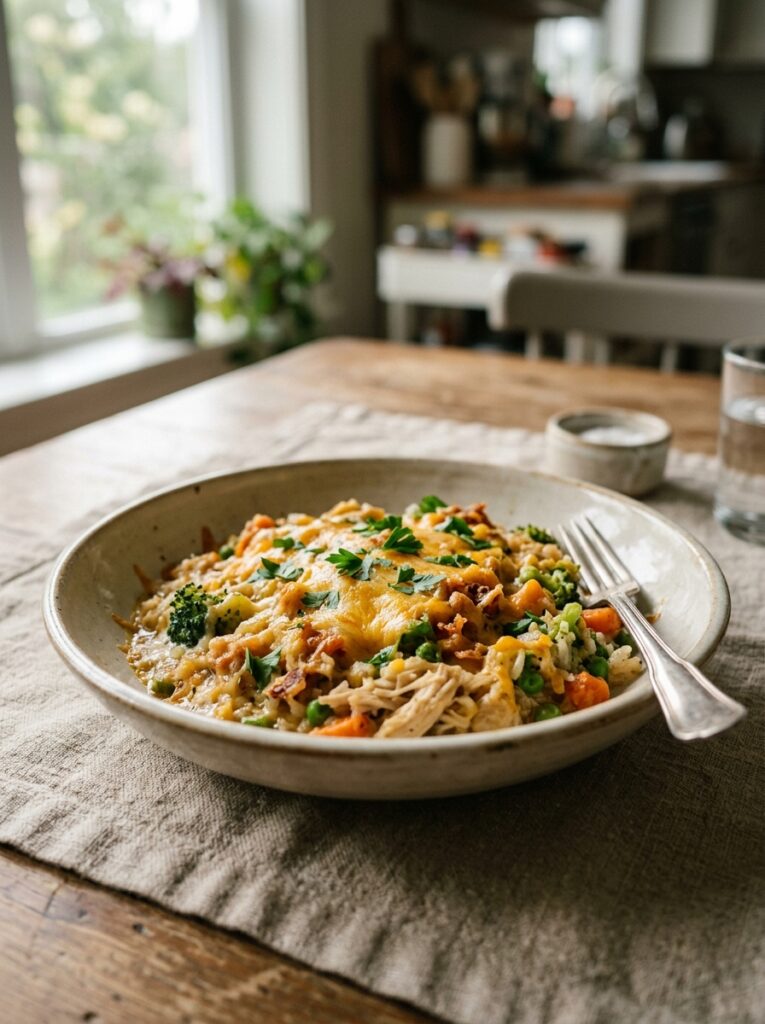
It absorbs every bit of flavor the chicken already has — the smoky skin, the seasoned juices, whatever herbs were rubbed into it — and it turns all of that into something cohesive and deeply savory. The rice soaks up the broth. The chicken stays tender because it’s not getting cooked again from raw, it’s just getting warm and happy in a saucy environment. And the whole thing comes together with stuff you almost definitely have already.
No special shopping trip. No technique you’ve never tried before. Just a good, filling dinner that tastes like you planned it.
Also, casseroles look beautiful in a wide baking dish and they photograph well, which, fine, I care about that a little.
—
2. The Chicken Situation — How Much You Actually Need and What to Do With the Skin
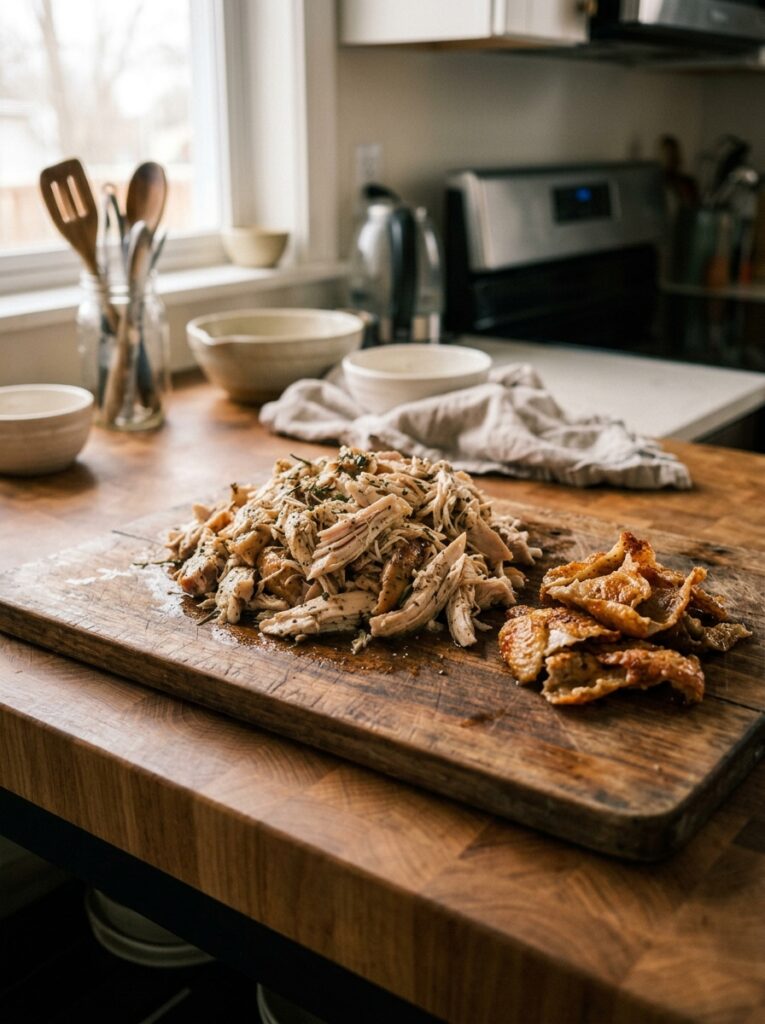
Here’s where people overthink it. You don’t need a specific amount. Got a cup and a half of shredded chicken? Perfect. Got closer to three cups? Also perfect. This recipe is incredibly forgiving, and honestly the more chicken the better.
Shred it with two forks, or just pull it apart with your hands — that’s what I do because it’s faster and I’m not gonna pretend otherwise. You want some pieces a bit larger, some smaller. That texture variation is what makes each bite interesting.
Now. The skin.
Don’t throw it away before you’ve thought about this. If you crisp it up in a dry pan for two or three minutes, it turns into these little crackly, salty bits you can scatter on top of the finished casserole like the world’s best garnish. Not everyone does this. Everyone should.
“Rotisserie chicken is basically pre-seasoned, pre-cooked magic. The only mistake is not using every last bit of it.”
—
3. The Rice That Works — and the One That Doesn’t (Learn From My Mistake)
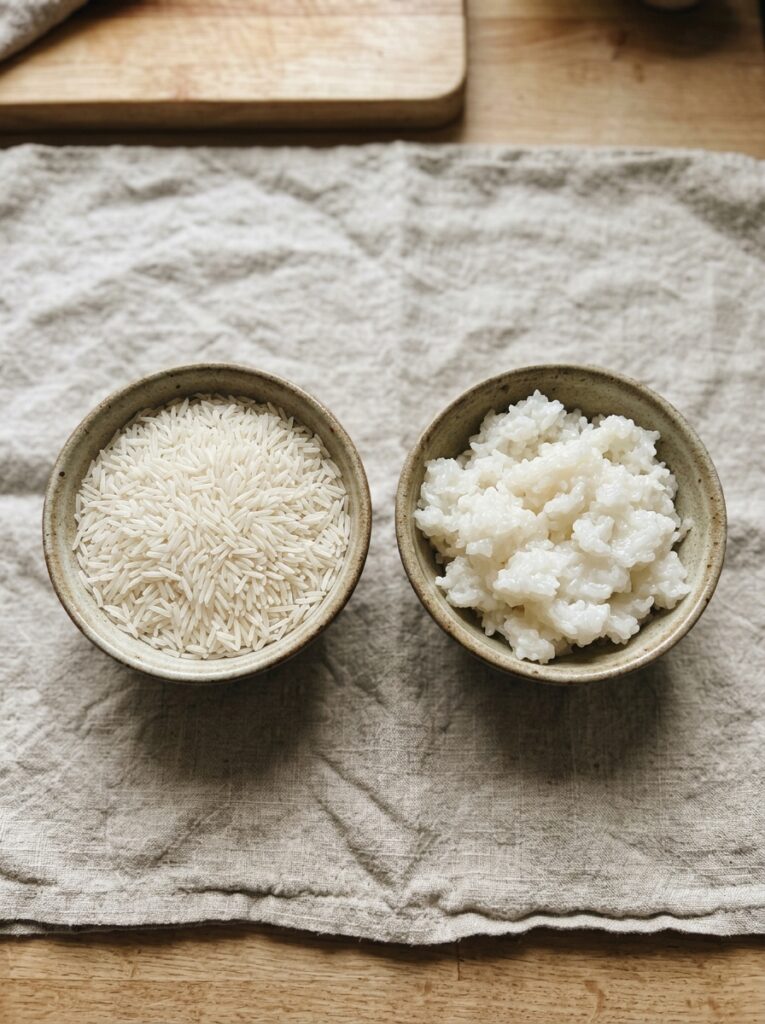
Long grain white rice. That’s your answer for baked casseroles.
Don’t use instant rice because it turns to mush and you’ll be sad. Don’t use brown rice unless you’re very committed to adding extra liquid and an extra 20-ish minutes to the cook time. Jasmine rice works beautifully here, actually — it has this faint floral thing going on that plays nicely with the savory chicken and any herbs you add.
The key thing most recipes don’t tell you clearly enough: the rice goes in raw. Uncooked. You’re not pre-cooking it. The casserole method involves the rice cooking IN the liquid while everything bakes, which is exactly how it absorbs all that flavor.
You’ll need about 1 cup of dry rice for a standard 9×13 dish, or around 1.5 cups if you want it to really fill the pan and you’re feeding four to six people.
—
4. The Broth Decision That Makes or Breaks the Whole Thing
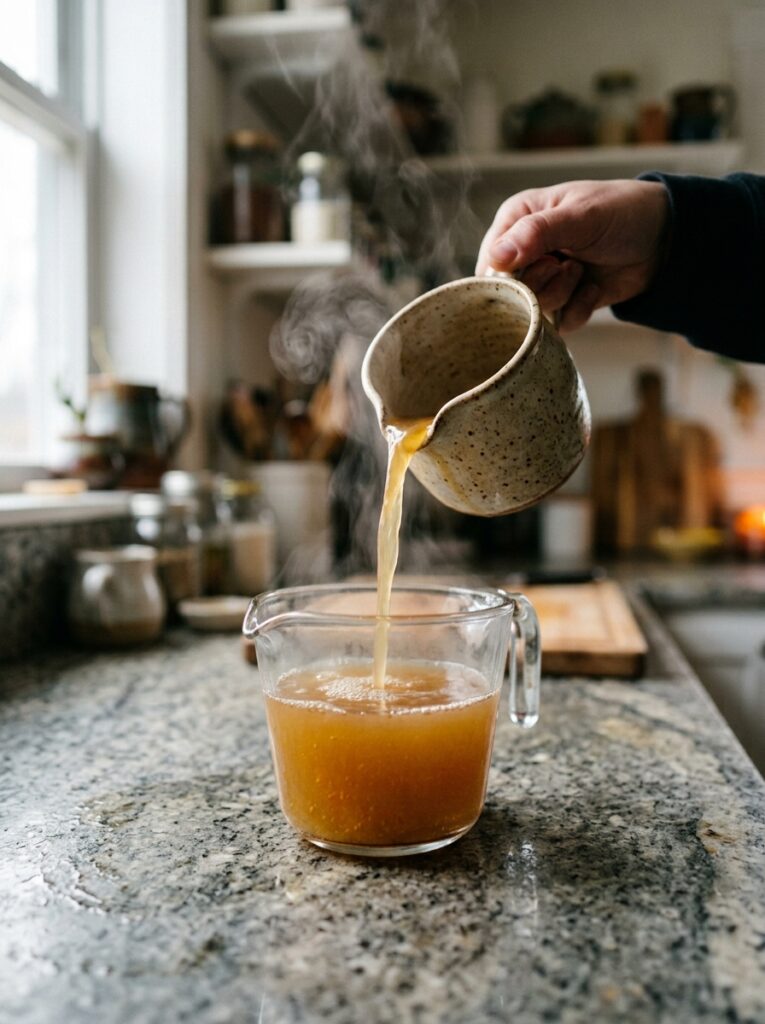
Two cups minimum. Two and a half if you’re nervous. Chicken broth — not water, not vegetable stock, chicken broth — is what’s going to give this casserole its soul.
If you saved the carcass from the rotisserie chicken and you’ve been lazy about making stock (no judgment, same), this is your sign to do a quick 20-minute stovetop simmer with the bones, some onion, a bay leaf, and water. Strain it. Use THAT as your broth. The difference is actually noticeable, and it takes almost no effort once you start.
If you haven’t done that, store-bought broth is completely fine and I use it constantly. Get a low-sodium version so you can control the salt yourself.
One thing I add that changed everything: a small splash — like a quarter cup — of cream or whole milk stirred into the broth before it goes over the rice. It doesn’t make the dish taste “creamy” exactly, more like it makes the whole thing taste a bit richer and more finished. Kind of rounds the edges.
—
5. The Vegetables That Actually Belong in This Casserole (Not Every Vegetable)
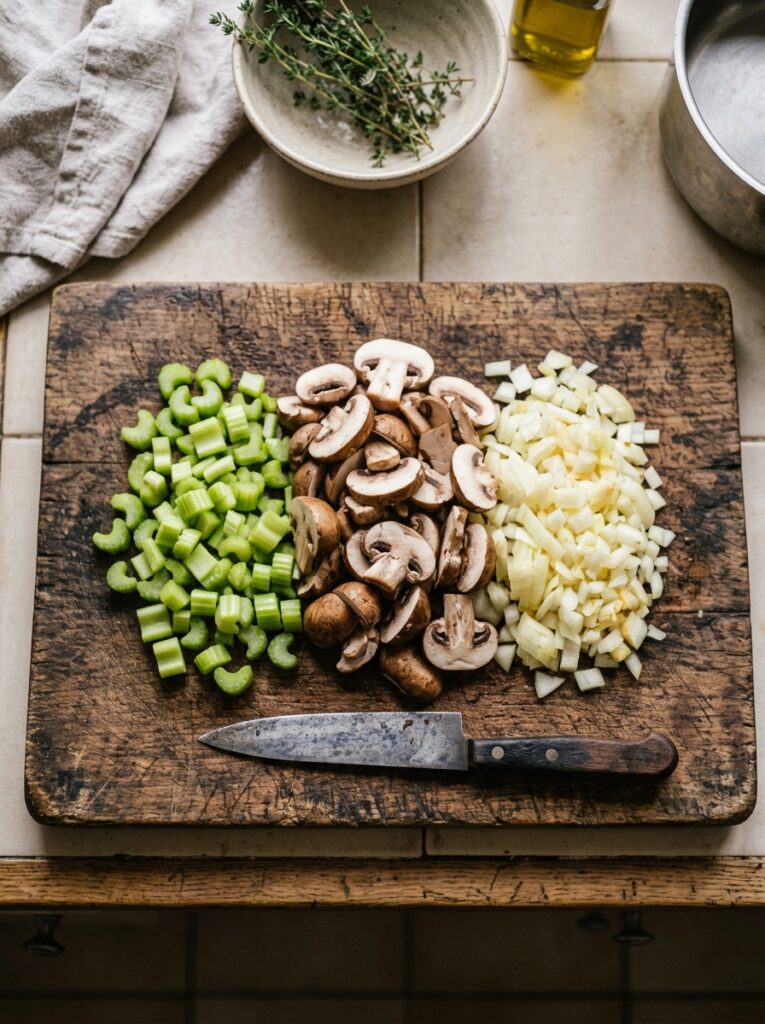
I’m going to be direct here. Not every vegetable belongs in a chicken and rice casserole, and throwing in whatever’s on the verge of going off rarely ends well.
What works: diced onion, celery, frozen peas, corn, and mushrooms. These are your people.
Onion and celery go in first, sautéed in a bit of butter until they’re soft and starting to go translucent. That step takes maybe six or seven minutes and it makes a REAL difference to the final flavor — don’t skip it in the name of saving time. Frozen peas get stirred in right before the casserole goes in the oven. Corn too. Mushrooms can go in with the onion and celery if you want them properly soft, or added later if you like a bit more texture.
What doesn’t work as well: zucchini (gets watery), broccoli (turns too soft and a bit sulfurous), tomatoes (fight with the broth in a weird way). Not saying never, but for a first attempt, stick to the classics.
“The frozen peas go in last, right before the oven. They don’t need more cooking than the casserole gives them, and they stay a proper green that way.”
—
6. The Seasoning Layer That Most People Under-Do
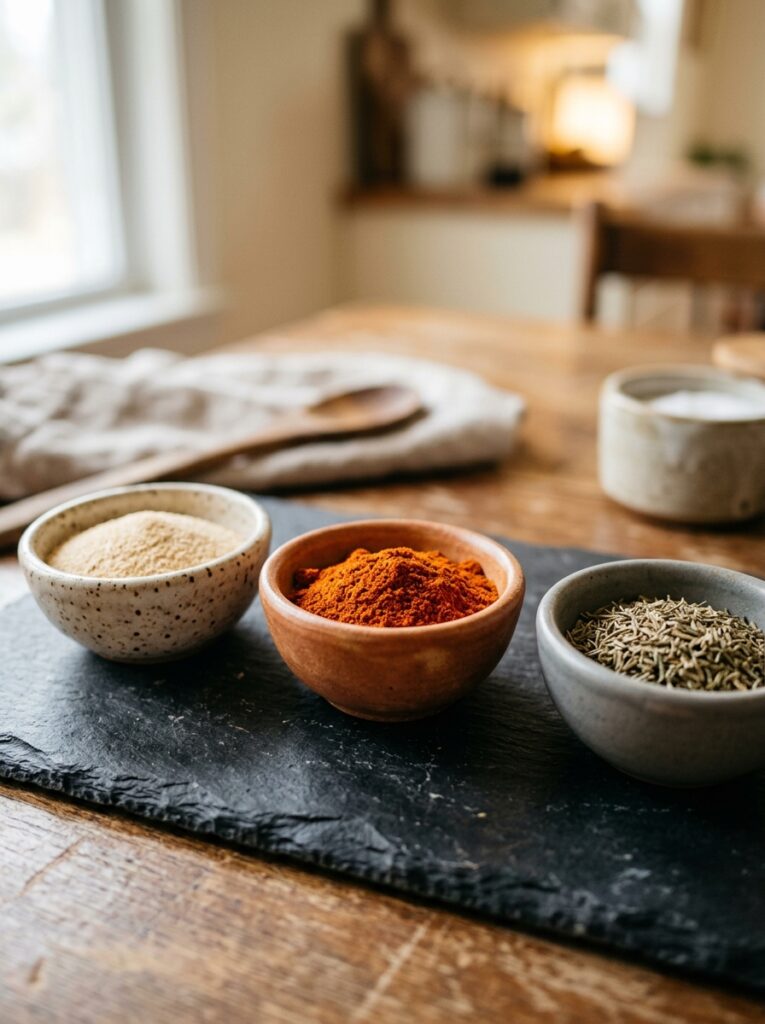
Salt and pepper, obviously. But there’s more to it.
Garlic — real garlic, two or three cloves, minced — goes in with the sautéed vegetables. Dried thyme is almost essential here, it has this warm, slightly earthy quality that makes everything taste more intentional. A little paprika, the regular sweet kind, gives the casserole this gorgeous color and a subtle depth.
If you want to go a slightly different direction, dried Italian herbs work really well, and so does a generous pinch of onion powder on top of the real onion already in there. Sounds excessive but it isn’t.
Side note — if your rotisserie chicken was heavily seasoned, say it was a lemon herb one or a smoky BBQ style, lean into that flavor profile with your seasoning choices. The lemon herb birds go beautifully with a bit of lemon zest stirred into the broth. Just a thought.
One thing to be careful with: don’t over-salt before baking. The broth reduces and concentrates as it cooks, and what tastes a bit underseasoned going in will hit the right note coming out. Taste and adjust once it’s done.
—
7. Assembly Order Matters More Than You’d Think
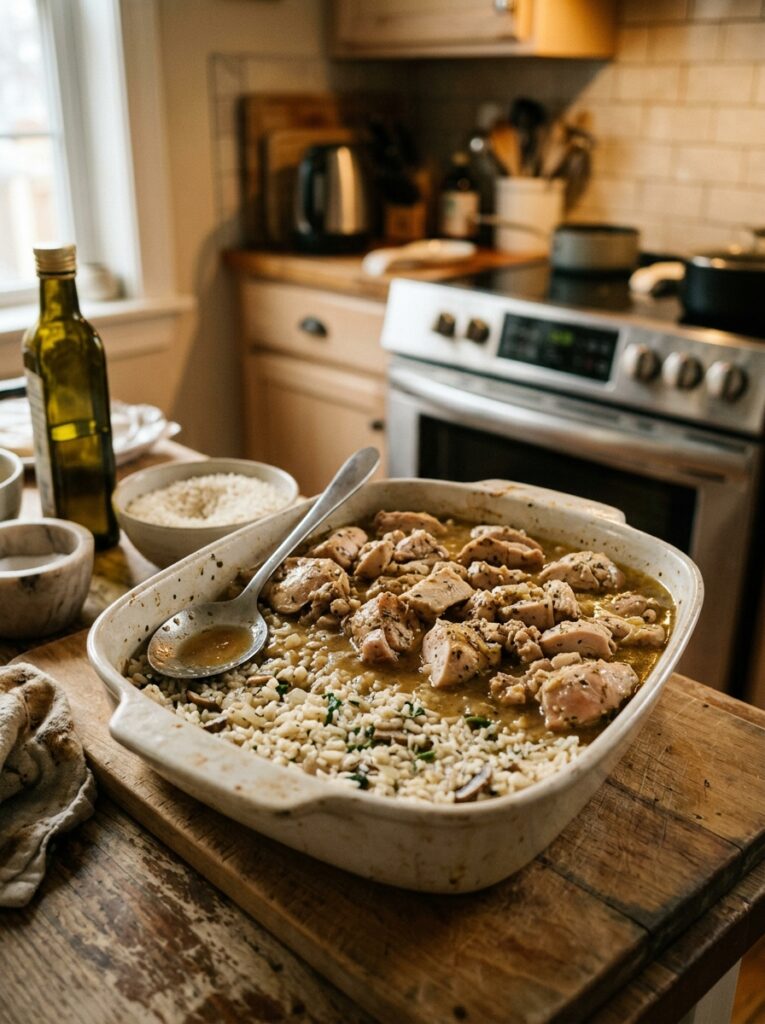
Layer it. Don’t just dump everything in and stir.
Butter the baking dish first — this isn’t optional, it prevents sticking and adds flavor along the edges. Then the dry rice goes down first, spread in an even layer. Then the chicken, shredded, scattered across the top of the rice. Then the vegetable mixture. Then the broth mixture, poured evenly over everything.
Cover TIGHTLY with foil. This is doing a lot of work — it traps steam, which is what actually cooks the rice all the way through. If the foil isn’t snug, you’ll end up with rice on the edges that’s fine and rice in the middle that’s got a weird al dente crunch.
Bake at 375°F (that’s about 190°C) for 45 minutes covered. Then pull the foil off, let it go another 10 to 15 minutes uncovered so the top can get a little golden and any exposed chicken bits can crisp up slightly.
Let it sit for five minutes before you serve it. Genuinely, the five minutes matters. The liquid finishes absorbing.
—
8. The Crispy Cheese Top That Optional But Actually Isn’t
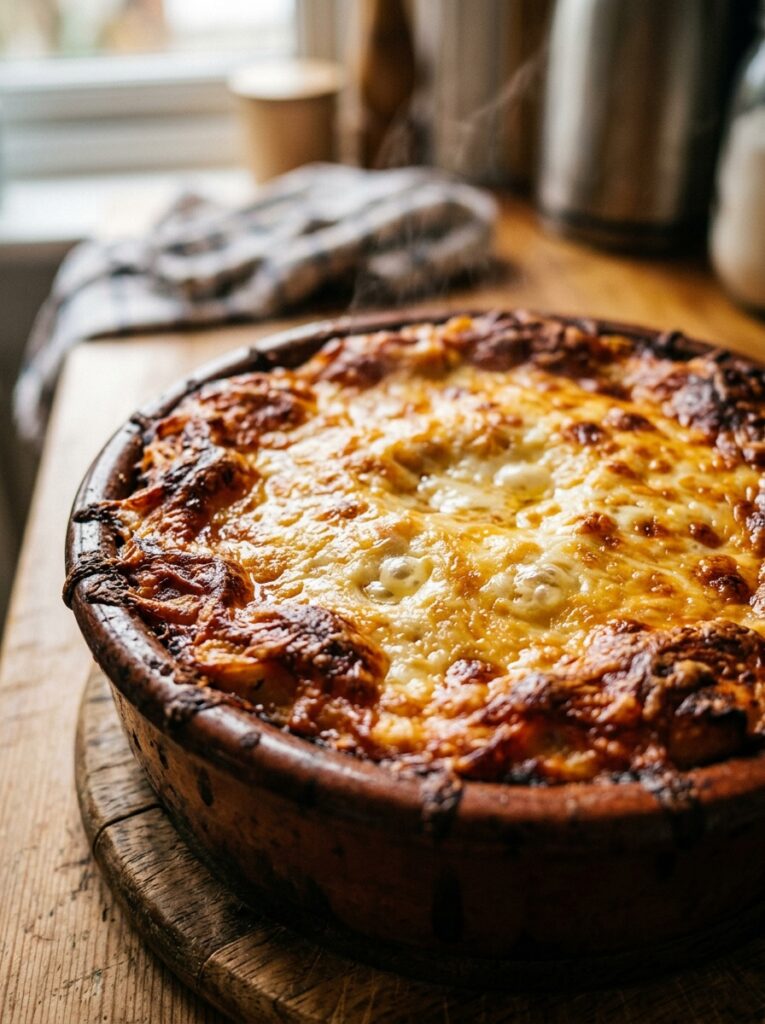
Okay technically you don’t need cheese. But why wouldn’t you.
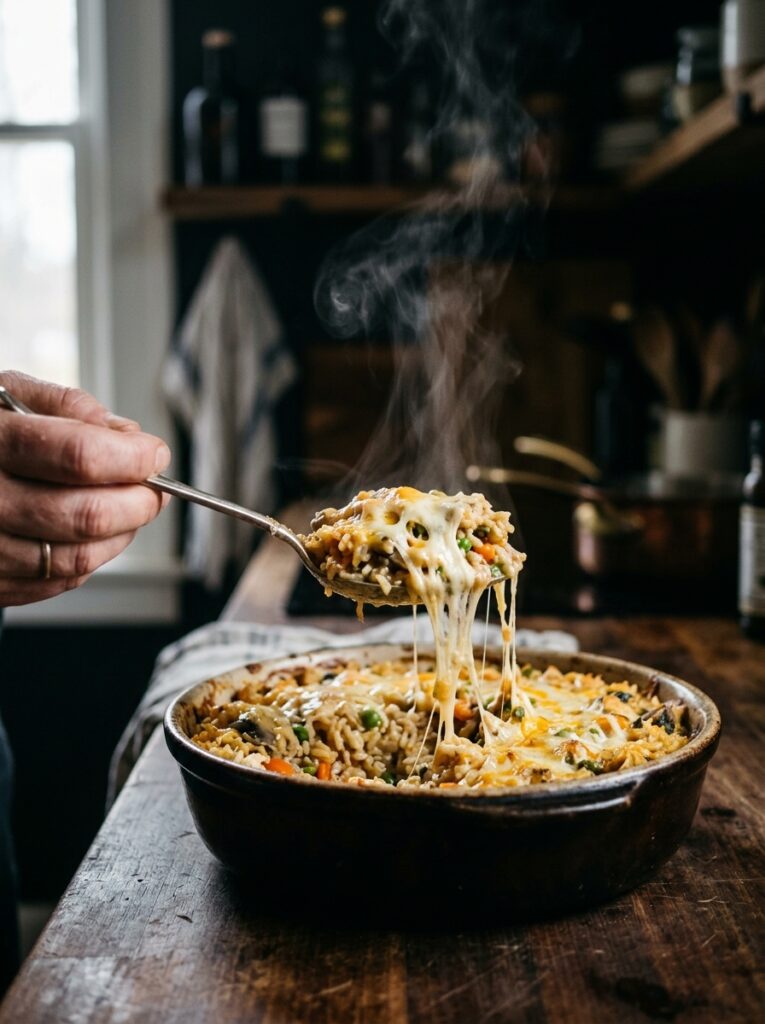
When you pull the foil off for that last 10-15 minutes, scatter shredded cheddar — or a mix of cheddar and mozzarella — across the top. Not a thin dusting, a real layer. It melts down into the casserole around the edges and turns into these slightly browned, bubbling pockets of goodness on top.
Sharp cheddar adds a bit of bite that works really well against the mild chicken and creamy rice. Gruyère if you’re feeling fancy and you happen to have some. Honestly even a bit of parmesan scattered on top in addition to the cheddar makes the whole thing taste significantly more considered.
For British readers — mature Cheddar is exactly right here, and Red Leicester gives a wonderful color and a slightly nutty flavor that’s lovely in this.
—
9. A Version for When You Want Something a Little More Exciting — The Green Chile Situation
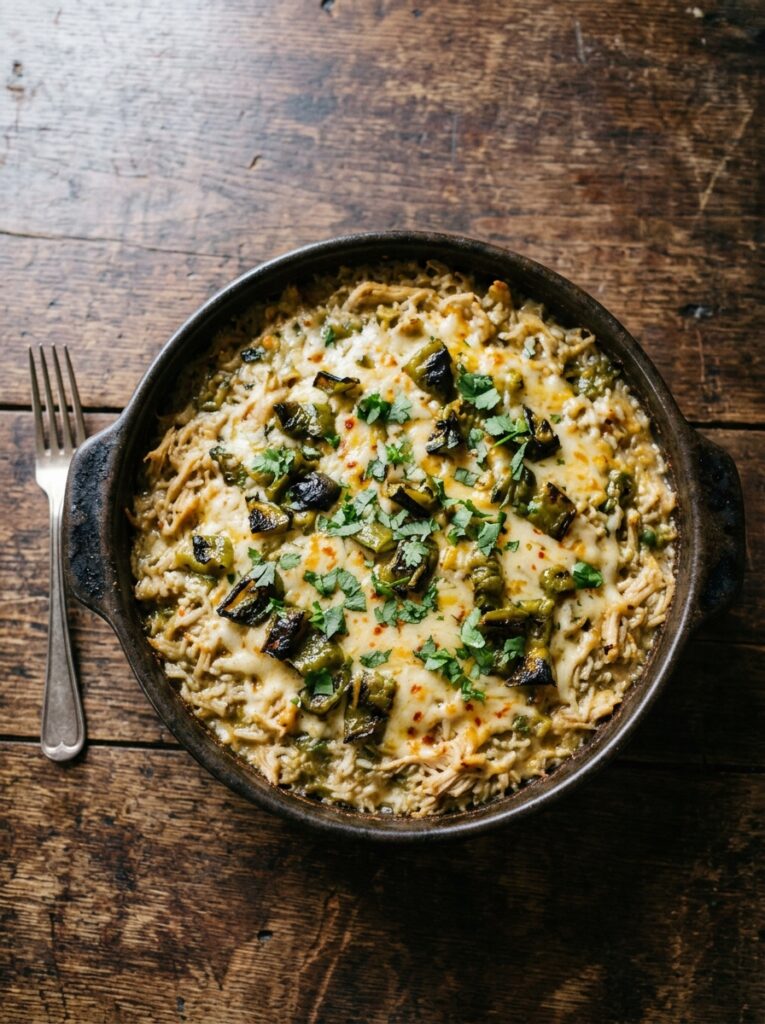
This is the variation I make when I want the same easy casserole but with a bit more personality.
Add a small can of diced green chiles (or if you’re in the UK, a couple of mild green peppers roasted and roughly chopped will do the job beautifully) to the vegetable mixture. Swap the thyme for cumin and a little chili powder. Use pepper Jack cheese on top instead of cheddar. Stir a spoonful of sour cream into the broth before you pour it in.
The result is something that feels completely different — warmer, a little smoky, with a mild heat that builds as you eat. It still uses the same leftover chicken. It still takes about an hour total. But it tastes like a different meal entirely, which matters if you’re making this two weeks in a row.
“Change the spices, change the cheese, change the chiles — same method, completely different dinner. This is the casserole formula worth memorizing.”
—
10. Making It Ahead, Storing It, and Why the Leftovers Might Be Better
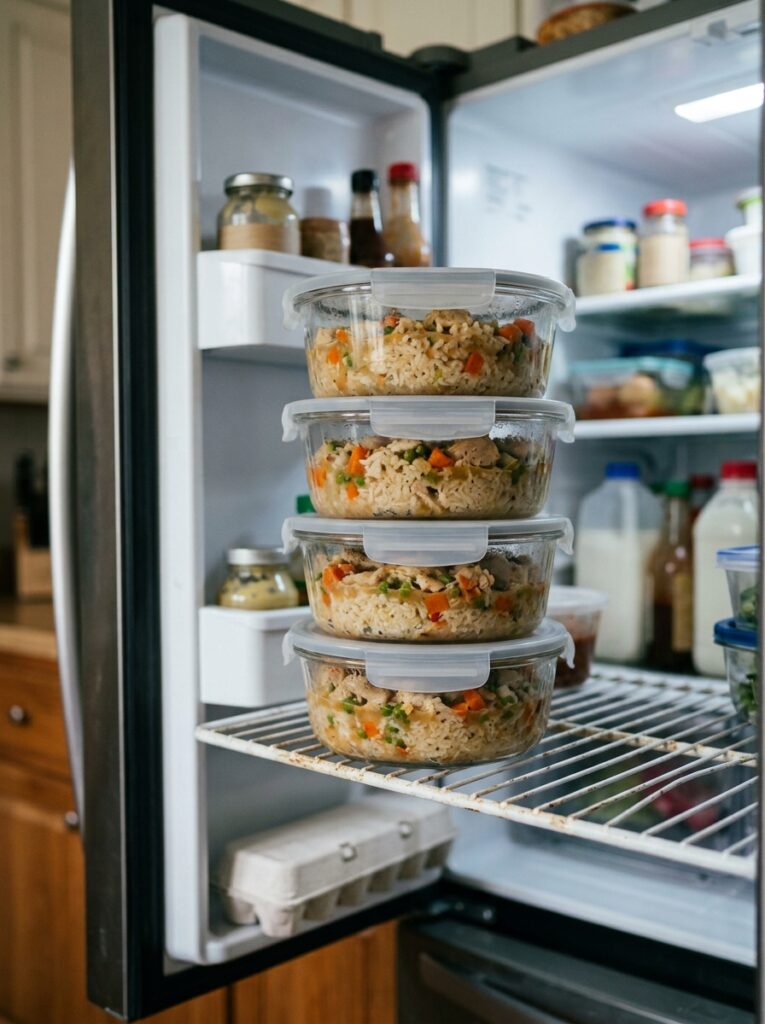
You can assemble the whole casserole — raw rice, chicken, veg, broth — cover it tightly, and refrigerate it for up to 24 hours before baking. Just add about 5 extra minutes to the covered baking time since you’re starting from cold.
Leftovers keep well. Three to four days in the fridge, in an airtight container. The rice continues to absorb liquid as it sits, so the next day it’s even denser and more flavorful. Reheat with a small splash of broth or water to loosen it up, either in the microwave covered or back in a low oven.
Can you freeze it? Yes, after baking. Let it cool completely, portion it out, freeze for up to two months. Thaw in the fridge overnight and reheat as above. The texture of the rice changes a little — slightly softer — but for a weeknight dinner pulled from the freezer it’s still genuinely good.
—
11. What to Serve Alongside This Without Overthinking It
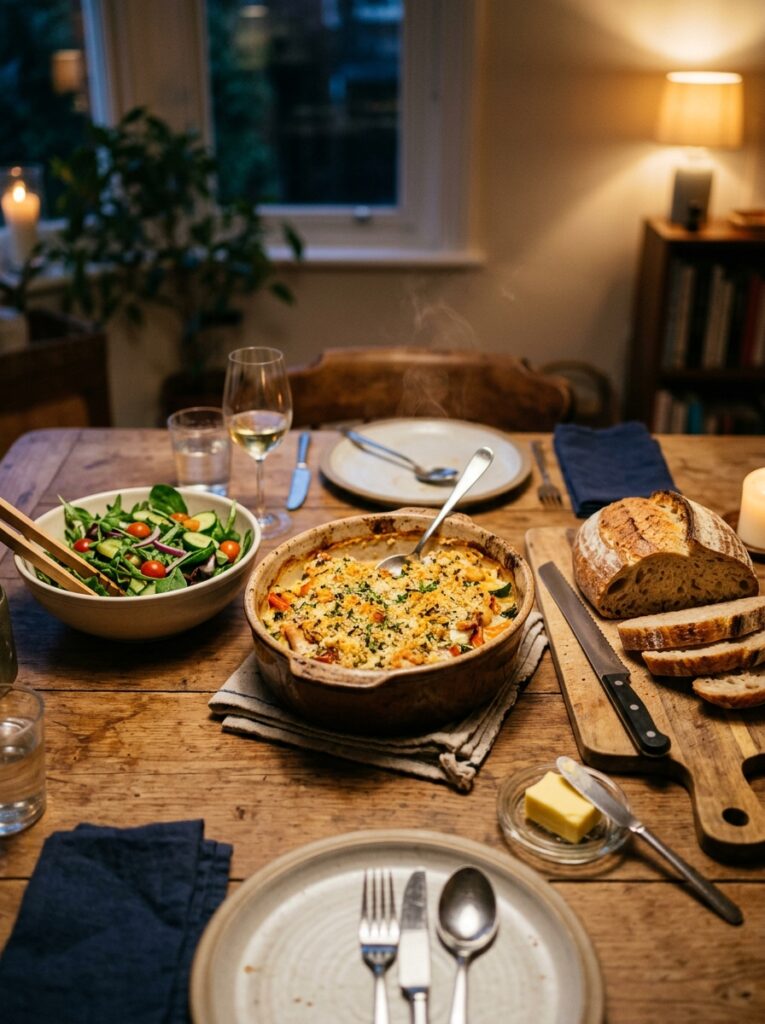
The casserole is a full meal on its own. It’s got protein, starch, vegetables, and fat. You don’t actually need sides.
But.
A simple green salad with a sharp vinaigrette cuts through the richness really well. Steamed green beans are great. Garlic bread, obviously, if you want to lean into it — bread to scoop up the saucy bits from the edges of the dish is never a bad decision.
In winter I sometimes serve this with roasted broccoli on the side, even though I told you broccoli inside the casserole doesn’t work great. Alongside it, roasted until the edges are charred and a bit crispy? Completely different situation. It works perfectly.
—
12. The Real Reason This Recipe Is Worth Knowing Cold
It’s not the chicken. It’s not even the rice.
It’s the fact that with this method in your head, you can go from “there’s leftover chicken in the fridge and I don’t know what to do with it” to a proper dinner in under an hour, with minimal thought and minimal mess. One baking dish. A handful of ingredients. Things that are probably already in your kitchen right now.
And it actually tastes like dinner. Not an afterthought, not a desperation meal — a real, proper dinner that satisfies. The kind where someone lifts the lid and the steam comes up and everyone migrates toward the kitchen without being asked.
That’s what a good recipe does. And this one does it every time.
—
❓ FAQ
Q: Can I use already-cooked rice instead of raw? A: You can, but you’ll need to adjust significantly — reduce the liquid by about half, shorten the bake time, and go in with a lighter touch because you’re really just heating everything through rather than cooking from scratch. The texture won’t be quite the same; raw rice absorbs the flavors as it cooks and that’s what gives the casserole its richness. If you want to use cooked rice, keep a close eye and don’t overbake.
Q: How long does rotisserie chicken last in the fridge before it’s no longer safe? A: Typically three to four days from purchase, stored properly in the fridge. If it’s been longer than that, it’s not worth the risk — and your nose will usually tell you anyway. When in doubt, don’t.
Q: My rice was still a bit crunchy in the middle after the full bake time — what went wrong? A: Almost always a foil issue. The foil needs to be sealed really tightly around the dish to trap the steam that finishes cooking the rice. If it’s loose or if steam is escaping from the sides, the middle won’t cook through properly. Also double-check your liquid ratio — you may need a touch more broth if your dish is wider or shallower than a standard 9×13.
—
💭 Final Thoughts
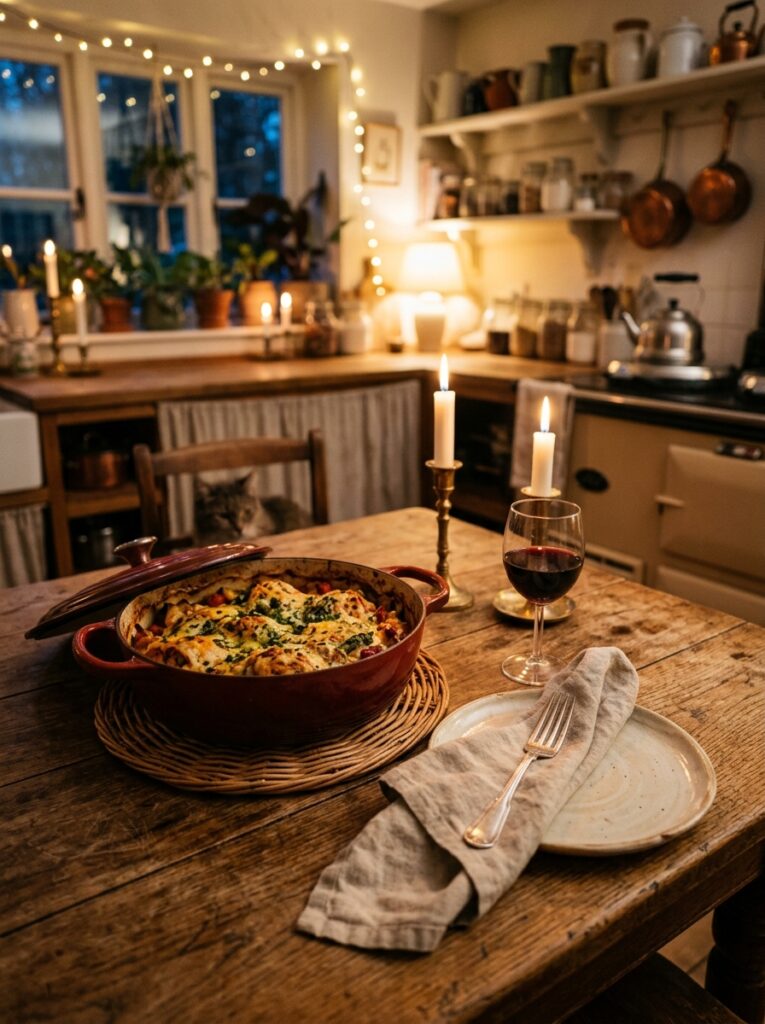
There’s something genuinely satisfying about starting with a cold, half-eaten chicken and ending up with a casserole that fills the kitchen with that warm, herby, savory smell. You didn’t waste anything. You made something. And you didn’t spend hours doing it.
The next time you buy a rotisserie chicken, you might actually start thinking about the casserole before the chicken’s even half gone.
Is there a better weeknight problem to have than too much chicken?