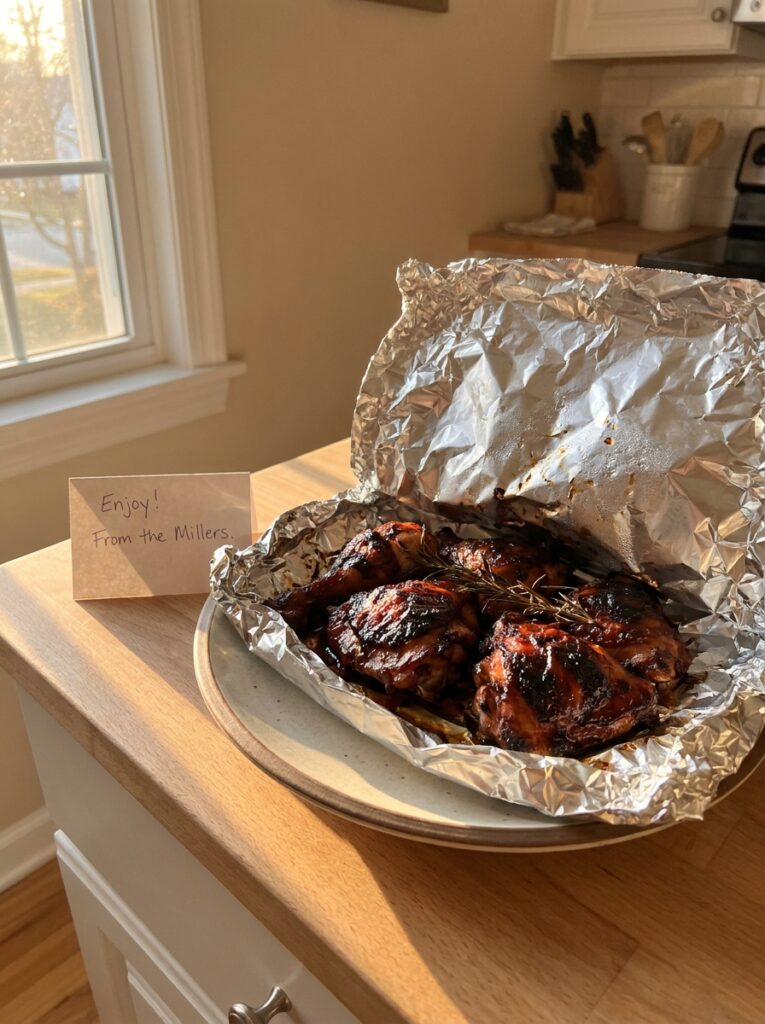
My neighbor knocked on my door last July with a foil-wrapped plate and zero explanation. Just handed it over and left. I peeled back the foil expecting leftovers and found the most perfectly glazed, sticky, smoky BBQ chicken I’d ever seen — and it had been made entirely in her oven.
I haven’t stopped thinking about it since.
—
1. Why Your Oven Might Be Better Than You Think for BBQ
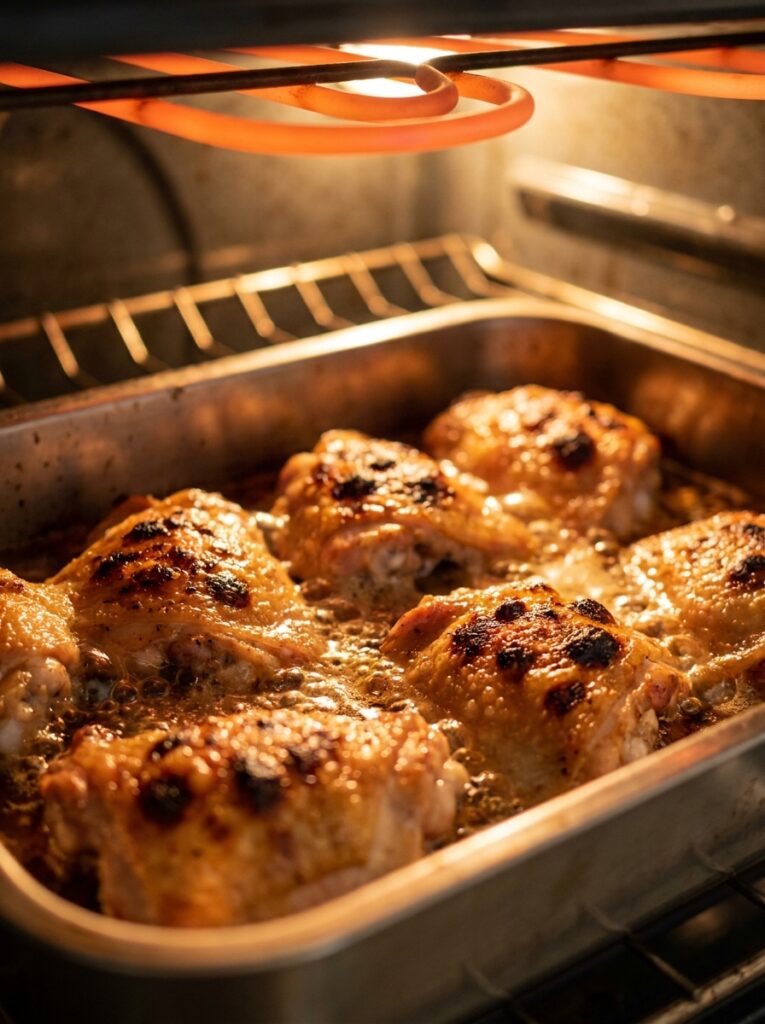
Here’s the thing nobody tells you: the grill gets all the glory, but the oven is actually more consistent. You’re not fighting wind or uneven heat. You’re not babysitting flames. The oven holds temperature steadily, which means the chicken cooks evenly, the sauce caramelizes properly instead of scorching in one spot, and you don’t end up with that dreaded situation where it’s burned on the outside and raw at the bone.
And yeah, you lose the smoke. I won’t pretend otherwise. But add a teaspoon of smoked paprika and a splash of liquid smoke to your sauce and I promise you’ll make up most of that ground.
The real secret though? Finishing under the broiler. That’s what creates the char, the sticky lacquered edges, the caramelized spots that make people think it came off a grill. Most people skip this step. Don’t.
—
2. The One Cut of Chicken That Makes Everything Easier
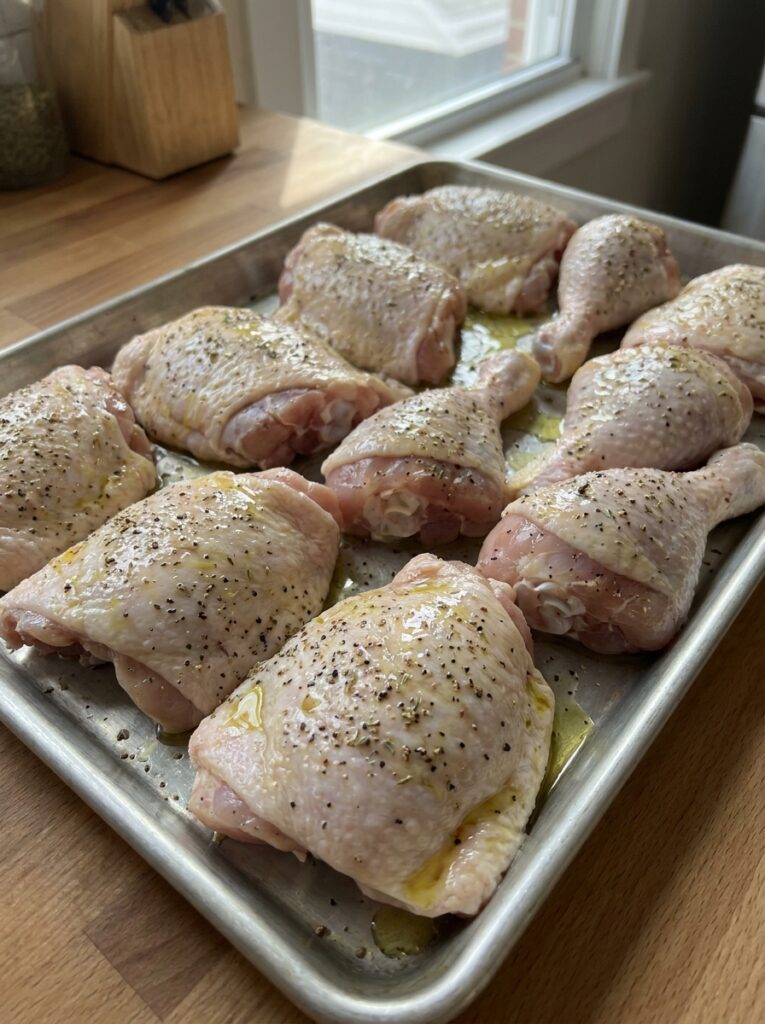
Bone-in, skin-on thighs. That’s it. That’s the answer.
I know drumsticks look fun. I know breasts seem healthier. But thighs are where BBQ chicken lives, honestly. The fat content means they stay juicy through the long cook time, they can take the high heat at the end without drying out, and the skin crisps up into something genuinely incredible when the sauce gets a chance to caramelize against it.
If you’re cooking for a crowd and want variety, do a half-and-half tray — thighs and drumsticks together. They cook at similar rates, they look beautiful on the table, and everyone gets their favorite piece.
“Bone-in thighs aren’t just easier — they’re the reason the whole dish works. Don’t swap them out.”
Breasts can work if that’s genuinely all you have. But you’ll need to pull them out earlier (around 165°F/74°C internal temp), don’t leave them in the sauce bath as long, and watch the broiler step VERY carefully because they’ll dry out faster than you expect.
—
3. The Homemade BBQ Sauce You’ll Want to Put on Everything
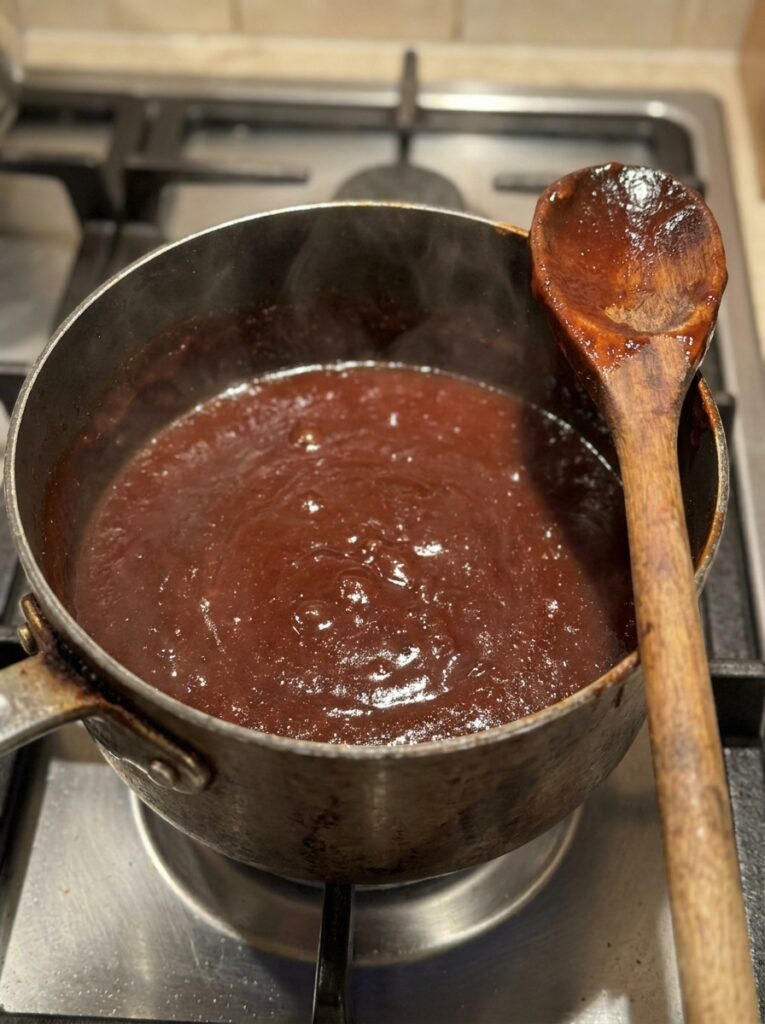
Store-bought sauce is fine. I’ve used it plenty of times when it’s a Tuesday and I’m tired. But if you can spare 15 minutes earlier in the day, this sauce changes things.
In a small saucepan over medium heat, combine:
- 1 cup ketchup
- 3 tablespoons apple cider vinegar
- 2 tablespoons brown sugar
- 1 tablespoon Worcestershire sauce
- 1 tablespoon honey
- 1 teaspoon smoked paprika
- 1 teaspoon garlic powder
- ½ teaspoon onion powder
- ½ teaspoon black pepper
- Pinch of cayenne if you want heat
Stir it all together and let it simmer on low for about 10 minutes. It thickens, the sugar gets deep and molasses-y, and your whole kitchen smells like a cookout. This makes enough for a full tray of chicken with a bit left over for dipping. And it keeps in the fridge for two weeks, so honestly just double it.
—
4. The Dry Rub Step That Most Recipes Skip (And Shouldn’t)
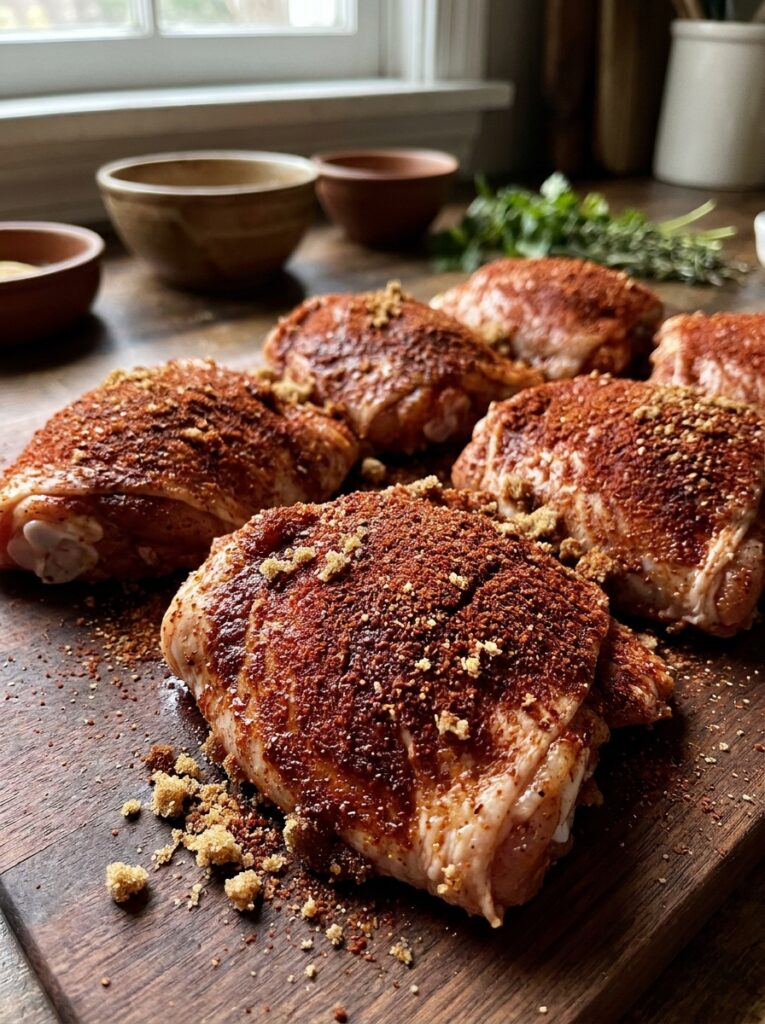
Before the sauce, before anything — the dry rub. This is where the real flavor lives.
Mix together: 1 teaspoon each of smoked paprika, garlic powder, onion powder, and brown sugar. Half a teaspoon of salt. A good crack of black pepper. If you’ve got dried mustard powder, throw in a pinch. Rub it all over the chicken, under the skin where you can get your fingers in, and let it sit.
How long? An hour is good. Overnight in the fridge is BETTER. The rub slightly seasons the meat itself, not just the surface, and when the sauce goes on later it has something textured to cling to instead of sliding off.
Side note — if you’re in the UK and don’t have a standard American paprika situation going on, Morrison’s and Sainsbury’s both do smoked paprika now. It’s not hard to find anymore.
—
5. Temperature and Timing — The Actual Numbers That Work
This is where people get nervous, so let’s be specific.
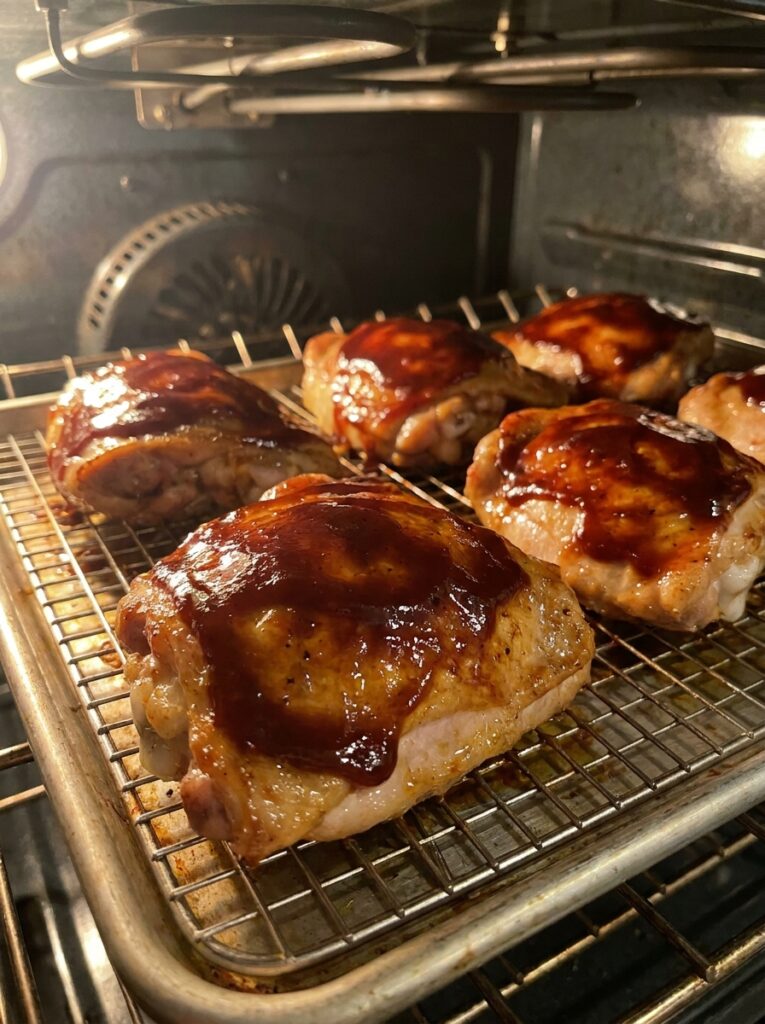
Preheat your oven to 400°F (200°C / Gas Mark 6). Line a baking tray with foil — not for laziness, for the sauce situation that’s about to happen. Place a wire rack over the tray if you have one, because air circulation underneath means crispier skin. If you don’t have a rack, it’s fine. Just flip the chicken once halfway through.
Season your chicken, place it skin-side up, and roast for 35 minutes with no sauce. Just let the dry rub do its thing. Then pull it out, brush on your sauce generously, and return it to the oven for another 15 minutes. Pull it out again, brush on another layer (this layering is important), and then switch to the broiler on high for 4-6 minutes.
Watch it. Seriously, watch it. The difference between perfectly charred and burnt is about 90 seconds under a broiler.
Total time: roughly 55-60 minutes. Internal temp should be 165°F (74°C) at the thickest part, not touching bone.
“Two layers of sauce, not one. The first layer soaks in. The second layer caramelizes. That’s the whole trick.”
—
6. What to Do When You Want It Falling Off the Bone
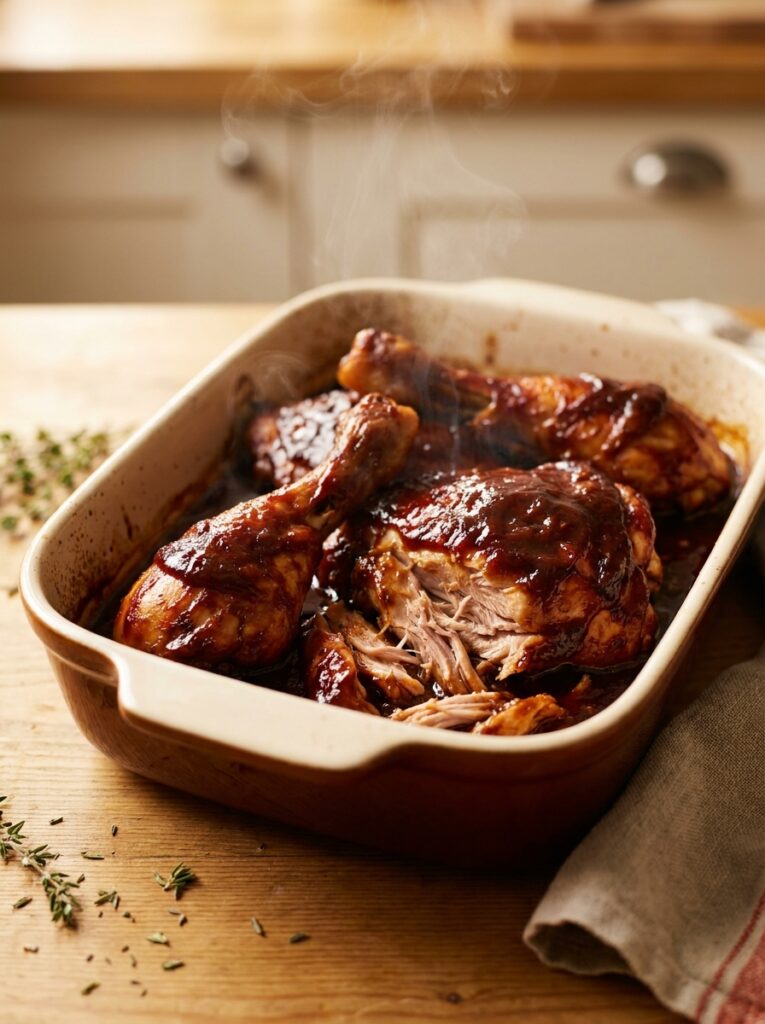
Okay, so the method above gives you nicely cooked, saucy, broiler-finished chicken. But some nights you want something different — something almost braised, where the meat barely holds onto the bone and collapses when you touch it.
For that, go lower and slower. 325°F (165°C / Gas Mark 3) for 90 minutes, covered tightly with foil for the first hour. The chicken essentially steams in its own juices. Then uncover, add sauce, crank the oven up to 425°F (220°C) for 15 minutes, and broil at the end.
It’s more time. But it’s the kind of chicken you can shred off the bone with a fork and pile onto cheap white rolls and it’s arguably one of the best things you’ll ever eat on a weeknight.
—
7. The Color That Tells You It’s Ready Before the Thermometer Does
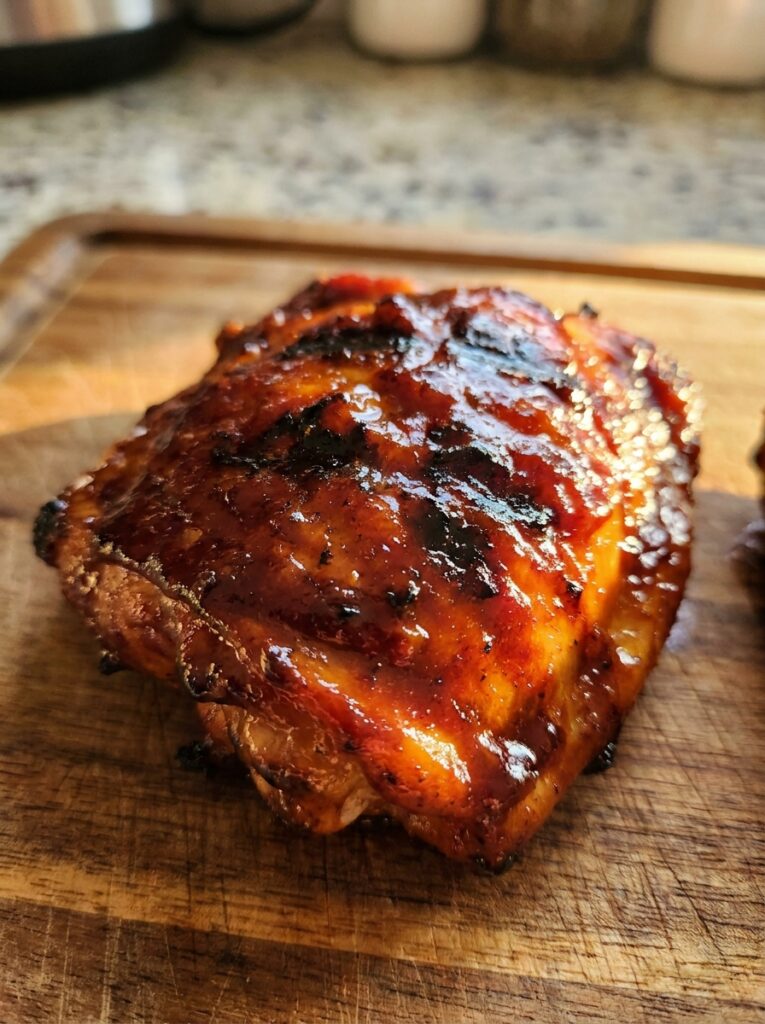
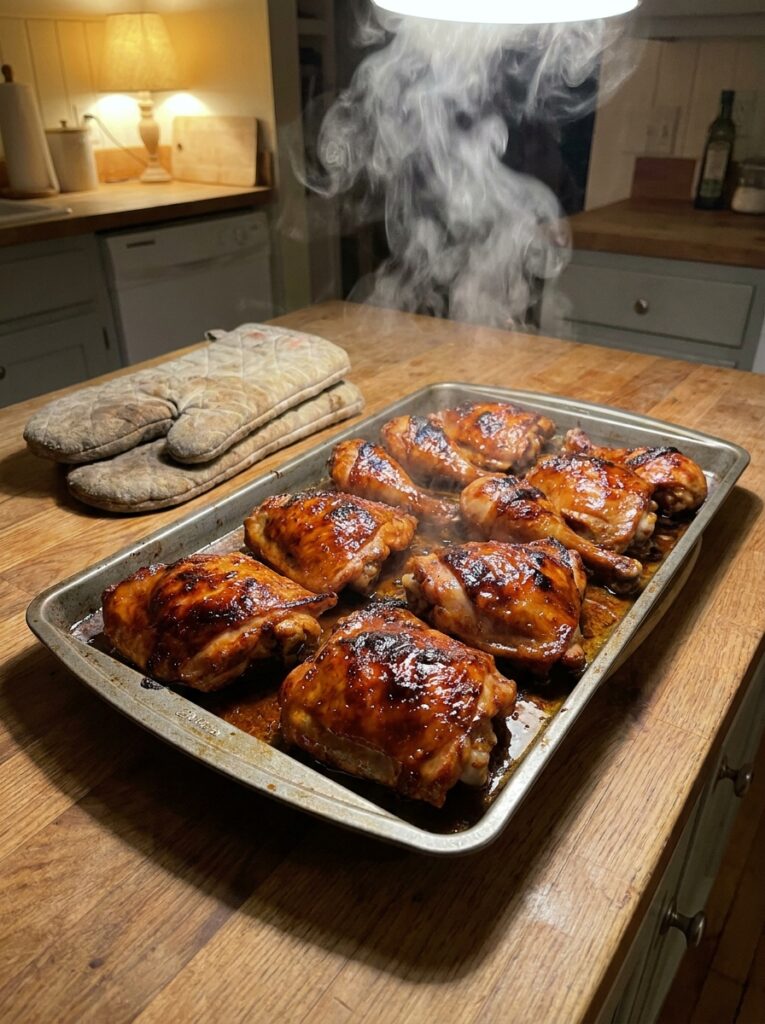
Deep, mahogany brown. Almost brick-red in spots where the sauce has concentrated. A little bit lacquered-looking, like the surface caught the light.
If it’s still pale orange, it needs more time. If it’s uniformly dark all over without any variation, it might be heading toward burnt — pull it and check. The broiler creates beautiful uneven caramelization, darker in some spots and lighter in others, and that’s EXACTLY what you want. Uneven color is good color here.
The skin should look tight and a bit shiny. You shouldn’t see liquid pooling on top of the sauce — that means the sauce hasn’t fully set. Another minute under the broiler usually fixes it.
—
8. Six Ways to Change the Flavor Without Changing the Method
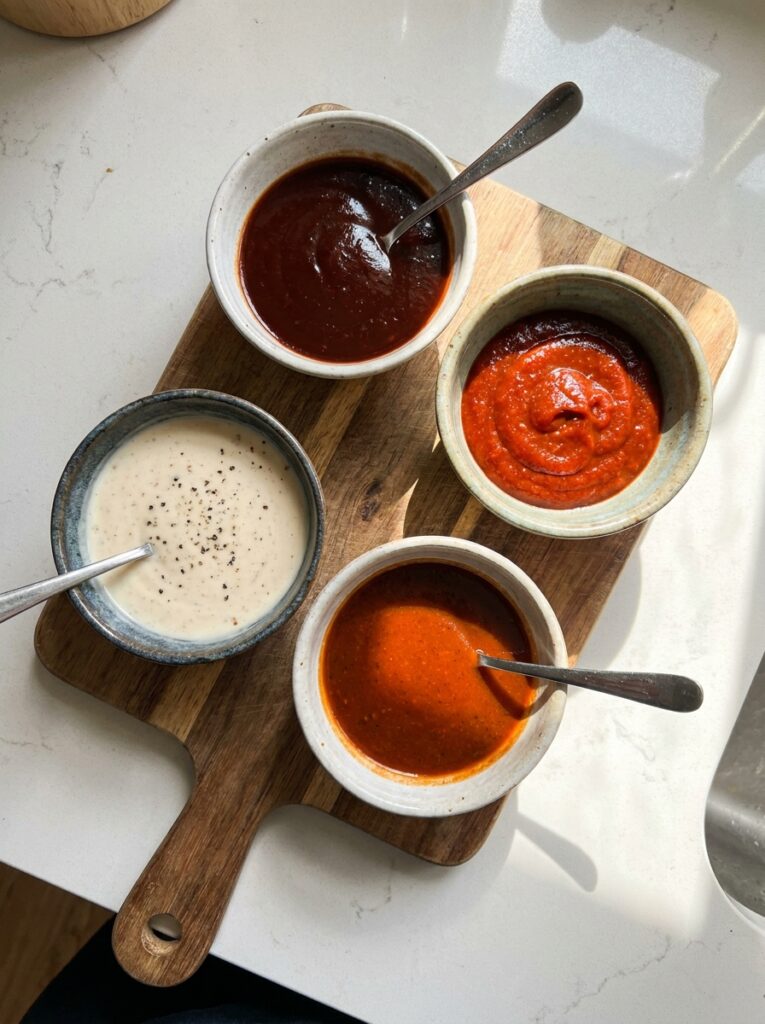
You’ve got the base technique down. Here’s where you can actually go anywhere you want.
Honey Mustard BBQ — swap the ketchup base for half ketchup, half yellow mustard, and double the honey. Add a tablespoon of Dijon. It’s tangy and sweet and works especially well on drumsticks.
Korean-Inspired — replace half the ketchup with gochujang (Korean chili paste, you’ll find it at most UK supermarkets and Asian grocery stores now). Add a splash of soy sauce and a teaspoon of sesame oil at the end. This one is spicy and a little addictive.
Alabama White Sauce — this is the unusual one. A completely different sauce: mayo, apple cider vinegar, horseradish, black pepper, a tiny bit of sugar. No tomato, no brown color. It sounds wrong and then it tastes completely right.
Memphis Dry Style — skip sauce entirely. Just rub, roast, broil. You get incredibly crispy skin and this intensely seasoned crust that’s smoky and a little spicy and honestly sometimes better than anything sticky.
Chipotle-Lime — add two chipotles in adobo (blended smooth) to your base sauce plus the zest and juice of one lime. Serve with sour cream.
Classic British Twist — a bit of Henderson’s Relish instead of Worcestershire, a splash of brown sauce, and a teaspoon of English mustard. It’s a different BBQ flavor profile but completely works, sort of tangy and earthy in a way the American version isn’t.
—
9. The Make-Ahead Move That Saves Weeknight Dinners
Here’s what I actually do most of the time: I make a batch on Sunday.
Roast the chicken all the way through — rub, sauce, everything. Let it cool completely. Store in an airtight container in the fridge. Then during the week, when I need it, I reheat individual pieces on a baking tray at 375°F (190°C) for 15-18 minutes, adding a quick extra brush of sauce before it goes back in.
It reheats REMARKABLY well. Better than you’d expect. The skin might not be quite as crispy as day one, but the flavor is actually deeper after a day in the fridge. The sauce seeps further into the meat. It gets better.
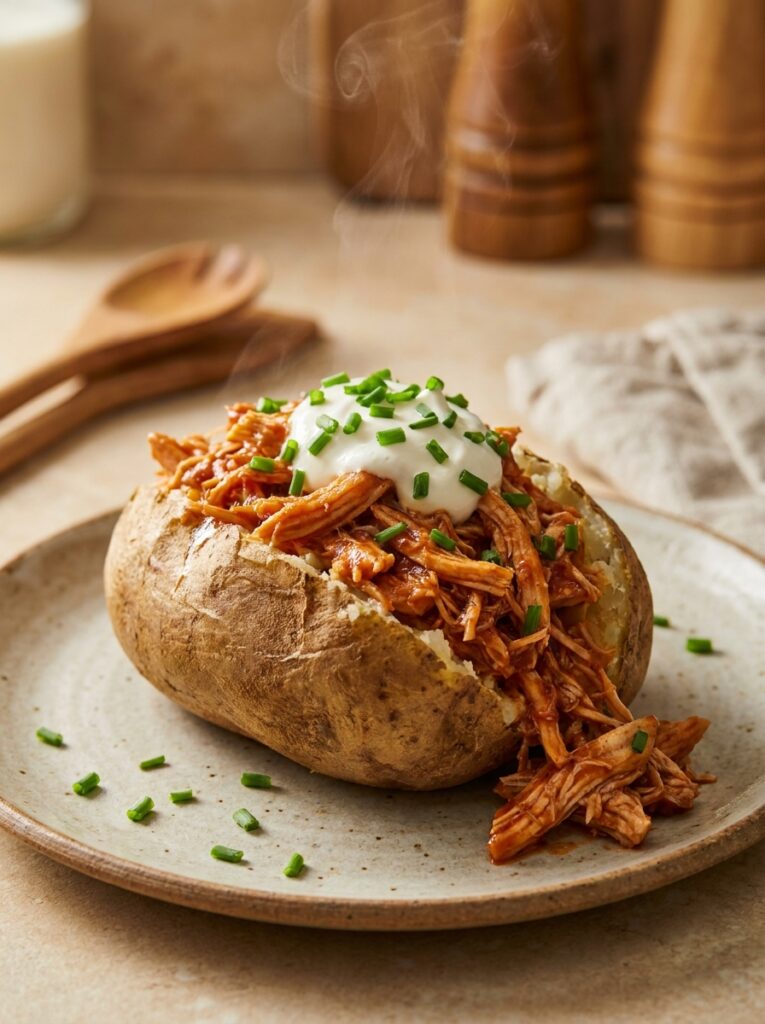
You can also shred the leftover chicken cold and use it in sandwiches, tacos, rice bowls, on top of a baked potato. That smoky, sweet sauce clinging to shredded chicken on a jacket potato with a dollop of sour cream is genuinely one of my favorite lazy lunches.
—
10. The Sides That Actually Make Sense Here
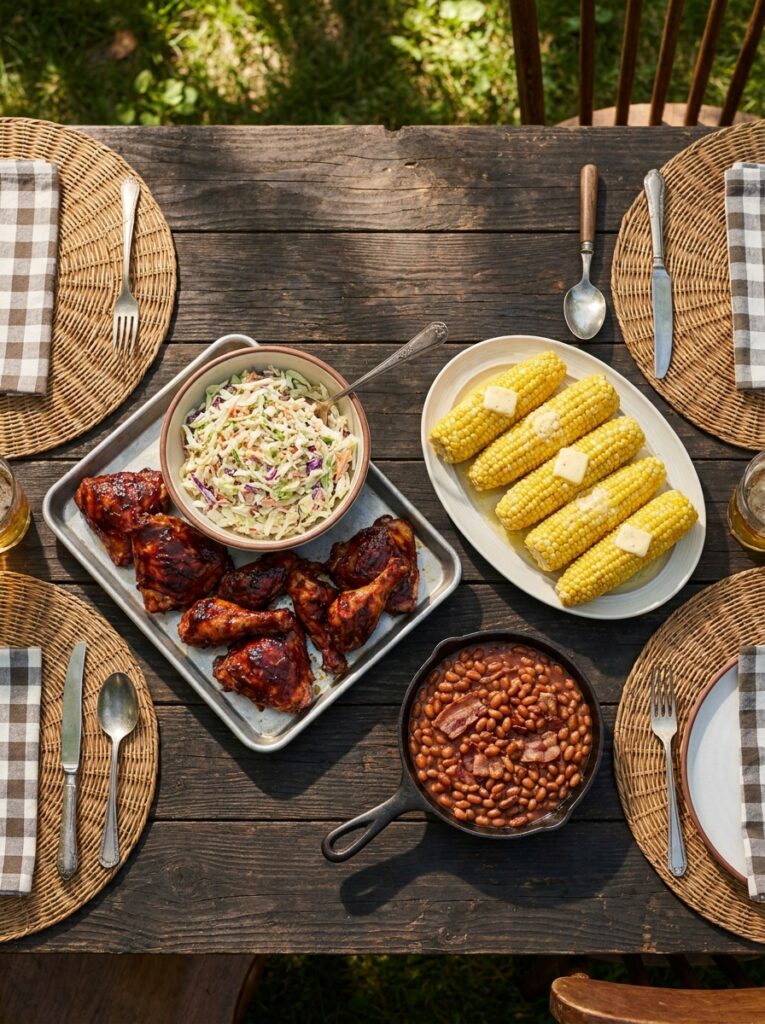
I’m not going to tell you to serve it with a “light salad.” That’s not what BBQ chicken is for.
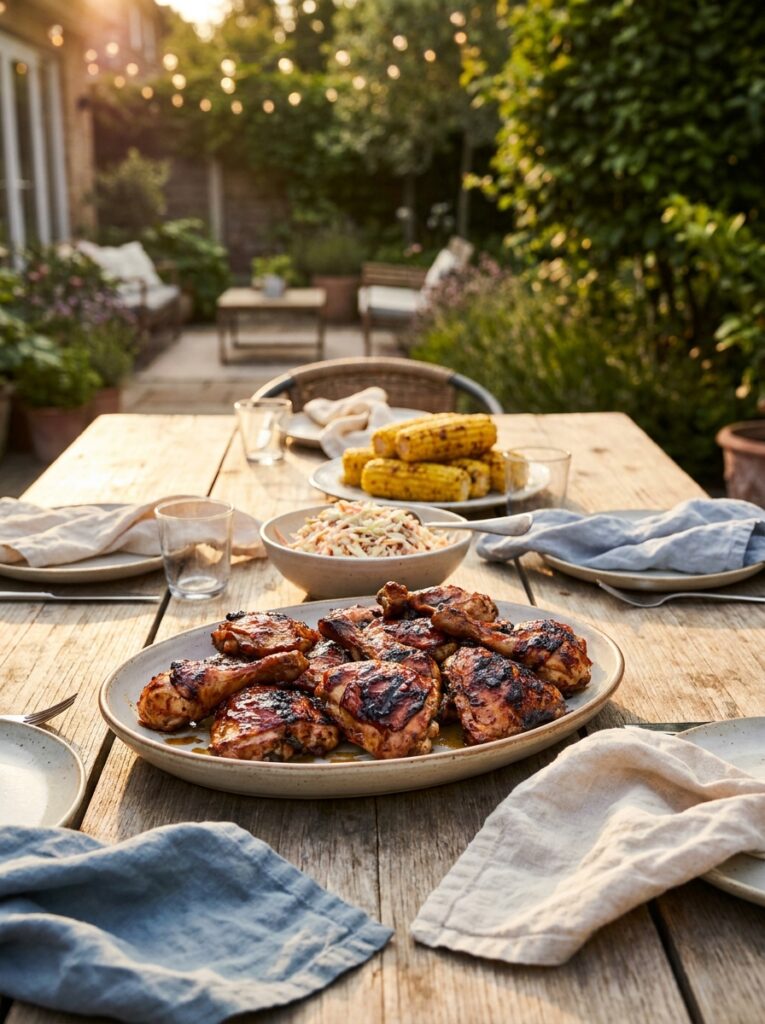
Corn on the cob — either roasted in the same oven for the last 20 minutes or just boiled and buttered. A big pot of baked beans (if you’re making it yourself, the stovetop version takes 45 minutes but it’s deeply worth it). Coleslaw with a bit of extra vinegar so it cuts through the richness. Thick-cut chips or sweet potato fries. Garlic bread that you don’t apologize for.
In the UK especially, I’d argue a good potato salad with lots of spring onion and a mustardy dressing is genuinely one of the best partners for oven BBQ chicken. It does the same job coleslaw does — cool, creamy, slightly acidic — but feels a bit more substantial.
The point is, this is dinner food. Pile it up on the table, put some napkins out, and don’t overthink it.
“This is dinner food. Pile it up. Put some napkins out. Don’t overthink it.”
—
11. The Thing That Goes Wrong Most Often (And How to Fix It)
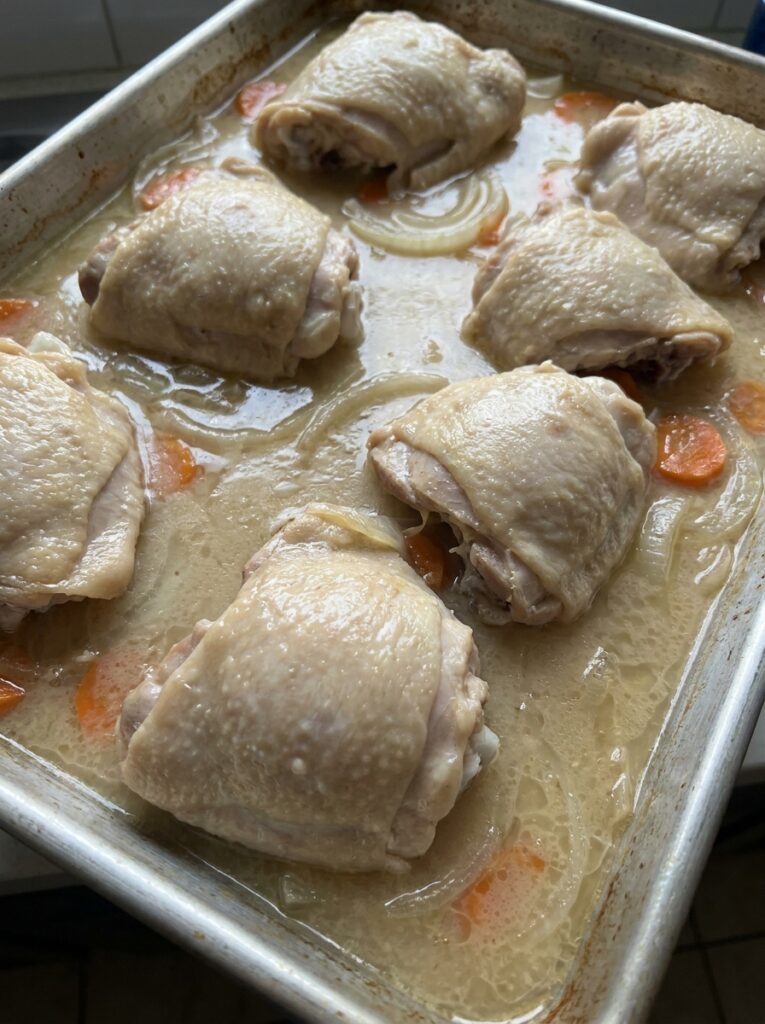
Watery sauce. You’ve brushed it on, it’s gone in the oven, and instead of glossy and caramelized you’ve got something pale and thin pooling at the bottom of the pan.
Usually it’s one of two things. Either the sauce was too thin to begin with — meaning it needs longer on the stovetop before you use it, or you added too much liquid. Or the oven temperature isn’t quite where you think it is. Ovens lie, especially older ones. If you don’t have an oven thermometer, they’re worth getting. Or just run your oven 10-15 degrees higher than the recipe says and see if it helps.
The other common problem is sticking — the sauce burns onto the tray instead of onto the chicken. Wire rack, or parchment paper under the foil. Both work. Or honestly just accept that there’s going to be some cleanup involved with sticky caramelized BBQ and prepare accordingly.
—
12. Why This Is the Recipe I Actually Cook Most in Summer
Because it works on a Tuesday. Because the ingredients are cheap. Because you can put it in the oven and walk away and 55 minutes later you have something that feels like effort without actually being that much effort.
Not gonna lie — the first time you make this and nail the broiler finish, you’ll feel unreasonably smug. There’s something about pulling a tray of deep amber, lacquered, sticky chicken out of the oven that just looks like you knew what you were doing all along.
And maybe that’s the whole point.
—
❓ FAQ
Q: Can I use boneless skinless chicken breasts for this recipe? A: You can, but adjust your timing. Boneless breasts will cook much faster — around 20-25 minutes at 400°F before adding sauce, then another 10 minutes with sauce. Skip the extended broil time or they’ll dry out. A meat thermometer is especially important here; pull them the moment they hit 165°F.
Q: Can I make this recipe ahead and freeze it? A: Yes, and it freezes well. Cool the cooked chicken completely before freezing, and store in airtight containers for up to 3 months. Reheat from frozen at 375°F covered with foil for about 25-30 minutes, then uncover and add a little extra sauce for the last 10 minutes.
Q: What if I don’t have smoked paprika — can I just use regular? A: You can, and it won’t ruin anything, but you will lose some of that smokiness that makes oven BBQ chicken taste like it’s been near an actual grill. If you’ve got it, add a tiny splash of liquid smoke to the sauce (like, ¼ teaspoon — a little goes a long way) to compensate. Available in most UK supermarkets in the condiment aisle now.
—
💭 Final Thoughts
Oven BBQ chicken isn’t a consolation prize for not having a grill. It’s its own thing — reliable, deeply satisfying, completely repeatable. Once you dial in your sauce and your timing, this is the kind of dinner that becomes a household regular without you even really deciding it.
There’s a reason my neighbor brought that plate over without saying anything. She didn’t need to explain it.
What’s the first version you’re going to try — the classic, the Korean-inspired, or the Alabama white?
