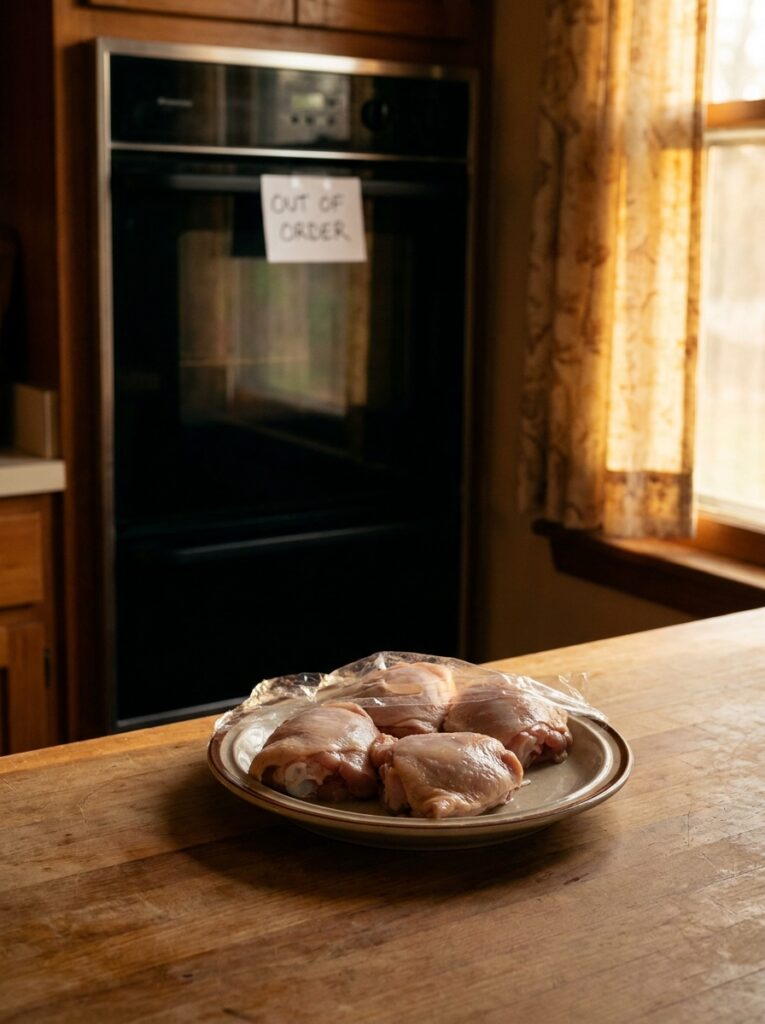
My oven broke on a Sunday. Not a weeknight-when-I-have-leftovers Sunday. A proper Sunday, when I’d already defrosted two pounds of chicken thighs and told my husband we were having something “nice.”
That was four years ago. And honestly? That broken oven taught me more about cooking chicken than the previous decade of roasting things at 375°F ever did.
—
1. Why Stovetop Chicken Is Actually More Forgiving Than You Think
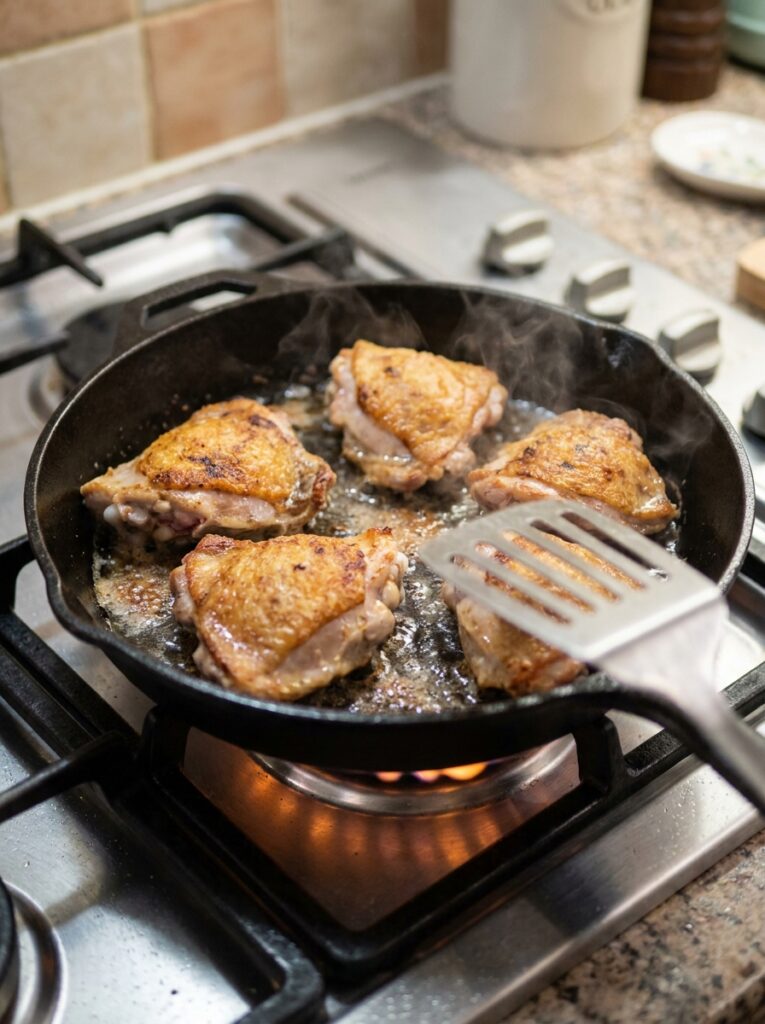
Here’s the thing nobody tells you when you’re learning to cook: ovens are kind of a crutch. You shove something in, set a timer, and hope for the best. The stovetop demands your attention — but it REWARDS it too.
Pan-seared chicken thighs go from raw to done in about 20 minutes. You get this crackling, deeply golden skin that no oven roast can match without a lot of fussing. The fat renders right there in the pan, and then — this is the part I love — you use that fat to build the sauce. Nothing wasted. Nothing waiting.
The other thing? Heat is fast and controllable. If something’s browning too quick, you turn it down. If your sauce is too thin, you crank it up for sixty seconds. You’re IN it. And once you get comfortable with that, you’ll actually look forward to cooking chicken on a Tuesday.
Side note — I do still own an oven. It just sits there watching me now.
—
2. The Cast Iron Trick That Makes Chicken Taste Like a Restaurant Made It
Cast iron is not optional here.
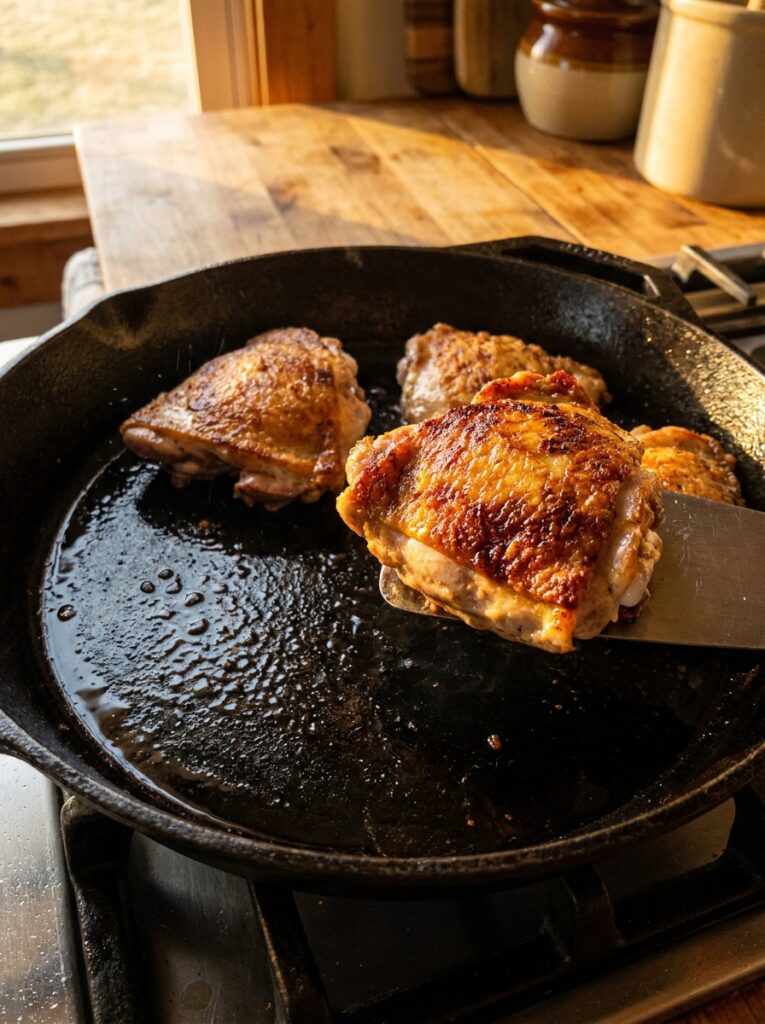
I know that sounds dramatic, but I’ve done it on stainless, on nonstick, on that sad thin skillet I had in my first flat, and it is just not the same. Cast iron holds heat in a way that means when the chicken hits the pan, it STAYS hot. That’s what gives you the crust. That’s what makes it taste like a restaurant made it.
Season your chicken generously — more than you think, seriously — and get the pan properly hot before it goes in. A drop of water should skitter across the surface. Lay the thighs down skin-side and don’t touch them. This is the hard part. Four to five minutes, minimum. The protein is releasing from the surface when it’s ready; force it and you lose the crust.
“The moment you stop moving the chicken is the moment it starts becoming something worth eating.”
Flip once. That’s it. Add garlic if you want, a sprig of thyme, maybe a knob of butter at the end. You’re basically done.
—
3. One-Pan Lemon Garlic Chicken That You’ll Make Every Single Week
This is not the most exciting recipe in this article. But it might be the most useful one.
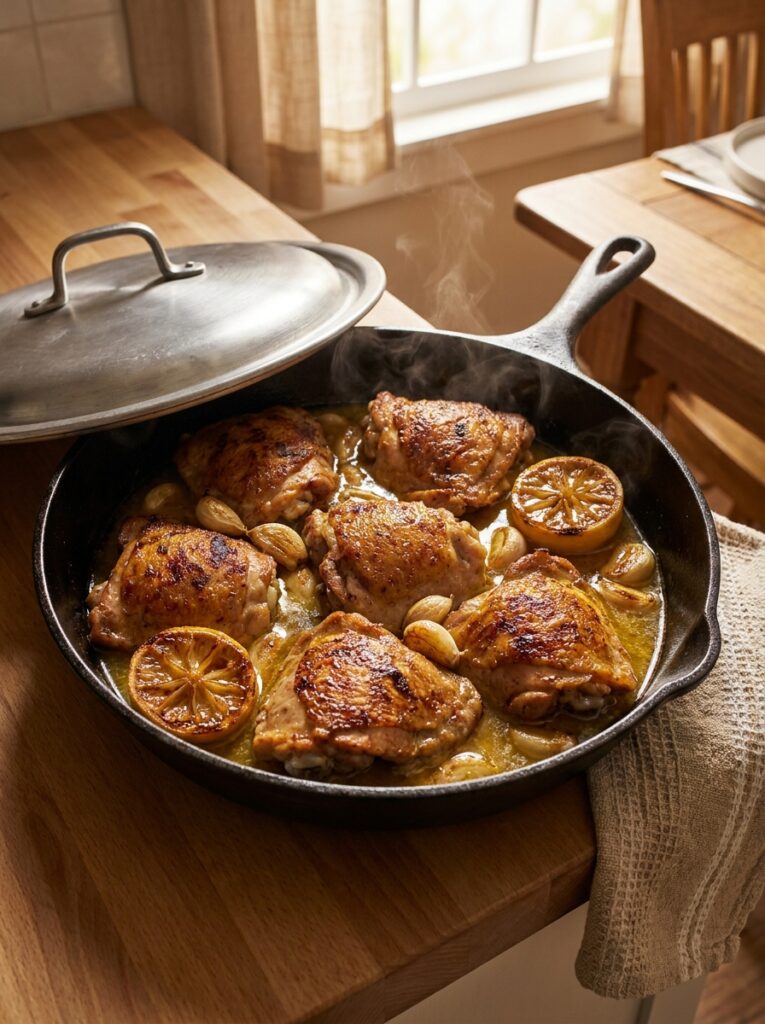
Chicken thighs, bone-in. A whole head of garlic, just smashed — don’t even peel it, honestly. Half a lemon squeezed in, the other half tossed in whole. Salt, pepper, a splash of white wine or chicken stock. Lid on. Twenty-five minutes on medium-low.
What you get is something that tastes like it simmered all afternoon. The garlic turns sweet and almost creamy. The chicken is juicy in a way that roasted chicken sometimes isn’t. And the sauce at the bottom is — I don’t know how to describe it except that you’ll want bread to mop it up with.
This is the recipe I make when I’m tired and I don’t want to think. It has saved me from so many sad Tuesday takeaway orders.
—
4. The Curry That Came Off the Hob and Never Went Back
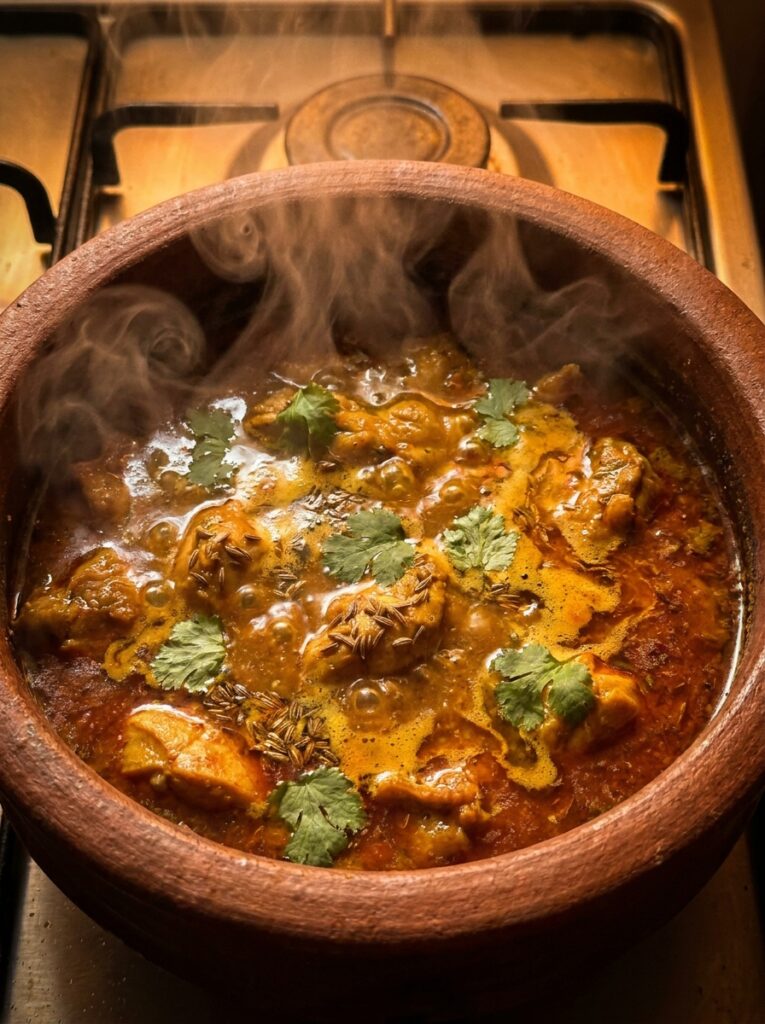
I used to make chicken curry in the oven. Old habit from a recipe I’d followed years ago. And then a friend showed me her mum’s version — all stovetop, all instinct, and it was warmer and silkier and just better.
Here’s what she does differently. She blooms the spices in oil first. Like, really lets them sizzle before anything else goes in. Cumin seeds, coriander, a bit of turmeric. The smell is — okay, this is going to sound over the top, but it fills the whole house. The kind of smell that makes whoever’s upstairs suddenly very interested in what’s happening in the kitchen.
Chicken goes in next, gets coated in all that spiced oil. Then onion, tomato, stock. Lid on. Medium heat for thirty minutes, stirring occasionally, tasting constantly.
The oven version was fine. This version is something you’d request for your birthday.
—
5. Slow Cooker Honey Sriracha Chicken (Set It and Mean It)
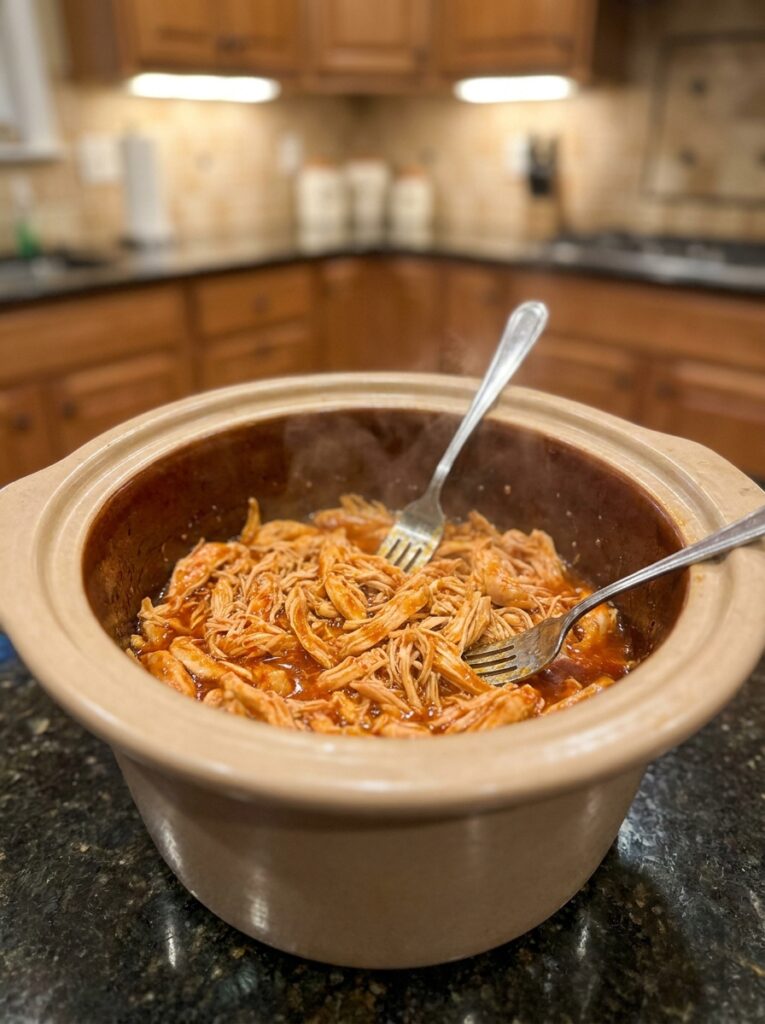
Not everyone has a slow cooker, I know. But if you do — this is the recipe that justifies the counterspace.
Mix honey, sriracha, soy sauce, garlic, a little rice vinegar. Dump your chicken breasts in. Set it on low for six hours and go live your life. When you come back, shred the chicken right in the pot with two forks. It just falls apart.
“This sauce hits sweet first, then heat second, and there’s a vinegary little kick at the end that keeps you going back for more.”
Pile it over rice. Or stuff it into a brioche bun with some quick-pickled cucumbers on top. Or — and this is my favourite — put it over noodles with a drizzle of sesame oil and some sliced spring onions.
It keeps brilliantly in the fridge for three days, which means you can make it Sunday and eat well until Wednesday without turning on anything.
—
6. The Shallow-Fried Chicken That’s Actually Not Scary to Make at Home
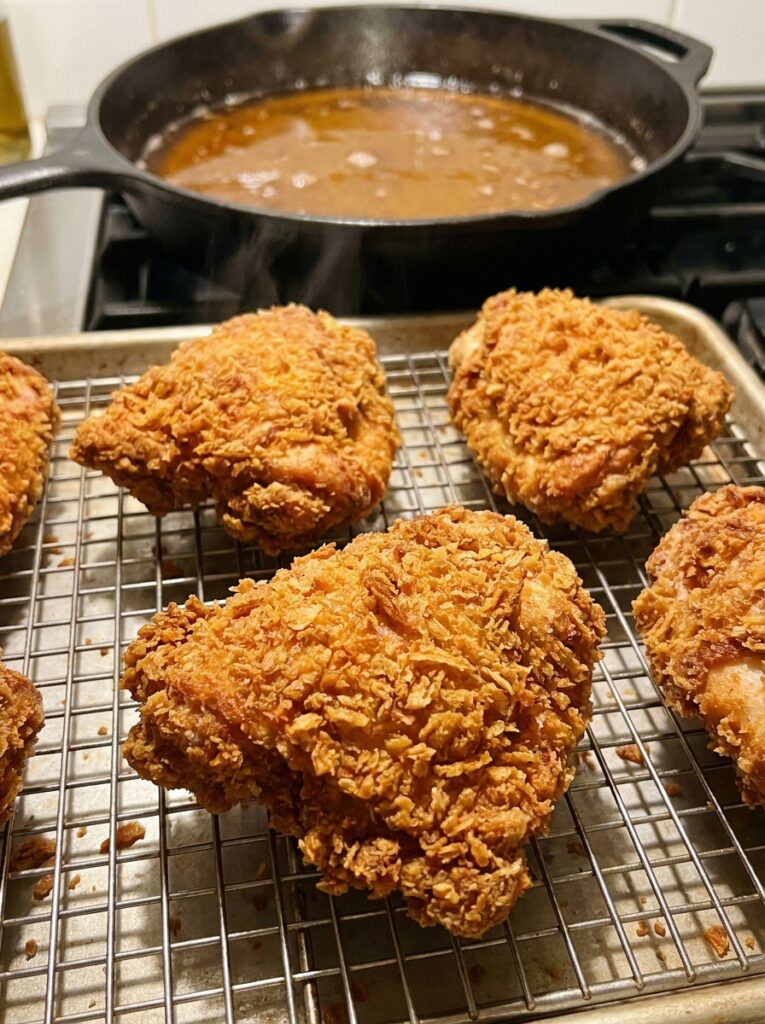
Deep frying feels like a whole project. But shallow frying? That’s just a skillet with a little more oil in it.
Chicken thighs, skinless and boneless for this one. Coat them in seasoned flour — salt, pepper, smoked paprika, onion powder, a little cayenne if you want. Dip in beaten egg. Back in the flour. Then into a half-inch of oil at about 350°F/175°C.
Three to four minutes a side. Let them drain on a wire rack, not paper towels — otherwise the bottom steams and goes soft. Season immediately when they come out.
They’re crispy. Genuinely, properly crispy. With a juicy middle. I made these for a friend who claimed she didn’t like chicken and she ate three pieces, then asked if there were more.
—
7. Butter Chicken From a Jar (and That’s Completely Fine)
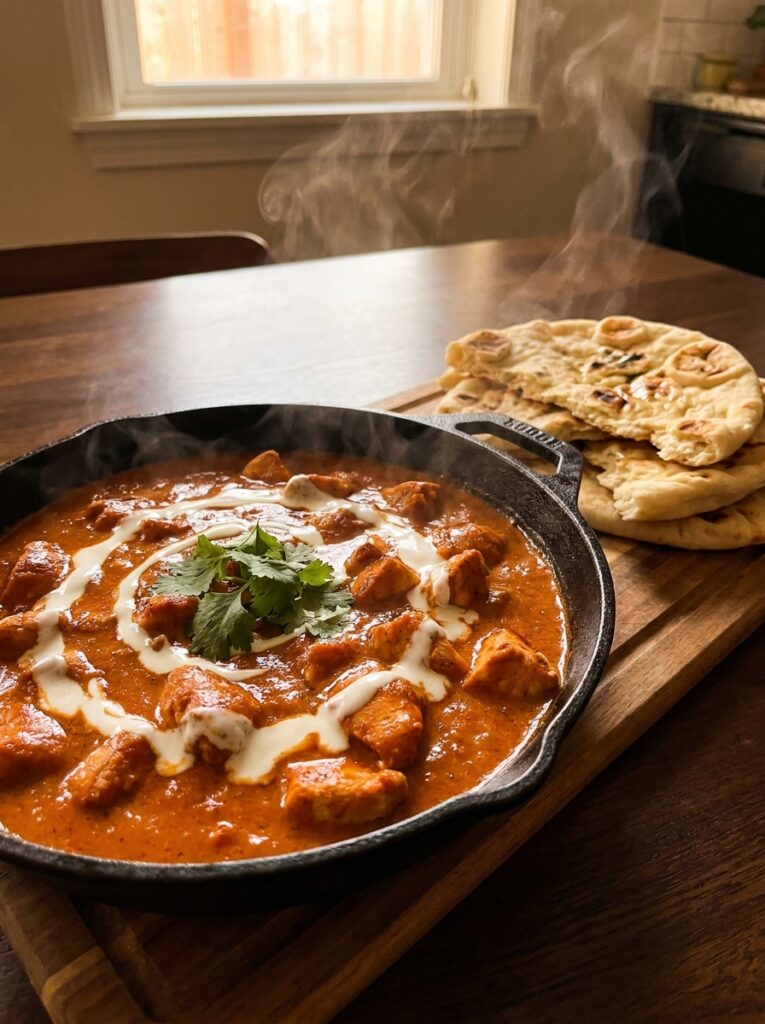
I’m going to say something mildly controversial: a good butter chicken paste from a jar, made properly on the stovetop, is better than a mediocre butter chicken made from scratch.
There. Said it.
Get a decent paste — Patak’s is the obvious choice on both sides of the Atlantic and honestly it’s good. Fry the paste in butter for a couple of minutes until it darkens slightly and smells incredible. Add chicken pieces, coat thoroughly, cook until mostly done. Tin of tomatoes. Double cream or coconut cream. Simmer uncovered until the sauce reduces and goes glossy.
The key is that you’re cooking the paste properly first. Most people just add it and wonder why their curry tastes like the inside of the jar. Toast it. Let it bloom. It makes a difference you’ll taste immediately.
Serve with warm naan and maybe some mango chutney and I promise nobody at the table will care that you used a jar.
—
8. Chicken and Rice That Actually Cooks Together (No Oven Required)
This one surprised me the first time I made it.
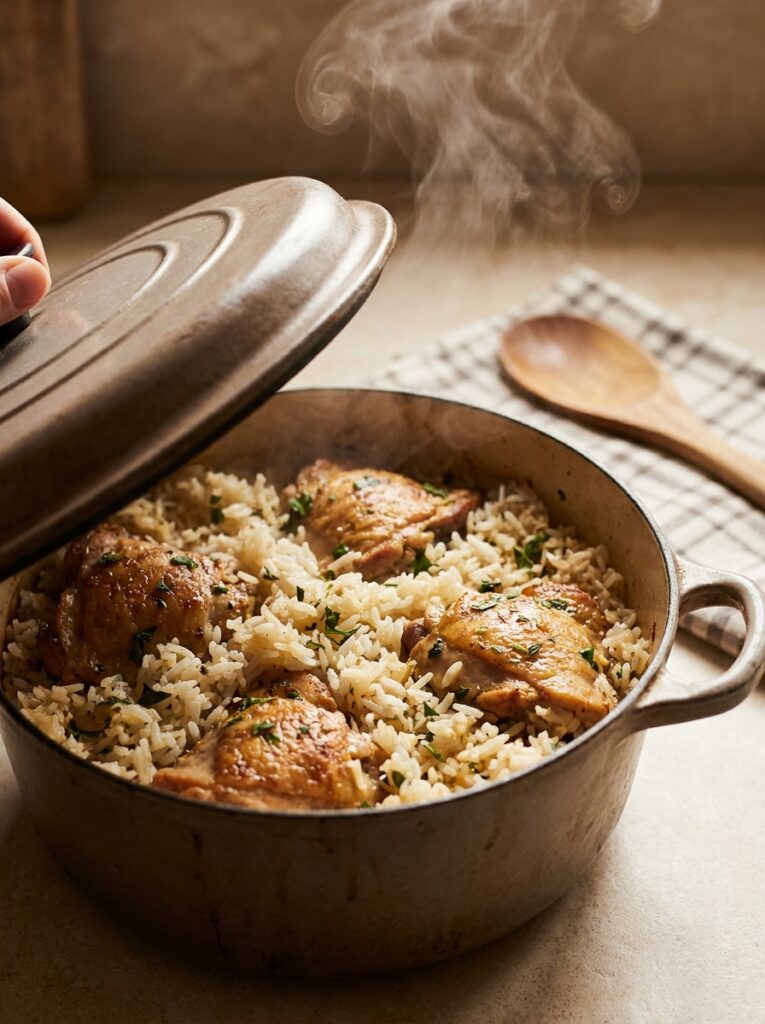
The instinct is that you need an oven to cook rice along with chicken — that’s what all the one-pan baked recipes suggest. But it works perfectly on the hob too, with a tight-fitting lid and a bit of patience.
Brown your chicken pieces first in the pot, then set aside. Toast dry rice in the same pot for a minute or two — this adds a nuttiness that’s subtle but nice. Add onion, garlic, stock, whatever spices you’re using. Nestle the chicken back on top. Lid on, medium-low, 18-20 minutes. Don’t lift the lid. Seriously.
“When you finally take the lid off, it’s one of those moments that makes you feel like you’ve figured something out.”
Steam rises. Rice is cooked. Chicken is tender. Everything smells like a proper meal. It’s the kind of thing that feels more impressive than it is to make, which — let’s be honest — is the dream.
—
9. Five-Spice Chicken Thighs That Are Ready Before You’ve Finished Your Glass of Wine
Forty-five minutes start to finish. Might even be less.
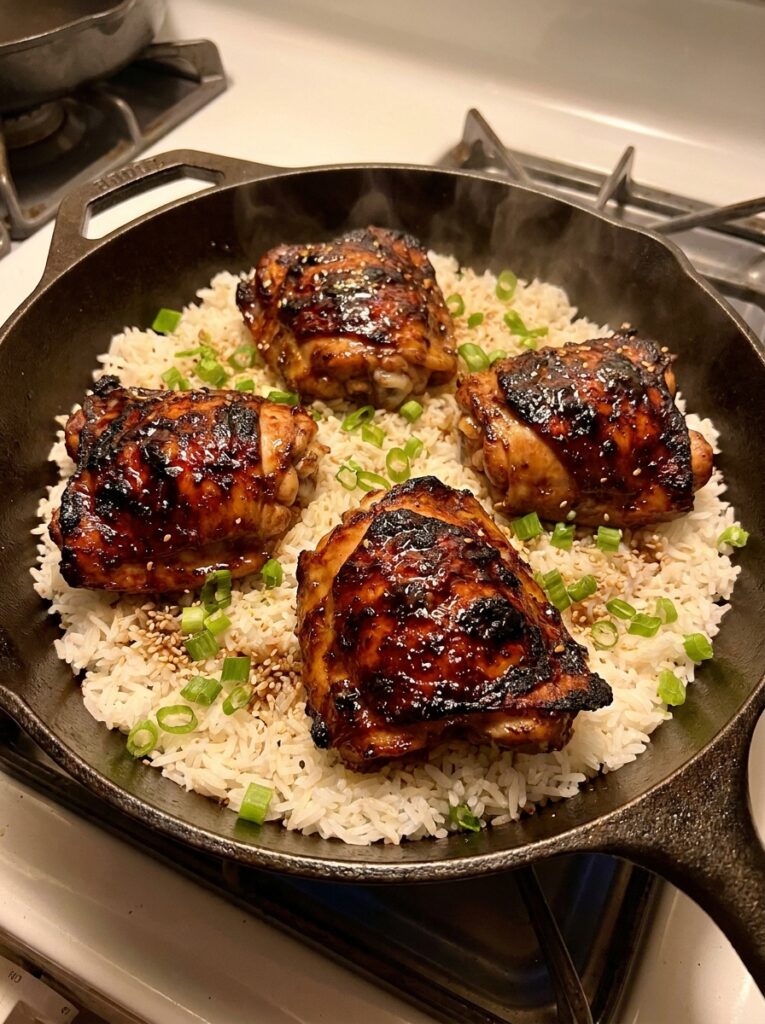
Chinese five-spice, soy sauce, sesame oil, brown sugar, minced garlic — make a quick marinade, coat bone-in thighs, let them sit while you open wine and look at your phone. Twenty minutes even is fine. Then straight into a hot cast iron pan, skin-side down.
The sugar caramelises. The five-spice does this toasty, warm, slightly floral thing. It smells a bit like duck pancakes from a good Chinese restaurant, which is exactly as good as it sounds.
Serve over plain jasmine rice or noodles so the sauce has somewhere to go. Don’t overthink it.
—
10. The Tuscan Skillet Chicken That’s Basically Embarrassingly Easy to Make
I saw this everywhere about two years ago and avoided it because I assumed it was overhyped. I was wrong.
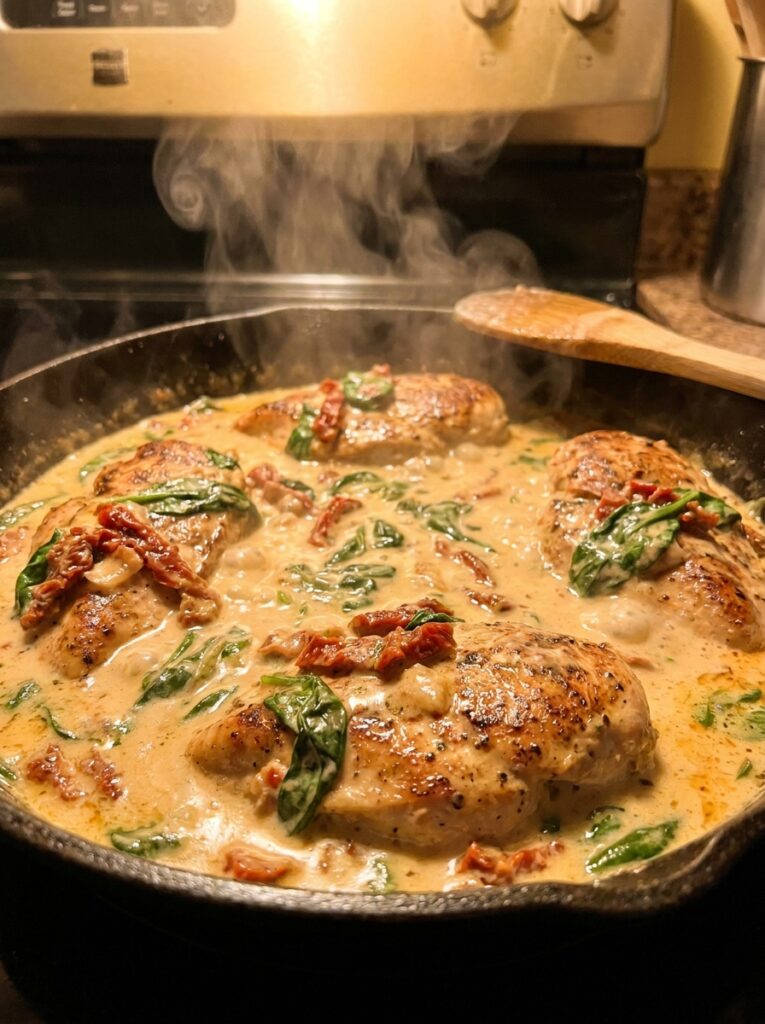
Chicken breasts, pan-seared. Set aside. Same pan: garlic, sun-dried tomatoes, chicken stock, cream, a handful of baby spinach. Let it reduce until it’s thick and glossy. Nestle the chicken back in. Two minutes to heat through.
It looks like something from a restaurant. The sauce is creamy but not heavy. Sun-dried tomatoes bring this intense, slightly sweet hit that cuts through the cream. Spinach wilts down to almost nothing and feels like you’re being responsible about vegetables.
I’ve made this for dinner parties. People always ask for the recipe and seem mildly shocked when I tell them it took about twenty-five minutes and used one pan. Which is sort of my favourite kind of recipe, honestly.
—
11. Chicken Tacos That Beat the Oven Version Every Time

Okay, I’m going to fight for this one.
Oven-baked chicken for tacos is fine. Stovetop chicken for tacos — specifically, chicken cooked in its own juices with chipotle and lime and a little bit of browned onion — is significantly better. The edges get slightly charred. There’s real texture. It doesn’t taste like something that sat in a baking dish for twenty minutes.
Use boneless thighs. Get the pan genuinely hot. Cook them in a mix of chipotle paste, cumin, smoked paprika, lime juice, salt. Let the liquid cook off almost completely so you get those slightly sticky, caramelised bits. Shred roughly with forks.
Warm your tortillas directly over the gas flame for ten seconds each side if you have a gas hob — the little char marks are not just aesthetic, they add flavour. Load up with the chicken, some quick guacamole, pickled jalapeños, crumbled feta or cotija if you can get it.
This is the chicken dinner I want when I’ve had a hard week.
—
12. The Rule That Changes Everything About Cooking Chicken Without an Oven
Resting. Let the chicken rest.
This isn’t exclusive to stovetop cooking, but people forget it more often here because there’s no dramatic “pull it from the oven” moment. You cook it, you think it’s done, you cut into it immediately and wonder why it’s slightly dry.
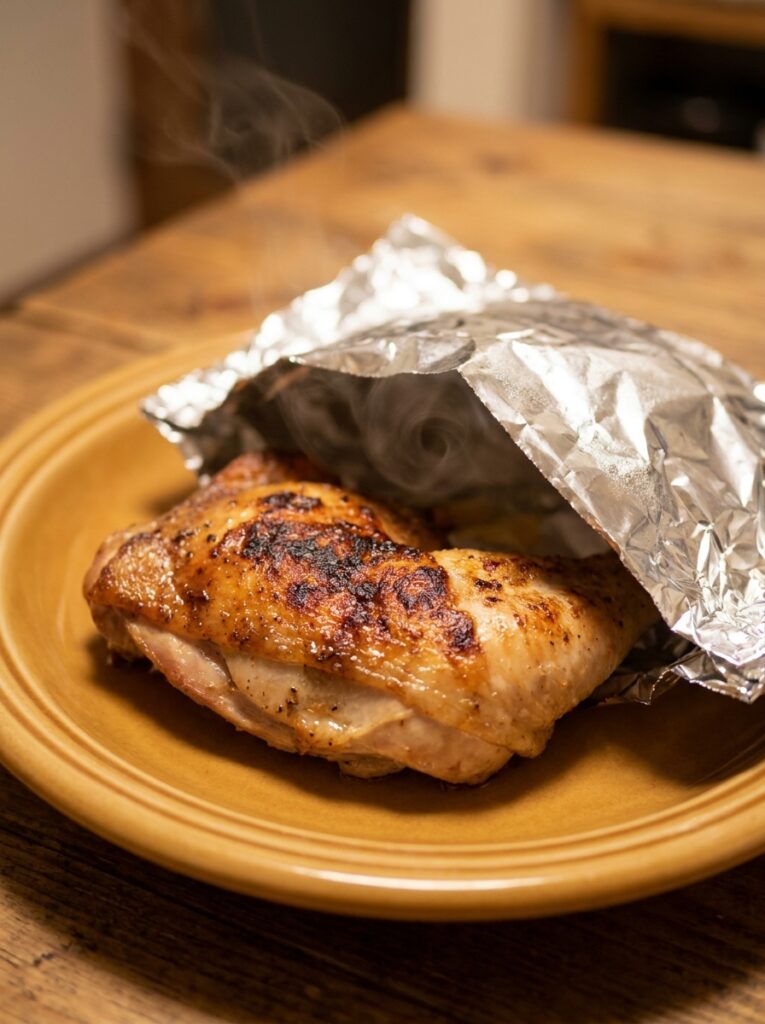
Give it three minutes. Just three. The juices redistribute, the texture evens out, the chicken goes from cooked to actually good. Set it on a warm plate, loosely covered with foil if you like, and do something else for a moment.
That’s the whole secret. Not a technique, not a special ingredient — just time. A very small amount of it.
And maybe that’s the bigger lesson here. Stovetop cooking asks you to slow down in some places and move fast in others. You learn which is which by paying attention. And the more you pay attention, the better everything tastes.
—
❓ FAQ
Q: Can I use chicken breasts instead of thighs in most of these recipes? A: You can, though thighs are more forgiving — they’re fattier and harder to dry out, which matters a lot with high-heat stovetop cooking. If you’re using breasts, I’d suggest butterflying them first to get an even thickness, and pull them off the heat a minute earlier than you think you need to. They’ll carry over.
Q: What’s the safest way to check chicken is cooked without cutting into it? A: A meat thermometer is genuinely worth owning — you’re looking for 165°F (74°C) at the thickest part. If you don’t have one, the juices should run completely clear when you pierce the thickest point. Slight pink near the bone in thighs can still be safe, but if you’re not sure, 30 more seconds on medium heat won’t hurt anything.
Q: Can I meal prep any of these recipes ahead? A: The slow cooker honey sriracha is probably the best meal prep option here — it keeps for three days in the fridge and actually gets better overnight. The lemon garlic thighs reheat well too. I’d avoid prepping the shallow-fried chicken in advance since the coating loses its crispness, but everything else is fair game.
—
💭 Final Thoughts
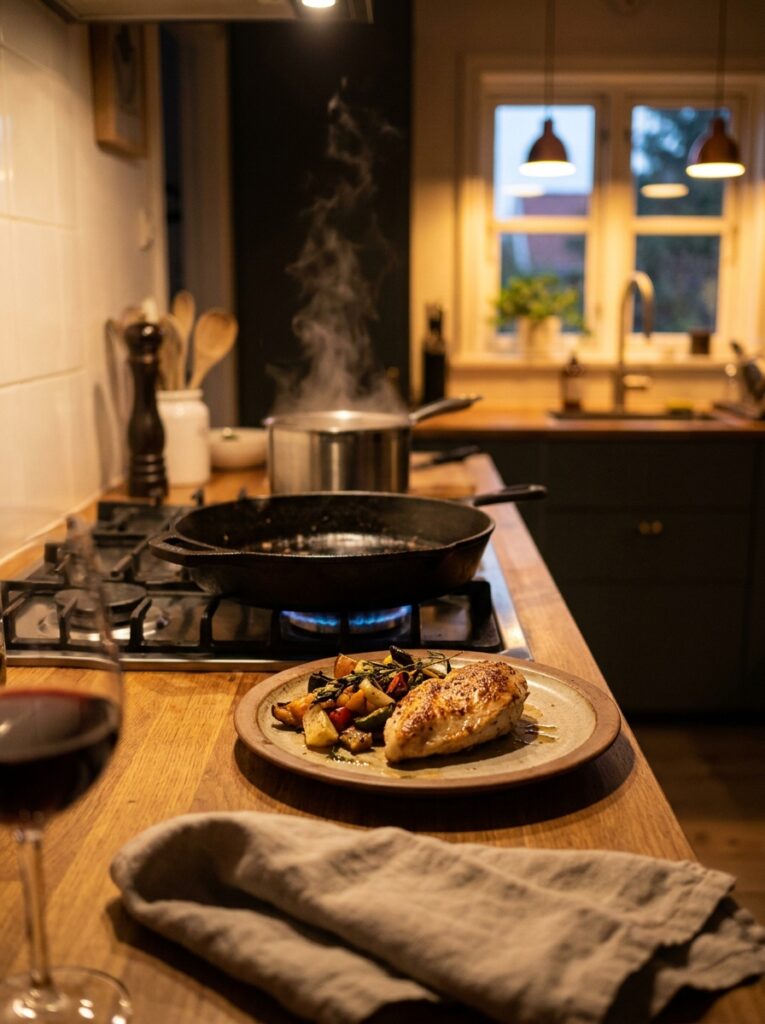
There’s something a bit freeing about cooking without an oven. You’re more present. You can see what’s happening, adjust, taste, respond. It’s cooking as a conversation rather than a waiting game.
These twelve recipes aren’t consolation prizes for people without a working oven. They’re genuinely the way I make chicken most of the time now, even when mine is working perfectly fine.
Which one are you making first?
