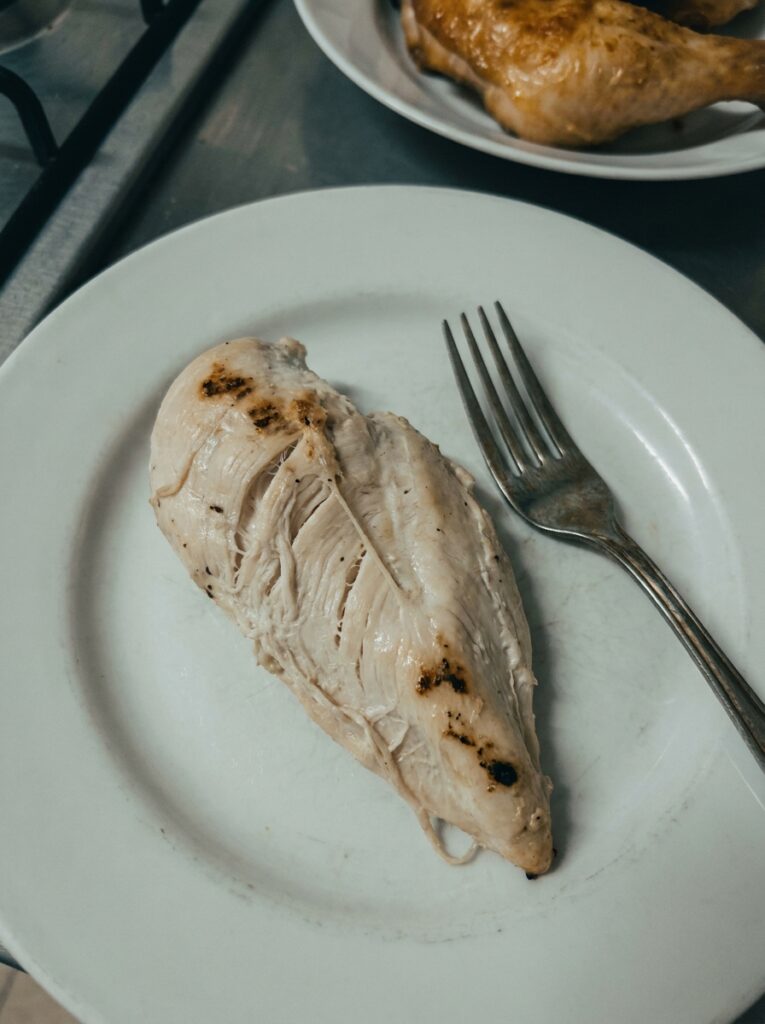
My friend Jess said something to me last year that I think about more than I should: “I just don’t make chicken breast anymore. It’s not worth the disappointment.” And honestly? I got it. I completely got it.
But here’s what changed for me — and maybe for her too, eventually — it wasn’t a new technique or a fancy thermometer. It was just a handful of recipes that are genuinely, reliably good. Every single time.
—
1. Why Chicken Breast Has a Reputation Problem (And How Baking Fixes It)
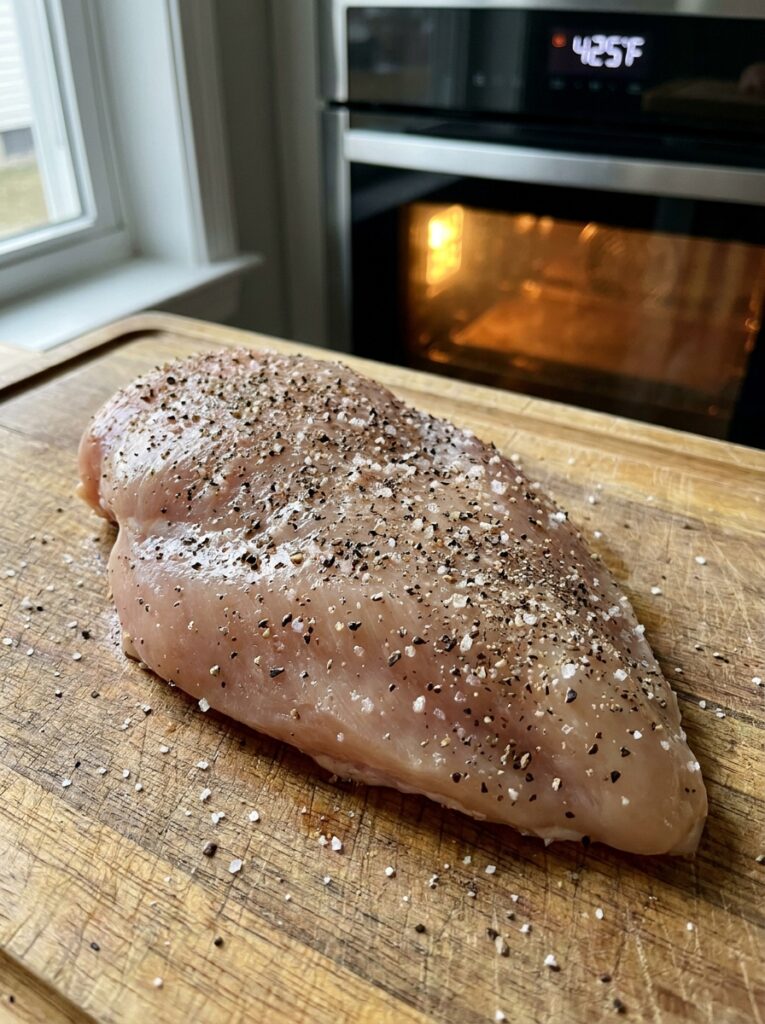
The oven is actually on your side here, if you treat it right. Stovetop chicken breast is unforgiving — one minute too long and you’ve got something that tastes like warm cardboard. But in the oven, you’ve got more control than you think.
The key is heat. Not low and slow like a braise, but high and confident — 400°F (200°C) is where I live now, and I’m not going back. That heat seals the outside fast enough to keep the moisture trapped inside, and you’re not standing over it panicking. You just… let it go.
And seasoning matters more than people admit. Chicken breast is neutral by nature, which means it takes on whatever you give it completely. That’s not a flaw, that’s the whole point. Stop fighting it and start working with it.
“400°F and a bold seasoning hand — that’s the whole secret, honestly. Everything else is details.”
Side note — I also let my chicken sit at room temperature for about 15 minutes before it goes in. Does it make a huge difference? Maybe not always. But it makes ME feel better about it, so.
—
2. The Garlic Butter Chicken That Ruins All Other Chicken for You
I’m not being dramatic. This one is a problem because once you make it, every other version seems sad.
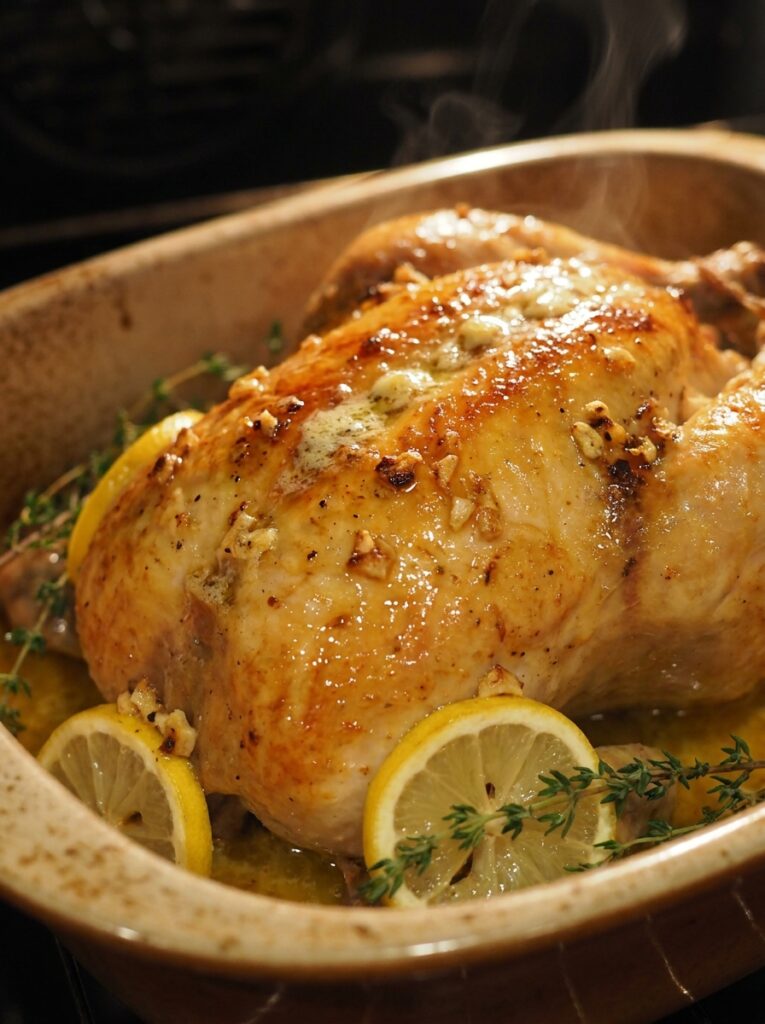
Four chicken breasts, pounded slightly to even thickness. Butter — real butter, not whatever light spread situation you have in the fridge — melted with four crushed garlic cloves, a squeeze of lemon, a little dried thyme, and salt that’s more generous than you think is appropriate.
Pour that over the chicken. Roast at 400°F for 22–25 minutes. Rest it for five minutes and do NOT skip that part.
What comes out is golden on top, juicy through, with little brown bits of garlic clinging to the edges. The kind of thing you want to eat standing over the pan before it even makes it to the plate. The butter bastes it as it cooks, the garlic gets a little toasty, and the lemon keeps everything bright so it doesn’t feel heavy.
Serve it with roasted potatoes or just a big piece of crusty bread to drag through the pan juices. Both are correct answers.
—
3. The Mediterranean Version That Looks Like You Tried Much Harder Than You Did
One baking dish. That’s the whole pitch.
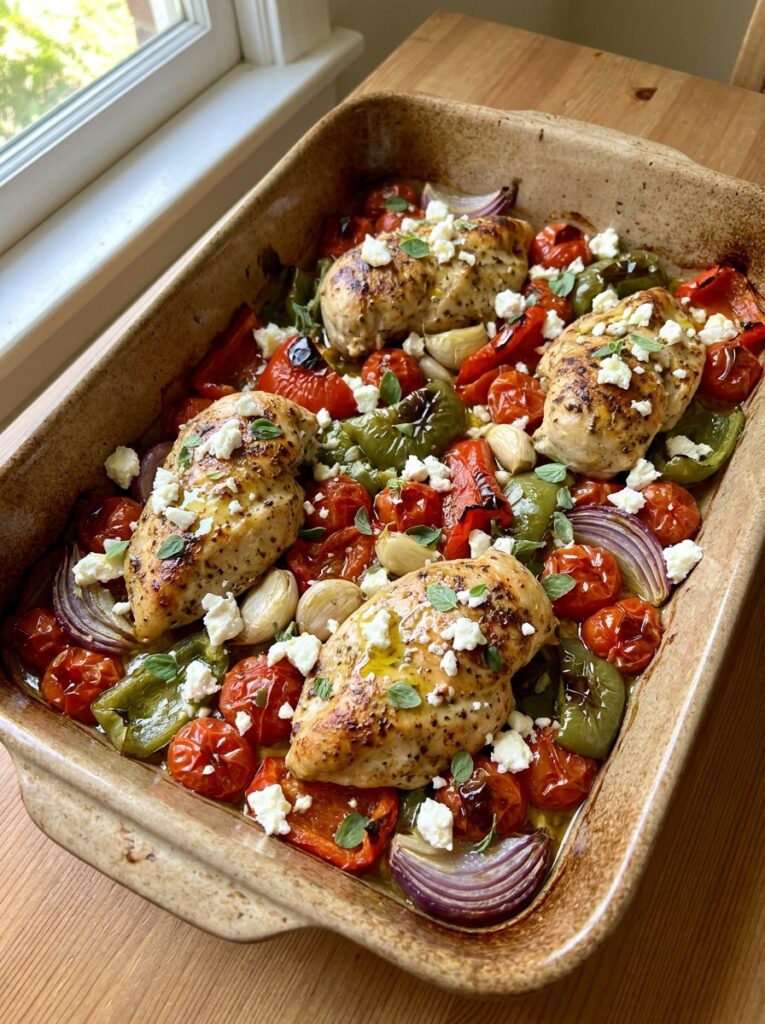
Nestle your chicken breasts into a dish with halved cherry tomatoes, big torn pieces of bell pepper, sliced red onion, a handful of olives if you like them (I do, deeply), and a very heavy hand with dried oregano. Drizzle everything with olive oil. Season aggressively. Add a few whole garlic cloves in their skins because they’ll turn soft and sweet and spreadable by the time everything’s done.
Roast it all together at 400°F for about 25–28 minutes depending on size.
The tomatoes collapse and get jammy. The onions go almost sweet. And the chicken sits in this incredible, bright, slightly acidic sauce it created all by itself. No separate pan sauce. No extra steps. The dish basically makes itself while you do something else.
“This is the kind of recipe that makes people think you cook more than you do — and I mean that as the highest possible compliment.”
Crumble some feta over the top right before serving. Or don’t. It’s good either way, but the feta takes it somewhere a little special.
—
4. Honey Mustard Baked Chicken That Doesn’t Taste Like Elementary School Lunch
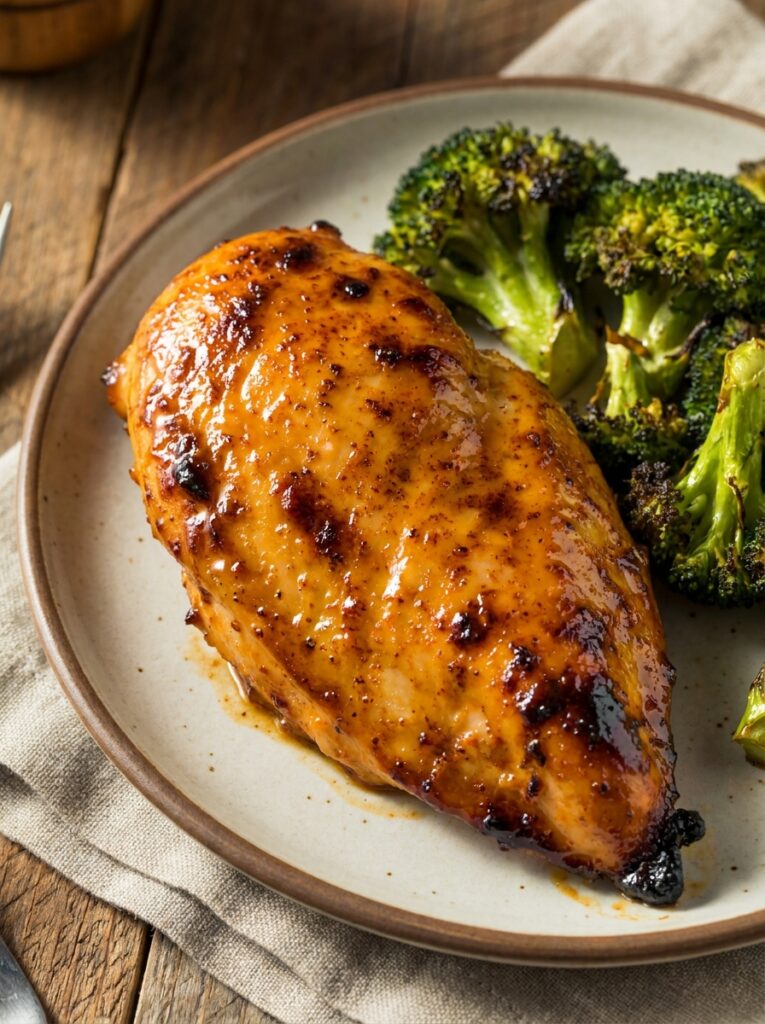
There’s a version of honey mustard chicken that exists in the world and it is sad and beige and tastes like nothing. This is not that.
The difference is the mustard ratio. You want mostly Dijon — sharp, a bit tangy, a little aggressive — with just enough honey to take the edge off and give you that lacquer effect when it bakes. Two tablespoons Dijon to one tablespoon honey, plus a splash of apple cider vinegar, a pinch of smoked paprika, and actual salt.
Coat the chicken generously. Let it sit for even just 20 minutes if you have time. Then roast at 400°F, and watch what happens — the edges get a little sticky-caramelized, the top goes deep golden, and the inside stays genuinely moist because the coating creates a protective layer.
The smoked paprika is what separates this from the sad version. It adds this low, almost mysterious depth that you can’t quite identify but definitely notice. People will ask what’s in it.
Pair it with a simple green salad or roasted broccoli and call it done.
—
5. The Lemon Herb Bake You’ll Make on a Tuesday When You Have Nothing Planned
Some nights you don’t want a project. You want to open the fridge, grab what’s there, and have something genuinely good on the table in under 35 minutes.
This is that recipe.
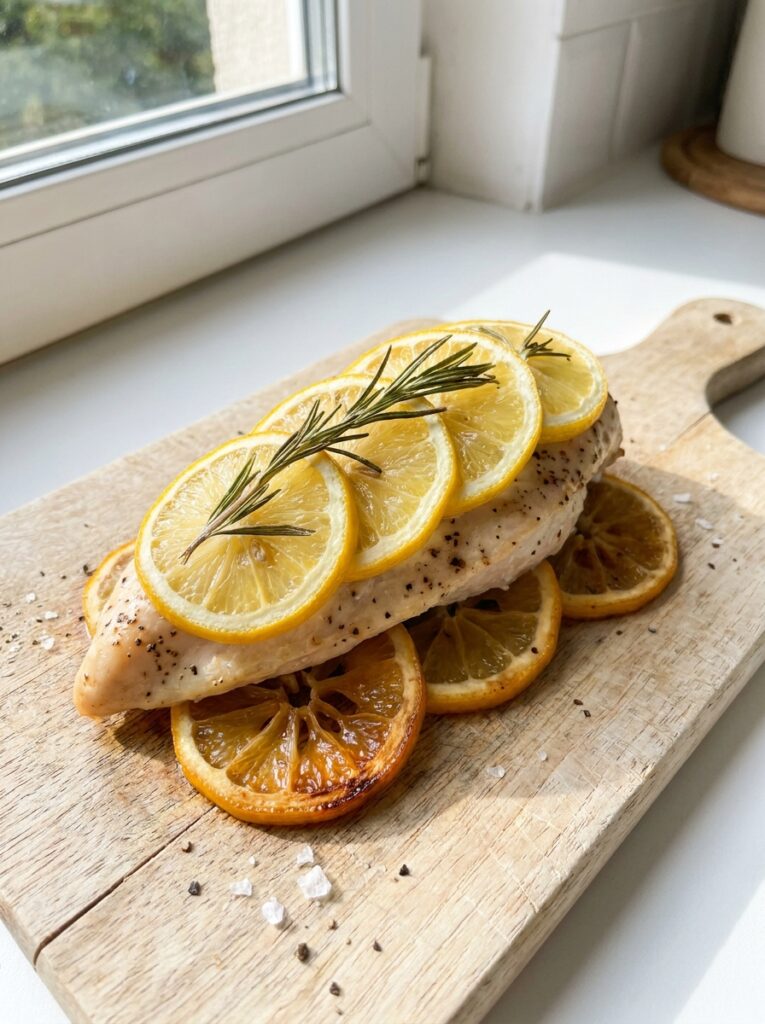
Chicken breast, a whole lemon sliced thin, fresh or dried rosemary, a little thyme, olive oil, garlic powder, salt, black pepper. Layer the lemon slices under AND on top of the chicken. The ones underneath caramelize against the hot pan and get slightly jammy and sweet. The ones on top infuse the surface with that clean brightness.
375°F this time, not 400°F, because the lemon slices can scorch if the heat’s too aggressive. About 28–30 minutes.
It’s simple in the best way. Nothing complicated, nothing fussy. But it tastes considered, like someone put thought into it, even though the whole prep takes maybe seven minutes.
—
6. Stuffed Chicken Breast That’s Less Complicated Than It Sounds
I avoided stuffed chicken for years because it seemed fiddly and like a lot of things could go wrong. The chicken unfolds, the filling spills, the internal temp is weird. I was scared of it.
Then I actually made it and realized — it’s fine. It’s totally fine.
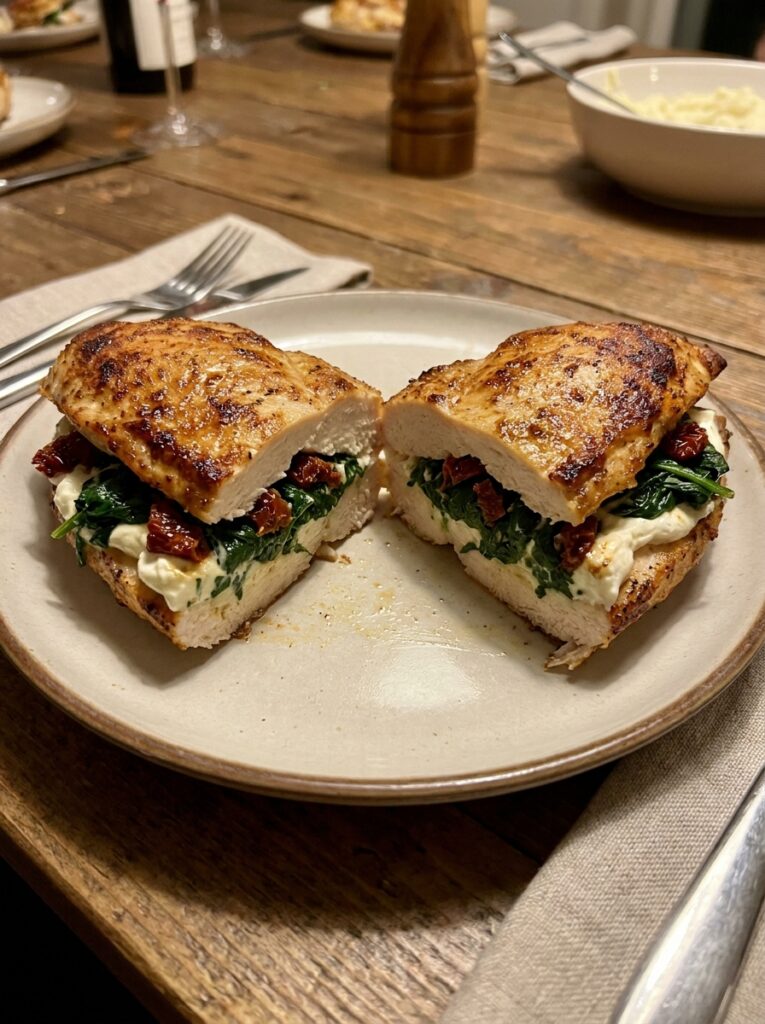
The easiest version: butterfly the breast (slice it horizontally almost all the way through and open it like a book), fill it with a spoonful of cream cheese mixed with sun-dried tomatoes and fresh spinach, fold it back over, and secure with a couple of toothpicks if needed.
Season the outside like you mean it. Roast at 400°F for 25–30 minutes depending on how thick the whole thing is.
The cream cheese melts into a sauce inside. The spinach wilts into it. The sun-dried tomatoes add this concentrated, slightly sweet intensity that pairs incredibly with the creamy filling. And when you slice it open at the table, it looks like you absolutely know what you’re doing.
Remove the toothpicks before serving. Learned that one the hard way.
—
7. The Parmesan Crust That Makes the Outside as Good as the Inside
If you grew up eating chicken parmesan but always slightly resented having to make the tomato sauce and cook the pasta and do All Of That on a weeknight — this is the version for you.
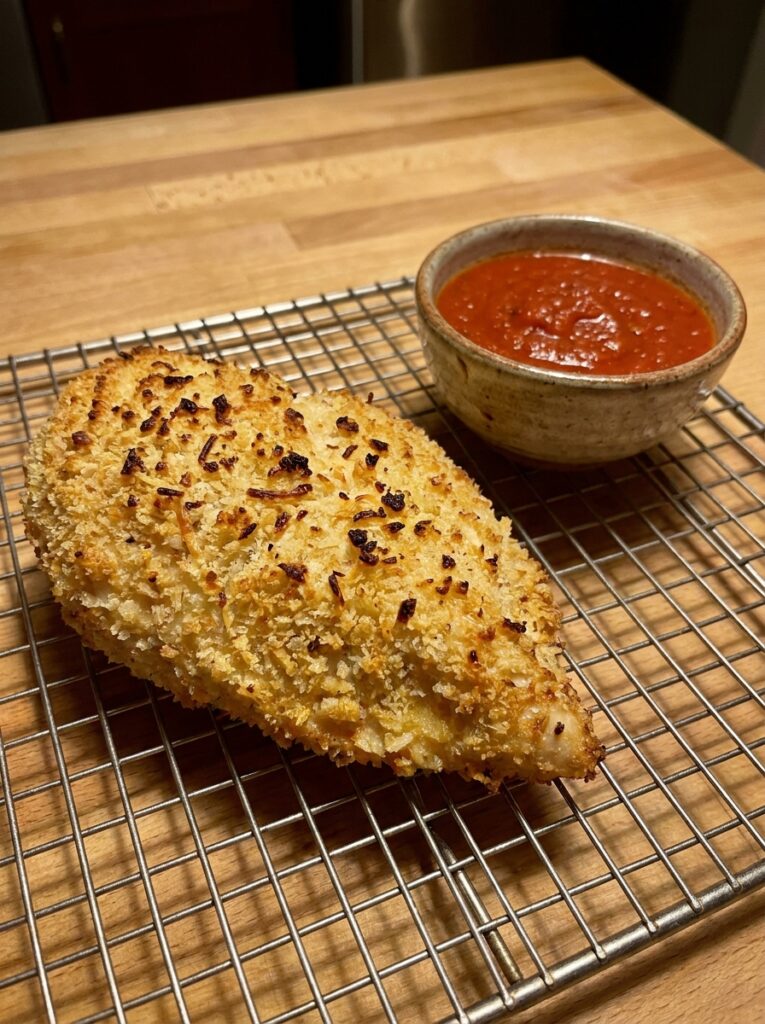
Mix grated Parmesan (the real kind, not the green tube — sorry, I said it) with panko breadcrumbs, garlic powder, dried Italian herbs, a little salt, and black pepper. Press your chicken breasts firmly into the mixture so the crust really adheres.
The secret: a drizzle of olive oil OR a quick brush of mayo on the chicken first. Mayo sounds alarming if you haven’t tried this trick. But it’s basically just oil and egg, and it makes the crust stick and brown in a way that oil alone doesn’t quite achieve.
Roast at 400°F on a wire rack set over a baking sheet. The rack means hot air circulates under the chicken too, so the bottom doesn’t go soggy.
The crust comes out genuinely crunchy. The Parmesan gets toasty and deeply savory. And the inside stays tender because the crust is protecting it. Serve with marinara for dipping if you want the full experience — or just eat it straight, which is what usually happens.
—
8. Smoky Paprika Chicken With a Sauce That Happens Automatically
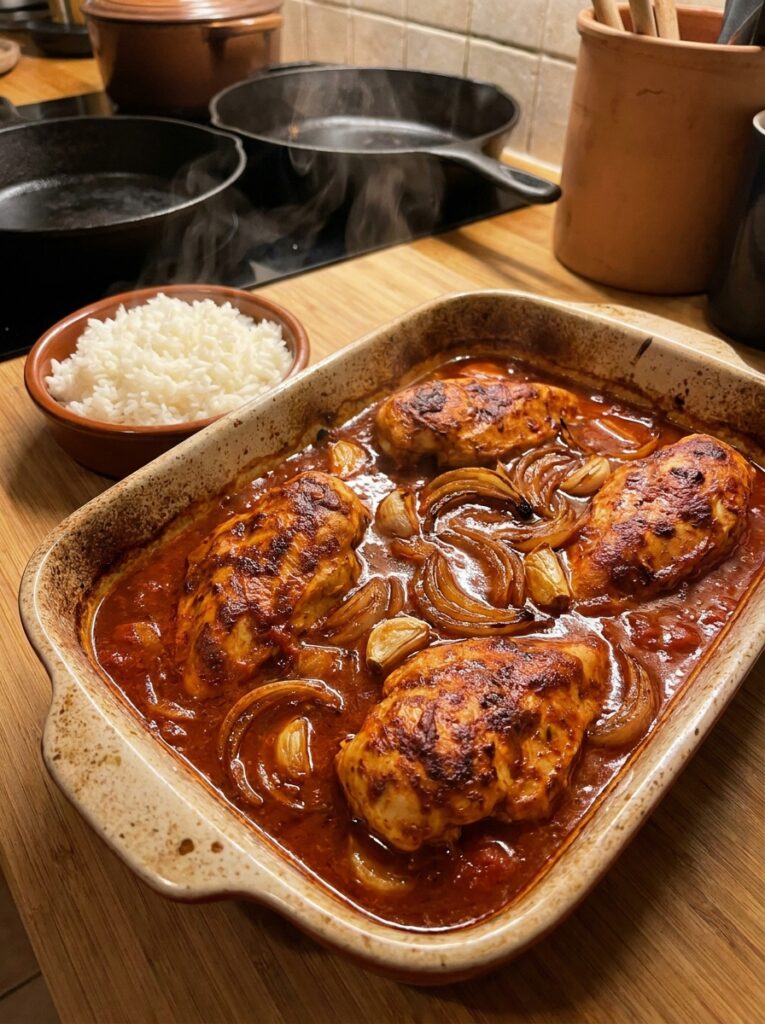
This one works because the sauce is built right into the roasting dish, which means there’s nothing extra to do and nothing gets wasted.
Arrange chicken breasts in a dish. Around them, add half a can of good quality crushed tomatoes, a sliced onion, a few garlic cloves, a generous amount of smoked paprika (not regular — smoked, specifically), a little cumin, olive oil, and salt.
Everything roasts together for about 30 minutes. The tomatoes thicken and concentrate. The onion softens completely. The paprika and cumin bloom in the fat and heat and become something deeper and more complex than they started as.
By the time it comes out of the oven, you have deeply saucy, almost Spanish-inspired chicken that smells incredible. Serve it over rice — white rice, actually, so the sauce is the star — or with warm flatbread. The kind of dinner that makes the whole house smell like something good is happening.
“The sauce makes itself while the chicken cooks and you do absolutely nothing. That’s not a recipe, that’s a gift.”
—
9. Sheet Pan Chicken Breast With Root Vegetables That Actually Gets Crispy
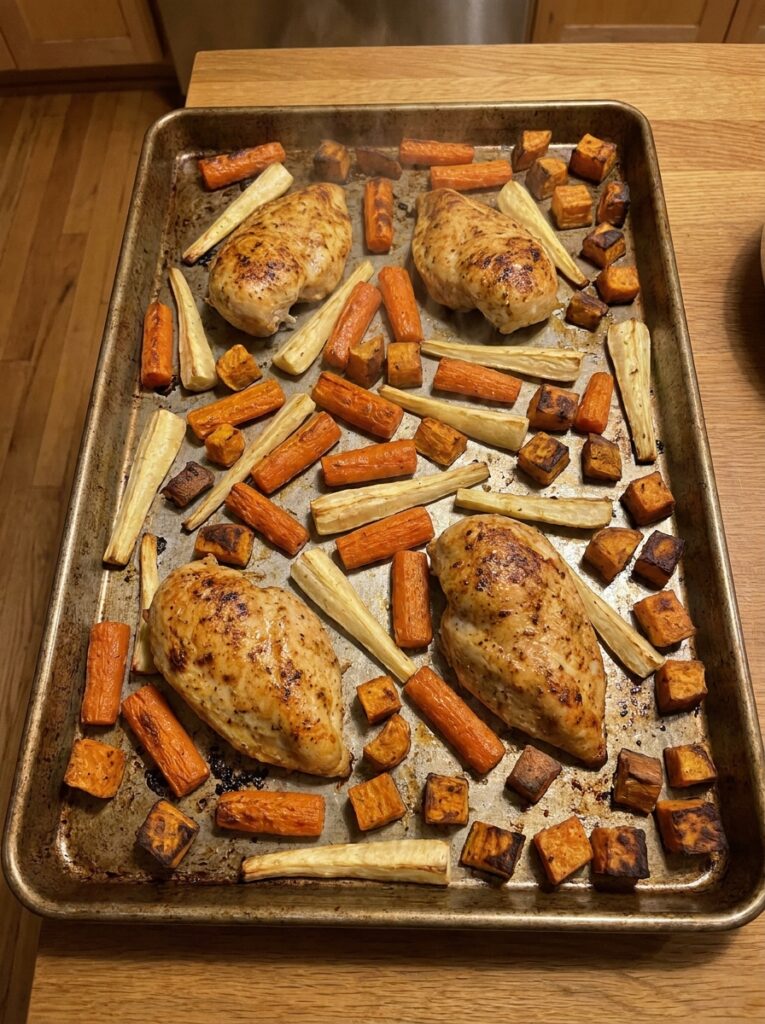
Sheet pan dinners have a bad reputation for producing pale, slightly steamed vegetables that nobody’s excited about. The problem is usually crowding and not enough heat.
Don’t crowd the pan. Two baking sheets if necessary. 425°F, not 400°F — this is the exception to my earlier rule, because the vegetables need that extra blast. And make sure everything is genuinely dry before it goes on the pan. Wet vegetables don’t crisp, they just steam themselves sadly.
Toss chicken breasts and cubed carrots, parsnips, and sweet potato (British readers, parsnips are SO good here) with olive oil, dried rosemary, a little honey, garlic, salt and pepper. Spread in a single layer with actual space between pieces.
The chicken goes on with about 20 minutes left. The vegetables go on for the full 30–35. This is the part people skip and then wonder why the chicken’s dry and the vegetables are underdone simultaneously.
Timing is everything on a sheet pan dinner.
—
10. The Marinade That Turns Cheap Chicken Into Something You’d Order at a Restaurant
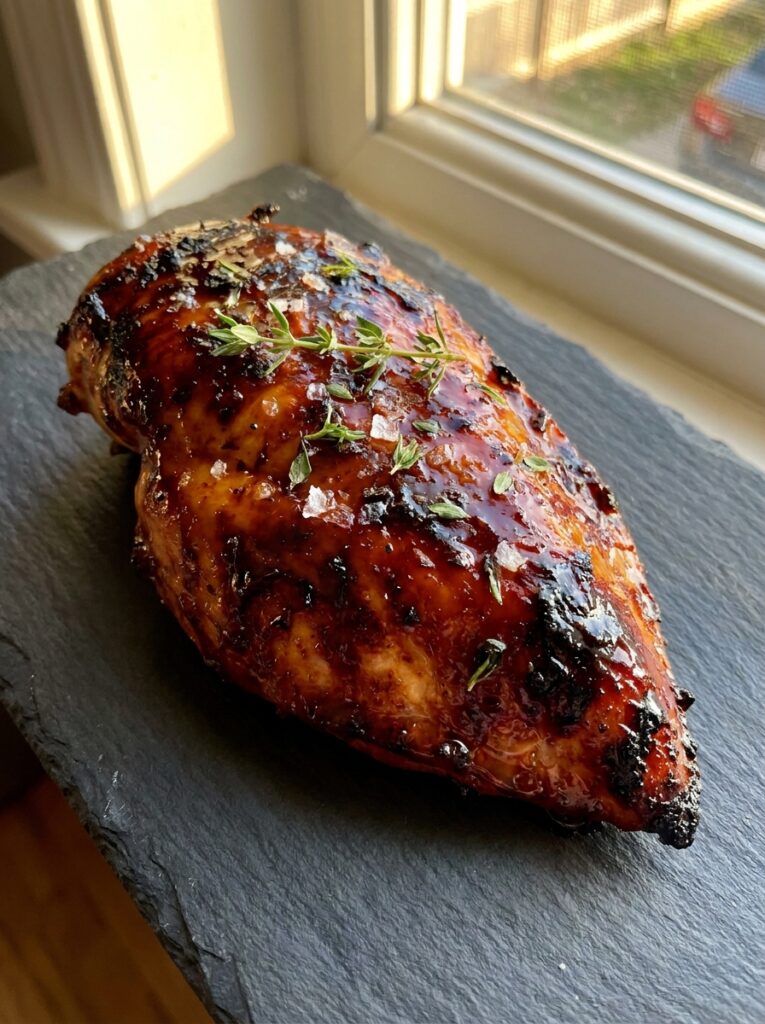
Three hours in this marinade — or overnight if you’re organized, which I sometimes am and sometimes definitely am not — and your chicken breast genuinely transforms.
Soy sauce, olive oil, Worcestershire, Dijon mustard, minced garlic, a little brown sugar, lemon juice, black pepper. That’s it. It sounds like a lot of competing flavors but they don’t compete, they harmonize into this umami-rich, slightly sweet, slightly acidic thing that gets into every fiber of the chicken.
Roast at 400°F after patting the chicken very lightly to remove excess marinade from the surface (not all of it — just the really heavy drips, or it’ll steam instead of roast). The edges get a little lacquered and the surface develops this gorgeous deep color that looks like you did way more work than you did.
This is the one to make when someone’s coming for dinner and you want them to think you cook like this every night.
—
11. Pesto Baked Chicken — No, It’s Not Boring
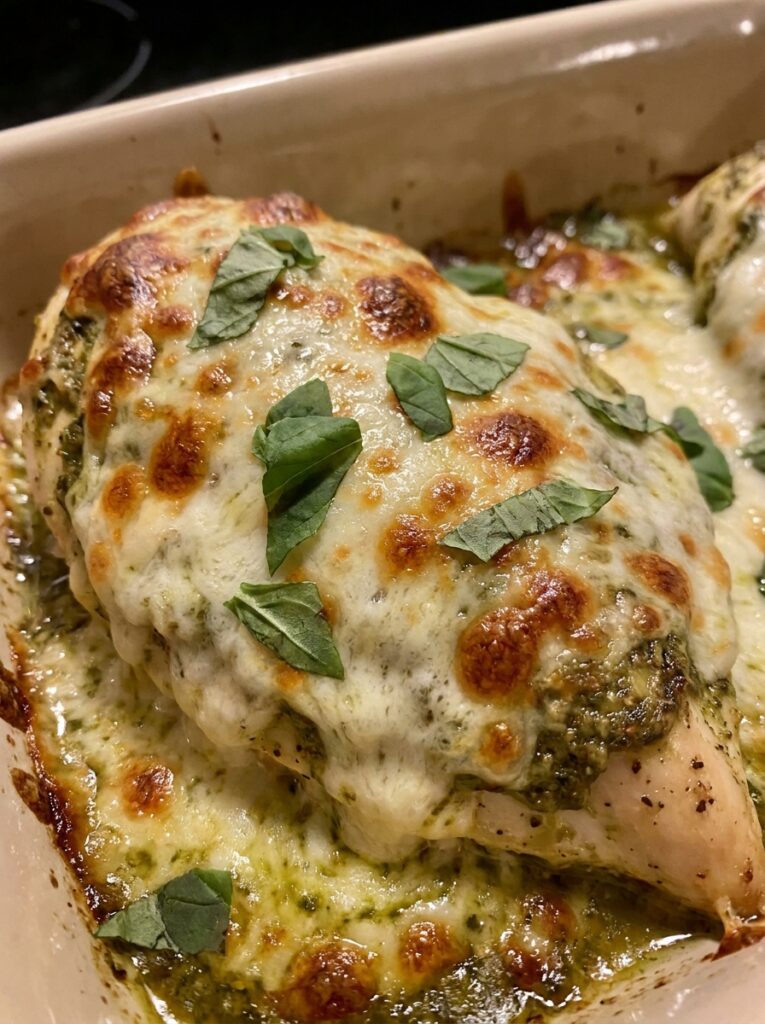
I know. You’ve seen pesto chicken everywhere. But most versions just slather pesto on top and call it a day, and while that’s fine, there’s a better way.
Spread a thin layer of pesto UNDER the skin if your breasts have skin on (it keeps it from burning). If they’re skinless, mix the pesto with a spoonful of cream cheese or sour cream — this creates a creamier, more stable coating that doesn’t dry out in the oven the way plain pesto can.
Top with sliced fresh mozzarella for the last 8 minutes of cooking. Watch it melt and bubble and brown slightly at the edges.
The fresh basil in the pesto perfumes everything. The mozzarella goes gooey and golden. The chicken underneath is tender and deeply herby. Serve it with pasta or just sliced tomatoes drizzled with good olive oil. Either way you’re winning.
—
12. The Version You Make When You Want Something Cozy and a Little Unexpected
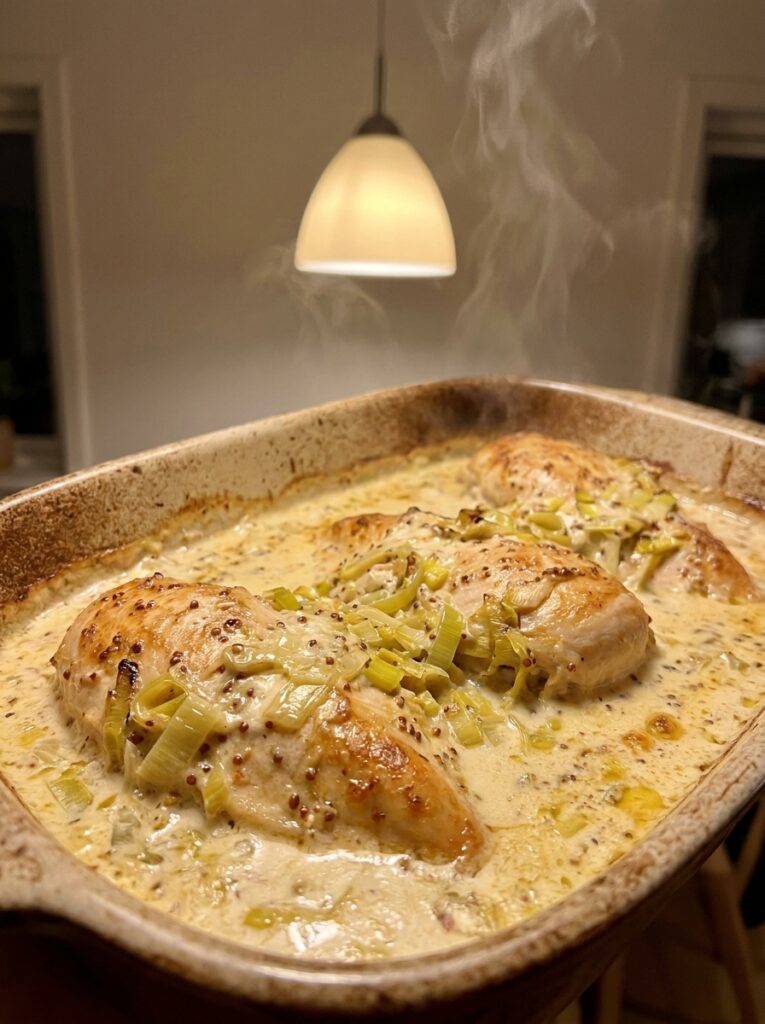
Chicken breast baked in a creamy mustard and leek sauce. I’m putting this one last because it’s the one I reach for when it’s dark outside at 5pm (hello, British winter) and I want something that feels like a hug.
Sauté sliced leeks in butter until soft and almost melting — this takes longer than you think, about 8 minutes over medium heat. Add a splash of white wine if you have it open, let it reduce for a minute, then add cream and a spoonful of whole grain mustard. Season it. Pour it into a baking dish, nestle your seasoned chicken breasts into the sauce, and bake at 375°F for 25–28 minutes.
The sauce thickens around the chicken as it bakes. The leeks go buttery and almost sweet. The mustard stays present but not sharp. And the chicken poaches-but-not-quite in that cream, staying genuinely, reliably juicy in a way that roasting alone sometimes doesn’t guarantee.
Serve it with mashed potatoes or crusty bread. Or both. I don’t judge.
—
❓ FAQ
Q: How do I know when baked chicken breast is actually cooked through without slicing into it constantly? A: A meat thermometer is the honest answer — 165°F (74°C) internal temp is safe, though I pull mine at 160°F and let carryover cooking finish the job during resting. If you don’t have a thermometer, cut into the thickest part and look for completely opaque, white flesh with clear (not pink) juices. The resting step is non-negotiable regardless.
Q: Can I use frozen chicken breasts directly in these recipes without thawing first? A: Technically yes, but I’d strongly recommend against it for most of these. Frozen chicken releases a ton of water as it cooks, which means your vegetables steam instead of roast, your sauces get watery, and your crusts don’t work. Thaw overnight in the fridge — it genuinely makes a meaningful difference to the outcome.
Q: My chicken always comes out dry no matter what I do. What am I actually doing wrong? A: Probably cooking it too long, but also possibly not resting it. When you pull chicken from the oven, the juices are all pushed to the center from the heat — resting 5 minutes lets them redistribute through the whole breast so you don’t lose them all when you slice. Also, uneven thickness means the thin end overcooks before the thick end is done. Pounding to even thickness, or tucking the thin end under, solves that.
—
💭 Final Thoughts
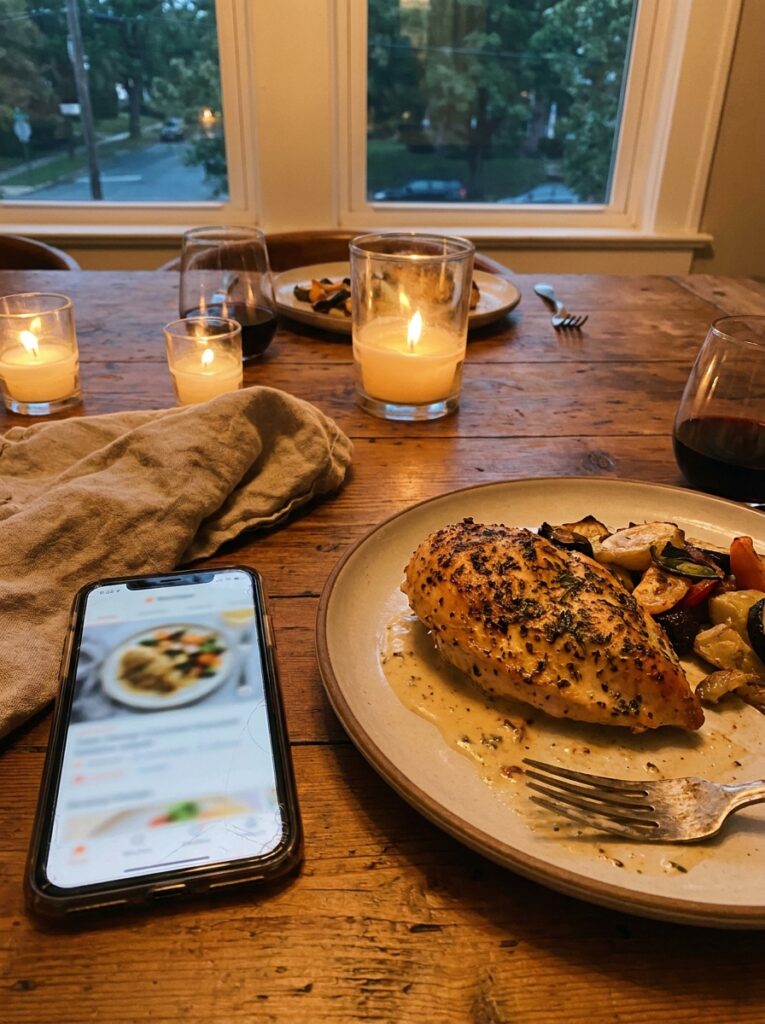
Jess made the garlic butter version last month. She texted me a photo of the pan with a single cry-laughing emoji, which I took to mean it worked.
Chicken breast doesn’t have to be the thing you make when you can’t think of anything else. With the right recipe — and the right temperature, and for the love of everything, the rest — it can be the thing you actually look forward to making. These twelve are the ones that got me there.
What’s the recipe that finally made you stop dreading it?
