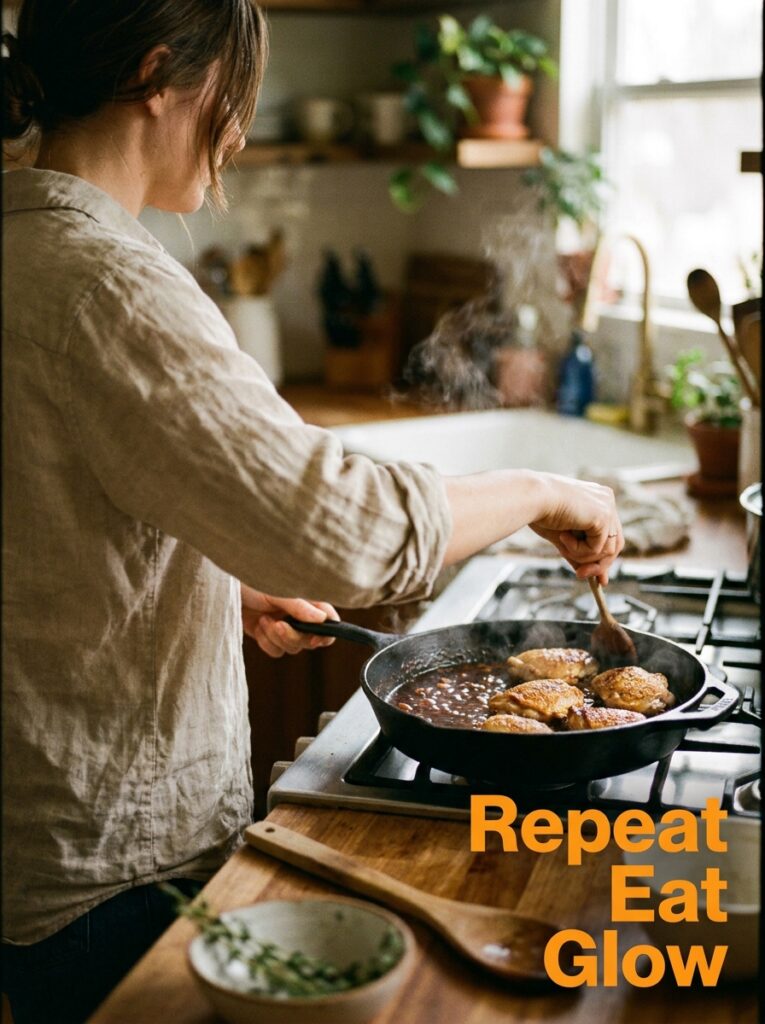
You know that moment when you lift the lid on something simmering on the stove and the steam hits you right in the face and you think — yes, that’s exactly what I wanted tonight? That’s what we’re doing here. Twelve chicken recipes where the sauce is the whole point, the sauce is the star, and the chicken is just lucky to be there.
—
1. The Creamy Garlic Sauce That Ruins You for Every Other Chicken Recipe
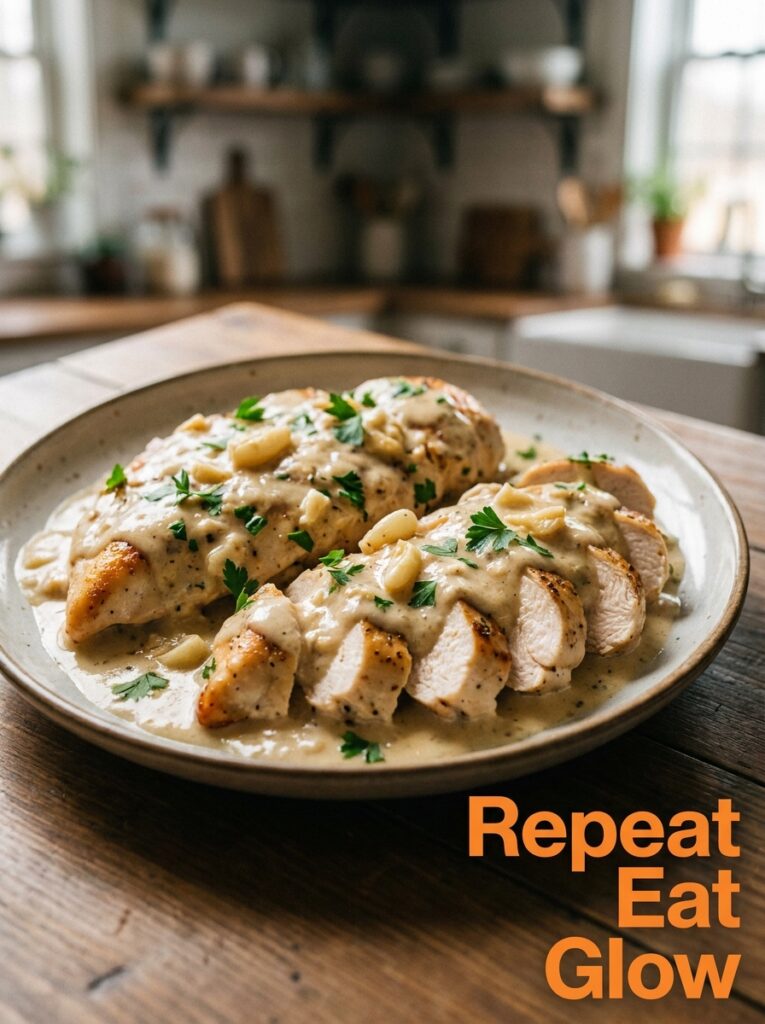
Okay so here’s the thing about creamy garlic chicken. You’ve probably made some version of it before. But there’s a specific way to do it that makes it absurdly good, and it has everything to do with not rushing the garlic.
You’re going to slice — not mince, SLICE — about eight cloves thin and let them go low and slow in butter until they’re just barely golden, almost translucent, soft enough to melt against a spoon. That’s where the flavor lives. When garlic gets minced and thrown in hot, it goes sharp and aggressive. When it’s sliced and coaxed, it gets sweet. Almost nutty. There’s a real difference and once you notice it you can’t un-notice it.
Then comes the cream. A generous pour, maybe three-quarters of a cup, with a splash of white wine if you’ve got an open bottle (and honestly, just drink a glass while you cook). Let it reduce until it coats the back of a spoon thickly, season it hard with salt and pepper, and add a handful of fresh parsley at the very end.
The chicken goes in pan-seared first. Golden on the outside, finished in that sauce. Serve it over mashed potatoes or pasta and try not to eat it straight from the pan. I can’t promise you’ll succeed.
“Slice the garlic, don’t mince it. That one change will make you look like you know exactly what you’re doing.”
—
2. Why British-Style Peppercorn Sauce Belongs in Your Weekly Rotation
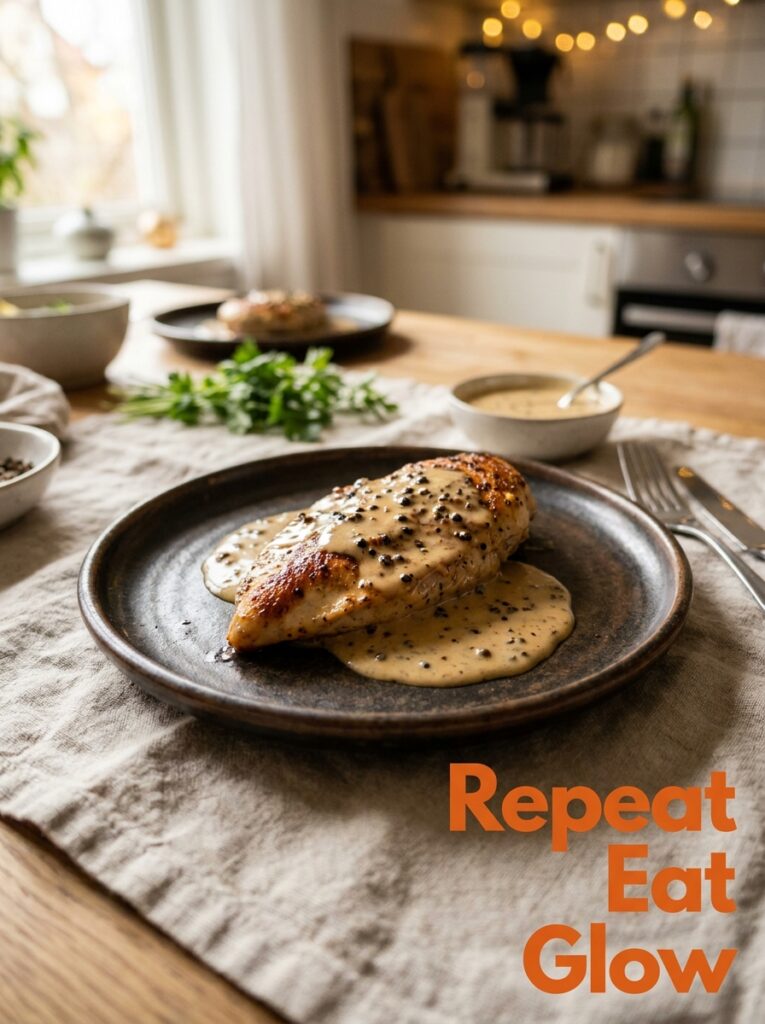
There’s this thing that happens at a good British pub or steakhouse where peppercorn sauce gets poured over everything and suddenly nothing else makes sense. I think about it a lot, actually.
The base is dead simple. You want whole black peppercorns, cracked — not ground into dust — so they have TEXTURE and little pops of heat throughout. Shallots, a splash of brandy (the flambé is optional but dramatic and fun), beef stock, and double cream. In the UK you can grab double cream easily; in the US, heavy cream works perfectly.
For the chicken, use bone-in thighs. They stay juicier in a sauce like this and the fat from the skin gets rendered into the pan before you start the sauce, which gives you this dark, slightly sticky base to build everything on. That fond — the brown bits stuck to the pan — is not burning, it’s FLAVOR, and the brandy will lift every bit of it when you pour it in.
This is a Saturday night recipe, not a Tuesday recipe. Well. Unless you really need a Tuesday to feel special, which — same, honestly.
—
3. The Lemon Butter Caper Situation You’ll Want to Make Every Week
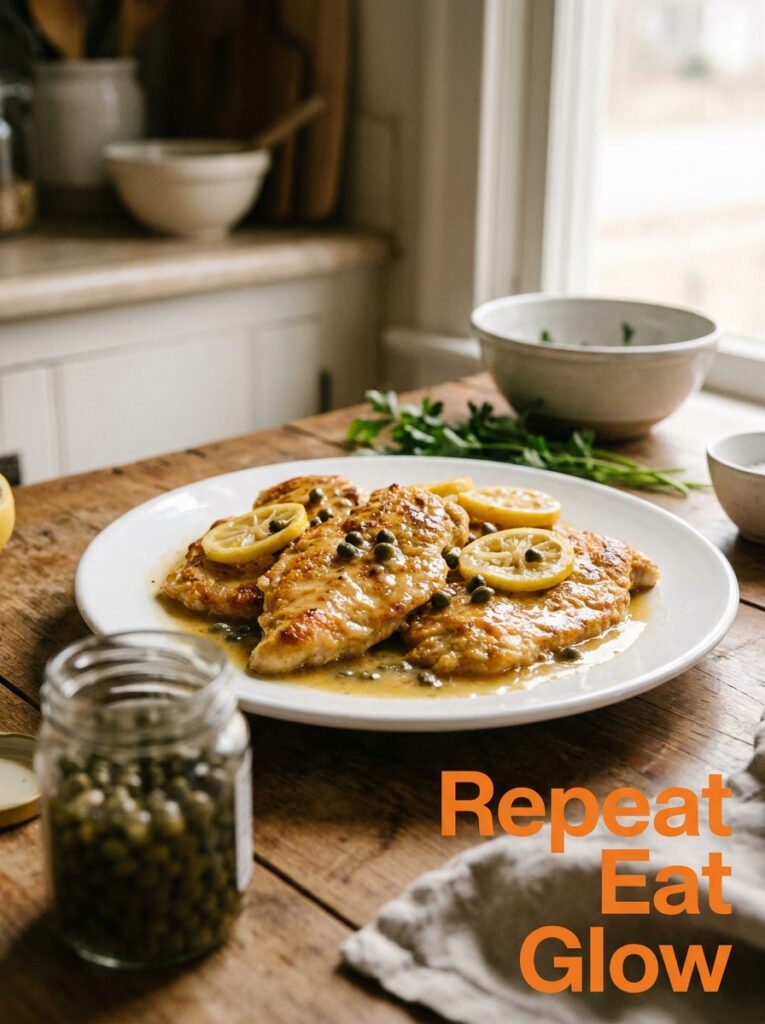
Lemon butter sauce sounds simple and it is. But it’s that particular kind of simple that makes people ask “wait, what did you DO to this?” and you get to just shrug.
Chicken breasts, pounded thin, dredged in just a little flour and cooked fast in a hot pan. Then out of the pan, set aside. In goes a knob of butter, a shallot, a cup of chicken broth, a big squeeze of lemon. Let it bubble hard and reduce. Back in goes another two tablespoons of cold butter — this is the step people skip and they shouldn’t — which thickens the sauce and makes it glossy and rich. Then capers. A good handful of them, briny and sharp against all that butter.
Side note — if you don’t like capers, swap them for green olives, finely sliced. The brine matters more than the specific ingredient.
Pour it over the chicken and then squeeze a little more lemon on top at the end because lemon fades when cooked and you want that brightness. The whole thing takes maybe twenty-five minutes. It tastes like something from a proper Italian-American restaurant. You’re welcome.
—
4. Honey Mustard Sauce That’s Actually Worth Making From Scratch
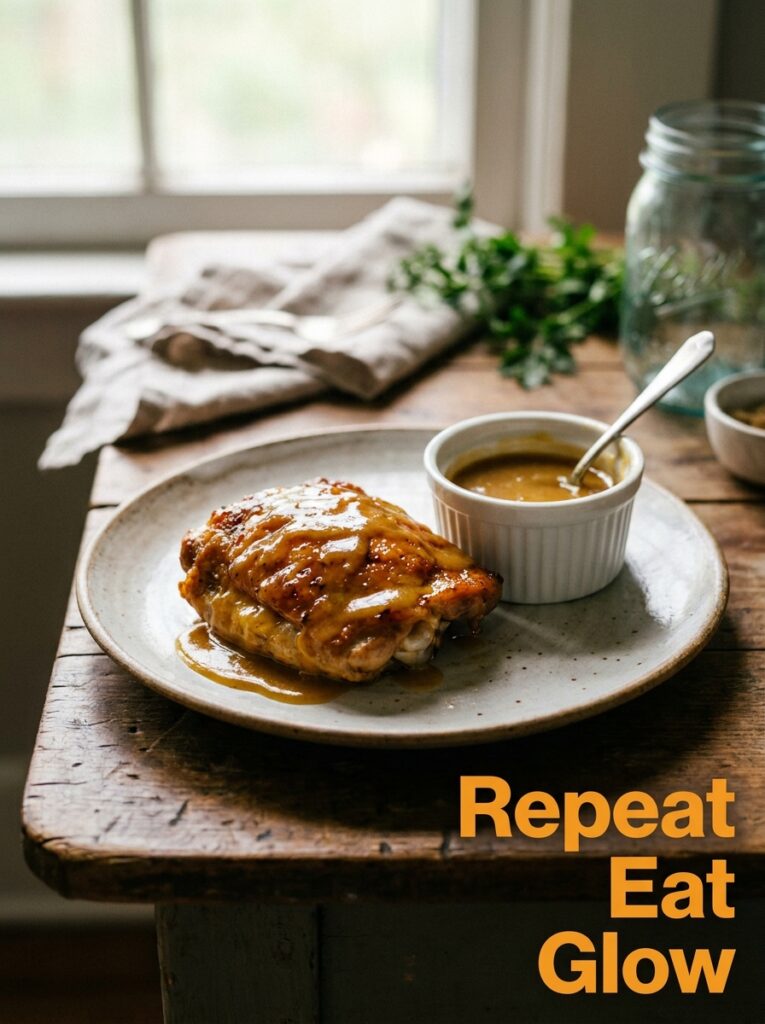
Most honey mustard chicken recipes are fine. Like, passable. But there’s a version that’s genuinely, surprisingly good and it starts with using TWO kinds of mustard.
Dijon for sharpness and creaminess. Whole grain mustard for texture and that little pop of bitterness you can’t quite name but definitely taste. Mix them with runny honey, a splash of apple cider vinegar, a clove of garlic grated fine, and a bit of cream to round everything out.
The ratio that works: two tablespoons of Dijon, one tablespoon whole grain, two tablespoons honey, one tablespoon cider vinegar, and about a quarter cup of cream. Adjust from there because honey varies wildly in sweetness depending on the kind you buy. Taste it before it goes in the pan.
This sauce is good enough to just eat on roasted chicken thighs, but it also works beautifully as a marinade first — then you reduce the rest down with a bit of extra cream into a sauce for serving. It’s a little sweet, a little sharp, a little creamy. It clings to chicken in the best possible way.
“Two mustards, always. Dijon brings the silk. Whole grain brings the personality.”
—
5. The Coconut Curry Sauce That Feels Like It Took All Day (It Didn’t)
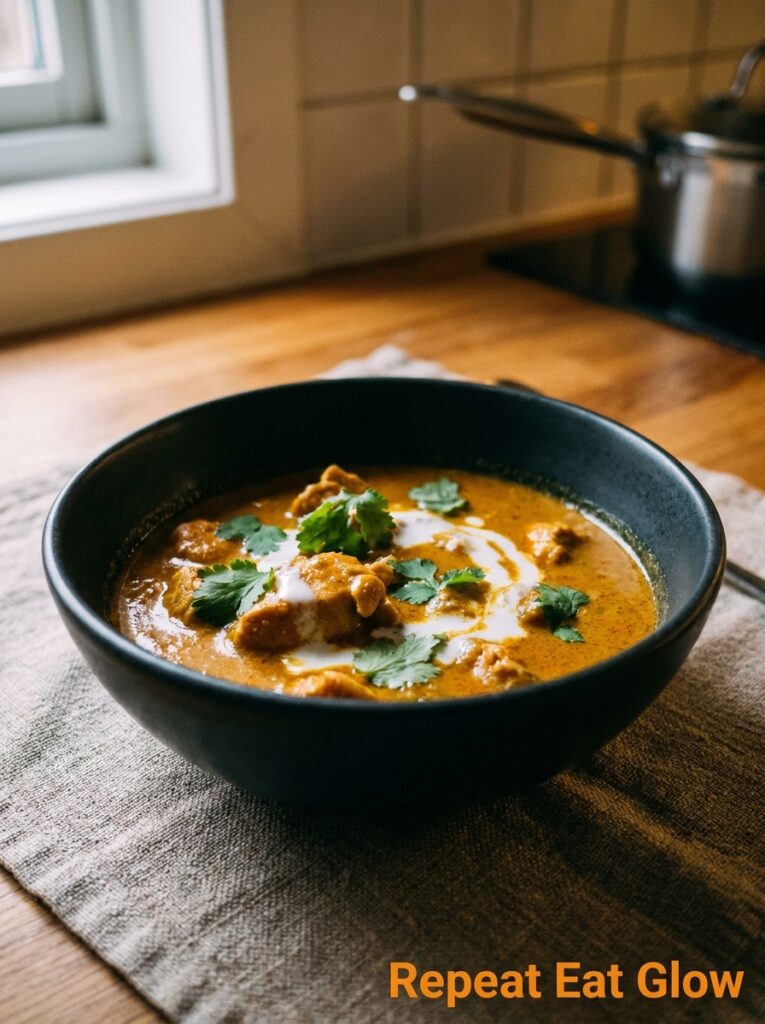
This one smells like you’ve been cooking for hours. You haven’t. Maybe forty minutes, tops.
The key is blooming your spices properly. Cumin seeds first — just a few — in a dry pan until they pop. Then oil, onion, garlic, fresh ginger (more ginger than you think, I’d say a two-inch piece), and your ground spices: coriander, turmeric, garam masala. Let them cook in the oil for a full two minutes before anything liquid touches them. This is the bit that makes the difference between a curry that tastes home-cooked and one that tastes… complete.
In goes a tin of coconut milk and some passata or crushed tomatoes. The chicken — thighs, bone-in if you can — goes in raw and braises in all of it for about thirty minutes until it’s tender enough to break with a spoon. Finish with a squeeze of lime and a handful of fresh coriander. Or not, if you’re in the “coriander tastes like soap” camp. No judgment. Flat-leaf parsley works fine.
Serve with basmati rice and some warm naan to drag through the sauce. Actually, the sauce is so good you might just want the naan.
—
6. The French-ish White Wine Sauce That Makes Chicken Thighs Feel Expensive
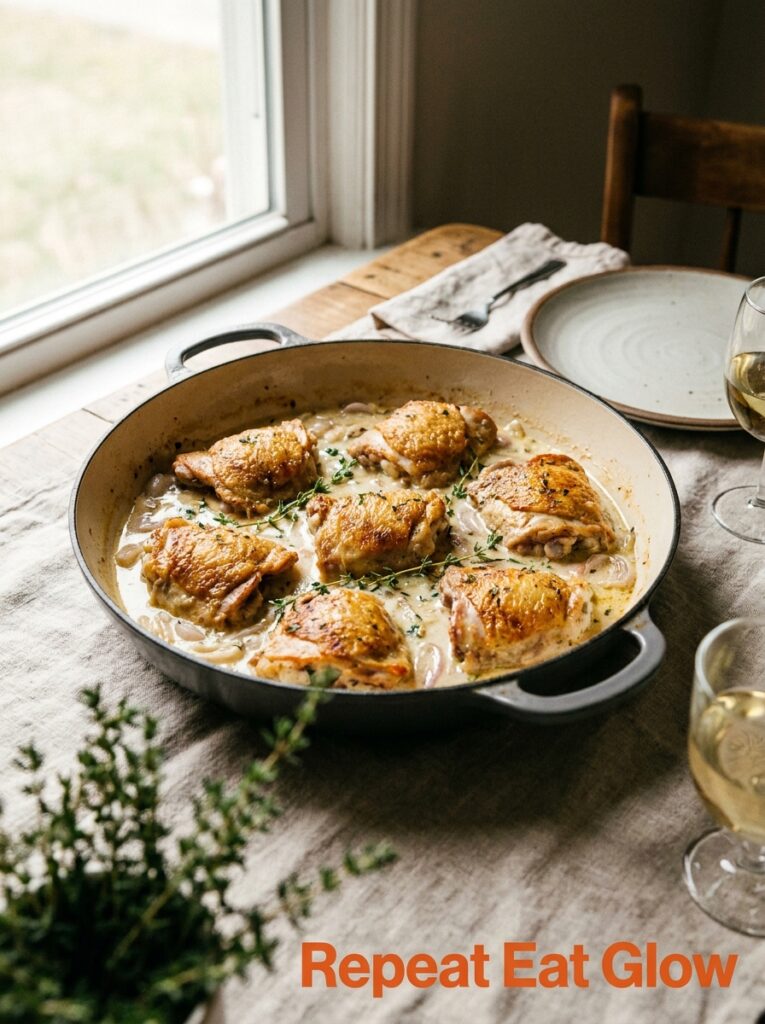
Chicken thighs are arguably the best value ingredient in any grocery store, US or UK. And this sauce makes them feel like something from a brasserie in Lyon, which is not a sentence I’m using lightly.
You need a good dry white wine — nothing you wouldn’t drink, because bad wine becomes concentrated bad wine when you reduce it. Sauvignon blanc or an unoaked Chardonnay works well. Chicken thighs, skin-on, seared until the skin is genuinely crisp and deeply golden. Then set aside, and in the same pan you build the sauce: shallots, the wine, chicken stock, a bay leaf, a sprig of thyme, and then a good swirl of cold butter at the end, off the heat, to make it glossy and round.
Mushrooms are optional but they’re not really optional. Sliced cremini mushrooms cooked separately in butter until golden, added at the end. They bring this earthy, slightly umami depth that the wine sauce kind of needs, or maybe just desperately wants.
This is a dinner party dish that requires exactly zero advanced skill. That’s the secret.
—
7. Tomato Basil Sauce So Good You’ll Stop Buying Jars
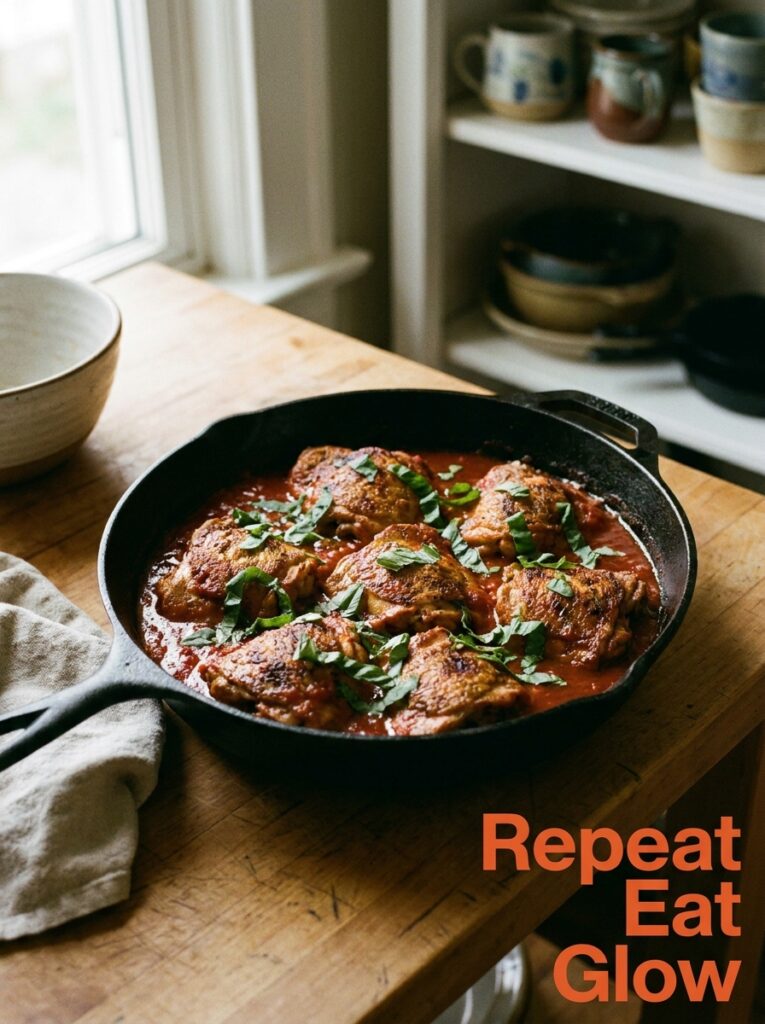
A lot of jarred tomato sauces are fine! I’m not here to be a snob about it. But when you make your own and use it with chicken, there’s something that happens where you can actually taste each individual thing in it, and that’s worth doing at least sometimes.
Chicken pieces — thighs and drumsticks if you’re feeding a family, just thighs if not — get browned first, set aside. Then in the pan: a LOT of olive oil, crushed garlic (four, maybe five cloves), a pinch of red pepper flakes, then two cans of whole plum tomatoes, crushed by hand as they go in. Season hard. Bring to a simmer.
The chicken goes back in and braises on low heat, half covered, for about forty-five minutes. Then here’s the thing — at the very end, you tear a big bunch of fresh basil and stir it through. Don’t add it earlier. Basil cooked for forty-five minutes is just… gone. Basil added at the end is bright and fragrant and it makes the kitchen smell like you really know what you’re doing.
Crusty bread for mopping up the sauce is mandatory, not optional.
“Don’t add the basil early. Don’t do it. Forty-five minutes of cooking and it’s just gone — add it at the end and it’s everything.”
—
8. Teriyaki Sauce That’s Nothing Like the Bottle
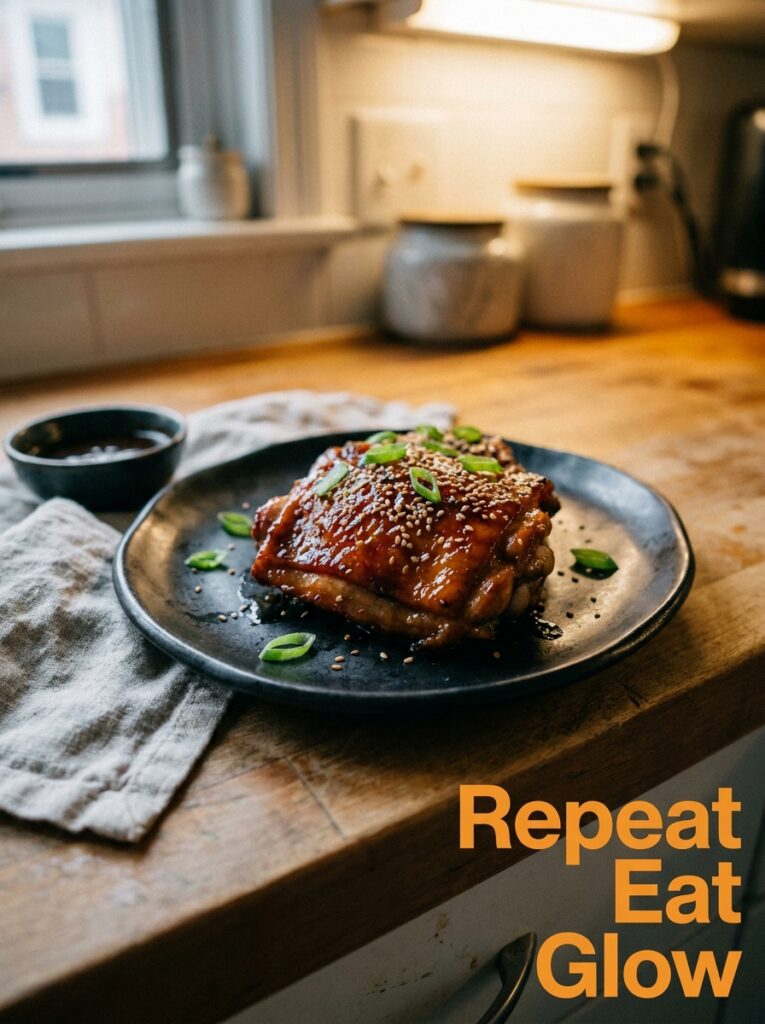
The bottled stuff is sweet in a cloying, one-note way that doesn’t really taste like much except sugar. Homemade is different. It’s sweet, yes, but also salty and slightly sticky and there’s a savory depth to it that makes it genuinely craveable.
The base ratio: three tablespoons soy sauce, two tablespoons mirin (or dry sherry if you can’t find it), one tablespoon sake (or just more soy and a splash of water), one tablespoon brown sugar or honey. That’s it. Heat it until the sugar dissolves, thicken with a small cornstarch slurry if you want it to really cling, and pour it over chicken thighs that you’ve cooked skin-side down in a pan until golden.
The sauce goes in and you let everything caramelize together over medium-high heat for a few minutes, turning the chicken until it’s lacquered and sticky and honestly beautiful to look at. Sesame seeds and sliced spring onions on top. Serve over steamed rice with any vegetable you like.
This is a twenty-minute dinner that tastes like effort. That’s the whole goal.
—
9. Tuscan Cream Sauce, aka the One That Goes Viral Every Year and Deserves To
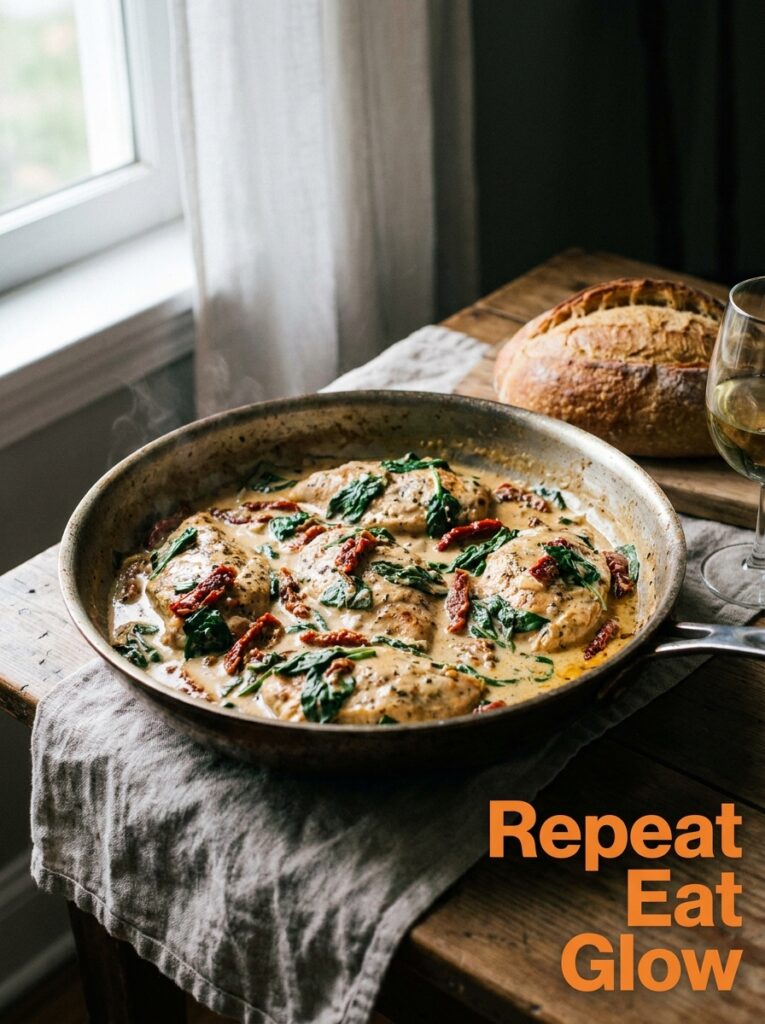
Every year this recipe goes around again and every year people act like they’ve discovered it for the first time, and you know what? Good. Because it’s that good.
Sun-dried tomatoes are the unexpected workhorse here. They bring sweetness, acidity, a concentrated intensity that fresh tomatoes just can’t do in the amount of time you’re cooking this. Rehydrated from the dry kind, or straight from the jar if they’re packed in oil (which adds flavor anyway). Garlic, spinach, cherry tomatoes if you have them, a pour of cream, a handful of parmesan, and chicken breasts or thighs seared golden first.
The whole thing comes together in one pan in about thirty minutes and it looks genuinely spectacular — that rich, rosy cream sauce, the wilted spinach, the golden chicken. It photographs well, which, for a Pinterest audience, isn’t irrelevant. But more importantly it tastes like the kind of thing someone’s Italian grandmother invented to use up pantry staples, which is kind of exactly what it is.
—
10. Brown Butter and Sage Sauce — Small Ingredients, Big Payoff
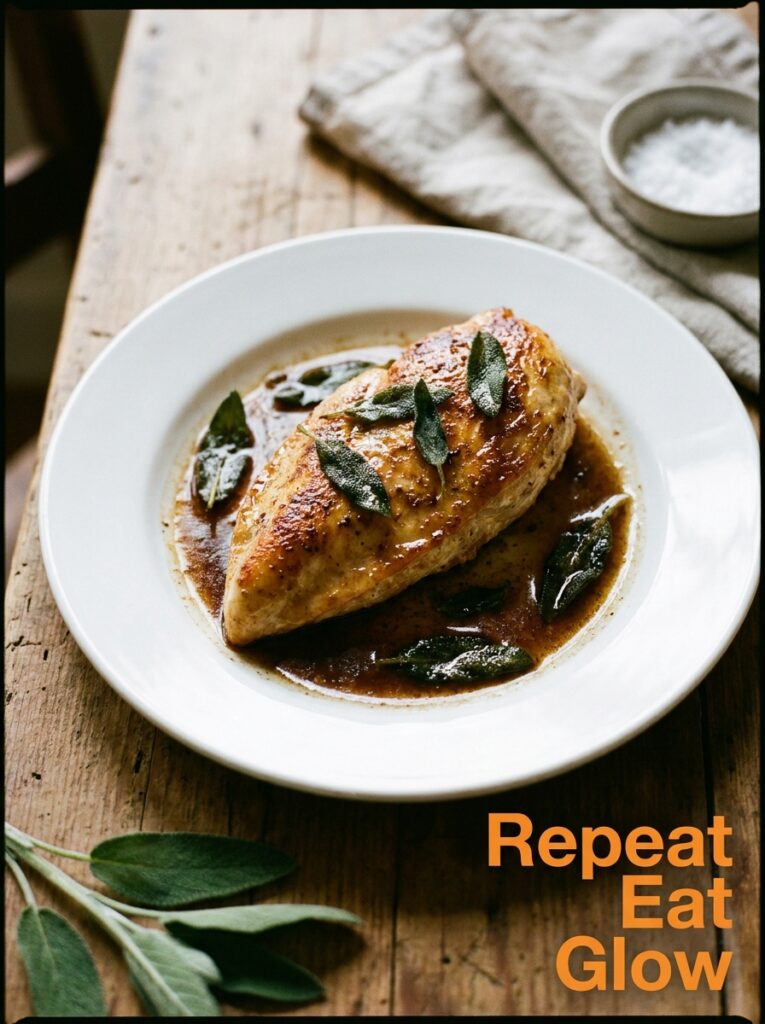
This one’s different. It’s quieter than the others. More autumnal, I guess.
Brown butter is just regular butter cooked until the milk solids toast and it smells like hazelnuts. It takes maybe four minutes and it sounds scarier than it is. The edge between brown butter and burned butter is a real edge, though — pull it off the heat the second you smell that nutty sweetness and see the foam start to subside and the butter turn golden amber.
Into the brown butter go fresh sage leaves, dropped in carefully because the butter will spit. They’ll crisp in about thirty seconds. Then a squeeze of lemon juice to stop the cooking, a little bit of pasta water or chicken stock to loosen the sauce, and a grating of parmesan.
This is a sauce for pan-seared chicken breasts sliced and laid over pasta or gnocchi. It’s a dinner for when you’re tired and want something that tastes like a hug but don’t want to spend an hour on it. The richness from the browned butter, the piney savory sage, the sharp cheese — it all works so well together that people assume it was complicated.
It wasn’t. That’s the point.
—
11. The Tangy BBQ Sauce That Works Inside, Not Just on the Grill
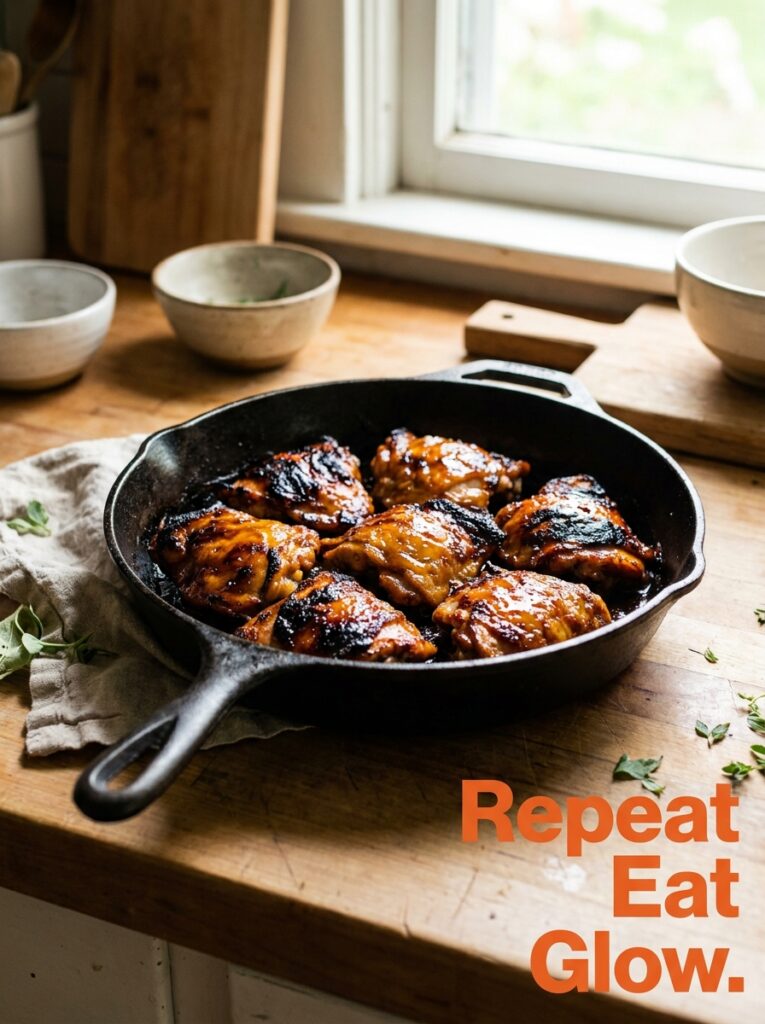
A lot of BBQ chicken recipes assume you have a grill. But a stovetop-and-oven version done right can be just as good and works year-round, which is genuinely useful for a British winter or a rainy American fall.
The sauce: ketchup as the base (don’t knock it), brown sugar, cider vinegar, Worcestershire sauce, a dash of hot sauce, smoked paprika, garlic powder, a tiny bit of liquid smoke if you’ve got it. It sounds like a lot of ingredients but you’re just combining them in a bowl and tasting, adjusting, tasting again. The vinegar keeps it from being cloying; the Worcestershire brings depth.
Chicken thighs go into a cast iron or baking dish, sauce poured generously over, roasted in the oven at 400°F/200°C for about forty minutes, basted halfway through. The sauce caramelizes on the edges where it touches the hot pan and those caramelized bits are the best parts, so make sure you get them when you serve.
Coleslaw on the side. Nothing else required.
—
12. The Tarragon Cream Sauce That French Bistros Don’t Want You to Know Is This Easy
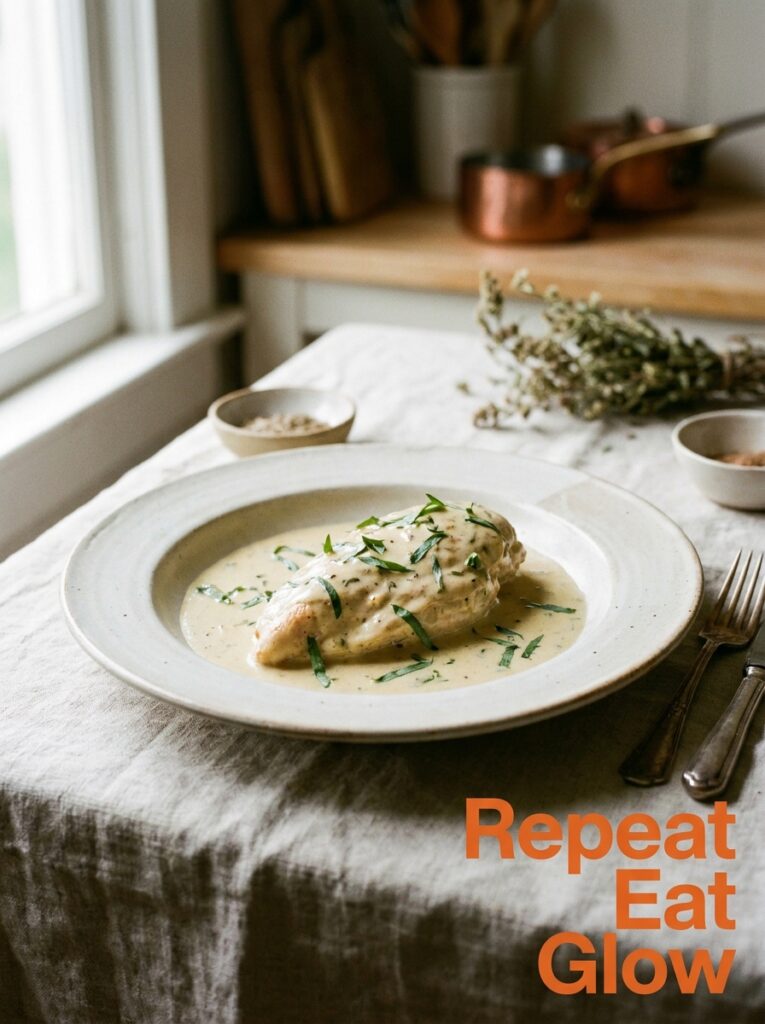
Tarragon is one of those herbs that makes everything around it taste more sophisticated. It’s got this faint anise flavor, but soft, not aggressive, and when it gets into cream it becomes genuinely incredible.
This is the recipe: chicken breasts or thighs, pan-seared golden and set aside. Shallots in the same pan, softened, then a splash of dry white wine to deglaze. Then chicken stock — maybe half a cup — reduced by half. Then cream, a generous pour, and fresh tarragon, stripped from the stems and added whole. Simmer until the sauce thickens. Season carefully because the reduction concentrates salt fast.
The chicken goes back in just to warm through and get coated. It’s ready in under thirty-five minutes and it tastes like something from a proper French bistro, the kind with handwritten chalkboard menus and bread that you eat before your meal even arrives.
Serve with green beans or haricots verts and those small, buttery potatoes. And maybe a glass of whatever white wine you opened for the sauce.
—
❓ FAQ
Q: Can I use chicken breasts instead of thighs in these sauce recipes? A: You can, but thighs are more forgiving — they stay juicier when simmered in sauce for longer. If you’re using breasts, don’t overcook them; sear first and add them back in just at the end to finish cooking through, or slice them before serving so they don’t dry out.
Q: Can I make these sauces ahead and reheat them? A: Most of them reheat beautifully, especially the tomato-based and curry ones — they actually improve overnight. Cream sauces can split a little when reheated, so go low and slow with a splash of stock or water stirred in to bring them back together.
Q: What’s the best way to thicken a sauce that’s too thin? A: The easiest fix is to just keep cooking it — most sauces will reduce and thicken naturally given a few more minutes of simmering. If you’re in a hurry, a cornstarch slurry (one teaspoon cornstarch mixed with two teaspoons cold water, stirred in) works fast without affecting flavor much.
—
💭 Final Thoughts

Twelve sauces and the thing they all have in common is that none of them are precious or difficult. They’re just chicken, a pan, and a little patience with whatever’s simmering. There’s something genuinely satisfying about building a sauce from scratch — even a fast one — that no jar or packet really replicates.
Which one are you making tonight?
