There’s a packet of ramen in your pantry right now. Maybe two. And you’ve been walking past them for weeks because you know you can do better than just boiling water and ripping open the little flavor sachet.
You can. Here’s how.
—
1. Why Your Broth Is the Whole Personality of the Dish
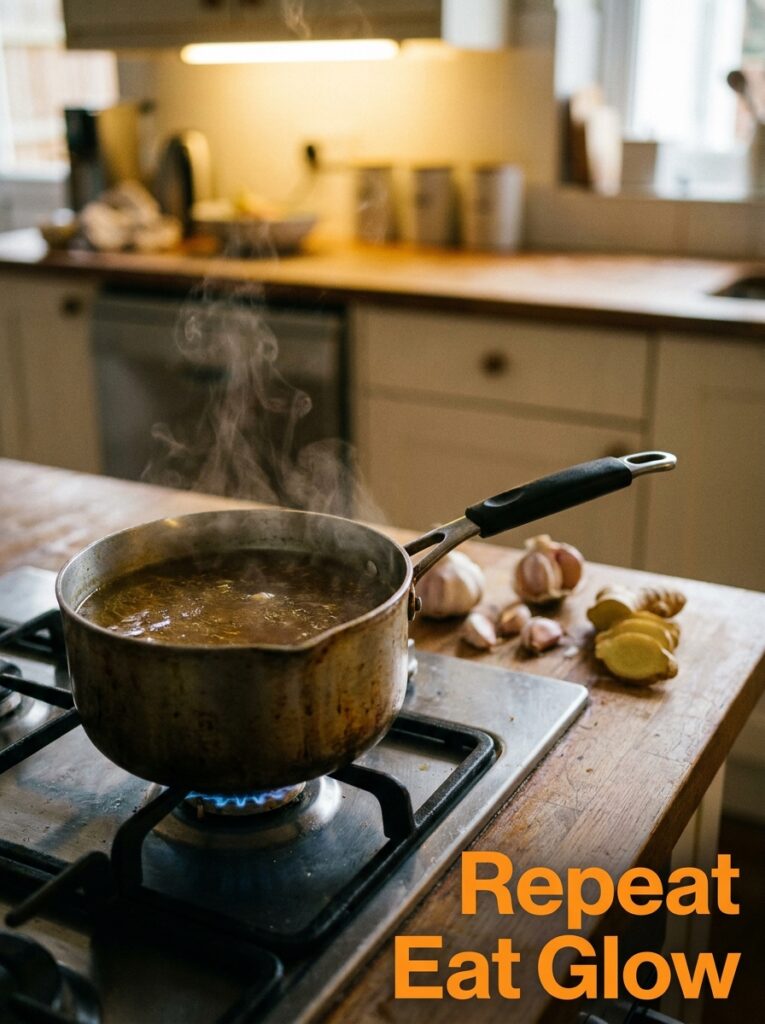
Let’s start here because everything else depends on it. A good ramen broth isn’t fancy. But it’s not lazy either. The difference between a bowl that feels like a restaurant and a bowl that feels like a Tuesday is usually about twenty minutes of simmering things you already have.
Start with chicken thighs, not breasts. I know, I know — but thighs have fat, and fat means flavor. Simmer them in about 4 cups of chicken stock with four smashed garlic cloves, a thumb-sized piece of ginger, and a splash of soy sauce. That’s it. That’s the base. Let it go for 25 minutes and your kitchen will smell like something you’d pay £12 for in London or $18 for in New York.
The ginger is non-negotiable. Don’t skip it, don’t halve it. It’s doing more work than you realize.
“The broth is where easy ramen either becomes something or stays nothing.”
Pull the chicken out, shred it with two forks while it’s still warm (it falls apart — so satisfying), and drop it back in. You’ve just made a broth that has ACTUAL depth, not just salt.
—
2. The Pantry Raid That Turns Basic Into Brilliant
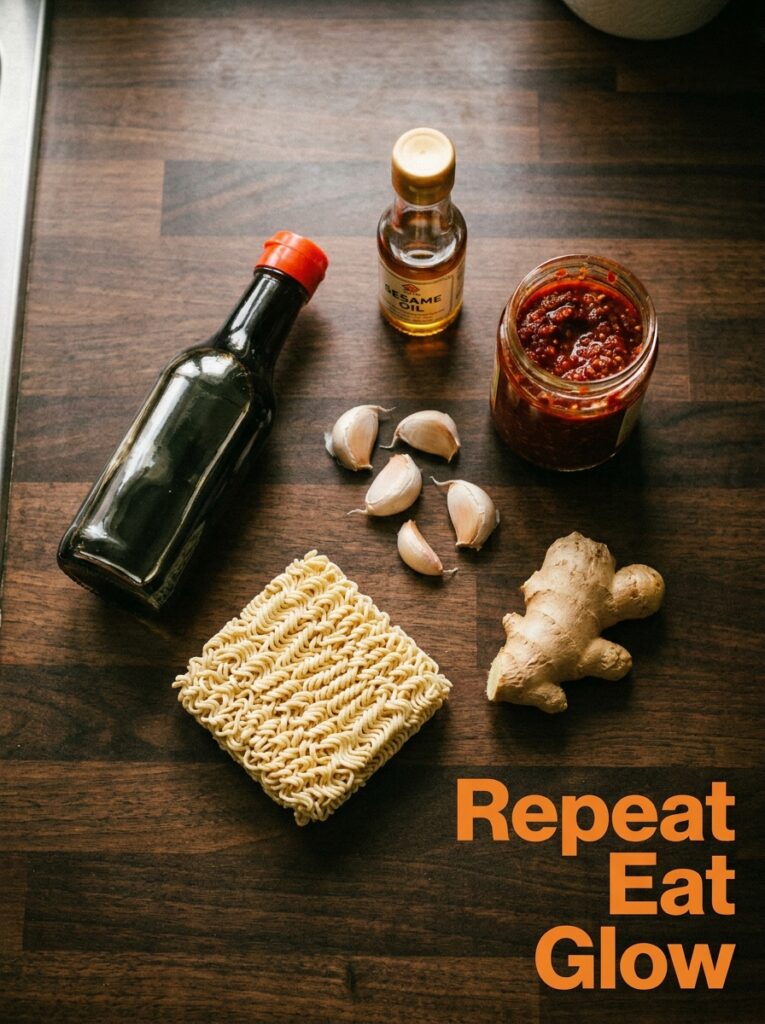
Here’s the thing about ramen. It’s genuinely one of the most forgiving dishes in existence. So before you go grocery shopping, raid your cupboards first.
Miso paste, if you have it, goes in at the end — never boil it. A spoonful of tahini or peanut butter can make a broth creamy and nutty in the best way. Fish sauce is intense but a tiny dash (half a teaspoon, HALF) adds this funky umami thing that you can’t quite name but you’ll definitely notice if it’s missing. Worcestershire sauce works in a pinch and it’s almost always in a British kitchen.
Sesame oil. Please have sesame oil. A drizzle at the very end, just before you serve, is one of those little things that makes people ask “wait, what did you put in this?”
You don’t need all of these. You need one or two, the ones that make you go “oh, yes.” The whole point is that ramen adapts to what you have, not the other way around. This is real weeknight cooking — not a Pinterest board you never actually cook from.
—
3. The Chicken Prep Method Nobody Talks About
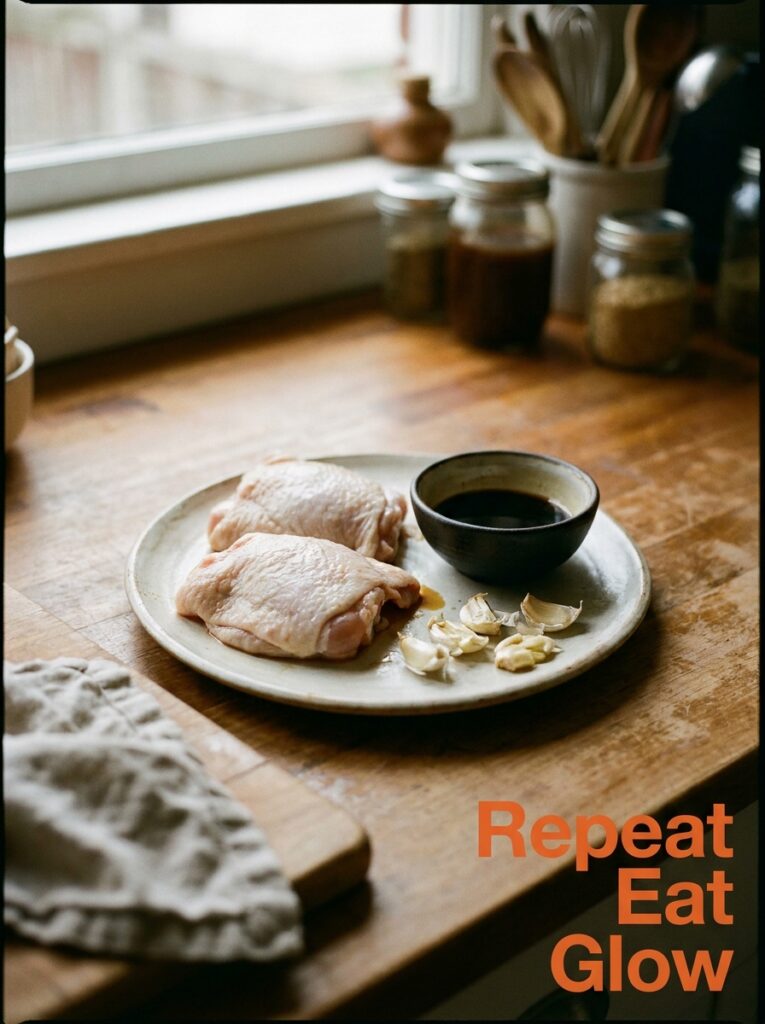
Shredded chicken is classic. Rotisserie is the cheat code everyone already knows. But there’s a third option that I’m slightly obsessed with and it changes the texture completely.
Slice your chicken thighs into thin strips, like 1-inch pieces, and marinate them for even just 15 minutes in soy sauce, a little sesame oil, a tiny bit of honey, and some garlic powder. Then cook them in a dry pan on HIGH heat. Don’t move them. Let them sit for 2 minutes, get a little charred on the edges, then flip. Done in maybe 6-7 minutes total.
That caramelization — the slightly sticky, lightly crispy edge on the chicken — adds something that slow-simmered shredded chicken just doesn’t have. It’s contrast. Tender noodles and broth need something with a BIT of chew and char against them.
Side note — this also works brilliantly if you meal prep the chicken on Sunday. It keeps for four days in the fridge and you just drop it into hot broth when you’re ready.
—
4. The Egg Situation (And Why You’re Probably Overcooking Yours)
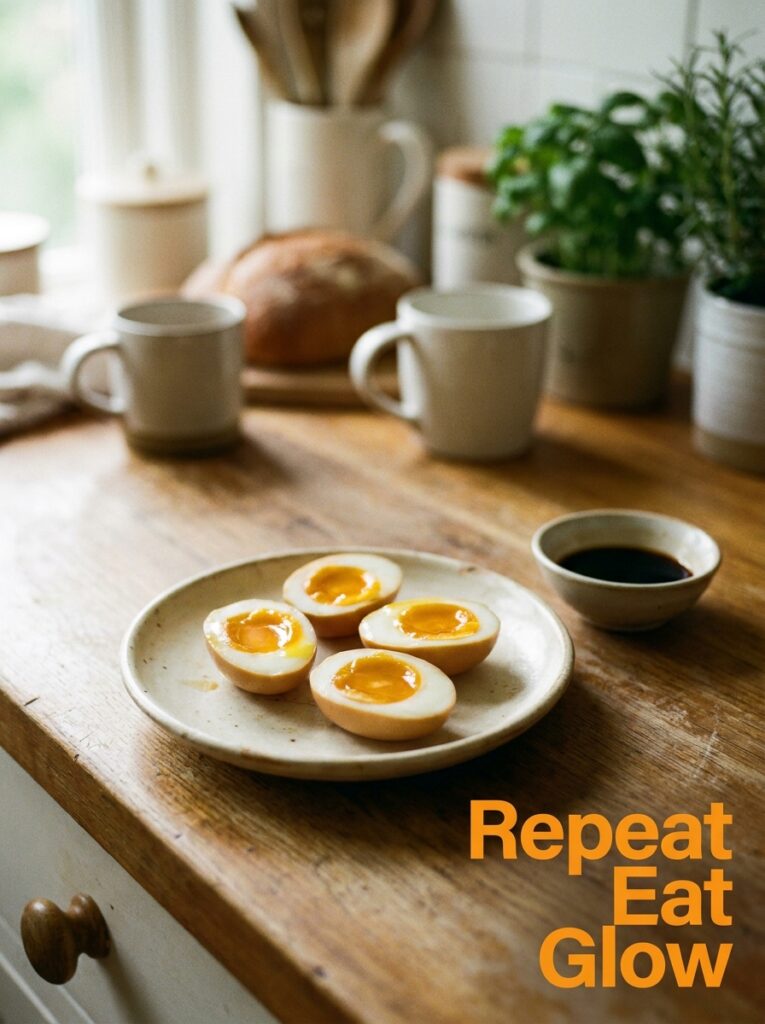
Okay. The soft-boiled ramen egg. The jammy-yolk, slightly wobbly, soy-marinated egg that every good ramen bowl deserves. And it’s not hard to make. It’s just precise.
Boil water. Lower eggs in gently. Exactly 6 minutes and 30 seconds. Pull them out, ice bath immediately. Peel under running water. Then — and this is the important part — soak them in a mixture of equal parts soy sauce and mirin with a splash of water for at least an hour. Overnight if you can wait.
The outside turns this beautiful bronzy color, a little salty, a little sweet. The inside is still soft, almost custardy. It’s genuinely one of those simple things that seems fancier than it is.
“A six-minute-thirty egg, marinated overnight, is the thing that makes people think you’ve been cooking for years.”
If you overcook the egg — 7 or 8 minutes — the yolk firms up and you lose the whole point. Set a timer. Walk away. Don’t trust yourself on this one.
—
5. Five-Minute Spicy Chicken Ramen That’s Actually Worth Making
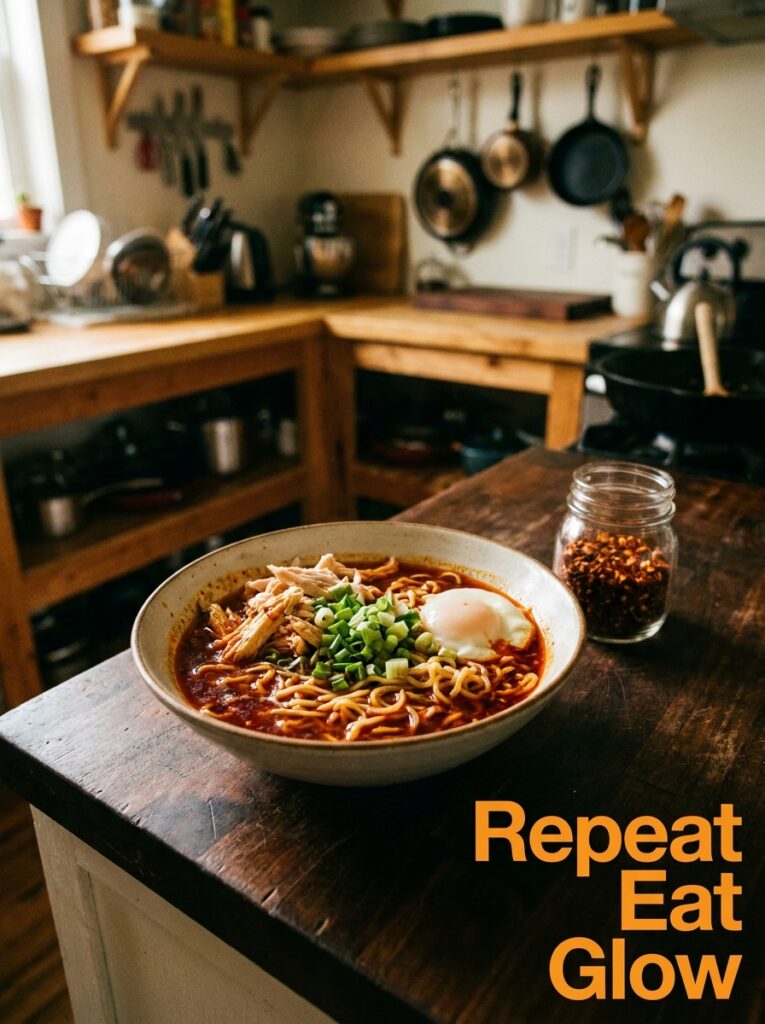
This is the recipe for Tuesday nights when you want something GOOD but you have exactly no time and also a mild craving for something with a little heat.
Get your broth simmering — even just store-bought chicken stock is fine here, honestly. While it heats, cook the noodles separately in boiling water (drain them, then add to broth — this way the noodles don’t soak up everything and go mushy). Into the broth, stir in 2 teaspoons of gochujang, 1 tablespoon of soy sauce, a teaspoon of sesame oil, and a little rice vinegar. Half a teaspoon. Just to cut through the richness.
Shred some rotisserie chicken in. Handful of baby spinach goes in right at the end — it wilts in about 30 seconds. Soft-boiled egg on top if you prepped them. Sesame seeds and sliced green onions because they’re basically free flavor.
That’s it. That’s the whole recipe. It’s warm and a little fiery and the gochujang gives it this complex Korean-influenced heat that’s not just “spicy” — it’s got depth. My honest opinion? This beats most ramen shops I’ve been to for under $5 a serving.
—
6. The Creamy Chicken Ramen That Sounds Wrong But Isn’t
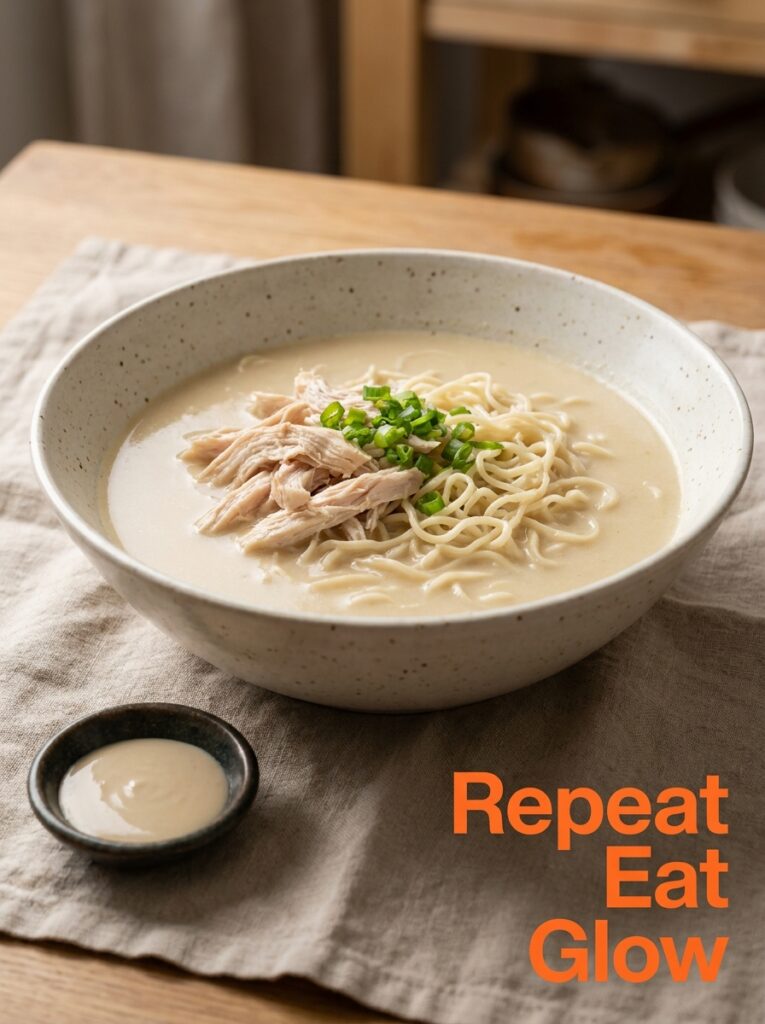
Hear me out. Peanut butter. In ramen.
Not a lot. Just a tablespoon and a half stirred into hot chicken broth with soy sauce, a little chili oil, and some garlic. It sounds like it shouldn’t work, and then you taste it and you don’t understand why you haven’t been doing this forever.
This is sort of the ramen cousin of a peanut noodle dish — rich, slightly nutty, warming in a way that’s different from a regular broth. Add your cooked chicken, your noodles, some shredded cucumber or a handful of bean sprouts for crunch. The crunch matters here because the broth is thick. You need that textural contrast or the whole thing goes one-note.
A squeeze of lime over the top at the end — this is not optional. The acid cuts through the peanut and the whole thing snaps into focus. You’ll know exactly what I mean when you taste it.
—
7. Toppings That Are Actually Worth It (Not Just Decoration)
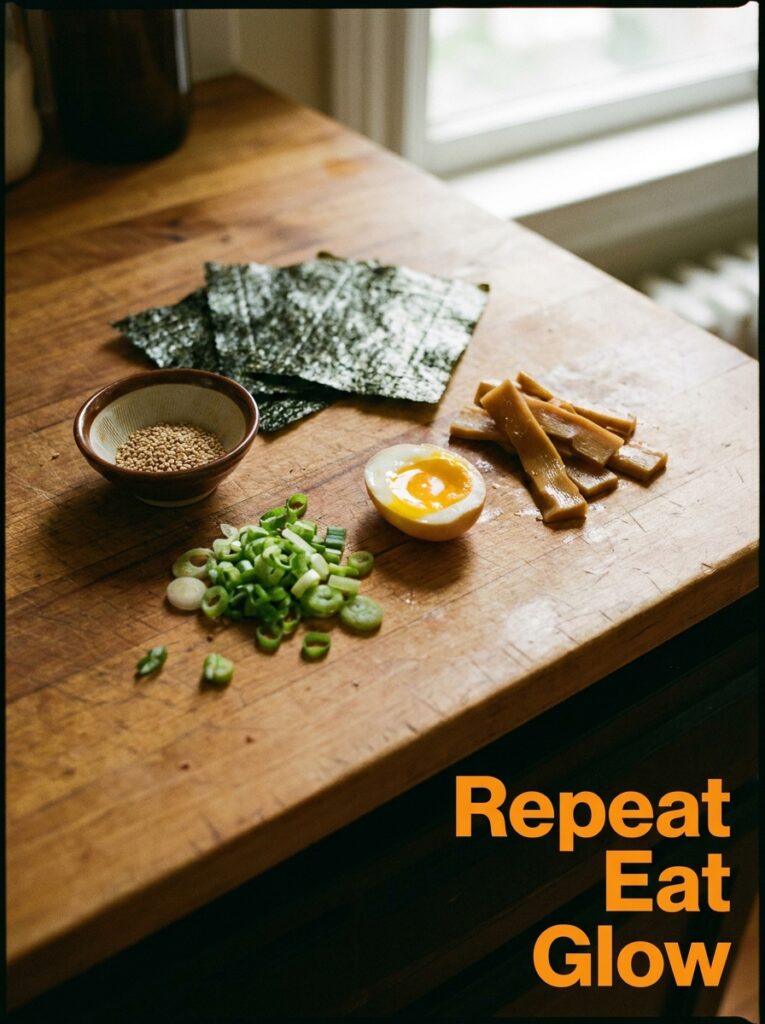
Pinterest ramen photos are FULL of beautiful toppings that nobody actually makes on a weeknight. Charred corn? Sure, maybe. Perfectly fanned nori sheets? I mean, sure, if you happen to have them. But there are a few toppings that take two minutes and genuinely improve the bowl.
Crispy shallots are the move. Slice a shallot thin, fry in a little oil for about 3-4 minutes until golden, drain on paper towels. Done. They add crunch and this sweet-savory richness that makes everything underneath taste more interesting.
A drizzle of chili crisp oil. If you don’t have a jar of chili crisp in your fridge, I genuinely urge you to get one. It’s crunchy and oily and spicy and it improves basically everything.
“Good toppings don’t just look nice — they make every spoonful different from the last one.”
Toasted sesame seeds, green onions, and a nori sheet if you have it. That’s the full easy list. You don’t need all of them. Two or three, and you’ve got a bowl that looks intentional.
—
8. The Lemon Ginger Chicken Ramen Nobody Saw Coming
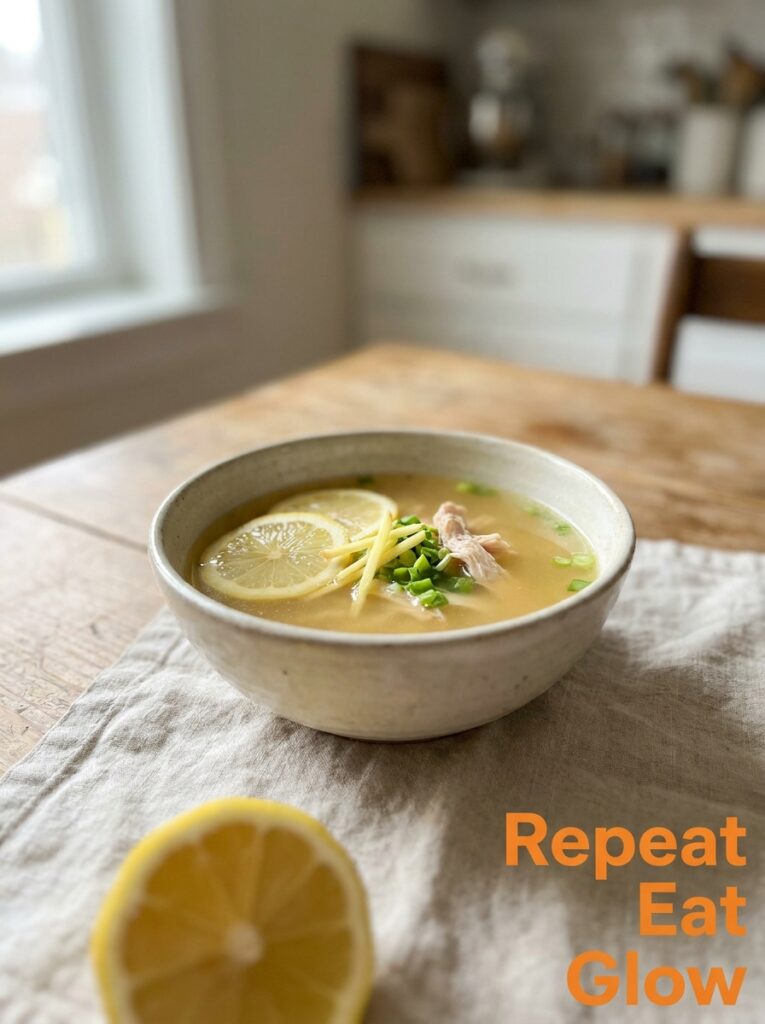
This one’s a bit different and I love it specifically because it tastes nothing like a typical ramen bowl.
Make your base broth with chicken stock, a lot of fresh ginger (more than you think — a full two-inch piece), and three or four strips of lemon zest. Simmer for 15 minutes to infuse. Pull out the lemon zest strips. Add a tablespoon of white miso stirred in off the heat. Season with a little salt.
It’s bright. Fragrant. Almost floral. Add shredded poached chicken and thin rice noodles instead of traditional ramen noodles and it becomes something almost closer to a very luxurious chicken noodle soup than a traditional ramen. Not a bad thing. A really good thing, actually, especially in January when you want something that feels like it’s healing something.
Top with fresh herbs — cilantro if you like it, thinly sliced spring onions, maybe a few slivers of chili. And eat it in a big bowl with a proper spoon, because this one deserves to be eaten slowly.
—
9. How to Use Leftover Ramen So It Doesn’t Go Sad in the Fridge
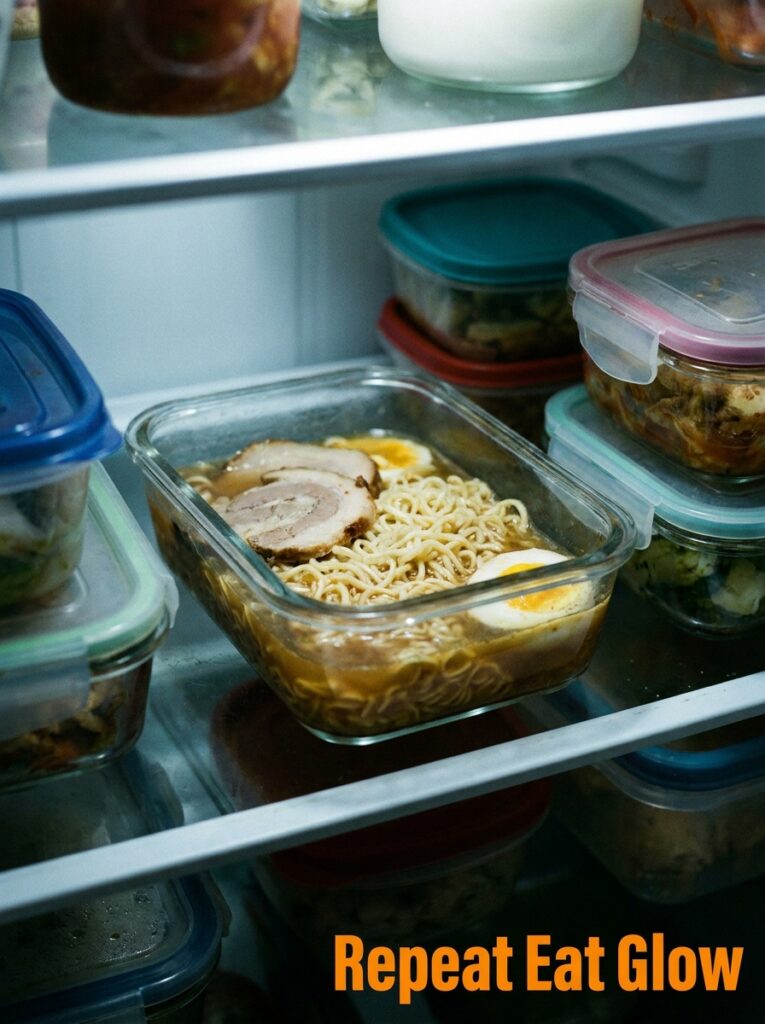
Leftover ramen is a whole thing. The noodles absorb all the broth overnight and turn into a slightly stodgy clump and it’s honestly a bit tragic. But there’s a way to save it.
Don’t store the noodles in the broth. This is the rule. Store them separately — noodles in one container, broth in another. The broth actually gets better overnight as it deepens and settles. The noodles just need a quick dip in boiling water to loosen them back up before you add them to the reheated broth.
If the noodles are already in the broth and they’re already a clump? Fry them. Seriously. Drop them in a hot pan with a tiny bit of oil, press them flat, and let them crisp on the bottom. Add a fried egg on top. It’s basically a ramen pancake and it’s one of those accidental discoveries that becomes a thing you intentionally make.
—
10. The 15-Minute Weeknight Version That Doesn’t Feel Like a Compromise
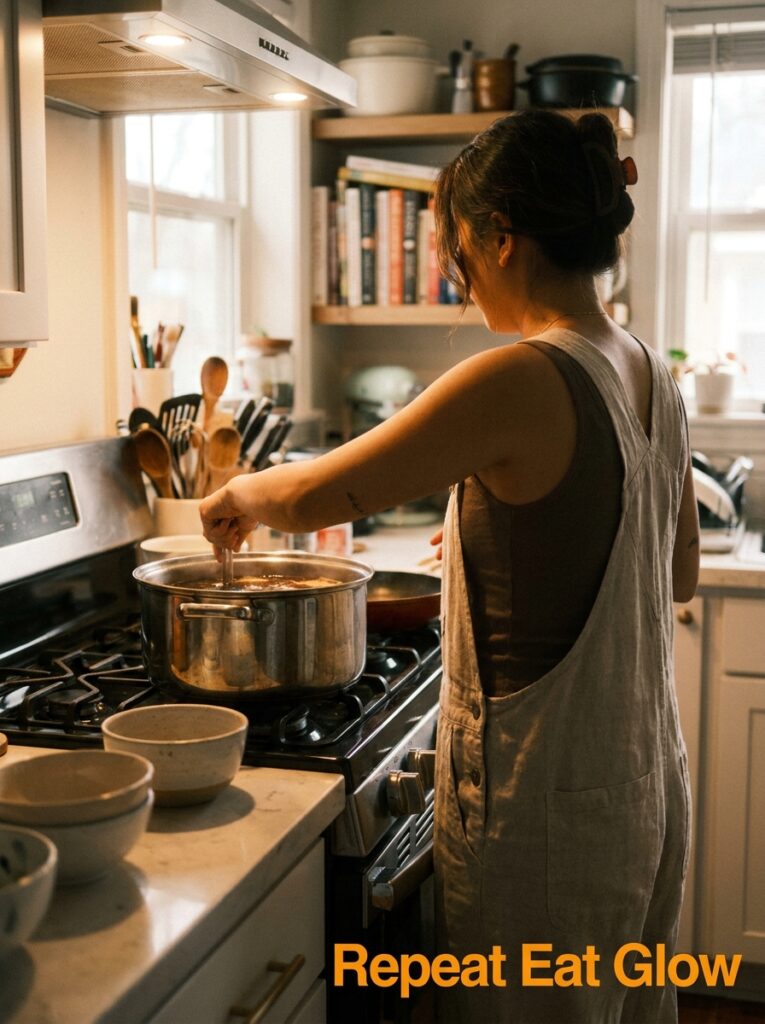
Sometimes you genuinely have 15 minutes. Possibly 12. And you want something warm and filling that isn’t just cereal or toast.
This version works. Chicken stock from a carton, brought to a simmer. Add a tablespoon of soy sauce, a teaspoon of garlic powder (not glamorous but quick), half a teaspoon of ginger paste from a tube if that’s what you have, and a teaspoon of sesame oil. Rotisserie chicken, shredded, straight in. Ramen noodles in for 3-4 minutes.
That’s it. Twelve minutes. And you know what? It’s GOOD. Not restaurant ramen, not deeply complex, but genuinely warm and flavorful and satisfying in a way that a frozen meal just isn’t.
The trick is using good-quality stock. If your stock tastes like salt water, your ramen tastes like salt water. The $3 organic carton is worth it.
—
11. The Thing About Ramen Noodles That Changes Everything
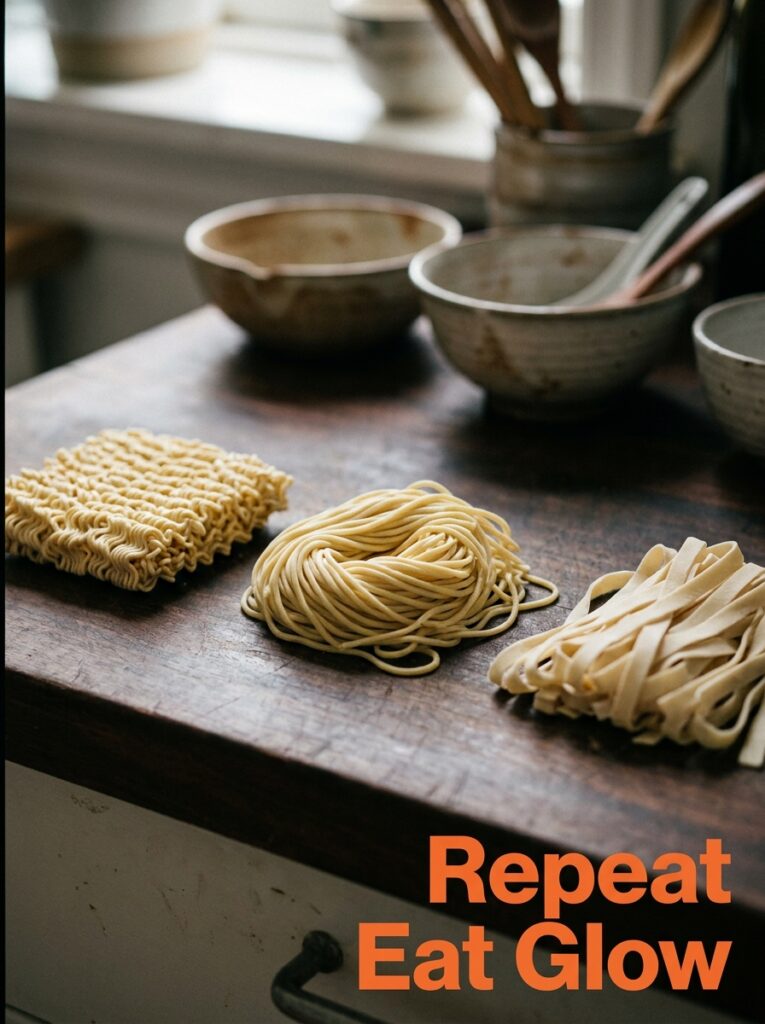
Can we talk about the noodles for a second? Because most people grab whatever’s in the packet and call it a day, and that works fine, but there’s a noodle decision happening here that matters.
The dried ramen noodles in the instant packets go mushy fast. Like, really fast. They’re also quite thin and they soak up broth aggressively, which means your broth disappears and your noodles go soft if you’re not eating immediately.
Fresh ramen noodles — from an Asian grocery, or sometimes even a regular supermarket these days — have a completely different texture. Chewier, springier, more of that satisfying QQ bite. Worth seeking out if you’ve never tried them. Or, in the UK, you can often find fresh udon noodles in supermarkets which also work brilliantly in a pinch — they’re thicker and chewier and hold up beautifully.
The noodle is doing half the work. Maybe more. Don’t treat it as an afterthought.
—
12. Building Your Ramen Muscle Memory (So You Stop Needing Recipes)
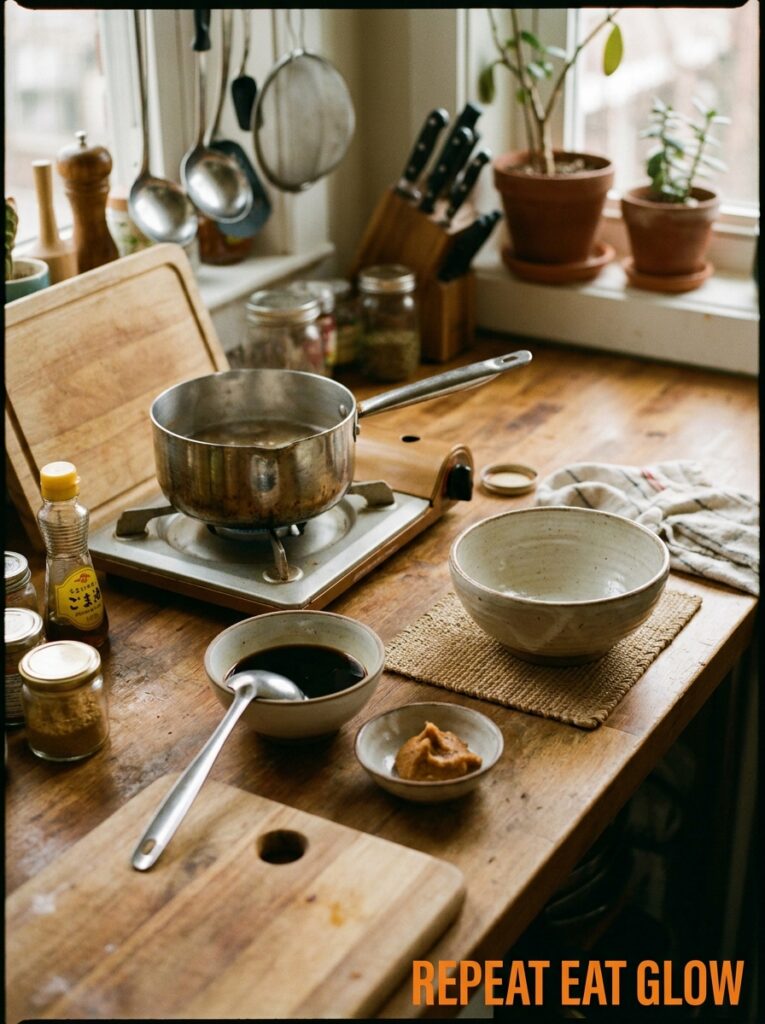
The longer you make ramen at home, the more you realize it’s less a recipe and more a formula. Broth + protein + noodles + fat + acid + crunch. That’s really all it is.
Once you’ve got that formula in your head, you can walk into your kitchen on a random weeknight with chicken, stock, random aromatics, and a block of noodles and make something genuinely good without looking anything up. That’s the goal, isn’t it? Not just a recipe, but a skill.
Start with one version — probably the spicy one, people always love the spicy one — and make it three or four times until it’s automatic. Then change one thing. Then another. And pretty soon you’ve got your version, with your adjustments, that’s become the thing your household asks for on cold nights or sick days or Fridays when nobody wants to figure out what’s for dinner.
That’s the whole point of learning to cook something, really. Making it yours.
—
❓ FAQ
Q: Can I use instant ramen packets for these recipes? A: Absolutely — just use the noodles and ditch the flavor packet, or use it sparingly alongside actual ingredients. The homemade broth is what does the heavy lifting here, so the noodle type matters less than you’d think.
Q: What’s the best cut of chicken for ramen? A: Thighs every time — they’re more flavorful, cheaper, and they don’t dry out when you simmer them. Breast works too but you’ll want to be careful not to overcook it or it gets stringy and a bit sad.
Q: How do I make my ramen broth deeper and more flavorful without cooking all day? A: Toast your aromatics first. Literally put ginger and garlic cut-side-down in a dry pan for 2 minutes until they get a little color before adding them to the stock. It adds a roasty, rounded flavor that’s hard to get otherwise and takes about 3 minutes of extra effort.
—
💭 Final Thoughts

Ramen is one of those dishes that gives back exactly what you put in. Even a small amount of care — a better broth, a properly cooked egg, a drizzle of sesame oil at the end — makes a difference you can actually taste. It doesn’t have to be complicated to be good. It just has to be intentional.
What’s the version you’ll make first?
