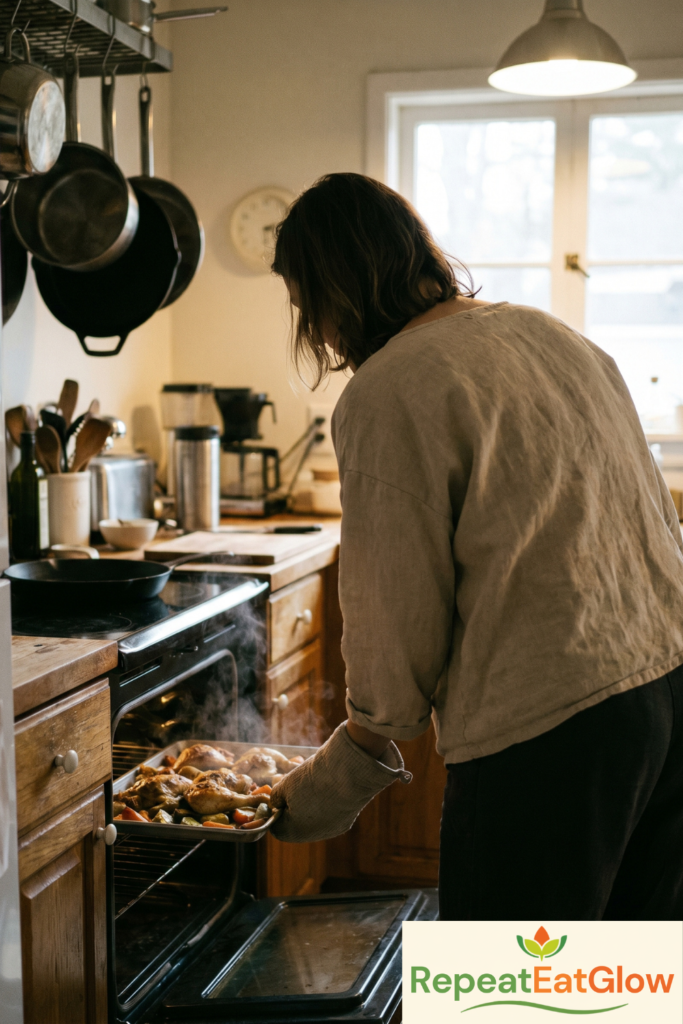
You know that 4pm panic? When you’re staring at a pack of chicken and absolutely nothing in your brain is firing? These recipes are the answer to that exact moment — reliable, oven-based, and genuinely delicious enough that your family will ask for them again.
—
1. The One-Pan Lemon Garlic Chicken That Tastes Like You Tried Really Hard
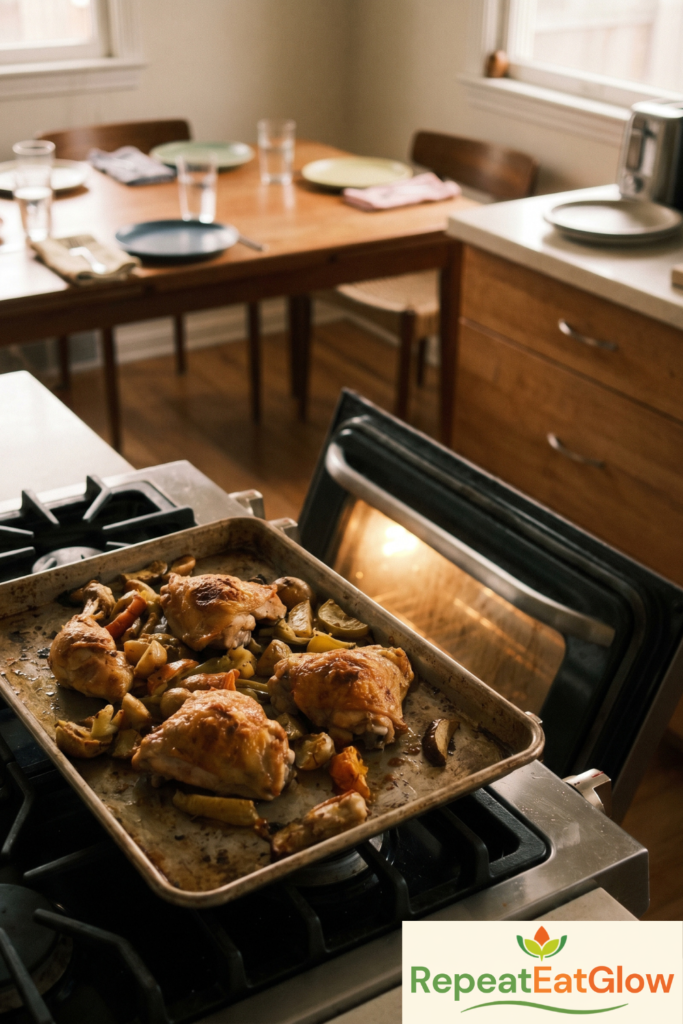
This is the recipe I make when I want to look like I spent hours in the kitchen but actually threw everything together in about eight minutes before sliding it into the oven.
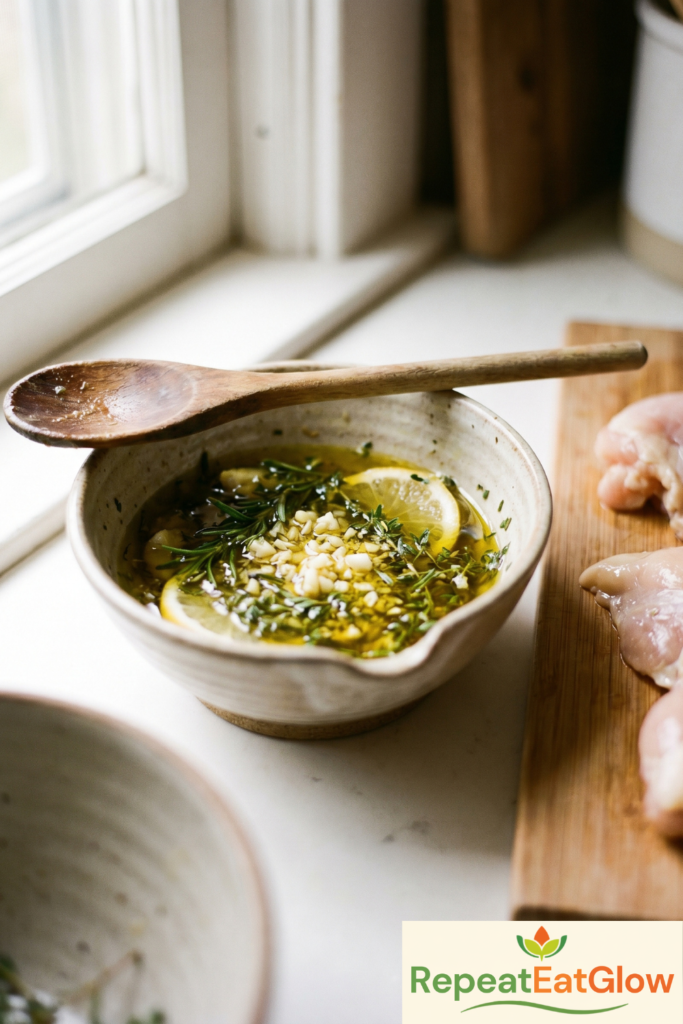
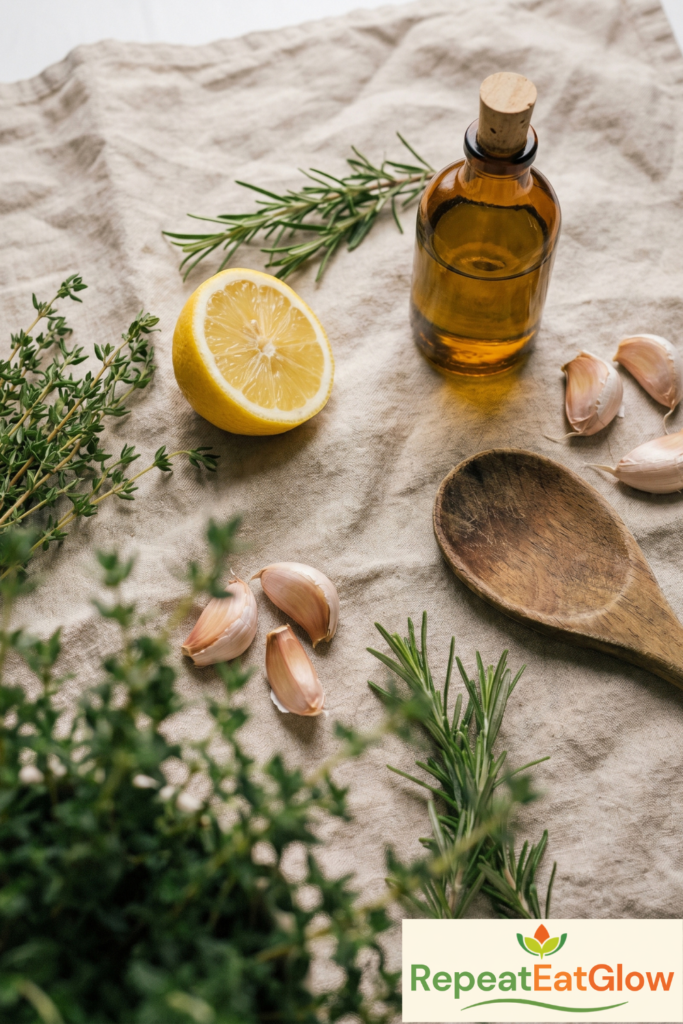
Here’s what makes it work: the combination of lemon juice, olive oil, whole garlic cloves, and dried herbs creates a sauce that caramelizes as it bakes, coating the chicken in something glossy and deeply savory. You need bone-in, skin-on chicken thighs for this — the skin crisps up and the bone keeps the meat juicy. Boneless chicken breasts will not give you the same result. I know, I know. But trust me.
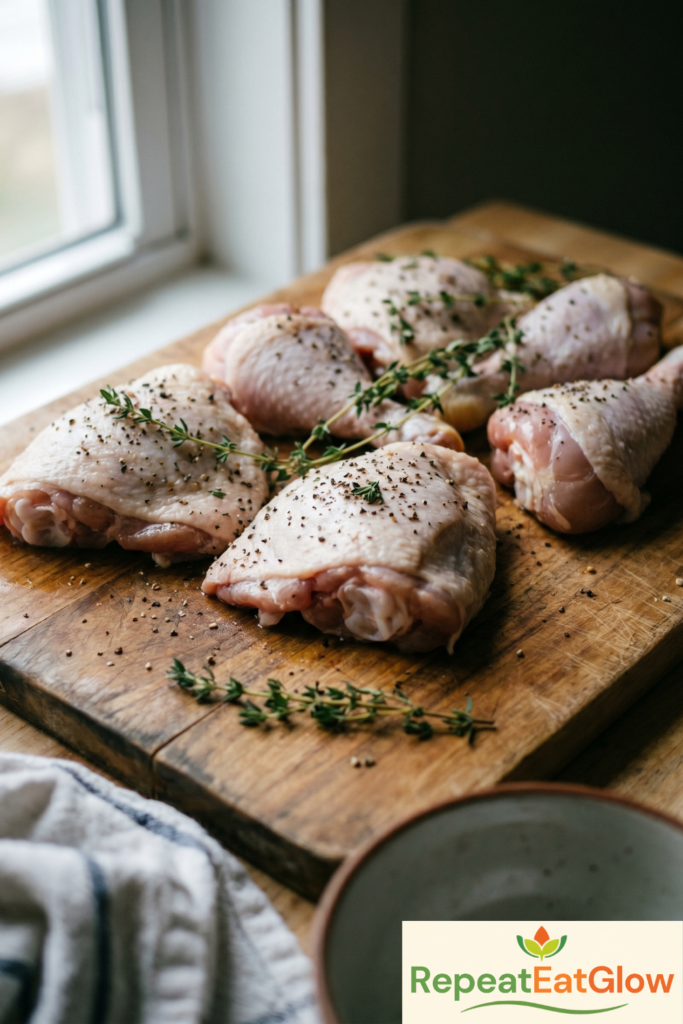
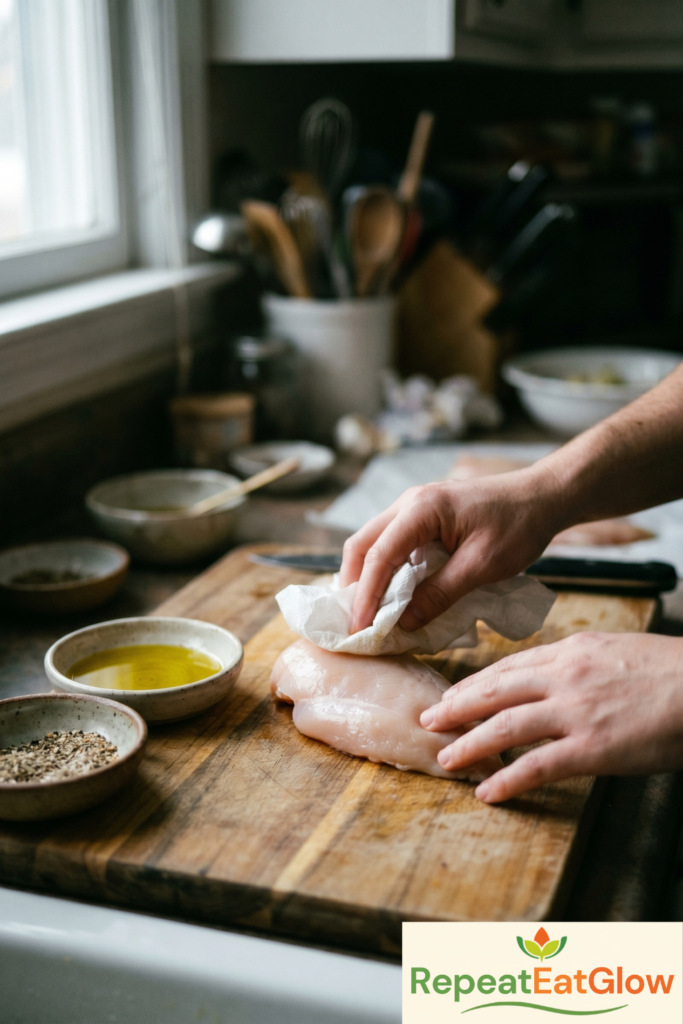
Pat the chicken dry before seasoning. This is the step most people skip and it’s the step that determines whether your skin goes crispy or steams into something sad and rubbery. Season aggressively with salt, pepper, and garlic powder. Nestle the pieces into a baking dish or a large cast iron skillet, scatter in whole unpeeled garlic cloves (they roast down into soft, sweet butter), pour over the lemon-olive oil mixture, and roast at 425°F / 220°C for 35–40 minutes.
The smell that comes out of that oven when the lemon hits the hot pan — it’s everything.
“Bone-in, skin-on thighs are not a preference. They’re a requirement.”
—
2. Why Sheet Pan Dinners Work Better When You Stop Crowding the Pan
Sheet pan chicken dinners are the weeknight dream, but there’s one mistake that ruins them every single time: too much food on too small a pan.
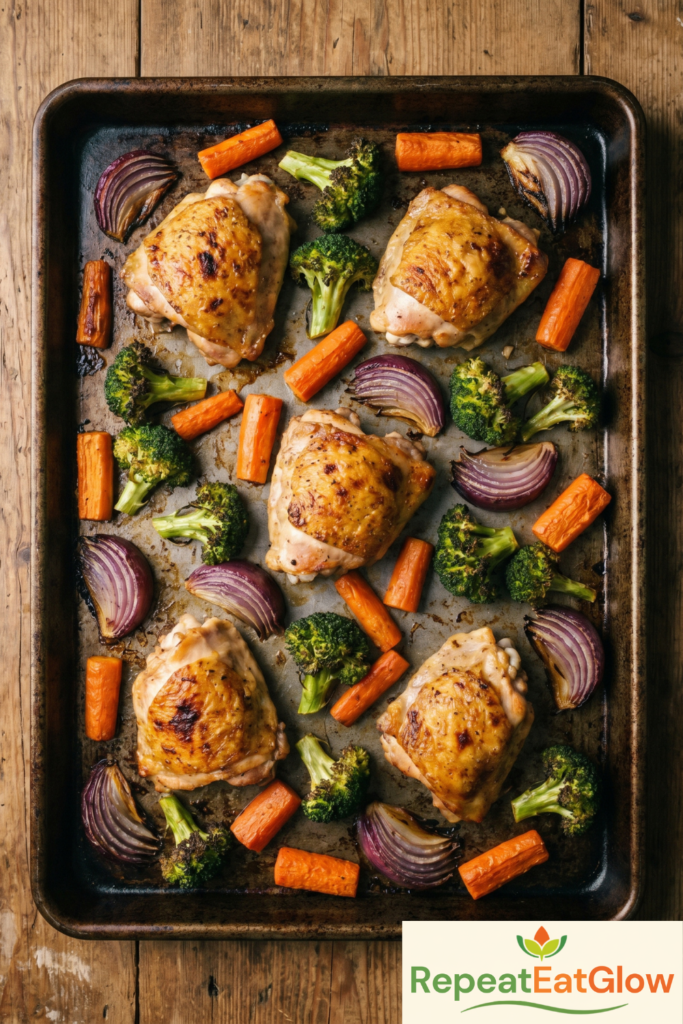
When vegetables and chicken are crammed together, they steam instead of roast. You end up with soggy broccoli and pale, soft chicken skin instead of the crispy, caramelized edges that make a sheet pan dinner worth eating. The fix is simple — use a large rimmed baking sheet, or use two. Give everything room to breathe.
For a classic version, toss chicken thighs with olive oil, smoked paprika, cumin, and a little honey. On the same pan, spread out chunks of red bell pepper, red onion, zucchini, and baby potatoes. Everything goes in at 400°F / 200°C, but the key is adding the chicken first for about 15 minutes, then sliding in the vegetables. Vegetables roast faster than bone-in chicken and they’ll burn if you don’t time it right.
Finish the whole thing with a handful of fresh parsley and a squeeze of lemon juice right before serving. The brightness cuts through all that roasted richness. It’s the detail that makes people say, “what did you put in this?”
—
3. The Honey Mustard Glaze That Convinced My Partner to Actually Like Chicken
For years, my partner thought they didn’t like chicken. Turns out, they just hadn’t had it glazed in the right combination of Dijon mustard, honey, apple cider vinegar, and a pinch of cayenne.
This glaze is the reason I keep a jar of whole grain Dijon in the fridge at all times now. The seeds add texture, the vinegar adds sharpness, the honey balances everything, and the cayenne adds just enough warmth that you notice it without identifying it. Mix it together in a small bowl and it smells extraordinary even raw.
Brush it over bone-in chicken pieces — thighs work beautifully, but split chicken breasts do too — and roast at 400°F / 200°C. Here’s the move: glaze once before it goes in, then again at the halfway point, and one final time in the last five minutes. Three coats. Every single layer builds flavor. The final result is a deep, mahogany-colored crust that looks like it came from a proper restaurant kitchen.
Serve it with mashed potatoes or roasted root vegetables. Something starchy and soft to catch the drips.
—
4. What Nobody Tells You About Baking Chicken Breasts Without Drying Them Out
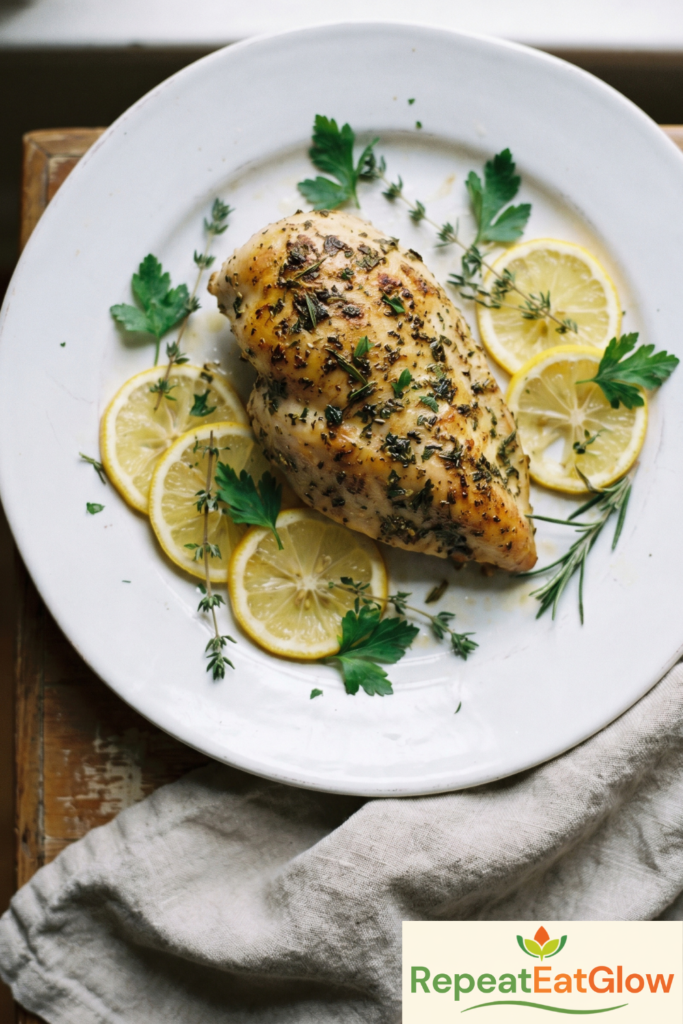
Chicken breast has a reputation it doesn’t entirely deserve. Yes, it goes dry. Yes, it can be chalky and flavorless. But that’s a cooking problem, not a chicken problem.
The single biggest mistake people make is roasting chicken breasts at too low a temperature for too long. High heat, shorter time. That’s the rule. At 425°F / 220°C, a medium-sized chicken breast takes about 20–25 minutes. At 350°F / 175°C, it takes longer and loses far more moisture in the process.
Pound your breasts to an even thickness before cooking — just cover them in plastic wrap and use a rolling pin. Uneven chicken means the thin end is overcooked by the time the thick end is safe to eat.
Brine if you have time. Even 30 minutes in salted water (one tablespoon of salt per cup of water) makes a measurable difference in juiciness. Season the surface with whatever you love — Italian herbs, smoked paprika and garlic, za’atar and lemon — and let it rest for five full minutes after it comes out of the oven before cutting into it. Cutting too soon is how you lose all the juice onto the cutting board.
“High heat. Less time. Rest before you cut. That’s the whole secret.”
—
5. The French-Inspired Chicken Dish That Requires Absolutely No Fancy Skills
Chicken Provençal sounds like something you’d order in a bistro in Lyon. It’s actually a dump-everything-in-one-dish situation that practically makes itself.
The base is simple: olive oil, onion, garlic, canned whole tomatoes, black olives, capers, fresh thyme, and a splash of white wine if you have it open (chicken stock works just as well). Brown the chicken pieces first in an oven-safe skillet or Dutch oven — this step adds a depth of flavor that you genuinely cannot skip. Then nestle the chicken into the tomato and olive mixture, cover loosely with foil or a lid, and roast at 375°F / 190°C for about 45 minutes.
What comes out is a rich, intensely savory braise that tastes like it cooked all day. The tomatoes break down into a sauce, the olives add brininess, the capers add a pop of sharpness, and the chicken absorbs all of it.
Serve it with crusty bread, creamy polenta, or fluffy white rice. Something to soak up every last drop of that sauce because you will not want to waste a single bit of it.
—
6. The Crispy Panko-Crusted Oven Chicken That Replaced Fried Chicken in Our House
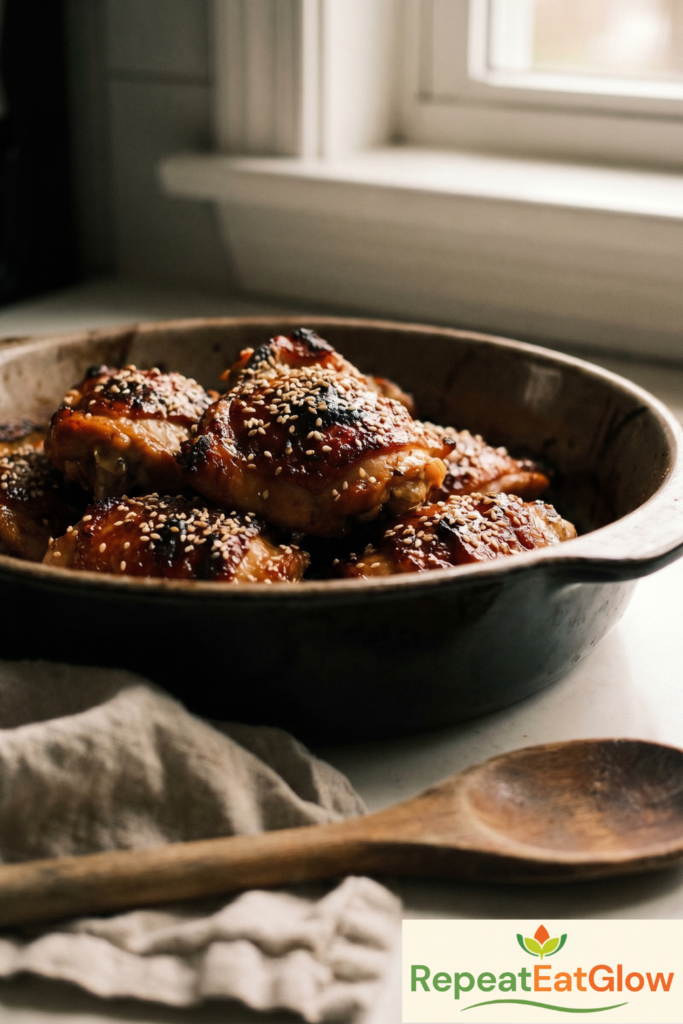
There’s a specific crunch when you bite through a good panko crust that makes everything feel worth it. It sounds like satisfaction.
The key to genuinely crispy baked chicken is panko breadcrumbs — not regular breadcrumbs, not crushed crackers, not cornflakes. Panko. The texture is coarser and drier, and it browns in the oven in a way that regular breadcrumbs simply don’t. Toast the panko in a dry skillet for two or three minutes before using it. The color goes from pale and beige to a warm golden brown, and that’s extra flavor you didn’t have to pay extra for.
Dip your chicken pieces in flour, then a beaten egg with a splash of hot sauce, then the toasted panko mixed with salt, pepper, garlic powder, and parmesan. Press the coating on firmly. Place on a wire rack set over a baking sheet — the rack elevates the chicken so hot air circulates underneath, preventing a soggy bottom.
Roast at 425°F / 220°C for 20–25 minutes for breasts, 30–35 for thighs. Do not flip. Leave it alone and let the oven do its work. The bottom will crisp up on the rack, the top will brown beautifully, and you’ll have something that genuinely competes with fried chicken without the oil and the mess.
—
7. The Reason Stuffed Chicken Breasts Are Actually Perfect for a Tuesday Night
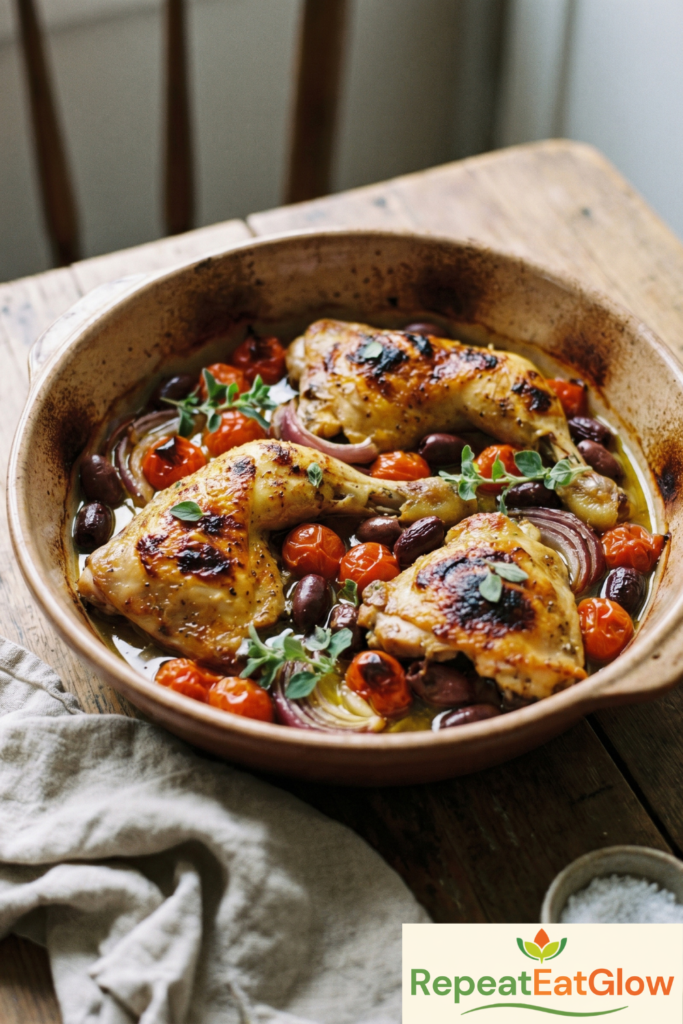
People assume stuffed chicken breasts are complicated. They’re not. They just look like they are, which is honestly even better.
The technique is simple: butterfly the chicken breast — slice horizontally almost all the way through so it opens like a book — add your filling, fold it closed, and secure with a couple of toothpicks. That’s it. The whole prep takes about ten minutes.
The filling is where you can get creative. A mixture of cream cheese, sun-dried tomatoes, fresh spinach, and garlic is classic and delicious. Mozzarella with basil and roasted red pepper is equally good. Even a simple combination of brie and caramelized onions works beautifully. The cheese melts inside and creates a sauce as the chicken roasts, keeping the meat moist from the inside out.
Season the outside well, sear briefly in an oven-safe skillet until golden, then transfer to the oven at 400°F / 200°C for 20–25 minutes. Let it rest. Remove the toothpicks before serving (an important step that I have embarrassingly forgotten twice).
“It looks restaurant-level. It takes twenty minutes. Tell absolutely no one.”
—
8. The BBQ Chicken Bake That Tastes Better Than Takeout
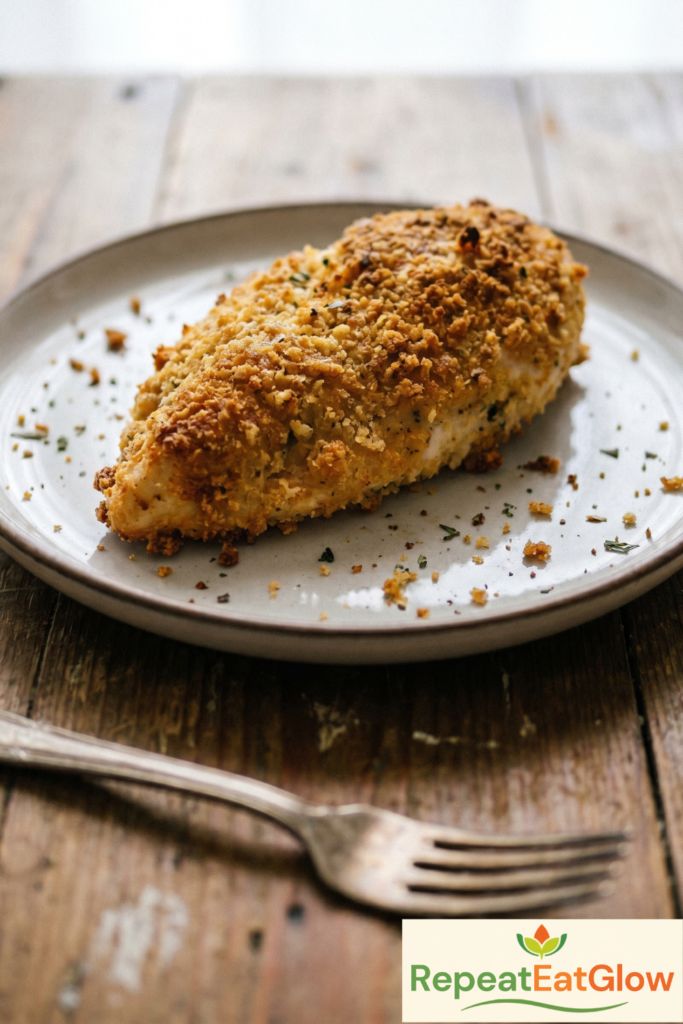
There’s something about slow-baked BBQ chicken that hits differently than anything you’d get in a box or a bag.
Start with a whole cut-up chicken or chicken pieces — thighs and drumsticks are the best choices here because they stay moist through a longer bake time and absorb the sauce more deeply. Mix your BBQ sauce with a tablespoon of apple cider vinegar, a teaspoon of smoked paprika, a little brown sugar, and a few drops of liquid smoke if you have it. Coat the chicken completely and let it sit for at least 30 minutes. An hour is better. Overnight in the fridge is the best it can be.
Roast at 375°F / 190°C for 45 minutes, uncovered, basting once halfway through with extra sauce. In the final 10 minutes, crank the oven up to 425°F / 220°C to get some char on the edges. This is the detail that makes the difference between “nice BBQ chicken” and “why does this taste like it came from a proper smokehouse?”
Serve with coleslaw, corn on the cob, and something cold to drink. It’s a whole mood.
—
9. What Happens When You Roast Chicken Over a Bed of Onions and Bread
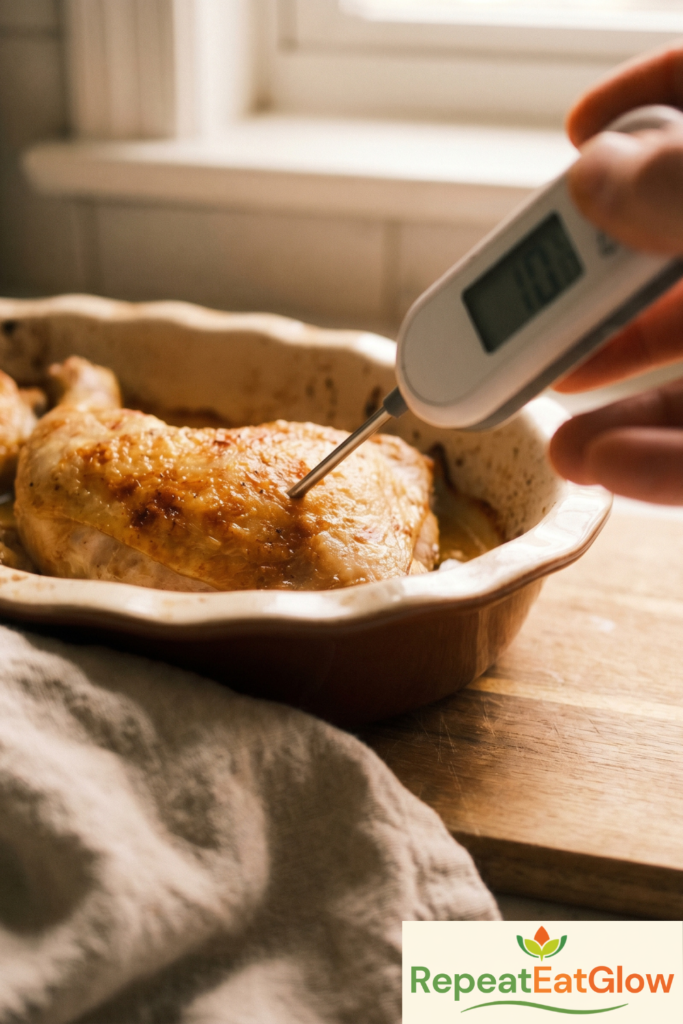
This is the recipe I think about most. It sounds unassuming and it consistently produces something extraordinary.
Slice a few large onions into thick rounds and lay them flat across the bottom of a roasting dish. Tear a couple of slices of stale bread into rough chunks and tuck them among the onions. The onions form a rack for the chicken and the bread soaks up every single drop of fat and juice that falls from the meat as it roasts — becoming something between a crouton and a savory stuffing, saturated with chicken fat and onion sweetness.
Season the chicken pieces generously and place them directly on top of the onion-bread base. Drizzle everything with olive oil. Roast at 425°F / 220°C for 40–45 minutes. The chicken skin goes deeply golden and crisp. The onions soften and caramelize. The bread turns crisp on top and almost custardy underneath.
This is the kind of recipe that becomes a signature. The kind people ask you to bring to dinner.
—
10. The Mediterranean Chicken Bake That Comes Together in One Dish and Zero Stress
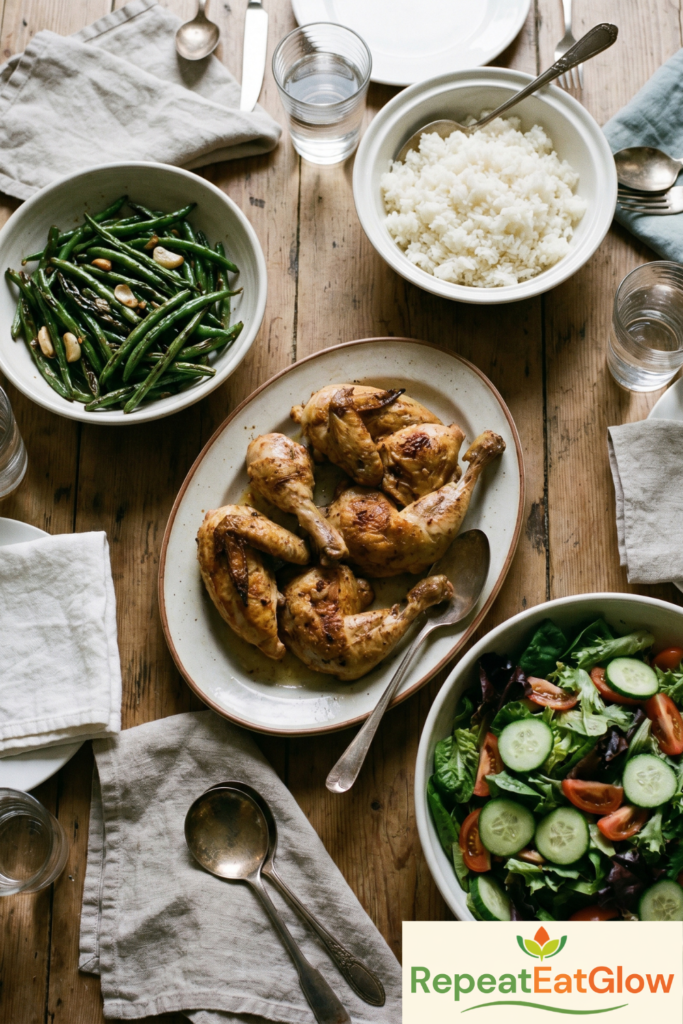
When I want dinner to feel effortless and still taste intentional, this is what I make.
In a large baking dish, combine cherry tomatoes, chickpeas (drained and rinsed), sliced red onion, kalamata olives, chunks of cucumber-free cucumber — actually scratch that, sliced bell peppers work better here — fresh or dried oregano, olive oil, lemon juice, and lemon zest. Season generously. Tuck bone-in chicken thighs into the mixture so they’re partially submerged.
Roast at 400°F / 200°C for 45–50 minutes until the chicken skin is deeply golden, the tomatoes have burst and collapsed into a jammy sauce, and the chickpeas have crisped slightly at the edges.
Finish with crumbled feta — the heat of the dish will soften it slightly into something creamy — and fresh flat-leaf parsley. It’s colorful, it smells incredible, and it genuinely could not be simpler to put together. One dish, no fuss, and it looks like a food magazine photograph.
—
11. The Forgotten Trick That Makes Roast Chicken Skin Genuinely Crispy Every Time
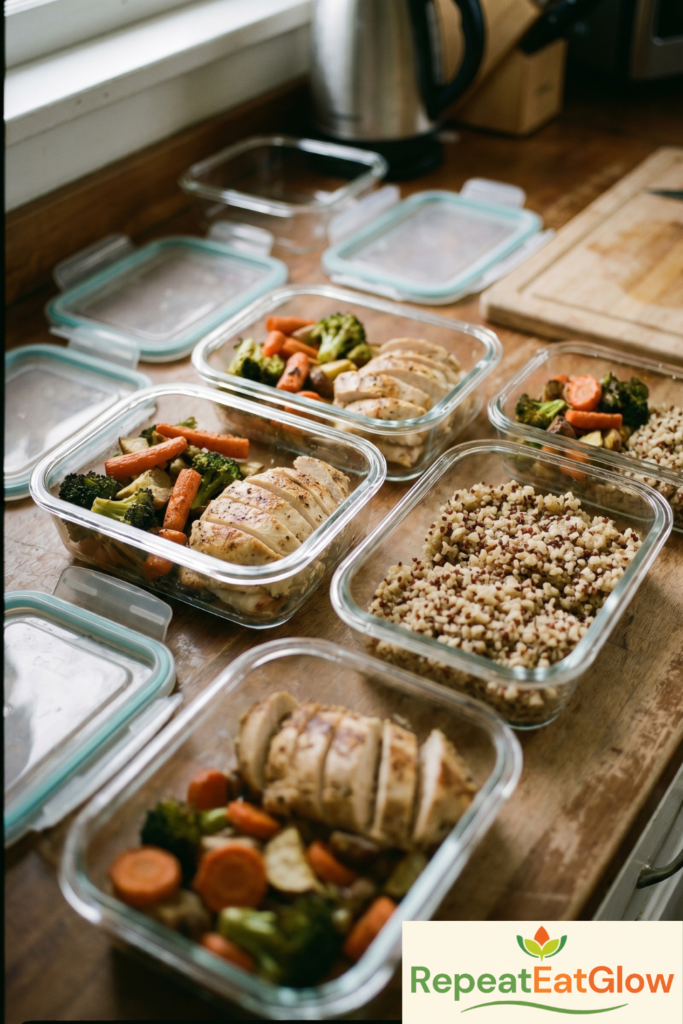
There’s one technique that every serious cook knows and most home cooks skip: dry the chicken completely and then let it sit uncovered in the refrigerator for at least an hour before cooking. Overnight is ideal.
Moisture is the enemy of crispiness. A wet surface steams rather than roasts. When you pull the chicken out of its packaging, pat it thoroughly dry with paper towels — every surface, every crevice. Season generously with salt and leave it uncovered in the fridge. The refrigerator air continues to dry the surface, drawing out more moisture and setting the stage for something genuinely spectacular.
When that dry, salted chicken hits a preheated 425°F / 220°C oven, the skin crisps within the first fifteen minutes in a way that just doesn’t happen with wet chicken. It turns a deep amber, almost lacquered color. It crackles slightly when you press it. It shatters when you bite through it.
This is not a minor improvement. It’s a completely different result. One hour of fridge time changes everything.
—
12. The Slow-Roasted Chicken Thighs That Make Sunday Feel Like Sunday Again
Low and slow isn’t usually the first instinct for a weeknight, but on a Sunday — or any day when you have a bit more time and want the whole house to smell like something wonderful is happening — slow-roasted chicken thighs are unbeatable.
At 300°F / 150°C, bone-in chicken thighs roast for about two hours. What happens in that time is almost magical. The fat renders slowly out of the skin, basting the meat continuously. The connective tissue in the thighs melts down into gelatin, giving the meat a richness and a tenderness you simply cannot achieve at high temperature. The skin, contrary to what you might expect, still crisps — it just takes a final blast at high heat in the last fifteen minutes to get there.
Season the thighs with salt, pepper, smoked paprika, and fresh thyme. Add sliced fennel, chunks of lemon, and a few sprigs of rosemary to the roasting dish. Pour in half a cup of white wine or chicken stock. Let the oven do all the work for two hours. Then crank the heat to 450°F / 230°C for 15 minutes to finish.
What you pull out of the oven is fall-apart tender, deeply flavored, and absolutely beautiful. This is Sunday chicken. This is the meal that makes people feel taken care of.
—
❓ FAQ
Q: What temperature is best for baking chicken in the oven? A: It depends on the cut. For bone-in pieces, 400–425°F / 200–220°C delivers great results in 35–45 minutes. For boneless breasts, 425°F / 220°C for 20–25 minutes keeps them moist. Lower temperatures like 375°F / 190°C work well for glazed or sauced chicken where you don’t want the sugars to burn.
Q: How do I know when oven-baked chicken is fully cooked? A: A meat thermometer is the most reliable method — chicken is safe at an internal temperature of 165°F / 74°C. For thighs and drumsticks, you can also check that the juices run clear when pierced at the thickest point. The meat should not be pink near the bone.
Q: Can I prep these oven chicken dinners ahead of time? A: Absolutely. Most of these dishes can be seasoned, marinated, or assembled in the baking dish up to 24 hours in advance and stored in the refrigerator. The longer chicken sits in a marinade or rub, the more flavor it absorbs. Just bring it closer to room temperature for about 20 minutes before roasting for more even cooking.
—
💭 Final Thoughts
Oven chicken is one of those beautiful things that looks different every time but always delivers. The oven does most of the work, and you get to feel like you’ve cooked something really worthwhile — because you have. There’s a reason these recipes keep showing up in everyone’s weekly rotation: they’re just good.
What’s your go-to chicken dinner right now — are you a glazed-and-sticky person, or do you lean toward something herby and simple?
