Looking for delicious eggplant and cabbage recipes that are simple enough for a weeknight meal? These two vegetables make a surprisingly versatile combination, whether you want something stir-fried, roasted, sautéed, or turned into a comforting one-pan dinner. Eggplant becomes tender and savory as it cooks, while cabbage adds sweetness, texture, and plenty of volume to the dish. Together, they can create flavorful meals without requiring expensive ingredients or complicated cooking techniques.
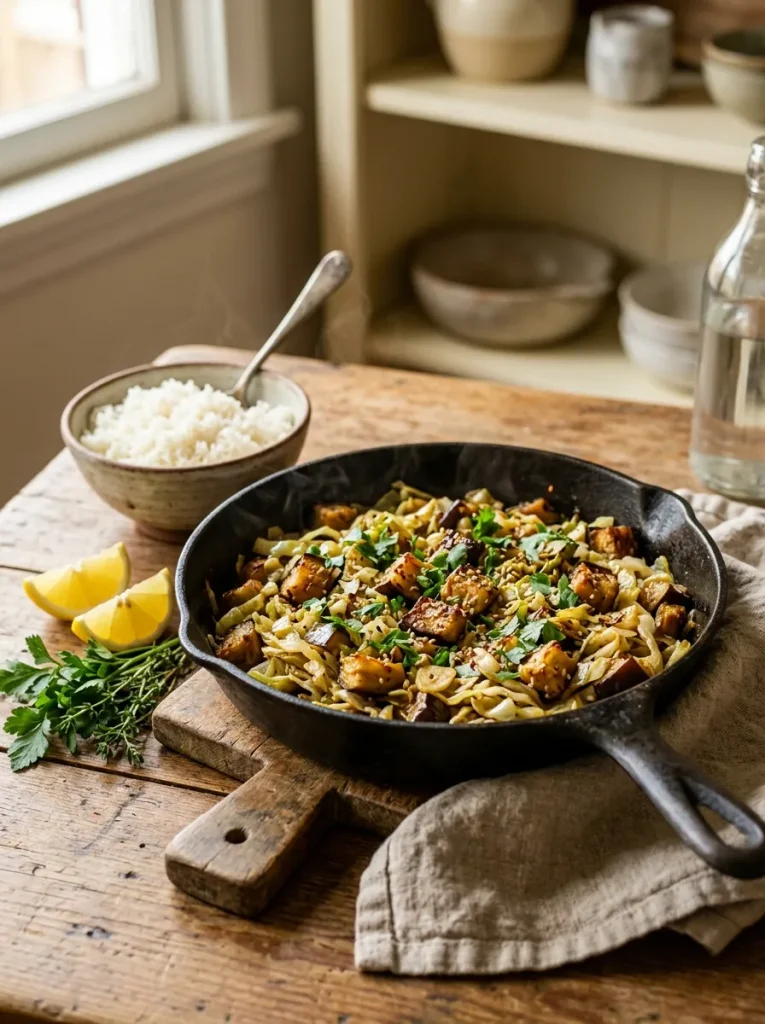
If you have eggplant and cabbage sitting in your refrigerator, there are many ways to turn them into satisfying meals. You can add garlic and soy sauce for an easy Asian-inspired skillet, tomatoes and herbs for a Mediterranean-style dish, or spices and chickpeas for a hearty vegetarian dinner. The recipes below focus on simple ingredients while giving you enough variety to keep these vegetables interesting. They are also easy to customize depending on what you already have in your kitchen.
1. Garlic Eggplant and Cabbage Stir-Fry
A quick stir-fry is one of the easiest ways to combine eggplant and cabbage. Cut one medium eggplant into bite-sized cubes and slice about four cups of cabbage into thin strips. Heat a tablespoon of oil in a large skillet, add the eggplant, and cook until it begins to soften and develop golden edges. Add sliced cabbage, minced garlic, a splash of soy sauce, and a little grated ginger, then stir-fry until the cabbage is tender but still has some texture.
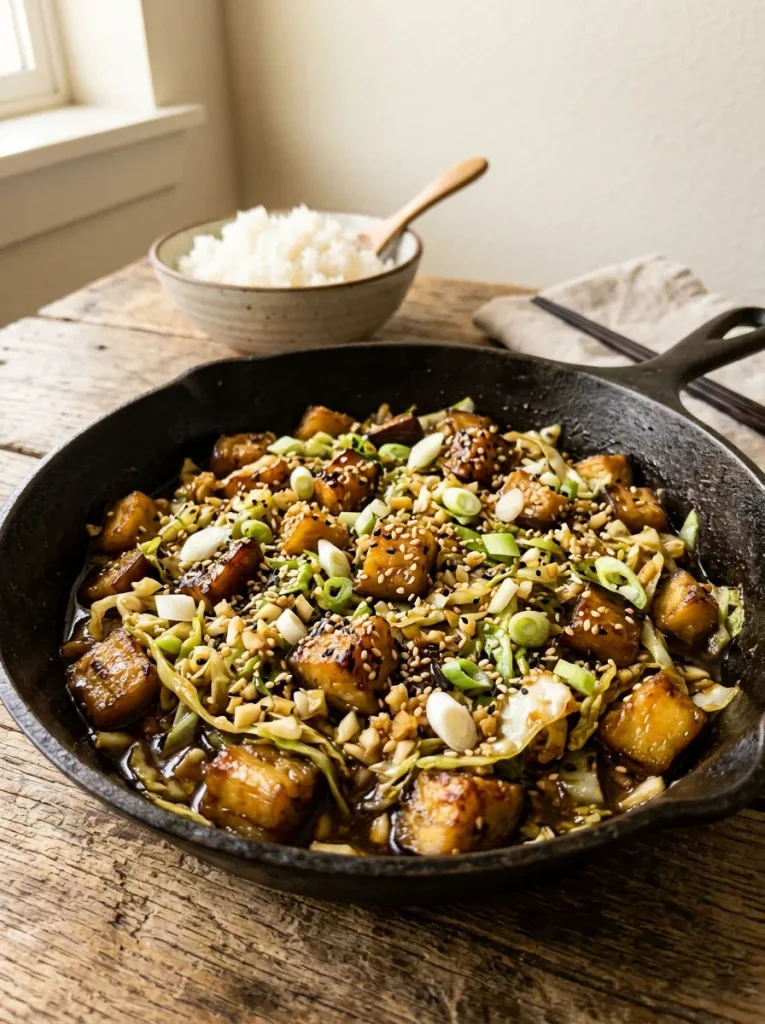
For extra flavor, add a teaspoon of sesame oil near the end of cooking. Red pepper flakes can provide a little heat, while sliced green onions add freshness. Serve this stir-fry over steamed rice or noodles for a quick vegetarian meal. You can also add tofu, mushrooms, or edamame if you want additional protein.
2. Roasted Eggplant and Cabbage With Garlic
Roasting brings out the natural sweetness of both vegetables while giving the eggplant delicious caramelized edges. Cut the eggplant into cubes and cabbage into chunky pieces, then toss everything with olive oil, minced garlic, salt, black pepper, and your favorite dried herbs. Spread the vegetables in a single layer on a large baking sheet so they have enough room to roast rather than steam.
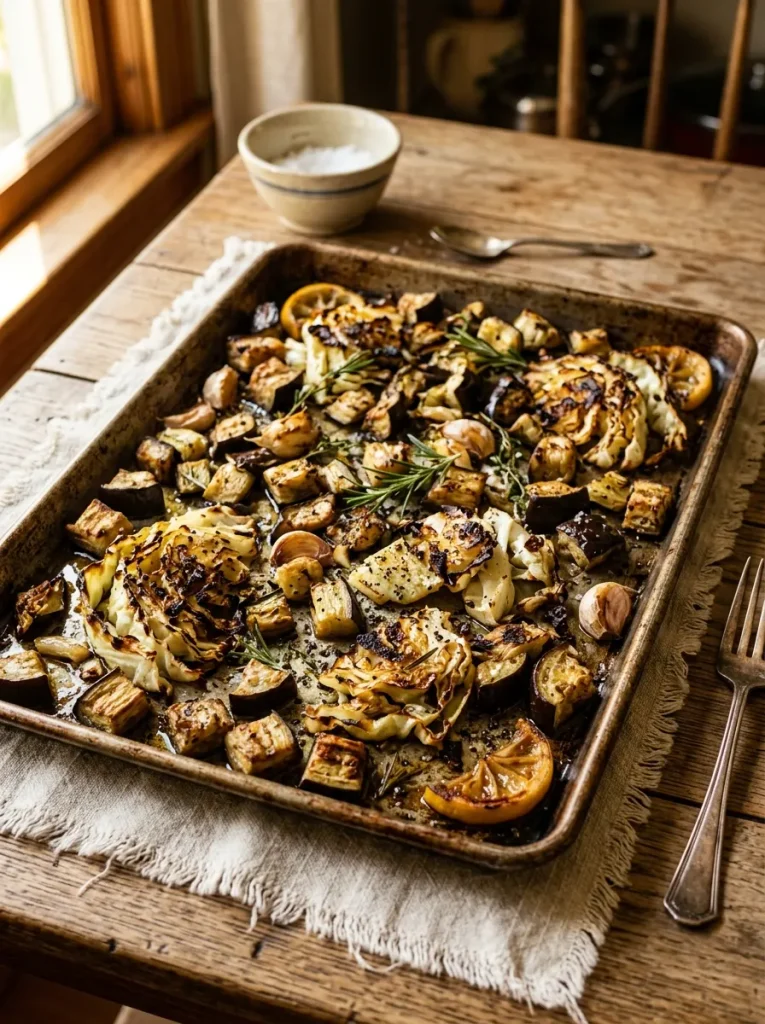
Bake at 425°F (220°C) for approximately 25–35 minutes, tossing once halfway through. The eggplant should become tender and browned, while the cabbage should develop crisp, caramelized edges. Finish with fresh parsley and a squeeze of lemon juice before serving. This simple roasted combination makes an excellent side dish or can be served over quinoa for a light vegetarian meal.
3. Eggplant and Cabbage Curry
Eggplant and cabbage work beautifully in a warmly spiced curry. Start by sautéing onion, garlic, and ginger in a little oil before adding curry powder, cumin, turmeric, and a pinch of chili powder. Add diced eggplant and sliced cabbage, followed by chopped tomatoes or canned tomatoes and a small amount of vegetable broth. Cover and simmer until the vegetables are tender and the sauce has thickened.
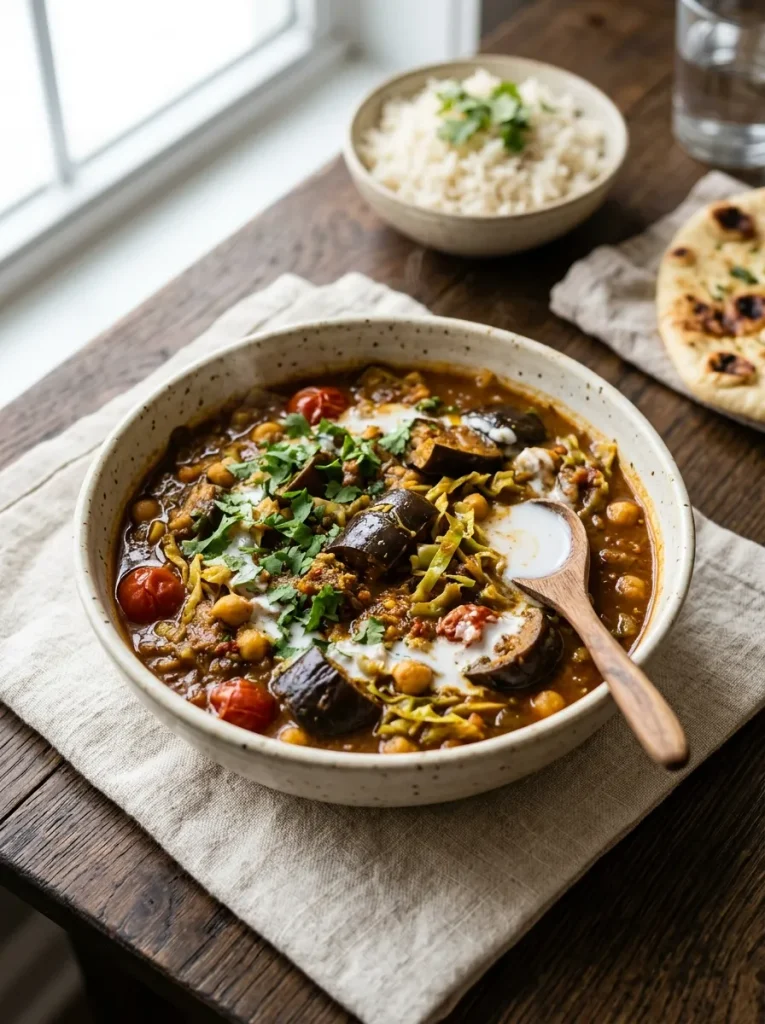
You can make the curry creamy by adding a little coconut milk toward the end. Chickpeas are another excellent addition if you want to turn the vegetable curry into a more filling main course. Serve it with basmati rice, quinoa, or warm flatbread. The flavors also become even better after sitting for a few hours, making this a useful meal-prep option.
4. Asian-Style Eggplant and Cabbage Skillet
For a fast dinner with bold savory flavor, try an Asian-inspired skillet. Sauté cubed eggplant until soft, then add shredded cabbage, garlic, ginger, and sliced carrots. Stir together soy sauce, rice vinegar, a small amount of maple syrup or honey, and sesame oil, then pour the mixture over the vegetables.
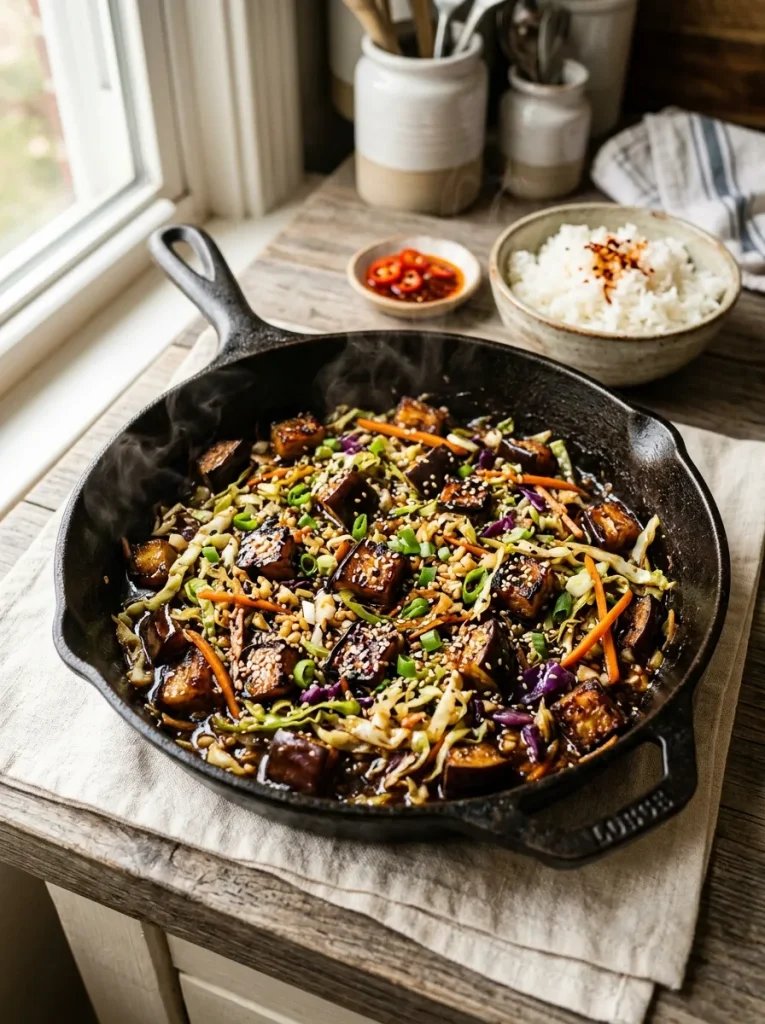
Cook everything for another few minutes until the cabbage reaches your preferred texture. Sprinkle the finished dish with sesame seeds and sliced green onions. If you enjoy spicy food, add chili crisp, sriracha, or red pepper flakes. Serve with rice for a complete meal or use the vegetable mixture as a filling for lettuce wraps.
5. Mediterranean Eggplant and Cabbage Bake
A Mediterranean-inspired vegetable bake is an easy way to turn these ingredients into a comforting dinner. Layer sliced cabbage and cubed eggplant in a baking dish with chopped tomatoes, garlic, onion, olive oil, oregano, and black pepper. Add chickpeas or white beans if you want more protein and substance.
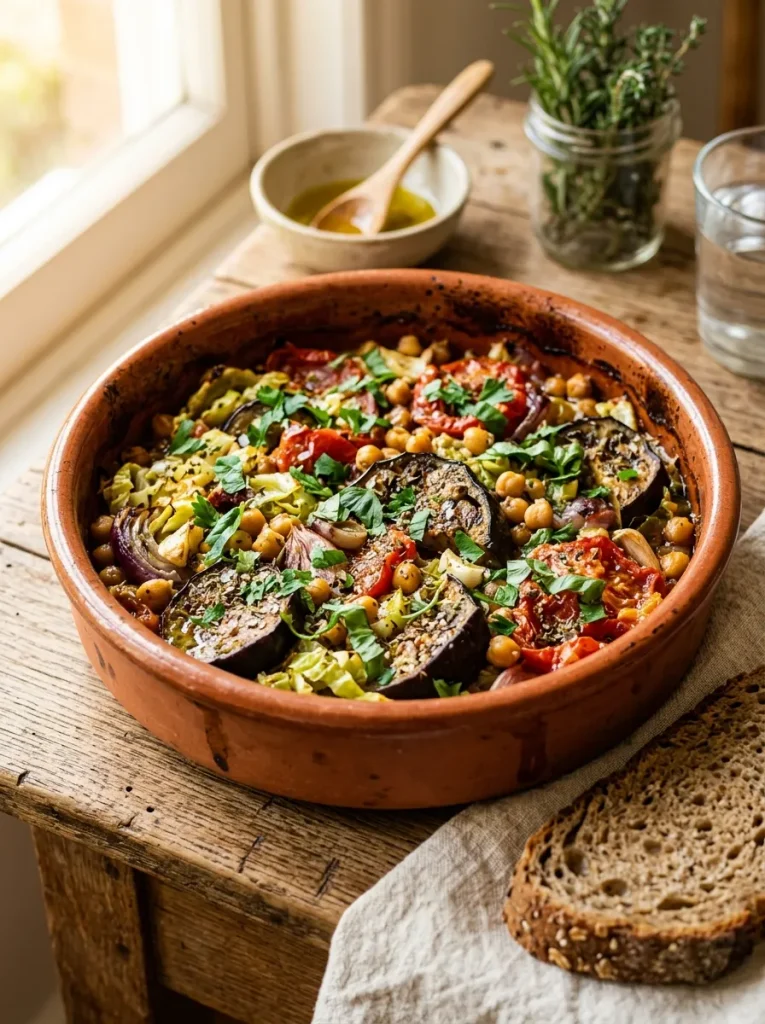
Cover the dish and bake until the vegetables become tender, then uncover it during the final portion of cooking so the top can caramelize. A sprinkle of fresh parsley or basil brightens the finished dish. You can also add crumbled feta if you are not following a dairy-free diet. Serve it with crusty whole-grain bread for an easy meatless meal.
6. Eggplant and Cabbage Tacos
Eggplant and cabbage can make an excellent taco filling when properly seasoned. Roast small cubes of eggplant with cumin, smoked paprika, garlic powder, chili powder, and olive oil until tender and browned. Meanwhile, quickly sauté shredded cabbage with lime juice and a pinch of salt to create a simple crunchy topping.
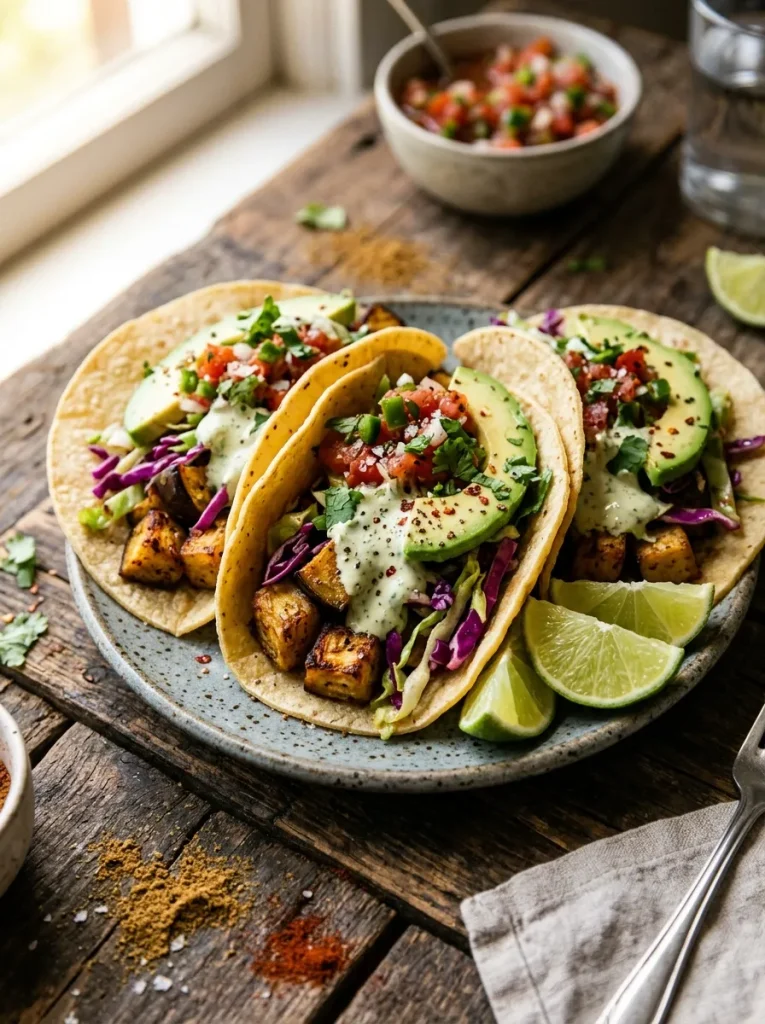
Fill warm corn or flour tortillas with the roasted eggplant and cabbage. Add avocado, fresh cilantro, salsa, or a spoonful of dairy-free yogurt for extra creaminess. A squeeze of fresh lime makes all the flavors pop. These vegetable tacos are especially useful when you want a meatless dinner that still feels hearty and satisfying.
7. Eggplant and Cabbage Soup
When you want something cozy, turn the vegetables into a simple vegetable soup. Sauté onion, garlic, carrots, and celery before adding diced eggplant and shredded cabbage. Pour in vegetable broth and add canned tomatoes, Italian herbs, salt, and pepper.
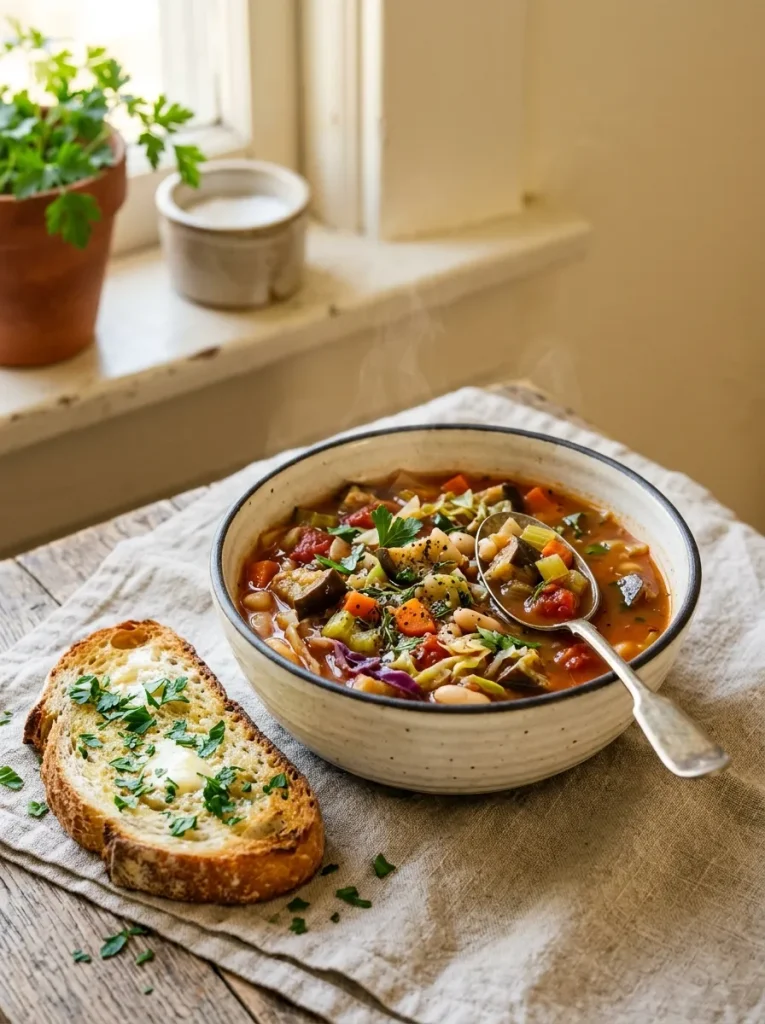
Simmer the soup for about 25–30 minutes, or until the eggplant and cabbage are completely tender. White beans or lentils can be added for protein and extra heartiness. For a slightly richer soup, stir in a tablespoon of tomato paste while sautéing the vegetables. Serve with toasted bread for a comforting lunch or dinner.
8. Eggplant and Cabbage Fried Rice
Leftover rice makes this recipe particularly quick and convenient. Cook diced eggplant in a hot skillet until tender, then add shredded cabbage, carrots, garlic, and green onions. Push the vegetables to one side and add cold cooked rice, allowing it to cook directly against the hot pan for a few minutes before mixing everything together.
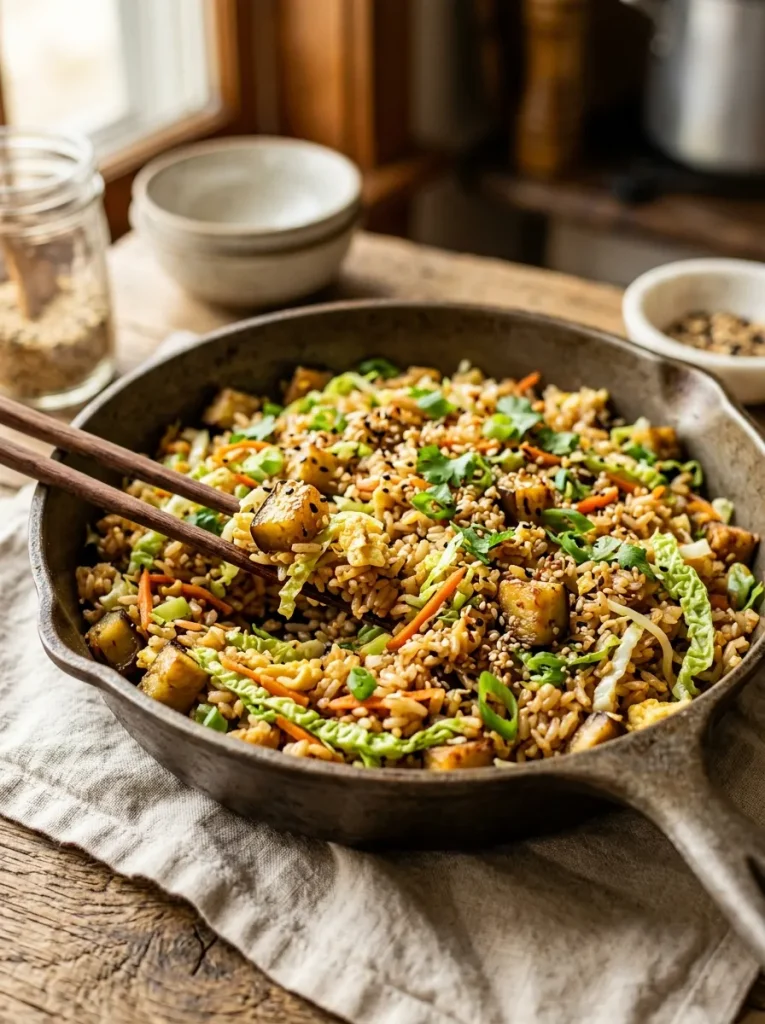
Season with soy sauce, sesame oil, and a little black pepper. Add tofu or edamame for a plant-based protein boost. If you eat eggs, a scrambled egg can also be stirred through the rice. This is a great way to use leftover vegetables and rice instead of letting them go to waste.
9. Spicy Eggplant and Cabbage Sauté
If you enjoy dishes with a little heat, make a spicy skillet using chili flakes and smoked paprika. Sauté onion and garlic, then add cubed eggplant and cook until it begins to soften. Add shredded cabbage, smoked paprika, chili flakes, salt, and a splash of vegetable broth.

Cover the pan briefly to help the cabbage soften, then remove the lid and continue cooking until excess moisture evaporates. A squeeze of lemon or lime balances the spicy flavor. You can serve the sauté as a side dish or spoon it over rice, couscous, or quinoa for a simple vegetarian dinner.
10. Eggplant and Cabbage With Chickpeas
Adding chickpeas is one of the easiest ways to make eggplant and cabbage more filling. Roast or sauté the eggplant until browned, then add cabbage and cooked chickpeas to the pan. Season everything with cumin, coriander, garlic, paprika, salt, and black pepper.
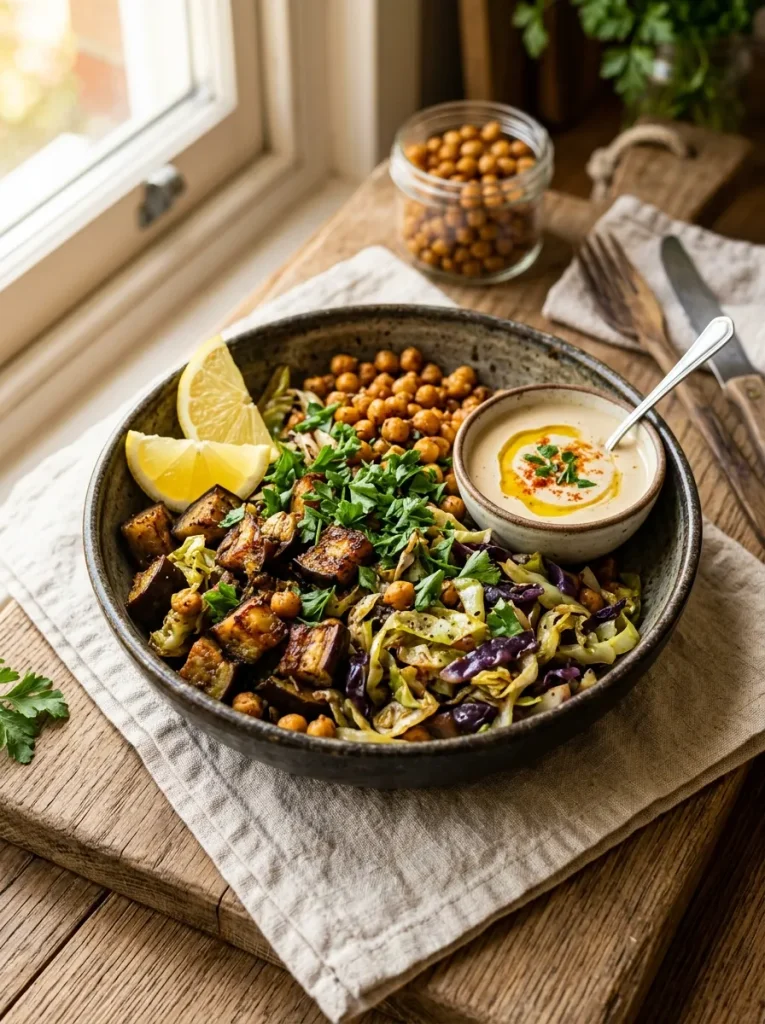
Cook until the cabbage becomes tender and the chickpeas develop lightly crisp edges. Finish with lemon juice and chopped parsley. For a creamy element, serve the dish with tahini sauce or plain plant-based yogurt. It works well as a meal-prep lunch because the flavors hold up nicely when reheated.
11. Eggplant and Cabbage Noodles
For a satisfying noodle dinner, stir-fry eggplant and cabbage before tossing them with cooked noodles. Rice noodles, soba noodles, or whole-wheat noodles can all work depending on the flavor profile you prefer. Add garlic, ginger, soy sauce, rice vinegar, and sesame oil for a simple savory sauce.
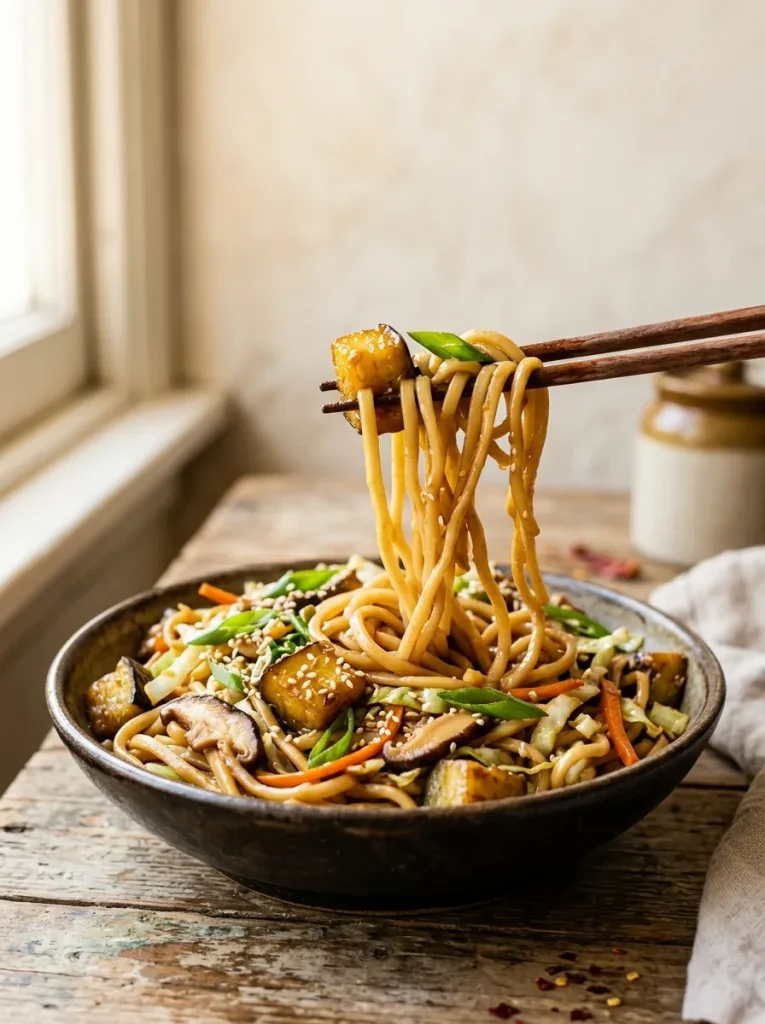
Thinly sliced carrots, bell peppers, mushrooms, or green onions can be added to the skillet. For more protein, include tofu or shelled edamame. Keep the vegetables slightly crisp rather than overcooking them so the dish has a better contrast of textures. Finish with sesame seeds and chili flakes if desired.
12. Eggplant and Cabbage Hash
A vegetable hash is perfect for breakfast, lunch, or a quick dinner. Dice eggplant and sauté it with onion and potatoes until the potatoes become golden and tender. Add shredded cabbage during the final stage of cooking so it softens without becoming mushy.

Season the hash with smoked paprika, garlic powder, black pepper, and fresh herbs. If you eat eggs, top each serving with a fried or poached egg for additional protein. For a vegan version, serve it with avocado, beans, or a spoonful of hummus. The result is an inexpensive meal that makes excellent use of basic vegetables.
How to Cook Eggplant Without Making It Mushy
Eggplant naturally becomes soft when cooked, but there are a few tricks that help you achieve better texture. First, avoid overcrowding the pan because too many vegetables release moisture and cause the eggplant to steam. Cooking eggplant over medium-high to high heat also helps it develop browned edges before becoming completely soft.
Roasting is another excellent technique because the dry oven heat encourages caramelization. Toss the eggplant with enough oil to coat it lightly, but avoid soaking it because excessive oil can make eggplant heavy. If you are sautéing it, allow the pieces to sit against the hot pan long enough to brown before stirring frequently.
Tips for Cooking Eggplant and Cabbage Together
Because cabbage and eggplant cook at different rates, adding them at exactly the same time is not always ideal. Eggplant usually benefits from getting a head start, particularly when you want browned edges. Once it has begun to soften, cabbage can be added so it retains some texture rather than becoming overly soft.
Cutting the vegetables into similarly sized pieces can also make cooking easier. Keep cabbage slices relatively thin for stir-fries and thicker wedges for roasting. Taste the dish near the end and adjust the salt, acidity, spice, or herbs according to the recipe style.
Easy Ingredients to Add for More Flavor
These vegetables have mild flavors, which means they pair well with strong seasonings. Garlic, ginger, onions, chili flakes, smoked paprika, cumin, curry powder, oregano, and fresh herbs can all transform the basic combination. Soy sauce, lemon juice, lime juice, vinegar, and tahini are useful for adding savory or acidic notes.
For additional texture, try chickpeas, lentils, tofu, nuts, or seeds. Tomatoes can add moisture to braised dishes, while coconut milk creates a creamy curry. Once you have the basic eggplant-and-cabbage combination, you can take it in many different culinary directions.
Final Thoughts
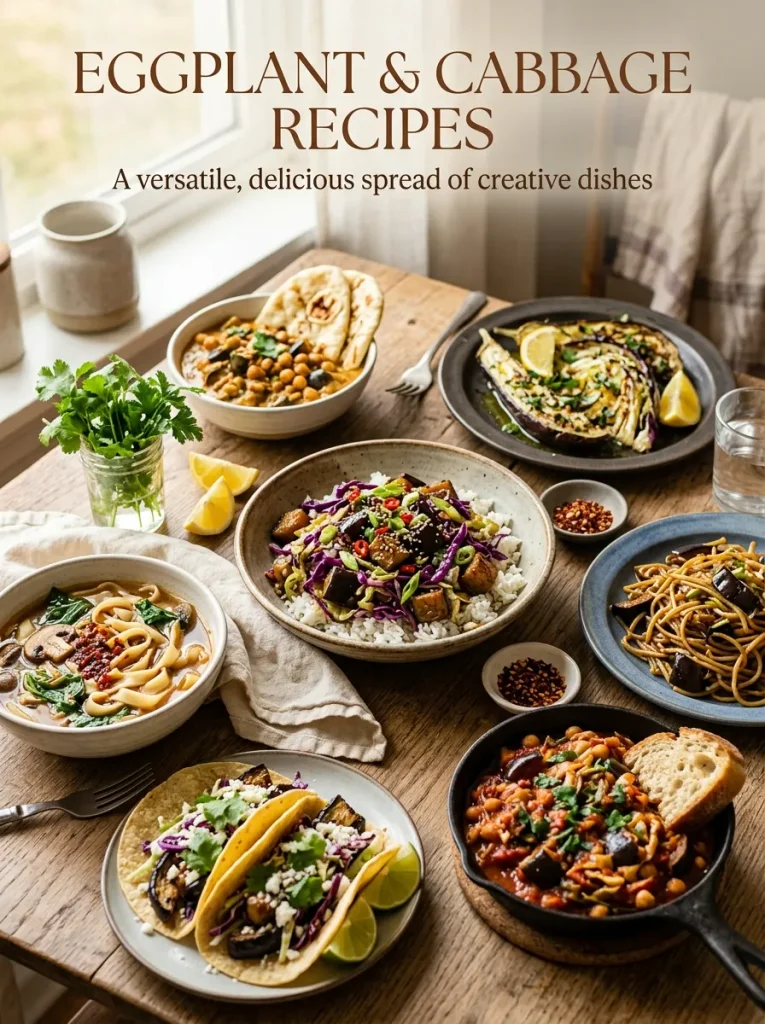
These eggplant and cabbage recipes show just how versatile two simple vegetables can be. From quick stir-fries and roasted vegetables to hearty curries, tacos, soups, noodles, and chickpea skillets, there are plenty of ways to use them together. The key is balancing the soft texture of eggplant with cabbage’s natural sweetness and choosing seasonings that give the dish plenty of character. Whether you are looking for an easy vegetarian dinner or simply trying to use vegetables already in your refrigerator, these recipes are a delicious place to start.
