Making your own easy homemade pesto sauce is one of the simplest ways to add fresh, flavorful ingredients to everyday meals. Classic pesto combines fresh basil, garlic, Parmesan cheese, pine nuts, olive oil, and a little salt to create a rich and creamy sauce in just minutes. Unlike many store-bought sauces, homemade pesto has a bright herb flavor and a fresh texture that can instantly improve pasta, sandwiches, vegetables, chicken, and more. The best part is that you don’t need any complicated cooking skills to make it at home.
This simple pesto recipe is perfect for busy weeknights because there is no stovetop cooking involved. Just add the ingredients to a food processor or blender, pulse until combined, and adjust the texture to your liking. You can make it smooth and creamy or leave it slightly chunky for a more rustic homemade texture. Once you try fresh pesto, you may find yourself keeping a batch in the refrigerator for quick meals throughout the week.
Ingredients for Easy Homemade Pesto
The ingredient list for traditional pesto is short, but using fresh ingredients makes a noticeable difference. Fresh basil should be bright green and free from wilted or damaged leaves. Good-quality extra-virgin olive oil and freshly grated Parmesan also help give the sauce a richer and more balanced flavor.
- 2 cups packed fresh basil leaves
- 1/2 cup freshly grated Parmesan cheese
- 1/3 cup pine nuts
- 2 garlic cloves
- 1/2 cup extra-virgin olive oil
- 1/4 teaspoon salt, or to taste
- 1–2 teaspoons fresh lemon juice, optional
Pine nuts provide the classic nutty flavor associated with traditional pesto, but they are not the only option. Walnuts, almonds, cashews, or sunflower seeds can work well if you don’t have pine nuts available. Freshly grated Parmesan is preferable to pre-shredded cheese because it blends more smoothly into the sauce. Lemon juice is optional, but a small amount can add brightness and help balance the richness of the olive oil and cheese.
How to Make Homemade Pesto Sauce
Begin by washing the basil leaves gently and drying them thoroughly. Excess water can make the pesto watery, so use a salad spinner or pat the leaves dry with a clean kitchen towel. Add the basil, pine nuts, garlic, Parmesan, and salt to a food processor. Pulse several times until the ingredients are finely chopped and begin to form a coarse mixture.
With the food processor running, slowly drizzle in the olive oil. Continue processing until the pesto reaches your preferred consistency, scraping down the sides if necessary. Add the lemon juice if you’re using it, then taste and adjust the salt or Parmesan. The entire process usually takes only a few minutes, making this an especially convenient homemade sauce.
The Secret to Fresh-Tasting Pesto
One of the most important tips for good pesto is not to over-process the basil. Blending for too long can make the sauce overly smooth and may cause the basil to lose some of its fresh character. Short pulses allow you to control the texture while keeping the ingredients from becoming completely pureed. If you prefer a rustic pesto, stop processing while you can still see tiny pieces of basil and nuts.
Using fresh basil is equally important. Basil that has been sitting in the refrigerator for too long may have darkened leaves and a weaker flavor. Look for vibrant green leaves and use them as soon as possible. Freshly grated Parmesan, quality olive oil, and freshly peeled garlic will also make the finished pesto taste much more flavorful.
Should You Toast the Pine Nuts?
Toasting pine nuts is optional, but it can give your pesto a deeper, nuttier flavor. Place them in a dry skillet over medium-low heat and cook for a few minutes, stirring frequently. Remove them as soon as they become lightly golden because nuts can go from toasted to burnt very quickly. Allow them to cool before adding them to the food processor.

For a brighter, more delicate pesto, you can skip toasting the nuts completely. Raw pine nuts produce a softer nutty flavor that lets the fresh basil remain the star of the sauce. Both versions are delicious, so the choice comes down to your preferred flavor. If you’re making pesto for the first time, try the classic raw-nut version before experimenting with toasted nuts.
How to Make Pesto Without Pine Nuts
You don’t need pine nuts to make delicious homemade pesto. Walnuts are one of the easiest substitutes because they provide a rich, slightly earthy flavor that pairs beautifully with basil and Parmesan. Cashews create a particularly creamy pesto, while almonds give the sauce a slightly firmer texture and more noticeable crunch. Sunflower seeds are another useful option if you need a nut-free alternative.

The amount of substitute can generally remain similar to the amount of pine nuts in the recipe. If the mixture seems too thick after blending, add a little extra olive oil until you reach the desired consistency. Taste the sauce after making the substitution because different nuts and seeds can change the overall flavor. A little extra Parmesan, lemon juice, or salt can help bring everything into balance.
How to Make Creamy Pesto
Traditional pesto is already creamy because of the olive oil, Parmesan, and finely processed ingredients. If you want an even creamier sauce, you can add a spoonful of Greek yogurt, cream cheese, ricotta, or heavy cream. These additions create a softer sauce that works especially well with pasta. Start with a small amount so the creamy ingredient doesn’t overpower the fresh basil flavor.
Another simple option is to combine pesto with a little warm pasta water. The starchy water helps loosen the pesto and allows it to coat pasta more evenly. This is particularly useful when your pesto has become thick after refrigeration. Add the water gradually until the sauce reaches a smooth, silky consistency.
Easy Homemade Pesto Pasta
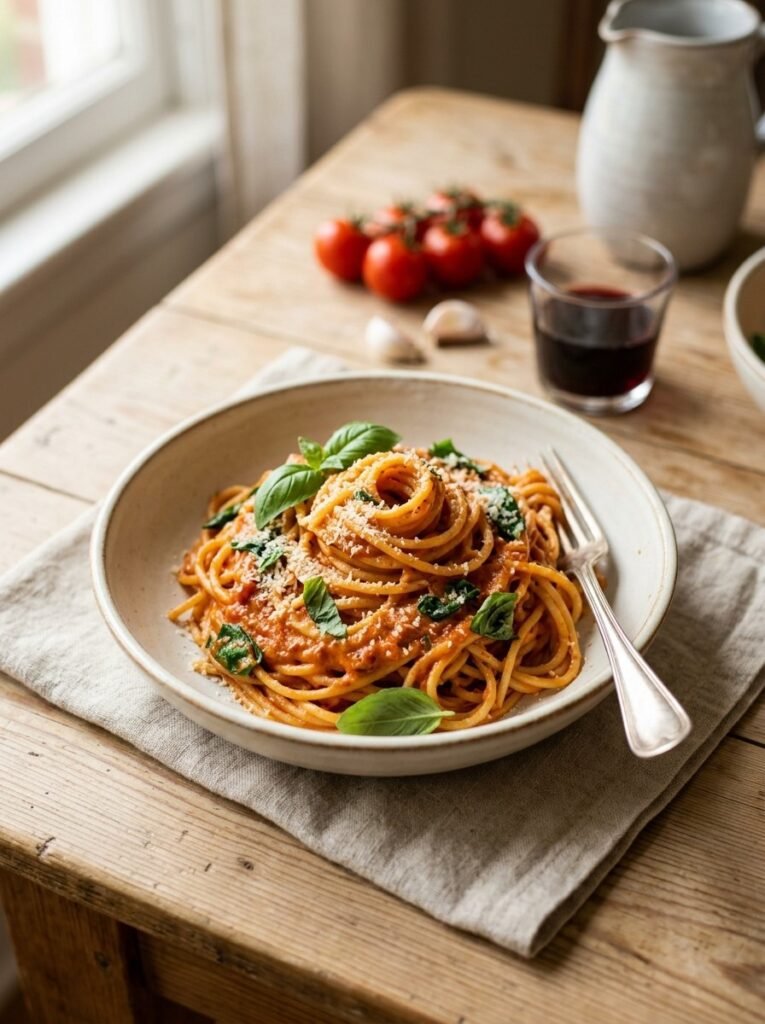
Pesto pasta is one of the quickest meals you can make with this sauce. Cook your favorite pasta according to the package directions and reserve a little pasta water before draining. Toss the hot pasta with several spoonfuls of pesto and add a splash of pasta water until the sauce coats every piece. Finish with extra Parmesan, freshly cracked black pepper, and a few basil leaves if desired.
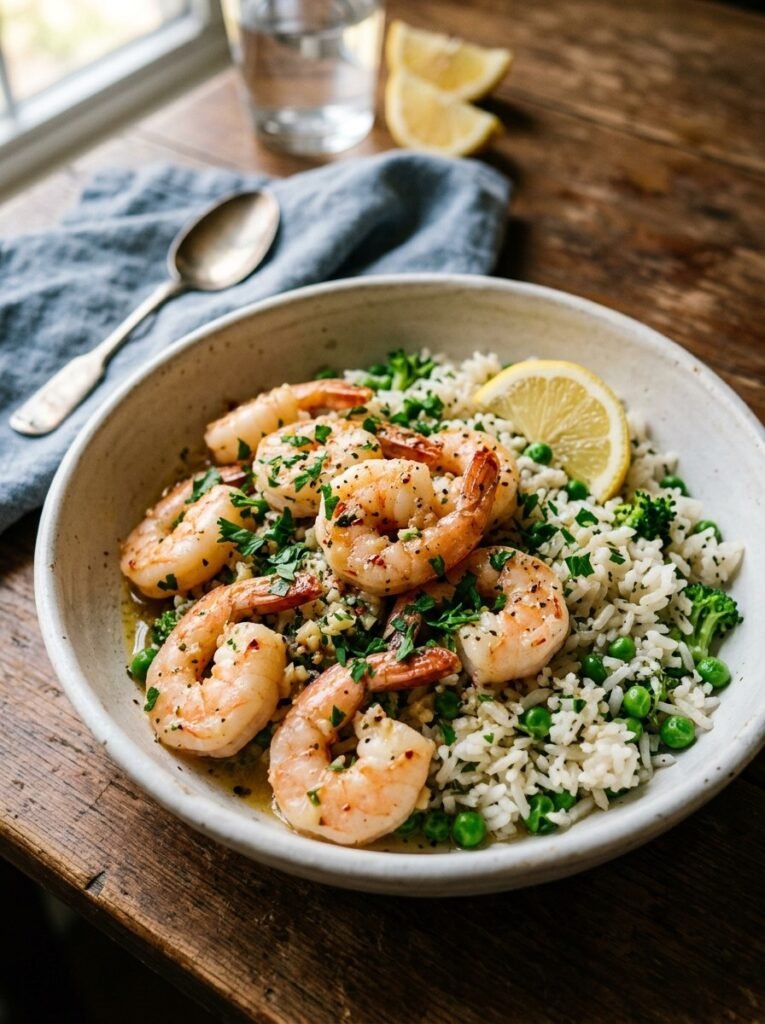
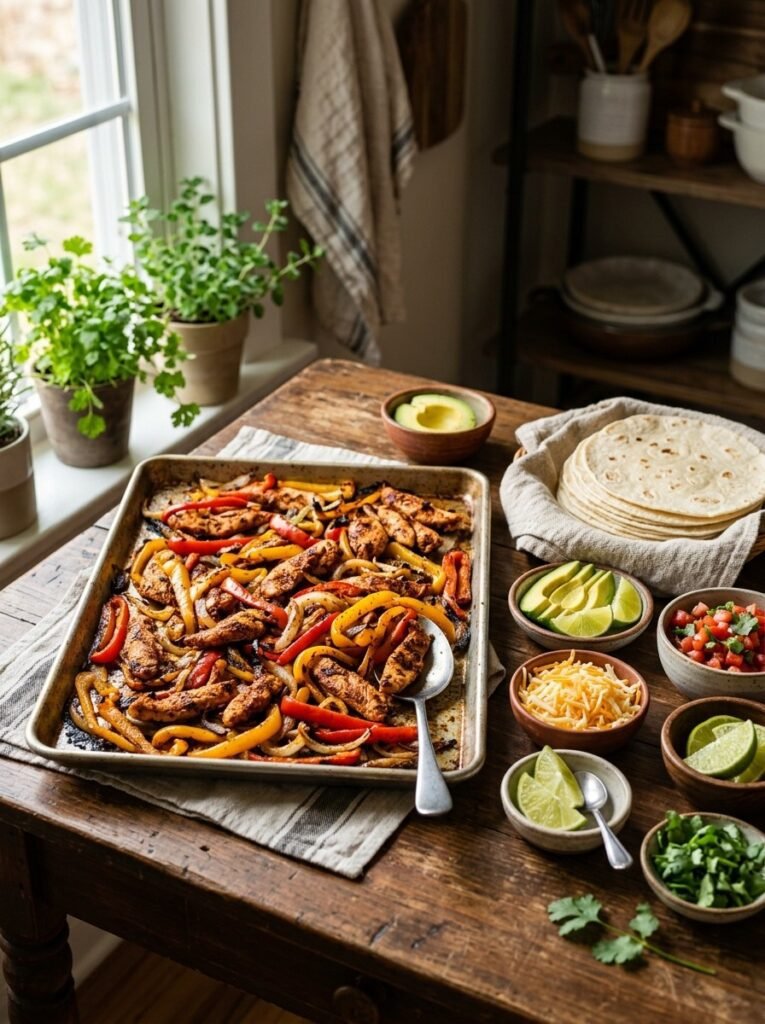
You can make the meal more substantial by adding grilled chicken, shrimp, roasted vegetables, cherry tomatoes, or white beans. A handful of fresh spinach can also be tossed into the hot pasta for extra color and texture. For a simple vegetarian dinner, combine pesto pasta with roasted zucchini, tomatoes, and mushrooms. The homemade sauce provides most of the flavor, so you don’t need many additional ingredients.
Ways to Use Homemade Pesto
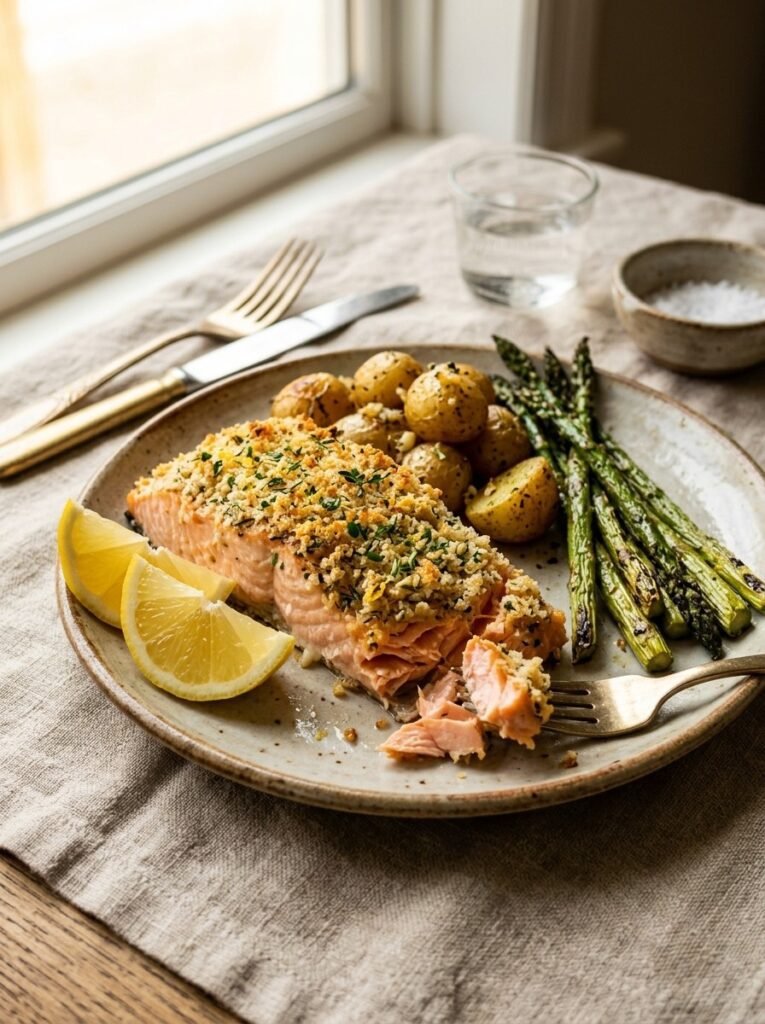
Pesto is much more versatile than just a pasta sauce. Spread it onto sandwiches and wraps instead of mayonnaise or mustard for a fresh herb flavor. Spoon it over grilled chicken, baked salmon, roasted potatoes, or steamed vegetables for an easy finishing sauce. You can also use it as a spread for toast topped with tomatoes, mozzarella, or a fried egg.
Try adding pesto to homemade pizza before baking or drizzling a little over the finished pizza just before serving. It also works beautifully in grain bowls with rice, quinoa, roasted vegetables, and your favorite protein. A spoonful stirred into soup can add fresh basil flavor without requiring additional herbs. Once you have a jar of pesto ready, there are countless ways to use it.
Easy Pesto Variations
Classic basil pesto is delicious, but changing the ingredients can create completely different sauces. Replace some or all of the basil with baby spinach for a milder pesto that is also a great way to use extra greens. Arugula creates a peppery version, while parsley gives the sauce a fresh and slightly lighter flavor. You can even combine basil with spinach, parsley, or kale for a unique homemade blend.

For a spicy pesto, add a small amount of crushed red pepper flakes or a fresh chili pepper. Sun-dried tomatoes can create a rich tomato pesto with a deeper flavor and beautiful color. You can also add roasted garlic instead of raw garlic for a sweeter, more mellow sauce. These variations make it easy to adapt pesto to whatever ingredients you already have in your kitchen.
How to Store Homemade Pesto
Fresh pesto should be stored in an airtight container in the refrigerator. Press a piece of plastic wrap directly against the surface of the pesto to reduce exposure to air and help slow browning. You can also add a thin layer of olive oil over the top before sealing the container. For the best flavor and freshness, use refrigerated homemade pesto within several days.

Pesto can also be frozen, which is especially useful when you have a large amount of fresh basil. Spoon the pesto into ice cube trays and freeze it until solid, then transfer the portions to a freezer-safe container or bag. Individual cubes can be thawed whenever you need a quick serving of sauce. This method makes homemade pesto convenient for weeknight dinners throughout the year.
Tips for the Best Homemade Pesto
Use fresh basil and dry it thoroughly before processing for the best flavor and consistency. Don’t add all of the olive oil at once because slowly adding it gives you better control over the texture. Taste the pesto at the end and adjust the salt, Parmesan, lemon juice, or olive oil according to your preference. Remember that Parmesan already contains salt, so adding too much salt at the beginning can make the finished sauce overly salty.
For a more vibrant pesto, avoid cooking the basil before blending it. If your pesto tastes too bitter, try adding a little more Parmesan, lemon juice, or olive oil to balance the flavors. If it is too thick, add more olive oil or a splash of warm pasta water. Small adjustments can quickly turn a good pesto into one that tastes perfectly balanced.
Quick Recipe Summary
Prep time: 5 minutes
Cook time: 0 minutes
Total time: About 5 minutes
Yield: Approximately 1 cup

Add 2 cups fresh basil, 1/2 cup Parmesan, 1/3 cup pine nuts, 2 garlic cloves, and 1/4 teaspoon salt to a food processor. Pulse until the ingredients are finely chopped, then slowly add 1/2 cup extra-virgin olive oil while processing. Continue until the pesto reaches your preferred consistency, then add optional lemon juice and adjust the seasoning. Serve immediately or refrigerate for later.
Final Thoughts

This easy homemade pesto sauce is a simple recipe that can make everyday meals taste fresh and flavorful. With basil, Parmesan, pine nuts, garlic, and good olive oil, you can create a versatile sauce in just a few minutes without turning on the stove. Use it for pasta, sandwiches, pizza, chicken, vegetables, grain bowls, or simply as a dip with crusty bread. Once you have homemade pesto in your refrigerator or freezer, you’ll always have an easy way to add bright homemade flavor to your next meal.