You didn’t plan anything for dinner. It’s 10am, the chicken’s still frozen-ish, and someone’s already asking what you’re making. This is that recipe.
—
1. Why Crockpot Chicken and Stuffing Is the Dinner People Keep Coming Back To
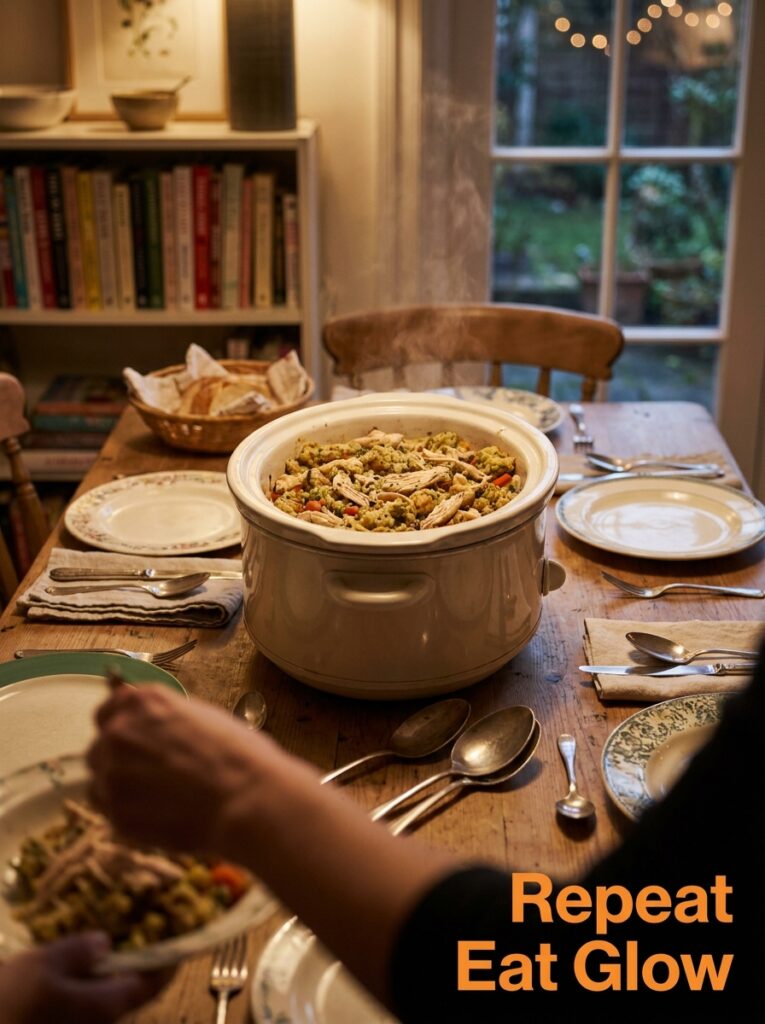
Not gonna lie, I made this for the first time on a random Tuesday when I genuinely had nothing going on in my fridge except a pack of chicken thighs and a box of Pepperidge Farm stuffing mix I’d forgotten about. I wasn’t expecting much. Just something warm.
But here’s the thing — crockpot chicken and stuffing does something that most slow cooker recipes don’t. The stuffing soaks up every single bit of juice from the chicken as it cooks. It gets this incredible texture on top, kind of golden and just barely crisp at the edges, while underneath it’s soft and savory and almost pillowy. And the chicken doesn’t just cook — it falls apart. It MELTS.
There’s also something about the smell of it. Sage and onion and butter drifting through the whole house from about midday onward. By 5pm your family’s been quietly going mad for hours. That’s not an accident. That’s slow cooking doing what it does best — building anticipation out of almost nothing.
This isn’t a fancy dish. It’ll never be on a restaurant menu. But it’s the kind of meal people ask for again, and again, and again.
“The stuffing soaks up every drop of chicken juice and turns into something you’ll want to eat straight from the pot with a spoon.”
2. The Cut of Chicken That Actually Makes a Difference Here
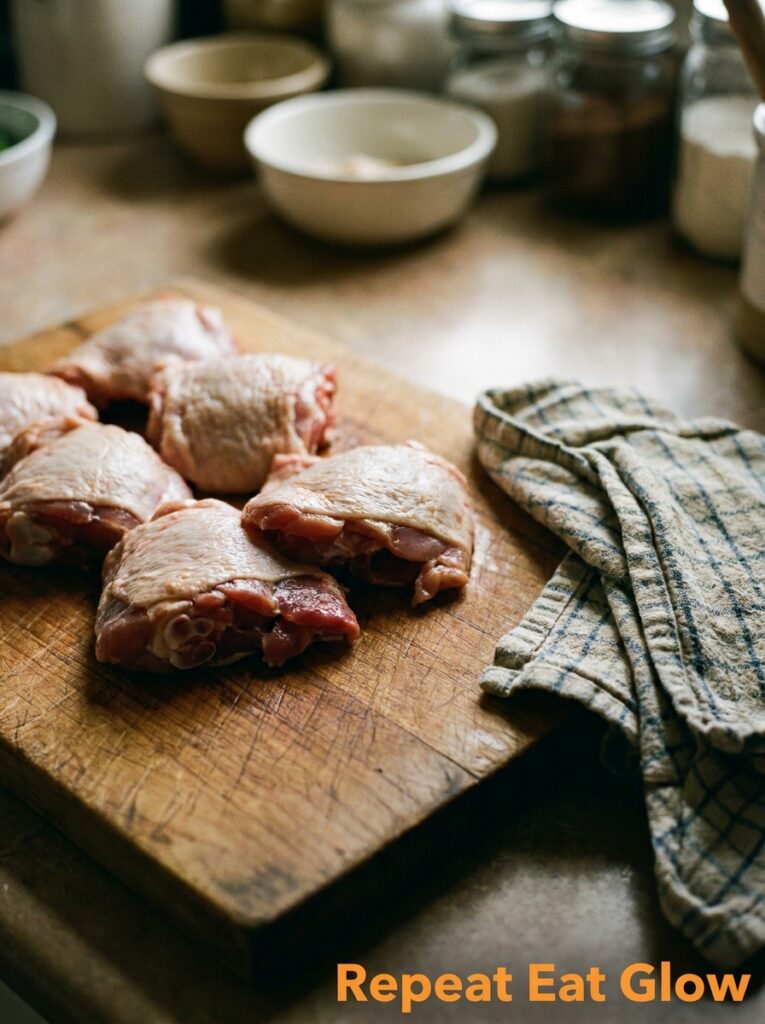
Everyone wants to use chicken breast because it feels like the “right” choice. I get it. But I’d really push you toward thighs for this one.
Chicken thighs have more fat, which means more moisture, which means the stuffing underneath ends up richer and more flavourful. Breasts can go a little dry in a slow cooker, especially if yours runs hot — and a lot of them do. The texture by the end can be almost stringy in a disappointing way, and all that lovely stuffing starts to taste a bit flat because it didn’t get enough drippings to work with.
Bone-in, skin-on thighs give you the MOST flavour — the bones release collagen slowly and that goes right into the stuffing. Boneless, skinless thighs are easier to shred and still taste great. If you’re in the UK and using drumsticks because that’s what you’ve got, honestly? Also fine. The results will be slightly different but still absolutely delicious.
If you’re set on chicken breast, try adding a tablespoon of butter on top of each piece before the lid goes on. It buys you a bit of insurance. Also don’t go beyond 6 hours on low — 4 to 5 is probably enough for breast meat.
3. The Stuffing Mix Question: Box, Packet, or From Scratch?
So here’s where people overthink it. American cooks are usually reaching for Stove Top or Pepperidge Farm. British cooks might be looking at Paxo or just making up a batch of their own. All of them work. Sort of.
Stove Top stuffing mix is the classic American choice and it produces a very specific result — a little softer, slightly sweeter, very comforting. It works brilliantly in a slow cooker because the tiny bread pieces soak up liquid fast and hold it well. Pepperidge Farm gives you a slightly more “rustic” texture with bigger bread chunks.
For UK readers using Paxo — it’s a drier mix which means you’ll want a touch more liquid than an American recipe might suggest. About half a cup of extra chicken stock and you’ll be sorted. It’ll taste slightly different, a little more herby and sharp from the sage, which is honestly lovely. Don’t knock it.
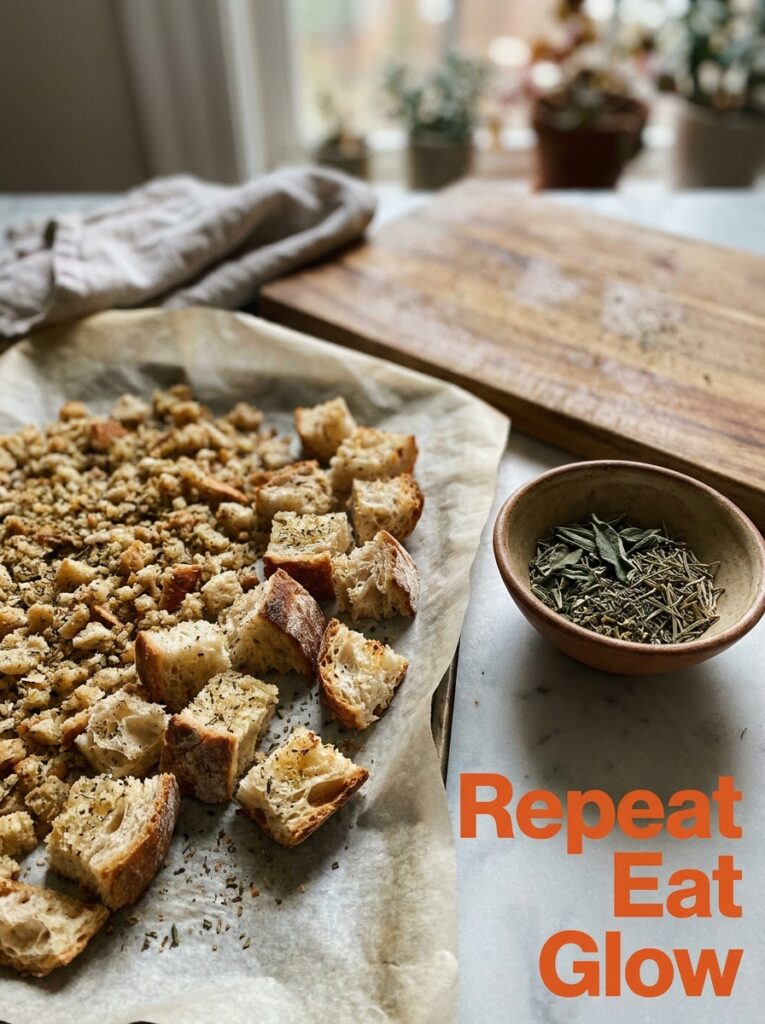
From scratch stuffing in a slow cooker is genuinely brilliant if you have stale bread around. Cube it, dry it out in the oven at 300°F for 20 minutes, then proceed exactly as you would with a box. Actually, it might be BETTER. The irregular texture means some bits get really crisp and some stay soft and you get that contrast in every bite.
4. The Basic Recipe That Lives in My Head Rent-Free
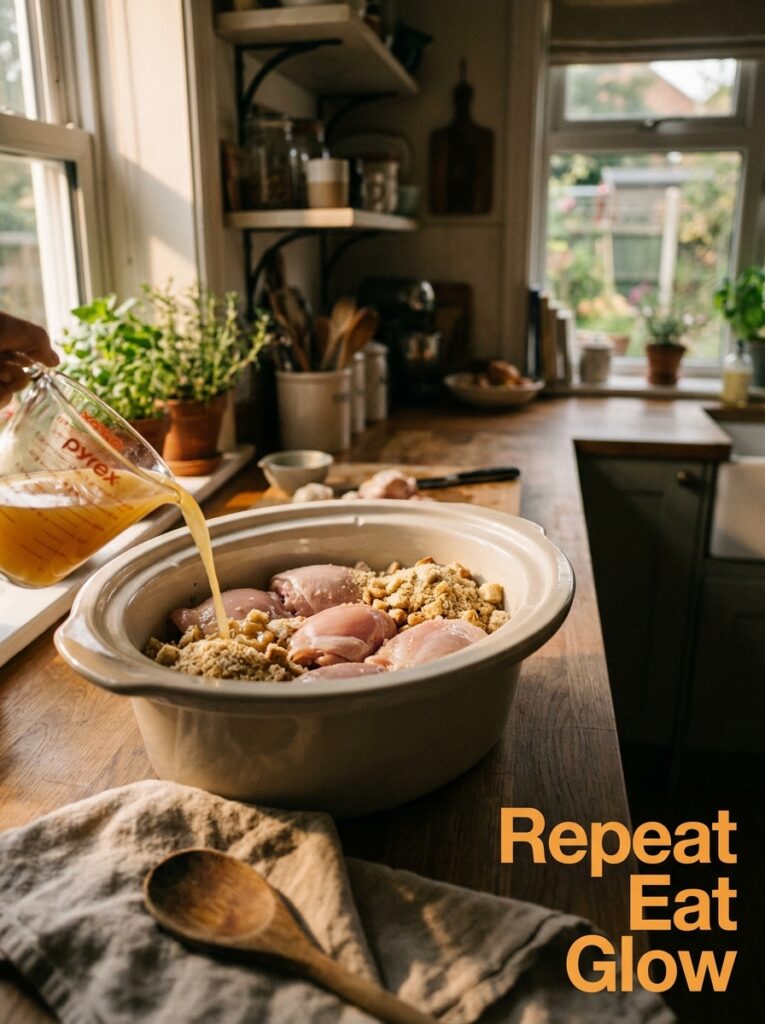
Here it is. No measurements to memorise, no intimidating techniques. Just dinner.
You need about 2 pounds of chicken thighs (bone-in or boneless, your call), one box of stuffing mix (6oz for Stove Top, 14oz if you’re using Pepperidge Farm), one can of cream of chicken soup (10.5oz), half a cup of sour cream, and one cup of chicken broth. That’s essentially it.
Grease your crockpot. Lay the chicken on the bottom. Mix the cream of chicken soup and sour cream together and spoon it over the chicken. Pour the dry stuffing mix on top. Pour the chicken broth over the stuffing slowly — you want it to absorb, not pool. Lid on. Low for 6-7 hours or high for 3-4 hours.
When you open it, the top is this gorgeous golden-brown situation and the chicken underneath is impossibly tender. Shred the chicken right in the pot with two forks, mix everything together loosely, and that’s dinner. Serve with green beans or roasted broccoli and you’re done.
“There are exactly five minutes of actual effort in this recipe. The crockpot does the rest while you get on with your life.”
5. The Cream of Chicken Soup Debate (and What to Use If You Hate Canned Soup)
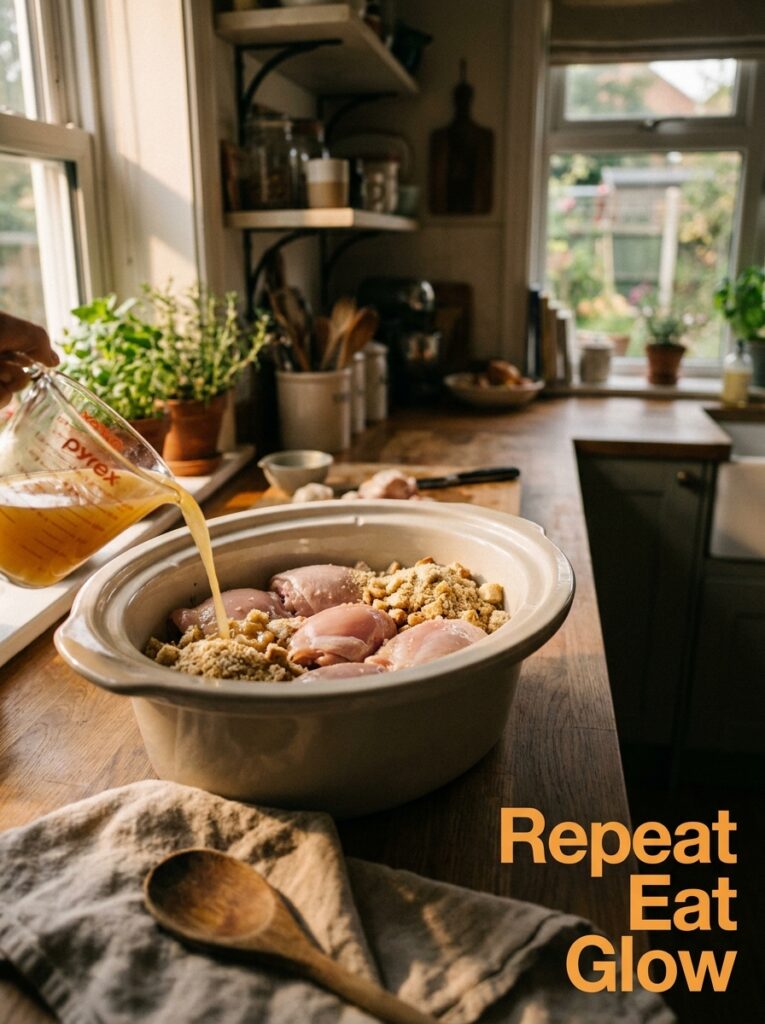
A lot of home cooks now actively avoid cream of chicken soup. Too much sodium, too processed, too school-cafeteria. I don’t disagree, honestly. But I’d still argue it earns its place here because of what it does structurally — it creates this glossy, almost gravy-like layer that coats the chicken and stops the stuffing from drying out. It’s doing real work.
That said, if you don’t want to use it, the most natural swap is a simple white sauce. Melt 2 tablespoons of butter, whisk in 2 tablespoons of flour, slowly add 1.5 cups of warm chicken stock, stir until it thickens, season well. That’s your swap. Same function, cleaner ingredients.
Some people use cream cheese instead — about 4oz, softened. It gives you a much richer result, almost a little indulgent, and the stuffing ends up more buttery. Less savoury, more creamy. Different vibe, still works.
For UK cooks, condensed cream of chicken soup isn’t quite as common on supermarket shelves. You can find it in larger Tesco and Sainsbury’s stores, but if not, Heinz cream of chicken soup (the regular kind, not condensed) used at about half the quantity with a bit less added liquid also does the job.
6. Additions That Take It From “Weeknight Dinner” to “Oh, You Made This??”
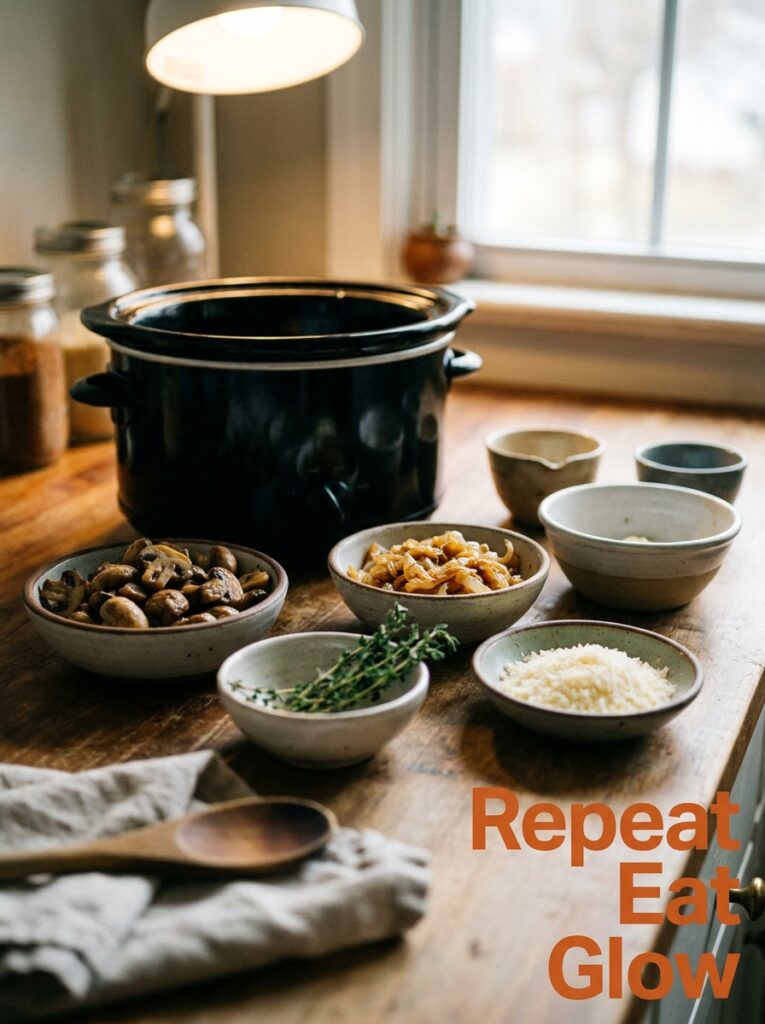
A few small additions change everything about this recipe. And none of them take more than two minutes.
Frozen sweetcorn, half a cup stirred into the stuffing before cooking — it adds little pops of sweetness that cut through the richness perfectly. A whole head of garlic isn’t too much; cut the top off, drizzle with oil, nestle it beside the chicken, and by dinner time you’ve got soft roasted garlic you can squeeze right into everything. Dried cranberries in the stuffing sounds strange, tastes genuinely brilliant — especially with sage-heavy seasoning.
For a slightly different direction, try adding a quarter cup of French’s crispy fried onions on top in the last 30 minutes. They stay crisp and add this satisfying crunch that you won’t get anywhere else in the dish. Or fresh thyme sprigs laid over the chicken at the beginning. They sort of melt into everything and you’d never identify them exactly, but the whole dish tastes more alive.
My personal favourite addition is a tablespoon of whole grain mustard stirred into the soup layer. It sounds very wrong. It tastes very right. Especially with a cold beer on a Friday night.
7. Making It Work for Different Dietary Needs Without Ruining the Whole Thing
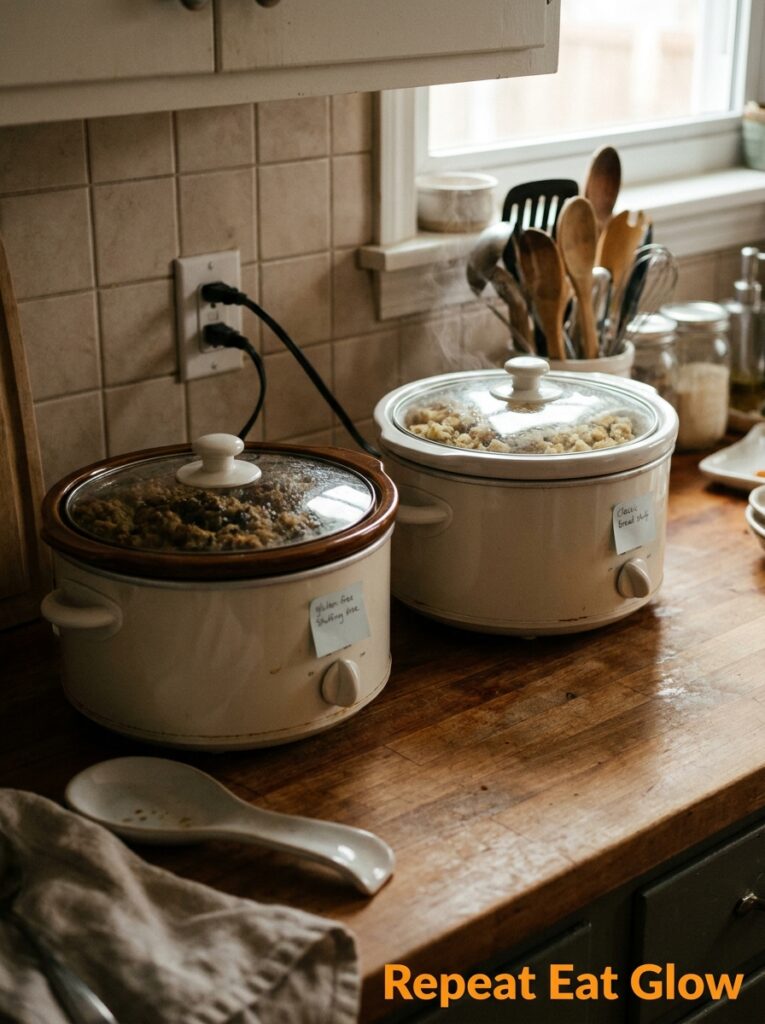
Gluten-free stuffing mixes exist and they’ve gotten genuinely good in the last few years. Aldi in the US does a surprisingly decent one. For UK readers, Doves Farm makes a gluten-free stuffing mix that works almost identically to Paxo in this application. The texture is slightly different — a little more delicate — so handle gently when you stir.
Dairy-free is easy here. Skip the sour cream entirely or replace it with full-fat coconut cream (trust me, you won’t taste coconut — the sage and onion flavours take over completely). Use a dairy-free cream of chicken substitute or the homemade white sauce I mentioned earlier, made with olive oil instead of butter and unsweetened oat milk instead of dairy.
Lower-sodium version: use low-sodium broth, make your own stuffing from scratch with less salt, and use low-sodium cream of chicken if available. The flavour won’t be as punchy but a squeeze of lemon at the end helps bring everything back.
“Whole grain mustard stirred into the soup layer sounds like a mistake. Make the mistake.”
8. The Timing Trap Most People Fall Into
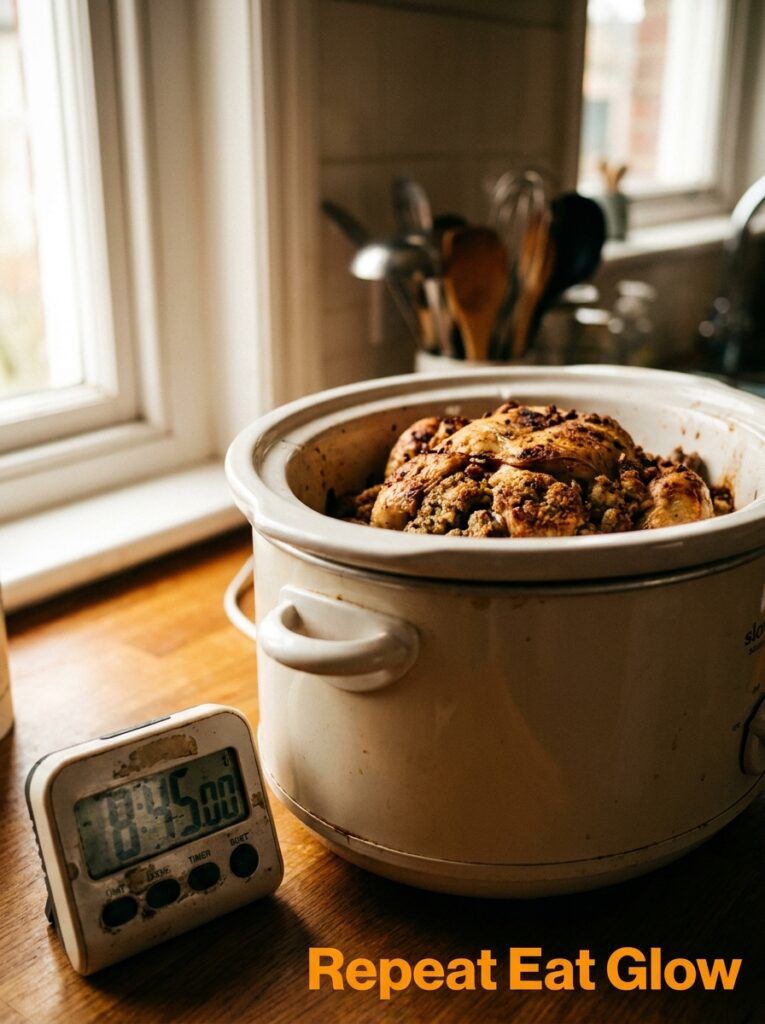
Every crockpot is slightly different and this genuinely matters. I’ve cooked this in three different slow cookers and they each behave differently. My old Crock-Pot ran about 20% hotter than my newer Hamilton Beach. The stuffing on the hot one was almost crunchy on top by hour 6. On the newer one, it was still soft.
If it’s your first time making this, check it at hour 5 on low. You’re looking for chicken that pulls apart easily with a fork and stuffing that’s set but not dried out. If the liquid looks like it’s completely gone and the edges are going dark, add a splash of warm broth and give it another 30 minutes. If it looks soupy still, leave the lid slightly cracked for the last hour.
Don’t refrigerate and then reheat directly in the crockpot — use a saucepan or microwave with a splash of broth to bring leftovers back. Reheating in the slow cooker takes too long and tends to dry everything out on the second go.
One more thing: resist the urge to lift the lid constantly. I know. It’s SO tempting. Every time you lift it you add about 15 minutes to your cook time.
9. What to Serve With It So the Whole Meal Feels Finished
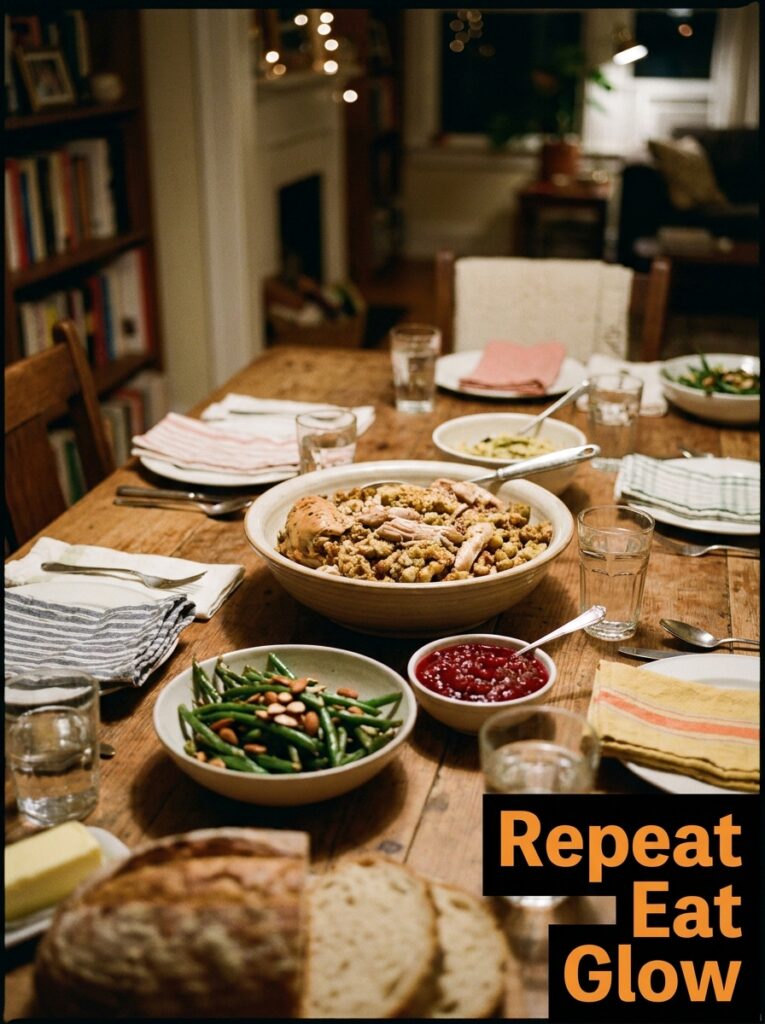
Green beans are the obvious answer and they’re obvious because they’re perfect. Blanched and then tossed in butter and a little lemon zest — about five minutes of effort and they balance the richness of the stuffing perfectly.
Cranberry sauce on the side is a classic move for a reason. It makes the whole thing feel almost like a deconstructed Thanksgiving plate and that’s not a bad thing. Not remotely.
For UK cooks, this pairs brilliantly with honey-roasted parsnips or a simple watercress salad — something slightly peppery to cut through the creaminess. Roasted tenderstem broccoli with garlic is another brilliant option.
Mashed potato alongside is fully acceptable and I won’t hear a word against it. Sometimes you want a meal that’s entirely soft and warm and comforting and there’s nothing wrong with that. Add gravy made from the pan juices you’ll have collected under the chicken and you’ve got something close to magic.
10. The Make-Ahead Move That Changes Weeknight Cooking
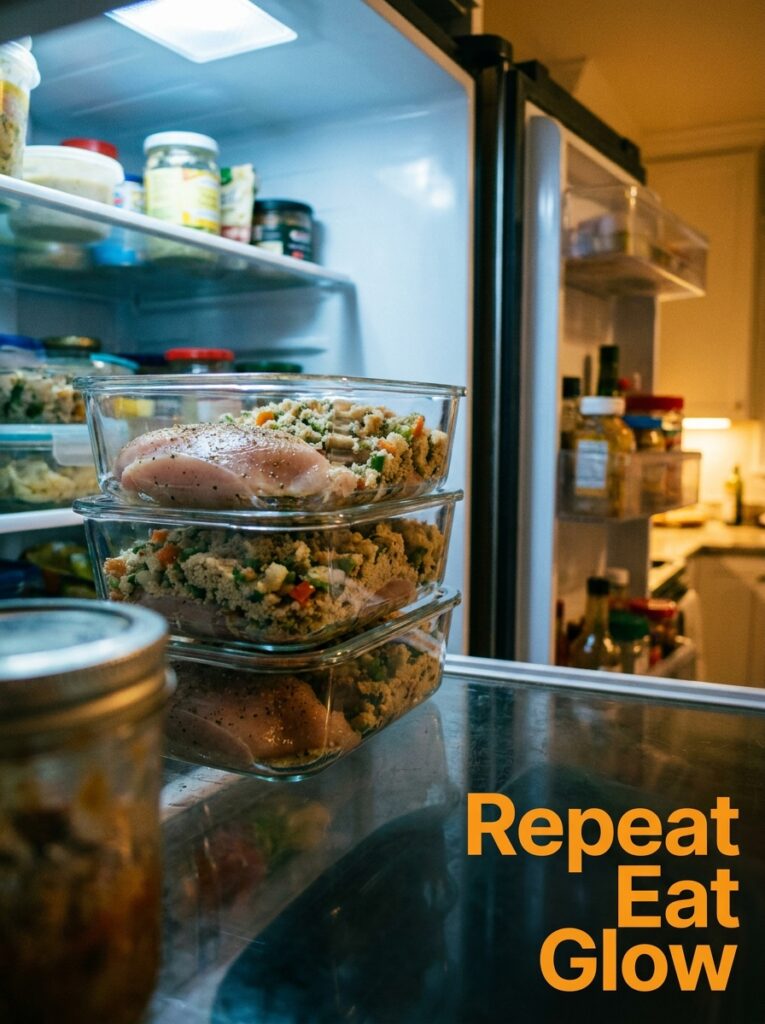
Here’s something I only figured out after making this dozens of times. You can assemble the whole thing the night before.
Layer everything in the crockpot insert — chicken, soup layer, dry stuffing mix. Don’t add the broth yet. Cover tightly and refrigerate overnight. In the morning, pour the broth over the stuffing, set it, and walk away. The slightly pre-soaked stuffing actually absorbs even better and the flavours have had time to begin melding from the bottom.
This is a GAME CHANGER for busy weekday mornings. There’s something genuinely calming about knowing that by the time you’re dealing with the 5pm chaos of school pickup and homework, dinner is already done and the house smells incredible.
Do not add the broth the night before — the stuffing will absorb it all while cold and you’ll end up with a dense, almost stodgy result. The dry-over-wet layering is what creates the texture contrast you want.
11. Why This Recipe Actually Photographs Well for Pinterest (If You Care About That)
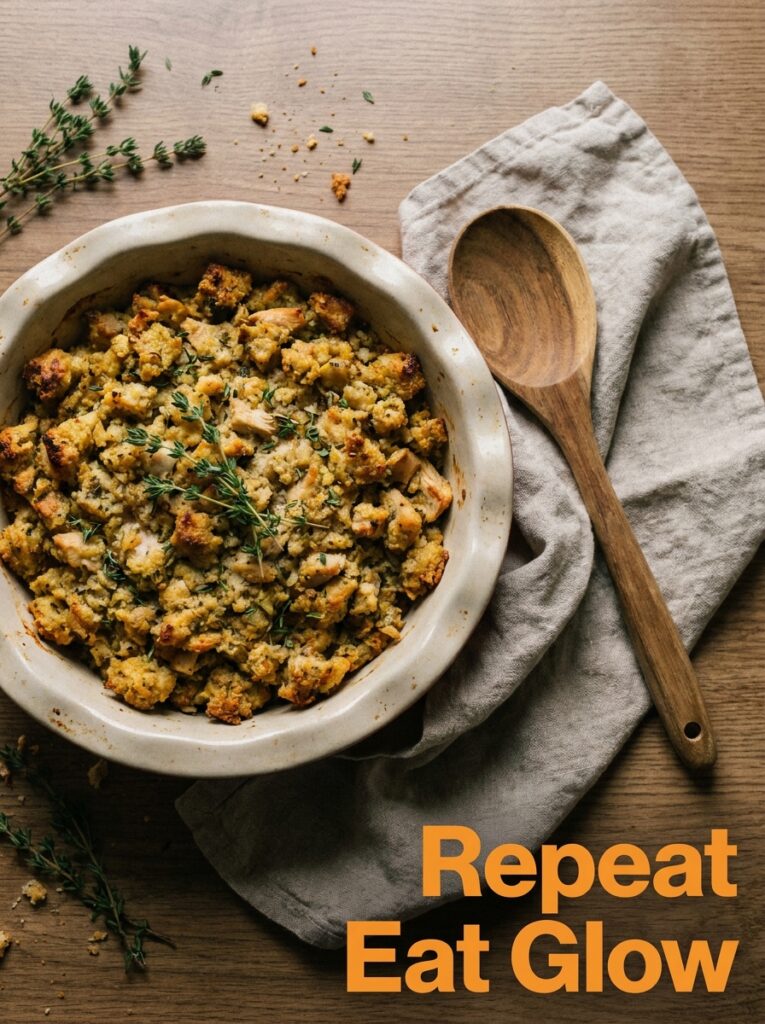
The colour contrast in this dish is genuinely beautiful. The golden stuffing on top, the pale creaminess underneath when you pull it back, the dark shredded chicken beneath that. If you’re posting it, try serving it in a wide, shallow bowl rather than a deep one — you want to see all the layers.
Natural light is your friend, ideally by a window mid-morning or late afternoon. The amber-ish quality of late afternoon light makes the stuffing look even more golden. Fresh thyme sprigs laid on top just before the photo add green and make the whole thing look intentional.
Don’t overstir. The slightly rustic, not-totally-combined presentation is what reads as “homemade and delicious” rather than “cafeteria tray.” Keep some texture visible.
12. Scaling Up or Down Without It Going Wrong
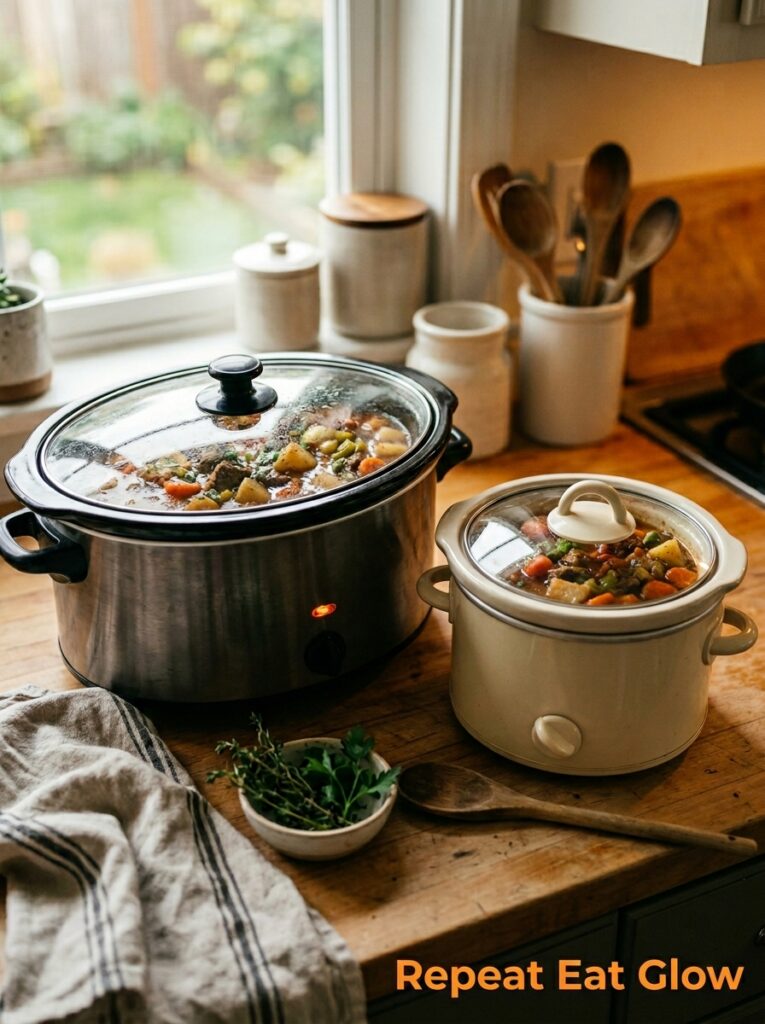
This scales really well, which is one of its underrated qualities. Halving the recipe for just two people works fine in a small 2-quart slow cooker — reduce all quantities by half and check at hour 4 instead of 5 or 6.
Doubling it for a large family or a crowd also works, but you need a 7 or 8 quart slow cooker. Don’t try to stuff double the recipe into a standard 6-quart — it won’t cook evenly and the top layer won’t get enough heat. The stuffing in the middle can end up almost raw-textured and that’s not what anyone wants.
For a potluck version, make it in a disposable foil roasting pan set in your largest slow cooker or oven at 325°F for about 2 hours covered with foil. You get the same result and it travels without any drama.
—
❓ FAQ
Q: Can I use frozen chicken straight from the freezer in a crockpot? A: Food safety guidelines actually advise against cooking frozen chicken in a slow cooker because it can spend too long in the “danger zone” temperature range before heating through. Defrost your chicken overnight in the fridge first — it’s worth it.
Q: My stuffing came out soggy. What went wrong? A: Most likely too much liquid. Every slow cooker holds heat differently, and some produce more condensation than others. Next time, reduce your broth by a quarter cup and consider keeping the lid slightly cracked for the final 30 to 45 minutes of cooking time.
Q: Can I make this in an Instant Pot instead? A: You can, though the texture is noticeably different — the stuffing tends to come out softer and less distinct. If you’re using a pressure cooker, cook the chicken on its own first, shred it, then fold in the stuffing ingredients and use the sauté function to finish. It works but it’s not quite the same magic.
—
💭 Final Thoughts

This recipe has been on my mental “default dinner” list for years now and I genuinely don’t see it leaving anytime soon. It’s the meal I make when I need something that asks nothing of me but somehow still delivers. Warm, hearty, deeply comforting — the kind of thing people scrape the pot for.
The only question now is whether you’re a thigh person or a breast person — and whether you’re brave enough to try that whole grain mustard.
