Winter Salad with Roasted Squash and Beets: 12 Ideas to Perfect This Seasonal Dish
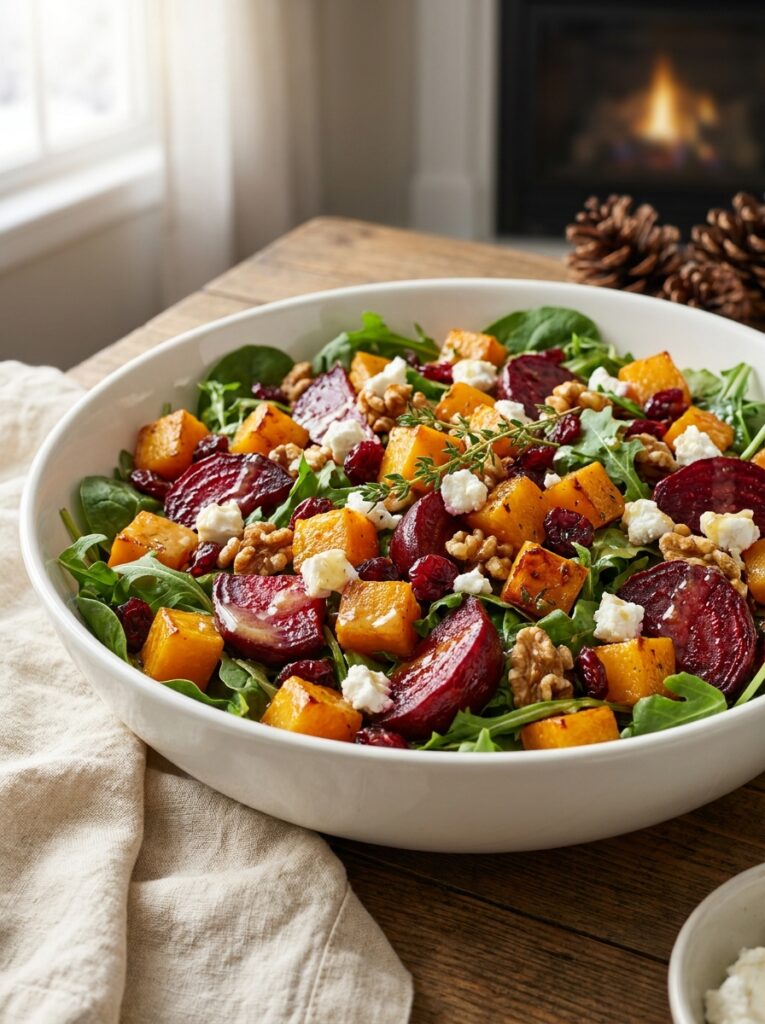
Few dishes capture the cozy, earthy flavors of the colder months quite like a winter salad built around roasted squash and beets, offering warmth and comfort even in salad form. This combination brings together the natural sweetness of caramelized squash with the deep, earthy richness of roasted beets, creating a dish that feels satisfying rather than light and forgettable. Unlike typical summer salads built for refreshment, this winter version leans into hearty textures and warm roasted flavors that pair beautifully with heartier greens and bold dressings. It’s also an incredibly versatile base recipe, easily adapted with different cheeses, nuts, and grains depending on what’s available in your kitchen. In this article, we’ll explore 12 ideas to help you build, customize, and perfect a winter salad with roasted squash and beets that feels special enough for a holiday table yet simple enough for a weeknight dinner.
1. Choose the Right Squash Variety
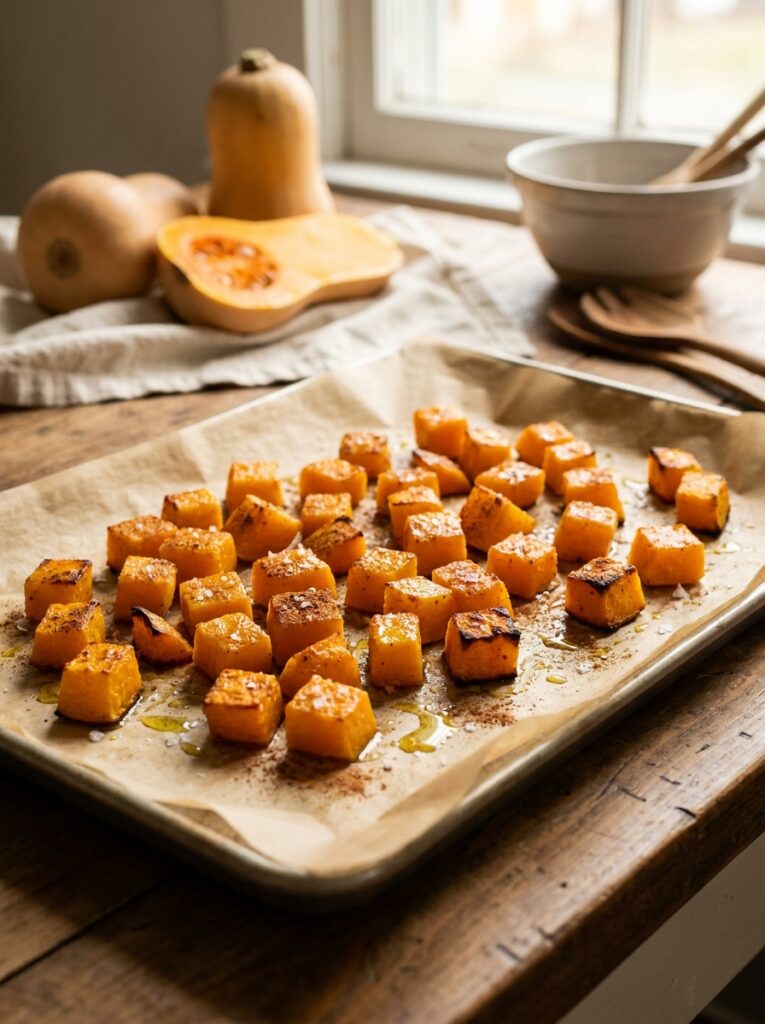
Butternut squash is the most popular choice for this salad thanks to its naturally sweet flavor and smooth texture once roasted, but other varieties like acorn or delicata squash work beautifully as well. Delicata squash has the added bonus of an edible skin, which saves prep time since peeling isn’t required before roasting. Cutting the squash into evenly sized cubes ensures consistent cooking, preventing some pieces from burning while others remain underdone. Tossing the squash in olive oil, salt, and a touch of cinnamon or nutmeg before roasting enhances its natural sweetness even further. Choosing the right squash variety sets the foundation for the entire dish’s flavor and texture.
2. Roast Beets Separately for Best Results
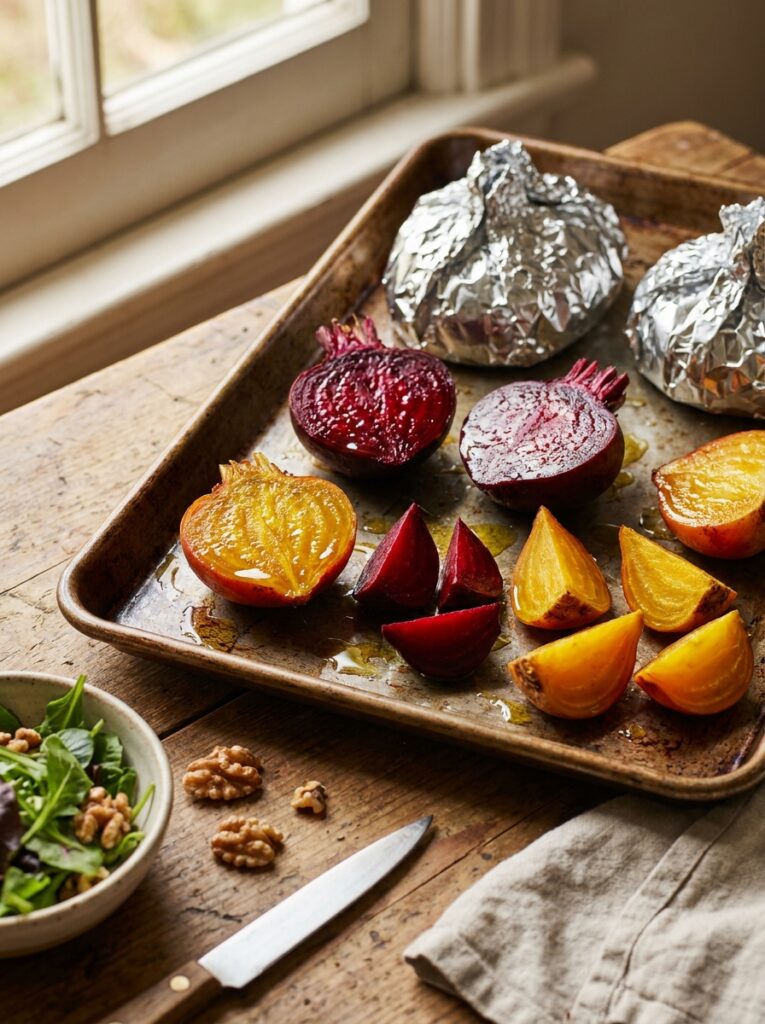
Beets and squash have different cooking times and textures, so roasting them separately, even on the same sheet pan with a divider of foil, helps ensure both vegetables reach their ideal doneness. Wrapping beets individually in foil before roasting helps them steam slightly, resulting in a more tender, evenly cooked texture throughout. Once roasted, the skins slip off easily under running water, making peeling far less messy than attempting it before cooking. Golden beets are a great option for those wanting to avoid the vibrant red staining associated with traditional beets. This small extra step in preparation makes a noticeable difference in the final texture of both vegetables.
3. Build a Base of Hearty Winter Greens
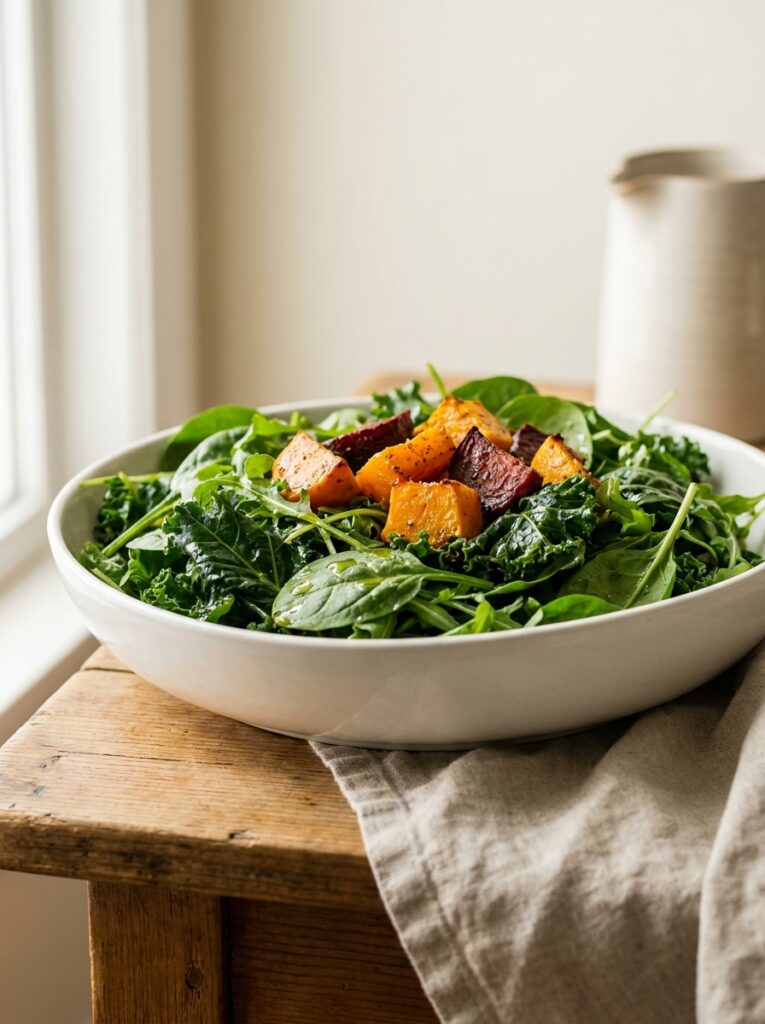
Unlike delicate spring mixes, this salad calls for heartier greens like baby kale, spinach, or arugula that can hold up against the weight of warm roasted vegetables without wilting into mush. Baby kale in particular offers a slightly chewy texture and earthy flavor that pairs beautifully with the sweetness of the squash and beets. Massaging the kale briefly with a small amount of olive oil before assembling the salad helps soften its texture and reduce any bitterness. Arugula adds a peppery contrast that works especially well when paired with a creamy cheese element in the salad. Choosing the right greens ensures the salad maintains structure and texture even after the warm vegetables are added.
4. Add a Creamy Cheese Element
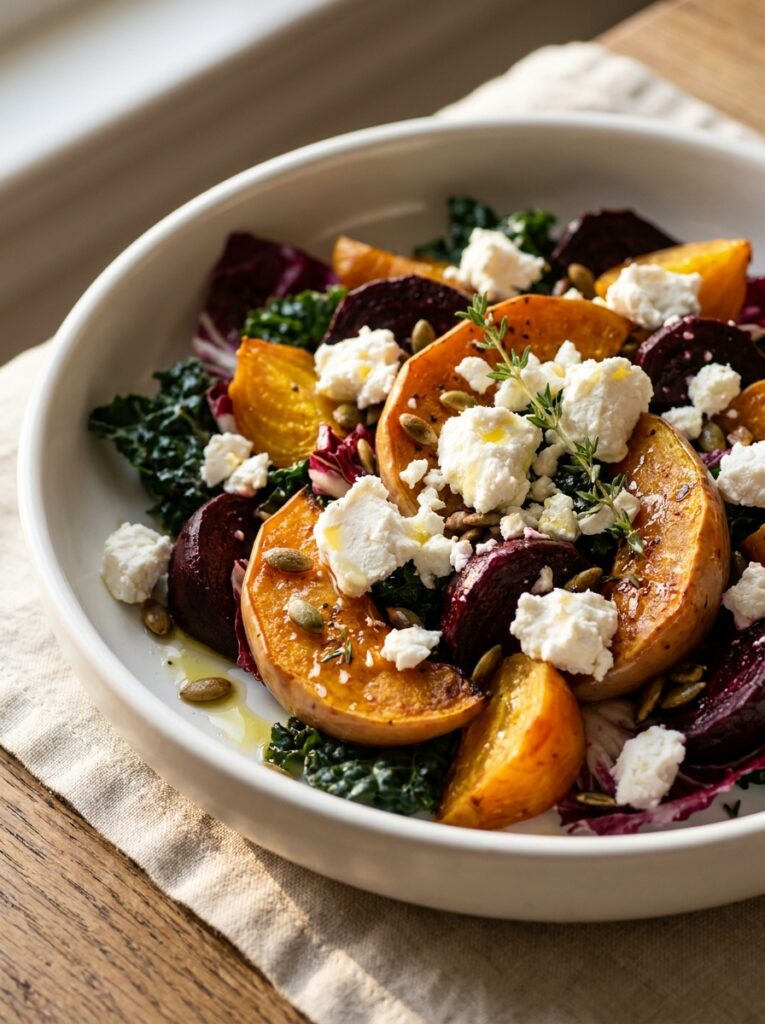
Crumbled goat cheese or feta adds a creamy, tangy contrast that beautifully balances the earthy sweetness of the roasted squash and beets. The slight saltiness of these cheeses also helps enhance the other flavors in the salad without overwhelming the dish. For a milder option, soft blue cheese or shaved parmesan can offer a different but equally delicious flavor profile depending on personal preference. Adding the cheese just before serving, rather than mixing it in too early, helps maintain its texture and prevents it from melting completely into the warm vegetables. This creamy element is often what elevates the salad from simple to genuinely memorable.
5. Include a Crunchy Nut or Seed Topping
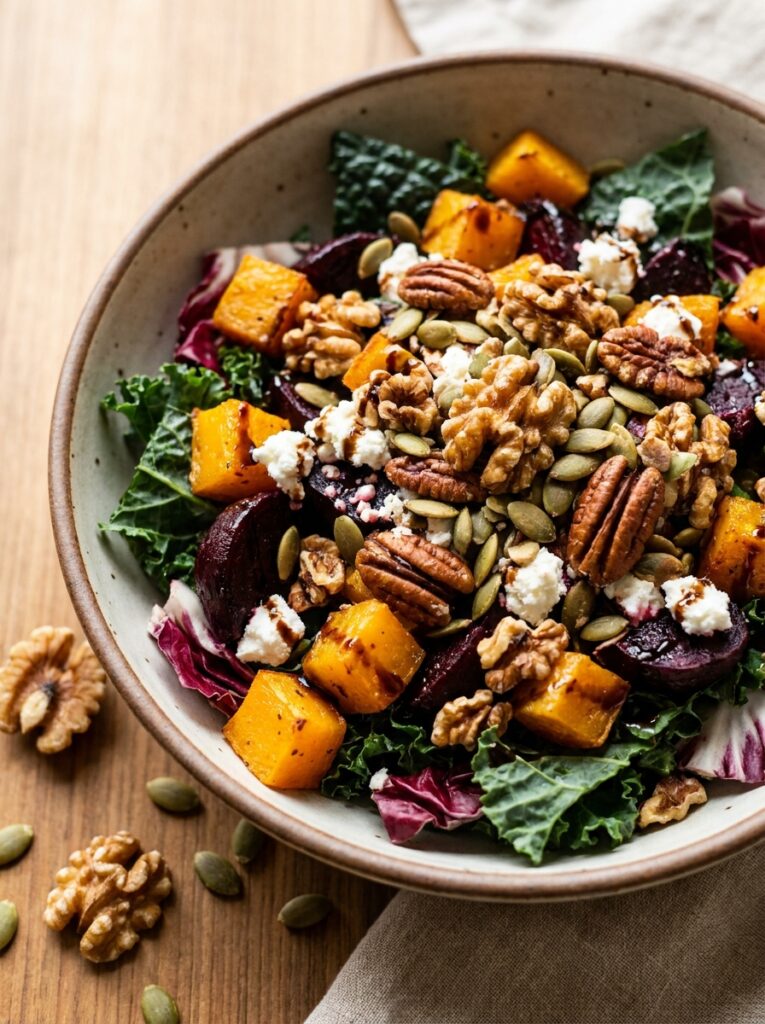
Toasted walnuts, pecans, or pumpkin seeds add essential crunch and a nutty richness that contrasts beautifully with the soft, roasted textures of the squash and beets. Toasting these nuts or seeds in a dry skillet for a few minutes before adding them to the salad enhances their natural flavor and aroma significantly. This textural contrast is crucial in winter salads, since without it, the dish can feel overly soft and one-dimensional. Candied pecans offer a slightly sweeter variation for those wanting an extra layer of indulgence in the finished dish. This crunchy topping is a small addition that makes a significant difference in the overall eating experience.
6. Make a Warm Maple Dijon Vinaigrette
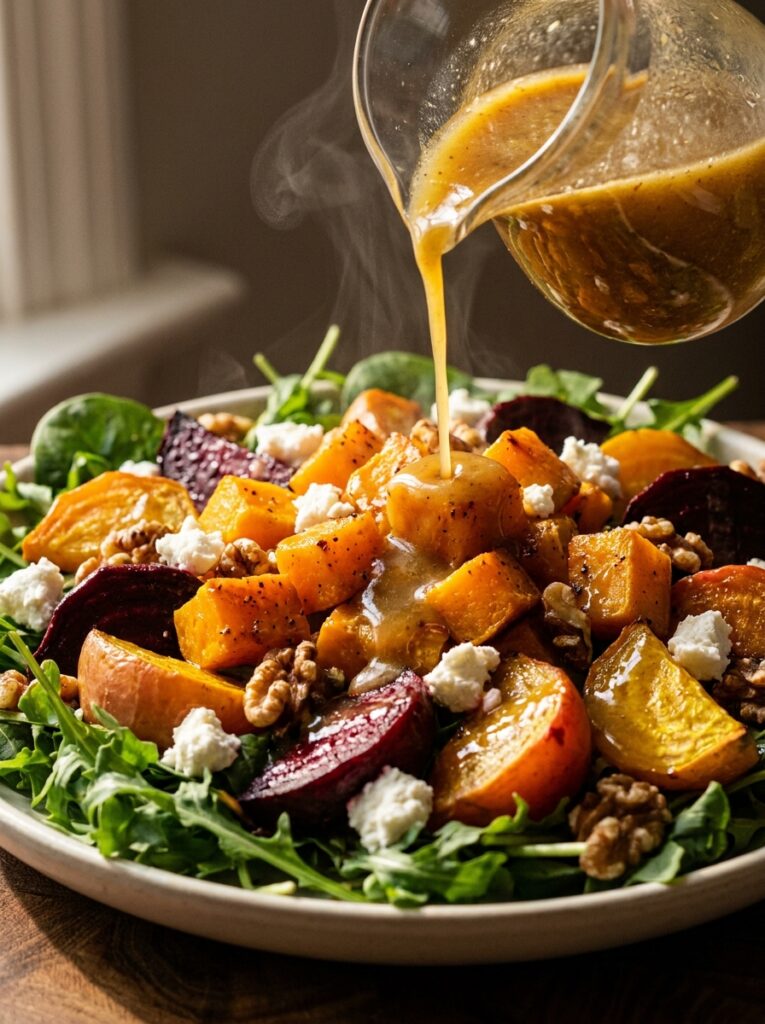
A dressing made from olive oil, apple cider vinegar, Dijon mustard, and a touch of maple syrup complements the warm, roasted flavors of this salad far better than a typical light vinaigrette. The slight sweetness from the maple syrup echoes the natural sugars in the roasted squash and beets, tying the entire dish together cohesively. Whisking the dressing together just before serving and drizzling it over the warm vegetables helps the flavors meld beautifully throughout the salad. This dressing style also holds up well against heartier greens, unlike lighter dressings that can get lost among more robust textures. A well-balanced dressing is often the defining element that separates a good winter salad from a truly great one.
7. Incorporate a Grain for Added Heartiness
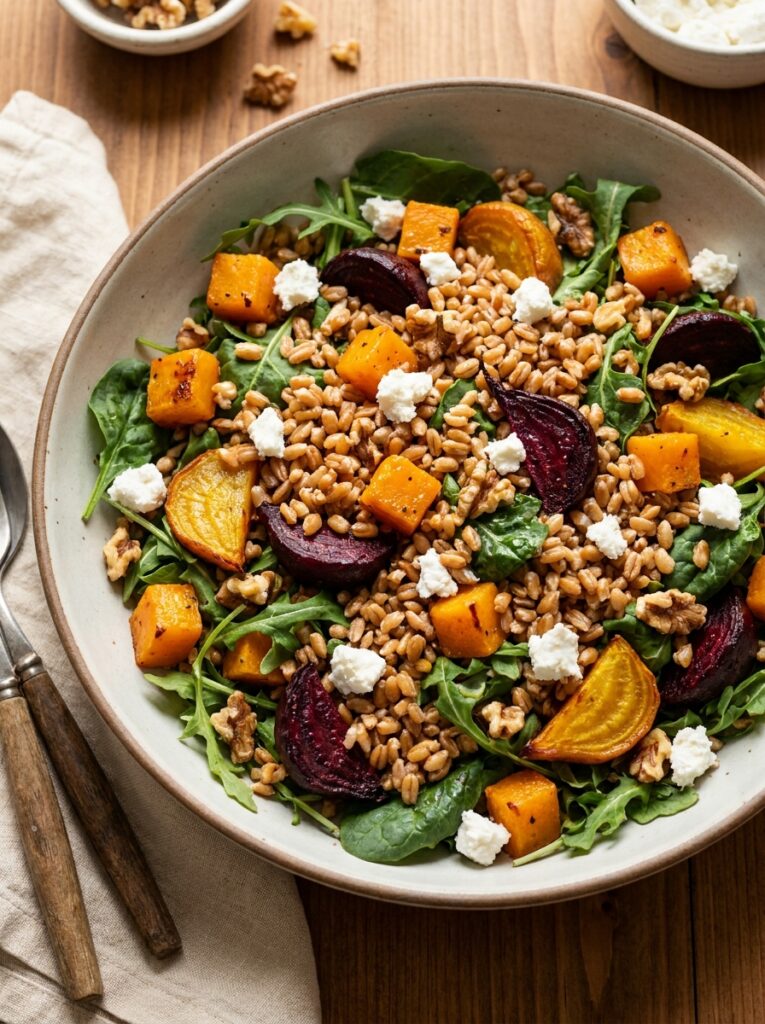
Adding a cooked grain like farro, quinoa, or wild rice transforms this salad from a simple side dish into a more substantial, meal-worthy option. These grains add a chewy texture and nutty flavor that complements the roasted vegetables while also making the dish more filling and satisfying. Cooking the grains ahead of time and allowing them to cool slightly before adding them to the salad helps maintain the dish’s overall temperature balance. This addition is particularly useful for those looking to turn the salad into a complete vegetarian main course rather than a side dish. Grains also help the salad hold up better as leftovers, since they don’t wilt the way delicate greens can.
8. Add Dried Fruit for Extra Sweetness
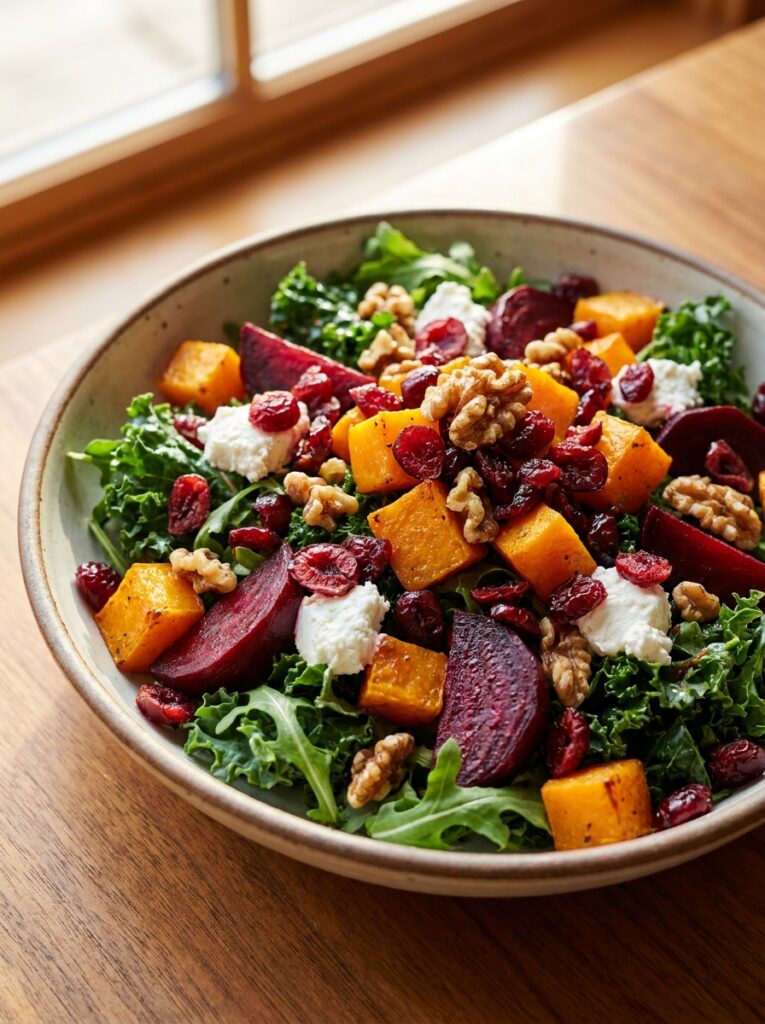
Dried cranberries, cherries, or even chopped dried apricots introduce an additional layer of sweetness that pairs wonderfully with the earthy, roasted flavors already present in the salad. This addition also adds a chewy texture that contrasts nicely against the crunchy nuts and creamy cheese elements. Using dried fruit rather than fresh helps maintain the salad’s overall heartiness, since fresh fruit can sometimes feel out of place in a warm, winter-focused dish. A small handful goes a long way, so it’s best to add dried fruit gradually and taste as you go to avoid overwhelming the other flavors. This ingredient is an easy way to add complexity without requiring any additional cooking or prep time.
9. Balance Colors for Visual Appeal
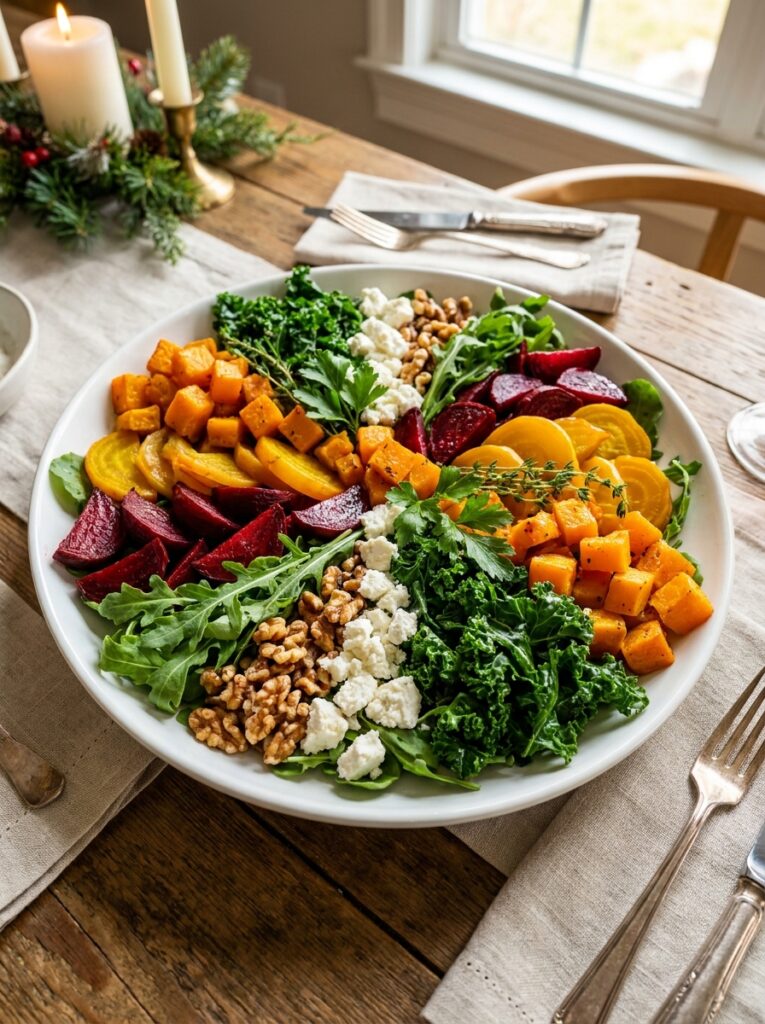
Using a mix of golden and red beets alongside the orange-hued roasted squash creates a visually stunning, colorful presentation that makes the salad feel special enough for a holiday table. This variety in color also signals a variety in flavor, keeping the dish interesting from both a visual and taste perspective. Arranging the components thoughtfully on a platter, rather than simply tossing everything together, can elevate the presentation significantly for entertaining purposes. Adding a scattering of fresh herbs, like parsley or thyme, on top adds a final pop of green that completes the color palette. This attention to visual detail makes the salad feel like a much more elevated, restaurant-quality dish.
10. Serve It Warm or at Room Temperature
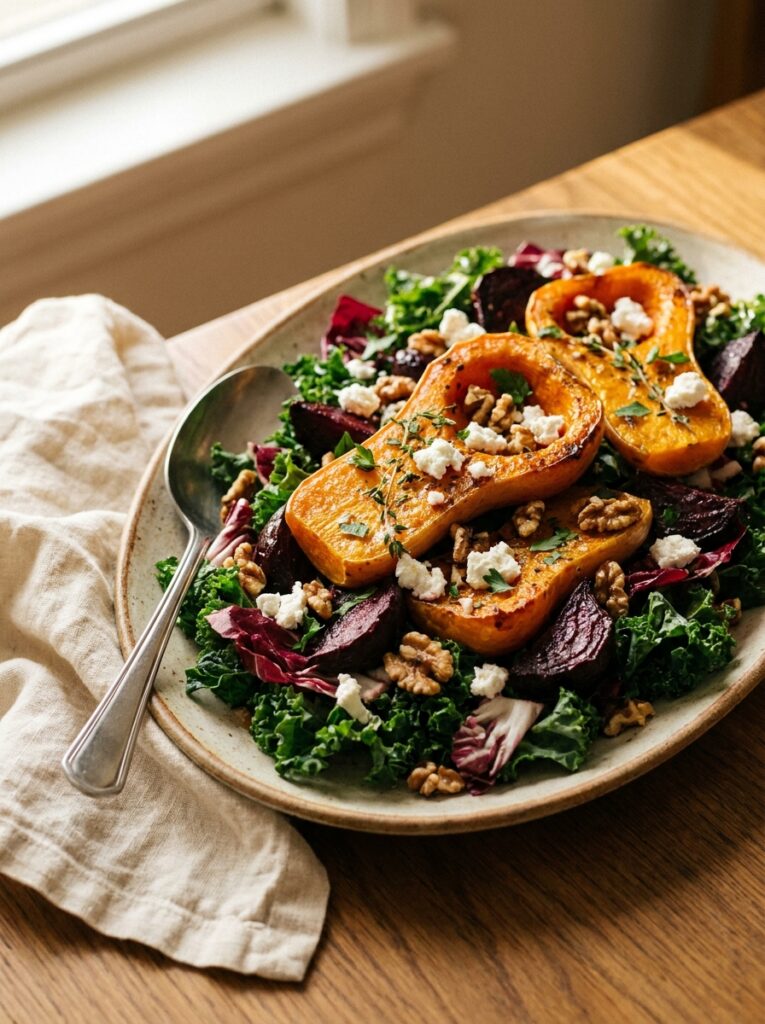
Unlike traditional cold salads, this winter dish is often best served warm or at room temperature, allowing the roasted vegetables’ flavors to remain at their peak. Serving it immediately after roasting, while the squash and beets are still slightly warm, creates a comforting contrast against the cool, crisp greens underneath. If preparing components ahead of time, allowing the roasted vegetables to come back to room temperature before assembling helps maintain the best possible texture and flavor. This flexibility also makes the salad more practical for entertaining, since it doesn’t need to be served immediately straight from the oven. Understanding this temperature flexibility helps take the pressure off perfect timing when preparing for guests.
11. Make It Ahead in Components
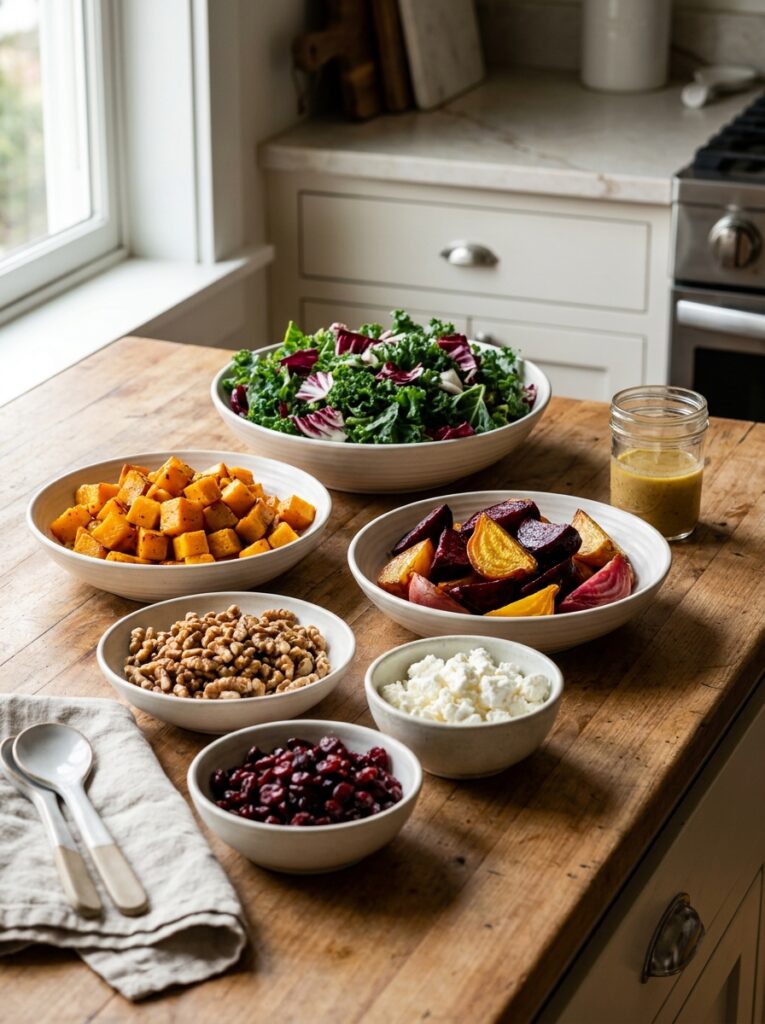
This salad is an excellent make-ahead option when prepared in separate components, with the roasted vegetables, dressing, and greens stored individually until ready to assemble. This approach prevents the greens from wilting prematurely while still allowing for significant time savings on the day of serving. Roasted squash and beets can be prepared up to two days in advance and stored in the refrigerator, then simply reheated slightly or served at room temperature. This make-ahead strategy is particularly valuable during busy holiday seasons when kitchen time is limited but a beautiful, homemade dish is still desired. Breaking the recipe into components makes it far more manageable for entertaining or meal prepping alike.
12. Pair It as a Holiday Table Centerpiece
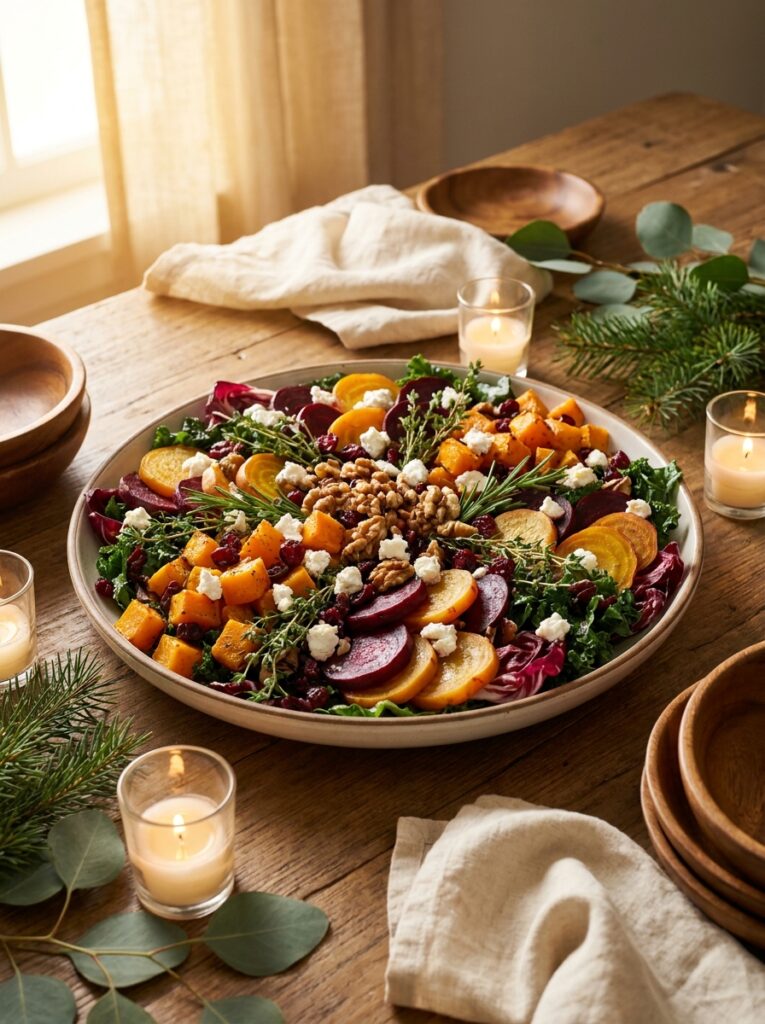
This winter salad’s vibrant colors and hearty, seasonal flavors make it a natural centerpiece for holiday tables, offering a lighter counterpoint to richer, heavier holiday dishes. Serving it on a large, shallow platter rather than in a bowl allows the colorful layers of squash, beets, greens, and toppings to be fully visible and appreciated by guests. This dish also accommodates a variety of dietary preferences, easily becoming vegetarian, vegan, or gluten-free with a few simple ingredient swaps. Its make-ahead friendly nature makes it especially practical during busy holiday meal planning, when oven space and time are often at a premium. This salad proves that a simple combination of roasted vegetables and greens can hold its own alongside even the most elaborate holiday spread.
Final Thoughts
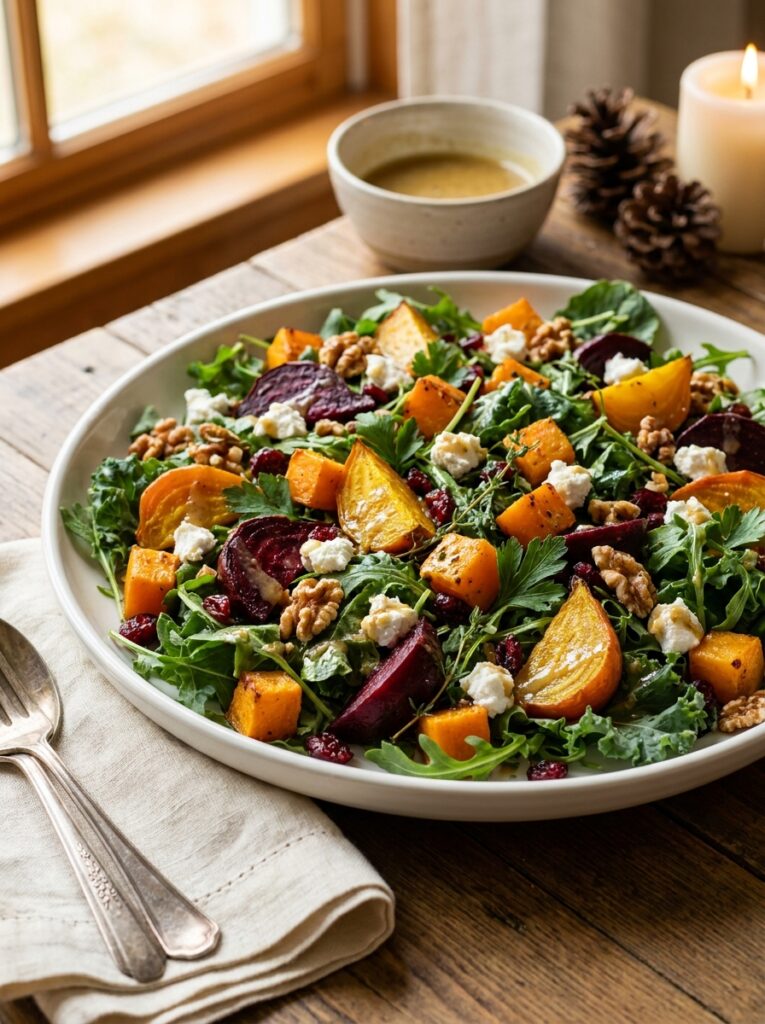
A winter salad with roasted squash and beets brings together the best of the season’s produce in a dish that’s as visually stunning as it is satisfying to eat. These 12 ideas offer plenty of ways to customize, elevate, and adapt this recipe to suit different occasions, whether it’s a quick weeknight side dish or the star of a holiday table. The combination of sweet roasted vegetables, creamy cheese, crunchy toppings, and a well-balanced dressing creates a dish with genuine depth and complexity. Best of all, many of these components can be prepared ahead of time, making this an accessible recipe even during the busiest winter months. With these tips in mind, this roasted squash and beet salad is sure to become a seasonal favorite worth returning to year after year.
