Potato salad is a beloved staple at picnics, barbecues, and family gatherings, but traditional mayo-based versions can feel heavy and aren’t always the best fit for everyone’s dietary preferences. Fortunately, it’s entirely possible to create a creamy, satisfying potato salad without relying on mayonnaise at all, using lighter ingredients that still deliver that classic rich texture. Swapping out mayo doesn’t mean sacrificing flavor; in fact, many of these alternatives introduce brighter, tangier notes that make the dish feel fresher overall. Whether you’re avoiding mayo for health reasons, dietary restrictions, or simply personal taste, there are plenty of clever ways to achieve that same creamy consistency everyone loves. In this article, we’ll explore 12 ideas for making an easy, creamy, healthy potato salad without mayo that’s just as delicious as the classic version.
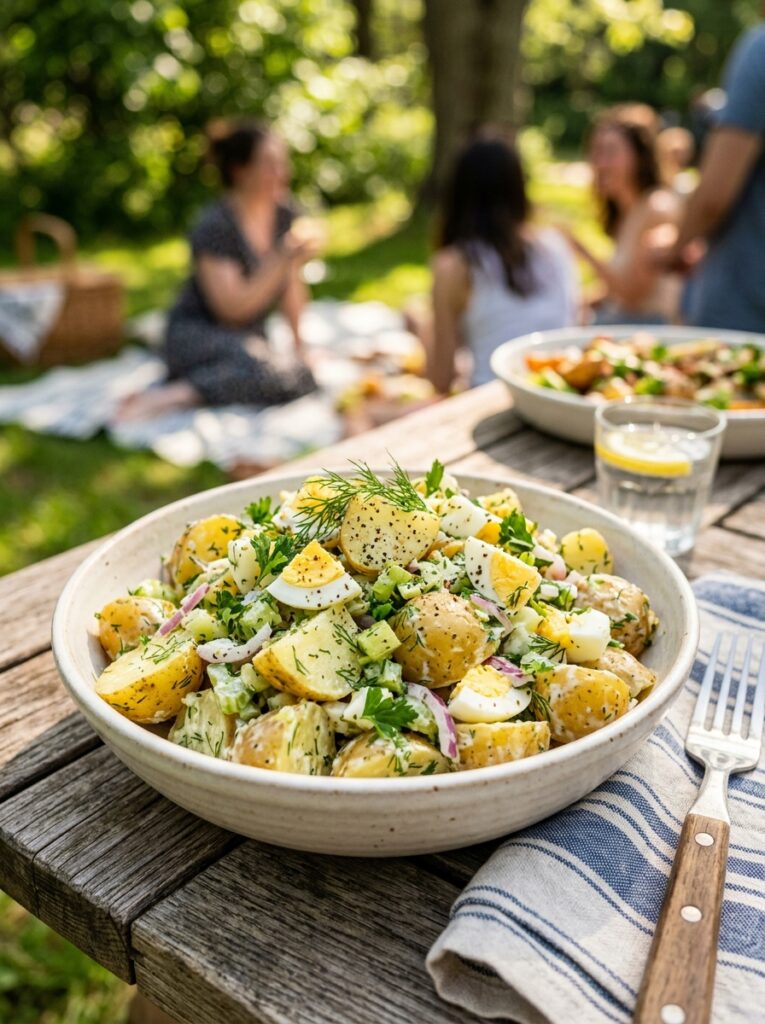
1. Use Greek Yogurt as the Creamy Base
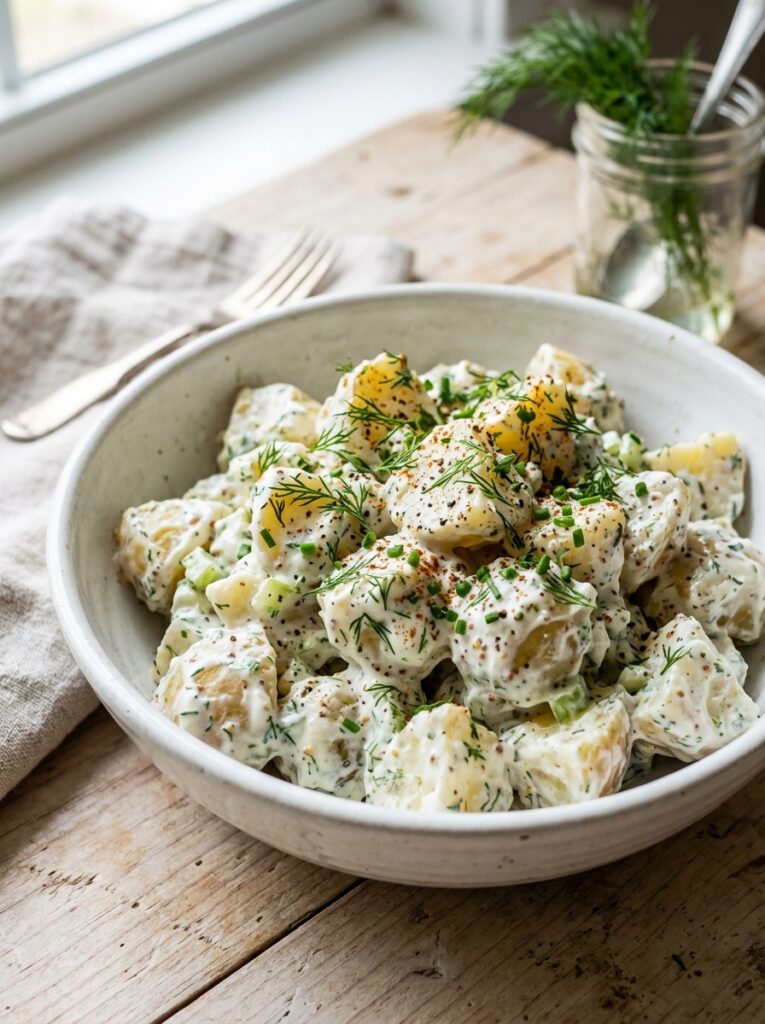
Plain Greek yogurt is one of the most popular mayo substitutes for potato salad, offering a similarly creamy texture while adding a boost of protein and a pleasant tanginess. Choosing a full-fat or 2% version helps maintain a rich, satisfying mouthfeel that closely mimics traditional mayo-based dressings. Greek yogurt also blends easily with herbs, mustard, or a splash of vinegar, making it simple to customize the flavor to your liking. This swap significantly reduces the overall fat content of the dish while still keeping it feeling indulgent and creamy. It’s an easy, accessible substitution that works well for most people, including those simply looking to lighten up a classic recipe.
2. Try Mashed Avocado for Richness
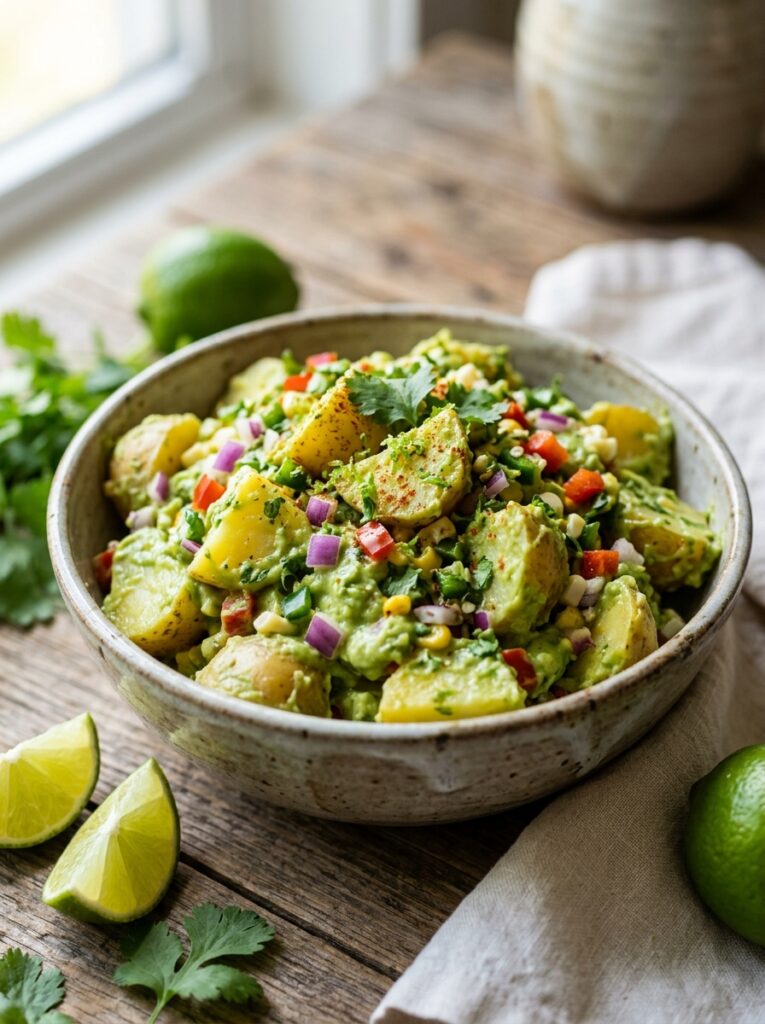
Mashed ripe avocado offers a naturally creamy, buttery texture that works beautifully as a mayo alternative in potato salad, along with the added bonus of healthy fats. Blending the avocado with a bit of lime juice not only enhances flavor but also helps prevent the mixture from browning too quickly. This option gives the potato salad a slightly green hue, which can be a fun, distinctive twist on the traditional look of the dish. Avocado-based dressings pair particularly well with additions like cilantro, jalapeño, or a touch of cumin for a Southwestern-inspired flavor profile. This idea is especially popular among those following dairy-free or paleo-style eating patterns.
3. Whisk Together a Tangy Vinaigrette Dressing
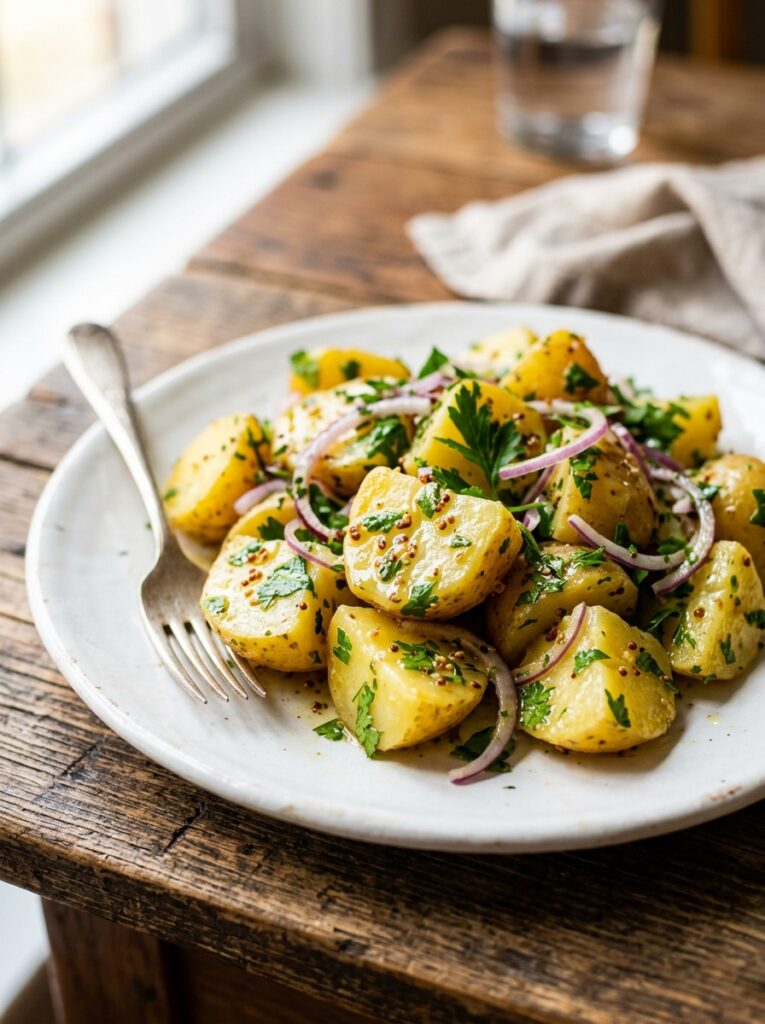
For a lighter, non-creamy alternative that still delivers big flavor, a simple vinaigrette made from olive oil, vinegar, and Dijon mustard offers a refreshing twist on traditional potato salad. This style, often referred to as German-style potato salad, skips the creaminess altogether in favor of a bright, tangy dressing that coats the potatoes beautifully. Warm potatoes tend to absorb vinaigrette dressings especially well, making this a great option to prepare while the potatoes are still slightly warm from cooking. This approach is naturally dairy-free and mayo-free without requiring any substitutions or special ingredients. It’s a wonderful choice for those who prefer a lighter, more acidic potato salad over a heavier, creamy version.
4. Blend Cottage Cheese for a Protein Boost
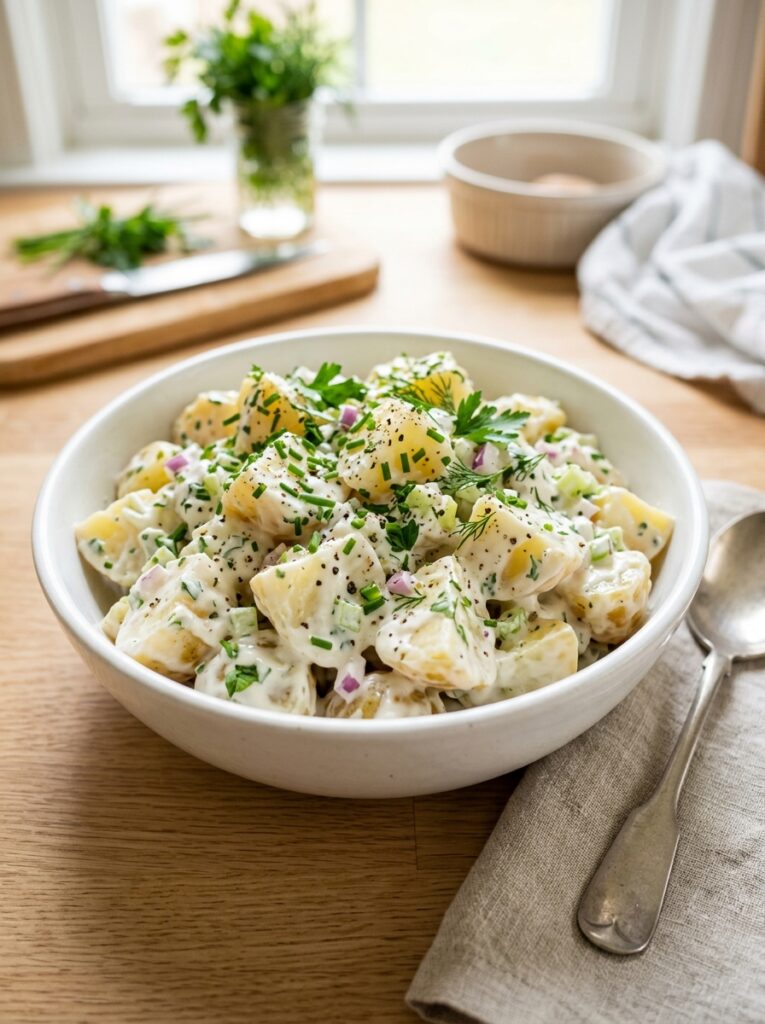
Blending cottage cheese until smooth creates a surprisingly creamy, protein-packed base that works well as a mayo substitute in potato salad. The blending process eliminates the characteristic curds, resulting in a texture similar to a light sour cream or yogurt-based dressing. Cottage cheese also carries a mild flavor that easily takes on whatever herbs or seasonings are added, making it a versatile base for customization. This option is particularly appealing for those looking to increase their protein intake without adding excessive fat or calories to the dish. It’s a creative, lesser-known substitution that delivers excellent results once blended smooth.
5. Add Dijon Mustard for Tang and Depth
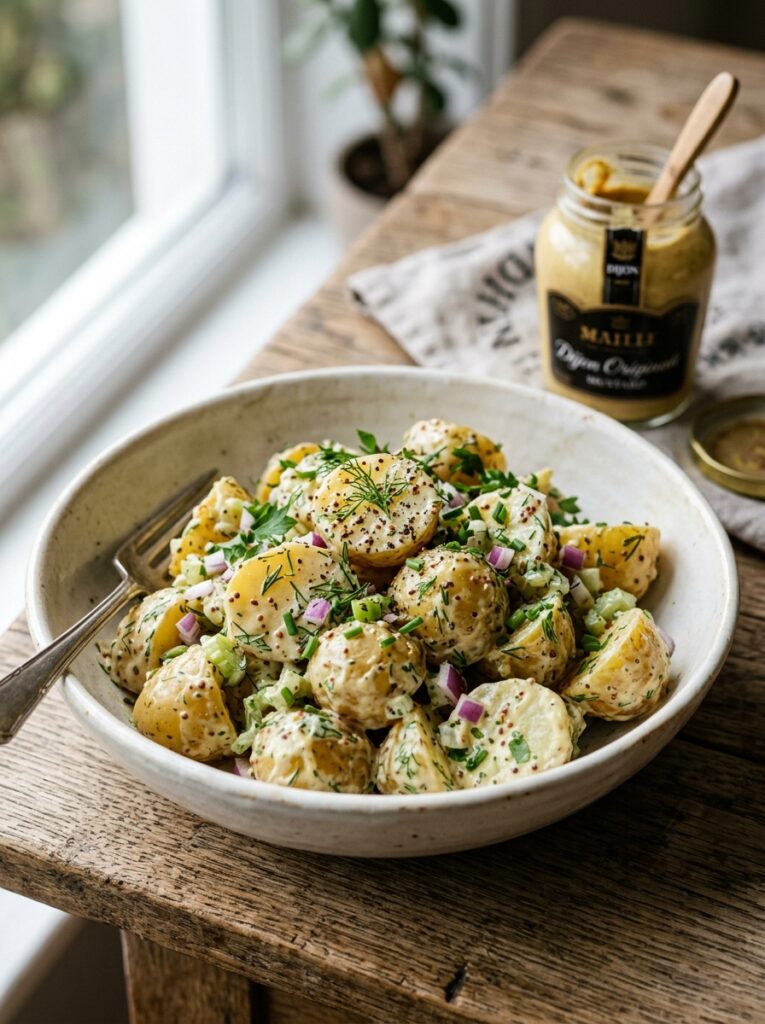
Regardless of which creamy base you choose, stirring in a spoonful of Dijon mustard adds essential tang and depth that helps replicate the complex flavor typically provided by mayonnaise. Mustard also acts as a natural emulsifier, helping to bind the dressing ingredients together into a smoother, more cohesive consistency. This addition is especially important in mayo-free versions, since mustard helps prevent the dish from tasting flat or one-dimensional. Adjusting the amount based on personal preference allows for a milder or bolder mustard presence depending on your taste. This simple ingredient is often the secret to making mayo-free potato salad taste just as satisfying as the traditional version.
6. Incorporate Fresh Herbs for Brightness
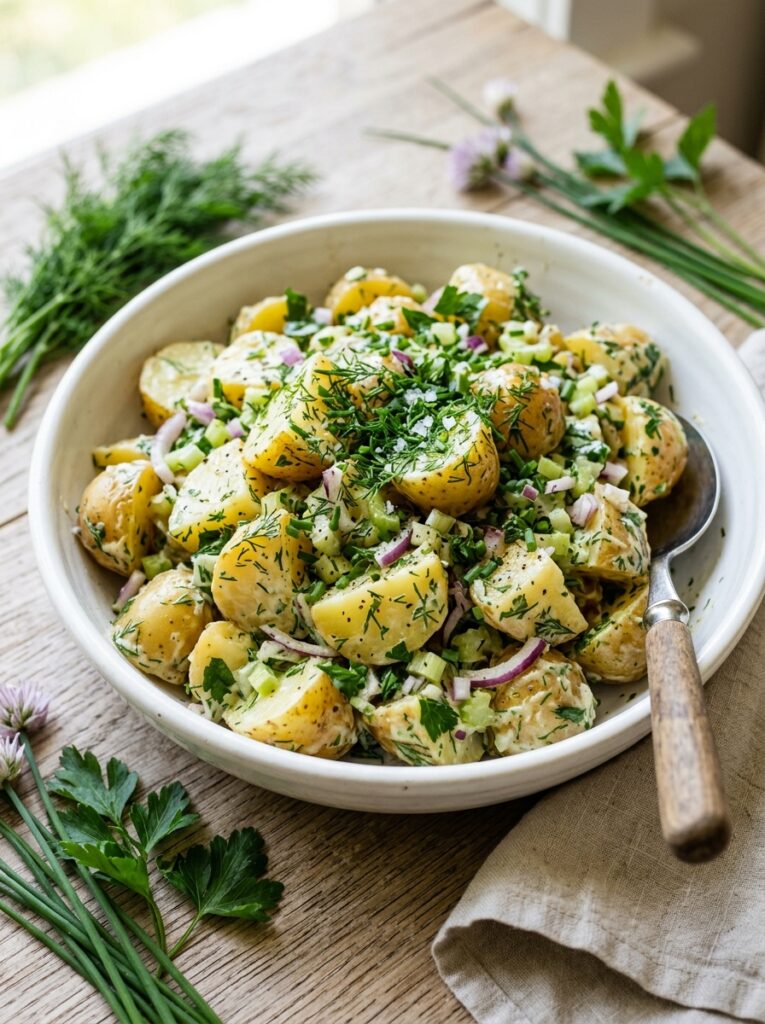
Adding a generous handful of fresh herbs, such as dill, chives, or parsley, brings a vibrant, fresh quality to mayo-free potato salad that balances out the richness of the creamy base. Dill in particular pairs beautifully with yogurt or sour cream-based dressings, echoing classic potato salad flavor profiles found in many traditional recipes. Fresh herbs also add visual appeal, giving the finished dish a more vibrant, appetizing green flecked appearance. Chopping the herbs finely ensures they distribute evenly throughout the salad rather than clumping in just a few bites. This simple addition elevates the overall flavor complexity without adding any significant time or effort to the recipe.
7. Choose Waxy Potatoes for the Best Texture
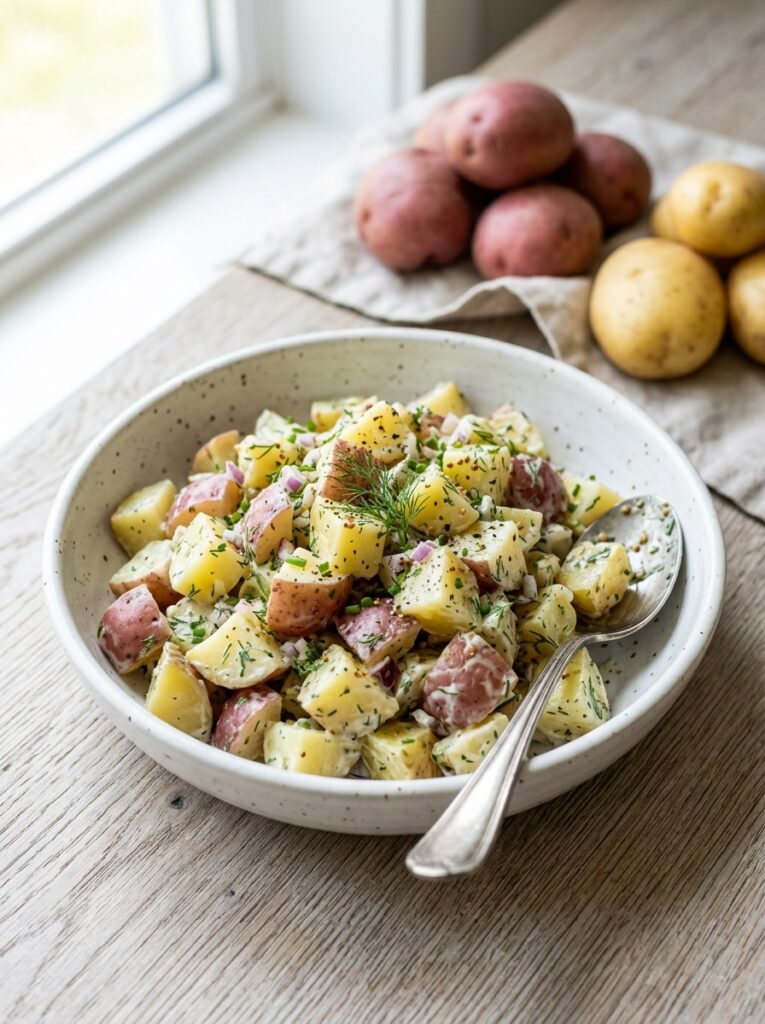
Selecting waxy potato varieties, such as red potatoes or Yukon golds, over starchy russets helps the potato salad hold its shape better and prevents it from becoming mushy once mixed with the dressing. Waxy potatoes have a lower starch content, allowing them to maintain a firmer, more distinct bite even after being boiled and cooled. This textural difference is especially important in mayo-free versions, where the dressing tends to be lighter and won’t mask an overly soft or mealy potato texture. Cutting the potatoes into evenly sized pieces before boiling also ensures they cook at the same rate for consistent results. This small but important detail makes a noticeable difference in the overall quality of the finished dish.
8. Add Crunch with Celery and Red Onion
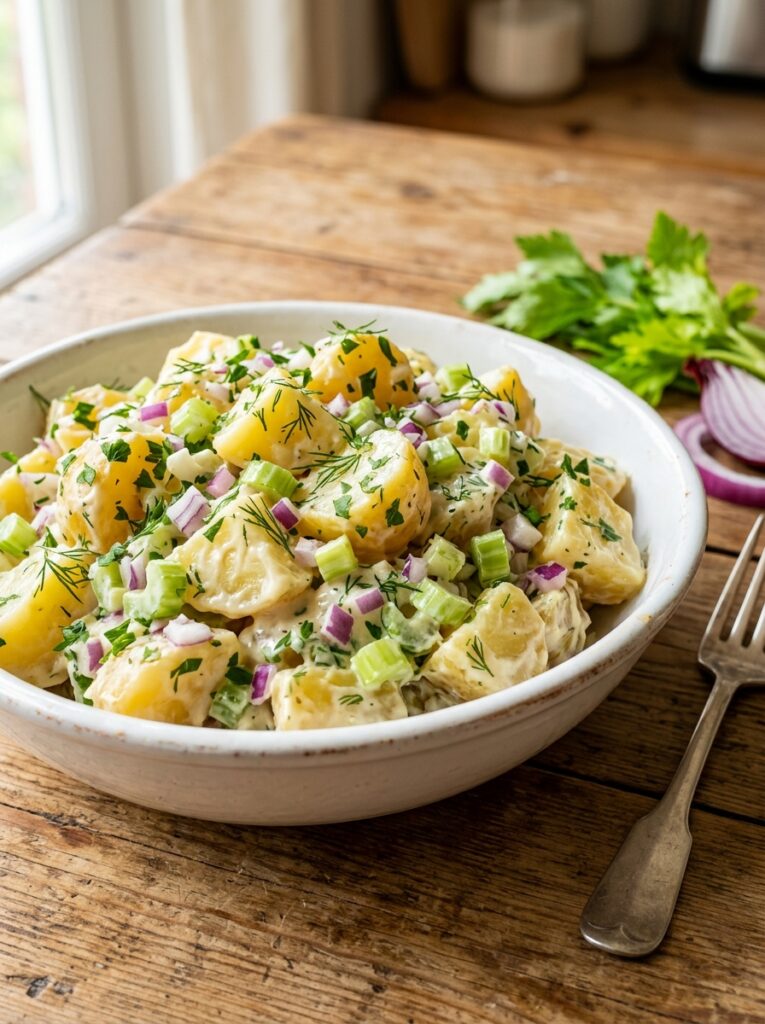
Just like traditional potato salad, keeping crunchy elements like diced celery and red onion in the mayo-free version helps balance the creamy or tangy dressing with satisfying texture. These ingredients also add a subtle sharpness that keeps the dish from tasting overly rich or one-note, especially in yogurt or avocado-based versions. Soaking diced red onion in cold water for a few minutes before adding it can help mellow its bite for those sensitive to raw onion’s intensity. This step is optional but recommended for those who find raw onion overpowering in salads. These crunchy additions are essential for keeping the potato salad texturally interesting from bite to bite.
9. Boil Potatoes Just Right for Perfect Texture
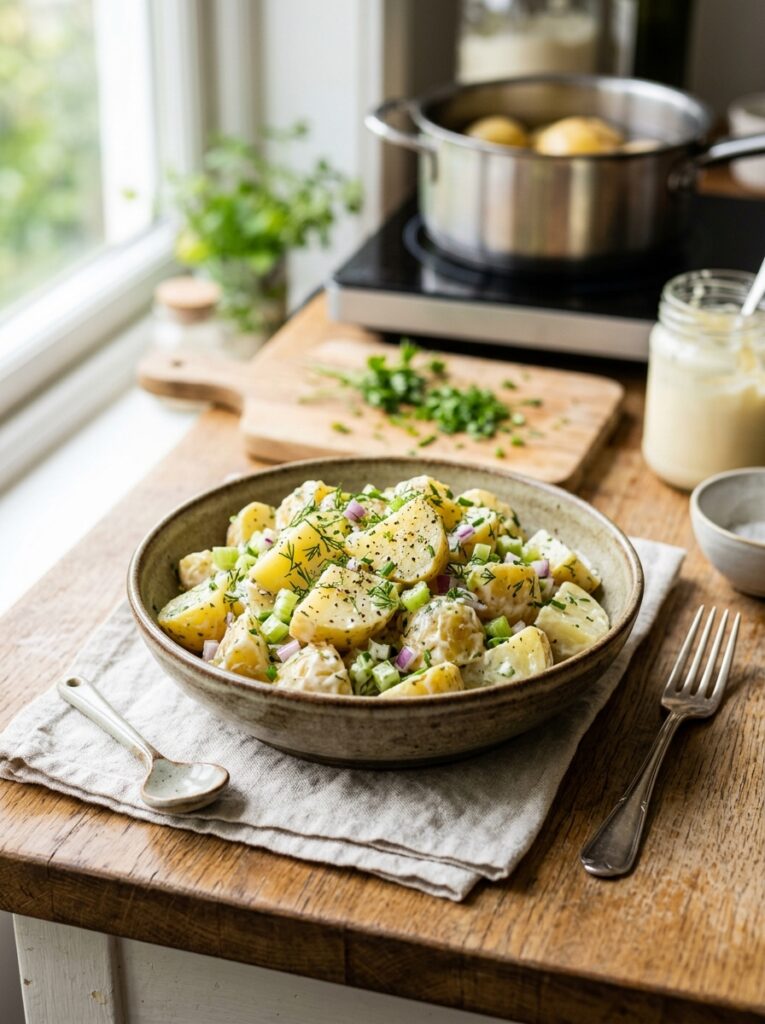
Achieving the ideal potato texture requires careful attention to boiling time, since overcooked potatoes can turn mushy while undercooked ones remain unpleasantly firm at the center. Testing doneness with a fork around the ten to twelve minute mark, depending on potato size, helps ensure they’re tender but still hold their shape once cut and mixed. Salting the boiling water generously also helps season the potatoes from the inside out, reducing the need for excessive added salt later in the dressing. Allowing the potatoes to cool slightly before mixing with the dressing prevents the heat from breaking down delicate ingredients like yogurt or avocado too quickly. This foundational step is one of the most important for achieving restaurant-quality potato salad texture at home.
10. Add a Boiled Egg for Extra Creaminess
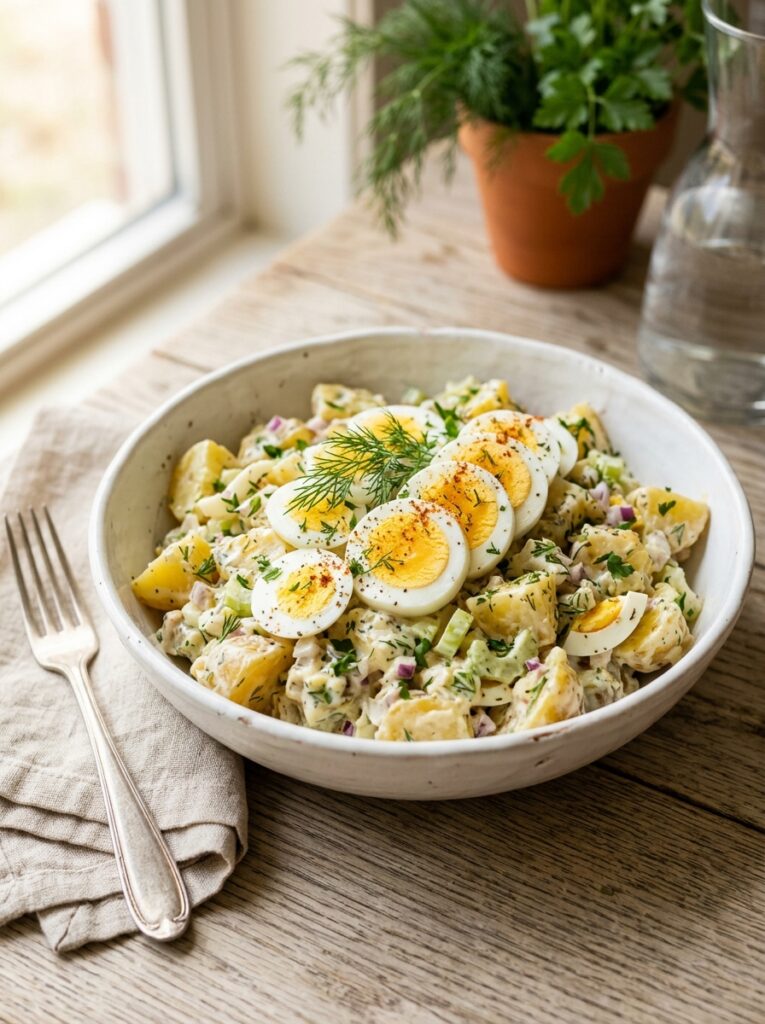
Incorporating chopped hard-boiled eggs into the potato salad adds an additional layer of creaminess and protein, even without any mayonnaise in the recipe. The yolks in particular contribute a rich, slightly creamy quality that helps bind the other ingredients together within the dressing. This addition is a classic component found in many traditional potato salad recipes, offering a familiar, comforting element even in a mayo-free version. For those avoiding eggs, this ingredient can simply be omitted without significantly impacting the overall texture or flavor of the dish. It’s an easy, affordable way to boost both the nutritional value and creamy texture of the salad.
11. Season Generously for Maximum Flavor
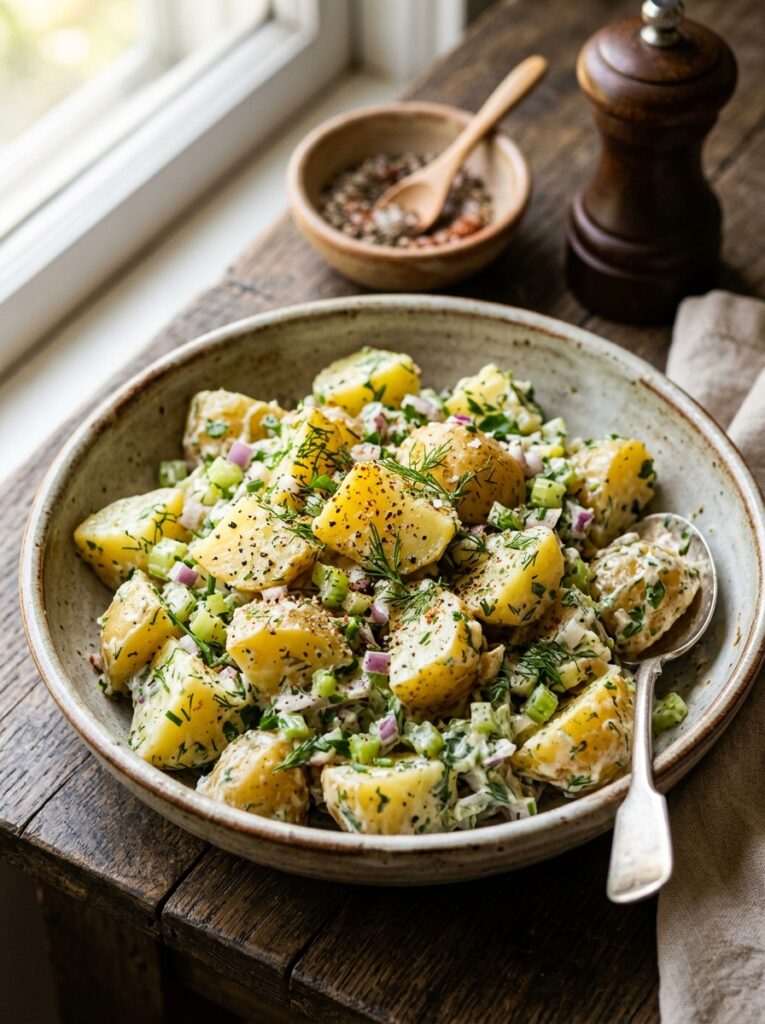
Since mayo-free dressings tend to be lighter in overall richness, it’s important to season generously with salt, pepper, and other spices to ensure the potato salad doesn’t taste bland or underwhelming. Ingredients like garlic powder, smoked paprika, or a touch of celery seed can add depth and complexity without relying on heavy, fat-based ingredients for flavor. Tasting and adjusting the seasoning throughout the mixing process, rather than only at the end, helps ensure a well-balanced final result. This attention to seasoning becomes even more critical in lighter, healthier versions of classic comfort dishes. Proper seasoning is often the difference between a forgettable mayo-free potato salad and one that genuinely rivals the traditional version.
12. Chill Before Serving for Best Flavor
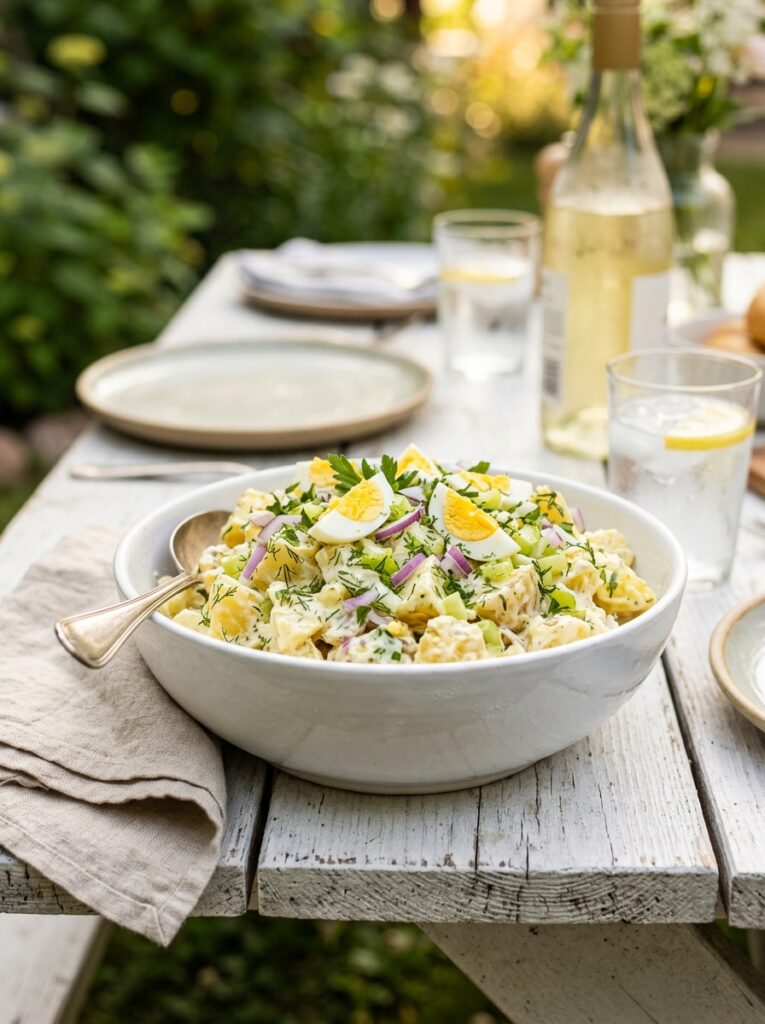
Allowing the finished potato salad to chill in the refrigerator for at least an hour before serving gives the flavors time to meld together and intensify. This resting period is especially important for mayo-free versions, since lighter dressings sometimes need extra time to fully penetrate and flavor the potatoes. Serving the salad slightly chilled rather than at room temperature also enhances the refreshing quality of these lighter, tangier variations. This make-ahead friendly step makes the recipe convenient for meal prepping or preparing in advance of a gathering. A little patience at the end of the process results in a noticeably more flavorful and cohesive finished dish.
Final Thoughts
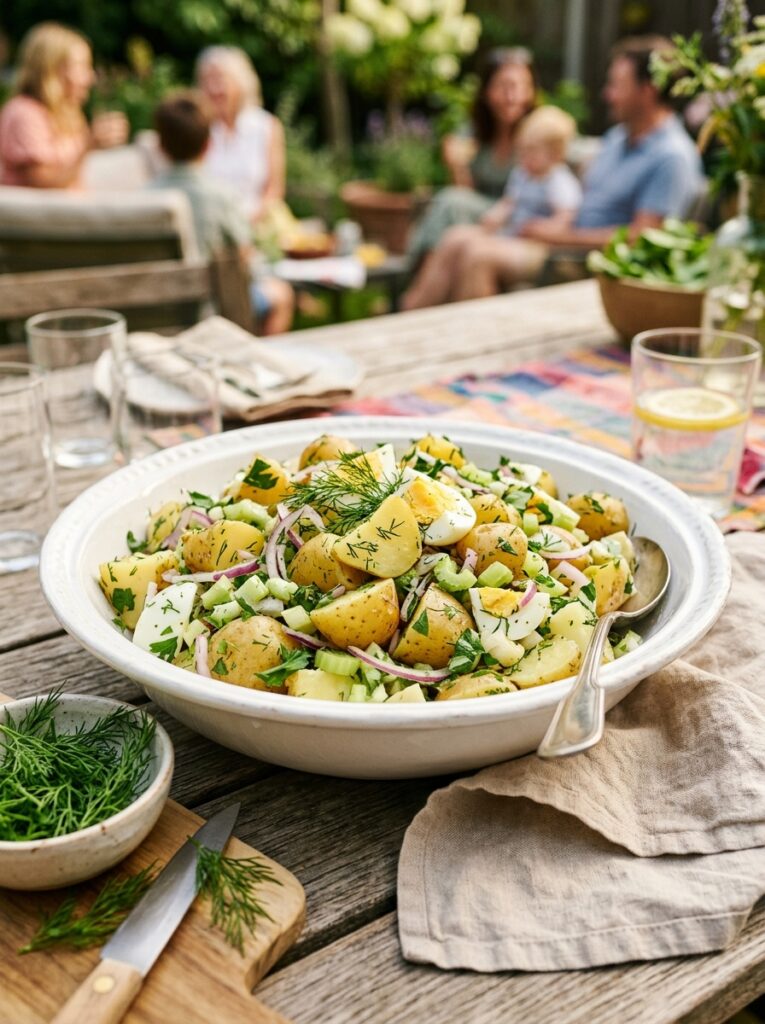
Creating an easy, creamy, healthy potato salad without mayonnaise proves that classic comfort food can be lightened up without losing any of its satisfying flavor or texture. These 12 ideas offer a variety of approaches, from Greek yogurt and avocado bases to tangy vinaigrette-style versions, ensuring there’s an option to suit nearly any taste or dietary need. The key lies in choosing quality creamy substitutes, seasoning generously, and paying attention to small details like potato texture and chilling time. Best of all, many of these swaps actually introduce fresh, bright flavors that some people end up preferring over the traditional mayo-heavy version. With these ideas in hand, you can confidently bring a lighter, healthier potato salad to your next gathering without sacrificing any of the comfort or nostalgia of the original dish.
