Chicken salad has long been a beloved staple for quick lunches, meal prep, and light dinners, but traditional recipes are often loaded with heavy mayonnaise and hidden calories. The good news is that with a few simple swaps and thoughtful ingredient choices, chicken salad can easily become a genuinely healthy, nutrient-packed meal without sacrificing any of its creamy, satisfying appeal. Lean protein, fresh vegetables, and lighter dressings can transform this classic dish into something that fits seamlessly into a balanced, health-conscious lifestyle. Whether you’re trying to eat more mindfully, manage your weight, or simply want a fresher take on a familiar favorite, healthy chicken salad offers endless room for creativity. In this article, we’ll explore 12 ideas to help you build a lighter, more nutritious chicken salad that still tastes absolutely delicious.
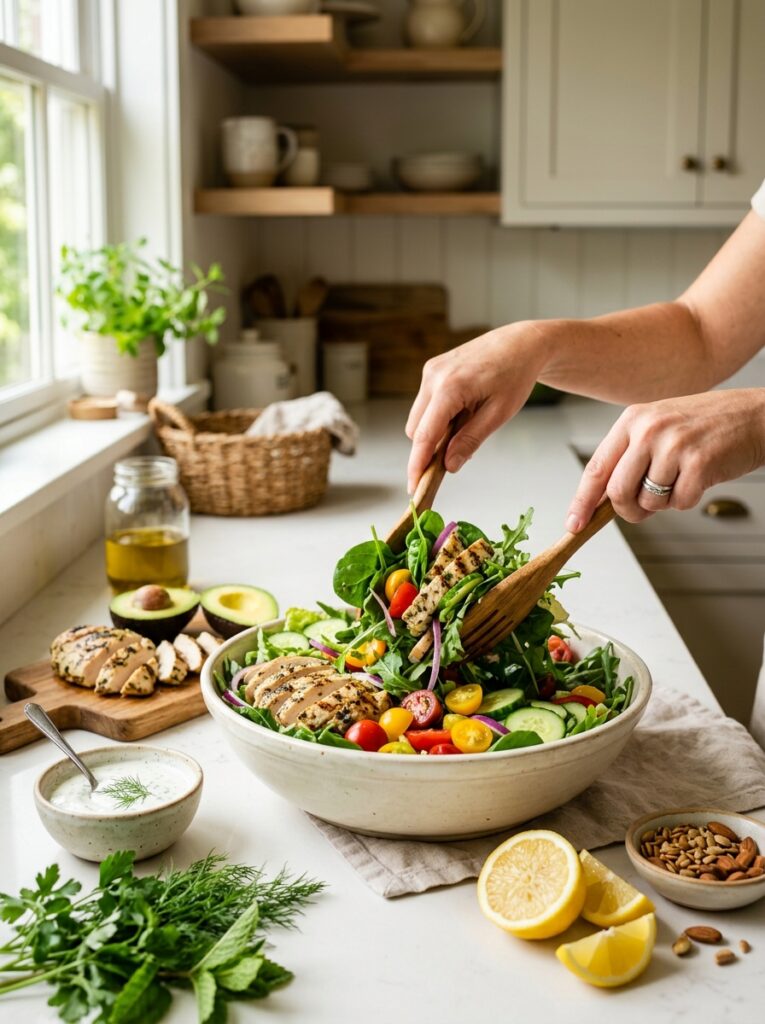
1. Choose Lean, Grilled Chicken Breast
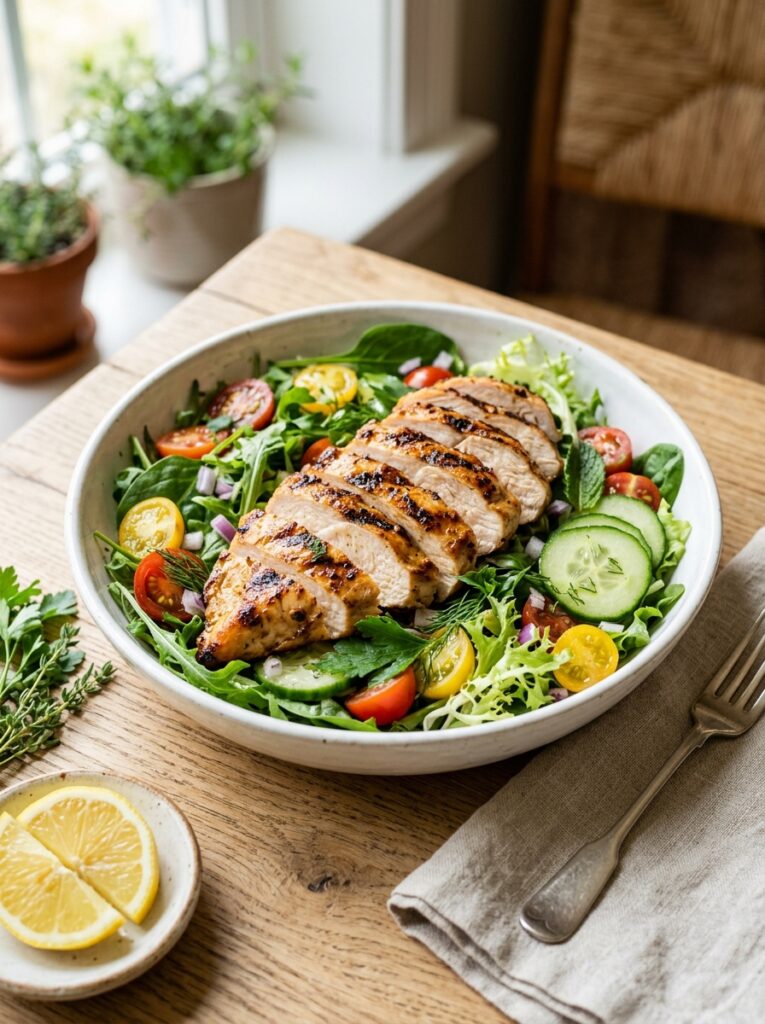
Starting with grilled or baked skinless chicken breast rather than fried or heavily processed chicken sets the foundation for a genuinely healthy salad. Grilling adds flavor without extra fat, and skinless breast meat is naturally lower in calories and saturated fat compared to darker cuts like thighs. Seasoning the chicken simply with herbs, garlic, and a touch of olive oil before cooking keeps the flavor clean and avoids unnecessary added sodium or sugar. Cooking a larger batch of chicken breast at the start of the week also makes this recipe easy to prepare quickly whenever a craving strikes. This foundational choice has the single biggest impact on the overall healthiness of the finished dish.
2. Swap Traditional Mayo for Greek Yogurt
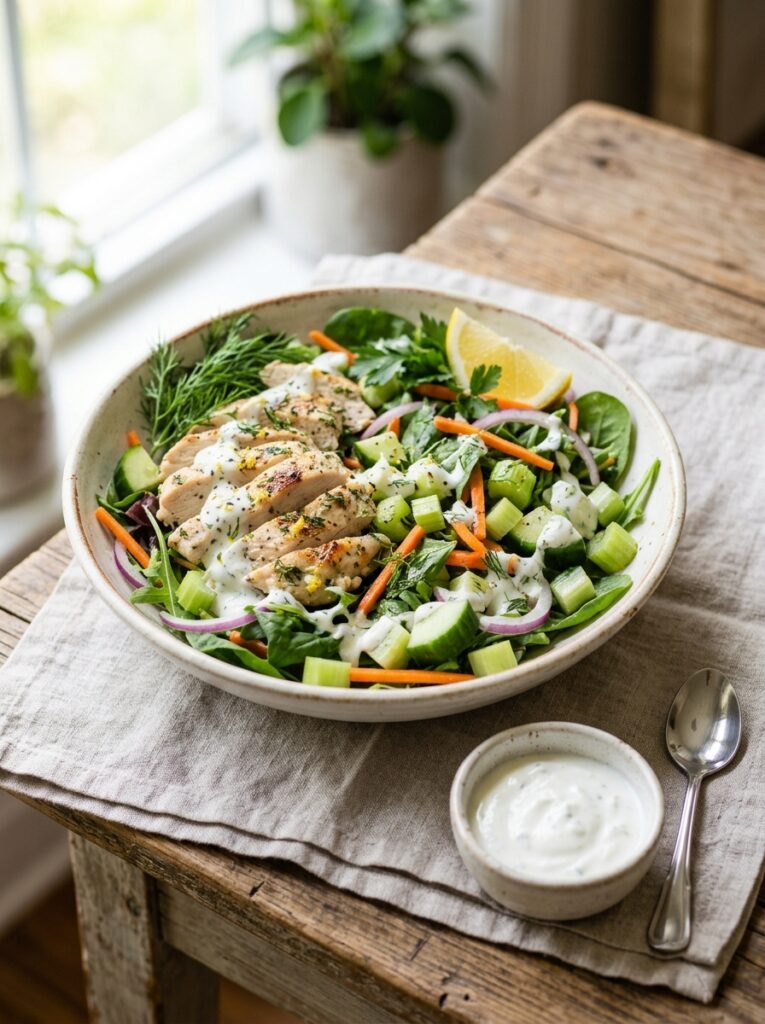
One of the most effective ways to lighten up chicken salad is replacing some or all of the mayonnaise with plain Greek yogurt, which offers a similar creamy texture with significantly less fat and added protein. Greek yogurt also introduces a pleasant tanginess that pairs beautifully with the other ingredients, often making the salad taste even more refreshing than the traditional version. For those not ready to fully commit, a fifty-fifty blend of yogurt and light mayo offers a great middle ground while still cutting calories substantially. This swap also boosts the protein content of the meal, helping keep you fuller for longer throughout the day. It’s one of the simplest changes that delivers a noticeably healthier result.
3. Load Up on Fresh, Crunchy Vegetables
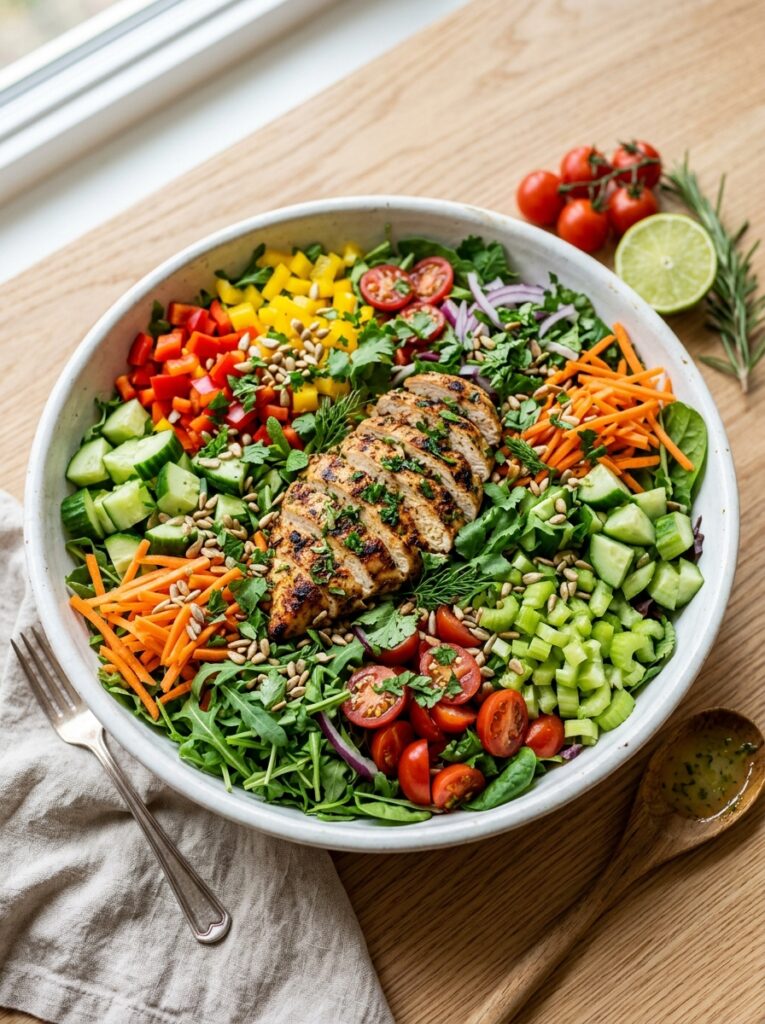
Adding a generous amount of fresh vegetables, such as diced celery, bell peppers, cucumber, or shredded carrots, boosts the nutrient density of the salad while adding satisfying crunch and volume. These vegetables are naturally low in calories yet high in fiber, vitamins, and minerals, making the overall dish more filling without adding significant calories. Chopping the vegetables into small, even pieces ensures they distribute evenly throughout the salad, so every bite includes a good mix of textures and flavors. This approach also allows the salad to stretch further, meaning less chicken and dressing are needed per serving while still feeling satisfying. Prioritizing vegetables is one of the easiest ways to transform a heavy dish into a genuinely balanced meal.
4. Use Avocado for Healthy Fats
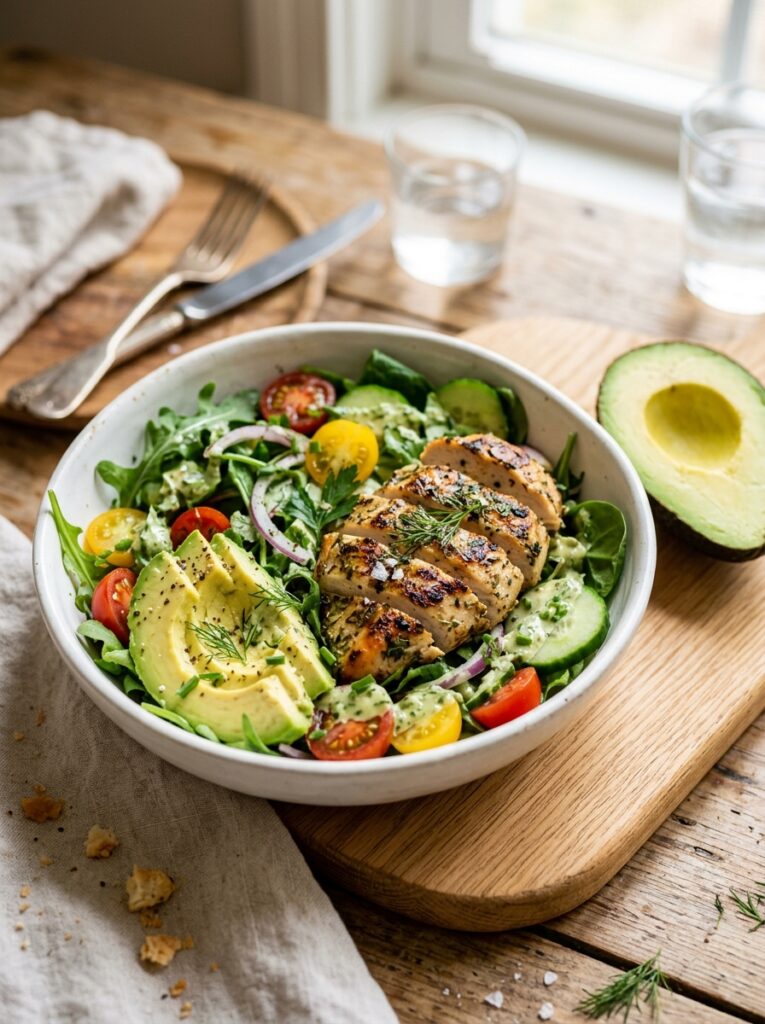
Mashed or diced avocado makes an excellent addition to healthy chicken salad, providing a creamy texture along with heart-healthy monounsaturated fats. Avocado can even replace a portion of the mayo entirely, cutting down on processed ingredients while adding beneficial nutrients like potassium and fiber. The mild, buttery flavor of avocado pairs well with nearly any chicken salad variation, whether you’re going for a classic, Mexican-inspired, or Mediterranean flavor profile. Because avocado browns quickly once cut, it’s best to add it just before serving rather than during meal prep for the week. This ingredient swap adds richness and nutrition simultaneously, making it a favorite among health-conscious home cooks.
5. Add Fresh Herbs Instead of Excess Salt
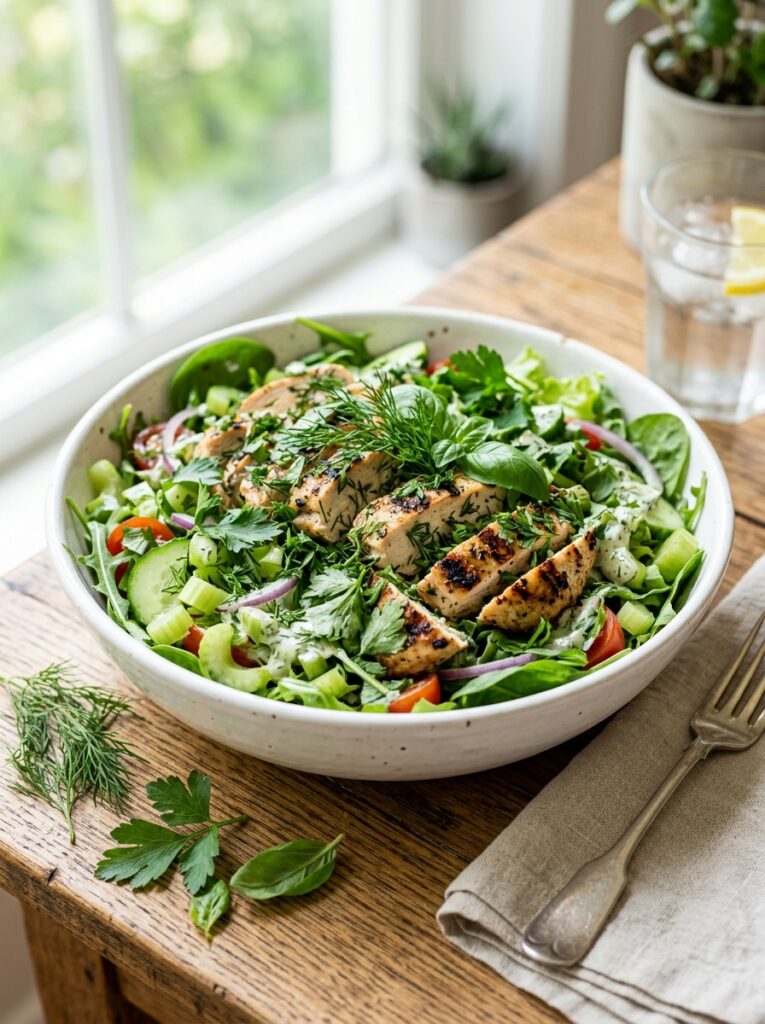
Incorporating fresh herbs like dill, parsley, cilantro, or basil adds bright, bold flavor to chicken salad without relying on excessive salt or heavy seasoning blends. Herbs also contain their own beneficial plant compounds and antioxidants, adding a small nutritional boost alongside their flavor contribution. Using fresh herbs rather than dried versions typically delivers a more vibrant, pronounced flavor, making it easier to reduce sodium without sacrificing taste. Experimenting with different herb combinations allows you to create multiple flavor variations from the same basic healthy chicken salad base recipe. This simple addition proves that healthy eating doesn’t have to mean bland or boring food.
6. Incorporate Nuts and Seeds in Moderation
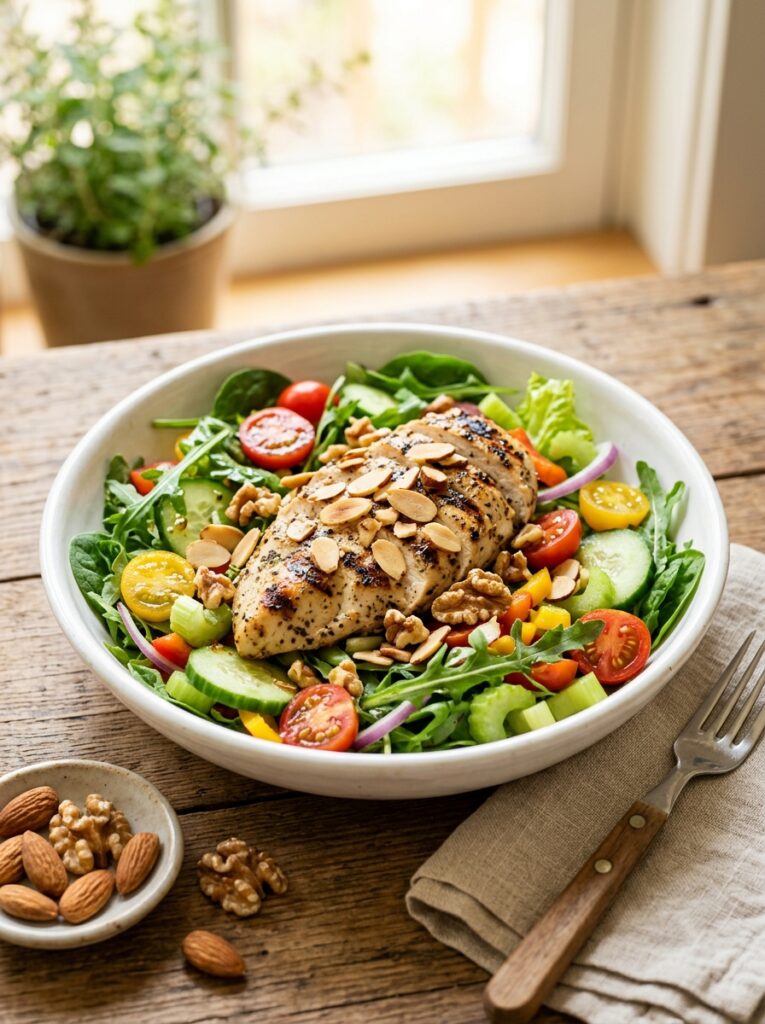
Adding a small amount of nuts or seeds, such as sliced almonds, walnuts, or sunflower seeds, introduces healthy fats, protein, and satisfying crunch to the salad. Portion control is key here, since nuts are calorie-dense, so sticking to a tablespoon or two per serving keeps the nutritional profile balanced. Toasting the nuts lightly beforehand enhances their flavor, meaning a smaller amount can deliver a more noticeable crunch and taste. This addition also provides beneficial nutrients like omega-3 fatty acids, particularly when using walnuts, supporting overall heart health. A thoughtful sprinkle of nuts or seeds adds both nutritional value and textural interest without overwhelming the dish.
7. Choose Fresh Fruit Over Excess Sugar
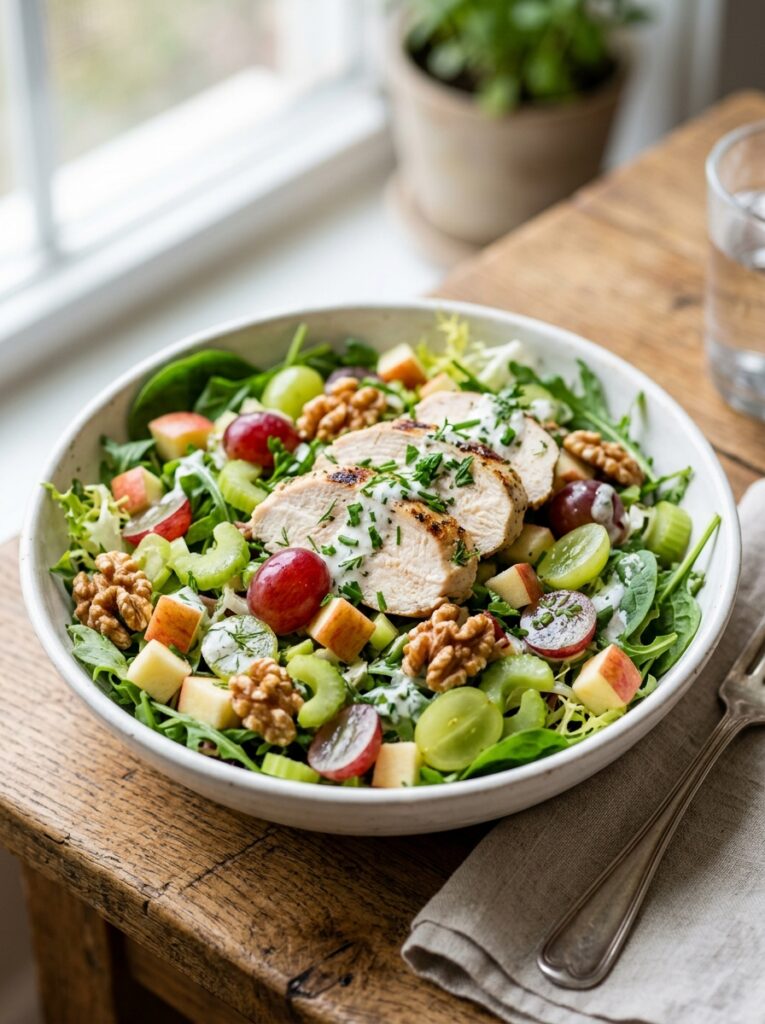
Adding fresh fruit, such as diced apples, grapes, or a small amount of dried cranberries, introduces natural sweetness without relying on added sugars found in many store-bought dressings or pre-made salads. Fresh fruit also contributes fiber and additional vitamins, making the overall dish more nutritionally complete compared to versions relying on sugary add-ins. Keeping portions of sweeter ingredients like dried fruit modest helps maintain a balanced flavor profile without tipping the salad into dessert territory. This approach allows the natural sweetness of the fruit to shine through, creating a more satisfying, whole-food-based flavor experience overall. It’s a simple way to add complexity and nutrition simultaneously.
8. Season with Lemon Juice and Vinegar
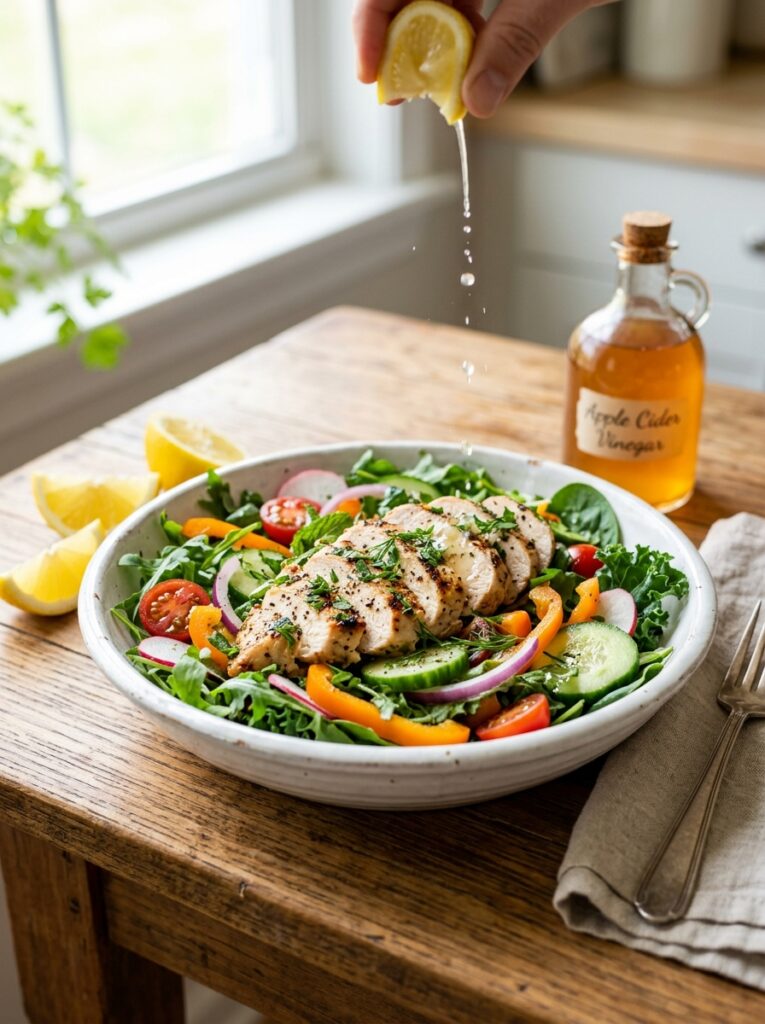
Brightening the salad with fresh lemon juice or a splash of apple cider vinegar adds acidity and depth without contributing any significant calories or fat. This bright, tangy element helps balance the richness of the dressing while enhancing the overall flavor of the other ingredients. Citrus and vinegar can also help reduce the total amount of mayo or yogurt needed, since the acidity adds so much flavor on its own. This small addition is a favorite trick among nutrition-conscious cooks looking to maximize flavor while minimizing unnecessary calories. A well-balanced dressing built around acidity, rather than pure creaminess, often results in a lighter, more refreshing final dish.
9. Serve Over Greens Instead of Bread
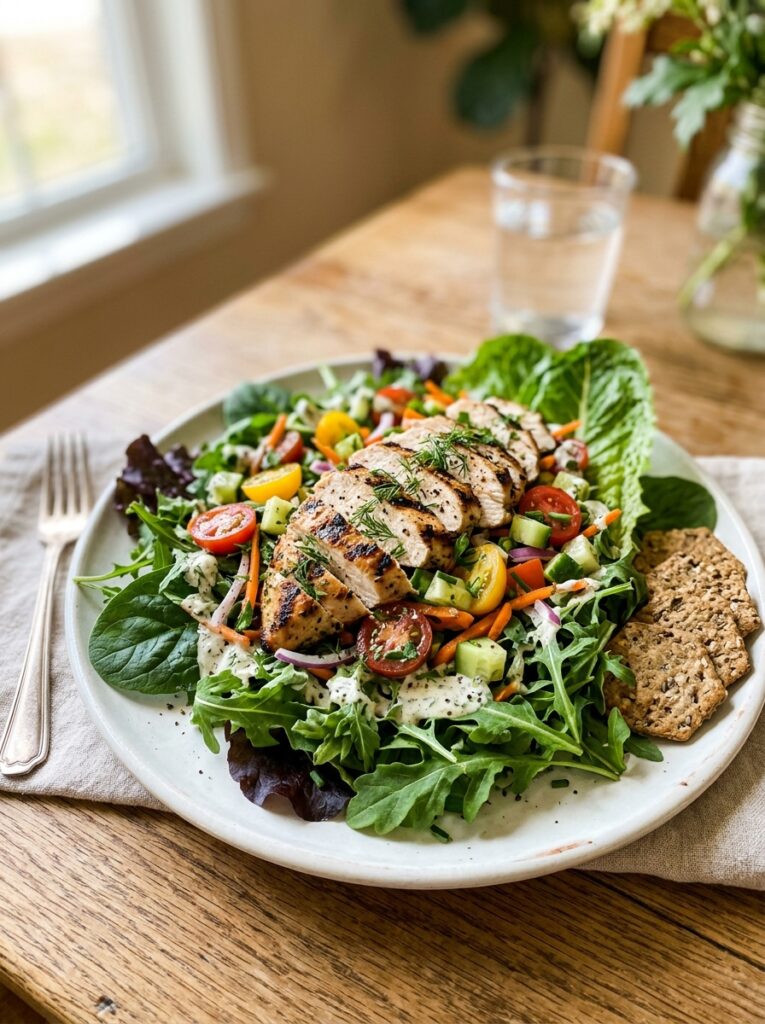
Rather than serving chicken salad in a heavy sandwich or wrap, placing it over a bed of leafy greens like spinach, arugula, or mixed lettuce significantly reduces the overall calorie and carbohydrate content of the meal. This approach also adds an extra serving of vegetables, further boosting the nutritional value of the dish without any additional prep work. Leafy greens provide a satisfying base that holds up well to the salad’s dressing without becoming soggy too quickly. For those who still want some crunch reminiscent of bread, adding a few whole-grain crackers on the side offers a lighter alternative to a full sandwich. This simple serving change is one of the easiest ways to lighten up the meal overall.
10. Control Portion Sizes Mindfully
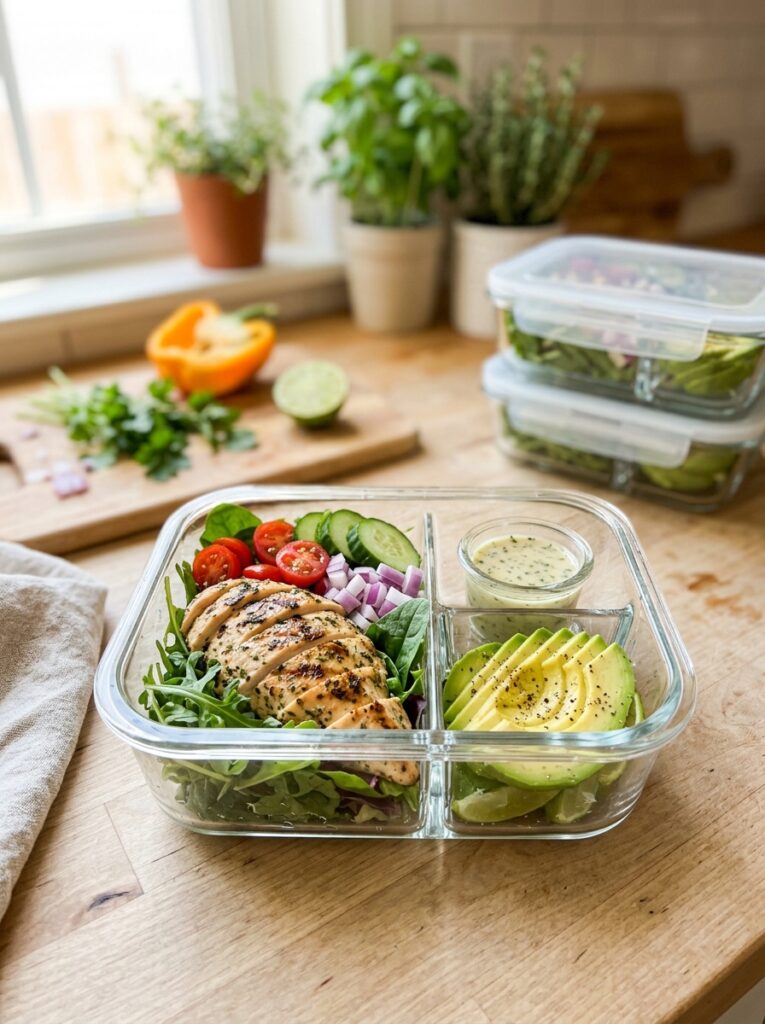
Even with healthy ingredients, portion control remains an important factor in keeping chicken salad genuinely balanced and appropriate for your nutritional goals. Using a kitchen scale or measuring cups when first learning proper portion sizes can help build a better intuitive sense of appropriate serving sizes over time. Pre-portioning the salad into individual containers immediately after preparing it also helps prevent overeating straight from a large communal bowl. This practice is particularly helpful for those meal prepping for the week, ensuring consistent nutrition and calorie intake across multiple days. Mindful portioning ensures that even a generally healthy recipe stays aligned with your specific dietary goals.
11. Meal Prep for Consistent Healthy Eating
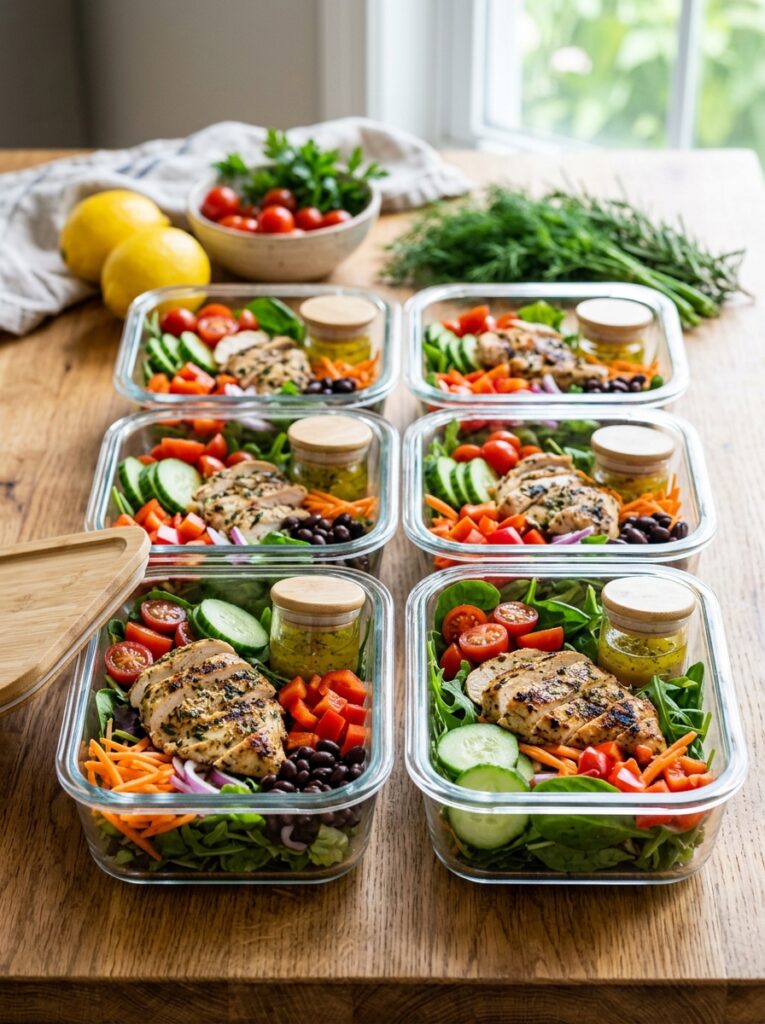
Preparing a large batch of healthy chicken salad at the beginning of the week makes it significantly easier to stick to nutritious eating habits, even on busy or hectic days. Having a ready-to-eat, protein-packed meal available in the refrigerator reduces the temptation to reach for less healthy convenience foods when time is limited. Storing the salad in individual, airtight containers also makes portion control automatic, removing the guesswork from daily meal planning. This approach works particularly well for those balancing demanding work schedules, family responsibilities, or fitness goals that require consistent protein intake. Meal prepping this recipe transforms healthy eating from an occasional effort into a sustainable, repeatable habit.
12. Experiment with Global Flavor Variations
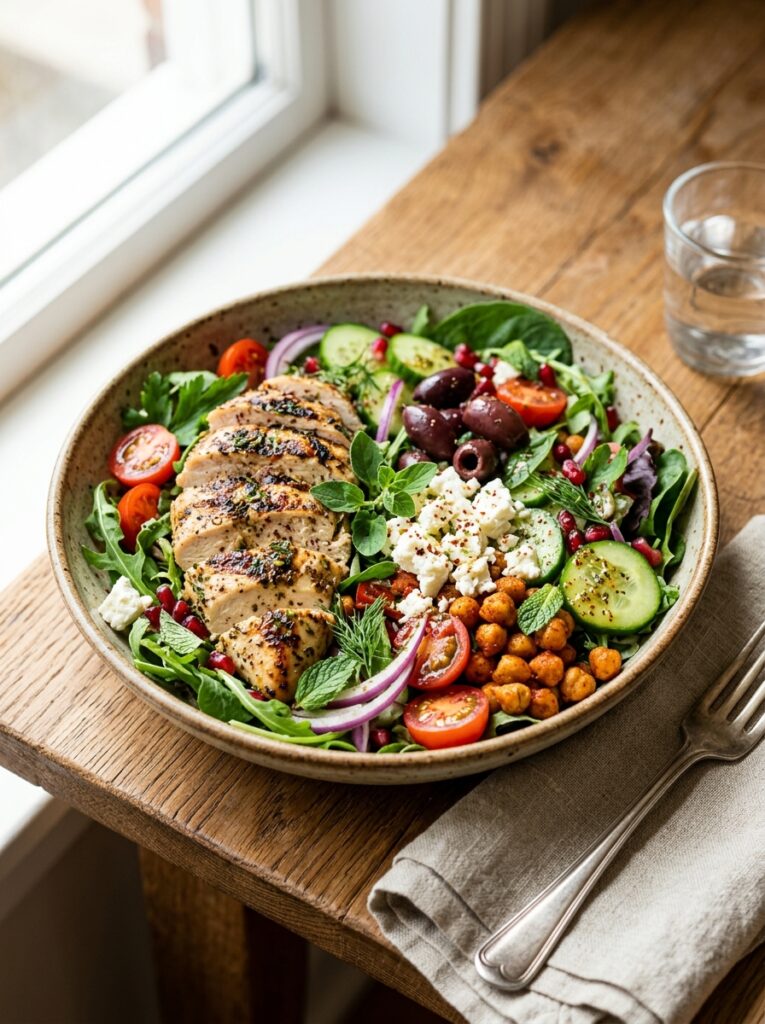
Keeping healthy chicken salad exciting long-term often comes down to experimenting with different global flavor profiles, such as a curry-spiced version with turmeric and raisins, or a Mediterranean take with olives, feta, and oregano. These variations allow the core healthy formula, lean chicken, light dressing, and fresh vegetables, to stay consistent while the flavor profile changes dramatically from batch to batch. This approach prevents the meal prep fatigue that often comes from eating the exact same recipe week after week. Exploring different cuisines also introduces new herbs, spices, and ingredients that offer their own unique nutritional benefits. This creative flexibility ensures that eating healthy never has to feel repetitive or restrictive.
Final Thoughts
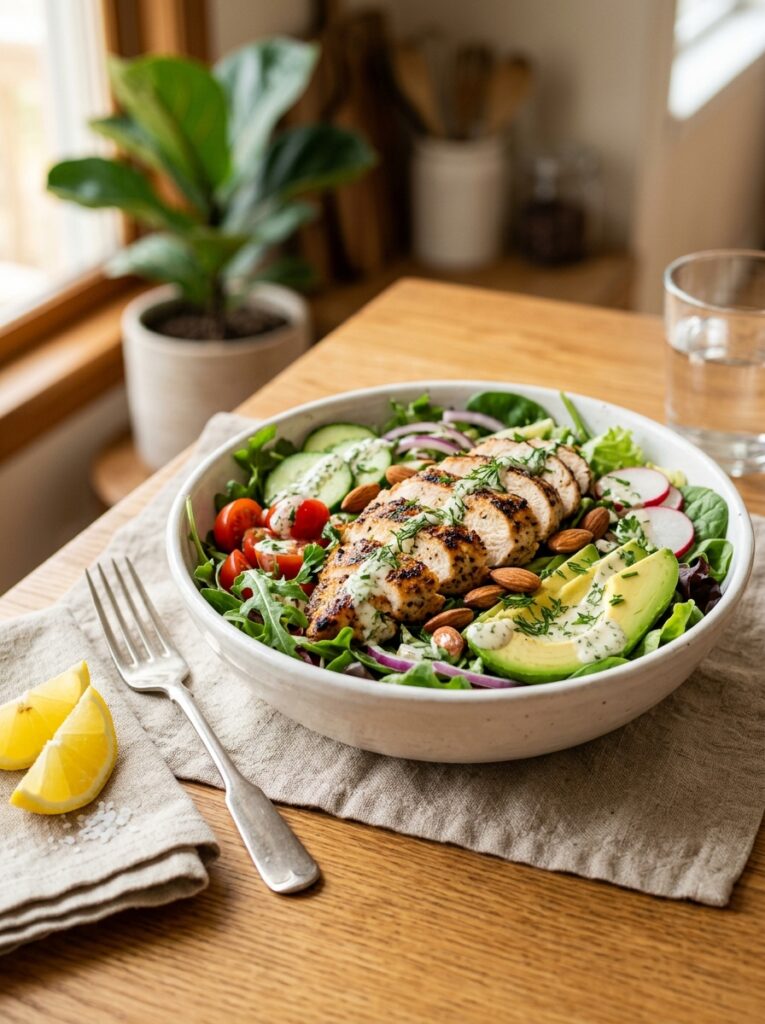
Building a genuinely healthy chicken salad comes down to a series of small, thoughtful ingredient swaps and mindful preparation choices that add up to a significantly more nutritious final dish. These 12 ideas prove that healthy eating doesn’t require sacrificing flavor, satisfaction, or the comforting appeal of a classic recipe. Whether you’re lightening the dressing, boosting the vegetable content, or experimenting with new flavor combinations, there are countless ways to make this dish work for your specific health goals. Best of all, most of these changes require minimal extra effort, making them easy habits to incorporate into your regular cooking routine. With these ideas in mind, healthy chicken salad can become a reliable, satisfying staple in your kitchen for years to come.
