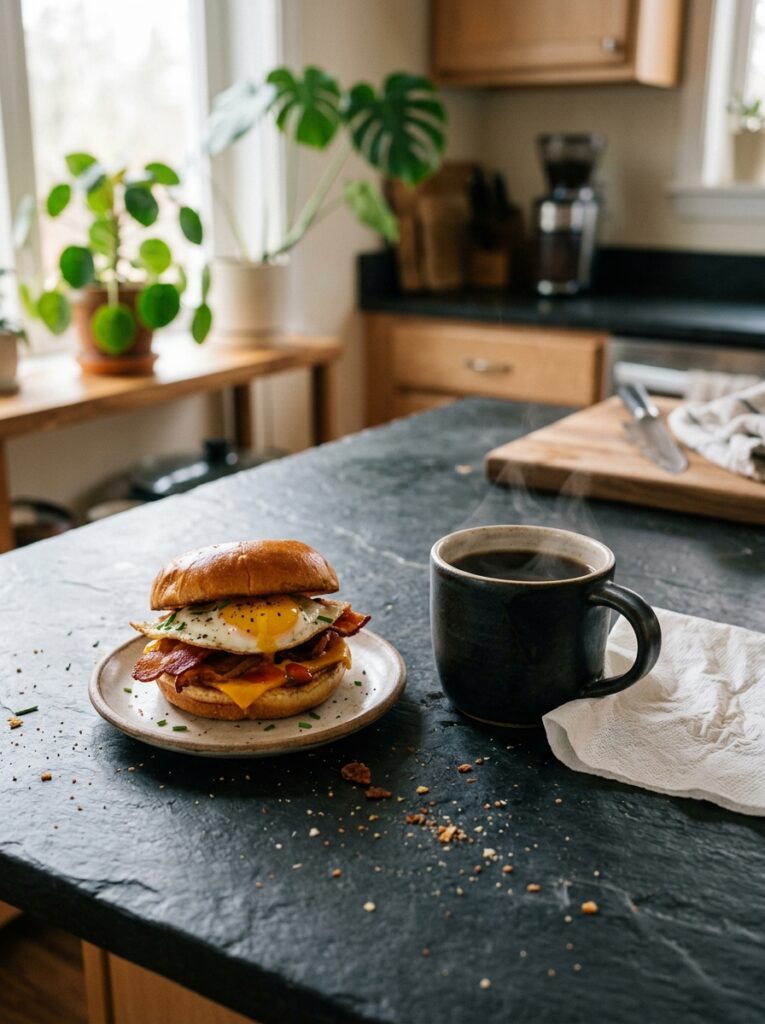
My neighbor knocked on my door last Sunday because she could smell the garlic butter through the wall. That’s the kind of sandwich we’re talking about today.
—
1. The Club That Actually Deserves the Name
Most club sandwiches are sad. Three pieces of toast, some pale turkey, a leaf of iceberg that contributes literally nothing. You eat it and you feel fine and you never think about it again.
This version? Different story.
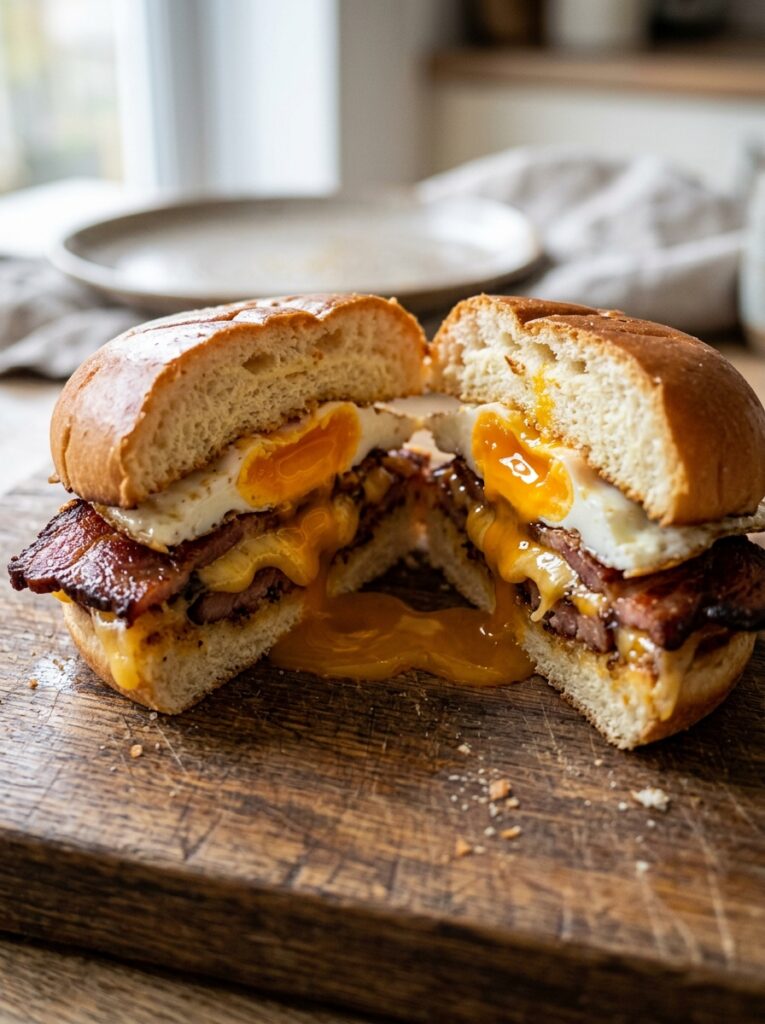
You’re toasting thick-cut white bread until it’s properly golden, not just warm. Then you’re layering roasted turkey — not deli slices, actual roasted turkey — with crispy streaky bacon, ripe tomato, creamy avocado, and a smear of chipotle mayo that has just enough heat to make you sit up straighter. The third slice of bread in the middle is there to keep things stable AND to soak up the avocado and mayo from both sides simultaneously. That’s why three slices exist. It’s structural and delicious at the same time.
Slice it diagonally. Always diagonally. The angle matters more than you think.
“The club sandwich is the one that separates the people who assemble food from the people who actually cook.”
—
2. Slow-Braised Pulled Pork That Turns into Three Sandwiches at Once
Okay so this is technically a slow cooker situation, but stay with me.
You’re rubbing a pork shoulder with smoked paprika, brown sugar, garlic powder, a little cayenne, and black pepper. Then it goes in low and slow — like, seven or eight hours — with just a splash of apple cider vinegar and some chicken stock to keep things going. By the time it’s done, your entire house smells like a barbecue restaurant at 2pm on a Friday, which is honestly one of the best smells on earth.
Shred it. Pile it into brioche buns (soft ones, not the fancy stiff kind), and this is crucial: toast the inside of the bun in the pork drippings before you assemble. Just thirty seconds in a pan. It changes everything. Then you want something crunchy on top — proper coleslaw, made sharp with apple cider vinegar and a spoon of Dijon, not the sweet gloopy kind.
The reason I said “three sandwiches at once” is because one batch of this makes ENOUGH. Lunch for two days, dinner for guests, leftover tacos on Thursday. It’s genuinely one of the most efficient cooks you can do.
—
3. The French Dip That Feels Like a Restaurant Made It
I didn’t think I could make this at home. I genuinely thought it was one of those sandwiches that requires equipment, or a chef, or something. It doesn’t.
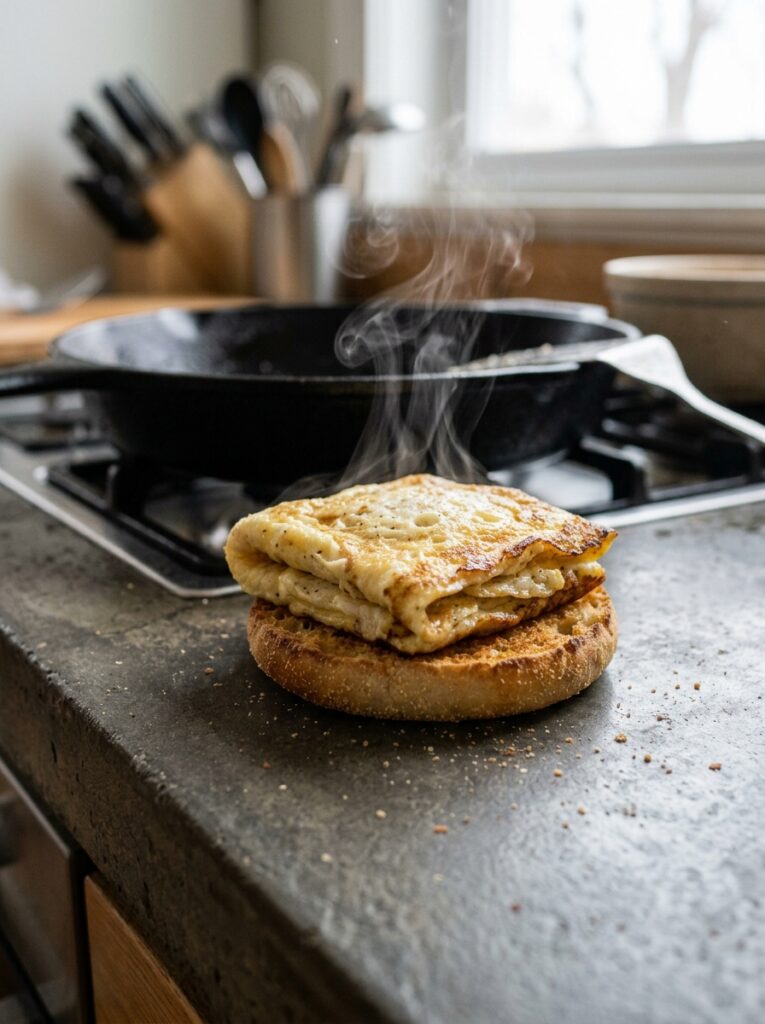
You’re thinly slicing roast beef — or buying it pre-sliced and decent quality — and warming it gently in a simple beef jus you made from beef stock, Worcestershire, a little soy sauce, and a sprig of fresh thyme. The jus barely takes twenty minutes. The beef heats through in the liquid and picks up ALL of that flavor.
Then: a hoagie roll, toasted, with provolone melted under the grill (broiler if you’re American, grill if you’re British, same thing). Pile the beef on. And then you serve it with a little bowl of the jus on the side, for dipping.
The first time you dip that sandwich into the broth and take a bite, you’ll understand why people drive across cities for this.
—
4. The Color That Keeps Appearing in Every Beautiful Caprese Sandwich
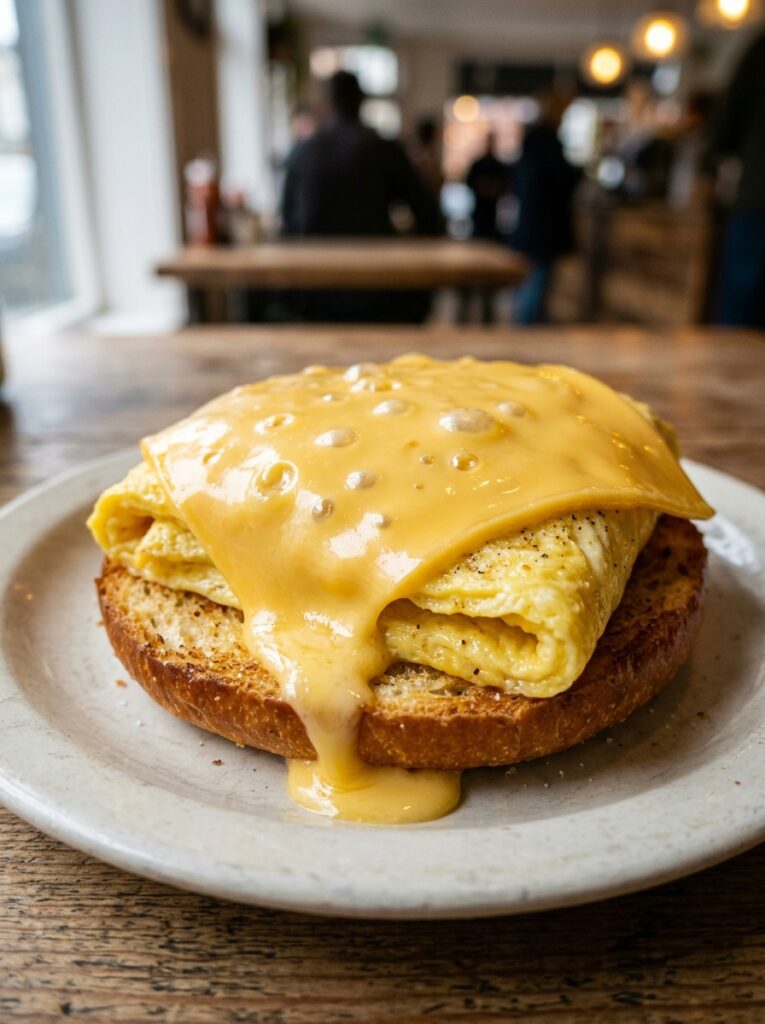
Bright red. Deep green. White. It’s not an accident — there’s a reason the caprese combination looks as good as it tastes.
But a caprese sandwich done right is so much more than just stacking the same ingredients you’d put on a salad. You want thick-sliced sourdough, lightly brushed with olive oil and griddled until you get those char marks. Fresh mozzarella — the proper wet kind in brine — sliced about half an inch thick. Ripe tomatoes at actual room temperature (cold tomatoes are a tragedy and I won’t argue about this). Fresh basil leaves, and a drizzle of really good balsamic glaze.
“Room temperature mozzarella, room temperature tomato. This is not optional.”
But here’s the bit most people skip: a thin layer of pesto on both sides of the bread before everything else goes on. It acts like a moisture barrier AND adds depth. The basil hits you from two directions. The whole thing is a little oily, a little tangy, slightly charred at the edges.
Eat it immediately. This isn’t a sandwich you prep ahead.
—
5. An Egg Salad That Doesn’t Embarrass Itself
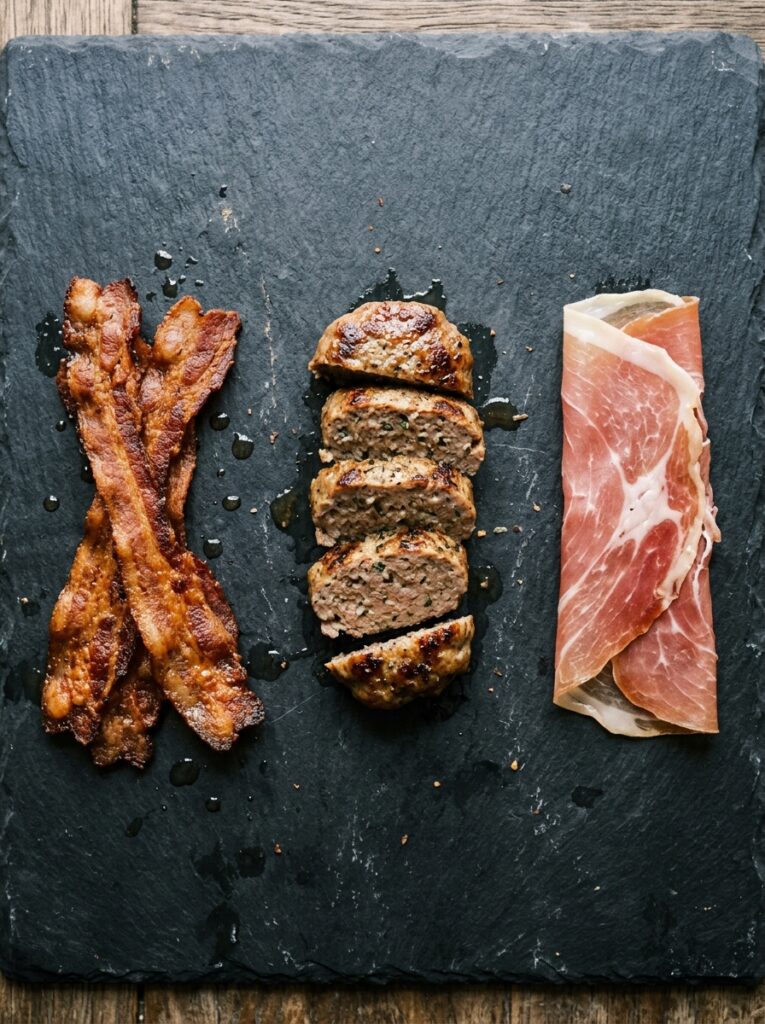
Egg salad gets a bad reputation and honestly? It’s deserved in most cases. The average egg salad is gray, watery, and somehow both overdressed and bland. But when it’s done well — really well — it’s one of the most comforting things you can put between two slices of bread.
Here’s what makes the difference. First, your eggs need to be properly hard-boiled and then cooled COMPLETELY in an ice bath. No green ring around the yolk. Second, you’re chopping the eggs, not mashing them — you want texture. Third, the dressing: good mayo, a teaspoon of Dijon mustard, a tiny splash of white wine vinegar, a little celery salt, and chopped fresh chives. That’s it. The chives are non-negotiable.
Pile it onto lightly buttered white sandwich bread. Add a few thin slices of radish for crunch if you’re feeling fancy. Close it, press it very gently, and cut the crusts off if you’re making it for guests because it just looks so much better that way, I’m sorry.
—
6. The One Rule That Makes Any Pressed Sandwich Actually Worth Eating
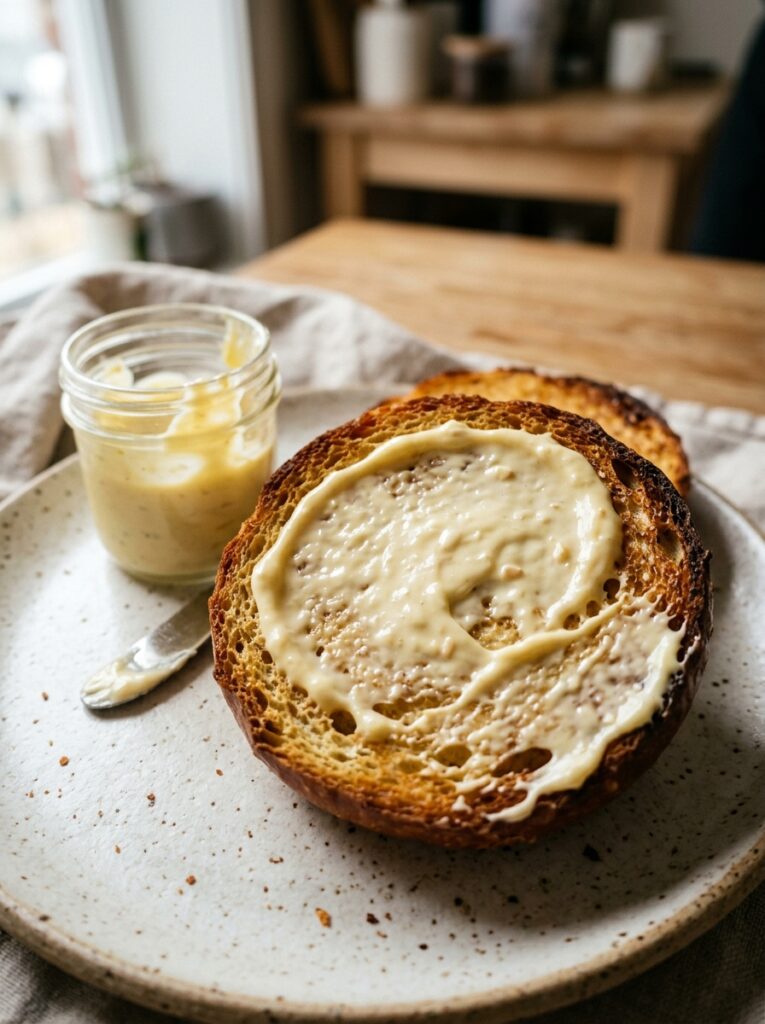
Don’t overthink the filling. Think about the press.
A pressed sandwich — whether that’s a Cuban, a Cubano, a toastie, a panini, whatever you want to call it — lives or dies by how it’s weighted down during cooking. You need heat on both sides and pressure from above. If you’re using a regular pan, put a heavy cast iron skillet on top. Or a foil-covered brick, if you own one (I do, no notes).
The best pressed sandwich I’ve made recently: sourdough, leftover roast ham, Swiss cheese, bread-and-butter pickles (the slightly sweet kind), and yellow mustard. Butter the outside of the bread generously. Press it in a hot pan for four minutes per side with something heavy on top. The cheese will melt into the ham, the pickles will warm through and soften just slightly, and the outside of the bread will be legitimately, audibly crunchy.
People say “crispy” like it’s the only level. But a properly pressed sandwich isn’t crispy — it’s CRUNCHY. There’s a difference. Crispy is fragile. Crunchy has structure.
—
7. What a Banh Mi Can Teach Every Other Sandwich About Balance
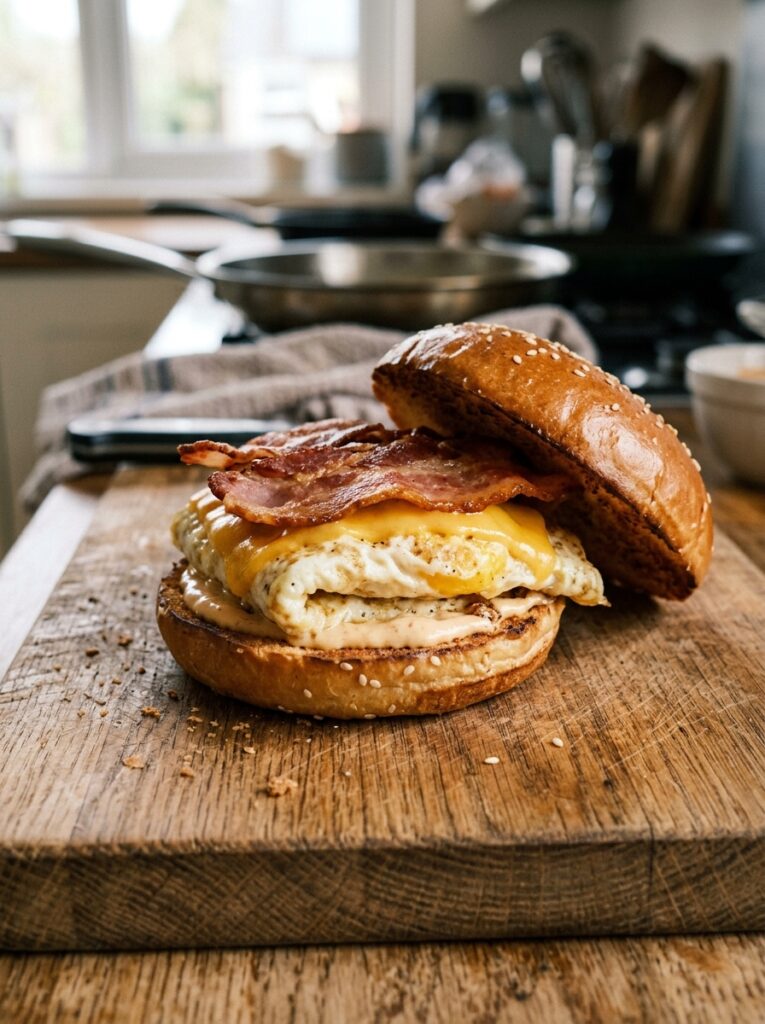
The Vietnamese bánh mì is, objectively, one of the most perfectly constructed sandwiches in the world. I know that’s a bold thing to say. I’ll say it again.
It gets the thing that most Western sandwiches ignore completely: contrast. You’ve got the soft-crispy baguette (the crust shatters, the inside is cloud-like), the rich filling — usually some kind of seasoned pork, or pâté, or both — the pickled daikon and carrot that cut through the richness, fresh cilantro, sliced jalapeño for heat, and a drizzle of mayo or Maggi seasoning for umami depth.
You can make a really solid version at home. For the pickled veg, shred daikon and carrot into thin strips, pour over a mixture of rice vinegar, a little sugar, and a pinch of salt, and let them sit for at least an hour. For the filling, marinated pork mince cooked with lemongrass and fish sauce is my personal go-to.
The key lesson every other sandwich can steal: acid. Get something acidic in there. Pickles, vinegar slaw, lemon zest in the mayo. It’s what makes you reach for another bite immediately.
—
8. The Meatball Sub That Justifies Making Your Own Sauce
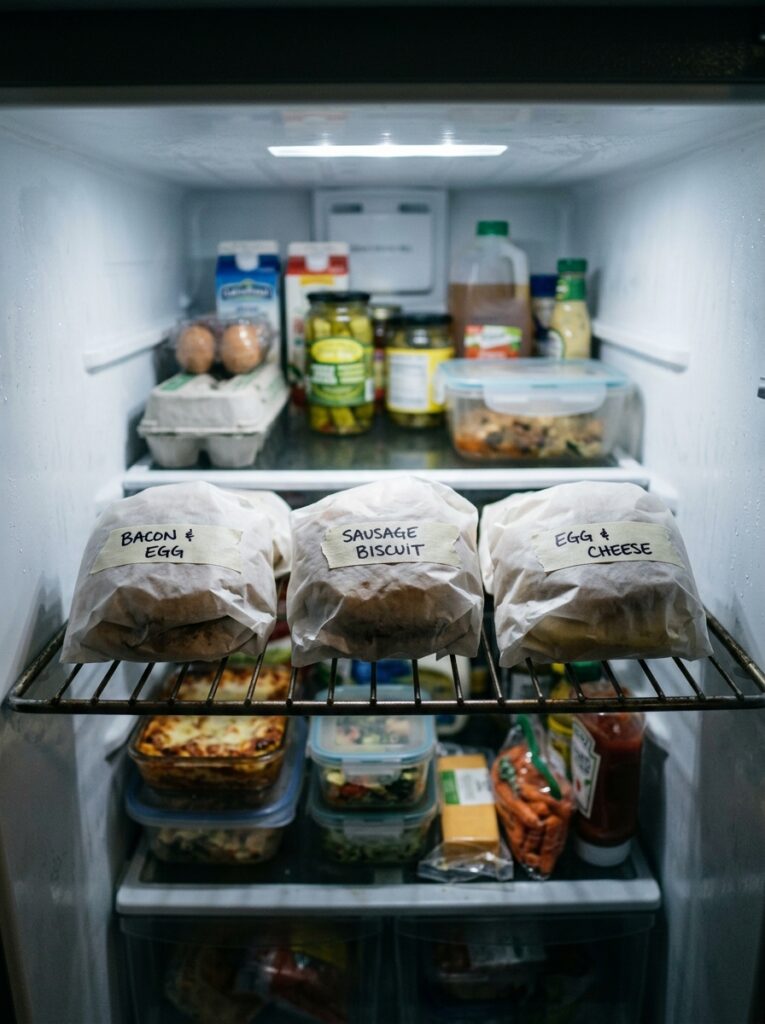
Store-bought marinara is fine. I use it sometimes, not gonna lie. But if you have the time — and “the time” here is about 45 minutes, not a six-hour Sunday project — making a quick fresh tomato sauce changes the meatball sub from a good thing to a genuinely great thing.
Fry some garlic in olive oil until just golden. Add crushed San Marzano tomatoes, a pinch of sugar, dried oregano, red pepper flakes, salt. Simmer it low for thirty minutes until it thickens and the oil pools slightly on the surface. That’s it. That’s the whole sauce.
Your meatballs: a mix of beef and pork mince, breadcrumbs soaked in milk so they stay soft, an egg, parmesan, garlic, fresh parsley. Roll them small — golf ball size, not tennis ball — and bake at 400°F until browned. Then they finish in the sauce.
A long hoagie roll, split and toasted, mozzarella melted on top under the grill, and then the meatballs ladled over generously. Serve it with napkins. You’re going to need them.
“The meatball sub is not a neat sandwich. If you’re not making a mess, something’s wrong.”
—
9. Smoked Salmon and Cream Cheese Done in a Way That Doesn’t Feel Basic
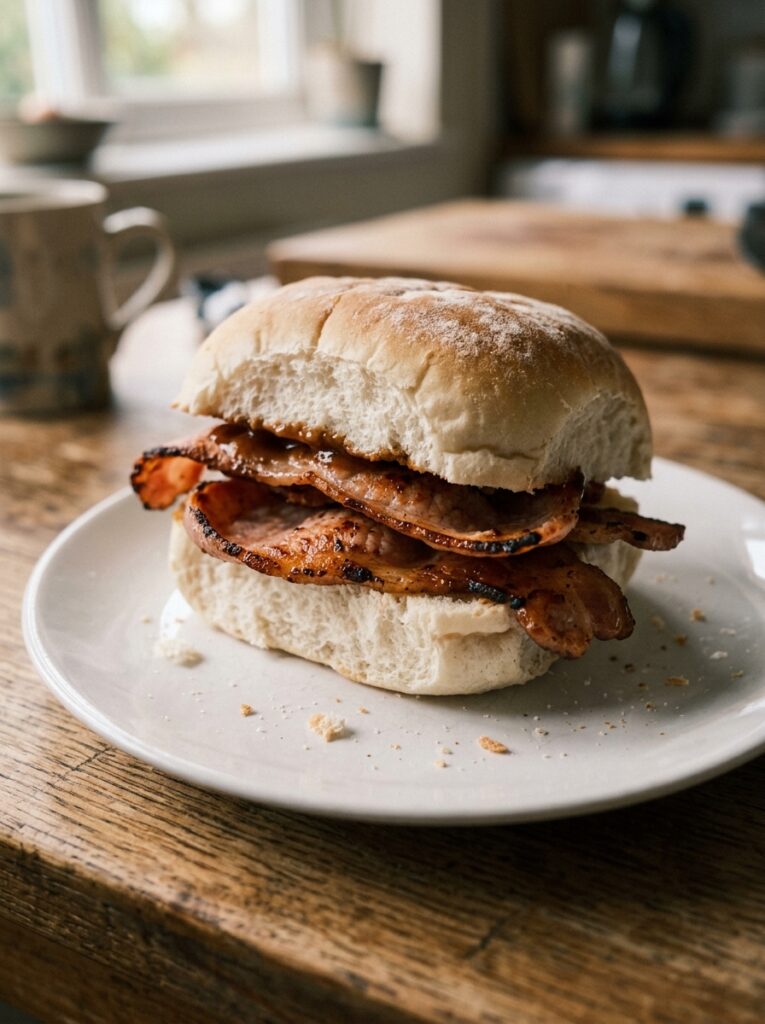
Every deli in the world sells this combination. Which means most people make it without thinking. Which means most people make it badly.
Here’s the version that gets it right. Toasted everything bagel or thick-cut rye bread. The cream cheese gets mixed with a little lemon zest, fresh dill, and a tiny amount of horseradish — not enough to taste the horseradish specifically, just enough to give it a little lift in the back of your throat. Then your smoked salmon, laid over slightly. Very thin red onion slices, soaked in cold water for ten minutes first to take the harsh edge off. A few capers. A crack of black pepper and a squeeze of fresh lemon right before you eat it.
The lemon is not decorative. It’s doing actual work.
This makes a spectacular brunch sandwich, a quick weeknight dinner, or the sort of thing you eat alone standing at the kitchen counter because you can’t wait.
—
10. The Grilled Cheese Rules That Nobody Told You
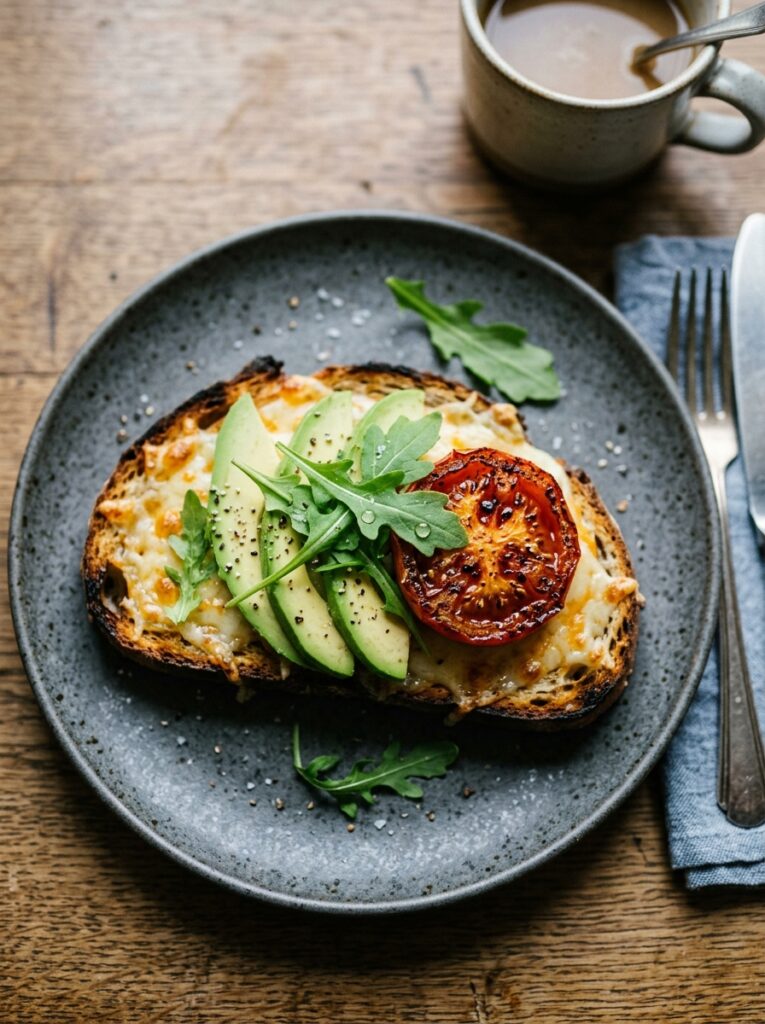
Low heat. That’s the most important one, and nobody tells you. You want the cheese to have time to melt fully before the bread burns. Low and slow, covered with a lid for the last two minutes so the heat circulates and the cheese finishes melting without the bottom scorching.
Also: grated cheese, not sliced. It melts faster and more evenly. A mix of cheddar and gruyère is my favorite — the cheddar gives you sharpness, the gruyère gives you that nutty, stretchy quality that makes grilled cheese genuinely exciting.
Sourdough is the best bread for this. Full stop. The tang complements the cheese.
And the spread on the outside? A mixture of soft butter and a tiny amount of mayonnaise. The mayo has a higher smoke point and helps the bread brown evenly. I know it sounds weird. It’s not weird. It’s correct.
—
11. The Late-Night Chicken Sandwich That Beats Any Drive-Through
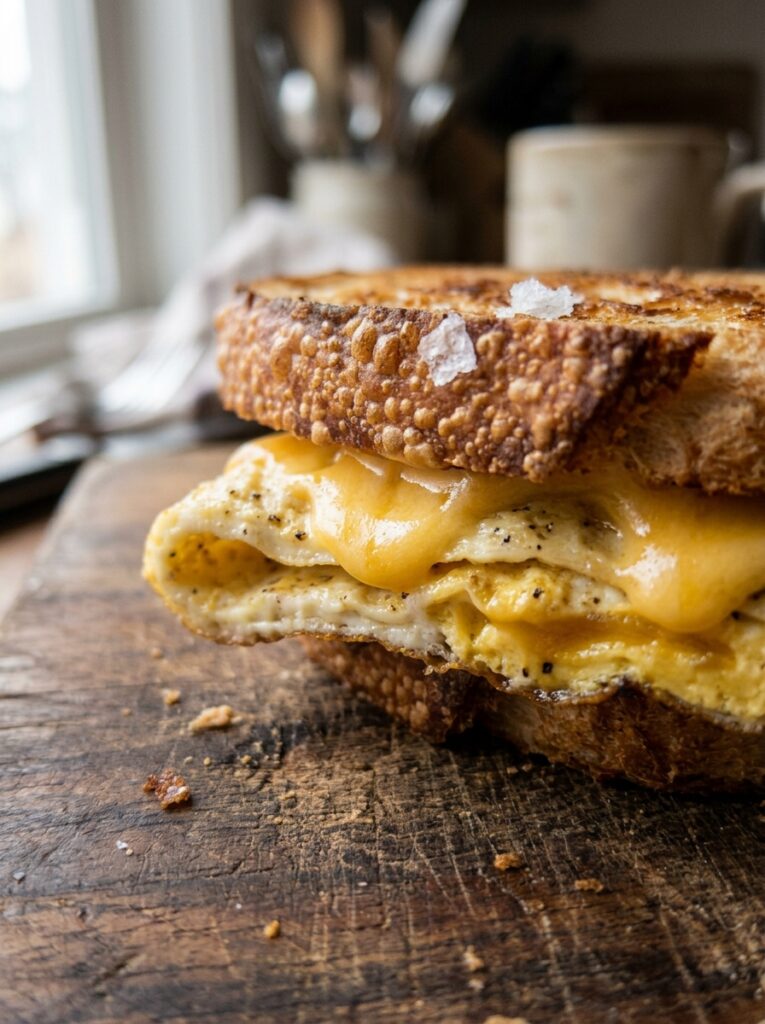
You’ve had a long day. You’re not cooking anything complicated. But you still want something that actually satisfies you, not just fills a hole.
This is the one. Chicken thigh — not breast, thigh — seasoned heavily with garlic powder, onion powder, smoked paprika, cayenne, salt, and black pepper. Shallow fry it in a pan with about a centimeter of oil on medium-high heat for about five minutes per side. It’ll be deeply golden and crispy on the outside and juicy all the way through because thighs don’t dry out the way breasts do.
Meanwhile: brioche bun, toasted. Shredded iceberg, which actually belongs here (its job is crunch and cold, not flavor). Pickled jalapeños. And a sauce made from mayo, hot sauce, honey, and a small squeeze of lemon. You can make this sauce while the chicken fries. You can do it one-handed.
Stack it tall. Press it down gently just before eating. The juice from the chicken will start migrating into the bun immediately and that’s a feature, not a bug.
—
12. Why the Bread Decision Is Actually the Whole Decision
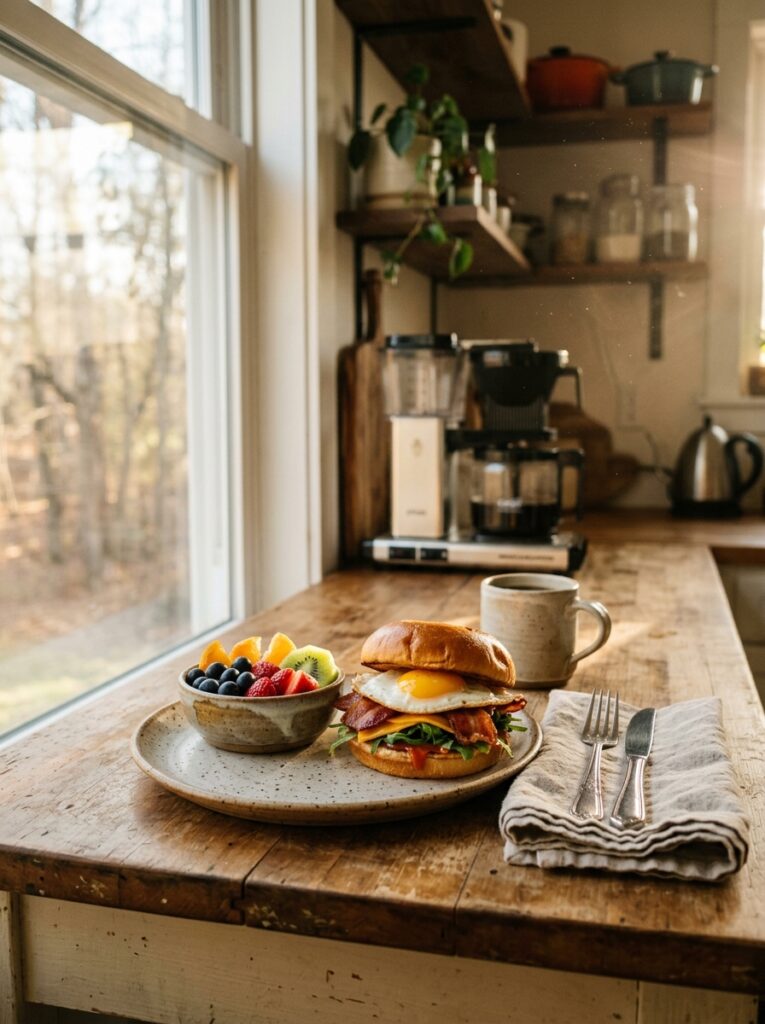
You can make a perfect filling and ruin it by putting it in the wrong vessel. This is the sandwich truth people don’t want to hear.
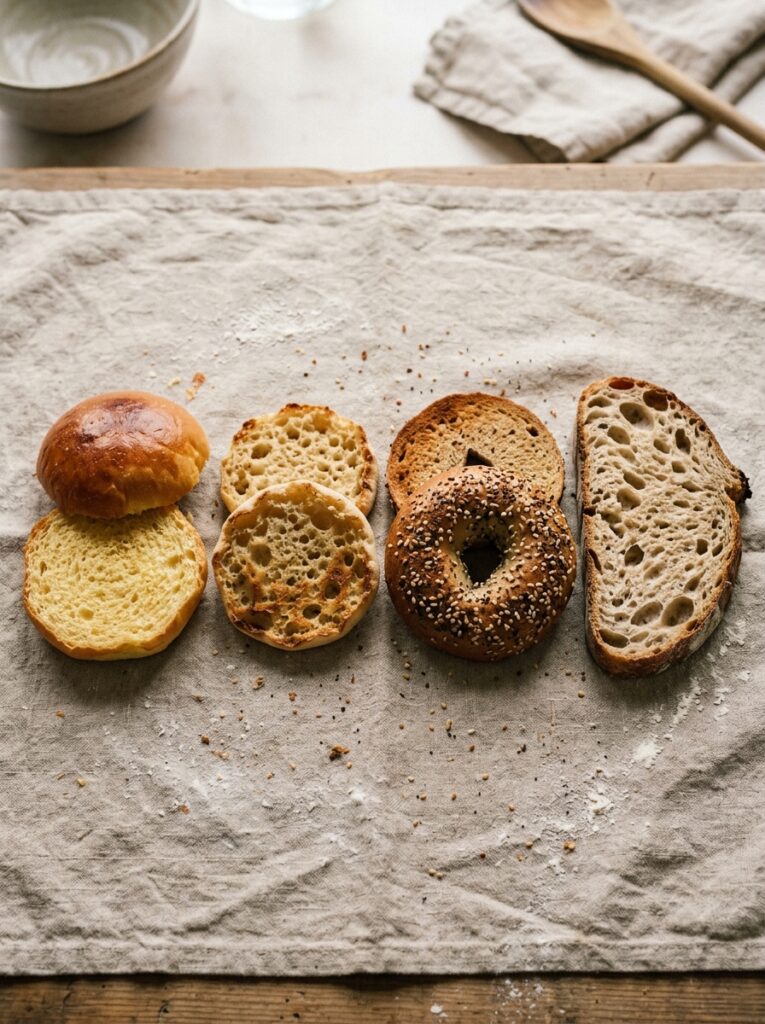
Delicate fillings — egg salad, smoked salmon, soft chicken — need soft bread. Something with give, something that won’t tear the filling out when you bite. Sturdy fillings — meatballs, pulled pork, braised beef — need bread that can hold up to sauce and weight without immediately disintegrating. Pressed sandwiches need bread with enough structure to survive heat and pressure. Fresh, cold sandwiches need bread that won’t go soggy if they sit for more than twenty minutes.
Match the bread to what it’s carrying. It sounds obvious and yet half the bad sandwiches I’ve eaten in my life were casualties of bread-filling mismatch.
A toasted baguette is not interchangeable with a soft hoagie roll. A white sandwich loaf is not doing the same job as sourdough. The bread is load-bearing.
—
❓ FAQ
Q: How do I keep a packed lunch sandwich from going soggy? A: Pack the wet ingredients — tomato, pickles, slaw — separately and add them right before eating. Also, spreading mayo or butter all the way to the edges of the bread creates a barrier that slows down moisture migration significantly. It makes a real difference.
Q: Can I make any of these sandwiches ahead of time? A: The pulled pork, meatball filling, and braised beef all reheat beautifully and can be made a day or two ahead — which actually improves the flavor. Anything with fresh bread is best assembled right before serving, though. Egg salad keeps well for up to 24 hours in the fridge but should go on the bread at the last moment.
Q: What’s the best cheese for a melty sandwich? A: For maximum melt and stretch, gruyère, provolone, and fontina are your friends. American cheese (the real deli-counter kind, not individually wrapped slices) melts extremely smoothly too. Sharp cheddar melts well but can sometimes go slightly oily if the heat’s too high — grate it fine and keep the temperature lower.
—
💭 Final Thoughts
A good sandwich doesn’t need to be complicated. It just needs someone who’s paying attention — to the bread, to the balance, to whether the whole thing is going to hold together or fall apart gloriously the moment you pick it up. These recipes all have that quality in common. They’re considered without being fussy.
Make the one that matches the mood you’re in right now. What does today’s sandwich say about you?
