You’ve stood in front of the fridge at 6pm holding a pack of chicken breasts, completely blank. We’ve all been there. The good news is that this humble cut — so often blamed for boring dinners — is quietly one of the most versatile proteins in your kitchen, and these recipes are proof.
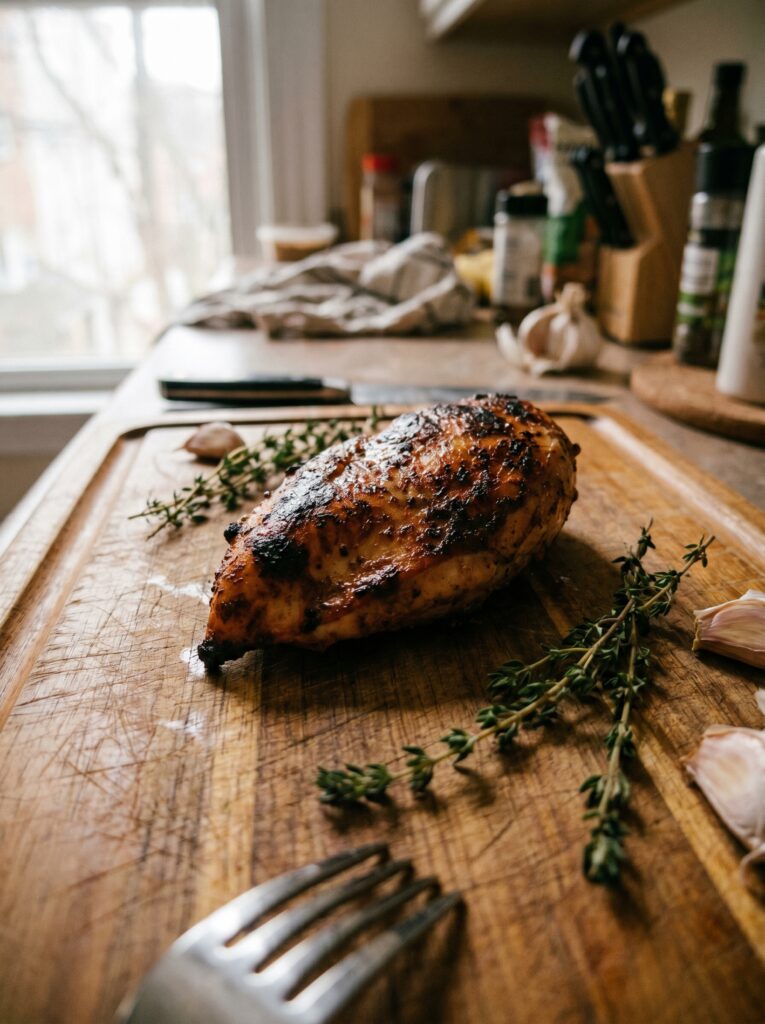
—
1. Why Skinless Chicken Breast Gets a Bad Reputation (And Why That Reputation Is Wrong)
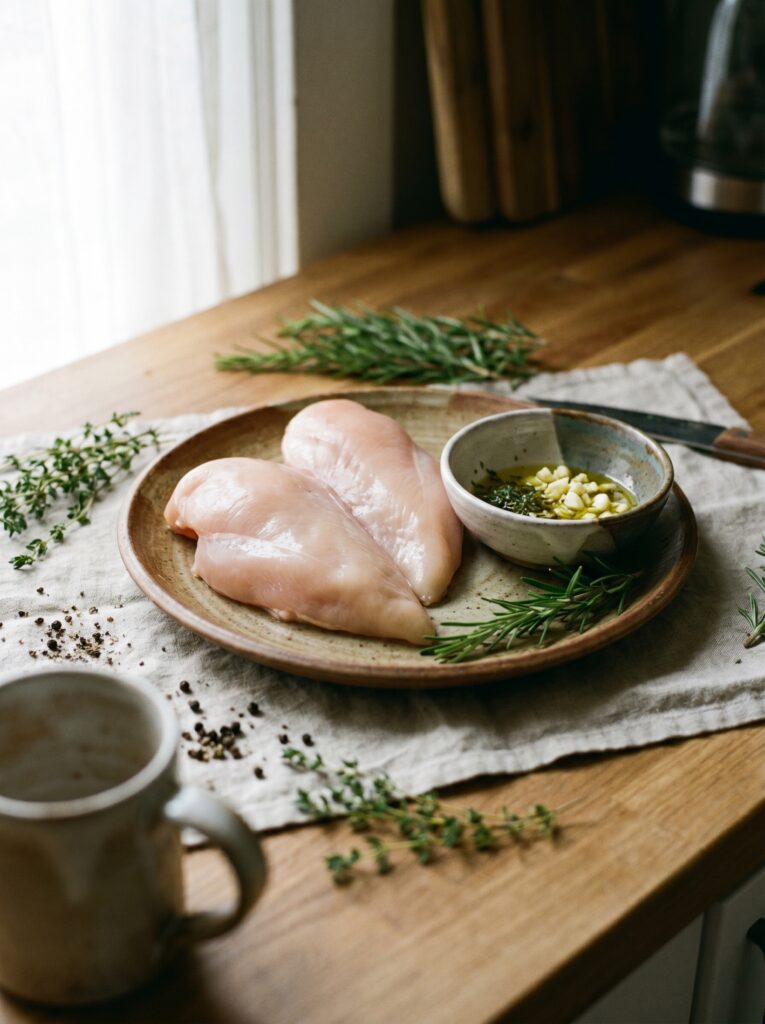
Let’s start with the honest truth: most people are cooking chicken breast wrong, and it’s not entirely their fault. Every food magazine for the past thirty years told us to bake it at 350°F until cooked through, then wonder why it came out dry and flavourless. That’s not the chicken’s fault. That’s technique.
Skinless chicken breast is lean, which means it has very little fat to protect it from heat. The moment you overcook it, moisture evaporates and you’re left with something that could double as packing material. But when you treat it with intention — a quick brine, a hot pan, a proper rest — it’s genuinely something else. Tender, juicy, with clean flavour that picks up marinades and sauces better than almost any other cut.
It’s also one of the most affordable proteins you’ll find at the grocery store or supermarket, on both sides of the Atlantic. A pack of four chicken breasts can feed a family across multiple meals when you plan well. It’s practical without being punishing, and that’s actually worth celebrating.
The recipes in this list are built around one core idea: respect the ingredient. That’s it. From there, everything else falls into place.
“The chicken was never the problem. The temperature and the timer were.”
—
2. The One-Pan Lemon Garlic Chicken That Took Over My Weeknight Rotation
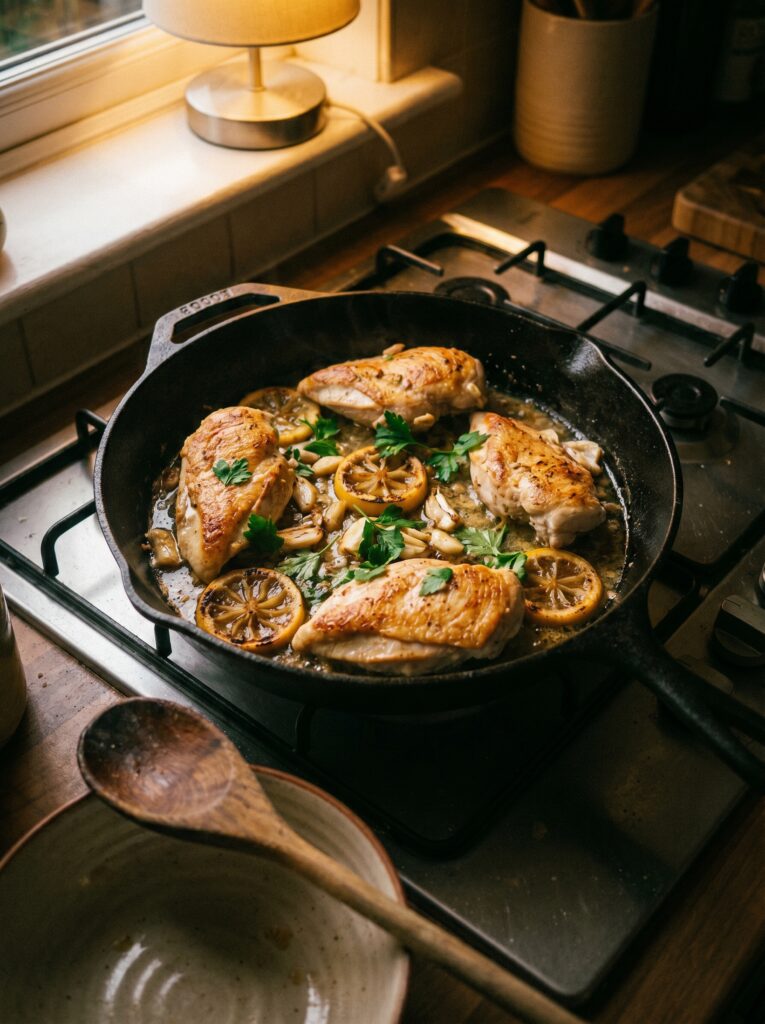
This is the recipe I make when I’m tired, when the fridge is nearly empty, and when I need dinner in twenty-five minutes without thinking too hard. It sounds basic. It is not.
Start with chicken breasts pounded to an even thickness — this is non-negotiable if you want it to cook evenly. Season generously with salt and pepper on both sides. Get a heavy pan, cast iron if you have it, screaming hot with a splash of olive oil. Lay the chicken in. Don’t touch it for four minutes. That sear is building something.
Flip it once. Add a whole knob of butter, five smashed garlic cloves, the juice of one lemon, and a splash of chicken stock. Let it bubble and baste. The garlic softens and turns golden in that buttery, citrusy pan sauce, and the whole kitchen smells like something a good restaurant would charge you eighteen dollars for.
Rest the chicken on a board for five minutes before you cut it. The inside will be properly juicy. Spoon the pan sauce over the top and serve with whatever you have — crusty bread, roasted potatoes, a simple green salad. This is the recipe people will ask you for at dinner parties. Protect it accordingly.
—
3. The Marinade That Makes Cheap Chicken Taste Like You Tried Really Hard
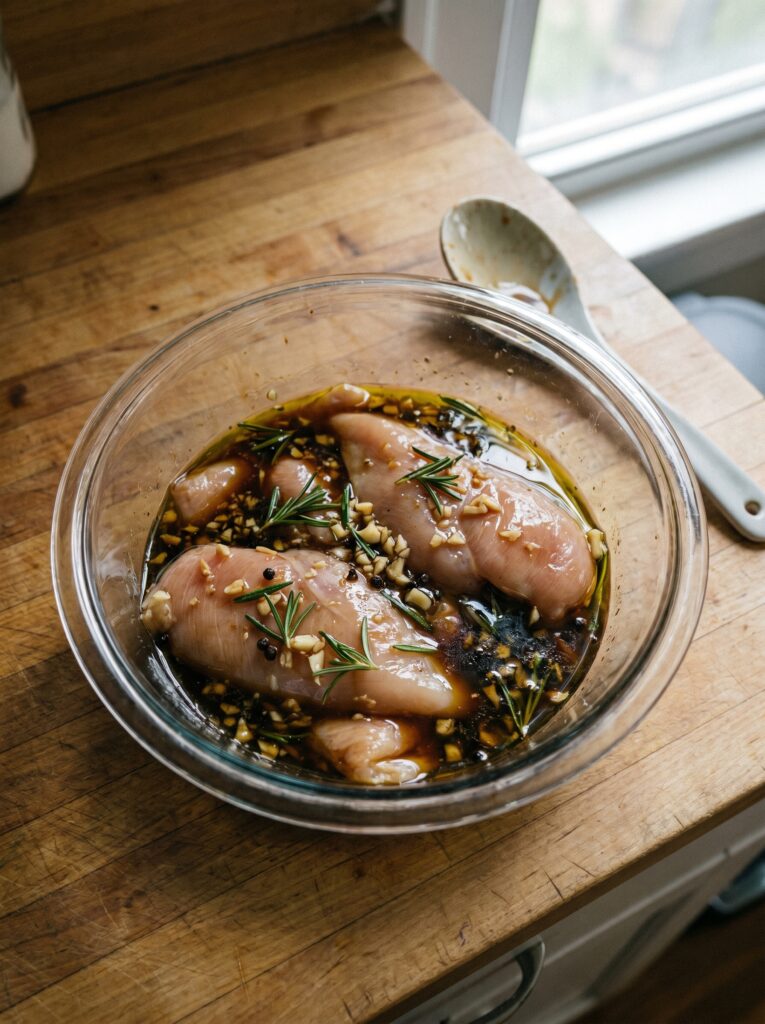
A good marinade isn’t just about flavour. It’s about chemistry. The acid breaks down the muscle fibres just enough to let moisture and flavour in. The fat carries the fat-soluble flavour compounds deep into the meat. The salt draws fluid out and then back in, taking flavour with it. You’re literally changing the structure of the protein before it ever hits heat.
This one is embarrassingly simple. Combine three tablespoons of olive oil, two tablespoons of soy sauce, one tablespoon of honey, the zest and juice of a lime, two grated garlic cloves, a teaspoon of smoked paprika, and a pinch of chilli flakes. Pour it over your chicken breasts in a zip-lock bag or shallow dish, and let it sit for at least thirty minutes. Overnight in the fridge is even better — the colour deepens to a rich amber-bronze and the flavour goes all the way through.
Grill, bake at 425°F for twenty minutes, or cook in a hot griddle pan. The honey caramelises beautifully, giving you those slightly charred edges that make everyone at the table reach for another piece.
This marinade also works on thighs, on prawns, on tofu. It’s the kind of thing you start making on autopilot, adjusting the ratios by feel.
—
4. Creamy Tuscan Chicken: The Recipe That Shows Up Everywhere for a Reason
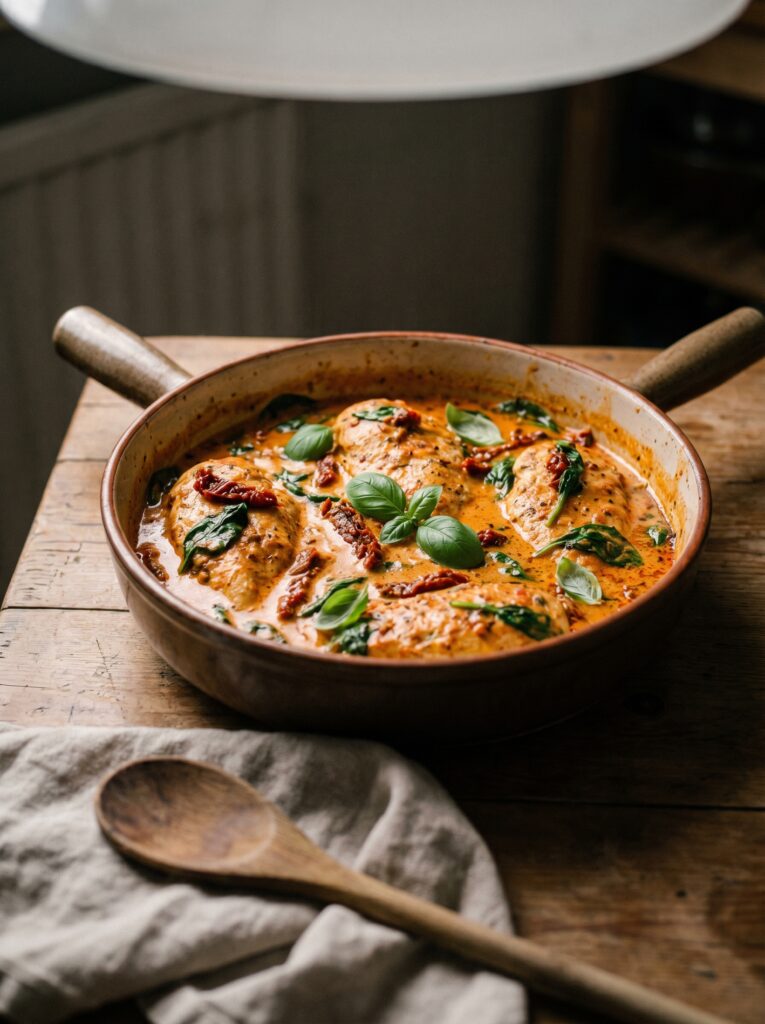
You’ve seen it on Pinterest a thousand times. You’ve probably saved it twice. Have you actually made it? Because if you haven’t, today is the day.
Creamy Tuscan chicken is one of those dishes that looks impressive, tastes genuinely luxurious, and comes together in a single pan in under thirty minutes. That’s a combination that doesn’t come along often enough.
Sear the chicken breasts until golden, then set them aside. In the same pan, fry a few cloves of garlic in the leftover oil, then add sun-dried tomatoes (the ones packed in oil, not the dried kind — there’s a difference), a big handful of fresh spinach, and a pour of heavy cream. Season with salt, pepper, and a good pinch of Italian herbs. Let the cream reduce slightly until it’s thick and coats the back of a spoon. Nestle the chicken back in, let it finish cooking through in the sauce, and finish with freshly grated Parmesan.
The sauce is silky. The tomatoes are slightly sweet and intensely savoury. The spinach wilts down to almost nothing but gives the whole dish a freshness that stops the cream from feeling heavy.
“One pan. Thirty minutes. Nobody needs to know how easy it was.”
—
5. Chicken Piccata: The Italian-American Classic That British Kitchens Are Sleeping On
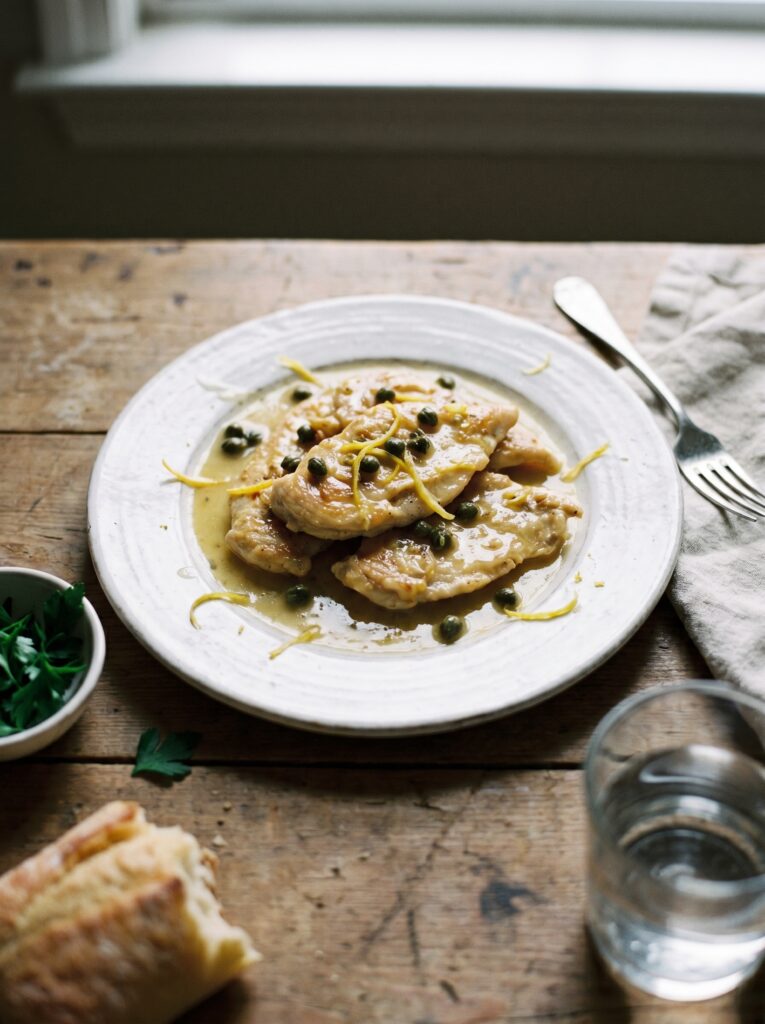
If you’re in the UK and you haven’t made chicken piccata yet, consider this your formal introduction. It’s sharp, bright, buttery, and comes together faster than ordering takeaway.
Slice chicken breasts horizontally to create thin cutlets, then pound them even thinner. Dredge lightly in seasoned flour and cook in a mixture of butter and olive oil until golden on both sides. Remove from the pan. Add a splash of white wine, the juice of a whole lemon, a handful of capers, and a little chicken stock. Let it reduce and then swirl in cold butter at the end — this is the trick that gives the sauce its glossy, restaurant-quality finish.
The capers are everything here. They add a brininess that cuts through the butter and makes the whole dish taste alive. If you’ve never cooked with capers before, this is the recipe that will convert you.
Serve over angel hair pasta or with mashed potatoes and a squeeze of extra lemon. It tastes like it belongs in a white tablecloth restaurant. It cost you maybe twelve dollars and forty minutes.
—
6. The Baked Chicken Breast Method That Finally Stopped Making Dry Chicken
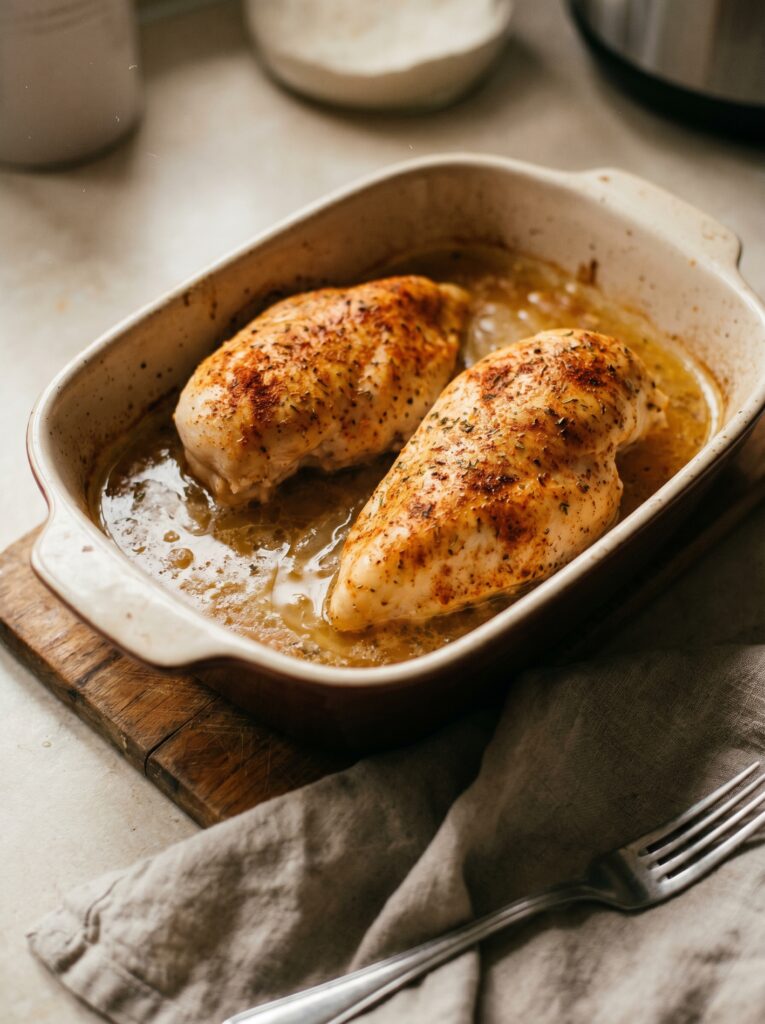
Here’s the method. Write it down.
Brine your chicken breasts first — even a quick twenty-minute brine in salted water (about one tablespoon of salt per cup of water) makes a noticeable difference. Pat them completely dry before cooking. Rub all over with olive oil, salt, garlic powder, onion powder, smoked paprika, and a pinch of cayenne.
Roast at 450°F — yes, that high — for eighteen to twenty minutes depending on thickness. High heat seals the outside quickly and keeps the moisture trapped inside. Use a meat thermometer and pull it at exactly 165°F. Cover loosely with foil and rest for ten minutes before slicing.
That’s it. No complicated technique, no fancy equipment. Just temperature control and patience.
The result is chicken with a lightly crisped exterior, almost burnished and spiced, with an interior that’s properly juicy and white all the way through with no rubbery texture. It slices cleanly and you can use it in anything — salads, grain bowls, sandwiches, wraps, pasta. Make a double batch on Sunday and eat well all week.
—
7. Chicken Tikka Masala Using Breast Meat (And Why It Actually Works Beautifully)
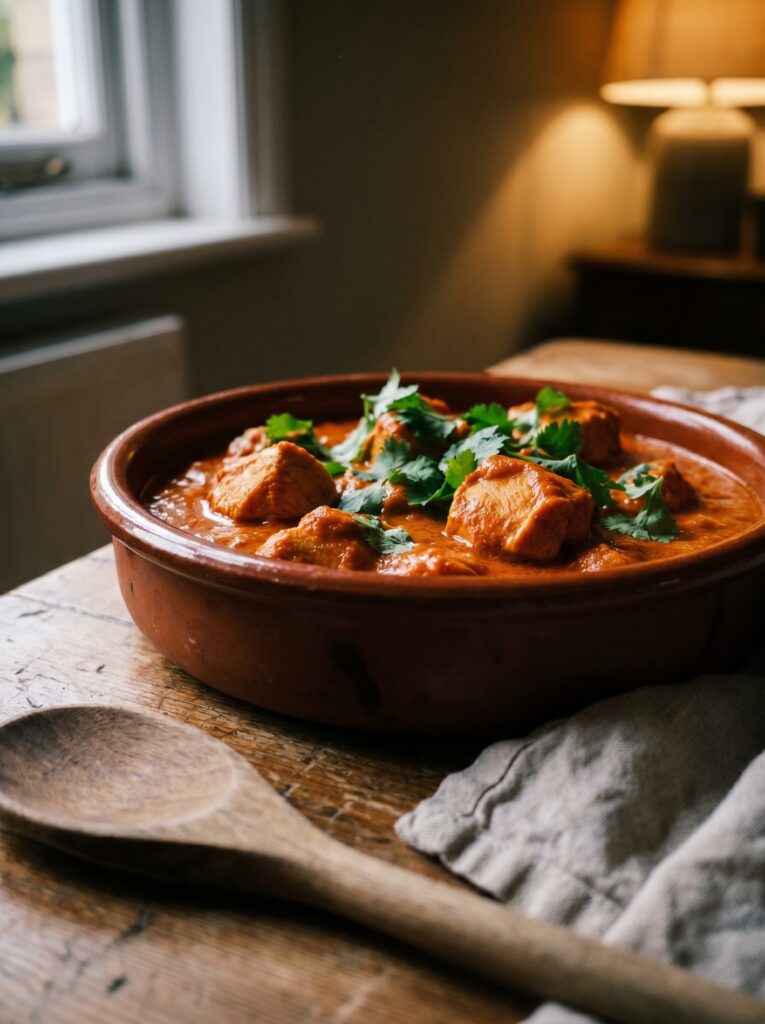
Yes, traditionalists will tell you thighs are better for tikka masala. And sure, they’re more forgiving. But breast meat, when handled correctly in this dish, absorbs the marinade with an intensity that thighs can’t quite match.
Cube your chicken breasts and marinate them overnight in yoghurt, lemon juice, garlic, ginger, and a good tikka masala spice blend — cumin, coriander, turmeric, garam masala, chilli. The yoghurt acts as a tenderiser and keeps the meat from drying out during the high heat of cooking.
Char them under the grill or in a very hot cast iron pan until you get those dark, slightly blackened edges. That char is not a mistake. It’s flavour.
Then make your masala sauce: butter, onion, garlic, ginger, tomato, cream, and spices cooked low and slow until it’s deep red and thick. Add the chicken pieces, let them simmer in the sauce just long enough to marry the flavours without overcooking. Finish with a squeeze of lemon and a handful of fresh coriander.
“The marinade is the thing. Give it the overnight and it’ll give you everything back.”
Serve with basmati rice and warm naan. This is proper weekend cooking — the kind that makes the whole house smell like something worth coming home to.
—
8. Chicken Caesar Wraps That Are Better Than the Salad Ever Was
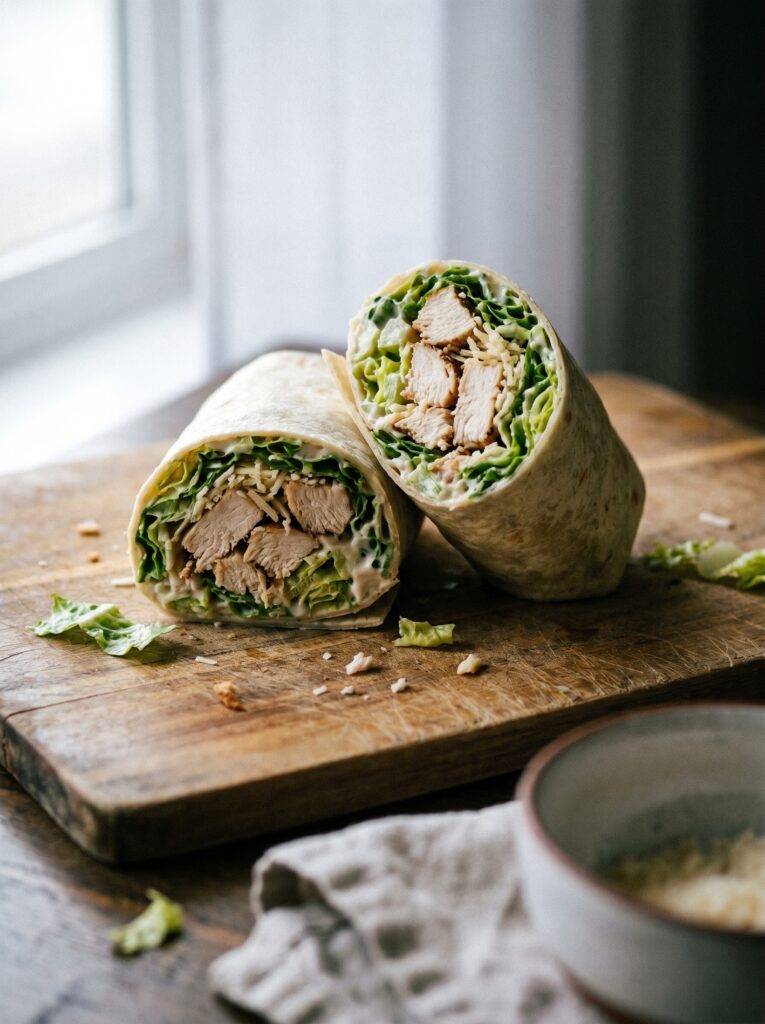
This might be a bold take, but the wrap version of a Caesar is genuinely better than the bowl version. Easier to eat. Better ratio of everything. Completely satisfying in a way the salad alone isn’t.
Cook your chicken breasts using the high-heat baked method from section six, then let them cool slightly and slice thinly. Warm a large flour tortilla in a dry pan until it’s soft and pliable. Layer on crispy romaine lettuce, thinly sliced chicken, shaved Parmesan, crunchy croutons (crushed slightly, so they don’t tear the wrap), and a generous spoonful of Caesar dressing.
A proper Caesar dressing, not the bottled kind. Whisk together a grated garlic clove, anchovy paste, Dijon mustard, Worcestershire sauce, lemon juice, egg yolk, olive oil, and Parmesan. It’s garlicky and sharp and rich in a way that the bottled version simply doesn’t replicate.
Roll the wrap tightly, slice on the diagonal, and serve immediately so the lettuce stays crisp. This is a lunch that actually holds you until dinner. It’s the kind of thing you eat at your desk on a Tuesday and feel unreasonably pleased about.
—
9. Slow Cooker Chicken Breast That Shreds Into Something Magical
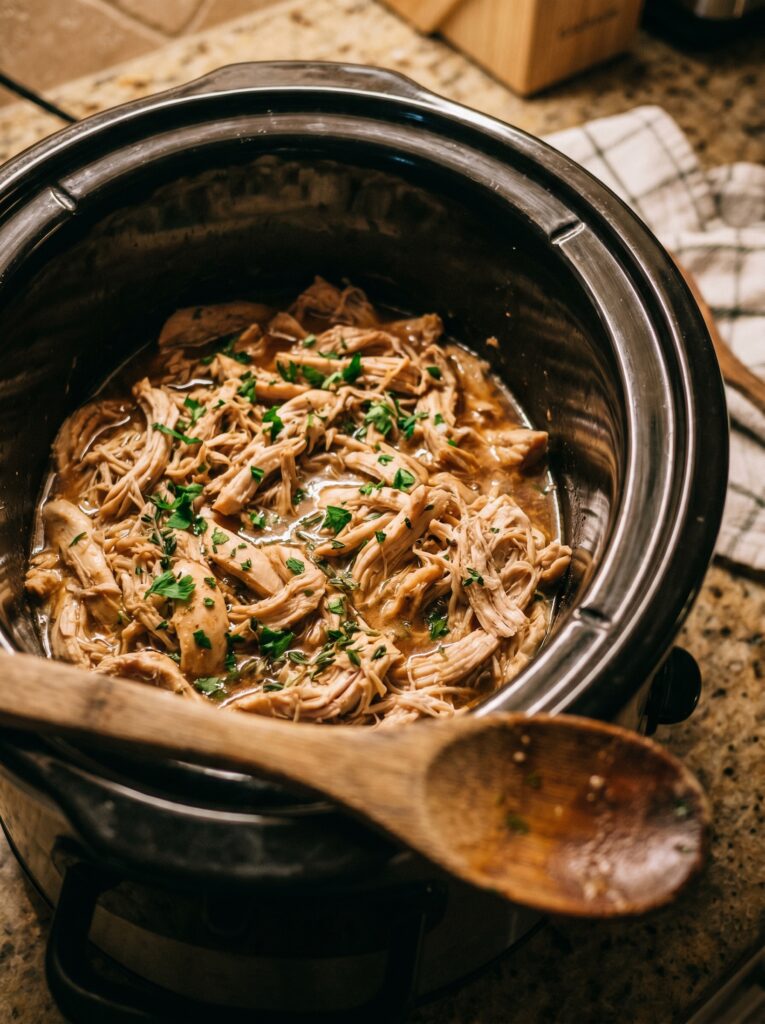
Slow cooker chicken breast gets dismissed because people assume it’ll turn out dry. Cook it correctly and it becomes something else entirely — fall-apart tender, deeply flavoured, and endlessly useful.
The trick is liquid and low heat. Place your chicken breasts in the slow cooker with chicken stock, a can of diced tomatoes, chipotle peppers in adobo sauce, cumin, garlic, and a squeeze of lime. Cook on low for six to seven hours or high for three to four. Then shred directly in the pot using two forks, letting the meat soak back up all those smoky, spiced juices.
Use this as taco filling, pile it onto nachos, stuff it into burritos, layer it over rice bowls with pickled red onion and avocado. Make it on a Sunday and eat from it for three days. The flavour deepens every time you reheat it, which is genuinely one of cooking’s small miracles.
—
10. Honey Mustard Stuffed Chicken That Looks Like You Spent Hours
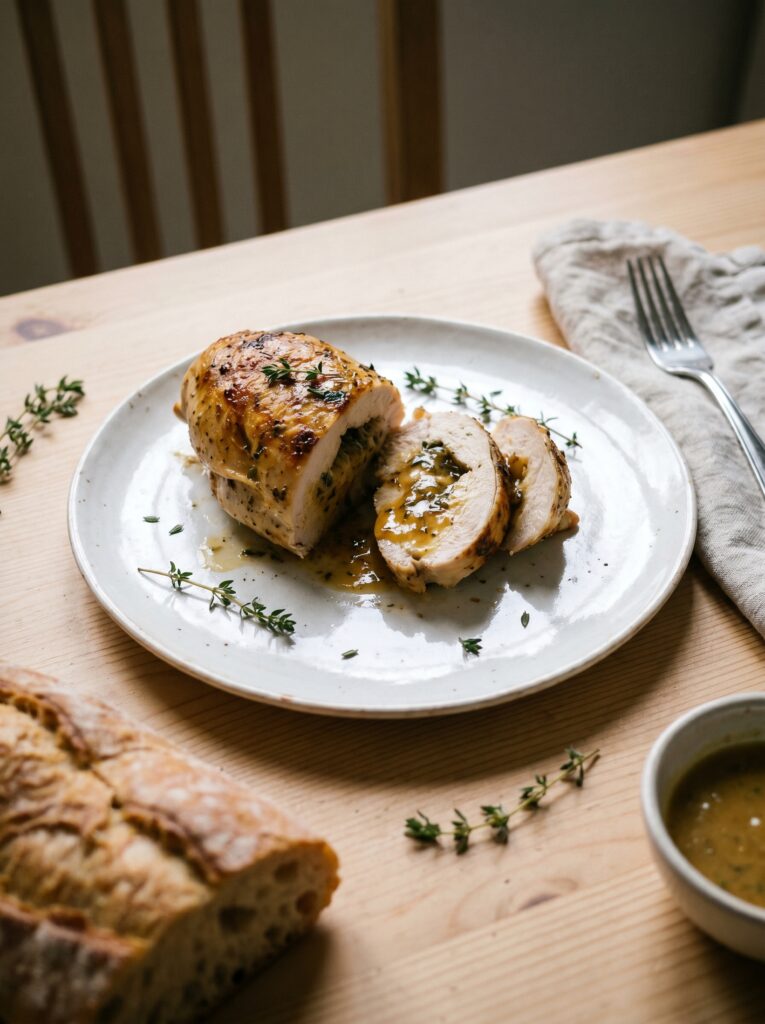
This is the recipe for when you want to look like you really made an effort. It takes maybe forty minutes start to finish, but when you slice it open at the table, the reaction is worth every second.
Butterfly your chicken breasts — slice horizontally almost all the way through and open like a book. Mix cream cheese with a spoonful of whole grain mustard, a drizzle of honey, a handful of shredded sharp cheddar, and some chopped fresh chives. Spread this generously inside each breast, then fold closed and secure with a toothpick or two.
Brush the outside with honey mustard and bake at 400°F for twenty-five minutes until the outside is golden and the filling is melted and just beginning to bubble at the edges.
Cut it open and the cheese-mustard filling spills out slightly. It’s indulgent without being heavy, and the honey on the outside caramelises into something that tastes faintly of a really good glaze.
—
11. The Cold Chicken Salad That’s Actually Impressive
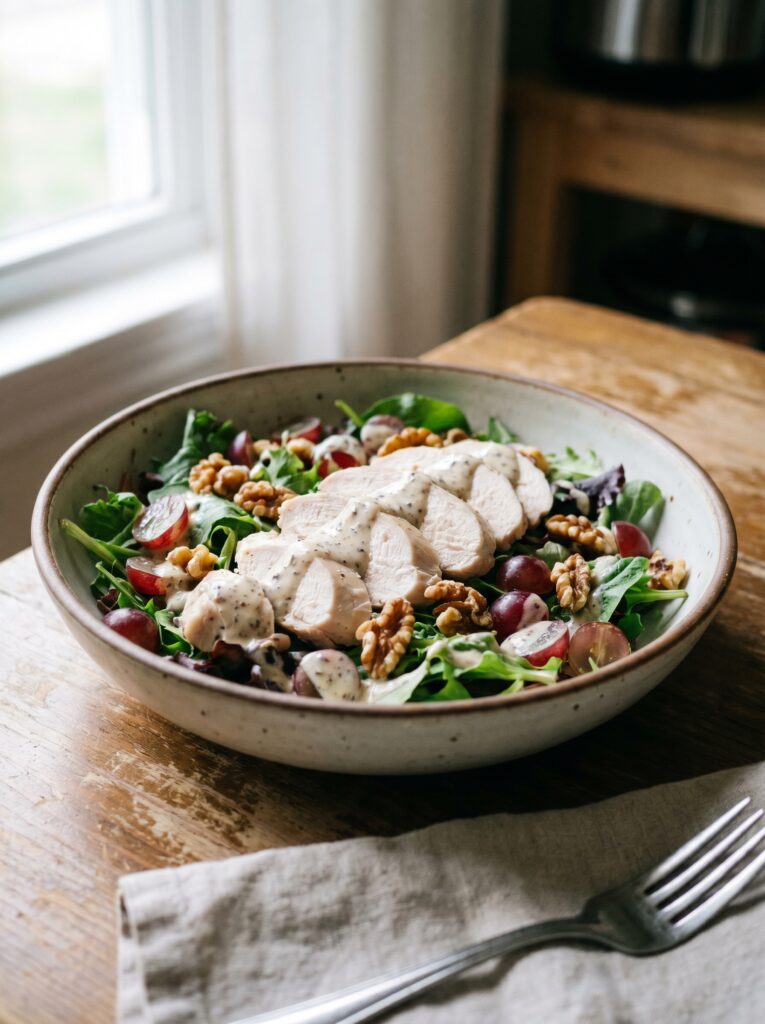
Not the kind with mayonnaise from a deli container. The kind that makes people ask for the recipe.
Start with poached chicken breast — simmer it gently in stock with peppercorns, a bay leaf, and a lemon half for fifteen minutes, then let it cool in the liquid. This keeps it tender and subtly flavoured. Shred it by hand into generous pieces.
Toss with thinly sliced celery, halved red grapes, toasted walnuts, chopped tarragon, and a dressing made from Greek yoghurt, Dijon mustard, a touch of honey, lemon juice, and salt. The grapes add sweetness. The walnuts add crunch. The tarragon tastes somehow both herby and slightly anise-like and it makes the whole thing feel sophisticated.
Serve piled onto thick slices of sourdough, inside a croissant, or on a bed of watercress. This is a summer lunch, a meal prep staple, something you’d happily serve at a picnic or a casual dinner party without a second thought.
—
12. The Fifteen-Minute Stir-Fry That Proves You Don’t Need a Wok
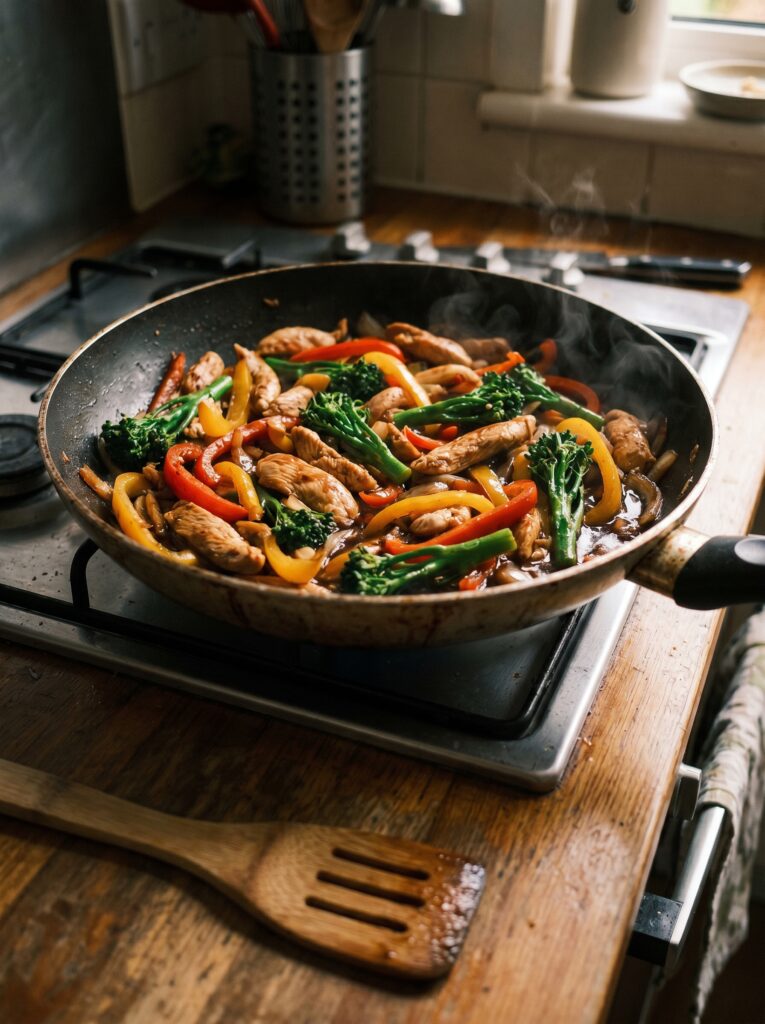
You don’t need a wok. You don’t need a gas burner or any special equipment. You need a large, heavy frying pan, high heat, and the confidence to not mess with it too much.
Slice chicken breasts thin — really thin, against the grain. Season with salt, white pepper, and a splash of soy sauce. Get your pan almost smoking with a high-smoke-point oil, add the chicken in a single layer, and leave it alone for two minutes before tossing. You’re looking for golden edges and no pink.
Remove the chicken, add your vegetables — sliced peppers, tenderstem broccoli, sugar snap peas, whatever you have — and cook on high heat for three minutes. The vegetables should still have a bite to them, still bright coloured. Add the chicken back, pour over a sauce of soy sauce, oyster sauce, sesame oil, a small spoon of cornflour dissolved in water, and a pinch of sugar. Toss everything together for one final minute until the sauce thickens and coats every piece.
Serve over steamed jasmine rice. Fast, loud, satisfying in a deeply immediate way.
—
❓ FAQ
Q: How do I stop chicken breast from drying out when I bake it? A: The two biggest factors are temperature and resting time. Bake at a higher heat — 425-450°F — rather than a lower one, and always use a meat thermometer to pull it at exactly 165°F. Then let it rest covered with foil for at least five minutes before cutting, so the juices redistribute back through the meat rather than running straight out onto your board.
Q: Can I freeze chicken breast in a marinade? A: Yes, and it’s actually one of the best meal prep tricks around. Place the raw chicken in a zip-lock bag with your marinade, seal it, and freeze. As the chicken thaws in the fridge overnight, it marinates at the same time. You get double the flavour with zero extra effort. Just make sure it’s fully thawed before cooking.
Q: How long should I brine chicken breast and does it really make a difference? A: Even twenty minutes in a simple saltwater brine makes a noticeable difference to the juiciness of cooked chicken breast. An hour is better. If you have time, overnight in the fridge is the sweet spot — the texture becomes almost silky compared to un-brined chicken. The salt changes how the proteins hold moisture during cooking, and once you’ve tasted the difference, you won’t go back.
—
💭 Final Thoughts

Skinless chicken breast has spent years being the uninspired choice, the default, the thing you make when you don’t know what else to do. But every recipe here proves that the ingredient was never the limitation — the approach was. Give it heat, give it time, give it something interesting to sit in or alongside, and it will deliver.
The next time you’re standing in front of that fridge at 6pm, blank and hungry, I hope one of these recipes comes back to you. What’s your go-to way to make chicken feel like something worth looking forward to?
