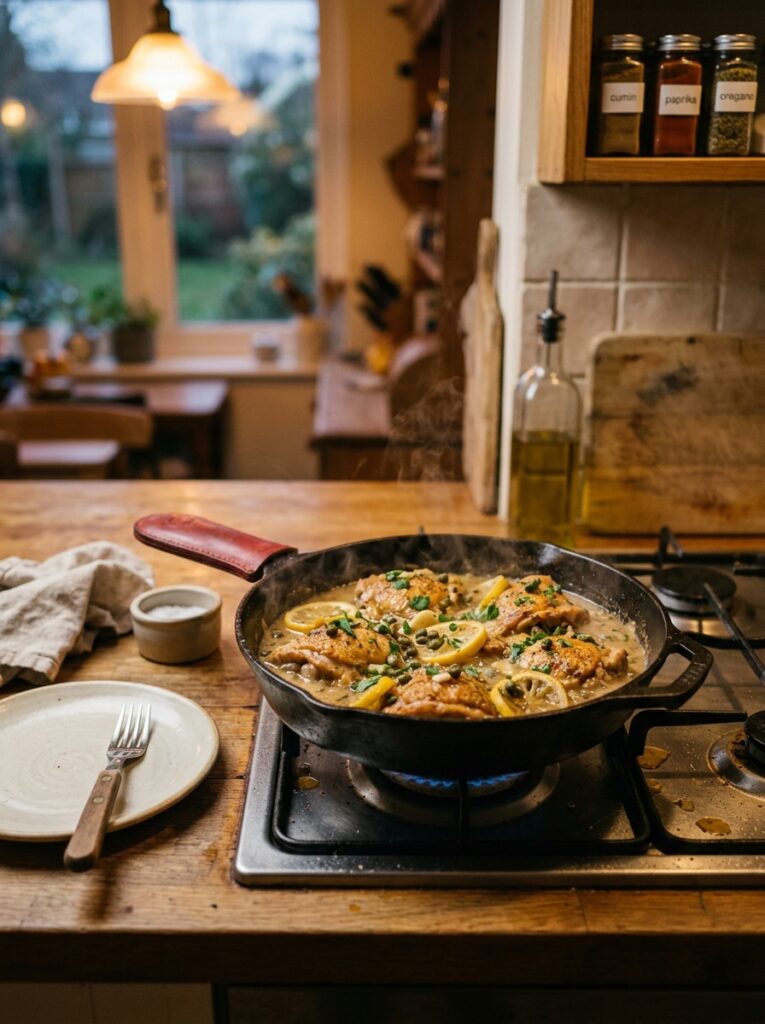
My husband used to refer to chicken breast as “the beige food.” Not wrong, honestly. But then I made that lemon-caper skillet thing on a random Tuesday and he asked if we could have it again the next night. Same bird, completely different meal.
—
1. The Reason Chicken Breast Gets a Bad Rap (And It’s Not the Chicken’s Fault)
Here’s what actually happens. You pull it from the oven at the twenty-minute mark because that’s what the recipe said, and it’s already dry. Already tight. Already making you wish you’d just ordered pizza.
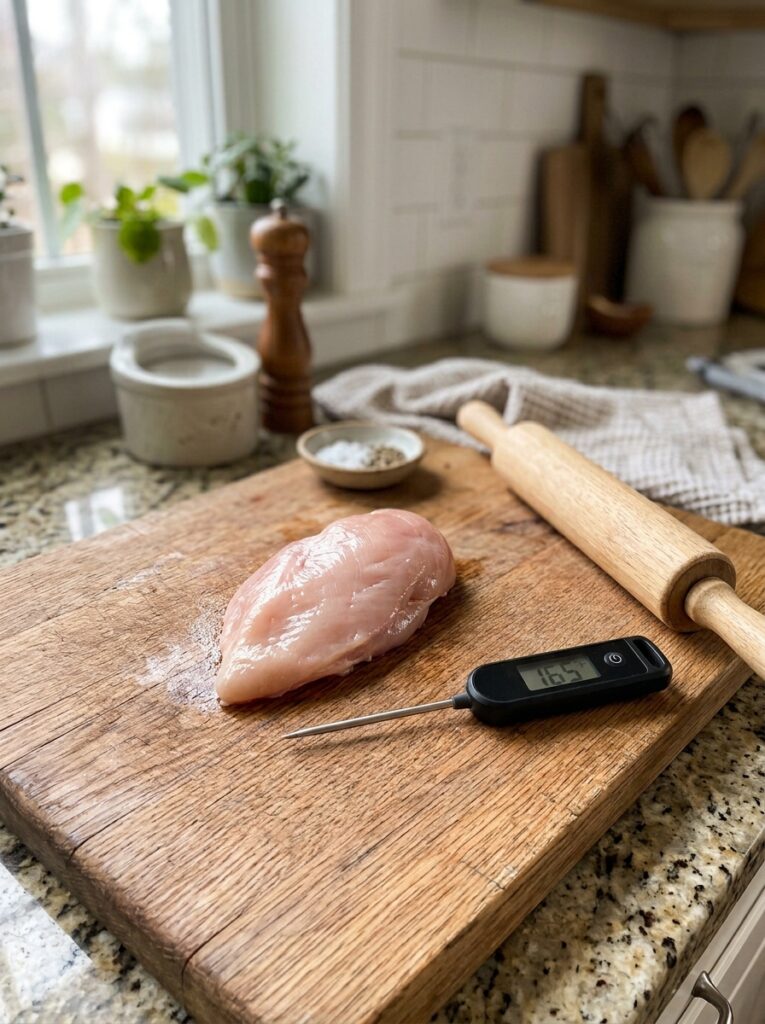
The problem isn’t chicken breast. The problem is overcooking it, every single time, because the safe internal temperature feels so close to the point of no return. 165°F is your number. Not 175°F. Not “when the juices run clear probably.” Get yourself a cheap instant-read thermometer and I promise your entire relationship with this ingredient changes.
“The problem isn’t chicken breast. The problem is overcooking it — and a $10 thermometer fixes almost everything.”
Also? Most recipes don’t tell you to pound the thing first. If you’ve got a thick breast on one side and thin on the other, you’re essentially cooking two different pieces of meat at the same time. Pound it to an even half-inch thickness and the whole game shifts.
—
2. The Lemon-Caper Skillet That Converted a Non-Believer
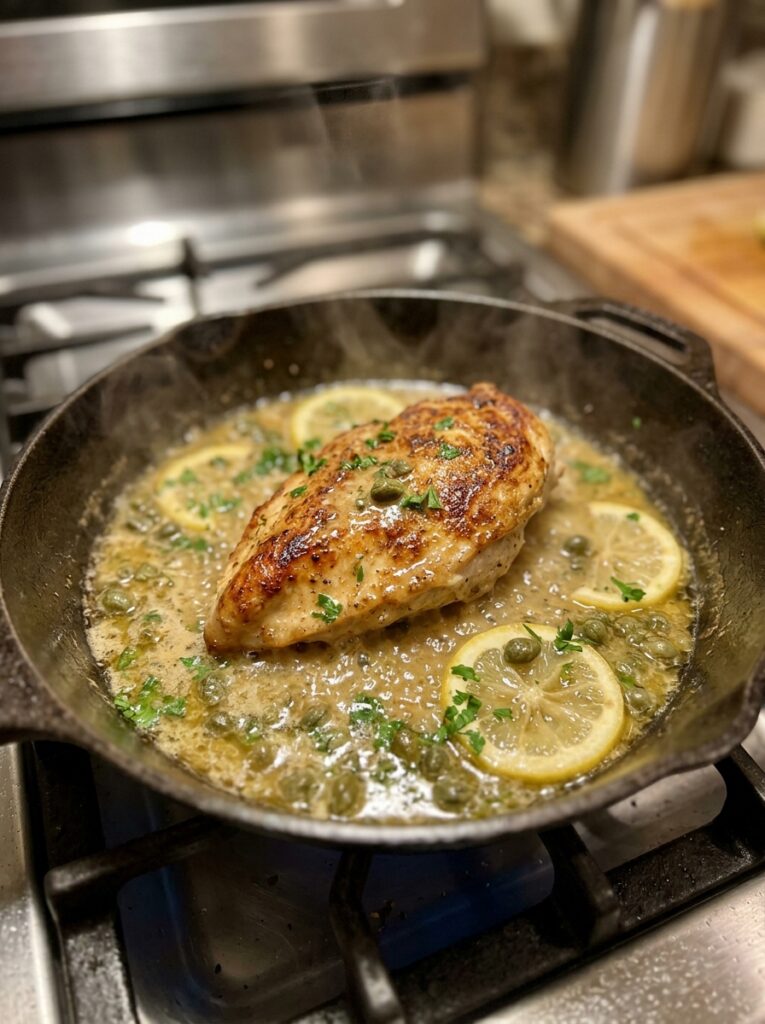
This is the one. The Tuesday dinner.
You need one skillet, about thirty minutes, and ingredients that sound fancy but aren’t. Dredge your chicken in flour, cook it in a mix of butter and olive oil until it’s properly golden — not pale gold, actually golden — then set it aside and make a quick pan sauce with white wine, chicken stock, lemon juice, and a tablespoon of capers. Nestle the chicken back in, let everything cook together for five minutes.
It tastes like something from a proper Italian restaurant and it costs maybe $12 to make for two people. Serve it over orzo or with crusty bread to mop up the sauce. Honestly, the sauce is the whole point.
—
3. The Weeknight Rule That Makes Meal Planning Actually Work
I think a lot about what I call the “5 PM problem.” That moment where you’re tired, the kitchen feels like a chore, and the gap between what you wanted to make and what you’re going to make starts closing fast.
The fix isn’t willpower. It’s prep.
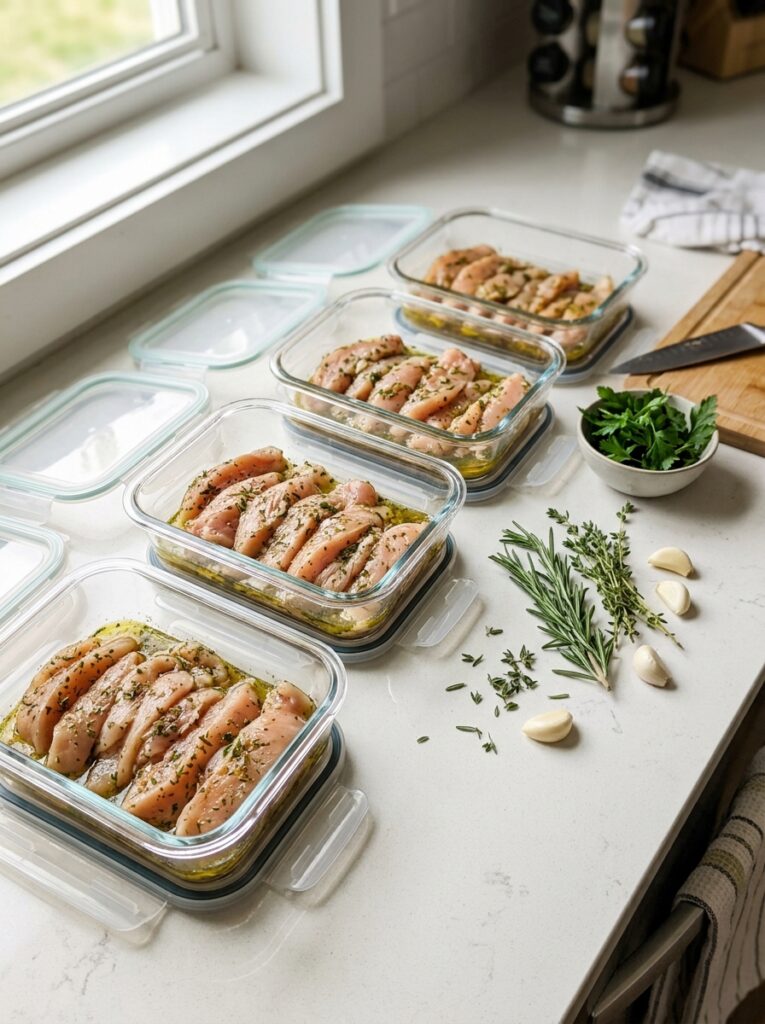
If you slice and marinate chicken breasts on Sunday — even just olive oil, garlic, and whatever herbs you have — you’ve already done the hardest part of three dinners. Monday through Wednesday becomes different categories of the same good start. Stir fry on Monday. Sheet pan situation on Tuesday. Wraps on Wednesday. Quick, not boring.
Side note — the freezer is genuinely underused by most home cooks. You can freeze chicken already marinated, pull it to thaw in the fridge overnight, and it basically marinates more on the way down. Works brilliantly.
—
4. Marry Me Chicken: The Name Is Annoying but the Recipe Is Correct
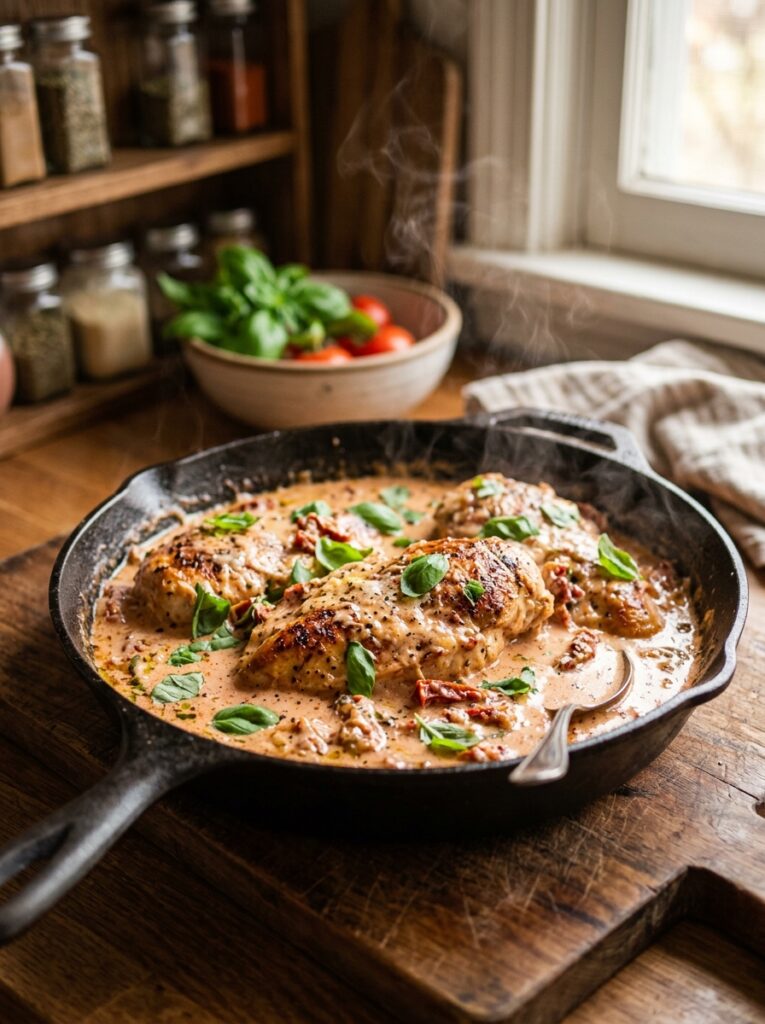
Everyone’s made it by now or at least pinned it three times. But there’s a reason it went so viral and stayed viral.
Sun-dried tomatoes, heavy cream, parmesan, Italian seasoning, a splash of chicken stock. Everything goes into one pan and it comes out looking like something you’d order at a restaurant that plays soft jazz. The sauce is the color of a good blush wine. It smells like a Sunday.
Here’s my actual tip: don’t skip the fresh basil at the end. Not dried, fresh. It changes the whole top note of the dish.
You can serve this one over pasta, mashed potatoes, or honestly just polenta if you want to feel like you live in Tuscany for twenty minutes. It reheats well the next day, maybe even better, because the sauce has time to settle.
“It reheats well the next day, maybe even better, because the sauce has time to settle into itself.”
—
5. The Sheet Pan Dinner That Doesn’t Look Like a Diet Meal
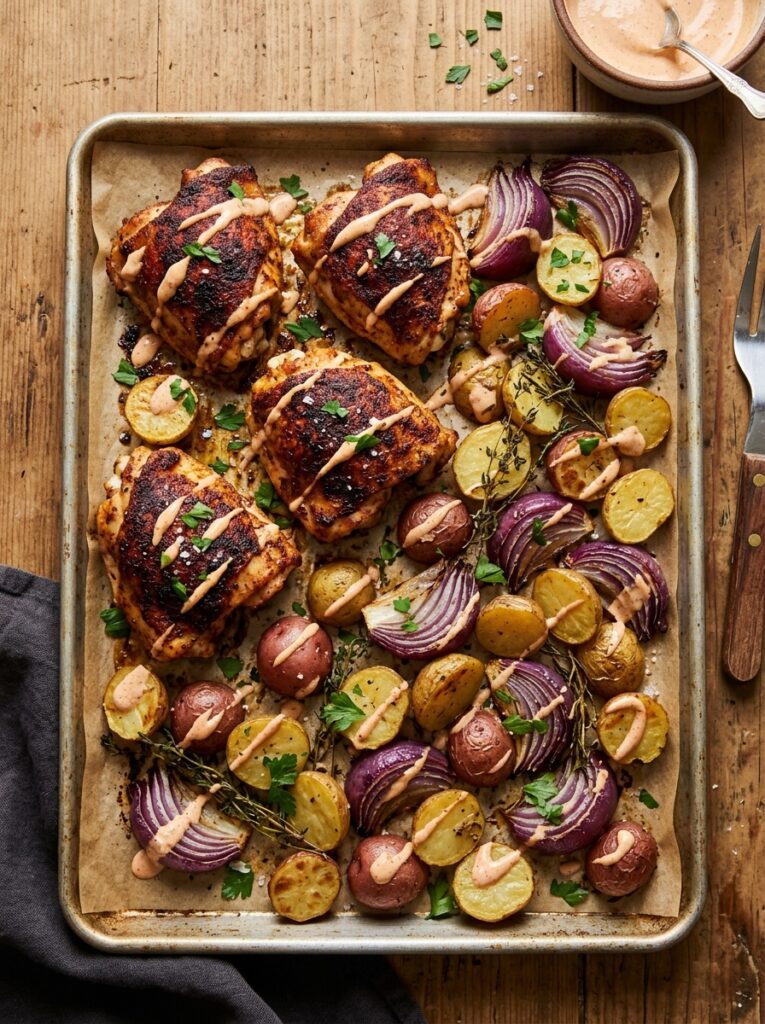
Raise your hand if you’ve had a sheet pan dinner that tasted like healthy obligation. Yeah.
The mistake is underseasoning and overcrowding. Two very fixable things. If your vegetables are touching, they’re steaming, not roasting, and steamed vegetables on a Monday aren’t exactly morale-boosting.
Use two pans if you need to. Season aggressively — more than you think. And try this combination: chicken breasts rubbed with smoked paprika, cumin, and brown sugar, roasted alongside baby potatoes and red onion wedges, finished with a quick drizzle of harissa yogurt. It hits sweet, smoky, and a little bit of heat all at once.
It doesn’t taste like a diet meal because it ISN’T one. It’s just dinner that happens to require one tray and twenty-five minutes.
—
6. The Cold Sesame Noodle Bowl That Works With Leftover Chicken
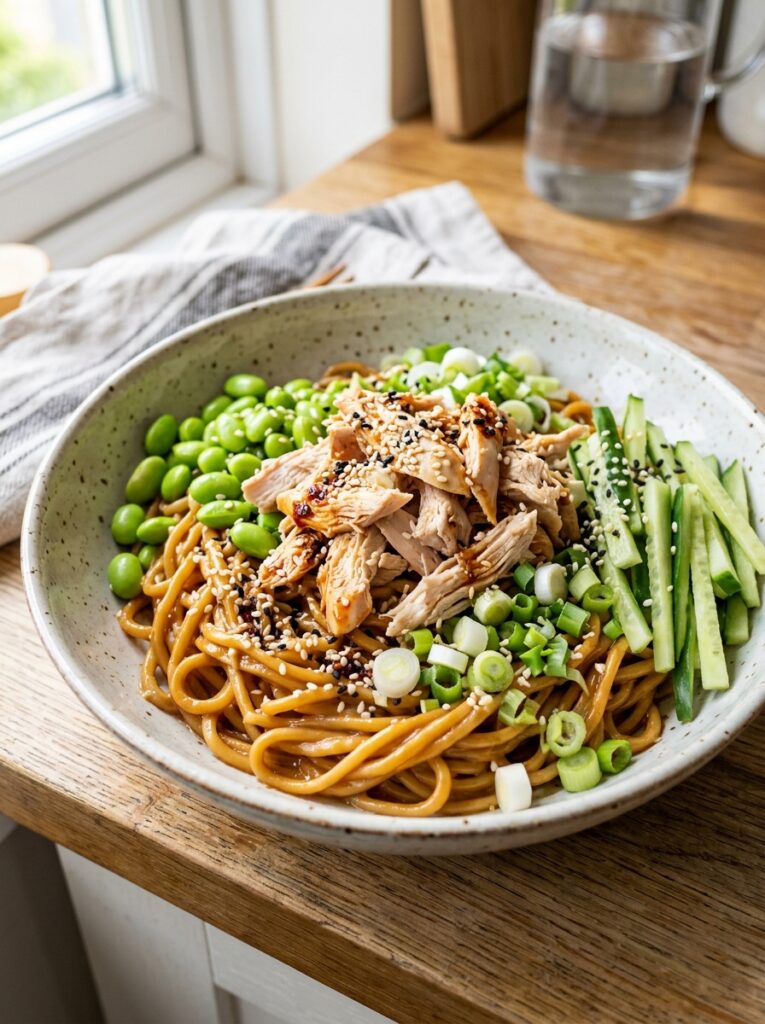
Not everything needs to be made the same night you eat it.
If you’ve got leftover cooked chicken in the fridge — even the kind that got slightly overcooked, honestly — cold sesame noodles are the move. Cook soba or regular spaghetti, rinse it cold, toss with a sauce of peanut butter, soy sauce, sesame oil, rice vinegar, a little honey, and chili flakes. Shred the chicken over the top. Add cucumber, spring onions, maybe a handful of edamame.
This takes fifteen minutes. Maybe twelve. And it’s one of those meals that actually tastes more interesting cold than hot, which is not something I can say about many things.
—
7. The Color That Keeps Showing Up in Every Beautiful Chicken Recipe Right Now
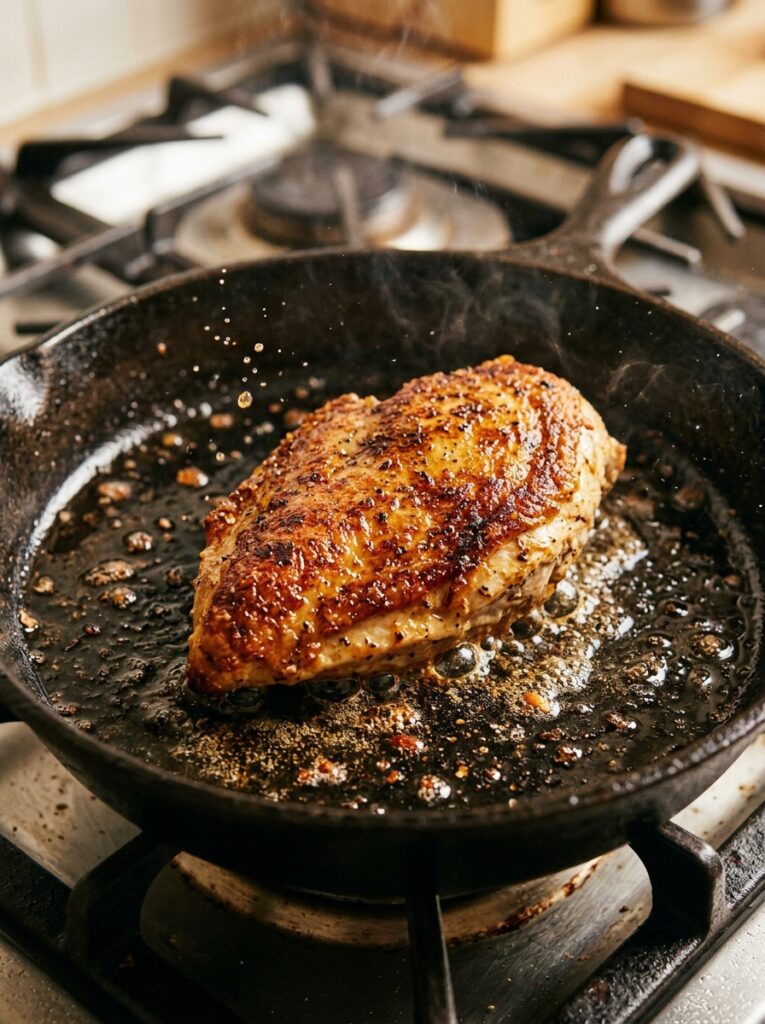
It’s golden. Properly golden.
I know that sounds obvious but there’s a spectrum here. There’s pale gold, which is what you get when the pan wasn’t hot enough. There’s golden, which is what you’re after. And then there’s overcooked brown, which tastes like effort wasted.
Hot pan. Dry chicken — pat it dry before it goes in, every single time. Don’t move it for three to four minutes. The Maillard reaction — that browning process — is where flavor LIVES. That crust is not just aesthetic. It’s the whole first bite.
This applies to every chicken breast recipe you’ll ever make. It’s less a tip and more a philosophy, or maybe a way of life, I don’t know. It matters that much.
—
8. The One Marinade Recipe Worth Memorizing (Because It Works on Everything)
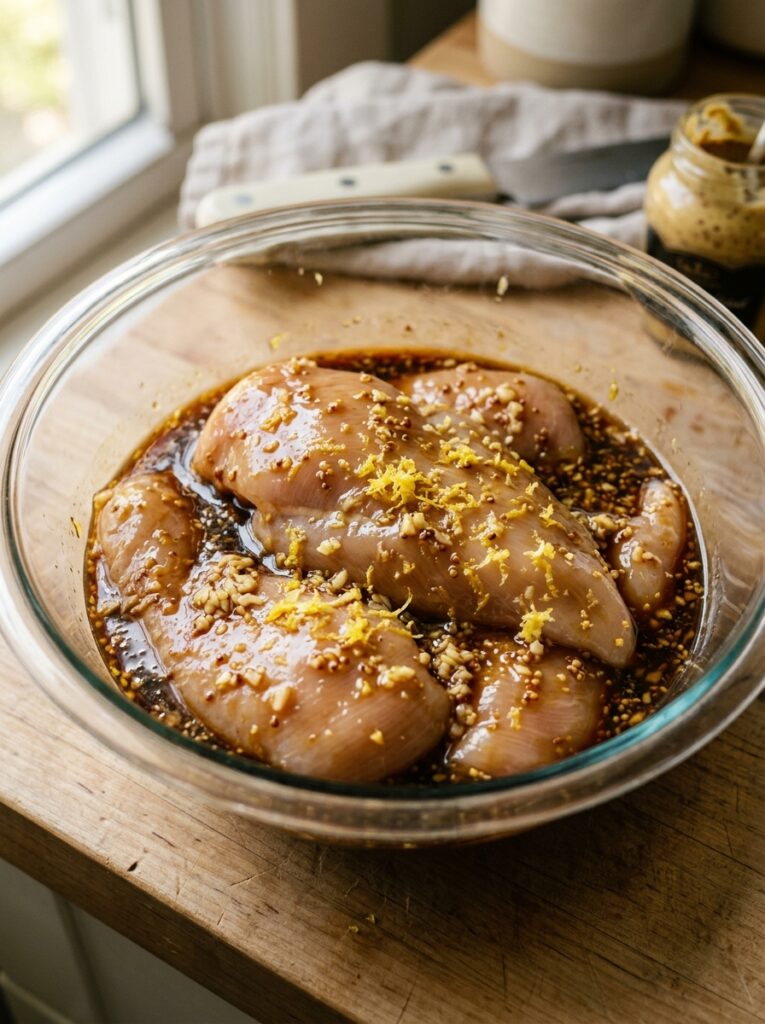
I’ve made a lot of marinades. A lot. Most of them are just variations of each other.
But this ratio is the one I come back to constantly: three tablespoons olive oil, two tablespoons soy sauce, one tablespoon honey, one tablespoon Dijon mustard, two garlic cloves grated, and the zest of half a lemon. That’s it.
It sounds a bit all-over-the-place but it’s not. The soy adds depth, the honey helps with caramelization, the mustard acts as an emulsifier so everything sticks to the chicken instead of sliding off. You only need thirty minutes for it to do its job — longer is fine but not required.
Use it for the grill. Use it for the oven. Use it in a skillet. The chicken comes out with a lacquered, slightly sweet exterior and a savory thing going on underneath it that’s hard to describe except to say people always ask what you did to it.
—
9. Chicken and Leek Pie: Because Sometimes You Want Something British
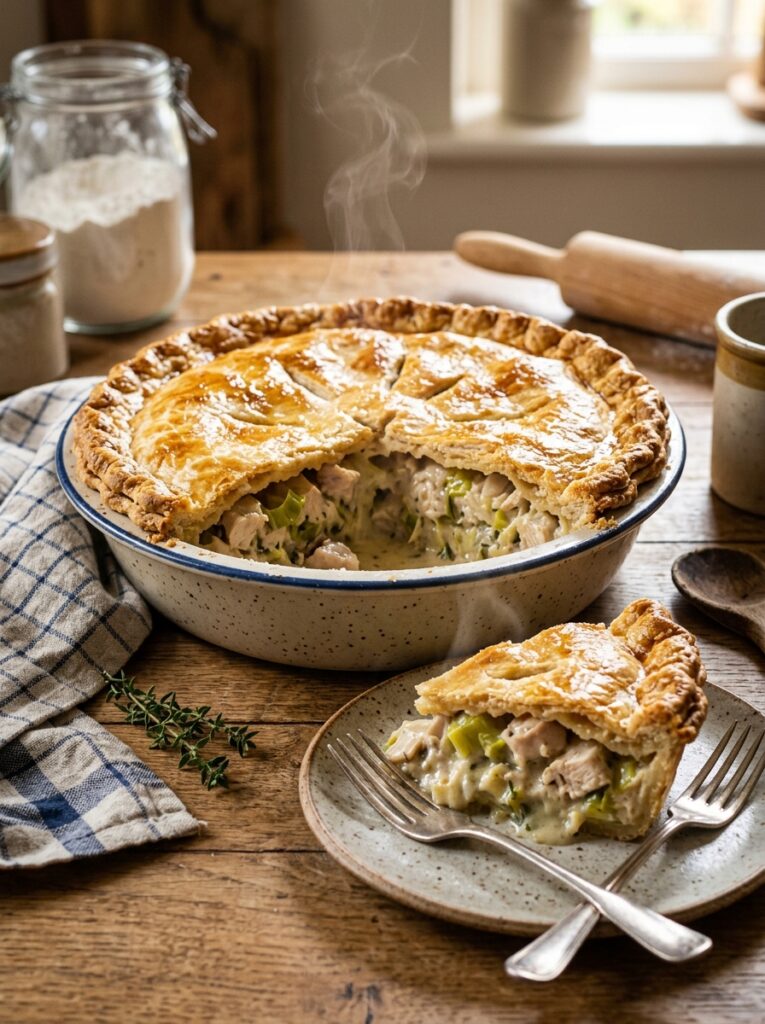
Not gonna lie, I make this every January without fail. It feels necessary.
Shortcrust pastry on top, creamy leek and chicken filling underneath. The kind of thing that makes a grey afternoon feel manageable. You can use shop-bought shortcrust and there is zero shame in that — you’re already making the filling from scratch and that’s where all the work is anyway.
Sweat the leeks in butter until they’re completely soft and sweet, add cooked and shredded chicken, make a simple béchamel with a little mustard stirred in, season it well, pile it into a baking dish, lay the pastry over the top. Egg wash. 200°C or 400°F for about twenty-five minutes.
That golden pastry coming out of the oven might genuinely be one of the best smells there is. I don’t make the rankings, I just report on them.
—
10. The Stuffed Chicken Breast Nobody Is Doing Enough
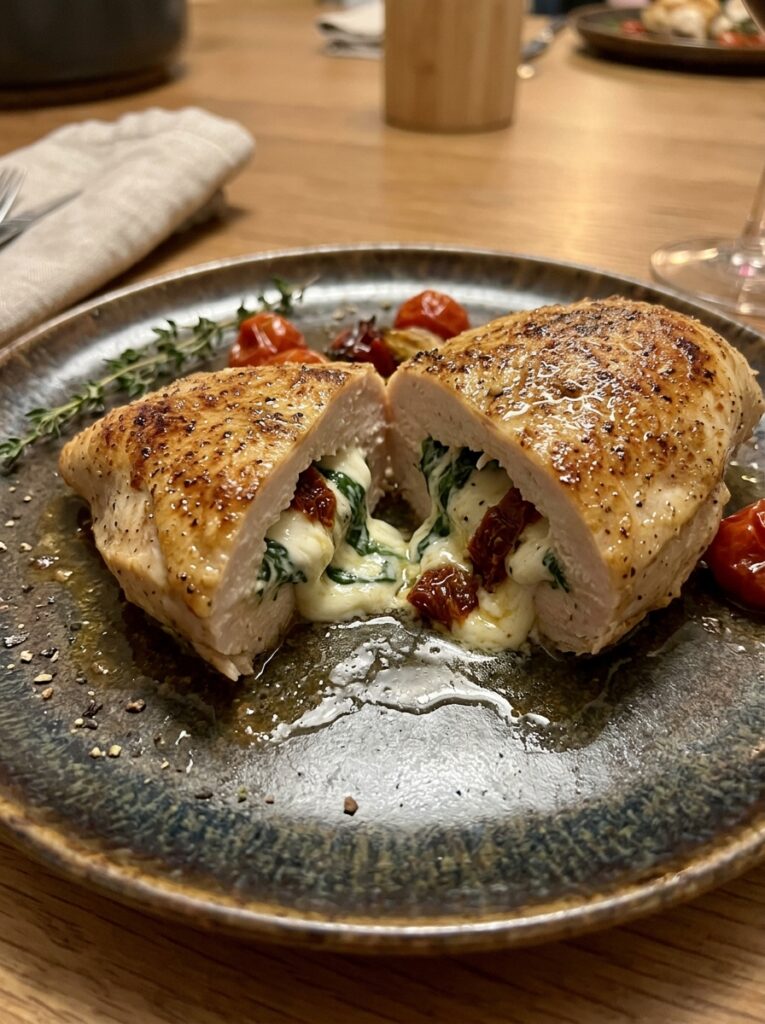
It looks complicated. It isn’t.
Use a sharp knife to cut a pocket in the side of a thick breast — not all the way through, just deep enough to stuff. Fill it with a mixture of cream cheese, wilted spinach, and sun-dried tomatoes. Pin it closed with toothpicks if needed. Season the outside heavily, sear in a pan, finish in the oven at 375°F for about eighteen to twenty minutes.
When you cut into it at the table, there’s this ribbon of filling that goes all the way through. It looks like something from a cooking show. But you made it in forty minutes on a Wednesday and nobody needs to know how little you actually did.
“It looks like something from a cooking show. But you made it in forty minutes on a Wednesday.”
—
11. The Salsa Verde Situation That Will Change Your Lunch Leftovers
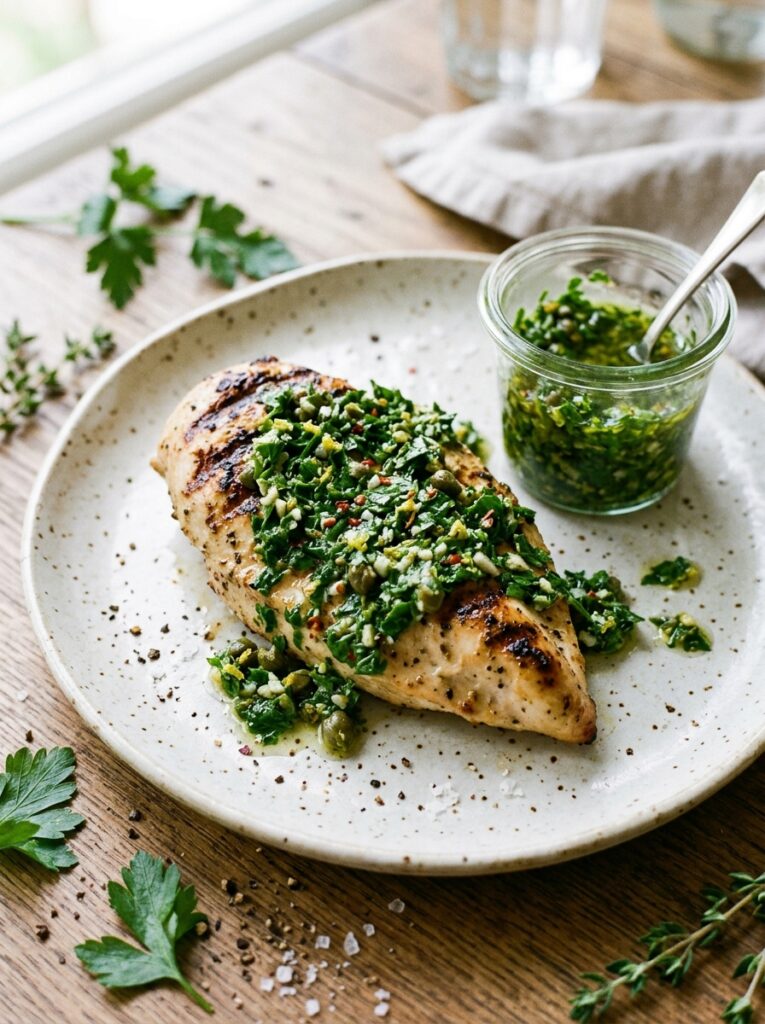
Here’s the thing about salsa verde: it makes everything taste like it came from a good restaurant.
It’s just herbs, garlic, olive oil, capers, and lemon juice blitzed together. Italian salsa verde, not Mexican — different thing, both delicious. Spoon it over grilled chicken breast that you’re about to think is boring and suddenly it’s a whole meal.
I keep a jar of it in the fridge from Sunday through Thursday. It goes on chicken, obviously. But also eggs. Roasted potatoes. A bowl of white beans. It’s sort of the Swiss Army knife of condiments, if a Swiss Army knife tasted like a summer garden.
—
12. Why “Boring” Chicken Breast Is Actually the Most Exciting Ingredient in Your Kitchen
Bear with me.
Everything else on the protein shelf has opinions. Lamb has a flavour you either love or have to work around. Salmon does its own thing. Pork belly is incredible but it’s not a Tuesday-night-last-minute ingredient.
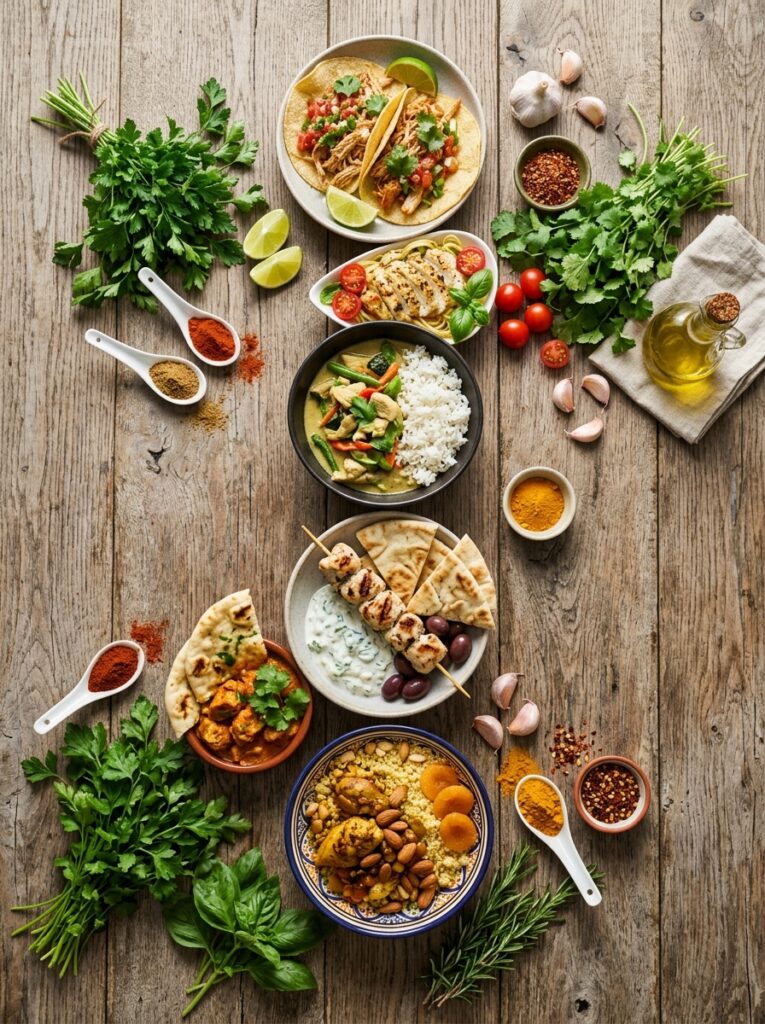
Chicken breast is a blank page. And blank pages are only boring if you don’t have anything to say. The lemon-caper skillet says something. The harissa sheet pan says something. The cold sesame noodle bowl with leftover chicken says a lot, actually, about resourcefulness and the best kind of laziness.
It takes on whatever world you point it toward — Italian, Asian, French, British, a weird fridge-raid fusion thing that you accidentally perfected on a Thursday. That flexibility isn’t a flaw. It’s the whole point.
So maybe my husband was right. It is beige. But some of the best things start beige. Bread dough. Butter. Basically all of Tuscany in winter. Doesn’t stop any of them from being extraordinary once you know what to do.
—
❓ FAQ
Q: How do I stop chicken breast from drying out in the oven? A: The most reliable way is to cook it to exactly 165°F internal temperature and then let it rest for five minutes before cutting. Cutting too early lets all the moisture escape at once. Also, covering it loosely with foil for the first half of cooking helps — you can remove it at the end to get some colour if you want.
Q: Can I use chicken thighs instead of chicken breast in these recipes? A: Mostly yes, and honestly thighs are more forgiving since there’s more fat. They’ll hold up better to long braises and sheet pan cooking. The one exception is anything where presentation matters — like the stuffed breast recipe — because thighs don’t hold their shape the same way. Adjust cooking time slightly since thighs can take a few minutes longer.
Q: How long can I keep marinated raw chicken in the fridge? A: Up to two days is the general food safety rule for raw chicken in the fridge, marinated or not. If you want to prep further ahead, freeze it in the marinade and defrost in the fridge the night before you need it.
—
💭 Final Thoughts
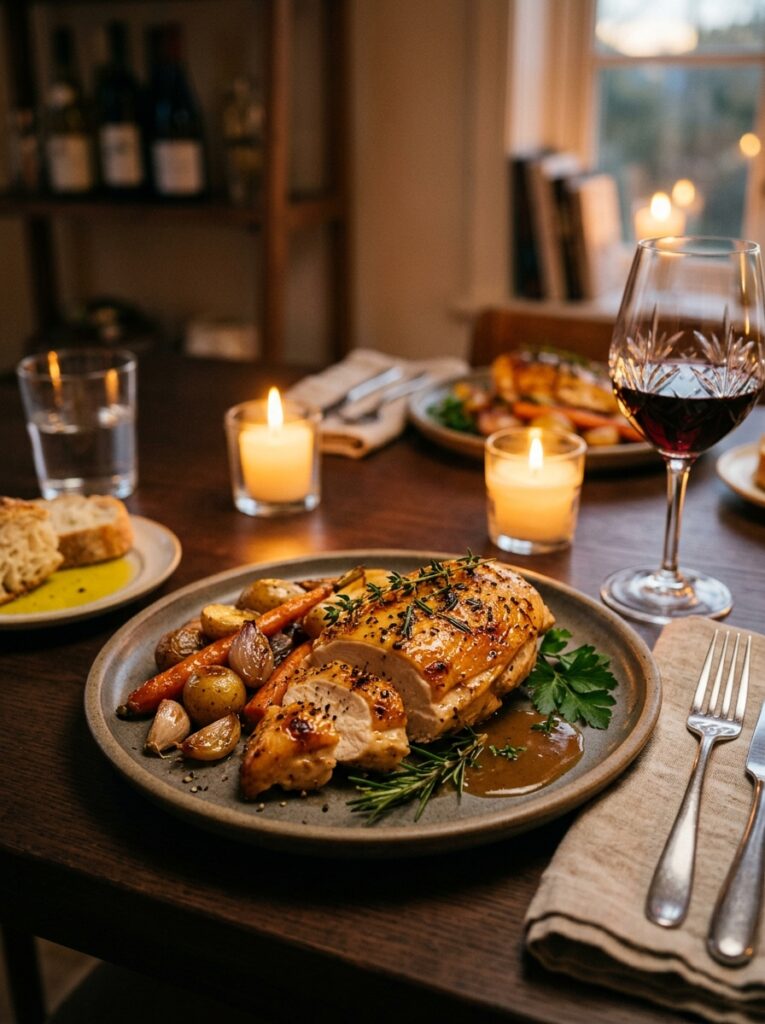
Chicken breast deserves another chance from most of us. The reputation is earned from years of overcooked, under-seasoned meals — but that’s a technique problem, not an ingredient problem. Once you’ve got the temperature, the sear, and a sauce that actually has something to say, it’s almost hard to make it badly. Almost.
What’s the chicken breast recipe that changed your mind about it?
