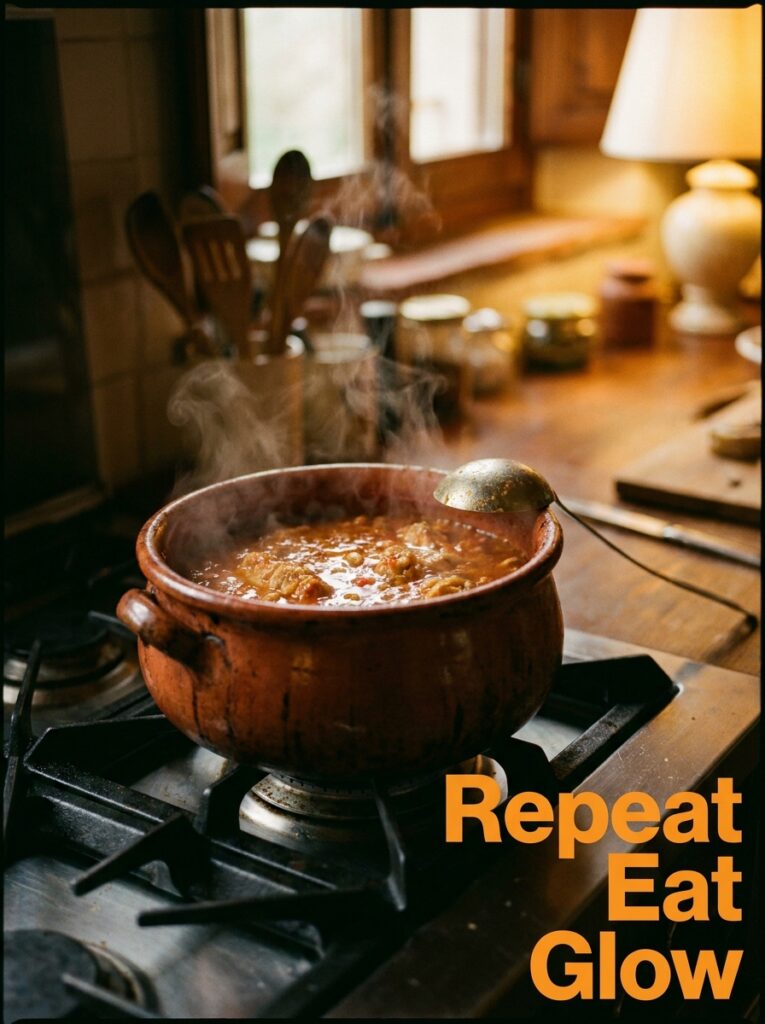
You know that moment when you take a bite of something and you just… stop talking? That’s what a proper chicken ragù does. It’s the sauce that makes people put down their phones, look up from their plates, and say “okay, wait — what IS this?”
—
1. Why Chicken Ragù Deserves Way More Credit Than It Gets
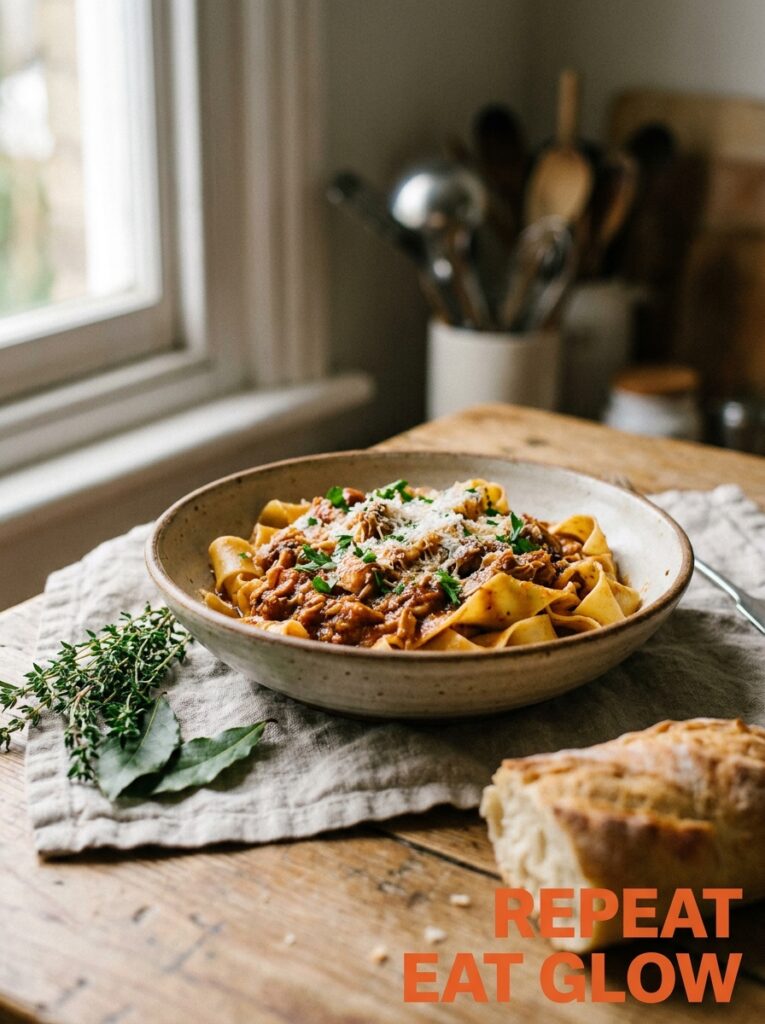
Everyone talks about beef bolognese like it’s the only slow-cooked pasta sauce worth making. And honestly? I get it. Bolognese has the branding. It’s the one food magazines put on the cover in October.
But chicken ragù is doing something completely different, and I don’t think it gets nearly enough love.
It’s lighter — but not in a “this is the healthy option” way. More like the way a good white wine feels lighter than red but still completely satisfying. The flavor builds differently. Chicken thighs, when you cook them low and slow in a wine-and-tomato base, don’t just go tender. They actually fall apart into these soft, almost silky shreds that cling to pasta in a way that ground meat never quite manages. Every forkful pulls up a little tangle of meat with it.
And because chicken absorbs flavor rather than fighting it, the aromatics you put in at the start — the garlic, the fennel, the rosemary — actually come THROUGH in every bite. You can taste the whole pot.
It’s also genuinely affordable. Bone-in chicken thighs are some of the cheapest meat at the supermarket on either side of the Atlantic, and they make a ragù that tastes like it came from a restaurant that makes you wait six weeks for a table.
“Chicken thighs cooked slowly in wine and tomatoes don’t just go tender — they become something else entirely.”
—
2. The Cut That Makes or Breaks the Whole Pot
Let’s just say it plainly: don’t use chicken breast for ragù. Please.
I know, I know. Breast is what people reach for first. It’s there, it’s leaner, maybe it’s already in your fridge. But breast meat in a long braise goes chalky and dry, and no amount of good wine or patience is going to fix that. You’d basically be cooking expensive shredded cardboard.
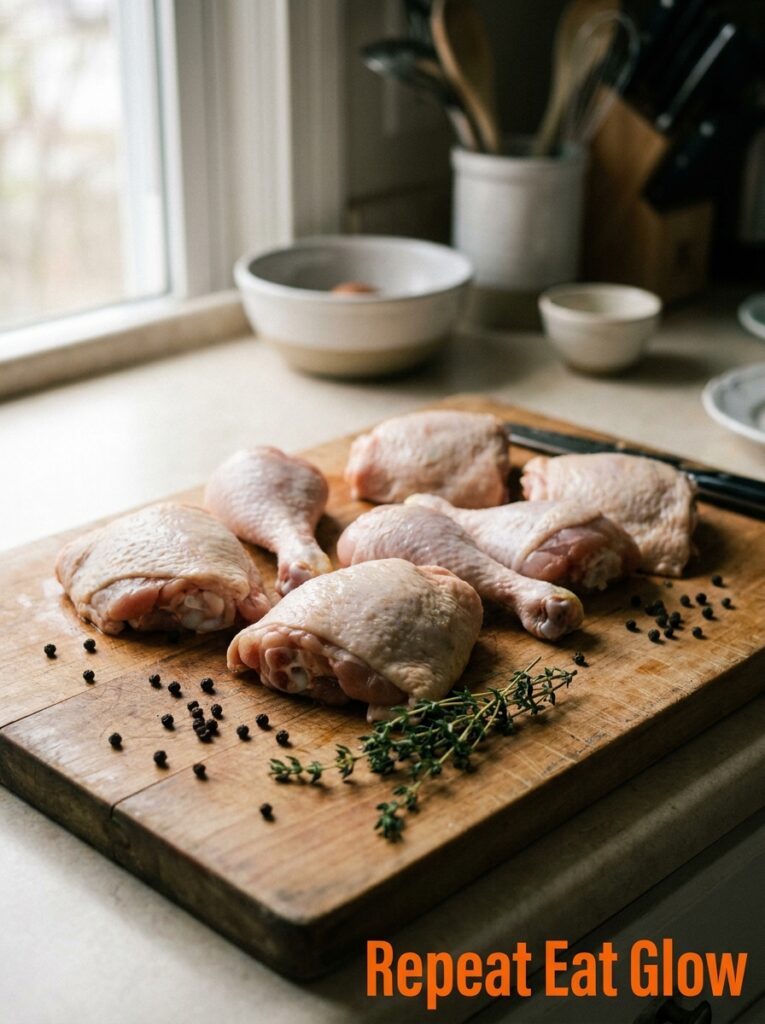
Bone-in, skin-on chicken thighs are what you want. The bones add collagen to the sauce as it simmers, which is why a proper ragù gets that glossy, almost velvety consistency — that’s not a trick, that’s just what bones DO when you cook them long enough. The skin can go in too (you’ll remove it later or just let it melt in), and the fat it renders out gives the whole sauce a richness that you genuinely can’t fake any other way.
If you can only find boneless thighs, that’s still miles better than breast. You won’t get quite the same depth, but you’ll get close. And if your butcher has chicken drumsticks on sale? Those work too, honestly. I’ve made this with nothing but drumsticks when the thighs were sold out and it was completely delicious. The meat just shreds a little differently.
The point is: fat and collagen. That’s the whole secret. Thighs have both.
—
3. The Wine Situation (And No, You Can’t Skip It)
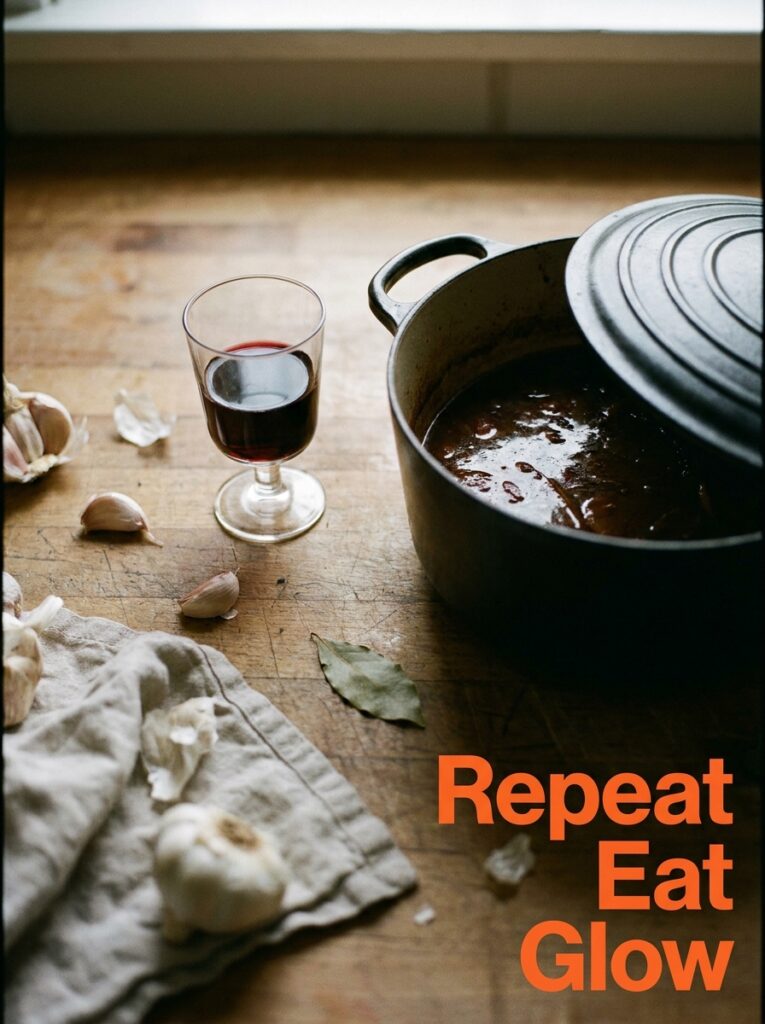
Okay, real talk about wine in cooking. You don’t need to open a bottle of something expensive. But you do need to use something you’d actually drink, even just a sip of.
The reasoning is pretty simple. Wine concentrates as it cooks, so whatever weirdness it has going in gets amplified. That bottle of “cooking wine” from the back of the cabinet that tastes vaguely of regret? That’s going to BE your sauce.
For a white chicken ragù, which is honestly my favorite version, you want a dry white with a bit of acidity. Pinot Grigio, Sauvignon Blanc, an unoaked Chardonnay — all great. Pour a glass for yourself while you cook, use half a cup in the pot. That’s the right vibe.
For a red-based chicken ragù, go for something medium-bodied. Chianti works beautifully with chicken, weirdly enough. The slight earthiness plays really well against the tomatoes.
Add the wine right after you’ve sautéed your onions and garlic and the pan is hot — you want it to HIT the pan and sizzle and smell incredible immediately. That moment when the wine hits the hot pan and steams up is genuinely one of the best things that happens in a kitchen. Let it reduce until you can barely smell the alcohol. That’s when you add everything else.
—
4. The Classic Version You’ll Make On Rotation
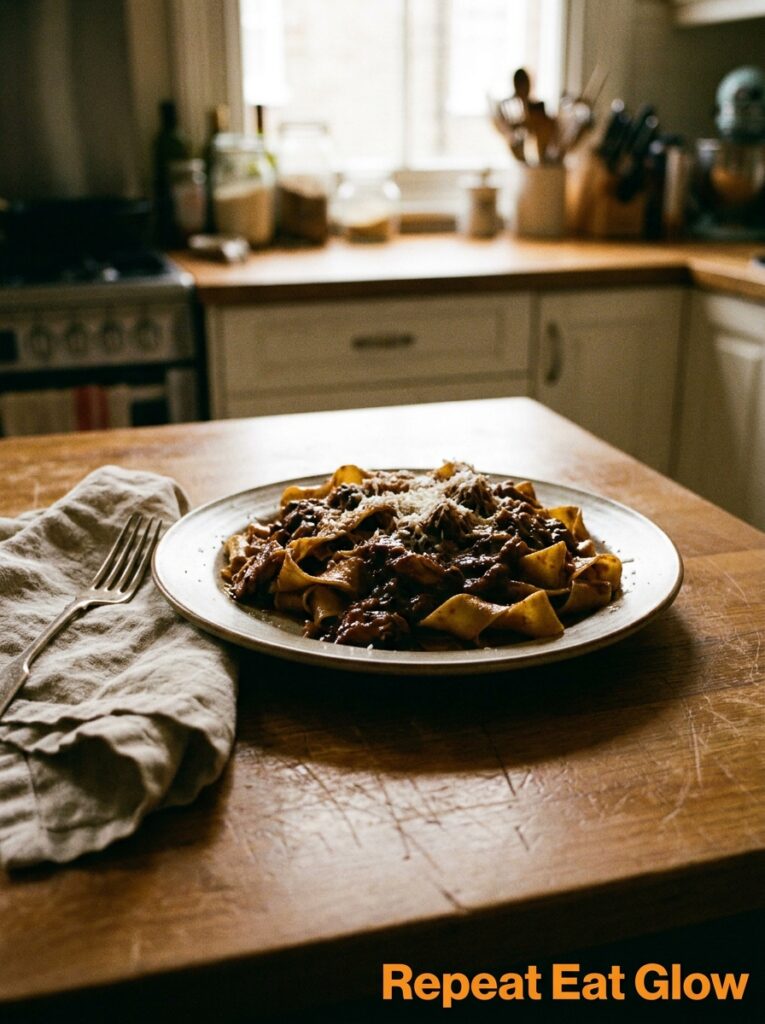
Here’s the ragù I’ve made probably thirty times at this point. It’s not complicated. But it’s good in a way that feels like you actually did something.
You’ll need: 4-5 bone-in chicken thighs, 1 white onion (finely diced), 4 garlic cloves (minced), 2 tablespoons olive oil, ½ cup dry white wine, 1 can (14oz/400g) crushed tomatoes, ½ cup chicken stock, 1 sprig fresh rosemary, 1 bay leaf, salt and pepper, and pasta to serve — pappardelle or rigatoni if you want to do this properly.
Brown the chicken thighs in olive oil on both sides until they’re genuinely golden — don’t rush this step, this is where flavor lives. Remove them, add your onion, cook until soft and slightly golden around the edges. Add garlic, stir for about 30 seconds. Add wine. Wait. Let it reduce by half. Add the tomatoes, stock, rosemary, bay leaf. Put the chicken back in. Put the lid on.
Then just… wait. Low heat, 45 minutes to an hour. Or in the oven at 325°F for the same amount of time.
When you lift the lid and the chicken is falling off the bone — that’s when you pull the thighs out, shred the meat with two forks (or just your fingers if you’re not waiting around), discard the bones and skin, and stir the meat back through. Taste it. Add salt. That’s your dinner.
“The moment you pull the chicken out and it falls apart before you’ve even touched it — that’s when you know.”
—
5. The Herb Combinations That People Don’t Talk About Enough
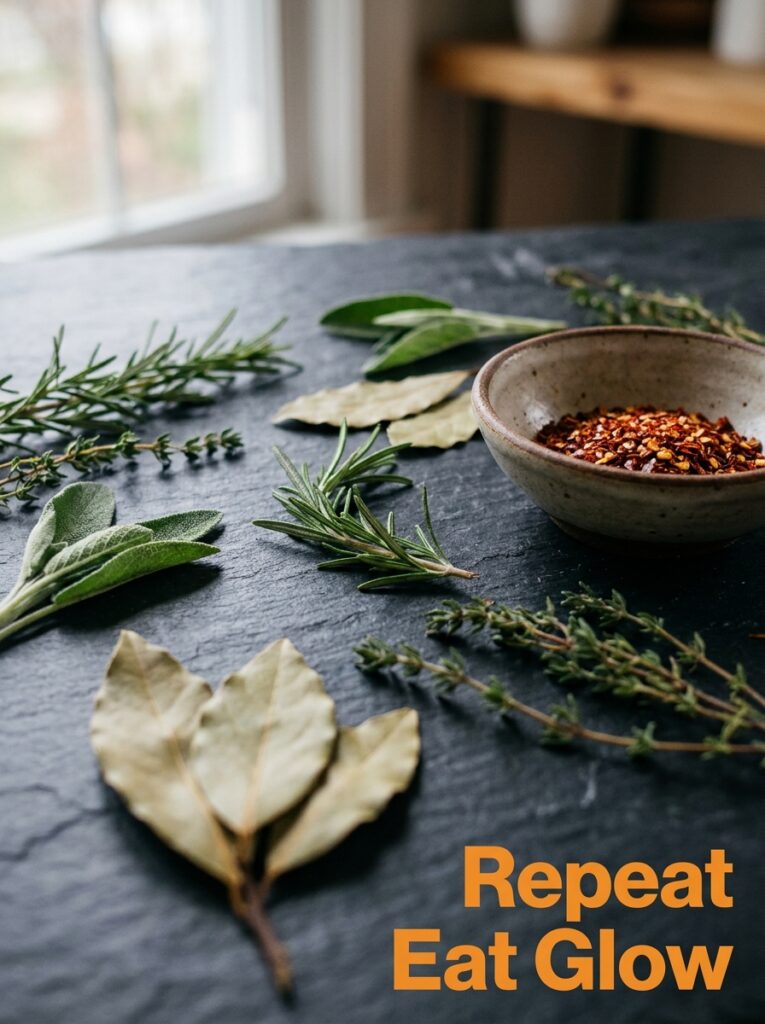
Rosemary and bay is the classic. And it’s classic for a reason — it works. But don’t feel like that’s your only option.
Fresh thyme and lemon zest is one of my absolute favorite combinations for a lighter, spring-ish version of this sauce. The thyme is earthy in this gentle way, and the zest — just a few strips, added in the last ten minutes of cooking — lifts the whole thing. It smells incredible when you lift the lid. Like, stop-and-inhale incredible.
Fennel seeds are another one. I know they sound unusual, but even if you think you don’t like fennel, try toasting a teaspoon of fennel seeds in the pan with your onions before you add anything else. They soften into the background and give the sauce this faint, sweet warmth that you can’t quite identify but can’t stop eating.
Sage and butter, stirred in at the very end, is the kind of finishing move that makes people think you’ve been trained in Italy. You haven’t. It takes thirty seconds.
A tiny pinch of chili flakes doesn’t make the sauce spicy — it just makes it taste more like itself. More alive, kind of. I almost always add them.
—
6. What to Do When You Want the Creamy Version (You Want the Creamy Version)
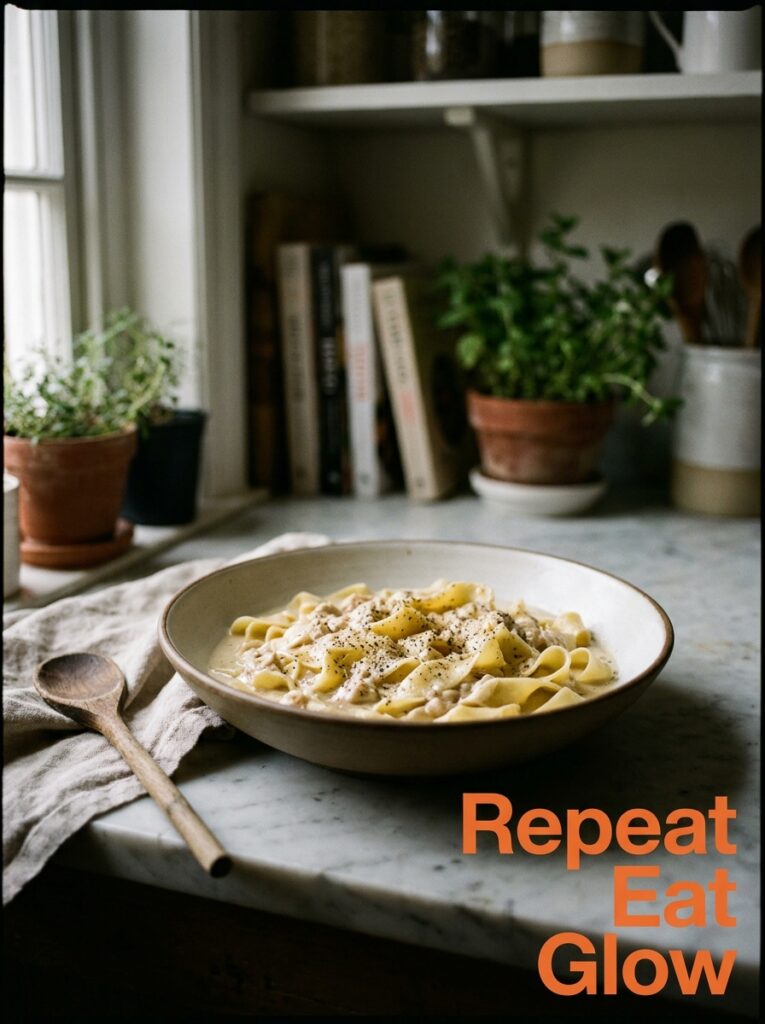
So there’s a version of this where you stir in about ¼ cup of heavy cream (or double cream if you’re in the UK) right at the end, and it does something kind of extraordinary to the sauce.
The tomato acidity mellows. The color shifts from bright red to this warm, dusty rose. And the texture goes silky in a way that just coats the pasta differently.
I’m not going to pretend this is traditional. It’s not. But it IS incredibly good, and once you’ve made it you’ll understand why restaurants put cream in things even when they don’t have to.
A small handful of grated Parmesan stirred in with the cream takes it even further. The cheese melts into the sauce and adds this savory depth that makes the whole thing taste like it’s been cooking for longer than it has. This version especially loves pappardelle — those wide, flat ribbons of pasta are basically designed for a sauce that’s this rich and clinging.
Side note — if you’re making this for anyone who’s lactose intolerant, full-fat oat cream works surprisingly well as a substitute. I was skeptical. I was wrong.
—
7. The Slow Cooker Version For When Your Afternoon Is Completely Booked
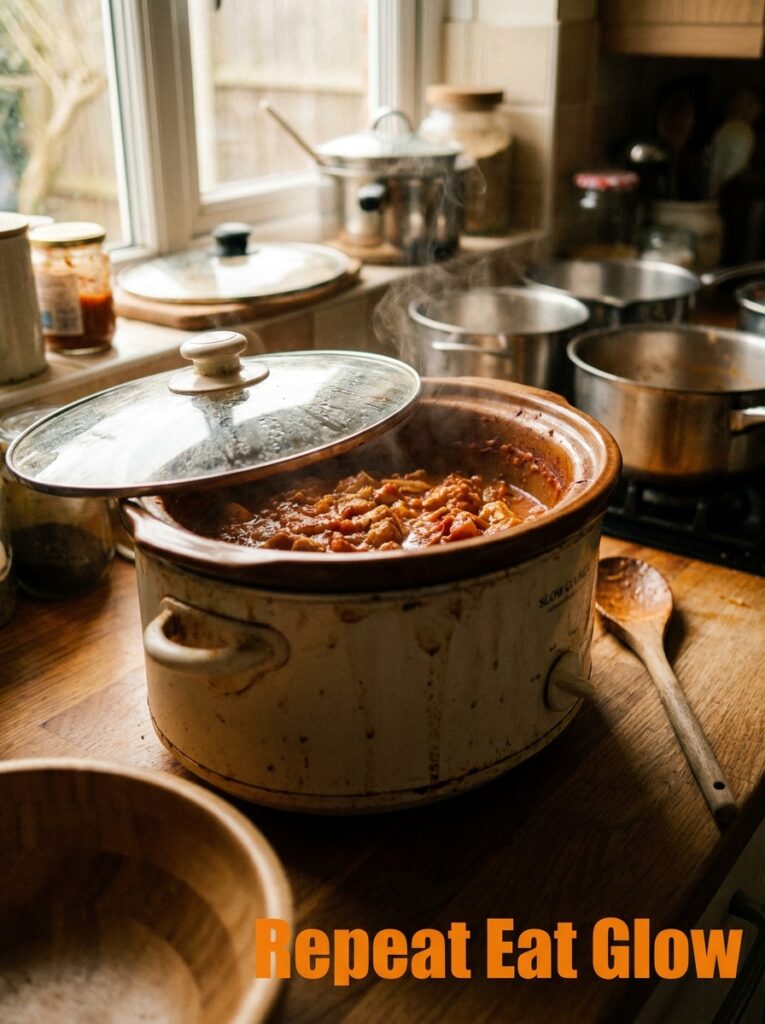
Not going to pretend I always have time to stand at the stove. Some days the slow cooker is genuinely the only path to a good dinner that doesn’t involve ordering in.
Brown your chicken thighs in a skillet first — I know, it’s one extra pan, but please don’t skip this. That golden crust on the chicken is where so much flavor comes from, and the slow cooker can’t create it. It can only preserve it.
Then everything goes into the slow cooker. Sautéed aromatics, wine (reduced in the same pan), tomatoes, stock, herbs. Low for 6-8 hours or high for 3-4 hours. When you get home — or when you walk in from the school run, or when you finally close the laptop — the whole kitchen smells like somewhere you want to be. Shred the chicken, stir it back in, cook your pasta, done.
The one thing I’d say about slow cooker ragù is that the sauce can end up a bit thin, because there’s no evaporation happening. So either take the lid off and crank it up at the end, or just ladle some of the liquid out and reduce it separately in a small saucepan for five minutes. Either way works.
“The slow cooker can’t create that golden crust — it can only preserve it. So brown the chicken first, always.”
—
8. Pasta Shapes That Actually Work (And a Few That Don’t)
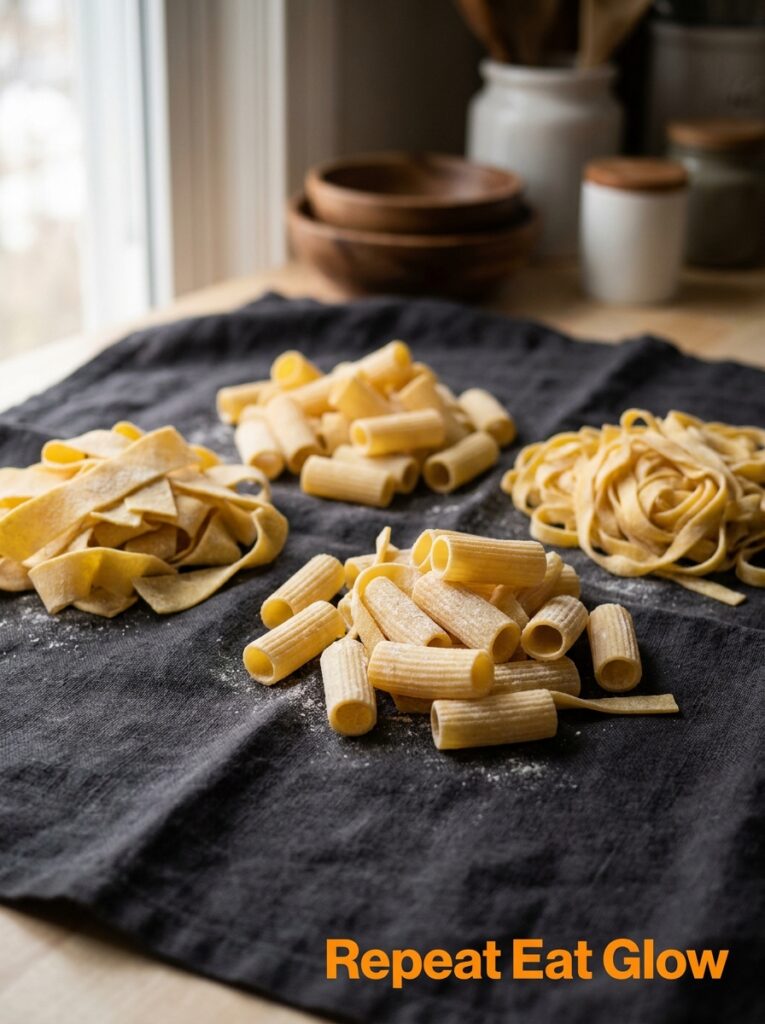
This feels like it should be obvious, but I’ve watched people put chicken ragù on spaghetti and then complain that it “doesn’t taste like much.” The pasta shape matters.
Ragù needs something it can hold onto. Pappardelle is the gold standard — those wide, flat noodles catch every shred of meat and every drop of sauce. Rigatoni is fantastic too, because the ridges grab the sauce AND the tubes fill with it. You get little pockets of ragù in every bite. Tagliatelle is a slightly thinner version of pappardelle and works just as beautifully.
What doesn’t work as well? Spaghetti, as I mentioned. Angel hair (god, no — it’ll just slide right off). Penne is okay but a bit boring with this sauce, honestly — the smooth sides don’t give the ragù much to cling to.
If you want to go really non-traditional, chicken ragù on soft polenta is genuinely one of the best things you can eat on a cold night. Serve the polenta in a wide bowl, ladle the ragù over the top, add a few shavings of Parmesan. That’s it. That’s the whole meal. It’s the kind of thing you’d pay £18 for in a London restaurant and feel completely happy about it.
—
9. The Instant Pot Version For When You Want All the Depth in Half the Time
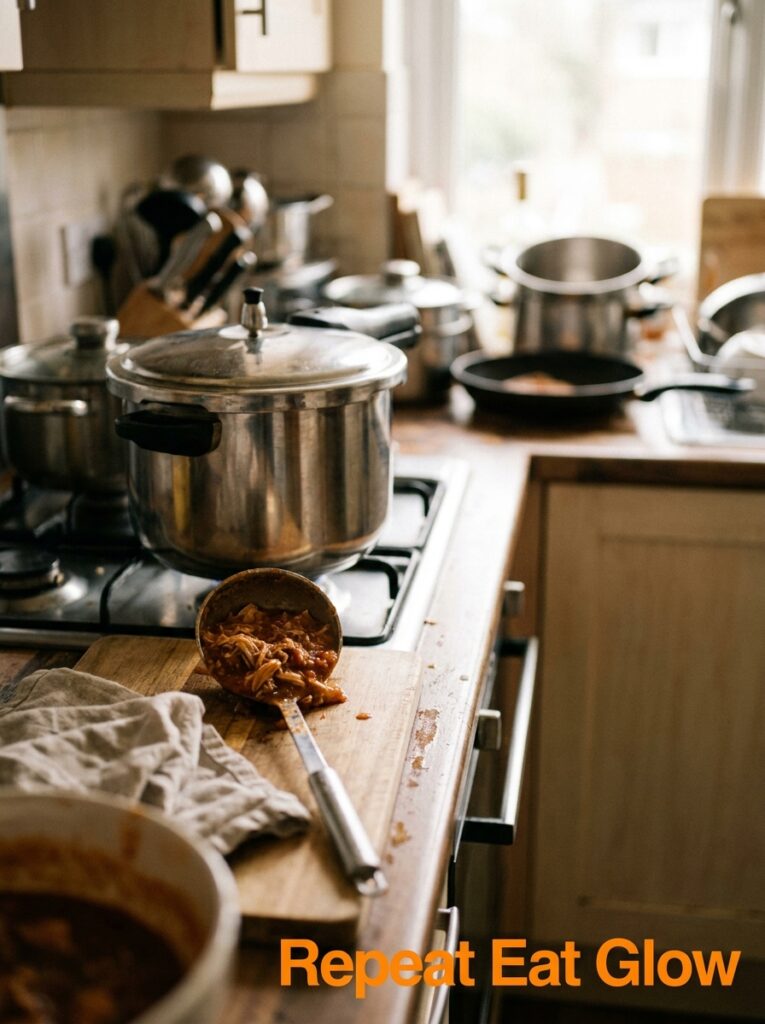
Okay, if you have an Instant Pot (or any electric pressure cooker), chicken ragù is one of the best things you can make in it. Because the pressure does what a three-hour braise does, but in about 35 minutes actual cooking time.
Use the sauté function to brown your chicken and cook your aromatics, right in the pot. Add the wine, let it reduce. Add the tomatoes and stock. Lock the lid. Cook on high pressure for 25 minutes, then natural release for 10 minutes.
The chicken will be so tender it basically shreds itself when you poke it. The sauce will be deeply flavored in a way that feels a bit like cheating, except it isn’t.
The one difference I’ve noticed is that pressure cooking doesn’t develop quite the same caramelized richness as a really long stovetop braise — you can sort of taste that it’s fast. But honestly? For a weeknight dinner? The difference is minimal. And the time savings are significant.
—
10. The Leftover Magic That Makes You Cook Double on Purpose
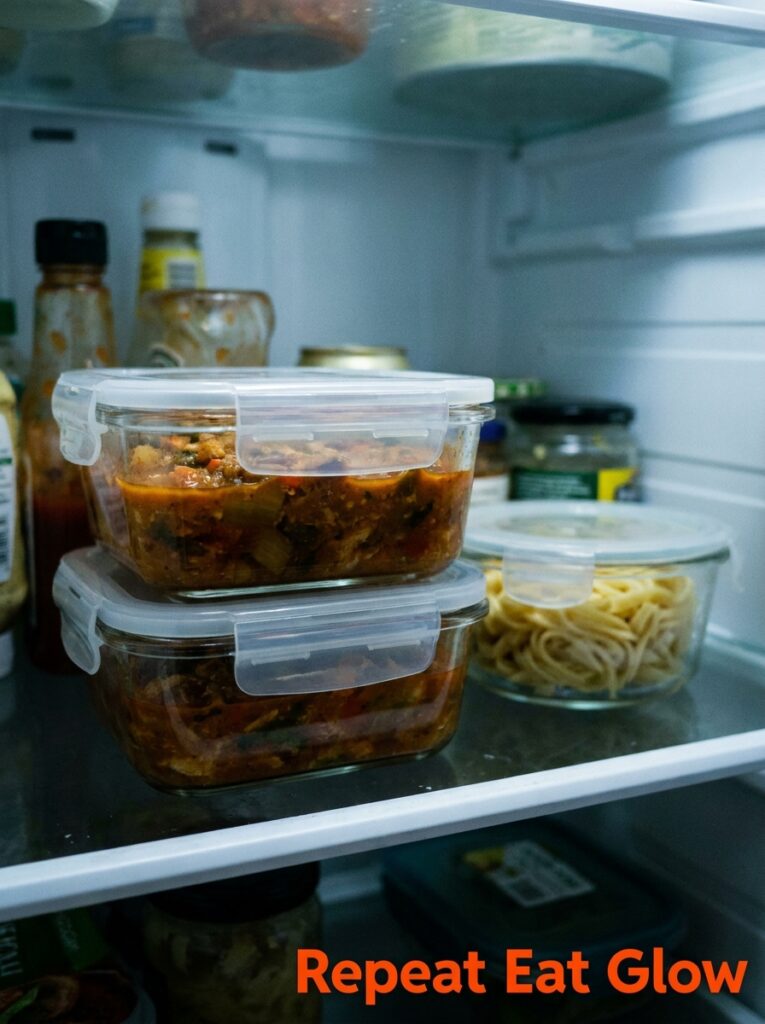
Chicken ragù is one of those rare sauces that’s BETTER the next day. Not just “still good” — actually, noticeably better. The flavors knit together overnight in a way that doesn’t happen during the first cook. The tomato mellows. The meat relaxes further into the sauce.
This means: always make more than you need. Double the recipe, put half in a container, refrigerate it. Future you is going to be SO relieved.
Leftover ragù can go on pasta (obviously), but also: on pizza as the sauce base, stirred into a risotto halfway through cooking, spooned over polenta, mixed into a white sauce for lasagna, used as the filling in savory crepes, or — my personal favorite — stuffed into a split jacket potato with a bit of cheese melted on top.
It also freezes beautifully for up to three months. Defrost it in the fridge overnight, warm it gently in a pan, add a splash of stock if it needs loosening. Tastes like you just cooked it.
—
11. The Version That Feels Fancy Without Actually Being Difficult
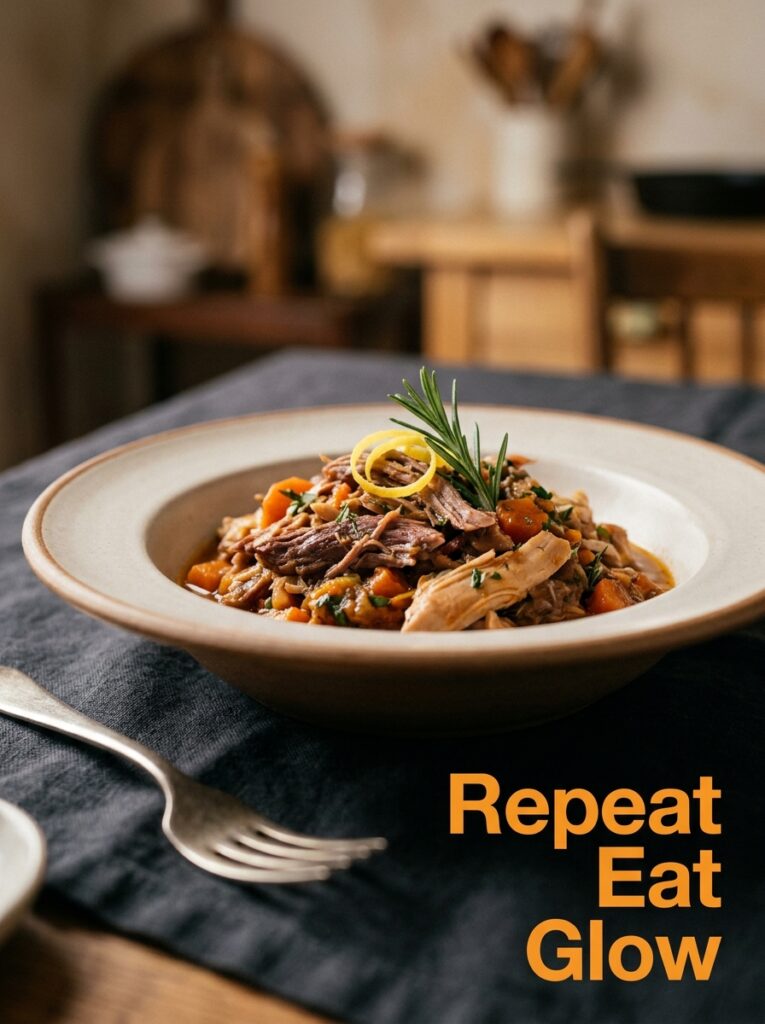
This is the one I make when people are coming for dinner and I want the food to feel intentional but I also don’t want to spend the whole party in the kitchen.
It starts the same as the classic version, but I add a small tin of whole peeled San Marzano tomatoes instead of crushed — I crush them by hand as they go in, which sounds fussy but honestly takes thirty seconds and gives a more interesting texture. A tablespoon of tomato paste, added with the garlic and cooked for a minute until it darkens slightly.
The finishing touch is what makes it “company” food: I brown some butter in a small pan until it smells nutty, like hazelnuts almost, and stir a tablespoon of it into the sauce right before serving. That browned butter does something to the entire flavor profile that I genuinely struggle to explain. It rounds everything out. Makes the sauce taste like it cost more than it did.
Serve it on pappardelle, top with a small curl of lemon zest and a few torn basil leaves. Light a candle, open the wine. Nobody will believe you made this on a Wednesday.
—
12. The Shortcuts That Actually Work (And One You Should Never Take)
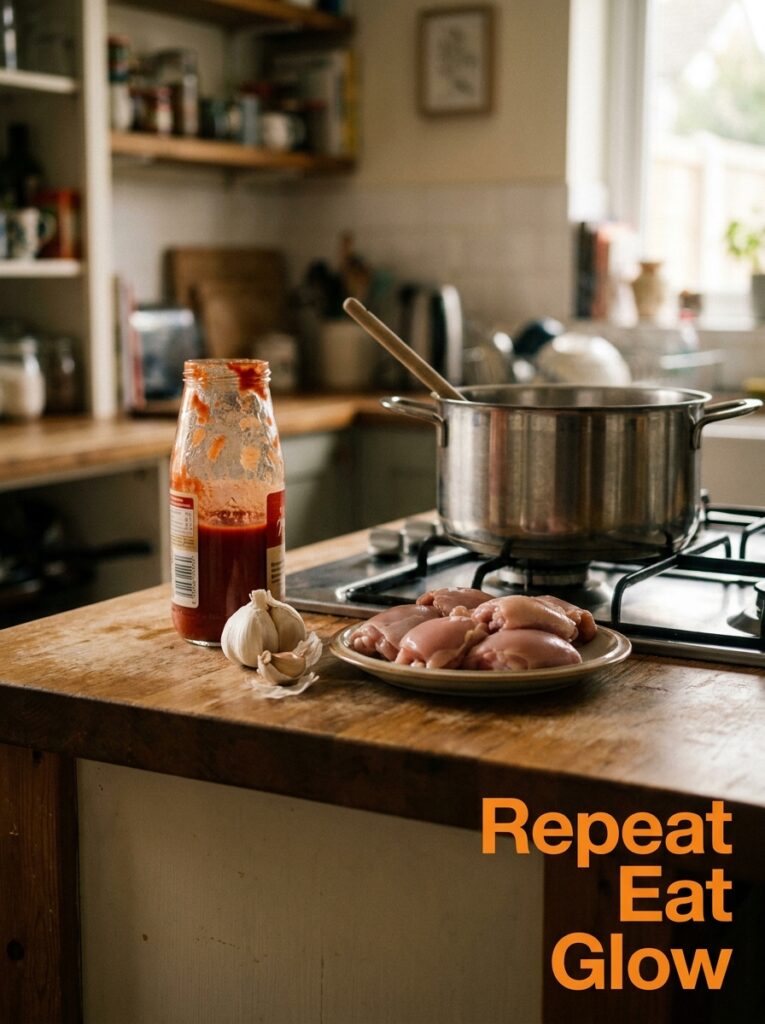
Real life: sometimes you don’t have time to do everything the long way. That’s fine. Here are the shortcuts that genuinely don’t compromise the result.
Pre-made soffritto (the frozen diced onion, carrot, celery mix you can find in most supermarkets) is a completely valid shortcut. It works. Don’t let anyone tell you otherwise.
Canned whole tomatoes crushed by hand taste better than crushed tomatoes from a can — but if crushed is what you’ve got, use it. No one’s going to come to your house and check.
Store-bought fresh pasta cuts the whole meal time down significantly, and honestly fresh pappardelle is so good that I use it even when I have time to make my own. It’s just better.
The ONE shortcut that doesn’t work, though — and I feel strongly about this — is skipping the browning step on the chicken. Every single time I’ve tried to just throw everything in the pot without browning first, the sauce ends up lacking that deep, rounded, caramelized quality. It tastes flatter. You can feel the absence of that step even if you can’t name it. Five extra minutes of browning is always, always worth it.
—
❓ FAQ
Q: Can I make chicken ragù without wine? A: You can, and it’ll still be good — just swap the wine for extra chicken stock with a small squeeze of lemon juice to add some acidity. It won’t have quite the same depth, but it’s a completely solid ragù without it. Some people also use a splash of apple cider vinegar, which sounds weird but actually works pretty well.
Q: How long does chicken ragù keep in the fridge? A: Three to four days, covered, in the refrigerator. It actually tastes better on day two and three, so don’t be afraid to make it ahead. When reheating, add a splash of water or stock to loosen it and warm it over medium-low heat.
Q: What’s the difference between chicken ragù and chicken bolognese? A: Honestly, the terms get used interchangeably a lot. Strictly speaking, a “bolognese” refers to a meat sauce in the style of Bologna, which is typically beef (or beef and pork) with milk or cream. A ragù is just a broader term for a slow-cooked meat sauce. Chicken ragù is its own thing — lighter, more herb-forward, and built differently — but you’ll see it labeled both ways on menus and recipe blogs and neither is really wrong.
—
💭 Final Thoughts

There’s something genuinely satisfying about a dish that feels simple to make but tastes like it took real effort — and chicken ragù is exactly that. A few cheap ingredients, a little patience, and you end up with something that makes people want seconds before they’ve finished their firsts. Once you make it once, you’ll understand why every Italian grandmother has a version of this recipe that she’s been making since before your parents were born.
The only question left is: which version are you making first?
