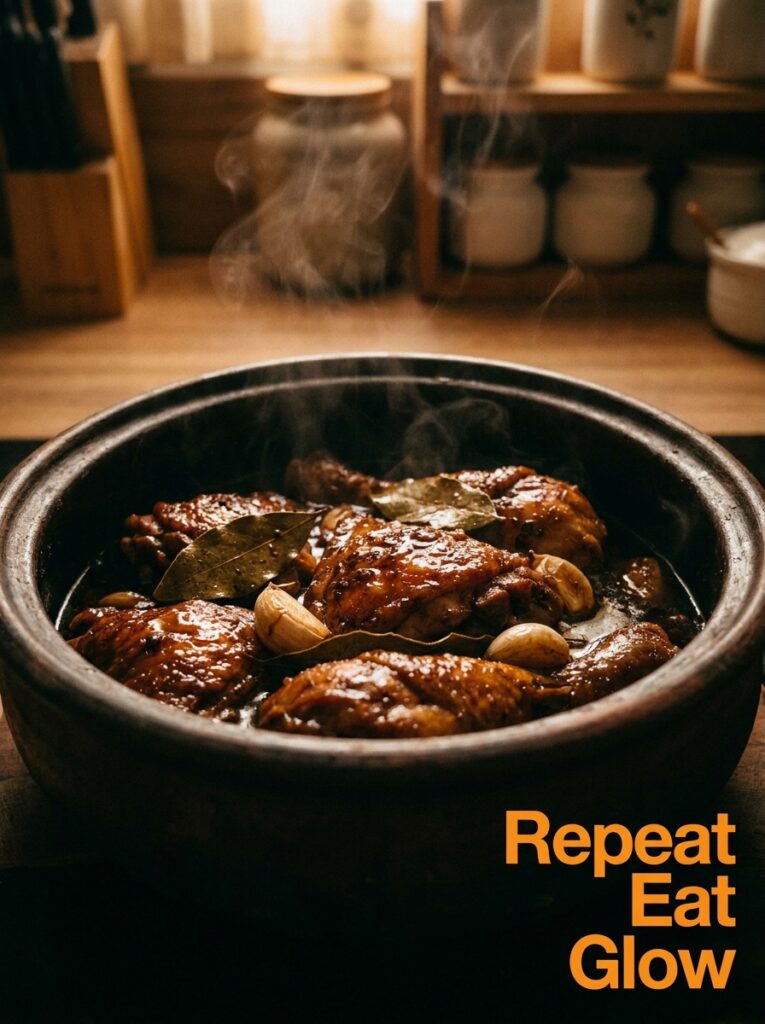
You smell it before you see it. Vinegar and garlic hitting a hot pan, something sour and rich and completely unlike anything you grew up making — and yet somehow it smells like home. Filipino chicken recipes do that. They walk in, take over your whole kitchen, and don’t apologize.
—
1. Why Filipino Chicken Hits Different From Everything Else in Your Rotation
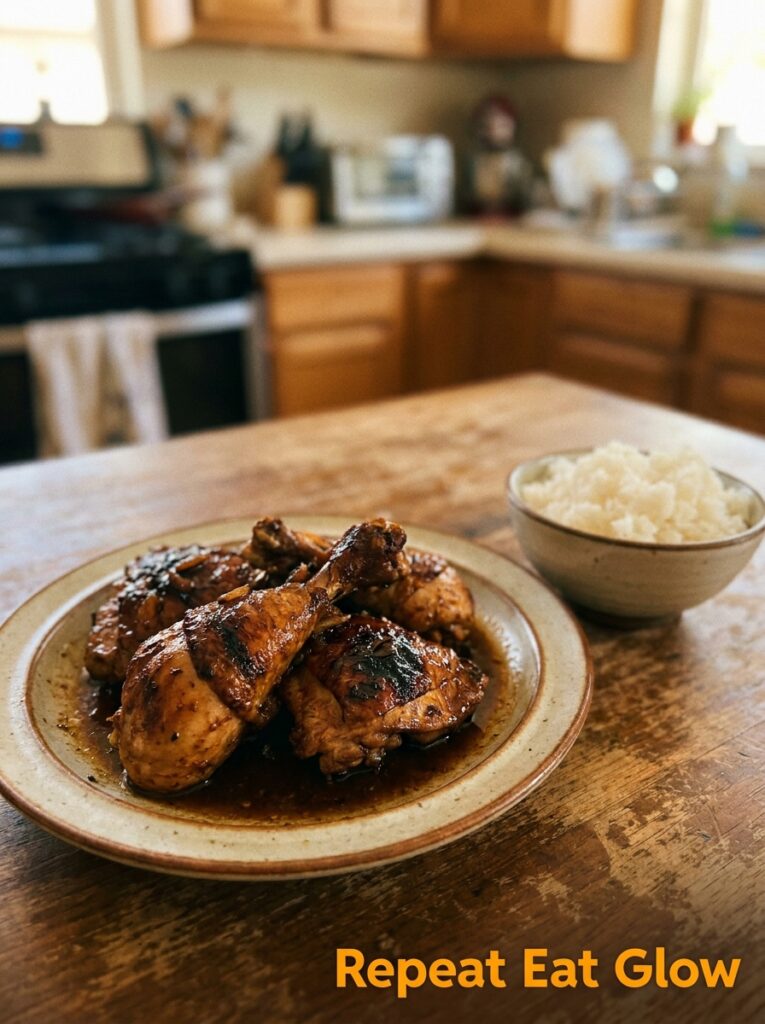
Okay so first — if you’ve never cooked Filipino food before, I need you to understand something. This isn’t fusion. It’s not “Asian-inspired.” It’s a whole specific cuisine with its own rules, and those rules are incredible.
Filipino cooking, especially when it comes to chicken, tends to lean into contrasts. Sour against savory. Fatty against sharp. Sweet creeping in where you didn’t expect it. The dishes don’t try to be delicate. They’re confident. They want rice. They want you to eat more than you planned.
What I love most is how forgiving most of these recipes are. Adobo especially — I’ve made it rushing out the door with barely any time and with wayyy too much garlic and it still turned out great. You can’t really ruin it, which is honestly rare for a braised dish. Most Filipino chicken recipes are built for real kitchens, real weeknights, real budgets.
And the ingredients? You probably already have half of them. Soy sauce. Garlic. Vinegar. Bay leaves. That’s basically adobo right there.
“Filipino chicken recipes don’t need ten steps or thirty ingredients — they just need time and a little trust.”
—
2. The Dish That Started It All — And Why Adobo Isn’t What You Think It Is
Let’s talk about adobo properly because there’s a lot of confusion around this word, especially in the US.
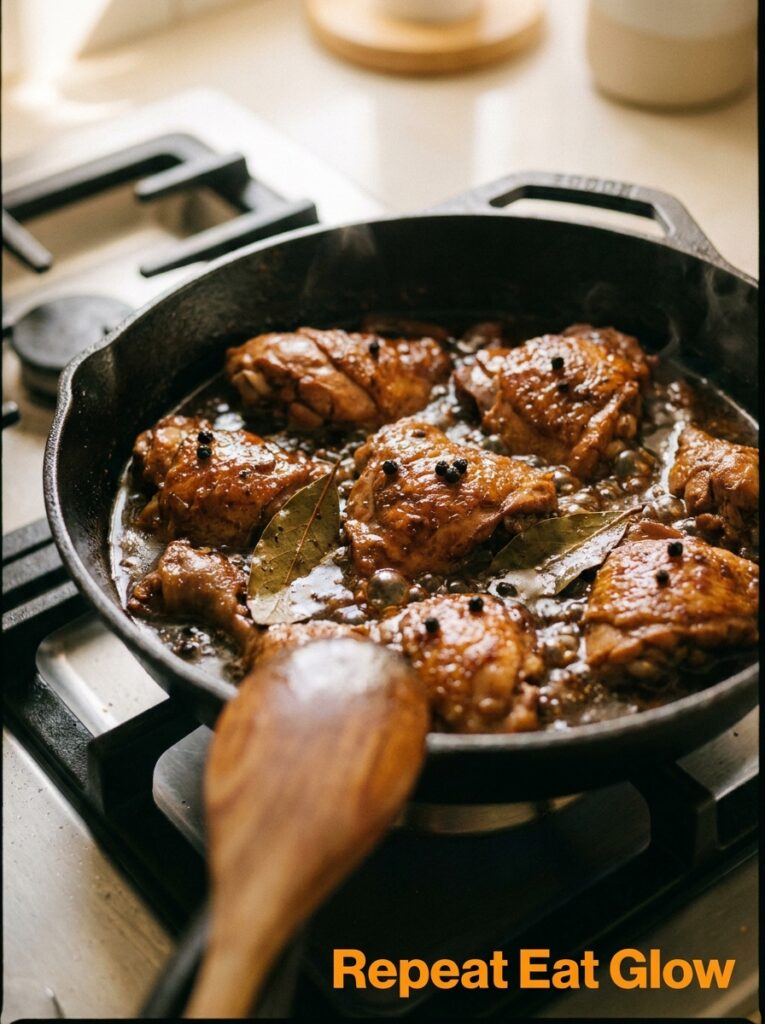
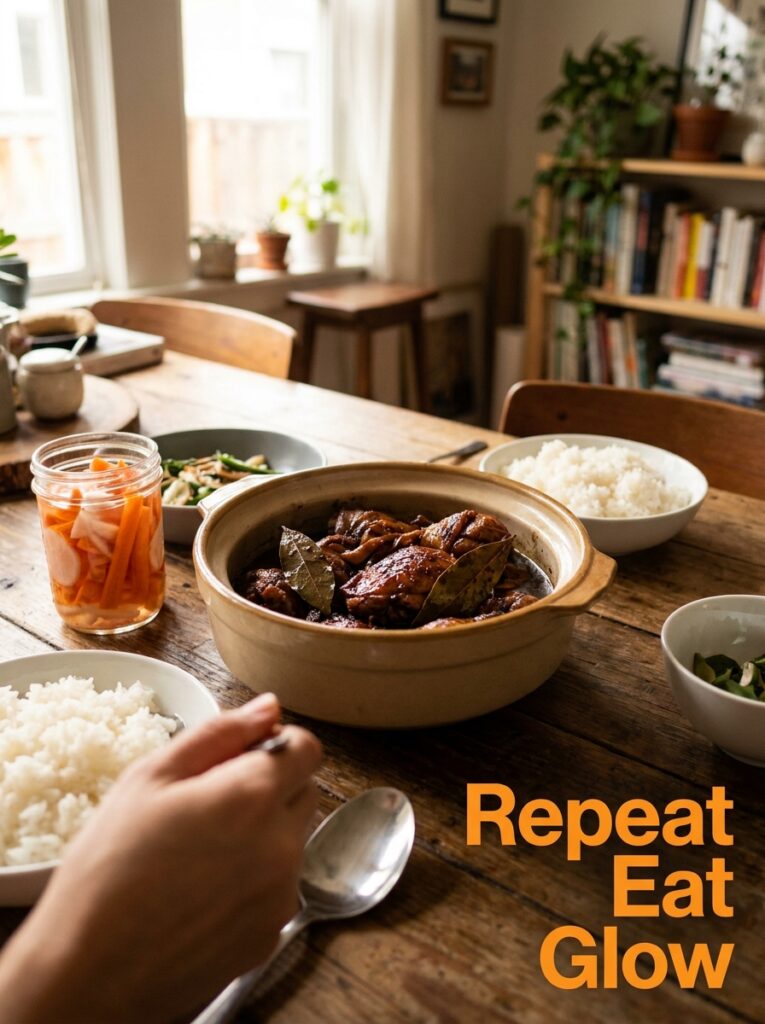
Filipino adobo is NOT the same as Mexican adobo. Not related. Different continents, different traditions, different results. Filipino chicken adobo is a braise — chicken pieces slow-cooked in vinegar, soy sauce, garlic, bay leaves, and black pepper until the liquid reduces into this glossy, punchy sauce that clings to every piece.
The vinegar is the thing. It’s not background flavor. It’s structural. It’s what makes adobo taste like nothing else. White cane vinegar is traditional but you can absolutely use apple cider vinegar, and honestly I prefer it — there’s a slight sweetness that plays really well against the soy sauce.
The way it works is simple. You simmer the chicken in the braising liquid until it’s cooked through, then you pull the chicken out and let the liquid reduce down. Some people then fry the chicken pieces to get crispy skin before adding the sauce back. That extra step? Worth it every single time. The contrast between the crisped skin and the sticky sauce is almost embarrassing to eat alone.
Make a double batch. You’ll want leftovers.
—
3. The Color That Keeps Showing Up in Every Beautiful Filipino Chicken Dish
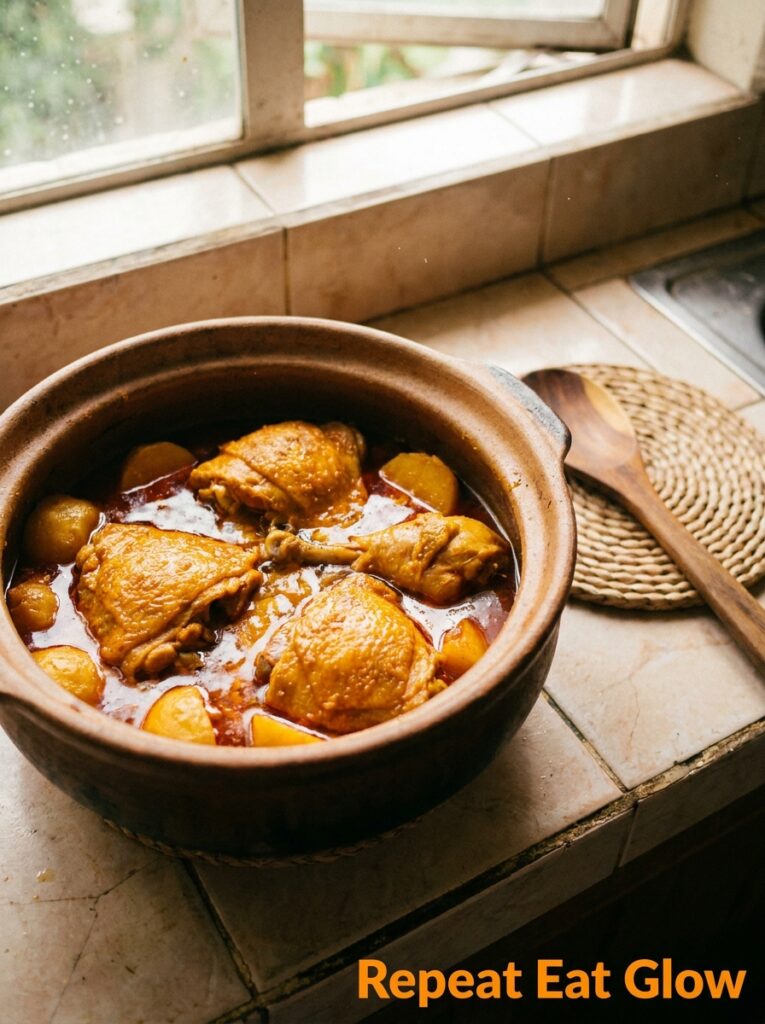
Annatto. Also called achiote. This is a small seed that gives Filipino cooking some of its most stunning warm orange-red color, and if you’ve never cooked with it, you’re genuinely missing out.
You’ll see it in dishes like Chicken Inasal — a grilled chicken from the Visayas region that’s marinated in a mix of calamansi juice, lemongrass, garlic, and annatto oil. The color when it hits a hot grill is spectacular. Deep orange, almost brick-red, with char marks cutting through. It looks like something off a magazine cover but you made it at home.
Annatto seeds are available online and in most international grocery stores. In the US, you’ll often find them in Latin grocery stores too (remember — different cuisine, same seed). You just warm the seeds in oil until the oil turns deep orange, then strain and use that oil in your marinade. It adds a very subtle earthy flavor but mostly it’s about that color.
Side note — if you can’t find annatto, a pinch of turmeric and sweet paprika together gets you close. Not identical but pretty dang good.
—
4. The One-Pot Recipe That Americans Keep Discovering at 11pm on a Tuesday
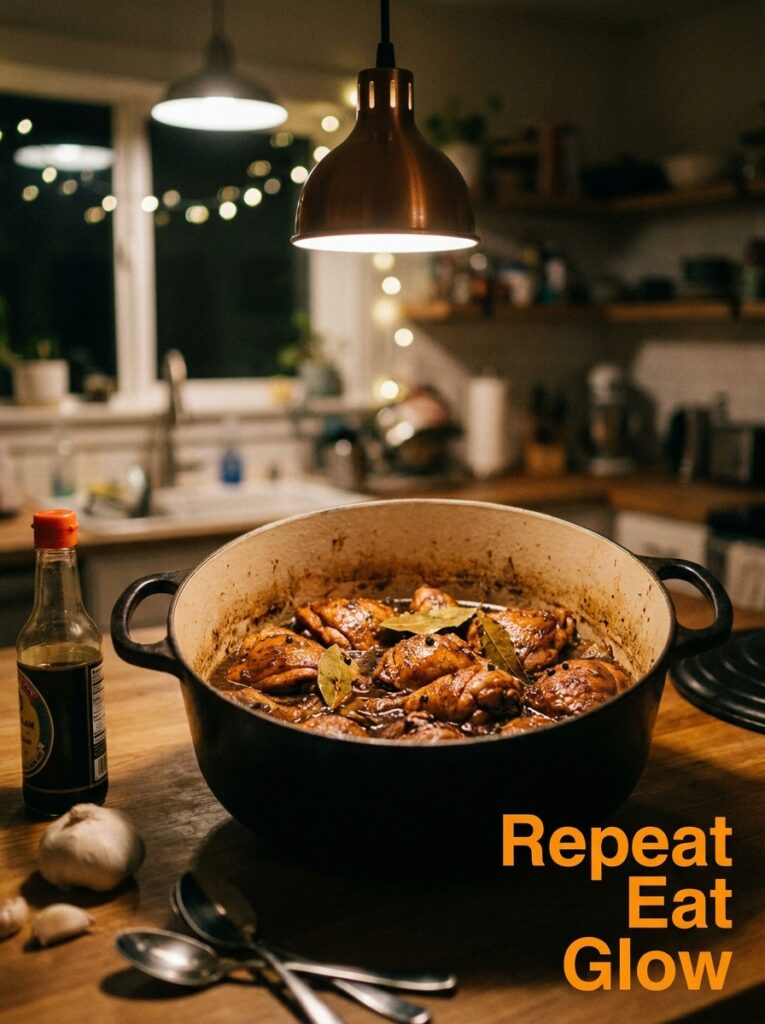
Chicken Tinola. I want to say this slowly because it deserves it.
It’s a ginger broth soup with chicken, green papaya (or chayote if you can’t find papaya), and malunggay leaves — also called moringa, which you can find at health food stores now because the Western wellness world finally caught up.
This soup is the Filipino equivalent of chicken noodle soup when you’re sick or cold or tired. It’s what Filipino moms make. It’s the dish that makes people feel safe.
And it’s FAST. Like, genuinely fast. You sauté onion, garlic, and ginger — and I mean a lot of ginger, don’t be shy — add chicken pieces, pour in water or light broth, add your green papaya or chayote, and simmer until everything’s tender. The malunggay goes in at the very end so it stays bright green.
The broth is clear and clean and almost delicate, which feels counterintuitive after adobo. But that’s Filipino cuisine doing that contrast thing again. Not every dish is punchy. Some are quiet. Tinola is quiet in the best way.
“Tinola is the bowl of soup that makes you wonder why you ever ate anything else when you were sick.”
—
5. The Marinade Formula That Makes Grilled Chicken Actually Exciting Again
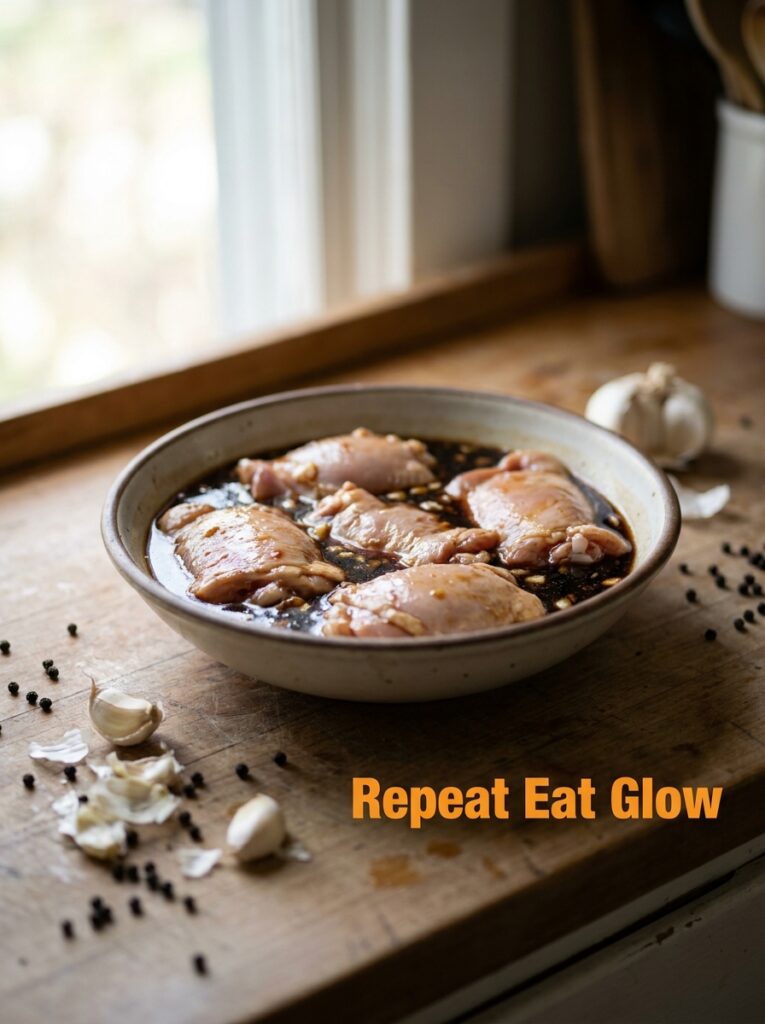
Chicken Inasal’s marinade deserves its own conversation because it’s genuinely one of the best things you can put on chicken before grilling.
You need: calamansi juice (lime works as a substitute, though it’s not quite the same), lemongrass, garlic, ginger, brown sugar, annatto oil, salt, and a little fish sauce if you’re brave. That’s it.
The calamansi — or lime — does double duty, tenderizing the chicken AND adding that floral sour note that makes inasal taste so bright. The lemongrass is subtle in the final product but you’d absolutely notice if it were missing. Brown sugar helps the chicken caramelize on the grill without burning too fast.
You want to marinate for at least 4 hours. Overnight is better. I’ve done it for 24 hours once and the chicken was so tender it was almost falling apart on the grill, which wasn’t ideal structurally but tasted incredible.
Serve with garlic rice and a small bowl of vinegar dipping sauce on the side. The vinegar against the smoky chicken is one of those combinations that makes your brain short-circuit in the best way.
—
6. When You Want Something Rich Enough to Impress Company But Simple Enough for a Wednesday
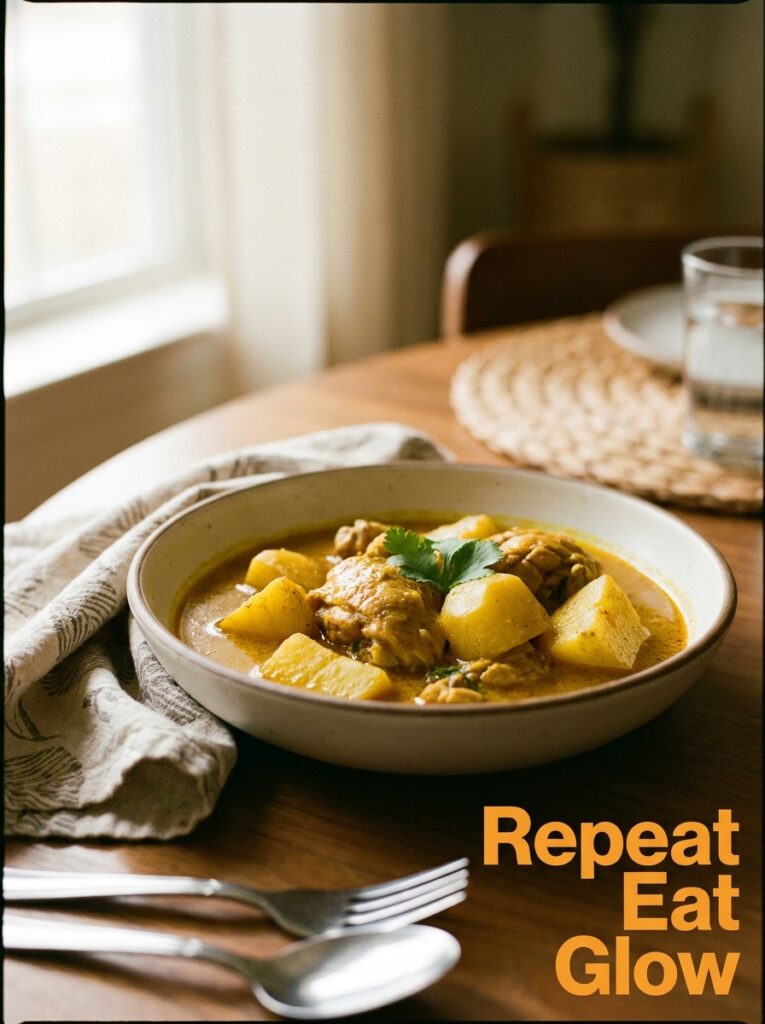
That’s Chicken Pastel. And not enough people outside the Philippines know about it.
It’s creamy. Like, genuinely rich and creamy — chicken in a sauce with mushrooms, chorizo de bilbao (a Spanish-style sausage that’s deeply savory), potatoes, carrots, and bell peppers, all folded into a cream-based sauce that’s got a little tang from olives. Some versions are baked with a pastry lid, which is gorgeous. Some are served straight from the pan.
The Spanish influence is obvious — Filipino cuisine has centuries of that built in — but the combination of ingredients and the balance of flavors is distinctly Filipino. The olives against the cream sauce shouldn’t work as well as it does.
This is the dish I’d make if someone’s coming to dinner and I want them to think I really tried. You do have to try, kind of, but not nearly as much as they’ll assume.
—
7. The Sour Soup That People Can’t Stop Making Once They Try It
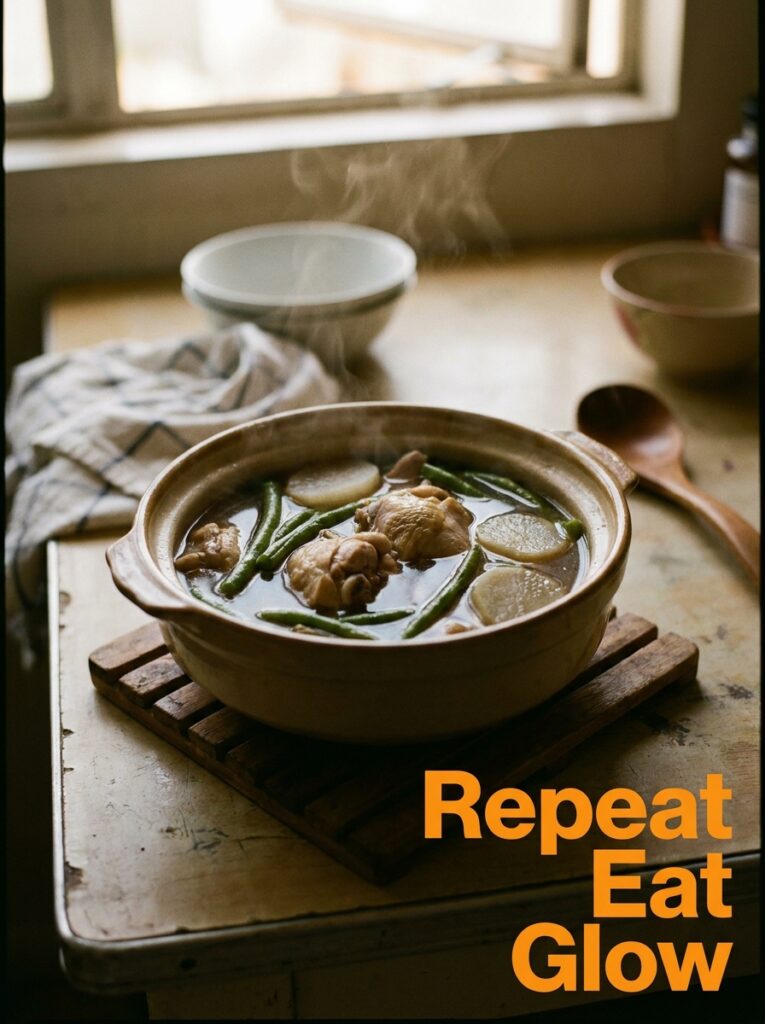
Chicken Sinigang. This one tends to blow people’s minds on first taste because the sourness is so upfront and unapologetic.
Sinigang is a tamarind-based soup. The sourness comes from tamarind, and it’s not background — it’s the whole point. You taste it immediately, that sharp clean sour flavor, and then the savory broth catches up, and then the vegetables, and it all works together in this surprising way.
Chicken sinigang is slightly lighter than the pork version. You get chicken pieces, green beans, radish, eggplant, tomatoes, and a handful of leafy greens, all in that tamarind broth. The trick is getting the sourness right — you want it bright, not overwhelming. Add tamarind paste gradually and taste as you go.
Sinigang mix packets are a totally valid shortcut, by the way. I know some purists will come for me for saying that but honestly the packets are good and they’ll get you to a correct result way faster than making your own tamarind broth from scratch on a weeknight.
“Sinigang teaches you that sour can be a comfort flavor — and once you learn that, cooking is never quite the same.”
—
8. The Dish That Proves Banana Ketchup Is Real and You Need It
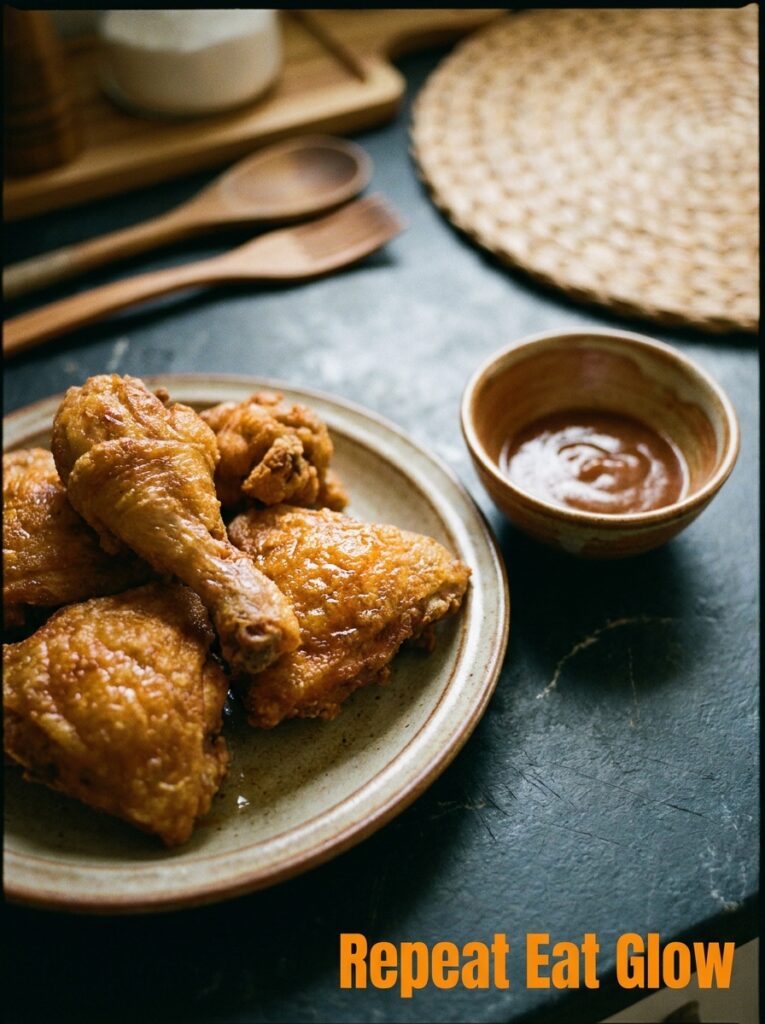
Chicken barbecue. Filipino-style.
If you’ve never encountered banana ketchup, let me explain: during World War II, tomato shortages in the Philippines led to a clever substitution — bananas, vinegar, sugar, and spices cooked down into a ketchup-like condiment. It’s sweeter than tomato ketchup and slightly tangy and honestly it’s great.
Filipino chicken barbecue is chicken pieces marinated in a mix of banana ketchup, soy sauce, calamansi or lime juice, garlic, sugar, and sometimes a splash of Sprite or 7-Up (I know, just trust it). Skewered and grilled over charcoal traditionally, but a grill pan or regular oven grill works fine.
The banana ketchup caramelizes on the grill into these gorgeous sticky spots. The chicken gets slightly charred at the edges. It’s sweet and savory and smoky all at once. Street food energy, entirely at home in your own garden or kitchen.
You can find banana ketchup in Filipino grocery stores, some international food aisles, and very easily online. Once you buy a bottle you’ll find excuses to put it on everything.
—
9. The Weeknight Trick That Cuts Your Prep Time in Half
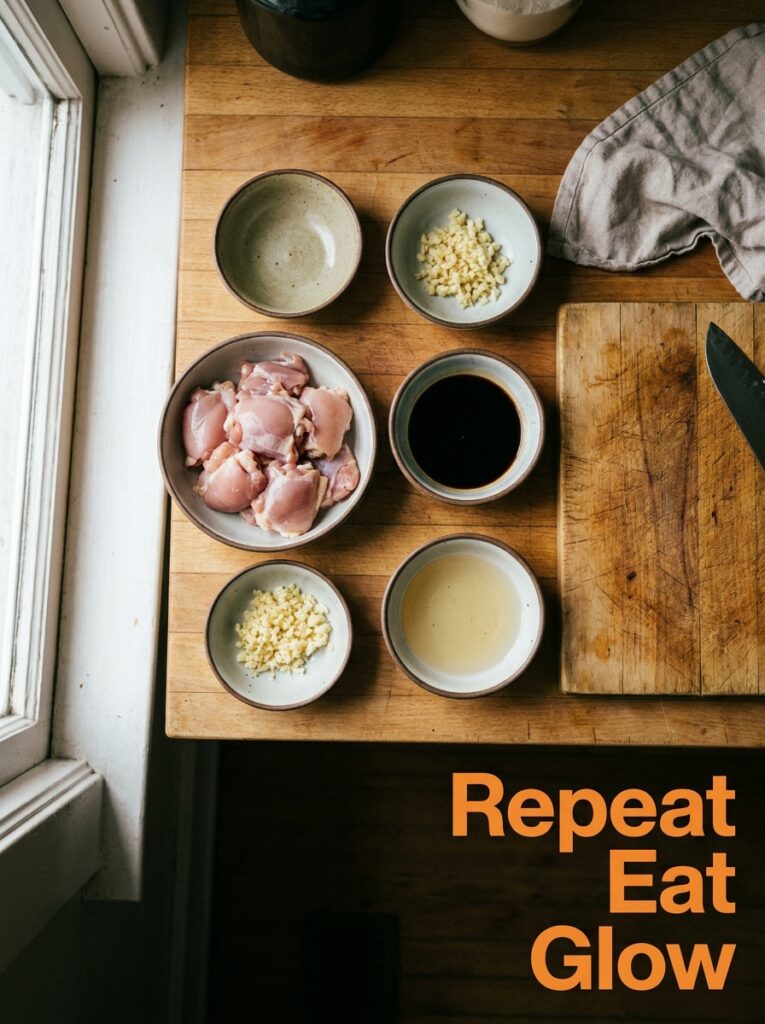
Chicken Afritada. It’s a tomato-based stew — straightforward, hearty, and built for feeding people without a lot of fuss.
The base is sautéed garlic and onion with chicken pieces, then tomato sauce (or fresh tomatoes if you have them), potatoes, carrots, and bell peppers go in, and the whole thing simmers until the chicken’s tender and the vegetables have soaked up all that tomato sauce flavor.
It’s one of those dishes that tastes like it took much longer than it did. An hour, maybe a little more, and you’ve got something genuinely comforting on the table. Kids tend to love it because it’s familiar-tasting — tomato, potato, chicken — but there’s something in the way the Filipino version is seasoned that makes it more interesting than a standard tomato stew.
Fish sauce is often the secret. Just a little. It adds depth without making anything taste fishy, which I know sounds suspicious but I promise it works.
—
10. The Leftover Rule That Filipino Cooks Have Always Known
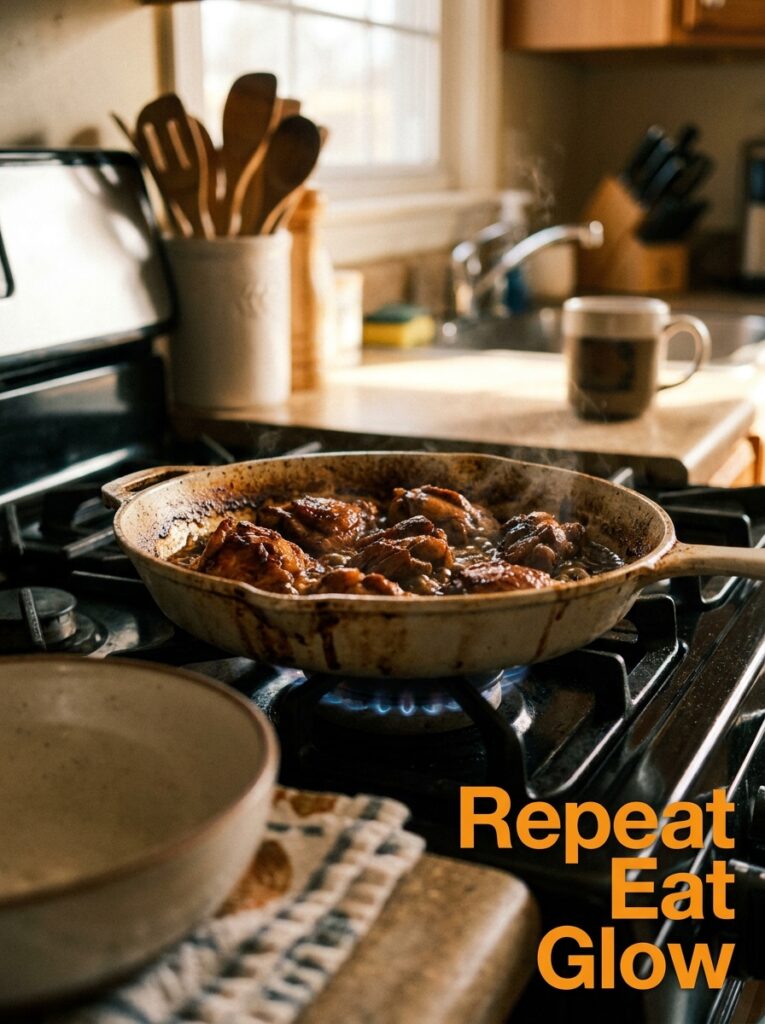
Adobo tastes better the next day. I said what I said.
This is actually food science — the acids in the vinegar continue working as the dish rests, and the flavors settle and deepen overnight. What might taste slightly sharp the day you make it tastes balanced and complex the next morning.
Day-two adobo over garlic fried rice with a fried egg on top is one of those breakfasts that makes you understand why people eat rice in the morning. It just makes sense. The rich salty chicken, the crispy rice, the runny yolk cutting through everything — it’s a whole experience.
So actually, it’s worth making adobo specifically to have leftovers. Make it on Sunday, eat well on Monday. Plan for this.
—
11. The Ingredient Your Local Supermarket Probably Has (That Makes Everything More Authentic)
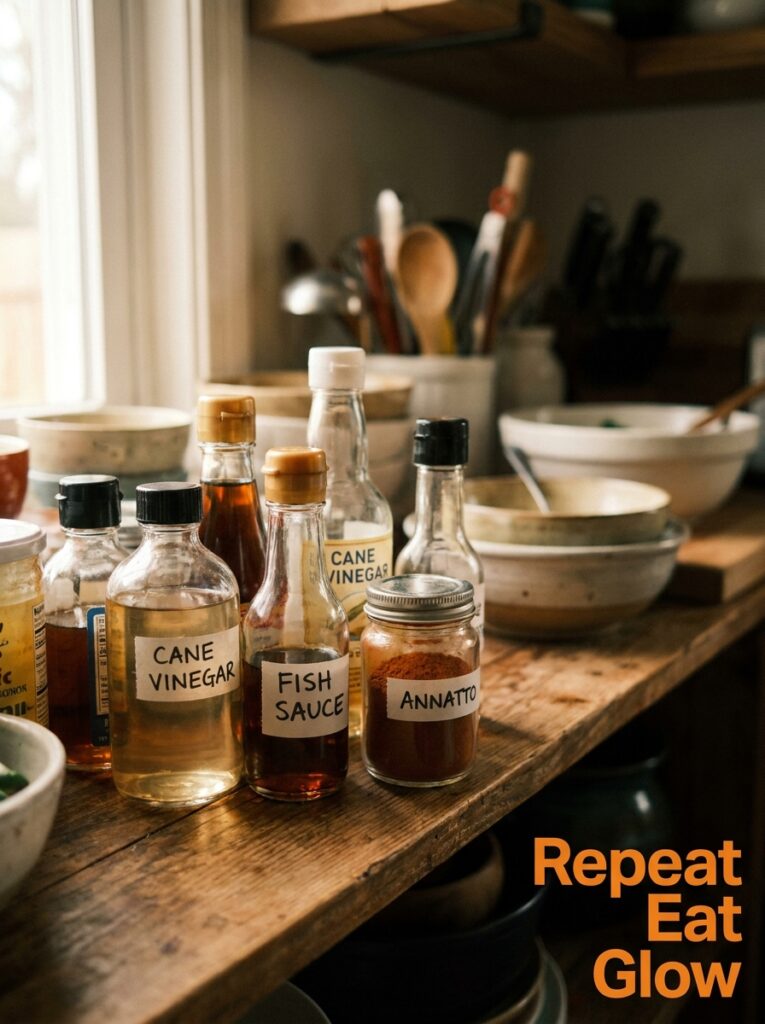
Fish sauce. Calamansi lime substitute (regular limes work fine). Coconut vinegar or apple cider vinegar. Bay leaves — tons of them. These are the backbone ingredients of Filipino chicken cooking and they’re more accessible than people assume.
Most big supermarkets in the US and UK carry fish sauce now — it’s usually in the Asian foods aisle. Coconut vinegar is at Whole Foods and online. Soy sauce you definitely have.
The harder finds are calamansi (small Filipino citrus) and banana ketchup — but honestly, the nearest Filipino grocery store will have both, and in the UK, many Asian grocery stores carry them too. And Amazon. Amazon will absolutely ship you banana ketchup.
Don’t let ingredient hunting stop you from starting. Substitute lime for calamansi. Use white wine vinegar if you can’t find coconut vinegar. The dishes will still be good, and you’ll know what to look for next time.
—
12. The Real Reason Filipino Chicken Recipes Are Suddenly Everywhere
This one I feel pretty strongly about. Filipino food has always been this good. It’s not new. Filipino home cooks have been making adobo and sinigang and inasal forever, and they didn’t need a trend to validate it.
What’s changed is access — more Filipino restaurants, more Filipino food creators sharing recipes online, more curiosity in general after years of people discovering global cuisines at home. The pandemic cooking era sent a LOT of people into deeper culinary territory, and many of them found Filipino food and never looked back.
There’s also something genuinely magnetic about the flavor profiles. They’re familiar enough to not be scary — soy sauce, garlic, tomato, broth — but the combinations are different enough to feel exciting. You’re not eating something completely foreign. You’re eating something that reframes ingredients you already love.
If you’ve been on the edge of trying these recipes, consider this your push. Start with adobo. Make it on a Sunday afternoon. Let it fill your whole house with that sour-garlic steam. Taste it the next day.
You won’t regret it.
—
❓ FAQ
Q: What does Filipino chicken adobo taste like if you’ve never had it? A: Think of it like a deeply savory braised chicken with a tangy, garlicky sauce — sort of like if soy sauce and vinegar collaborated on a slow-cooked dish. It’s rich but sharp, and the vinegar flavor is present but not overwhelming once it reduces down.
Q: Can I make Filipino chicken recipes without a Filipino grocery store nearby? A: Mostly yes. The core ingredients — soy sauce, vinegar, garlic, bay leaves, ginger — are everywhere. You might need to go online for banana ketchup or calamansi, but most dishes have reasonable substitutes (lime for calamansi, regular ketchup plus a bit of brown sugar for banana ketchup in a pinch).
Q: Is Filipino food very spicy? A: Not typically, which surprises a lot of people. Filipino cooking uses aromatics and acidic elements more than heat. You can certainly add chili if you want spice, but most traditional Filipino chicken dishes are totally manageable for people who don’t love heat.
—
💭 Final Thoughts
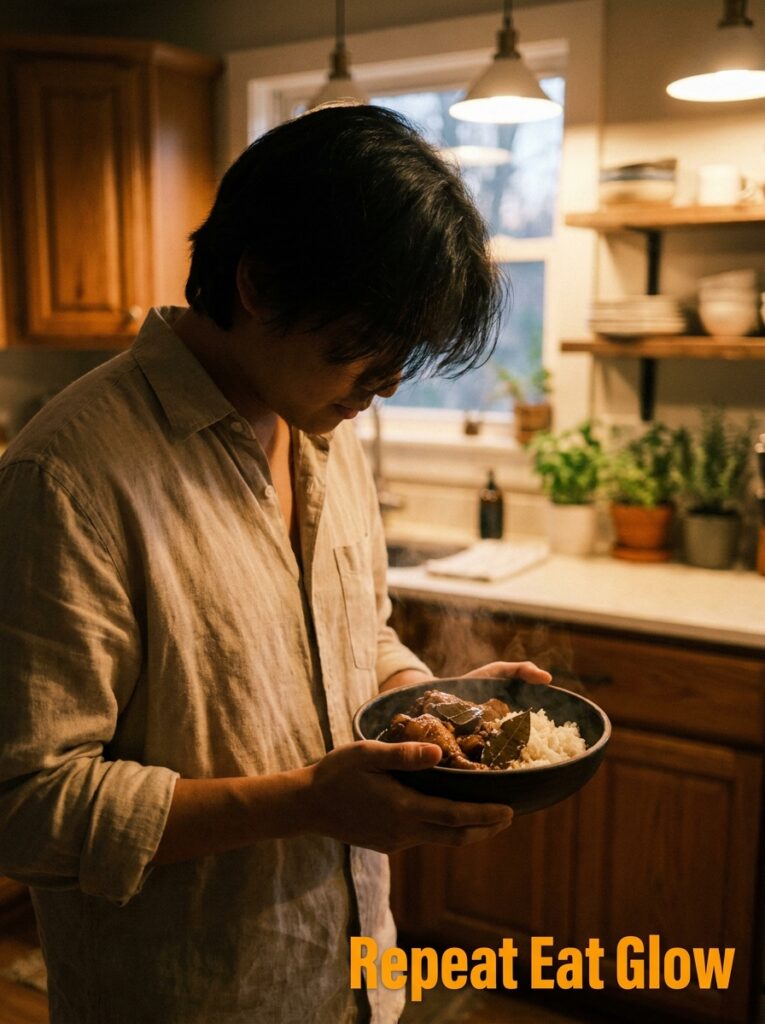
Filipino chicken recipes have this rare quality of feeling like they were made specifically for you — comforting, unfussy, and somehow exactly what you didn’t know you were craving. There’s a reason people discover adobo and immediately text someone about it. It’s that kind of food.
Start somewhere, anywhere on this list. Even just the adobo on a slow weekend afternoon. And then ask yourself — why did it take this long?
